

capi
Innovative · Kita, Osaka
Restaurant in Osaka, Japan
 Book with Pearl
The Read
Ingredient-Led Innovation
Price
$200–300per person
Dress
Smart Casual
Why go
capi holds a 2024 Michelin star and in Osaka's Kita Ward, delivering creative cuisine at ¥¥¥: a tier below HAJIME and Fujiya 1935, making it one of the more accessible starred options in the city. Signature dishes include the contrasting Caviar, Squid and Aubergine and the concentrated Bakuretsu Gyokai risotto. Book well ahead; tables are hard to secure.
About capi
Should you book capi in Osaka's Kita Ward?
At ¥¥¥ pricing it sits a step below the ¥¥¥¥ heavy-hitters like HAJIME and Fujiya 1935, making it one of the more accessible entry points into Osaka's Michelin-starred innovative dining scene. If you want a special-occasion dinner that does not require a ¥¥¥¥ budget, this is a serious option.
What capi does
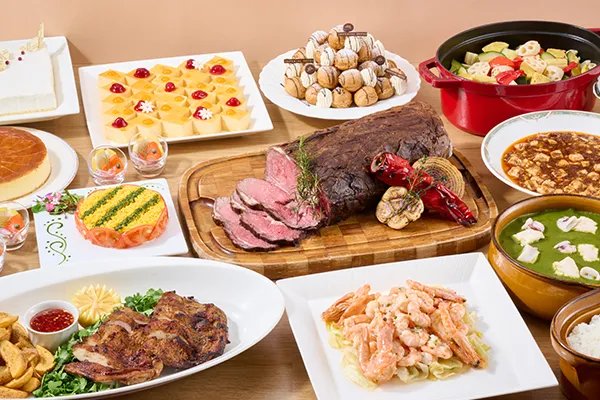
The kitchen works in the creative vein: dishes built around the natural character of each ingredient rather than technique for its own sake. Two dishes anchor the reputation. The 'Caviar, Squid and Aubergine' is the calling card: the interplay of saltiness from the caviar and sweetness from the aubergine creates a flavour profile that is genuinely distinct rather than simply luxurious. The second is 'Bakuretsu Gyokai', loosely translated as 'Exploding Seafood', a combination of baked risotto with a concentrated fish-and-shellfish broth. The name is playful; the dish is not. Aroma and depth of flavour are the point.
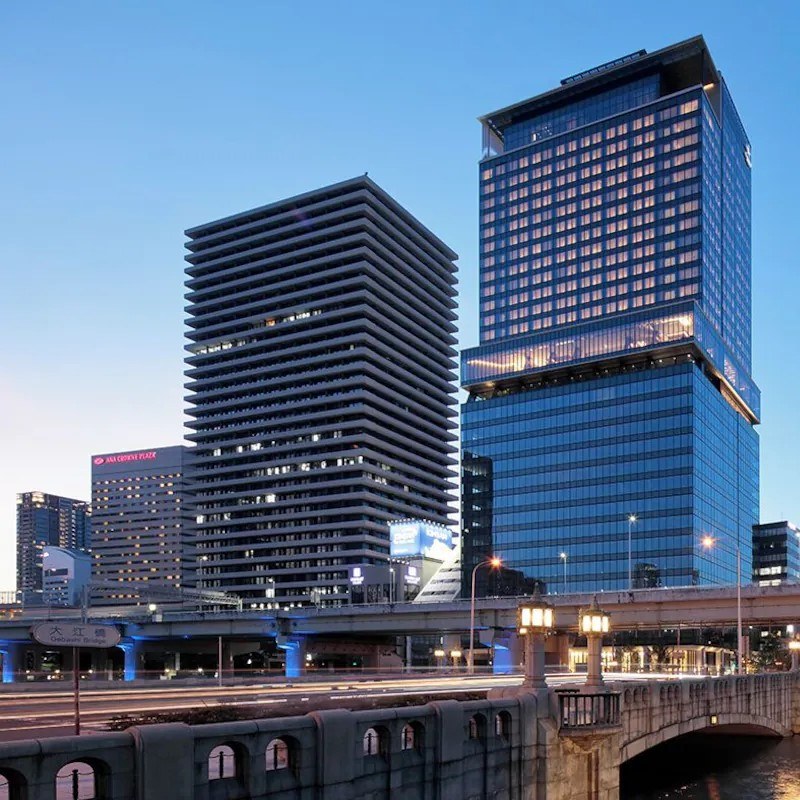
The address, 北新地PLACE, sixth floor, in Kita Ward's Sonezaki Shinchi district, places capi in Osaka's upmarket dining and entertainment corridor. This is not a neighbourhood restaurant. It is a destination, and the setting will read as appropriately formal for a celebration or client dinner without tipping into the austere register of the very top tier.
Leading time to go
For a special occasion, weeknight bookings tend to offer a quieter room and more attentive pacing than Friday or Saturday service in Sonezaki Shinchi, where the surrounding district gets busy. If you are visiting Osaka specifically to eat well, aligning capi with a midweek itinerary alongside other Kita Ward restaurants makes logistical sense. Spring and autumn are the most comfortable seasons to be in Osaka, and the city's overall dining scene, see our full Osaka restaurants guide, is at its most active during those windows.
On delivery and takeout
This is not a venue where off-premise eating is relevant. The 'Bakuretsu Gyokai' dish is defined by billowing aroma and the immediate experience of the broth meeting the risotto; that does not survive a delivery window. The 'Caviar, Squid and Aubergine' is a precision construction. If you are considering capi, the answer is to eat there. The food is not designed to travel.
How it compares
Know Before You Go
- Price tier: ¥¥¥, meaningful spend but below Osaka's top-tier ¥¥¥¥ rooms
- Awards: Michelin 1 Star (2024)
- Rating:
- Address: 北新地PLACE 6F, Sonezaki Shinchi 1-10-2, Kita Ward, Osaka
- Booking difficulty: Hard, plan well ahead for weekend slots
- Leading for: Special occasions, client dinners, date nights
- Dress: Smart casual at minimum; the setting and price point reward dressing up
- Delivery / takeout: Not applicable, food is not designed for off-premise consumption
Explore more in Osaka and beyond
If capi is fully booked or you want to plan a wider Osaka itinerary, our full Osaka restaurants guide covers the city's Michelin-starred and critically recognised options. For stays, see our Osaka hotels guide. For bars in the same Kita Ward corridor, our Osaka bars guide has current picks. Elsewhere in the Kansai region, Gion Sasaki in Kyoto and akordu in Nara are worth considering if you are building a multi-city trip. For innovative dining elsewhere in Japan, Harutaka in Tokyo and Goh in Fukuoka are strong reference points. Outside Japan, Soigné in Seoul and Thevar in Singapore operate in a comparable creative register.
Planning details
- Hours
- Monday: 6–8 PM, 8:45–11 PM · Tuesday: 6–8 PM, 8:45–11 PM
- Location
- Japan, 〒530-0002 Osaka, Kita Ward, 曽根崎新地1-10-2 北新地PLACE6F
- Reservations
- Book on TableCheck
- Website
- capi-osaka.com
- Phone
- +81 6-6476-8180
The take
The Take
The Vibe
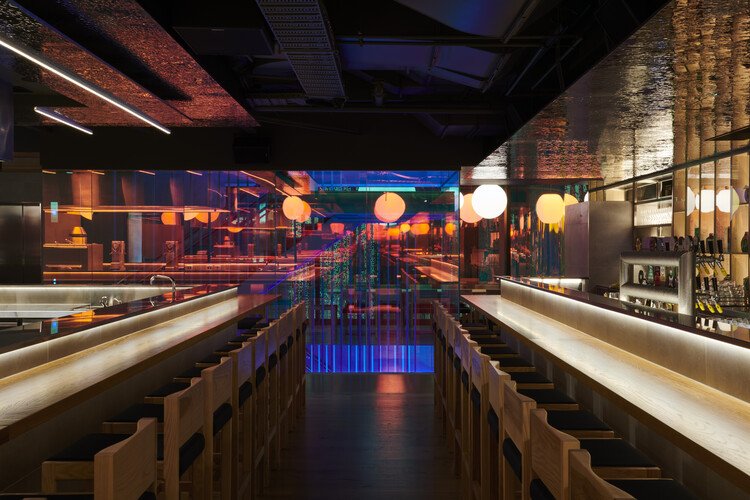
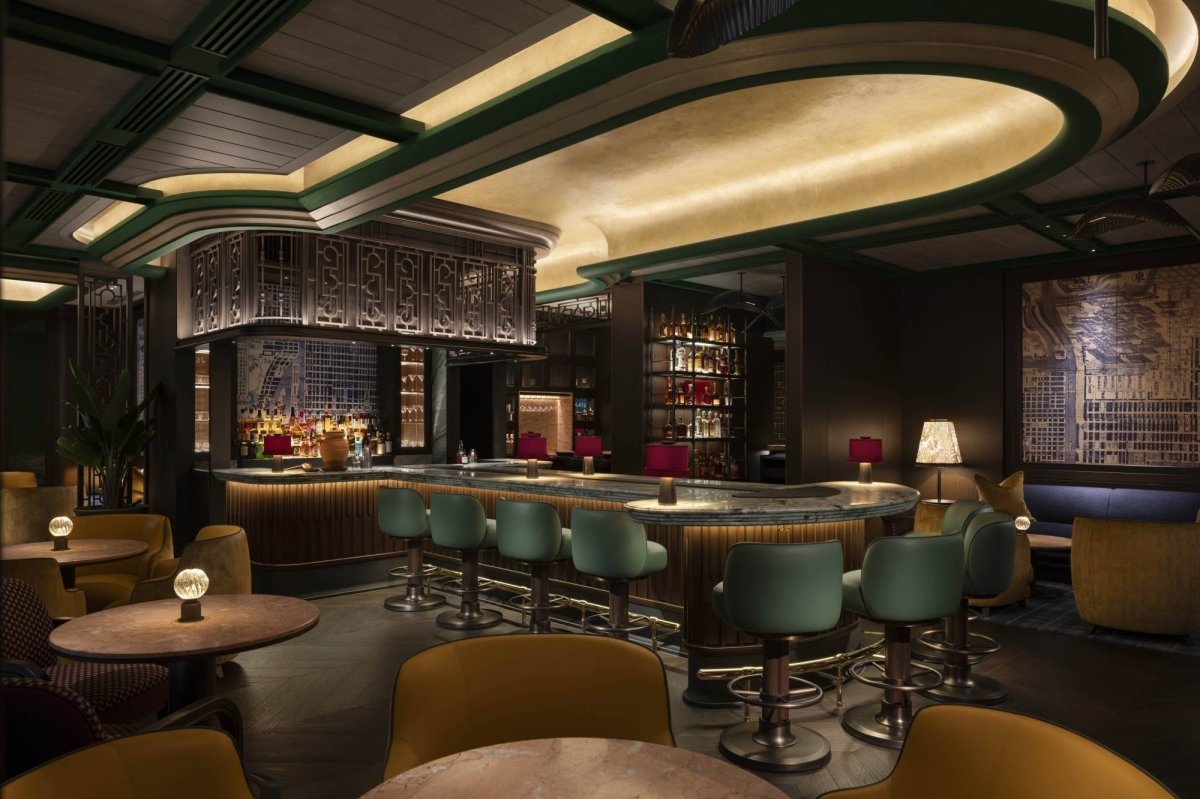
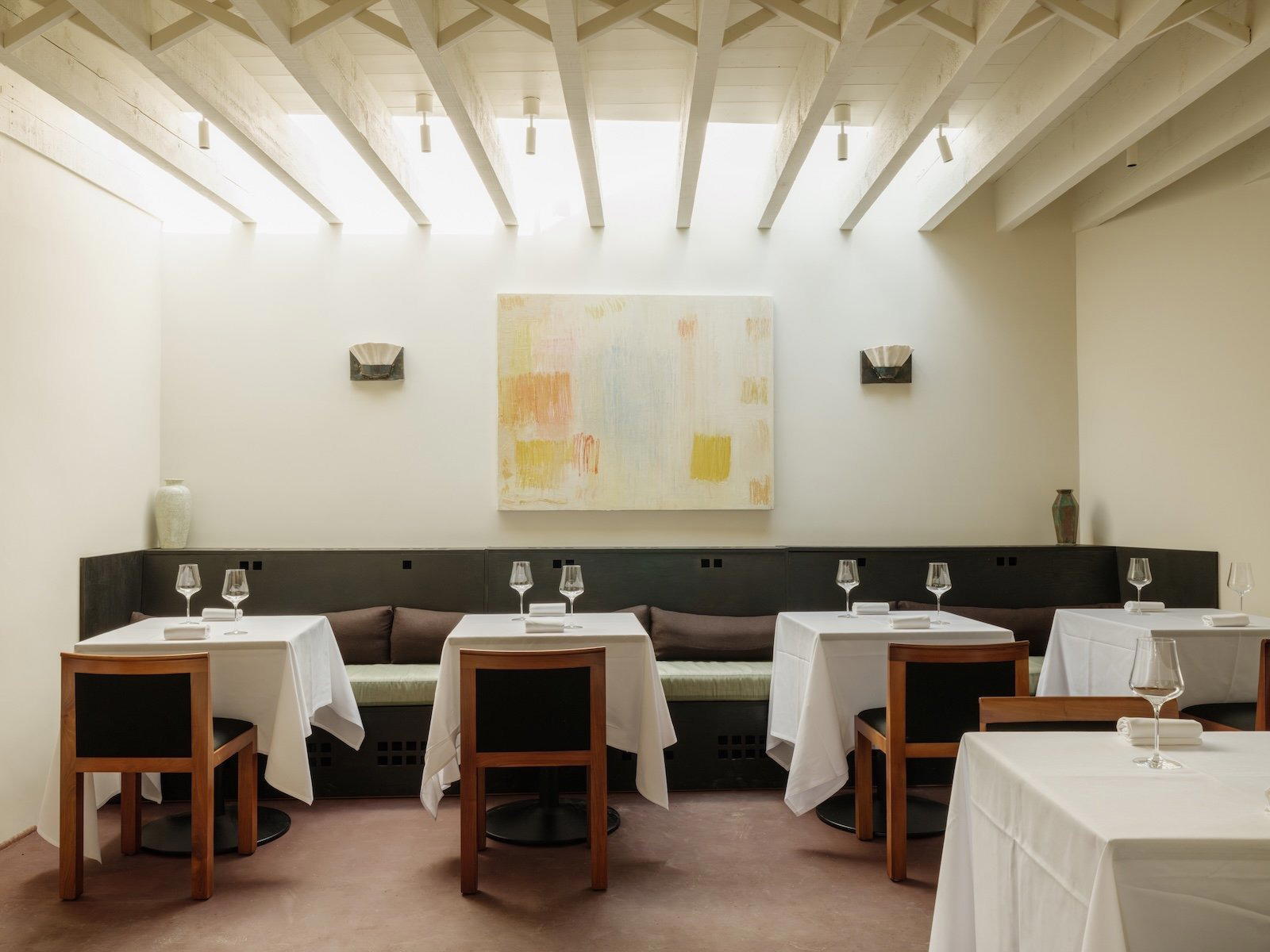
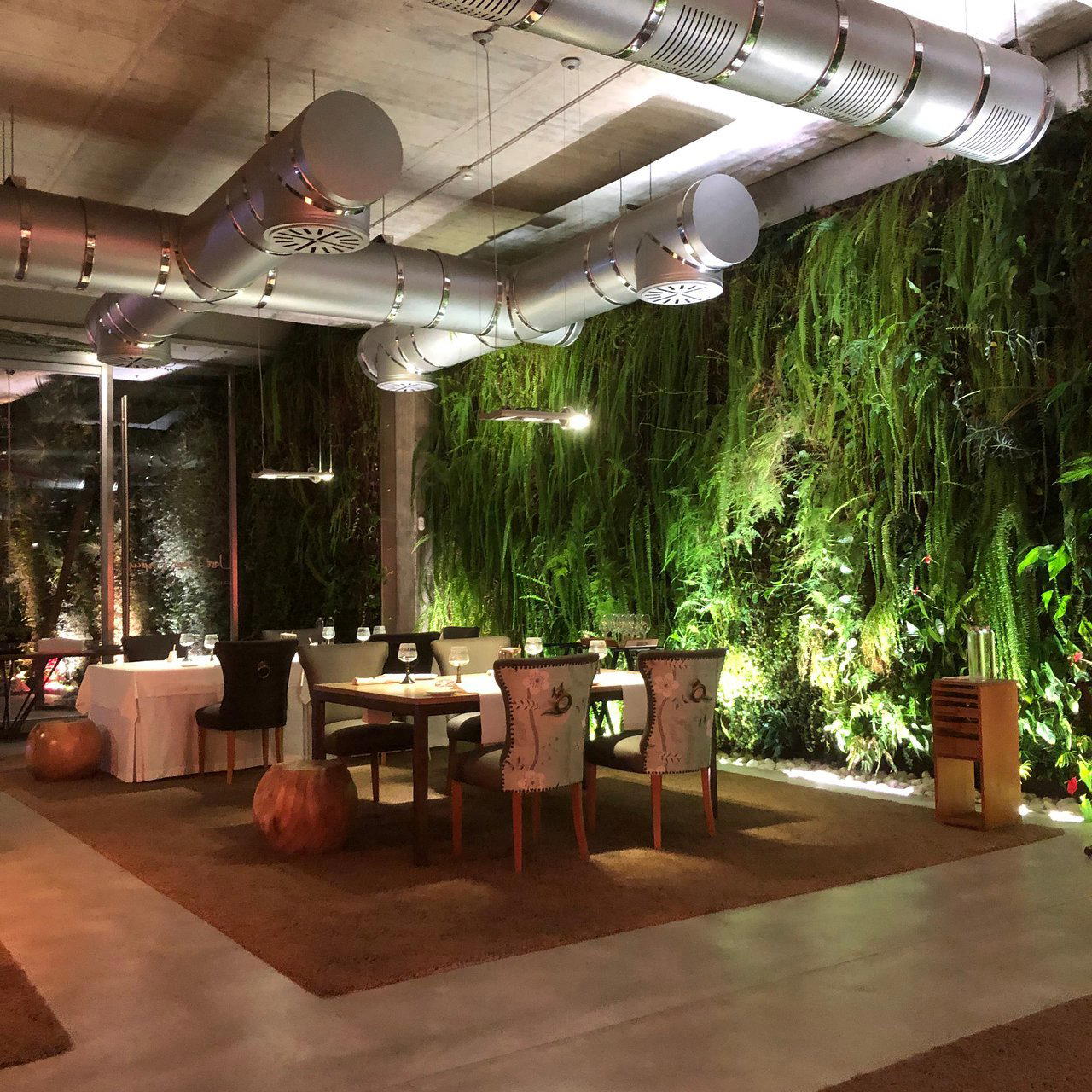
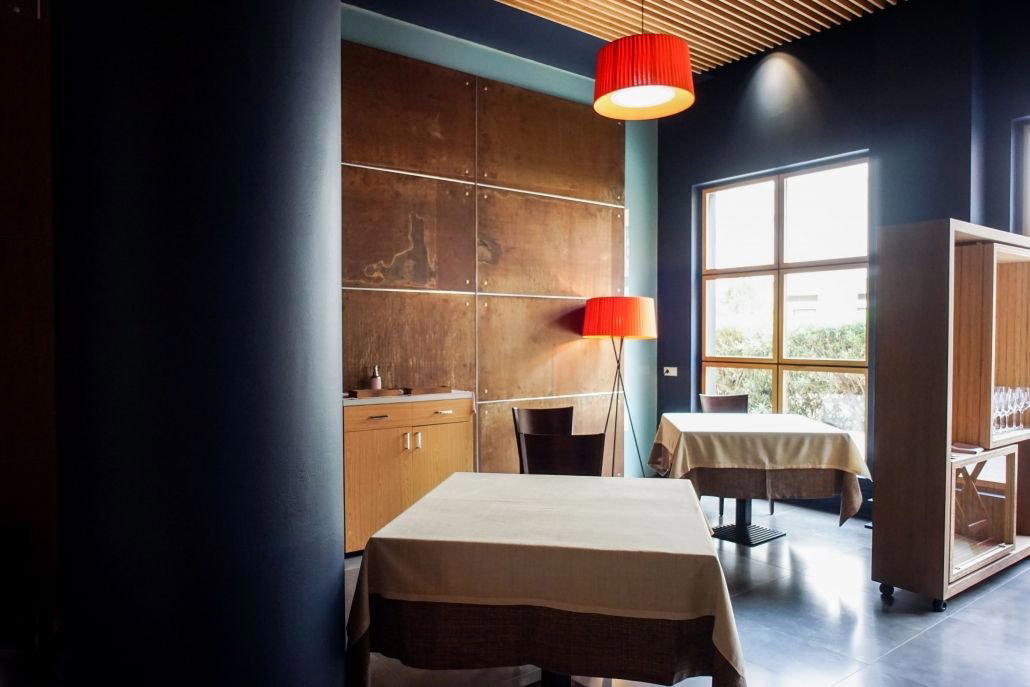
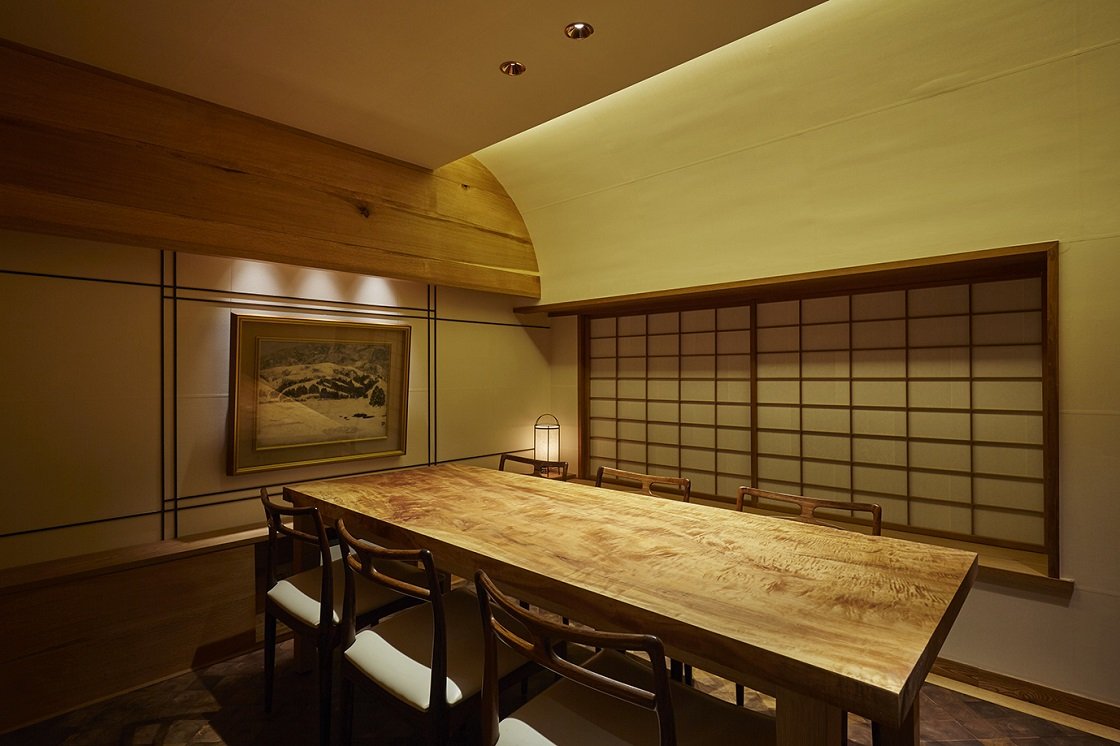
Capi sits deliberately above the street, on the sixth floor of a North Shinchi building, and the ascent is part of the experience. The room trades the low-lit buzz of the bars and counters below for a quieter, more considered atmosphere: attentive, purposeful and subtly removed from the foot-traffic energy on the street. The kitchen takes an ingredient-first approach in a compact, deliberate dining room. The overall impression is of a focused, intimate space where the architecture of arrival sets expectations before the first plate appears.
Best For
Situated in one of Osaka’s most concentrated premium dining districts, Capi fits cleanly into evenings that demand intent: think dinner for a date night or a special celebration. It’s presented alongside Michelin-recognised peers and is described as operating at the higher end of the city’s inventive dining tier (a one-star establishment at ¥¥¥), so the room attracts diners looking for serious cooking and a considered service tone. The sense of separation from the street below reinforces the impression that this is a place you choose for something a bit out of the ordinary.
Ordering Tips
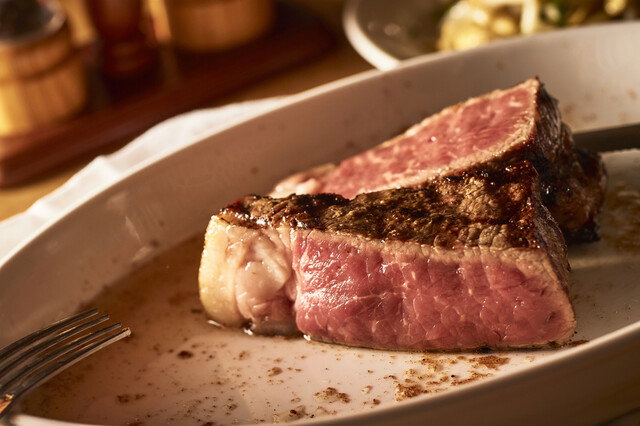
The kitchen’s stated logic, ingredient first, technique second, shapes how you should approach the menu: expect dishes that foreground quality components rather than theatrical technique. The venue’s signature Japanese Black Wagyu Chateaubriand is a natural highlight within that framework and reads as a dish to prioritize if you want a clear expression of the restaurant’s strengths. Given the restaurant’s positioning among Michelin-tier peers and its ¥¥¥ price band, anticipate focused, ingredient-driven courses rather than large, casual plates.
Venue details
Ambiance
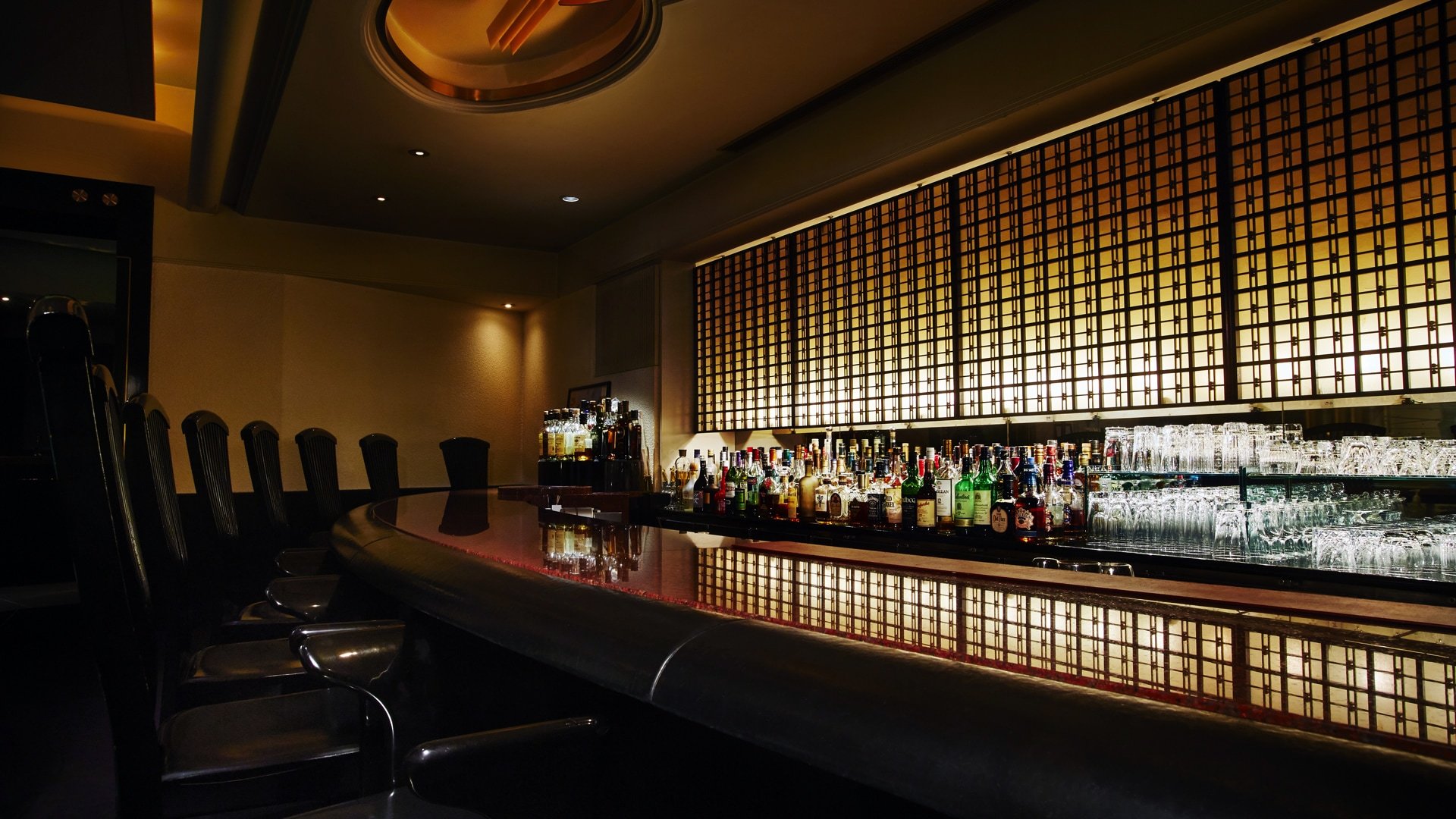
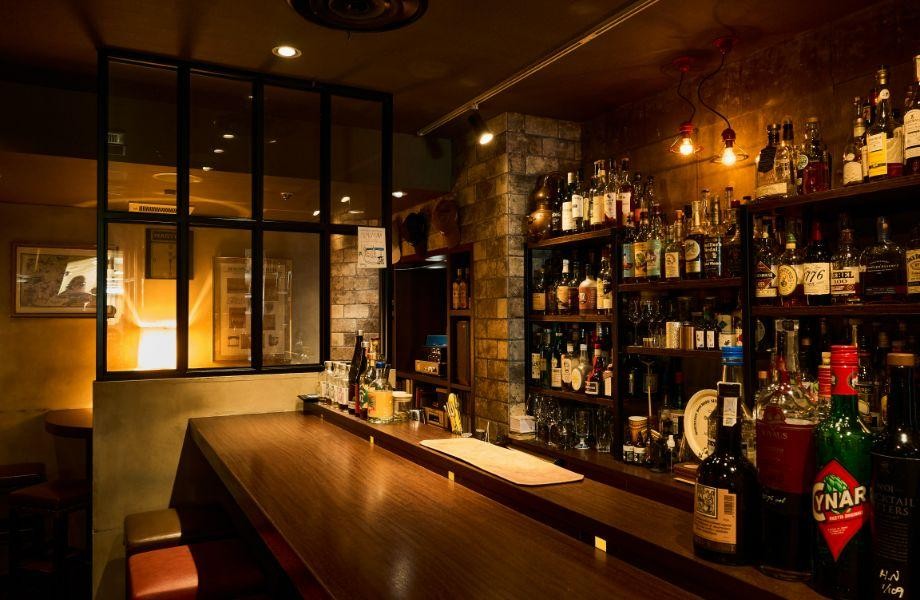
Warm, luxurious counter space with a vibrant yet calm atmosphere, perfect for savoring creative dishes.
Tags
Vibe
Best For
Experience
Sourcing
At the Table
- Dress Code
- Smart Casual
- Noise Level
- Quiet
- Service Style
- Upscale Casual
- Meal Pacing
- Leisurely
- Capacity
- Intimate
- Kitchen
- Modern
- Menu Format
- Omakase
- Drinks Focus
- Wine, Sake
- Dietary
- Allergy accommodating
- Private Dining
- Available
Signature Dishes
Japanese Black Wagyu Chateaubriand
Know before you go
Know Before You Go
- Getting there
- Japan, 〒530-0002 Osaka, Kita Ward, 曽根崎新地1-10-2 北新地PLACE6F
Planning details
Hours
- Monday
- 6–8 PM, 8:45–11 PM
- Tuesday
- 6–8 PM, 8:45–11 PM
- Wednesday
- 6–8 PM, 8:45–11 PM
- Thursday
- 6–8 PM, 8:45–11 PM
- Friday
- 6–8 PM, 8:45–11 PM
- Saturday
- 12–2 PM, 6–8 PM, 8:45–11 PM
- Sunday
- Closed
Location
Japan, 〒530-0002 Osaka, Kita Ward, 曽根崎新地1-10-2 北新地PLACE6F · Directions
Recognition and awards
Also consider
Also Consider
- HAJIME: French, Innovative, ¥¥¥¥
- La Cime: French, ¥¥¥¥
- Kashiwaya Osaka Senriyama: Japanese, ¥¥¥
- Taian: Kaiseki, Japanese, ¥¥¥
- Fujiya 1935: Innovative, ¥¥¥¥
Restaurant context
capi sits at ¥¥¥ with a single Michelin star, which positions it as the entry point into Osaka's starred innovative dining tier rather than its summit. If budget is the primary filter, capi and Kashiwaya Osaka Senriyama and Taian are the strongest ¥¥¥ options in the city's recognised dining set. Kashiwaya and Taian both operate in the kaiseki tradition, which means a very different register: seasonal, ceremony-conscious Japanese dining versus capi's ingredient-forward creative combinations. Choose capi if the creative, cross-category dish format appeals; choose Taian or Kashiwaya if you want a more rooted Japanese experience at the same spend level.
At ¥¥¥¥, HAJIME, La Cime, and Fujiya 1935 represent a higher financial and experiential commitment. HAJIME holds three Michelin stars and is the most technically ambitious restaurant in Osaka by recognised credential: but it demands a corresponding outlay and advance planning. La Cime and Fujiya 1935 both operate in the creative French-influenced space and carry multi-star recognition. If the goal is Osaka's absolute top tier, those three are the reference points. capi is the better call if you want a Michelin-starred creative dinner without committing to ¥¥¥¥ pricing.
On booking difficulty, capi is rated hard: comparable to the ¥¥¥¥ tier in terms of advance planning required. That matters: you are not trading ease of access for a lower price point. The practical recommendation is to book capi and HAJIME simultaneously and confirm whichever comes through first, then use the other for a second night if you have flexibility in your Osaka itinerary.
Explore Osaka
Around this place
Discover more on Pearl
Unlock the full capi guide in Pearl, including awards, comparisons, FAQs, planning details, and nearby places.
Compare capi
| Venue | Awards | Price |
|---|---|---|
| capi | Michelin Guide Kyoto Osaka 20262026 Michelin 1 StarTabelog 100 - Innovative / Creative cuisine - 2025 · #252024 Michelin 1 Star | ¥¥¥ |
| HAJIME | Star Wine Lists 2026 · #12026 Tabelog Bronze · #922026 OAD Top Restaurants in Japan Ranked · #98Michelin Guide Kyoto Osaka 20262026 La Liste Top RestaurantsTabelog 100 - Innovative / Creative cuisine - 2025 · #692025 Asia's 50 Best Restaurants · #832025 OAD Top Restaurants in Japan Ranked · #87We're Smart World Top Restaurants 2025 | ¥¥¥¥ |
| La Cime | 2026 Asia's 50 Best Restaurants · #132026 OAD Top Restaurants in Japan Ranked · #1492026 Tabelog Bronze · #231Michelin Guide Kyoto Osaka 20262026 La Liste Top Restaurants2025 Asia's 50 Best Restaurants · #82025 World's 50 Best Restaurants · #44Tabelog 100 - French - WEST - 2025 · #932025 OAD Top Restaurants in Japan Ranked · #123 | ¥¥¥¥ |
| Kashiwaya Osaka Senriyama | 2026 Tabelog Bronze · #1682026 OAD Top Restaurants in Japan Recommended2026 Relais Chateaux RestaurantsMichelin Guide Kyoto Osaka 20262026 La Liste Top RestaurantsTabelog 100 - Japanese cuisine - WEST - 2025 · #772025 OAD Top Restaurants in Japan Ranked · #1552025 Relais Chateaux Award2025 Michelin 3 Stars | ¥¥¥ |
| Taian | 2026 OAD Top Restaurants in Japan RecommendedMichelin Guide Kyoto Osaka 20262026 La Liste Top Restaurants2025 OAD Top Restaurants in Japan Ranked · #2042025 La Liste Top Restaurants2025 Michelin 3 Stars2024 OAD Top Restaurants in Japan Ranked · #1912024 Michelin 3 Stars2023 OAD Top Restaurants in Japan Highly Recommended | ¥¥¥ |
| Fujiya 1935 | 2026 Tabelog Bronze · #752026 OAD Top Restaurants in Japan RecommendedMichelin Guide Kyoto Osaka 20262026 La Liste Top Restaurants2025 Michelin 2 Stars2025 Tabelog Silver2025 La Liste Top Restaurants2024 OAD Top Restaurants in Japan Ranked · #2392024 Michelin 2 Stars | ¥¥¥¥ |









A quick look at how capi measures up.
FAQ
Frequently Asked Questions
What should a first-timer know about capi?
capi sits on the sixth floor in Kita Ward's Sonezaki Shinchi district and holds a 2024 Michelin one star for creative, ingredient-led cooking. The format is innovative rather than traditional Japanese, so expect combinations that are deliberately unexpected. Booking ahead is advisable for this neighbourhood: Sonezaki Shinchi fills on weekends. Arrive knowing the kitchen's two signature dishes: 'Caviar, Squid and Aubergine' and 'Bakuretsu Gyokai', a baked risotto with fish and shellfish soup.
Is the tasting menu worth it at capi?
At the ¥¥¥ price point, capi's Michelin one star (2024) gives reasonable validation for what you're spending. The kitchen's approach, building dishes around the natural character of each ingredient rather than layering technique, means the value is felt in precision and flavour logic rather than portion volume. If you prefer a la carte flexibility, the format here is unlikely to suit you. For creative tasting menus in Osaka at this tier, capi competes credibly with La Cime, though La Cime sits at a higher price bracket.
What should I wear to capi?
A Michelin-starred restaurant in Sonezaki Shinchi's business dining district broadly calls for neat, presentable clothing. A jacket for men is a safe call; overly casual attire would be out of step with the room.
What should I order at capi?
Two dishes are documented from the kitchen: 'Caviar, Squid and Aubergine', which plays saltiness against sweetness for an atypical flavour profile, and 'Bakuretsu Gyokai' ('Exploding Seafood'), a baked risotto combined with a concentrated fish and shellfish soup. If the format is a set menu, these may be included by default: check at booking whether ordering flexibility exists.
Is capi worth the price?
At ¥¥¥ with a 2024 Michelin one star, capi sits at a reasonable value position within Osaka's Michelin tier: it is not the city's most expensive option, and the creative cooking is credentialled. That said, if you are weighing a single special-occasion booking at this price level, Fujiya 1935 (two Michelin stars) or HAJIME (three Michelin stars) offer more decorated kitchens, though at a higher cost. capi makes most sense if you want a Michelin-starred creative meal without the premium of the city's top tier.
What are alternatives to capi in Osaka?
For creative European-influenced fine dining, La Cime is the closest comparable but runs a higher price point. Fujiya 1935 holds two Michelin stars and works in a similarly inventive register. HAJIME is Osaka's most decorated restaurant at three Michelin stars and is in a different category of investment and formality. For kaiseki, Kashiwaya and Taian are both Michelin-starred and serve a fundamentally different format from capi's innovative approach.
Is capi good for a special occasion?
Yes: the Michelin one star (2024) and creative kitchen make capi a credible special-occasion choice, particularly for a smaller group or a couple. Weeknight bookings in Sonezaki Shinchi tend to offer a quieter pace than weekend service. The sixth-floor address in a dedicated dining building supports a self-contained evening rather than a casual drop-in, which suits the format.