
.png?width=1200&quality=80)

Margotto e Baciare
French, Contemporary · Minato, Tokyo
Restaurant in Tokyo, Japan
 Book with Pearl
The Read
Whole-Truffle French-Japanese
Price
$150–200per person
Chef
Kenta Kayama
Why go
A truffle-focused French-Japanese restaurant in Nishiazabu where Chef Kenta Kayama applies Japanese culinary technique — kombu dashi consommé, raw egg on rice — to a French base built around whole truffles. Michelin Plate recognised and ranked on Opinionated About Dining's Japan list, it sits at ¥¥¥ with easy booking: a strong option when you want a singular, ingredient-led dinner at a lower price point than most comparable Tokyo restaurants.
About Margotto e Baciare
Verdict
If you've already done the French-Japanese tasting menu circuit in Tokyo and want something technically sharper and conceptually stranger, Margotto e Baciare is worth your evening. Chef Kenta Kayama has built a restaurant around a single ingredient — truffle — and applies Japanese culinary logic to a French base in ways that produce genuinely disorienting results: kombu dashi consommé served in wine glasses, truffle paired with fried egg on toast, raw egg on rice finished with shavings of black or white truffle. It holds a Michelin Plate and ranks #505 on the 2025 Opinionated About Dining Japan list. The price tier is ¥¥¥, which makes it meaningfully more accessible than most of its comparison set. Book it if the truffle format intrigues you; skip it if you want a broad tasting menu or a representative French meal.
What This Kitchen Does
The technical premise at Margotto e Baciare is unusual enough to deserve explanation. The restaurant's name is a creative spelling of marugoto, the Japanese word for "the whole thing," and whole truffles, rather than shaved garnish, are the organizing principle of the menu. Guests can select a single bead of their preferred truffle variety, and the kitchen constructs dishes around it. That format demands a different kind of culinary discipline than a conventional tasting menu: Kayama can't rely on the arc of courses to carry the experience. Each dish has to justify the truffle's presence on its own terms.
What prevents this from being a novelty act is the Japanese technique underpinning the French frame. Kombu dashi consommé is not a French preparation, but serving it in a wine glass to concentrate the fragrance is a sensory decision that borrows from both traditions with genuine purpose. The pairing of truffle with tamago kake gohan, raw egg on rice, is an example of Kayama applying Japanese comfort-food logic to an ingredient that French cuisine typically treats with formality. The result is approachable in texture and intensity, which is an unusual quality for a truffle-focused restaurant. If you've dined here before and worked through the more classical pairings, the egg-and-rice preparation is the direction to push toward on a return visit.
Michelin's Plate designation confirms technical competence; the Opinionated About Dining ranking (up from #456 in 2024 to #505 in 2025, note this is a rank number shift within a large list, not a quality decline) reflects consistent recognition among serious diners tracking the Japan restaurant circuit.
Who Should Book
Margotto e Baciare is a strong choice for a returning visitor to Tokyo who has already covered the headline French restaurants, L'Effervescence, Sézanne, and wants something with a tighter, more singular concept. It also works for solo diners looking for an intimate counter-style environment where a focused menu removes the need to negotiate choices. The dinner-only format (6–11 pm, Monday through Saturday, closed Sunday) means there is no lunch option to consider; Sunday visitors to Nishiazabu will need to look elsewhere.
If your priority is the broadest possible expression of French technique in Tokyo, L'Effervescence or HOMMAGE deliver a more conventional tasting-menu architecture. If you want kaiseki-inflected Japanese precision, RyuGin is the stronger call. Margotto e Baciare is for the diner who wants to eat a single ingredient prepared across multiple registers, and who finds that constraint interesting rather than limiting.
For context on the broader Tokyo dining circuit, our full Tokyo restaurants guide covers the range from neighbourhood spots to three-star destinations. Elsewhere in Japan, the French-Japanese fusion tradition runs through HAJIME in Osaka and akordu in Nara, both of which offer useful comparison points if you're building a wider itinerary. For the kaiseki tradition outside Tokyo, Gion Sasaki in Kyoto and Goh in Fukuoka are worth knowing.
Practical Details
| Detail | Margotto e Baciare | L'Effervescence | HOMMAGE |
|---|---|---|---|
| Price tier | ¥¥¥ | ¥¥¥¥ | ¥¥¥¥ |
| Cuisine | French-Japanese, truffle-focused | French contemporary | Innovative French |
| Service (dinner only) | Mon–Sat, 6–11 pm | Dinner (check current) | Dinner (check current) |
| Closed | Sunday | Varies | Varies |
| Booking difficulty | Easy | Moderate–Hard | Moderate |
| Michelin recognition | Plate (2025) | 2 Stars | 1 Star |
| Neighbourhood | Nishiazabu, Minato | Nishi-Azabu | Tokyo |
The address is Ryowa Palace 西麻布 1F, 4-2-6 Nishiazabu, Minato City, a ground-floor location in a residential part of Nishiazabu, close to the Hiroo and Roppongi axis. Plan your evening around the neighbourhood: our Tokyo bars guide and Tokyo hotels guide cover the surrounding area. If you're building a longer stay, the Tokyo experiences guide and Tokyo wineries guide are also available. For French-Japanese contemporary comparisons in other cities, Per Se in New York and The French Laundry in Napa define the Western end of the tradition. Closer to home, sio in Tokyo and Crony offer further points of comparison within the innovative French category. Harutaka is the reference point if premium ingredients in an intimate Tokyo setting is the draw and you're open to sushi rather than French. For creative cooking that reaches toward the regional and experimental, 1000 in Yokohama and 6 in Okinawa extend the Japan circuit further.
Planning details
- Hours
- Monday: 6–11 pm · Tuesday: 6–11 pm
- Location
- Japan, 〒106-0031 Tokyo, Minato City, Nishiazabu, 4 Chome−2−6 Ryowa Palace 西麻布 1F
- Reservations
- Book on Omakase
- Website
- margotto.jp
- Phone
- +81 3-3406-8776
The take
The Take
The Vibe
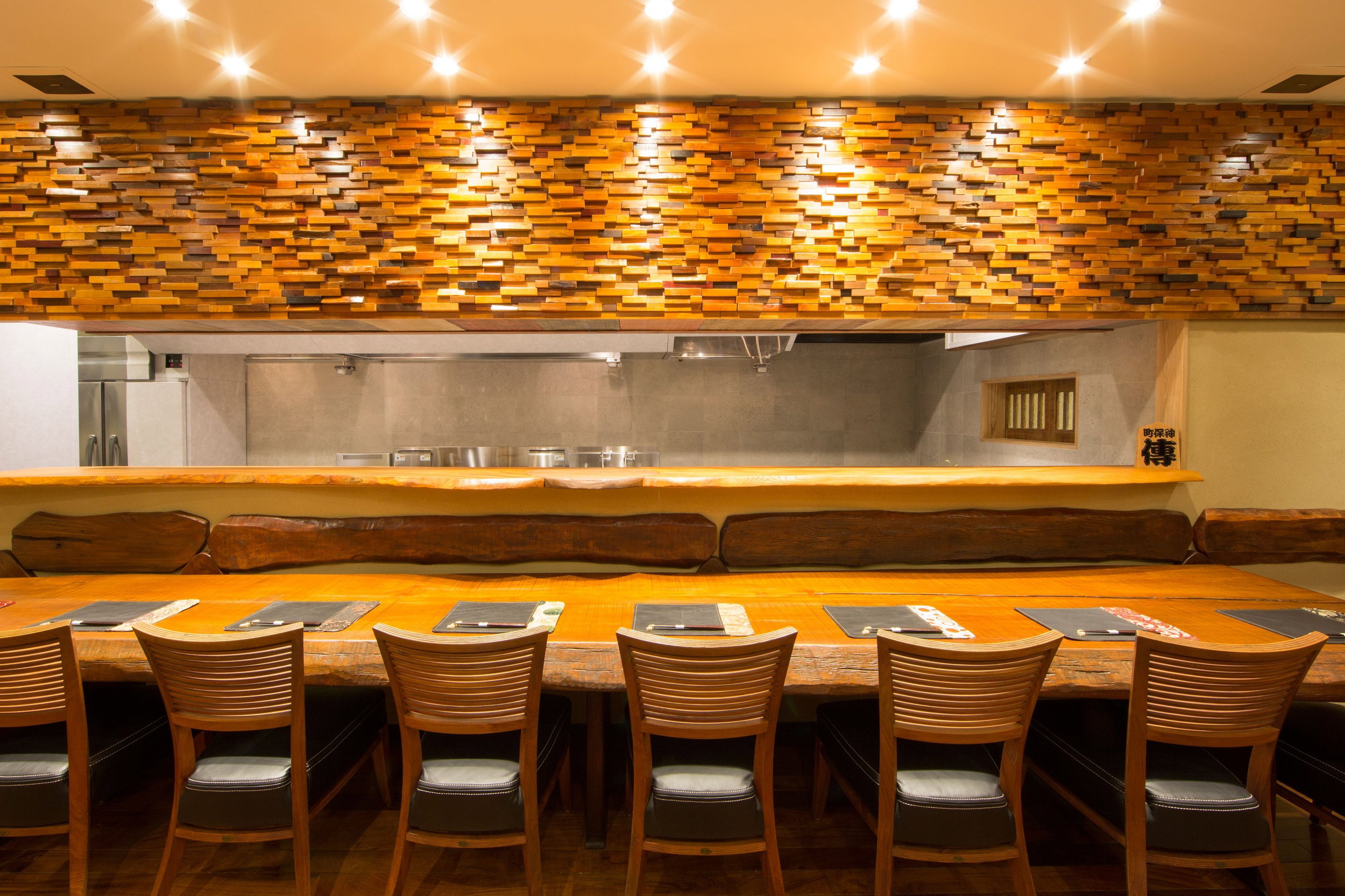
Margotto e Baciare reads as a focused, modern dining atelier that elevates a single ingredient into the programmatic heart of the meal. The kitchen marries French technique with Japanese ingredient thinking, turning truffles from garnish to anchor and shaping every course around their weight and aroma. Set in Nishiazabu—between Roppongi’s expense-account density and Hiroo’s residential quiet—the restaurant feels deliberate and refined without the formality of Ginza’s highest tier. The result is a compact, counter-forward experience that feels both contemporary and quietly exacting, suited to guests who appreciate technical cooking and ingredient provenance.
Best For
This is primarily a dinner destination for guests looking for a focused, ingredient-led meal—especially those marking a special night or conducting a business dinner with culinary intent. The truffle-centric format and ¥¥¥ pricing position the restaurant as serious but approachable for repeat visits, making it a good pick for celebratory evenings where the ingredient narrative matters. Its intimate, counter-oriented layout encourages attentive service and close observation of technique, so parties seeking a tasting-style, chef-forward night out will find it most rewarding.
Ordering Tips
The menu is organized around whole truffles: guests are invited to select from whole specimens and choose their preferred variety, which then informs how dishes are composed. Expect truffle-forward preparations—examples include Fried Egg Toast with Truffle, Haibara Wagyu Beef Consommé and Truffle Rice—so ordering with the truffle selection in mind shapes the entire meal. Because the restaurant repositions the truffle as the starring element, plan to engage with the staff about truffle type and weight rather than treating it as a mere garnish.
Venue details
Ambiance
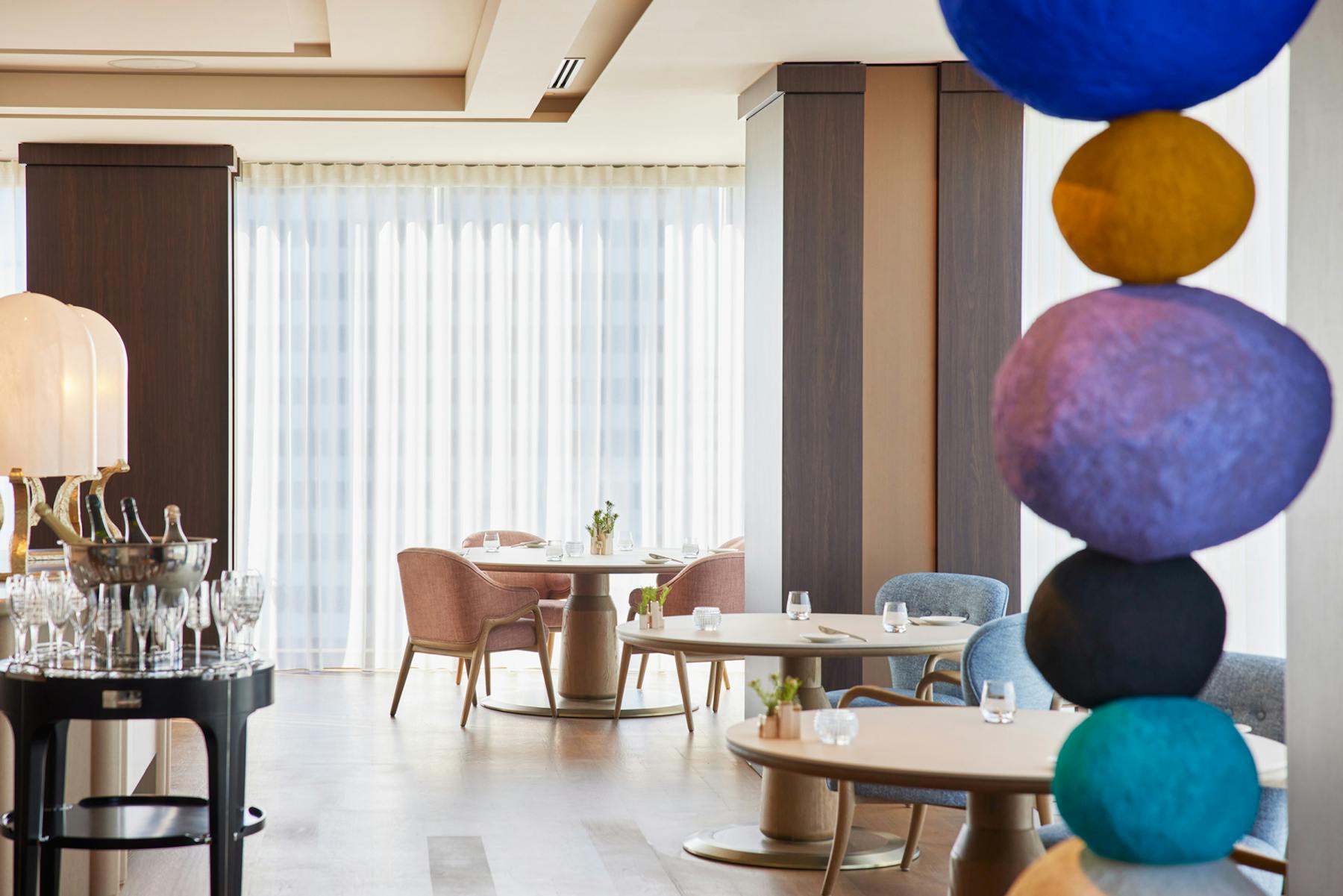
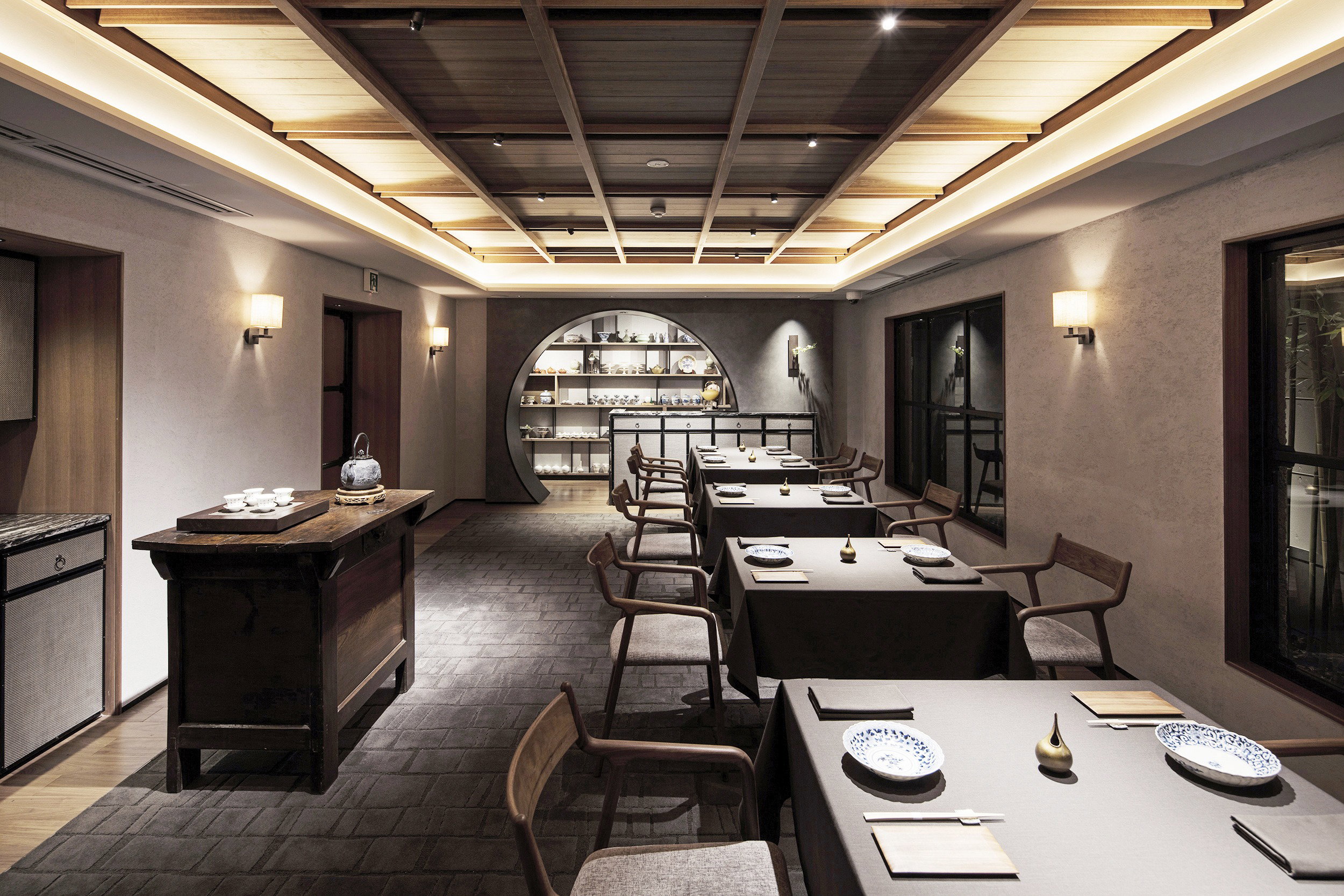
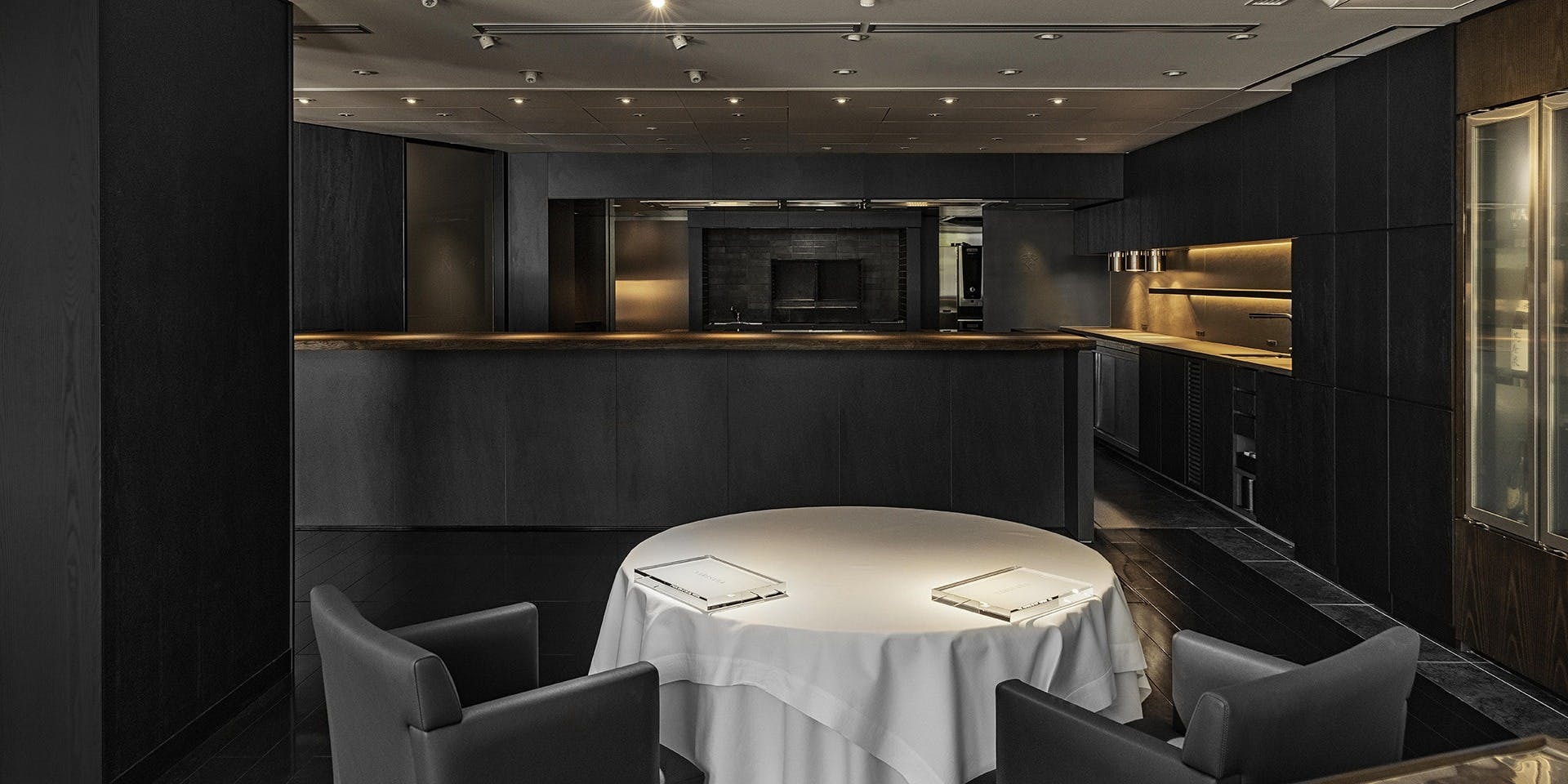
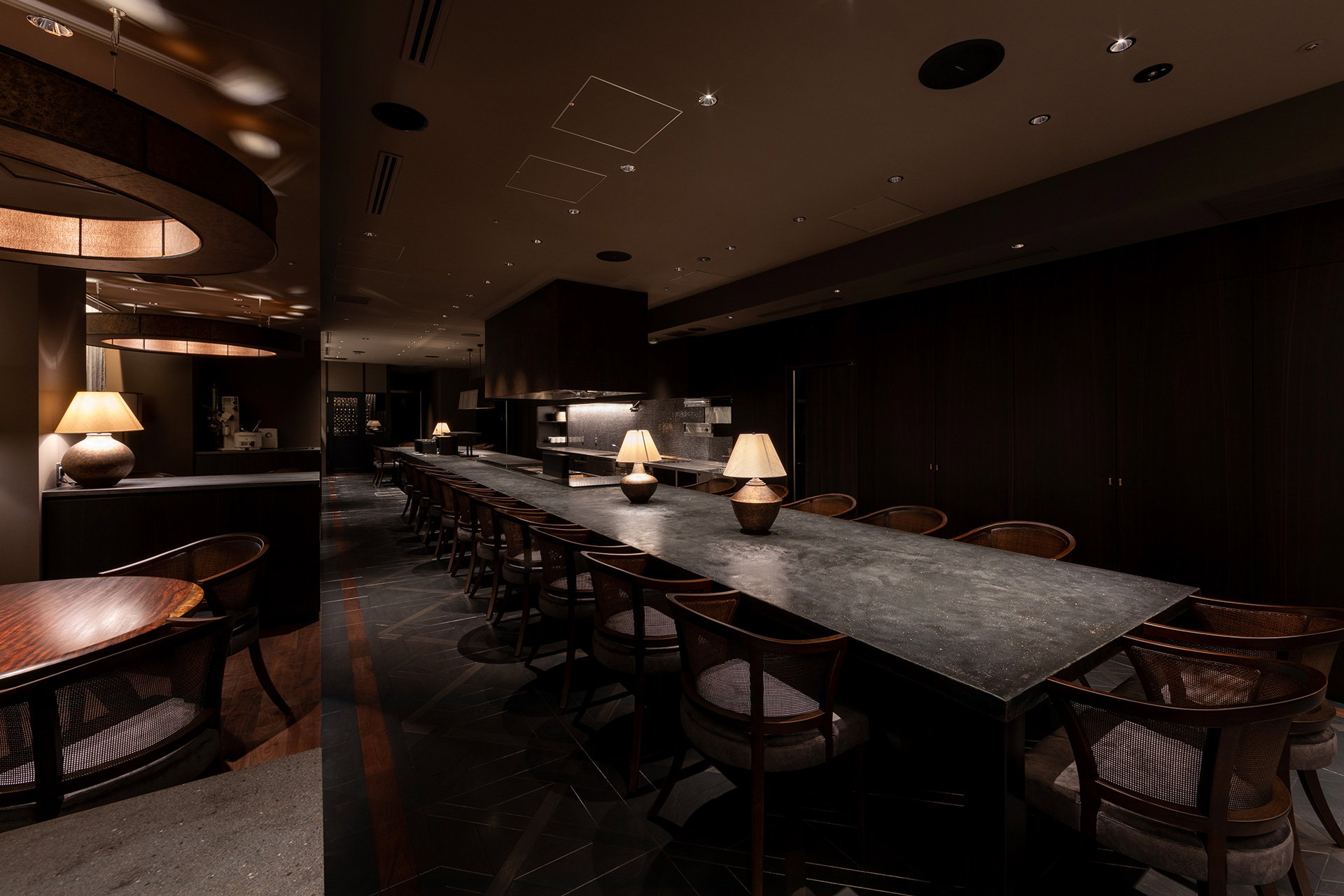
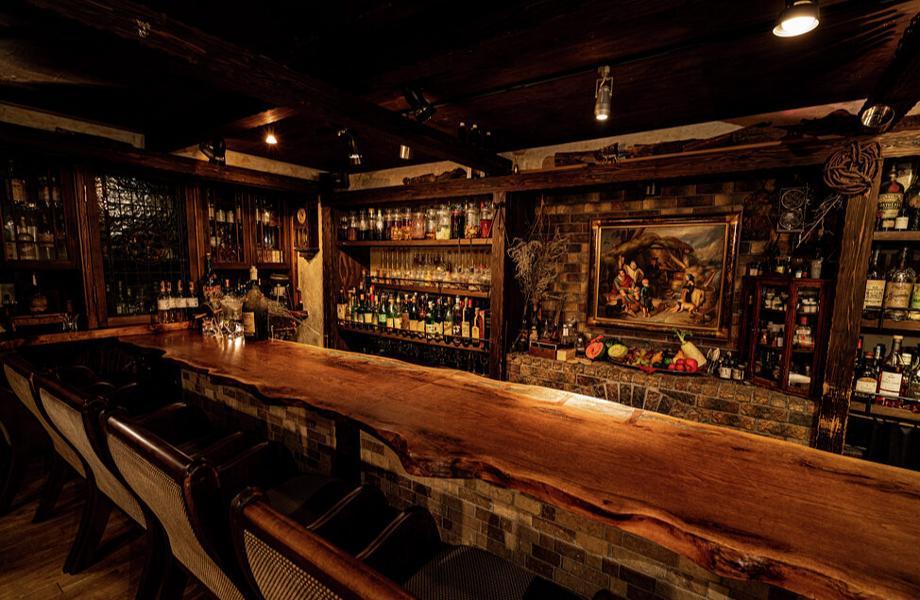
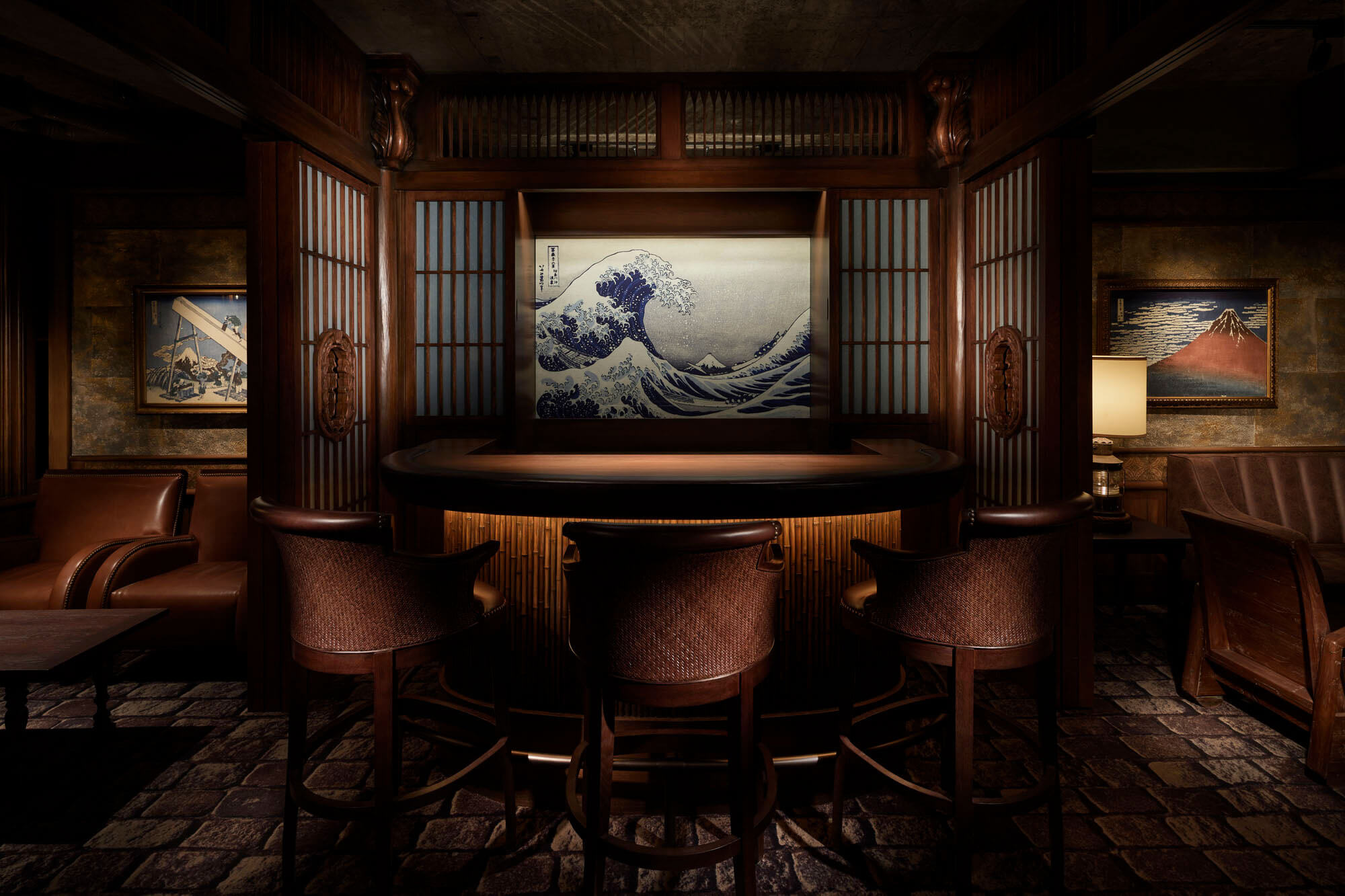
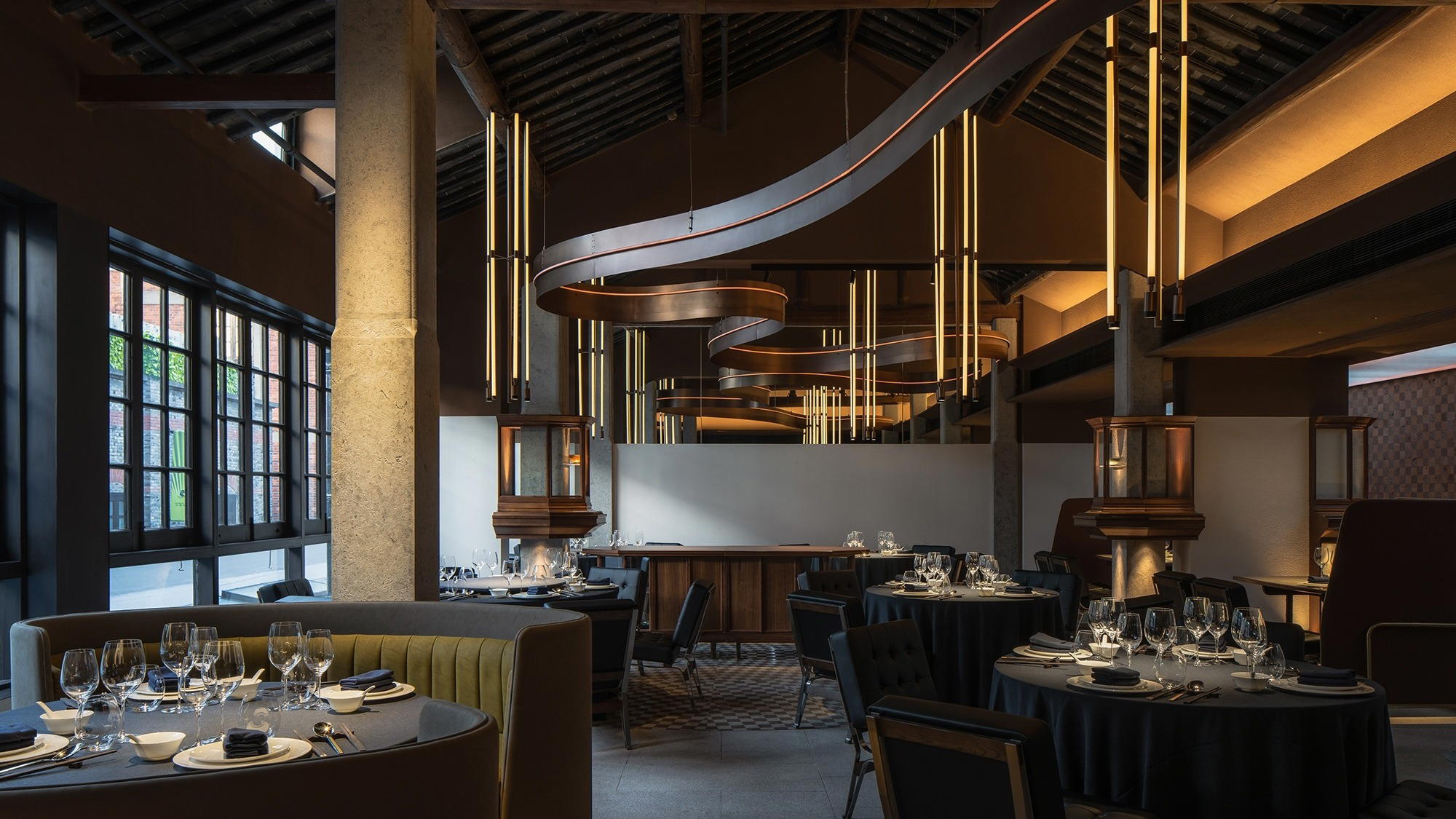
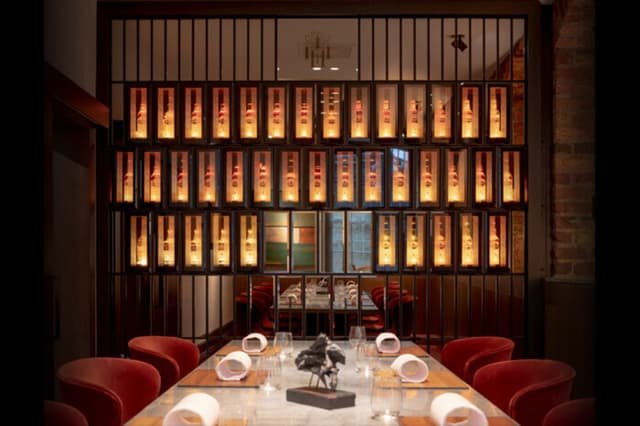
Stylish, relaxing space with intimate seating including counter, sofa, and private options, fostering a sophisticated and mellow atmosphere.
Tags
Vibe
Best For
Experience
Accessibility
At the Table
- Noise Level
- Quiet
- Service Style
- Upscale Casual
- Meal Pacing
- Leisurely
- Capacity
- Small
- Kitchen
- Fusion
- Menu Format
- Tasting menu
- Wine Program
- Curated
- Drinks Focus
- Wine, Sake
- Private Dining
- Available
Signature Dishes
- Fried Egg Toast with Truffle
- Haibara Wagyu Beef Consommé
- Truffle Rice
Know before you go
Know Before You Go
- Getting there
- Japan, 〒106-0031 Tokyo, Minato City, Nishiazabu, 4 Chome−2−6 Ryowa Palace 西麻布 1F
Planning details
Hours
- Monday
- 6–11 pm
- Tuesday
- 6–11 pm
- Wednesday
- 6–11 pm
- Thursday
- 6–11 pm
- Friday
- 6–11 pm
- Saturday
- 6–11 pm
- Sunday
- Closed
Location
Japan, 〒106-0031 Tokyo, Minato City, Nishiazabu, 4 Chome−2−6 Ryowa Palace 西麻布 1F · Directions
Recognition and awards

Also consider
Also Consider
- Harutaka, Sushi, ¥¥¥¥
- L'Effervescence, French, ¥¥¥¥
- RyuGin, Kaiseki, Japanese, ¥¥¥¥
- HOMMAGE, Innovtive French, French, ¥¥¥¥
- Crony, Innovative, French, ¥¥¥¥
Restaurant context
Margotto e Baciare's clearest differentiator against its Tokyo peers is price and concept focus. At ¥¥¥, it sits a full tier below L'Effervescence, HOMMAGE, Crony, and RyuGin, all of which operate at ¥¥¥¥. If your benchmark is value for Michelin-recognized cooking in Tokyo, Margotto e Baciare delivers a credible case. What it trades away is breadth: the truffle-only concept means you are not getting the range of ingredients or the seasonal arc that defines a full French tasting menu at L'Effervescence or the kaiseki progression at RyuGin.
For French technique with the widest ingredient range and the strongest critical credentials in Tokyo, L'Effervescence (2 Michelin stars) is the correct choice and books harder as a result. HOMMAGE and Crony both offer innovative French menus at ¥¥¥¥ with more conventional tasting-menu architecture, making them better picks when a guest wants variety across a long meal. Harutaka at ¥¥¥¥ is the reference point if the draw is premium ingredient precision in an intimate room, but the format is omakase sushi rather than French. Margotto e Baciare is the recommendation when the truffle concept is specifically interesting to you, when budget is a genuine consideration relative to the ¥¥¥¥ set, or when booking availability is a factor and you need a dinner that does not require weeks of lead time.
One practical note: all five comparison venues operate at dinner only and have similar Nishiazabu or central Tokyo locations, so proximity is not a deciding factor. The decision comes down to format and price tier. Margotto e Baciare wins on accessibility; L'Effervescence wins on breadth and critical standing; RyuGin wins if you want Japanese cuisine rather than French as the base tradition.
Explore Tokyo
Around this place
Discover more on Pearl
Unlock the full Margotto e Baciare guide in Pearl, including awards, comparisons, FAQs, planning details, and nearby places.
Compare Margotto e Baciare
| Venue | Price | Awards |
|---|---|---|
| Margotto e Baciare | ¥¥¥ | 2026 OAD Top Restaurants in Japan Recommended2026 Michelin PlateTabelog 100 - Innovative / Creative cuisine - 2025 · #92025 OAD Top Restaurants in Japan Ranked · #5052025 Michelin Plate2024 OAD Top Restaurants in Japan Ranked · #4562024 Michelin Plate2023 OAD Top Restaurants in Japan Recommended |
| Harutaka | ¥¥¥¥ | 2026 Tabelog Silver · #312026 OAD Top Restaurants in Japan Ranked · #1282026 Michelin 3 Stars2026 La Liste Top RestaurantsTabelog 100 - Sushi - TOKYO - 2025 · #372025 Asia's 50 Best Restaurants · #762025 OAD Top Restaurants in Japan Ranked · #1172025 La Liste Top Restaurants2025 Tabelog Bronze |
| L'Effervescence | ¥¥¥¥ | 2026 Tabelog Silver · #682026 OAD Top Restaurants in Japan Ranked · #103Star Wine Lists 20262026 Black Pearl 2 Diamond2026 Relais Chateaux Restaurants2026 La Liste Top Restaurants2026 Michelin 3 Stars2025 Asia's 50 Best Restaurants · #692025 OAD Top Restaurants in Japan Ranked · #92 |
| RyuGin | ¥¥¥¥ | 2026 OAD Top Restaurants in Japan Ranked · #802026 Tabelog Bronze · #3772026 Michelin 3 Stars2026 La Liste Top RestaurantsTabelog 100 - Japanese cuisine - TOKYO - 2025 · #212025 OAD Top Restaurants in Japan Ranked · #542025 Michelin 3 Stars2025 La Liste Top Restaurants2025 The Best Chef Three Knives |
| HOMMAGE | ¥¥¥¥ | 2026 Tabelog Bronze · #1232026 OAD Top Restaurants in Japan Highly Recommended2026 Michelin 2 StarsTabelog 100 - French - TOKYO - 2025 · #762025 Asia's 50 Best Restaurants · #782025 OAD Top Restaurants in Japan Ranked · #1752025 Michelin 2 Stars2025 The Best Chef One Knife2025 La Liste Top Restaurants |
| Crony | ¥¥¥¥ | 2026 Asia's 50 Best Restaurants · #34Star Wine Lists 20262026 OAD Top Restaurants in Japan Recommended2026 Michelin 2 Stars2025 Asia's 50 Best Restaurants · #30Tabelog 100 - French - TOKYO - 2025 · #782025 OAD Top Restaurants in Japan Ranked · #227We're Smart World Top Restaurants 20252025 Michelin 2 Stars |












How Margotto e Baciare stacks up against the competition.
FAQ
Frequently Asked Questions
Can Margotto e Baciare accommodate groups?
Margotto e Baciare is a small counter-format restaurant in Nishiazabu, so large groups are unlikely to be well-served here. It suits parties of two more naturally than groups of four or more. If your group wants a truffle-forward French-Japanese concept, this is the right address, but confirm capacity directly before assuming a table for six is viable.
Is Margotto e Baciare good for solo dining?
Yes. The counter format and the chef-driven tasting concept make solo dining a natural fit at Margotto e Baciare. Chef Kenta Kayama's French-Japanese menu, built around the guest choosing their preferred truffle variety, translates well to a single diner's experience. It's an easier solo booking than larger room restaurants in the same ¥¥¥ tier.
What should a first-timer know about Margotto e Baciare?
The concept is built around whole truffles — the name is a creative spelling of marugoto, meaning 'the whole thing' — so truffle is not a garnish here, it's the organizing principle of the menu. Chef Kayama applies Japanese technique to a French base, with touches like kombu dashi consommé and truffle paired with raw egg on rice. It holds a Michelin Plate (2025) and is ranked #505 on Opinionated About Dining's Japan list for 2025. Service is dinner-only, Tuesday through Sunday, 6–11 pm.
What are alternatives to Margotto e Baciare in Tokyo?
L'Effervescence and RyuGin are the headline references in Tokyo's French-Japanese space and represent a more established, higher-profile option if credentials matter to your group. HOMMAGE is closer in scale and register to Margotto e Baciare and worth comparing directly. Crony is a lower-formality alternative if the ¥¥¥ price point is a stretch. Harutaka is a different category entirely (omakase sushi) and only relevant if you're flexible on cuisine format.
Is lunch or dinner better at Margotto e Baciare?
Dinner is the only option. Margotto e Baciare operates Tuesday through Sunday, 6–11 pm exclusively, with no lunch service listed. Plan accordingly, and note that Sunday is a closed day.
Is the tasting menu worth it at Margotto e Baciare?
At the ¥¥¥ price tier, Margotto e Baciare earns its place if you're specifically interested in truffle-focused cooking with a Japanese-French hybrid approach. The Michelin Plate recognition (2025) and consistent Opinionated About Dining inclusion since 2023 suggest a kitchen that delivers reliably. It is not the choice if you want the prestige of a starred room — but for conceptual originality at this price point in Nishiazabu, it holds up against peers in the same tier.