



KOKE
Innovative · Nakagyō, Kyoto
Restaurant in Kyoto, Japan
 Book with Pearl
The Read
Ryukyuan-European Counter Cuisine
Price
$150–200per person
Chef
Yusaku Nakamura
Dress
Smart Casual
Why go
KOKE earns its Michelin star (2024) at ¥¥¥ pricing: a tier below most of Kyoto's starred competition. Chef Yusaku Nakamura applies Spanish and French technique to Okinawan culinary heritage, producing creative tasting menus that feel personal rather than ceremonial. Ranked #360 in Japan (Opinionated About Dining, 2025), it is the city's most compelling option for diners who want serious cooking without formal kaiseki structure.
About KOKE
Should You Book KOKE?
If your frame of reference for a Michelin-starred meal in Kyoto is the city's deep kaiseki tradition, KOKE will reorient your expectations fast. Where Gion Sasaki and Hyotei operate in the formal register of Japanese culinary heritage, KOKE is doing something categorically different: chef Yusaku Nakamura is applying Spanish and French technique to the ingredients and food memory of Okinawa, his birthplace, and serving the result in a setting that reads far more relaxed than its Michelin star might suggest. At ¥¥¥ pricing, it sits a tier below most starred Kyoto restaurants. That combination of creative ambition, cultural specificity, and accessible price point is rare enough to take seriously.
The Experience
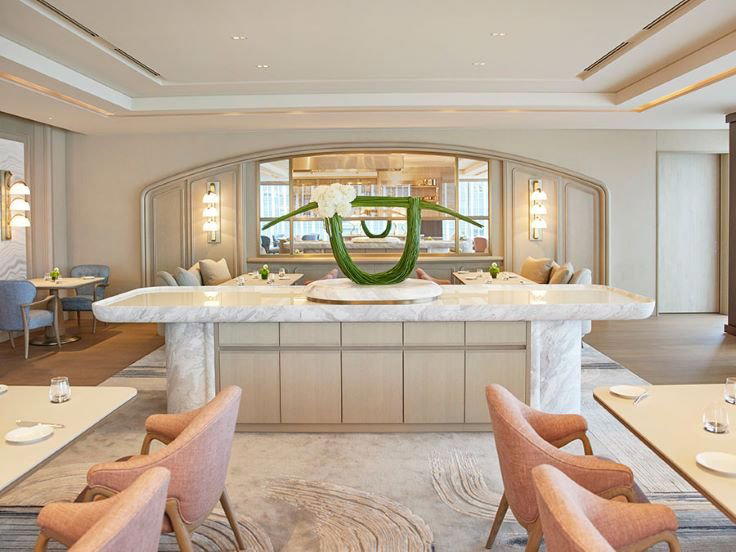
The mood at KOKE is grounded rather than ceremonial. Kyoto's starred rooms often carry the weight of tradition in their atmosphere: hushed, formal, structured. KOKE registers differently: the energy is quieter but warmer, the kind of room where a special occasion feels personal rather than theatrical. For a date night or a celebration that does not require a black-tie atmosphere, this framing works well. You are not required to perform formality to justify being there, which makes KOKE a more comfortable choice than many of its peers for couples or small groups marking something meaningful without wanting to feel scrutinised.
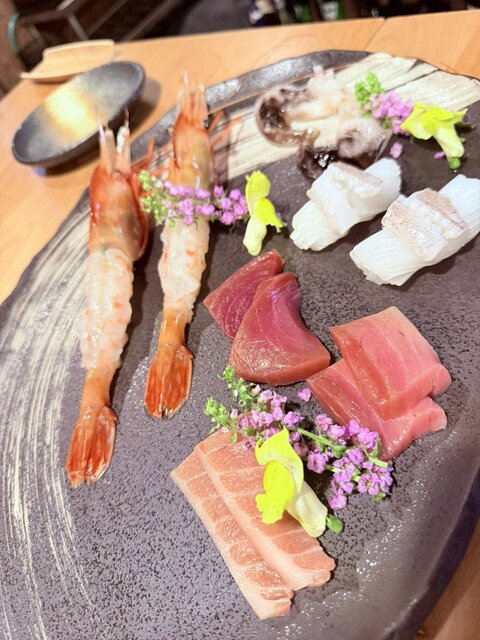
The cooking draws on a specific cultural thread. Nakamura's 'Ryukyubon' tapa is a useful anchor for understanding the whole menu: a dish from the Ryukyu royal court, plated on Yachimun pottery and presented on a Ryukyu lacquer tray, with protein cooked asado-style over wood or charcoal in a stone oven, then finished with purees and sauces applied in tracks across the surface. The technique is European; the ingredient logic, visual vocabulary, and cultural reference are Okinawan. That synthesis is not decorative: it is structural to what Nakamura is building. If you are coming to Kyoto for kaiseki, this is not a substitute. If you want to eat something that does not exist anywhere else in Kyoto's restaurant scene, KOKE makes a strong case.
Opinionated About Dining ranking places KOKE at #360 among Japan's leading restaurants for 2025. Given the density of talent in Japanese dining, that is a meaningful position for a ¥¥¥ restaurant operating in an innovative register rather than a classical one. The Michelin star, awarded in 2024, adds credibility without changing what the restaurant is: a focused, chef-led room with a clear point of view. For context, creative cuisine restaurants in this tier in comparable cities, think Thevar in Singapore or Soigné in Seoul, tend to attract diners who value originality over convention. KOKE belongs in that conversation.
Creative tasting menus with cultural complexity can divide rooms; KOKE's score indicates it is landing well with the guests who seek it out.
Who Should Book
Book KOKE if you want a Michelin-starred meal in Kyoto that does not require full surrender to kaiseki formality, and if the idea of Okinawan-European fusion executed at this level of technical care interests you. It is a strong choice for a special occasion dinner where the experience should feel considered and personal rather than grand and distanced. It works for couples and small groups. If you are travelling with someone unfamiliar with Japanese fine dining, KOKE's more accessible atmosphere makes it a better entry point than the city's traditional kaiseki rooms.
Do not book KOKE if you are in Kyoto specifically to experience the kaiseki tradition at its depth, for that, Isshisoden Nakamura or Kyokaiseki Kichisen (¥¥¥¥) are more appropriate choices. And if you want European technique married to Japanese produce in a more overtly French context, SEN (¥¥¥¥) offers that at the top of the market.
Booking
KOKE is rated hard to book. Given the Michelin star awarded in 2024 and the restaurant's small footprint in Nakagyo Ward, reservation windows fill quickly. Plan a minimum of four to six weeks ahead for dinner, and longer if you are booking around a national holiday or peak travel season in Kyoto. Phone and website details are not publicly listed; check directly with your hotel concierge or a trusted reservation service for the most reliable booking path. For other creative and innovative dining options across Japan, HAJIME in Osaka, akordu in Nara, and Goh in Fukuoka are worth considering if KOKE cannot be secured.
Address: IDO 1F, 287 Takoyakushicho, Nakagyo Ward, Kyoto. Price range: ¥¥¥.
For more on dining, drinking, and staying in the city, see our full Kyoto restaurants guide, our full Kyoto hotels guide, and our full Kyoto bars guide. You can also explore wineries and experiences in the region.
Planning details
- Hours
- Monday: Closed · Tuesday: 6–11 PM
- Location
- Japan, 〒604-0021 Kyoto, Nakagyo Ward, Takoyakushicho, 287番 IDO1F
- Reservations
- Book on TableCheck
- Website
- ido-kyoto.com/koke
- Phone
- +81 75-223-5055
The take
The Take
The Vibe
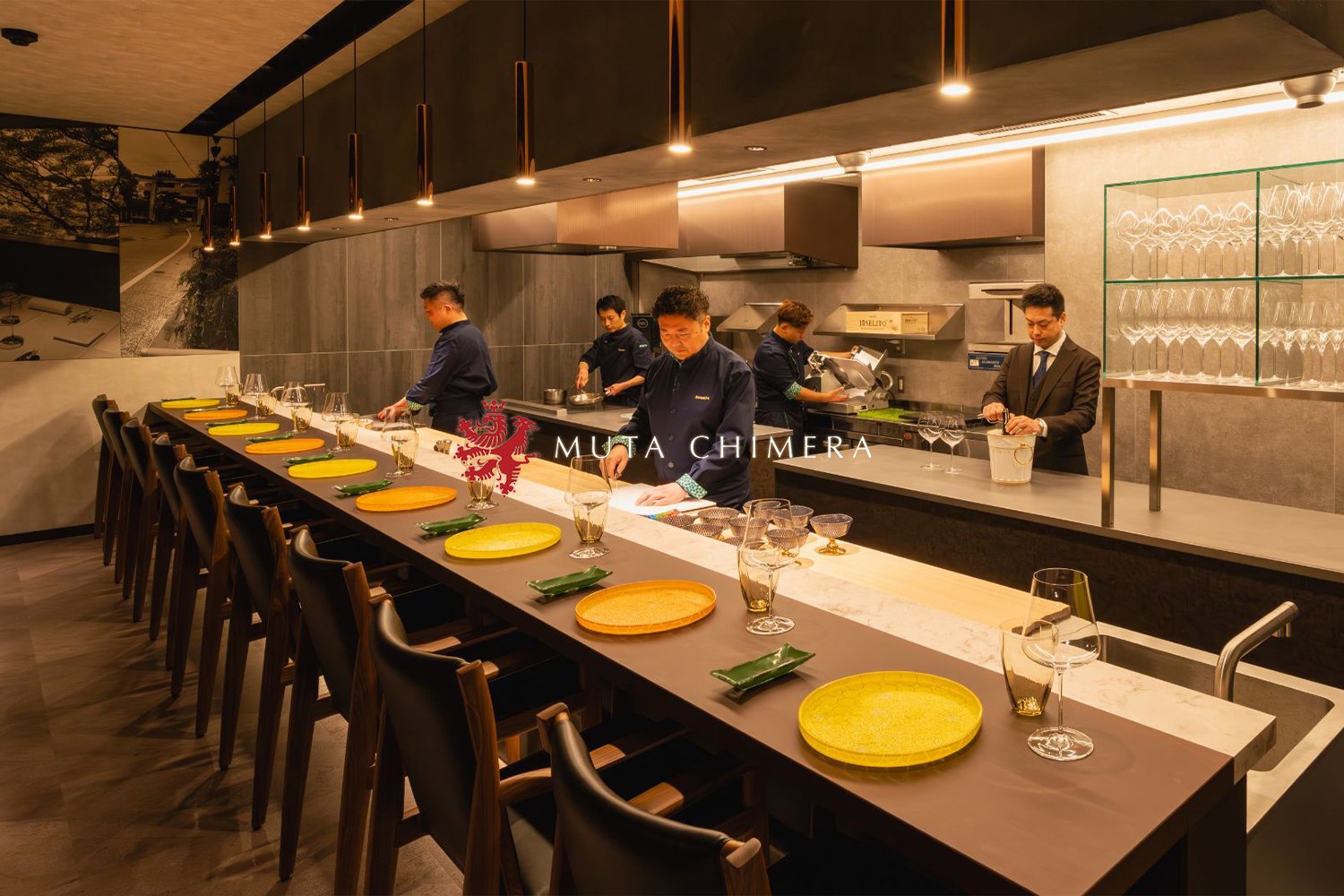
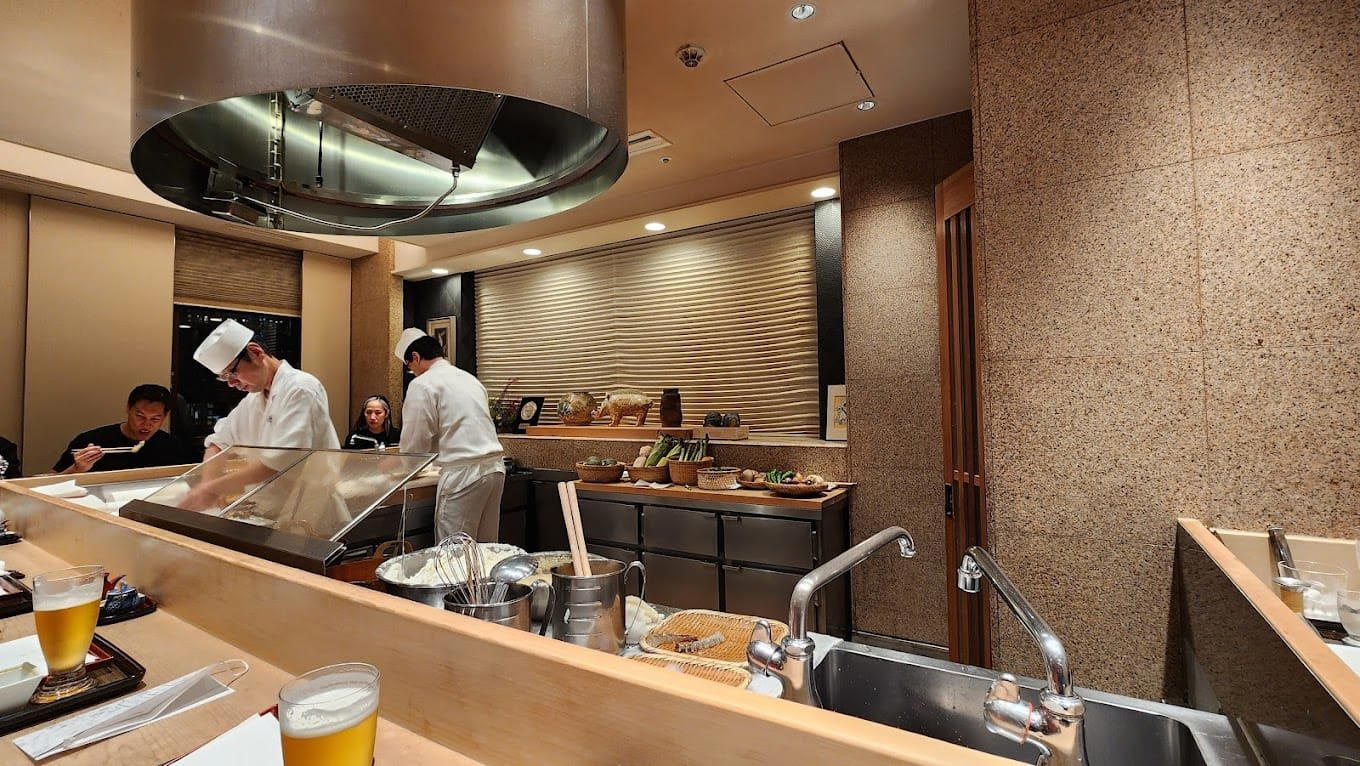
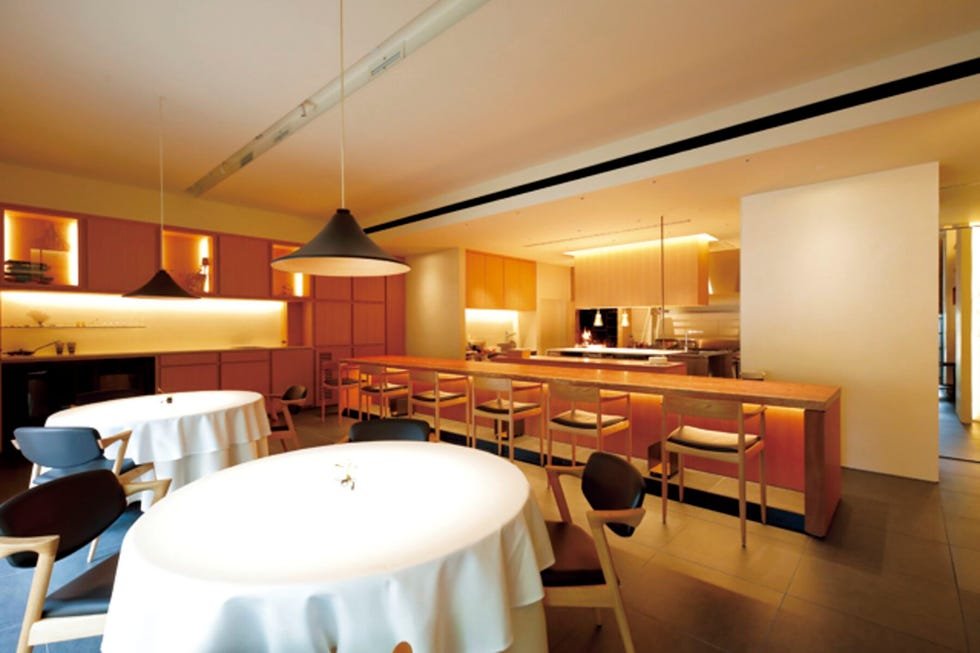
KOKE reads like a focused study in contrast: Kyoto small-room restraint meets the sun-drenched references of the Ryukyu Kingdom. The dining room is intentionally compact and serious: small counters and intimate rooms underpin a Michelin-starred approach that prizes a singular point of view. The kitchen’s language pulls from Okinawan court traditions while using Spanish and French techniques (purees, sauces and asado-style grilling over wood or charcoal in a stone oven) so the overall feel is refined, quietly confident and thoughtfully modern without abandoning regional specificity.
Best For
This is an occasion-driven restaurant: ideal for date nights, special occasions and small celebratory meals. The compact scale and Michelin recognition create a focused, reserved atmosphere that rewards attentiveness and lingering conversation. It suits diners who want a deliberate and experience rather than casual drop-ins: people who appreciate technique-forward cooking with a distinctive Okinawan influence in the heart of Nakagyo Ward.
Ordering Tips
Book well in advance: the room is explicitly described as small enough to demand a reservation, and seating revolves around counters and compact dining rooms. Expect an evening-focused, tasting-minded service given the Michelin context and the menu’s structured, argument-like progression. The kitchen highlights Ryukyuan ingredients and techniques (look for signatures such as duck, bonito and ryukyubon) so trust the sequence the chef presents. The restaurant sits a few blocks off Kawaramachi at the IDO building (287, Takoyakushicho), so allow a little extra time to find the entrance.
Venue details
Ambiance
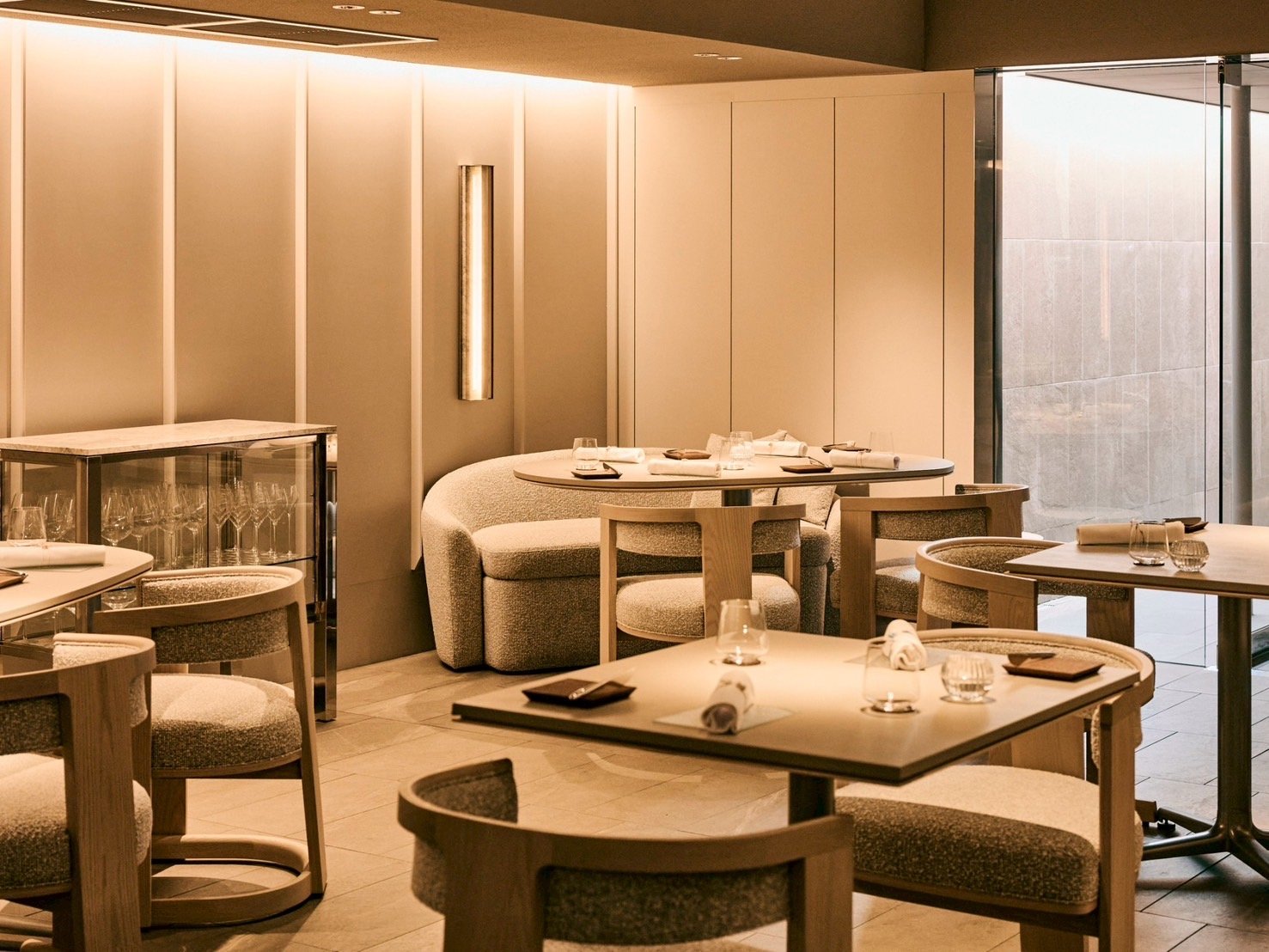
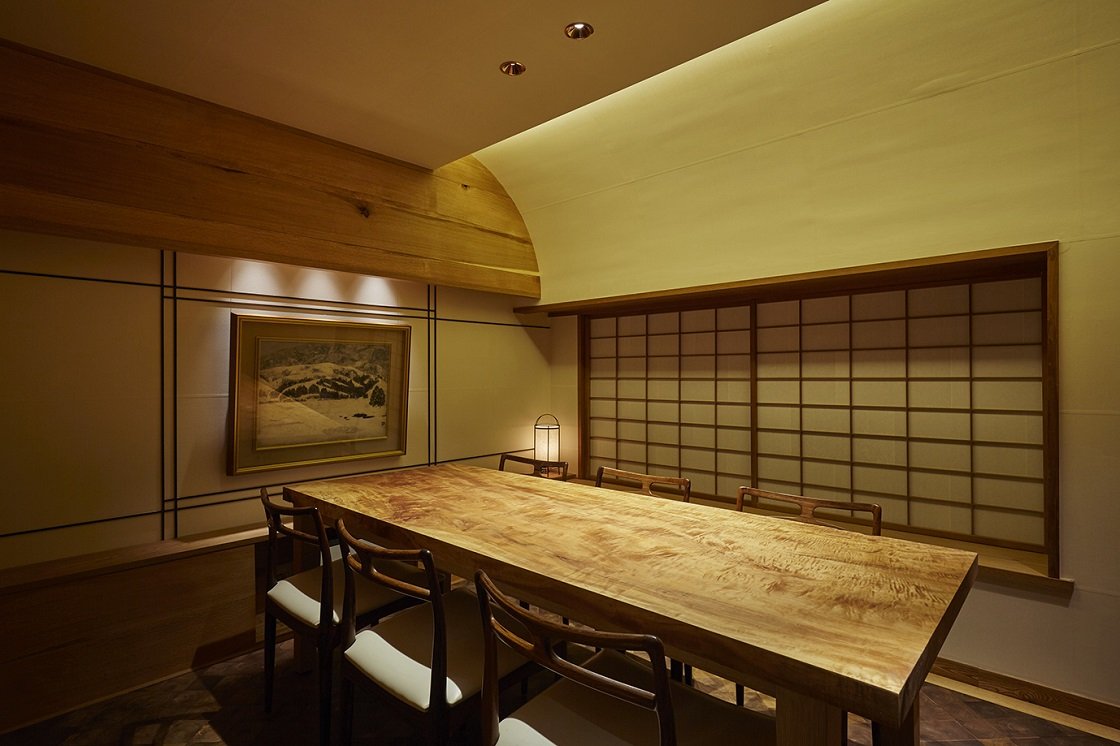
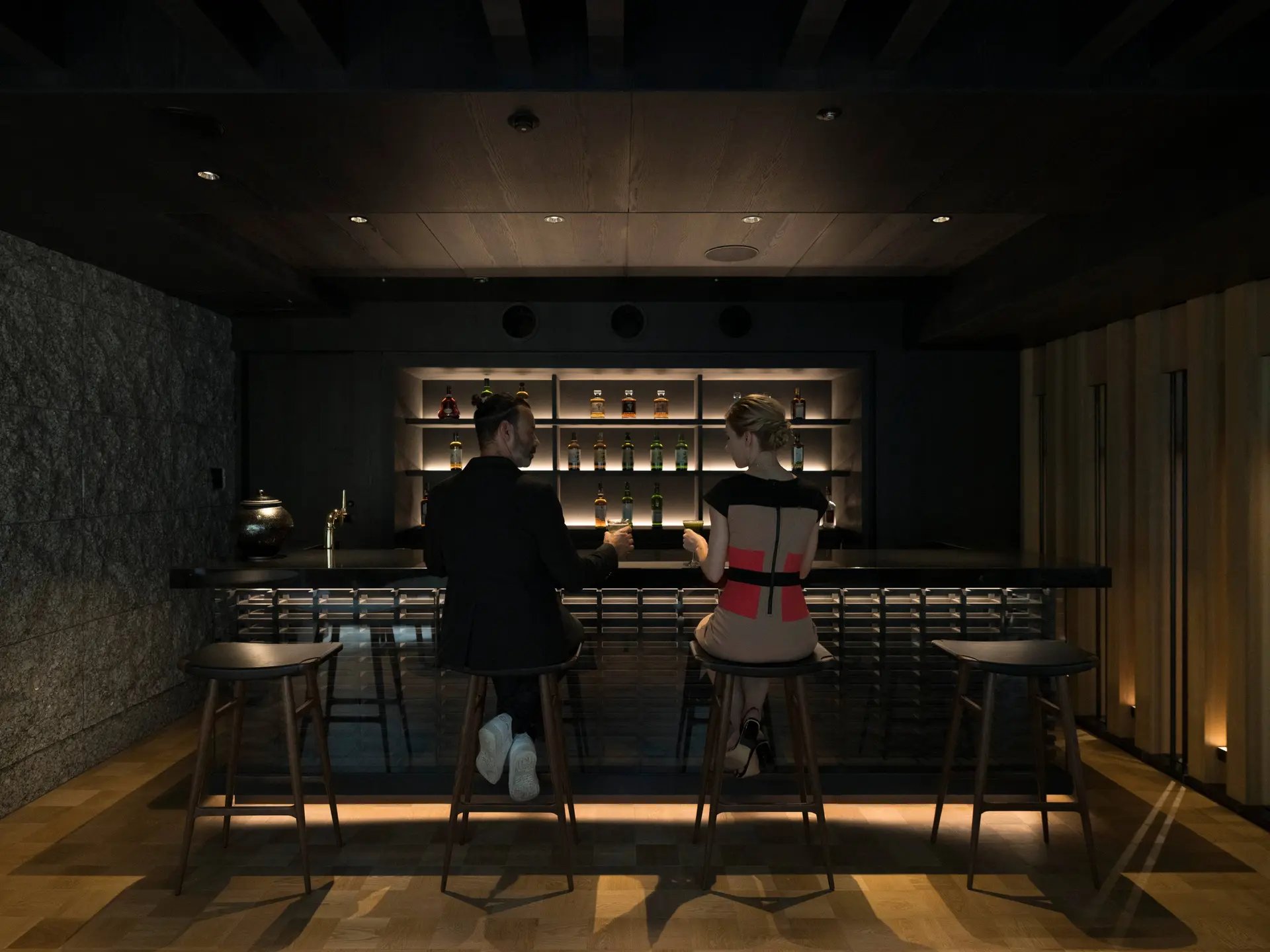
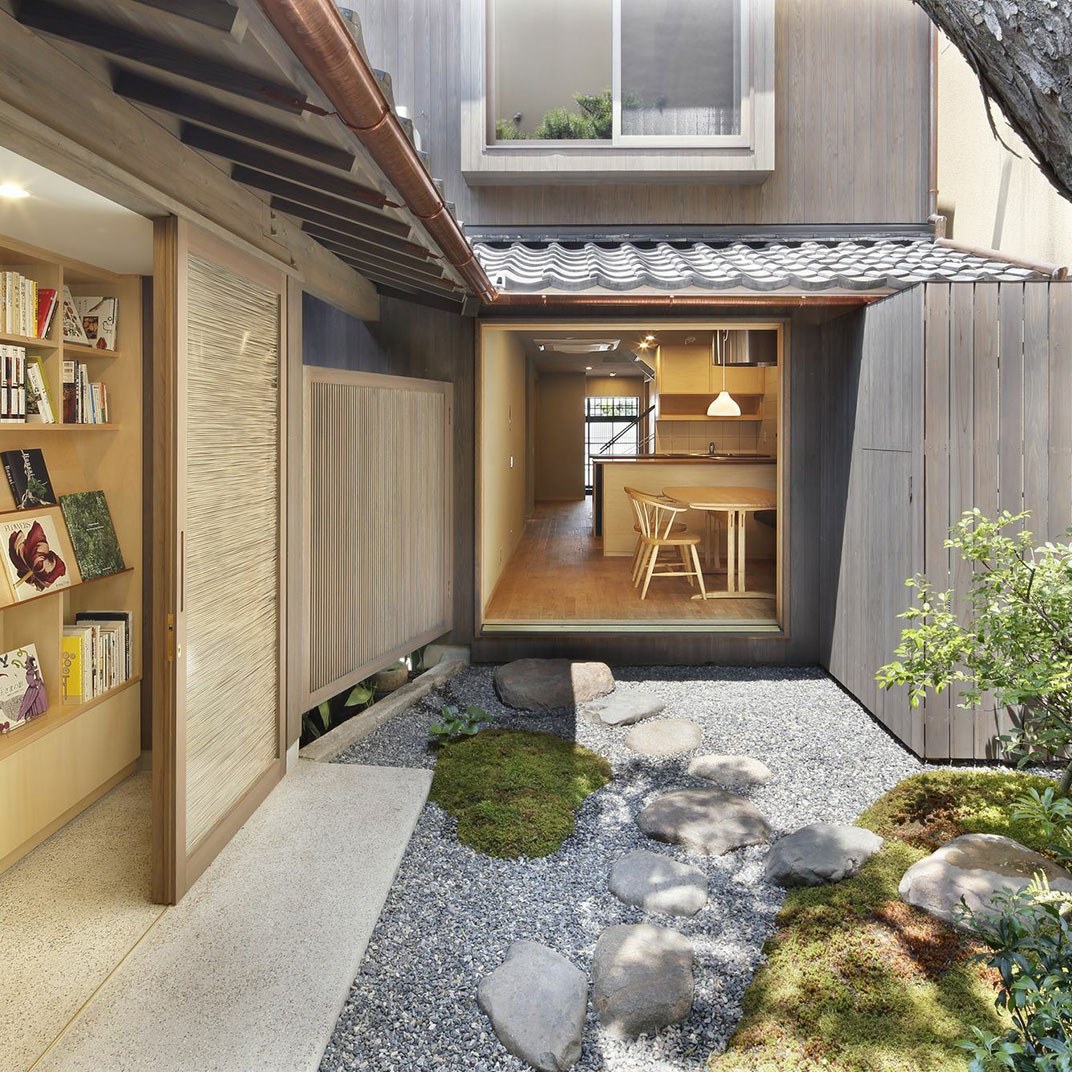
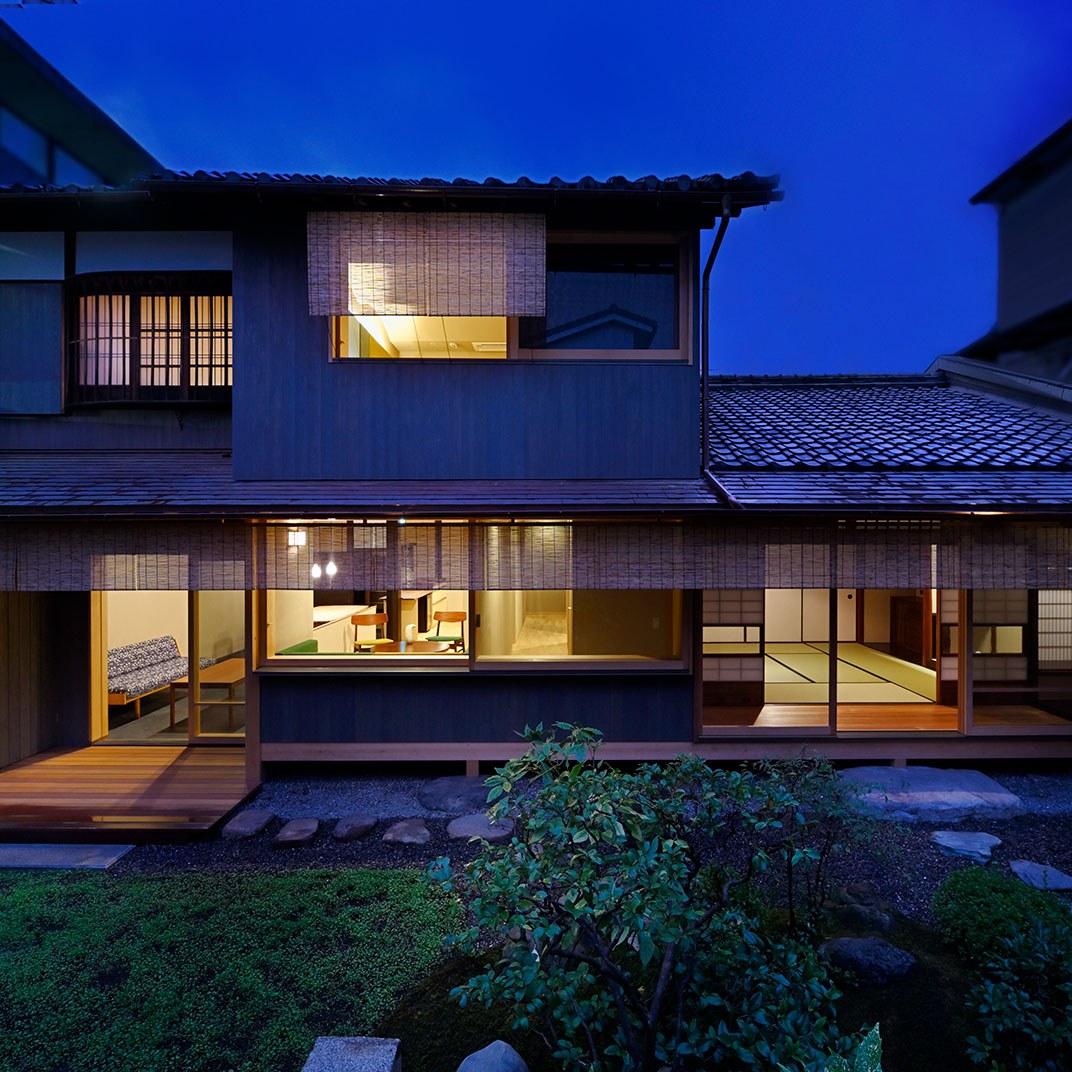
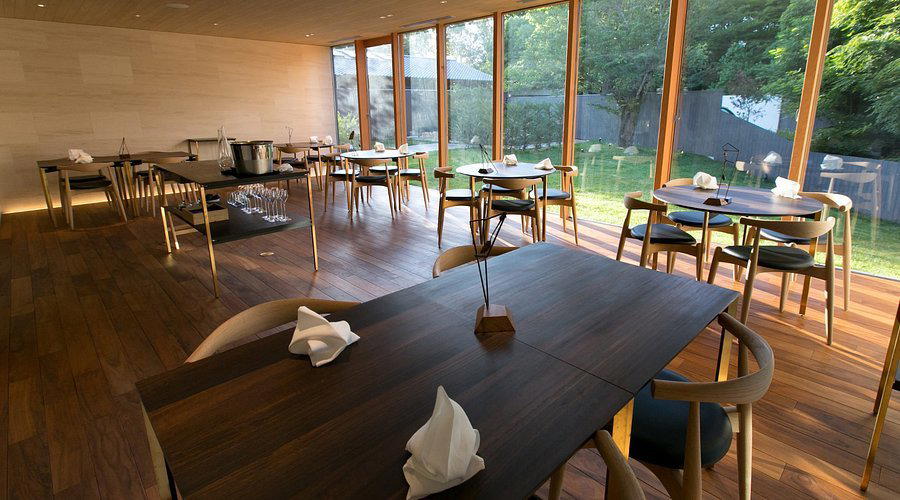
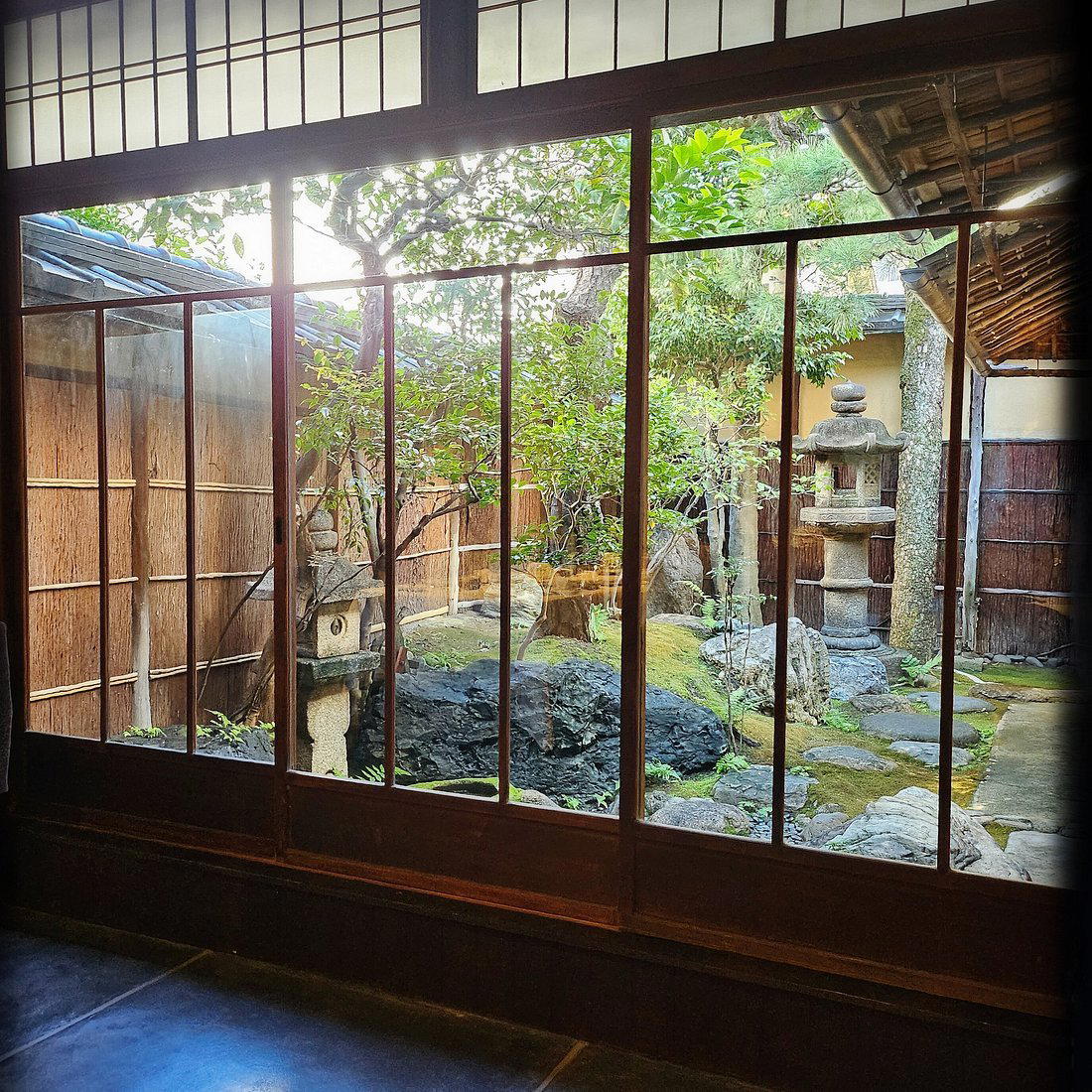
Minimalist light wood interior with warm open-flame kitchen glow, serene moss garden view, and tranquil, stylish atmosphere.
Tags
Vibe
Best For
Experience
Sourcing
View
At the Table
- Dress Code
- Smart Casual
- Noise Level
- Quiet
- Service Style
- Formal
- Meal Pacing
- Leisurely
- Capacity
- Intimate
- Kitchen
- Modern
- Menu Format
- Tasting menu
- Wine Program
- Deep wine list
- Drinks Focus
- Wine, Sake
Signature Dishes
- duck
- bonito
- ryukyubon
Know before you go
Know Before You Go
- Getting there
- Japan, 〒604-0021 Kyoto, Nakagyo Ward, Takoyakushicho, 287番 IDO1F
Planning details
Hours
- Monday
- Closed
- Tuesday
- 6–11 PM
- Wednesday
- 6–11 PM
- Thursday
- 6–11 PM
- Friday
- 12–2:30 PM, 6–11 PM
- Saturday
- 12–2:30 PM, 6–11 PM
- Sunday
- 12–2:30 PM
Location
Japan, 〒604-0021 Kyoto, Nakagyo Ward, Takoyakushicho, 287番 IDO1F · Directions
Recognition and awards

Also consider
Also Consider
- Gion Sasaki: Kaiseki, Japanese, ¥¥¥¥
- cenci: Italian, ¥¥¥
- Ifuki: Kaiseki, ¥¥¥¥
- Kyokaiseki Kichisen: Japanese, ¥¥¥¥
- SEN: French, Japanese, ¥¥¥¥
Restaurant context
KOKE sits at ¥¥¥ in a Kyoto starred field that is otherwise dominated by ¥¥¥¥ kaiseki rooms. That price difference is the first decision point. If you are comparing on budget alone, KOKE and cenci (Italian, ¥¥¥) are the two Michelin-recognised options in the city at this tier. cenci offers European cooking with Japanese seasonal ingredients; KOKE is doing something more culturally specific with its Okinawan-European synthesis. Both are harder to book than most casual Kyoto dining, but neither reaches the near-impossible reservation difficulty of Kyokaiseki Kichisen (¥¥¥¥), which operates at a different level of exclusivity entirely.
For diners whose priority is the kaiseki tradition at its most serious, Gion Sasaki (¥¥¥¥) and Ifuki (¥¥¥¥) are the relevant comparisons. Both deliver classical Japanese cuisine with the depth and ceremonial structure that Kyoto's reputation rests on. KOKE does not compete in that register and should not be booked as a substitute if kaiseki is your reason for being in the city. Where KOKE leads is in creative ambition per yen spent: the cooking carries Michelin credibility at a price point the ¥¥¥¥ rooms cannot match.
SEN (French, Japanese, ¥¥¥¥) is the most direct peer for diners interested in Western-technique cooking applied to Japanese ingredients, but it operates at a higher price and in a more overtly French idiom. KOKE's Okinawan cultural grounding makes it the more specific and arguably more original choice of the two. If you can only book one creative, non-kaiseki dinner in Kyoto, KOKE at ¥¥¥ gives you more to think about per course than most alternatives at higher price points.
Explore Kyoto
Around this place
Discover more on Pearl
Unlock the full KOKE guide in Pearl, including awards, comparisons, FAQs, planning details, and nearby places.
Compare KOKE
| Venue | Cuisine | Price | Booking Difficulty | Awards |
|---|---|---|---|---|
| KOKE | Innovative | ¥¥¥ | Hard | 2026 OAD Top Restaurants in Japan RecommendedMichelin Guide Kyoto Osaka 20262026 Michelin 1 StarTabelog 100 - Innovative / Creative cuisine - 2025 · #852025 OAD Top Restaurants in Japan Ranked · #3602024 Michelin 1 StarWorld's Best Wine Lists 2022 |
| Gion Sasaki | Kaiseki, Japanese | ¥¥¥¥ | Unknown | 2026 Tabelog Bronze · #3862026 OAD Top Restaurants in Japan RecommendedMichelin Guide Kyoto Osaka 20262026 La Liste Top RestaurantsTabelog 100 - Japanese cuisine - WEST - 2025 · #132025 OAD Top Restaurants in Japan Ranked · #2462025 Tabelog Silver2025 Michelin 3 Stars2025 La Liste Top Restaurants |
| cenci | Italian | ¥¥¥ | Unknown | 2026 Tabelog Bronze · #442026 Asia's 50 Best Restaurants · #762026 OAD Top Restaurants in Japan Highly RecommendedMichelin Guide Kyoto Osaka 2026Tabelog 100 - Italian - WEST - 2025 · #632025 Asia's 50 Best Restaurants · #632025 OAD Top Restaurants in Japan Ranked · #1682025 Tabelog Bronze2024 OAD Top Restaurants in Japan Ranked · #135 |
| Ifuki | Kaiseki | ¥¥¥¥ | Unknown | 2026 OAD Top Restaurants in Japan Ranked · #1222026 Tabelog Bronze · #128Michelin Guide Kyoto Osaka 20262026 La Liste Top RestaurantsTabelog 100 - Japanese cuisine - WEST - 2025 · #622025 OAD Top Restaurants in Japan Ranked · #1002025 La Liste Top Restaurants2025 Tabelog Bronze2025 Michelin 2 Stars |
| Kyokaiseki Kichisen | Japanese | ¥¥¥¥ | Unknown | 2026 Tabelog Bronze · #1752026 OAD Top Restaurants in Japan Highly RecommendedMichelin Guide Kyoto Osaka 20262025 OAD Top Restaurants in Japan Ranked · #1862025 Michelin 2 Stars2025 La Liste Top Restaurants2024 OAD Top Restaurants in Japan Ranked · #1422024 Michelin 2 Stars2023 OAD Top Restaurants in Japan Ranked · #136 |
| SEN | French, Japanese | ¥¥¥¥ | Unknown | 2026 Tabelog Bronze · #3952026 OAD Top Restaurants in Japan RecommendedMichelin Guide Kyoto Osaka 20262026 Michelin PlateTabelog 100 - Japanese cuisine - WEST - 2025 · #652025 Michelin Plate2025 Tabelog Bronze2024 OAD Top Restaurants in Japan Ranked · #3622024 Michelin Plate |





.png?width=1200&quality=80)
A quick look at how KOKE measures up.
FAQ
Frequently Asked Questions
What should a first-timer know about KOKE?
KOKE sits at the intersection of Okinawan culinary tradition and Spanish-French technique: not a kaiseki room, not a European import. Chef Yusaku Nakamura, who grew up in Okinawa, applies methods like wood-and-charcoal asado grilling to Ryukyuan ingredients, plated on Yachimun pottery. The Michelin star arrived in 2024, which means bookings are competitive and the format is tighter than most first-timers expect from a Kyoto fine dining address.
Is the tasting menu worth it at KOKE?
At ¥¥¥ pricing, KOKE earns its Michelin star by offering something Kyoto's other starred rooms don't: a credible Okinawan-European hybrid that isn't trying to be kaiseki. If you're looking for that format specifically, the value case is clear. If you want the deep precision of a traditional Japanese tasting progression, a room like Kyokaiseki Kichisen is a better fit.
Does KOKE handle dietary restrictions?
KOKE's dietary restriction policy is not publicly documented. Given KOKE's tasting menu format and small footprint in Nakagyo Ward, communicate any restrictions well in advance of your reservation: tasting menus at this price point rarely allow for last-minute substitutions.
What should I wear to KOKE?
The restaurant's grounded, non-ceremonial atmosphere suggests that the hushed formality of a traditional kaiseki room is not the reference point here. Clean, considered clothing is appropriate; there is no signal that business-formal or kimono is expected.
What are alternatives to KOKE in Kyoto?
For traditional kaiseki at a high level, Kyokaiseki Kichisen is the benchmark. cenci and Ifuki are closer comparisons if you want a contemporary, non-kaiseki Michelin-starred room. SEN and Gion Sasaki occupy different positions on the formality and price spectrum. KOKE is the only option among these built around Okinawan culinary identity as its organising principle.
Is KOKE good for a special occasion?
Yes, provided the occasion calls for a meal that feels considered rather than ceremonial. KOKE's Michelin recognition and Ryukyuan-European format make it a credible choice for a milestone dinner, particularly for diners who want something to talk about beyond the conventional Kyoto kaiseki experience. If the occasion demands the full ceremonial weight of a traditional room, Kyokaiseki Kichisen is a stronger match.
Is KOKE worth the price?
At ¥¥¥, KOKE sits at a price point where a Michelin star and a genuinely distinct culinary concept, Okinawan technique on Yachimun pottery, asado grilled over wood in a stone oven, justify the spend. It ranked #360 on Opinionated About Dining's Japan list in 2025, which places it solidly within the credible top tier without being the most expensive option in Kyoto. For the format and the novelty, the price is defensible.