

Mētis Roppongi
French · Minato, Tokyo
Restaurant in Tokyo, Japan
 Book with Pearl
The Read
Wood-Fire Wakon Yosai
Price
¥¥¥
Dress
Smart Casual
Why go
Mētis Roppongi holds a 2024 Michelin star for wood-fire French cooking built around Japanese seasonal ingredients and the <em>wakon yosai</em> philosophy. At ¥¥¥ pricing, it sits below most of Tokyo's comparable French fine dining in cost while delivering a technically serious, calm counter experience. Book at least three to four weeks ahead — this fills quickly and walk-ins are not a realistic option.
About Mētis Roppongi
Should You Book Mētis Roppongi?
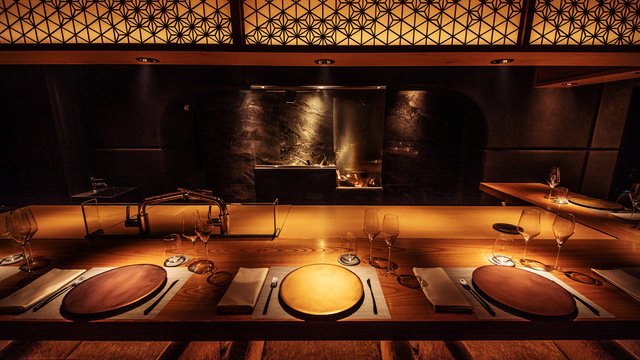
Imagine settling into a counter seat while the scent of woodsmoke drifts quietly through the room, a reminder that what arrives on your lacquered tray has passed through actual flame rather than a conventional kitchen. That sensory detail is your first clue that Mētis Roppongi is doing something worth your attention. The verdict: yes, book it — with the understanding that this is a Michelin-starred French restaurant shaped by Japanese ingredients and seasons, not a French restaurant that happens to be in Tokyo. If you have already visited once, the case for returning is strong: the wood-fire cooking format and seasonal Japanese sourcing mean the menu shifts with the calendar in ways that reward repeat visits.
The Experience
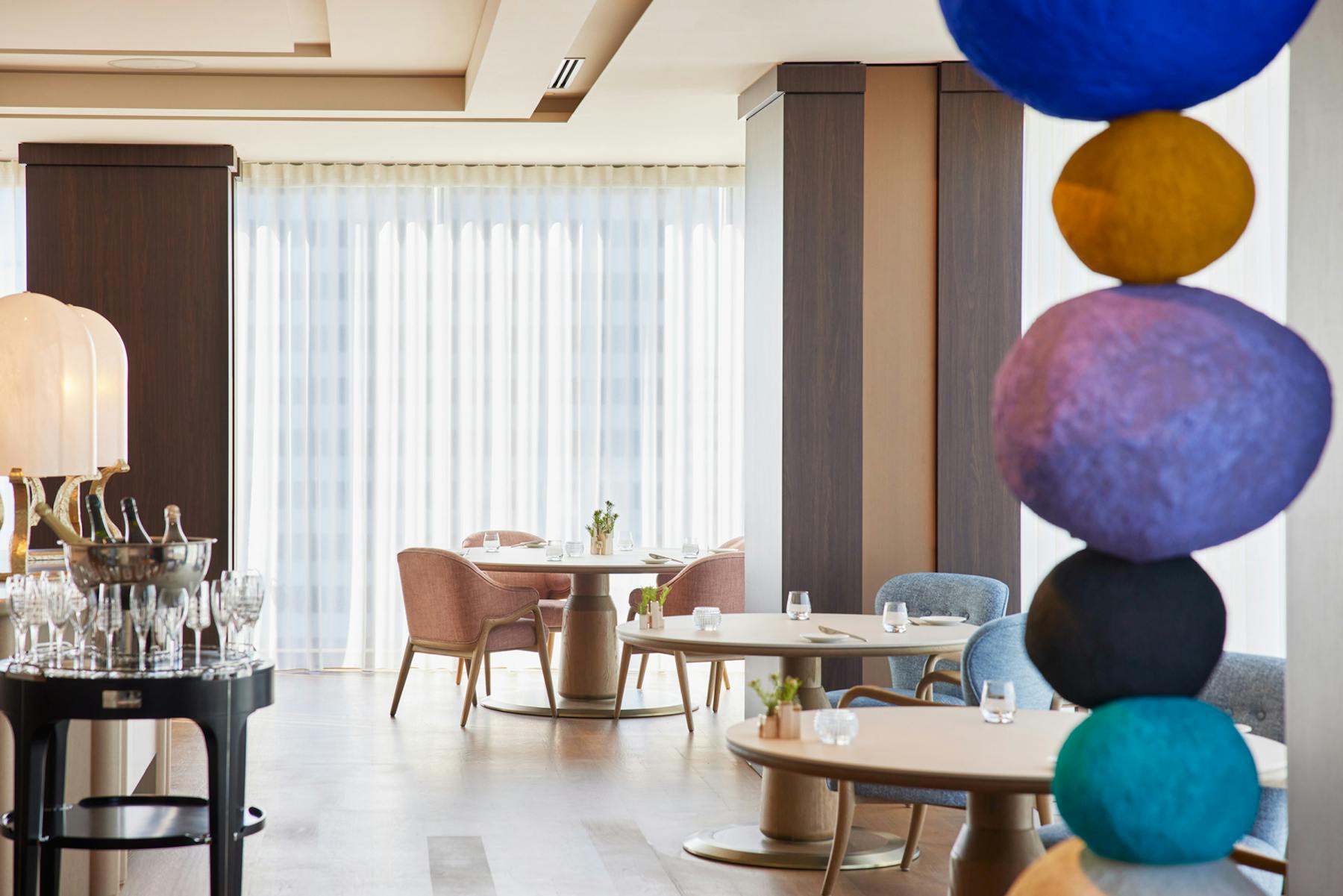
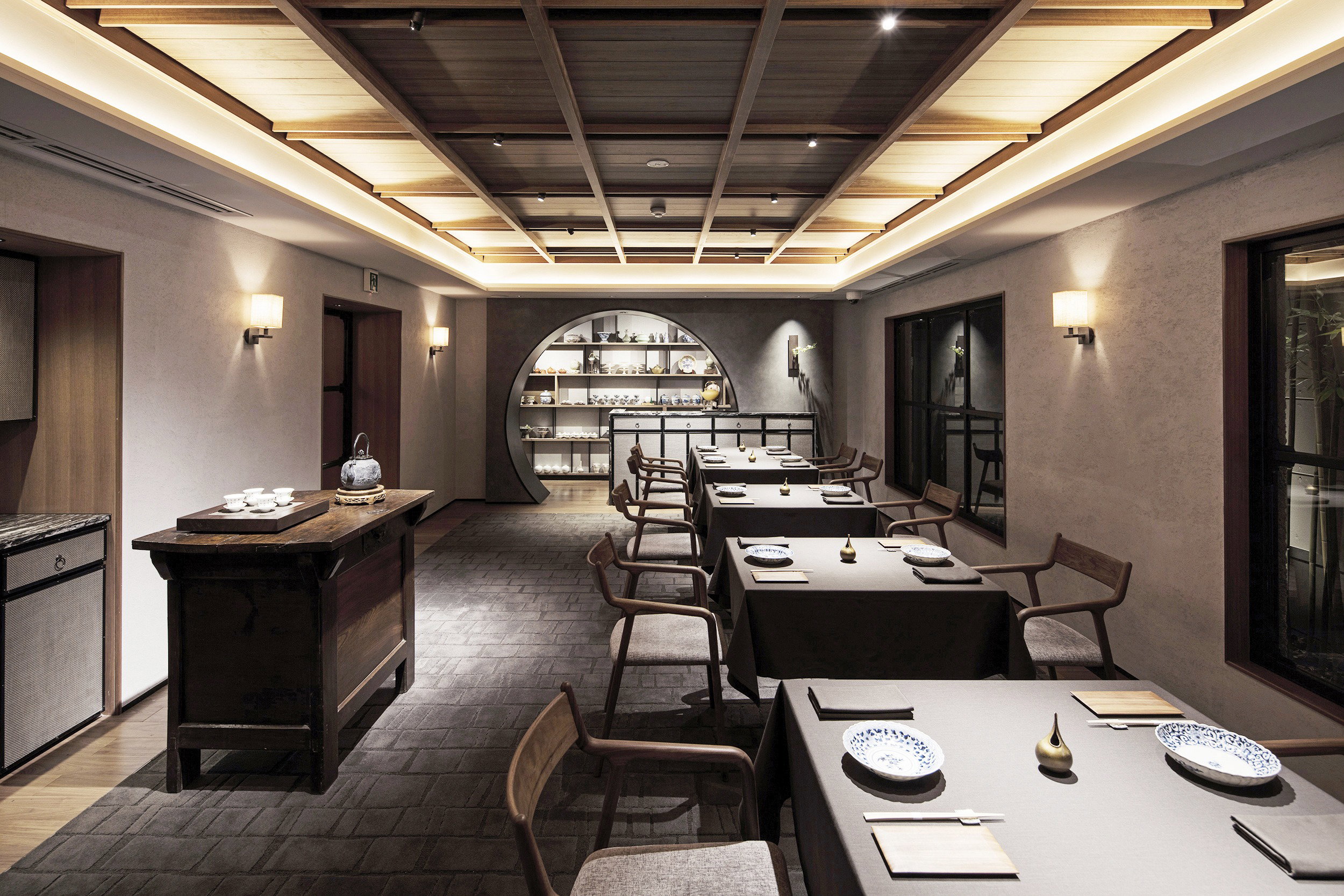
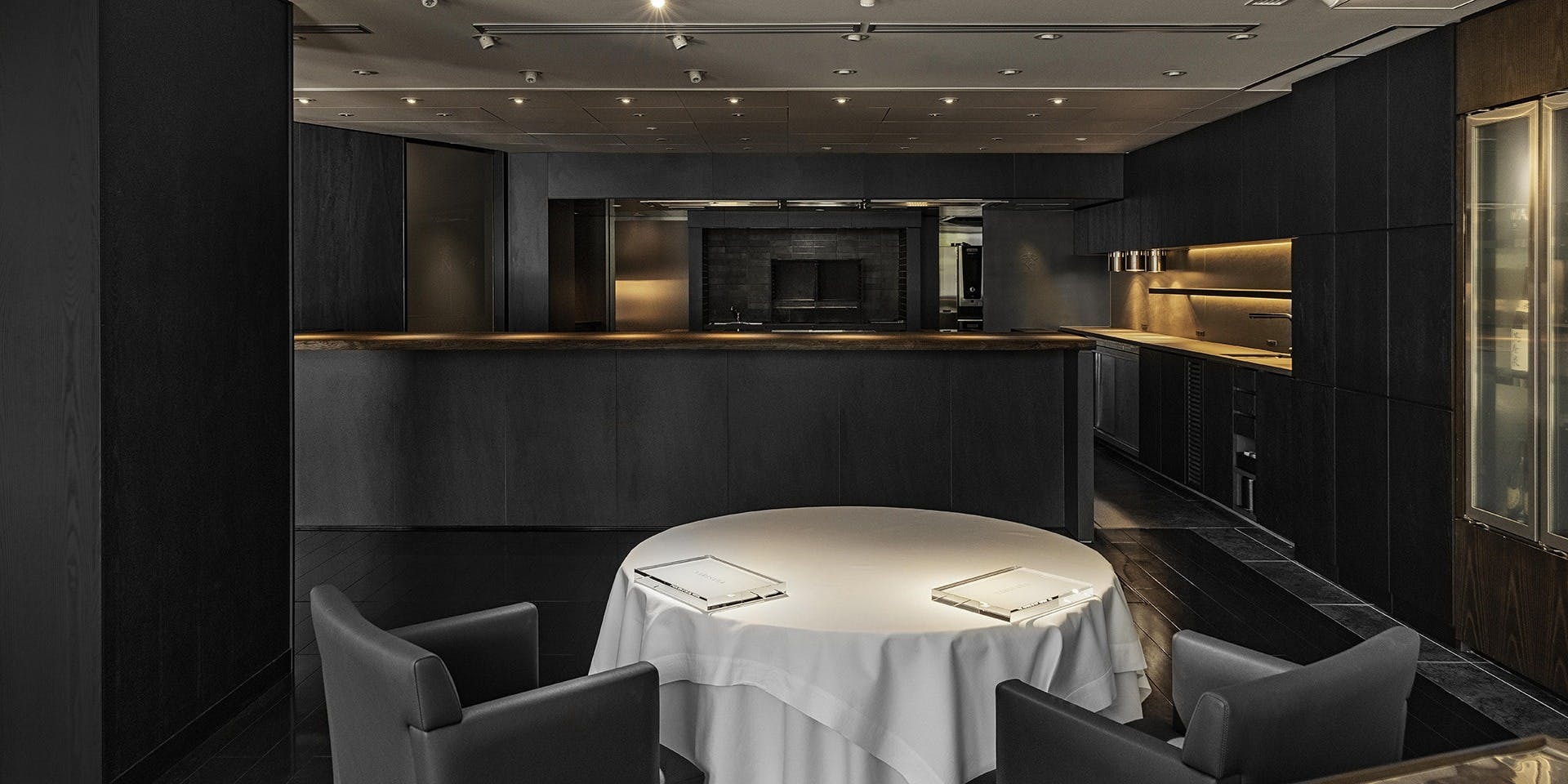
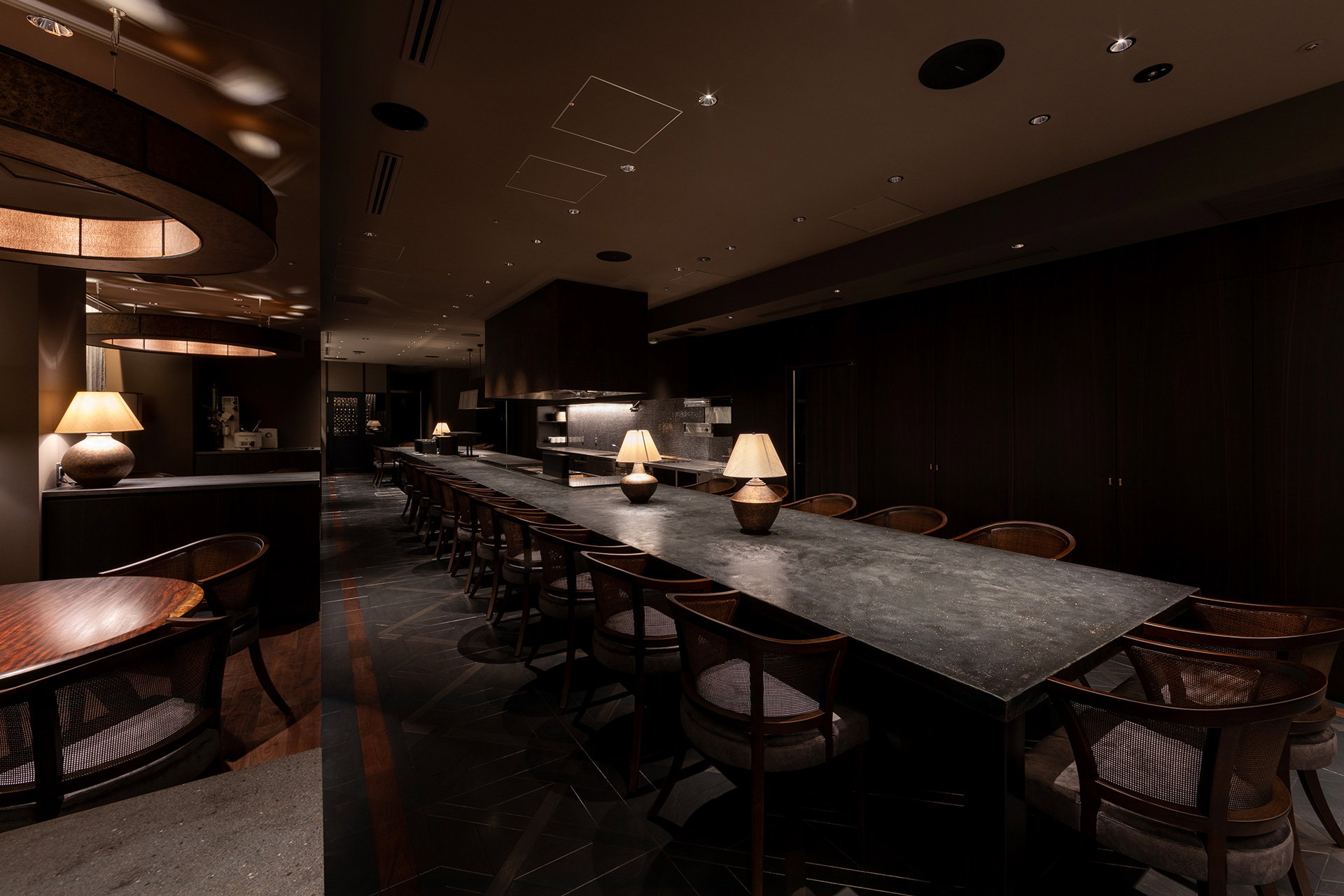
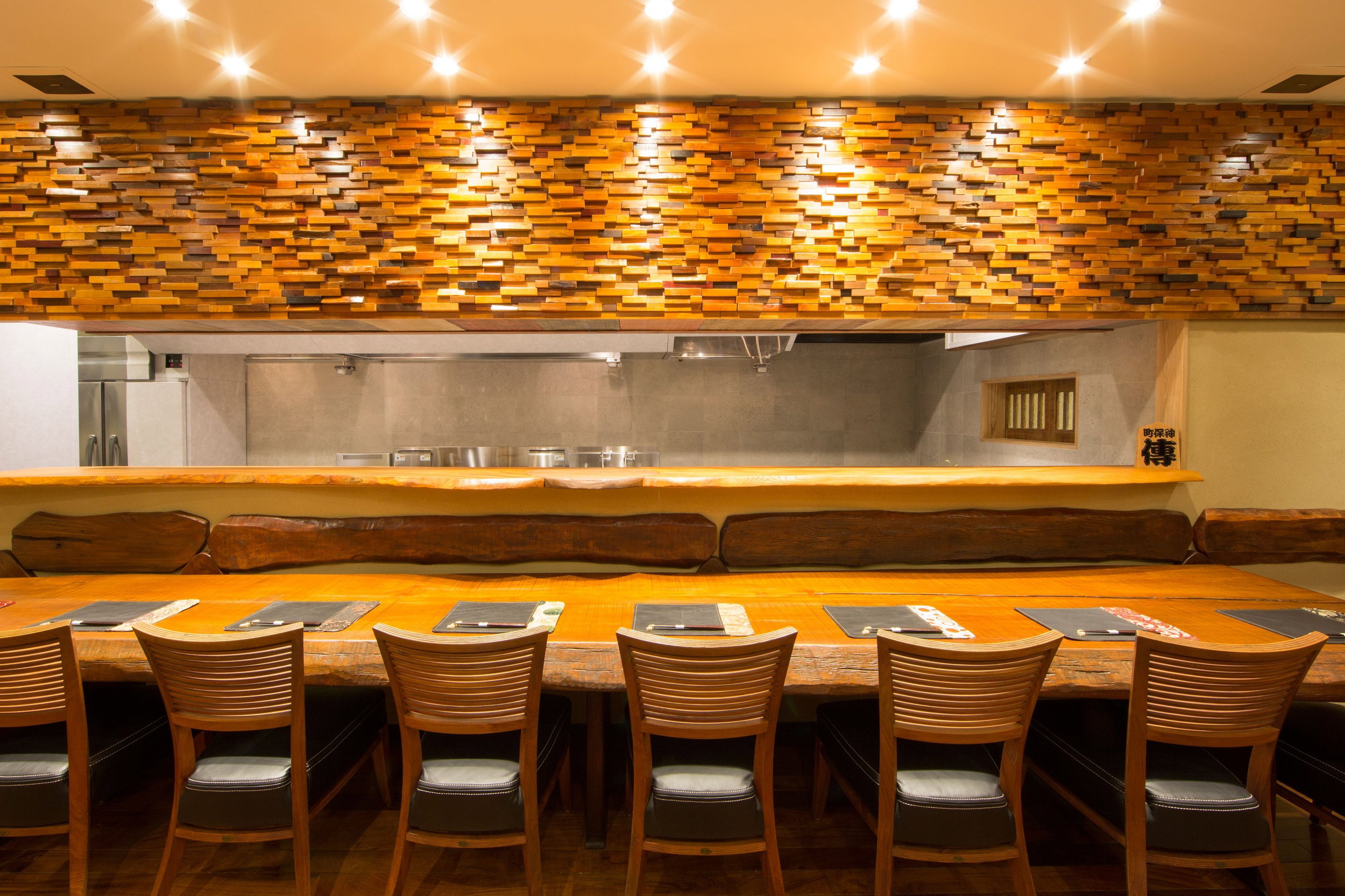
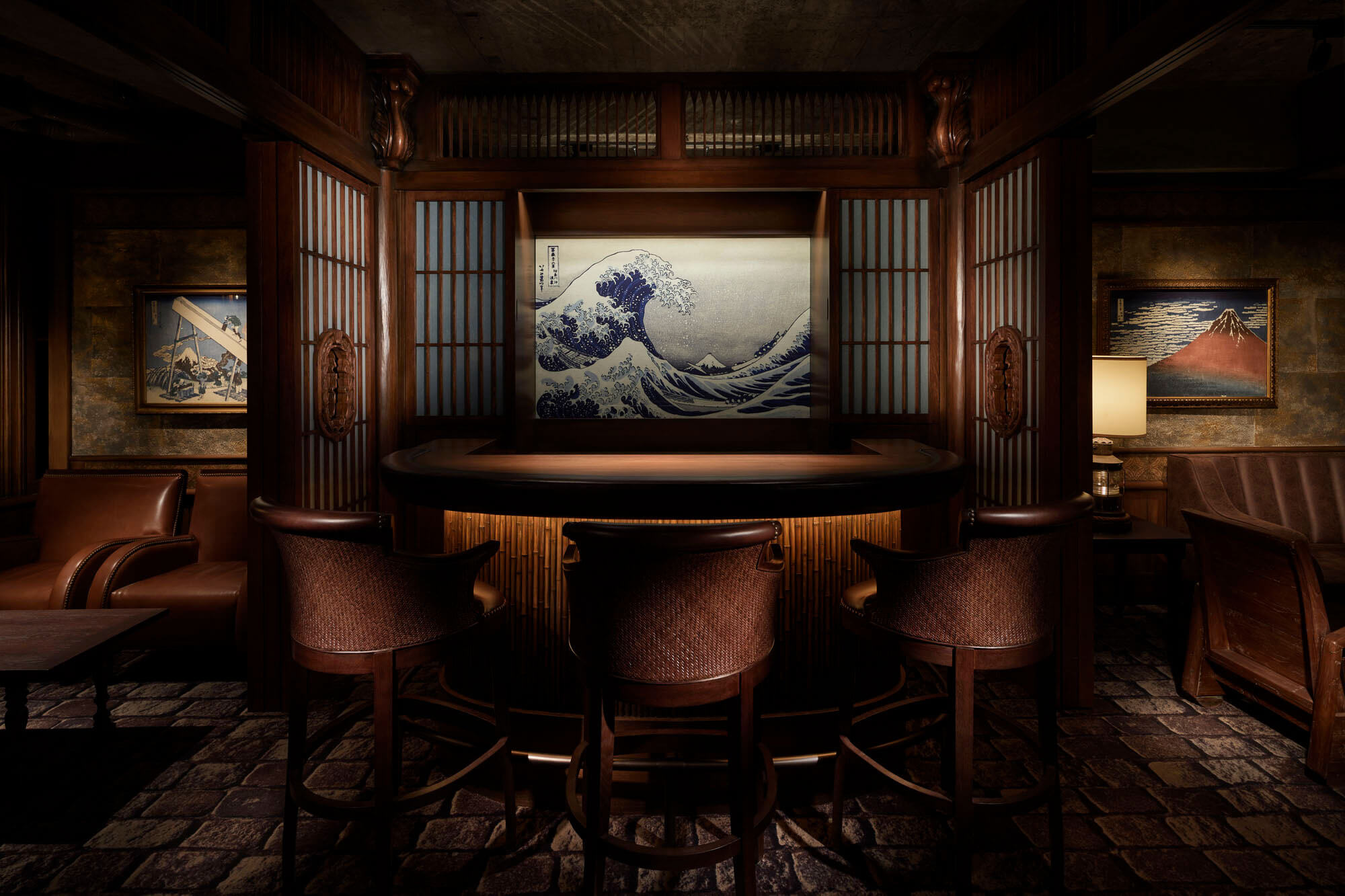
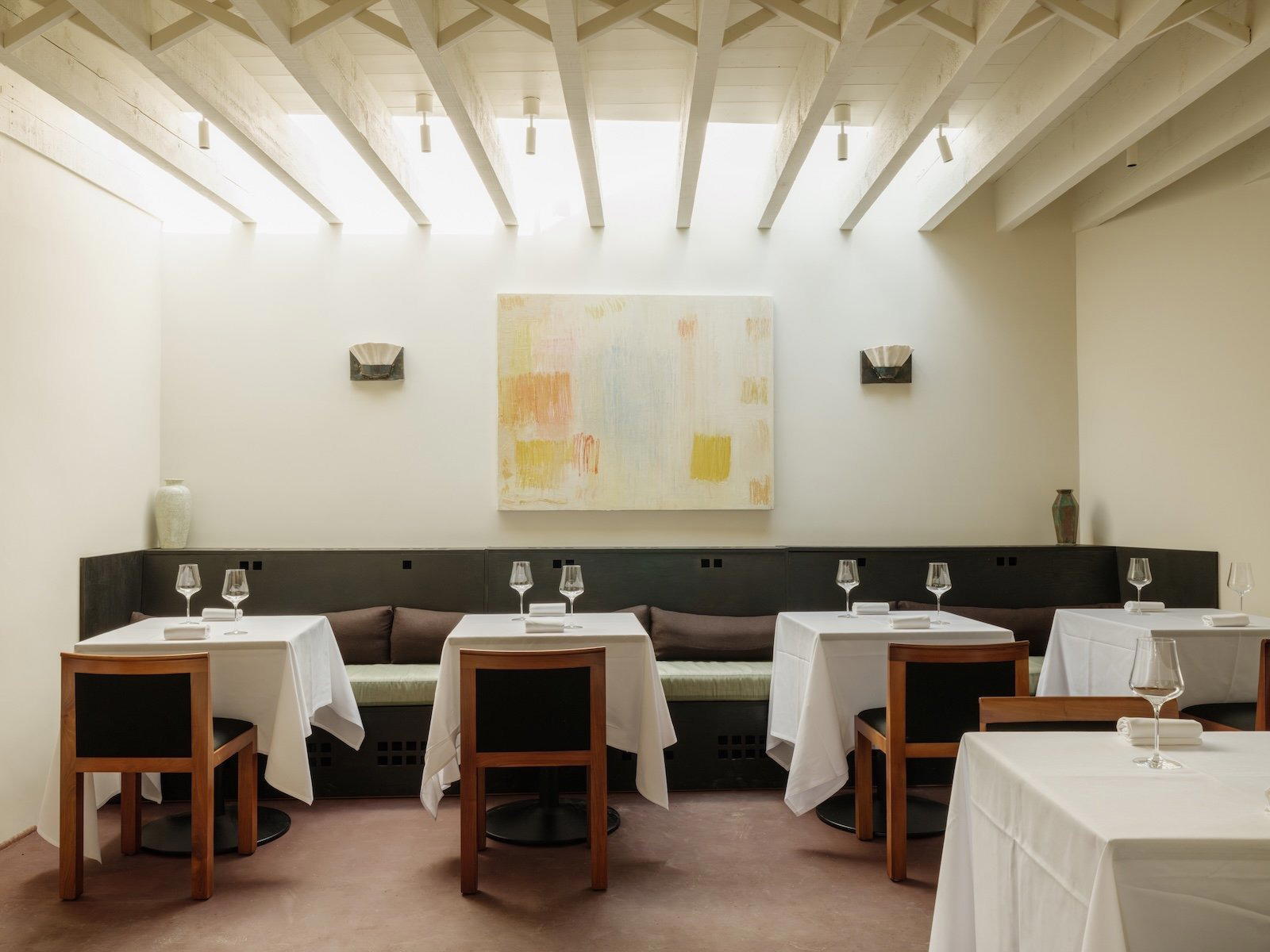
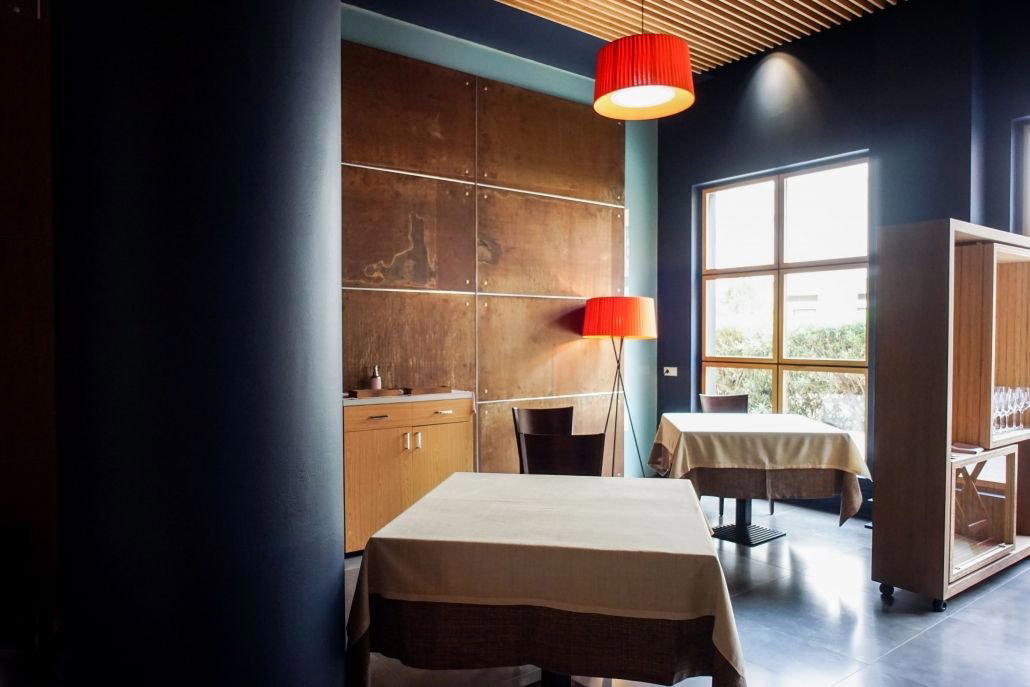
The room at Mētis Roppongi carries its philosophy visibly. Kumiko woodwork — the intricate Japanese joinery technique involving interlocked geometric patterns, lines the space alongside lacquered counter trays, making the design a direct expression of the wakon yosai concept at the heart of the kitchen: Japanese spirit, Western learning. The atmosphere is calm and composed rather than energetic or theatrical. Noise levels stay low; this is a venue for conversation and concentration, not for groups seeking a lively night out. If you are returning after a first visit, you will notice how much the room does to frame the meal, the décor is not decorative backdrop but an active argument for the cuisine's identity.
The energy here reads as considered and slightly ceremonial. It is a quieter room than you might expect from a Roppongi address, which typically skews louder and more commercial. That restraint is a feature, not a gap. Come early in the evening if you want the room at its most composed; later seatings in any Roppongi venue tend to absorb more street noise.
Food and Drink
Cooking is done primarily over wood flame, which is the technical detail that most distinguishes Mētis from the broader Tokyo French scene. Wood-fire cooking at this level is not a gimmick, it introduces complexity through smoke and direct heat that conventional French technique does not replicate. Japanese seasonal ingredients are the raw material; French tradition and philosophy provide the structure. The result sits clearly in the French fine dining format while reading unmistakably Japanese in its ingredient sourcing and aesthetic sensibility.
For returning visitors, the practical advice is to trust the tasting menu format and resist the impulse to over-direct your experience. The wakon yosai framework is most coherent when experienced as a sequence. Specific dishes are not published in advance and rotate with the seasons, which means a spring visit and an autumn visit at Mētis are genuinely different meals, a legitimate reason to book again if your first visit landed well.
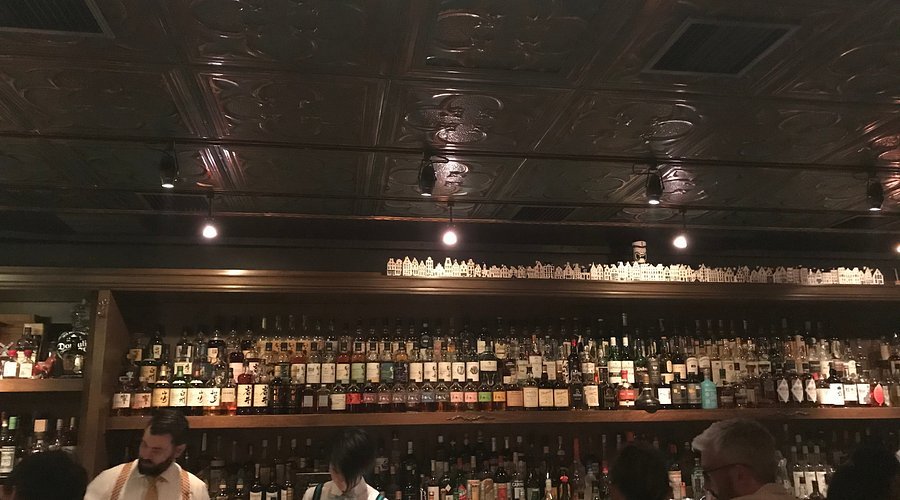
On the drinks side, the programme at a venue built around wood-fire French-Japanese cuisine benefits from wine pairings that can hold their own against smoky, umami-forward flavours. Tokyo's leading French-leaning restaurants, L'Effervescence and Sézanne among them, typically run serious wine lists, and Mētis operates in the same register. If you are interested in the pairing option, request it when booking rather than deciding on the night. The bar programme here is not a standalone draw in the way a dedicated cocktail bar would be, but as an accompaniment to the tasting format, the drinks component is integral to the full experience rather than an afterthought.
Ratings and Trust Signals
- Michelin Star: 1 Star (2024), independently recognition for the kitchen's technical standard
- Price Range: ¥¥¥, positioned below the top tier of Tokyo French dining (¥¥¥¥), making it a more accessible entry point than peers like L'Effervescence or Florilège at the same star level
Booking
Booking difficulty is rated Hard. Plan at least three to four weeks ahead for a standard booking window; for specific dates around Japanese public holidays or during peak autumn and spring seasons, book further out. The counter format means seat count is limited, there is no fallback to a larger table on a walk-in basis.
Tokyo's broader reservation infrastructure increasingly runs through platforms like Tableall, Pocket Concierge, or direct restaurant contact. Without a published booking method in the venue record, the safest approach is to attempt contact via any platform listing or to engage a hotel concierge if you are staying at a Tokyo property with concierge access. See our full Tokyo restaurants guide for further booking context across the city.
Practical Details
| Detail | Mētis Roppongi | Florilège | L'Effervescence |
|---|---|---|---|
| Cuisine | French (wood-fire, Japanese ingredients) | French | French |
| Price Range | ¥¥¥ | ¥¥¥ | ¥¥¥¥ |
| Michelin | 1 Star (2024) | 1 Star | 2 Stars |
| Booking Difficulty | Hard | Hard | Very Hard |
| Atmosphere | Calm, counter-focused | Counter, energetic | Intimate, formal |
| Neighbourhood | Roppongi | Minami-Aoyama | Nishi-Azabu |
For broader reference across Japanese fine dining beyond Tokyo, consider HAJIME in Osaka, Gion Sasaki in Kyoto, or akordu in Nara if your itinerary extends beyond the capital. Within Tokyo, ESqUISSE and Château Restaurant Joël Robuchon occupy the French fine dining space at a higher price tier. Outside Japan, the closest stylistic comparison point among French restaurants with a strong regional-ingredient ethos would be Les Amis in Singapore or Hotel de Ville Crissier. For Tokyo's bars, hotels, and other experiences, see our full Tokyo bars guide, our full Tokyo hotels guide, and our full Tokyo experiences guide.
FAQ
What should I wear to Mētis Roppongi?
- Smart casual to smart is appropriate for a Michelin-starred counter restaurant in Tokyo. Roppongi's dining scene generally expects guests to be well-dressed at this price level. Jeans are not necessarily excluded, but trainers and casualwear will feel out of place in a room designed with lacquerware and kumiko joinery. Err on the side of dressing up rather than down.
What should I order at Mētis Roppongi?
- The tasting menu format is the right way to eat here, it is how the wakon yosai philosophy reads as a coherent experience rather than a series of isolated dishes. Specific menu items rotate seasonally and are not published in advance, so the honest answer is that you should follow the menu as presented. Add the drinks pairing when booking if the programme interests you, rather than deciding on arrival.
Does Mētis Roppongi handle dietary restrictions?
- Dietary requirements at a wood-fire tasting-menu restaurant with a fixed French-Japanese format require advance communication. Without confirmed booking contact details in the venue record, the practical advice is to state restrictions clearly at the point of reservation, whichever platform or concierge route you use. Do not arrive and expect the kitchen to improvise at a counter-format restaurant of this kind.
Is the tasting menu worth it at Mētis Roppongi?
- The wood-fire format and seasonal Japanese sourcing give the menu a specific character that distinguishes it from comparable French tasting menus in the city. If you have already been once, the seasonal rotation is a genuine reason to return, this is not a static menu. Compared to ¥¥¥¥ options like L'Effervescence, Mētis offers a lower price-of-entry for a starred experience with a distinct culinary identity.
Is Mētis Roppongi worth the price?
- Yes, particularly at the ¥¥¥ tier. A Michelin-starred wood-fire French restaurant with Japanese seasonal ingredients, sitting below the ¥¥¥¥ bracket occupied by most of Tokyo's comparable fine dining, represents solid price positioning. If your question is whether to spend up to ¥¥¥¥ on Florilège or the same evening here, the deciding factor is atmosphere preference: Florilège runs a higher-energy room; Mētis is quieter and more contemplative. Both hold a star; choose by mood.
Planning details
- Location
- Japan, 〒106-0032 Tokyo, Minato City, Roppongi, 5 Chome−18−22 FORCEビル 1F
- Website
- metis-roppongi.jp
- Phone
- +81 3-5544-9778
The take
The Take
The Vibe
Mētis Roppongi presents a cerebral, highly focused interpretation of French technique filtered through Japanese seasonality. The restaurant frames itself as an intellectual project—explicitly working in the wakon yosai tradition—so the room privileges composure and attention over fuss. The kitchen’s commitment to wood fire as a primary heat source gives dishes a smoky, directional energy that becomes part of the restaurant’s character. With a Michelin star earned in 2024, the experience feels elevated and intentional rather than performative, attracting diners who appreciate technical rigor, seasonal nuance, and a quietly exacting atmosphere.
Best For
Mētis is best suited to evenings where the meal itself is the focus: date nights, special occasions and measured business dinners. The dining approach emphasizes seasonal Japanese ingredients structured by French culinary architecture, so guests who enjoy tasting-like progressions and ingredient-led dishes will find it particularly rewarding. The wood-fire technique threads a consistent smoky register through the menu, making it ideal for those who favor bold, elemental flavors presented with technical restraint. Service and pacing align with a formal fine-dining rhythm appropriate for important nights out.
Ordering Tips
Highlight the menu’s seasonal logic when you order: the kitchen explicitly places Japanese ingredients at the center, so ask about the day’s seasonal plates. Signature items to seek out include the steamed bun with foie gras and the A5 grilled wagyu, both of which showcase the restaurant’s fusion of Japanese produce and French technique. Expect wood-fire influence across preparations—smoke and radiant heat are integral to the flavour architecture—so select dishes that play to those qualities and consult staff about current offerings driven by seasonal sourcing.
Venue details
Ambiance
Cozy modern Japanese decor with kumiko woodwork, warm glow from wood-fired cooking, and immersive kitchen view.
Tags
Vibe
Best For
Experience
At the Table
- Dress Code
- Smart Casual
- Noise Level
- Quiet
- Service Style
- Formal
- Meal Pacing
- Leisurely
- Capacity
- Intimate
Signature Dishes
- steamed bun with foie gras
- A5 grilled wagyu
Know before you go
Know Before You Go
- Getting there
- Japan, 〒106-0032 Tokyo, Minato City, Roppongi, 5 Chome−18−22 FORCEビル 1F
Planning details
Location
Japan, 〒106-0032 Tokyo, Minato City, Roppongi, 5 Chome−18−22 FORCEビル 1F · Directions
Recognition and awards
Also consider
Also Consider
- Harutaka, Sushi, ¥¥¥¥
- RyuGin, Kaiseki, Japanese, ¥¥¥¥
- L'Effervescence, French, ¥¥¥¥
- HOMMAGE, Innovtive French, French, ¥¥¥¥
- Florilège, French, ¥¥¥
Restaurant context
Mētis Roppongi sits at ¥¥¥ with a 2024 Michelin star, making it the most accessible price point among Tokyo's starred French options listed here. L'Effervescence and HOMMAGE both operate at ¥¥¥¥, with L'Effervescence holding 2 stars and a reputation for one of Tokyo's most precise French kitchens. If budget is the deciding factor and you want a starred French experience, Mētis is the logical choice. If you are willing to spend more for greater technical depth and a longer track record of critical recognition, L'Effervescence is the stronger argument.
Florilège matches Mētis on price tier (¥¥¥) and operates in a similar French-with-Japanese-influence register, but the atmosphere is meaningfully different: Florilège runs a more energetic, open-kitchen counter with a higher noise floor, while Mētis is quieter and more composed. For a dinner where conversation matters, Mētis has the edge. For a more dynamic, chef-theatre experience, Florilège is the better fit. Both are hard to book; neither has a significant advantage on availability at peak periods.
If your comparison set extends to Japanese formats, RyuGin at ¥¥¥¥ offers kaiseki at the highest level and is the obvious alternative if you want Japanese seasonality expressed through a Japanese rather than French structure. Harutaka at ¥¥¥¥ is the choice if sushi is the priority. Mētis is the right call specifically when you want French technique applied to Japanese ingredients at a price point that does not require a ¥¥¥¥ commitment.
Explore Tokyo
Around this place
Discover more on Pearl
Unlock the full Mētis Roppongi guide in Pearl, including awards, comparisons, FAQs, planning details, and nearby places.
Compare Mētis Roppongi
| Venue | Cuisine | Price | Booking Difficulty | Awards |
|---|---|---|---|---|
| Mētis Roppongi | French | ¥¥¥ | Hard | 2026 Michelin 1 StarTabelog 100 - Innovative / Creative cuisine - 2025 · #1002024 Michelin 1 Star |
| Harutaka | Sushi | ¥¥¥¥ | Unknown | 2026 Tabelog Silver · #312026 OAD Top Restaurants in Japan Ranked · #1282026 Michelin 3 Stars2026 La Liste Top RestaurantsTabelog 100 - Sushi - TOKYO - 2025 · #372025 Asia's 50 Best Restaurants · #762025 OAD Top Restaurants in Japan Ranked · #1172025 La Liste Top Restaurants2025 Tabelog Bronze |
| RyuGin | Kaiseki, Japanese | ¥¥¥¥ | Unknown | 2026 OAD Top Restaurants in Japan Ranked · #802026 Tabelog Bronze · #3772026 Michelin 3 Stars2026 La Liste Top RestaurantsTabelog 100 - Japanese cuisine - TOKYO - 2025 · #212025 OAD Top Restaurants in Japan Ranked · #542025 Michelin 3 Stars2025 La Liste Top Restaurants2025 The Best Chef Three Knives |
| L'Effervescence | French | ¥¥¥¥ | Unknown | 2026 Tabelog Silver · #682026 OAD Top Restaurants in Japan Ranked · #103Star Wine Lists 20262026 Black Pearl 2 Diamond2026 Relais Chateaux Restaurants2026 La Liste Top Restaurants2026 Michelin 3 Stars2025 Asia's 50 Best Restaurants · #692025 OAD Top Restaurants in Japan Ranked · #92 |
| HOMMAGE | Innovtive French, French | ¥¥¥¥ | Unknown | 2026 Tabelog Bronze · #1232026 OAD Top Restaurants in Japan Highly Recommended2026 Michelin 2 StarsTabelog 100 - French - TOKYO - 2025 · #762025 Asia's 50 Best Restaurants · #782025 OAD Top Restaurants in Japan Ranked · #1752025 Michelin 2 Stars2025 The Best Chef One Knife2025 La Liste Top Restaurants |
| Florilège | French | ¥¥¥ | Unknown | 2026 Asia's 50 Best Restaurants · #312026 Tabelog Bronze · #712026 OAD Top Restaurants in Japan Ranked · #1242026 Black Pearl 1 Diamond2026 Michelin 2 Stars2026 La Liste Top Restaurants2025 Asia's 50 Best Restaurants · #172025 World's 50 Best Restaurants · #36Tabelog 100 - French - TOKYO - 2025 · #68 |












A quick look at how Mētis Roppongi measures up.
FAQ
Frequently Asked Questions
What should I wear to Mētis Roppongi?
Dress formally. A Michelin 1-star counter with lacquered trays, kumiko woodwork, and a set tasting format signals that casual wear is out of place. Think business attire or above — what you'd wear to a serious omakase. Florilège and L'Effervescence, two comparable Tokyo fine-dining counters, hold the same expectation.
What should I order at Mētis Roppongi?
The format is a set tasting menu built around wood-flame cooking and Japanese seasonal ingredients within a French framework — there is no à la carte choice to make. Trust the sequence. The kitchen's philosophy of 'wakon yosai' (Japanese spirit, Western learning) drives every course, so the menu is the experience.
Is the tasting menu worth it at Mētis Roppongi?
Yes, if the counter format and wood-fire cooking suit you. The Michelin 1-star recognition in 2024 confirms the cooking meets a credible standard, and the 'wakon yosai' concept gives it a clear identity that separates it from generic Tokyo French restaurants. If you want à la carte flexibility, look elsewhere — this is a committed tasting-menu counter.
Is Mētis Roppongi worth the price?
At ¥¥¥ and with a 2024 Michelin star, Mētis sits in a tier where the quality case is made — wood-fired French using Japanese seasonal produce is a deliberate and technically demanding format. Against peers like Florilège or HOMMAGE, it holds its own on credential and concept. The value question comes down to whether the counter setting and tasting format match what you want from the evening.