

Cainoya
Innovative Italian · Ukyō, Kyoto
Restaurant in Kyoto, Japan
 Book with Pearl
The Read
Italian Structure, Japanese Ingredients
Chef
Takayoshi Shiozawa
Dress
Smart Casual
Why go
Innovative Italian in Kyoto's western Ukyo Ward, run by chef Takayoshi Shiozawa. Ranked by Opinionated About Dining three years running and easy to book by Kyoto standards, Cainoya is the right choice if you want Italian technique applied through a Japanese ingredient lens — not another kaiseki room. Worth a return visit as the menu shifts across seasons.
About Cainoya
Verdict
Cainoya is one of Kyoto's most distinctive dining propositions: innovative Italian cooking executed by a Japanese chef in a city that does almost everything else better in its own culinary register. Ranked #233 in Japan by Opinionated About Dining in 2024 and climbing to #259 in 2025 (within a competitive and expanding list), it has built a consistent track record across three consecutive OAD cycles. If you are in Kyoto for kaiseki, there are more obvious choices. If you want to see what happens when Italian technique meets Japanese ingredient discipline, Cainoya earns a booking.
About Cainoya
Chef Takayoshi Shiozawa runs a concept that sits outside the usual Kyoto dining taxonomy. This is not a kaiseki room with Italian inflection, nor a fusion experiment aimed at tourists. The cuisine type on record is Innovative Italian, which in the Kyoto context means Shiozawa is working within a European framework while drawing on the produce and precision the city's food culture makes available. That combination is rarer than it sounds: comparable projects elsewhere in Japan, such as akordu in Nara or HAJIME in Osaka, suggest a small but serious cohort of chefs doing this kind of cross-disciplinary work at a high level.
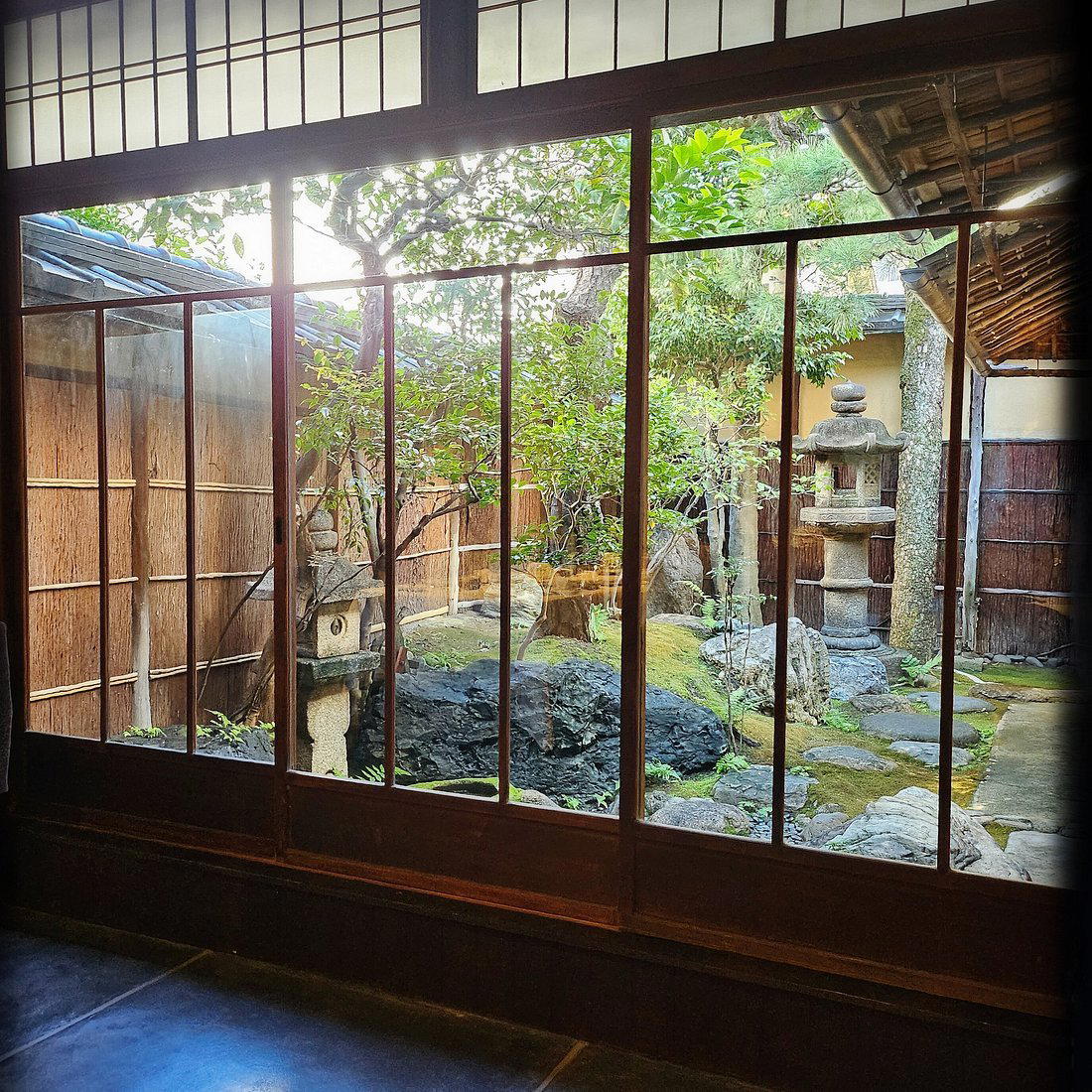
The address — Hanazonotsuchidocho in Ukyo Ward — places Cainoya in the western residential fringes of Kyoto, away from the tourist-dense corridors around Gion and Higashiyama. That alone shapes the experience. You are not walking out into a lantern-lit alley; you are in a quieter part of the city, which tends to mean a more concentrated dining room with a local-leaning clientele.
OAD rankings reward consistency and cook-to-plate integrity, and Cainoya's three-year trajectory from Highly Recommended (2023) to a ranked position in 2024 and 2025 is a meaningful signal. It is not the fastest-rising restaurant on the list, but it is a stable, improving one. That is the profile of a kitchen that rewards return visits.
Multi-Visit Strategy
If you have been once and want to know whether a second visit is justified, the answer is probably yes, with a caveat: the value of returning depends on how seasonally driven the menu actually is. Innovative Italian menus at this tier in Japan typically rotate around the produce calendar, which means a spring visit and an autumn visit will cover substantially different ground. A first visit in cherry-blossom season and a return in November, when Kyoto's produce shifts to root vegetables, mushrooms, and citrus, gives you the clearest read on Shiozawa's range.
For a third visit, consider the counter or the most intimate seating option available when you book. Restaurants at this level tend to reveal more technical detail when you are close to the kitchen. If your first two visits were table-seated, a counter position, if one exists, changes what you notice about the cooking. Ask when booking.
For context on what this tier of Italian-inflected cooking looks like in other Japanese cities, 1000 in Yokohama and 6 in Okinawa offer useful reference points, as does Lazy Bear in San Francisco for how a chef-driven tasting format can evolve across repeat visits in a Western context.
Practical Details
Booking difficulty is assessed as easy, which is a genuine advantage in a city where tables at Kaiseki institutions like Gion Sasaki, Hyotei, or Kikunoi Honten require months of lead time and often local intermediaries. Price range, hours, and booking method are not currently listed in our database; confirm directly with the venue or via your hotel concierge before planning around it. The address in Ukyo Ward is not walkable from central Kyoto, budget for a taxi or plan around a transit connection to the Randen line.
| Venue | Cuisine | Price Tier | Booking Difficulty | OAD Recognition |
|---|---|---|---|---|
| Cainoya | Innovative Italian | Not listed | Easy | Ranked #259 (2025) |
| cenci | Italian | ¥¥¥ | Moderate | Not listed |
| Gion Sasaki | Kaiseki | ¥¥¥¥ | Hard | OAD recognised |
| Mizai | Kaiseki | ¥¥¥¥ | Hard | OAD recognised |
| Isshisoden Nakamura | Japanese | ¥¥¥¥ | Hard | OAD recognised |
For more dining options across the city, see our full Kyoto restaurants guide. If you are building a broader trip, our Kyoto hotels guide, bars guide, and experiences guide cover the rest of the city.
Planning details
- Location
- 17-3 Hanazonotsuchidocho, Ukyo Ward, Kyoto, 616-8025, Japan
- Website
- instagram.com/cainoya_official
The take
The Take
The Vibe
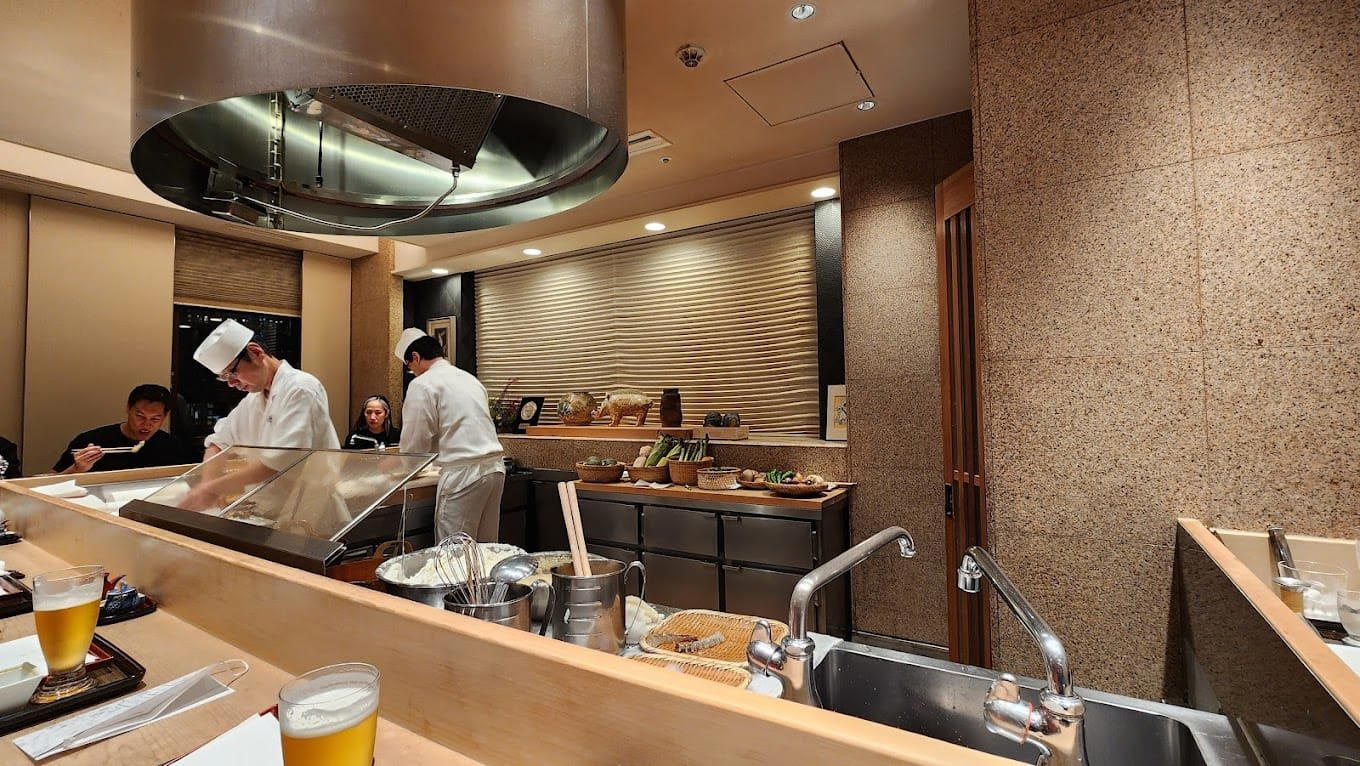
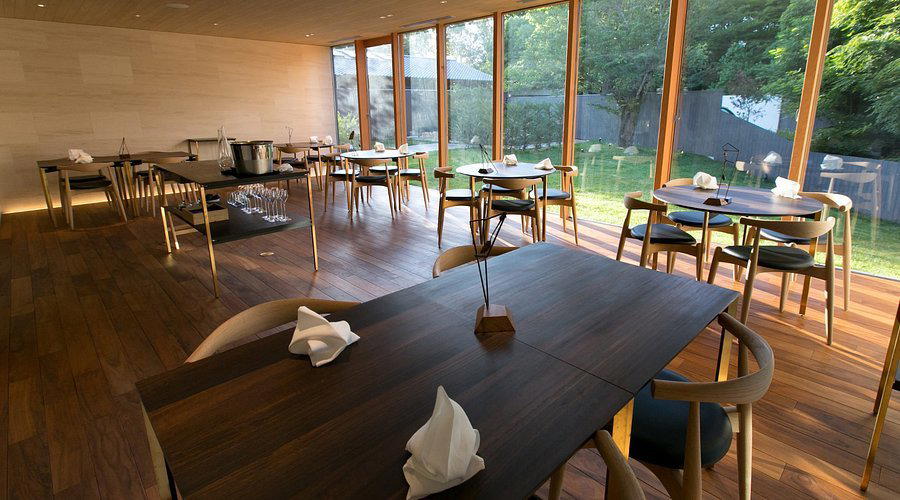
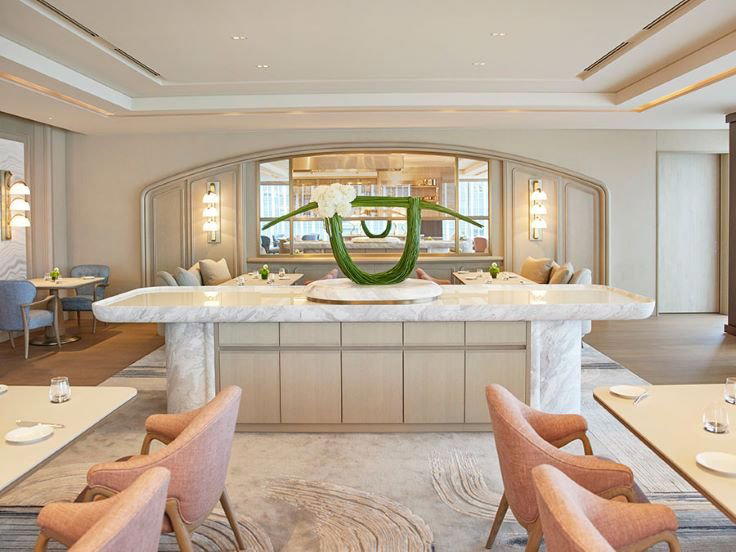
Cainoya occupies a quiet, residential corner of Kyoto and feels like a considered discovery rather than a tourist stop. The room attracts diners who plan ahead — often return visitors — and the service and pacing reflect that intentionality. The kitchen practices a restrained, European-informed discipline while working with local produce, so the mood is focused and refined rather than flashy. Expect a calm, attentive dining environment where the conversation is foregrounded and the city’s typical dinner-hour bustle is notably absent.
Best For
This is a meal for people who want a deliberately structured dinner that contrasts with Kyoto’s kaiseki circuit. It suits couples on a date night and diners marking a special occasion, and it rewards those who seek a thoughtful European-influenced progression built around Japanese ingredients. Because the restaurant sits off the tourist trail and draws return guests, reservations and a full evening to experience the menu are advisable. It’s less about casual drop-ins and more about an intentional culinary appointment.
Ordering Tips
Cainoya frames its service around the progression of a meal — the primacy of sauce, the role of pasta and grain — so lean into that structure rather than ordering à la carte. Follow the kitchen’s sequencing to appreciate how Italian technique and Japanese produce interplay; the writing highlights a signature onion pie, so save room to try it if offered. Given the restaurant’s deliberate clientele and evening focus, book ahead and opt for the multi-course experience to get the fullest sense of the chef’s concept.
Venue details
Ambiance
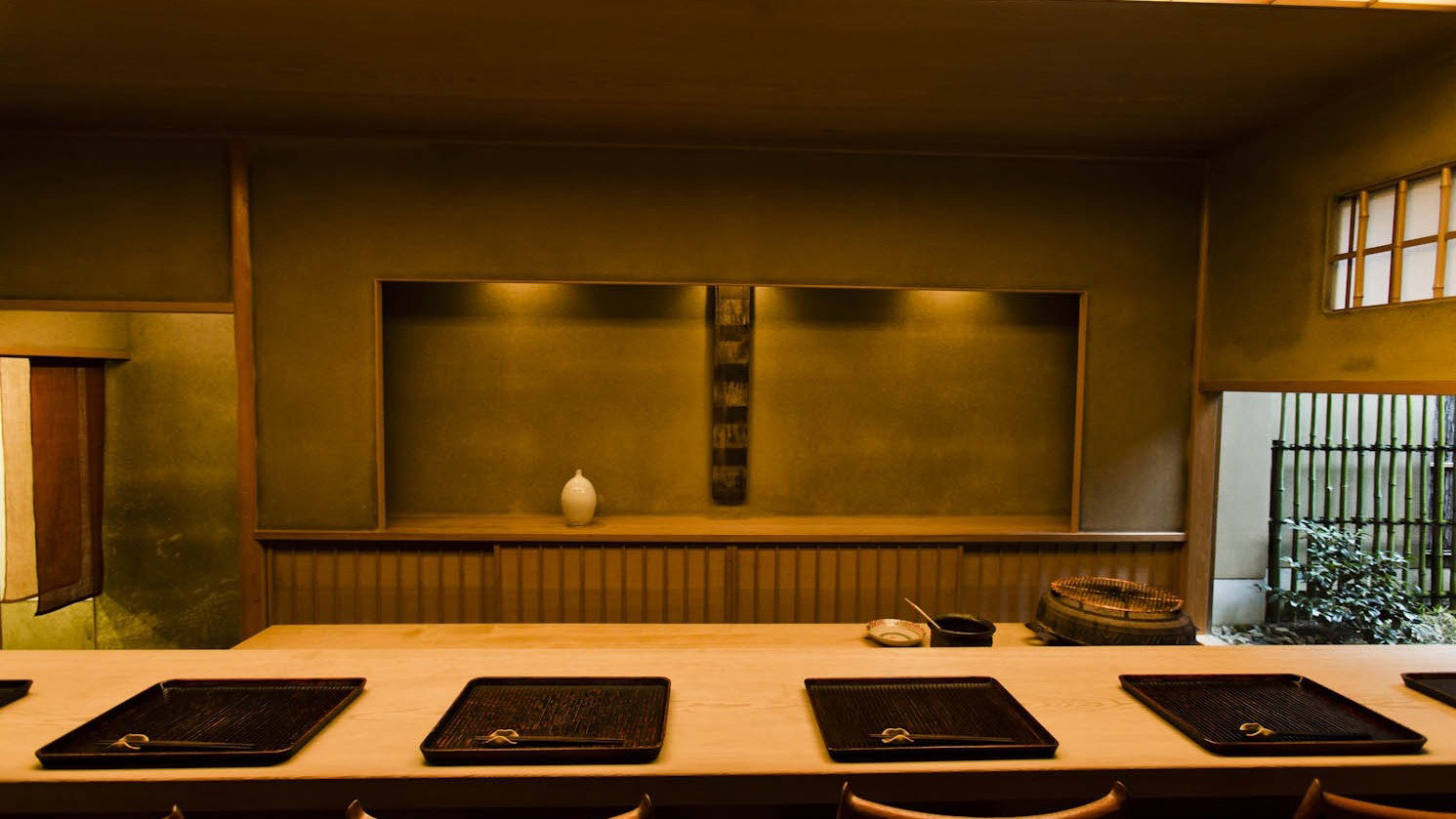
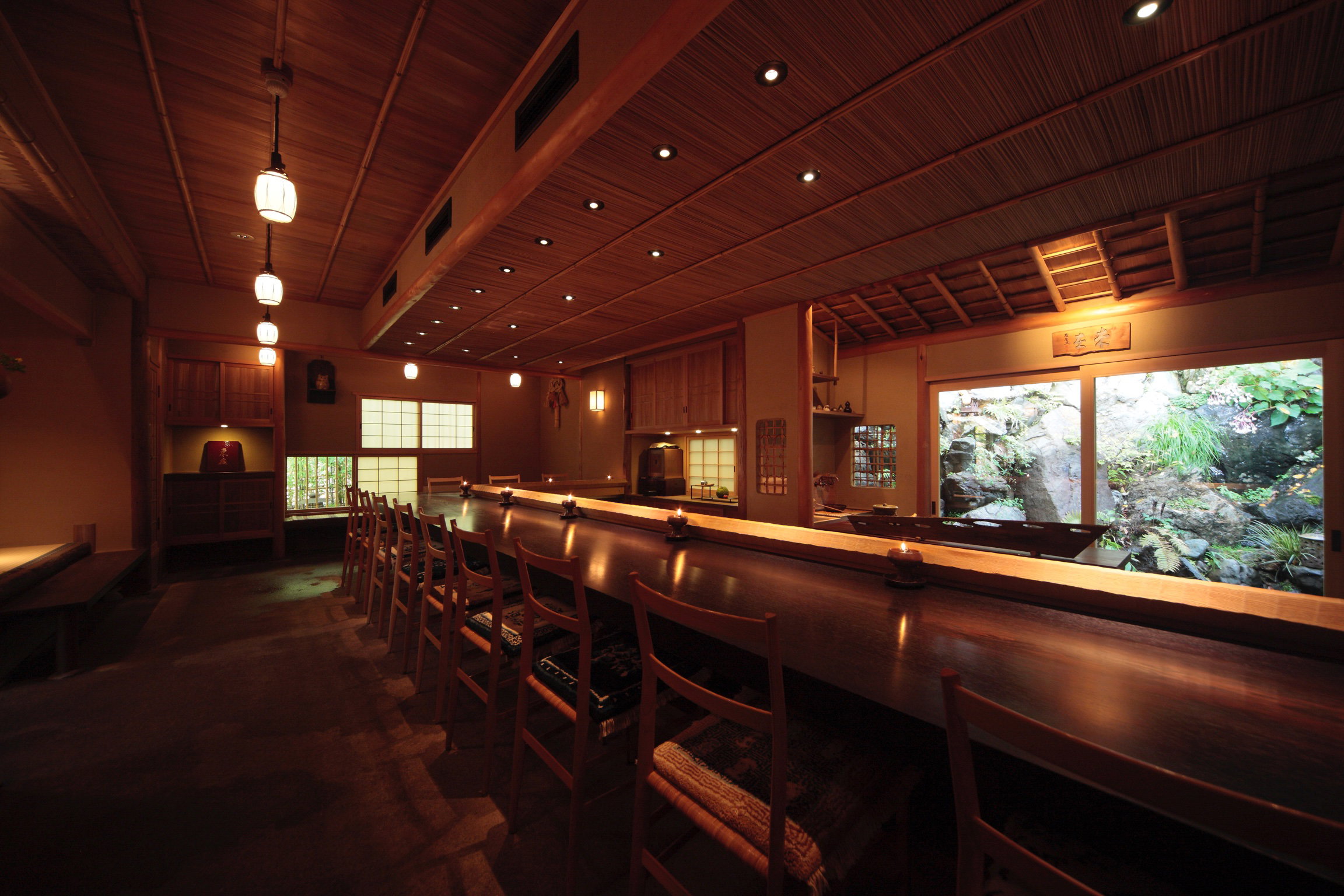
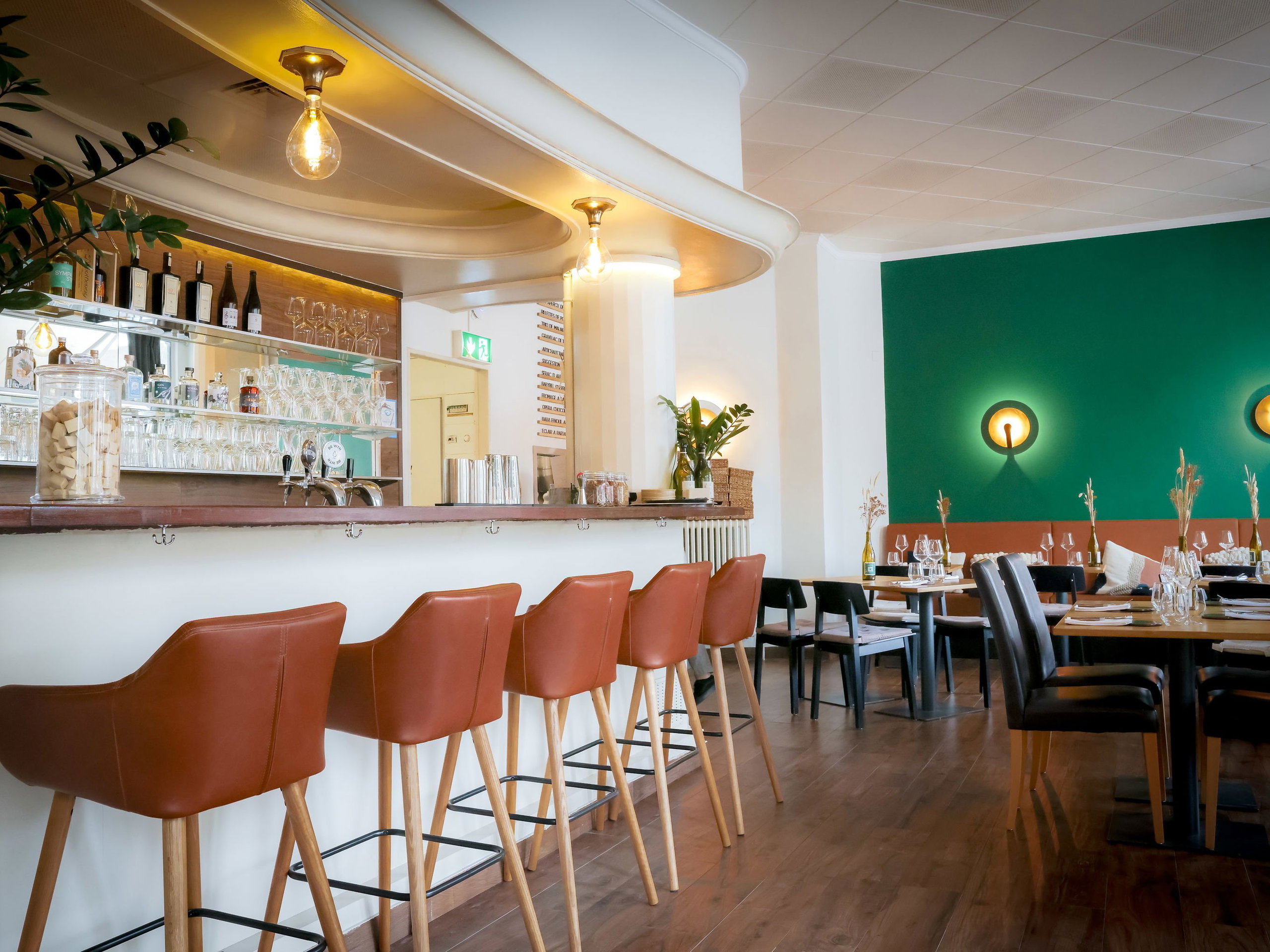
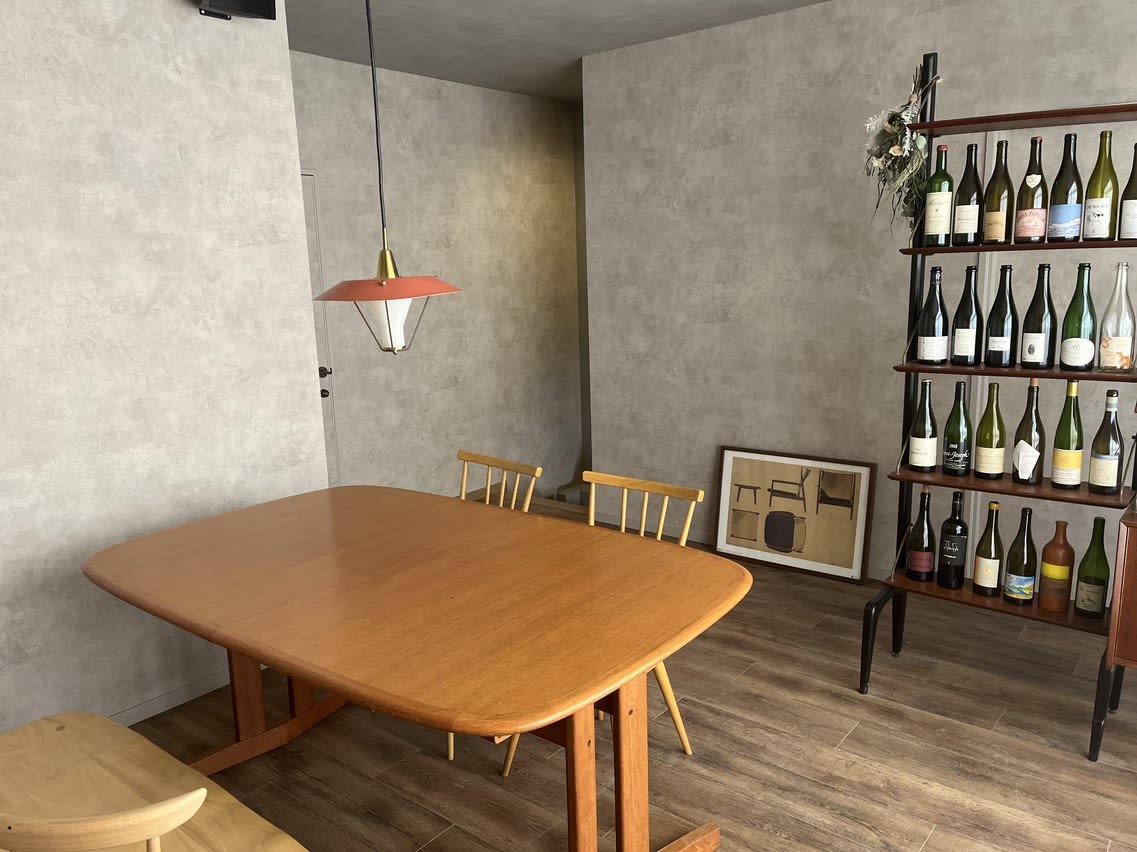
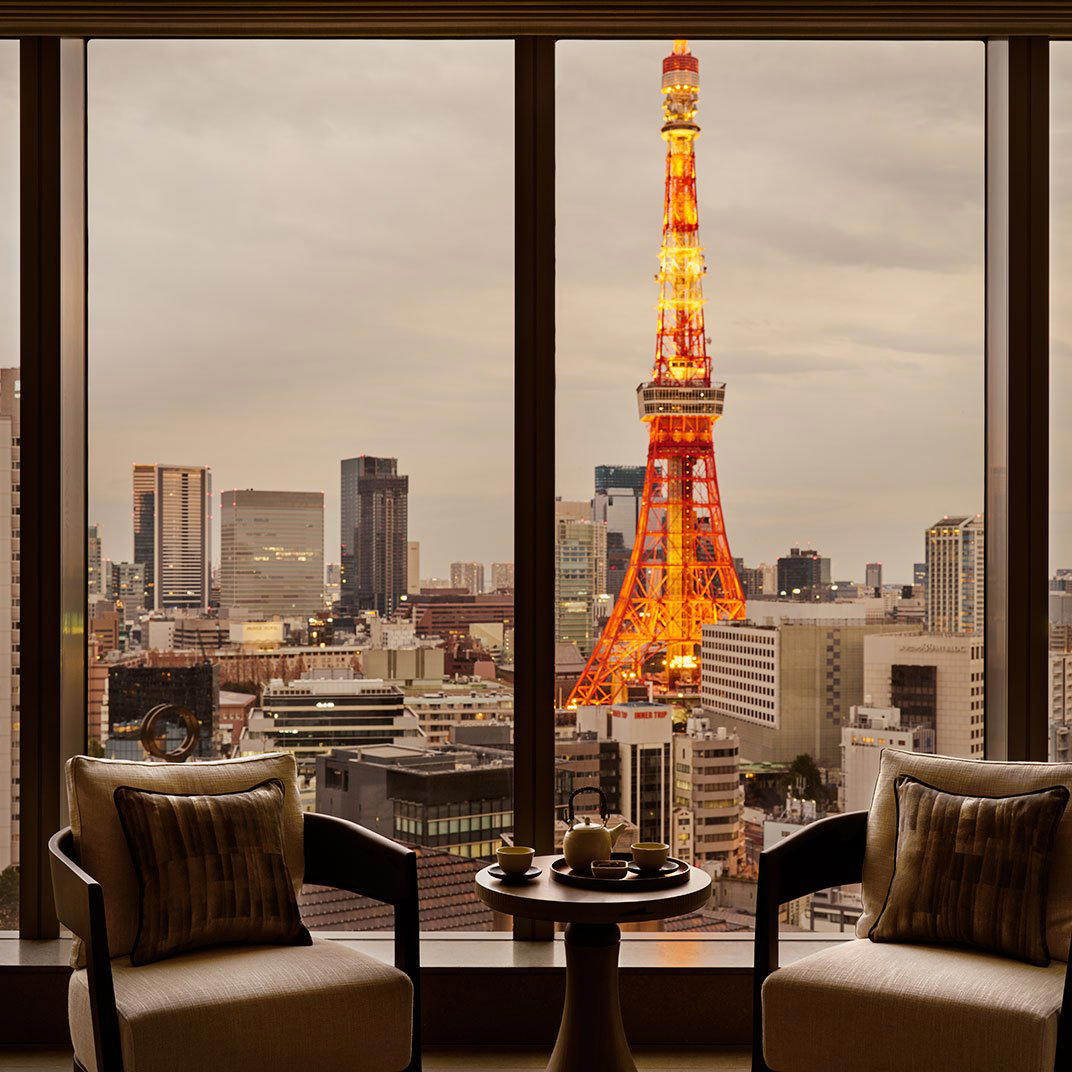
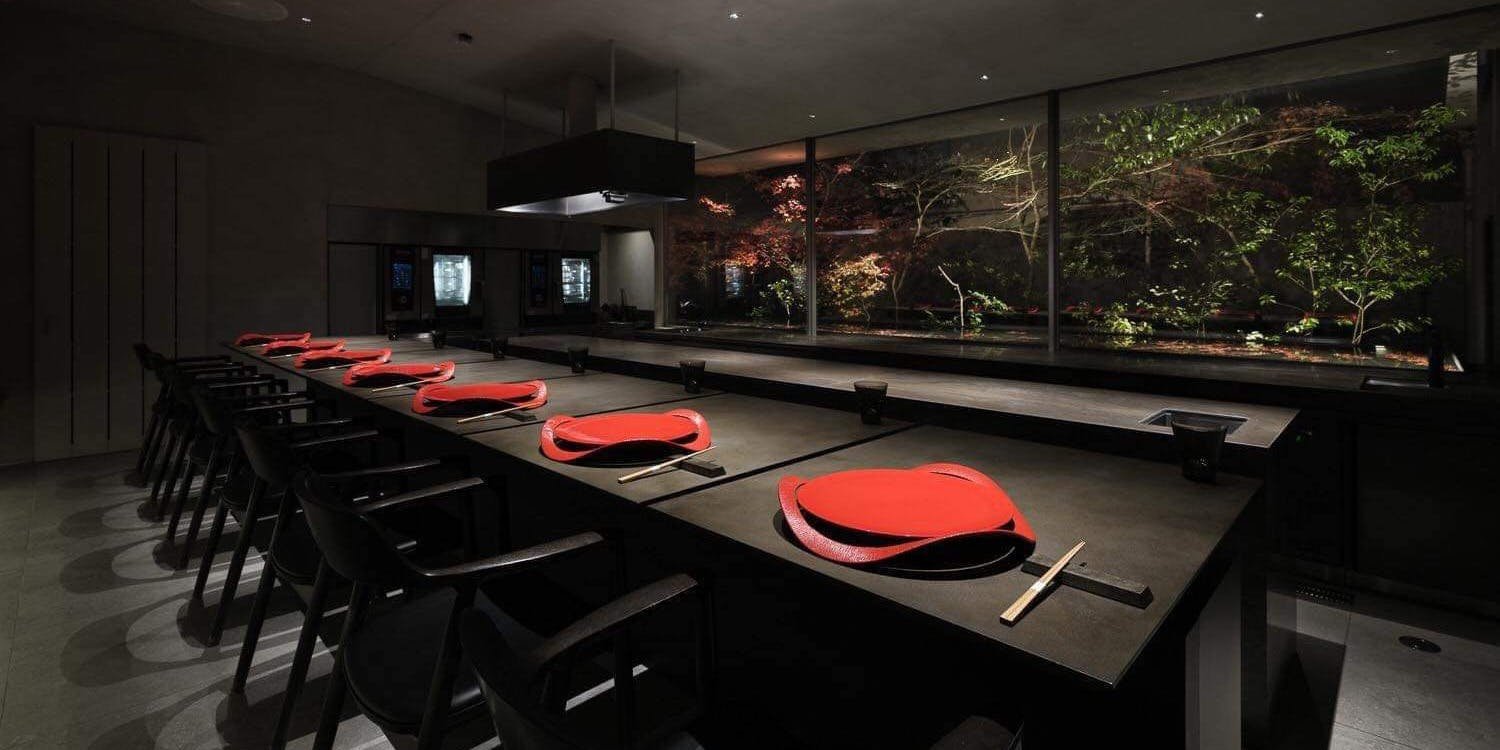
Sophisticated and intimate atmosphere expressing Japan through dishes, ambiance, and tableware in a 13-seat space.
Tags
Vibe
Best For
At the Table
- Dress Code
- Smart Casual
- Noise Level
- Quiet
- Service Style
- Formal
- Meal Pacing
- Leisurely
- Capacity
- Intimate
Signature Dishes
onion_pie
Know before you go
Know Before You Go
- Getting there
- 17-3 Hanazonotsuchidocho, Ukyo Ward, Kyoto, 616-8025, Japan
Planning details
Location
17-3 Hanazonotsuchidocho, Ukyo Ward, Kyoto, 616-8025, Japan · Directions
Recognition and awards

Also consider
Also Consider
- Gion Sasaki, Kaiseki, Japanese, ¥¥¥¥
- cenci, Italian, ¥¥¥
- Ifuki, Kaiseki, ¥¥¥¥
- Kyokaiseki Kichisen, Japanese, ¥¥¥¥
- SEN, French, Japanese, ¥¥¥¥
Restaurant context
Cainoya occupies a different lane from most of Kyoto's serious restaurants. If you are deciding between it and Gion Sasaki or Ifuki, the question is really whether you want kaiseki or something structurally different. Both Gion Sasaki and Ifuki are among the city's hardest tables to secure, operate at the ¥¥¥¥ tier, and deliver the Japanese seasonal-cooking tradition at a high level. Cainoya is easier to book and sits in a different culinary register entirely, Italian-framed rather than kaiseki. If this is your only Kyoto dinner, go kaiseki. If you have multiple nights and want range, Cainoya earns a place alongside one of the kaiseki options.
cenci is the most direct peer comparison: also Italian, also operating in Kyoto at a serious level, and priced at ¥¥¥. If price is a constraint and the Italian angle is specifically what you want, cenci is worth comparing directly. Cainoya's multi-year OAD trajectory gives it a slightly stronger credentialled position at this point, but both restaurants are working the same general territory and the gap is not wide. Kyokaiseki Kichisen and SEN are both ¥¥¥¥ and harder to book, SEN's French-Japanese format is the closest structural relative to Cainoya's cross-cultural approach, and worth considering if you want a Western-technique-meets-Japanese-produce format with more booking friction.
The practical summary: Cainoya is the easiest booking among this peer set and the only one doing Italian specifically. Book Gion Sasaki or Ifuki for the quintessential Kyoto fine-dining experience; book Cainoya when you want something that could not exist outside Japan but reads through a European frame.
Explore Kyoto
Around this place
Discover more on Pearl
Unlock the full Cainoya guide in Pearl, including awards, comparisons, FAQs, planning details, and nearby places.
Compare Cainoya
| Venue | Location | Cuisine | Awards | Price |
|---|---|---|---|---|
| Cainoya | Kyoto | Innovative Italian | 2026 OAD Top Restaurants in Japan RecommendedTabelog 100 - Innovative / Creative cuisine - 2025 · #452025 OAD Top Restaurants in Japan Ranked · #2592024 OAD Top Restaurants in Japan Ranked · #2332023 OAD Top Restaurants in Japan Highly Recommended | , |
| Gion Sasaki | Kyoto | Kaiseki, Japanese | 2026 Tabelog Bronze · #3862026 OAD Top Restaurants in Japan RecommendedMichelin Guide Kyoto Osaka 20262026 La Liste Top RestaurantsTabelog 100 - Japanese cuisine - WEST - 2025 · #132025 OAD Top Restaurants in Japan Ranked · #2462025 Tabelog Silver2025 Michelin 3 Stars2025 La Liste Top Restaurants | ¥¥¥¥ |
| cenci | Kyoto | Italian | 2026 Tabelog Bronze · #442026 Asia's 50 Best Restaurants · #762026 OAD Top Restaurants in Japan Highly RecommendedMichelin Guide Kyoto Osaka 2026Tabelog 100 - Italian - WEST - 2025 · #632025 Asia's 50 Best Restaurants · #632025 OAD Top Restaurants in Japan Ranked · #1682025 Tabelog Bronze2024 OAD Top Restaurants in Japan Ranked · #135 | ¥¥¥ |
| Ifuki | Kyoto | Kaiseki | 2026 OAD Top Restaurants in Japan Ranked · #1222026 Tabelog Bronze · #128Michelin Guide Kyoto Osaka 20262026 La Liste Top RestaurantsTabelog 100 - Japanese cuisine - WEST - 2025 · #622025 OAD Top Restaurants in Japan Ranked · #1002025 La Liste Top Restaurants2025 Tabelog Bronze2025 Michelin 2 Stars | ¥¥¥¥ |
| Kyokaiseki Kichisen | Kyoto | Japanese | 2026 Tabelog Bronze · #1752026 OAD Top Restaurants in Japan Highly RecommendedMichelin Guide Kyoto Osaka 20262025 OAD Top Restaurants in Japan Ranked · #1862025 Michelin 2 Stars2025 La Liste Top Restaurants2024 OAD Top Restaurants in Japan Ranked · #1422024 Michelin 2 Stars2023 OAD Top Restaurants in Japan Ranked · #136 | ¥¥¥¥ |
| SEN | Kyoto | French, Japanese | 2026 Tabelog Bronze · #3952026 OAD Top Restaurants in Japan RecommendedMichelin Guide Kyoto Osaka 20262026 Michelin PlateTabelog 100 - Japanese cuisine - WEST - 2025 · #652025 Michelin Plate2025 Tabelog Bronze2024 OAD Top Restaurants in Japan Ranked · #3622024 Michelin Plate | ¥¥¥¥ |





.png?width=1200&quality=80)
How Cainoya Kyoto compares with similar nearby venues.
FAQ
Frequently Asked Questions
Is Cainoya good for solo dining?
Solo diners are well suited to Cainoya's format. Innovative Italian executed through a single chef's vision tends to reward undivided attention, and the restaurant's easy booking status means you are not competing hard for a seat. For solo kaiseki, Gion Sasaki is the reference point, but Cainoya gives you something genuinely different without the reservation ordeal.
How far ahead should I book Cainoya?
Booking difficulty is assessed as easy, which is rare for a Kyoto restaurant with three consecutive OAD rankings (Highly Recommended in 2023, #233 in 2024, #259 in 2025). A few days to one week of lead time is likely sufficient, though booking earlier never hurts when travel plans are fixed. This is one of the few credentialed Kyoto dining rooms where last-minute tables are a realistic possibility.
Can Cainoya accommodate groups?
Group suitability is not specified in available data, so confirm directly before booking a party larger than four. That said, smaller groups of two to four are a natural fit for a chef-driven innovative Italian format, where the menu logic tends to play better at an intimate scale than across a large shared table.
What should a first-timer know about Cainoya?
Cainoya is not a kaiseki room and not a conventional Italian restaurant. Chef Takayoshi Shiozawa runs an innovative Italian concept in Kyoto's Ukyo Ward, sitting outside the standard Kyoto fine dining template entirely. Its three successive OAD recognitions signal consistent quality, not a one-off splash. Go expecting a chef's tasting format rather than an à la carte menu.
What should I order at Cainoya?
Specific menu items are not documented here, and at a chef-driven innovative Italian restaurant the menu shifts with season and sourcing. The format at places like Cainoya is typically set-course, meaning ordering is not really a decision you make at the table. Trust the progression and flag dietary needs in advance.