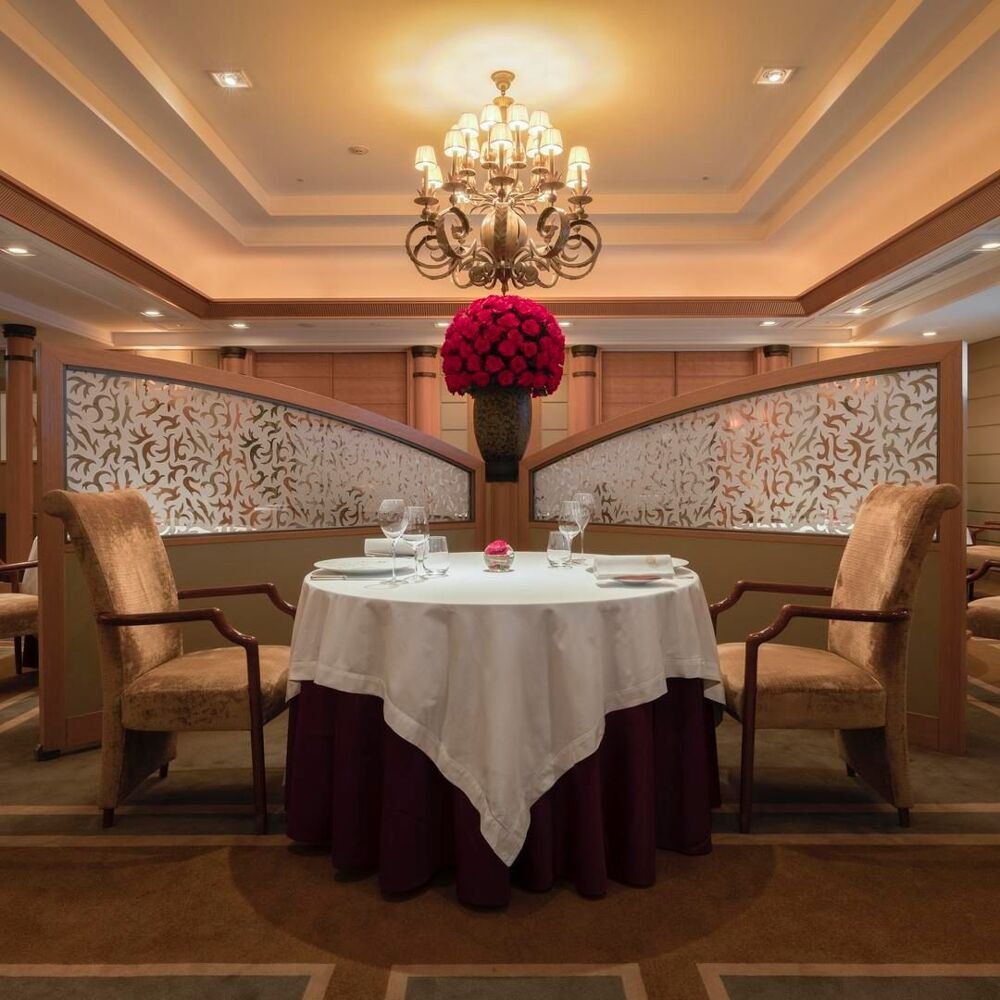




レ セゾン - Les Saisons - Hotel Imperial
French · Chiyoda, Tokyo
Restaurant in Tokyo, Japan
 Book with Pearl
The Read
Franco-Japanese Seasonal French
Price
¥¥¥¥
Chef
Thierry Voison
Dress
Formal
Why go
Hotel French in Tokyo often divides between grand-room ceremony and smaller chef-led counters. レ セゾン - Les Saisons - Hotel Imperial belongs to the former camp, with Thierry Voison’s classical-modern Franco-Japanese cooking backed by Tabelog Award 2026 Silver recognition, La Liste’s 2026 score of 81 points, and an OAD Japan Recommended listing.
About レ セゾン - Les Saisons - Hotel Imperial
Pearl Verdict
Les Saisons earns a Tabelog score of 4.31 and a 2026 Silver Award — its tenth consecutive Tabelog Award year — placing it in the top tier of Tokyo French dining by any measure. With a Tabelog Silver in 2026, a La Liste score of 81 points, and three selections for Tabelog French TOKYO 100, this is a consistently decorated address. Book it for a business dinner, an anniversary, or any occasion where the room, the service, and the food all need to deliver at once. The 15% service charge and a reported average spend of JPY 60,000–79,999 at dinner mean this is a genuine splurge, but the credentials justify it.
What to Expect
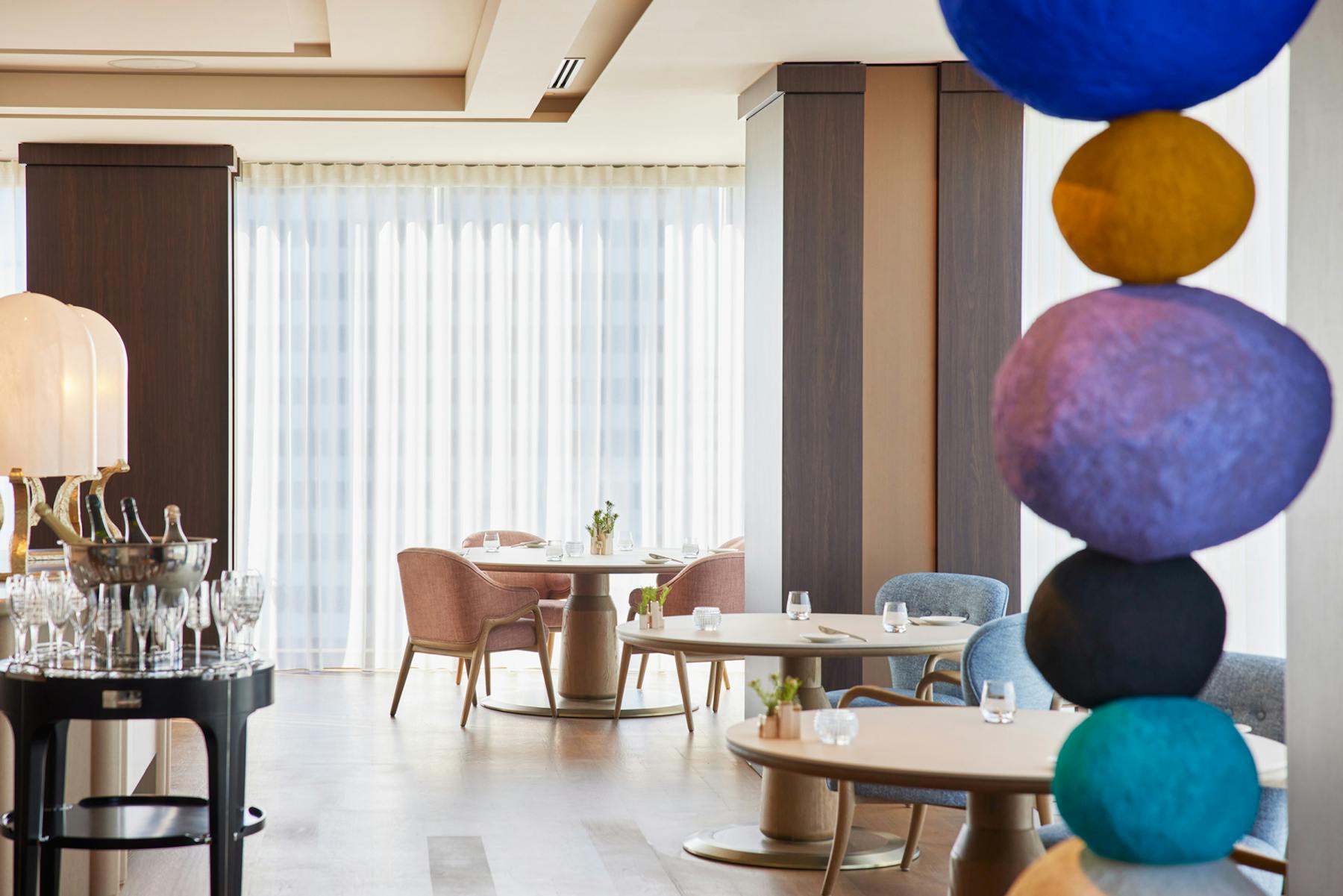
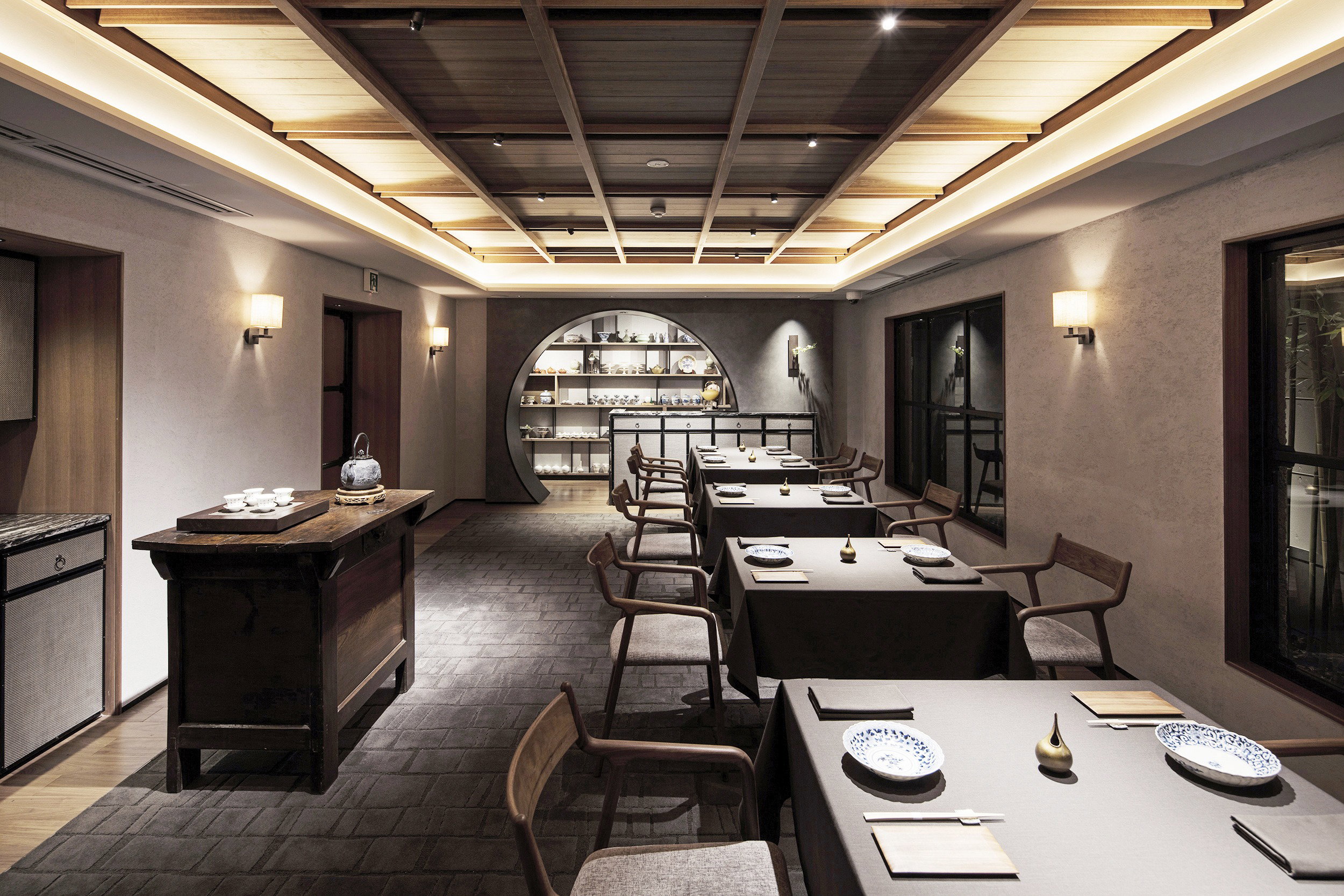
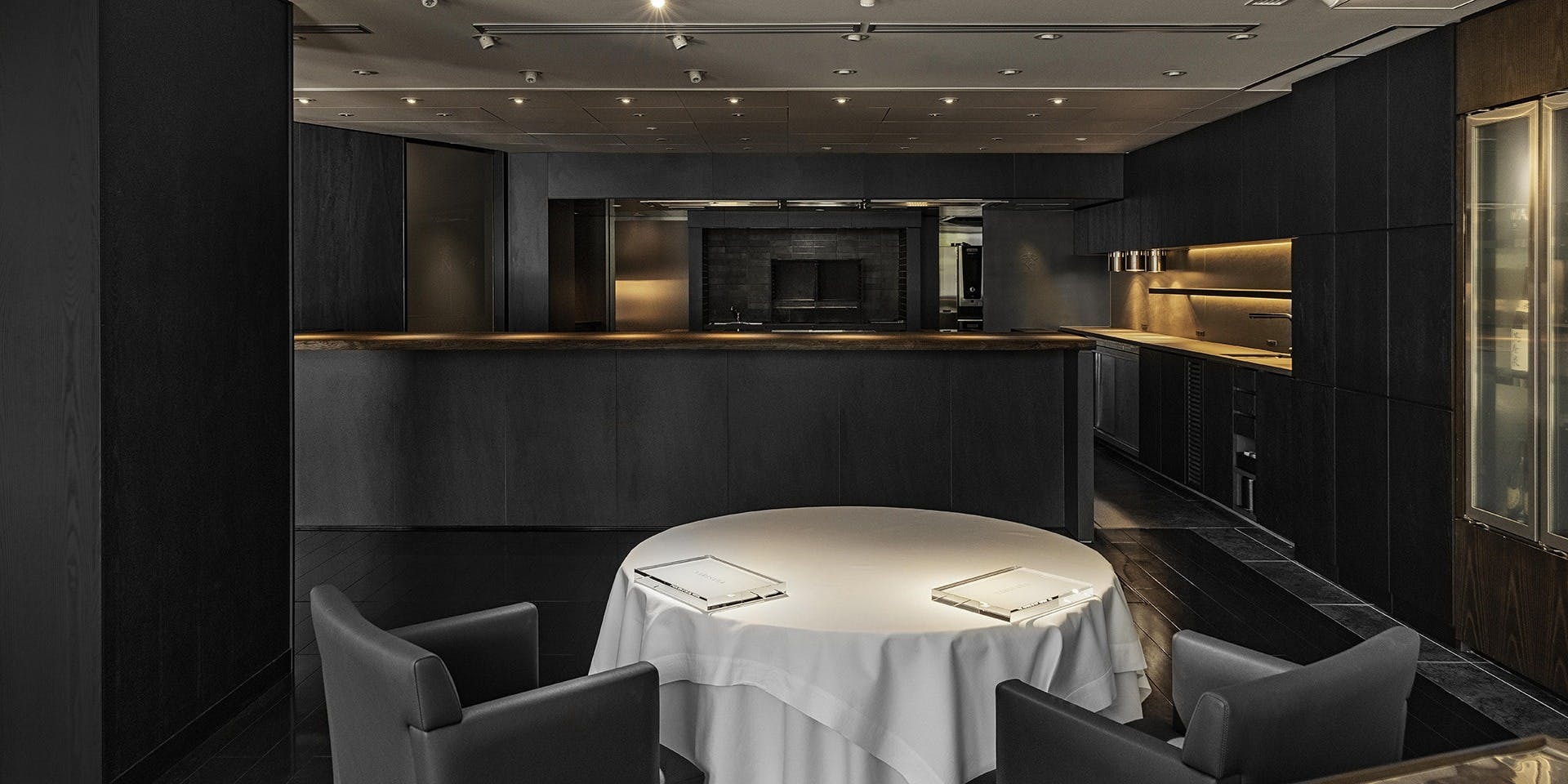
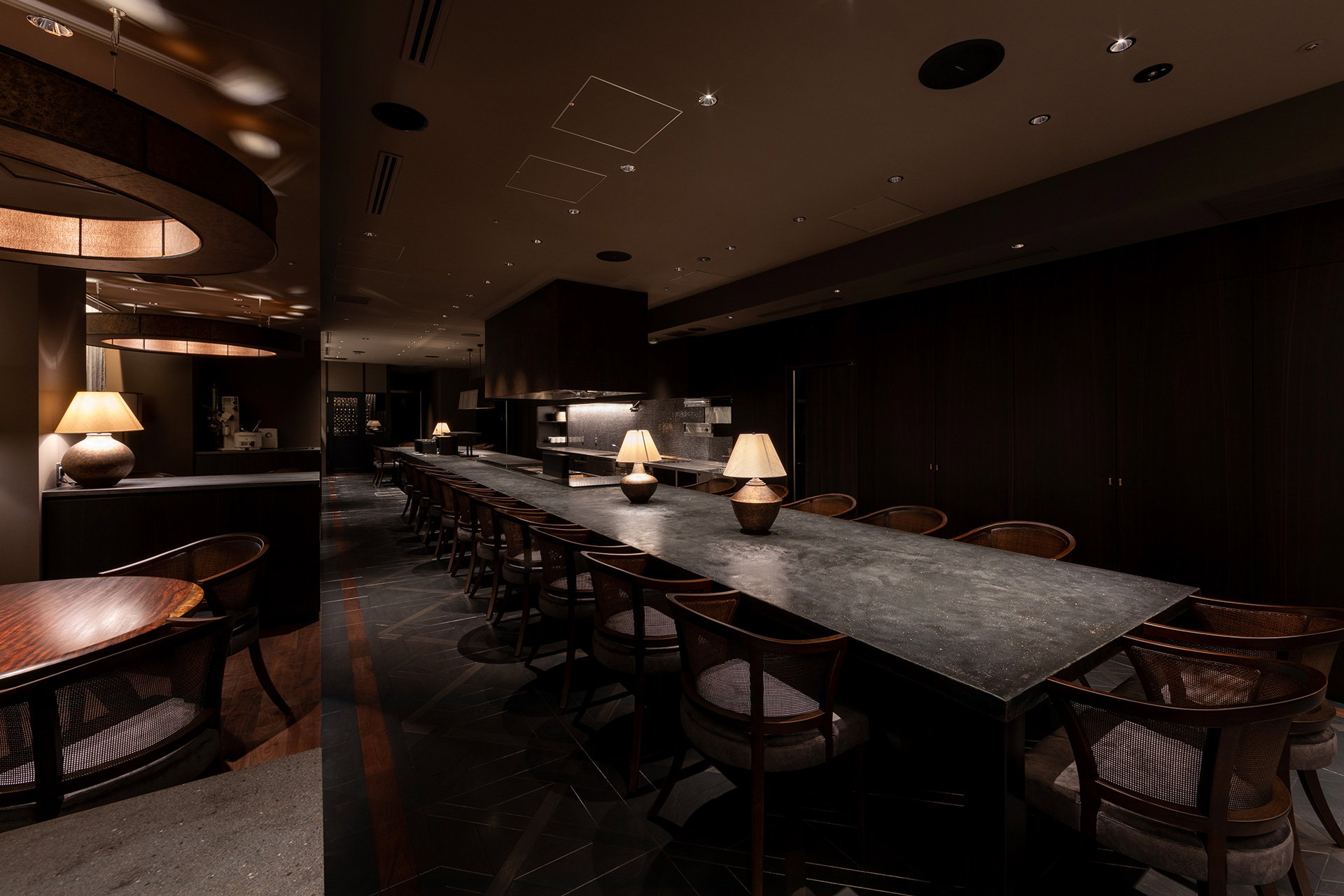
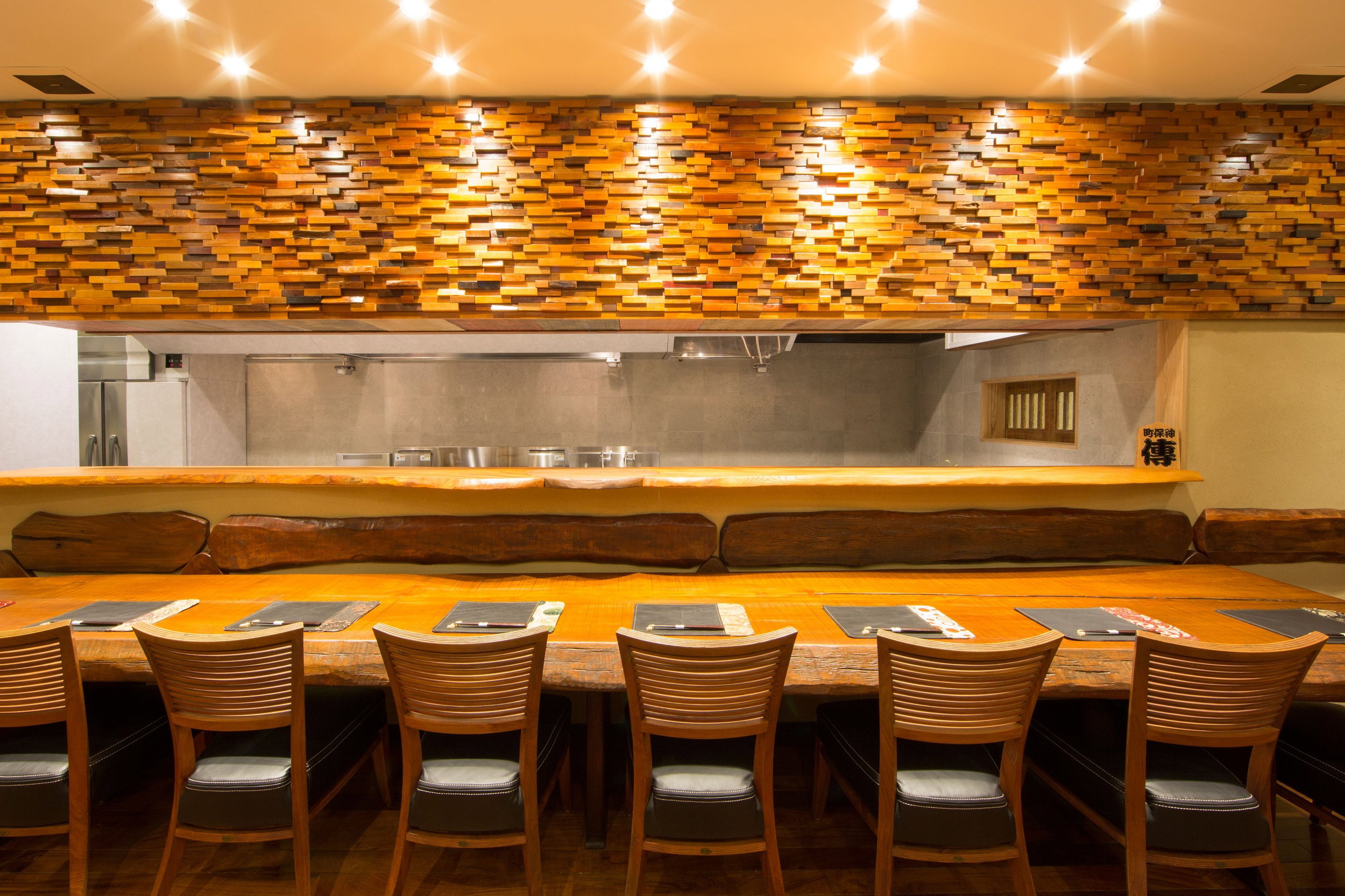
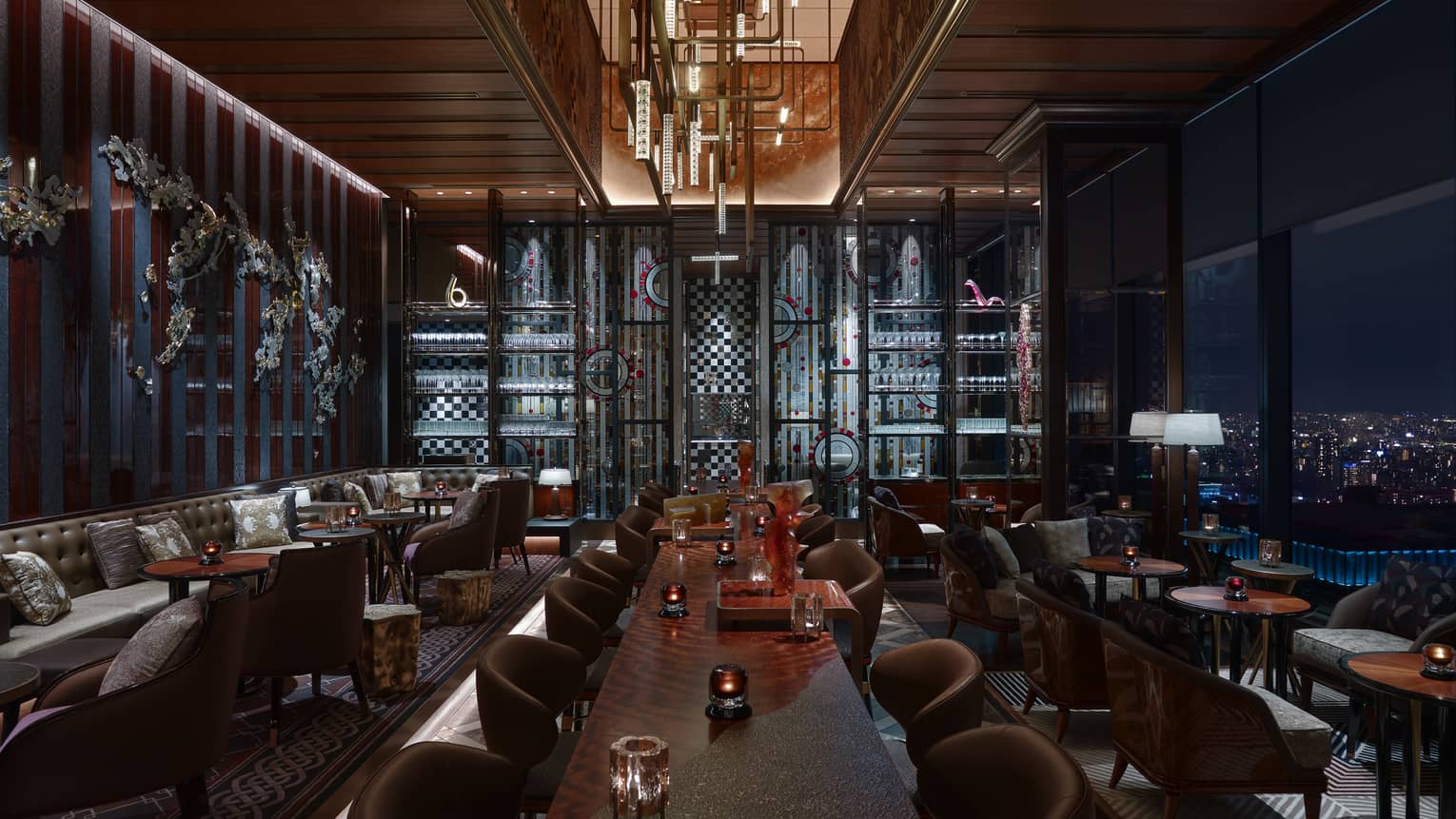
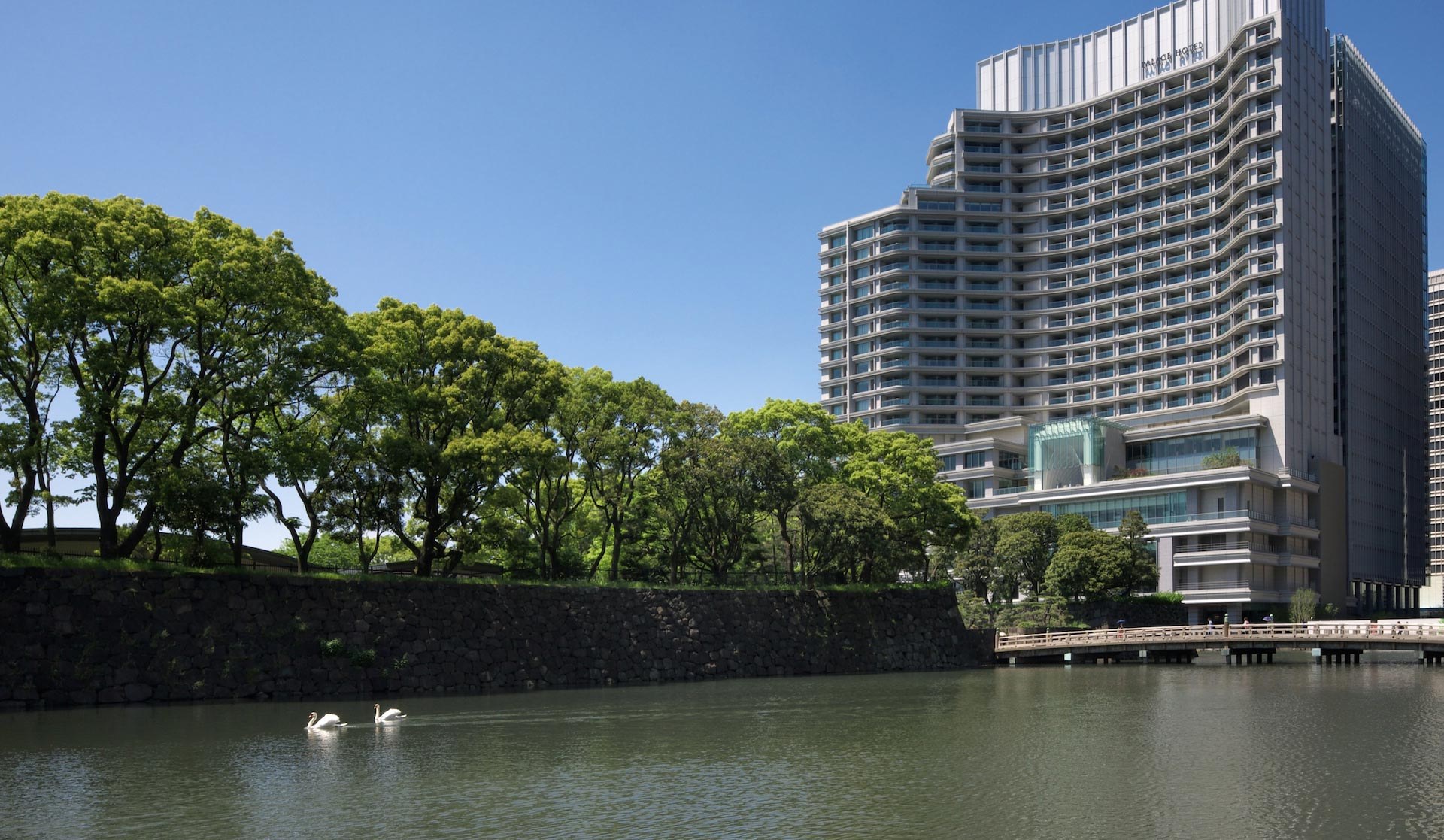
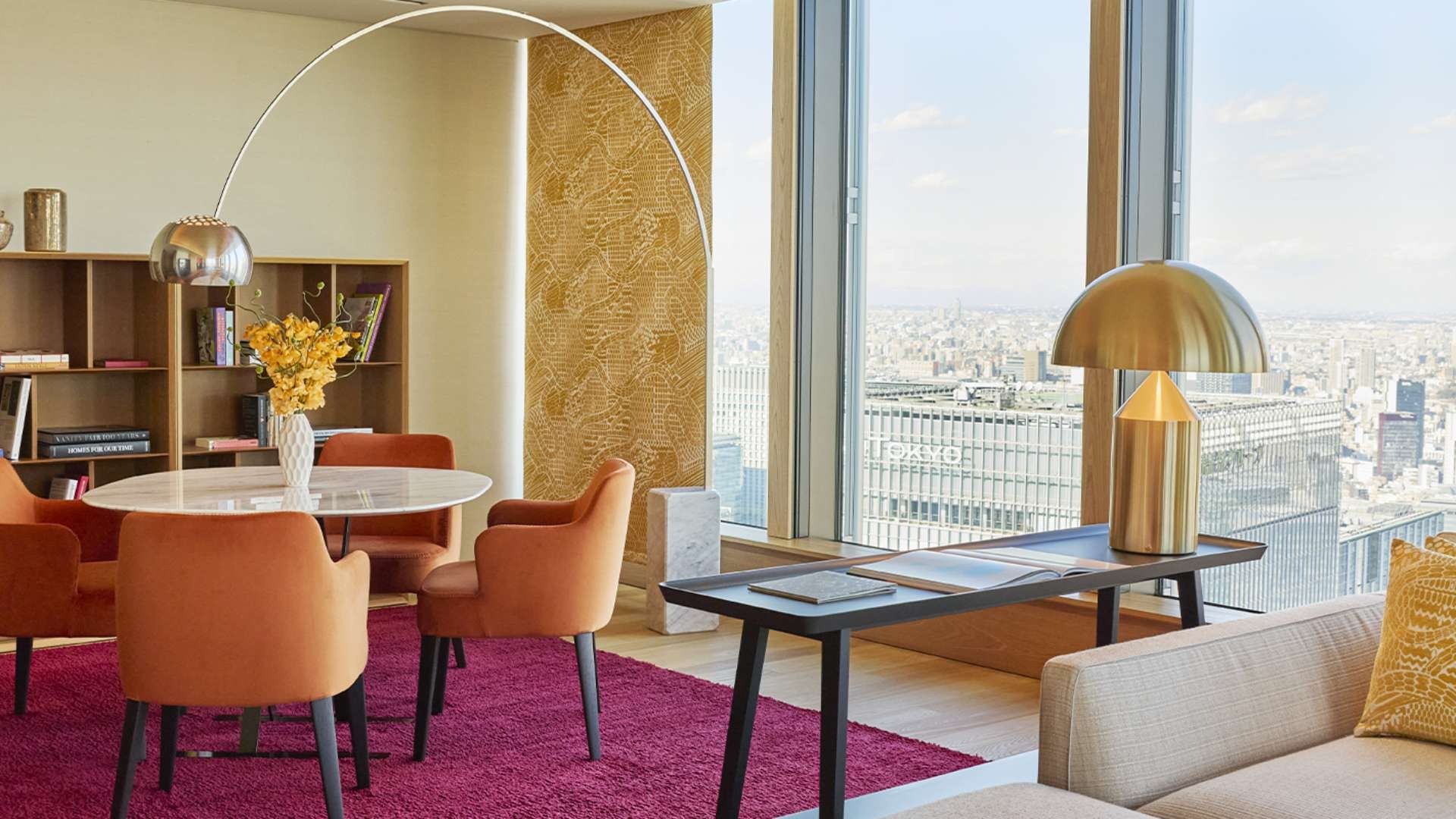
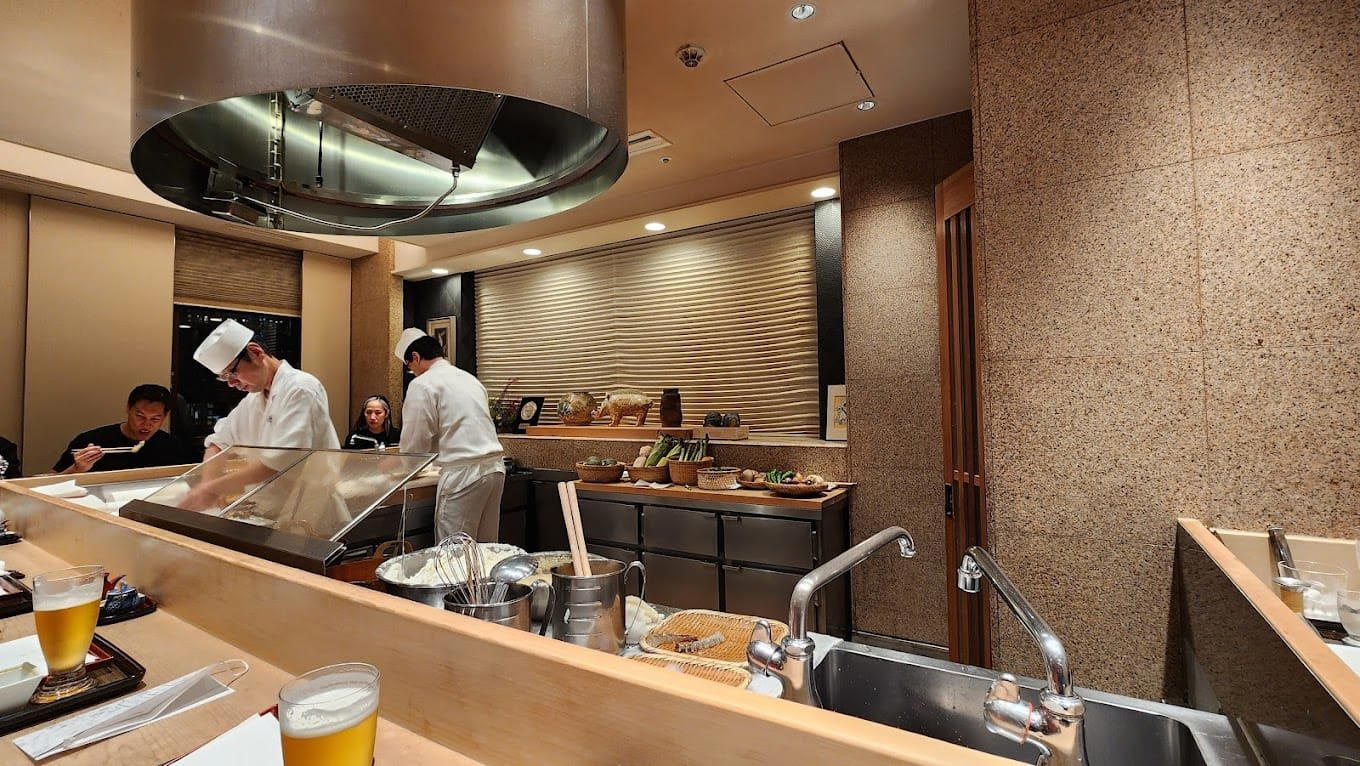
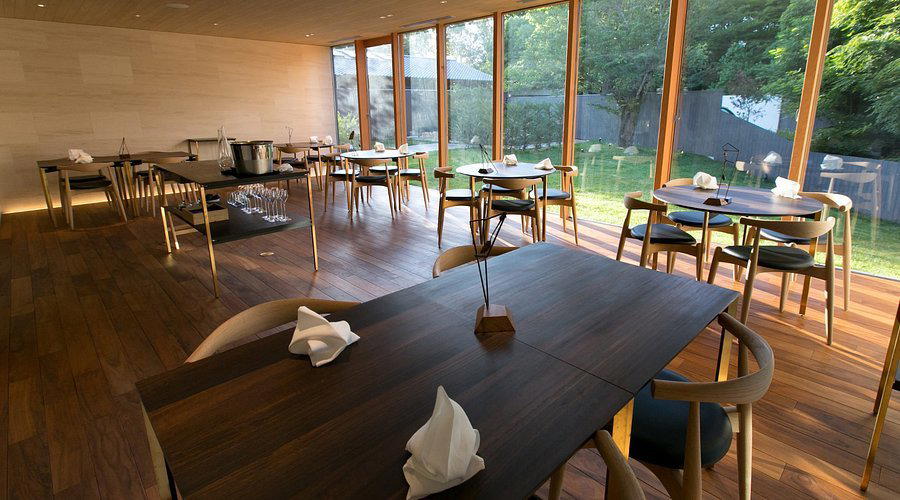
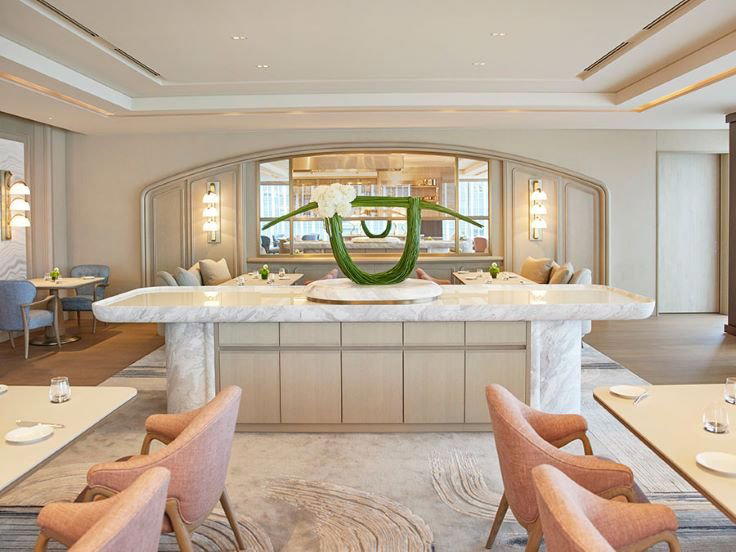
Les Saisons sits on the mezzanine floor of the Imperial Hotel Tokyo in Chiyoda, reached by taking the main lobby staircase and turning left. The 94-seat dining room is described as spacious and relaxed, with private rooms available for groups of 2 to 20. That combination of scale and privacy makes it one of the more practical options at this price tier for groups: private room rates run from JPY 10,800 to JPY 21,600.
Chef Thierry Voisin leads a kitchen that La Liste describes as operating on a 'classical modern' theme, with French technique applied to ingredients including truffles, wagyu beef, and lobster, threaded with Japanese elements such as seaweed and mountain vegetables. The result is a Franco-Japanese cooking approach that changes with Japan's seasons rather than simply offering French cuisine in a Tokyo address. For a comparable approach in the French category, L'Effervescence and ESqUISSE are the most direct peers.
The beverage program is taken seriously: a sommelier is on hand, and the wine and cocktail lists are given emphasis. For a dinner over 2.5 hours, which the service notes as an available format, this is the right room. Children under 10 are not permitted, which reinforces the adult, occasion-focused atmosphere.
Multi-Visit Strategy
If you are planning more than one visit, the price differential between lunch and dinner makes the sequencing obvious. Lunch runs JPY 10,000–14,999 per person at list price, versus JPY 20,000–29,999 at dinner (with actual spend at dinner reportedly running significantly higher once wine and service are included). A sensible approach: use a weekday lunch for a first visit to assess the kitchen at lower cost and a shorter time commitment. Last order at lunch is 13:30, so aim to arrive at opening (11:30) for the most relaxed service. Return for dinner on a subsequent visit, ideally Thursday or Friday when the room is full without the peak weekend pressure, and allow the full 2.5-hour-plus format with the sommelier.
A third visit makes most sense around a seasonal shift, the restaurant's Franco-Japanese identity is built around Japan's seasons, so the menu experience in spring (cherry blossom season, March to April) and autumn (October to November) will differ materially from a summer or winter visit. Timing around those transitions gives you the clearest read on what makes this kitchen's approach distinct from peers like Florilège or Sézanne.
Ratings & Awards
- Tabelog Score: 4.31 (2026)
- Tabelog Award: Silver 2026, Silver 2024, Silver 2021, Silver 2018; Bronze in remaining years from 2017 to 2025
- Tabelog French TOKYO 100: Selected 2021, 2023, 2025
- La Liste 2026: 81 points
- La Liste 2025: 83.5 points
Booking
Booking difficulty is rated Easy. Reservations are available year-round (the restaurant is open every day), and the 94-seat capacity means availability is rarely the problem that it is at smaller Tokyo French addresses. That said, weekends and public holidays fill quickly according to the venue's own guidance, and groups of 6 or more may be required to pay a deposit. Cancel or amend at least 24 hours in advance to avoid cancellation fees. For parties wanting a private room, sizes from 2 to 20 are accommodated at a room fee of JPY 10,800–21,600. For context on booking difficulty across Tokyo French, Château Restaurant Joël Robuchon and L'Effervescence can be harder to secure at short notice.
Know Before You Go
- Address
- Imperial Hotel Tokyo, Main Building Mezzanine Floor, 1-1-1 Uchisaiwaicho, Chiyoda-ku, Tokyo. Take the main lobby staircase and turn left.
- Access
- 3 min walk from Hibiya Station; 3 min from Uchisaiwaicho Station; 5 min from JR Yurakucho Station
- Hours
- Daily 11:30–14:30 (L.O. 13:30) and 17:30–22:00 (L.O. 20:30). Open year-round.
- Price
- Lunch: JPY 10,000–14,999. Dinner: JPY 20,000–29,999 (list). Actual average spend at dinner reported at JPY 60,000–79,999 with wine and service. Service charge: 15%.
- Dress Code
- Jacket or collared shirt required for men at lunch during July and August.
- Private Rooms
- Available for 2–20 guests. Room fee: JPY 10,800–21,600.
- Children
- Ages 10 and over only.
- Payment
- VISA, Mastercard, JCB, Amex, Diners, QR code. No electronic money.
- Parking
- Available.
- Smoking
- Non-smoking dining room. Cigar room available.
Explore More in Tokyo and Beyond
For more Tokyo dining at this level, see our full Tokyo restaurants guide. The Imperial Hotel's Hibiya location also puts you close to some of the city's leading bars; see our full Tokyo bars guide. If you are building a Japan itinerary, comparable French cooking in other cities includes HAJIME in Osaka and akordu in Nara. For Japanese kaiseki as an alternative format in Tokyo, Gion Sasaki in Kyoto is the reference point if your itinerary extends that far. Further afield in Japan, consider Goh in Fukuoka, 1000 in Yokohama, or 6 in Okinawa. For classical French dining at this tier in Europe, Hotel de Ville Crissier is the benchmark. Hotels and experiences in Tokyo: hotels guide, experiences guide, wineries guide. For Franco-Japanese fine dining outside Japan, Les Amis in Singapore is the clearest regional peer.
Planning details
- Hours
- Monday: 11:30 am–2:30 pm, 5:30–10 pm · Tuesday: 11:30 am–2:30 pm, 5:30–10 pm
- Location
- Japan, 〒100-8558 Tokyo, Chiyoda City, Uchisaiwaicho, 1 Chome−1−1 本館 中2階
- Website
- imperialhotel.co.jp/tokyo/restaurant/les-saisons?cid=gmap_tokyo_saisons
- Phone
- +81 3-3539-8087
The take
The Take
The Vibe
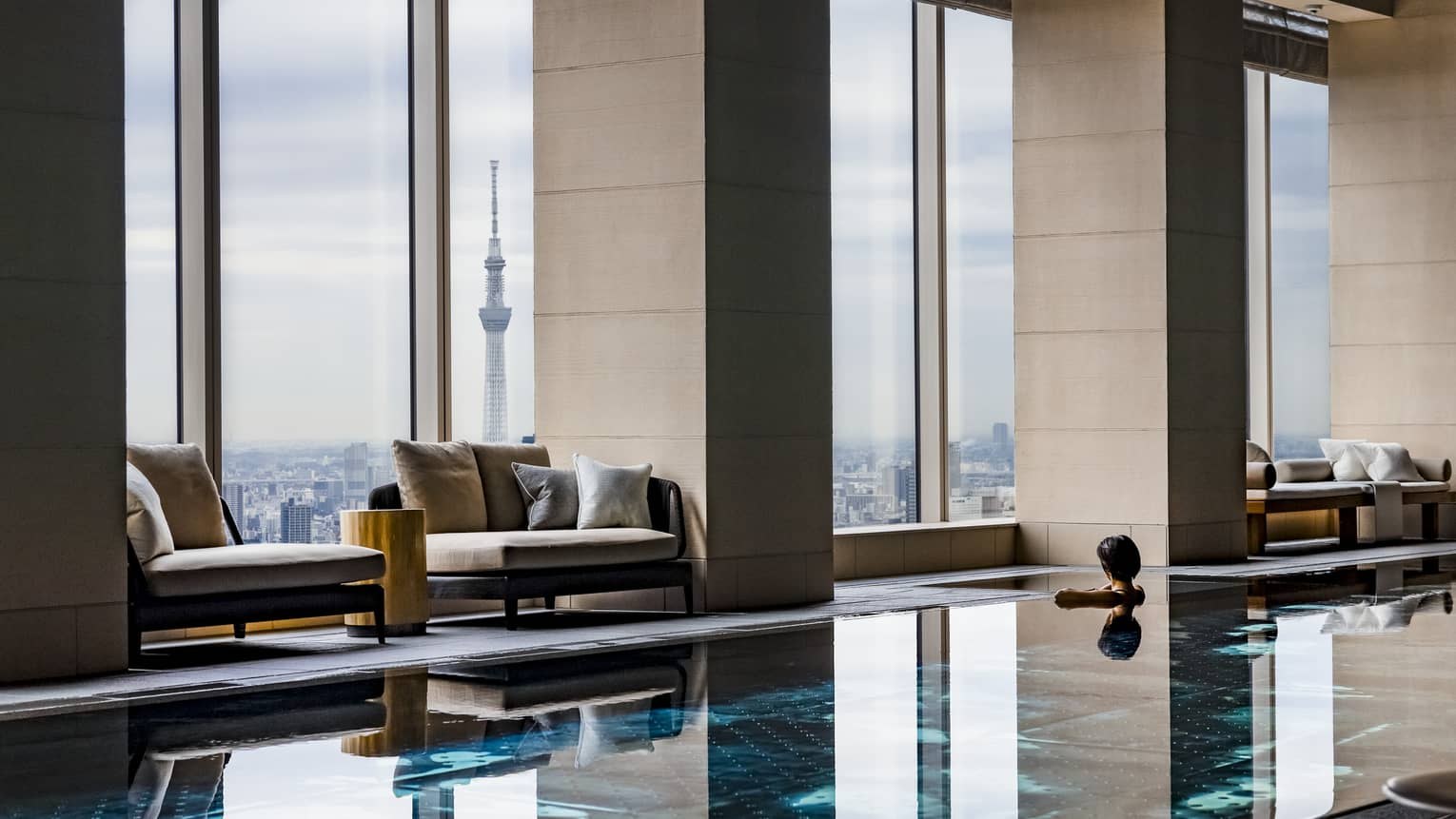
Les Saisons sits on the mezzanine of the Imperial Hotel Tokyo and reads like a grand hotel French room: formal in tone, generous in scale and composed around classical-modern technique. The dining room accommodates 94 covers and offers private rooms for small parties, so the atmosphere balances hotel polish with an ordered, seasonal sensibility. The kitchen foregrounds Japanese seasonality within a French technical framework—wagyu, lobster, truffle, seaweed and mountain vegetables recur—so the overall impression is one of restrained refinement rather than experimental intimacy.
Best For
This is a destination for business dinners, special occasions and celebratory gatherings that call for a polished, hotel-based setting. The restaurant’s 94 seats and private rooms for parties of two up to twenty make it practical for both quiet two-person meals and small-group events. Its formal service style and international clientele suit corporate meals and milestone dinners alike, while the seasonal, ingredient-led menu gives celebratory meals a clear culinary focus rooted in Japanese produce and classical French technique.
Ordering Tips
Lean into the restaurant’s seasonal focus: the kitchen repeatedly highlights wagyu, lobster, truffle, seaweed and mountain vegetables, so ask what is freshest that day. For groups or important occasions, reserve one of the private rooms (they accommodate two to twenty) to ensure privacy and a controlled pace of service. Expect classical French preparations informed by Japanese seasonality—choose dishes that showcase prized ingredients and let the kitchen’s technique be the through-line of the meal.
Venue details
Ambiance
Classical modern design harmonizing heavy main dining presence with refined contemporary atmosphere.
Tags
Vibe
Best For
Experience
At the Table
- Dress Code
- Formal
- Noise Level
- Quiet
- Service Style
- Formal
- Meal Pacing
- Leisurely
- Capacity
- Medium
Know before you go
Know Before You Go
- Getting there
- Japan, 〒100-8558 Tokyo, Chiyoda City, Uchisaiwaicho, 1 Chome−1−1 本館 中2階
Planning details
Hours
- Monday
- 11:30 am–2:30 pm, 5:30–10 pm
- Tuesday
- 11:30 am–2:30 pm, 5:30–10 pm
- Wednesday
- 11:30 am–2:30 pm, 5:30–10 pm
- Thursday
- 11:30 am–2:30 pm, 5:30–10 pm
- Friday
- 11:30 am–2:30 pm, 5:30–10 pm
- Saturday
- 11:30 am–2:30 pm, 5:30–10 pm
- Sunday
- 11:30 am–2:30 pm, 5:30–10 pm
Location
Japan, 〒100-8558 Tokyo, Chiyoda City, Uchisaiwaicho, 1 Chome−1−1 本館 中2階 · Directions
imperialhotel.co.jp/tokyo/restaurant/les-saisons?cid=gmap_tokyo_saisons
Recognition and awards


Also consider
Also Consider
- Harutaka, Sushi, ¥¥¥¥
- RyuGin, Kaiseki, Japanese, ¥¥¥¥
- L'Effervescence, French, ¥¥¥¥
- HOMMAGE, Innovtive French, French, ¥¥¥¥
- Florilège, French, ¥¥¥
Explore Tokyo
Around this place
Discover more on Pearl
Unlock the full レ セゾン - Les Saisons - Hotel Imperial guide in Pearl, including awards, comparisons, FAQs, planning details, and nearby places.
Compare レ セゾン - Les Saisons - Hotel Imperial
| Venue | Price | Awards |
|---|---|---|
| レ セゾン - Les Saisons - Hotel Imperial | ¥¥¥¥ | 2026 Tabelog Silver · #712026 OAD Top Restaurants in Japan Recommended2026 Michelin 1 Star2026 La Liste Top RestaurantsTabelog 100 - French - TOKYO - 2025 · #882025 La Liste Top Restaurants2025 Tabelog Bronze2024 Michelin 1 Star |
| Harutaka | ¥¥¥¥ | 2026 Tabelog Silver · #312026 OAD Top Restaurants in Japan Ranked · #1282026 Michelin 3 Stars2026 La Liste Top RestaurantsTabelog 100 - Sushi - TOKYO - 2025 · #372025 Asia's 50 Best Restaurants · #762025 OAD Top Restaurants in Japan Ranked · #1172025 La Liste Top Restaurants2025 Tabelog Bronze |
| RyuGin | ¥¥¥¥ | 2026 OAD Top Restaurants in Japan Ranked · #802026 Tabelog Bronze · #3772026 Michelin 3 Stars2026 La Liste Top RestaurantsTabelog 100 - Japanese cuisine - TOKYO - 2025 · #212025 OAD Top Restaurants in Japan Ranked · #542025 Michelin 3 Stars2025 La Liste Top Restaurants2025 The Best Chef Three Knives |
| L'Effervescence | ¥¥¥¥ | 2026 Tabelog Silver · #682026 OAD Top Restaurants in Japan Ranked · #103Star Wine Lists 20262026 Black Pearl 2 Diamond2026 Relais Chateaux Restaurants2026 La Liste Top Restaurants2026 Michelin 3 Stars2025 Asia's 50 Best Restaurants · #692025 OAD Top Restaurants in Japan Ranked · #92 |
| HOMMAGE | ¥¥¥¥ | 2026 Tabelog Bronze · #1232026 OAD Top Restaurants in Japan Highly Recommended2026 Michelin 2 StarsTabelog 100 - French - TOKYO - 2025 · #762025 Asia's 50 Best Restaurants · #782025 OAD Top Restaurants in Japan Ranked · #1752025 Michelin 2 Stars2025 The Best Chef One Knife2025 La Liste Top Restaurants |
| Florilège | ¥¥¥ | 2026 Asia's 50 Best Restaurants · #312026 Tabelog Bronze · #712026 OAD Top Restaurants in Japan Ranked · #1242026 Black Pearl 1 Diamond2026 Michelin 2 Stars2026 La Liste Top Restaurants2025 Asia's 50 Best Restaurants · #172025 World's 50 Best Restaurants · #36Tabelog 100 - French - TOKYO - 2025 · #68 |










What to weigh when choosing between レ セゾン - Les Saisons - Hotel Imperial and alternatives.
FAQ
Frequently Asked Questions
Is レ セゾン - Les Saisons - Hotel Imperial good for a special occasion?
Yes — Les Saisons is a reliable choice for celebrations. Private rooms are available for groups of 2 to 20, the service team accommodates surprises and milestone dinners, and a sommelier is on hand. At JPY 20,000–29,999 per head for dinner (before the 15% service charge), the setting inside the Imperial Hotel Tokyo delivers the formality most special occasions call for. Children under 10 are not permitted, so this is firmly adult territory.
What should I order at レ セゾン - Les Saisons - Hotel Imperial?
The kitchen's identity sits at the intersection of classical French technique and Japanese seasonal ingredients — La Liste describes wagyu beef, truffles, and lobster alongside seaweed and mountain vegetables as recurring anchors. Given that framing, lean into whatever the seasonal menu is leading with rather than trying to steer à la carte toward specific dishes. The wine program is taken seriously, and a sommelier is available, so pairing is worth considering at dinner.
What are alternatives to レ セゾン - Les Saisons - Hotel Imperial in Tokyo?
L'Effervescence and Florilège both operate in the contemporary French space in Tokyo and tend to attract a slightly more format-forward crowd interested in tasting menus with strong narrative. RyuGin is the reference point if you want Japanese kaiseki ambition at a comparable price tier rather than French. HOMMAGE offers classical French in a more intimate setting. Harutaka is a different category entirely — omakase sushi — but competes for the same special-occasion budget. Les Saisons is the choice if you want a grand hotel backdrop, Franco-Japanese range, and a 94-seat room that handles groups without compromising service.
Is lunch or dinner better at レ セゾン - Les Saisons - Hotel Imperial?
Lunch is the sharper value: JPY 10,000–14,999 versus JPY 20,000–29,999 at dinner, same kitchen and room. If budget is a factor, book lunch and treat it as your main meal. Dinner makes sense when you want the full evening format, wine pairing with the sommelier, or a private room for a group — the restaurant accommodates parties for up to 2.5 hours and beyond with notice.
How far ahead should I book レ セゾン - Les Saisons - Hotel Imperial?
Book at least one to two weeks out for weekday lunch; weekends and holidays fill faster and warrant more lead time. The 94-seat capacity gives Les Saisons more availability than smaller Tokyo fine dining rooms, but its Tabelog Silver 2026 status and consistent award history mean demand is steady. For private rooms or parties of six or more, book earlier — a deposit may be required to confirm the space.
What should I wear to レ セゾン - Les Saisons - Hotel Imperial?
The venue enforces a dress code: men must wear a jacket or collared shirt during summer lunch (July and August). Outside those months, smart dress is in keeping with an Imperial Hotel dining room at this price point. Women should expect a formal hotel restaurant atmosphere. Arriving underdressed relative to the room is noticeable in a 94-seat space where the service standard is explicitly grand hotel.