
.png?width=1200&quality=80)
Ji-Cube
Chinese · Minato, Tokyo
Restaurant in Tokyo, Japan
 Book with Pearl
The Read
Ingredient-Led Sichuan Omakase
Price
$50–100per person
Dress
Smart Casual
Why go
Ji-Cube is a Tabelog Silver Award-winning Sichuan omakase in Nishiazabu, Tokyo, with a 4.34 score and consecutive Tabelog Top 100 recognition. Dinner runs JPY 15,000–19,999 on average with no service charge and BYO permitted. The monthly-changing menu built on Japanese-sourced ingredients makes it one of the clearest value decisions in Tokyo's high-end Chinese dining tier.
About Ji-Cube
Should You Book Ji-Cube?
Getting a table at Ji-Cube is easier than you might expect for a Tabelog Silver Award winner, but do not mistake availability for simplicity. This is reservation-only, full stop. Walk-ins are not an option at a 26-seat Nishiazabu restaurant with a monthly-rotating omakase and a loyal following that books ahead. The good news: reservations are accessible through TableCheck via the restaurant's official website or through OMAKASE, and weekend lunch slots are somewhat easier to secure than Friday dinner. If you are planning a special occasion, book at least three to four weeks out. The effort is worth it.
What Ji-Cube Is
Ji-Cube opened in June 2021 in Nishiazabu, Minato, and within two years had earned consecutive placement in the Tabelog Chinese TOKYO Top 100 for both 2023 and 2024. By 2026, the restaurant had climbed to a Tabelog Silver Award with a score of 4.34, placing it among the most recognised Chinese restaurants in Tokyo. A Michelin Plate recognition in 2024 adds further credibility to its standing. These are not honorary distinctions in Japan's dining ecosystem; Tabelog scores at this level reflect sustained, high-volume peer assessment from diners who take their reviews seriously.
The format is omakase-style Sichuan Chinese cuisine, which is a rarer proposition in Tokyo than the city's Chinese restaurant density might suggest. Most high-end Chinese dining in Tokyo sits in the Cantonese register, emphasising dim sum and seafood. Ji-Cube works from a Sichuan foundation but makes a deliberate choice to source Japanese ingredients, which is where the kitchen's sourcing philosophy becomes central to the price justification. In odd-numbered months, dinner courses are built around Japanese-sourced ingredients. In even-numbered months, dim sum-focused lunch courses take prominence. That monthly reinvention is not a marketing gimmick; it means the menu you experience in March will not look like the one served in May, and returning guests report that dishes are rarely repeated across visits.
This sourcing structure matters when you are deciding whether the price makes sense. Dinner runs JPY 20,000 to JPY 29,999 per head (with actual spend based on reviews averaging JPY 15,000 to JPY 19,999). Lunch runs JPY 8,000 to JPY 9,999 (averaging JPY 6,000 to JPY 7,999 in practice). For a Sichuan omakase that rebuilds its menu monthly and prioritises Japanese produce over cheaper imported alternatives, the dinner price sits at the lower end of what Tokyo's comparable omakase restaurants charge. There is no service charge and no private room fee, which meaningfully reduces the total bill compared to venues that layer those costs on leading.
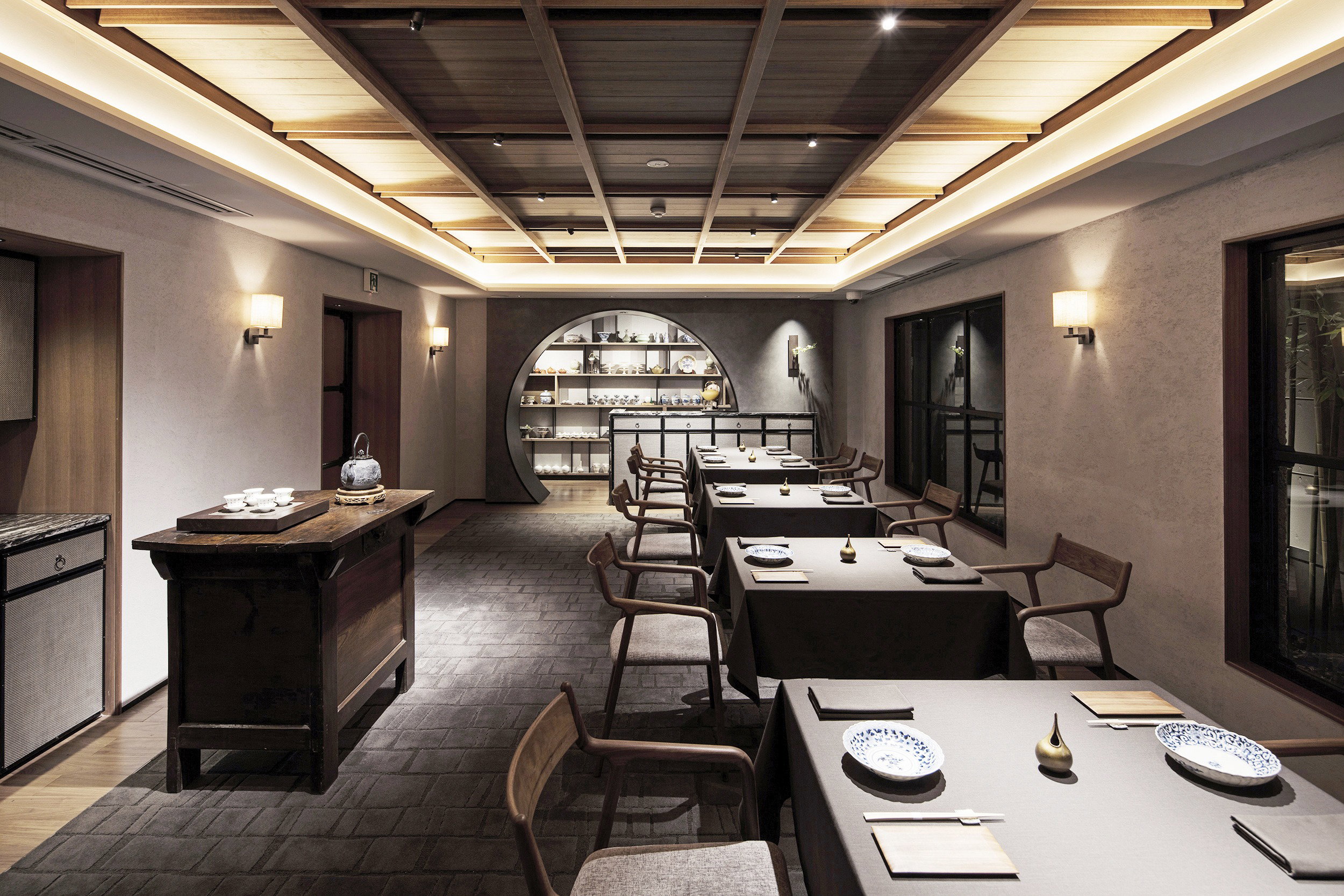
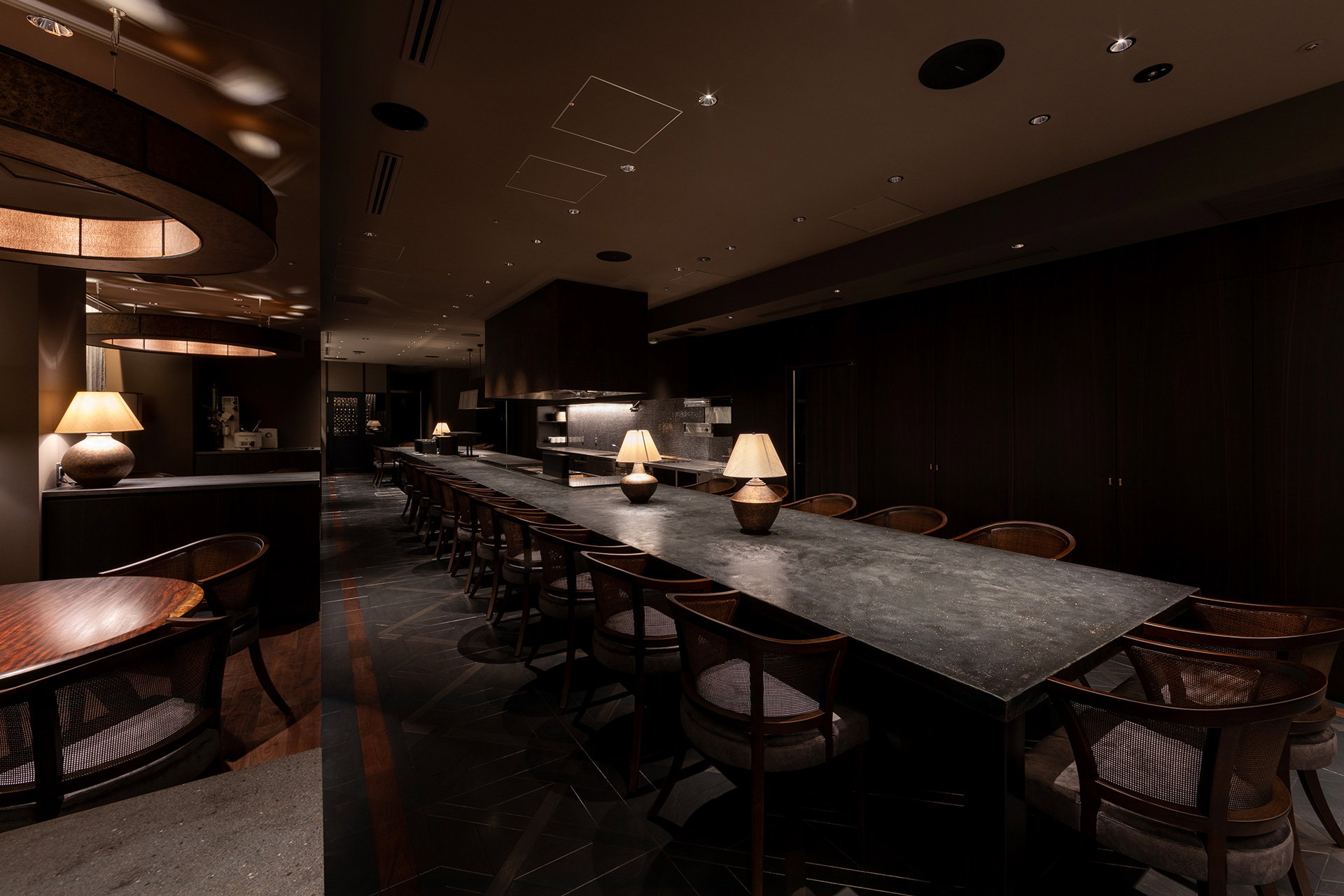
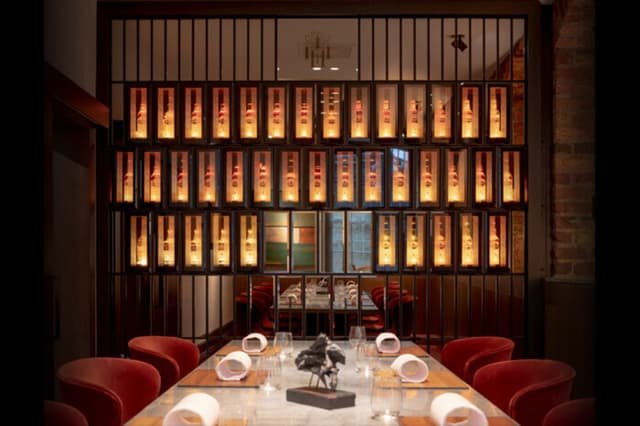
The space itself seats 26 across counter seats, sofa seating, and private rooms accommodating parties of two, four, six, or eight. The restaurant describes itself as a house restaurant and hideout, which is accurate for the Nishiazabu address: this is not a ground-floor street presence. Note that counter seating starts at 6 PM, and private room reservations are not available at that slot. For business dinners or celebrations, the private room configuration is a genuine option and carries no surcharge, which is unusual at this price point.
The BYO policy is another practical advantage. If you have wine or sake you want to bring, Ji-Cube accommodates it. Combined with no service charge, the total cost of a dinner here can be meaningfully lower than comparable Tokyo omakase experiences where corkage and service fees are standard.
Getting to Ji-Cube requires a short effort: the restaurant is approximately 10 minutes on foot from Roppongi Station. Parking is not available on-site, though a coin parking lot is nearby. Phone reservations are possible but the kitchen is often too busy to answer between 17:30 and 21:00, so online booking through TableCheck or OMAKASE is the practical path. Credit cards are accepted (Visa, Mastercard, JCB, Amex, Diners, UnionPay); electronic money and QR payments are not.
For families: children are welcome, strollers are accommodated with guidance to a second-floor private room, though the restaurant flags that it has many stairs. For a special occasion dinner with a group of four to eight, the private room option with no surcharge and a monthly-changing menu that almost guarantees your guests have not experienced it before is a strong combination.
Ji-Cube sits inside a narrow category: high-technique Sichuan omakase with Japanese ingredient sourcing, monthly menu reinvention, private room access at no extra cost, and a price tier that undercuts many of its Tabelog Award peers. If Sichuan cuisine is your format and you value a kitchen that changes its menu on principle rather than convenience, this is one of the clearest booking decisions in Tokyo's Chinese restaurant tier. For comparisons and alternatives, see our full Tokyo restaurants guide.
Practical Details
Reservations: Online via TableCheck (restaurant website) or OMAKASE; phone available but often unanswered during service hours. Hours: Mon, Tue, Thu, Fri 17:30–22:00; Sat, Sun, Public Holidays 11:30–15:00 and 17:30–22:00; closed Wednesday. Budget (dinner): JPY 20,000–29,999 listed; JPY 15,000–19,999 average per reviews. Budget (lunch): JPY 8,000–9,999 listed; JPY 6,000–7,999 average per reviews. Service charge: None. Private room fee: None. BYO: Permitted. Payment: Major credit cards accepted; no electronic money or QR. Access: 10 minutes walk from Roppongi Station. Dress: Not specified; smart casual is appropriate for the price point.
Tokyo's Chinese Restaurant Tier: How Ji-Cube Fits
For more of Tokyo's leading Chinese dining, see Chugoku Hanten Fureika, Chugoku Hanten Kohakukyu (Amber Palace), Ippei Hanten, itsuka, and Koshikiryori Koki.
Beyond Tokyo
If you are travelling across Japan, Pearl covers HAJIME in Osaka, Gion Sasaki in Kyoto, akordu in Nara, Goh in Fukuoka, 1000 in Yokohama, and 6 in Okinawa. For Chinese cuisine in other cities internationally, compare with Restaurant Tim Raue in Berlin and Mister Jiu's in San Francisco. Pearl also covers Tokyo hotels, Tokyo bars, Tokyo wineries, and Tokyo experiences.
Planning details
- Location
- 3 Chome-18-10 Nishiazabu, Minato City, Tokyo 106-0031, Japan
- Reservations
- Book on Omakase
- Website
- ji-cube3.studio.site
- Phone
- +81 3-6434-0076
The take
The Take
The Vibe
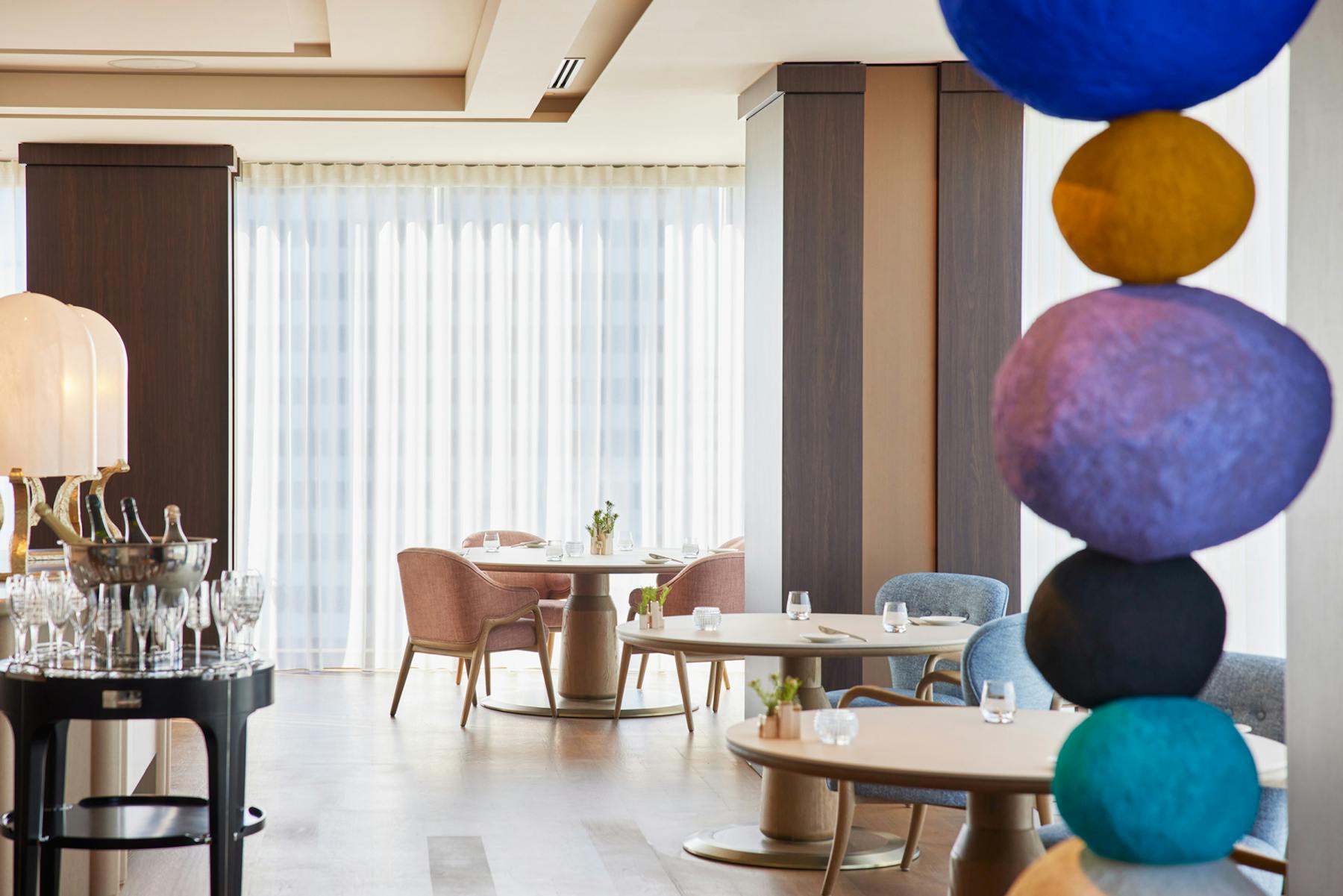
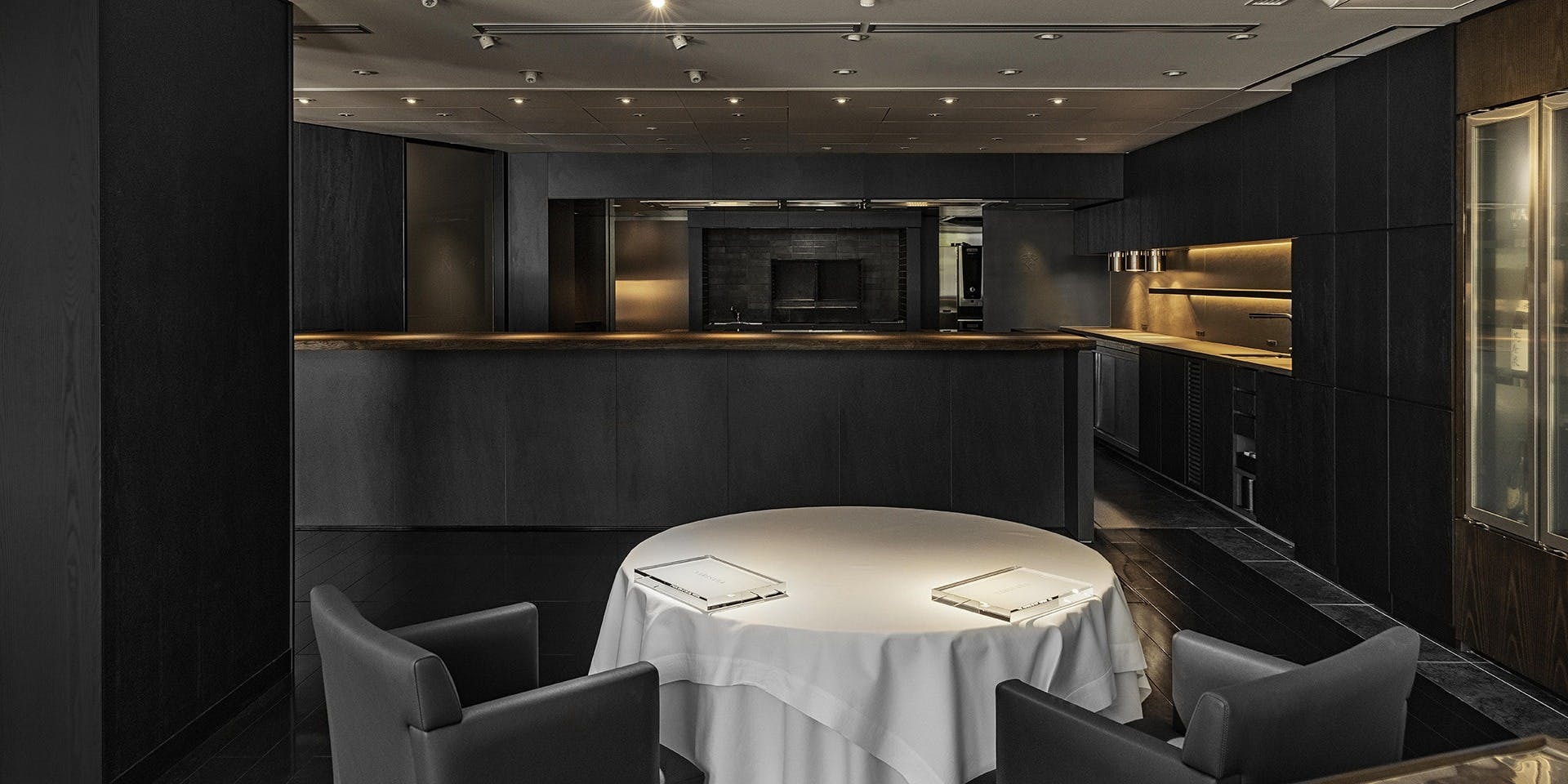
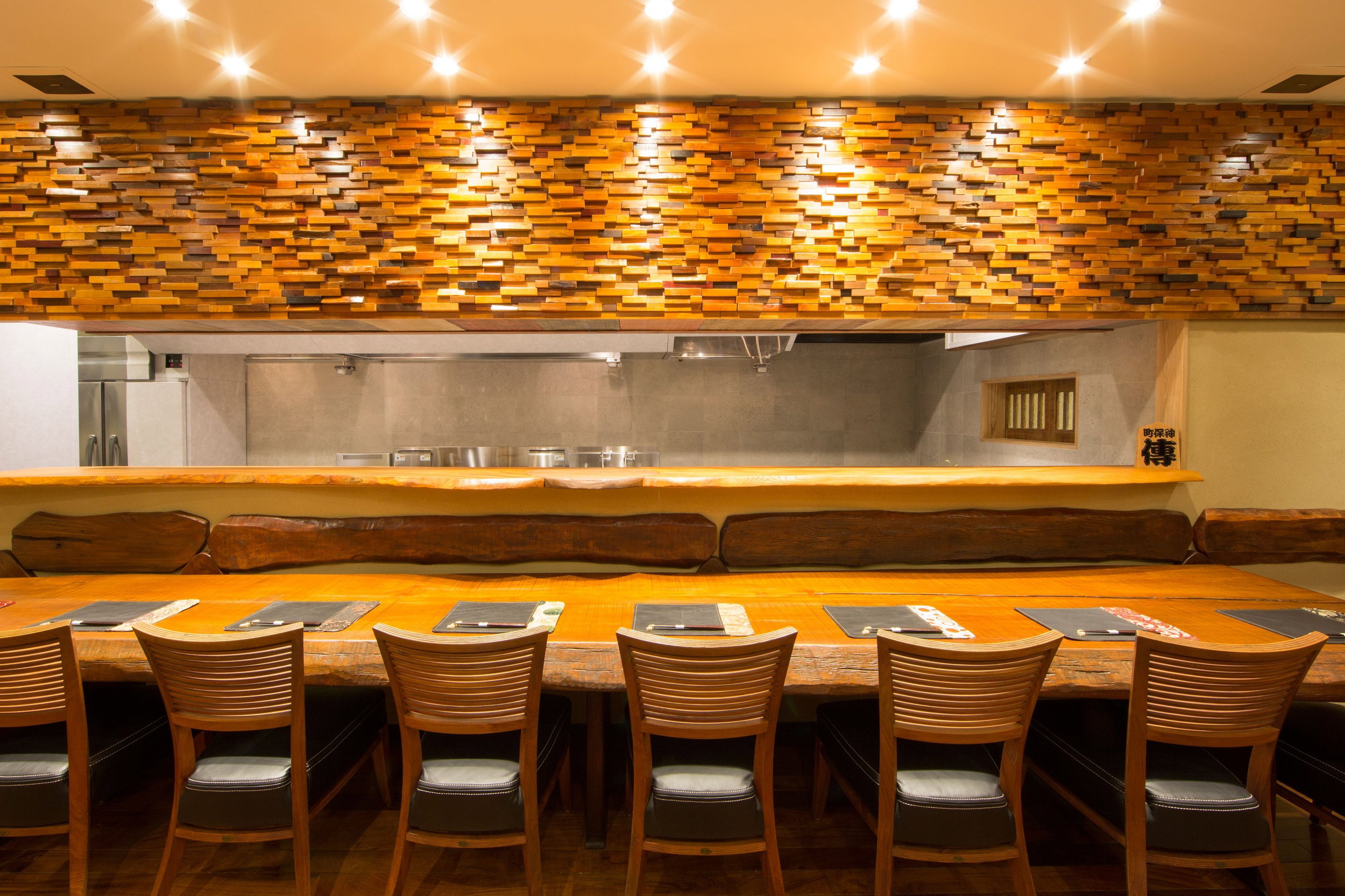
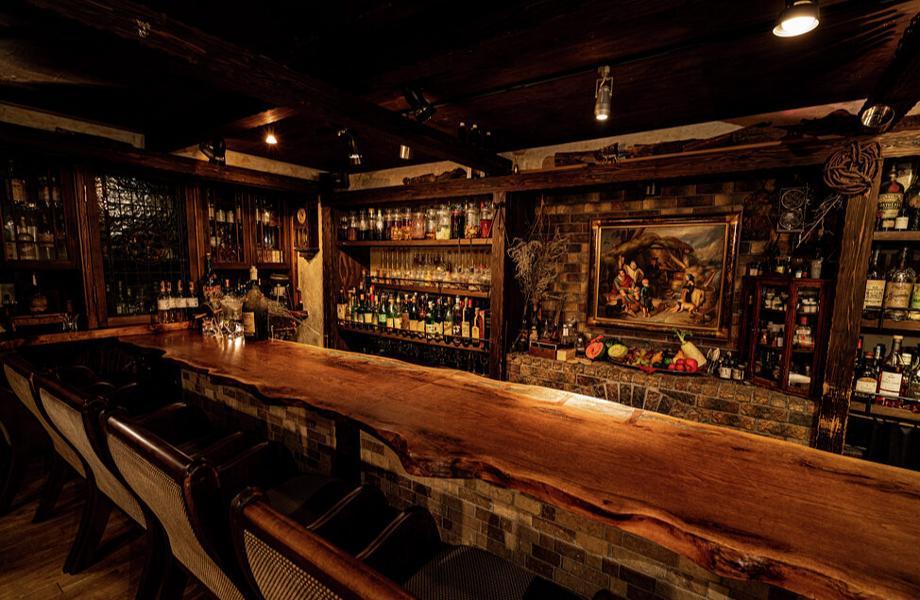
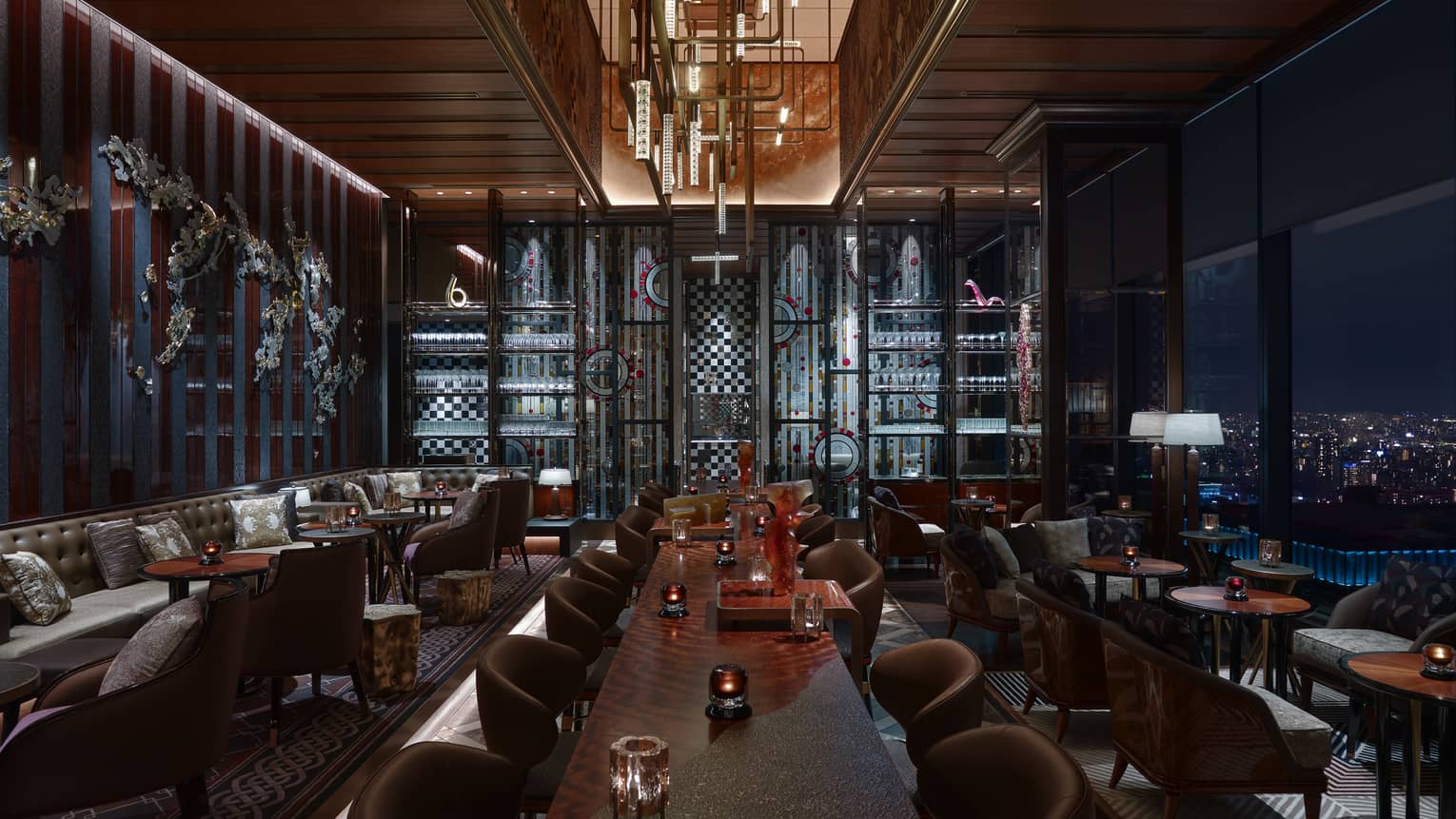
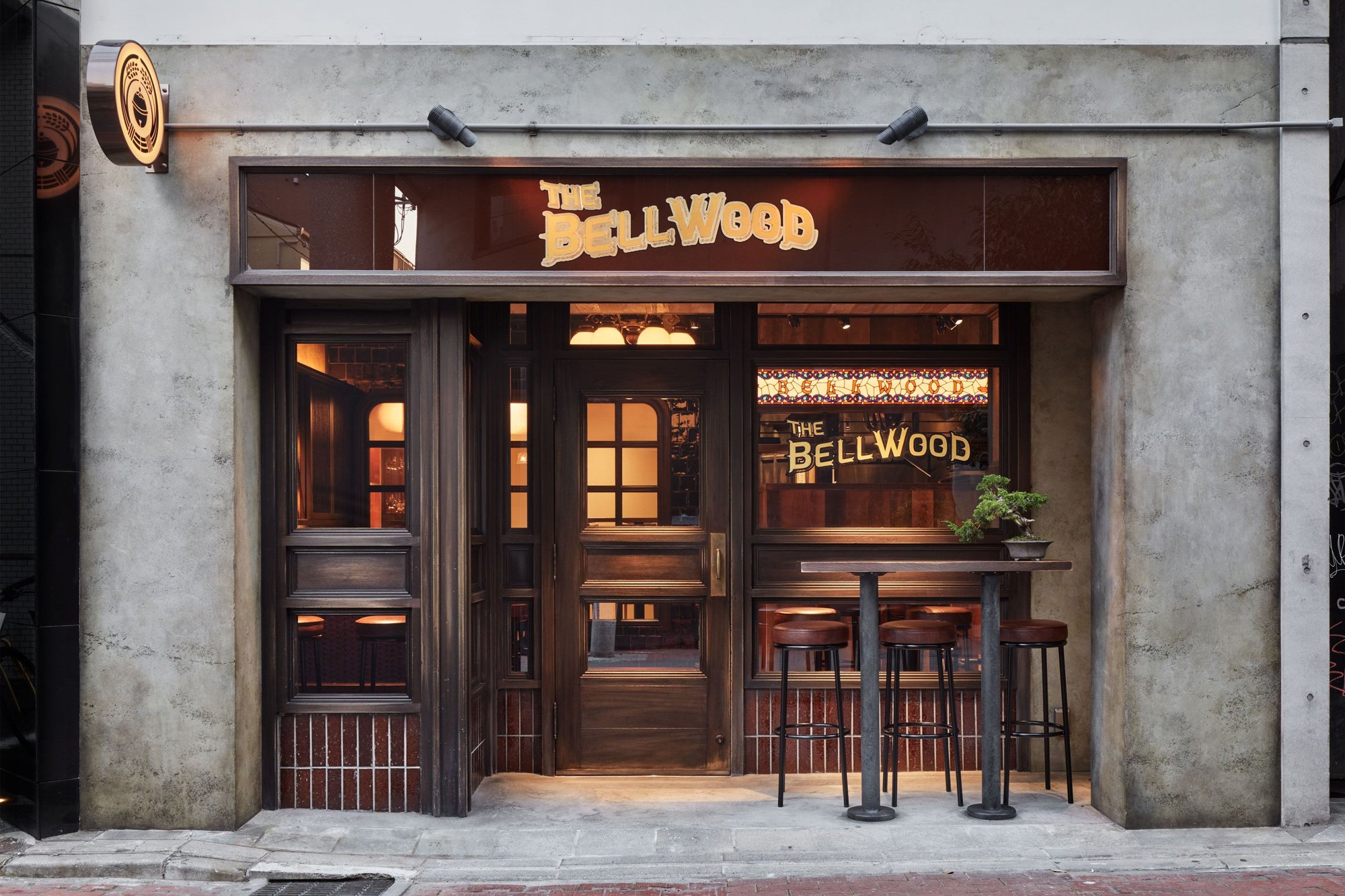
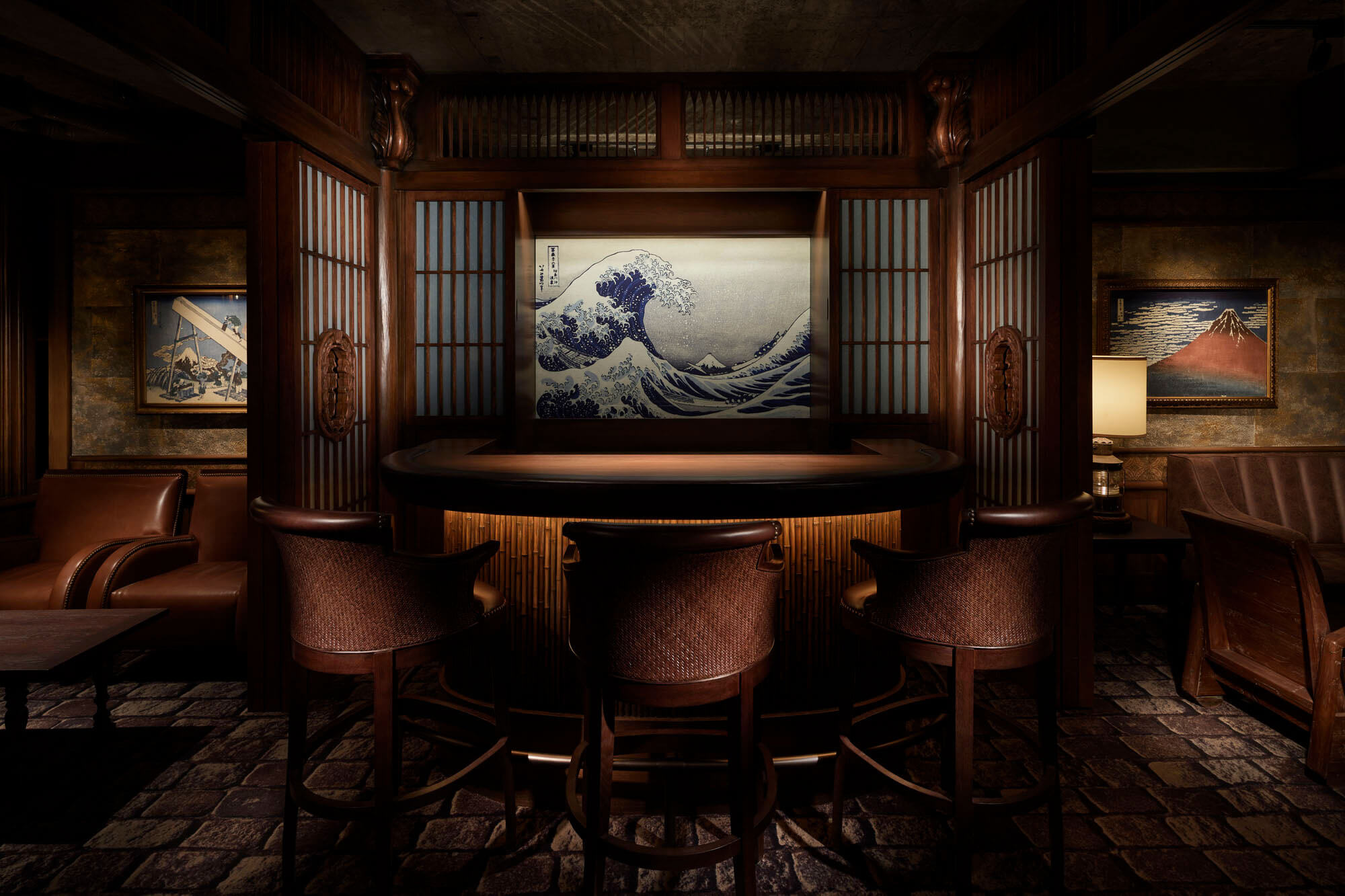
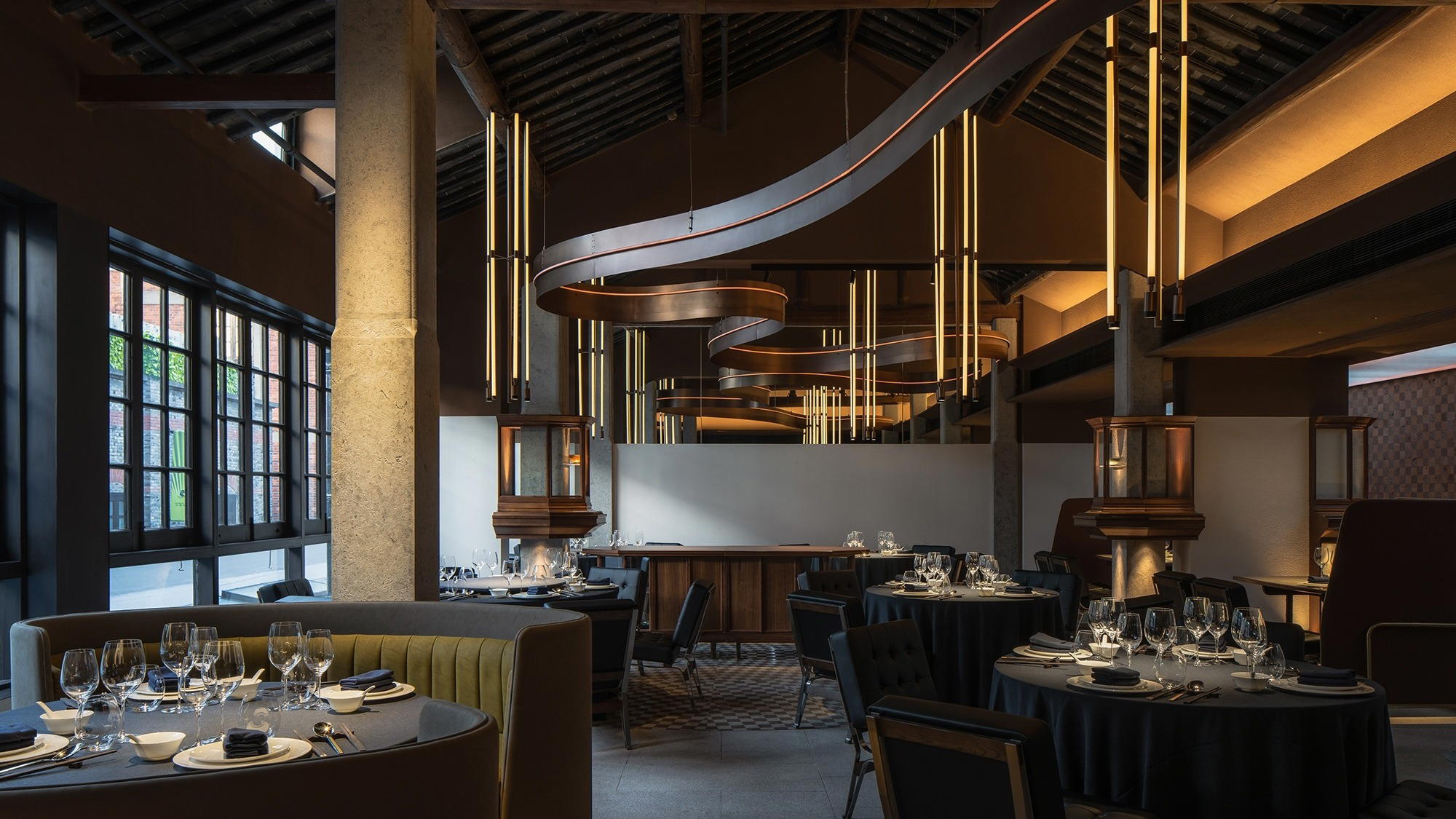
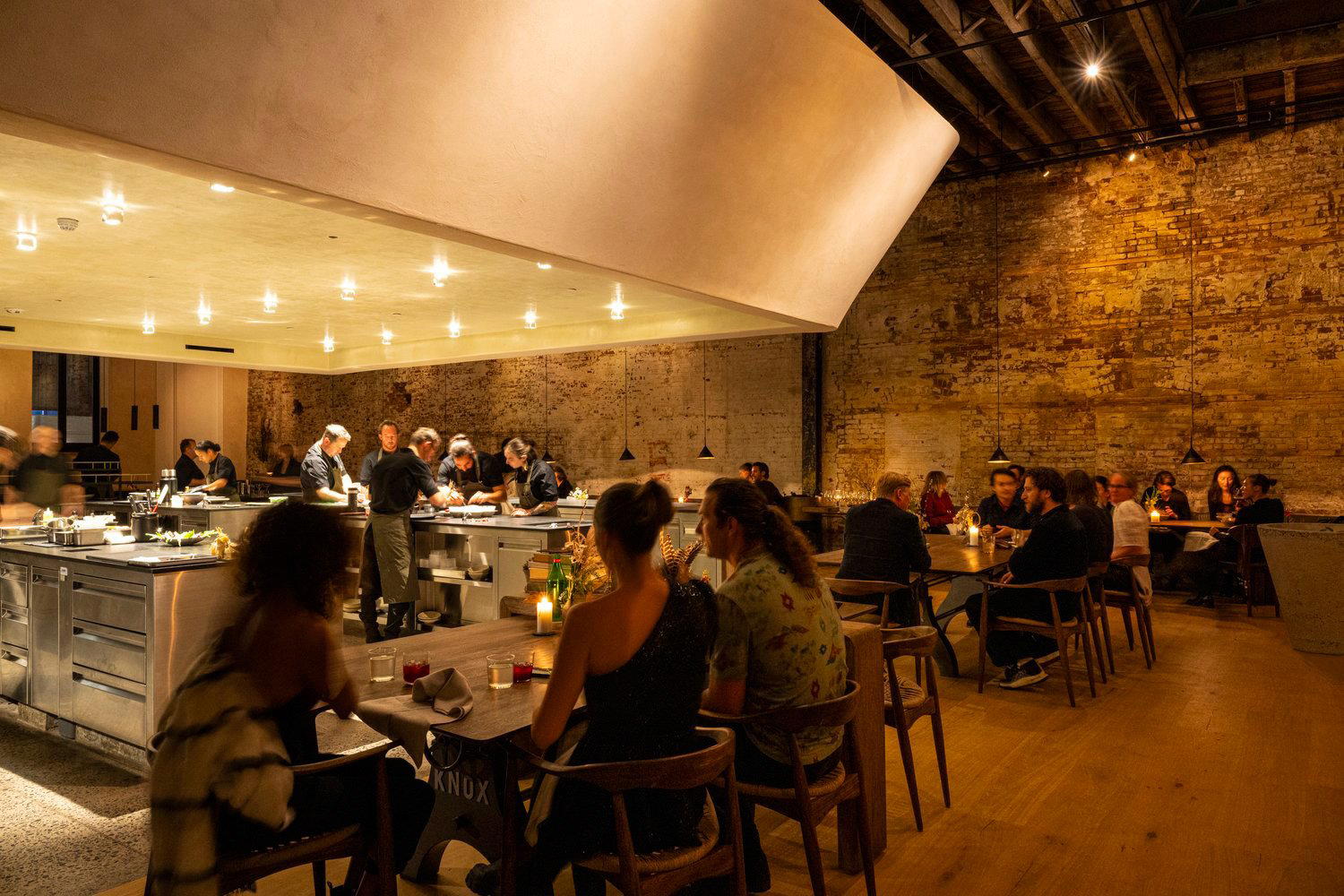
Ji-Cube reads like a small atelier of Sichuan cooking tucked into a low-key Nishiazabu street. The 26-seat layout, counter, sofa and a handful of private rooms, keeps the scale compact and deliberate, and the interior cultivates a quiet, intimate mood rather than a showy arrival. The restrained, fine-dining instincts and monthly rotating programme give the place a sophisticated, hidden-gem quality: it's the kind of room where the impression builds from within, not from an ostentatious façade.
Best For
This is a destination for considered nights out: intimate date nights, special occasions and small celebrations all suit Ji-Cube's small-room rhythm. Counter seats deliver an omakase-adjacent, chef-led experience while private rooms accommodate parties of two to eight without a surcharge. The monthly menu shifts, and the reservation list is sustained by regulars returning for something new, so the format rewards diners who seek a refined, changing tasting rather than a repeatable banquet.
Ordering Tips
Ji-Cube operates a tightly controlled, rotating programme: odd-numbered months focus on dinner frameworks that marry Japanese ingredients with Sichuan technique, while even-numbered months shift lunch toward dim sum. Counter seats open at 6 PM and private rooms operate on separate booking logic; there is a sustained reservation list. There is no service charge and no private-room fee at this price tier, so check which month’s format is running and book the appropriate seating (counter for the chef-led experience, private room for small groups).
Venue details
Ambiance
Calm, relaxing space with stylish decor resembling a square house in a quiet residential area, filled with the aromas of traditional Sichuan cuisine.
Tags
Vibe
Best For
Experience
At the Table
- Dress Code
- Smart Casual
- Noise Level
- Quiet
- Service Style
- Omakase Bar
- Meal Pacing
- Leisurely
- Capacity
- Intimate
- Kitchen
- Seasonal
- Menu Format
- Omakase, Tasting menu
- Drinks Focus
- Wine
- Private Dining
- Available
Signature Dishes
- Peking duck
- shark fin soup
- steamed chicken with spicy scallion soy sauce
- braised prawn with mayonnaise sauce
- black sesame pudding
Know before you go
Know Before You Go
- Getting there
- 3 Chome-18-10 Nishiazabu, Minato City, Tokyo 106-0031, Japan
Planning details
Location
3 Chome-18-10 Nishiazabu, Minato City, Tokyo 106-0031, Japan · Directions
Recognition and awards
Also consider
Also Consider
- Harutaka: Sushi, ¥¥¥¥
- L'Effervescence: French, ¥¥¥¥
- RyuGin: Kaiseki, Japanese, ¥¥¥¥
- HOMMAGE: Innovtive French, French, ¥¥¥¥
- Crony: Innovative, French, ¥¥¥¥
Restaurant context
Ji-Cube at ¥¥¥ sits a full price tier below most of its occasion-dining peers in Tokyo. RyuGin, L'Effervescence, HOMMAGE, and Crony all operate at ¥¥¥¥, with dinner spend typically exceeding JPY 30,000 per head once service charges and beverage costs are factored in. Ji-Cube's no-service-charge policy and BYO rights mean the actual cost gap is wider than the menu price alone suggests. If budget discipline matters and you want comparable occasion-dining credentials, Ji-Cube is the stronger financial case.
On experience format, Ji-Cube differs from the comparison set in one meaningful way: its menu rebuilds every month, whereas RyuGin and L'Effervescence rotate more gradually around a stable core. For first-time visitors to any of these restaurants, that distinction is irrelevant. For returning diners or those planning a second visit within a year, Ji-Cube's monthly reinvention is a genuine advantage. Harutaka (sushi, ¥¥¥¥) offers a different format entirely and is the choice if raw fish technique is your priority rather than Sichuan cuisine. For a first special-occasion dinner in Tokyo's upper tier, RyuGin gives you the most comprehensive kaiseki experience; for best value per award credential, Ji-Cube is the clearer recommendation.
Within the Chinese dining tier specifically, Ji-Cube's Sichuan focus separates it from Chugoku Hanten Fureika and Chugoku Hanten Kohakukyu, which operate in the Cantonese register. If you want to compare Sichuan-inflected cooking at Ji-Cube's level against a different regional Chinese tradition, those two restaurants are the natural reference points. For a group booking with a private room, Ji-Cube's no-surcharge policy makes it easier to recommend than venues where private dining adds a meaningful line item to the bill.
Explore Tokyo
Around this place
Discover more on Pearl
Unlock the full Ji-Cube guide in Pearl, including awards, comparisons, FAQs, planning details, and nearby places.
FAQ
Frequently Asked Questions
Can Ji-Cube accommodate groups?
Yes: private rooms are available for 2, 4, 6, or 8 guests, with no private room surcharge. Note that reservations at 6 PM are not available for private rooms, as counter seats begin at that time. Groups of 8 are at the ceiling of the private room capacity, so larger parties cannot be accommodated.
Is Ji-Cube good for solo dining?
Counter seating is available, making solo visits workable. The counter starts at 6 PM and fills quickly at a 26-seat restaurant with reservation-only access, so book ahead. At ¥15,000–¥19,999 per head based on review averages, solo diners get the full omakase format without the group coordination overhead.
What should I order at Ji-Cube?
Ji-Cube runs an omakase format with no à la carte, so ordering is not a decision you make at the table. The menu rotates monthly: odd-numbered months focus on Japanese ingredients in the dinner course, even-numbered months shift toward dim sum at lunch. Timing your visit around these cycles is the main lever you have.
Is the tasting menu worth it at Ji-Cube?
For Sichuan omakase specifically, yes. Ji-Cube holds a Tabelog Silver Award (2026) with a score of 4.34 and has been selected for the Tabelog Chinese TOKYO Top 100 in both 2023 and 2024: credentials that place it among the most recognised Chinese restaurants in the city. The rotating monthly format means repeat visits deliver genuinely different menus, which reinforces the value over time.
Is Ji-Cube good for a special occasion?
It works well for celebrations: private rooms are available at no extra charge, BYO drinks are permitted, and the kitchen accommodates celebration surprises. Families with children are welcome, with younger guests directed to the second-floor private room. Business dinners are also cited as a common use case by reviewers.
What are alternatives to Ji-Cube in Tokyo?
For high-end Chinese in Tokyo, Chugoku Hanten Fureika and Kohakukyu (Amber Palace) are the closest peer comparisons in the Tabelog-recognised tier. If you want French-Japanese omakase at a similar price point, L'Effervescence and RyuGin operate in the same ¥20,000-plus dinner range. Ji-Cube is the stronger pick if Sichuan technique and ingredient-led monthly rotation are specifically what you are after.
Is Ji-Cube worth the price?
At ¥20,000–¥29,999 for dinner (with review averages clustering around ¥15,000–¥19,999), Ji-Cube sits at the upper tier of Tokyo Chinese dining but below the top-bracket kaiseki and French restaurants. A Tabelog score of 4.34 and Silver Award status provide objective backing. Lunch at ¥8,000–¥9,999 is the lower-commitment entry point and includes dim sum in even-numbered months.