

Tabelog 100: Best Chinese Cuisine in Tokyo 2026
Tabelog 100 (Hyakumeiten) Chinese cuisine - TOKYO selection for 2026. Tabelog publishes these as source-ordered lists of 100 restaurants.

Venues on this list
Matsushima
Tokyo, Japan
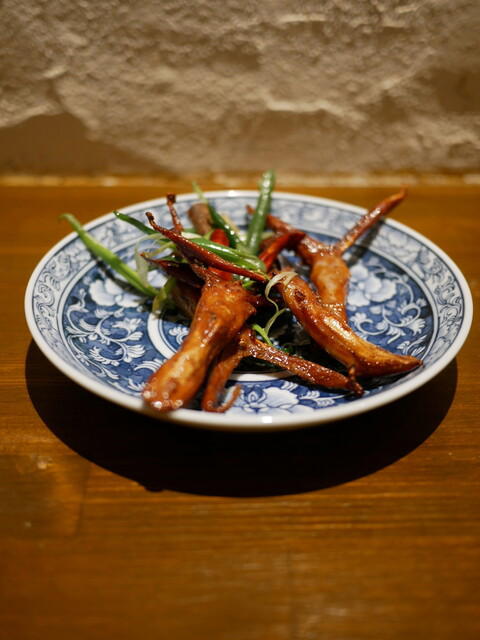
An intimate Chinese counter in Yoyogi Uehara's basement level, seating eleven guests and recognized on Tabelog's 100 Best TOKYO list. The four-seat counter offers sightlines into wok technique and plating, while JPY 10,000–14,999 pricing and a BYO drinks policy position it as a special-occasion choice. Book ahead for weekends; weeknight slots open up more readily.
Maison de Yulong
Tokyo, Japan
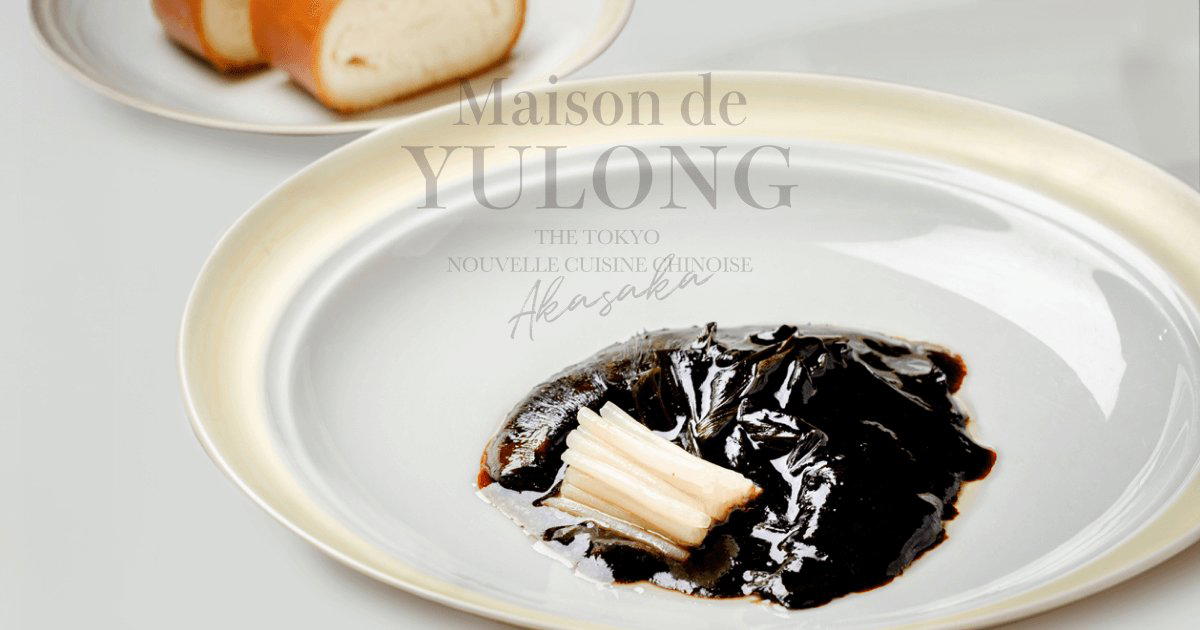
Against Akasaka peers, Maison de Yuron is the recognition-led pick for diners who want a focused Tokyo meal without a punishing booking chase. Choose it for location and credibility; choose Akasaka Yakiniku Hachimen Roppi or Lyla if you need clearer price or format signals before deciding.
Tsugumi
Tokyo, Japan
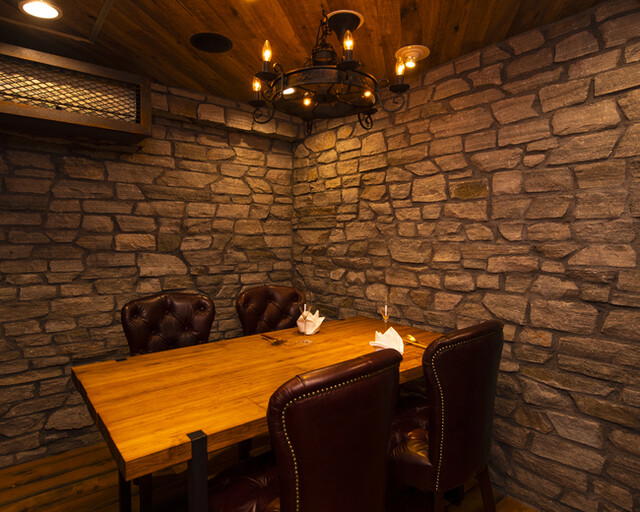
Tsugumi earned its Tabelog 100 - Chinese cuisine - TOKYO - 2026 selection by pairing creative, fish-forward Chinese courses with a sommelier-led wine program that defines the 18-seat hideout. At JPY 15,000–19,999 before drinks, the reservation-only format suits wine enthusiasts and business dinners more than casual groups. The wine list; aged bottles, lesser-known producers; drives the mood; if you're not ordering drinks, expect a JPY 1,500 water charge.
Cantonese en
Tokyo, Japan
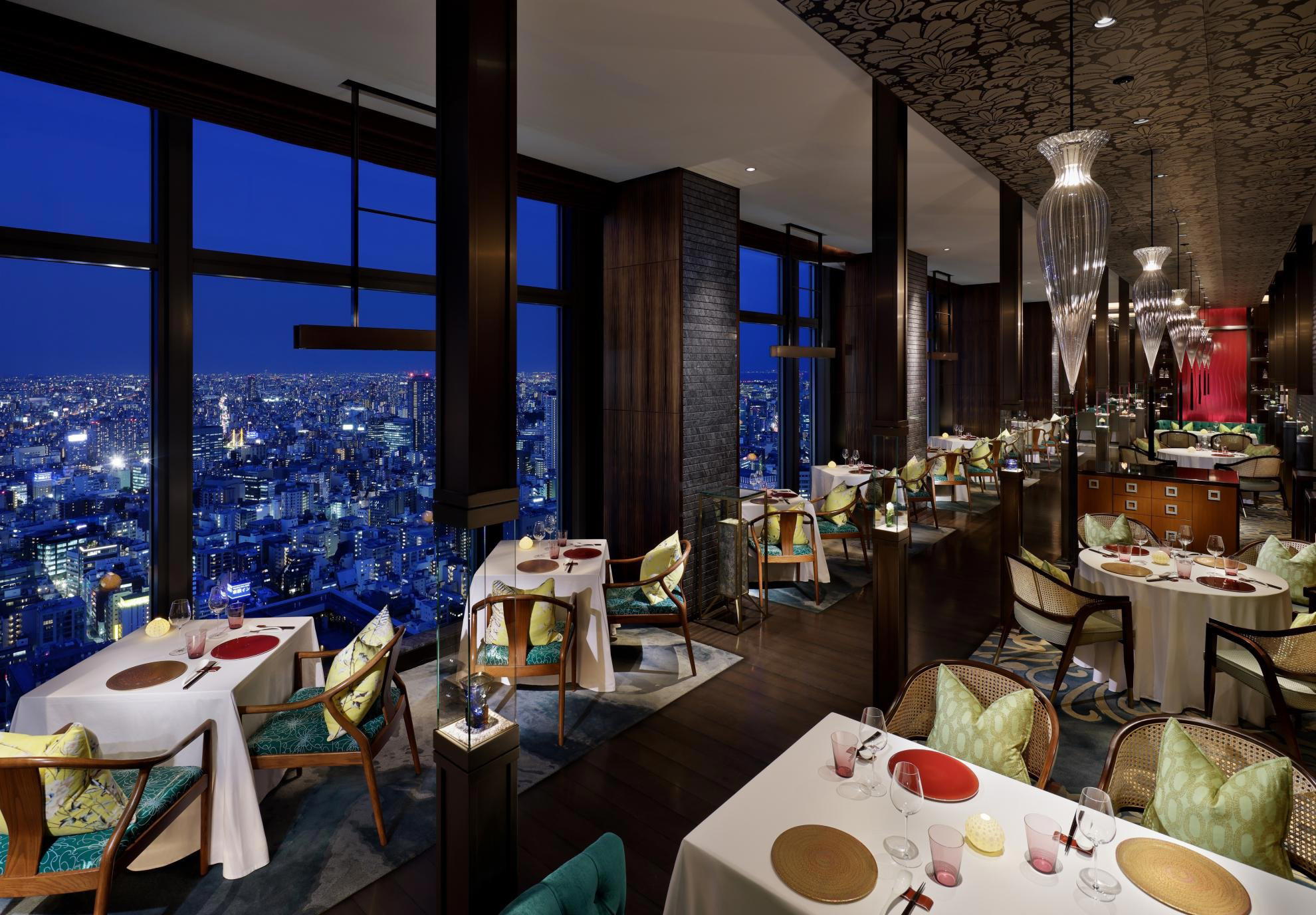
Cantonese en is the Tokyo Station Hotel choice to book when convenience, a seated hotel setting, and easy reservation logistics matter more than chasing a harder table. It is stronger for lunch, small groups, and planned occasion meals than for quick station eating, where lower-priced Gransta options make more sense.
Kanda Yunrin
Tokyo, Japan
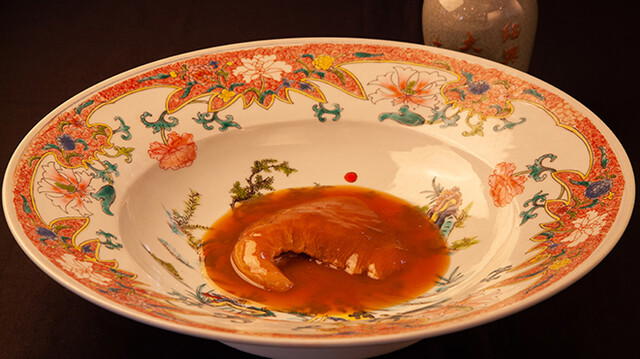
Kanda Yunrin brings fish-forward Chinese technique to Kanda Sudacho, prioritizing seasonal seafood and ingredient clarity over heat-first Sichuan conventions. At JPY 10,000–14,999 dinner (JPY 1,000–1,999 lunch), this Tabelog 100 repeat earns its place among Tokyo's refined Chinese specialists; book by phone, expect moderate pacing, and pair thoughtfully with the sake and wine program.
Chuka Chotoku
Tokyo, Japan
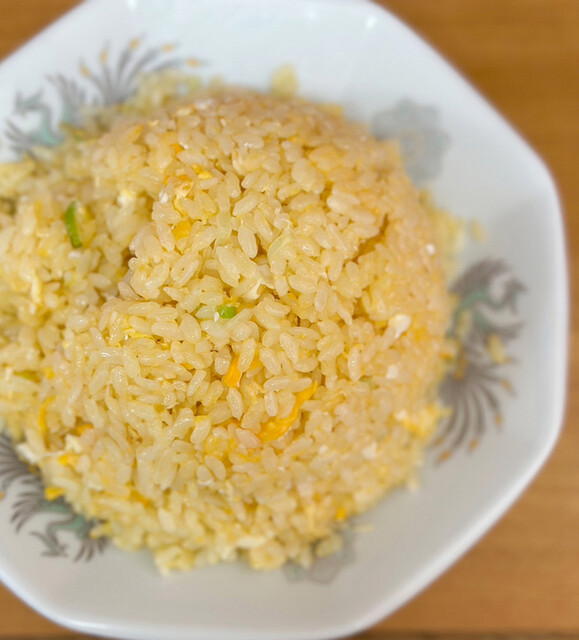
Bunkyo counter-style Chinese specialist serving dumplings, ramen, and stir-fries at under JPY 2,000 per head. Three consecutive Tabelog 100 selections (2021, 2024, 2026) anchor neighbourhood reliability without fine-dining formality. Cash-only, walk-in friendly, and two minutes from Hon Komagome Station.
Tousenkaku
Tokyo, Japan
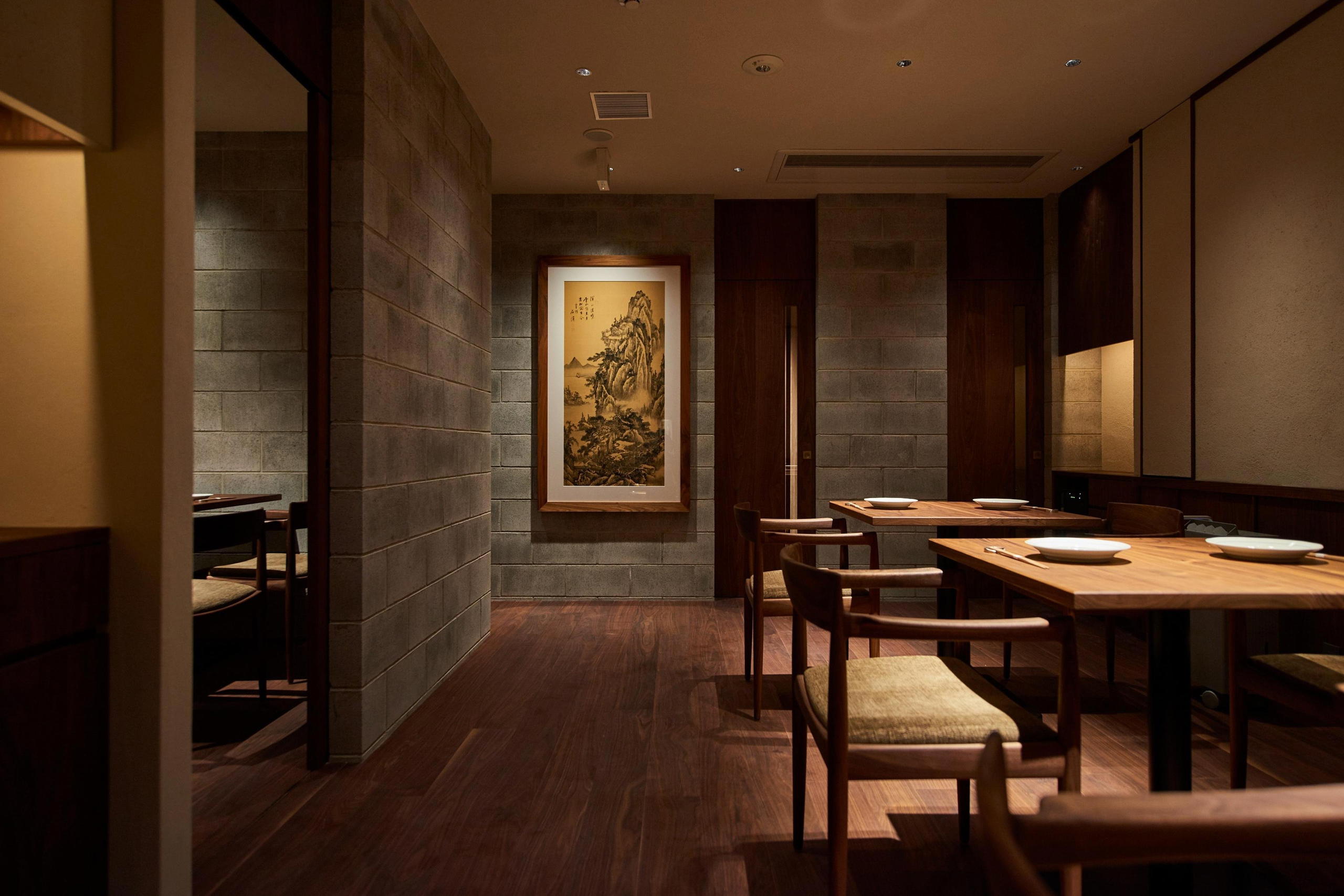
Book Tousenkaku for a serious Roppongi Chinese dinner when late hours and kitchen credibility matter more than a grand dining room. It suits couples and small groups better than big business occasions, with Ryoji Hayashi and 2026 recognition from Tabelog giving it a stronger reason to book than a casual fallback.
Banraien
Tokyo, Japan
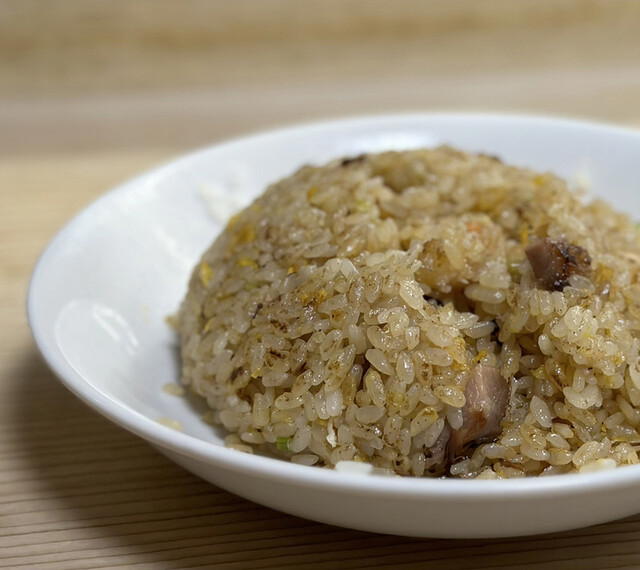
Tabelog 100 Chinese counter in Higashioi with a dramatic lunch-to-dinner price split; JPY 1,000–1,999 midday, JPY 30,000–39,999 evenings; and an ingredient-led menu that rotates with seasonal availability. Ten counter seats, cash-only, dinner reservations by phone only. Worth it at lunch for technique-driven simplicity; dinner justifies the premium if you're chasing peak-season sourcing and don't mind the booking friction.
NOGI
Tokyo, Japan
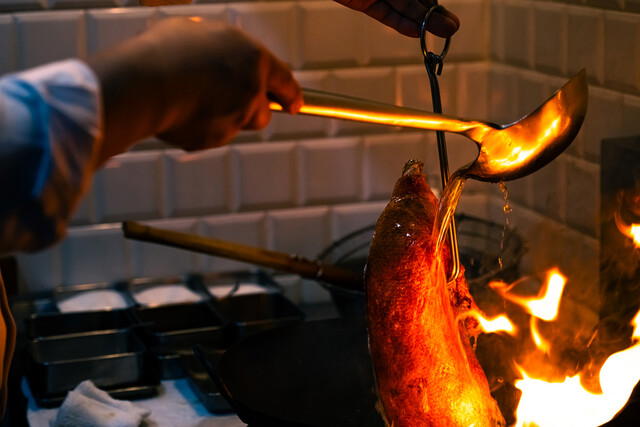
NOGI works for a focused Nishiazabu dinner when the budget is around JPY 10,000 to JPY 14,999 and the priority is a locally recognized room rather than a named chef or published signature menu. Its Tabelog 100 #9 placement in 2026 is the main trust signal; small parties are the safest fit.
itsuka
Tokyo, Japan
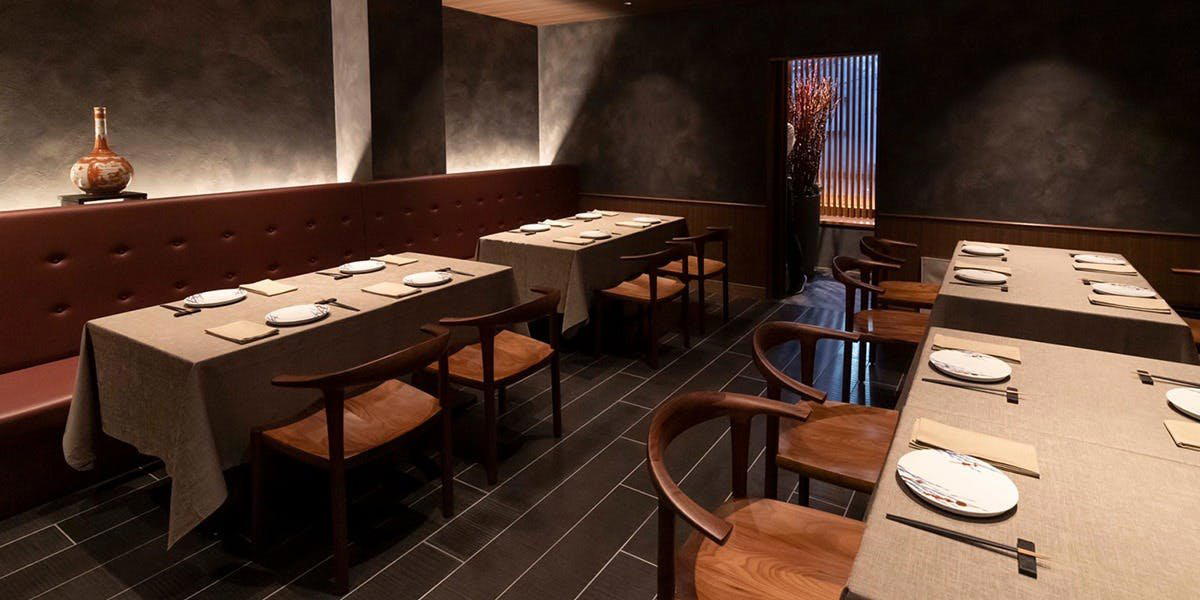
itsuka holds a 2024 Michelin star for its singular approach: Sichuan cooking built entirely on Japanese-sourced ingredients, with seasoning dialled back to let the produce lead. Set menus only, closing with a noodle course. At ¥¥¥, it is one of the sharpest value propositions among Tokyo's starred Chinese restaurants. Book hard in advance.
Ren Shan
Tokyo, Japan
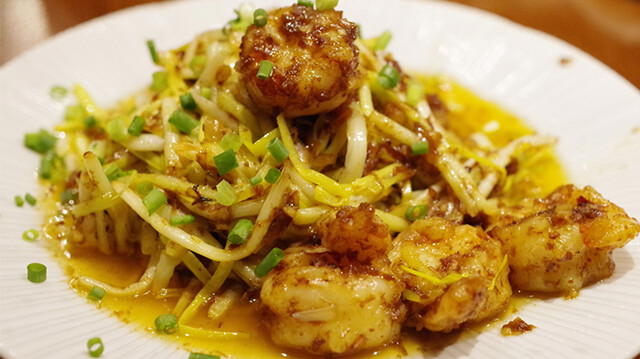
A 20-seat Chinese hideout in Shirokane serving regional home-style dishes with a strong wine program. Tabelog 100 regular since 2021, with Bronze awards from 2017–2022. At JPY 8,000–9,999, the price and booking difficulty sit well below Tokyo's Michelin-starred Chinese tier, but the technical precision and ingredient-driven seasonal menu keep regulars loyal.
Sichuan Ryori Kae
Tokyo, Japan
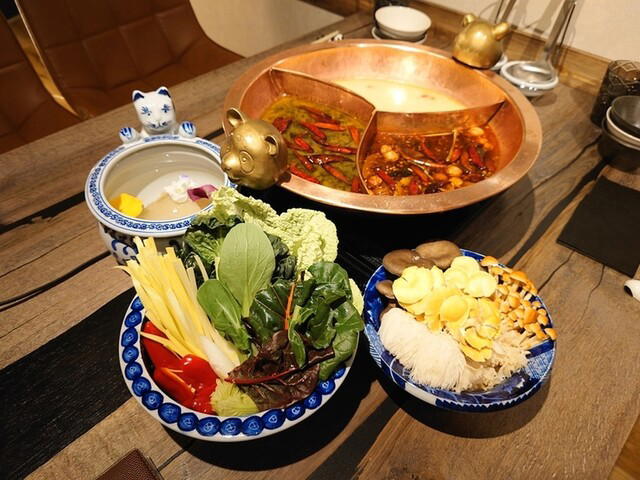
Sichuan Ryori Kae in Minamiotsuka offers a tasting-only format rooted in Zhao Yang's Ichiko Soden lineage, emphasizing ingredient sourcing and spice balance over heat alone. The 18-seat basement room is reservation-only (TableCheck), with courses running JPY 15,000–19,999 and a Tabelog Chinese TOKYO Hyakumeiten 2026 nod. Worth the detour if you want quieter surroundings and technical Sichuan without the central Tokyo crowds.
Noyashichi
Tokyo, Japan
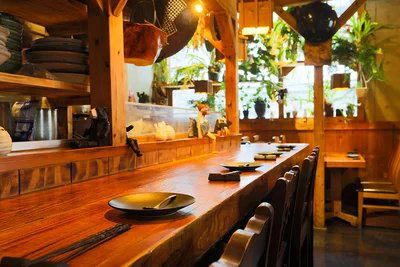
Noyashichi is a Michelin Plate-recognised restaurant in Shinjuku's Arakicho neighbourhood applying Japanese techniques and ingredients to Chinese cooking at the ¥¥¥ price tier. Expect clay-pot rice with Sichuan toppings, sashimi prepared with chilli-oil technique, and kombu in clear soup. It books easily relative to Tokyo's starred rooms, making it a practical choice for a special-occasion dinner without a months-long wait.
南方中華料理 南三
Tokyo, Japan
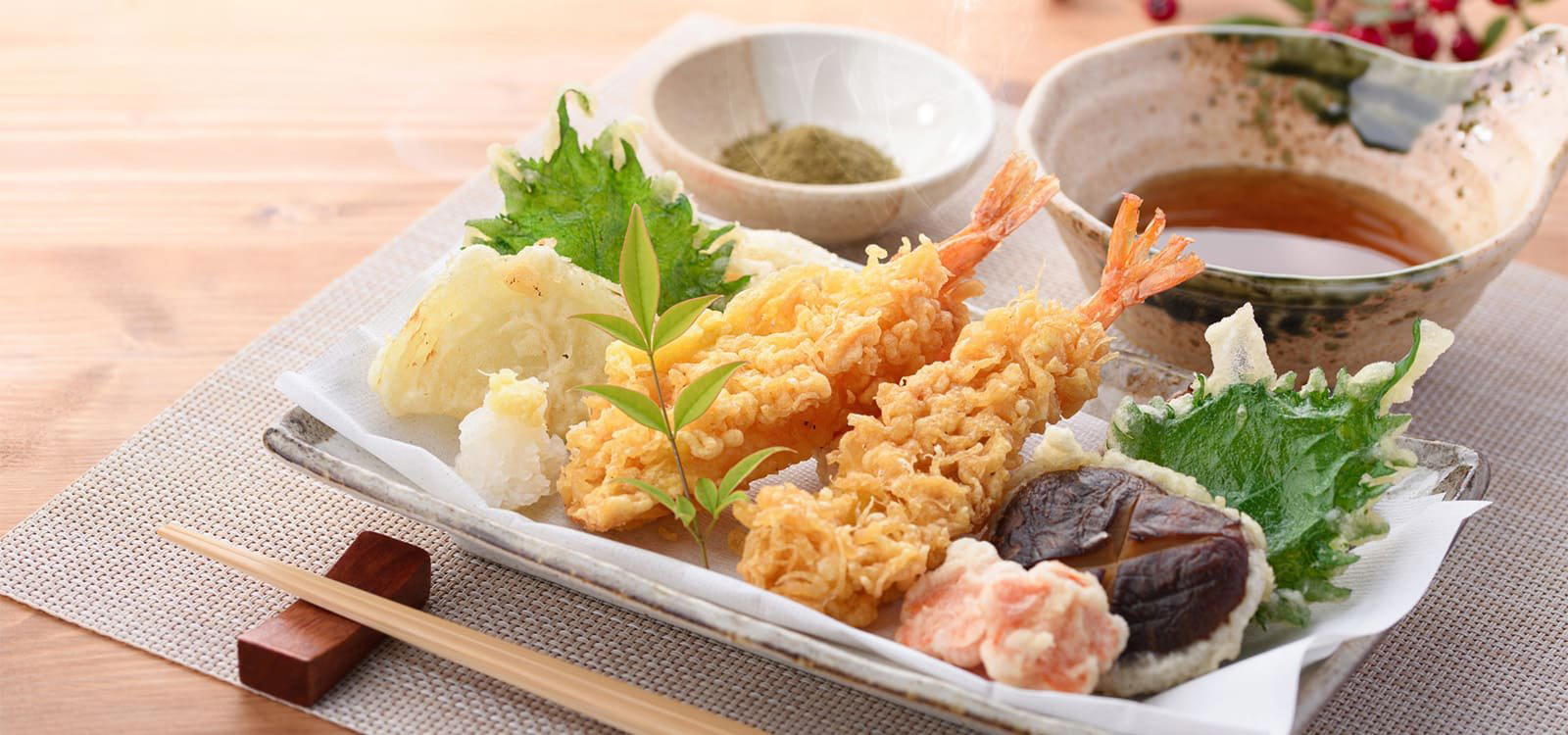
Book this Tabelog 100 Southern Chinese hideaway in Yotsuya Sanchōme for ¥8,800 omakase dinners that rotate every two months, plus a ¥2,500 BYO corkage that makes it one of Tokyo's smartest fine-dining wine plays. The 14-seat room emphasizes fish and health-conscious preparations over heavy oils, rewarding repeat visits more than one-time splurges.
YAUMAY
Tokyo, Japan
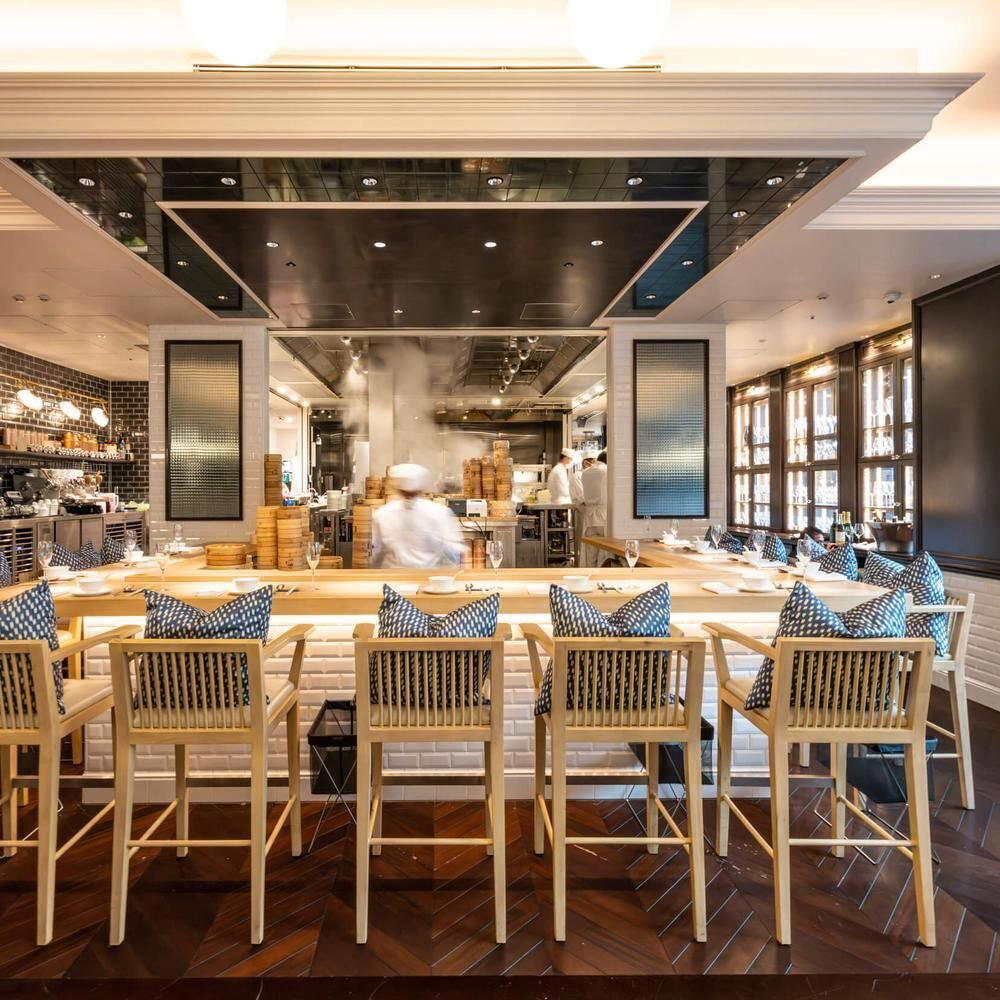
YAUMAY is Tokyo's Michelin Plate-recognised dim sum address in Marunouchi, built around Cantonese classics and Chinese tea culture at ¥¥¥ pricing. It is easier to book than most recognised Tokyo venues, delivers consistent execution, and works well for business lunches or special occasions. Weekend sessions give you the unhurried pace the format rewards.
Chinese Sai Yunron
Tokyo, Japan
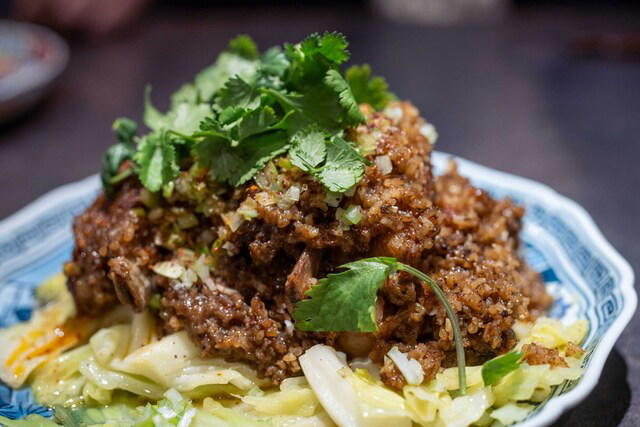
Tabelog 100 Sichuan specialist in Kichijoji offering fish-focused cooking and a deep wine list at JPY 6,000–7,999 for dinner. The 12-seat room operates with a 110-minute dinner limit and phone-only reservations. BYO wine policy (JPY 3,000 corkage) and chef training in Chengdu make it a focused, high-value option for diners who can move through the time constraint.
Chinese Raika Shikunshiso
Tokyo, Japan
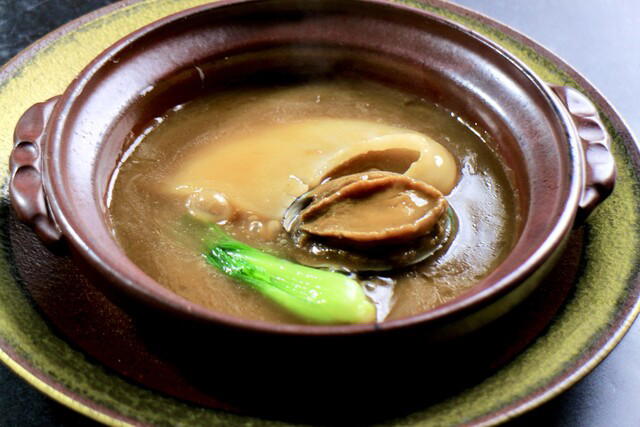
Shanghai-focused Chinese in Hibiya Midtown earning Tabelog 100 recognition through refined shark fin, Peking duck, and sommelier-driven wine pairings. Dinner runs JPY 10,000–14,999 plus service charge, with private rooms for 2–10 guests and counter/terrace options for solo or casual visits. Book two weeks ahead for weekends; weekday availability stays open.
Shintomicho Yuasa
Tokyo, Japan
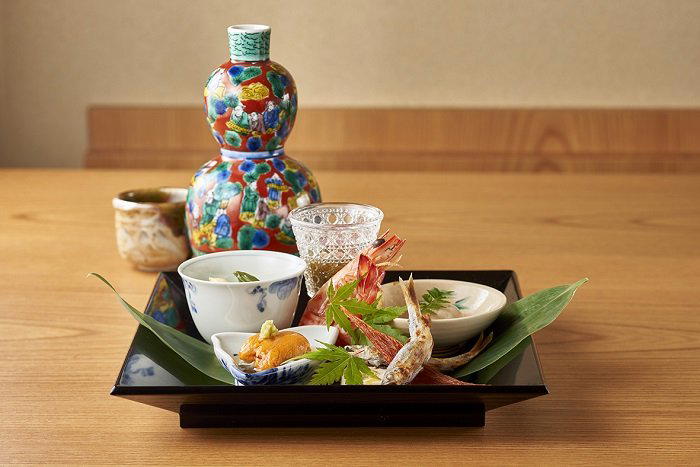
A Michelin Plate Chinese restaurant in Tokyo's Shintomi district, built around a health-conscious cooking philosophy and a sommelier-led drinks program. At ¥¥¥ and easy to book, it rewards diners who want considered Chinese cooking with a coherent point of view; and wine pairings that most Chinese restaurants in Tokyo won't offer.
Ji-Cube
Tokyo, Japan
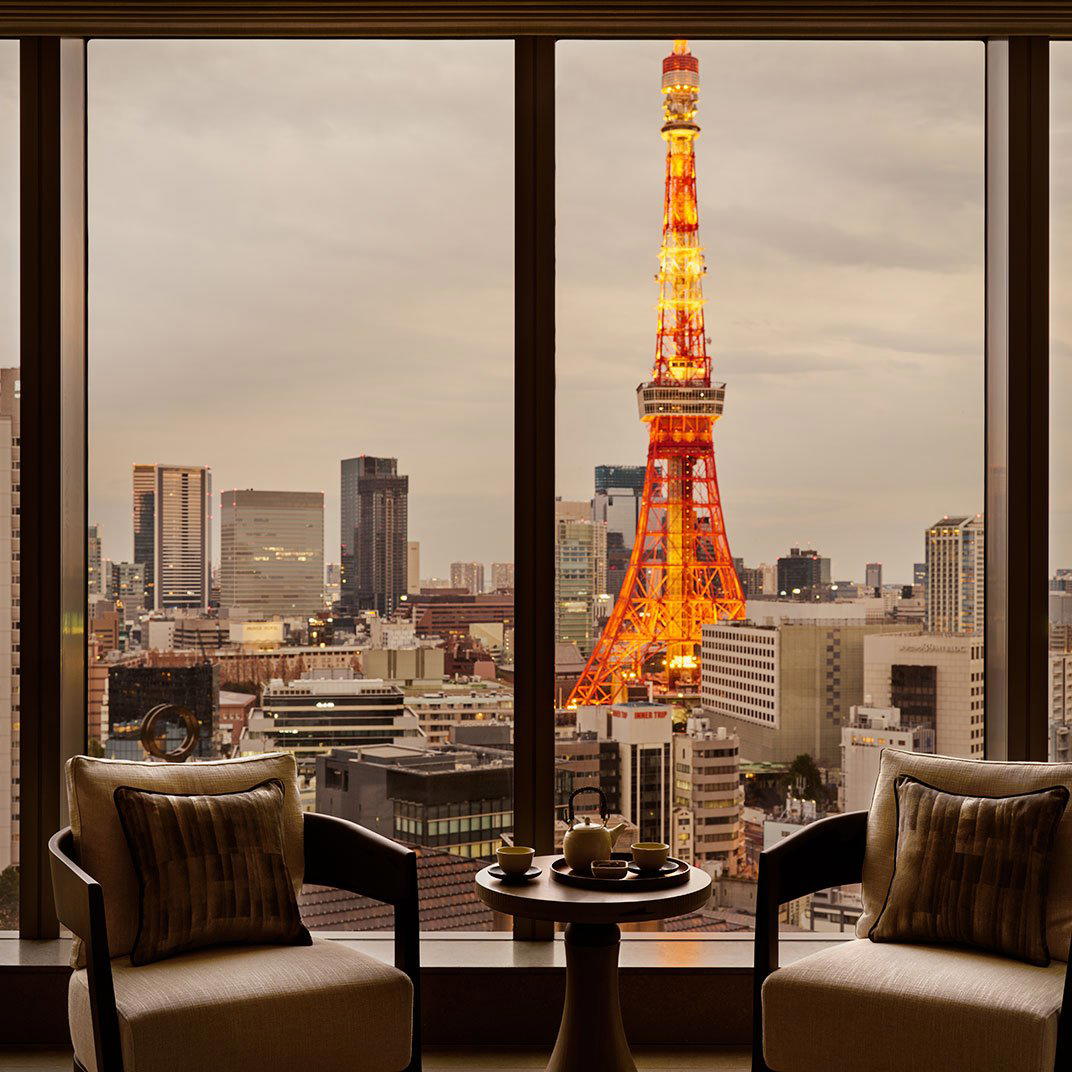
Ji-Cube is a Tabelog Silver Award-winning Sichuan omakase in Nishiazabu, Tokyo, with a 4.34 score and consecutive Tabelog Top 100 recognition. Dinner runs JPY 15,000–19,999 on average with no service charge and BYO permitted. The monthly-changing menu built on Japanese-sourced ingredients makes it one of the clearest value decisions in Tokyo's high-end Chinese dining tier.
Ino Cantonese Nihonbashi Takase
Tokyo, Japan
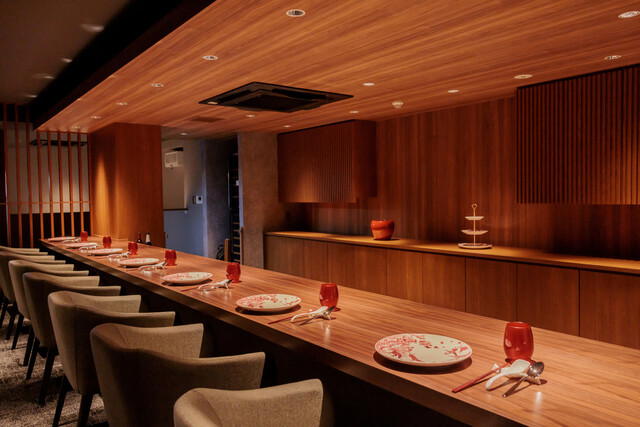
A Tabelog 100 Cantonese restaurant in Ningyocho with an emphasis on Japanese fish and a wine-friendly corkage policy. Dinner courses run JPY 15,000–19,999; lunch (weekends only) drops to JPY 8,000–9,999. Reservations are easier than at many Tokyo award-winners, though the 18-seat room fills steadily. The counter offers the clearest kitchen view; the private room suits business meals.
4000 Chinese Restaurant
Tokyo, Japan
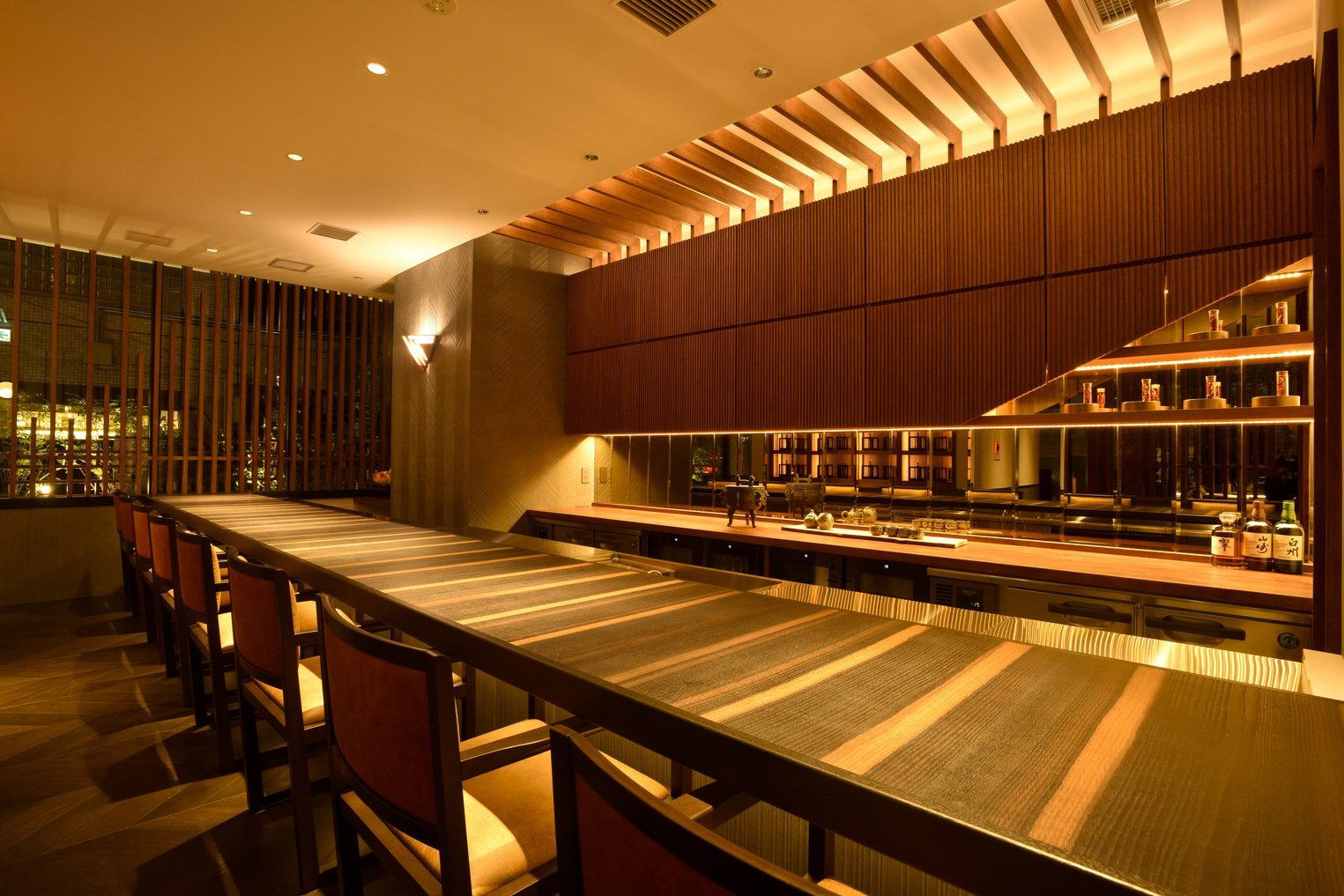
Kinya Komoda's reservation-only Sichuan specialist in Hiro-o charges ¥30,000–39,999 for dinner, delivering Tabelog Bronze-level technique across a 20-seat counter-and-private-room format. Book three weeks ahead for prime slots; the wine-focused programme and ma-la intensity suit occasion dining more than casual solo meals.
Hibino Chukashokudo
Tokyo, Japan
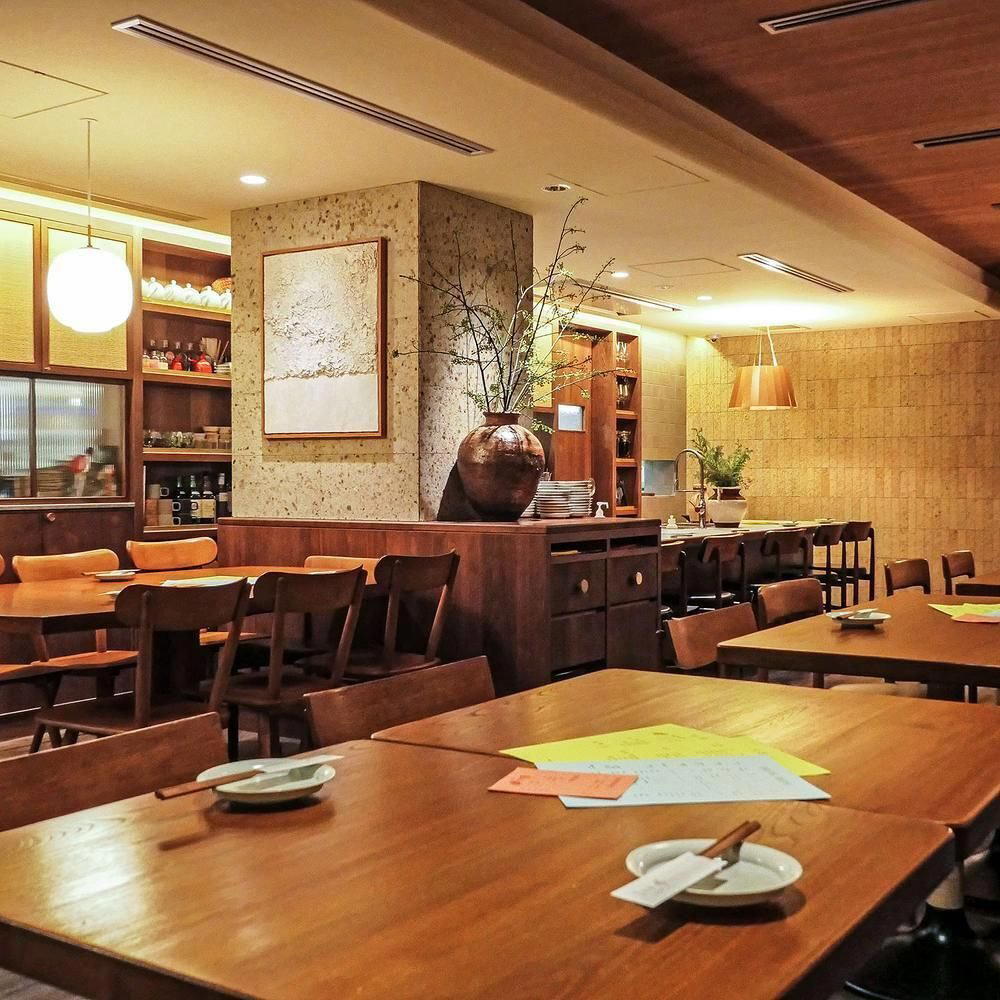
A 2024 Michelin Bib Gourmand Chinese restaurant in Yoyogi Uehara, Hibino Chukashokudo delivers Sichuan and Cantonese cooking at ¥¥ pricing that few similarly priced venues in Tokyo can match on verified quality. The communal format; daytime set meals, evening à la carte, shareable plates; suits groups better than solo diners. Book ahead for weekends; walk-ins are realistic on quieter evenings.
Chugoku Ikkyosai Bai En
Tokyo, Japan
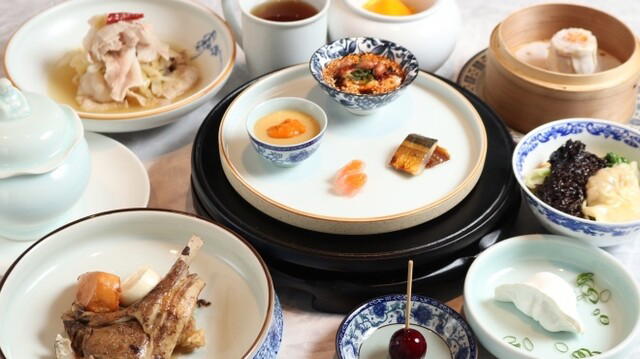
Tabelog 100 Chinese in Motoasakusa delivering fish-forward tasting courses at JPY 10,000–14,999 dinner (JPY 1,000–1,999 lunch), with private rooms for 2–6 guests and BYO-friendly wine policy. Book one week ahead for counter or sofa seating; private-room setup suits groups wanting noise containment and simultaneous service over kitchen sightlines.
Rouhoutoi
Tokyo, Japan
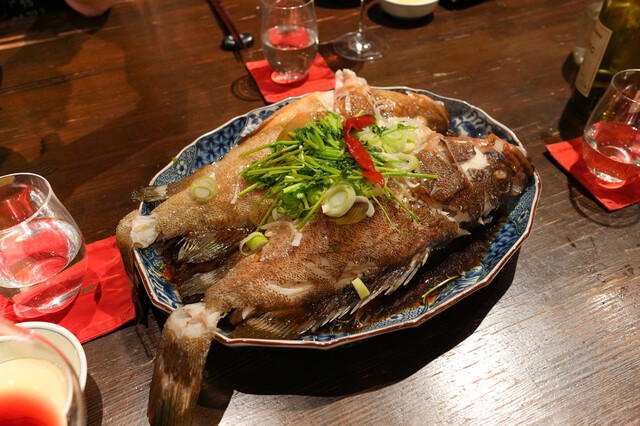
A two-time Tabelog 100 Chinese restaurant in Shirokane offering both structured dinner service and casual bento lunches at JPY 10,000–14,999. The repeat recognition (2023, 2026) signals consistent technique in a quiet residential neighborhood, though limited English support and no official website mean you're booking on editorial trust. Reservations accepted by phone; expect a 10-minute walk from Hiro-o Station.
Akasaka Minmin
Tokyo, Japan
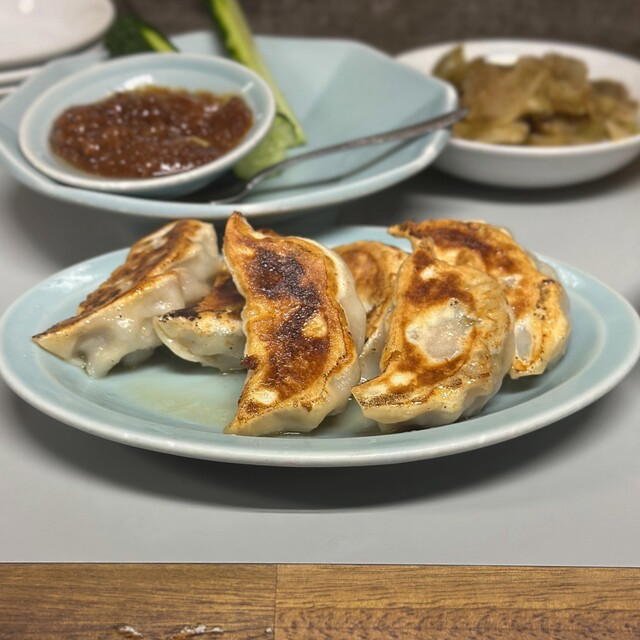
Tabelog 100 dumpling specialist near Nogizaka Station, delivering handmade gyoza and Chinese standards at JPY 2,000–3,999. The 40-seat venue; counter and tatami; fits family dinners and business lunches, with three-year Tabelog 100 streak (2021, 2024, 2026) confirming consistent execution at a price point well below omakase or kaiseki formats.
Chugoku Hanten Kohakukyu (Amber Palace)
Tokyo, Japan
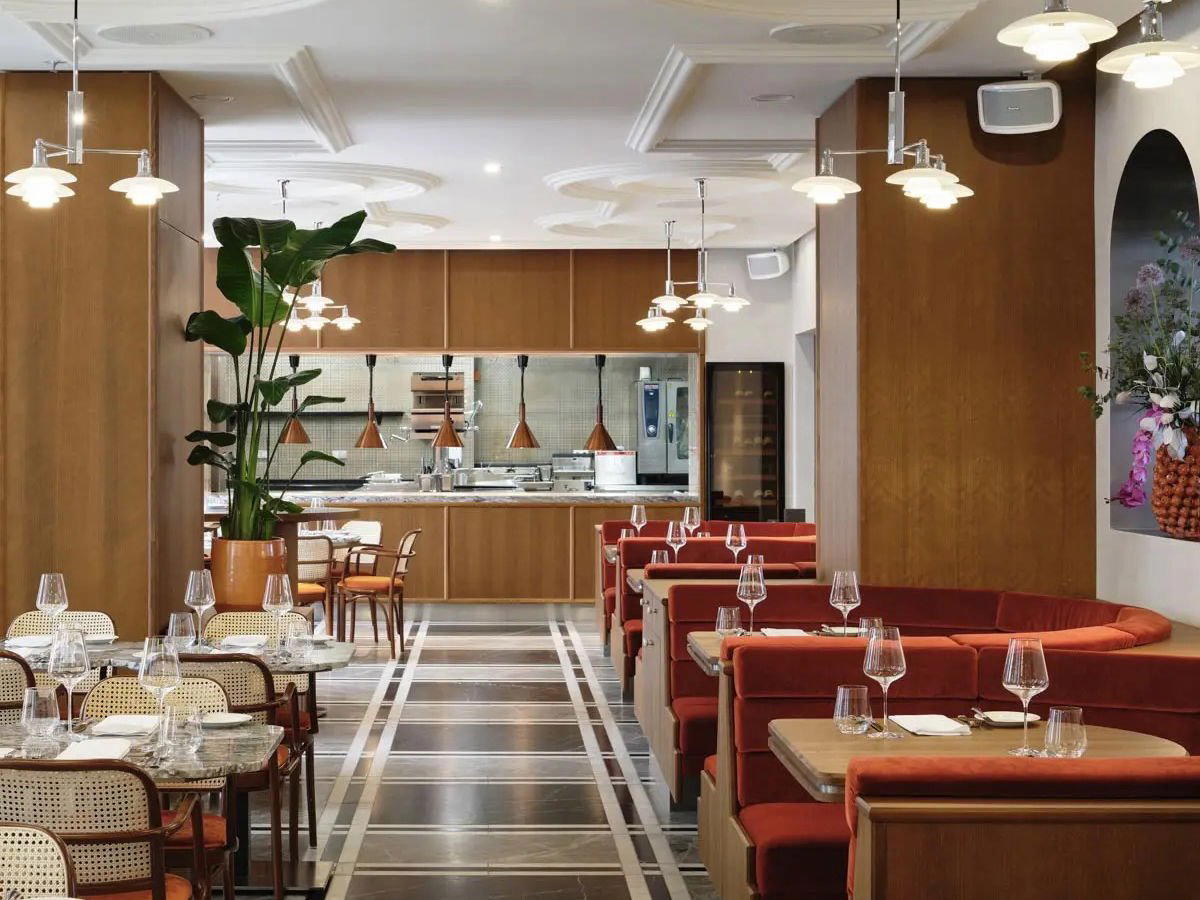
Michelin 1 Star Chinese dining on the fifth floor of Palace Hotel Tokyo, with a specialist kitchen split between a roasting chef (char siu, Peking duck) and a dedicated dim sum chef. At ¥¥¥ it sits below Tokyo's priciest fine dining tier while delivering serious regional range and seasonal focus. Hard to book; reserve 3 to 4 weeks ahead for dinner.
M Mugen
Tokyo, Japan
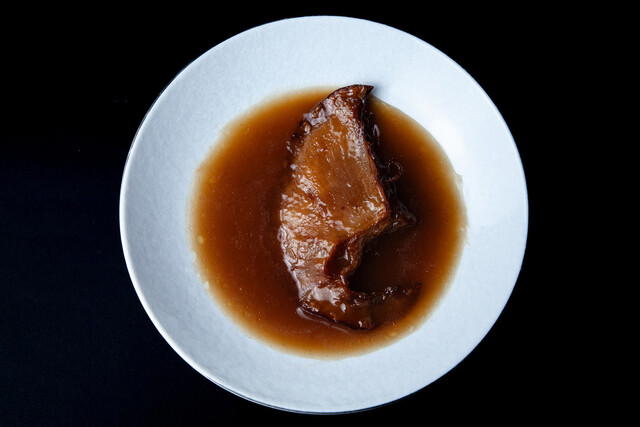
An eight-seat Chinese counter in Ginza that earned a 2026 Tabelog 100 spot for its multi-course tasting menus at JPY 20,000–29,999. The wine-focused program and aromatic cooking style set it apart from Tokyo's sushi-heavy luxury dining scene, while booking difficulty stays manageable at 2–6 weeks out.
Sazenka
Tokyo, Japan
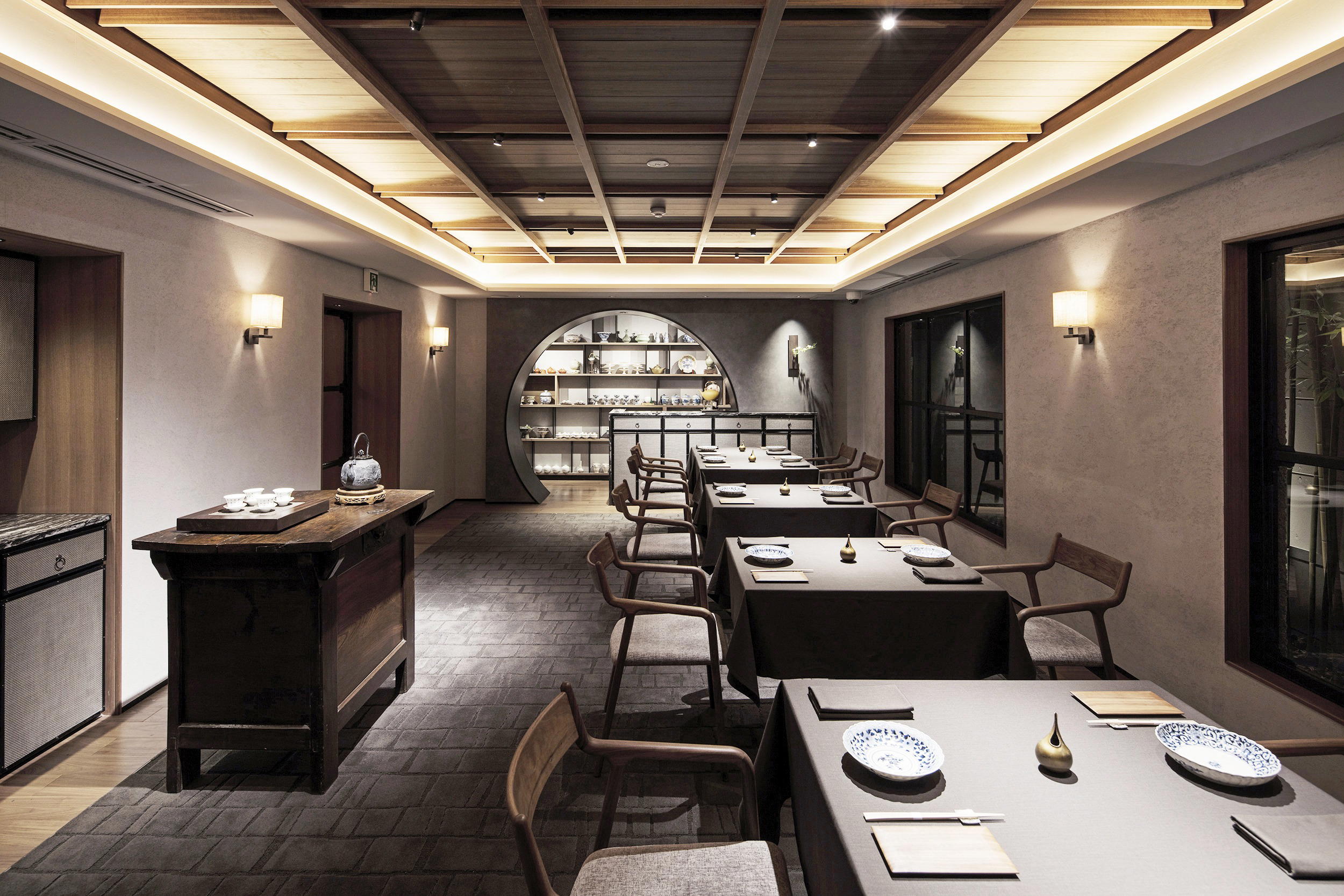
Sazenka is a Chinese restaurant in Minamiazabu, Tokyo.
Renge Equriosity Shinbashi
Tokyo, Japan
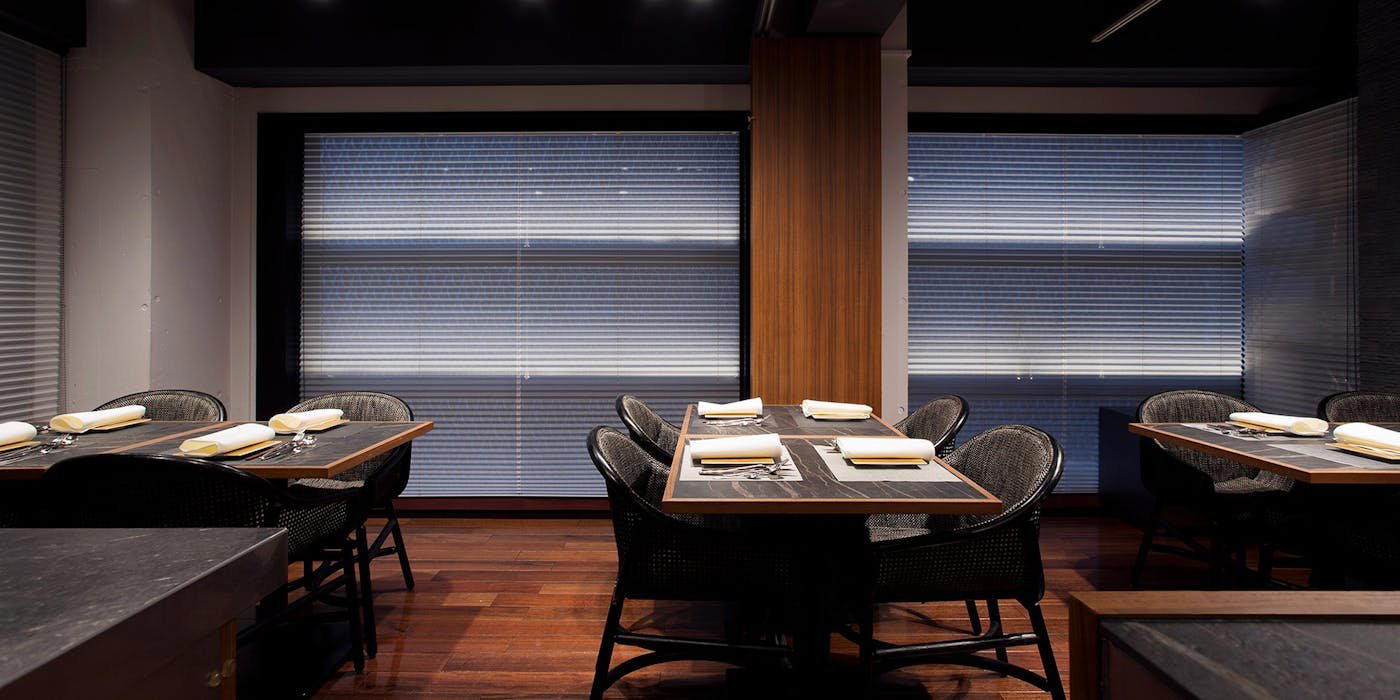
A strong Ginza-Shinbashi pick for diners who want a focused, recognition-backed meal rather than a casual stop. The Tabelog 100 #29 ranking for 2026 is the main trust signal; book it for solo dining or a pair, and cross-shop sushi, curry, soba, or bar peers if you need a clearer format or price point.
jiubar
Tokyo, Japan
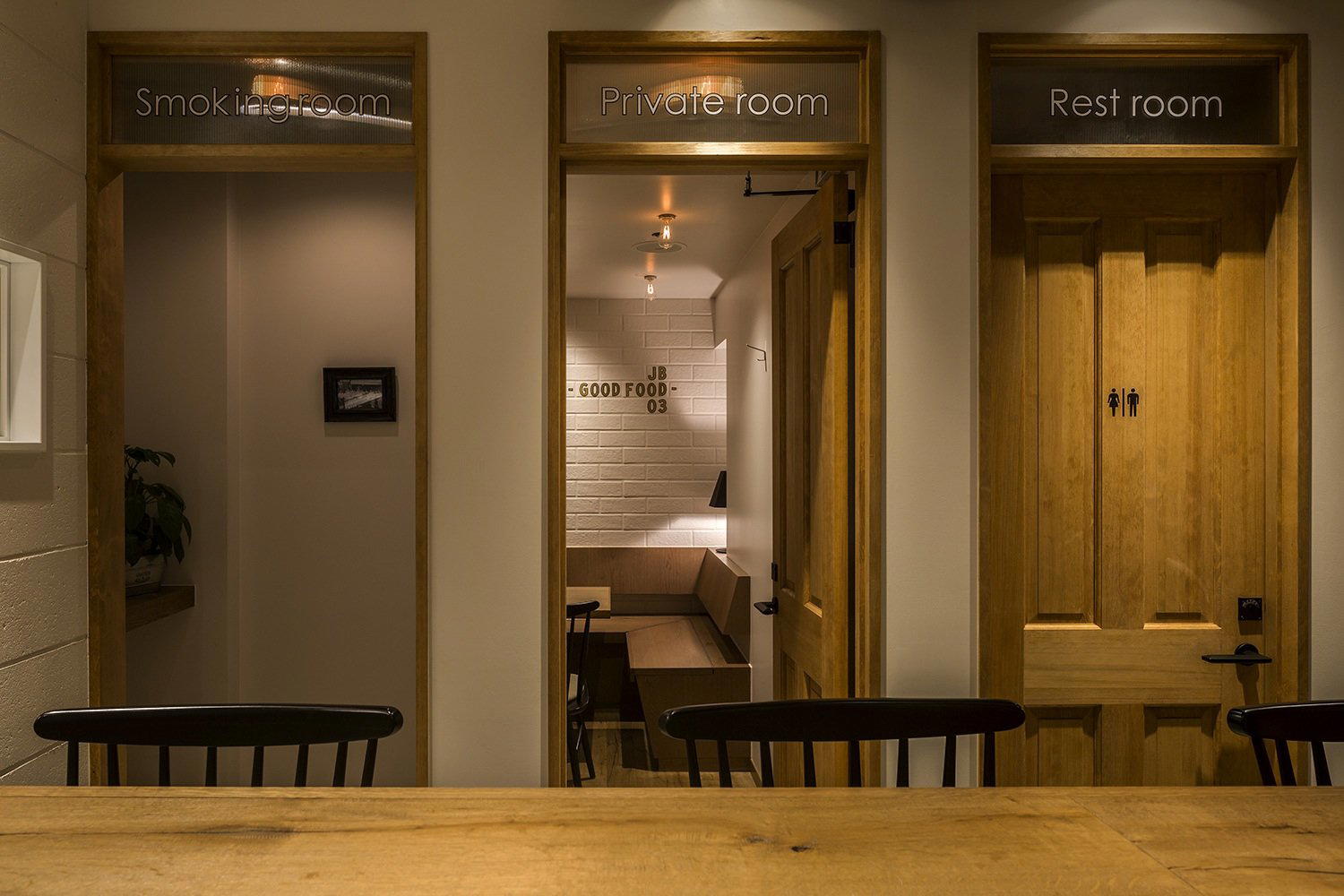
A Tabelog 100 Chinese bar in Kagurazaka that pairs bold, shareable plates with wine and cocktails at counter seating. At JPY 5,000-5,999, it's a value pick for casual dates and groups who want interaction over formality. Book a week out; the counter fills fast on weekends.
O2
Tokyo, Japan
O2 is a Michelin Plate Chinese restaurant in Koto City, Tokyo, where Chef Otsu applies Chinese technique and seasoning to Japanese and Western ingredients at an accessible ¥¥ price point. Book if you want a personal, idiosyncratic kitchen rather than orthodox regional Chinese; and easy to secure a table.
Toh-Ka-Lin
Tokyo, Japan
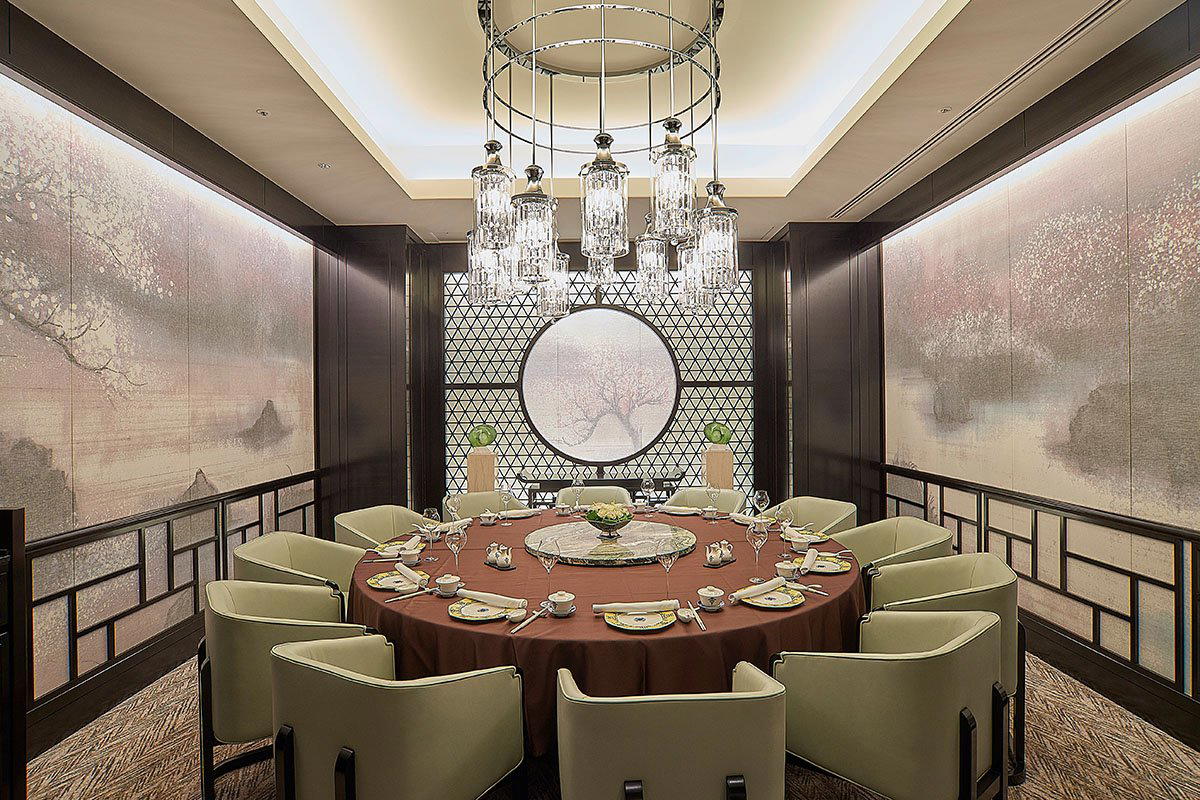
A polished Toranomon choice for special occasions, business meals, and diners who value composed service over trend-driven dining. Toh-Ka-Lin works if the meal needs structure and central Tokyo convenience; cross-shop Chinese Toukaryou Toukari when a clearly published price band matters more.
chuukaryouri tokutake
Tokyo, Japan
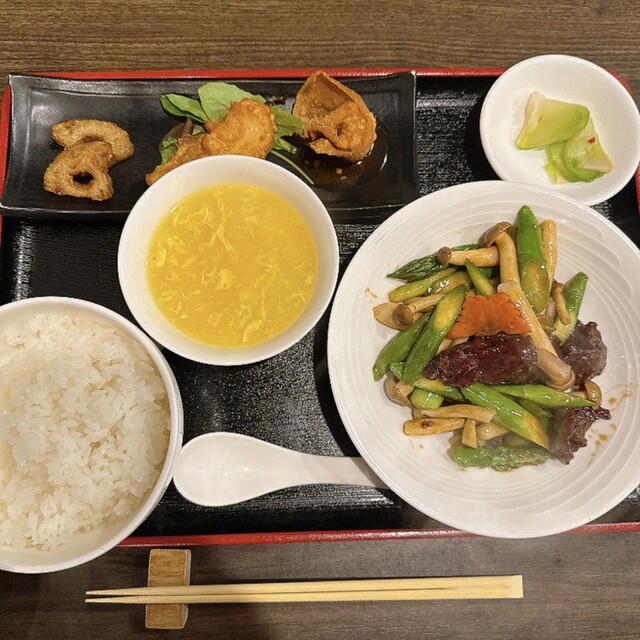
A 22-seat Chinese restaurant in Kamezawa Sumida that earned Tabelog 100 Chinese cuisine TOKYO 2026 recognition for consistent, family-friendly cooking at JPY 6,000–7,999 dinner and JPY 1,000–1,999 lunch. Walk-ins often work weekdays; reservations by phone only. Cash-only lunch, casual vibe, no dress code; practical neighborhood choice rather than formal destination.
Wakiya Ichiemicharo
Tokyo, Japan
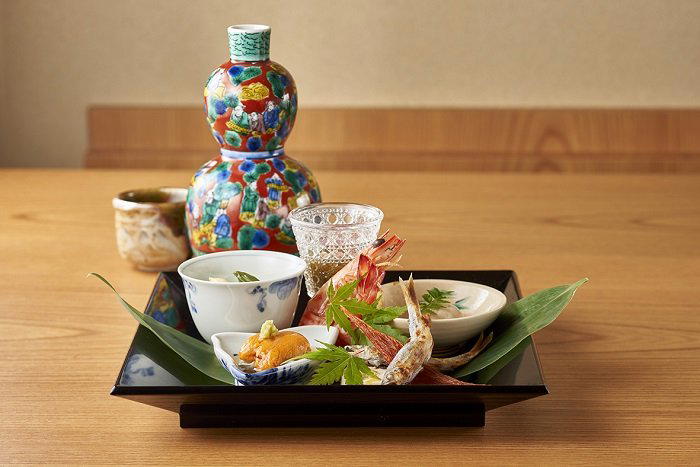
At ¥¥¥, it sits a full price tier below most of its Michelin-recognised peers, making it a practical choice for formal Chinese dining without the ¥¥¥¥ commitment.
Kin Fuku Hong Kong Bishoku
Tokyo, Japan
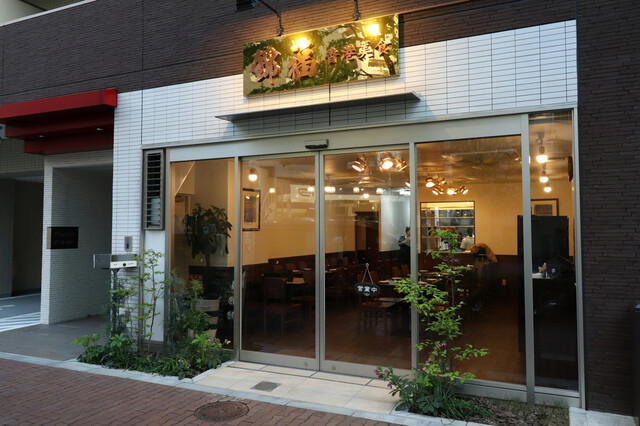
Hong Kong cooking meets a serious wine list in a weeknight-only Kudanshita dining room, where Tabelog 100 recognition and JPY 6,000–7,999 dinners draw repeat visitors who book three weeks out for roasted and wok-fried plates shaped by Ginza-trained chefs. Smoking permitted throughout; cash only.
Kobayashi
Tokyo, Japan
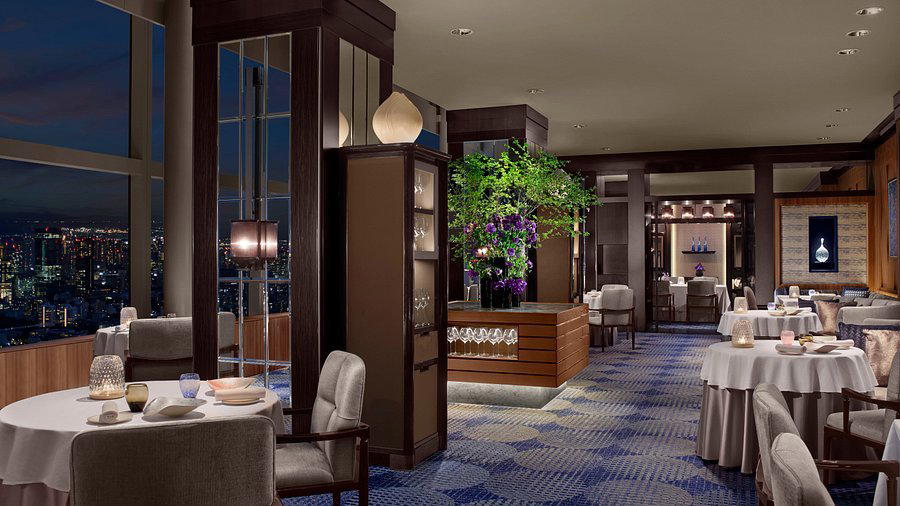
Kobayashi is a focused eight-seat Japanese tasting-menu counter in Roppongi that earned a Tabelog Bronze Award within its first year of operation. The 'Ultra K' format is the only option, which makes it easy to book and worth doing for food enthusiasts who want serious Japanese cuisine without a multi-month wait. Dinner only; closed Wednesdays.
Sense
Tokyo, Japan
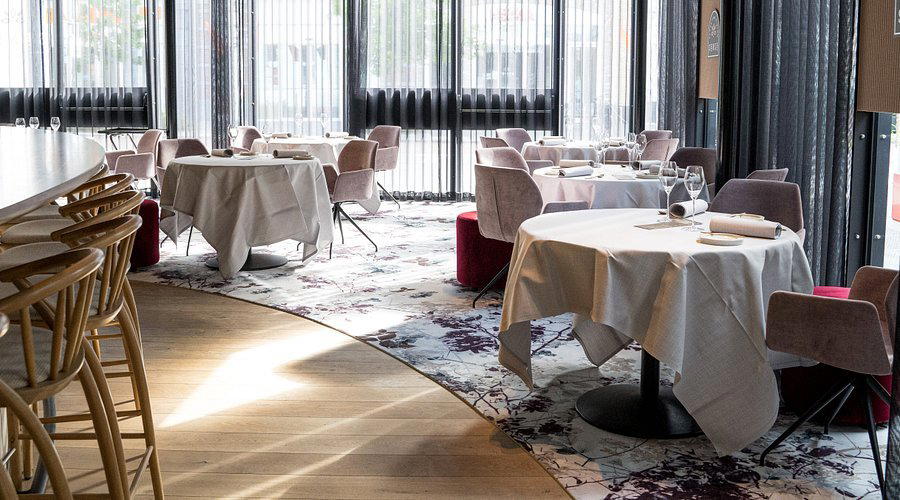
Sense at Mandarin Oriental Tokyo is the most consistent Cantonese restaurant in the city for a formal occasion: nine consecutive Tabelog Bronze Awards (2017–2026), a Michelin Plate, and a 37th-floor room with serious views. Dinner runs JPY 15,000–19,999 listed (budget JPY 30,000+ with drinks and the 15% service charge). Booking is easy; private rooms seat up to 20.
Wasa
Tokyo, Japan
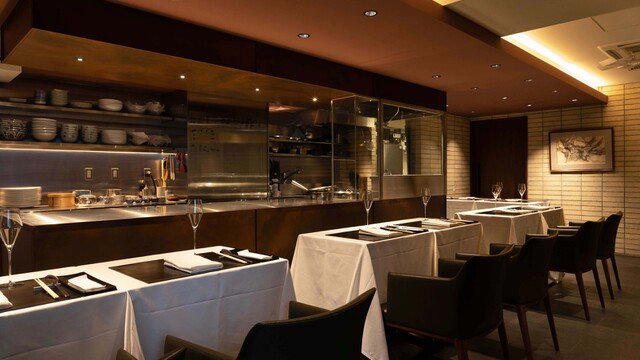
Wasa is an eight-seat omakase restaurant in Ebisu that has earned consecutive Tabelog Silver Awards since 2024, with a score of 4.36. Dinner runs JPY 60,000–79,999 plus 10% service. Book via the OMAKASE platform four to six weeks out; the format is fixed omakase only, with no à la carte or walk-in option. Worth it if ingredient-focused modern Chinese at this commitment level is genuinely your target.
Reikasai Ginza The Chinese Imperial Court dishes
Tokyo, Japan
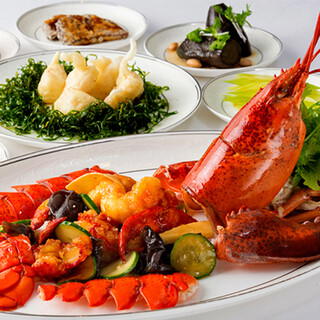
A Ginza ninth-floor Chinese restaurant specializing in imperial court dishes, Reikasai Ginza offers fish-focused, health-conscious courses at JPY 6,000–7,999 (lunch) and JPY 8,000–9,999 (dinner). Named to Tabelog 100 (Chinese cuisine – TOKYO – 2026), the venue provides a quieter, more refined alternative to heavier regional Chinese formats, with private rooms for groups and a reservation-only booking model. The lunch menu delivers the stronger value proposition for diners seeking Tabelog 100 quality without the evening splurge.
Canton Meisai Akasaka Rikyu
Tokyo, Japan
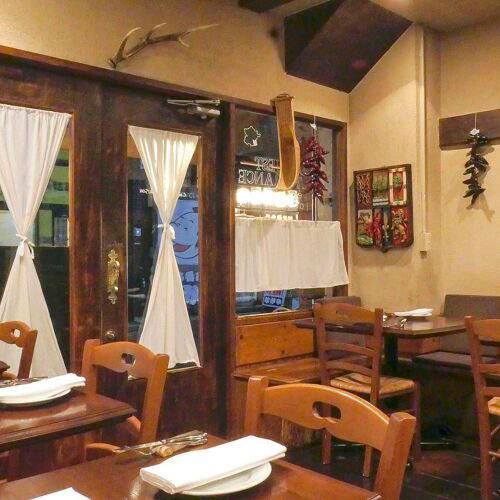
Canton Meisai Akasaka Rikyu is a Michelin Plate Cantonese kitchen in Akasaka running an orthodox menu of seafood, dim sum, and whole fish with real technical ambition. At ¥¥¥ it sits a tier below Tokyo's top omakase rooms but delivers shareable, quality-driven cooking that suits a business dinner or special occasion without the tasting-menu commitment.
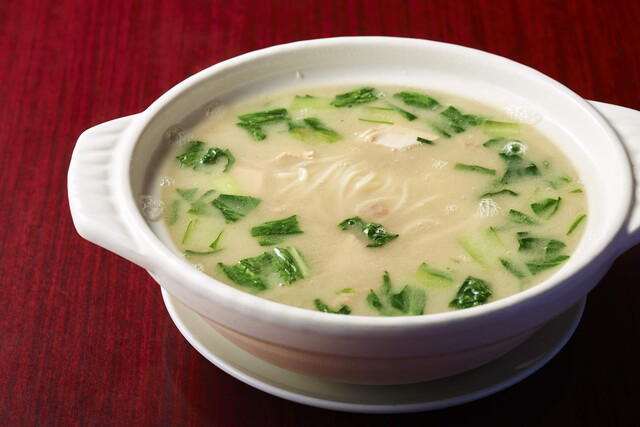
Kouhi En
Tokyo, Japan
Tabelog 100 Chinese restaurant in Roppongi with 110 spacious seats, private rooms for up to 30, and extended hours until 4 AM most nights. Lunch runs JPY 1,000–1,999, dinner JPY 3,000–3,999 (plus 10% service charge after 6 PM). Worth it for late-night groups and special occasions needing flexible seating; less compelling for solo diners seeking counter intimacy or tasting-menu precision.
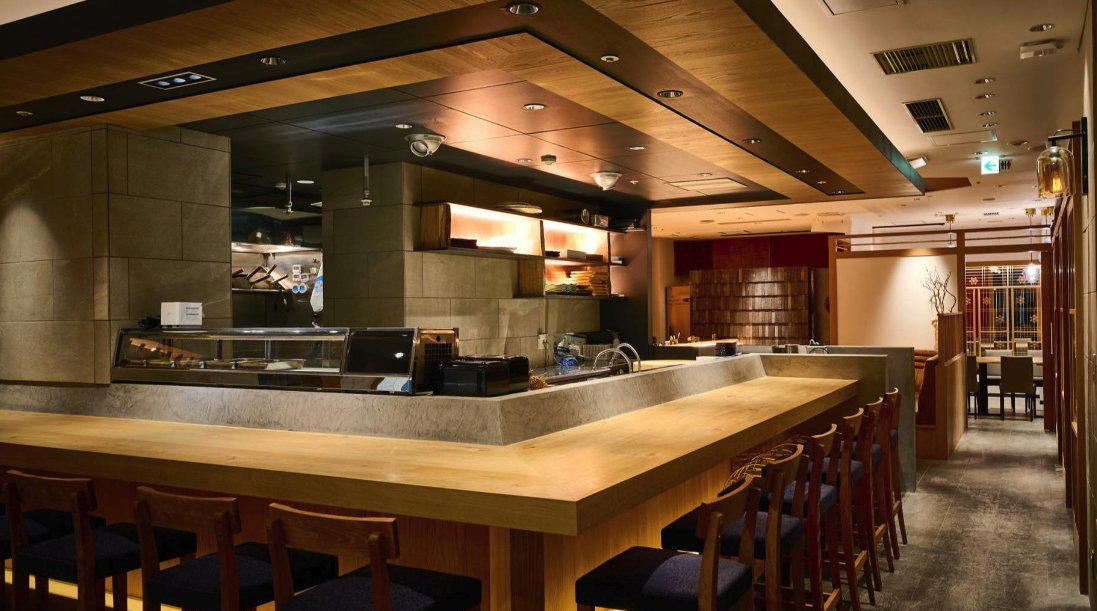
Yamanobe
Tokyo, Japan
Yamanobe is a strong Ginza choice for Chinese dining when the priority is a chef-led meal with serious Tokyo recognition. It is less useful for diners who need published pricing or named signature dishes before booking, and better compared against Tokyo Chinese Ichirin for value or Hei Fung Terrace for a clearer hotel-room format.
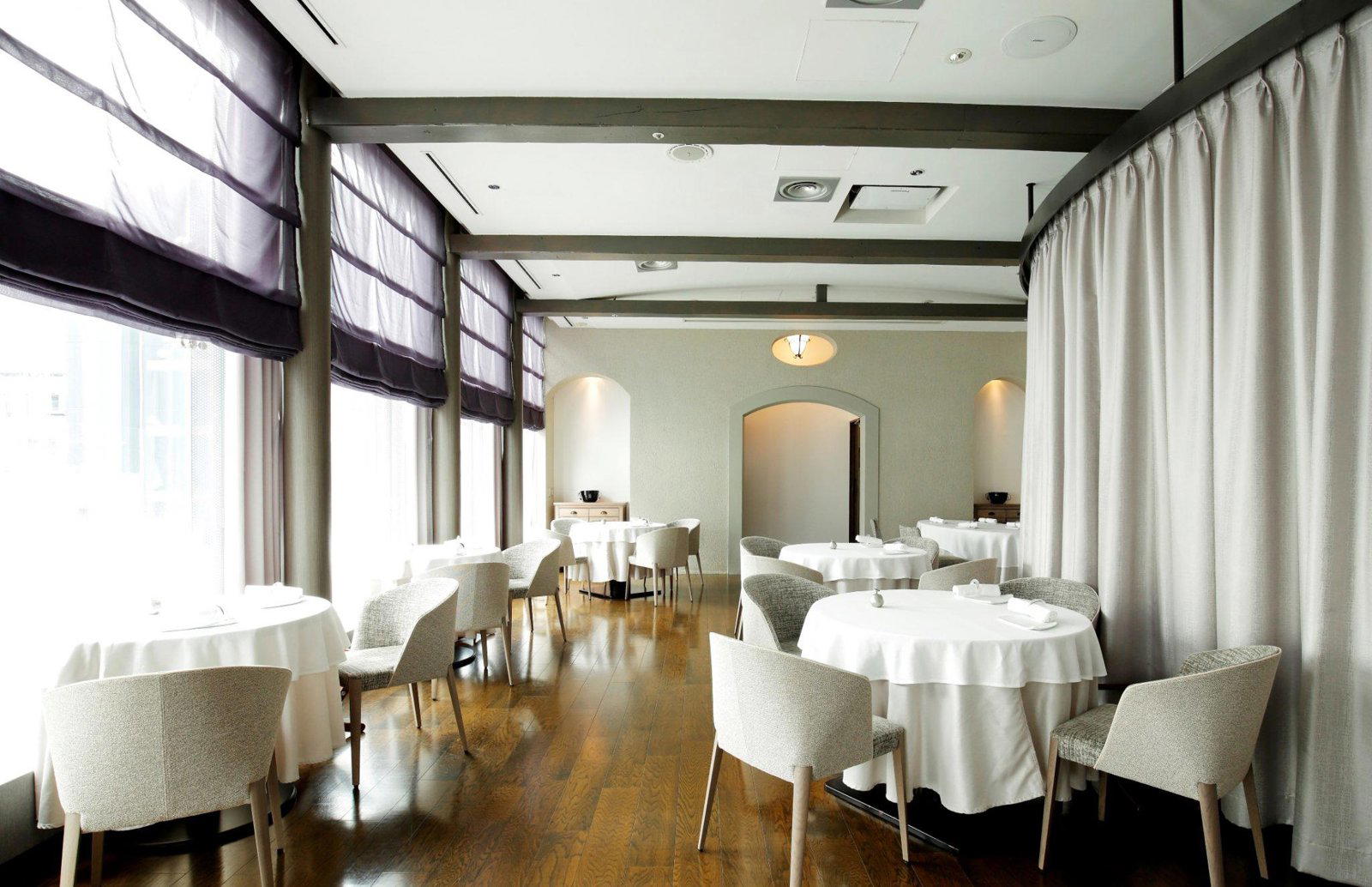
Chinese Sai Kan
Tokyo, Japan
Chinese Sai Kan specializes in Cantonese roasted meats and Shaoxing wine pairings, earning a spot on Tabelog's 2026 Chinese cuisine 100 list. At JPY 10,000–14,999 for dinner (JPY 4,000–4,999 lunch), the 12-seat Shinkawa spot delivers charcoal-grilled char siu and duck with a curated wine program, splitting the difference between Tokyo's casual Chinese canteens and its white-tablecloth Cantonese dining rooms.
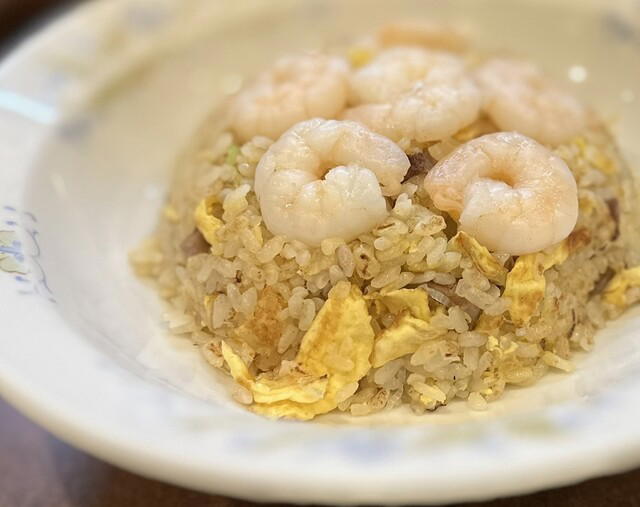
Chii Sha
Tokyo, Japan
A 17-seat Ikejiri-Ohashi counter serving Chinese dishes and ramen under ¥2,000, named to Tabelog's Chinese TOKYO 100 for 2026. Walk-in only, no reservations. Best for casual midweek meals near the Meguro River, with lunch and dinner service that favors quick turnover over lingering. Children welcome, though counter seating suits solo diners and pairs.
JOTAKI
Tokyo, Japan
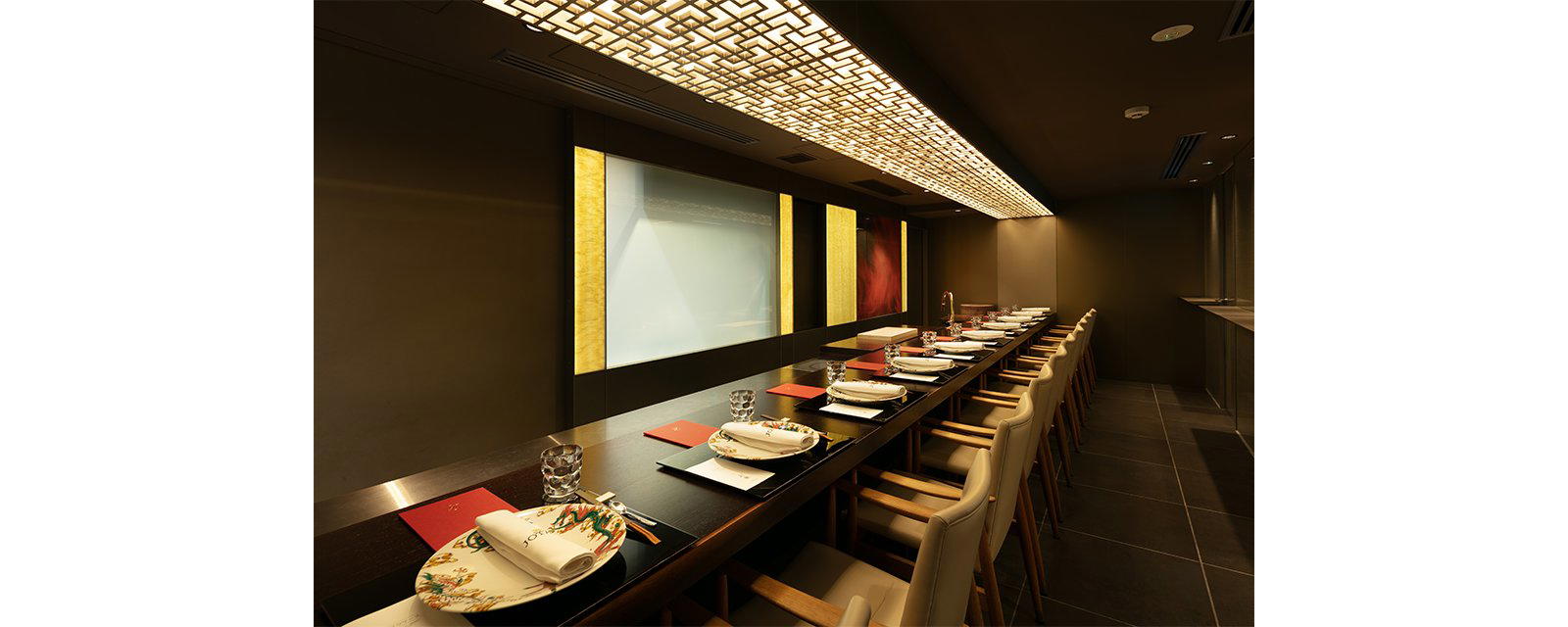
JOTAKI is a ten-seat Ginza counter applying the discipline of Tokyo's finest omakase rooms to Sichuan-influenced Chinese cooking. A Tabelog Bronze Award winner three consecutive years (2024–2026) with a score of 4.27, it sits at JPY 50,000–59,999 per head at dinner. Book two to three weeks ahead; reservations are required and there are no walk-ins.
Ryuen
Tokyo, Japan
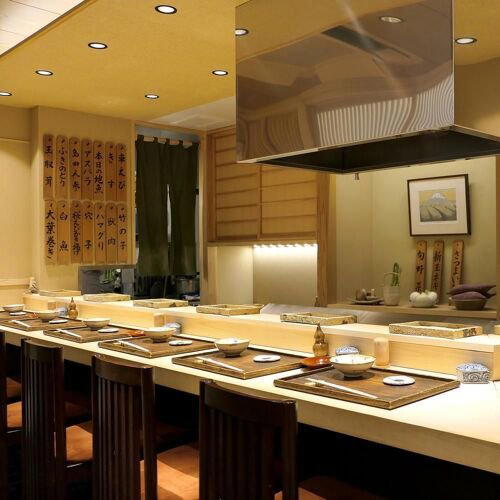
Ryuen is a Michelin Plate-recognised Japanese restaurant in Nishiasakusa that builds inventive menus around a no-waste ingredient philosophy, with a beef middle course borrowed from sister restaurant Oniku Karyu. At ¥¥¥, it is more accessible than Tokyo's top-tier Japanese addresses and easier to book, making it a practical first choice for diners who want serious cooking without the three-month wait.
MIMOSA
Tokyo, Japan
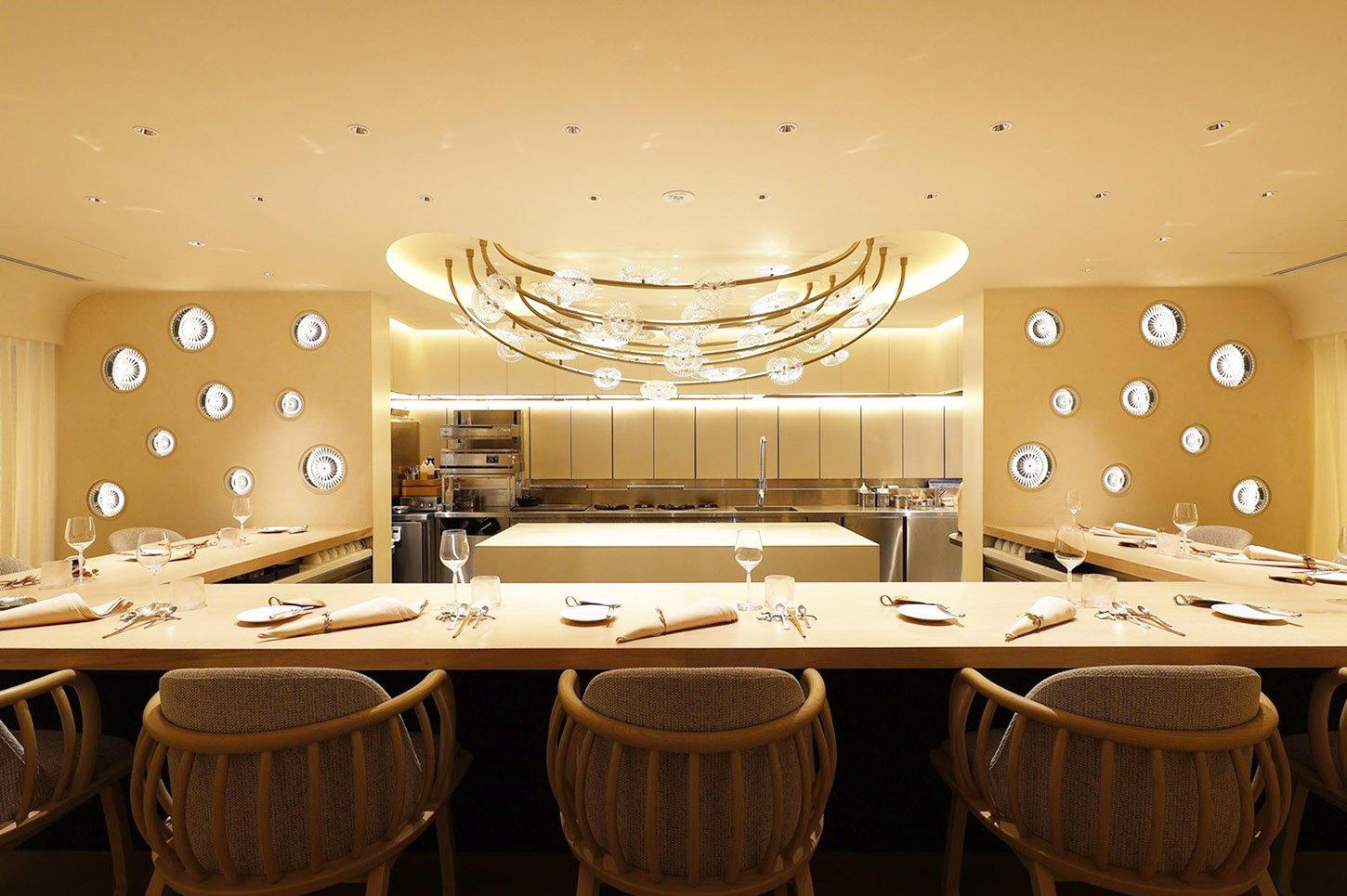
MIMOSA is a Shanghai-cuisine counter restaurant in Minami-Aoyama holding Michelin Plate recognition in both 2024 and 2025. The white counter and live wok cooking make it a strong choice for a date night or celebratory dinner at ¥¥¥; a full price tier below most comparable destination counters in the neighbourhood. Booking is rated easy, which at this level in Tokyo is a genuine advantage.
Ippei Hanten
Tokyo, Japan
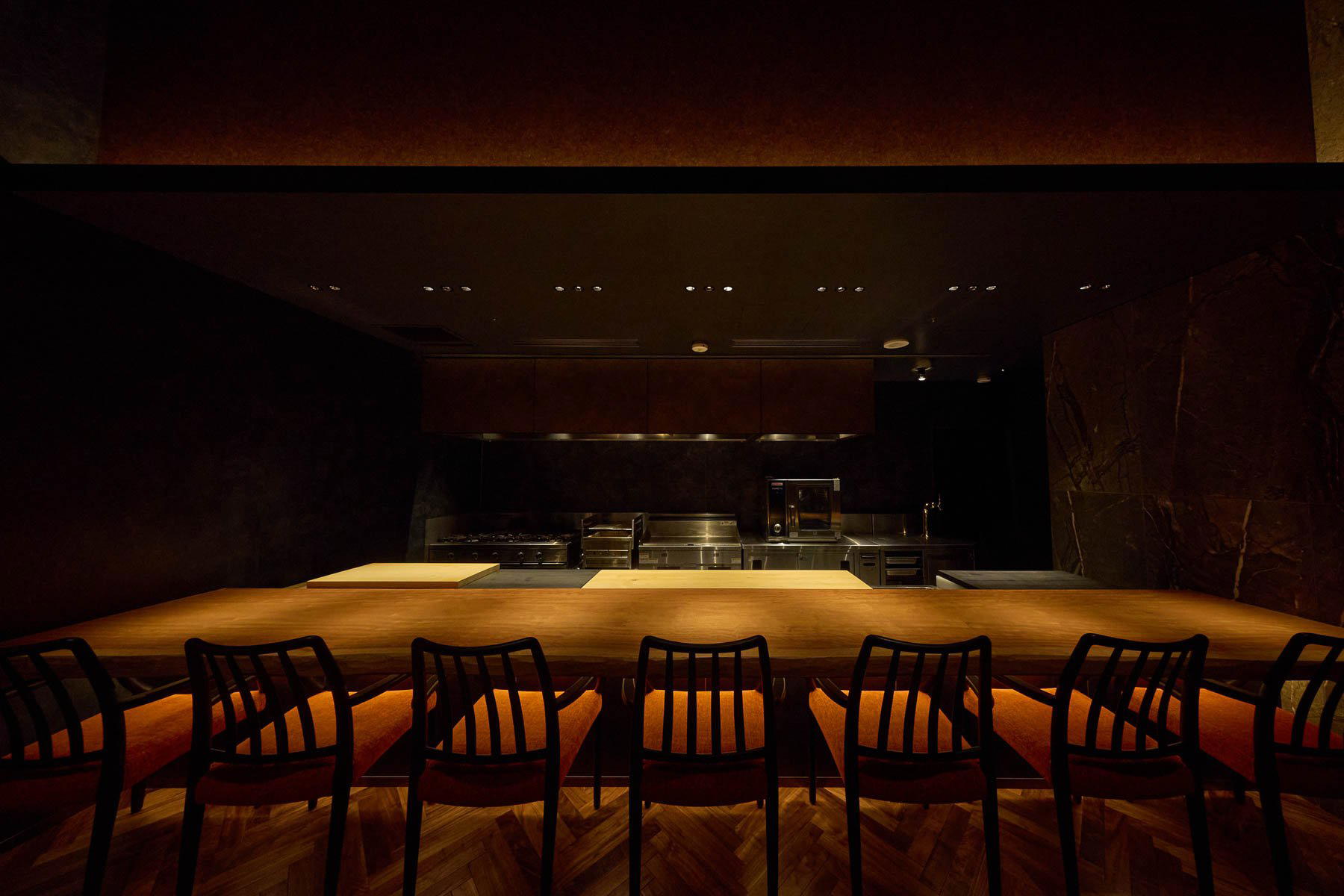
A Michelin one-star Chinese restaurant in Tokyo's Motoazabu neighbourhood, Ippei Hanten runs a prix fixe menu that moves from congee and dim sum through to longtooth grouper and boar hot pots. Chef Ippei Adachi bridges Cantonese tradition and Japanese craft with precision. Book well ahead; this is a hard reservation; and consider lunch as the sharper-value entry point.
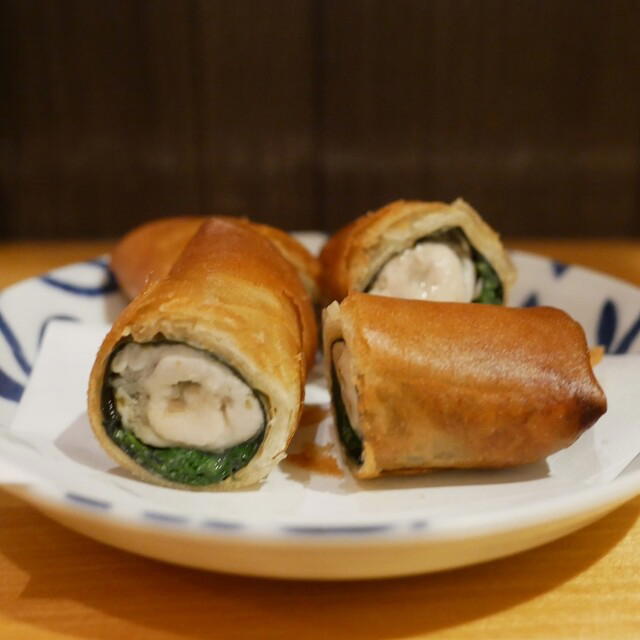
MUDAN JIANG
Tokyo, Japan
Tabelog 100 Chinese 2026 selection in Hatchobori offering fish-forward Chinese cooking at JPY 4,000–4,999. The 20-seat venue blends izakaya drink culture with seafood-focused technique, extended hours, and transparent booking. Counter seats fill faster than tables; groups up to 20 can book the full space for private use.
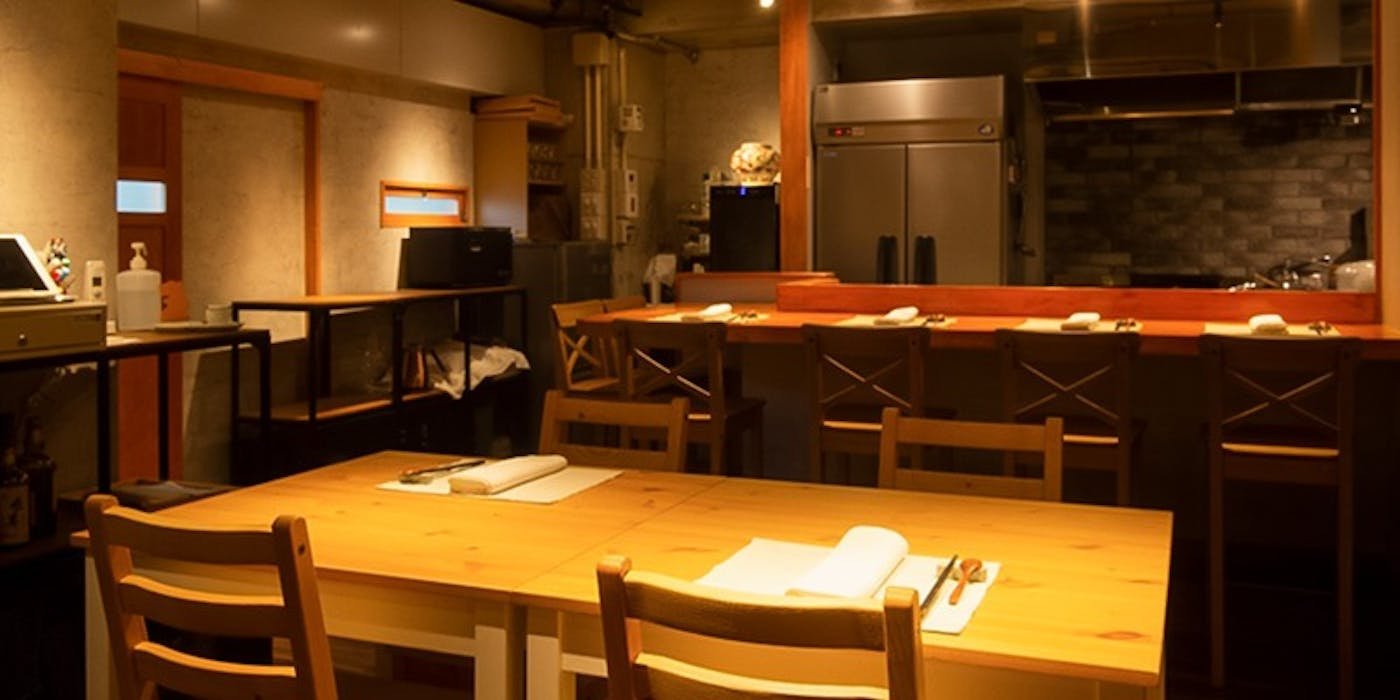
旬華なか村
Tokyo, Japan
Book 旬華なか村 for a quiet Tokyo special-occasion meal if the group is small and comfortable with limited public detail. The Tabelog 100 #50 ranking for 2026 gives it credibility, but diners who need visible pricing or group logistics upfront may be better served by Aigamo Ippin Toriyasu or Shutei Yuzawa.
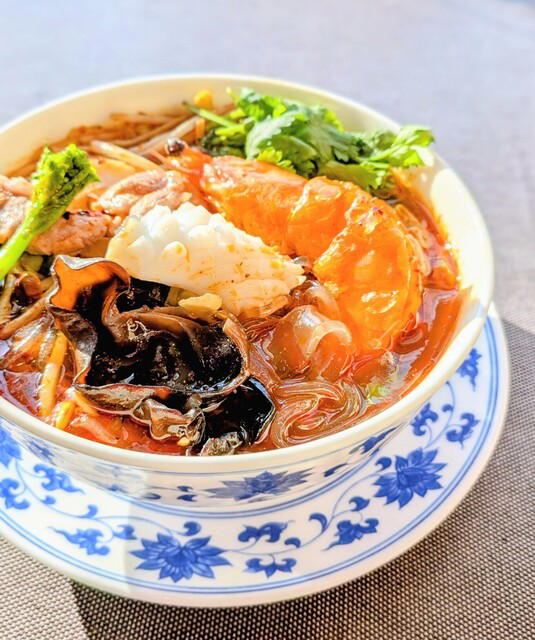
Piao Xiang Ginza Mitsukoshi
Tokyo, Japan
A practical Ginza pick for award-recognized Chinese dining without committing to a premium Tokyo dinner budget. The case is strongest for lunch, early dinner, solo diners, and pairs already in Ginza Mitsukoshi; skip it if the goal is a clearly documented chef-led tasting menu.
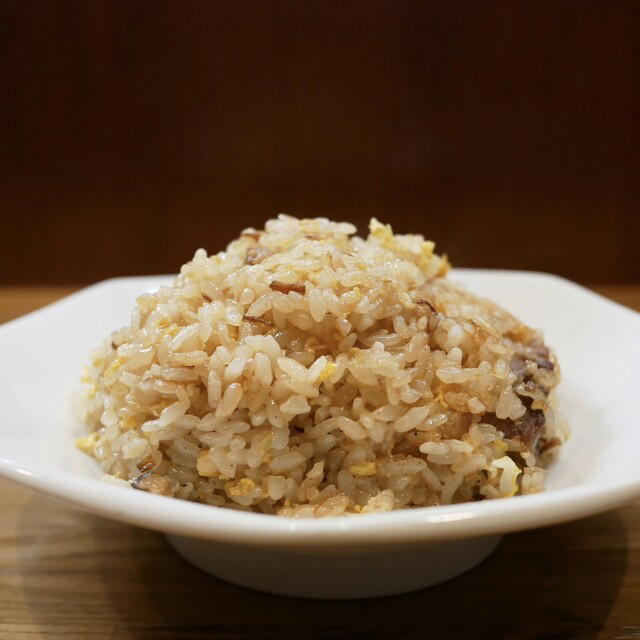
Shinga
Tokyo, Japan
A no-reservation, nine-seat Chinese counter in Bunkyo that earned a spot on Tabelog's 2026 Chinese cuisine 100 list by delivering consistent ramen, cafeteria staples, and classic preparations for under JPY 2,000 per person. Cash-only service runs fast, queues form early, and the format favors solo diners and quick meals over multi-course pacing.
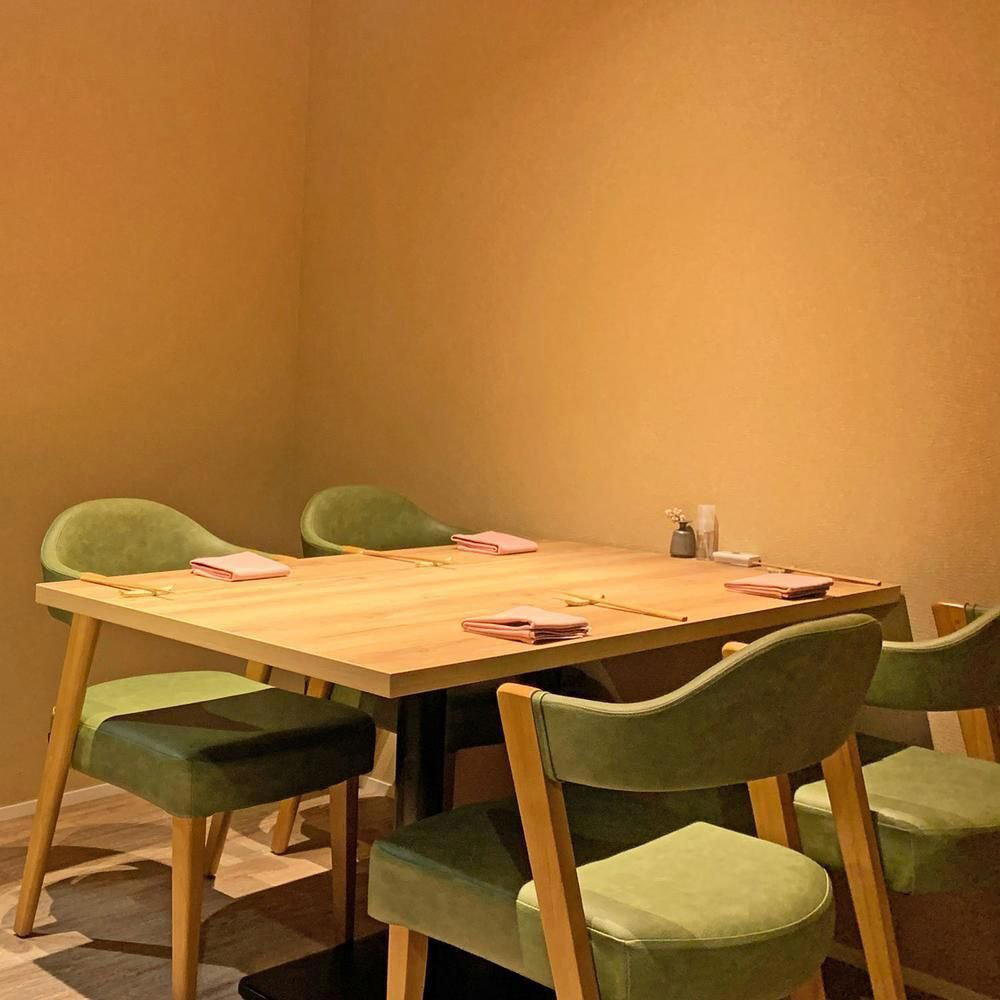
Nogizaka yui
Tokyo, Japan
A Michelin Plate winner (2024, 2025) in Minami-Aoyama serving produce-led Sichuan cuisine at the ¥¥ price tier. Farm-direct vegetables and a seasonal menu that pivots meaningfully between spring and autumn make a return visit worth planning. Booking is easy by Tokyo standards, and the warm service is consistently noted across reviews.
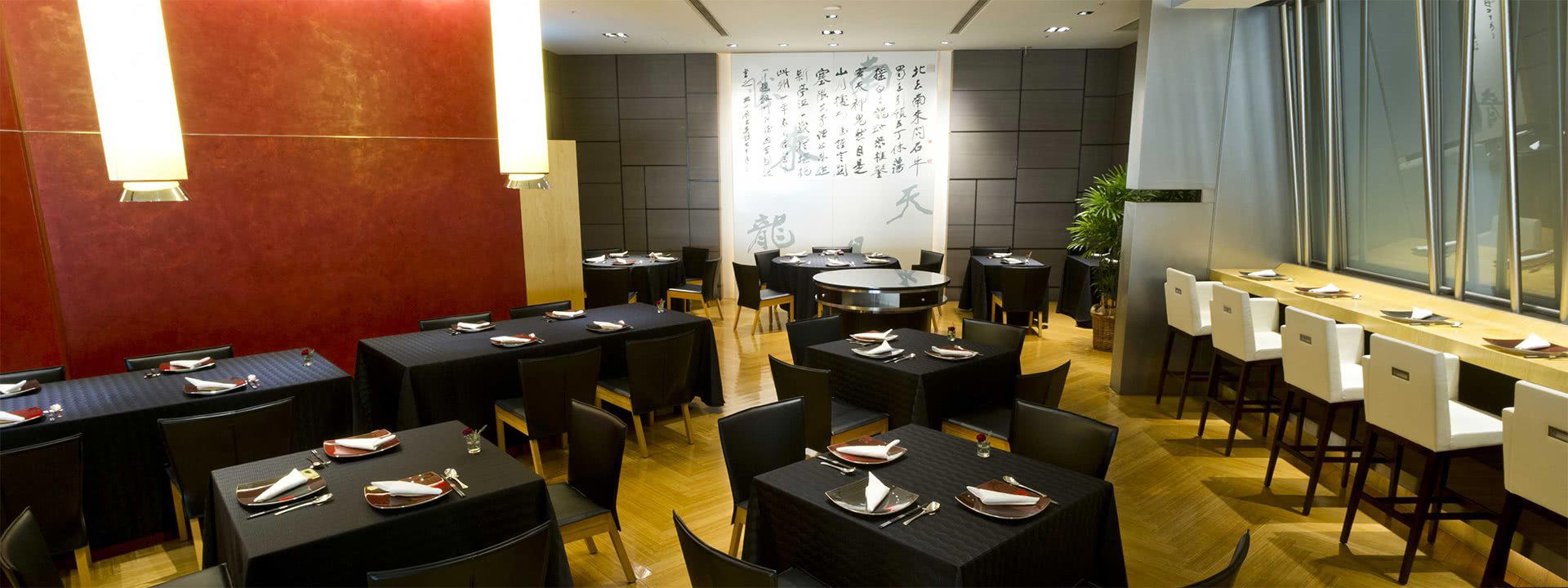
Szechwan Restaurant Chen Shibuya
Tokyo, Japan
Book Szechwan Restaurant Chen Shibuya for a polished Shibuya meal when convenience, hotel comfort, and a recognized Tokyo dining signal matter. It is better for planned lunches, client dinners, and traveler-friendly evenings than for diners chasing a small counter or highly specific tasting format.
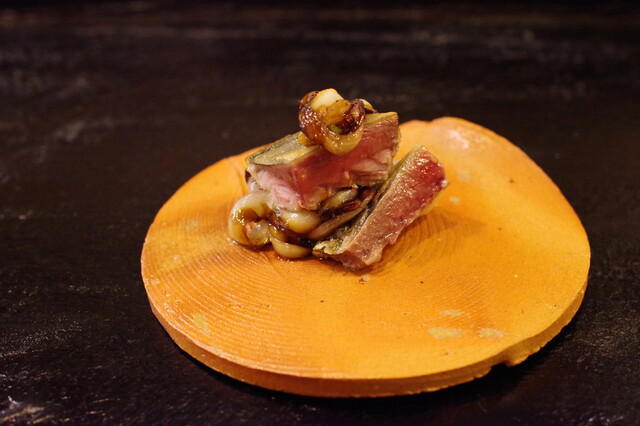
Fushue
Tokyo, Japan
Counter-only Chinese omakase in Higashinihonbashi with a wine-focused program and Tabelog 100 recognition since 2021. Dinner runs JPY 10,000–14,999 as a course-only experience; lunch offers noodles Tuesday, Thursday, Friday (JPY 1,000–1,999) and à la carte options on Sunday. Nine seats, four-person group cap, and no children at dinner make it better suited for dates and small celebrations than large gatherings.
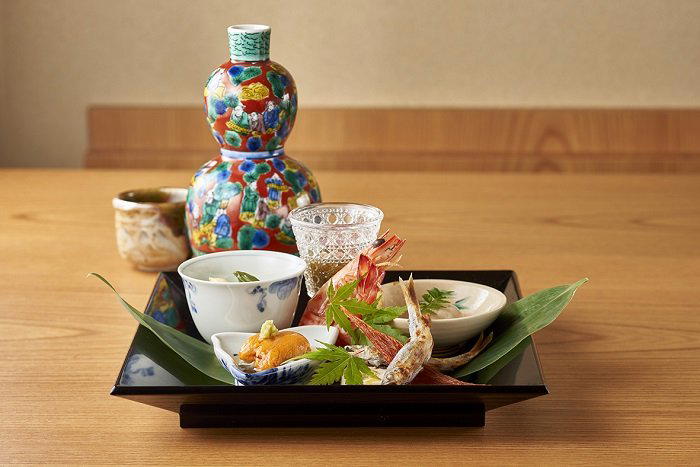
Koshikiryori Koki
Tokyo, Japan
A Michelin-starred Hong Kong Cantonese restaurant in Nishishinbashi with 17 seats, dinner-only courses, and Tabelog scores that have climbed for three consecutive years. Book well in advance; this is reservation-only and fills fast. At ¥20,000–¥29,999 per head, it is among the most credential-dense Chinese dining options in Tokyo, and strong value relative to comparable kaiseki rooms.
Ryutenmon
Tokyo, Japan
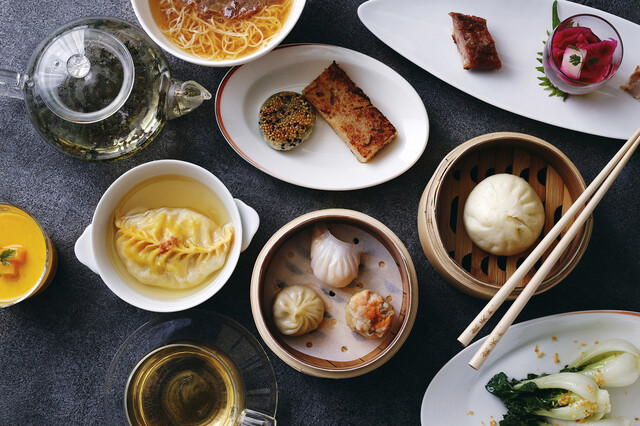
Cantonese dim sum and wok cooking in The Westin Tokyo, recognized on Tabelog's Chinese TOKYO 100 list since 2021. Lunch (JPY 4,000–4,999) offers better value than dinner (JPY 10,000–14,999) for dim sum-focused meals; evening service adds roasted and braised entrées. Smart casual dress code, 15% service charge, and strict cancellation policies apply.
Mikokoro Mutenka China 935
Tokyo, Japan
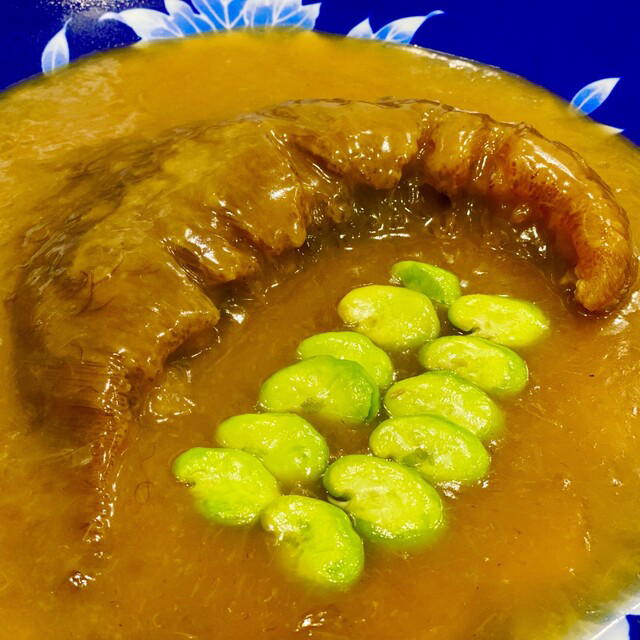
No-MSG Chinese in Kanda Ogawamachi, with dinner courses (JPY 8,000–9,999) that move from seafood to Sichuan heat and back to clean broth. Tabelog 100 three years running, 18 seats, business-lunch appeal, phone-only reservations. Lunch sets run JPY 1,000–1,999 (cash only weekdays).
Chugoku Hanten Fureika
Tokyo, Japan
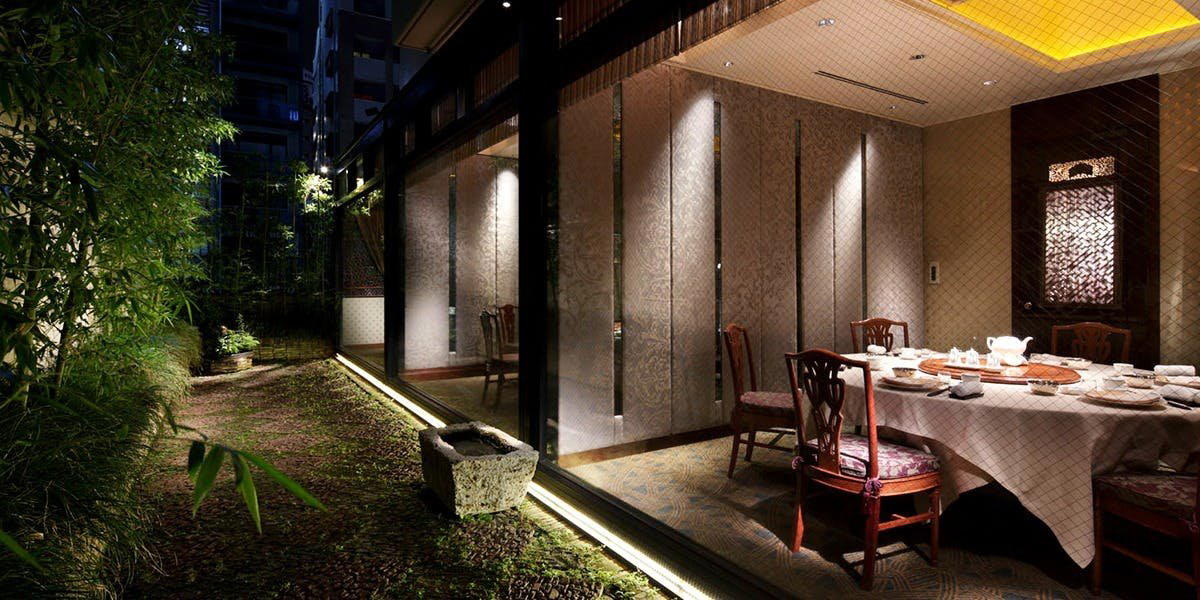
Fureika is the most consistently awarded Chinese restaurant in central Tokyo, holding a Michelin star and consecutive Tabelog Silver recognition since 2018. The à la carte format spans over 100 Shanghai and Cantonese dishes, with dinner averaging JPY 20,000–29,999 per person. Private rooms, group capacity, and a relaxed dress code make it a reliable choice for both business and social occasions.
Chuka Dining Ichizu Isshin
Tokyo, Japan
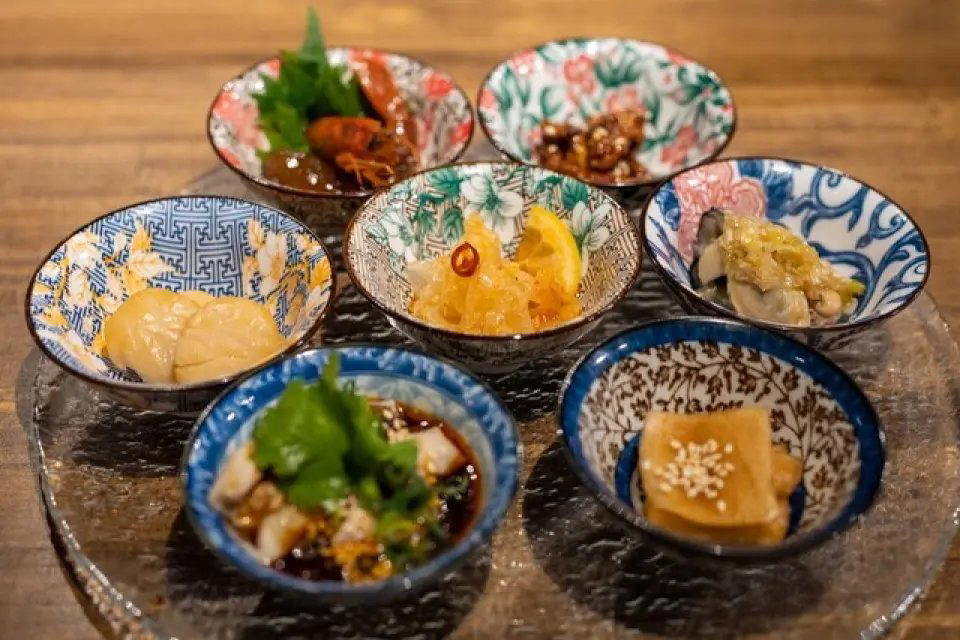
A Tabelog 100-recognized Chinese restaurant in Kameari, Katsushika City, offering seasonal cooking at JPY 6,000–7,999 for dinner and JPY 1,000–1,999 for lunch. The 30-seat venue (opened April 2021) features counter, table, and private-room seating, with a BYO policy and family-friendly format. Book three to five days ahead for weekends; the five-minute walk from Kameari Station rewards diners seeking mid-range Chinese dining outside Tokyo's central wards.
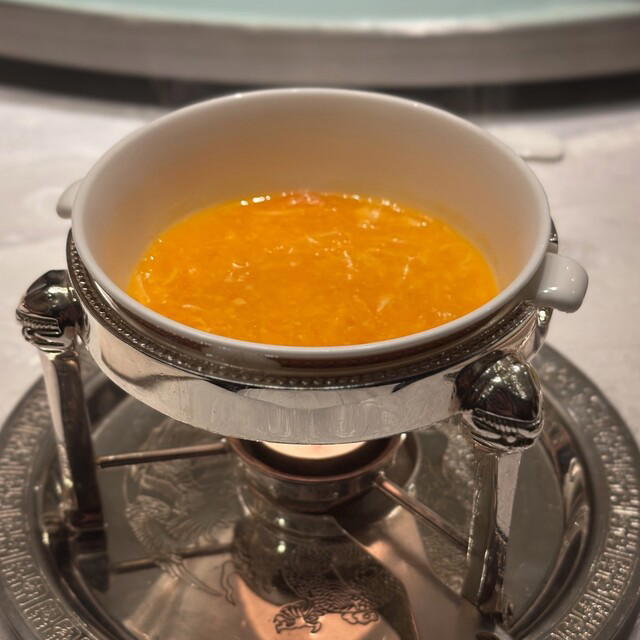
Tsukushi Rou Ebisu ten
Tokyo, Japan
A spacious Ebisu Chinese restaurant recognized in Tabelog's 100 Best across four years (2026, 2024, 2023, 2021). Lunch offers strong value at JPY 3,000-3,999; dinner shifts to JPY 20,000-29,999 tasting menus with a fish-forward menu and sommelier-curated wine pairings. Private rooms seat up to twenty, and the pet-friendly terrace is a rare find in Tokyo's upscale dining category.
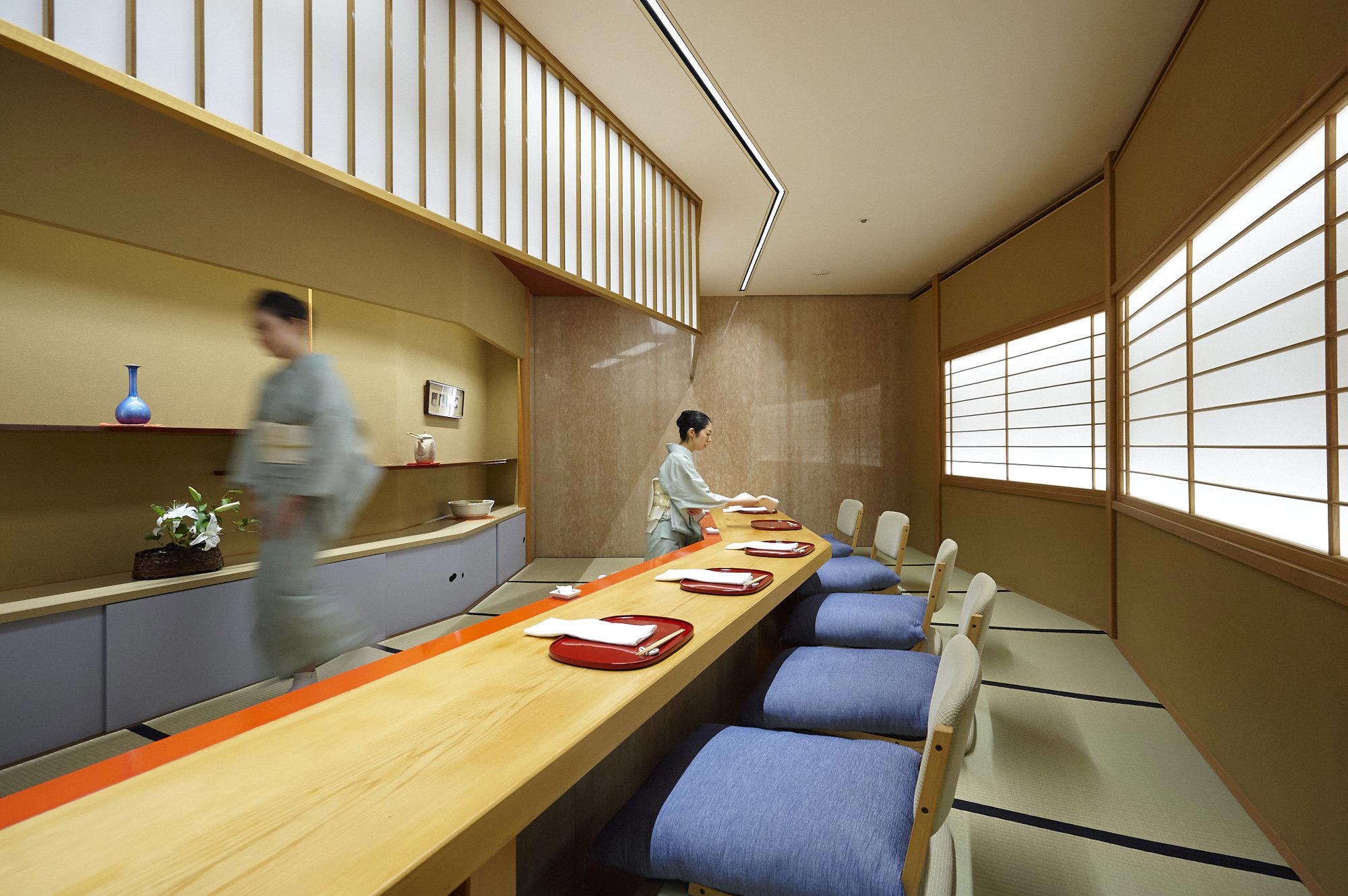
北京遊膳
Tokyo, Japan
北京遊膳 is a better fit for a planned Ogikubo dinner than a last-minute central Tokyo backup. Book it for a small-table date, celebration, or business meal when you want recognition and a calmer neighborhood setting; choose a peer with clearer pricing or format if budget, counter seating, or late-night timing is the deciding factor.
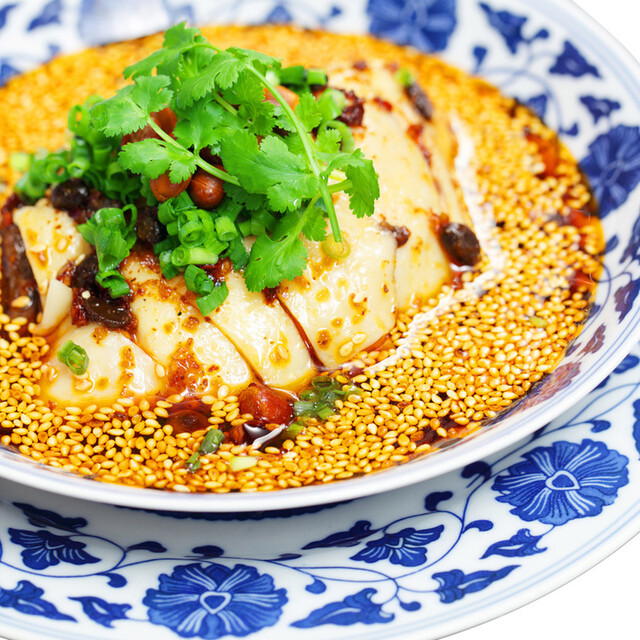
Chuka Kosai JASMINE Hiroo honten
Tokyo, Japan
Tabelog 100–recognized Chinese kitchen in residential Hiroo, open since 2011. Dinner runs JPY 6,000–7,999, lunch under JPY 2,000. Fish-focused menu with dumplings, dim sum, and seasonal plates. Seats 32, fragrance policy enforced. Easier booking than many award-holding peers, with take-out and BYO options.
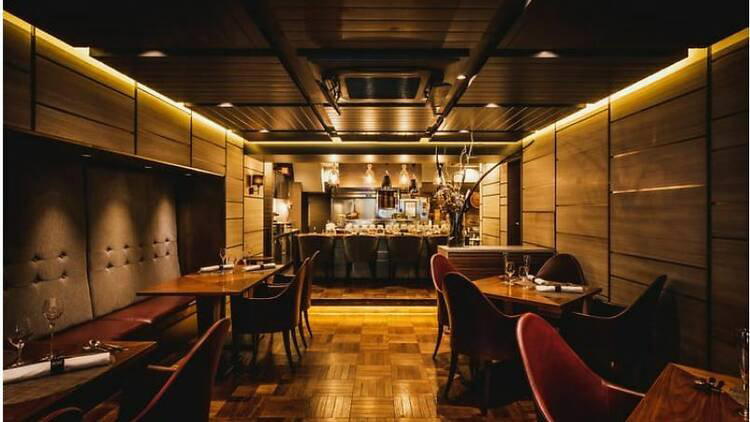
Series
Tokyo, Japan
Series holds a Michelin 1 Star (2024) for a multi-course Chinese-influenced format in Azabudai, Tokyo, where the kitchen sources ingredients across culinary traditions to produce dishes like Peking duck in kadaif pastry and chicken wings stuffed with foie gras. At ¥¥¥, it is one of the stronger cases for Michelin-starred creativity without moving into the ¥¥¥¥ bracket. Book four to six weeks out minimum.
Chugoku Hanten Roppongi
Tokyo, Japan
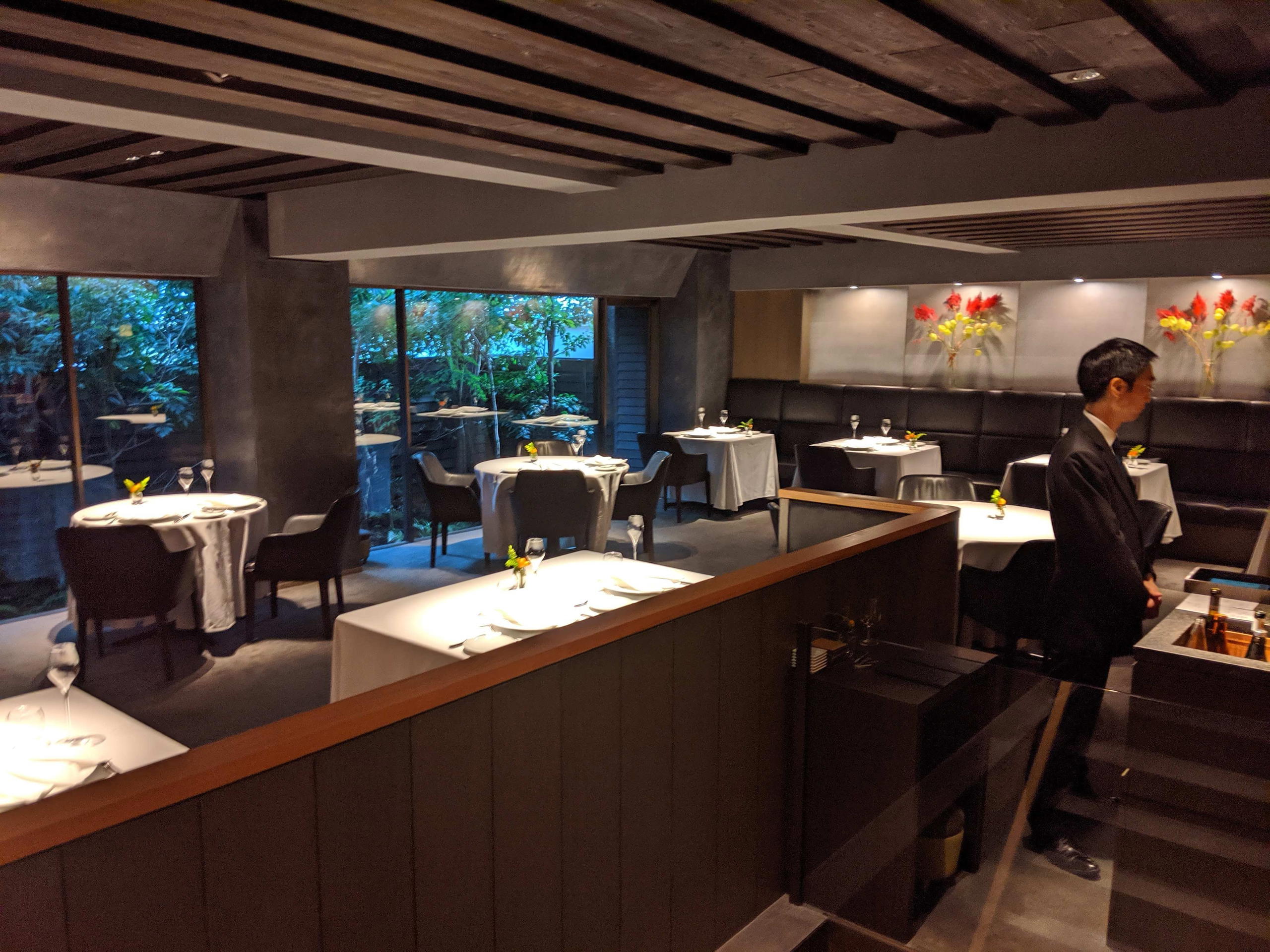
Chugoku Hanten Roppongi has held an Opinionated About Dining ranking in Japan for three consecutive years, making it the most credentialed Chinese dining option in Nishiazabu. Lunch is the sharper value; same kitchen, quieter room, lower price point. Booking is easy, hours are consistent seven days a week, and it is a sound choice for any Tokyo itinerary that wants Chinese at a serious level.
Sichuan Hashoku
Tokyo, Japan
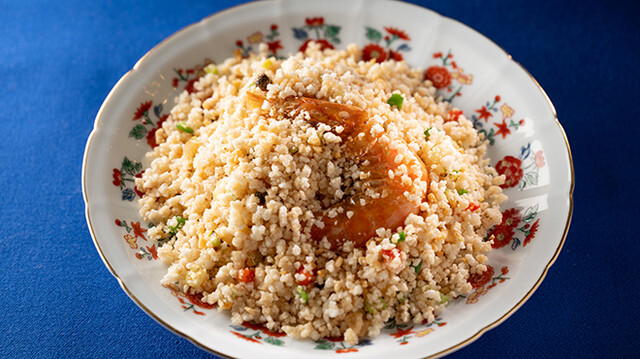
Opened in 2023 and named to Tabelog's Chinese Cuisine TOKYO 100 list in 2026, Sichuan Hashoku offers tasting-menu Sichuan at JPY 10,000–14,999 for dinner (JPY 5,000–5,999 lunch) with sommelier-led wine pairings. À la carte is available on select days; the 18-seat Asakusa dining room emphasizes structured service and ingredient sourcing, including "particular" attention to fish.
Shaoxiong Hanten
Tokyo, Japan
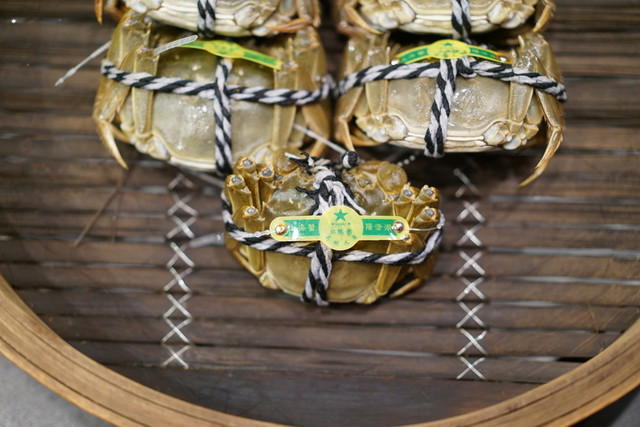
This eight-seat Sendagaya basement Chinese restaurant, a four-time Tabelog 100 honoree, operates by reservation only at JPY 100,000 per head. The intimate counter-and-table format justifies the price for diners seeking a rare, focused experience, but the long booking window and single dinner service mean you'll need to plan months ahead. Worth it if the format matters more than flexibility.
Toshi
Tokyo, Japan
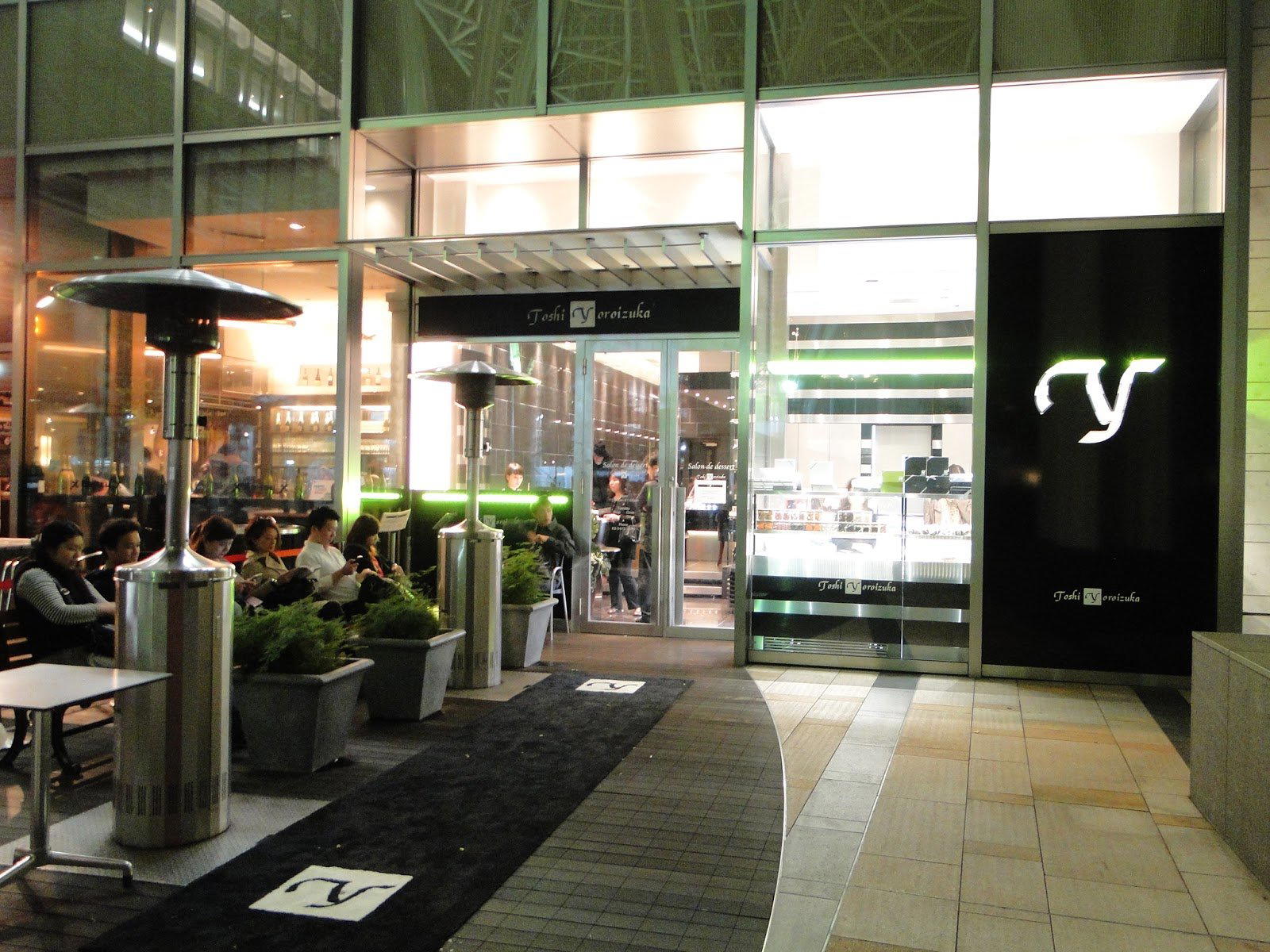
Eight-seat Roppongi counter blending Chinese technique with French structure, Tabelog Silver Award 2026, tasting-menu-only format at JPY 50,000–59,999. Chef Toshiyuki Yoshida delivers focused, technically precise courses in an intimate basement setting; book via OMAKASE platform for 18:00 or 21:00 seatings. Worth it for solo diners and couples seeking quiet, high-execution Chinese fine dining without the scene.
Akasaka Sichuan Restaurant
Tokyo, Japan
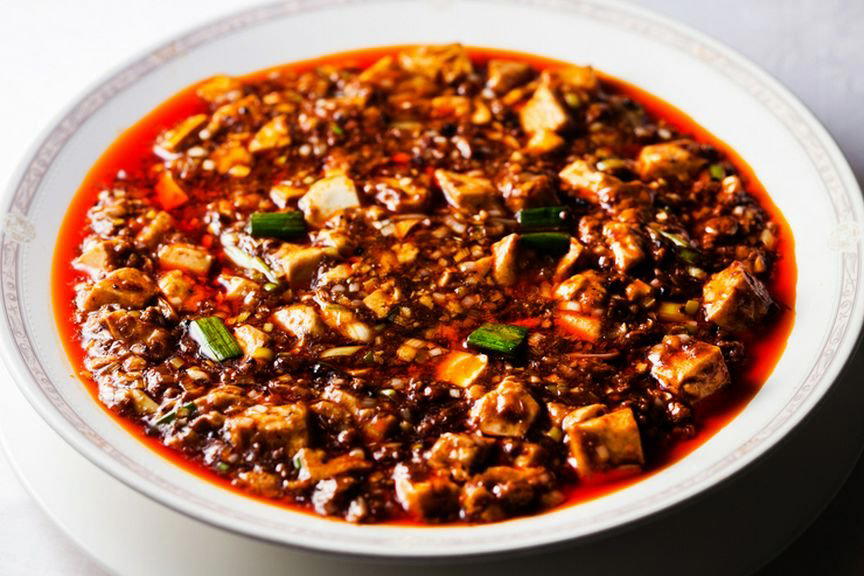
Akasaka Sichuan Restaurant holds a Black Pearl 2 Diamond award (2025) and sits on the 5th and 6th floors of a Chiyoda institution in Hirakawachō; making it one of Tokyo's few credentialed venues for refined Sichuan cuisine. Booking is rated Easy, and the corporate-district setting suits business dinners as much as considered evenings. Worth returning to if you want to work through the beverage pairing question more deliberately.
Hao Hao
Tokyo, Japan
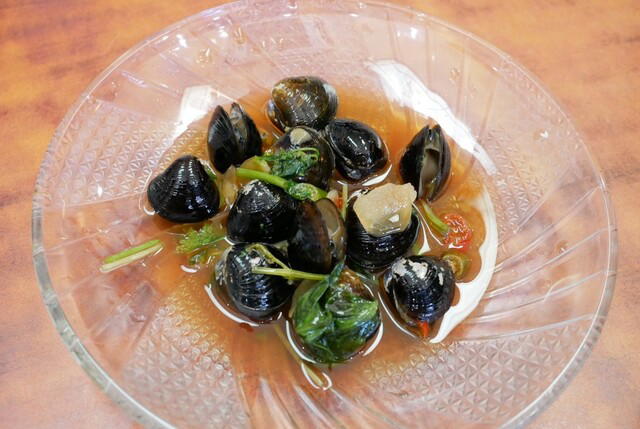
Tabelog 100 Chinese restaurant in Nishigotanda with weekday-only, morning-to-afternoon service. Lunch runs JPY 15,000–19,999, dinner JPY 20,000–29,999; mid-tier pricing with cash-only, phone-booking logistics. The 18-seat room suits solo diners and couples more than large groups.
Sifon Choi Yoshida
Tokyo, Japan
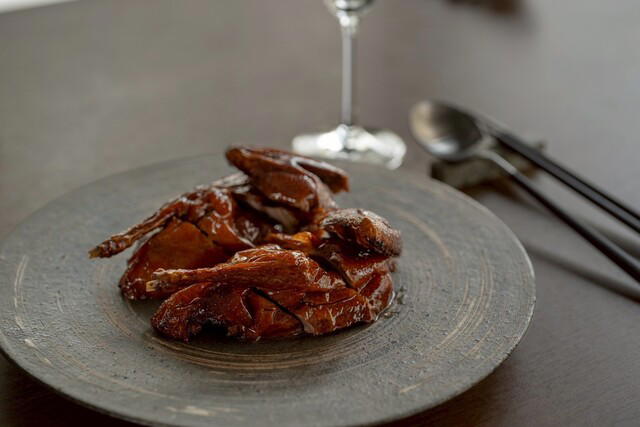
A 20-seat Roppongi hideout with Tabelog 100 recognition, Sifon Choi Yoshida focuses on Cantonese technique, wine pairing, and fish-forward cooking at JPY 15,000–19,999 per person. The signature aroma-fried pigeon requires advance notice; the kitchen runs à la carte dinner service only, closed Sunday and Monday. Book ahead for counter or table seats.
Tokyo Chinese Ichirin
Tokyo, Japan
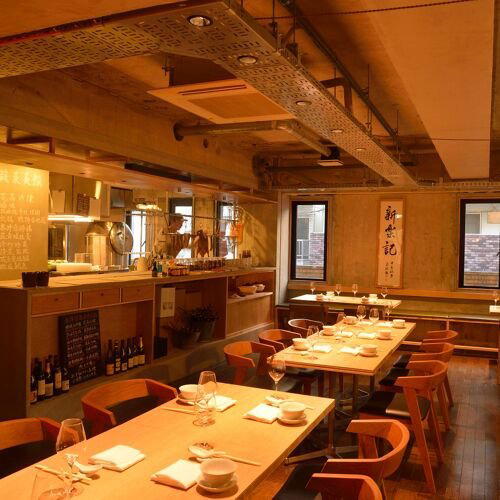
Tokyo Chinese Ichirin holds back-to-back Michelin Plate recognition (2024 and 2025) for Sichuan cooking that prioritises mellow, considered spice over heat-forward simplicity. At the ¥¥ price point in Tsukiji, the evening prix fixe; anchored by steamed spicy chicken and liver paté; is one of the better value-for-quality propositions in Tokyo's Chinese dining scene. Book ahead for evenings; queues form.
SEN YO
Tokyo, Japan
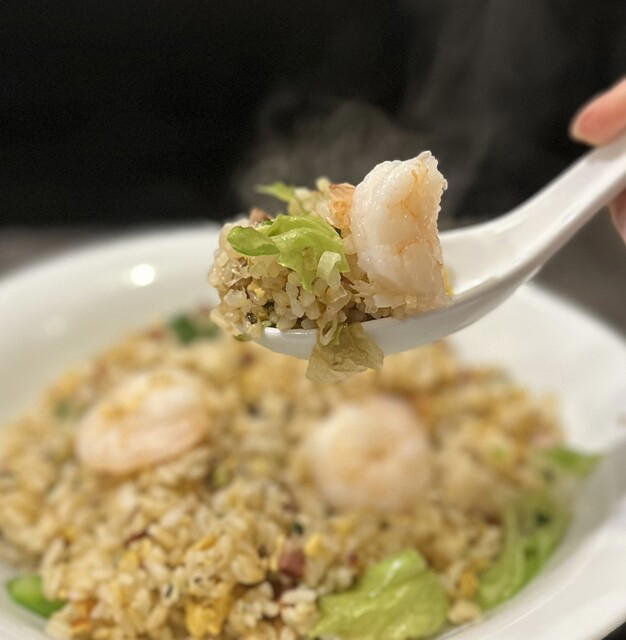
Higashi-Koenji's vegetable-forward Sichuan spot, named to Tabelog's Chinese 100 four times since 2021. Dinner runs JPY 8,000–9,999 in an 18-seat room that trades formal polish for seasonal precision and quiet enough to hear yourself think. Book a week ahead for the counter; groups up to twenty fit the table section. Worth it if you want award-level technique without the palace-dining price tag.
Piaoxiang Hiroo Store
Tokyo, Japan
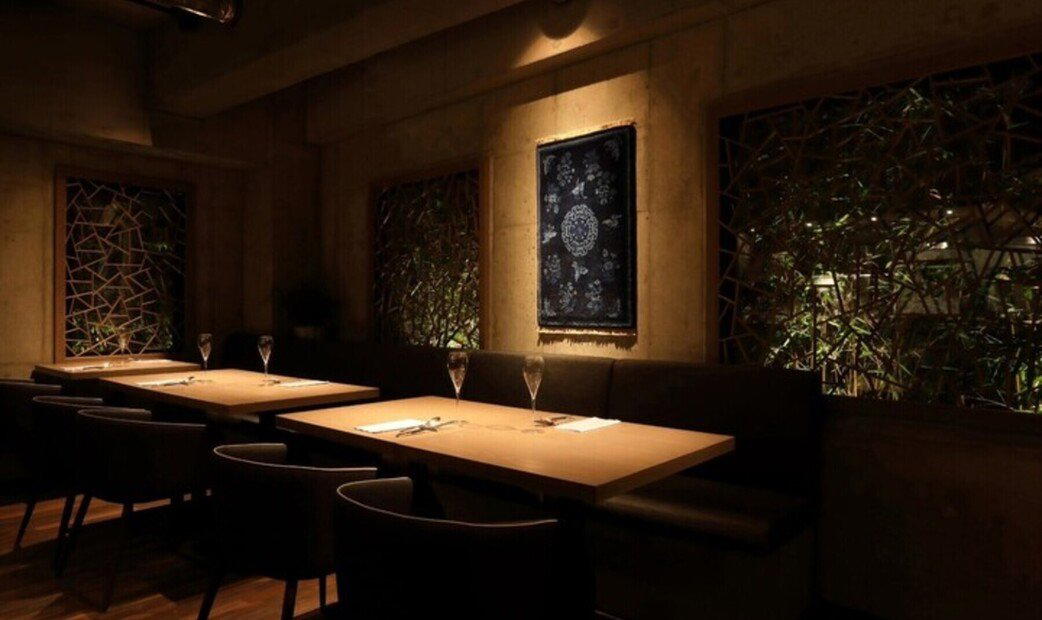
Against Hiroo's sushi, French, and meat-focused options, Piaoxiang Hiroo Store works as an easy dinner booking with credible recognition: Black Pearl 1 Diamond in 2025 and Tabelog 100 #74 in 2026. Skip it for brunch or daytime plans; use it when the goal is a planned Hiroo dinner without fighting a harder reservation.
Kapo Choryumon
Tokyo, Japan
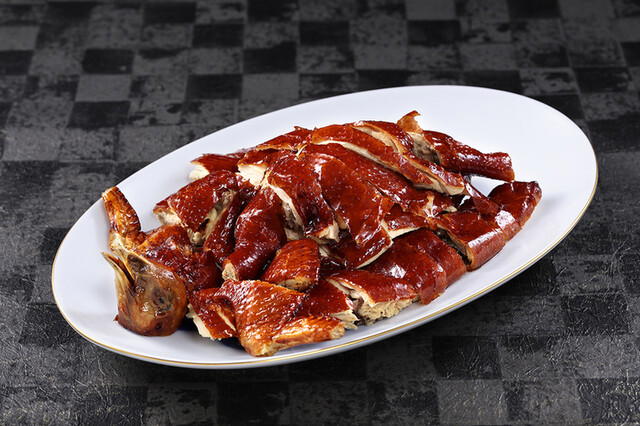
A Tabelog 100 Cantonese restaurant on the sixth floor of Ginza SIX, offering fish-focused courses in a spacious counter-and-private-room layout. Lunch at JPY 5,000–5,999 delivers the same technique as dinner but at one-third the price, making it the sharper value play. Open daily with English and Chinese menus; families and solo diners welcome.
Chuka Ginza Tei
Tokyo, Japan
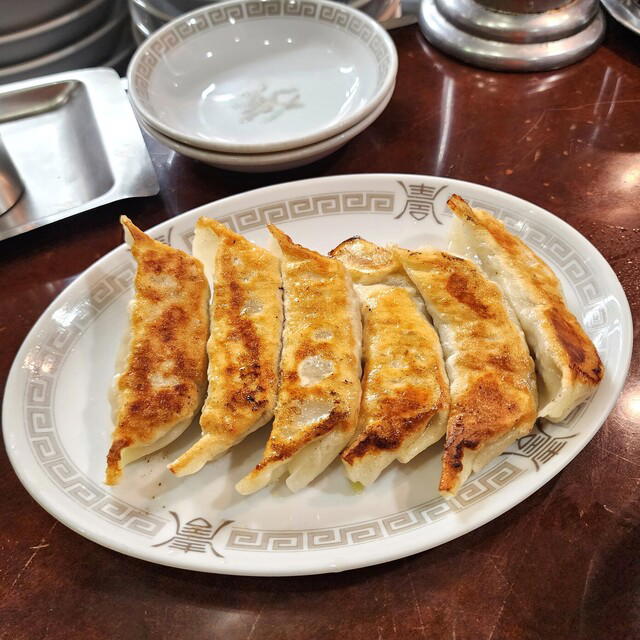
A 16-seat counter in Ginza serving hand-pulled noodles and dumplings until 1 AM weeknights for JPY 1,000 to JPY 2,000. Tabelog 100 recognition confirms consistent technique, and the no-reservation, cash-only format keeps things quick and affordable in a neighborhood where most late-night options cost three times as much.
Masa's Kitchen 47
Tokyo, Japan
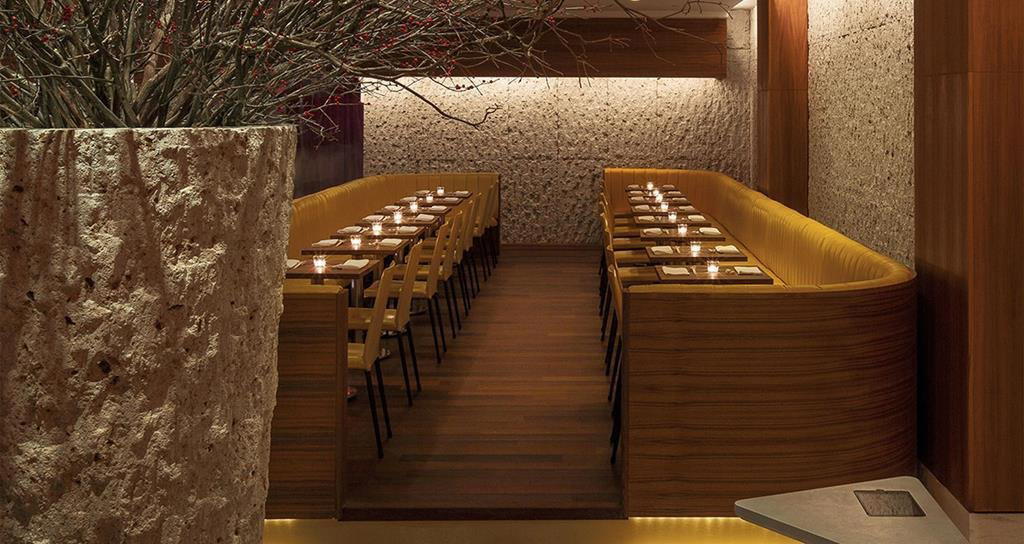
Masa's Kitchen 47 is a smart Ebisu choice for Chinese food when the meal needs to feel special without going full luxury-hotel formal. Book the dining room rather than planning around takeout; lunch is easier for a first try, while dinner suits dates, birthdays, or business meals. Its Tabelog 100 placement gives it a useful trust signal in Tokyo's crowded Chinese category.
Chugoku Hanten Mita
Tokyo, Japan
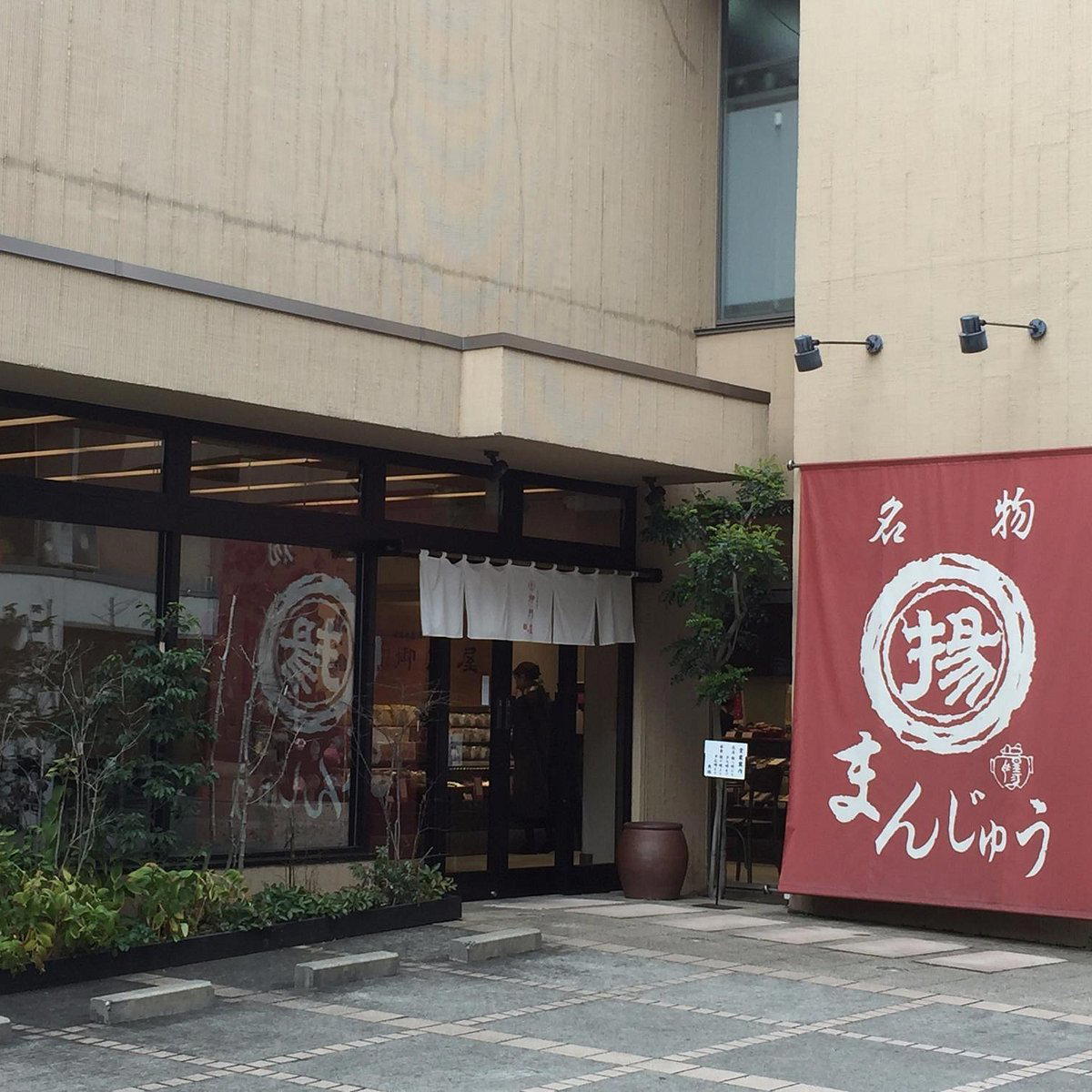
Chuogo Honten Mita is a practical Mita pick for an easy lunch or dinner, especially if convenience matters more than a high-ceremony dining format. The 2026 Opinionated About Dining Casual in Japan ranking gives it a helpful trust signal, but this is better treated as a dine-in neighborhood choice than a takeout-led special occasion plan.
Furuta
Tokyo, Japan
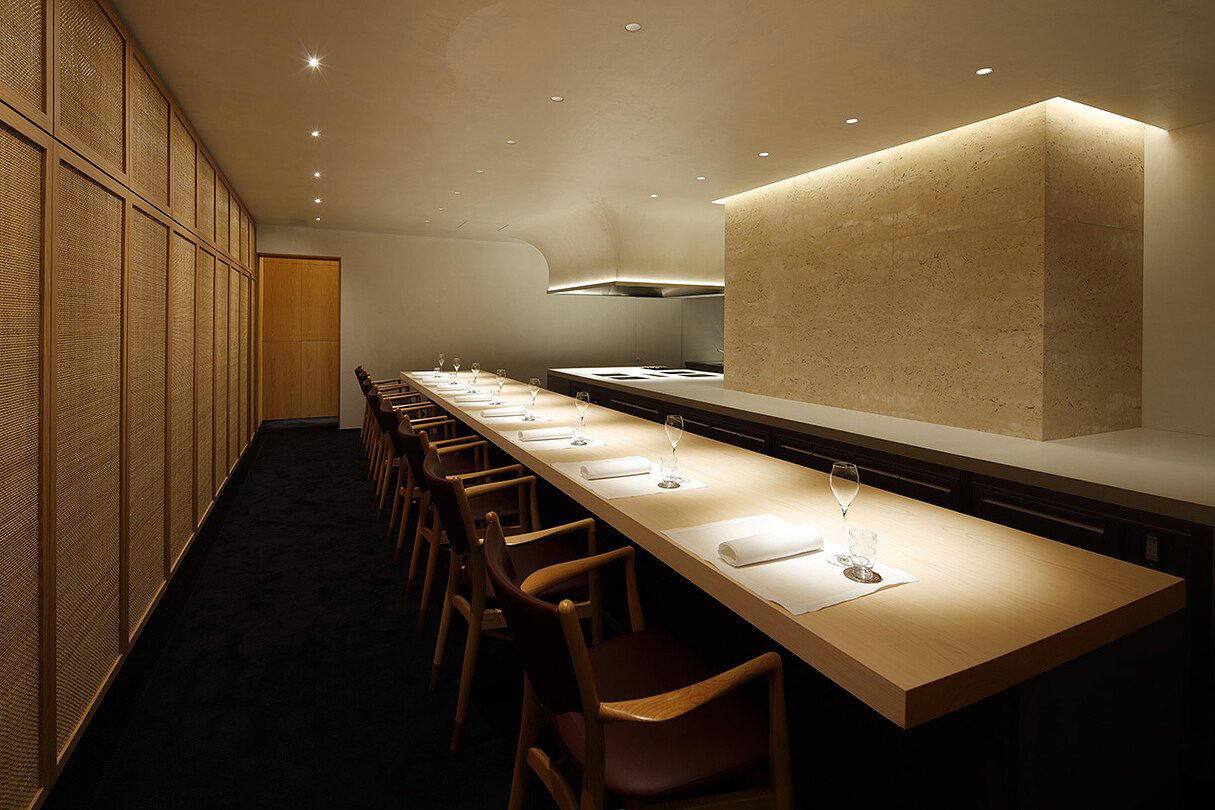
Furuta is an eight-seat counter in Ginza serving creative Chinese cuisine at JPY 100,000 and above per head, dinner only, Tuesday through Saturday. A Tabelog Silver Award winner every year from 2017 to 2026 and a consistent Opinionated About Dining Top 100 Japan entry, it is the right booking if you want chef-led Chinese precision in a spare, focused setting; and the wrong one if you need lunch, large groups, or flexibility.
蟹王府
Tokyo, Japan
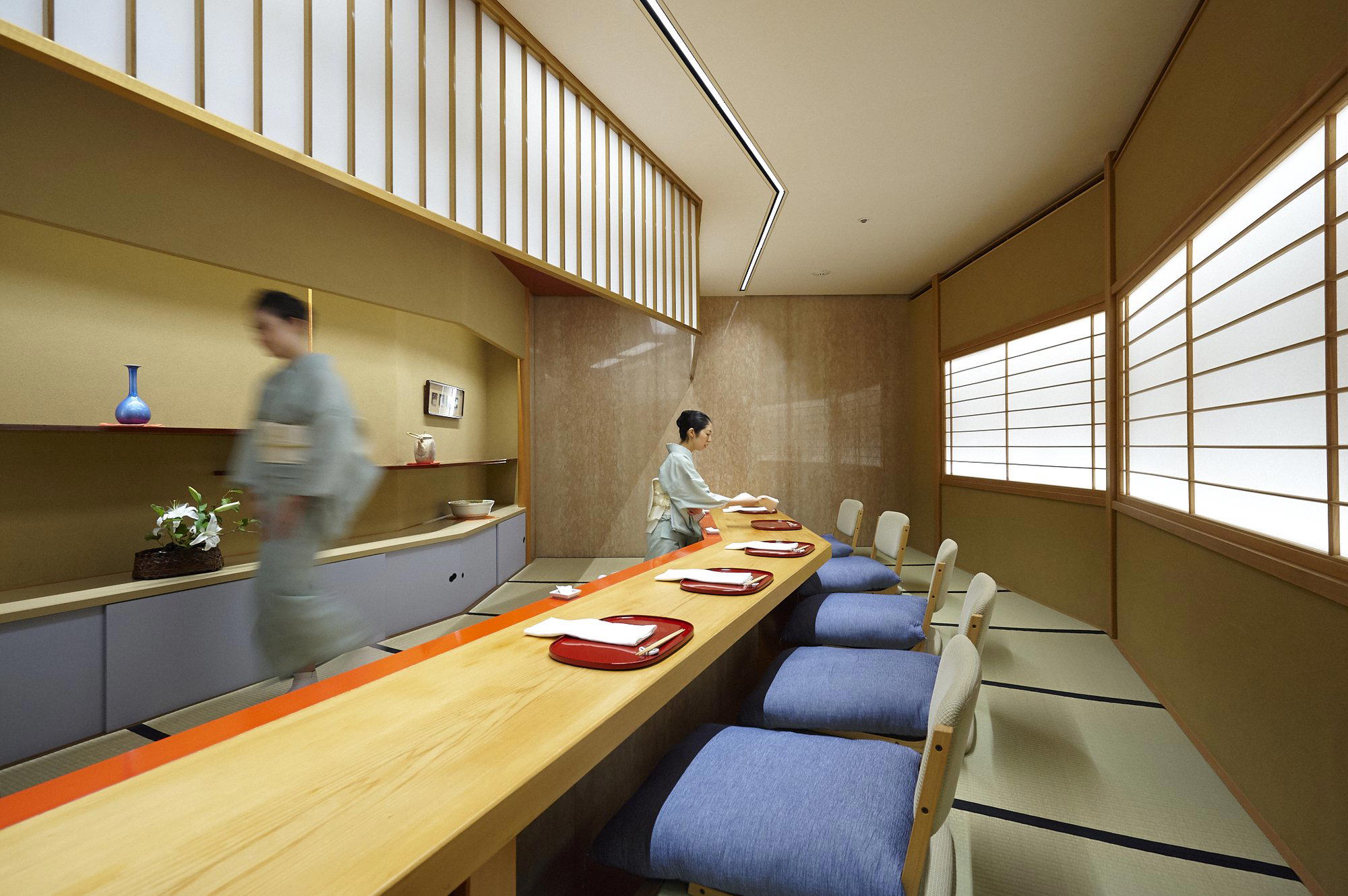
A cautious yes if you want a planned central Tokyo meal in Nihonbashi, especially as part of a wider food itinerary. Do not choose it for a drinks-led night; use it as the dinner anchor, then look to dedicated Tokyo bars if cocktails are the priority.
Chinese Shindai
Tokyo, Japan
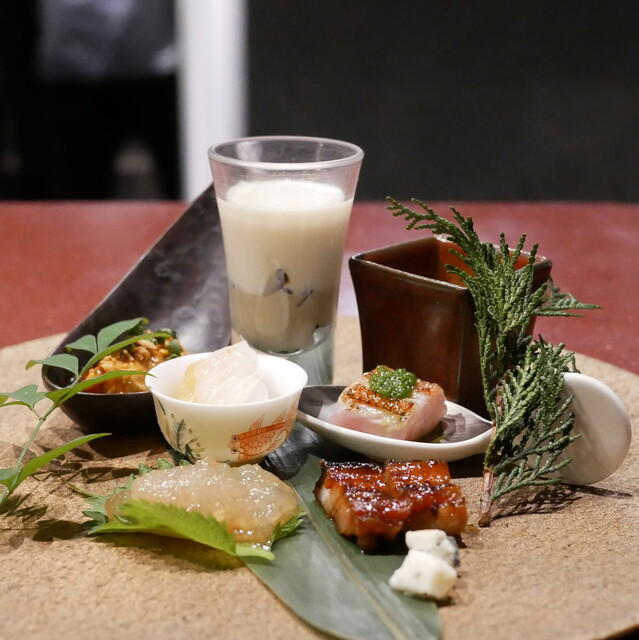
Chinese Shindai is a serious Shibuya dinner pick rather than a casual neighborhood fallback. Choose it when the meal is the point of the night and the higher spend feels justified by recognition; choose Yakiniku Horumon Arai Ya Shibuya, MarieIranganee, Murghee, or VIRON Shibuya ten when value, speed, or flexibility matters more.
Ren
Tokyo, Japan
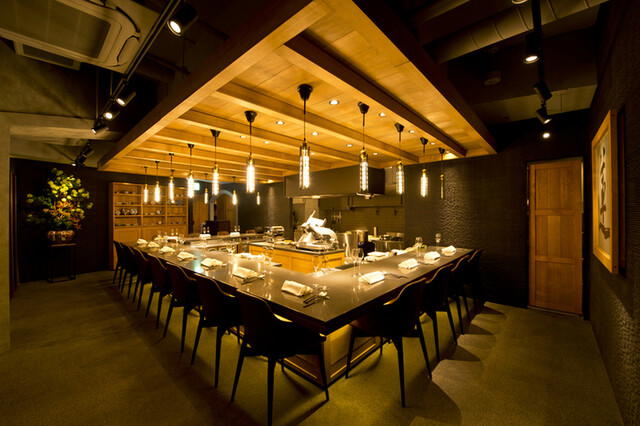
Tabelog 100 Chinese Cuisine – TOKYO 2026 selectee applying French technique to Chinese ingredients in a 15-seat Nishiazabu basement. Dinner courses run JPY 20,000–29,999, lunch JPY 10,000–14,999. Reservation-only format books easier than most award-holding Chinese restaurants in the capital, with sommelier service and private-use capacity for groups up to 20.
Shinkirow
Tokyo, Japan
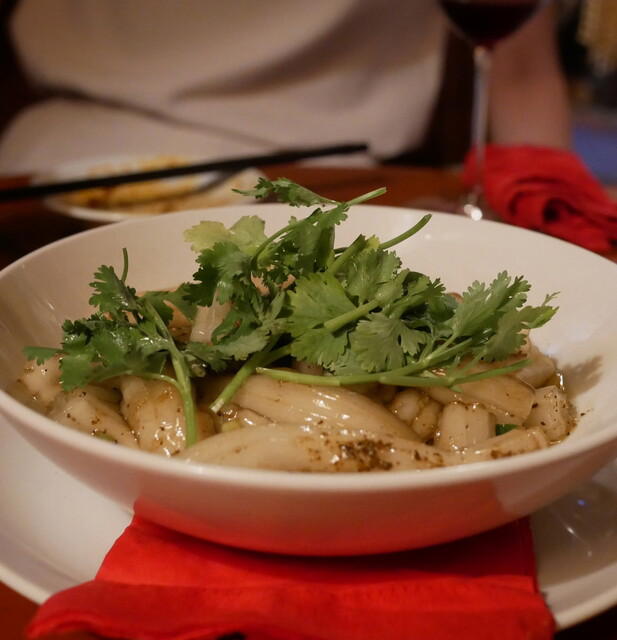
A 10-seat Sichuan hideout in Itabashi earning consecutive Tabelog 100 nods for counter-driven precision at JPY 8,000–9,999. Reservation-only dinner, cash-only payment, and zero walk-in flexibility; worth the commitment if you prioritize regional technique over central-Tokyo convenience.
Ginza Kazen
Tokyo, Japan
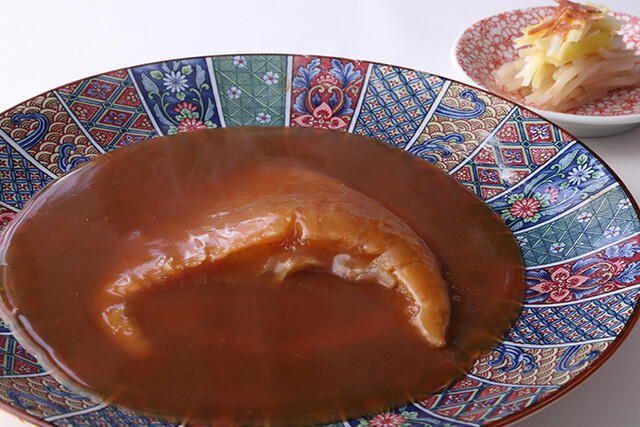
A second-floor Ginza Chinese room specializing in live seafood and dried abalone, with private dining for two to eight and a sommelier-led wine program. Dinner runs JPY 30,000–39,999; three-time Tabelog 100 Tokyo Chinese honoree (2023, 2024, 2026). Book ahead for weekend evenings and private rooms.
ENGINE
Tokyo, Japan
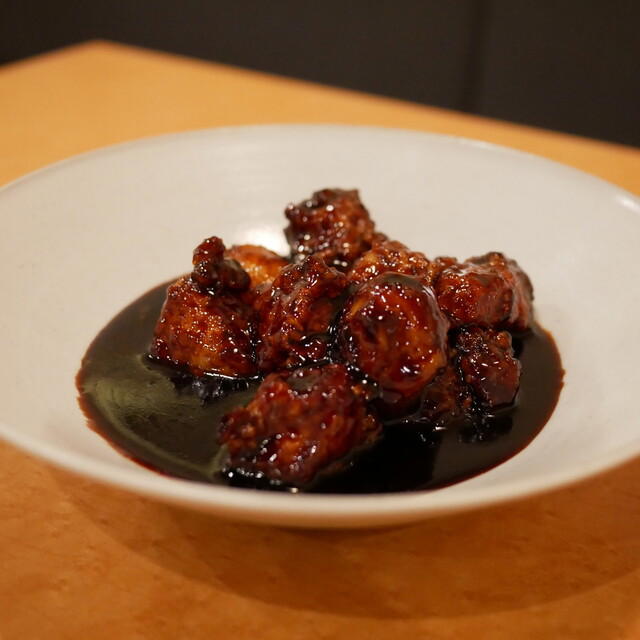
Tabelog 100 Chinese spot in Kagurazaka blending Japanese fish sourcing with Cantonese wok technique, counter and table seating for seventeen, and natural wine at JPY 6,000–7,999 per head; half the price of neighborhood kaiseki with comparable ingredient quality.
Santa Hanten
Tokyo, Japan
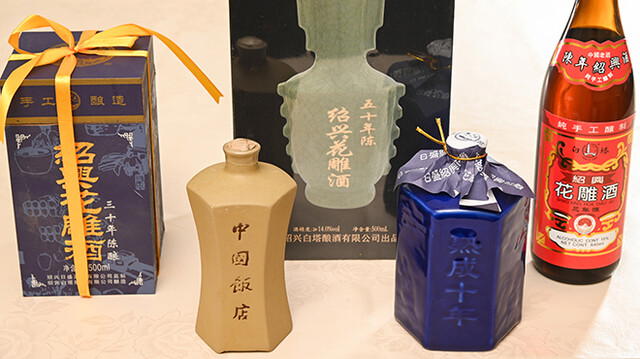
Tabelog Chinese TOKYO 100 2026 venue offering Peking duck and shark fin in fully semi-private seating. Dinner runs JPY 20,000–JPY 29,999, lunch JPY 2,000–JPY 2,999. Best for groups of four or more; the private-room model suits business dinners and family celebrations more than couples seeking open-kitchen energy.
Koho
Tokyo, Japan
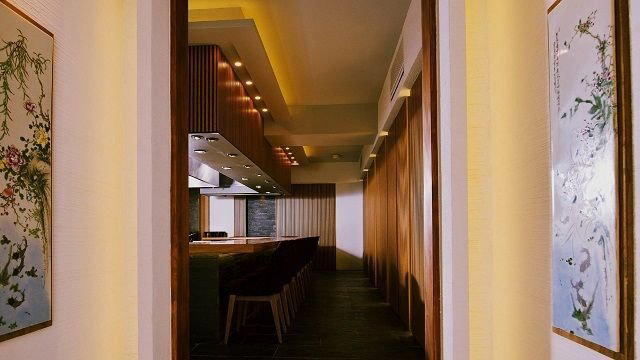
Koho is a 12-seat Chinese counter in Roppongi with a decade of sustained Tabelog recognition, currently sitting at a score of 4.23 and Bronze status since 2021. Budget JPY 30,000–39,999 per head for dinner. Book two to three weeks out via the OMAKASE portal, which handles English reservations. No private rooms, no outside drinks, and a strict cancellation policy.
Chinese Sai ARATA
Tokyo, Japan
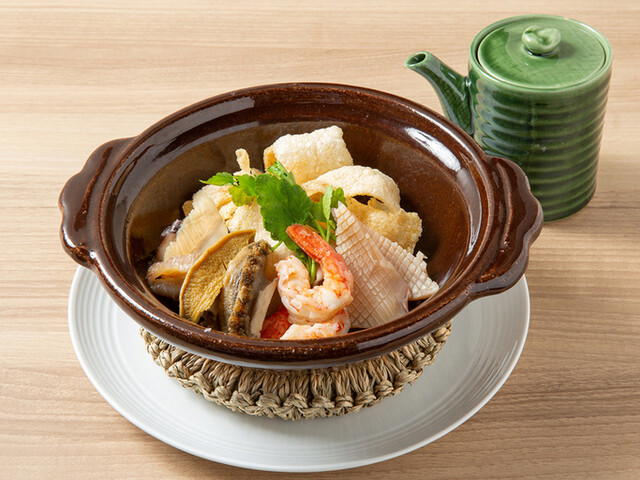
Tabelog 100 Chinese restaurant in Nihonbashi charging JPY 15,000–19,999 for dinner. The 16-seat format emphasizes seasonal fish and a wine-focused program. Book a week ahead for dinner; lunch at JPY 4,000–4,999 is easier to secure. Worth it for precision Chinese technique in a quieter, less touristy setting.
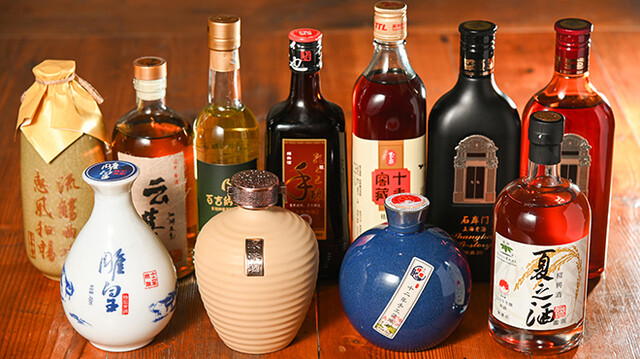
Chinese Sai Chirin
Tokyo, Japan
A Tabelog 100 Chinese restaurant in Kagurazaka offering wine-focused Chinese cuisine with Yunnan Qiguo hot pot and seafood-driven dishes. Dinner runs JPY 8,000–9,999, with lunch service at JPY 2,000–2,999 providing easier entry. The 32-seat room works best for groups; solo diners will find limited counter intimacy but solid execution and a sommelier-led Shaoxing program.
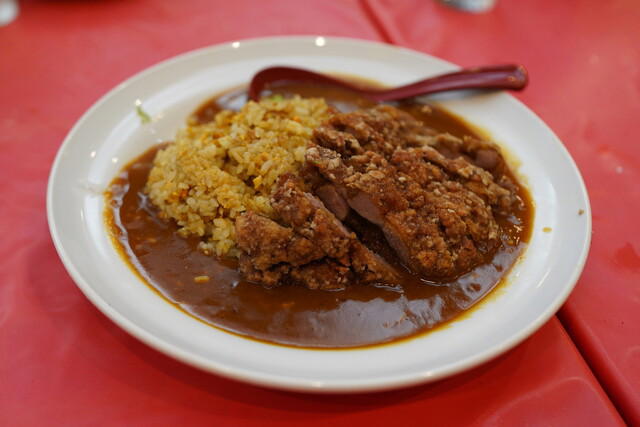
Midoricho Ikoma
Tokyo, Japan
Tabelog 100-listed Chinese spot in Sumida City delivering wok-forward technique at lunch (JPY 1,000–1,999, no reservations) and dinner (JPY 5,000–5,999, phone booking). The 21-seat room is no-frills, the service adult-focused, and the cooking tight enough to justify the trek from central Tokyo – if execution matters more than atmosphere.
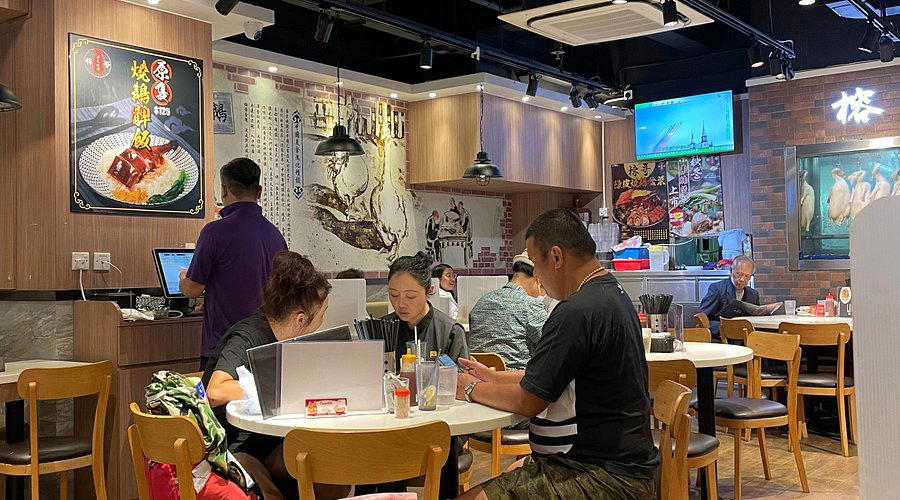
Yung
Tokyo, Japan
A French dinner restaurant in Shirokane, Tokyo, run by chef Shintaro Miyazaki and ranked by Opinionated About Dining in both 2023 and 2025.
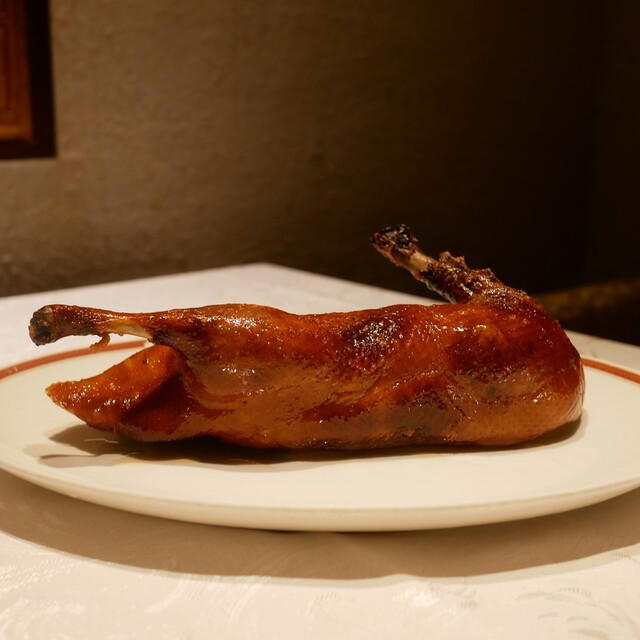
Tsukushi Rou Ginza ten
Tokyo, Japan
A 124-seat Chinese restaurant in Ginza's STRATA building, recognized on Tabelog's 100 list since 2021. Dinner runs ¥30,000–¥39,999 with a wine program that favors fish-forward preparations; lunch at ¥8,000–¥9,999 offers better value for first-time visitors. Book three weeks ahead for weekend service, and prioritize the private room for groups of eight.
Hei Fung Terrace
Tokyo, Japan
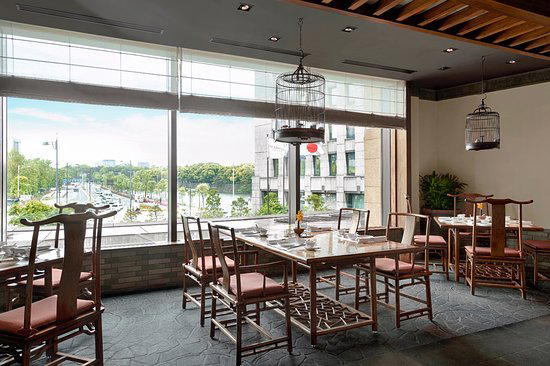
A Hong Kong-lineage Cantonese kitchen in Yurakucho with views over the Imperial Palace garden. Michelin Plate recognition in 2024 and 2025, a dedicated dim sum specialist, and iron-pot roasted meats make this the most considered Cantonese option in Tokyo at ¥¥¥. Booking is easy, the customisable cooking-style format suits groups and returning diners, and the garden-view tables are worth requesting.
Tsushima
Tokyo, Japan
Tsushima is a seven-seat creative Chinese counter in Motoazabu with Tabelog Bronze Awards in 2025 and 2026 and a score of 4.13. At JPY 60,000–100,000 per head for dinner, it is the right booking if you want an intimate, chef-driven Chinese experience with premium seasonal sourcing; and a less obvious choice than Tokyo's kaiseki or sushi counters at the same price point.
赤坂 桃の木
Tokyo, Japan
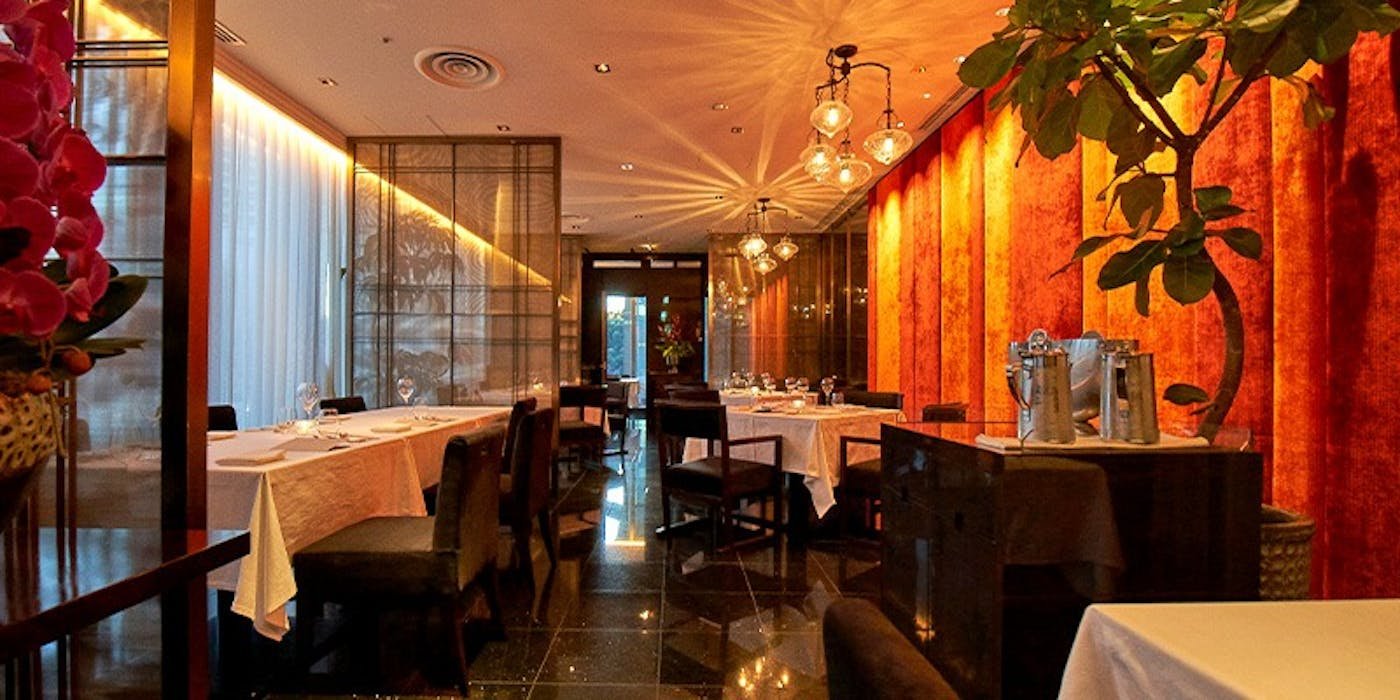
Compared with harder-to-book Tokyo recognition tables, 赤坂 桃の木 is a practical Kioicho choice: easy booking, daily lunch and dinner hours, and a Tabelog 100 #95 placement in 2026. Go for a calm, credentialed meal in Tokyo Garden Terrace Kioicho, especially at lunch, rather than for a highly specified chef-counter or named-dish experience.
Chinese Hanten Ichigaya ten
Tokyo, Japan
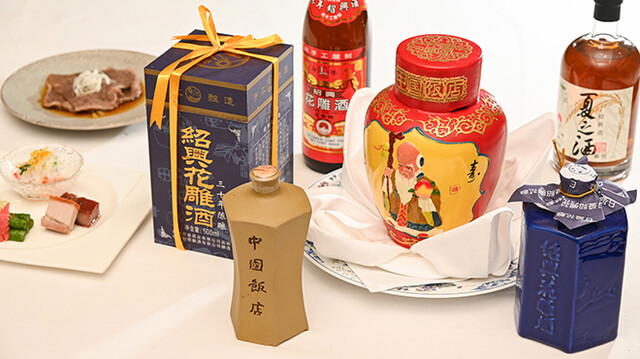
A Tabelog 100 – Chinese cuisine – TOKYO 2026 selection in Ichigaya offering Shanghai cuisine with ten private rooms seating 2–50 guests. Dinner runs JPY 15,000–19,999, lunch JPY 3,000–3,999, with multilingual menus and a focus on seasonal fish. Book this for private group dining with formal technique but flexible infrastructure.
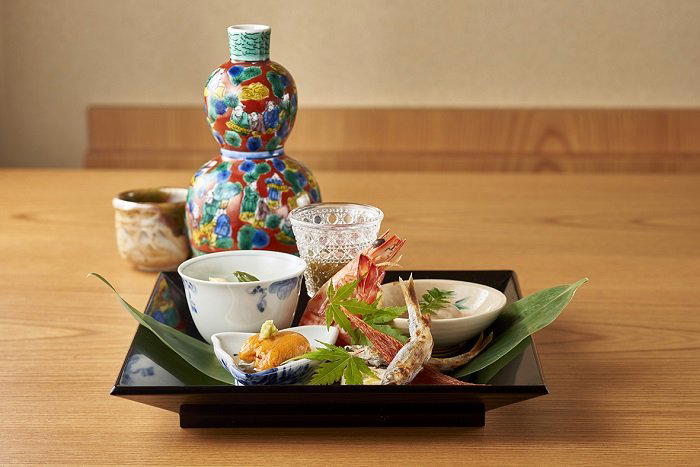
ShinoiS
Tokyo, Japan
ShinoiS is Tokyo's most serious Chinese counter: 11 seats, a prix fixe menu from chef Hiroyuki Saito, and a credential stack that includes Tabelog Bronze 2022–2026, a Black Pearl Diamond, and a ranking in Japan's top 275 restaurants. Budget JPY 60,000–79,999 per head. Book through OMAKASE and treat it as you would a top kaiseki reservation.
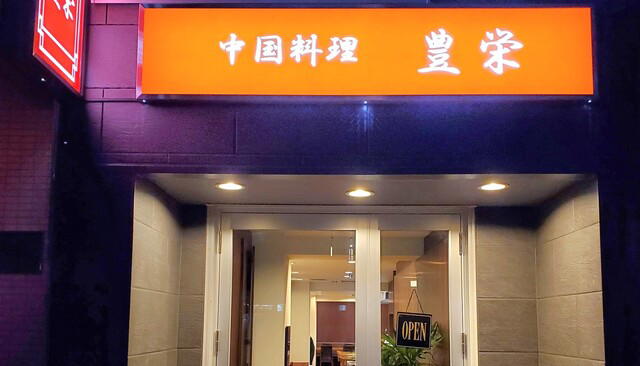
Hoei
Tokyo, Japan
A 19-seat Sichuan counter in Honkomagome earning Tabelog 100 recognition (2024, 2026) for fish-focused cooking at JPY 8,000–9,999 dinner, JPY 5,000–5,999 lunch. Cash-only, closed Wednesday and Thursday, with easier booking than central Tokyo peers but a quieter neighborhood trade-off.
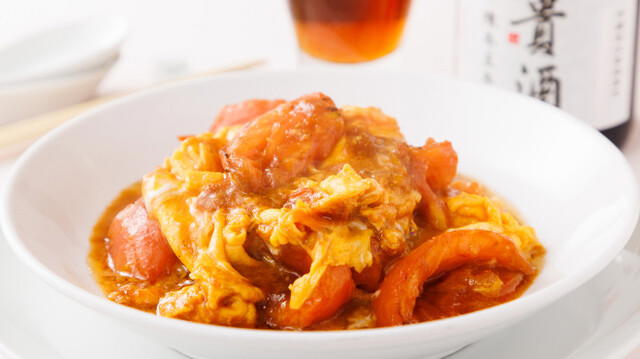
CHEF'S
Tokyo, Japan
Home-style Shanghai cooking in Shinjuku, earning Tabelog 100 recognition four times for technique and restraint. Dinner runs JPY 10,000-14,999, seasonal Shanghai crab appears October-December, and the 20-seat room handles groups without the markup or formality of Tokyo's Chinese fine-dining temples.
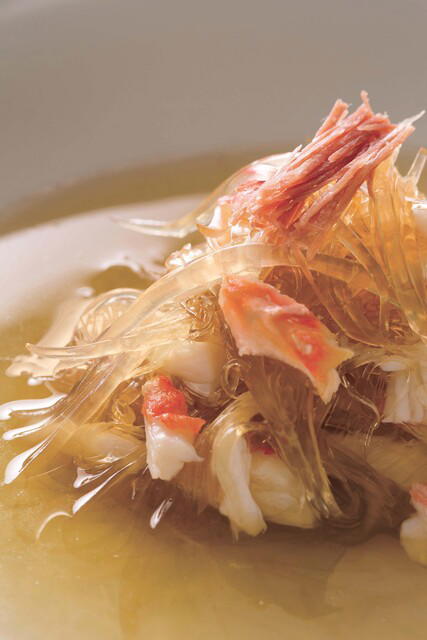
Akasaka Rikyu Ginza ten
Tokyo, Japan
Tabelog 100–recognized Cantonese kitchen in Ginza, open since 2004, with 90 seats and private rooms for two to 30-plus. Lunch dim sum runs JPY 5,000–5,999; dinner courses climb to JPY 15,000–19,999 plus 10% service. Reservations take two to three days rather than weeks, making it a practical choice for groups and families despite the fish-focused menu's premium pricing.
Overview
Tabelog 100 - Chinese cuisine - TOKYO - 2026 is a definitive list curated by Japan’s largest restaurant review platform, Tabelog. It ranks the top 100 Chinese restaurants in Tokyo for 2026, highlighting exceptional culinary craftsmanship, innovation, and authentic flavors that define the city’s vibrant Chinese dining scene.
Since its inception, Tabelog has revolutionized Japan’s culinary landscape by aggregating millions of user reviews to produce trusted rankings. The Tabelog 100 list for Chinese cuisine in Tokyo represents a rigorous annual selection spotlighting the capital’s elite Chinese dining establishments. This list not only celebrates traditional regional specialties; from Cantonese dim sum to Sichuan’s fiery fare; but also innovative contemporary interpretations that resonate globally. For gourmets and travelers alike, it serves as an indispensable guide to Tokyo’s diverse and dynamic Chinese food scene.
Tokyo’s Chinese dining scene is a tapestry of rich tradition and cutting-edge innovation, reflecting the city’s cosmopolitan palate. The Tabelog 100 list for 2026 captures this dynamic with a curated selection of 100 outstanding restaurants, from revered Cantonese institutions to rising stars specializing in lesser-known regional specialties. For the discerning diner and global traveler, this list offers a meticulously vetted roadmap to experiencing the finest Chinese cuisine Tokyo has to offer.
Quick Facts
- Publisher
- Tabelog (Kakaku.com, Inc.)
- Year
- 2026
- Coverage
- Chinese restaurants across Tokyo metropolitan area
- Items
- 100 top-ranked Chinese cuisine venues
- Frequency
- Annual
About This Edition
The 2026 edition of the Tabelog 100 Chinese cuisine list introduces a notable surge in restaurants showcasing regional Chinese cooking from lesser-known provinces such as Hunan and Jiangsu, reflecting Tokyo’s expanding palate. Additionally, several establishments have garnered acclaim for sustainable sourcing and fusion techniques, signaling evolving consumer values and culinary trends within the city’s Chinese food scene.
Frequently Asked Questions
What is Tabelog 100 - Chinese cuisine - TOKYO - 2026?
How are honorees selected?
How often is this list updated?
How can I find these on Pearl?
How many of these have you visited?
Find out on Pearl and keep score across every place in Tabelog 100 - Chinese cuisine - TOKYO - 2026.