
.png?width=1200&quality=80)
Wakiya Ichiemicharo
Chinese · Minato, Tokyo
Restaurant in Tokyo, Japan
 Book with Pearl
The Read
Auspicious Nouvelle Chinois
Price
¥¥¥
Why go
At ¥¥¥, it sits a full price tier below most of its Michelin-recognised peers, making it a practical choice for formal Chinese dining without the ¥¥¥¥ commitment.
About Wakiya Ichiemicharo
The Room and the Idea Behind It
The restaurant sits in Akasaka, a neighbourhood that has long anchored Tokyo's business-entertainment circuit — foreign embassies, major corporations, and the kind of long-lunch culture that demands a room capable of handling both a working deal and a celebratory dinner. Wakiya Ichiemicharo is precisely that room. The address on 6 Chome Akasaka places it in a district where dining is expected to carry some weight, and the restaurant's positioning reflects that. It does not compete with the casual ramen shops or the neighbourhood izakayas a few streets away. It is squarely in the formal-occasion tier, and the experience is calibrated accordingly.
The name itself is a signal worth understanding before you arrive. 'Ichiemicharo' translates roughly as 'once a day, let's relax, laugh and have tea', a framing that sets hospitality expectations well before you sit down. This is not a room designed to intimidate. The philosophy is warmth through precision, and that comes through in the service register as much as the food.
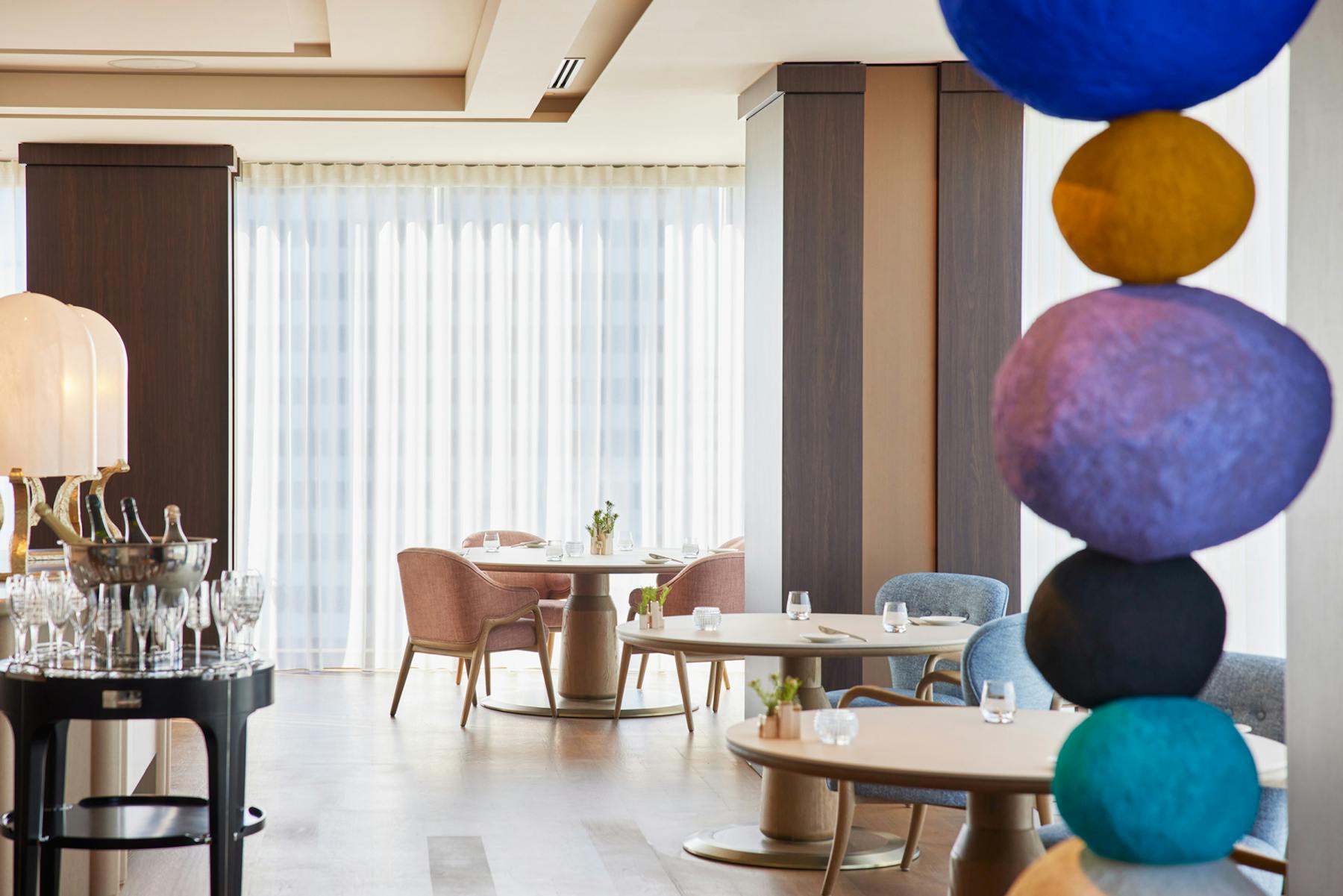
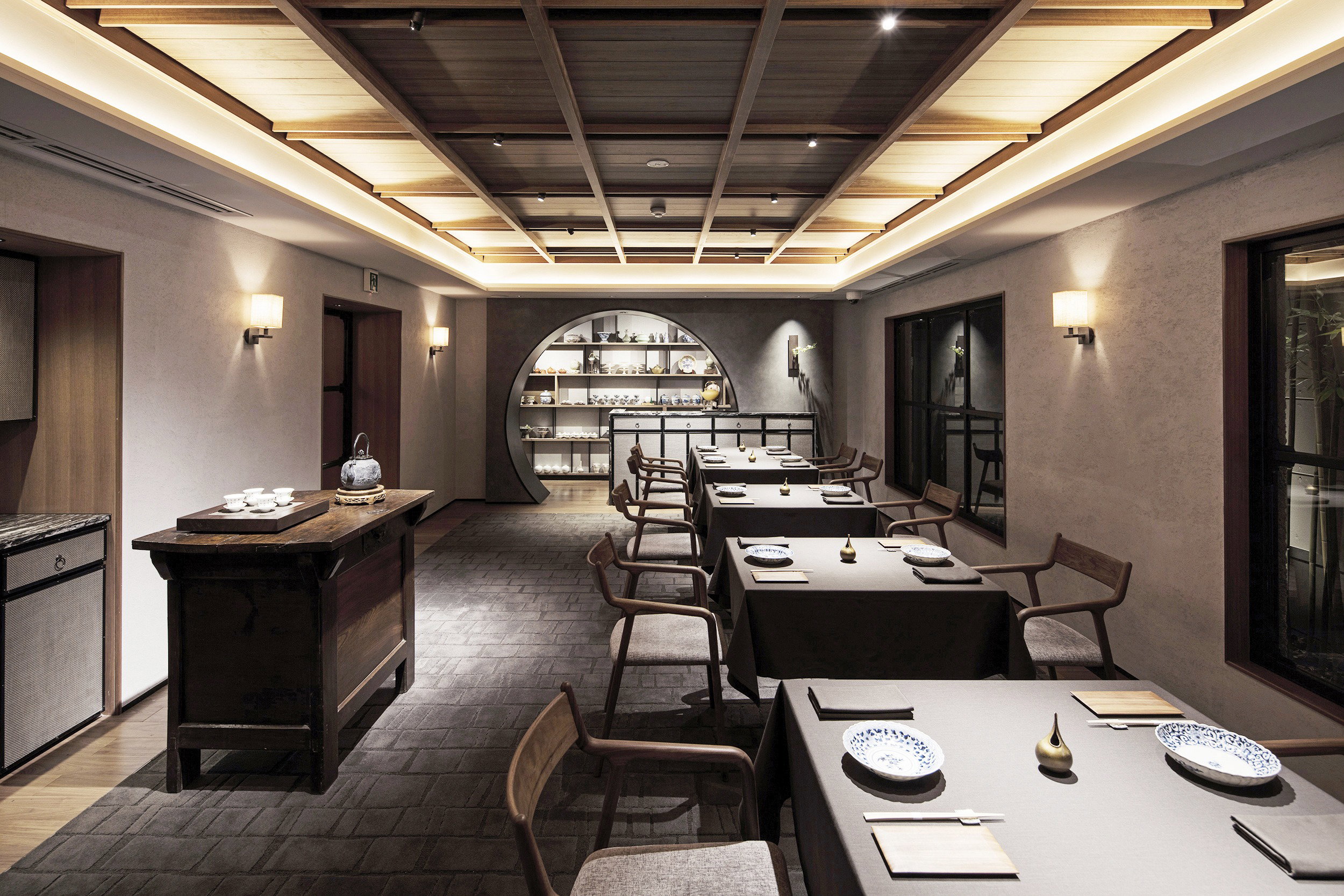
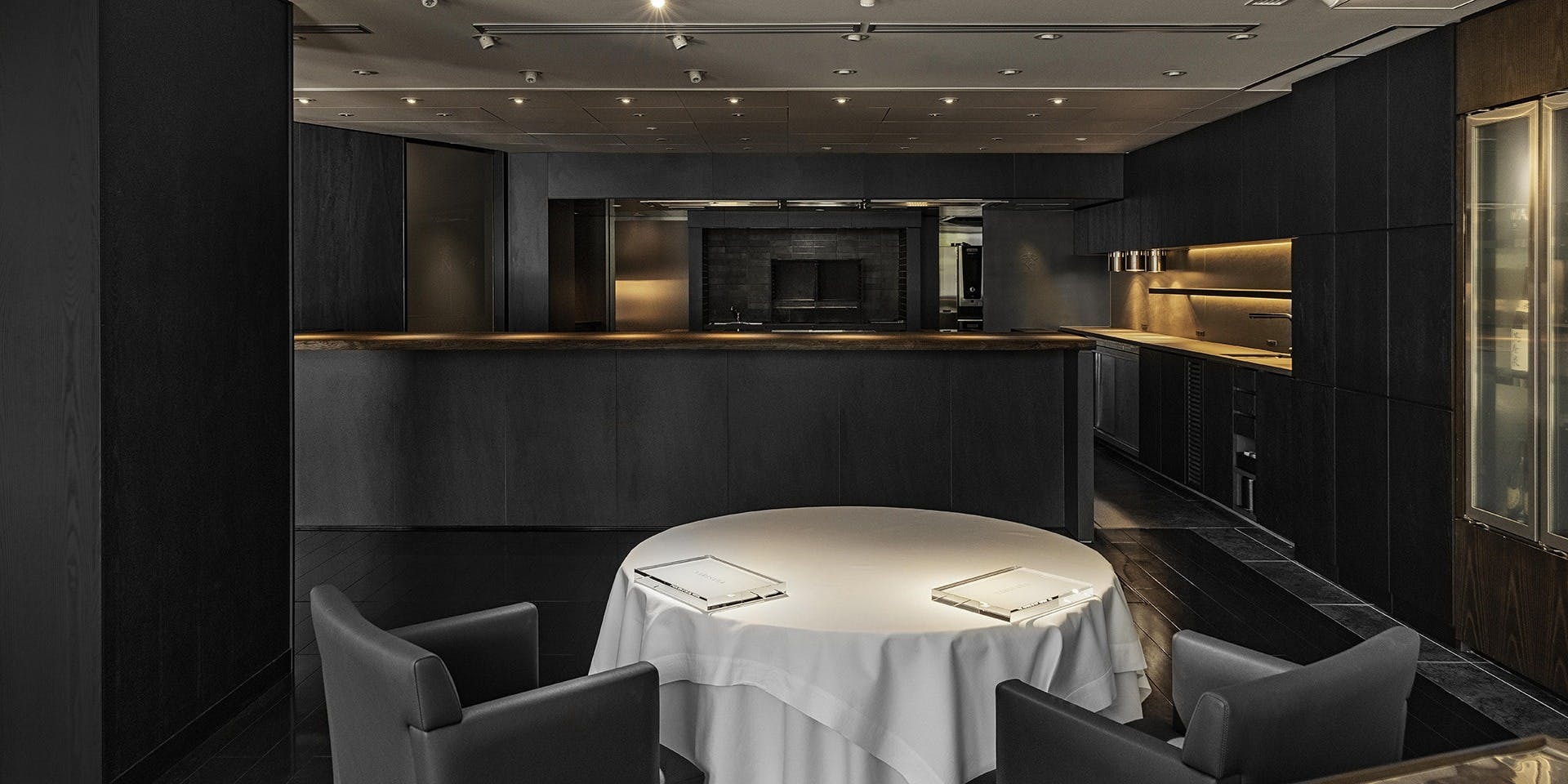
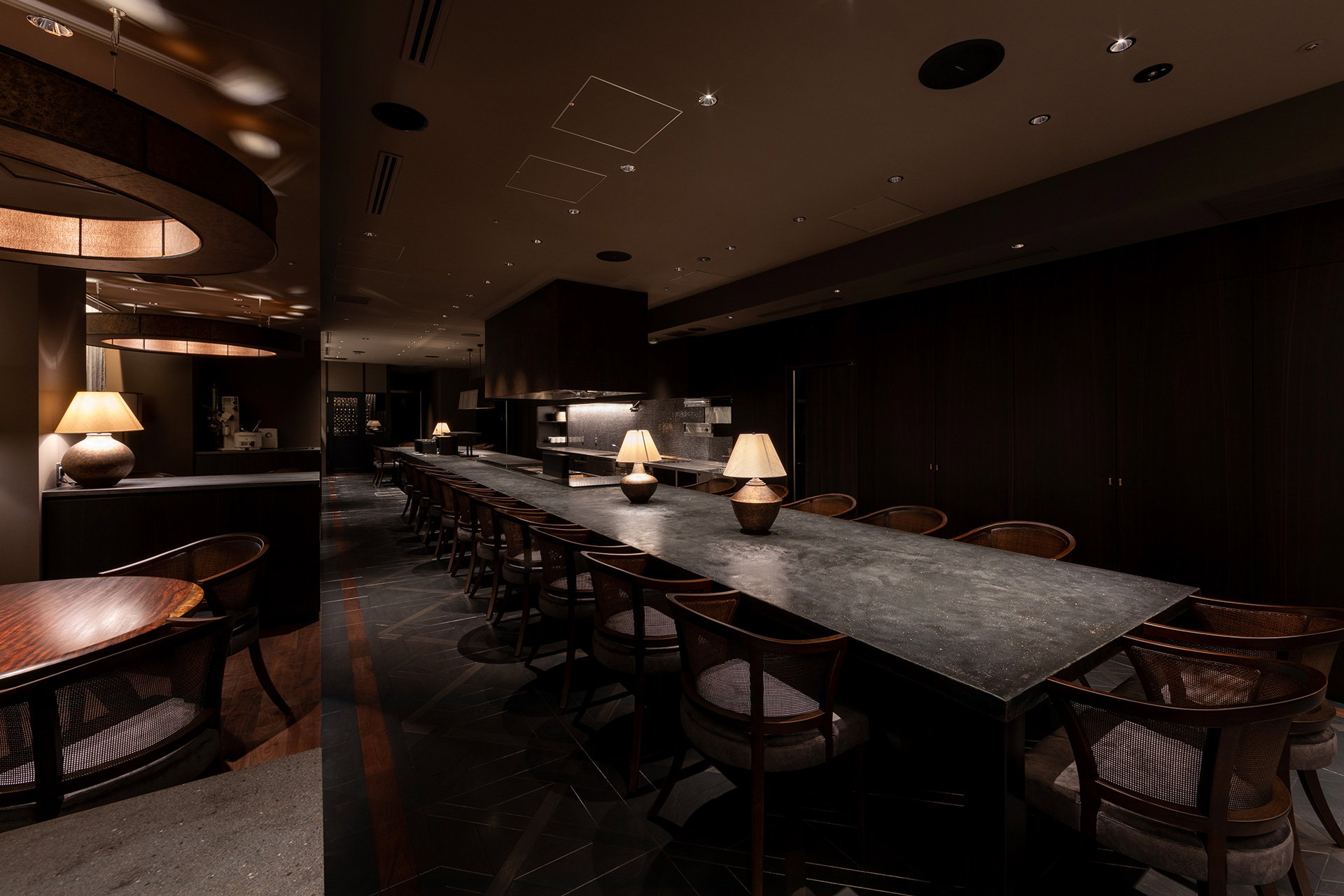
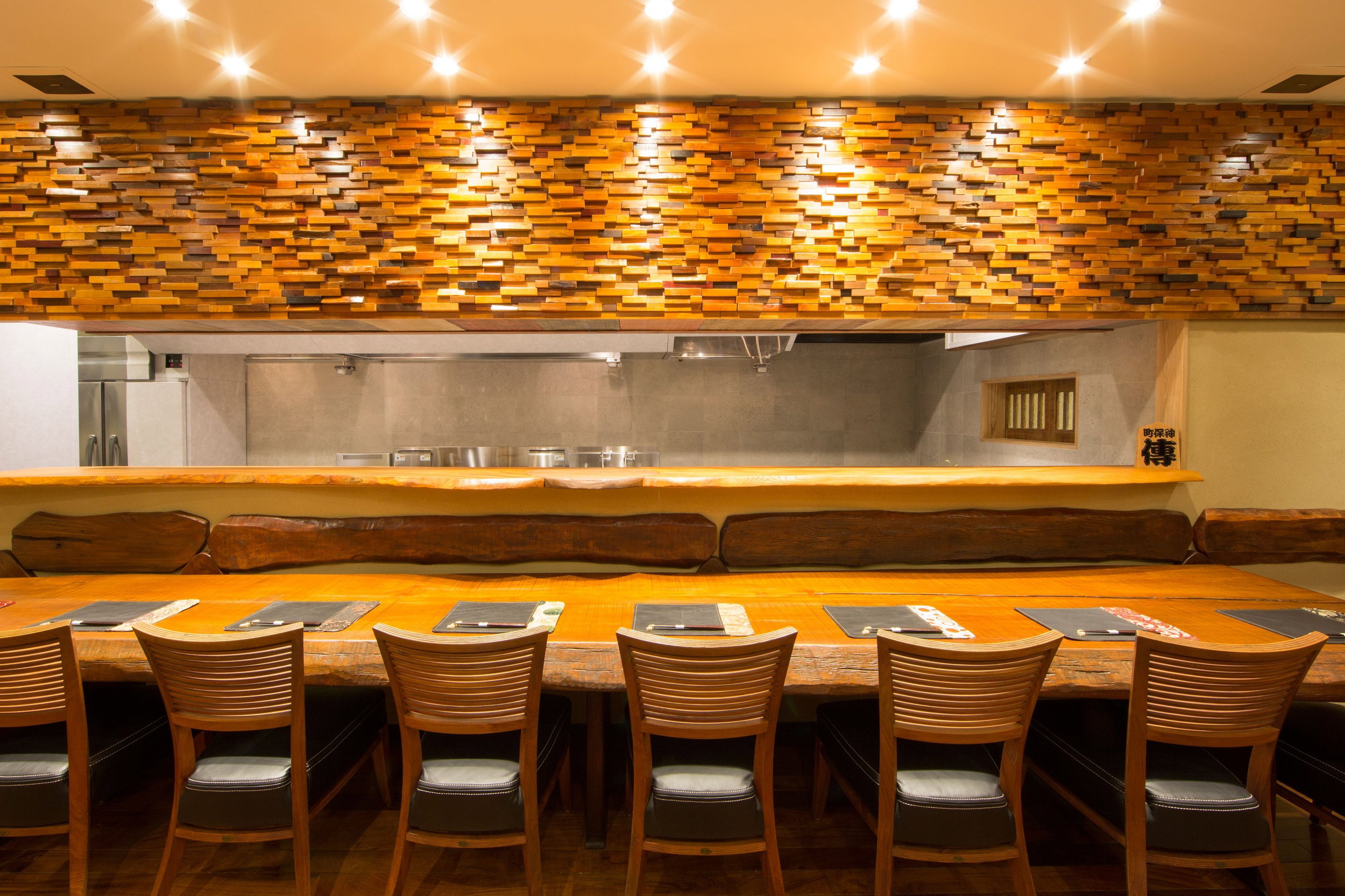
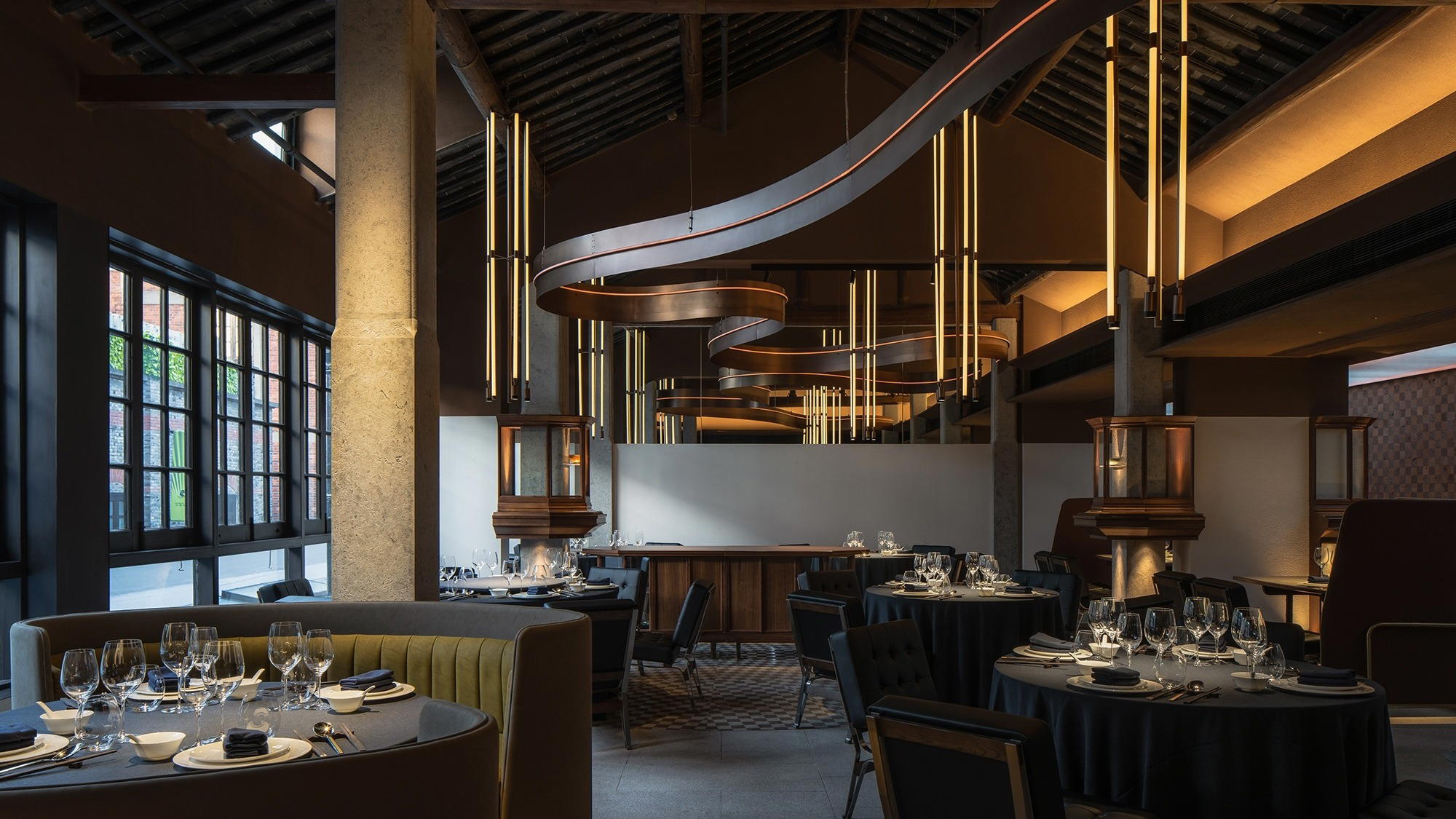
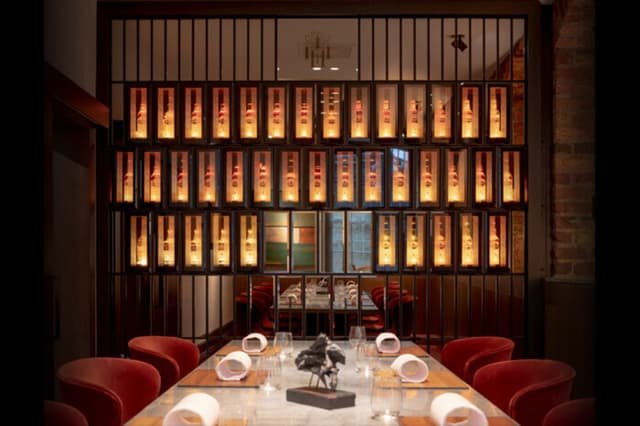
Visually, the room carries the restrained formality you would expect from this address and price point. Akasaka's dining rooms tend toward the polished-corporate end of the spectrum, and Wakiya fits that without feeling cold. If you are returning for a second visit, pay attention to the room itself, the details tend to reward more attention on the second pass than the first, when the menu is the primary focus.
The Food: What the Nouvelle Chinois Label Actually Means
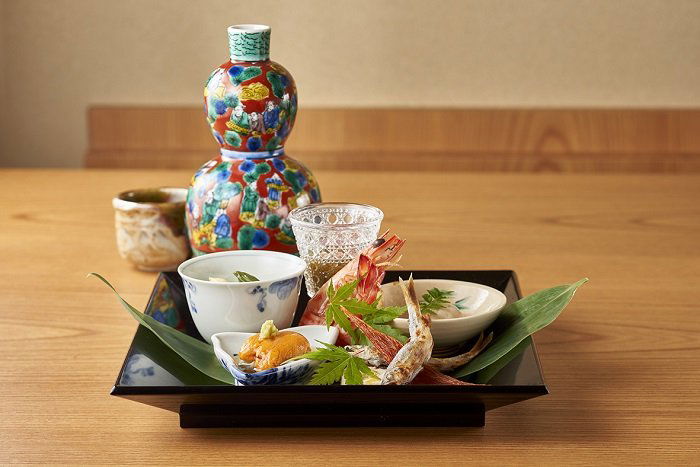
Yuji Wakiya's concept, 'tradition and creativity', translates at the table into Chinese culinary architecture handled with Japanese precision. The starter format gives you a useful lens on this: the 'Nine Joys Assorted Appetiser' is composed around a number believed to carry good fortune in Chinese culture, which tells you that the symbolism and ritual logic of Chinese cooking is not being stripped out in favour of bare minimalism. The tradition is present; it is just handled with the kind of attention to detail and presentation weight that Tokyo diners expect at this price register.
For a returning guest, the directive is to move past the appetiser course and give the full progression a proper run. The Michelin Plate recognition across two consecutive years signals consistent kitchen execution rather than a single-visit spike, that is the kind of sustained quality that makes a second visit a reasonable bet rather than a gamble.
If you are comparing this to Tokyo's other Chinese addresses, Chugoku Hanten Fureika, Chugoku Hanten Kohakukyu (Amber Palace), or Ippei Hanten, Wakiya's distinction is the nouvelle frame. These are not interchangeable rooms. If you want a more classical Cantonese or regional Chinese read, look elsewhere. If the intersection of Chinese culinary logic and Japanese fine-dining hospitality is what you are after, Wakiya is where that argument is being made most deliberately in Akasaka.
Booking and Practical Details
Reservations: Booking difficulty is rated Easy, which makes this one of the more accessible formal Chinese addresses in Tokyo at this tier, book a week or two out rather than months in advance, though weekends and special occasions may require more lead time. Price range: ¥¥¥, sitting a full tier below the ¥¥¥¥ restaurants in the comparison set, which makes it a materially different value proposition than RyuGin or L'Effervescence. Dress: Smart-casual to formal; Akasaka business-dining norms apply, and the room will read overdressed before it reads underdressed. Groups: Contact the restaurant directly for group arrangements, the Akasaka location and the formality of the room suggest it handles business dinners and private occasions regularly, but specific private-room details are not confirmed in available data. Dietary restrictions: Chinese cuisine at this level typically accommodates requests with advance notice, but confirm directly before booking, no specific policy data is available.
Akasaka Context: Why Location Matters Here
Akasaka is not Shinjuku or Shibuya. It does not draw tourists looking for a buzzy night out, and it does not compete on youthful energy. It is a neighbourhood built around consequence, diplomatic, corporate, and social, and Wakiya Ichiemicharo fits that register precisely. For a visiting diner, this means the room skews toward Tokyo professionals and business entertainment rather than international food tourists, which affects the atmosphere in a specific way: quieter, more purposeful, less self-consciously performative than some of the city's more destination-famous addresses.
That makes it a strong choice for a working dinner or a meal where conversation is the point, and a less obvious choice if you are after the high-energy, high-theatre dining experience that some visitors to Tokyo are specifically seeking. For the latter, you might look at rooms further into Minato or over toward Ginza.
For broader Tokyo dining context, see our full Tokyo restaurants guide. If you are building a longer Japan itinerary, the Pearl guides for HAJIME in Osaka, Gion Sasaki in Kyoto, akordu in Nara, Goh in Fukuoka, 1000 in Yokohama, and 6 in Okinawa cover the key addresses outside the capital. For other Tokyo planning, see our Tokyo hotels guide, our Tokyo bars guide, our Tokyo wineries guide, and our Tokyo experiences guide.
For Chinese fine dining comparisons outside Japan, Restaurant Tim Raue in Berlin and Mister Jiu's in San Francisco represent how the same creative-Chinese argument plays out in different culinary contexts. Also worth considering within the Tokyo Chinese tier: itsuka and Koshikiryori Koki.
Planning details
- Location
- 6 Chome-11-10 Akasaka, Minato City, Tokyo 107-0052, Japan
- Website
- wakiya.co.jp
- Phone
- +81 3-5574-8861
The take
The Take
The Vibe
Wakiya Ichiemicharo presents a refined, sophisticated presence in Akasaka that balances technical rigour with an unforced ease. It reads as an intentional reinvention of Chinese fine dining through a Japanese lens: precision, seasonal sourcing and the discreet presentation discipline of kaiseki inform each course. The result is elegant rather than ostentatious — formal practice without the stiffness that can accompany haute Chinese service. The tone is modern and polished, a flagship expression of Yuji Wakiya's nouvelle chinois approach that feels measured, composed and quietly impressive rather than theatrical.
Best For
This is a place for elevated evenings: business dinners, special occasions and considered date nights all suit the restaurant's measured, high‑end approach. Its positioning within Tokyo’s haute Chinese scene and recognition by the Michelin Guide mark it as a destination for diners seeking technical prowess and refined execution. Expect an experience that rewards attentive appreciation of technique and seasonality; the setting and culinary focus make it more aligned with dinner and formal dining moments than casual drop‑in meals.
Ordering Tips
The kitchen emphasizes technique, seasonal sourcing and presentation discipline, so look for dishes that highlight precise execution and thoughtful seasonal ingredients rather than bold, familiar Chinese comfort fare. Service and plating are part of the experience, so take time to observe progression between courses and ask staff about seasonal or signature preparations if you want context. Because the restaurant is discussed in haute terms, plan for an evening meal and allocate time to savour the sequence and subtleties of the cuisine rather than rushing through a single dish.
Venue details
Ambiance
A polished, upscale Chinese dining setting suited to business meals, celebrations, and private-room entertaining.
Tags
Vibe
Best For
Experience
At the Table
- Service Style
- Formal
- Meal Pacing
- Leisurely
Signature Dishes
- shark fin soup noodles
- handmade xiaolongbao
- Wakiya Dongpo pork
- dim sum
- Chinese afternoon tea
Know before you go
Know Before You Go
- Getting there
- 6 Chome-11-10 Akasaka, Minato City, Tokyo 107-0052, Japan
Planning details
Location
Recognition and awards
Also consider
Also Consider
- Harutaka, Sushi, ¥¥¥¥
- RyuGin, Kaiseki, Japanese, ¥¥¥¥
- L'Effervescence, French, ¥¥¥¥
- HOMMAGE, Innovtive French, French, ¥¥¥¥
- Florilège, French, ¥¥¥
Restaurant context
Wakiya Ichiemicharo at ¥¥¥ is the value argument in this comparison set. RyuGin (kaiseki, ¥¥¥¥) and L'Effervescence (French, ¥¥¥¥) both carry heavier Michelin recognition and command a higher price, but neither delivers Chinese cuisine, so if that is your objective, the comparison is less about quality ranking and more about what you are actually trying to eat. Wakiya is the only address in this group where Chinese culinary logic is the organising principle, which means it is not really competing with a kaiseki room for the same diner on the same night.
Florilège (French, ¥¥¥) sits in the same price tier as Wakiya and is often the comparison for diners weighing creative Japanese-inflected cooking against something more Western in reference. Florilège has stronger recent international recognition; Wakiya has more specificity of concept. If you are after the most technically lauded room at ¥¥¥, Florilège edges ahead on external credentials. If the Chinese culinary frame matters to you, Wakiya has no real competition at this price point in Tokyo. HOMMAGE (innovative French, ¥¥¥¥) and Harutaka (sushi, ¥¥¥¥) are both operating at a higher price tier and a different cuisine register, worth considering for a longer Tokyo itinerary, but not direct substitutes for Wakiya.
Book Wakiya if: you want formal Chinese dining with Japanese precision in Akasaka, you are working within a ¥¥¥ budget, and easy booking availability matters, this is one of the more accessible Michelin-recognised rooms in Tokyo right now. Book RyuGin or L'Effervescence if: the occasion demands maximum ceremony and you are prepared to pay for it. Book Florilège if: you want the strongest current creative cooking at ¥¥¥ and cuisine type is less important than technique and recognition.
Explore Tokyo
Around this place
Discover more on Pearl
Unlock the full Wakiya Ichiemicharo guide in Pearl, including awards, comparisons, FAQs, planning details, and nearby places.
Compare Wakiya Ichiemicharo
| Venue | Cuisine | Price | Booking Difficulty | Awards |
|---|---|---|---|---|
| Wakiya Ichiemicharo | Chinese | ¥¥¥ | Easy | Tabelog 100 - Chinese cuisine - TOKYO - 2026 · #342026 Michelin Plate2025 Michelin Plate2024 Michelin Plate |
| Harutaka | Sushi | ¥¥¥¥ | Unknown | 2026 Tabelog Silver · #312026 OAD Top Restaurants in Japan Ranked · #1282026 Michelin 3 Stars2026 La Liste Top RestaurantsTabelog 100 - Sushi - TOKYO - 2025 · #372025 Asia's 50 Best Restaurants · #762025 OAD Top Restaurants in Japan Ranked · #1172025 La Liste Top Restaurants2025 Tabelog Bronze |
| RyuGin | Kaiseki, Japanese | ¥¥¥¥ | Unknown | 2026 OAD Top Restaurants in Japan Ranked · #802026 Tabelog Bronze · #3772026 Michelin 3 Stars2026 La Liste Top RestaurantsTabelog 100 - Japanese cuisine - TOKYO - 2025 · #212025 OAD Top Restaurants in Japan Ranked · #542025 Michelin 3 Stars2025 La Liste Top Restaurants2025 The Best Chef Three Knives |
| L'Effervescence | French | ¥¥¥¥ | Unknown | 2026 Tabelog Silver · #682026 OAD Top Restaurants in Japan Ranked · #103Star Wine Lists 20262026 Black Pearl 2 Diamond2026 Relais Chateaux Restaurants2026 La Liste Top Restaurants2026 Michelin 3 Stars2025 Asia's 50 Best Restaurants · #692025 OAD Top Restaurants in Japan Ranked · #92 |
| HOMMAGE | Innovtive French, French | ¥¥¥¥ | Unknown | 2026 Tabelog Bronze · #1232026 OAD Top Restaurants in Japan Highly Recommended2026 Michelin 2 StarsTabelog 100 - French - TOKYO - 2025 · #762025 Asia's 50 Best Restaurants · #782025 OAD Top Restaurants in Japan Ranked · #1752025 Michelin 2 Stars2025 The Best Chef One Knife2025 La Liste Top Restaurants |
| Florilège | French | ¥¥¥ | Unknown | 2026 Asia's 50 Best Restaurants · #312026 Tabelog Bronze · #712026 OAD Top Restaurants in Japan Ranked · #1242026 Black Pearl 1 Diamond2026 Michelin 2 Stars2026 La Liste Top Restaurants2025 Asia's 50 Best Restaurants · #172025 World's 50 Best Restaurants · #36Tabelog 100 - French - TOKYO - 2025 · #68 |












How Wakiya Ichiemicharo stacks up against the competition.
FAQ
Frequently Asked Questions
What should a first-timer know about Wakiya Ichiemicharo?
Book at least a week ahead and come expecting a structured dining experience rooted in Chinese culinary tradition reinterpreted with Japanese precision — that is the core of Yuji Wakiya's nouvelle chinois approach. The restaurant name itself translates roughly to 'once a day, let's relax, laugh and have tea', which signals the intended register: formal enough to hold a Michelin Plate, but not austere. The 'Nine Joys Assorted Appetiser' is the dish most associated with the kitchen's philosophy and a good entry point for reading the menu's logic.
Is the tasting menu worth it at Wakiya Ichiemicharo?
The tasting format here is built around Yuji Wakiya's 'tradition and creativity' philosophy, so expect composed, multi-course Chinese cooking rather than à la carte flexibility. If you prefer shareable dishes and a less formal structure, this is not the right fit.
Does Wakiya Ichiemicharo handle dietary restrictions?
Dietary accommodation details are not published for Wakiya Ichiemicharo, so contact the restaurant ahead of your booking to confirm what the kitchen can adjust. Given the structured nature of nouvelle chinois tasting menus and the Japanese fine dining context, advance notice is standard practice and generally expected — last-minute requests at this tier rarely go well.
Is Wakiya Ichiemicharo worth the price?
At ¥¥¥, Wakiya Ichiemicharo sits below the top tier of Tokyo fine dining on price while holding Michelin Plate recognition for two consecutive years — that ratio makes it a reasonable value for the category. For comparable spend, you are unlikely to find another Tokyo address doing this specific format — Yuji Wakiya's nouvelle chinois — at this booking accessibility.
What are alternatives to Wakiya Ichiemicharo in Tokyo?
Wakiya Ichiemicharo is the only Tokyo address in this tier built explicitly around nouvelle chinois, so direct comparisons are limited. For Japanese fine dining at a similar price register, L'Effervescence and Florilège both offer precision tasting menus in Tokyo with stronger international profiles. If the draw is Akasaka specifically and a business-appropriate setting, HOMMAGE operates in a comparable neighbourhood tier. RyuGin is the step up in ambition and price if Michelin stars rather than a Plate is the benchmark you are targeting.