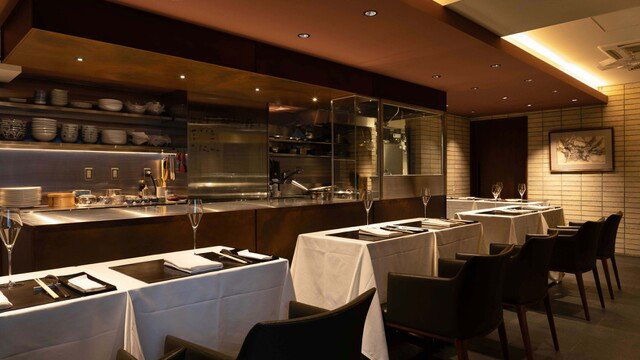


Wasa
Chinese · Shibuya, Tokyo
Restaurant in Tokyo, Japan
 Book with Pearl
The Read
Ingredient-Forward Chinese Omakase
Price
$300–500per person
Chef
Masataka Yamashita
Why go
Wasa is an eight-seat omakase restaurant in Ebisu that has earned consecutive Tabelog Silver Awards since 2024, with a score of 4.36. Dinner runs JPY 60,000–79,999 plus 10% service. Book via the OMAKASE platform four to six weeks out; the format is fixed omakase only, with no à la carte or walk-in option. Worth it if ingredient-focused modern Chinese at this commitment level is genuinely your target.
About Wasa
Verdict
Wasa is not a Chinese restaurant in any conventional sense you might walk in expecting. Five years after opening in Ebisu, it has climbed from Tabelog Bronze to consecutive Silver wins (2024, 2025, 2026), holds a 4.36 score, and ranks among the top 250 restaurants in Japan. At JPY 60,000–79,999 per head plus a 10% service charge, this is one of Tokyo's most serious omakase commitments in any cuisine category. Book it if ingredient-focused modern Chinese at this price point is genuinely what you want. If you are looking for a comparable splurge in a different register, RyuGin (kaiseki) or L'Effervescence (French) are the natural alternatives.
What Wasa Actually Is
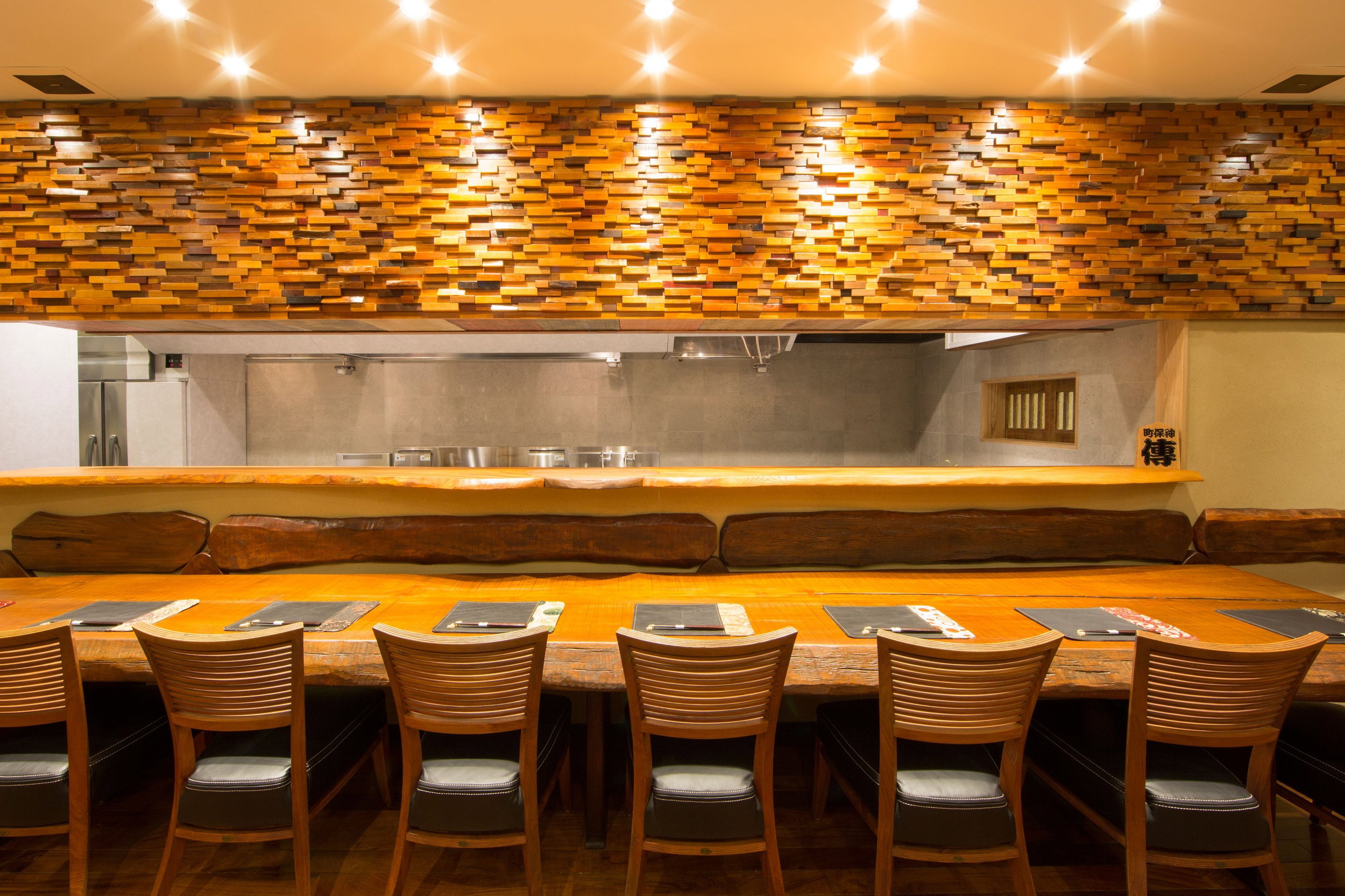
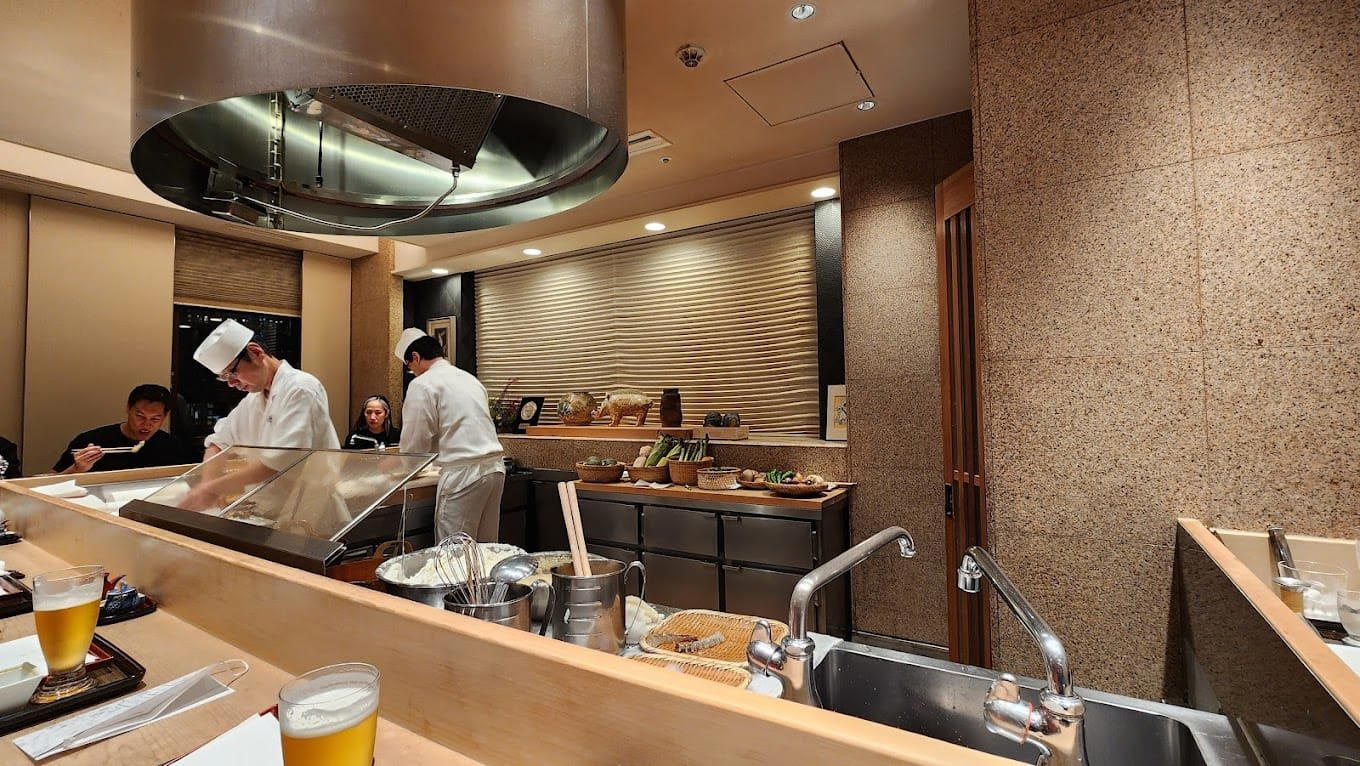
The most common misconception about Wasa is that "modern Chinese" in Tokyo means something close to a high-end Cantonese or Shanghainese restaurant. It does not. Chef Masataka Yamashita runs a strict omakase format across two seatings per night, Tuesday through Saturday only, in a room of just eight seats. The approach is built around drawing out the flavours of individual ingredients, and the format leaves no room for improvisation on the night: you eat what is served, in the order it is served.
For returning diners, the eight-seat room means the experience evolves across visits in ways that a larger restaurant cannot replicate. The sommelier is on hand, which matters at this price tier, and private room availability makes it usable for small celebratory occasions where discretion is as important as the food.
On the drinks side, the presence of a sommelier signals that wine pairing is taken seriously rather than treated as an afterthought. At JPY 50,000–59,999 per head based on actual review data (lower than the listed ceiling), the room for a meaningful wine pairing is built into the budget. This is not a cocktail bar format, but the drinks programme at Wasa is structured around the omakase progression, which is the correct approach for this type of experience.
The atmosphere across both seatings is quiet and concentrated. Eight seats produces a fundamentally different energy from a 30-cover room: conversation stays contained, service attention is high, and the noise level at any point in the evening is low. If you want energy and buzz, this is the wrong room. If you want to eat without distraction, it is exactly right.
Booking and Practical Details
Reservations: Required; bookable via OMAKASE platform only. No phone reservations available. Seatings: First seating 17:00–19:30; second seating 20:00–22:30, Tuesday through Saturday. Closed Sunday and Monday. Budget: JPY 60,000–79,999 listed; actual spend based on reviews closer to JPY 50,000–59,999. Add 10% service charge. Seats: 8 total; private room available. Payment: Credit card accepted; electronic money and QR code payments not accepted. Parking: Not available. Smoking: Non-smoking throughout. Booking difficulty: Manageable with planning, but the small seat count means any popular date fills quickly. First seating on a Tuesday or Wednesday gives the leading chance of availability.
Ratings and Recognition
- Tabelog Silver Award: 2024, 2025, 2026
- Tabelog Bronze Award: 2022, 2023
- Tabelog Chinese Tokyo "100" selection: 2023, 2024
- Tabelog score: 4.36 (2026)
- 4.4 from 83 reviews
- Opinionated About Dining: ranked #249 in Japan (2024), #283 (2025)
The trajectory from Bronze to consecutive Silver wins over five years of operation, opening in October 2020, is the clearest signal of consistent quality improvement rather than a single-season peak. For a venue that opened mid-pandemic and has never had an official website, the award record is the most reliable external reference point available.
How It Compares
Further Reading
If you are planning a Tokyo trip around restaurants at this level, see our full Tokyo restaurants guide. For where to stay, our Tokyo hotels guide covers options near Ebisu. For drinks before or after, our Tokyo bars guide is the place to start.
For other high-end Chinese in Tokyo, Chugoku Hanten Fureika, Chugoku Hanten Kohakukyu (Amber Palace), Ippei Hanten, itsuka, and Koshikiryori Koki are the most useful comparisons in the same city.
If you are travelling around Japan, the equivalent conversations are happening at HAJIME in Osaka, Gion Sasaki in Kyoto, akordu in Nara, Goh in Fukuoka, 1000 in Yokohama, and 6 in Okinawa. For how Tokyo-style modern Chinese compares internationally, Restaurant Tim Raue in Berlin and Mister Jiu's in San Francisco are the closest reference points. Explore the full Tokyo wineries guide and Tokyo experiences guide for broader trip planning.
Planning details
- Location
- Japan, 〒150-0011 Tokyo, Shibuya, Higashi, 3 Chome−16−1 ベルザ恵比寿ビル 1F
- Reservations
- Book on Omakase
- Website
- omakase.in/ja/r/na771535
- Phone
- +81 80-7648-7633
The take
The Take
The Vibe
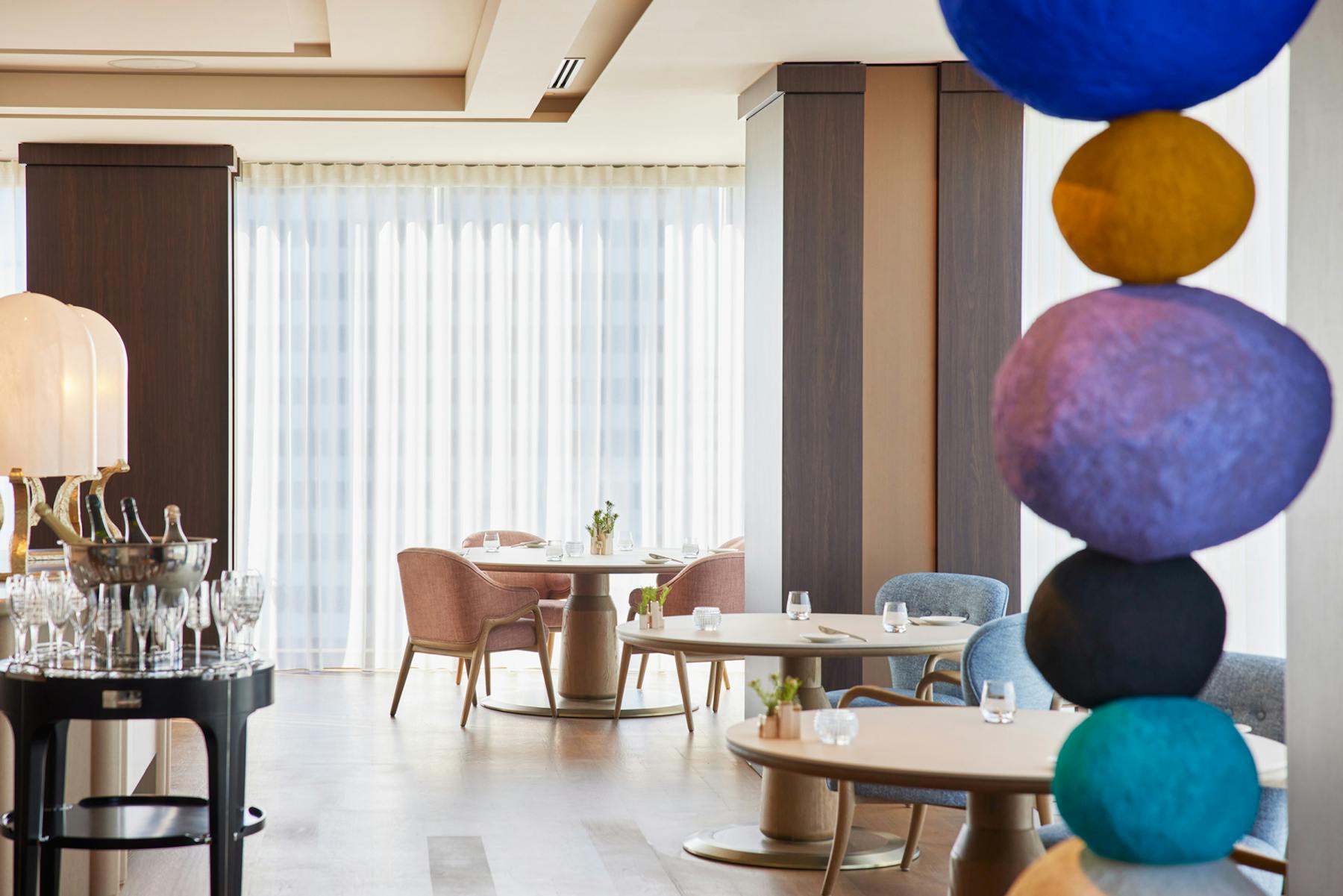
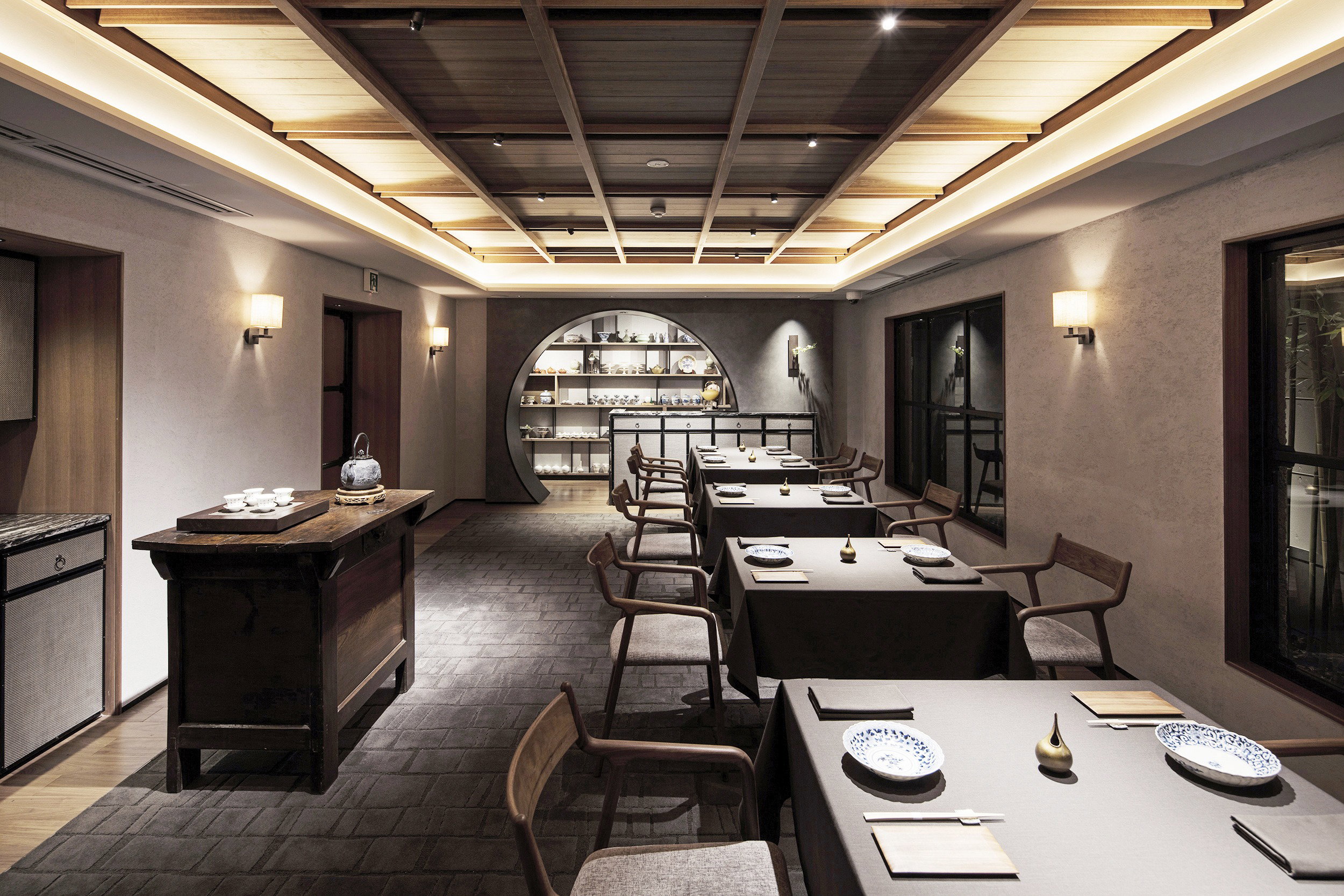
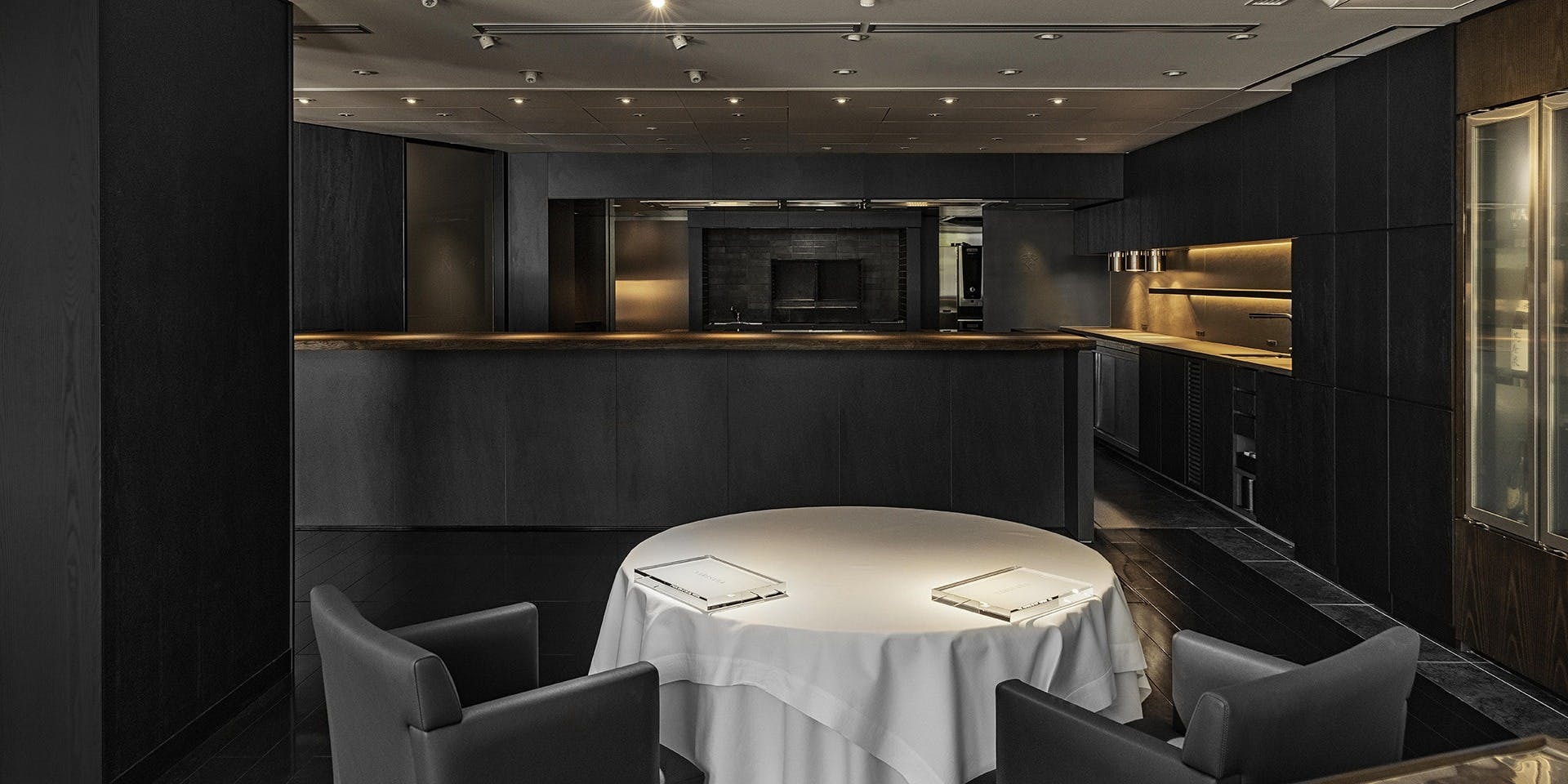
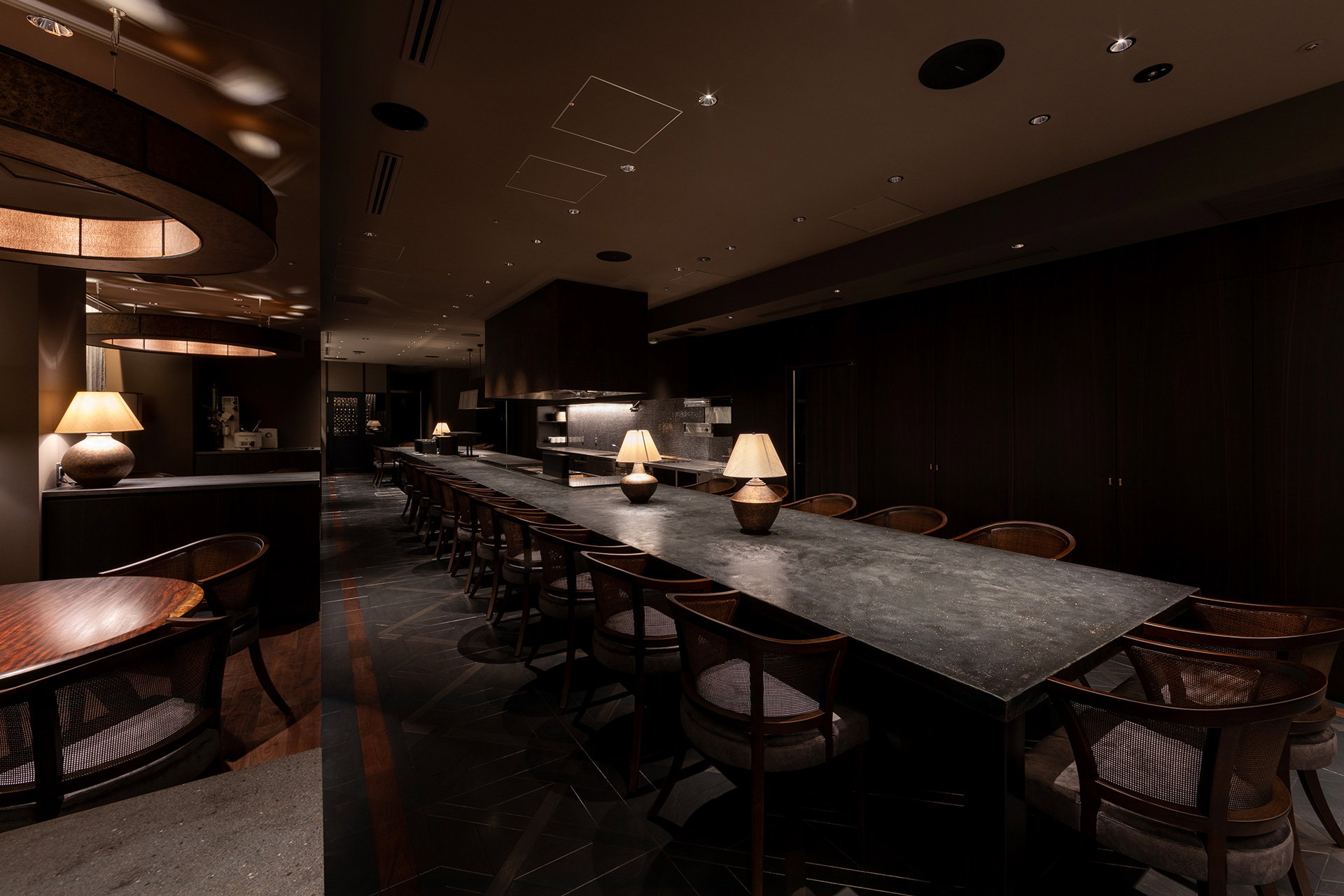
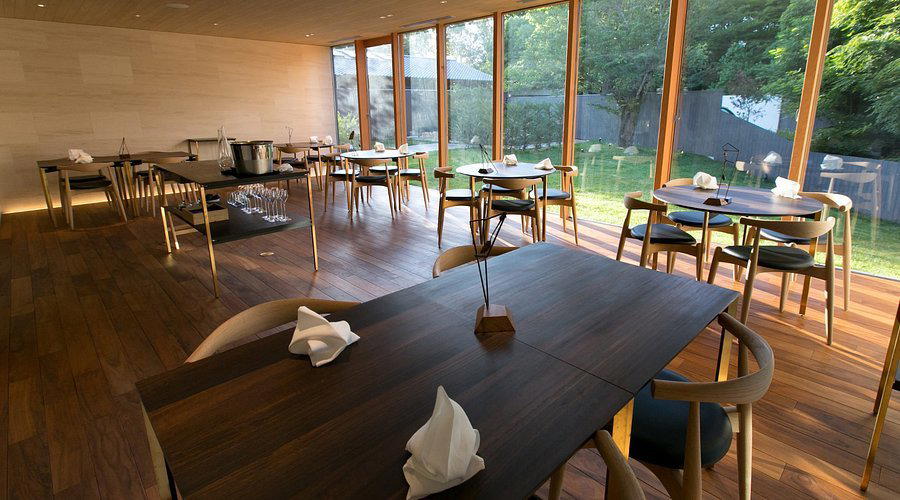
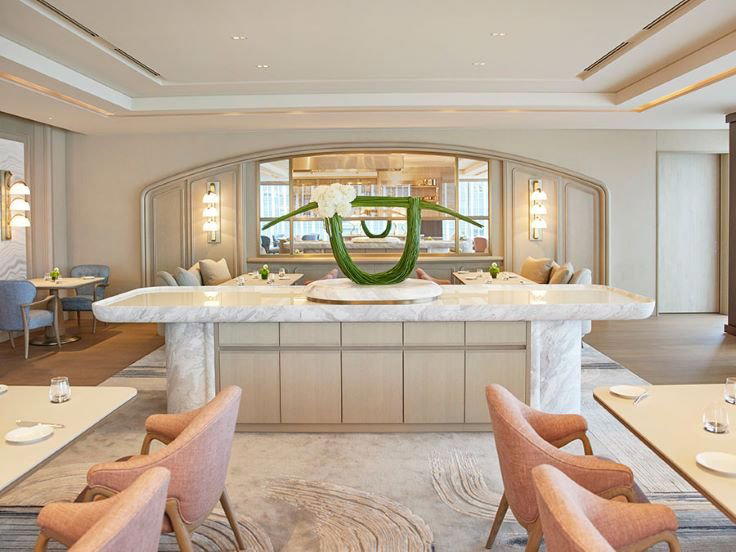
Wasa presents as an intensely focused, intimate dining room that applies Tokyo’s rigorous omakase logic to Chinese cuisine. The space centers on an eight-seat counter with two fixed seatings per night, creating a concentrated, counter-driven experience that reads more like a haute Japanese room than a casual Chinese eatery. The setting feels purposeful and refined—small-scale service, strict booking, and a format that privileges the chef’s sequence over à la carte choices. Expect a quietly invested atmosphere where the format and service precision define the overall mood.
Best For
Wasa is best suited for deliberately planned evenings—think intimate date nights or small special-occasion dinners that reward advance booking. Its eight-seat counter and twice-nightly fixed seatings make it a destination for diners seeking a focused, chef-led progression rather than casual or walk-in meals. The restaurant’s awards trajectory on Tabelog and its placement alongside Tokyo’s haute counter rooms reinforce that this is a reserve-in-advance experience for occasions where the format itself is part of the appeal.
Ordering Tips
Reservations are mandatory and handled exclusively through the OMAKASE platform; there is no public phone number and no walk-ins. Service runs two fixed seatings per night, Tuesday through Saturday, and the room only accommodates eight guests, so plan and book well in advance. Expect limited availability given the small capacity and strong reviews—the Tabelog award history cited in the description signals sustained demand.
Venue details
Ambiance
Compact, intimate, and reservation-driven with a serious fine-dining atmosphere.
Tags
Vibe
Best For
Experience
At the Table
- Noise Level
- Quiet
- Service Style
- Omakase Bar
- Meal Pacing
- Extended Experience
- Capacity
- Intimate
- Kitchen
- Modern
- Menu Format
- Set menu, Counter dining
- Drinks Focus
- Wine
- Dietary
- Vegetarian friendly
- Private Dining
- Available
Know before you go
Know Before You Go
- Getting there
- Japan, 〒150-0011 Tokyo, Shibuya, Higashi, 3 Chome−16−1 ベルザ恵比寿ビル 1F
Planning details
Location
Japan, 〒150-0011 Tokyo, Shibuya, Higashi, 3 Chome−16−1 ベルザ恵比寿ビル 1F · Directions
Recognition and awards

Also consider
Also Consider
- Harutaka, Sushi, ¥¥¥¥
- L'Effervescence, French, ¥¥¥¥
- RyuGin, Kaiseki, Japanese, ¥¥¥¥
- HOMMAGE, Innovtive French, French, ¥¥¥¥
- Crony, Innovative, French, ¥¥¥¥
Restaurant context
At JPY 60,000–79,999 per head, Wasa sits at the same price level as RyuGin and L'Effervescence, but offers a narrower, more concentrated experience: eight seats, one format, no alternatives on the night. If you want the flexibility of a larger room or a more varied progression of cooking styles, RyuGin is the better choice. If French technique matters more than Chinese ingredient focus, L'Effervescence and HOMMAGE are both operating at this tier with stronger wine programme depth on record.
Harutaka is the most useful comparison if omakase format is the primary draw rather than cuisine type: comparable spend, comparable seat count, similar booking difficulty, and a cleaner international reference point for guests who know the sushi omakase category well. Crony sits at the same price tier but delivers a more contemporary European-influenced format, which is worth considering if you want a longer drinks-forward evening rather than a concentrated two-hour omakase.
For high-end Chinese specifically, Chugoku Hanten Fureika and Chugoku Hanten Kohakukyu offer larger rooms and more traditional Chinese service formats, which is the practical alternative if the eight-seat constraint at Wasa is a problem for your group. Wasa's Tabelog Silver trajectory and OAD ranking put it ahead of most Tokyo Chinese options on external metrics, but the format demands full commitment to the omakase structure. If that is not what you want on a given night, the category has options.
Explore Tokyo
Around this place
Discover more on Pearl
Unlock the full Wasa guide in Pearl, including awards, comparisons, FAQs, planning details, and nearby places.
FAQ
Frequently Asked Questions
Is Wasa good for solo dining?
Yes, and arguably the format suits solo diners well. With only 8 seats and an omakase-only structure, the counter experience is designed around individual engagement with each course. Solo guests avoid the coordination problem of a shared-format meal. Book the second seating (20:00) if you want a quieter room.
Is Wasa good for a special occasion?
It is, provided the occasion calls for an intimate, format-driven dinner rather than a celebratory group meal. At JPY 60,000–79,999 per head plus a 10% service charge, the spend is serious. Tabelog Silver from 2024 to 2026 and a score of 4.36 confirm this is a restaurant delivering at that price point, not just charging for it. Private room use is available, which helps for milestone dinners.
Can Wasa accommodate groups?
The dining room has 8 seats in total, so large groups are not viable in the main space. Private room and full private-use bookings are listed as available, which makes small groups of 4–6 the practical ceiling. For a group expecting a communal, share-plate Chinese dinner, this format will feel constraining, Wasa is structured as a progressive omakase, not a table-service meal.
What are alternatives to Wasa in Tokyo?
For modern Japanese tasting menus at a comparable price point, RyuGin and L'Effervescence are the obvious benchmarks, though neither operates as a Chinese kitchen. If you want Tabelog-decorated Chinese specifically in Tokyo, Wasa sits at the top of that shortlist, its consecutive Tabelog 100 Chinese Tokyo selections in 2023 and 2024 reflect that. For French-inflected tasting menus at a slightly lower spend, HOMMAGE is worth considering.
Can I eat at the bar at Wasa?
Wasa operates reservation-only with two fixed seatings per evening, and all dining is omakase format. There is no walk-in bar counter or à la carte option. All 8 seats follow the same timed progression, arriving without a reservation is not a realistic option.
How far ahead should I book Wasa?
Book as early as the OMAKASE platform allows, for a restaurant of this size and Tabelog standing, seats at this level typically open weeks to months out and fill quickly. Wasa is closed Sundays and Mondays, runs only Tuesday through Saturday with two seatings per night, and has 8 covers per seating, which means availability is structurally tight regardless of season.
What should a first-timer know about Wasa?
The format is omakase-only, so you are not ordering from a menu. Dinner runs JPY 60,000–79,999 per head by posted pricing, with reviews averaging in the JPY 50,000–59,999 range, plus a 10% service charge, budget accordingly. A sommelier is on staff, so wine pairing is a real option. The restaurant opened in October 2020 and has held Tabelog Silver for three consecutive years, which means the kitchen is consistent, not just well-launched.