

Series
Chinese · Minato, Tokyo
Restaurant in Tokyo, Japan
 Book with Pearl
The Read
Sequential Small-Plate Fusion
Price
¥¥¥
Dress
Smart Casual
Why go
Series holds a Michelin 1 Star (2024) for a multi-course Chinese-influenced format in Azabudai, Tokyo, where the kitchen sources ingredients across culinary traditions to produce dishes like Peking duck in kadaif pastry and chicken wings stuffed with foie gras. At ¥¥¥, it is one of the stronger cases for Michelin-starred creativity without moving into the ¥¥¥¥ bracket. Book four to six weeks out minimum.
About Series
Book Series if you want Michelin-recognised Chinese cooking in Tokyo that doesn't follow the expected script
Seats at Series are genuinely limited, the multi-course format means the kitchen controls the pace and volume of the room. If you're planning a visit, treat this like a tasting-menu reservation rather than a walk-in-friendly restaurant: the structure of the meal, the seat count, the Michelin 1 Star recognition (2024) all point to demand that outstrips availability. Book as far ahead as possible, read on to confirm this is the right room for your trip.
What Series Is
Series sits in Azabudai, Minato City, runs a format built entirely around variety. The name is literal: the meal arrives as many dishes in small quantities, sequenced rather than à la carte. The culinary reference points pull from across Asia and beyond, which separates Series from the narrow-lane Chinese restaurants that dominate Tokyo's higher price brackets. Steamed spicy beef replaces the expected chicken in one preparation. Chicken wings arrive stuffed with foie gras. Peking duck, one of the most tradition-bound dishes in Chinese cooking, is wrapped in kadaif pastry, a preparation associated with Middle Eastern and Mediterranean kitchens. These are not random novelties: they reflect a kitchen that is sourcing and selecting ingredients based on what leading serves each dish, rather than what fits a single national tradition.
That sourcing logic extends to the beverage pairings. Rather than anchoring to wine or sake alone, Series pairs each course with whichever format suits it: wine, sake, or cocktail. For a repeat visitor, this is the clearest argument for returning with a different pairing orientation than your first visit. If you drank wine throughout the first time, the sake pairings on a second visit will read the menu differently and open up textural contrasts that the wine track won't surface in the same way.
Why the Ingredient Sourcing Argument Matters Here
Most ¥¥¥ Chinese restaurants in Tokyo compete on execution of established dishes: roast meats, wok technique, dim sum precision. Series competes on a different axis. The kitchen's willingness to use kadaif pastry for Peking duck, or foie gras inside a Chinese-style chicken wing preparation, suggests procurement that goes well beyond a single-country supplier network. This is not fusion as a marketing position; it is a working methodology where the ingredient drives the preparation choice, the preparation choice drives the sourcing decision. That approach costs more to sustain than a tightly regionalised menu, which is part of why the ¥¥¥ price positioning sits at the top of that tier rather than the middle.
When to Go
For a restaurant running a sequential multi-course format, midweek evenings are the most reliable slot for a considered experience. Weekend bookings at Michelin-starred Tokyo restaurants tend to draw larger parties and higher ambient energy, which is fine if that suits you, but the Series format is better absorbed at a pace that a quieter midweek room allows. If you're visiting Tokyo in November through February, the kitchen's international sourcing means the menu won't be as constrained by Japanese seasonal availability as a kaiseki or washoku room would be, giving you more flexibility on timing than you'd have at a strictly seasonal Japanese-cuisine venue.
Practical Details
| Detail | Series | Florilège (peer, ¥¥¥) | RyuGin (peer, ¥¥¥¥) |
|---|---|---|---|
| Price tier | ¥¥¥ | ¥¥¥ | ¥¥¥¥ |
| Cuisine | Chinese (multi-influence) | French | Kaiseki / Japanese |
| Michelin | 1 Star (2024) | 2 Stars | 3 Stars |
| Booking difficulty | Hard | Hard | Very Hard |
| Format | Multi-course sequence | Tasting menu | Kaiseki tasting |
| Pairing options | Wine, sake, cocktail | Wine-focused | Wine / sake |
| Location | Azabudai, Minato | Minami-Aoyama | Roppongi |
How It Compares
See the comparison section below for a full peer breakdown.
Also Worth Knowing
If your interest in high-end Chinese cooking in Tokyo extends further, Chugoku Hanten Fureika and Chugoku Hanten Kohakukyu (Amber Palace) represent the more classically rooted end of the city's Chinese fine-dining spectrum, useful benchmarks if you want to understand what Series is deliberately moving away from. Ippei Hanten offers another reference point in the category. For something closer to the innovative multi-course format but in a Japanese context, itsuka and Koshikiryori Koki are worth considering.
If you're planning a broader Japan itinerary around similar cooking ambition, HAJIME in Osaka, Gion Sasaki in Kyoto, and akordu in Nara are all doing interesting things with ingredient sourcing and multi-course sequencing at different price points. Goh in Fukuoka, 1000 in Yokohama, and 6 in Okinawa round out the picture for travellers moving through the country. For comparison on how Chinese cooking is handled at a similar creative level in other cities, Restaurant Tim Raue in Berlin and Mister Jiu's in San Francisco are the closest international peers in terms of intent.
For full Tokyo planning context: our full Tokyo restaurants guide, Tokyo hotels guide, Tokyo bars guide, Tokyo wineries guide, and Tokyo experiences guide.
Can Series accommodate groups?
The multi-course sequential format at Series is not designed for large groups. The kitchen sequences dishes across the whole table simultaneously, which works well for parties of two to four but becomes logistically complex for larger groups. If you're planning for six or more, contact the restaurant directly before booking to confirm whether the format can be adapted. For large-group Chinese dining in Tokyo, a more traditional banquet-format restaurant will serve you better.
Is Series worth the price?
At ¥¥¥, yes, for what it delivers: Michelin 1 Star recognition, a multi-influence ingredient sourcing approach, pairing options across wine, sake, cocktails that you won't find at comparably priced Chinese restaurants in the city. It is cheaper than RyuGin or L'Effervescence, both at ¥¥¥¥, and operates at the same price tier as Florilège. If you want Michelin-starred creative cooking in Tokyo without moving into the ¥¥¥¥ bracket, Series is one of the stronger arguments for staying at ¥¥¥.
What should a first-timer know about Series?
The format is fixed: many dishes in small quantities, sequenced by the kitchen. You are not ordering à la carte. Come with an appetite for variety rather than depth in any single dish, decide your pairing track before you arrive: wine, sake, or cocktails are all available, but mixing across all three without a plan can make the meal feel unfocused. The Azabudai address puts you in a quieter pocket of Minato, so factor travel time from central Tokyo into your evening.
What should I order at Series?
The kitchen controls the sequence, so ordering in the traditional sense is not the format here. The standout preparations from the Michelin data are the steamed spicy beef, chicken wings stuffed with foie gras, Peking duck in kadaif pastry. These are the dishes that define what Series is doing differently from other Chinese restaurants at this tier, they are the reason to book rather than going somewhere with a more conventional Chinese menu.
Is the tasting menu worth it at Series?
Sequential multi-course format is the only format, so the question is whether this style of eating suits you, not whether to upgrade to it. If you prefer choosing your own dishes and pacing your own meal, Series is not the right fit regardless of the quality. If you are comfortable with kitchen-controlled sequencing and interested in seeing how a Chinese-influenced kitchen handles a wide range of ingredients and preparations, it is worth it at the ¥¥¥ price point, particularly relative to ¥¥¥¥ alternatives with similar Michelin credentials.
Can I eat at the bar at Series?
Seat configuration details are not confirmed in the available data for Series. Given the sequential multi-course format, bar seating would follow the same menu as the main room rather than offering a shorter or à la carte experience. Contact the restaurant directly to confirm seating options before visiting.
Does Series handle dietary restrictions?
Contact the restaurant directly before booking to discuss restrictions. The kitchen draws from ingredients and preparation methods across multiple culinary traditions, which means the menu is not anchored to any single protein or technique, but the fixed sequential format means substitutions need to be agreed in advance rather than handled on the night. No specific dietary accommodation policy is confirmed in the available data.
How far ahead should I book Series?
Treat this as a hard booking: Michelin 1 Star status, a format with a fixed number of covers per service, an Azabudai address that draws both locals and visitors all point to limited availability. Book a minimum of four to six weeks out for weekend slots. Midweek slots may open closer in, but for a trip-critical reservation, book the moment your travel dates are confirmed. Walk-ins are not a realistic option given the multi-course format.
Planning details
- Location
- Japan, 〒106-0041 Tokyo, Minato City, Azabudai, 3 Chome−4−11 1F
- Website
- shop.gyro.holdings/detail/sub084
- Phone
- +81 3-5545-5857
The take
The Take
The Vibe
Series reads as a forward-looking, experimental take on Chinese cooking in Tokyo. The kitchen treats classic techniques — braising, steaming and roasting — as building blocks for broader culinary arguments, producing a sequence of small plates rather than familiar Chinese formats. Located in Azabudai and carrying a Michelin star, the room attracts an international, professional clientele willing to engage with deliberate, idea-driven food. The tone is refined and trend-conscious: diners encounter inventive references and a clear point of view rather than comfort-style Cantonese or Sichuan traditions.
Best For
This is a restaurant for diners who want a considered, exploratory meal rather than traditional Chinese comfort food. Series suits business dinners and special occasions where guests expect formal service and a ¥¥¥ price point; its Michelin recognition and Azabudai address appeal to an international professional crowd. It’s less appropriate for those seeking familiar, regional Chinese formats—guests should come ready to embrace experimentation, tasting many small, compositional dishes that prioritize the kitchen’s creative thesis over nostalgic recreation.
Ordering Tips
The menu is organized as a "series" of many small dishes rather than a conventional multi-course progression, so expect to move through a sequence of compact plates. Approach the meal with openness: the kitchen reframes classic techniques into international reference points, so familiar expectations may be upended. Given the tasting-like structure and prix tier, let the format guide your experience rather than hunting for comfort staples. Signature items (for example, the restaurant’s bold takes such as foie-gras–stuffed chicken wings and Peking duck) signal the kitchen’s adventurous approach and indicate what to expect across the sequence.
Venue details
Ambiance
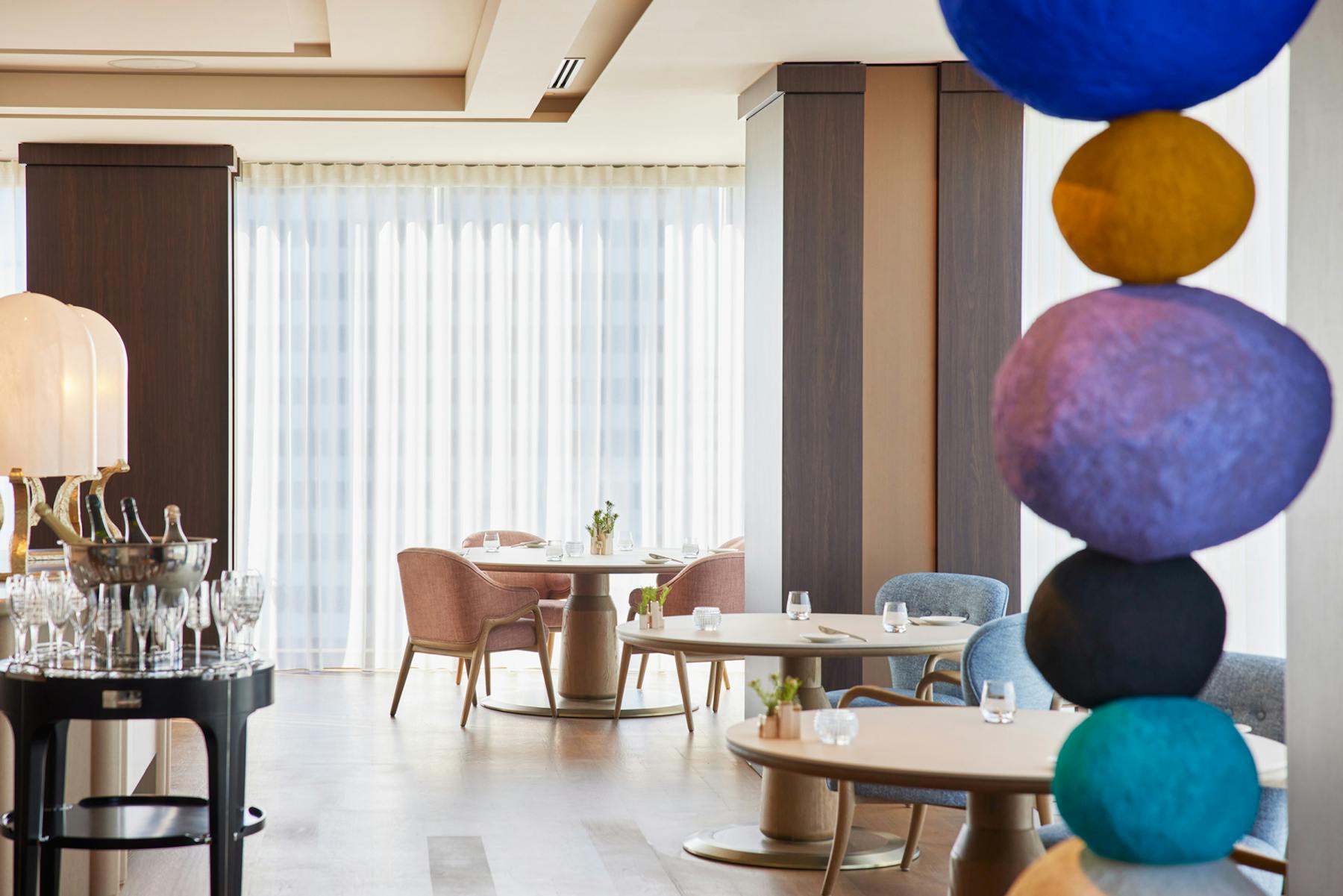
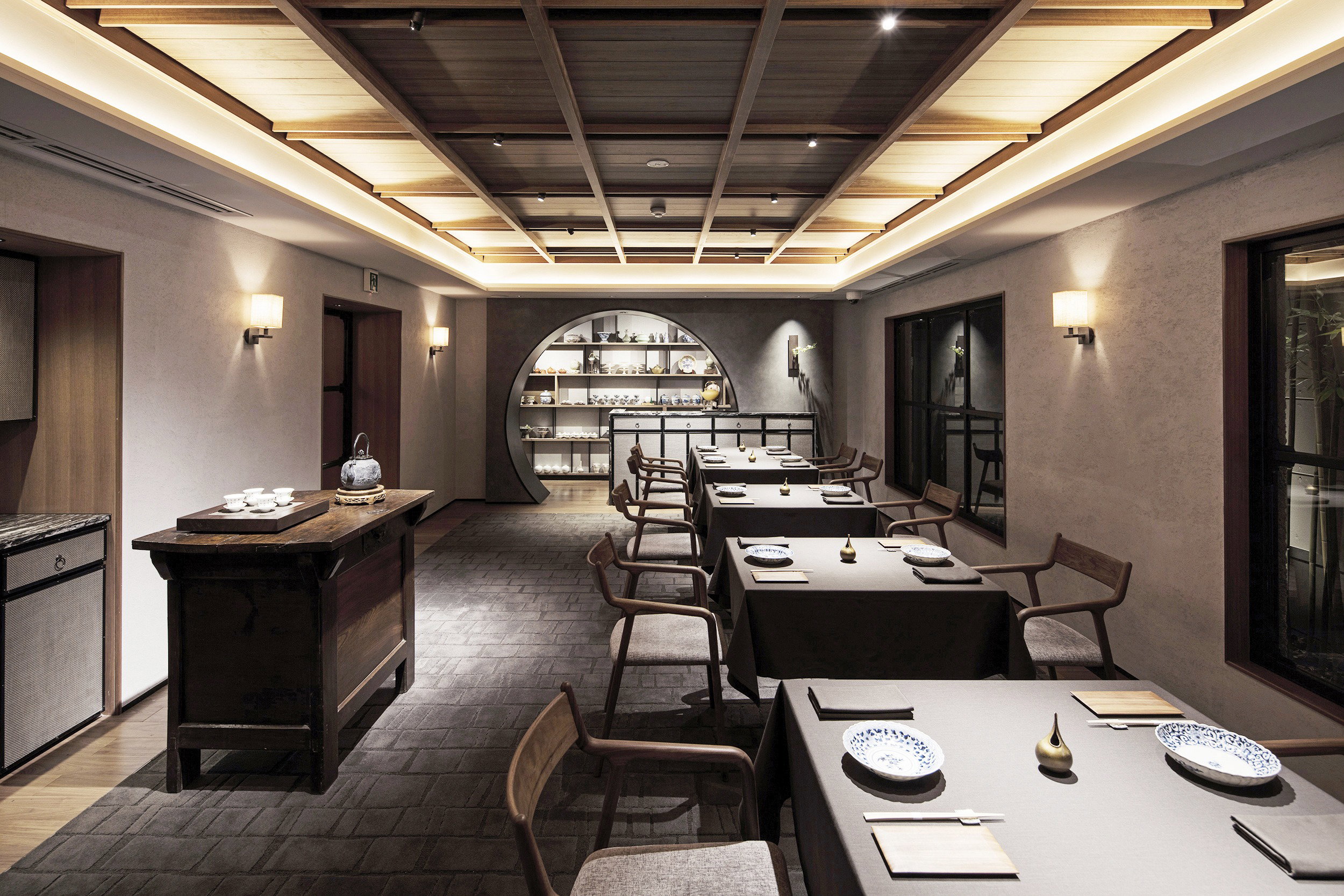
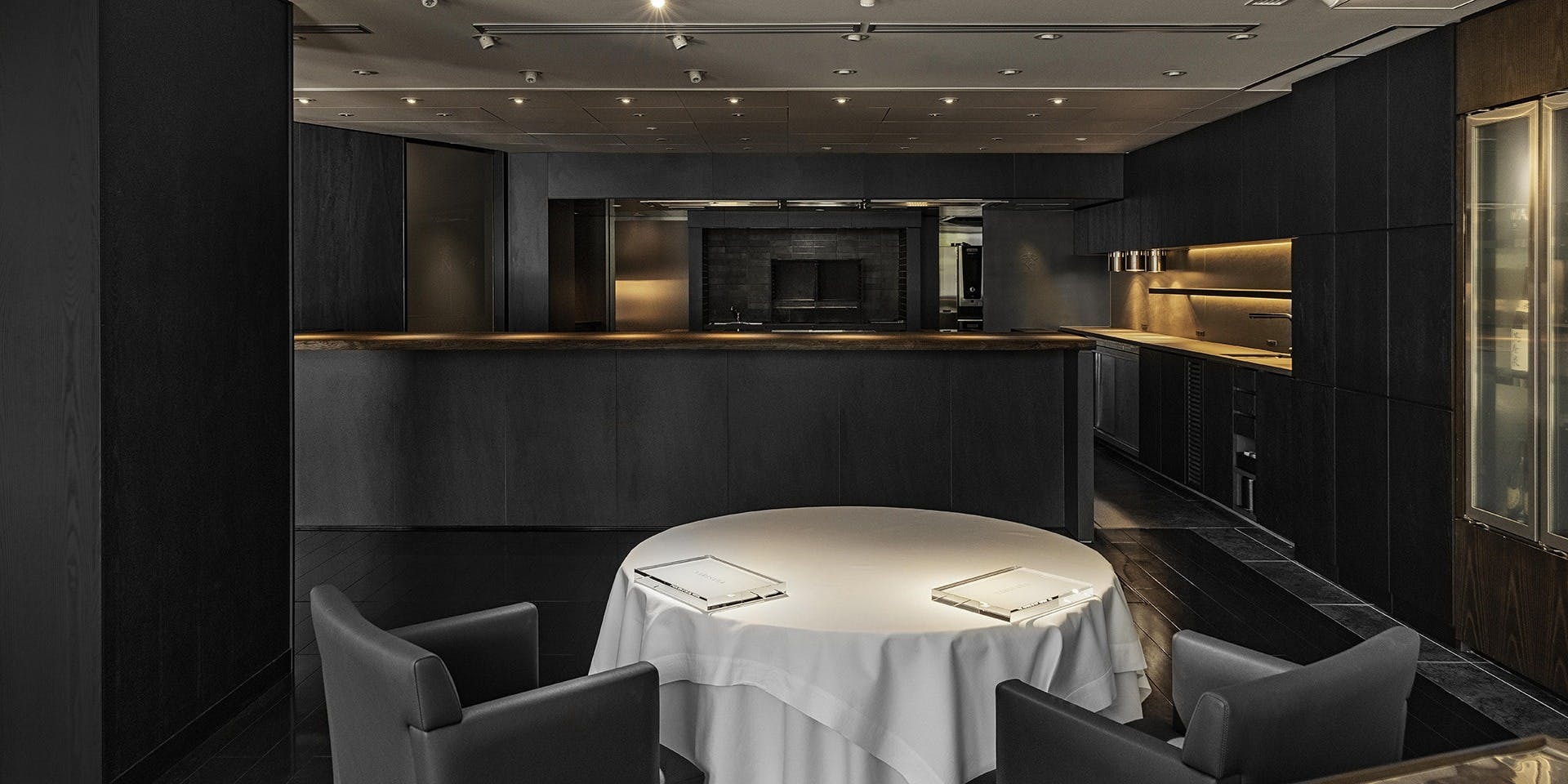
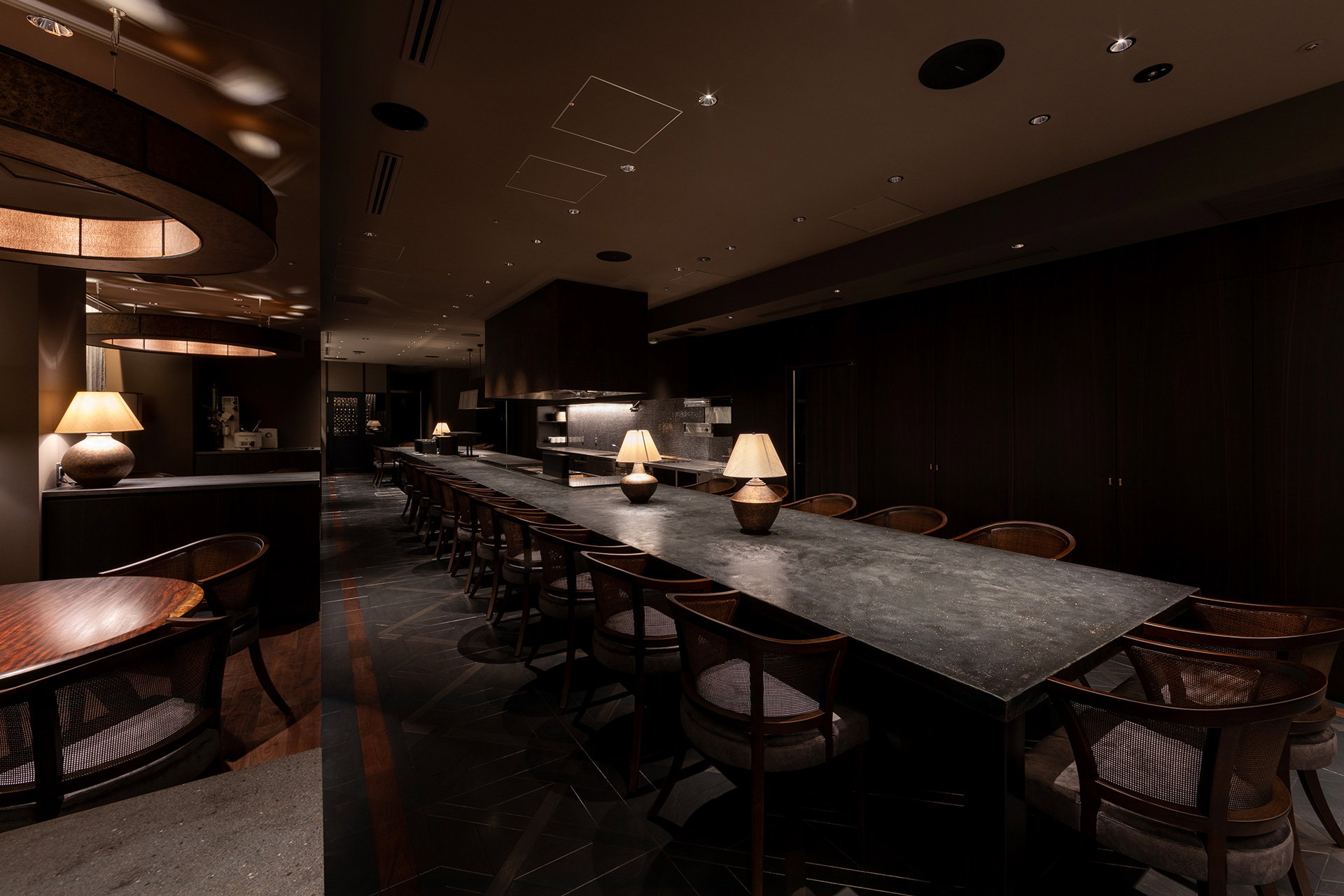
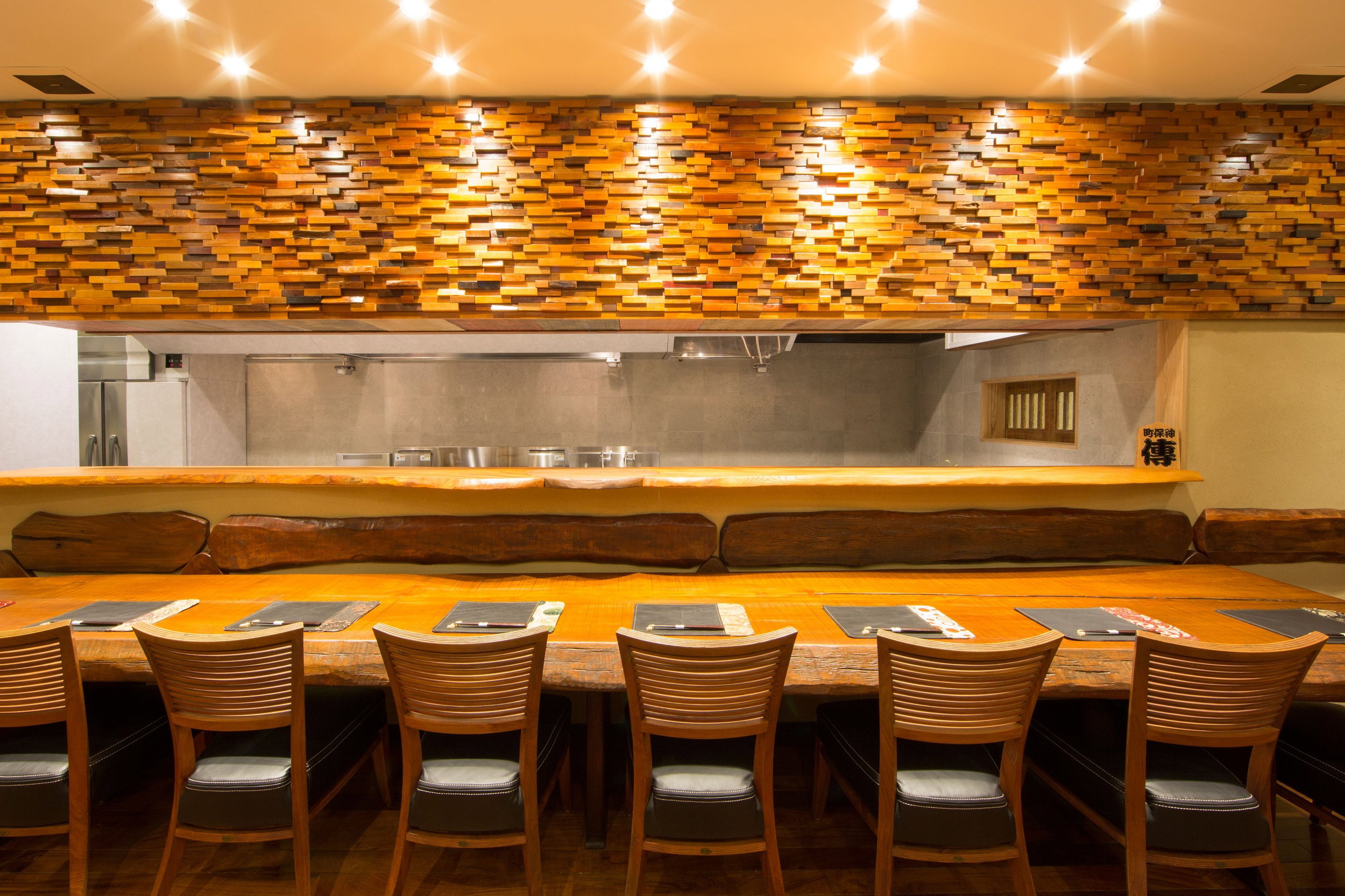
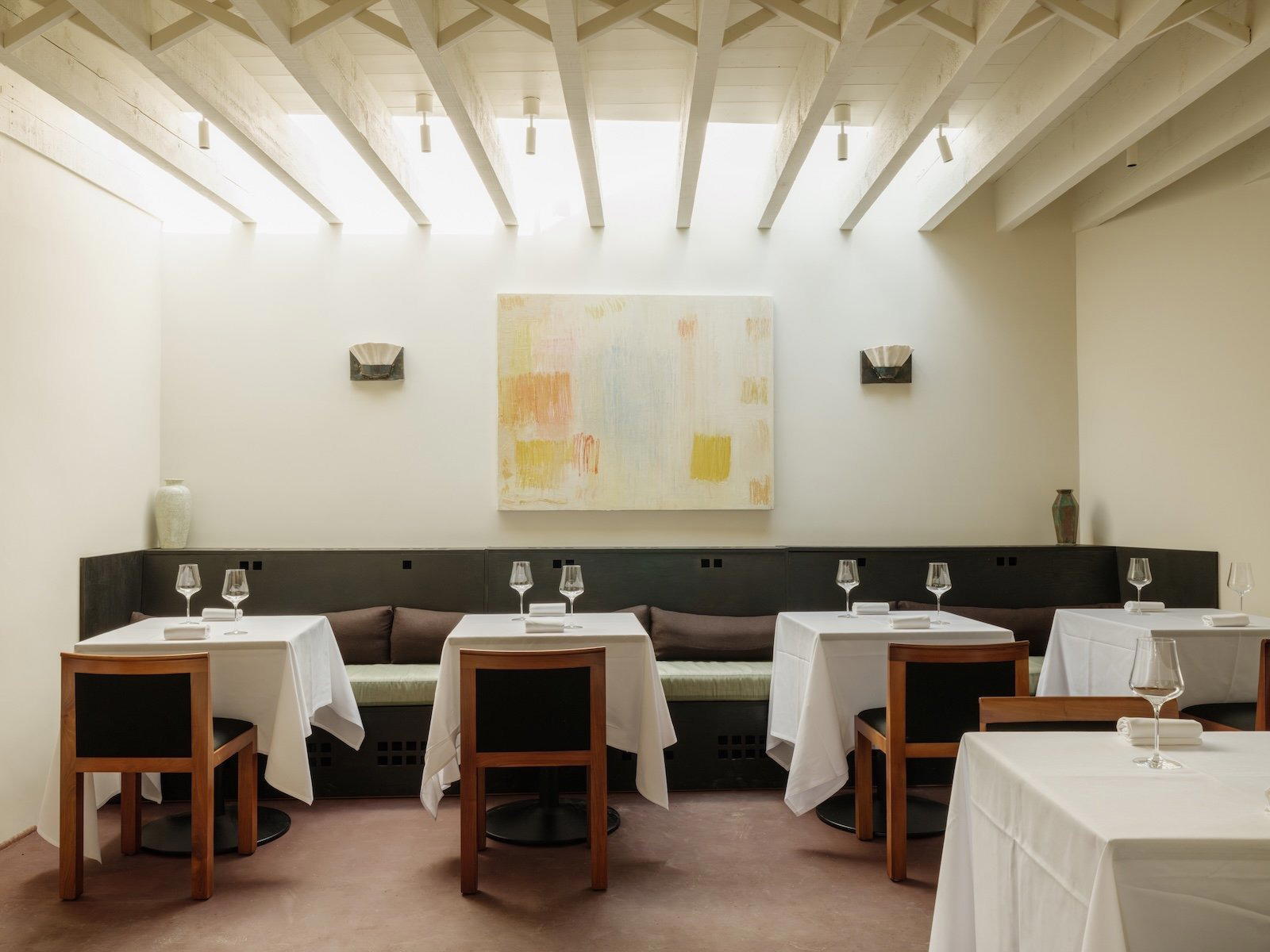
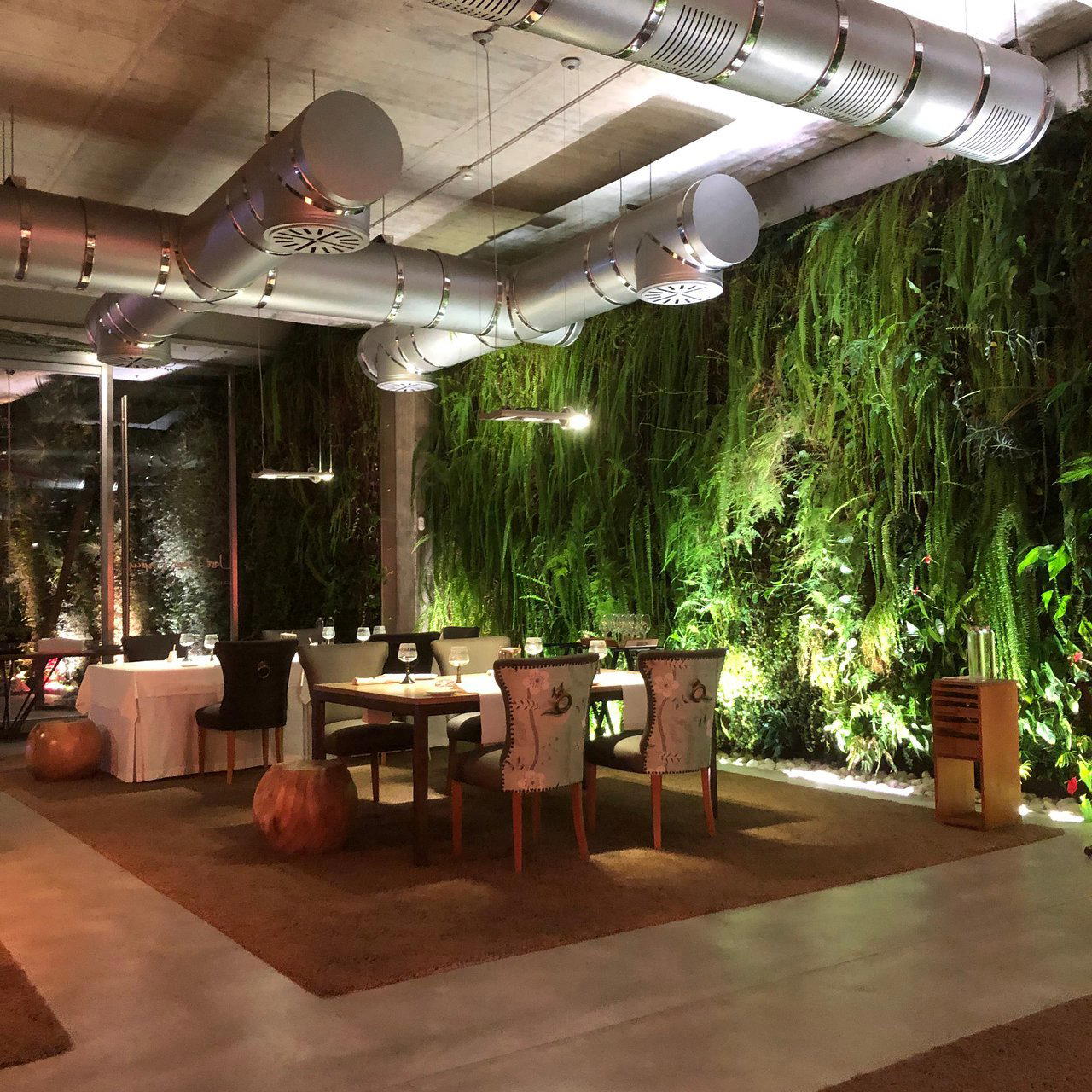
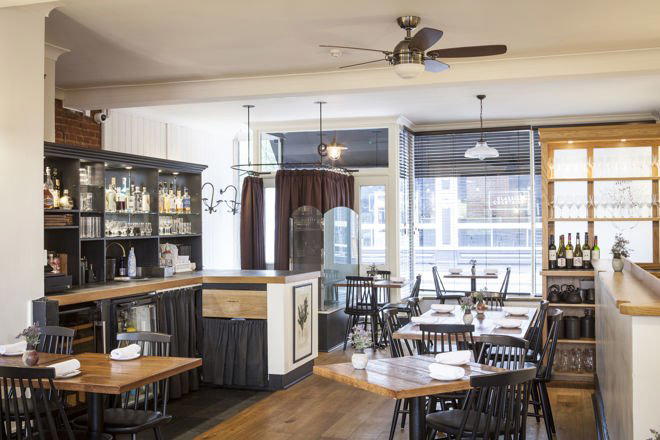
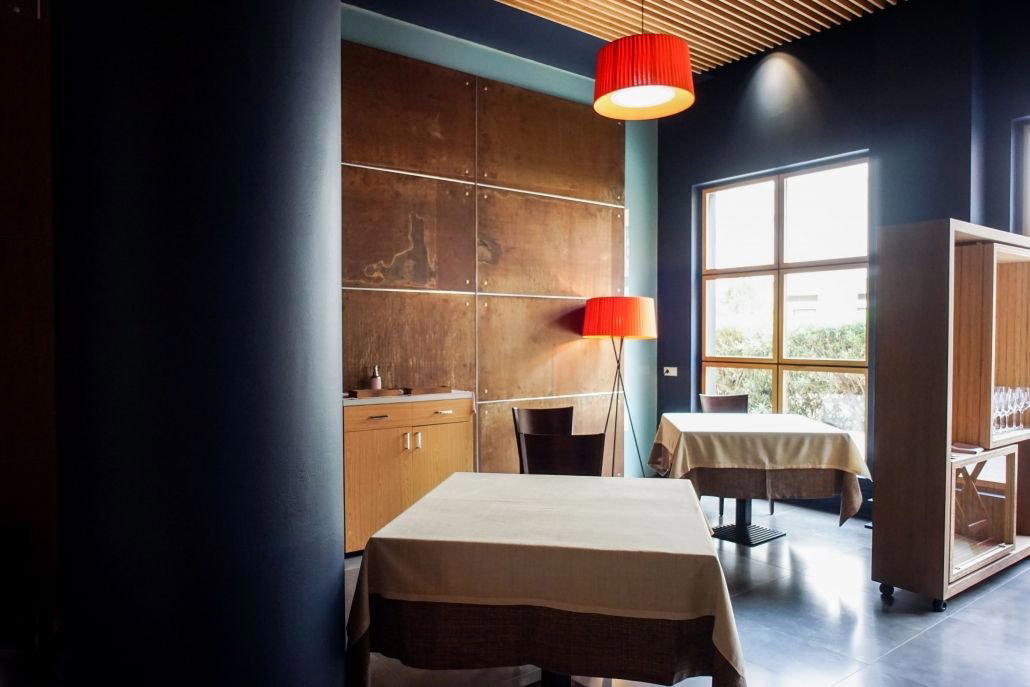
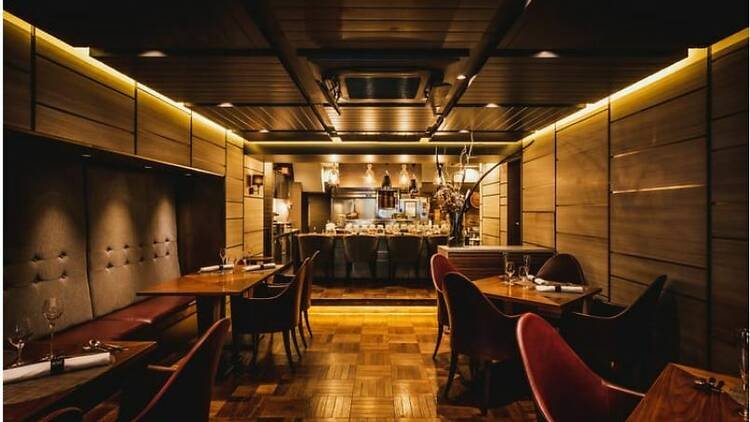
Sophisticated atmosphere with focus on culinary creativity and multi-course dining.
Tags
Vibe
Best For
Experience
At the Table
- Dress Code
- Smart Casual
- Noise Level
- Conversational
- Service Style
- Formal
- Meal Pacing
- Leisurely
- Capacity
- Intimate
Signature Dishes
- Chicken Wings Stuffed with Foie Gras
- Peking Duck
- Claypot Stew with Shark Fin
Planning details
Location
Japan, 〒106-0041 Tokyo, Minato City, Azabudai, 3 Chome−4−11 1F · Directions
Recognition and awards
Also consider
Also Consider
- Harutaka; Sushi, ¥¥¥¥
- RyuGin; Kaiseki, Japanese, ¥¥¥¥
- L'Effervescence; French, ¥¥¥¥
- HOMMAGE; Innovtive French, French, ¥¥¥¥
- Florilège; French, ¥¥¥
Restaurant context
Series sits at ¥¥¥ with a Michelin 1 Star, which makes it a materially different proposition from most of its natural comparison set. RyuGin and L'Effervescence both operate at ¥¥¥¥ with three and two Michelin stars respectively: they are more formally demanding, harder to book, significantly more expensive. If your priority is the highest level of Michelin recognition and budget is secondary, RyuGin is the clearer choice for a kaiseki experience or L'Effervescence for a French-rooted tasting menu. But if you want creative multi-course cooking with strong Michelin credentials at a lower price point, Series has an argument that neither of those venues can make.
Florilège is the closest peer on price tier, also at ¥¥¥, and holds two Michelin stars. On raw star count, Florilège wins. On cuisine distinctiveness within Tokyo's high-end dining scene, Series wins: French tasting menus at this level have multiple competitors in the city; a Chinese-influenced multi-course format with this sourcing breadth does not. HOMMAGE at ¥¥¥¥ is another French option for diners drawn to the innovative end of that cuisine, but again operates at a higher price point without the cuisine-category differentiation that Series offers.
Harutaka at ¥¥¥¥ operates in an entirely different format, sushi omakase, is the right recommendation if a counter-sushi experience is your priority. For a diner returning to Tokyo who has already done the expected Michelin sushi and kaiseki track, Series is the more interesting addition to the itinerary: it fills a gap in the lineup rather than duplicating what those rooms already deliver.
Explore Tokyo
Around this place
Discover more on Pearl
Unlock the full Series guide in Pearl, including awards, comparisons, FAQs, planning details, and nearby places.
Compare Series
| Venue | Cuisine | Awards | Booking Difficulty |
|---|---|---|---|
| Series | Chinese | Tabelog 100 - Chinese cuisine - TOKYO - 2026 · #642026 Michelin 1 Star2024 Michelin 1 Star | Hard |
| Harutaka | Sushi | 2026 Tabelog Silver · #312026 OAD Top Restaurants in Japan Ranked · #1282026 Michelin 3 Stars2026 La Liste Top RestaurantsTabelog 100 - Sushi - TOKYO - 2025 · #372025 Asia's 50 Best Restaurants · #762025 OAD Top Restaurants in Japan Ranked · #1172025 La Liste Top Restaurants2025 Tabelog Bronze | Unknown |
| RyuGin | Kaiseki, Japanese | 2026 OAD Top Restaurants in Japan Ranked · #802026 Tabelog Bronze · #3772026 Michelin 3 Stars2026 La Liste Top RestaurantsTabelog 100 - Japanese cuisine - TOKYO - 2025 · #212025 OAD Top Restaurants in Japan Ranked · #542025 Michelin 3 Stars2025 La Liste Top Restaurants2025 The Best Chef Three Knives | Unknown |
| L'Effervescence | French | 2026 Tabelog Silver · #682026 OAD Top Restaurants in Japan Ranked · #103Star Wine Lists 20262026 Black Pearl 2 Diamond2026 Relais Chateaux Restaurants2026 La Liste Top Restaurants2026 Michelin 3 Stars2025 Asia's 50 Best Restaurants · #692025 OAD Top Restaurants in Japan Ranked · #92 | Unknown |
| HOMMAGE | Innovtive French, French | 2026 Tabelog Bronze · #1232026 OAD Top Restaurants in Japan Highly Recommended2026 Michelin 2 StarsTabelog 100 - French - TOKYO - 2025 · #762025 Asia's 50 Best Restaurants · #782025 OAD Top Restaurants in Japan Ranked · #1752025 Michelin 2 Stars2025 The Best Chef One Knife2025 La Liste Top Restaurants | Unknown |
| Florilège | French | 2026 Asia's 50 Best Restaurants · #312026 Tabelog Bronze · #712026 OAD Top Restaurants in Japan Ranked · #1242026 Black Pearl 1 Diamond2026 Michelin 2 Stars2026 La Liste Top Restaurants2025 Asia's 50 Best Restaurants · #172025 World's 50 Best Restaurants · #36Tabelog 100 - French - TOKYO - 2025 · #68 | Unknown |












What to weigh when choosing between Series and alternatives.
FAQ
Frequently Asked Questions
Is Series worth the price?
At ¥¥¥ with a Michelin star (2024), Series is priced in line with Tokyo's serious tasting-menu tier and delivers a format you won't find at most Chinese restaurants in the city. If you want roast meats or dim sum done to a high standard, there are cheaper options. If you want cross-cultural creative Chinese cooking with wide-ranging pairings across wine, sake, cocktails, the price is justified.
What should a first-timer know about Series?
The meal is sequential and kitchen-led: many small dishes, not a la carte. Dishes like Peking duck wrapped in kadaif pastry or chicken wings stuffed with foie gras signal that this isn't a traditional Chinese restaurant. Come prepared for an adventurous format, note that the address is ground floor, 3 Chome-4-11, Azabudai, Minato City.
What should I order at Series?
Series runs a set multi-course format, so ordering individual dishes isn't part of the experience. The kitchen dictates the sequence. Pairings range across wine, sake, cocktails, so the drinks pairing is worth taking if offered, given how deliberately it's matched to the range of culinary styles across the menu.
Is the tasting menu worth it at Series?
Yes, if the format suits you. The tasting menu is the only format here, the Michelin star (2024) recognises the kitchen's creativity specifically within that structure. Dishes such as steamed spicy beef and foie gras-stuffed chicken wings show genuine range. If you prefer to order freely or want a shorter meal, this isn't the right venue.
Does Series handle dietary restrictions?
No dietary policy is documented for Series. Given the tasting menu format and the kitchen's control over the sequence, dietary restrictions are best raised at the time of booking rather than on the night. The cross-cultural sourcing of ingredients makes this more important to flag in advance than at a simpler restaurant.