
.png?width=1200&quality=80)
Ryuen
Japanese · Taitō, Tokyo
Restaurant in Tokyo, Japan
 Book with Pearl
The Read
Onko-Chishin Counter Cuisine
Price
¥¥¥
Dress
Smart Casual
Why go
Ryuen is a Michelin Plate-recognised Japanese restaurant in Nishiasakusa that builds inventive menus around a no-waste ingredient philosophy, with a beef middle course borrowed from sister restaurant Oniku Karyu. At ¥¥¥, it is more accessible than Tokyo's top-tier Japanese addresses and easier to book, making it a practical first choice for diners who want serious cooking without the three-month wait.
About Ryuen
Verdict
Ryuen is not the place to go if you want a conventional kaiseki progression or a purely traditional Japanese dining experience. It breaks from that mould deliberately: a Michelin Plate-recognised restaurant in Nishiasakusa that places beef in the middle of the meal, following the format of its sister restaurant Oniku Karyu, while building the rest of the menu around an ingredient-first philosophy rooted in zero-waste cooking. For a first-timer approaching Tokyo's Japanese restaurant scene, the ¥¥¥ price tier makes it more accessible than the ¥¥¥¥ rooms at Kagurazaka Ishikawa or Azabu Kadowaki, and the cooking is genuinely inventive rather than decoratively so. Book it if the idea of a chef who wastes nothing and charges less than the top tier appeals to you. Skip it if you want a purely traditional structure.
Portrait
The biggest misconception about Ryuen is that it is a standard Japanese fine-dining restaurant where you arrive, sit through a classical sequence, and leave having ticked a box. It is not that. The menu is built around the concept of onko-chishin, a Japanese principle of discovering something new by studying what already exists. In practice, that means dishes that carry the logic and technique of Japanese culinary tradition while arriving in forms that first-timers may not anticipate — including a beef course positioned mid-meal rather than as an afterthought.
The name Ryuen translates as 'swallows in the willow trees', and the hope embedded in it is specific: that guests return the way swallows return to the same willow each spring. That is not marketing language. It describes a restaurant built on repeat visits, on a relationship between kitchen and guest that develops over time. A first-timer should know this before booking, because the experience is designed to be the beginning of something rather than a standalone event.
Ingredient philosophy at Ryuen is the most decision-relevant thing about the kitchen. The chef trained with a reverence for ingredients that translates directly into a no-waste approach: every part of the product is used. This matters for the price question. At ¥¥¥, you are paying for a kitchen that extracts maximum value from what it sources rather than one that charges for scarcity or theatrical presentation alone. For diners who have spent time at Ginza Fukuju or Myojaku, the comparison is instructive: Ryuen sits at a lower price point with a more experimental structure. The beef middle course, which mirrors the format at Oniku Karyu, gives the menu a throughline that the sister restaurant has already proven with its own audience.
Nishiasakusa is not the neighbourhood most visitors associate with serious Japanese cooking. The area sits north of Asakusa proper, quieter and less trafficked than the dining corridors of Ginza or Roppongi. That location is neither a drawback nor a selling point on its own, but for a first-timer it is worth noting: you are not walking into a room surrounded by other destination restaurants. The experience is more self-contained, which suits the kind of cooking Ryuen does. If you are building a Tokyo itinerary and want context on the broader dining scene, our full Tokyo restaurants guide covers the range across neighbourhoods and price points. For where to stay nearby, our Tokyo hotels guide and bars guide are useful companions.
Venues with cooking this particular tend to divide opinion: some diners arrive expecting one format and find another. That gap between expectation and reality is exactly what to prepare for. Ryuen earns Michelin Plate recognition in both 2024 and 2025, which confirms a kitchen operating at a credible level without the three-month booking queues that come with starred Tokyo addresses.
For context on what Michelin Plate recognition means relative to Tokyo's Japanese dining spectrum, it positions Ryuen clearly: above a reliable neighbourhood restaurant, below the formal starred room, but doing something specific enough that the guide considers it worth flagging. Comparable in approach, though different in cuisine and neighbourhood, are starred addresses elsewhere in Japan such as Gion Sasaki in Kyoto and HAJIME in Osaka, both of which show how ingredient-led philosophy plays out at different price and formality levels. Closer to home in format, Jingumae Higuchi in Tokyo offers another reference point for inventive Japanese cooking that does not fit neatly into a single category.
If you are planning broader travel in Japan alongside this booking, akordu in Nara, Goh in Fukuoka, Isshisoden Nakamura in Kyoto, Kashiwaya Osaka Senriyama, 1000 in Yokohama, and 6 in Okinawa all represent the kind of ingredient-driven, regionally grounded cooking that rewards a traveller moving through the country with intention.
Know Before You Go
- Price tier: ¥¥¥ — mid-to-upper range, more accessible than ¥¥¥¥ Tokyo addresses
- Cuisine: Japanese, with inventive structure and a beef middle course
- Location: 3 Chome-1-9 Nishiasakusa, Taito City, Tokyo 111-0035
- Booking difficulty: Easy relative to Michelin-starred Tokyo venues
- Awards: Michelin Plate 2024 and 2025
- Sister restaurant: Oniku Karyu (beef specialist; the middle course format is drawn from here)
- Getting around Tokyo: See our Tokyo experiences guide and wineries guide for broader trip planning
Planning details
- Location
- 3 Chome-1-9 Nishiasakusa, Taito City, Tokyo 111-0035, Japan
- Website
- ryuen1993.gorp.jp
- Phone
- +81 50-5486-7883
The take
The Take
The Vibe
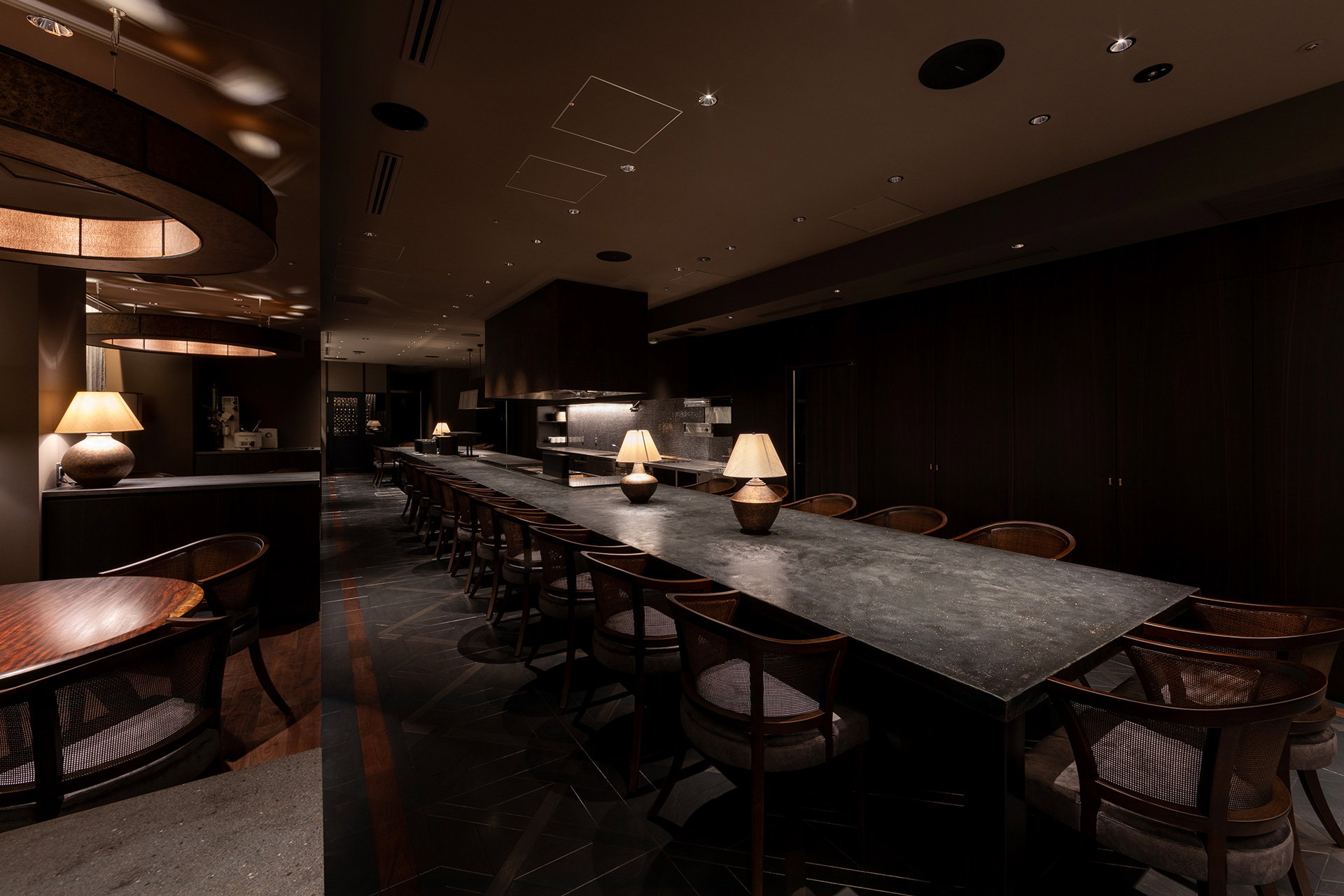
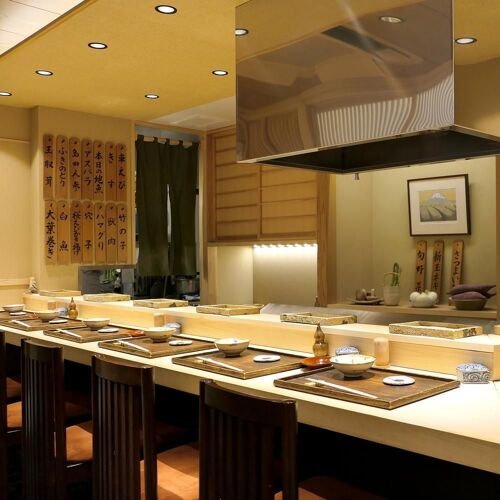
Ryuen sits quietly in Nishiasakusa, trading the spectacle of Tokyo’s high‑traffic dining corridors for a more considered, craft‑rooted rhythm. The kitchen foregrounds technique over showmanship: counter cooking unfolds in front of guests as a demonstration of selection, timing, and waste‑minimizing practice. That restraint is reflected in the neighborhood — old shitamachi commerce and workshops lend a historic, workmanlike backdrop — and in the restaurant’s consistent recognition (Michelin Plate, 2024–25). The result is an intimate, low‑key restaurant that rewards attention to detail rather than seeking applause.
Best For
Ryuen is best for diners who prioritize focused cooking and disciplined execution. Its mid‑premium pricing and consecutive Michelin Plate nods make it a smart choice for special occasions or a business dinner where quality matters without extreme theatrics. The counter format centers technique and ingredient clarity, so parties seeking a refined, conversation‑friendly meal find the right balance here. Because the restaurant emphasizes consistency and craft over spectacle, it suits guests who appreciate deliberate pacing and thoughtful culinary choices.
Ordering Tips
Reserve counter seats if you want to watch preparation up close: the kitchen stages service as a working demonstration of timing and technique. Lean into the kitchen’s specialties — signature items like the Soft‑Shelled Turtle Spring Rolls and Braised Shark Fin are highlighted for a reason — and expect dishes to be served at precisely judged moments. Given the restaurant’s zero‑waste ethos and disciplined approach, follow the pacing and allow the chefs’ timing to dictate when proteins reach their optimal state.
Venue details
Ambiance
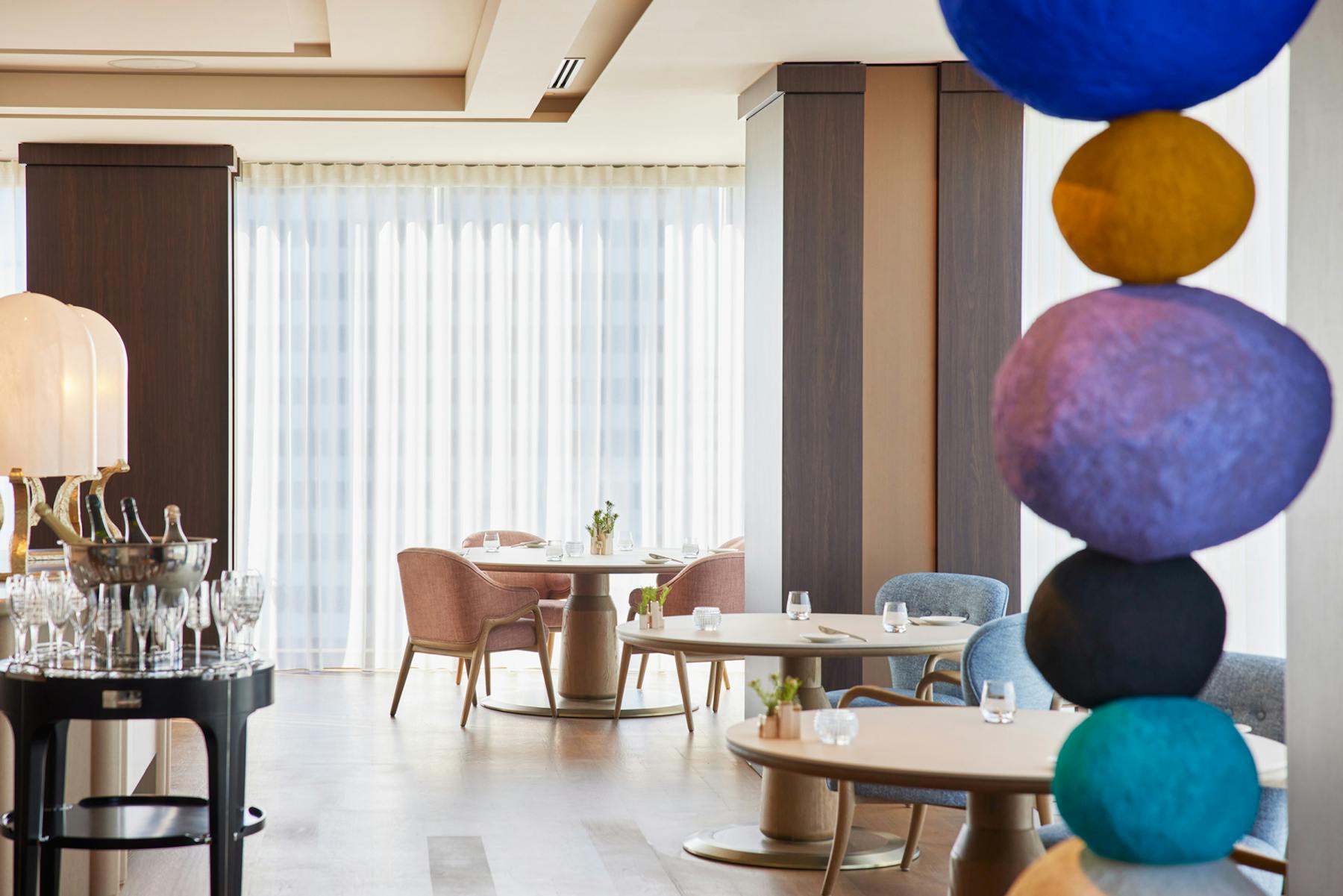
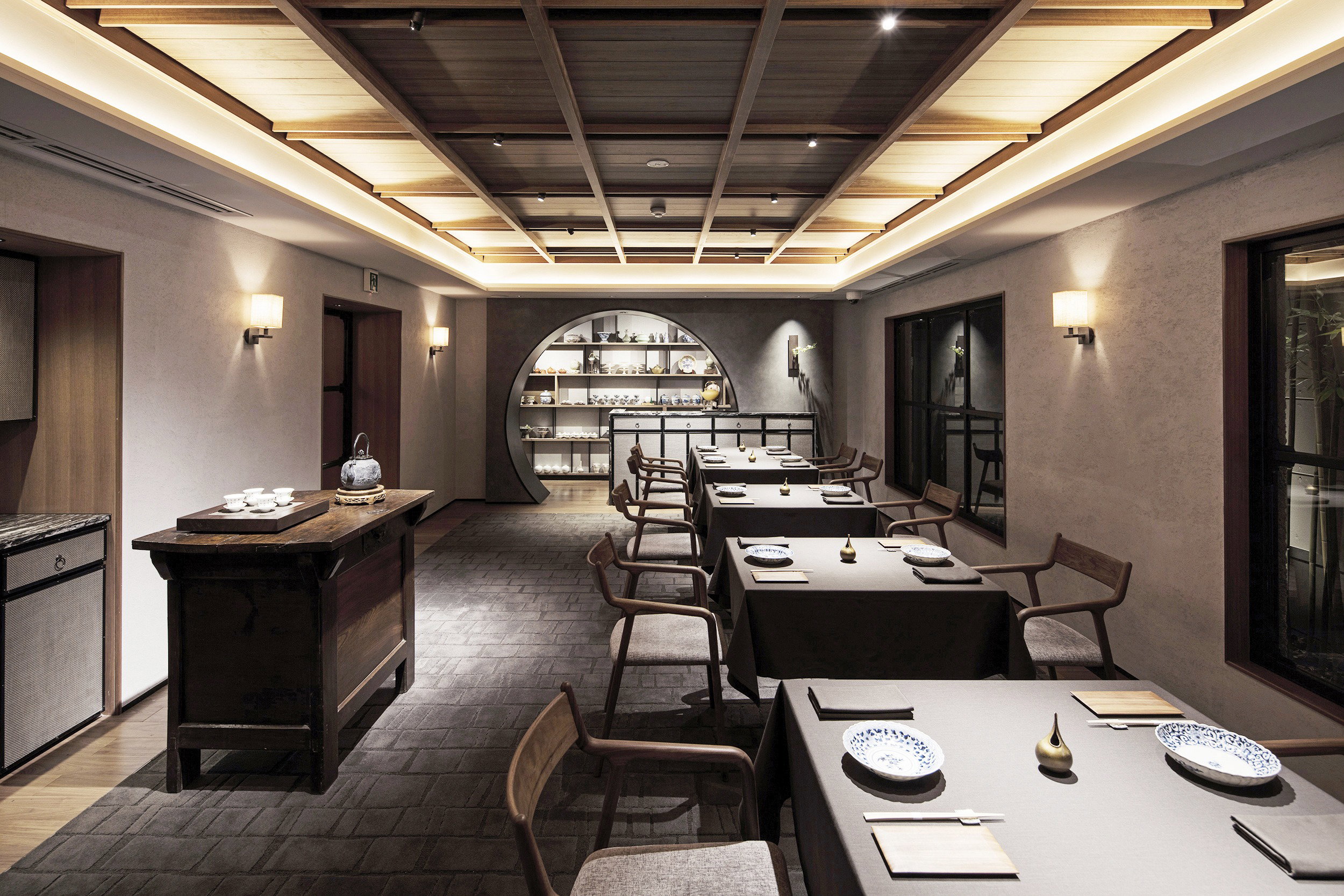
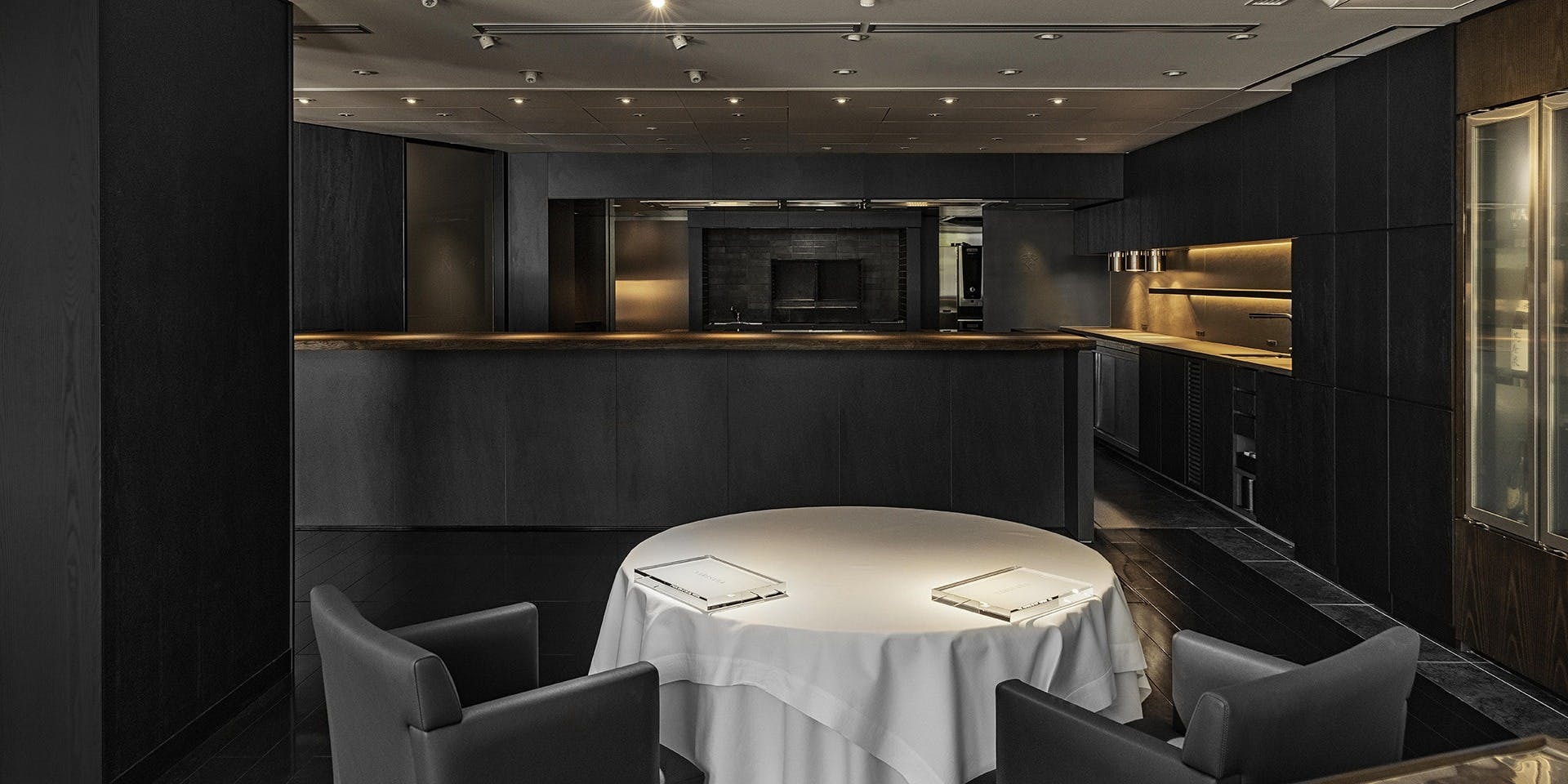
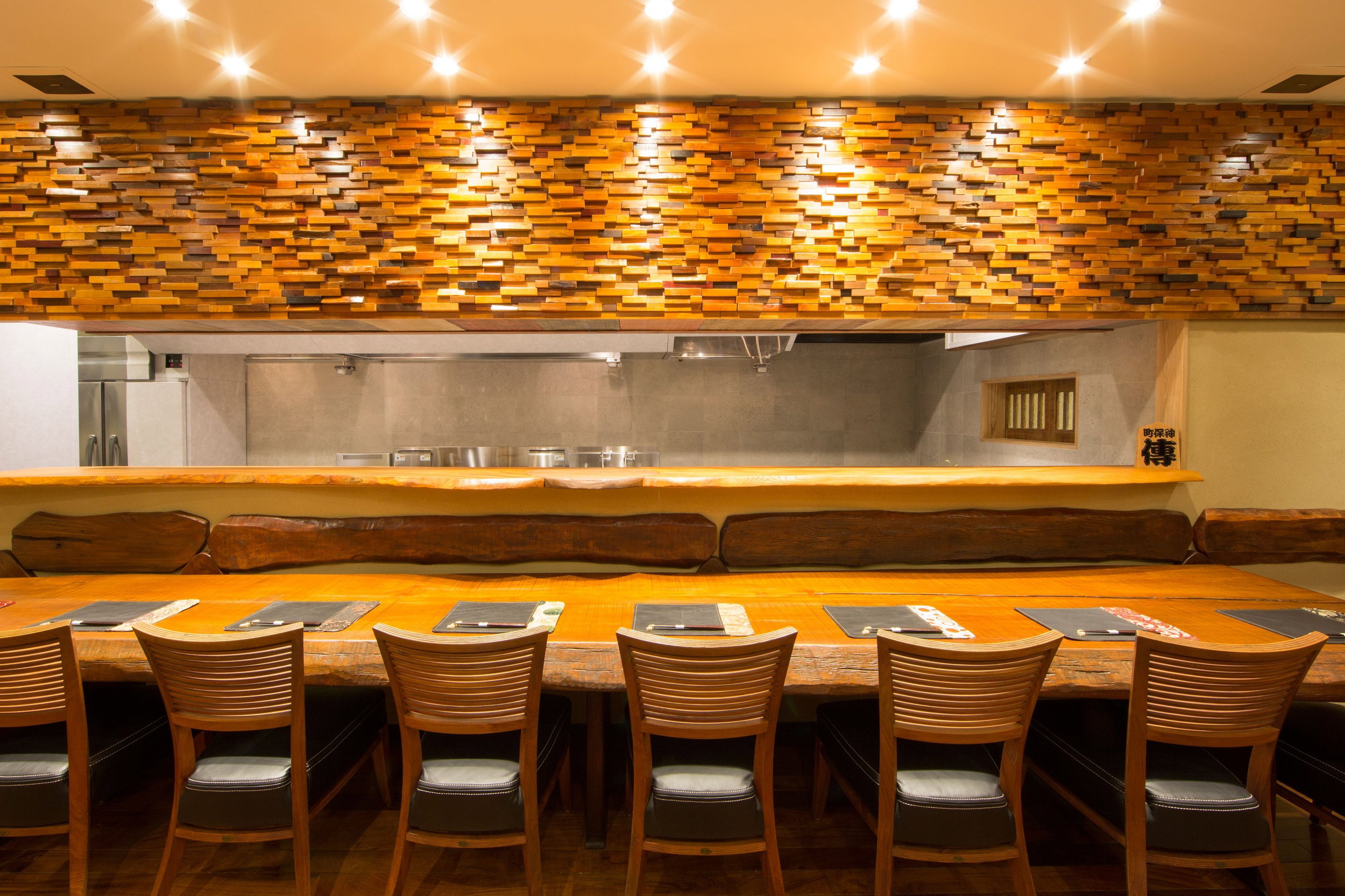
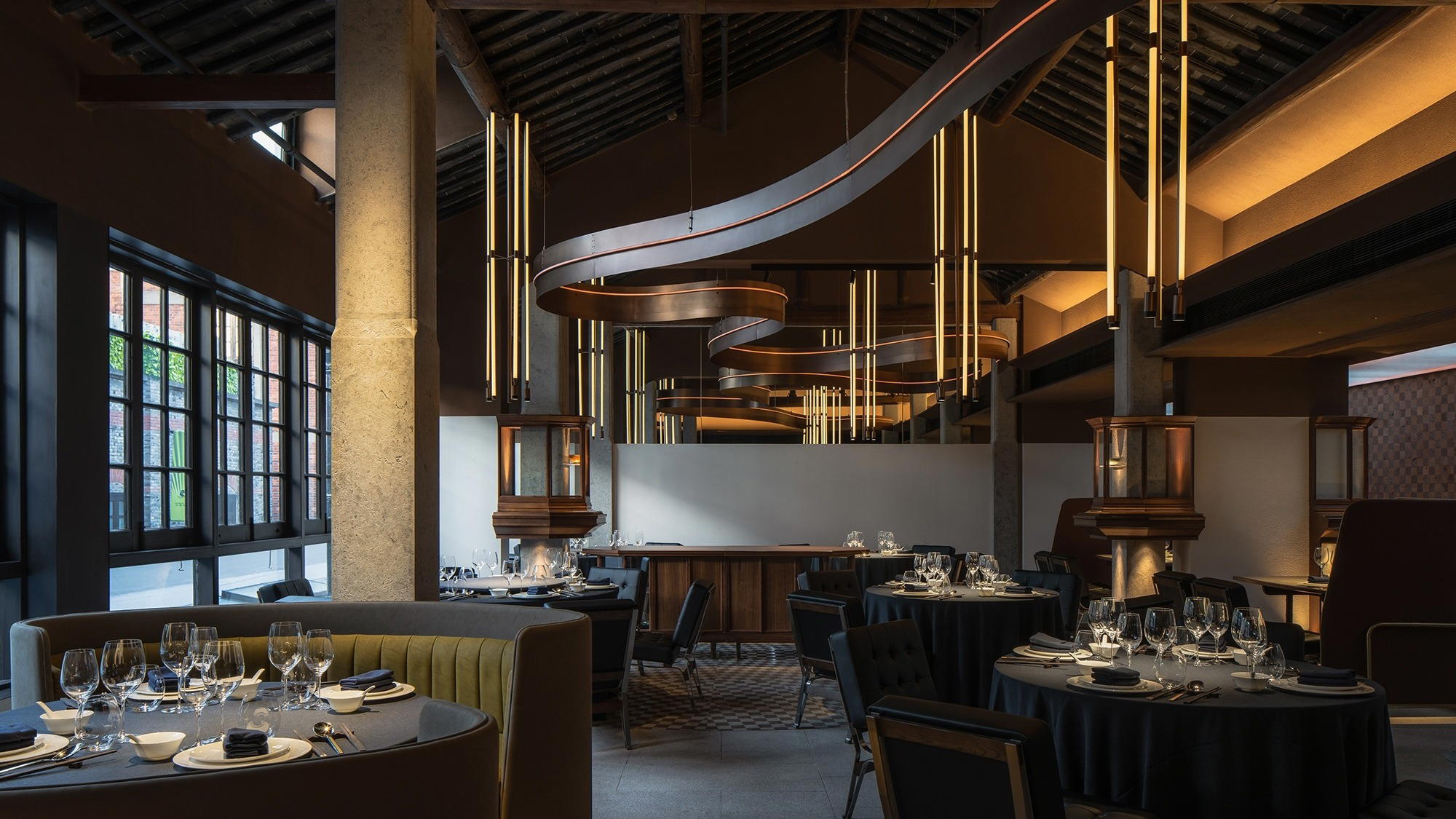
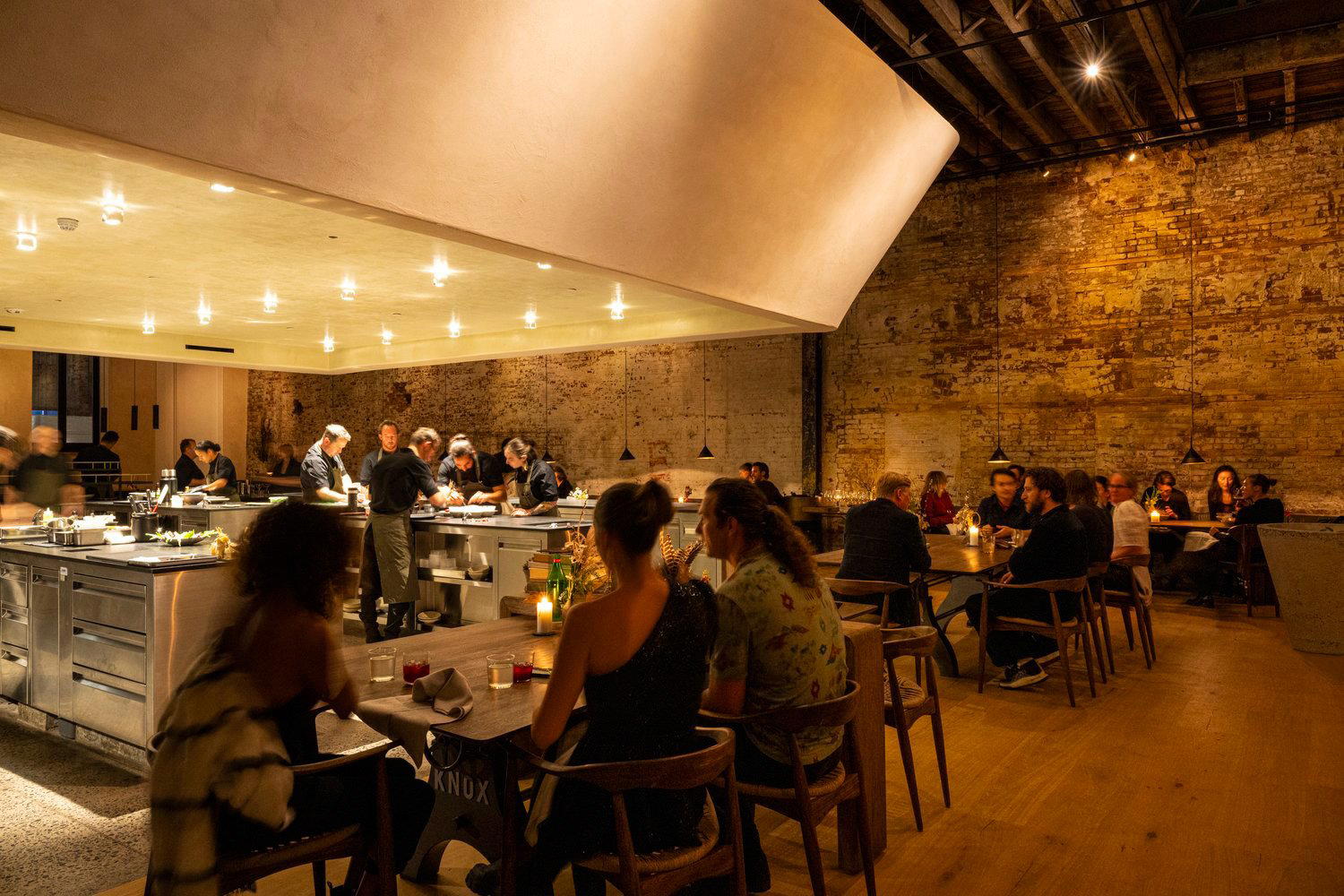
Refined simple space with white theme, relaxing atmosphere, and hospitable service.
Tags
Vibe
Best For
Experience
At the Table
- Dress Code
- Smart Casual
- Noise Level
- Quiet
- Service Style
- Formal
- Meal Pacing
- Leisurely
- Capacity
- Intimate
Signature Dishes
- Soft-Shelled Turtle Spring Rolls
- Braised Shark Fin
Know before you go
Know Before You Go
- Getting there
- 3 Chome-1-9 Nishiasakusa, Taito City, Tokyo 111-0035, Japan
Planning details
Location
3 Chome-1-9 Nishiasakusa, Taito City, Tokyo 111-0035, Japan · Directions
Recognition and awards
Also consider
Also Consider
- Harutaka, Sushi, ¥¥¥¥
- RyuGin, Kaiseki, Japanese, ¥¥¥¥
- L'Effervescence, French, ¥¥¥¥
- HOMMAGE, Innovtive French, French, ¥¥¥¥
- Florilège, French, ¥¥¥
Restaurant context
At ¥¥¥, Ryuen sits a full price tier below most of its serious competition in Tokyo's Japanese and contemporary dining scene. RyuGin and Harutaka both operate at ¥¥¥¥, carry Michelin stars, and require booking weeks to months in advance. Ryuen's Michelin Plate recognition and easier reservation window make it the more practical entry point for first-timers who want a credible, inventive Japanese meal without the logistical overhead of chasing a starred room. If the no-waste, ingredient-first philosophy matters to you more than a starred pedigree, Ryuen makes a stronger case than either at this price.
Against the French ¥¥¥¥ addresses in Tokyo, the comparison shifts. L'Effervescence, HOMMAGE, and Florilège all deliver a different kind of ingredient discipline, rooted in French technique applied to Japanese produce. Florilège matches Ryuen on price tier at ¥¥¥ and has a stronger international profile, so if you are choosing between the two, the question is whether you want a Japanese culinary framework or a French one. For cooking that stays inside Japanese tradition while pushing its structure, Ryuen is the call. For a French-Japanese hybrid with a higher public profile, Florilège is the easier recommendation to justify to a dinner companion who needs a name they recognise.
Within the purely Japanese category, Ryuen's closest practical competitors are the Michelin Plate and lower-starred rooms rather than the full kaiseki establishments. If you are working through Tokyo's Japanese dining options and want to understand how the tiers connect, the ¥¥¥ entry point at Ryuen gives you a useful baseline before spending up at a ¥¥¥¥ address. Book Ryuen first if this is your introduction to serious Japanese cooking in Tokyo. Come back for RyuGin once you have a reference point.
Explore Tokyo
Around this place
Discover more on Pearl
Unlock the full Ryuen guide in Pearl, including awards, comparisons, FAQs, planning details, and nearby places.
Compare Ryuen
| Venue | Cuisine | Awards | Booking Difficulty |
|---|---|---|---|
| Ryuen | Japanese | Tabelog 100 - Chinese cuisine - TOKYO - 2026 · #462026 Michelin Plate2025 Michelin Plate2024 Michelin Plate | Easy |
| Harutaka | Sushi | 2026 Tabelog Silver · #312026 OAD Top Restaurants in Japan Ranked · #1282026 Michelin 3 Stars2026 La Liste Top RestaurantsTabelog 100 - Sushi - TOKYO - 2025 · #372025 Asia's 50 Best Restaurants · #762025 OAD Top Restaurants in Japan Ranked · #1172025 La Liste Top Restaurants2025 Tabelog Bronze | Unknown |
| RyuGin | Kaiseki, Japanese | 2026 OAD Top Restaurants in Japan Ranked · #802026 Tabelog Bronze · #3772026 Michelin 3 Stars2026 La Liste Top RestaurantsTabelog 100 - Japanese cuisine - TOKYO - 2025 · #212025 OAD Top Restaurants in Japan Ranked · #542025 Michelin 3 Stars2025 La Liste Top Restaurants2025 The Best Chef Three Knives | Unknown |
| L'Effervescence | French | 2026 Tabelog Silver · #682026 OAD Top Restaurants in Japan Ranked · #103Star Wine Lists 20262026 Black Pearl 2 Diamond2026 Relais Chateaux Restaurants2026 La Liste Top Restaurants2026 Michelin 3 Stars2025 Asia's 50 Best Restaurants · #692025 OAD Top Restaurants in Japan Ranked · #92 | Unknown |
| HOMMAGE | Innovtive French, French | 2026 Tabelog Bronze · #1232026 OAD Top Restaurants in Japan Highly Recommended2026 Michelin 2 StarsTabelog 100 - French - TOKYO - 2025 · #762025 Asia's 50 Best Restaurants · #782025 OAD Top Restaurants in Japan Ranked · #1752025 Michelin 2 Stars2025 The Best Chef One Knife2025 La Liste Top Restaurants | Unknown |
| Florilège | French | 2026 Asia's 50 Best Restaurants · #312026 Tabelog Bronze · #712026 OAD Top Restaurants in Japan Ranked · #1242026 Black Pearl 1 Diamond2026 Michelin 2 Stars2026 La Liste Top Restaurants2025 Asia's 50 Best Restaurants · #172025 World's 50 Best Restaurants · #36Tabelog 100 - French - TOKYO - 2025 · #68 | Unknown |












A quick look at how Ryuen measures up.
FAQ
Frequently Asked Questions
What should a first-timer know about Ryuen?
Ryuen is not a conventional kaiseki restaurant. The format incorporates a beef middle course, a nod to sister restaurant Oniku Karyu, alongside inventive Japanese dishes rooted in the principle of wasting nothing. First-timers expecting a purely classical progression will be surprised. If you want tradition undisturbed, look at Harutaka instead. If you want Japanese fine dining that pushes its own boundaries, Ryuen at ¥¥¥ earns its Michelin Plate recognition.
Is Ryuen worth the price?
At ¥¥¥ with two consecutive Michelin Plates (2024 and 2025), Ryuen sits in a sensible mid-tier for Tokyo fine dining. The value case rests on its inventive approach: dishes that respect Japanese tradition while introducing new ideas, plus a beef course borrowed from its sister restaurant Oniku Karyu. For pure value-per-course, RyuGin commands a higher price point with more overt prestige. Ryuen suits diners who want something considered but not priced at the top of the market.
Is the tasting menu worth it at Ryuen?
Yes, if the format fits you. The kitchen's philosophy, built on the chef's apprenticeship training to waste nothing and discover the new by studying the past, gives the menu a coherent identity rather than a collection of showpiece dishes. The beef middle course adds structure that separates it from standard kaiseki. At ¥¥¥, the tasting menu is priced accessibly by Tokyo fine-dining standards. Florilège offers a comparable commitment to a chef-driven tasting format if you want a French-Japanese alternative.
Is Ryuen good for solo dining?
Ryuen is a reasonable choice for solo diners. The tasting menu format means the kitchen controls the pace, which works well when dining alone. Counter seating, common in this style of Tokyo restaurant, gives solo guests direct engagement with the kitchen. Confirm seating options when reserving, since Ryuen's exact layout is not detailed in the venue record.