


Ippei Hanten
Chinese · Minato, Tokyo
Restaurant in Tokyo, Japan
 Book with Pearl
The Read
Sino-Japanese Prix Fixe
Price
$300–500per person
Chef
Ippei Adachi
Dress
Smart Casual
Why go
A Michelin one-star Chinese restaurant in Tokyo's Motoazabu neighbourhood, Ippei Hanten runs a prix fixe menu that moves from congee and dim sum through to longtooth grouper and boar hot pots. Chef Ippei Adachi bridges Cantonese tradition and Japanese craft with precision. Book well ahead — this is a hard reservation — and consider lunch as the sharper-value entry point.
About Ippei Hanten
Verdict
Ippei Hanten is one of the most compelling cases for Chinese fine dining in Tokyo: a Michelin one-star restaurant in Motoazabu that earns its price point through a prix fixe format built around freshness, variety, and a kitchen that draws equally from Cantonese tradition and Japanese culinary sensibility. If you are already a fan of high-end dim sum or Cantonese hot pot and want to understand what that food looks like when it has been refined over decades in Japan, book here. If you are undecided between this and a kaiseki meal on the same trip, read on.
The Experience
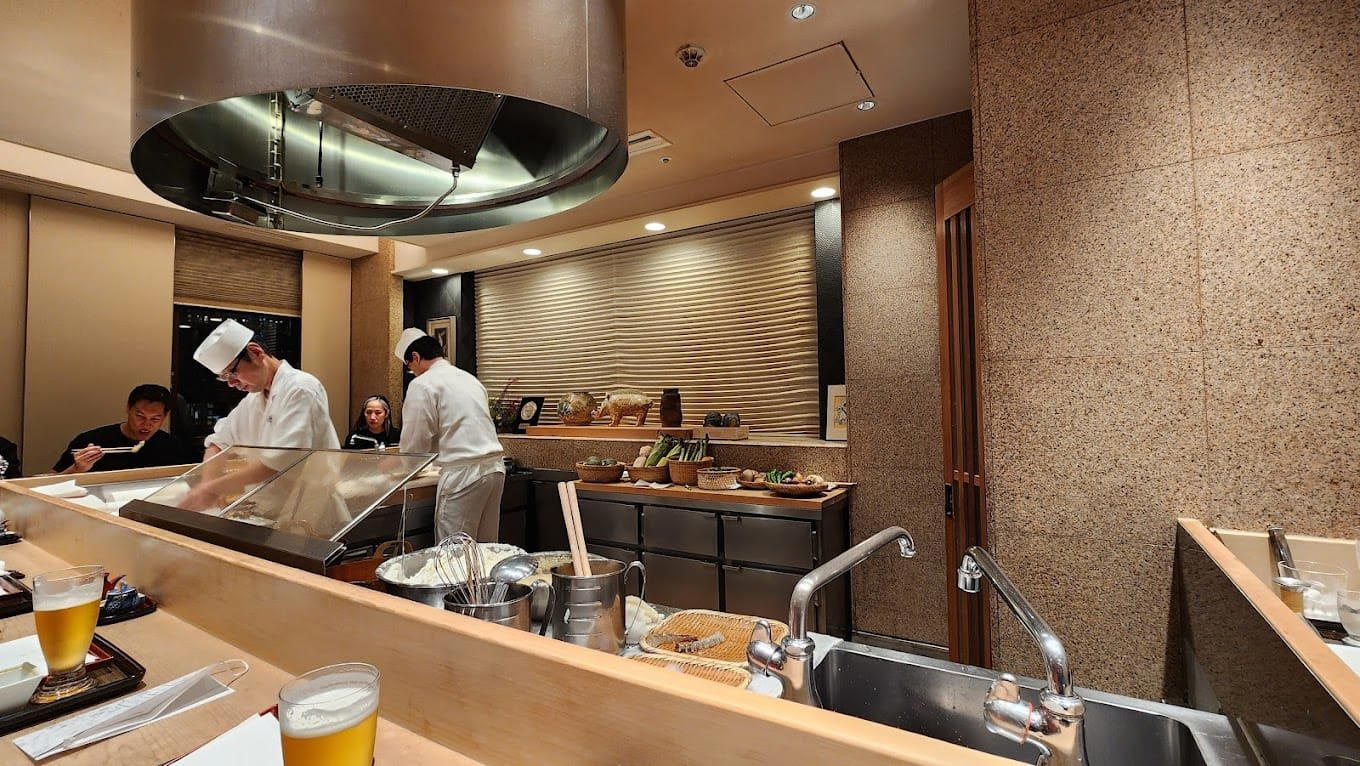
Picture a dining room in Motoazabu — one of Tokyo's quieter, more residential pockets — where the first thing that lands on the table is not a dramatic amuse-bouche but congee. That choice is deliberate. Chef Ippei Adachi uses congee as a framing device: it signals that this meal is about daily rhythms and lived Cantonese tradition rather than theatrical spectacle. From that opening, the prix fixe moves through dim sum, shrimp wrapped in rice flour, tofu skin parcels, before arriving at the hotter, more assertive courses: longtooth grouper and boar served in hot pots. The visual language throughout is restrained. Portions are intentionally small so that the menu can range widely, and the plating reflects a Japanese instinct for negative space rather than the abundance-first presentation common in Cantonese banquet cooking.
The Opinionated About Dining ranking (No. 605 in Japan for 2025) and the Michelin star (2024) confirm that this is not a novelty concept but a restaurant that has been assessed seriously by people who track Japanese fine dining closely.
Lunch vs. Dinner: Where the Value Sits
This is the most useful question to answer before booking. At ¥¥¥¥ pricing, the decision between lunch and dinner affects both cost and experience quality in ways that matter. Chinese fine dining at this level in Tokyo typically offers a condensed prix fixe at lunch, fewer courses, lower spend, the same kitchen, making lunch the smarter entry point if this is your first visit or if you are managing a tighter budget across a multi-day Tokyo itinerary. Dinner at Ippei Hanten allows the full range of Adachi's menu to unfold, which is where the hot pot courses and the more involved Cantonese preparations come into their own. The congee and dim sum elements that anchor the lighter end of the menu are equally well-suited to a midday sitting. If you have already visited once and want to move through the complete experience, dinner is the logical next step. First-timers with flexibility should try lunch, assess whether the kitchen earns a return, and plan dinner accordingly.
Timing matters beyond just lunch or dinner. Motoazabu is a residential neighbourhood, which means the area is noticeably quieter than central Tokyo dining corridors. There is no pre-theatre energy here, no ambient buzz from nearby bars. That is part of the point: the format rewards concentration on what is on the plate. Book for the early dinner sitting if you want the most attentive service and the quietest room.
Booking and Logistics
Ippei Hanten holds a Michelin star and a competitive OAD ranking in a city where fine dining reservations are structurally difficult to secure. Treat this as a hard booking: plan at least four to six weeks ahead, and further in advance for weekend evenings. The restaurant sits at 3 Chome-12-41 Motoazabu in Minato City, reachable from Hiroo Station on the Hibiya Line, which is also convenient if you are using Tokyo's broader fine dining circuit as a base for comparison. No booking method or phone number is available in our current data; approach via the restaurant directly or through a concierge service if you are staying at a hotel that can assist.
For context on how Tokyo's Chinese fine dining sits within the broader Japan picture: comparable ambition at the Chinese-Japanese intersection can be found at Chugoku Hanten Fureika and Chugoku Hanten Kohakukyu (Amber Palace), both of which operate at a similar tier in Tokyo. Piao-Xiang offers a different register of Chinese cooking in the city if you want a broader comparative sweep. Outside Tokyo, the ambition of Adachi's cross-cultural approach has loose parallels in venues like HAJIME in Osaka and Gion Sasaki in Kyoto, though both operate in different cuisines entirely. Internationally, Restaurant Tim Raue in Berlin and Mister Jiu's in San Francisco represent how Chinese culinary frameworks get reinterpreted through local fine dining lenses, useful reference points if you are building a longer argument for why this category deserves serious attention.
Who Should Book
Ippei Hanten rewards diners who have already engaged with high-end Japanese cuisine and want to understand how Chinese cooking looks when it has been processed through decades of Japanese craft. It is a strong choice for the repeat Tokyo visitor who has already worked through the standard kaiseki and sushi circuit and wants something less predictable. It is also worth considering if you have eaten at itsuka or Koshikiryori Koki and want a contrasting perspective on what a prix fixe format can achieve in Tokyo at this price tier. For those building a wider Japan trip, complement with akordu in Nara, Goh in Fukuoka, 1000 in Yokohama, or 6 in Okinawa to cover different regional registers. Our Tokyo hotels guide, bars guide, wineries guide, and experiences guide are useful if you are building a complete itinerary around the Motoazabu visit.
Planning details
- Location
- 3 Chome-12-41 Motoazabu, Minato City, Tokyo 106-0046, Japan
- Reservations
- Book on Omakase
- Website
- ippei-hanten.com
- Phone
- +81 50-3033-3946
The take
The Take
The Vibe
Ippei Hanten posits a restrained, quietly confident approach to high-end Chinese cooking in Tokyo. Set at the quieter end of Motoazabu, the restaurant reads less like a spectacle and more like a sustained argument: it interweaves Hong Kong Cantonese daily practice with the discipline of Japanese technique. The tone is intimate and considered, favouring precision over flourish, and the Michelin-star recognition underscores a rigorous, thoughtful kitchen. Dining here feels like encountering a focused exploration of tradition and technique rather than an ostentatious showpiece—ideal for guests who appreciate subtlety and craft.
Best For
This is a venue for focused, evening dining: the prix fixe structure and Michelin-star status position Ippei Hanten squarely as a dinner destination for special moments. It suits date nights and business dinners where a composed, attentive meal is the priority, and it rewards diners who are interested in a coherent, chef-led tasting rather than a casual à la carte experience. The neighbourhood’s residential calm complements the restaurant’s deliberate pace, making it a good choice for guests seeking an understated, high-calibre Chinese dinner away from Tokyo’s louder dining hubs.
Ordering Tips
Ippei Hanten operates around a prix fixe tasting format, so expect a set progression that showcases the interplay between Cantonese tradition and Japanese technique. Prioritize the kitchen’s signatures when choosing the menu: Shrimp Cheung Fun, Shangtang Superior Soup and the Gyoza with Dried Foods Broth are highlighted as standouts. Given the formal, tightly curated approach described, treat the tasting as the best way to experience the restaurant’s intent rather than attempting to recreate an à la carte meal; the prix fixe structure is central to how the kitchen frames its cuisine.
Venue details
Ambiance
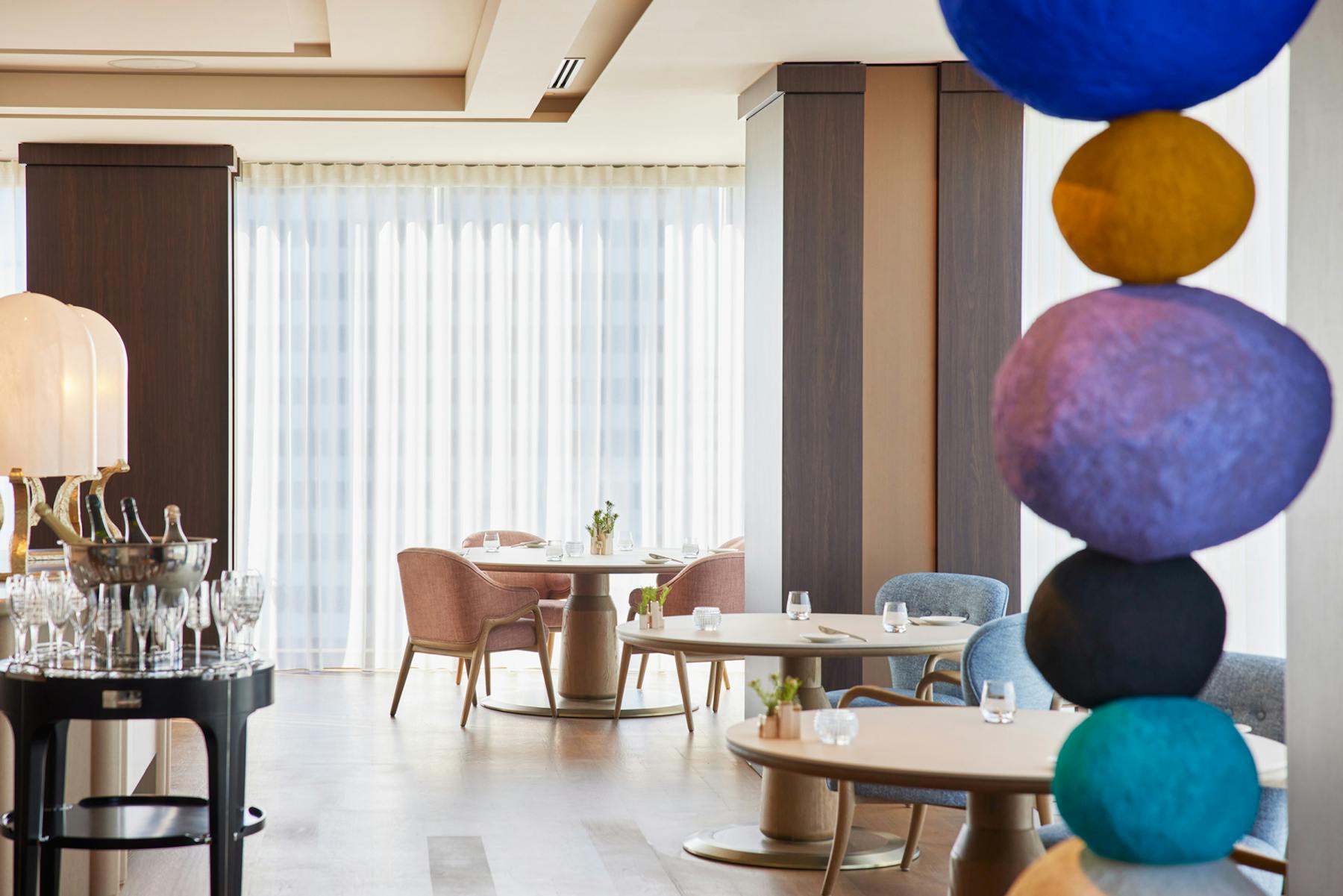
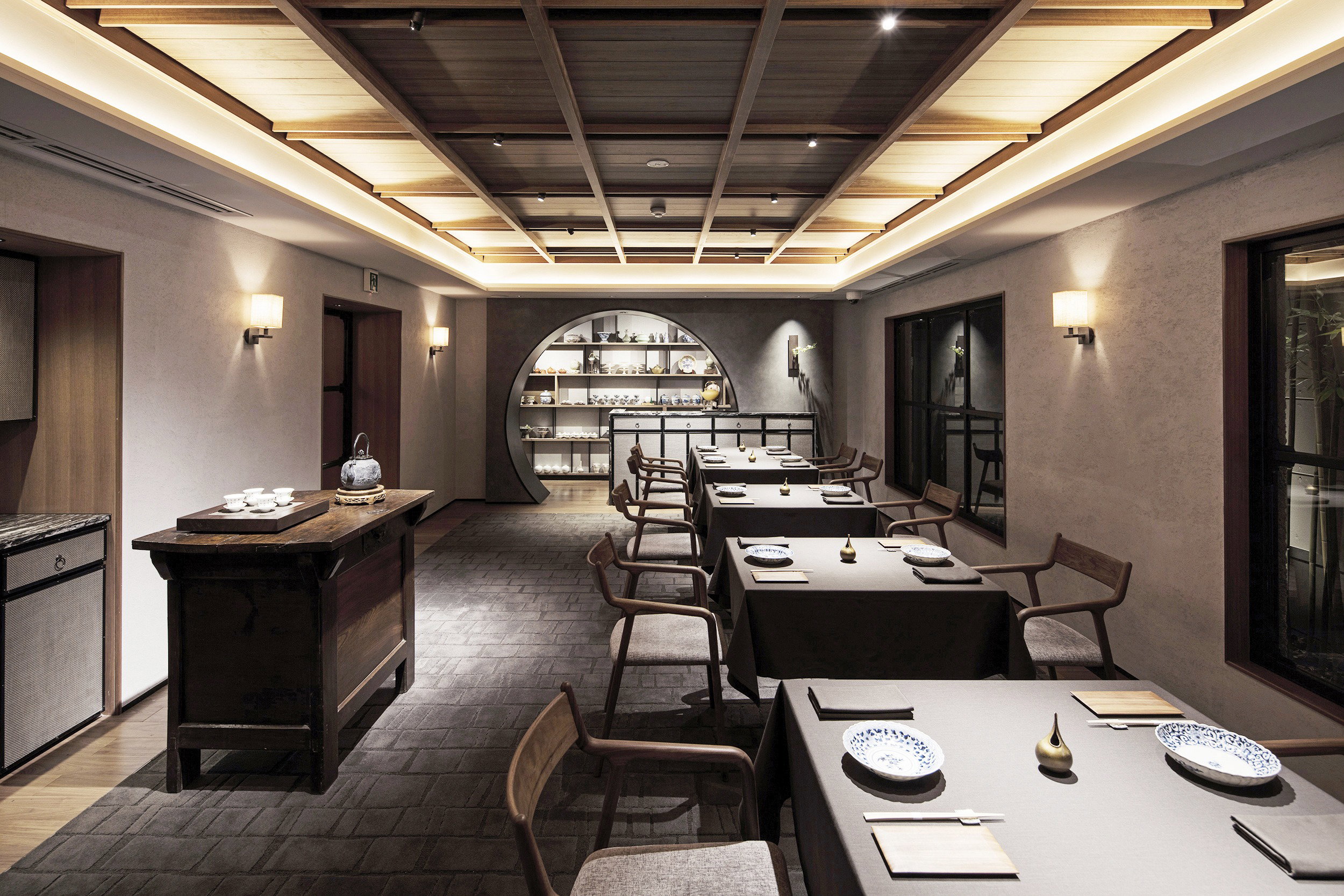
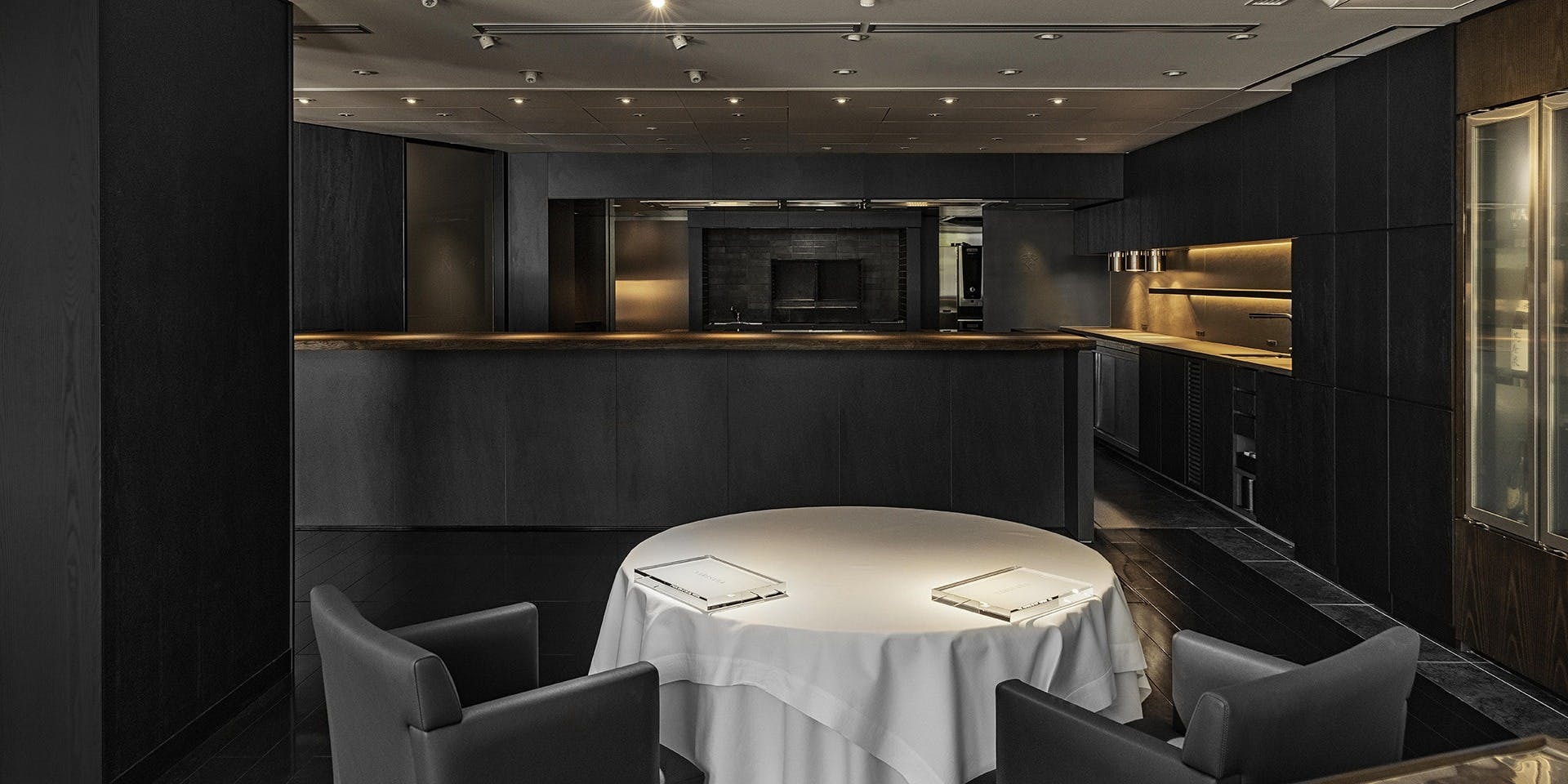
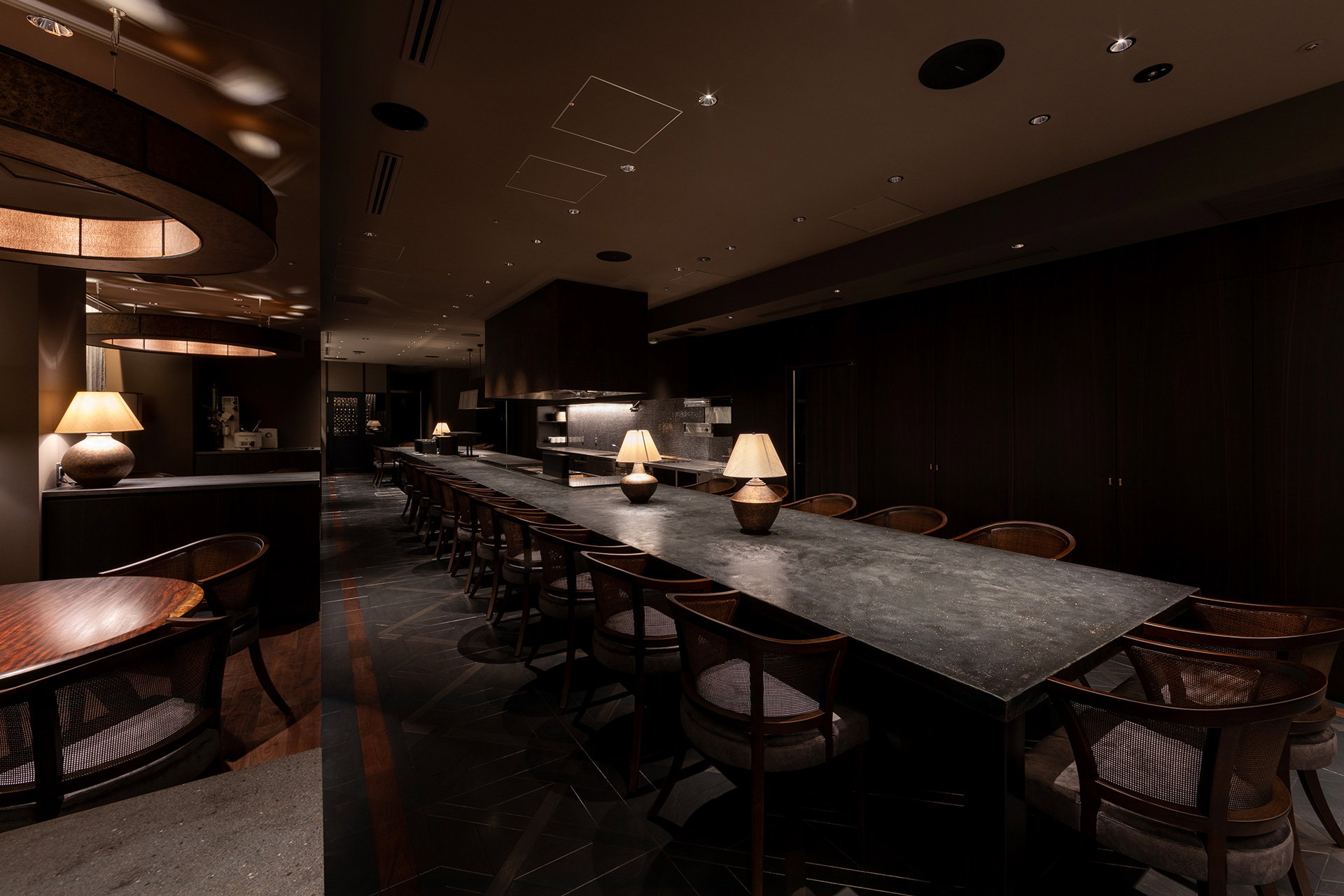
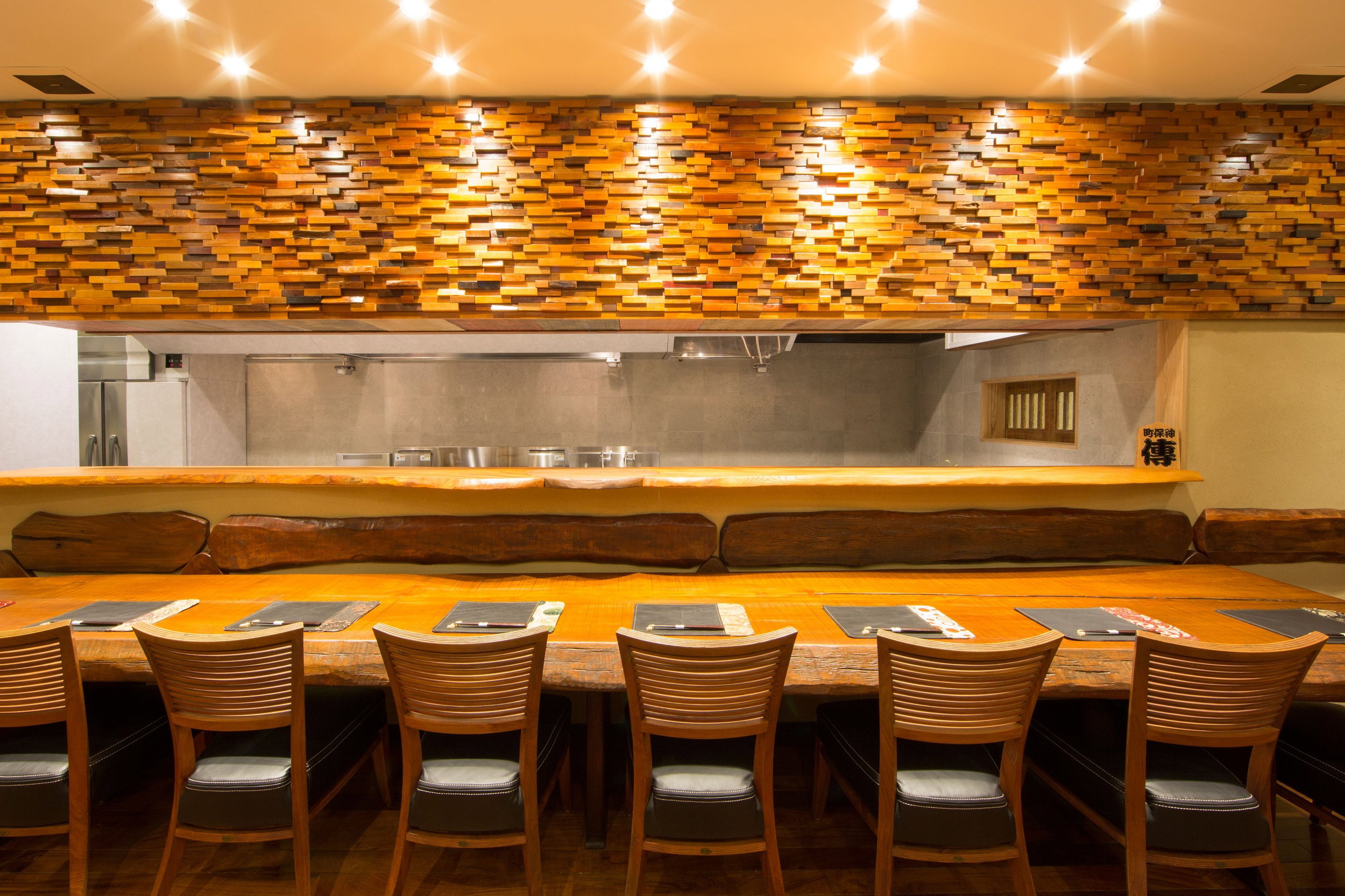
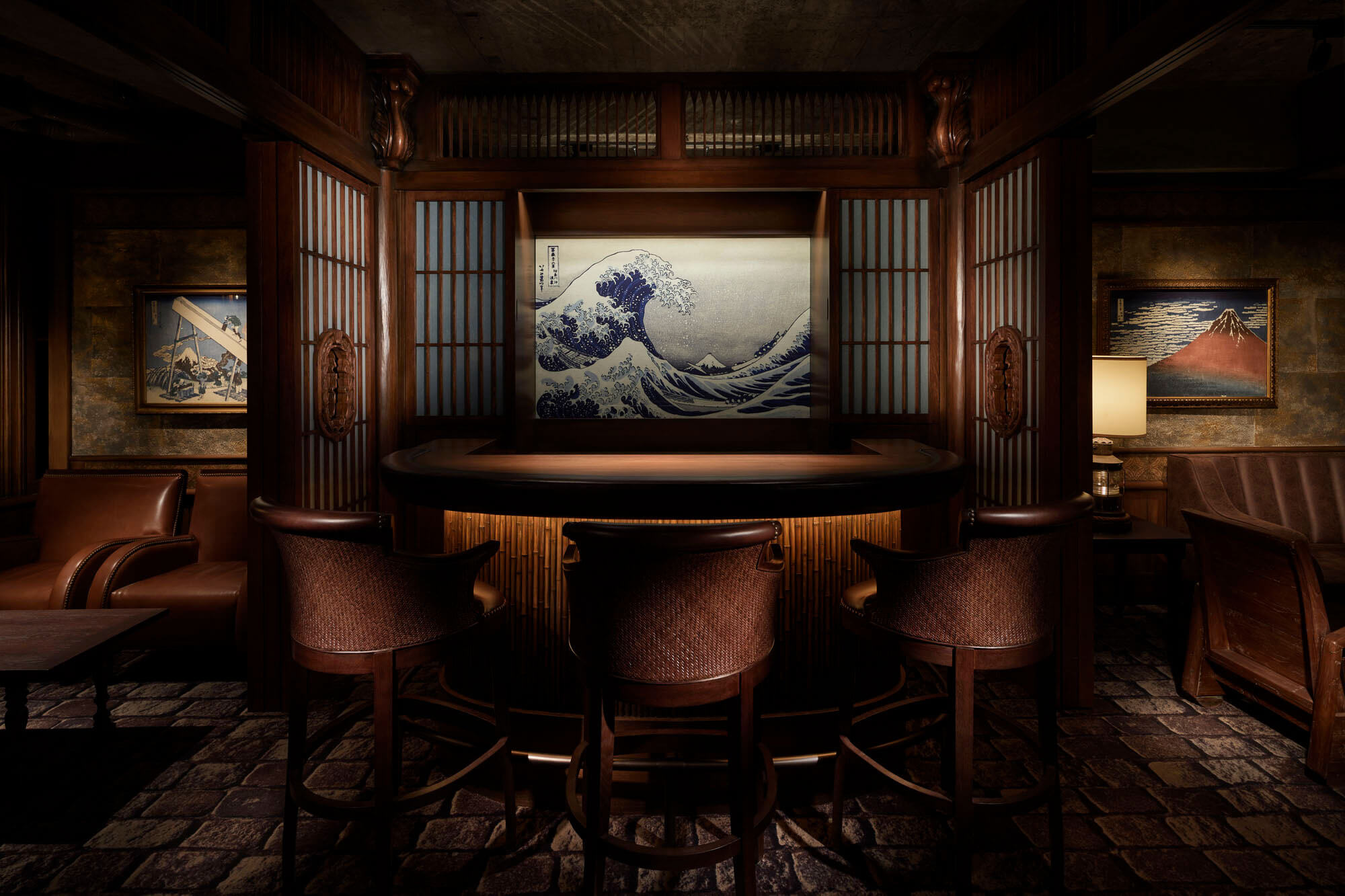
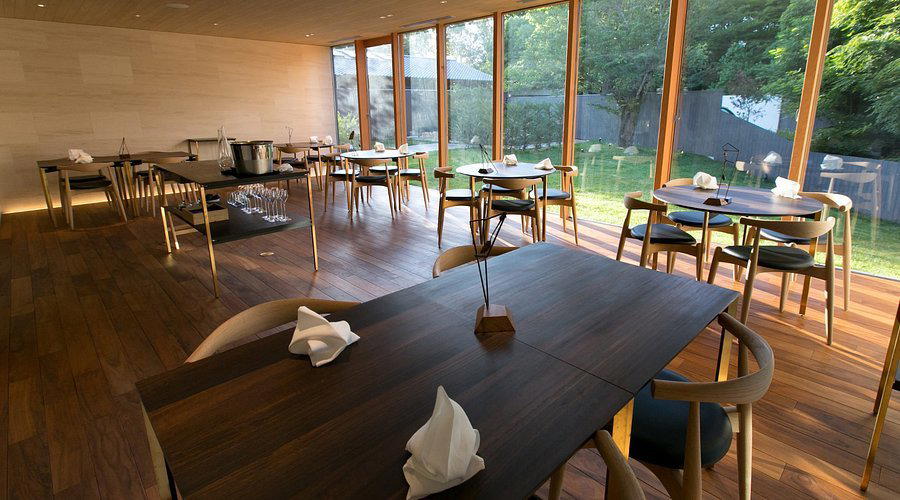
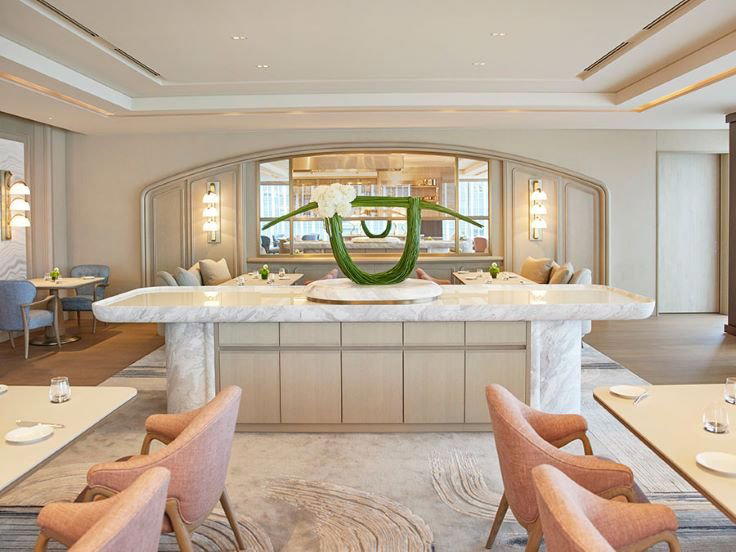
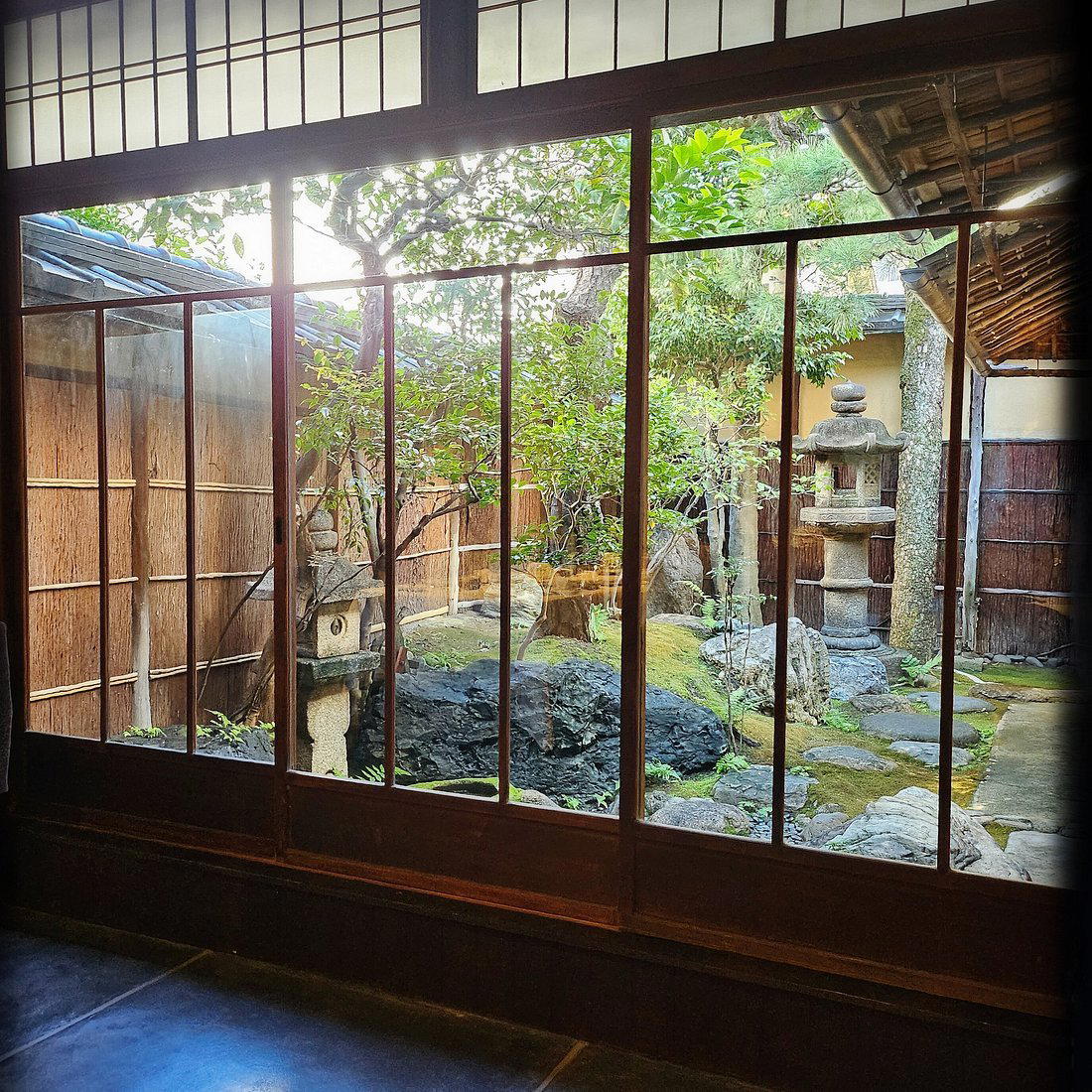
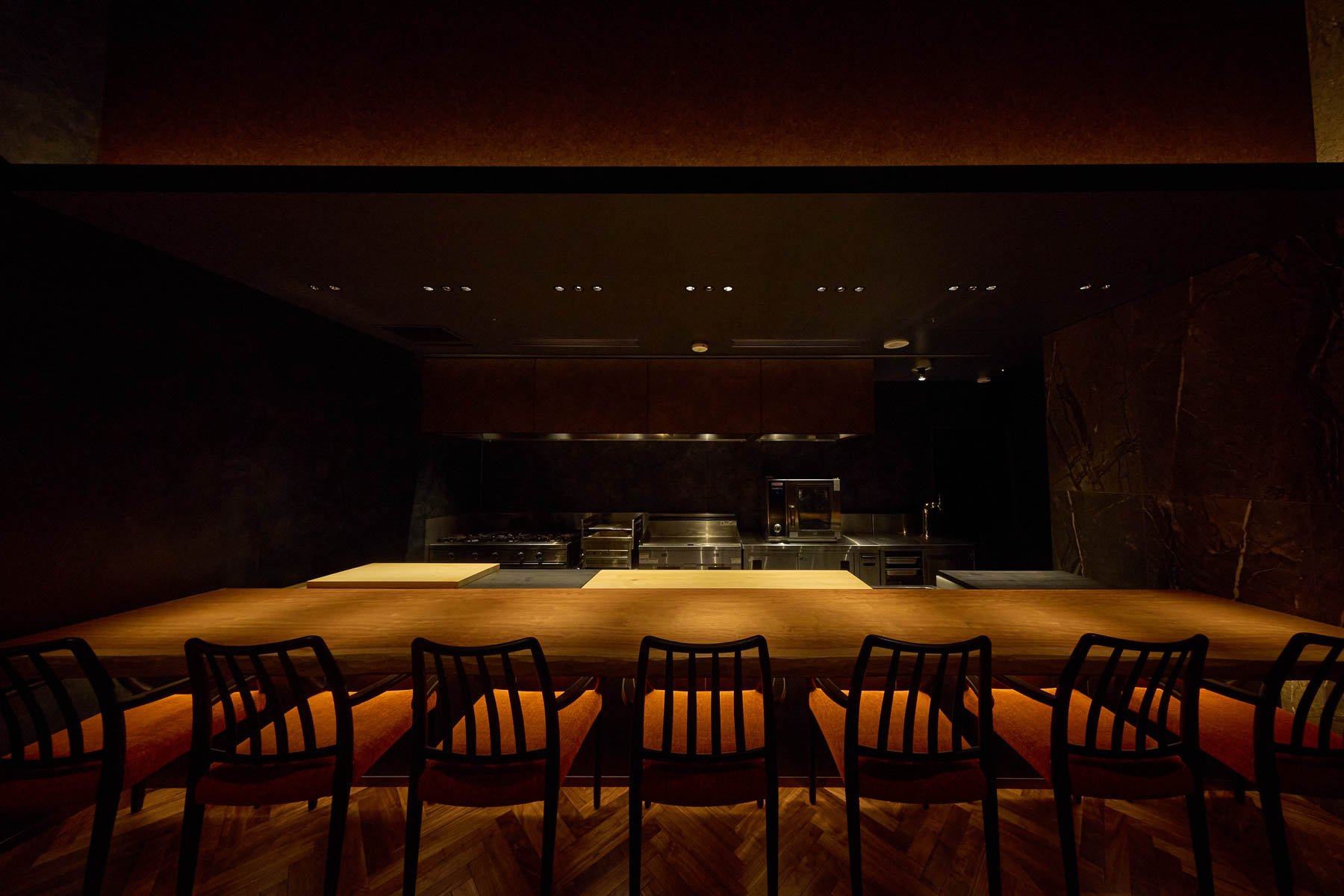
Warm ambiance with mud walls, soft lighting reminiscent of Hong Kong streets, and refined decor featuring contemporary artist crockery.
Tags
Vibe
Best For
Experience
Sourcing
At the Table
- Dress Code
- Smart Casual
- Noise Level
- Quiet
- Service Style
- Formal
- Meal Pacing
- Leisurely
- Capacity
- Intimate
- Kitchen
- Modern
- Menu Format
- Omakase, Prix fixe
- Wine Program
- Exceptional
- Drinks Focus
- Wine, Sake
- Private Dining
- Available
Signature Dishes
- Shrimp Cheung Fun
- Shangtang Superior Soup
- Gyoza with Dried Foods Broth
Know before you go
Know Before You Go
- Getting there
- 3 Chome-12-41 Motoazabu, Minato City, Tokyo 106-0046, Japan
Planning details
Location
3 Chome-12-41 Motoazabu, Minato City, Tokyo 106-0046, Japan · Directions

Also consider
Also Consider
- Harutaka, Sushi, ¥¥¥¥
- L'Effervescence, French, ¥¥¥¥
- RyuGin, Kaiseki, Japanese, ¥¥¥¥
- HOMMAGE, Innovtive French, French, ¥¥¥¥
- Crony, Innovative, French, ¥¥¥¥
Restaurant context
At ¥¥¥¥, Ippei Hanten sits in the same price band as Tokyo's most serious fine dining rooms, but it occupies a different lane to most of them. RyuGin is the most direct comparison in format, a prix fixe that draws heavily on Japanese seasonal produce and technique, but the cuisine is kaiseki rather than Chinese, and RyuGin's theatrical presentation style is a long way from Ippei Hanten's quieter, ingredient-first approach. If the question is kaiseki versus Chinese fine dining, your preference for the cuisine type should decide it rather than quality, since both are operating at a comparable level of execution. Harutaka is sushi, which makes it a different night entirely rather than a genuine alternative.
L'Effervescence, HOMMAGE, and Crony all operate in the French or French-influenced register at ¥¥¥¥. They are harder to recommend over Ippei Hanten if you are specifically in Tokyo to understand what the city does with non-Japanese culinary traditions at the fine dining level, Ippei Hanten is the more specific and harder-to-replicate experience. For a first serious meal in Tokyo, a French restaurant at this price point faces a strong argument against it: you can eat excellent French food in Paris or London; you cannot easily find Chinese-Japanese fine dining at this level outside Japan.
On booking difficulty, all five comparison venues are hard to secure at short notice. Ippei Hanten's smaller profile outside international food media circles may give it a marginal edge in availability over RyuGin or L'Effervescence, but do not count on it, plan four to six weeks ahead regardless. For value, Ippei Hanten's lunch sitting is likely the most cost-efficient option in this peer group if you want Michelin-starred cooking without the full dinner spend.
Explore Tokyo
Around this place
Discover more on Pearl
Unlock the full Ippei Hanten guide in Pearl, including awards, comparisons, FAQs, planning details, and nearby places.
Compare Ippei Hanten
| Venue | Cuisine | Awards | Booking Difficulty |
|---|---|---|---|
| Ippei Hanten | Chinese | Tabelog 100 - Chinese cuisine - TOKYO - 2026 · #482026 OAD Top Restaurants in Japan Recommended2026 Michelin 1 Star2025 OAD Top Restaurants in Japan Ranked · #6052024 Michelin 1 Star | Hard |
| Harutaka | Sushi | 2026 Tabelog Silver · #312026 OAD Top Restaurants in Japan Ranked · #1282026 Michelin 3 Stars2026 La Liste Top RestaurantsTabelog 100 - Sushi - TOKYO - 2025 · #372025 Asia's 50 Best Restaurants · #762025 OAD Top Restaurants in Japan Ranked · #1172025 La Liste Top Restaurants2025 Tabelog Bronze | Unknown |
| L'Effervescence | French | 2026 Tabelog Silver · #682026 OAD Top Restaurants in Japan Ranked · #103Star Wine Lists 20262026 Black Pearl 2 Diamond2026 Relais Chateaux Restaurants2026 La Liste Top Restaurants2026 Michelin 3 Stars2025 Asia's 50 Best Restaurants · #692025 OAD Top Restaurants in Japan Ranked · #92 | Unknown |
| RyuGin | Kaiseki, Japanese | 2026 OAD Top Restaurants in Japan Ranked · #802026 Tabelog Bronze · #3772026 Michelin 3 Stars2026 La Liste Top RestaurantsTabelog 100 - Japanese cuisine - TOKYO - 2025 · #212025 OAD Top Restaurants in Japan Ranked · #542025 Michelin 3 Stars2025 La Liste Top Restaurants2025 The Best Chef Three Knives | Unknown |
| HOMMAGE | Innovtive French, French | 2026 Tabelog Bronze · #1232026 OAD Top Restaurants in Japan Highly Recommended2026 Michelin 2 StarsTabelog 100 - French - TOKYO - 2025 · #762025 Asia's 50 Best Restaurants · #782025 OAD Top Restaurants in Japan Ranked · #1752025 Michelin 2 Stars2025 The Best Chef One Knife2025 La Liste Top Restaurants | Unknown |
| Crony | Innovative, French | 2026 Asia's 50 Best Restaurants · #34Star Wine Lists 20262026 OAD Top Restaurants in Japan Recommended2026 Michelin 2 Stars2025 Asia's 50 Best Restaurants · #30Tabelog 100 - French - TOKYO - 2025 · #782025 OAD Top Restaurants in Japan Ranked · #227We're Smart World Top Restaurants 20252025 Michelin 2 Stars | Unknown |












What to weigh when choosing between Ippei Hanten and alternatives.
FAQ
Frequently Asked Questions
What should I order at Ippei Hanten?
The prix fixe format means ordering is handled for you — the kitchen decides the sequence. Based on the Michelin-cited menu, the congee and dim sum courses (including shrimp wrapped in rice flour and tofu skin) are the clearest expression of the Hong Kong-Japan concept. Hot pot preparations featuring longtooth grouper and boar are also documented highlights. There is no à la carte option, so arrive ready to commit to the full menu.
Is Ippei Hanten worth the price?
At ¥¥¥¥ pricing with a Michelin star and an OAD ranking of #605 in Japan (2025), Ippei Hanten is priced in line with Tokyo's serious fine dining tier. The case for spending here is specific: the cooking occupies a genuine gap between Cantonese tradition and Japanese refinement that few restaurants in Tokyo address. If that premise interests you, the price is justified. If you're after Japanese cuisine at this price point, RyuGin or Harutaka are more direct choices.
Is Ippei Hanten good for solo dining?
The prix fixe format and small-course structure are well-suited to solo diners — there's no pressure to share or anchor a group order. Tokyo's fine dining culture is generally accommodating of solo guests at this level. Counter or single-seat availability is not confirmed in the venue data, so book in advance and specify when reserving.
Is the tasting menu worth it at Ippei Hanten?
Yes, if the concept matches what you're looking for. The prix fixe is the only format here, and it's built around contrast: small quantities per course, a wide variety of dishes, and a deliberate interplay between Chinese and Japanese culinary logic. The Michelin committee specifically cited the freshness, heat, and fragrance of the menu as defining qualities. Diners who prefer flexibility or a shorter meal should look elsewhere.
What should I wear to Ippei Hanten?
A formal dress code is not specified in the venue data, but at ¥¥¥¥ pricing with a Michelin star in Motoazabu — one of Tokyo's more quietly affluent residential neighbourhoods — smart dress is a reasonable baseline. Treat it as you would any serious one-star restaurant in Tokyo: no shorts or trainers, and err toward business casual or above if you're uncertain.