

itsuka
Chinese · Minato, Tokyo
Restaurant in Tokyo, Japan
 Book with Pearl
The Read
Japan-Sourced Sichuan
Price
$150–200per person
Dress
Smart Casual
Why go
itsuka holds a 2024 Michelin star for its singular approach: Sichuan cooking built entirely on Japanese-sourced ingredients, with seasoning dialled back to let the produce lead. Set menus only, closing with a noodle course. At ¥¥¥, it is one of the sharpest value propositions among Tokyo's starred Chinese restaurants. Book hard in advance.
About itsuka
Who Should Book itsuka, and When
If you are planning a milestone dinner in Tokyo and want something that sits outside the familiar kaiseki-or-sushi binary, itsuka in Minami-Aoyama is the right call. This is the restaurant for the diner who has already worked through the standard Tokyo prestige circuit and wants to understand what Japanese culinary discipline looks like when applied to Sichuan technique.
The Case for itsuka
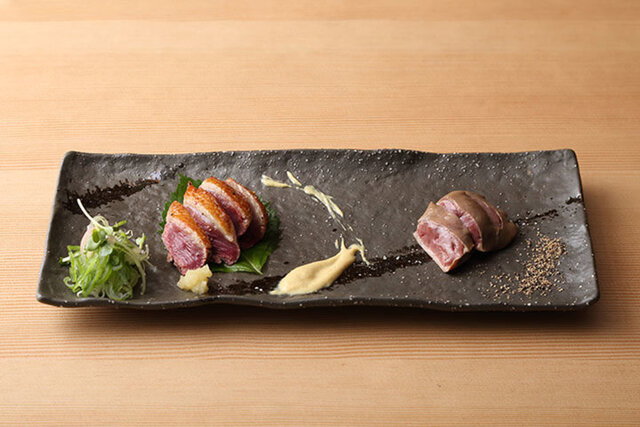
The concept at itsuka is specific and worth understanding before you book. The kitchen takes Sichuan cuisine as its foundation, then filters it entirely through a Japanese ingredient sensibility. Every foodstuff used is sourced in Japan. Seasoning is deliberate and restrained, designed to bring the ingredient forward rather than overwhelm it. That is a meaningful technical choice, because classical Sichuan cooking often moves in the opposite direction, using chilli, doubanjiang, and numbing Sichuan pepper as primary flavour vectors. Here, those tools are secondary. Fermented vegetables are used to add depth and complexity to steamed and stir-fried dishes without relying on heavy seasoning loads.
For a first-timer, this means the food will read as quieter and more precise than the Sichuan cooking you may have encountered elsewhere. The heat and aromatics are present, but they arrive in proportion. The scent coming off the kitchen is more fermented brine and clean wok breath than the aggressive chilli-oil charge of a Chengdu-style restaurant. That calibration is the whole point, and it is where itsuka's technical case is strongest: producing Sichuan flavour logic at Japanese ingredient precision is a narrow target, and this kitchen hits it.
The format is set menu only, which removes the decision-making burden but also means you commit to the kitchen's sequence. The meal closes with a single noodle dish chosen from options including dandan noodles, hot-and-sour noodles, or hotpot soup noodles. That closing structure is a useful signal about the restaurant's personality: the finale is comfort-forward, grounded, and specific rather than theatrical.
The restaurant is located on the second floor of the AOYAMA FUSION Building at 2-14-15 Minami-Aoyama, Minato-ku. Minami-Aoyama is a composed, design-conscious neighbourhood with low foot traffic noise, which suits the register of the meal. If you are travelling from other Tokyo dining destinations, the area is well-connected.
Booking itsuka
Book well in advance. itsuka carries a Michelin star and operates on a set-menu-only basis, which means seat count is fixed and demand is structured around the tasting format. Booking difficulty is rated hard. If you are visiting Tokyo with a specific date in mind, treat this reservation as a priority and secure it as early as possible, the same way you would approach Harutaka or RyuGin. A hotel concierge at a Minato-area property will likely have an established line.
Price range is ¥¥¥, which positions itsuka below the ¥¥¥¥ tier occupied by most of Tokyo's starred kaiseki and sushi counters. For a Michelin-starred set-menu experience in this city, that is a favourable entry point and part of what makes it worth flagging for a special occasion that does not need to reach maximum spend to deliver maximum quality.
What to Expect as a First-Timer
Arrive with an open read on what Sichuan food means. If your reference points are high-volume malatang or the aggressive heat of a standard Chongqing hotpot, itsuka will feel like a different tradition entirely. The shared DNA is Sichuan, but the expression is Japanese in its restraint and ingredient focus. Think of it as Sichuan cooking with the volume adjusted downward and the resolution turned up.
The set menu format means there are no a la carte choices before the final noodle course, so review any dietary requirements before booking rather than on arrival.
Nothing about the concept points toward formal dining-room codes, but arrive put-together.
If itsuka is part of a broader Tokyo Chinese dining itinerary, the city's Michelin-listed Chinese restaurants offer useful context. Chugoku Hanten Fureika and Chugoku Hanten Kohakukyu (Amber Palace) represent an older Cantonese tradition in Tokyo, while Ippei Hanten, Koshikiryori Koki, and Piao-Xiang each bring different angles on Chinese cooking in the city. Together they show how wide the range is. itsuka sits at the highest technical precision end of that range.
For broader planning, see our full Tokyo restaurants guide, our full Tokyo hotels guide, our full Tokyo bars guide, and our full Tokyo experiences guide. If your trip extends beyond the capital, the same philosophy of Japanese-filtered precision cooking shows up across the country: HAJIME in Osaka, Gion Sasaki in Kyoto, and akordu in Nara each reward the same kind of attentive dining. For Chinese cooking interpreted through a non-Japanese lens, Restaurant Tim Raue in Berlin and Mister Jiu's in San Francisco offer interesting comparisons.
Quick reference:
Planning details
- Hours
- Monday: Closed · Tuesday: 6–10:30 PM
- Location
- Japan, 〒107-0062 Tokyo, Minato City, Minamiaoyama, 2 Chome−14−15 AOYAMA FUSION Bldg 2F
- Reservations
- Book on Omakase
- Website
- itsuka8.com
- Phone
- +81 3-3796-7835
The take
The Take
The Vibe
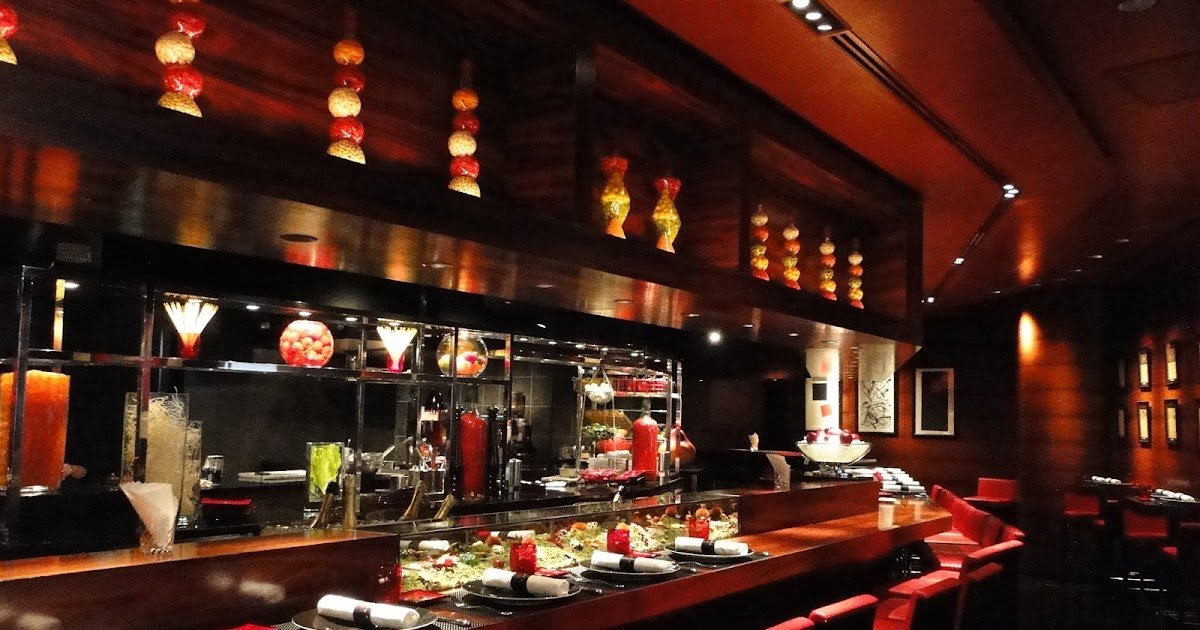
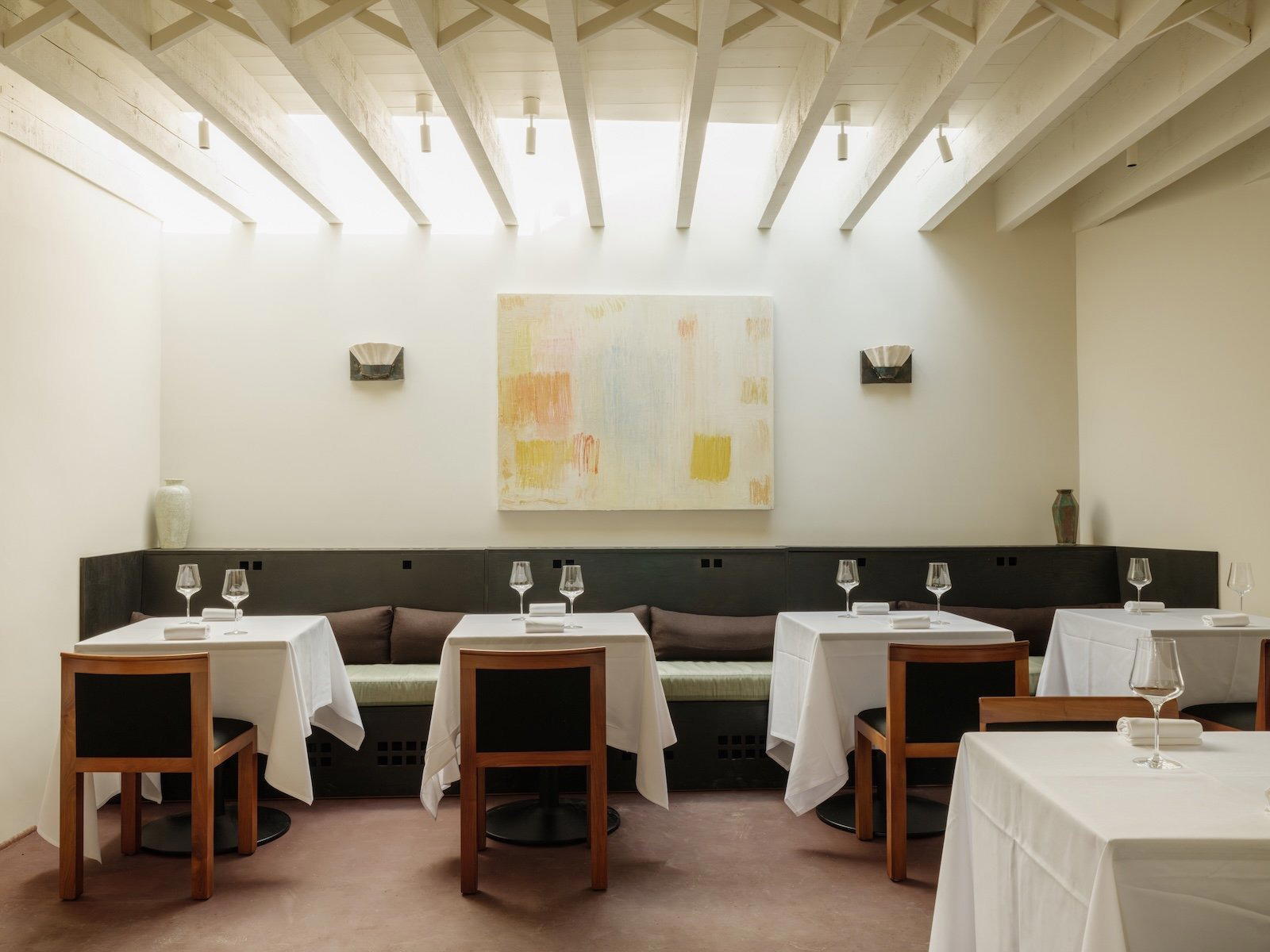
itsuka interprets Sichuan cooking through a distinctly Japanese lens, prioritising ingredient clarity, seasonal rhythm and controlled heat over maximalism. The kitchen’s restraint and attention to provenance create a refined, modern dining experience that sits comfortably within Tokyo’s small tier of Michelin-recognised Chinese restaurants. Housed on the second floor of a Minami-Aoyama commercial building, the room reads intimate and focused rather than theatrical; dishes are arranged to showcase Japanese produce and subtle technique rather than loud spice, delivering a composed, quietly confident take on Sichuan classics.
Best For
itsuka is best suited for milestone meals and deliberate dinners where the tasting sequence is the point of the visit. The restaurant’s one-star Michelin standing and ¥¥¥ price tier position it for special occasions, business dinners and date nights that favour a set-menu experience. Diners who appreciate seasonal Japanese produce applied to Chinese techniques will find the kitchen’s approach especially rewarding. Because the menu is built as a sequence rather than à la carte, guests attend expecting a considered progression of flavours rather than individual plate selection.
Ordering Tips
itsuka operates as a deliberate set-menu-only restaurant rather than offering à la carte choices: the pricing reflects that fixed-format approach. Expect courses that highlight Japanese-sourced ingredients and reinterpretations of Sichuan dishes: signature items include braised shark fin with white truffle, Shanghai crab steamed and Shanghai crab consommé soup, as well as tan-tan noodles and mapo tofu. The menu emphasises local provenance and controlled heat, so order guidance centres on embracing the tasting sequence rather than requesting substitutions or single-plate ordering.
Venue details
Ambiance
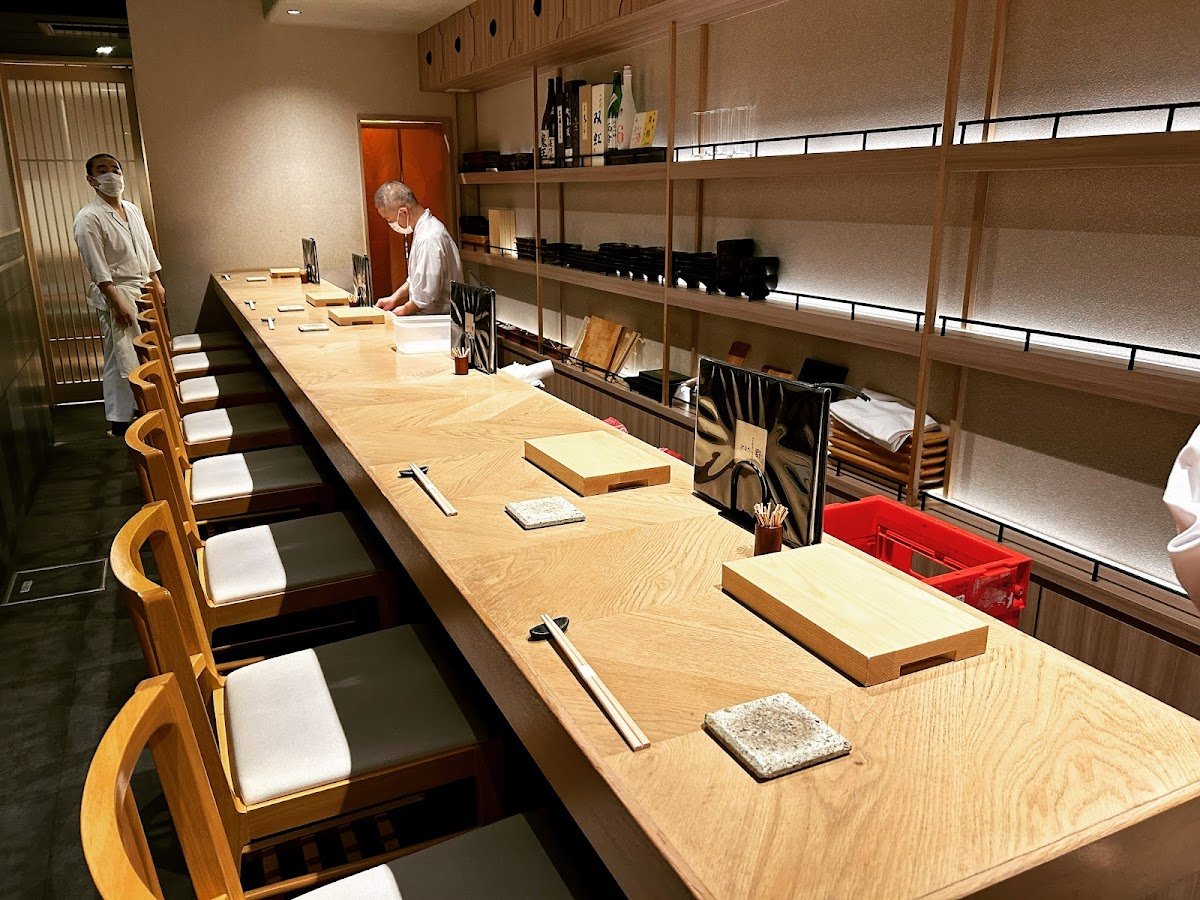
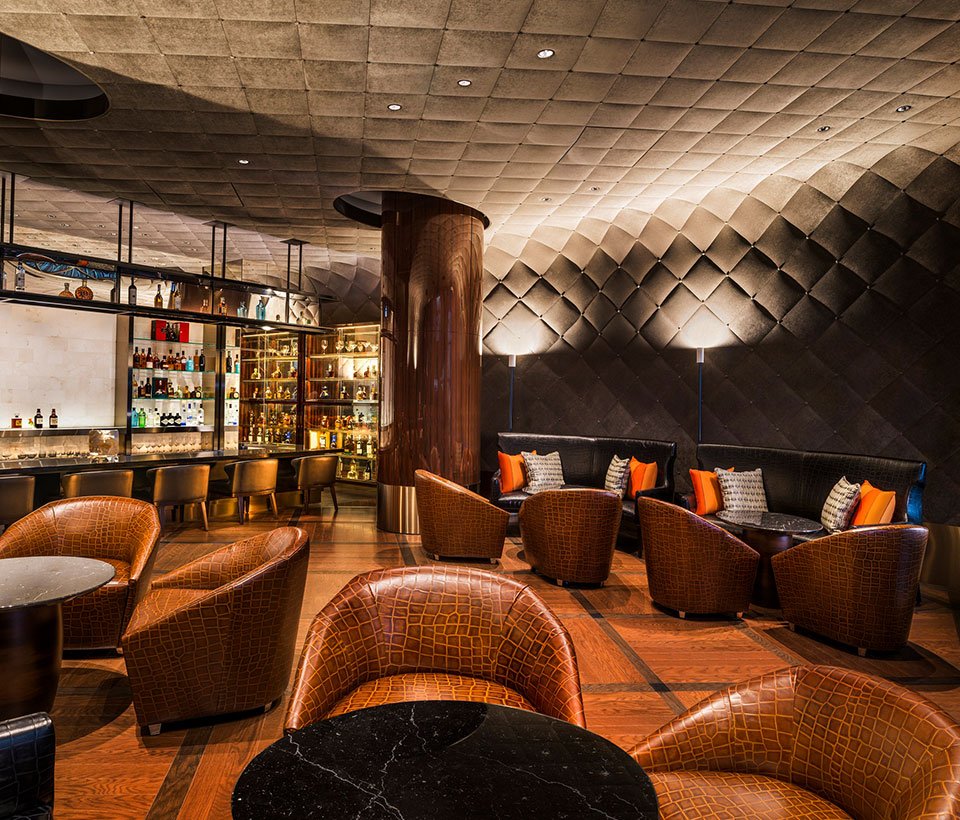
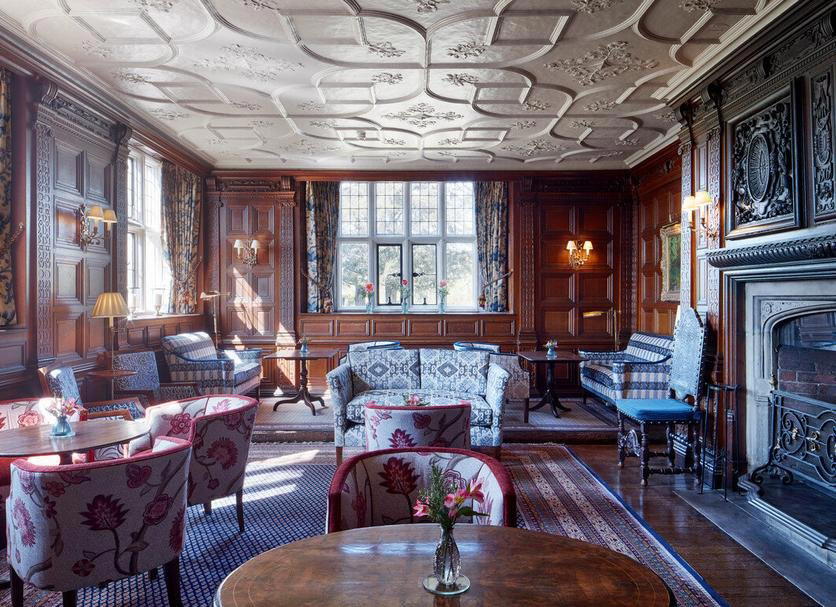
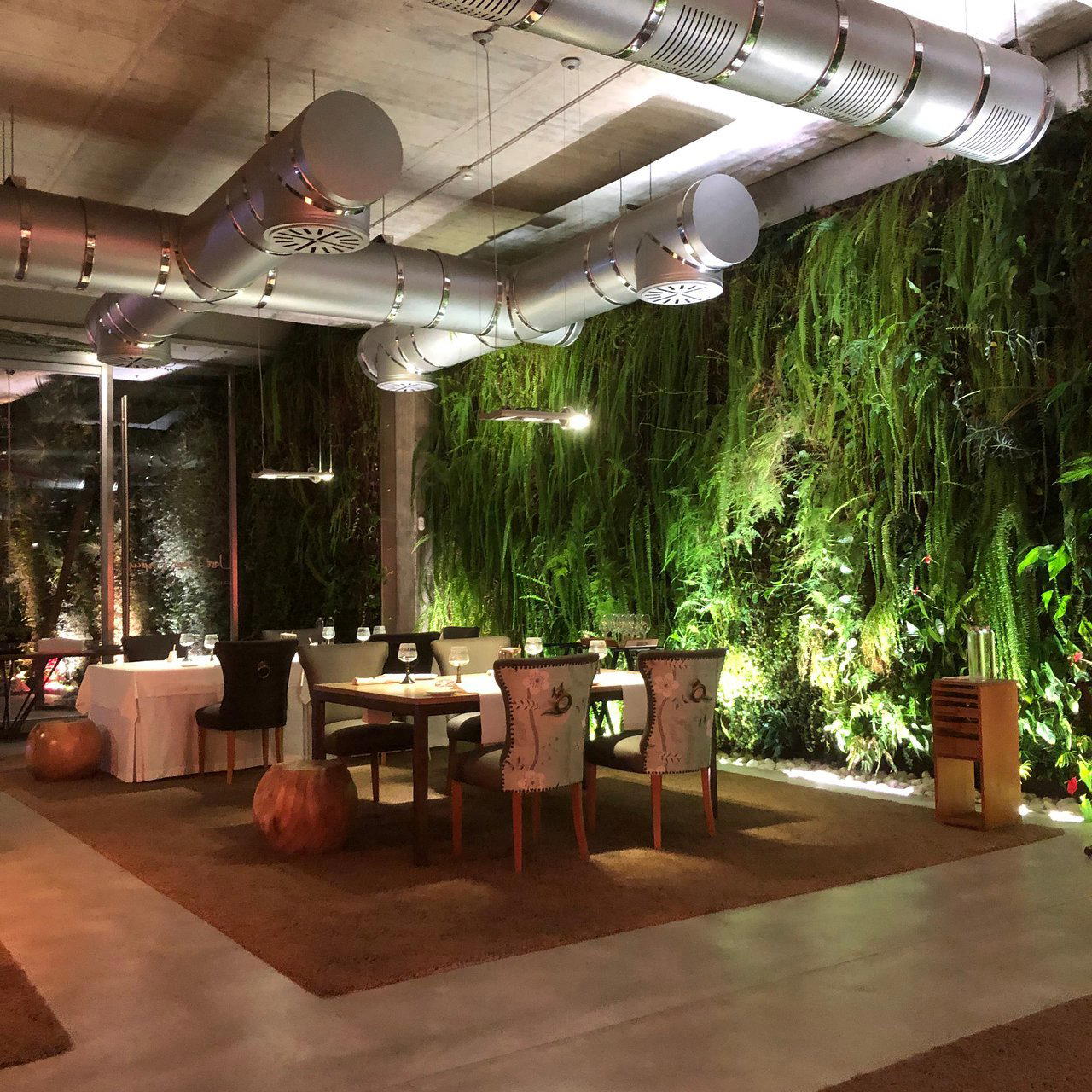
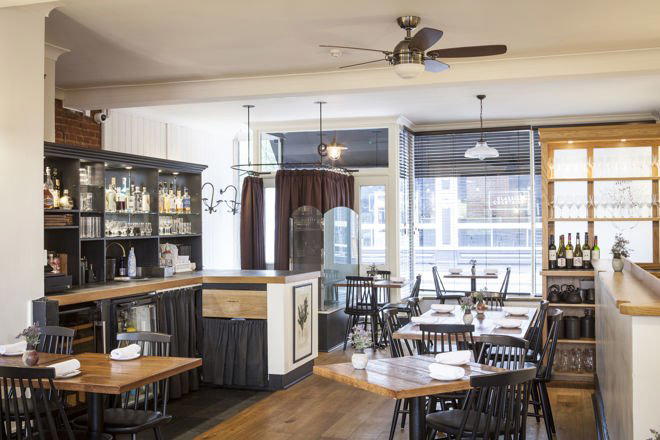
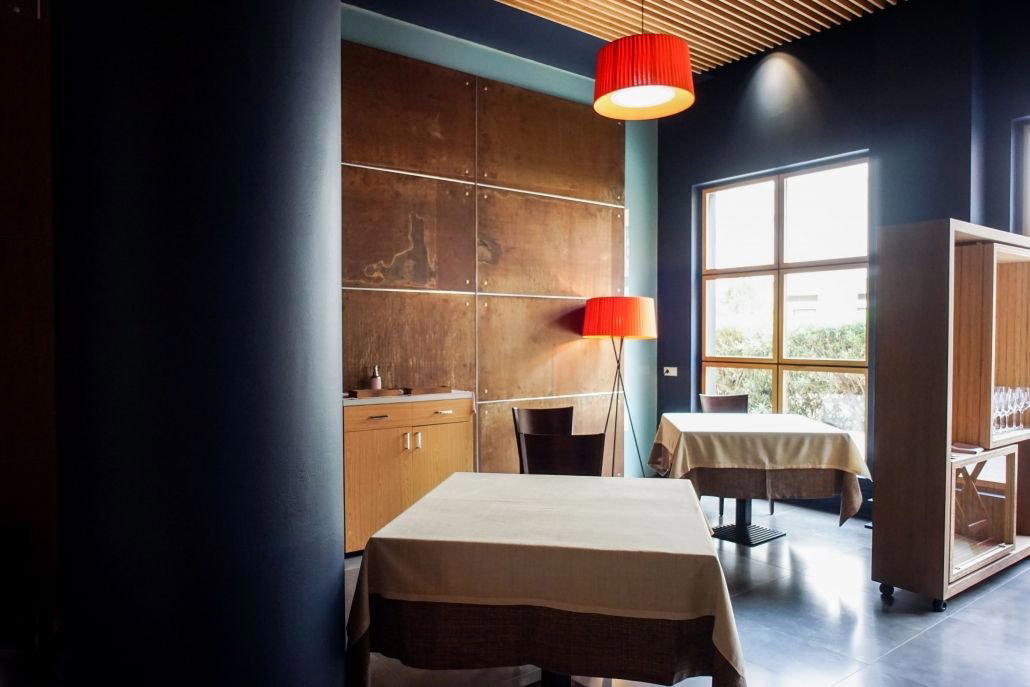
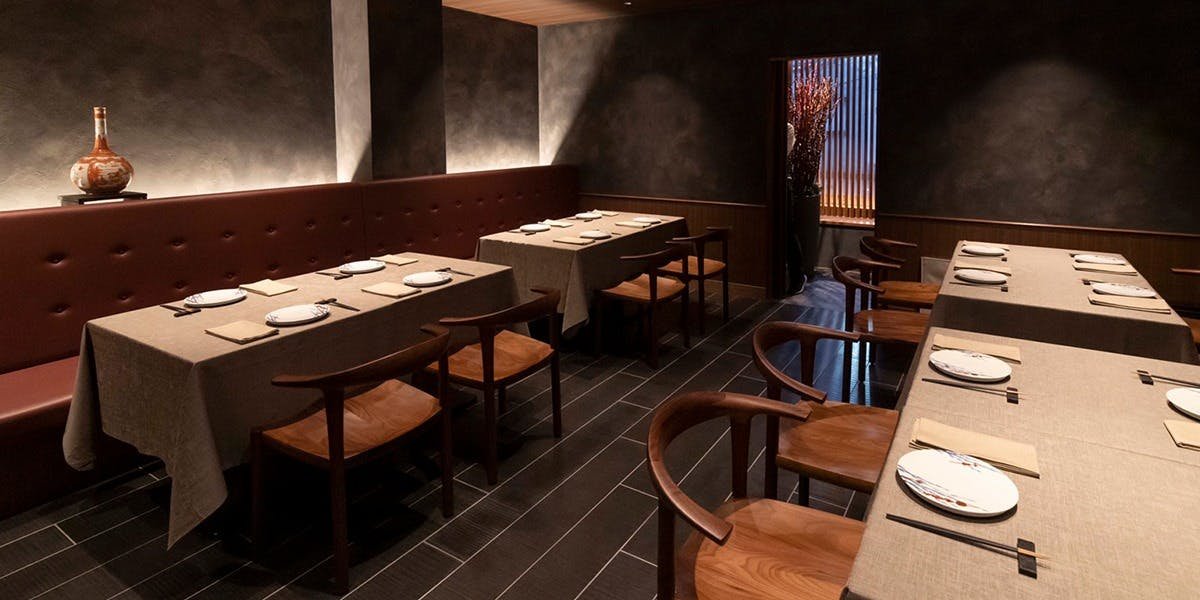
Sophisticated yet welcoming atmosphere with spacious, relaxing seating and refined tableware; hideout-like location creates an intimate fine dining experience.
Tags
Vibe
Best For
Experience
Sourcing
Accessibility
At the Table
- Dress Code
- Smart Casual
- Noise Level
- Conversational
- Service Style
- Formal
- Meal Pacing
- Leisurely
- Capacity
- Small
- Kitchen
- Fusion
- Menu Format
- Omakase, Set menu, Tasting menu
- Drinks Focus
- Sake, Wine, Chinese tea
- Private Dining
- Available
Signature Dishes
- braised shark fin with white truffle
- shanghai crab steamed
- shanghai crab consommé soup
- tan-tan noodles
- mapo tofu
Know before you go
Know Before You Go
- Getting there
- Japan, 〒107-0062 Tokyo, Minato City, Minamiaoyama, 2 Chome−14−15 AOYAMA FUSION Bldg 2F
Planning details
Hours
- Monday
- Closed
- Tuesday
- 6–10:30 PM
- Wednesday
- 12–3 PM, 6–10:30 PM
- Thursday
- 12–3 PM, 6–10:30 PM
- Friday
- 12–3 PM, 6–10:30 PM
- Saturday
- 12–3 PM, 6–10:30 PM
- Sunday
- 12–3 PM, 6–10:30 PM
Location
Japan, 〒107-0062 Tokyo, Minato City, Minamiaoyama, 2 Chome−14−15 AOYAMA FUSION Bldg 2F · Directions
Recognition and awards
Also consider
Also Consider
- Harutaka: Sushi, ¥¥¥¥
- RyuGin: Kaiseki, Japanese, ¥¥¥¥
- L'Effervescence: French, ¥¥¥¥
- HOMMAGE: Innovtive French, French, ¥¥¥¥
- Florilège: French, ¥¥¥
Restaurant context
itsuka sits at ¥¥¥ with a 2024 Michelin star, which makes it the most accessible entry point in Tokyo's starred fine-dining tier compared to the ¥¥¥¥ venues on this list. RyuGin and L'Effervescence both operate at ¥¥¥¥ and deliver deep, polished experiences in kaiseki and French respectively, but they ask for a significantly higher spend. If your budget tops out at ¥¥¥ and you want a starred set-menu experience with genuine technical conviction, itsuka is the stronger call over Florilège, which sits at the same price tier but in a French format. Itsuka's cuisine proposition is narrower and more distinctive.
On booking difficulty, itsuka and Harutaka are both hard to secure. Harutaka is a sushi counter operating at ¥¥¥¥ where the counter format and reputation drive demand; itsuka's Michelin star and small set-menu operation create the same pressure at a lower price point. Both require early planning. HOMMAGE operates at ¥¥¥¥ in an innovative French register and is worth considering if the French contemporary format matters more to you than a Chinese-tradition angle.
The clearest decision split: if you want the most technically specific and cuisine-distinct experience at ¥¥¥, book itsuka. If budget is not the constraint and you want maximum service polish or a kaiseki format, RyuGin or L'Effervescence at ¥¥¥¥ are the upgrades. Florilège is the only direct price-tier peer, and it is a different cuisine category entirely, so the choice there comes down to whether you want French or Sichuan-Japanese on that particular night.
Explore Tokyo
Around this place
Discover more on Pearl
Unlock the full itsuka guide in Pearl, including awards, comparisons, FAQs, planning details, and nearby places.
Compare itsuka
| Venue | Cuisine | Price | Booking Difficulty | Awards |
|---|---|---|---|---|
| itsuka | Chinese | ¥¥¥ | Hard | Tabelog 100 - Chinese cuisine - TOKYO - 2026 · #102026 Michelin 1 Star2024 Michelin 1 Star |
| Harutaka | Sushi | ¥¥¥¥ | Unknown | 2026 Tabelog Silver · #312026 OAD Top Restaurants in Japan Ranked · #1282026 Michelin 3 Stars2026 La Liste Top RestaurantsTabelog 100 - Sushi - TOKYO - 2025 · #372025 Asia's 50 Best Restaurants · #762025 OAD Top Restaurants in Japan Ranked · #1172025 La Liste Top Restaurants2025 Tabelog Bronze |
| RyuGin | Kaiseki, Japanese | ¥¥¥¥ | Unknown | 2026 OAD Top Restaurants in Japan Ranked · #802026 Tabelog Bronze · #3772026 Michelin 3 Stars2026 La Liste Top RestaurantsTabelog 100 - Japanese cuisine - TOKYO - 2025 · #212025 OAD Top Restaurants in Japan Ranked · #542025 Michelin 3 Stars2025 La Liste Top Restaurants2025 The Best Chef Three Knives |
| L'Effervescence | French | ¥¥¥¥ | Unknown | 2026 Tabelog Silver · #682026 OAD Top Restaurants in Japan Ranked · #103Star Wine Lists 20262026 Black Pearl 2 Diamond2026 Relais Chateaux Restaurants2026 La Liste Top Restaurants2026 Michelin 3 Stars2025 Asia's 50 Best Restaurants · #692025 OAD Top Restaurants in Japan Ranked · #92 |
| HOMMAGE | Innovtive French, French | ¥¥¥¥ | Unknown | 2026 Tabelog Bronze · #1232026 OAD Top Restaurants in Japan Highly Recommended2026 Michelin 2 StarsTabelog 100 - French - TOKYO - 2025 · #762025 Asia's 50 Best Restaurants · #782025 OAD Top Restaurants in Japan Ranked · #1752025 Michelin 2 Stars2025 The Best Chef One Knife2025 La Liste Top Restaurants |
| Florilège | French | ¥¥¥ | Unknown | 2026 Asia's 50 Best Restaurants · #312026 Tabelog Bronze · #712026 OAD Top Restaurants in Japan Ranked · #1242026 Black Pearl 1 Diamond2026 Michelin 2 Stars2026 La Liste Top RestaurantsJapan's Best Restaurant 20262025 Asia's 50 Best Restaurants · #172025 World's 50 Best Restaurants · #36 |













What to weigh when choosing between itsuka and alternatives.
FAQ
Frequently Asked Questions
What should a first-timer know about itsuka?
Arrive with a flexible understanding of Sichuan food. itsuka is not about shock heat or high volume: the kitchen uses seasoning sparingly to keep the spotlight on Japanese-sourced ingredients. The format is set menu only, so there is nothing to order and no decisions to make at the table. The meal closes with a noodle course chosen from options including dandan noodles or hot-and-sour noodles, which is a strong finish worth anticipating.
Does itsuka handle dietary restrictions?
Dietary restriction handling is not documented in available venue data, so contact itsuka directly before booking. That said, the kitchen's reliance on set menus and a fixed ingredient philosophy means last-minute requests may be difficult to accommodate: flag any restrictions well ahead of your reservation.
Is itsuka good for a special occasion?
Yes, particularly if you want something that sits outside Tokyo's kaiseki-or-sushi default. The Michelin one-star format, set-menu-only structure, and focused Sichuan-meets-Japan concept give the meal a clear arc, which suits milestone dinners. At ¥¥¥ pricing, it costs less than many comparable tasting-menu rooms in the city, which makes the occasion feel considered rather than simply expensive.
What should I wear to itsuka?
Given the Michelin one-star setting in Minami-Aoyama and a price point of ¥¥¥, dressing neatly is a reasonable baseline: think the kind of outfit you would wear to any serious tasting-menu restaurant rather than a casual neighbourhood spot. If in doubt, err toward neat over casual.
Is the tasting menu worth it at itsuka?
At ¥¥¥ pricing with a Michelin star, itsuka represents reasonable value by Tokyo fine-dining standards. The set menu approach is the entire point here: the kitchen filters Sichuan cooking through Japanese ingredients and restrained seasoning, using fermented vegetables to build depth without overloading the palate. If you want à la carte flexibility or conventional Sichuan heat, this is the wrong room. If you want a focused, single-concept meal that does something genuinely distinct in Tokyo's Chinese dining category, it is worth the booking effort.