
.png?width=1200&quality=80)
Tokyo Chinese Ichirin
Chinese · Chūō, Tokyo
Restaurant in Tokyo, Japan
 Book with Pearl
The Read
Mellow-Heat Sichuan Precision
Price
¥¥
Dress
Casual
Why go
Tokyo Chinese Ichirin holds back-to-back Michelin Plate recognition (2024 and 2025) for Sichuan cooking that prioritises mellow, considered spice over heat-forward simplicity. At the ¥¥ price point in Tsukiji, the evening prix fixe — anchored by steamed spicy chicken and liver paté — is one of the better value-for-quality propositions in Tokyo's Chinese dining scene. Book ahead for evenings; queues form.
About Tokyo Chinese Ichirin
Should You Book Tokyo Chinese Ichirin?
Getting a table at Tokyo Chinese Ichirin in Tsukiji is easier than most Michelin-recognised restaurants in the city, but queues do form, particularly at weekday lunch and on weekend evenings — so walk-in confidence should be calibrated accordingly. The effort is worth it. This is one of the more accessible entry points into serious Sichuan cooking in Tokyo, and at the ¥¥ price point, it delivers a quality-to-cost ratio that is hard to argue. If you are planning a special dinner, book ahead; if you are passing through Tsukiji, the lunchtime set is a low-risk way to test the kitchen.
The Portrait
Tokyo Chinese Ichirin has now earned back-to-back Michelin Plate recognition in 2024 and 2025 — a signal that the guide's inspectors consider it a kitchen worth seeking out, even if the starred ceiling remains elsewhere. The Michelin Plate is awarded to restaurants that offer a good meal, distinct from the star tier but a meaningful credential in a city where Chinese restaurants are rarely noticed by the guide at all. That two consecutive years of recognition have come Ichirin's way speaks to consistency, not a single strong performance.
The address is 1F of the Hiizumi Building in Tsukiji, Chuo City. This is not a flashy neighbourhood block: the area around the old market has a working, unhurried character, and the restaurant fits that register. What you see on arrival is modest scale and a room that does not try to signal luxury through decor. For a special occasion, that might give you pause, but the food is the reason to come, and the visual interest is on the plate, not the ceiling. The steamed spicy chicken with liver paté, part of the evening prix fixe, is the dish that leading illustrates the kitchen's approach: technically considered, built around a mellow rather than aggressive spice profile, and genuinely original in its combination. The shrimp chili sauce prepared with whole large shrimp, and the fried egg and crab with a soufflé-like texture, are the à la carte additions worth ordering alongside the prix fixe rather than instead of it.
The kitchen's philosophy here is worth understanding before you book. Sichuan cuisine in Japan is often recalibrated for local palates, with the fiercer edges of the original tradition softened significantly. Ichirin is doing something more considered: the mellow spiciness described in the Michelin citation is not a dilution but a deliberate register, one that allows the underlying technique and ingredient quality to read clearly rather than disappearing under heat. For a special occasion dinner with guests who are not Sichuan veterans, this makes the menu more accessible without feeling like a compromise. For diners who want maximum Sichuan intensity, temper expectations accordingly.
Service at a ¥¥ Michelin Plate venue in Tokyo tends to be efficient and knowledgeable without the formal choreography of the city's higher-priced rooms. At Ichirin, the service style matches the price point honestly, you are not paying for white-glove presentation, and none is offered. The service earns its place without overpromising.
Weekday lunches run as a set menu built around twice-cooked pork and dandan noodles, which gives you a sharply focused, lower-price-point option if you want to assess the kitchen before committing to an evening prix fixe. For a date or business lunch in the area, this is a practical and credible choice. The evening prix fixe, with its combination of steamed spicy chicken and liver paté anchoring the structure, is the format that leading justifies a special occasion booking. Adding à la carte dishes alongside it is the recommended approach, both for variety and because those individual dishes show the kitchen's range beyond the set.
Tsukiji sits at a useful crossroads for visitors staying in central Tokyo. The neighbourhood is walkable from several major hotel clusters, and if your itinerary already has you near the old market, folding Ichirin into the plan requires little detour. For more on where to eat, drink, and stay in the broader city, see our full Tokyo restaurants guide, our full Tokyo hotels guide, and our full Tokyo bars guide. If you want to explore Tokyo's broader dining scene while you are in Japan, HAJIME in Osaka, Gion Sasaki in Kyoto, and Goh in Fukuoka are worth building into the wider trip.
Within Tokyo's Chinese dining scene specifically, Ichirin sits in good company. Chugoku Hanten Fureika and Chugoku Hanten Kohakukyu (Amber Palace) represent a more formal and higher-priced bracket of Chinese cooking in the city. Ippei Hanten, itsuka, and Koshikiryori Koki offer further reference points if you are building a shortlist. For Chinese cooking with international recognition at a different scale, Restaurant Tim Raue in Berlin and Mister Jiu's in San Francisco are useful comparators for what Michelin-level Chinese cooking can look like outside Japan.
If your Tokyo trip extends beyond dining, our full Tokyo experiences guide and our full Tokyo wineries guide cover the rest. And if you are passing through other Japanese cities, akordu in Nara, 1000 in Yokohama, and 6 in Okinawa are worth the detour in their respective markets.
Ratings at a Glance
- Michelin Plate: 2024 and 2025
- Price range: ¥¥
Booking and Practical Details
Booking difficulty is rated easy, but queues form at peak times, weekday lunch and weekend evenings in particular. The safest approach for a special occasion or a group dinner is to call ahead or arrive early. The address is 1F, Hiizumi Building, 1-5-8 Tsukiji, Chuo City, Tokyo. No website or phone number is listed in current public records, so direct outreach via local restaurant booking platforms or by visiting in person is the practical route. Lunch is a set menu of twice-cooked pork and dandan noodles. The evening offering is a prix fixe, with à la carte additions available alongside. Price range is ¥¥, making this one of the more accessible Michelin Plate addresses in Tokyo.
Planning details
- Location
- Japan, 〒104-0045 Tokyo, Chuo City, Tsukiji, 1 Chome−5−8 樋泉ビル 1F
- Website
- whaves.co.jp
- Phone
- +81 3-3542-6663
The take
The Take
The Vibe
Tokyo Chinese Ichirin presents a calibrated, mid-market take on Sichuan cooking in Tsukiji. Sitting between the formality of grand Cantonese dining rooms and the volume-first neighbourhood canteens, Ichirin pairs approachable prices with precise technique — a stance underscored by consecutive Michelin Plate mentions. The kitchen favors a measured, mellow spiciness that reads as deliberate rather than conciliatory, producing food that feels considered and quietly confident. The overall aura is elevated without being fussy: thoughtful execution and clear culinary intent give Ichirin a sophisticated, unpretentious personality within Tokyo’s competitive Chinese-restaurant landscape.
Best For
Ichirin is best for diners who want serious Sichuan cooking without the star-tier price tag: think business meals that value craft, groups sharing bold plates, and solo diners seeking satisfying, well-executed dishes. Its Michelin Plate status and ¥¥ positioning make it a smart pick for occasions where quality matters but formality doesn’t. The kitchen’s deliberate approach to mellow spiciness suits guests who prefer nuance over extremes, and the format lends itself to communal ordering and tasting across several signature plates. It functions as a dependable Tsukiji option for evening dining and mid-market outings.
Ordering Tips
Order to share and let the kitchen’s calibrated heat profile shine across contrasting textures and sauces. Start with the Drooling Chicken to sample the house take on a classic cold starter, then move to Shirako Mapo Tofu or the Steamed Spicy Chicken with Liver Paté for richer, more layered flavors. Dandan Noodles and Twice-Cooked Pork make solid, crowd-pleasing mains; together these dishes illustrate Ichirin’s balance of savoury depth and measured málà. Given the restaurant’s communal mid-market format, plan plates for sharing so everyone can taste the kitchen’s technical restraint and spice calibration.
Venue details
Ambiance
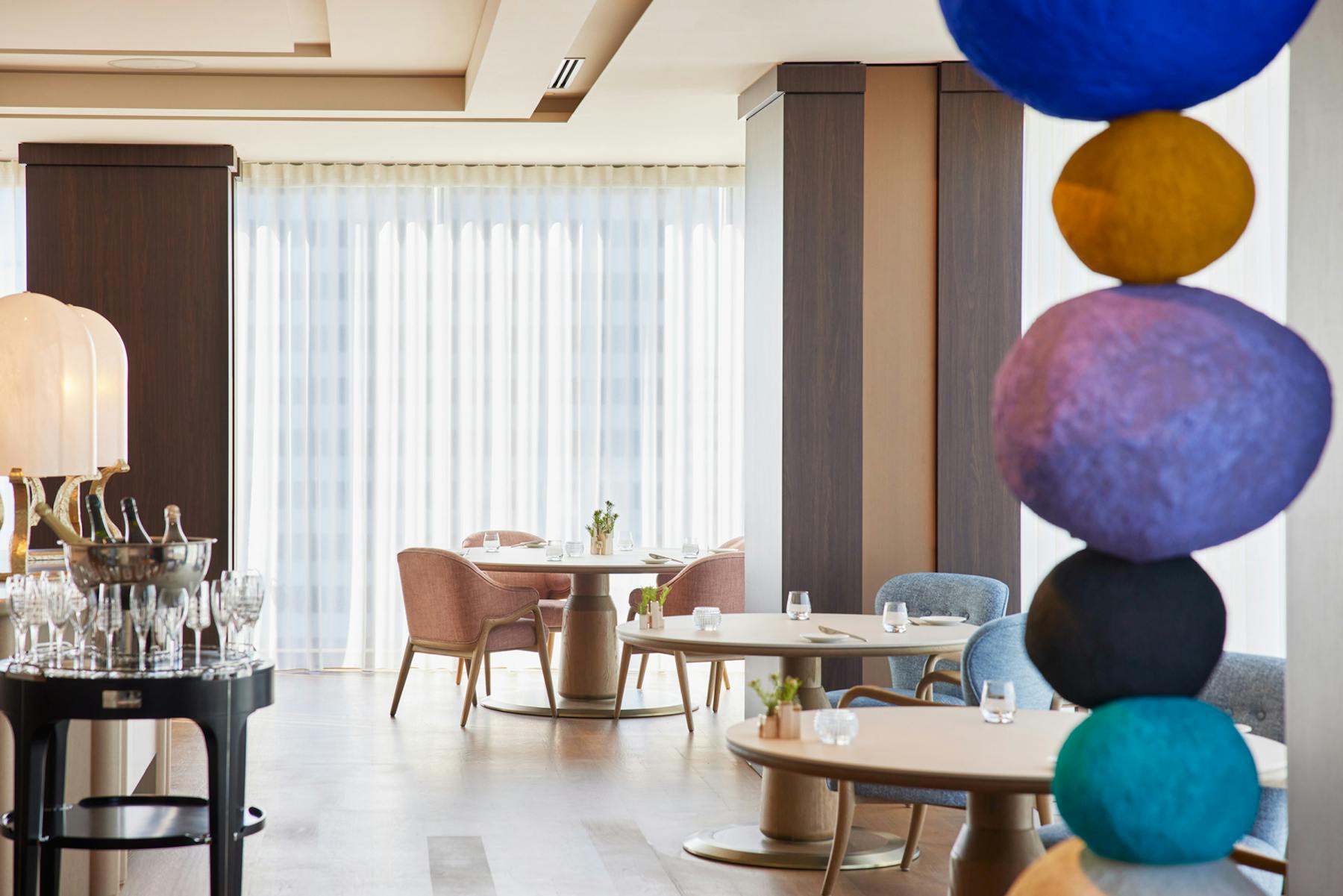
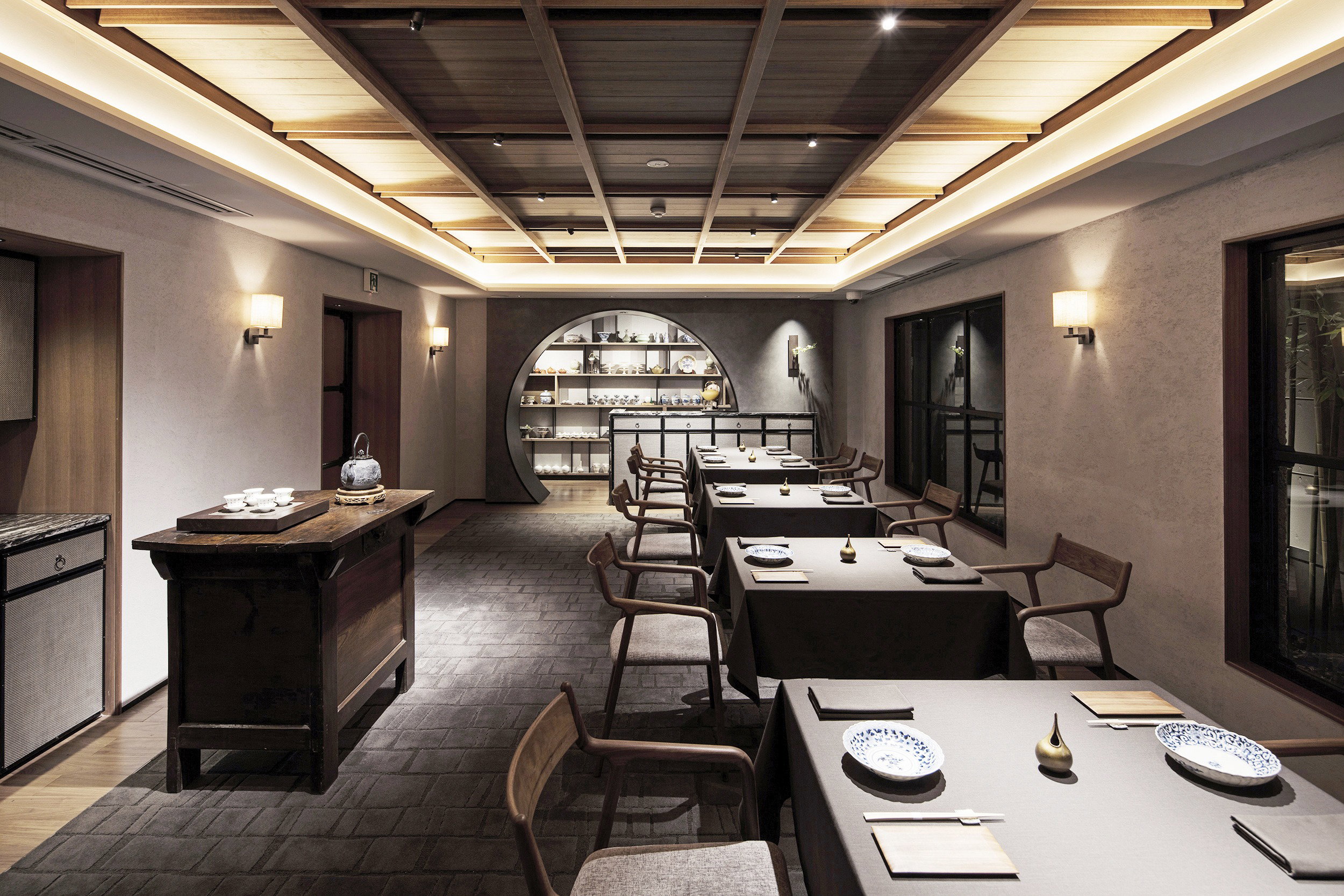
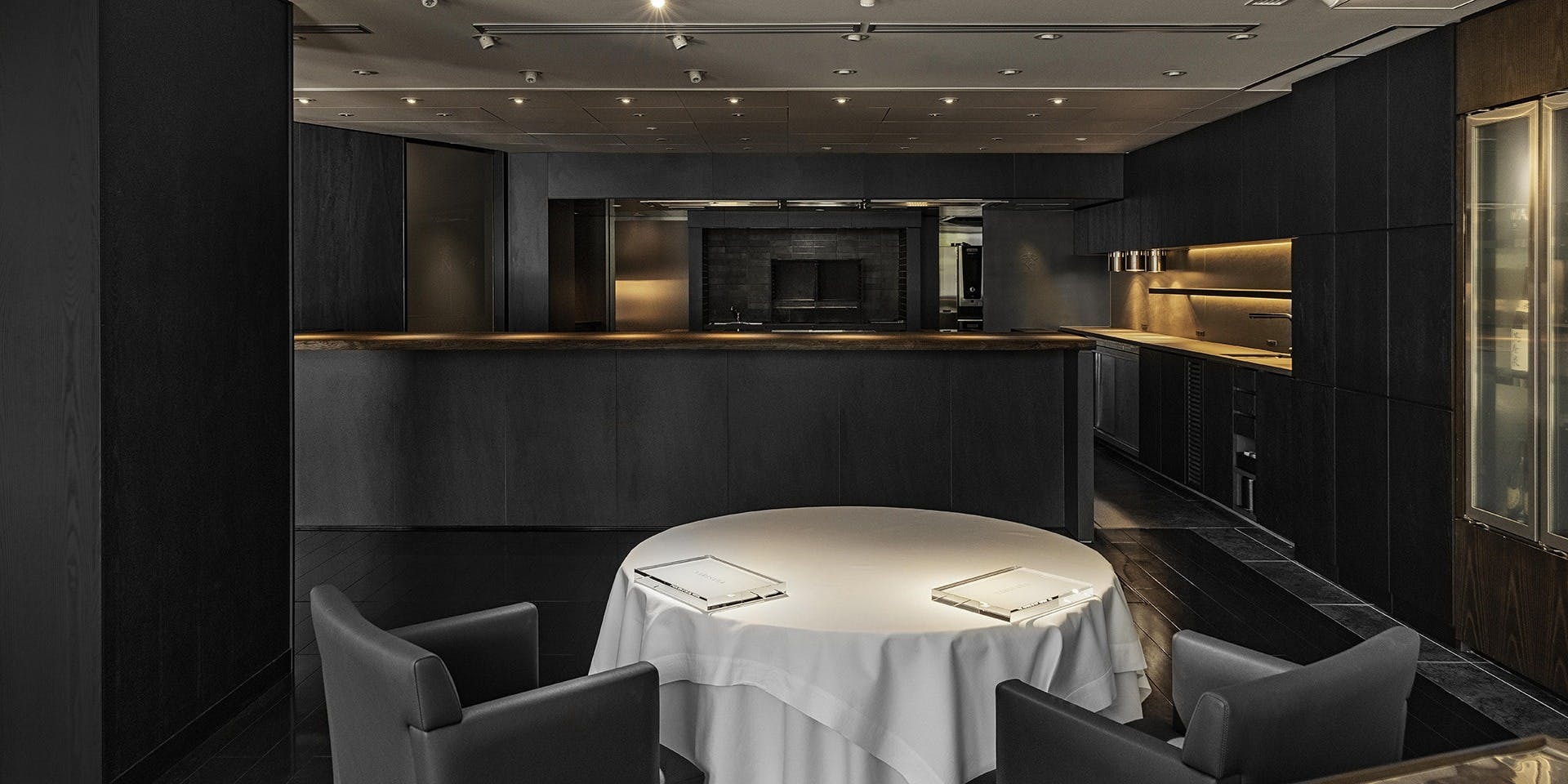
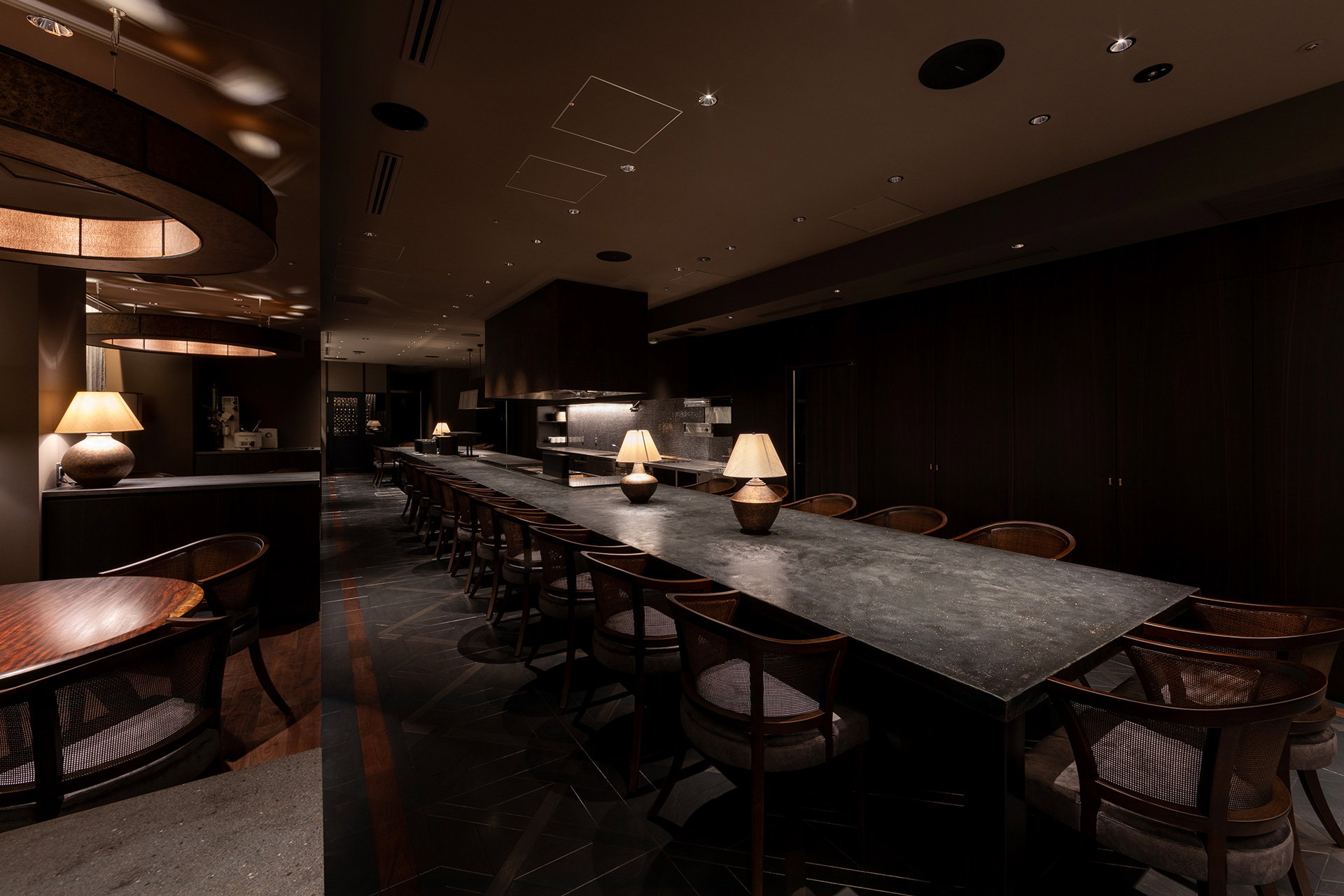
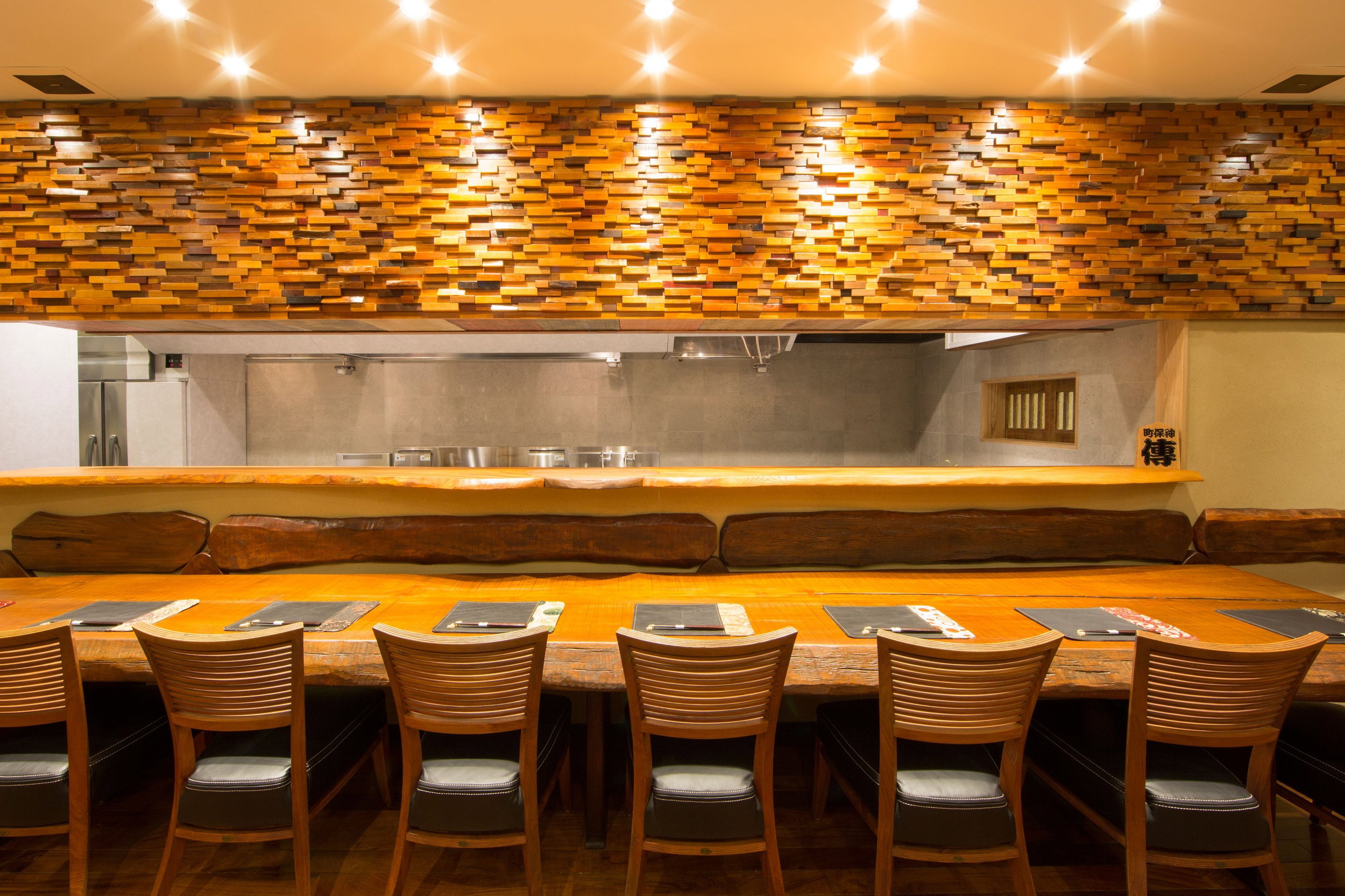
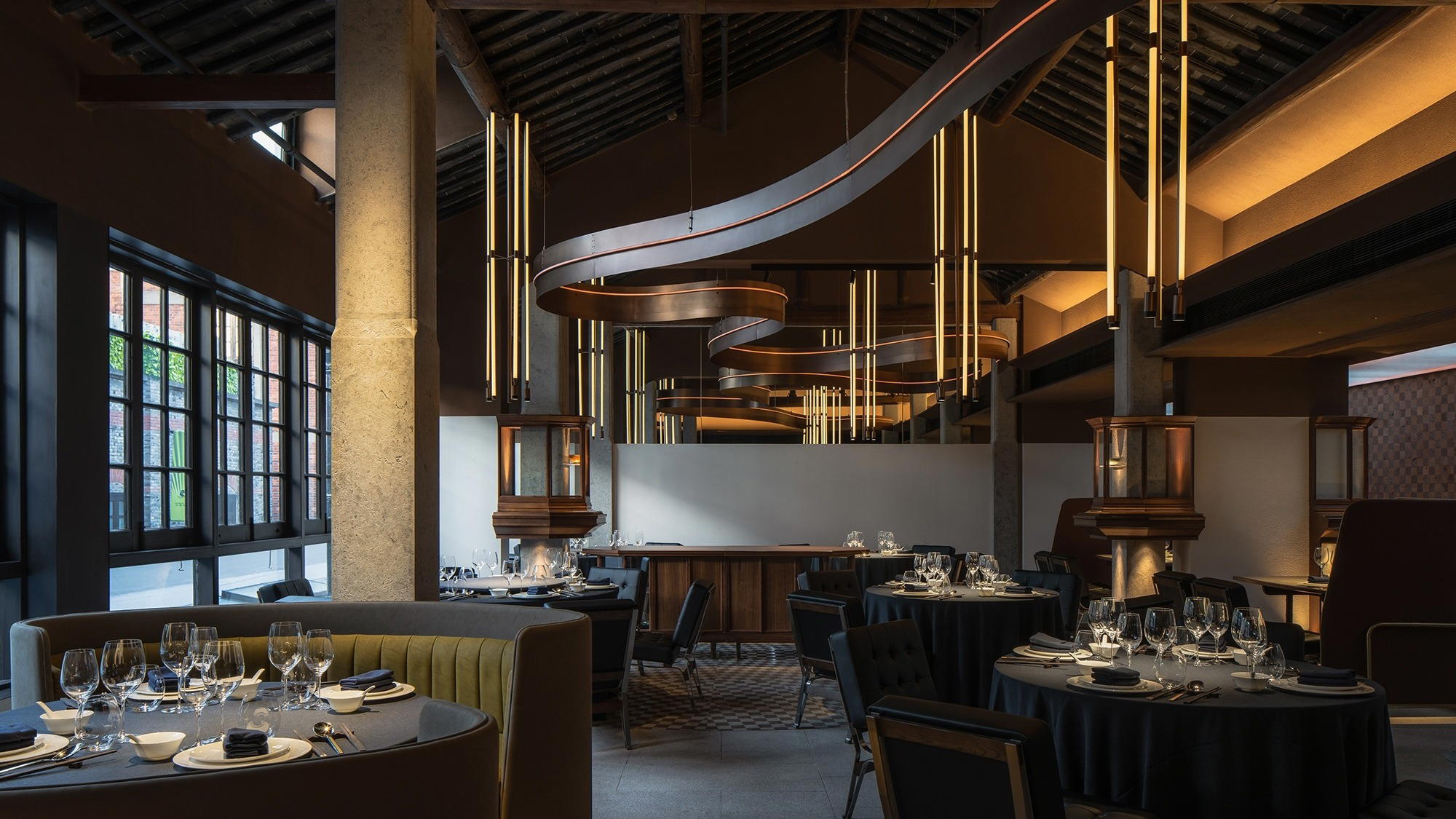
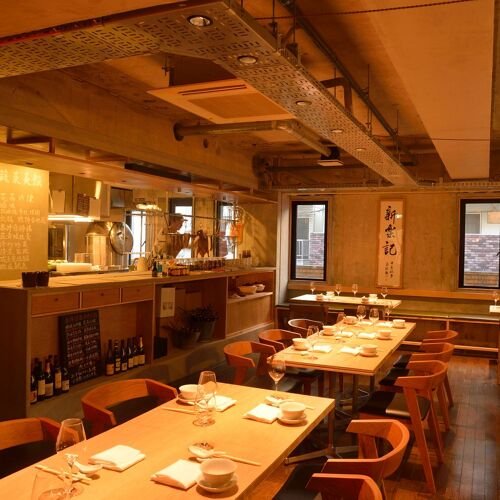
Clean, modern interior with counter seating overlooking the open kitchen and table seating in the back; simple yet sophisticated atmosphere with an energetic, bustling lunch service.
Tags
Vibe
Best For
Experience
Sourcing
At the Table
- Dress Code
- Casual
- Noise Level
- Lively
- Service Style
- Upscale Casual
- Meal Pacing
- Standard
- Capacity
- Small
Signature Dishes
- Drooling Chicken
- Shirako Mapo Tofu
- Steamed Spicy Chicken with Liver Paté
- Dandan Noodles
- Twice-Cooked Pork
Know before you go
Know Before You Go
- Getting there
- Japan, 〒104-0045 Tokyo, Chuo City, Tsukiji, 1 Chome−5−8 樋泉ビル 1F
Planning details
Location
Japan, 〒104-0045 Tokyo, Chuo City, Tsukiji, 1 Chome−5−8 樋泉ビル 1F · Directions
Recognition and awards
Also consider
Also Consider
- Harutaka, Sushi, ¥¥¥¥
- RyuGin, Kaiseki, Japanese, ¥¥¥¥
- L'Effervescence, French, ¥¥¥¥
- HOMMAGE, Innovtive French, French, ¥¥¥¥
- Florilège, French, ¥¥¥
Restaurant context
Tokyo Chinese Ichirin sits in a different tier from the comparison venues on price alone: ¥¥ against the ¥¥¥¥ of Harutaka, RyuGin, L'Effervescence, and HOMMAGE. That price gap is the first decision filter. If your budget for this meal is fixed at a moderate level and you want Michelin-credentialed cooking in return, Ichirin delivers in a way that none of those four venues can match at their price points. The trade-off is room formality, service ceremony, and the breadth of an extensive tasting menu, none of which Ichirin offers or tries to offer.
Against Florilège at ¥¥¥, the comparison is more interesting. Both are recognised kitchens operating below the top tier of Tokyo's fine dining scene, and both have clear creative identities. Florilège's French format gives you a longer, more structured tasting experience; Ichirin's Sichuan prix fixe is shorter and sharper. For a special occasion where cuisine type is not fixed, Florilège offers more ceremony for a moderate price premium. For diners who specifically want to eat Chinese food at a high level without paying ¥¥¥¥, Ichirin has no direct competition in this comparison set.
The booking picture also favours Ichirin: rated easy to book against the considerably harder access required at RyuGin, Harutaka, L'Effervescence, and HOMMAGE. If the occasion is time-sensitive or you are planning a last-minute dinner, Ichirin is the practical choice among Michelin-recognised options in Tokyo. RyuGin and Harutaka in particular require planning weeks in advance. For value-driven special occasions, or for diners who want credentialed Chinese cooking rather than French or Japanese formats, Ichirin is the clear recommendation in this set.
Explore Tokyo
Around this place
Discover more on Pearl
Unlock the full Tokyo Chinese Ichirin guide in Pearl, including awards, comparisons, FAQs, planning details, and nearby places.
Compare Tokyo Chinese Ichirin
| Venue | Price | Awards |
|---|---|---|
| Tokyo Chinese Ichirin | ¥¥ | Tabelog 100 - Chinese cuisine - TOKYO - 2026 · #722026 Michelin Plate2025 Michelin Plate2024 Michelin Plate |
| Harutaka | ¥¥¥¥ | 2026 Tabelog Silver · #312026 OAD Top Restaurants in Japan Ranked · #1282026 Michelin 3 Stars2026 La Liste Top RestaurantsTabelog 100 - Sushi - TOKYO - 2025 · #372025 Asia's 50 Best Restaurants · #762025 OAD Top Restaurants in Japan Ranked · #1172025 La Liste Top Restaurants2025 Tabelog Bronze |
| RyuGin | ¥¥¥¥ | 2026 OAD Top Restaurants in Japan Ranked · #802026 Tabelog Bronze · #3772026 Michelin 3 Stars2026 La Liste Top RestaurantsTabelog 100 - Japanese cuisine - TOKYO - 2025 · #212025 OAD Top Restaurants in Japan Ranked · #542025 Michelin 3 Stars2025 La Liste Top Restaurants2025 The Best Chef Three Knives |
| L'Effervescence | ¥¥¥¥ | 2026 Tabelog Silver · #682026 OAD Top Restaurants in Japan Ranked · #103Star Wine Lists 20262026 Black Pearl 2 Diamond2026 Relais Chateaux Restaurants2026 La Liste Top Restaurants2026 Michelin 3 Stars2025 Asia's 50 Best Restaurants · #692025 OAD Top Restaurants in Japan Ranked · #92 |
| HOMMAGE | ¥¥¥¥ | 2026 Tabelog Bronze · #1232026 OAD Top Restaurants in Japan Highly Recommended2026 Michelin 2 StarsTabelog 100 - French - TOKYO - 2025 · #762025 Asia's 50 Best Restaurants · #782025 OAD Top Restaurants in Japan Ranked · #1752025 Michelin 2 Stars2025 The Best Chef One Knife2025 La Liste Top Restaurants |
| Florilège | ¥¥¥ | 2026 Asia's 50 Best Restaurants · #312026 Tabelog Bronze · #712026 OAD Top Restaurants in Japan Ranked · #1242026 Black Pearl 1 Diamond2026 Michelin 2 Stars2026 La Liste Top Restaurants2025 Asia's 50 Best Restaurants · #172025 World's 50 Best Restaurants · #36Tabelog 100 - French - TOKYO - 2025 · #68 |












How Tokyo Chinese Ichirin stacks up against the competition.
FAQ
Frequently Asked Questions
What should I order at Tokyo Chinese Ichirin?
For dinner, start with the prix fixe — the steamed spicy chicken with liver paté combination is the most distinctive thing on the menu and worth ordering for that alone. Then add à la carte: the shrimp chili sauce made with whole large shrimp and the fried egg and crab dish (described as soufflé-light) are both worth tacking on. At weekday lunch, the set menu of twice-cooked pork and dandan noodles is the straightforward call.
Can Tokyo Chinese Ichirin accommodate groups?
The venue draws queues and operates a compact dining format, which makes large groups a poor fit. Pairs and small groups of three or four will manage more comfortably. If you are planning a group dinner in Tokyo, a larger-format restaurant would serve you better.
Is the tasting menu worth it at Tokyo Chinese Ichirin?
At ¥¥ pricing, the evening prix fixe is one of the stronger value propositions for Michelin-noted cooking in Tokyo. The format is original rather than conventional — steamed spicy chicken paired with liver paté is not a standard Sichuan combination — and the inspectors have flagged it across two consecutive years (2024 and 2025 Michelin Plate). Adding a couple of à la carte items keeps the total bill modest relative to the quality on offer.
What are alternatives to Tokyo Chinese Ichirin in Tokyo?
Tokyo Chinese Ichirin occupies a specific niche: Michelin-recognised, affordable, Chinese cuisine with a creative angle. If you want higher-end Japanese fine dining instead, Harutaka (omakase sushi) or RyuGin (contemporary kaiseki) are the relevant step-up options, but at a significantly higher price point. For French fine dining at a comparable prestige level, L'Effervescence, HOMMAGE, and Florilège all hold stronger awards credentials but are a different format and category entirely.
Is Tokyo Chinese Ichirin good for a special occasion?
It works for a low-key celebration where the food is the point rather than the setting. The back-to-back Michelin Plate recognition (2024, 2025) gives it credibility, and the ¥¥ price range means the bill will not dominate the evening. For a more formal occasion requiring a private room, guaranteed seating, or a longer tasting format, a restaurant without queue risk would be a safer choice.