
.png?width=1200&quality=80)
O2
Chinese · Kōtō, Tokyo
Restaurant in Tokyo, Japan
 Book with Pearl
The Read
Cross-Border Chinese Technique
Price
$100–150per person
Dress
Smart Casual
Why go
O2 is a Michelin Plate Chinese restaurant in Koto City, Tokyo, where Chef Otsu applies Chinese technique and seasoning to Japanese and Western ingredients at an accessible ¥¥ price point. Book if you want a personal, idiosyncratic kitchen rather than orthodox regional Chinese — and easy to secure a table.
About O2
Verdict
If you want Chinese food in Tokyo and are prepared to spend at the ¥¥ price tier, O2 in Koto City is worth booking. The Michelin Plate recognition (2024) signals kitchen competence without the three-figure price tags that come with the city's starred tables. The real draw here is Chef Otsu's refusal to stay inside a single culinary lane: the menu presents as Chinese but pulls from Japanese and Western ingredients, anchored by Chinese technique and seasoning. That cross-pollination is the point. If you want orthodox Cantonese or Sichuan, book elsewhere. If you want a personal, idiosyncratic take on what Chinese cooking can do in Japan, this is a more interesting evening than almost anything in its price bracket.
Portrait
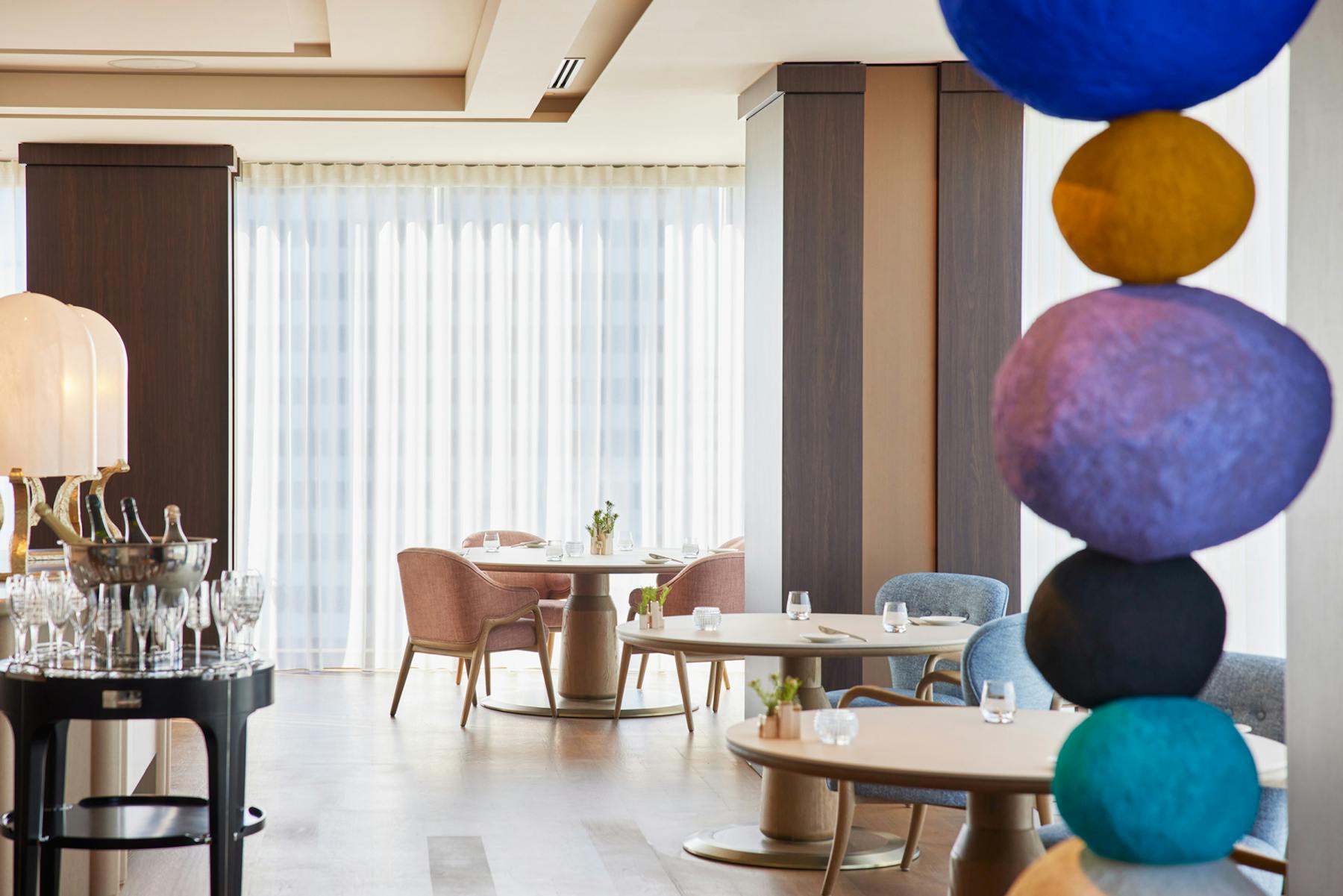
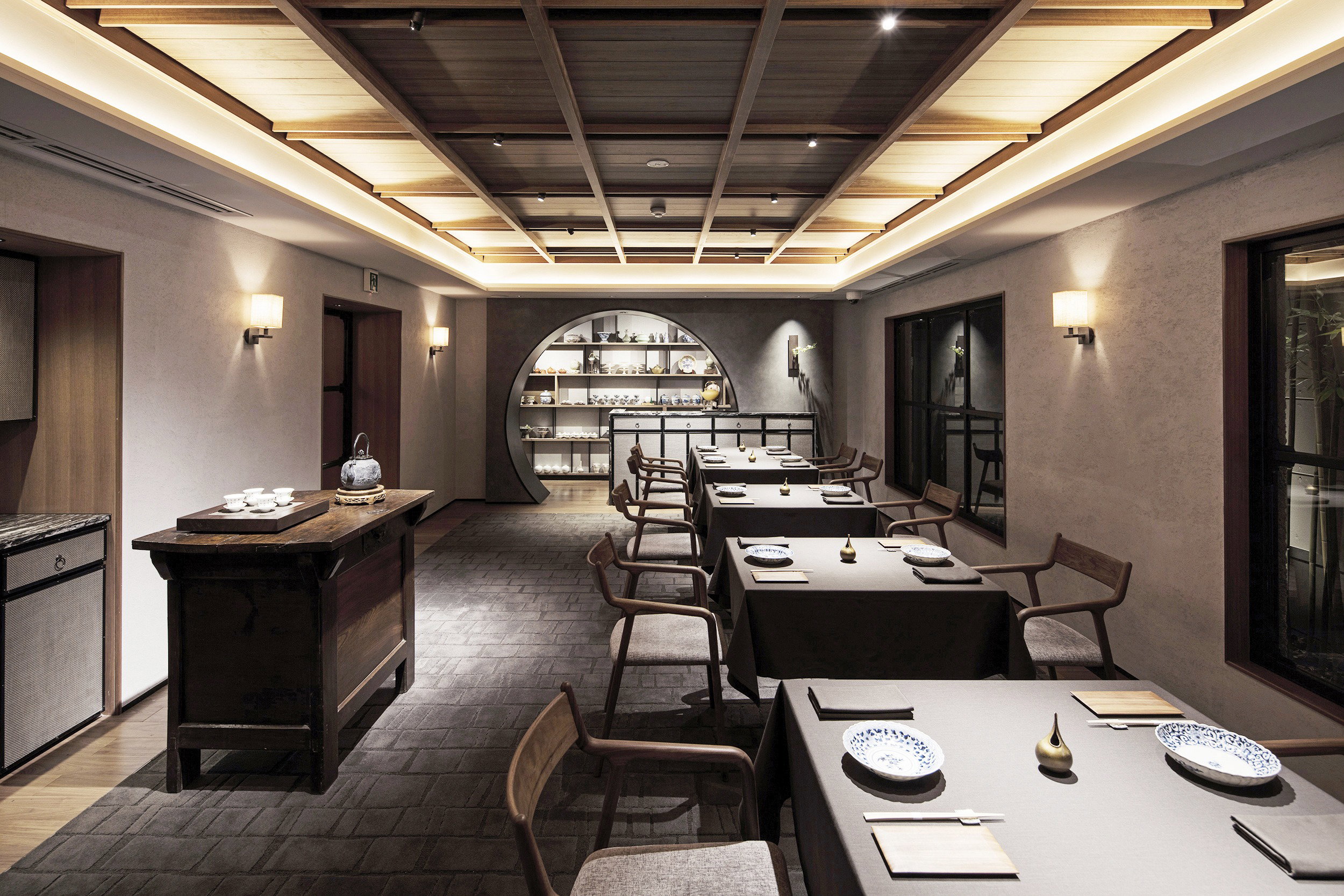
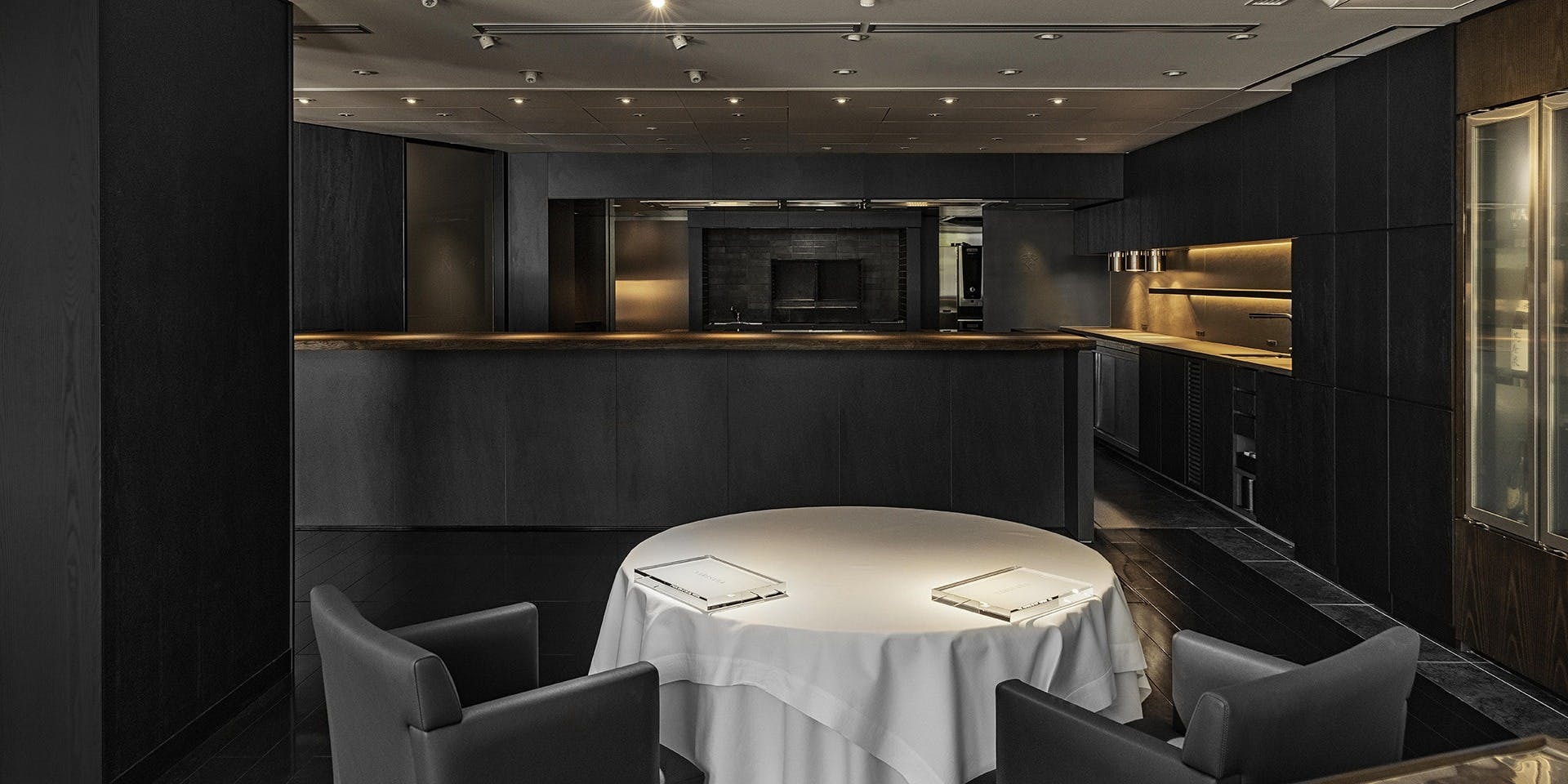
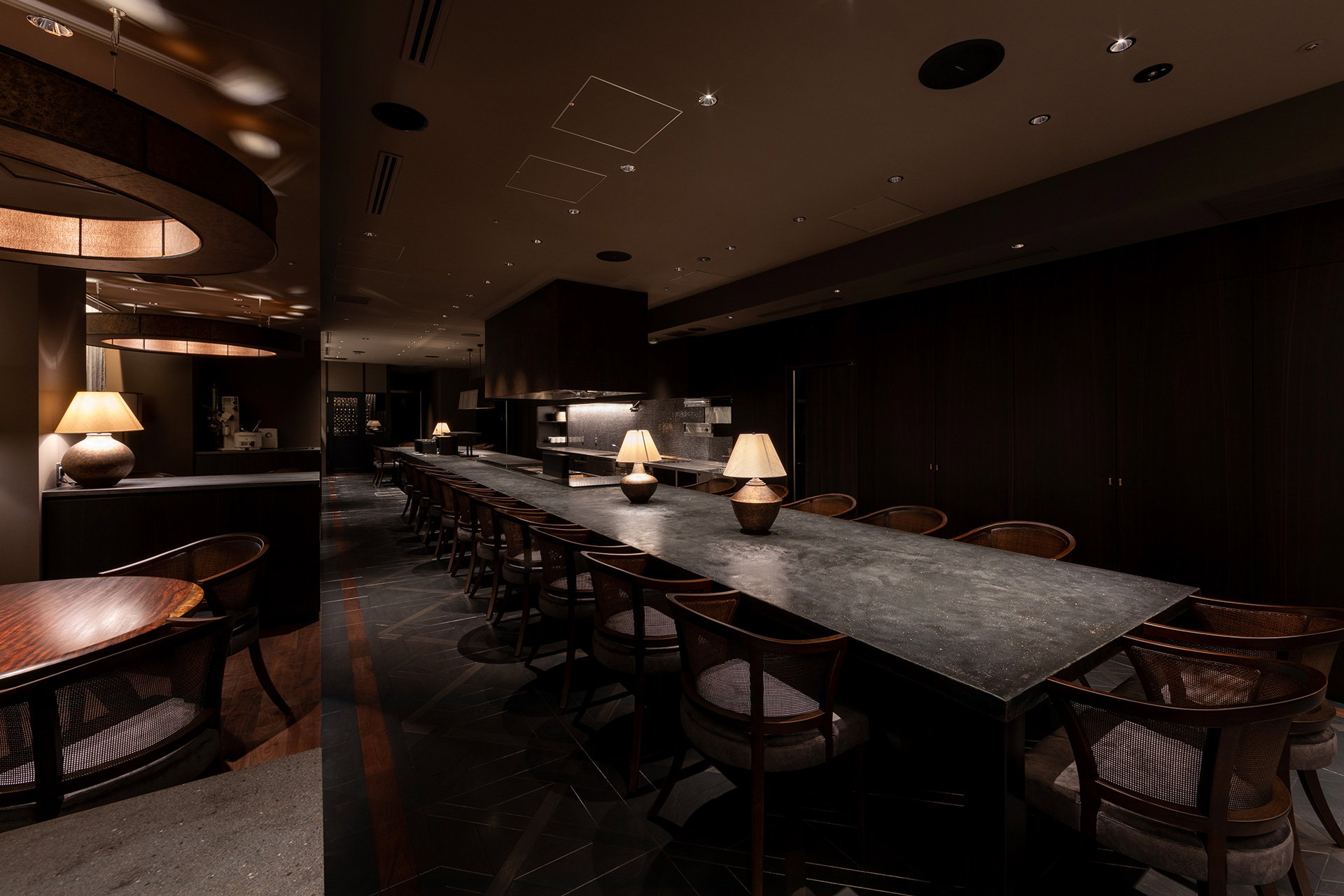
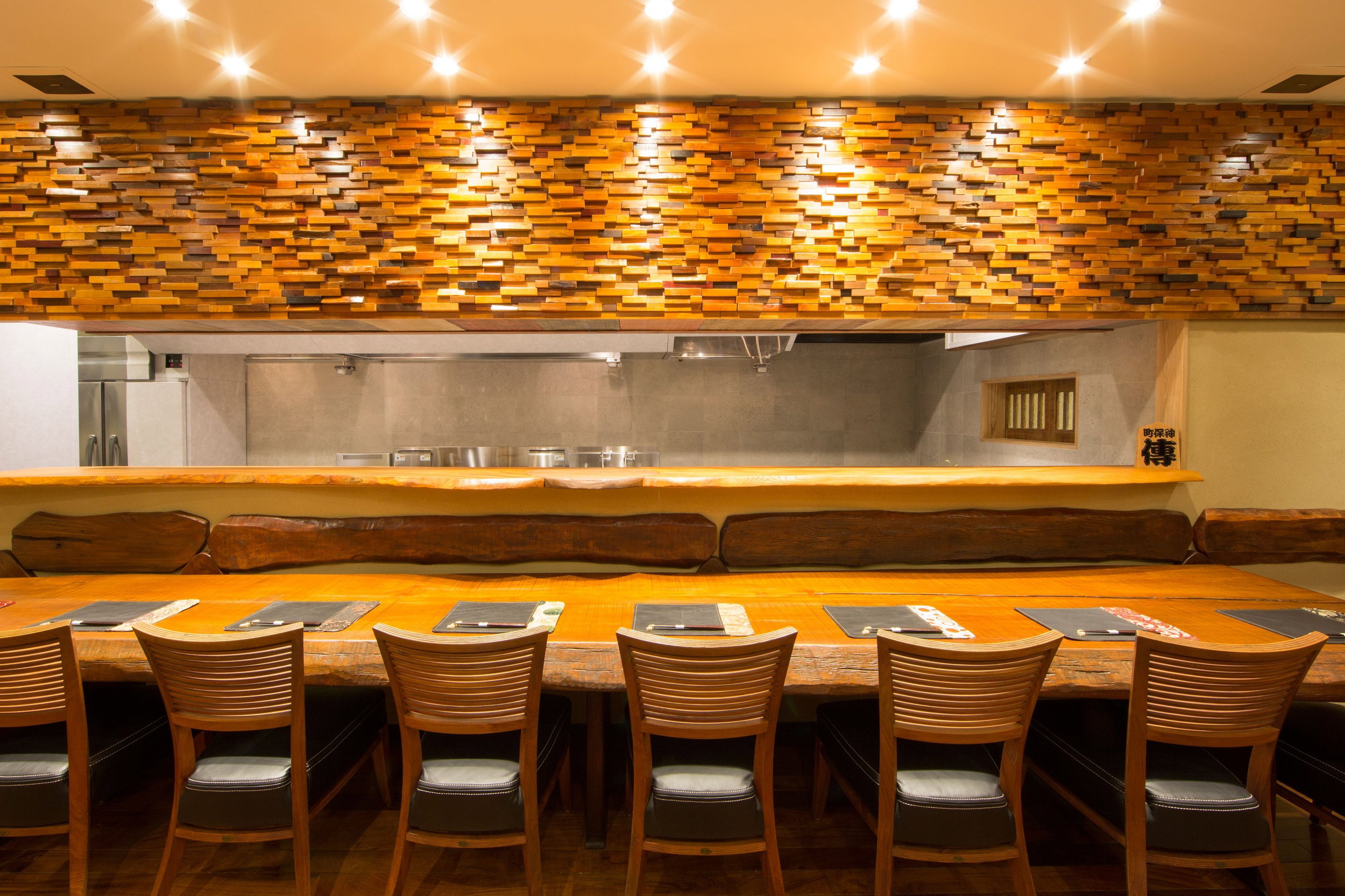
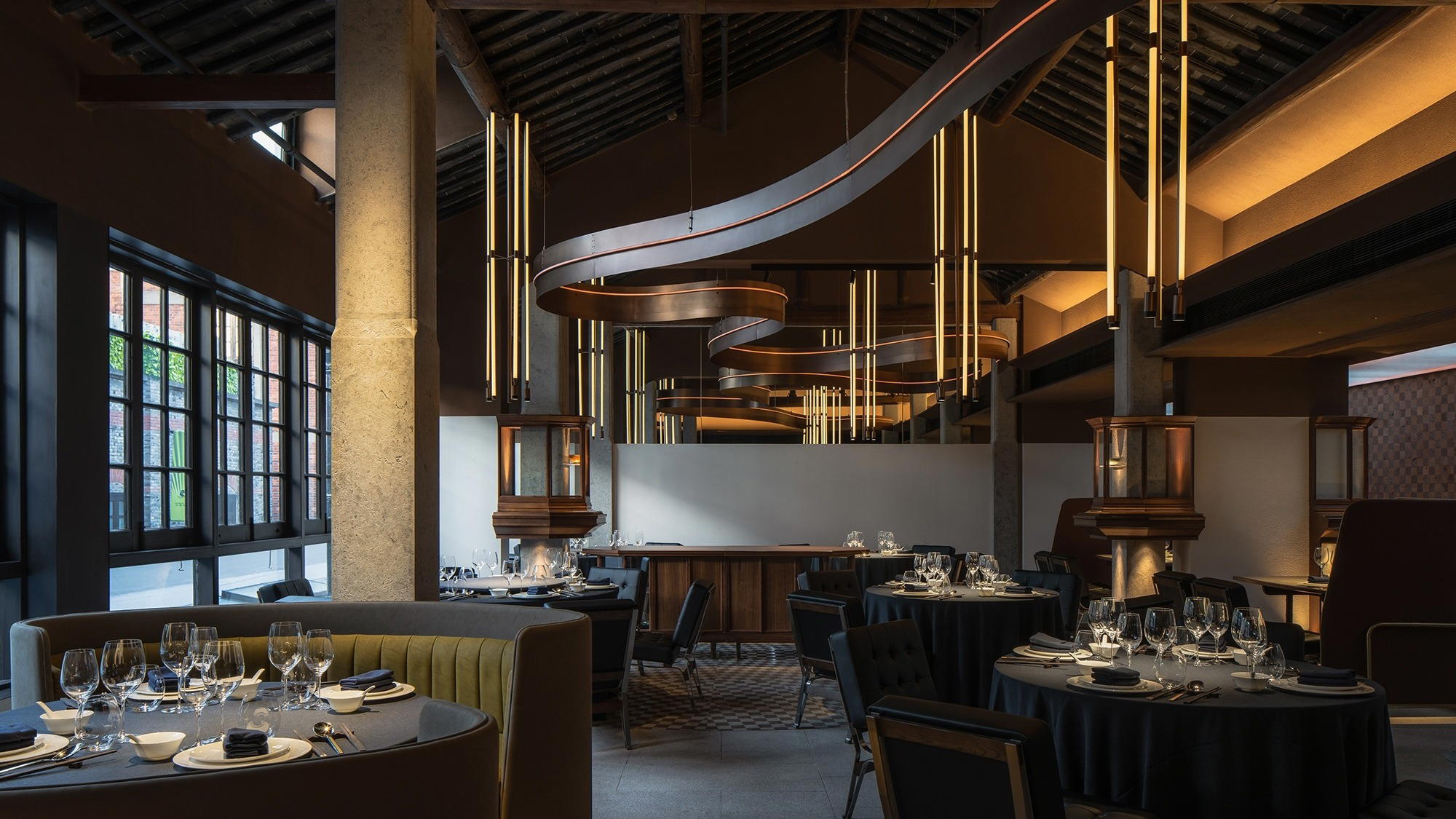
The name itself sets the tone. 'O2' is read 'oh-two,' a riff on Chef Otsu's name that doubles as a kind of periodic-table joke. The bow tie and denim apron are part of the same self-aware playfulness. Walk in and the interior continues that thread: the room is deliberately expressive rather than neutral, the kind of space where the chef's personality has been allowed to escape the kitchen and colonise the dining room. For the explorer diner, that visual legibility is a useful signal — what you see is what you get on the plate, which is to say: considered, personal, and built around a clear point of view.
O2 sits in the Miyoshi neighbourhood of Koto City, not the obvious tourist or foodie corridor of central Tokyo. Diners who make it to a first-floor spot in a building in Koto are there on purpose. For the explorer who has already worked through the more central options, the neighbourhood itself becomes part of the appeal: a working visit to a part of the city that does not perform for visitors.
On the question of seasonal rotation, and this is where O2 rewards the diner who pays attention to timing, the kitchen's use of both Japanese and Western ingredients alongside Chinese technique means the menu is susceptible to Japan's ingredient calendar in a way that a purely Chinese restaurant in, say, Hong Kong would not be. Japanese produce is among the most seasonally distinct in the world, and a kitchen that uses it as a building block will change meaningfully across the year. Spring brings different raw materials than autumn; summer in Japan produces ingredients that winter does not. Without specific current menu data available, the practical advice is to check what season you are visiting in and treat that as a factor in your decision, because a kitchen operating with this kind of cross-cultural sourcing logic will be cooking differently in March than in October. If you have the option, late autumn is generally when Japanese produce calendars peak in terms of depth and variety, which should translate to a more complex plate.
For context on where O2 sits in Tokyo's broader Chinese dining offer, it is worth understanding that the city has a serious Chinese restaurant scene that spans orthodox regional cooking through to highly evolved fusion formats. Venues like Chugoku Hanten Fureika and Chugoku Hanten Kohakukyu (Amber Palace) operate at the formal end of Chinese dining in Tokyo, while Ippei Hanten and itsuka represent different points on the style spectrum. O2 is not competing with those rooms on formality or price. It is doing something more personal and less classifiable, which is either exactly what you want or a reason to choose one of the above depending on your brief for the evening.
At ¥¥, O2 is priced accessibly relative to the Michelin-recognised tier of Tokyo restaurants. The Plate recognition places it in a set of kitchens that Michelin considers worth flagging without awarding a star, a useful category for diners who want quality assurance without committing to a tasting menu price point. For curious diners who want to understand the breadth of what cross-cultural Chinese cooking looks like internationally, O2 makes an interesting companion piece to restaurants like Restaurant Tim Raue in Berlin or Mister Jiu's in San Francisco, both of which approach Chinese culinary frameworks from outside China in their own ways.
If your Japan trip extends beyond Tokyo, the country's broader range of personal, chef-driven dining is worth exploring: HAJIME in Osaka, Gion Sasaki in Kyoto, akordu in Nara, Goh in Fukuoka, 1000 in Yokohama, and 6 in Okinawa all reward the same kind of explorer appetite that O2 is built for. And for planning the rest of your Tokyo trip, see our full Tokyo restaurants guide, our full Tokyo hotels guide, our full Tokyo bars guide, our full Tokyo wineries guide, and our full Tokyo experiences guide.
Know Before You Go
- Price tier: ¥¥, mid-range for Tokyo, accessible relative to Michelin-recognised competition
- Award: Michelin Plate (2024)
- Cuisine: Presented as Chinese; uses Japanese and Western ingredients with Chinese technique and seasoning
- Location: Miyoshi, Koto City, Tokyo, off the main tourist corridor; a deliberate destination
- Booking difficulty: Easy
- Hours/phone/website: Not listed, confirm directly before visiting
- Seasonal note: The kitchen's use of Japanese produce means menus shift with the season; late autumn is generally when Japanese ingredient variety peaks
- Dress code: Not specified, the bow tie and denim apron ethos of the chef suggests a relaxed but considered dress standard is appropriate
Planning details
- Location
- Japan, 〒135-0022 Tokyo, Koto City, Miyoshi, 2 Chome−15−12 峯岸ビル 1F
- Reservations
- Book on Omakase
- Website
- instagram.com/o2_kiyosumishirakawa
- Phone
- +81 3-6458-8988
The take
The Take
The Vibe
O2 presents a focused, chef-led take on Chinese technique filtered through Tokyo’s ingredient culture. The writing frames the kitchen as part of a recent wave of addresses that apply Chinese logic to nontraditional produce, so the experience reads as deliberately crafted and contemporary. A Michelin Plate (2024) signals culinary seriousness without the exclusivity of top-tier Ginza counters, and the menu’s refusal to fit tidy regional labels gives the dining room an exploratory, refined energy. Overall it feels like a polished, inventive restaurant that rewards attention to detail and an openness to hybrid flavours.
Best For
O2 is best encountered for an evening meal when its technical discipline and thoughtful flavour work are most meaningful. The restaurant’s ¥¥ price tier and Michelin Plate recognition place it in the chef-driven, upscale-casual bracket—appropriate for date nights and special-occasion dinners that want creativity without the formality or cost of top-shelf counters. The kitchen’s emphasis on Chinese technique applied to Japanese and Western produce means the menu suits diners who appreciate precision, layered seasoning and plates that subvert regional expectations.
Ordering Tips
Focus on the signature preparations that the listing highlights: whole-braised shark fin, cherry shrimp toast and roast pork are called out as standouts and give a quick sense of the kitchen’s priorities. Keep in mind that the chef uses Chinese technique as a structural backbone rather than strict regional recipes, so expect familiar textures and seasonings applied to unexpected ingredients. Given the restaurant’s serious culinary orientation, ask staff about nightly recommendations or dishes that showcase the chef’s approach to seasoning and texture.
Venue details
Ambiance
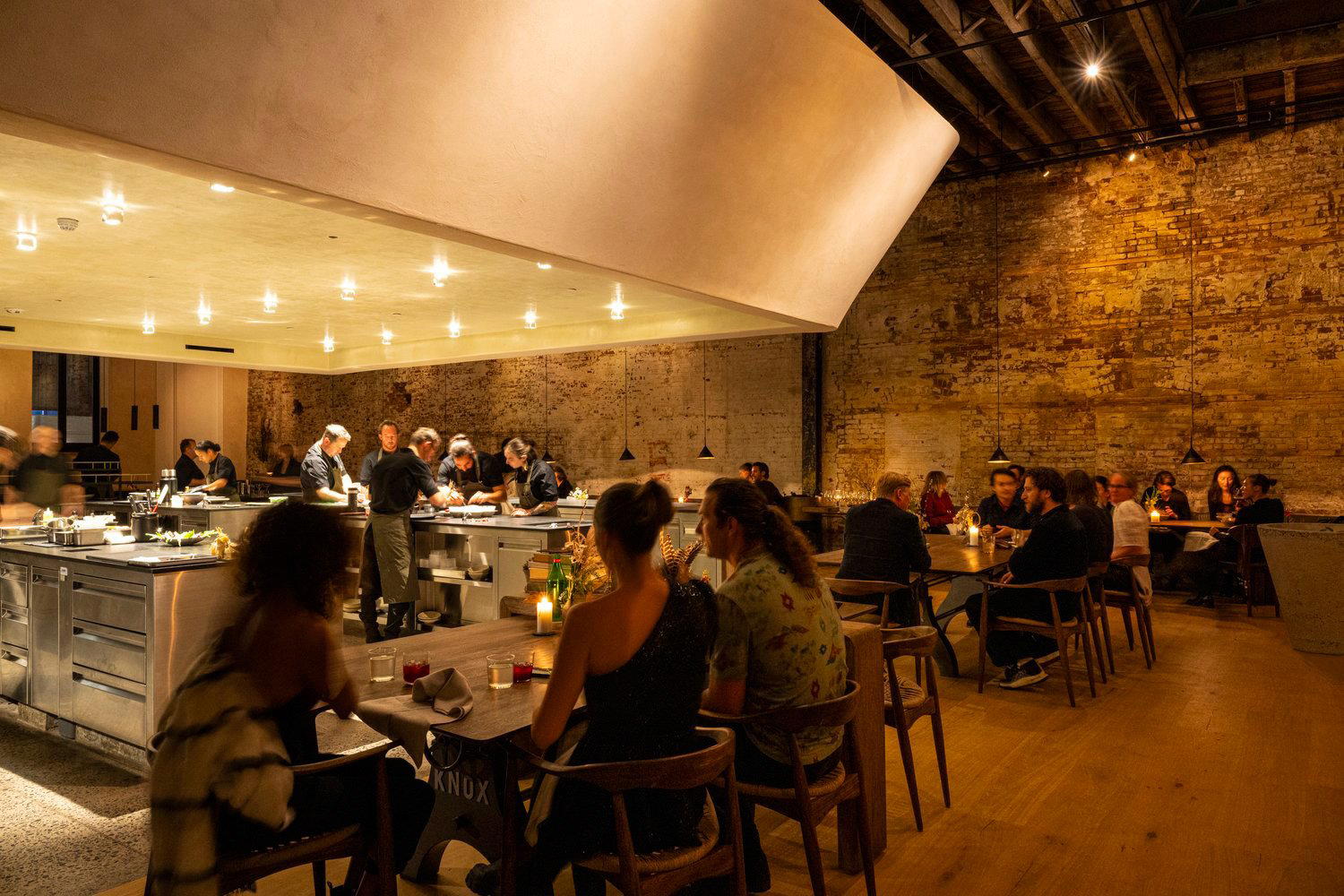
Stylish space with counter seating and an intimate atmosphere focused on fine dining.
Tags
Vibe
Best For
At the Table
- Dress Code
- Smart Casual
- Noise Level
- Conversational
- Service Style
- Upscale Casual
- Meal Pacing
- Leisurely
- Capacity
- Intimate
- Kitchen
- Fusion
- Menu Format
- A la carte
- Wine Program
- Curated
- Drinks Focus
- Wine
Signature Dishes
- whole-braised shark fin
- cherry shrimp toast
- roast pork
Know before you go
Know Before You Go
- Getting there
- Japan, 〒135-0022 Tokyo, Koto City, Miyoshi, 2 Chome−15−12 峯岸ビル 1F
Planning details
Location
Japan, 〒135-0022 Tokyo, Koto City, Miyoshi, 2 Chome−15−12 峯岸ビル 1F · Directions
Recognition and awards
Also consider
Also Consider
- Harutaka, Sushi, ¥¥¥¥
- RyuGin, Kaiseki, Japanese, ¥¥¥¥
- L'Effervescence, French, ¥¥¥¥
- HOMMAGE, Innovtive French, French, ¥¥¥¥
- Florilège, French, ¥¥¥
Restaurant context
O2 sits at ¥¥ against a comparison set that is almost entirely ¥¥¥¥, which makes direct comparison partly a budget question. If you are choosing between O2 and Harutaka or RyuGin, you are not really choosing between equivalents, you are choosing between a personal, mid-range chef-driven room and Tokyo's elite counter and kaiseki experiences. RyuGin is the better argument for a once-in-a-trip splurge on Japanese culinary tradition; Harutaka is the right call if sushi at the highest technical level is the brief. Neither competes with O2 on price, and O2 does not compete with either on formality or ceremony.
Among the French-leaning ¥¥¥¥ options, L'Effervescence and HOMMAGE deliver the most polished service experiences in Tokyo's creative dining tier, while Florilège at ¥¥¥ is the closest in spirit to O2, a chef with a clear point of view working in a format that does not fit neatly into a single category, but at a higher price point and with greater international profile. If budget is the deciding factor, O2 wins on value. If you want the full creative tasting experience with international recognition behind it, Florilège is the stronger pick.
For diners building a week in Tokyo across multiple meals, O2 and Florilège work well as a pair: O2 for a mid-week evening that does not require advance planning weeks out, Florilège for the meal you book first. The ¥¥¥¥ rooms, Harutaka, RyuGin, L'Effervescence, HOMMAGE, are harder to book and require more lead time. O2's easy booking difficulty is itself an argument for including it: it fills a slot that the starred rooms cannot, at a price that does not require the same level of occasion-justification.
Explore Tokyo
Around this place
Discover more on Pearl
Unlock the full O2 guide in Pearl, including awards, comparisons, FAQs, planning details, and nearby places.
Compare O2
| Venue | Cuisine | Price | Booking Difficulty | Awards |
|---|---|---|---|---|
| O2 | Chinese | ¥¥ | Easy | Tabelog 100 - Chinese cuisine - TOKYO - 2026 · #312026 Michelin Plate2025 Michelin Plate2024 Michelin Plate |
| Harutaka | Sushi | ¥¥¥¥ | Unknown | 2026 Tabelog Silver · #312026 OAD Top Restaurants in Japan Ranked · #1282026 Michelin 3 Stars2026 La Liste Top RestaurantsTabelog 100 - Sushi - TOKYO - 2025 · #372025 Asia's 50 Best Restaurants · #762025 OAD Top Restaurants in Japan Ranked · #1172025 La Liste Top Restaurants2025 Tabelog Bronze |
| RyuGin | Kaiseki, Japanese | ¥¥¥¥ | Unknown | 2026 OAD Top Restaurants in Japan Ranked · #802026 Tabelog Bronze · #3772026 Michelin 3 Stars2026 La Liste Top RestaurantsTabelog 100 - Japanese cuisine - TOKYO - 2025 · #212025 OAD Top Restaurants in Japan Ranked · #542025 Michelin 3 Stars2025 La Liste Top Restaurants2025 The Best Chef Three Knives |
| L'Effervescence | French | ¥¥¥¥ | Unknown | 2026 Tabelog Silver · #682026 OAD Top Restaurants in Japan Ranked · #103Star Wine Lists 20262026 Black Pearl 2 Diamond2026 Relais Chateaux Restaurants2026 La Liste Top Restaurants2026 Michelin 3 Stars2025 Asia's 50 Best Restaurants · #692025 OAD Top Restaurants in Japan Ranked · #92 |
| HOMMAGE | Innovtive French, French | ¥¥¥¥ | Unknown | 2026 Tabelog Bronze · #1232026 OAD Top Restaurants in Japan Highly Recommended2026 Michelin 2 StarsTabelog 100 - French - TOKYO - 2025 · #762025 Asia's 50 Best Restaurants · #782025 OAD Top Restaurants in Japan Ranked · #1752025 Michelin 2 Stars2025 The Best Chef One Knife2025 La Liste Top Restaurants |
| Florilège | French | ¥¥¥ | Unknown | 2026 Asia's 50 Best Restaurants · #312026 Tabelog Bronze · #712026 OAD Top Restaurants in Japan Ranked · #1242026 Black Pearl 1 Diamond2026 Michelin 2 Stars2026 La Liste Top Restaurants2025 Asia's 50 Best Restaurants · #172025 World's 50 Best Restaurants · #36Tabelog 100 - French - TOKYO - 2025 · #68 |












Side-by-side comparison to help you decide where to book.
FAQ
Frequently Asked Questions
Is O2 worth the price?
At the ¥¥ price tier, O2 offers solid value for what it delivers: Michelin Plate-recognised cooking from Chef Otsu that consciously resists easy categorisation, blending Chinese technique with Japanese and Western ingredients. For mid-range Tokyo dining, that level of culinary ambition at this price point is hard to match in the neighbourhood. If you want straightforward regional Chinese, look elsewhere — this is a chef-driven project with a clear personal vision.
What are alternatives to O2 in Tokyo?
For higher-end Chinese-influenced or cross-cultural Japanese cooking with more formal credentials, Florilège and L'Effervescence operate in a similar creative-fusion space but at a significantly higher price tier. If you want to stay at ¥¥ and are flexible on cuisine, HOMMAGE covers French-Japanese territory at a comparable spend. O2 is the call if Chef Otsu's specific Chinese-technique-led approach is the draw.