
.png?width=1200&quality=80)
Shintomicho Yuasa
Chinese · Chūō, Tokyo
Restaurant in Tokyo, Japan
 Book with Pearl
The Read
Health-Conscious Chinese Craft
Price
¥¥¥
Dress
Smart Casual
Why go
A Michelin Plate Chinese restaurant in Tokyo's Shintomi district, built around a health-conscious cooking philosophy and a sommelier-led drinks program. At ¥¥¥ and easy to book, it rewards diners who want considered Chinese cooking with a coherent point of view — and wine pairings that most Chinese restaurants in Tokyo won't offer.
About Shintomicho Yuasa
Verdict
Shintomicho Yuasa earns its two consecutive Michelin Plates (2024, 2025) through a focused vision: Chinese cooking reconsidered through a health-conscious, sommelier-informed lens. At the ¥¥¥ price point, it sits in a practical middle ground for Tokyo's dining scene — serious enough to reward a deliberate booking, accessible enough that you won't need to plan months ahead. If you want Chinese food in Tokyo that is backed by a clear culinary philosophy and comes with considered drinks pairings, this is the right call. If you want pure Cantonese banquet cooking or high-volume dim sum, look elsewhere.
The Space and the Setting
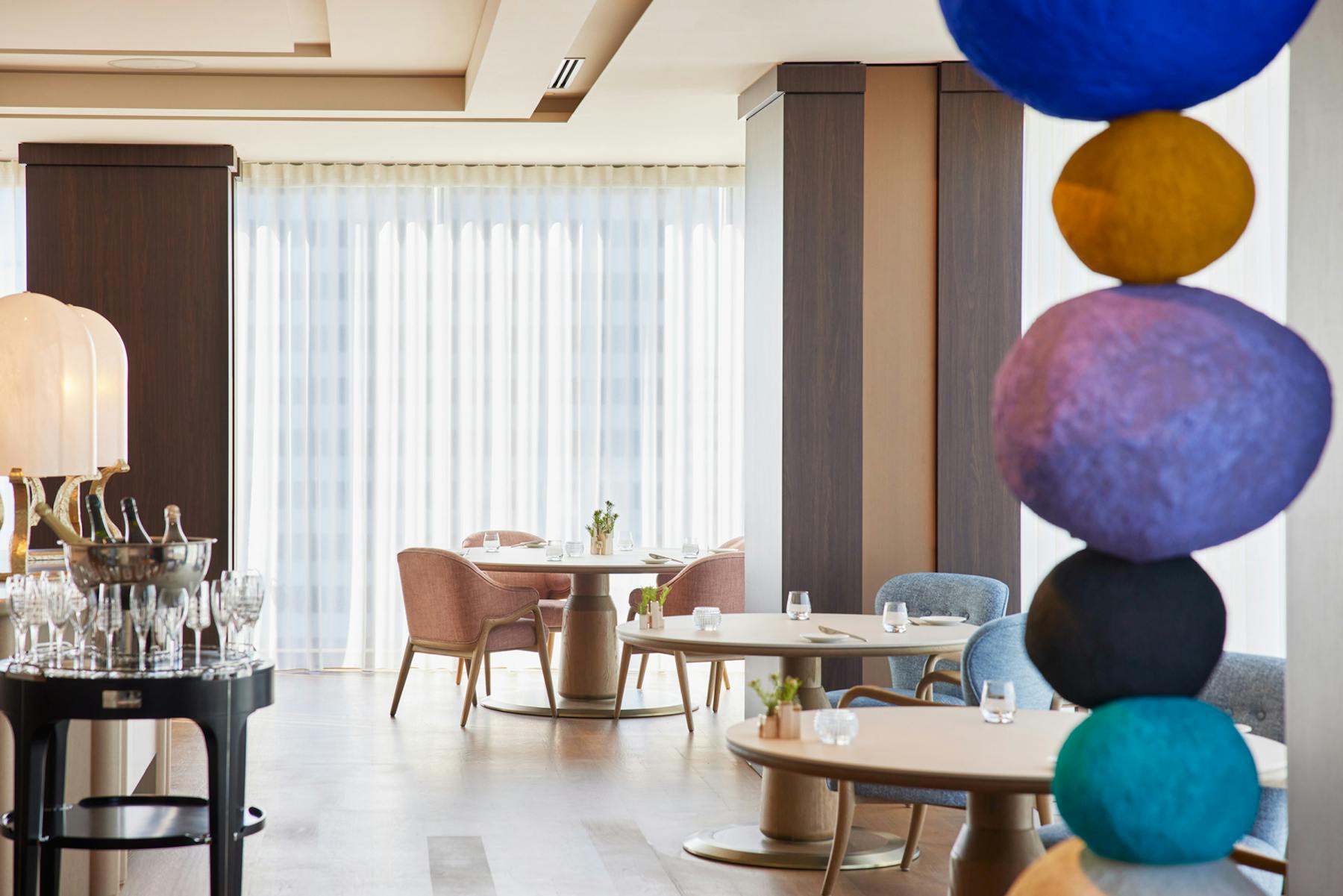
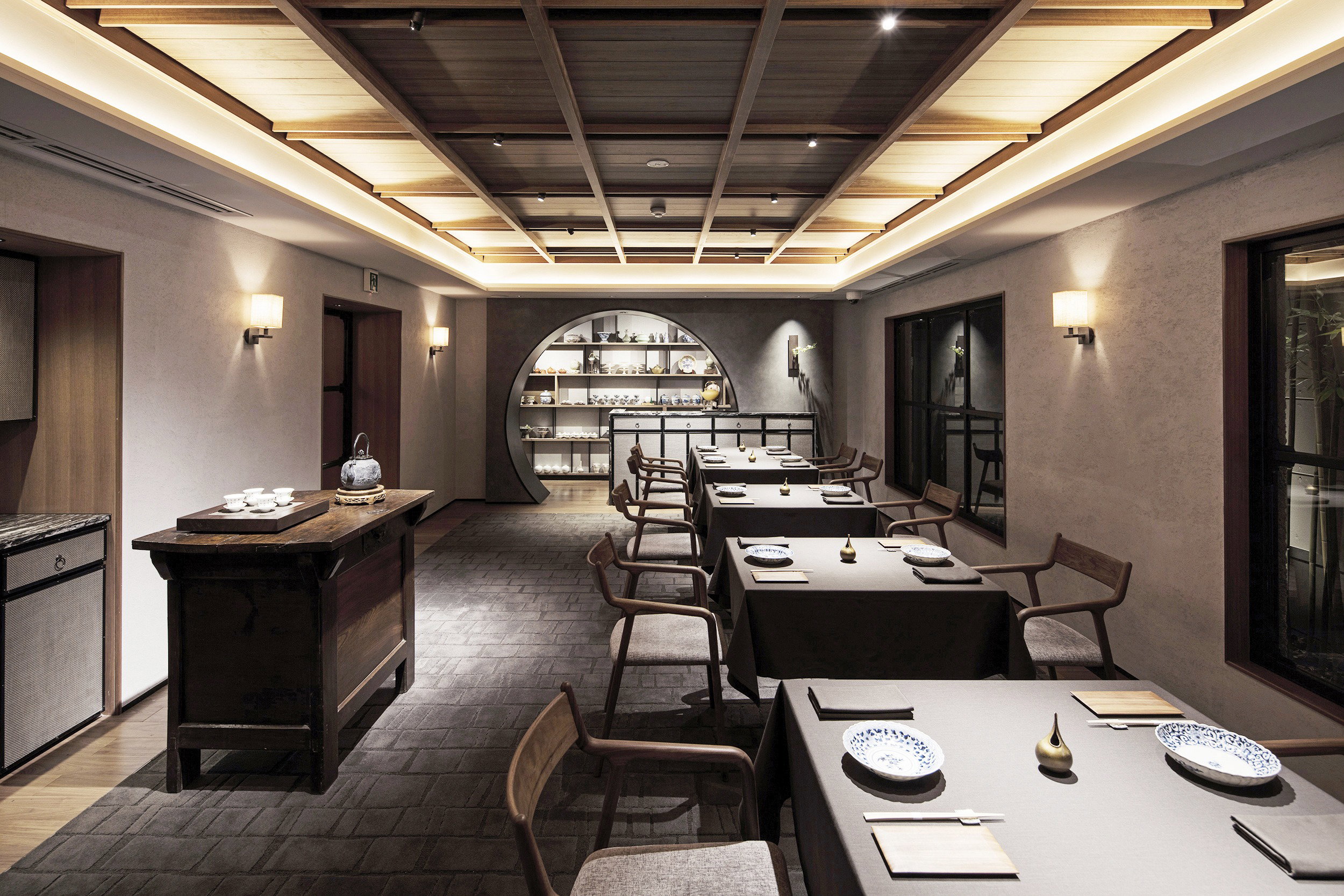
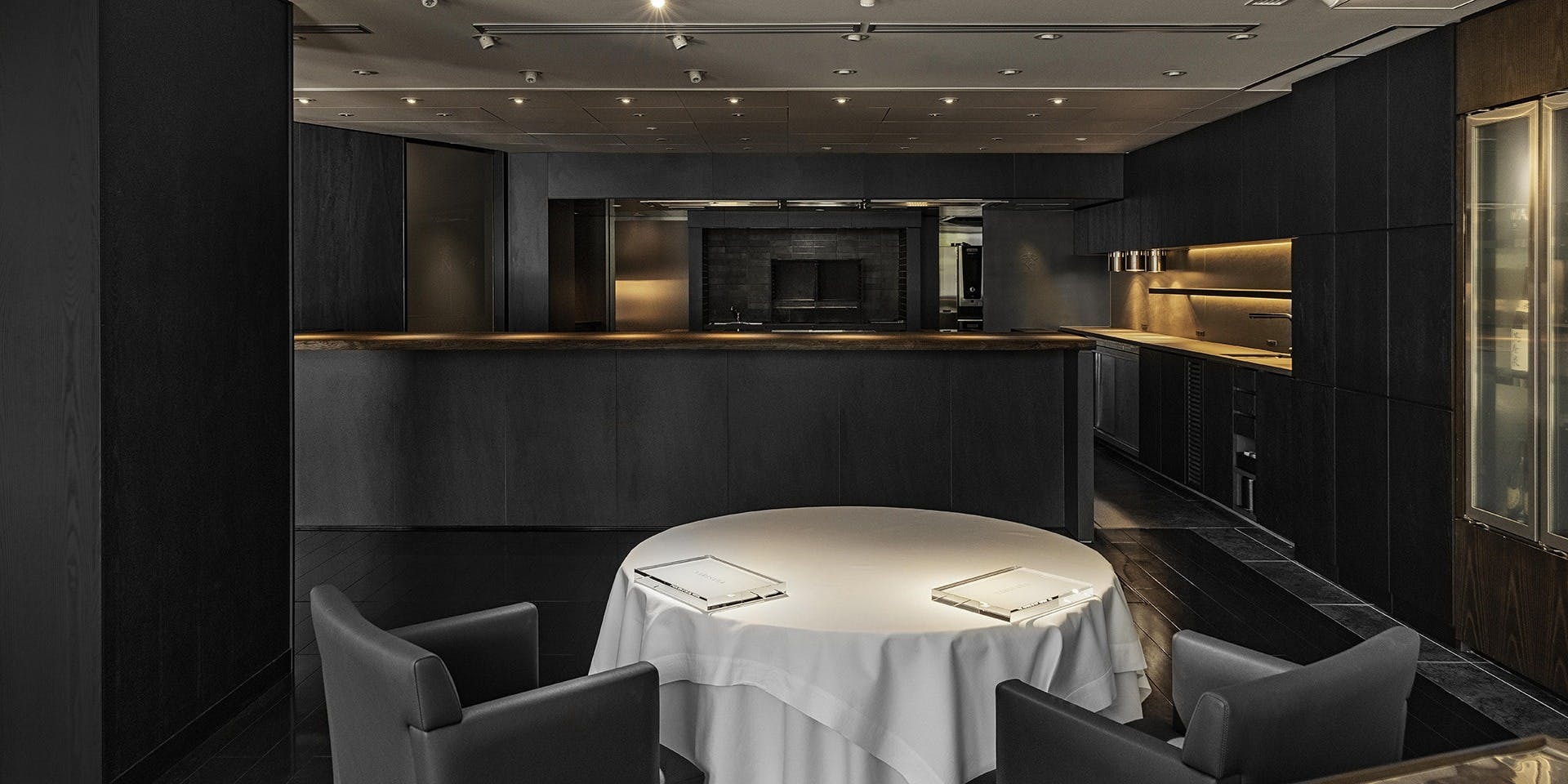
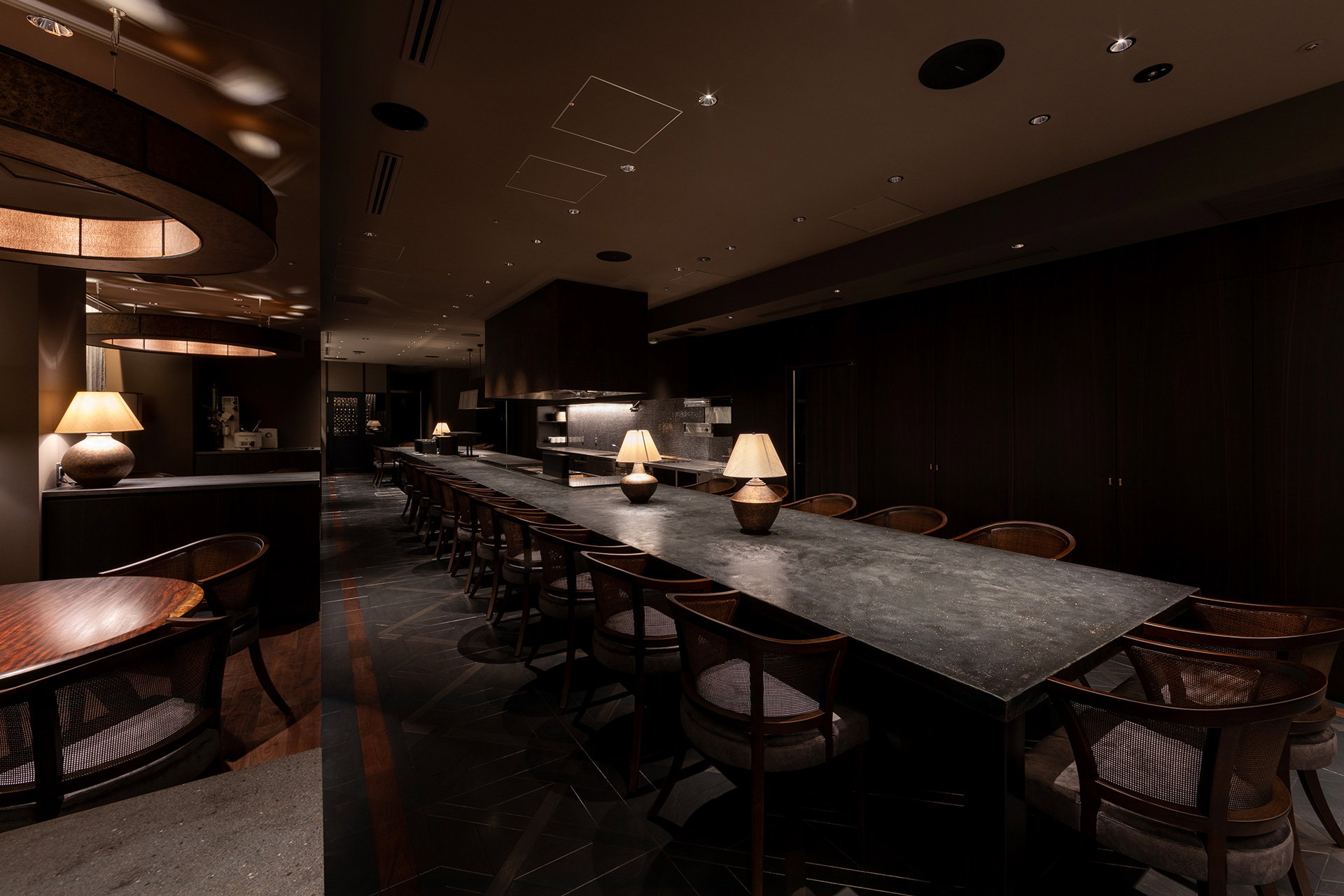
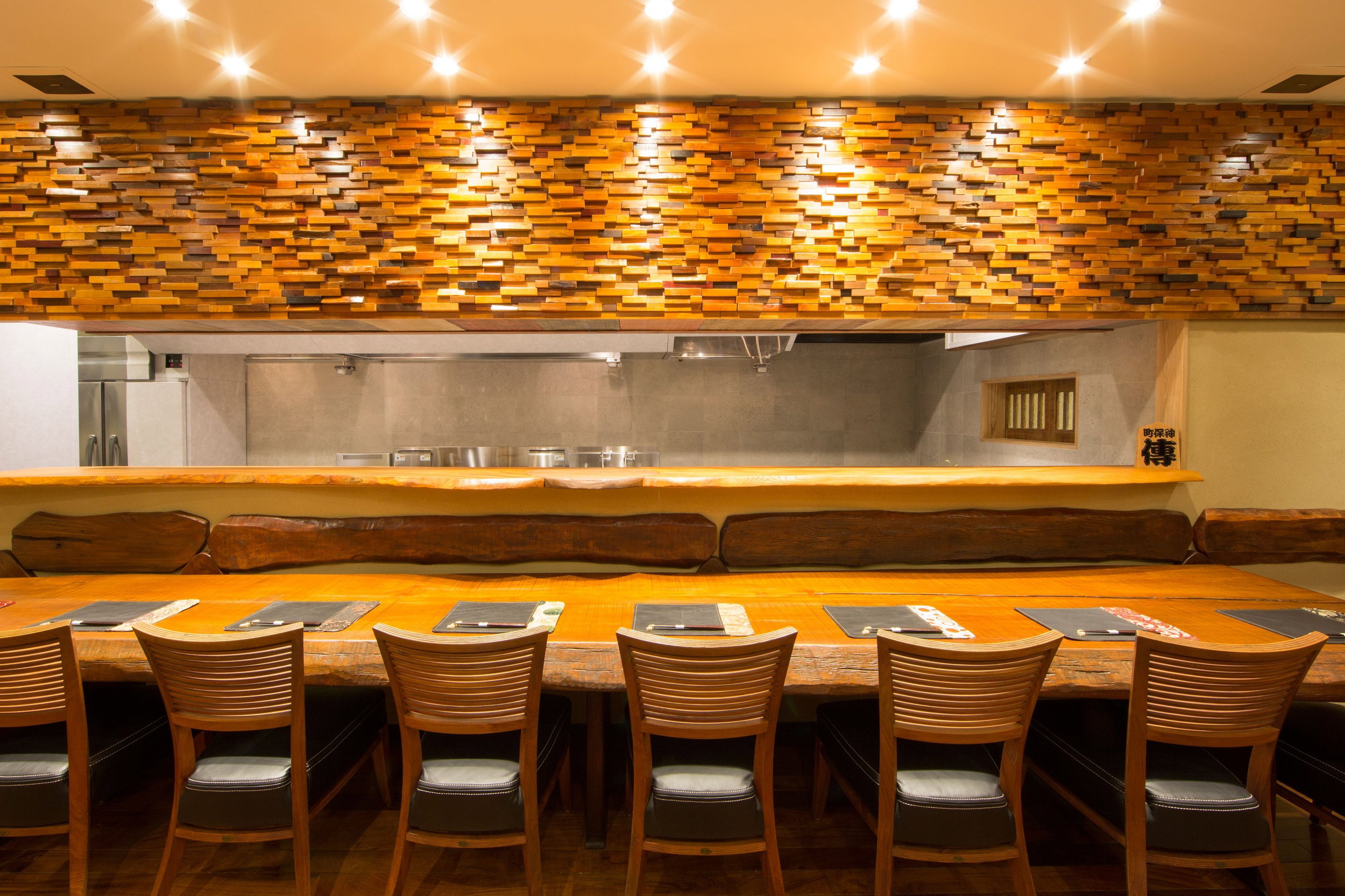
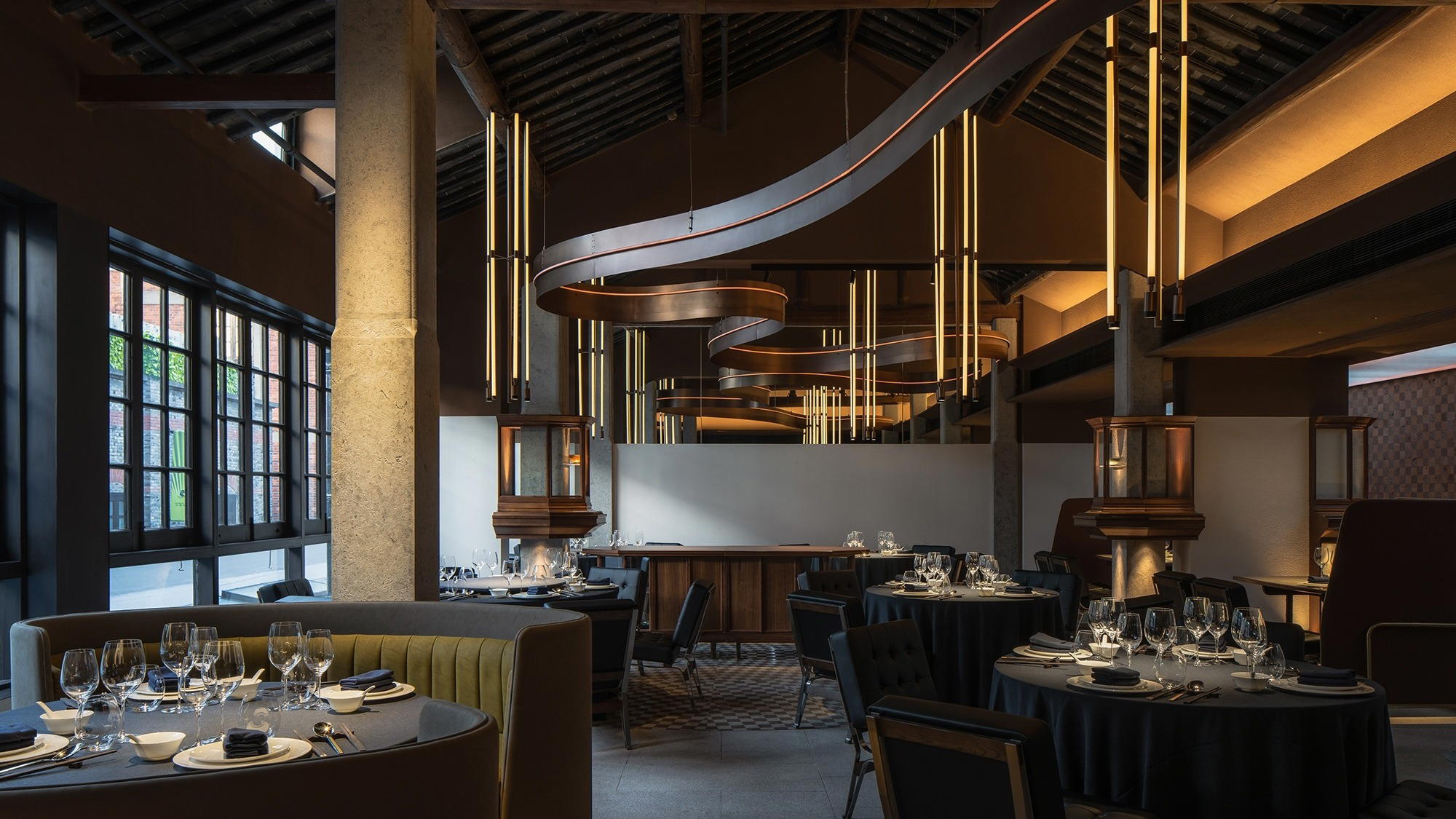
Shintomicho Yuasa sits at ground level in Growth Ginza East, a commercial building in the Shintomi district of Chuo City — a quieter pocket of central Tokyo, southeast of Ginza proper, where the restaurant density thins out and the atmosphere is more neighbourhood than destination strip. That positioning matters: this is not a see-and-be-seen room. The address suggests an intimate scale, the kind of space where the cooking and the conversation between kitchen and table take priority over the spectacle of the dining room itself. For a food-focused explorer visiting Tokyo, that restraint is a point in the venue's favour, you are here for the food and the drinks, not the theatre of the room.
The ground-floor placement in a compact building keeps the spatial experience grounded and low-key. Without confirmed seat counts in the record, it would be wrong to call this a counter-only experience or a sprawling multi-room operation, but the address profile and the ¥¥¥ positioning together suggest a room that rewards a reservation for two or a small group, rather than a large-party celebration format. If you are travelling with four or more, verify capacity directly before assuming the space can accommodate you comfortably.
The Drinks Program
This is where Shintomicho Yuasa makes a specific argument that most Chinese restaurants in Tokyo do not. The chef-operator holds a sommelier qualification, and that credential is not decorative, it signals a deliberate attempt to build a drinks program that works alongside the cooking rather than being an afterthought. For Chinese restaurants in Japan, wine pairing is still a relatively underexplored territory; most operations of this type default to beer, Chinese spirits, or a short, undifferentiated wine list. Yuasa's sommelier background suggests the drinks list here has been assembled with the same care applied to the menu itself.
This makes Shintomicho Yuasa a genuinely interesting option for the food and wine explorer who wants to drink well alongside Chinese cooking without reverting to the defaults. If drinks pairing matters to your dining experience, factor this in as a meaningful differentiator versus peer Chinese restaurants in the city. For broader context on Tokyo's drinks scene, our full Tokyo bars guide covers the range of options across formats and price points.
The Culinary Philosophy
The driving principle at Yuasa is rooted in the etymology of the Chinese character for food, composed of the characters for 'person' and 'good', which frames eating as something that should support wellbeing, not merely satisfy appetite. In practical terms, this translates to a menu oriented around balance and nutritional intention alongside flavour. That is a specific lane within Chinese cooking, and it distinguishes this kitchen from restaurants that foreground richness, technique showmanship, or regional tradition as their primary identity.
For the explorer who wants depth and context, this philosophy gives Shintomicho Yuasa a coherent point of view worth engaging. It is not novelty for its own sake; it is a stated set of values that shapes what arrives at the table. Compare this to Tokyo's other Chinese options: Chugoku Hanten Fureika and Chugoku Hanten Kohakukyu (Amber Palace) operate at the higher end of formal Chinese dining in Tokyo, with a more classical Cantonese focus. Ippei Hanten and itsuka each offer distinct takes on Chinese cooking in the city, and Koshikiryori Koki takes an entirely different direction with court-style Chinese cuisine. Yuasa's wellness framing and sommelier-led drinks program carve out a position none of those venues occupy in quite the same way.
Booking and Practical Details
Booking difficulty is rated Easy, which means you do not need to plan far ahead by Tokyo standards. A few days' notice should be sufficient for most evenings; same-week bookings are likely viable outside peak holiday periods. The ¥¥¥ price range puts this in Tokyo's mid-upper tier, above a casual neighbourhood Chinese restaurant, below the ¥¥¥¥ category occupied by venues like Harutaka or RyuGin. That positioning makes it a solid choice for a focused dinner that does not require a special-occasion budget. No dress code data is in the record, but a ¥¥¥ Michelin Plate venue in central Tokyo typically expects smart-casual at minimum, avoid overly casual clothing.
For those building a broader Tokyo itinerary, our full Tokyo restaurants guide covers the city's range across all price points and cuisines. If you are extending the trip, consider HAJIME in Osaka, Gion Sasaki in Kyoto, or akordu in Nara for strong regional options. For Chinese cooking with a similarly personal vision in other cities, Restaurant Tim Raue in Berlin and Mister Jiu's in San Francisco offer useful international reference points. Accommodation options are covered in our full Tokyo hotels guide, and our Tokyo experiences guide and wineries guide round out the city picture. For dining elsewhere in Japan, Goh in Fukuoka, 1000 in Yokohama, and 6 in Okinawa are worth adding to a longer Japan itinerary.
Pearl Ratings
- Awards: Michelin Plate 2024, Michelin Plate 2025
- Price: ¥¥¥
- Booking difficulty: Easy
Planning details
- Location
- Japan, 〒104-0041 Tokyo, Chuo City, Shintomi, 2 Chome−7−4 growth ginza east1F
- Website
- shintomi-yuasa.com/?_src=gbp
- Phone
- +81 3-6222-8677
The take
The Take
The Vibe
Shintomicho Yuasa presents an understated, focused take on Chinese noodle craft. It sits in a low-key commercial pocket east of Ginza and leans into counter-oriented service and meticulous technique rather than theatrical dining. The kitchen treats regional noodle traditions—hand-pulled lamian, knife-cut daoxiaomian and northern wheat noodles—with Japanese exactitude, so the room feels restrained and quietly assured. The result is an intimate, specialist energy: precise, modest, and centered on texture and balance. Rather than loud or flashy, the restaurant rewards attention to detail and a slower, more contemplative way of eating.
Best For
This is a neighbourhood specialist that performs strongly across daytime and early-evening shifts. Its proximity to financial corridors gives it daytime credibility for lunch, while the reference to 'after-work reservation pressure' shows it fills up for evening service. The counter format suits solo diners and focused small parties who want to watch technique at close range; it also attracts professionals looking for efficient, high-quality meals after work. Reservations are useful at peak times—especially on weekday evenings—since the compact, counter-led layout limits capacity.
Ordering Tips
Prioritize noodle preparations and the house signature when you visit: the piece highlights hand-pulled and knife-cut varieties alongside regional broths, and the Stir-fried Prawns with Prawn Miso is listed as a signature dish. Ask staff about the noodle style and desired texture—thinner northern wheat noodles, lamian or daoxiaomian require different cooking times and yield distinct mouthfeels. Given the spot's counter orientation and after-work demand, book or arrive early for a counter seat if you want to watch the craft. Expect dishes that emphasize balance, texture and restrained seasoning rather than heavy spectacle.
Venue details
Ambiance
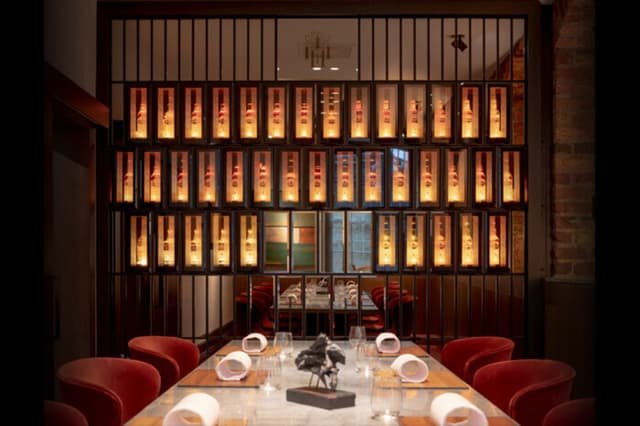
Minimalist wood-forward interior with warm hinoki tones, discreet lighting, and a serene, purposeful atmosphere.
Tags
Vibe
Best For
Experience
Sourcing
At the Table
- Dress Code
- Smart Casual
- Noise Level
- Quiet
- Service Style
- Formal
- Meal Pacing
- Leisurely
- Capacity
- Intimate
Signature Dishes
Stir-fried Prawns with Prawn Miso
Know before you go
Know Before You Go
- Getting there
- Japan, 〒104-0041 Tokyo, Chuo City, Shintomi, 2 Chome−7−4 growth ginza east1F
Planning details
Location
Japan, 〒104-0041 Tokyo, Chuo City, Shintomi, 2 Chome−7−4 growth ginza east1F · Directions
Recognition and awards
Also consider
Also Consider
- Harutaka, Sushi, ¥¥¥¥
- RyuGin, Kaiseki, Japanese, ¥¥¥¥
- L'Effervescence, French, ¥¥¥¥
- HOMMAGE, Innovtive French, French, ¥¥¥¥
- Florilège, French, ¥¥¥
Restaurant context
Against Tokyo's ¥¥¥¥ tier, Shintomicho Yuasa is the more accessible call. RyuGin and L'Effervescence both operate at a higher price point and demand significantly more lead time to book, they are the right choice if kaiseki or French technique at the top of the city's game is what you're after. Yuasa's ¥¥¥ positioning means you can eat at a Michelin-recognised level without the ¥¥¥¥ outlay or the weeks-ahead planning. For the explorer who wants to cover more ground on a Tokyo trip without dedicating every dinner to a four-figure splurge, Yuasa is the more practical fit.
Within the French-leaning ¥¥¥¥ set, HOMMAGE and Florilège are strong options if innovative French cooking is your priority. Florilège, also at ¥¥¥, is the closest price-tier peer, but the kitchens have almost nothing in common, so the choice between them is simply a question of what cuisine you want rather than a value comparison. If you are in Tokyo specifically to eat Chinese food with depth and a serious drinks dimension, Yuasa is the clearest recommendation in its category at this price. Harutaka is the benchmark for sushi at the top end, but that is a different decision entirely.
The Michelin Plate recognition across two consecutive years provides the most reliable quality anchor available. For a first-time Tokyo visitor with limited nights, a ¥¥¥¥ Michelin-starred venue might feel like better insurance. For a returning visitor or a food-focused traveller who has already covered the top tier, Yuasa is exactly the kind of considered, lower-profile option that repays the detour.
Explore Tokyo
Around this place
Discover more on Pearl
Unlock the full Shintomicho Yuasa guide in Pearl, including awards, comparisons, FAQs, planning details, and nearby places.
Compare Shintomicho Yuasa
| Venue | Cuisine | Price | Booking Difficulty | Awards |
|---|---|---|---|---|
| Shintomicho Yuasa | Chinese | ¥¥¥ | Easy | Tabelog 100 - Chinese cuisine - TOKYO - 2026 · #182026 Michelin Plate2025 Michelin Plate2024 Michelin Plate |
| Harutaka | Sushi | ¥¥¥¥ | Unknown | 2026 Tabelog Silver · #312026 OAD Top Restaurants in Japan Ranked · #1282026 Michelin 3 Stars2026 La Liste Top RestaurantsTabelog 100 - Sushi - TOKYO - 2025 · #372025 Asia's 50 Best Restaurants · #762025 OAD Top Restaurants in Japan Ranked · #1172025 La Liste Top Restaurants2025 Tabelog Bronze |
| RyuGin | Kaiseki, Japanese | ¥¥¥¥ | Unknown | 2026 OAD Top Restaurants in Japan Ranked · #802026 Tabelog Bronze · #3772026 Michelin 3 Stars2026 La Liste Top RestaurantsTabelog 100 - Japanese cuisine - TOKYO - 2025 · #212025 OAD Top Restaurants in Japan Ranked · #542025 Michelin 3 Stars2025 La Liste Top Restaurants2025 The Best Chef Three Knives |
| L'Effervescence | French | ¥¥¥¥ | Unknown | 2026 Tabelog Silver · #682026 OAD Top Restaurants in Japan Ranked · #103Star Wine Lists 20262026 Black Pearl 2 Diamond2026 Relais Chateaux Restaurants2026 La Liste Top Restaurants2026 Michelin 3 Stars2025 Asia's 50 Best Restaurants · #692025 OAD Top Restaurants in Japan Ranked · #92 |
| HOMMAGE | Innovtive French, French | ¥¥¥¥ | Unknown | 2026 Tabelog Bronze · #1232026 OAD Top Restaurants in Japan Highly Recommended2026 Michelin 2 StarsTabelog 100 - French - TOKYO - 2025 · #762025 Asia's 50 Best Restaurants · #782025 OAD Top Restaurants in Japan Ranked · #1752025 Michelin 2 Stars2025 The Best Chef One Knife2025 La Liste Top Restaurants |
| Florilège | French | ¥¥¥ | Unknown | 2026 Asia's 50 Best Restaurants · #312026 Tabelog Bronze · #712026 OAD Top Restaurants in Japan Ranked · #1242026 Black Pearl 1 Diamond2026 Michelin 2 Stars2026 La Liste Top Restaurants2025 Asia's 50 Best Restaurants · #172025 World's 50 Best Restaurants · #36Tabelog 100 - French - TOKYO - 2025 · #68 |












Comparing your options in Tokyo for this tier.
FAQ
Frequently Asked Questions
What are alternatives to Shintomicho Yuasa in Tokyo?
For a different format at a similar or adjacent price point, Florilège offers chef-driven tasting menus with a sustainability angle, while HOMMAGE provides French technique in a composed, intimate setting. Neither serves Chinese cuisine, but both share Yuasa's philosophy of cooking as considered nourishment rather than spectacle. If you specifically want health-conscious cooking with a strong drinks program in central Tokyo, Yuasa is one of the few Chinese kitchens making that argument explicitly.
What should I wear to Shintomicho Yuasa?
The venue is a ground-floor room in a commercial building in Shintomi — not a formal dining hall. Nothing in the available information suggests strict dress requirements, so neat, presentable clothing is a sensible baseline. Overdressing for a Michelin Plate Chinese restaurant in a mid-tier Tokyo commercial address is unnecessary.
How far ahead should I book Shintomicho Yuasa?
Booking difficulty is rated Easy, which by Tokyo standards is notable — most comparable Michelin-recognised restaurants require weeks of lead time. A few days' notice should be sufficient in most cases, and last-minute availability is plausible for smaller parties.
Is the tasting menu worth it at Shintomicho Yuasa?
At ¥¥¥ pricing with back-to-back Michelin Plates (2024, 2025) and a chef-operator who holds a sommelier qualification, the value case is solid if health-led Chinese cooking and a considered drinks pairing match your priorities. This is not the right booking if you want a traditional Cantonese banquet or a la carte flexibility — the philosophy here is deliberate and structured. For a high-protein expense-account meal with more conventional Chinese breadth, look elsewhere in Tokyo.