
Nijikichi
Hakata Island, Imabari
Restaurant in Imabari, Japan
 Book with Pearl
The Read
Fisherman-to-Counter Omakase
Dress
Smart Casual
Why go
Tabelog Silver Award counter (2026, score 4.45) on Hakata Island serving seafood-focused tasting menus at JPY 30,000–39,999, with fisherman-sourced Setouchi fish and a six-seat format. Irregular hours posted on Instagram; booking windows close fast. Two-person maximum, remote access requires taxi or car—worth the logistics if seasonal sourcing and minimal-intervention technique matter more than ambiance.
About Nijikichi
Nijikichi is a premium restaurant in Imabari with limited public details. Business hours are irregular, and the restaurant directs diners to check Instagram or OMAKASE for the latest operating days and reservation methods. Its dress code is smart casual. Nijikichi is also listed in the 2026 Tabelog Award Silver group, with a Tabelog score of 4.45 and a budget range of JPY 30,000–39,999 for dinner and lunch.
The restaurant does not specify a particular cuisine, chef, seating format, menu structure, beverage program, party-size rule, or access route. For that reason, diners should avoid assuming a particular style of meal and should confirm current details directly through the restaurant’s stated channels before booking.
The 2026 Tabelog Silver listing and 4.45 score are the clearest signals of recognition. The budget range is JPY 30,000–39,999 for both dinner and lunch, though actual operating days and reservation methods should be checked on Instagram or OMAKASE because business hours are irregular.
Booking, Access, and Group Constraints
Because Nijikichi’s business hours are irregular, the safest approach is to monitor Instagram or OMAKASE and follow the restaurant’s current reservation instructions. Do not rely on fixed weekly hours unless the restaurant has posted them for the relevant date.
The listed budget places Nijikichi in a premium bracket for Imabari dining. Akakichi is another comparisons for travelers researching higher-end meals in the area; compare current availability and booking requirements before deciding. For a broader sense of local options, see our full Imabari restaurants guide. If Nijikichi’s irregular schedule does not fit your trip, Shinoda is another Imabari option to research.
For planning, Nijikichi is in Imabari, follows a smart-casual dress code, has irregular business hours, and directs guests to Instagram or OMAKASE for the latest operating and reservation information. The Tabelog lists it as a 2026 Silver award restaurant with a 4.45 score and a JPY 30,000–39,999 budget range for dinner and lunch.
Planning details
- Hours
- Our business hours are irregular. For the latest updates on our operating days and reservation methods, please check our Instagram or OMAKASE.
- Location
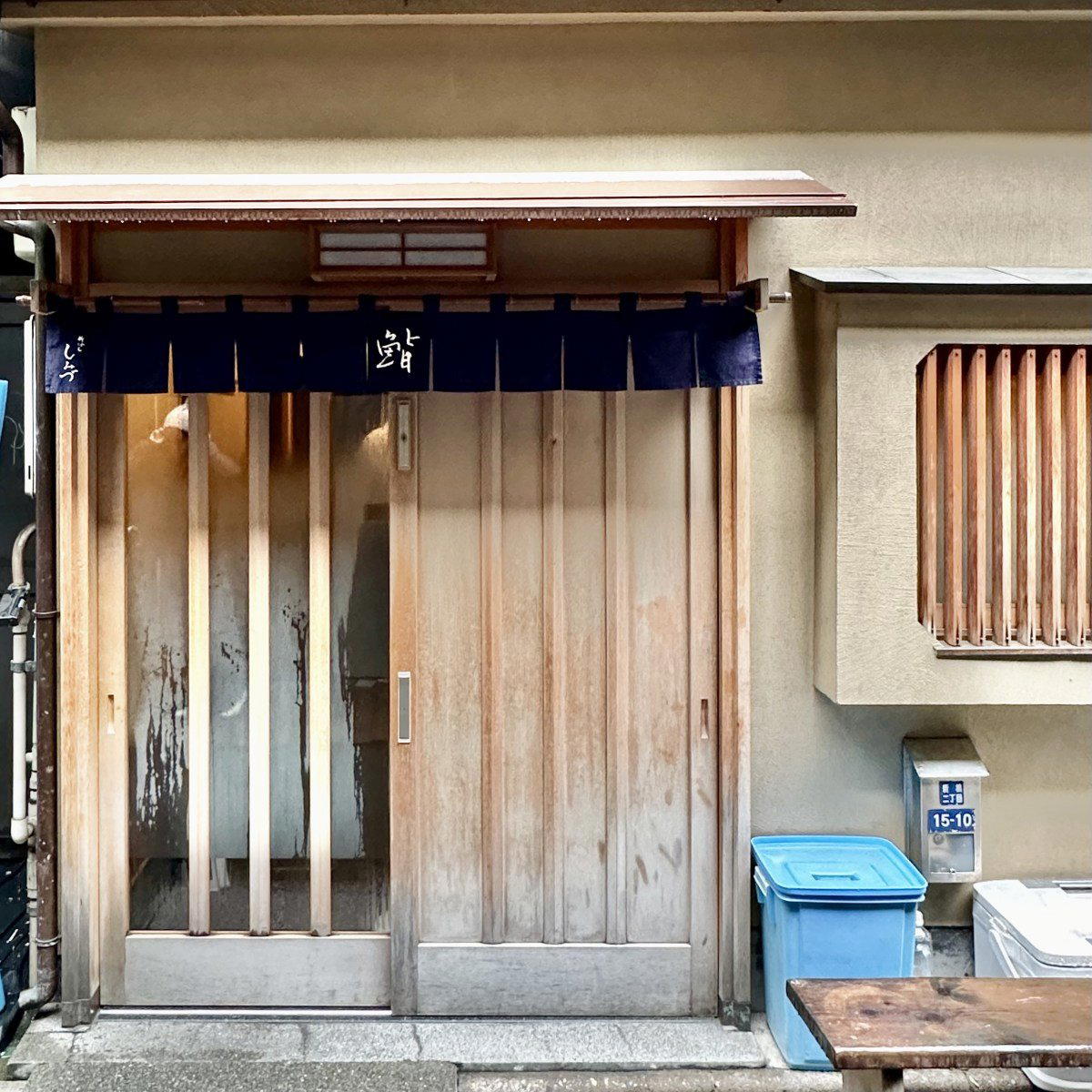
- Japan, 〒794-2304 Ehime, Imabari, Hakatacho Kitaura, 甲1203-8
- Website
- tabelog.com/ehime/A3802/A380201/38015606
- Phone
- +81 90-3189-2567
The take
The Take
The Vibe
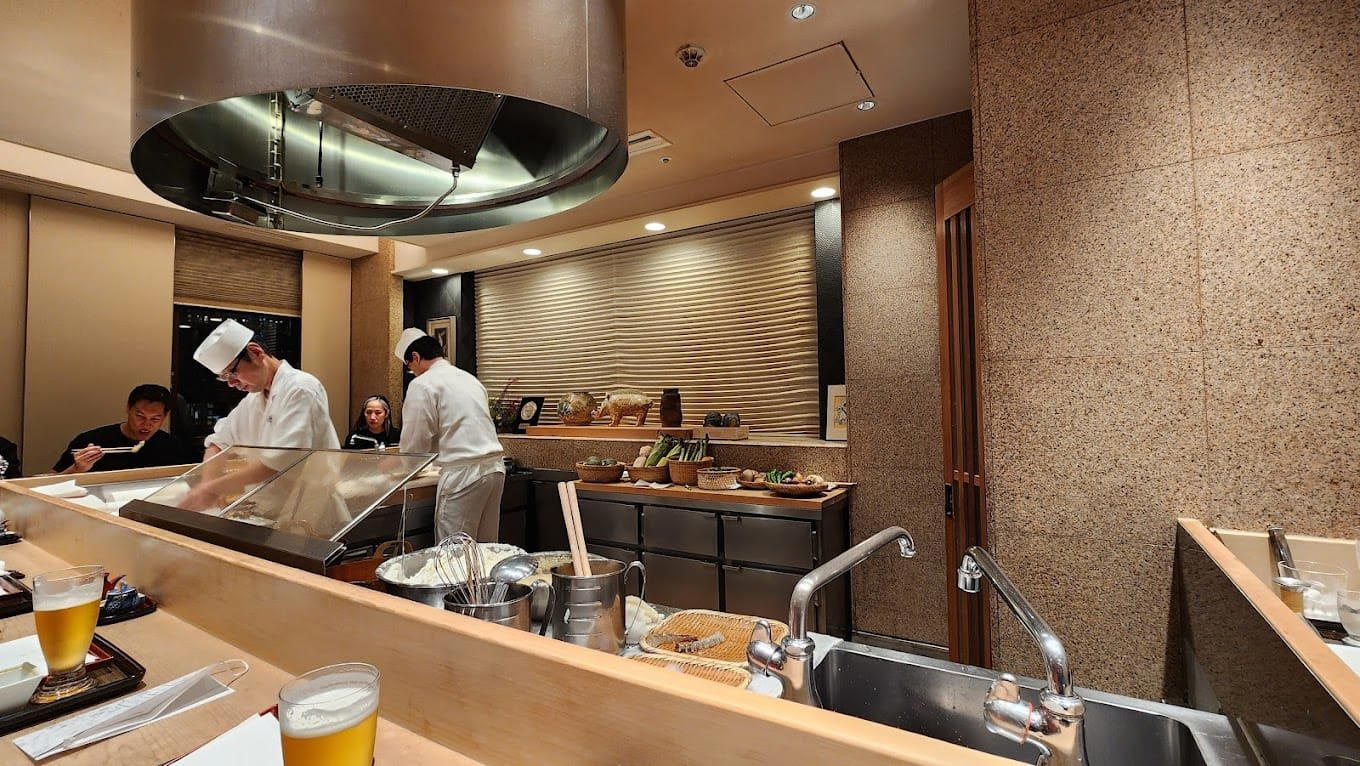
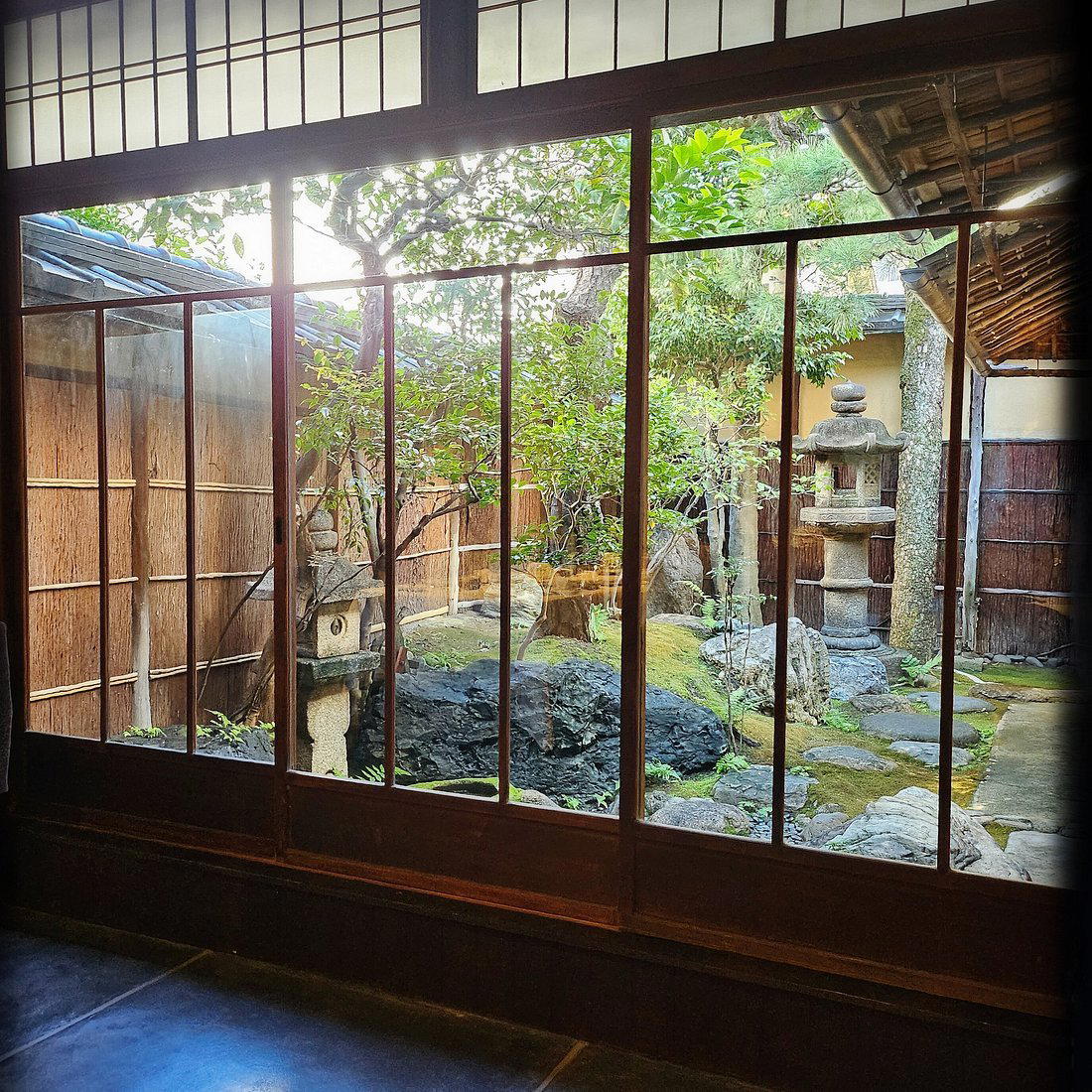
Nijikichi feels anchored to place: a compact counter that literally faces the Seto Inland Sea and operates within the rhythms of a fishing community. The room’s focus is the sea and its harvests rather than city spectacle; the service and sequence of plates are shaped by seasonality and the local catch. There’s a measured, tradition-rooted quality to the experience—less about culinary theater than about careful handling of Setouchi ingredients—so the overall impression is scenic and quietly reverent, a classic expression of regional Japanese fine dining rather than an urban showpiece.
Best For
This is a meal for people prioritizing provenance, technique and intimacy: diners who seek a focused, ingredient-led counter experience centered on Seto Inland Sea seafood. Given its place in the provincial fine-dining tradition and recognition on Tabelog, the restaurant suits special-occasion evenings and food-focused travelers who value access to regional catches and direct engagement with the cook at the counter. It’s not a casual stop; it's a deliberate destination for those who want to connect with local fishing culture through a restrained, formal dining sequence.
Ordering Tips
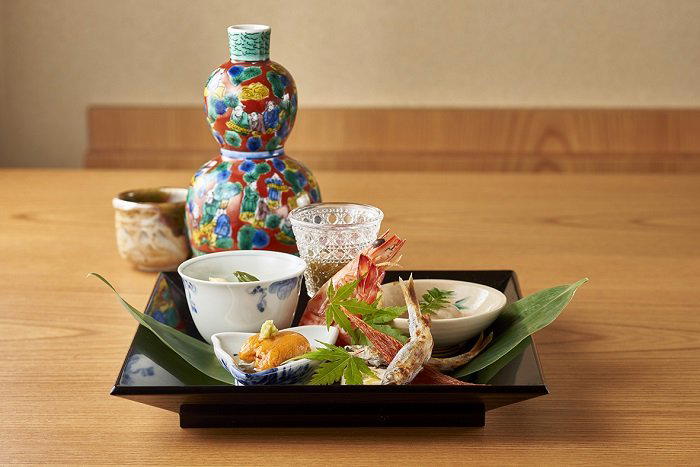
Reservations are essential: the description places Nijikichi in the "small-format, reservation-only counter" category. Expect a counter-centric service that foregrounds seasonal Seto Inland Sea fish and shellfish—the kitchen sources and stages ingredients from nearby waters. Because the restaurant’s premise is built around that proximity, ask about that day’s catches when you book or arrive. There is no suggestion of walk-in flexibility or casual ordering; plan ahead and allow the counter to present dishes that reflect the day's harvest.
Venue details
Ambiance
Intimate counter-only setting with a focus on the culinary artistry of seafood preparation.
Tags
Vibe
Best For
Experience
Sourcing
At the Table
- Dress Code
- Smart Casual
- Noise Level
- Quiet
- Service Style
- Upscale Casual
- Meal Pacing
- Leisurely
- Capacity
- Intimate
Know before you go
Know Before You Go
- Getting there
- Japan, 〒794-2304 Ehime, Imabari, Hakatacho Kitaura, 甲1203-8
Planning details
Hours
Our business hours are irregular. For the latest updates on our operating days and reservation methods, please check our Instagram or OMAKASE.
Location
Japan, 〒794-2304 Ehime, Imabari, Hakatacho Kitaura, 甲1203-8 · Directions
Recognition and awards
Also consider
Also Consider
Restaurant context
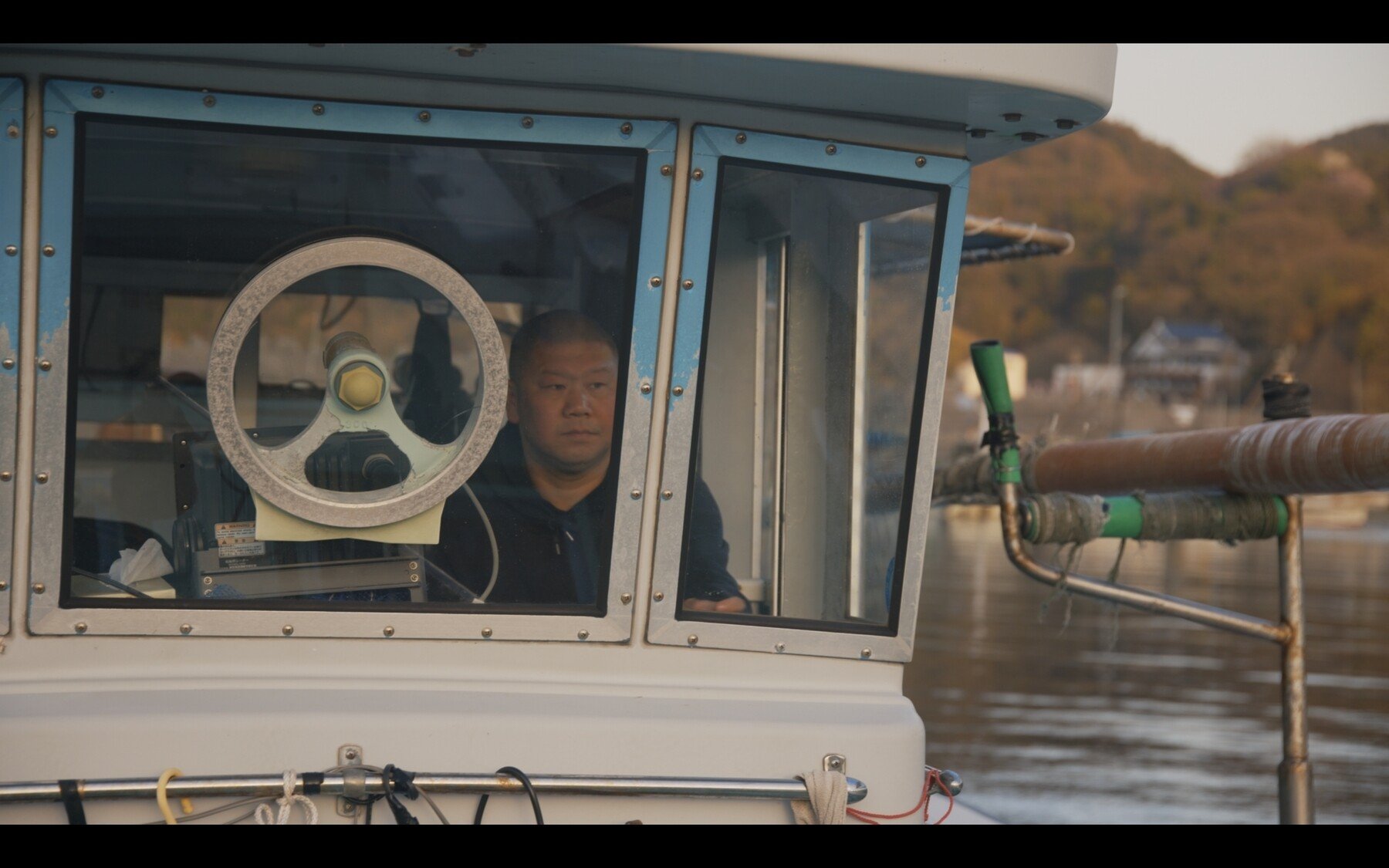
Nijikichi and Akakichi operate in the same fisherman-chef collaboration model, both drawing from Setouchi waters and charging similar JPY 30,000+ dinner prices. Nijikichi edges ahead on Tabelog recognition (Silver 2026 vs. Akakichi's unawarded status), but Akakichi's larger seat count and more predictable hours make it easier to book. Choose Nijikichi if you want the higher Tabelog score and don't mind chasing irregular availability; pick Akakichi if you need a firmer reservation timeline.
Shinoda in Imabari proper offers closer access and lower price points, though without the Tabelog accolades or fisherman-direct sourcing. Dolce Honten and Okonomiyaki Tecchan Honten sit well below JPY 10,000 per head and serve entirely different formats (Western-style desserts and okonomiyaki, respectively), neither competes on seafood or tasting-menu ambition. If Nijikichi's six-seat counter is fully booked, Akakichi is the closest alternative in quality and sourcing. If budget or logistics are tighter, Shinoda keeps you in Imabari without the island detour.
For out-of-metro splurges, Azumi Setoda on Ikuchi Island delivers a resort-hotel dining experience with broader service infrastructure, though at a higher total cost when you factor in lodging. Nijikichi is the best value if your priority is pure seafood quality per yen spent, assuming you can secure a reservation and handle the taxi logistics. Akakichi is the pragmatic backup; Shinoda is the in-town fallback when remote access or price becomes a dealbreaker.
Explore Imabari
Around this place
Discover more on Pearl
Unlock the full Nijikichi guide in Pearl, including awards, comparisons, FAQs, planning details, and nearby places.
FAQ
Frequently Asked Questions
How far ahead should I book Nijikichi?
Nijikichi states that business hours are irregular and that guests should check Instagram or OMAKASE for the latest operating days and reservation methods. Book according to the current instructions posted through those channels.
Can I eat at the bar at Nijikichi?
Nijikichi does not specify a separate bar, counter format, dining-room layout, or seating count. Check Instagram or OMAKASE for current reservation details before planning around a specific seating style.
Is Nijikichi good for a special occasion?
It can be a strong candidate if you are comfortable with irregular hours and a premium budget. It lists smart-casual dress, a JPY 30,000–39,999 budget range for dinner and lunch, and 2026 Tabelog Silver recognition.
Can Nijikichi accommodate groups?
Nijikichi does not specify group limits, private rooms, or seating capacity. Confirm party-size rules directly through the restaurant’s current reservation channels on Instagram or OMAKASE.
Is lunch or dinner better at Nijikichi?
The Tabelog budget range lists both dinner and lunch at JPY 30,000–39,999. Because business hours are irregular, choose based on the operating days and reservation methods currently posted on Instagram or OMAKASE.