

Ajiman
Fugu · Minato, Tokyo
Restaurant in Tokyo, Japan
 Book with Pearl
The Read
Referral-Only Fugu Counter
Price
$300–500per person
Chef
Various
Dress
Smart Casual
Why go
Ajiman is Tokyo's most credentialed referral-only fugu counter, holding a Tabelog Silver Award (4.27) and eight consecutive years of Tabelog recognition. At JPY 80,000–99,999 per head, cash only, with 12 seats and no public booking route, it rewards thorough advance planning. Get the referral, confirm the season, and arrive with yen.
About Ajiman
Tokyo's most access-restricted fugu counter is worth the effort to get in, if you can
Ajiman operates on 12 seats, accepts no walk-ins, takes no online reservations, and will not seat you unless someone already known to the restaurant vouches for you. That referral-only policy is not affectation: it is the filtering mechanism for one of Roppongi's most consistently decorated fugu specialists, holding a Tabelog Silver Award in 2026 (score: 4.27) and appearing on the Opinionated About Dining Leading Restaurants in Japan list every year from 2023 through 2025. If you have access, book without overthinking it.
The space
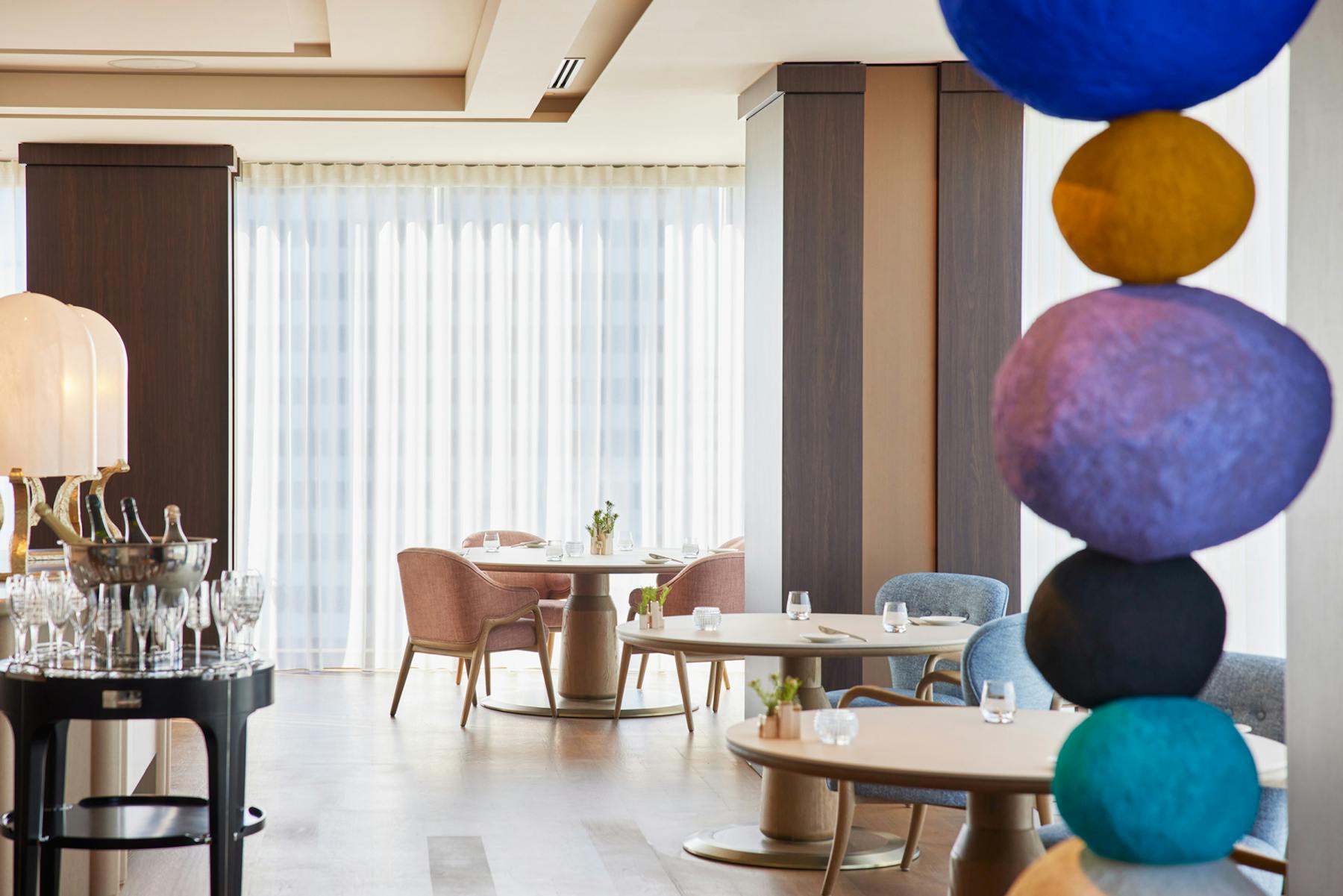
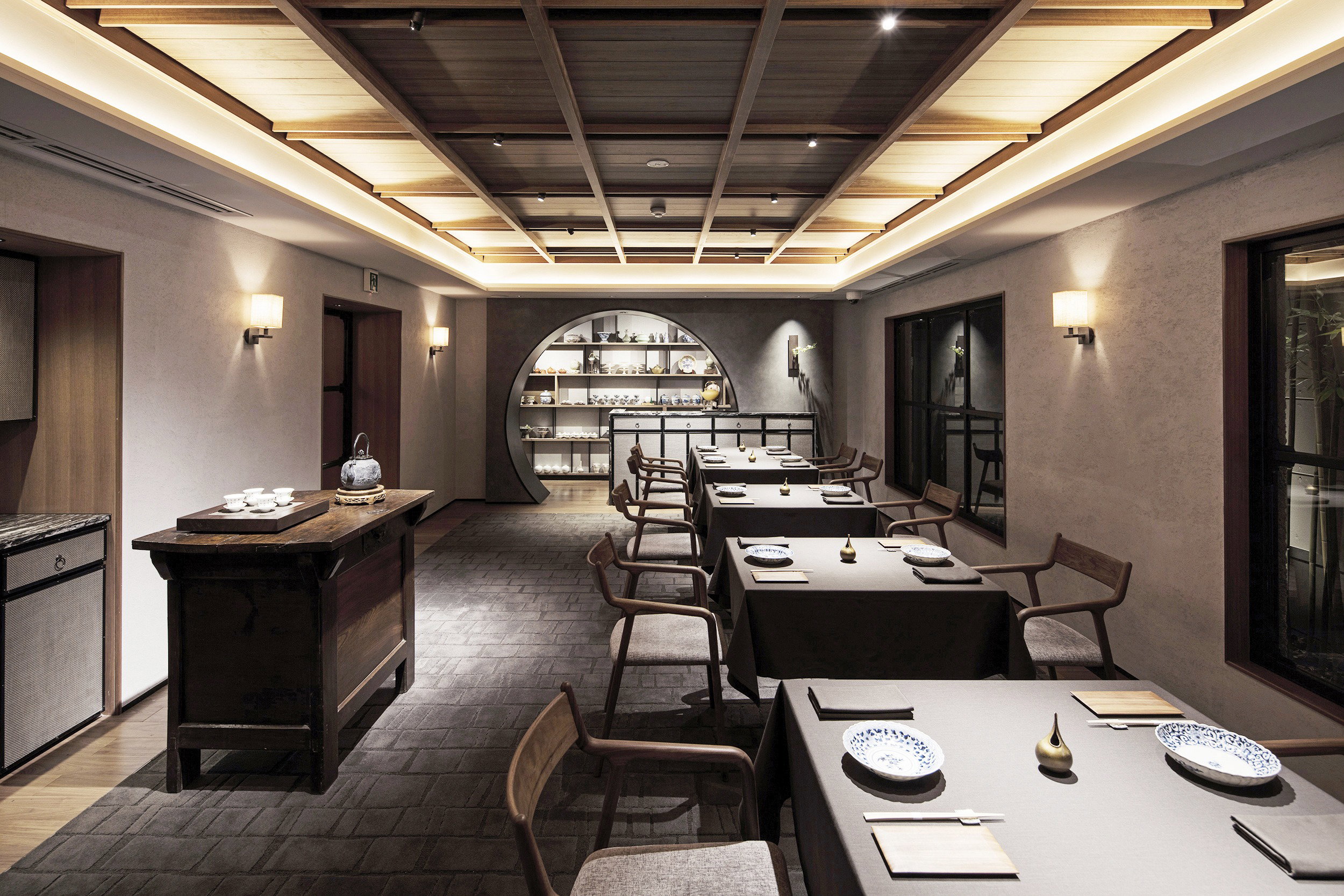
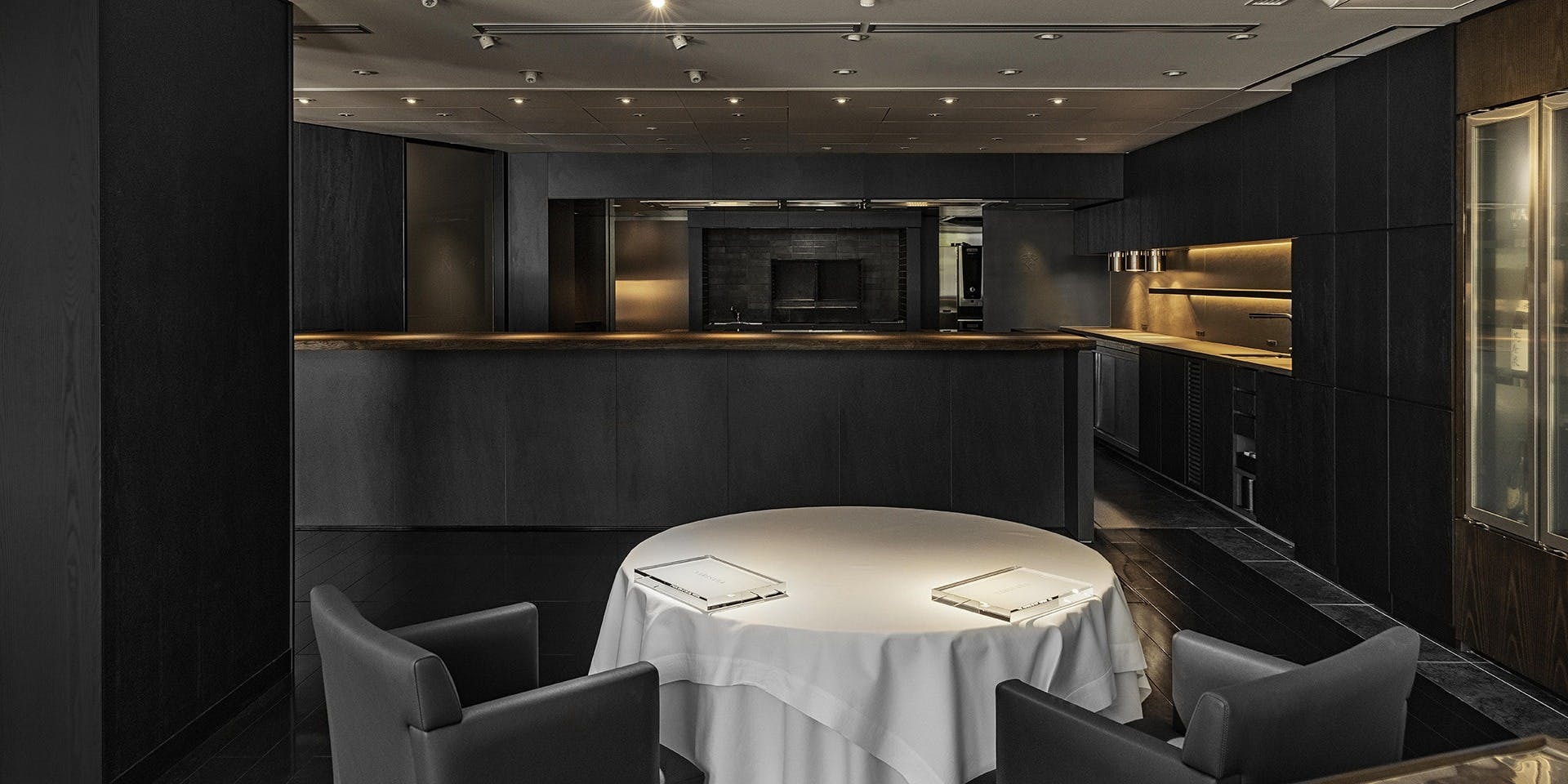
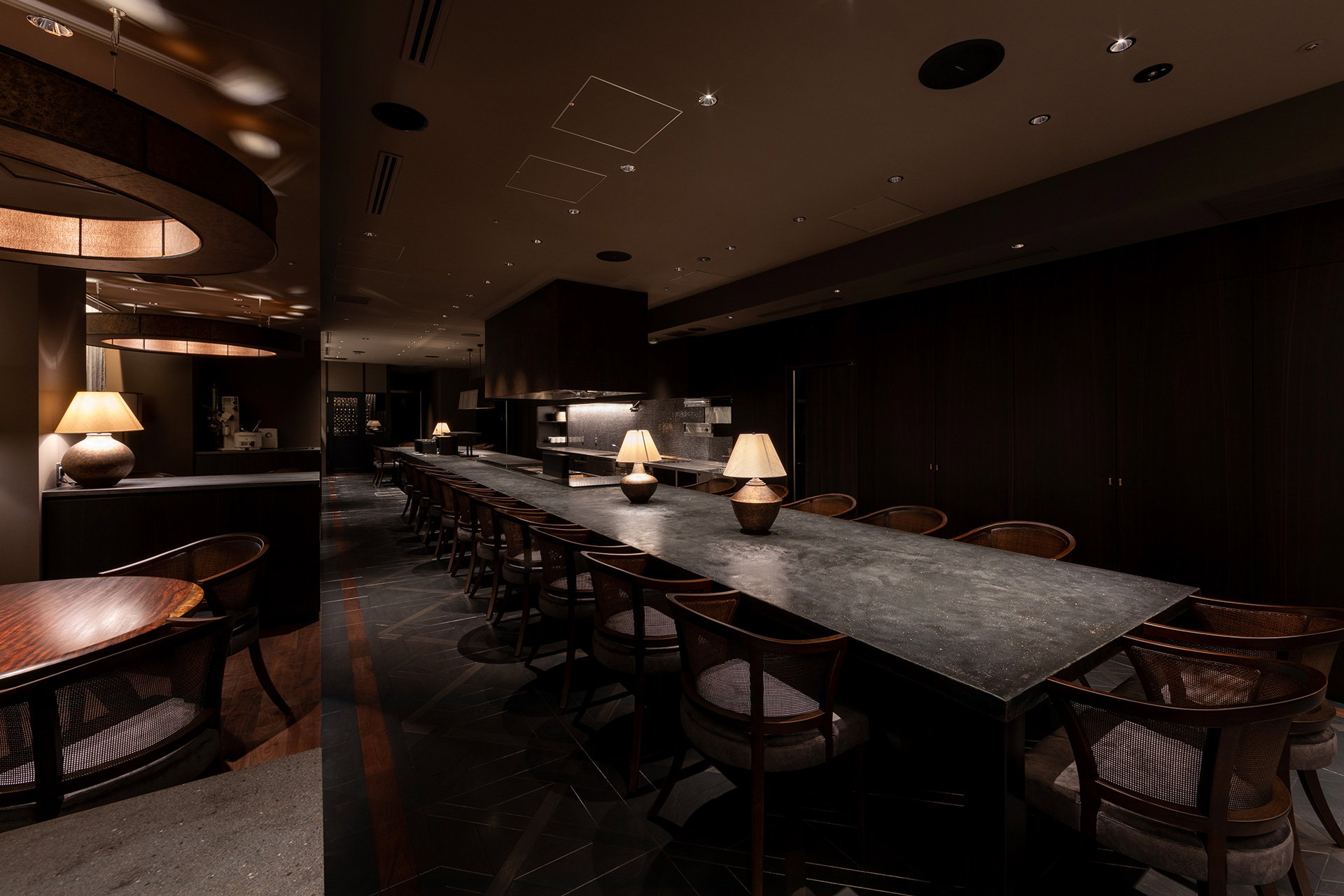
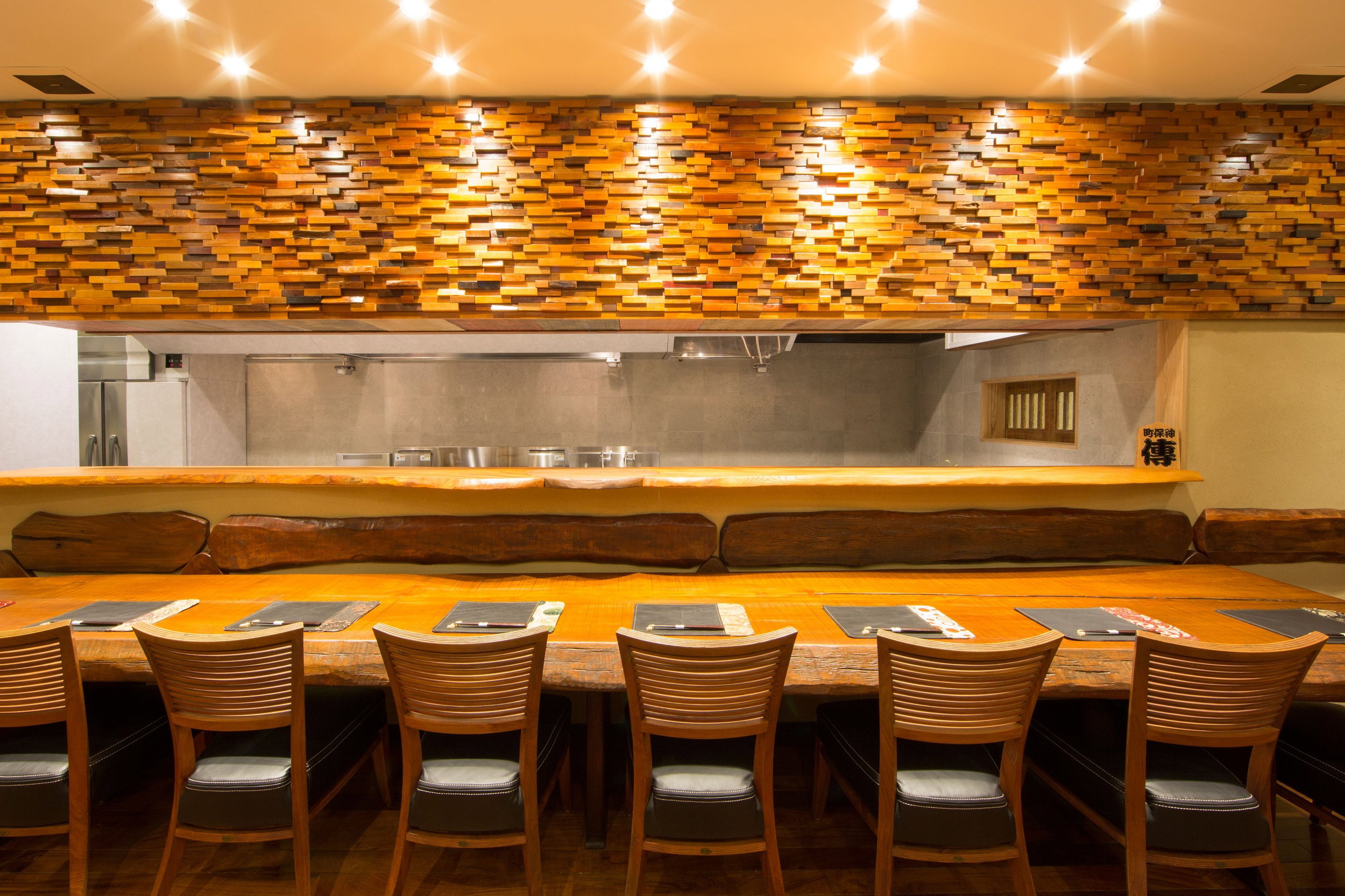
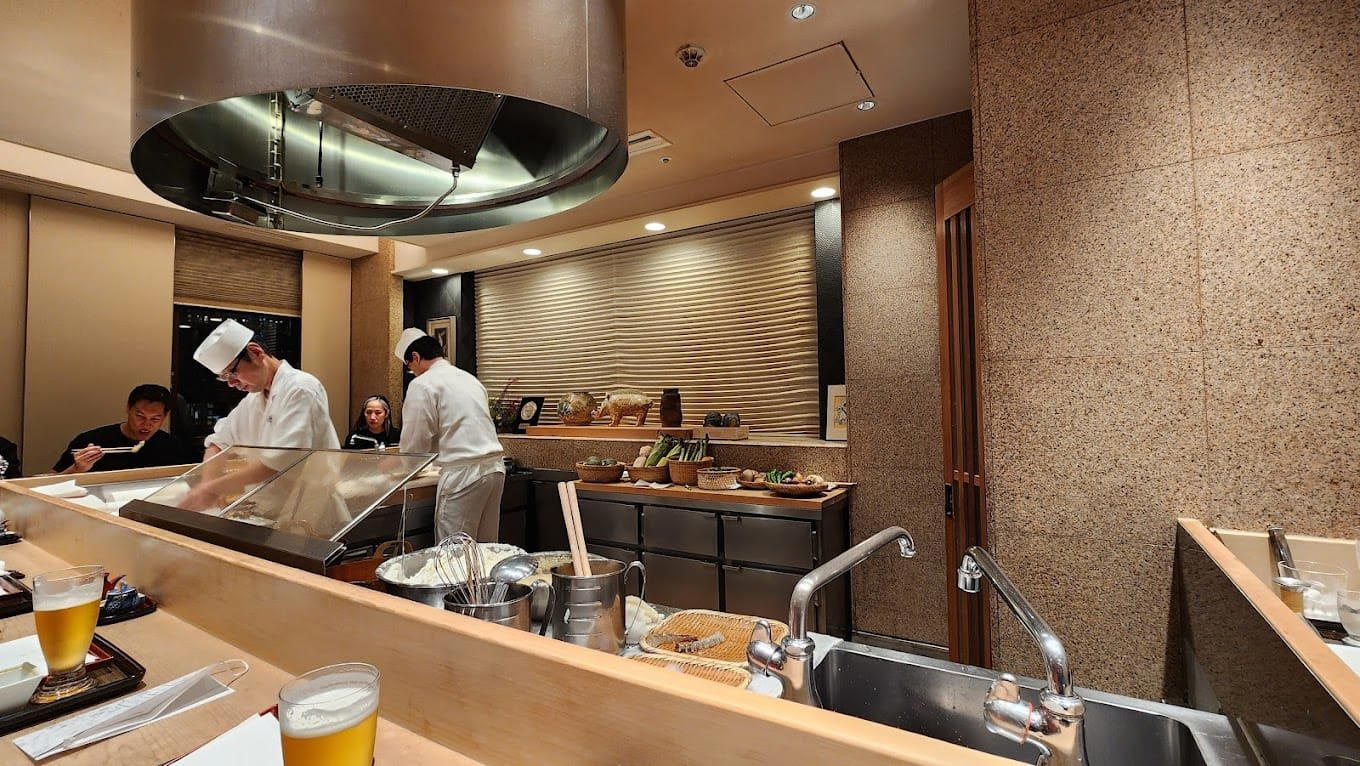
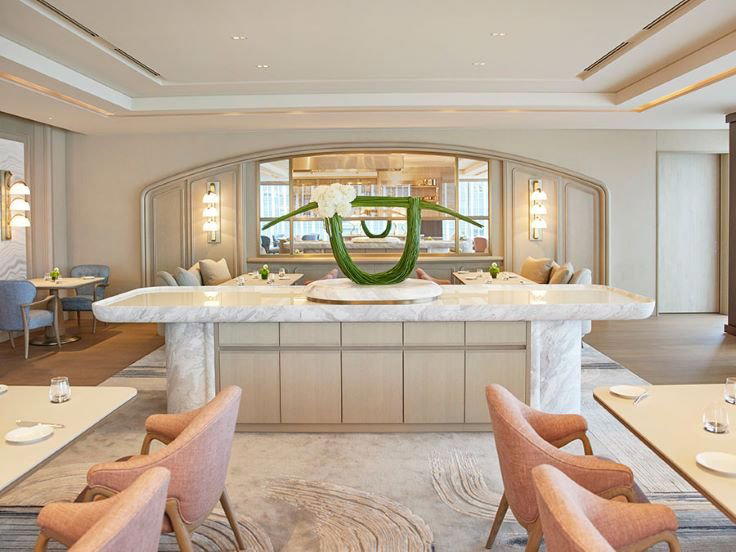
The room is deliberately small. A 12-seat counter and a tatami room share a first-floor footprint inside the WOO Building on Roppongi 3-chome, roughly ten minutes on foot from Roppongi Station. The tatami configuration means private rooms are available for groups of two up to twenty, which makes Ajiman a practical choice for a hosted business dinner or a small celebration where total privacy matters. Counter seating puts you in direct view of the preparation, the format that makes most sense here given the precision fugu handling requires under Japanese licensing law. The room is non-smoking throughout.
Fugu at this price point
Dinner runs JPY 80,000 to JPY 99,999 per person based on Tabelog review data, with no lunch service. Cash only: credit cards, electronic money, and QR code payments are all declined, so arrive prepared. At that spend level you are in the same bracket as Tokyo's leading omakase sushi counters, and the question worth asking is whether fugu, as a single-ingredient focus, justifies that comparison. Ajiman's award track record, Silver in 2019, 2020, 2022, and now 2026; Bronze in every intervening year, suggests consistent execution over time rather than a single breakout season. For the explorer who wants to understand Tokyo's premium ingredient-driven dining at depth, fugu at this level is a different register from tuna-focused sushi or seasonal kaiseki, and Ajiman is among the most credentialed places to experience it.
Drinks
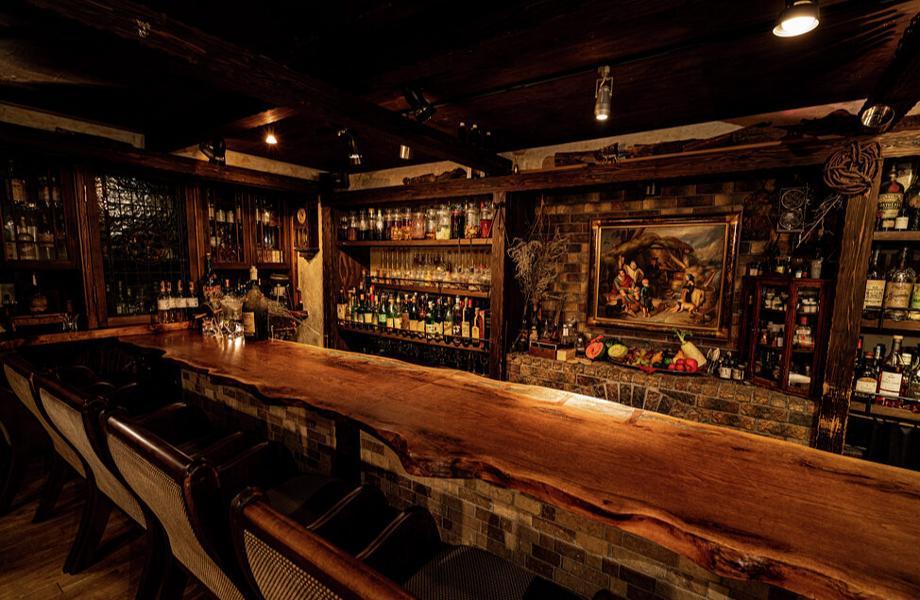
The drinks list runs to sake (nihonshu) and shochu. There is no cocktail program and no wine list on record. That is a deliberate match to the cuisine: fugu is traditionally paired with sake, particularly hot tokkuri served during the colder months when the restaurant is open, and the restraint here is appropriate rather than limiting. If a broad beverage program is a priority for your evening, Ajiman will not deliver it. For the sake pairing experience alongside the food, the format works as intended.
Seasonal availability
Ajiman closes entirely in July and August, and closes on Sundays from April through June. It operates every night from September through March, which maps closely to the traditional fugu season, the fish is considered at its finest in the colder months when fat reserves are higher. If you are visiting Tokyo between April and June, note the Sunday closure and plan accordingly. Outside the September-to-March window, the restaurant simply does not exist as an option. This seasonal rhythm is a meaningful constraint for trip planning: if fugu is on your itinerary, time your visit accordingly.
How to get in
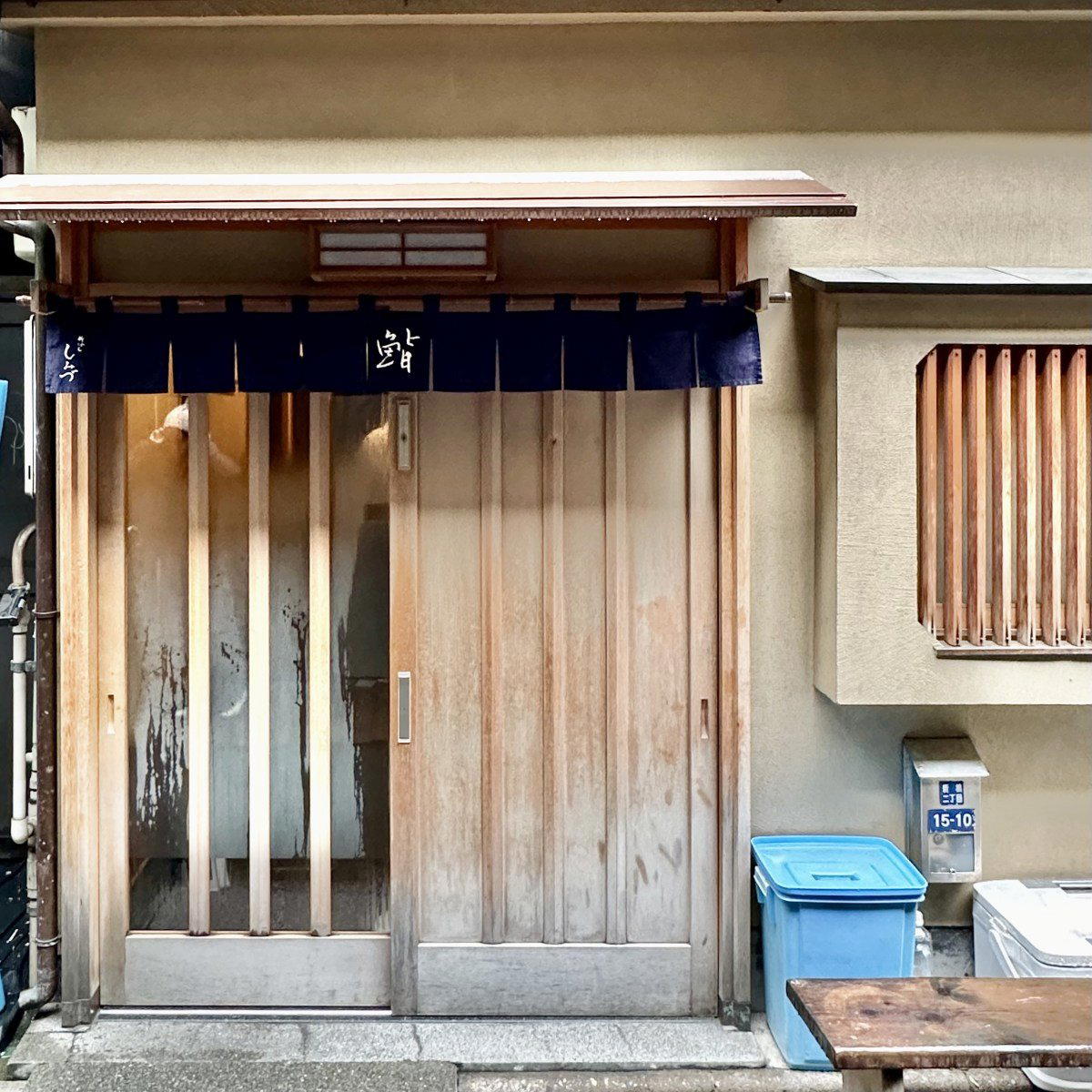
The referral requirement is the single largest barrier. There is no published phone number, no website, and no reservation platform. Entry depends entirely on a connection to an existing guest. If you are travelling with a Tokyo-based business contact, a concierge at a leading hotel, or a member of a dining community with Ajiman access, that is your route in. Without a referrer, the restaurant is not bookable regardless of spend. For Tokyo fugu alternatives that are more accessible, Fugu Fukuji and Usukifugu Yamadaya both operate in Tokyo with more conventional reservation access.
How It Compares
At JPY 80,000–99,999 per head, Ajiman sits at the same price tier as Tokyo's leading omakase sushi counters and kaiseki rooms. Against Harutaka for sushi or RyuGin for kaiseki, Ajiman offers a narrower, single-ingredient focus. That is not a weakness if fugu is specifically what you are after, but if you are choosing between high-end Japanese dining formats for a single special evening, RyuGin's seasonal breadth or Harutaka's tuna and shellfish range will satisfy a wider brief. Ajiman is the right call only when fugu is the explicit purpose.
For Tokyo diners weighing French-leaning options at the same price point, L'Effervescence offers a more bookable path to a top-tier dinner with a fuller beverage program. HOMMAGE and Crony both operate in innovative French territory at comparable spend with more accessible reservation systems. None of those are direct substitutes for what Ajiman does, but they are realistic alternatives if the referral barrier proves insurmountable.
On access difficulty alone, Ajiman is the hardest table in this comparison set to secure, harder than any of the sushi or French peers listed above. That scarcity is part of what the experience represents, but it also means this is not the venue to anchor a trip around unless the reservation is already confirmed.
Worth it?
Yes, if you can get the referral and fugu is a genuine priority for your Tokyo trip. The award consistency across eight consecutive years of Tabelog recognition, a 4.27 score, and placement on the OAD Japan list through multiple cycles gives Ajiman more documented credibility than most single-ingredient specialists in Tokyo. The cash-only policy, the seasonal closure window, and the referral-only entry are real constraints, plan around all three. For more on Tokyo's high-end dining circuit, see our full Tokyo restaurants guide, and if you are building a broader Japan itinerary, consider HAJIME in Osaka, Gion Sasaki in Kyoto, akordu in Nara, or Goh in Fukuoka alongside your Tokyo bookings.
For Tokyo's broader hotel, bar, and experience options, see our Tokyo hotels guide, our Tokyo bars guide, our Tokyo wineries guide, and our Tokyo experiences guide. For reference points outside Japan, Le Bernardin in New York City and Atomix in New York City offer comparable commitment to a single culinary tradition at a similar spend level. Further afield in Japan, 1000 in Yokohama and 6 in Okinawa are worth noting for a broader Japan itinerary.
Planning details
- Hours
- Monday: 6–10:30 pm · Tuesday: 6–10:30 pm
- Location
- Japan, 〒106-0032 Tokyo, Minato City, Roppongi, 3 Chome−8−8 六本木WOOビル 六本木WOOビル 1 階
- Website
- ge6s500.gorp.jp
- Phone
- +81 3-3408-2910
The take
The Take
The Vibe
Ajiman occupies an exacting, refined corner of Roppongi’s dining scene. The restaurant’s 12-seat layout — split between a counter and a tatami room — creates an intensely focused, small-scale setting where licensed chefs follow a regulated, ritualized fugu sequence. Its steady Tabelog recognition and curated referral access reinforce a deliberately restrained, sophisticated mood: the experience feels ceremonious rather than casual, with an emphasis on precision and continuity. Expect the kind of hush and concentration associated with specialty toxin-regulated cuisine, where each course is part of a measured progression delivered by attentive, professional service.
Best For
Ajiman is best experienced at dinner and suits occasions that warrant formality and expense. The restaurant opens only from 18:00 and occupies the upper pricing tier for fugu in Tokyo, so it naturally fits special occasions and formal business dinners where privacy and a certain degree of exclusivity matter. With a tiny seat count and a referral-based access system, it is not set up for casual walk-ins or large groups. The setting and service prioritize a slow, multi-course progression, making it ideal for guests who value ritualized tasting and deliberate pacing.
Ordering Tips
Reservations require advance planning and an introduction; the house is reachable 'only if someone already known to the house makes the introduction.' Expect a multi-course fugu itinerary moving from sashimi (tessa) through hot pot (tecchiri) to rice porridge (zosui), and plan for the full progression rather than à la carte pacing. Note the dinner-only hours (open from 18:00) and the reported price band (JPY 80,000–99,999 per dinner). Because torafugu must be prepared by licensed chefs, allow the kitchen to dictate timing and sequencing of courses.
Venue details
Ambiance
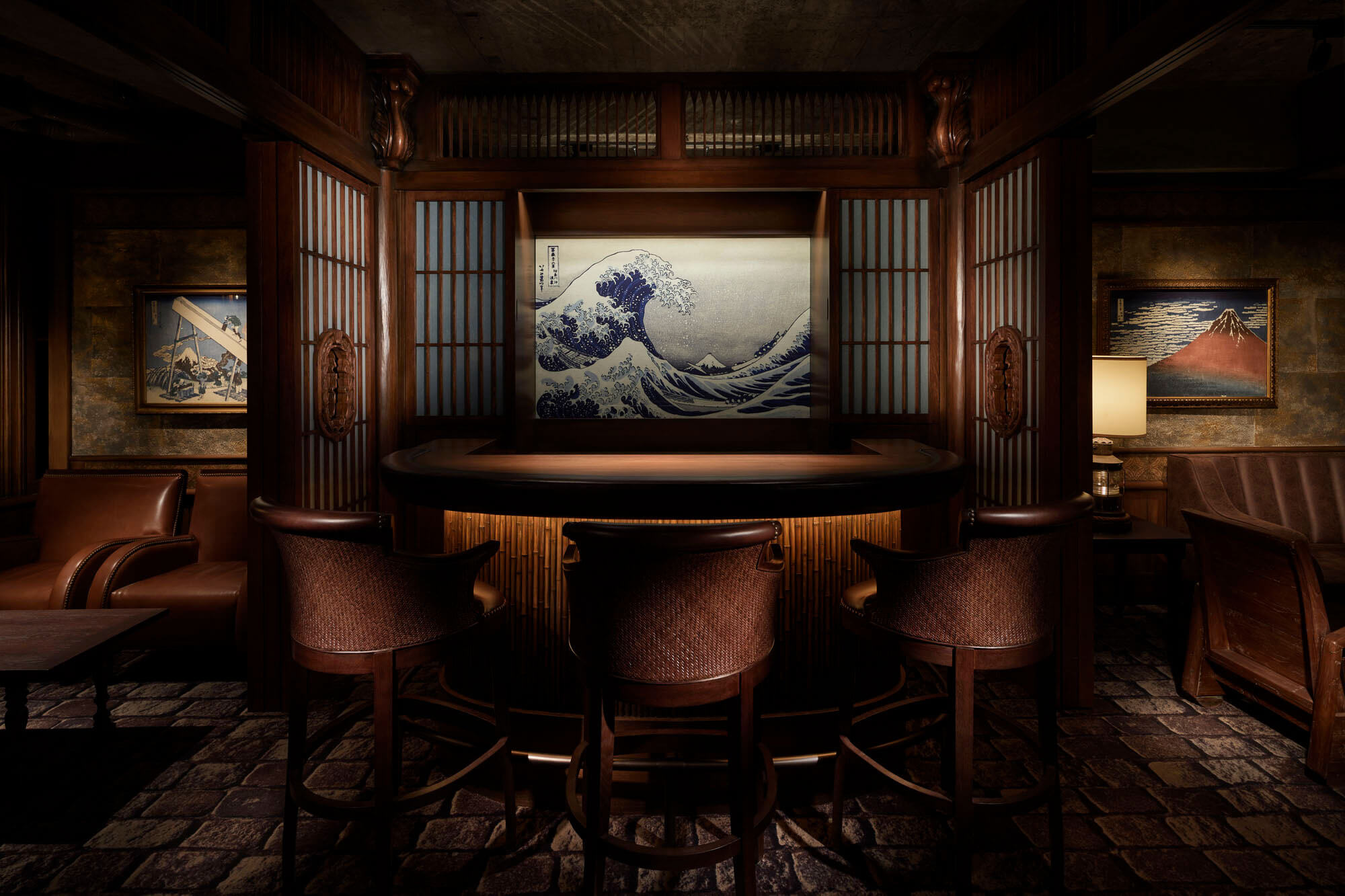
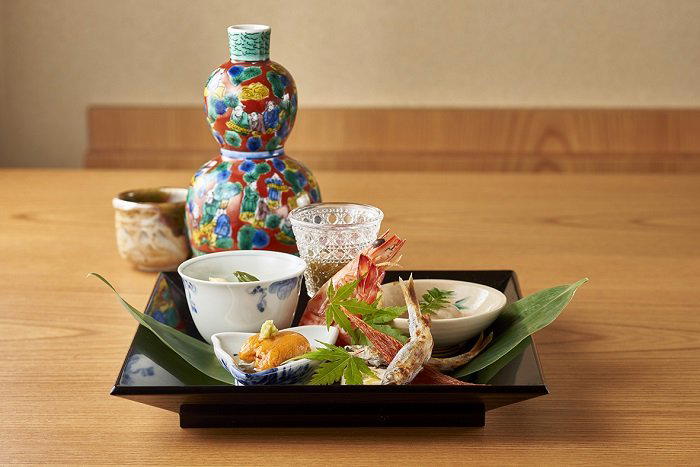
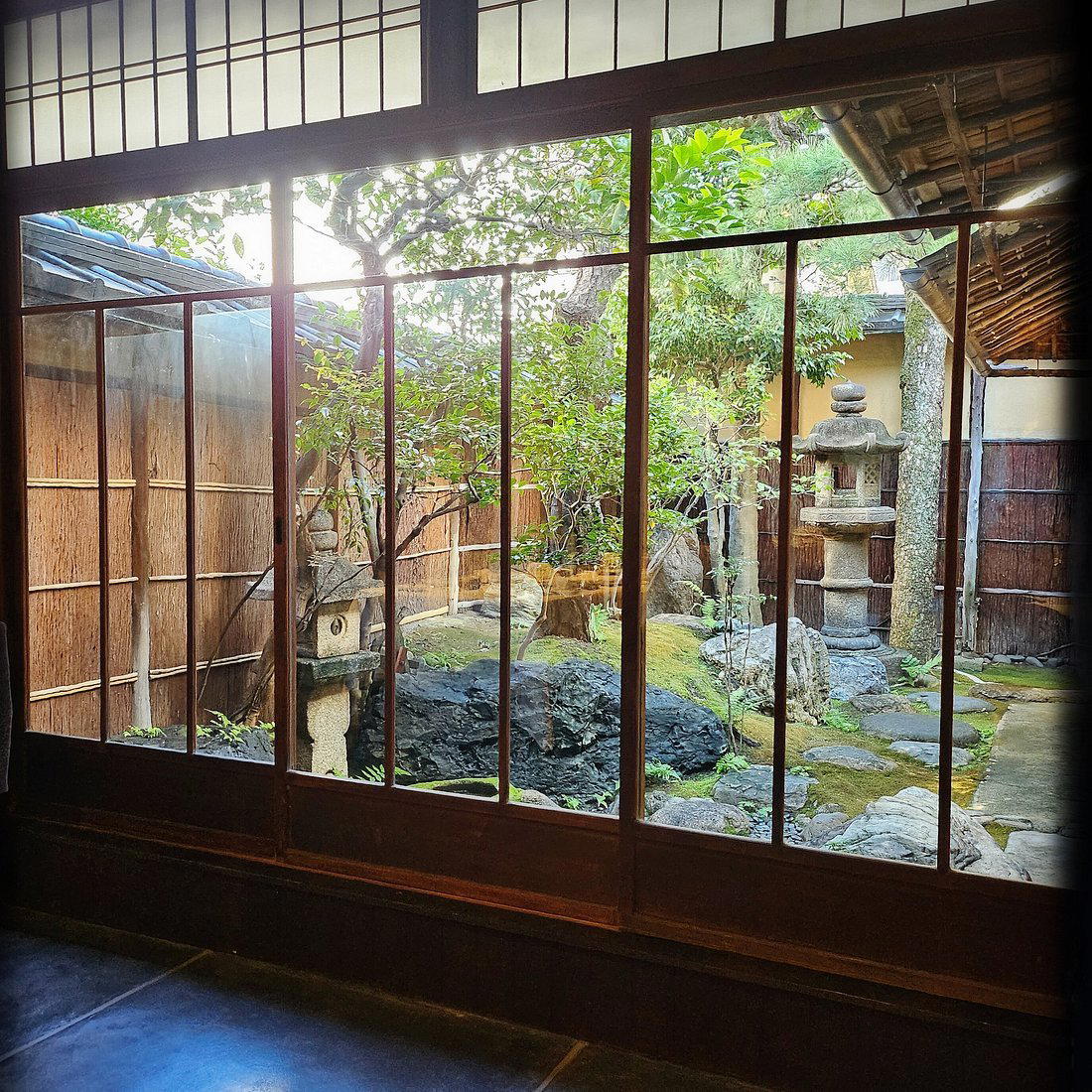
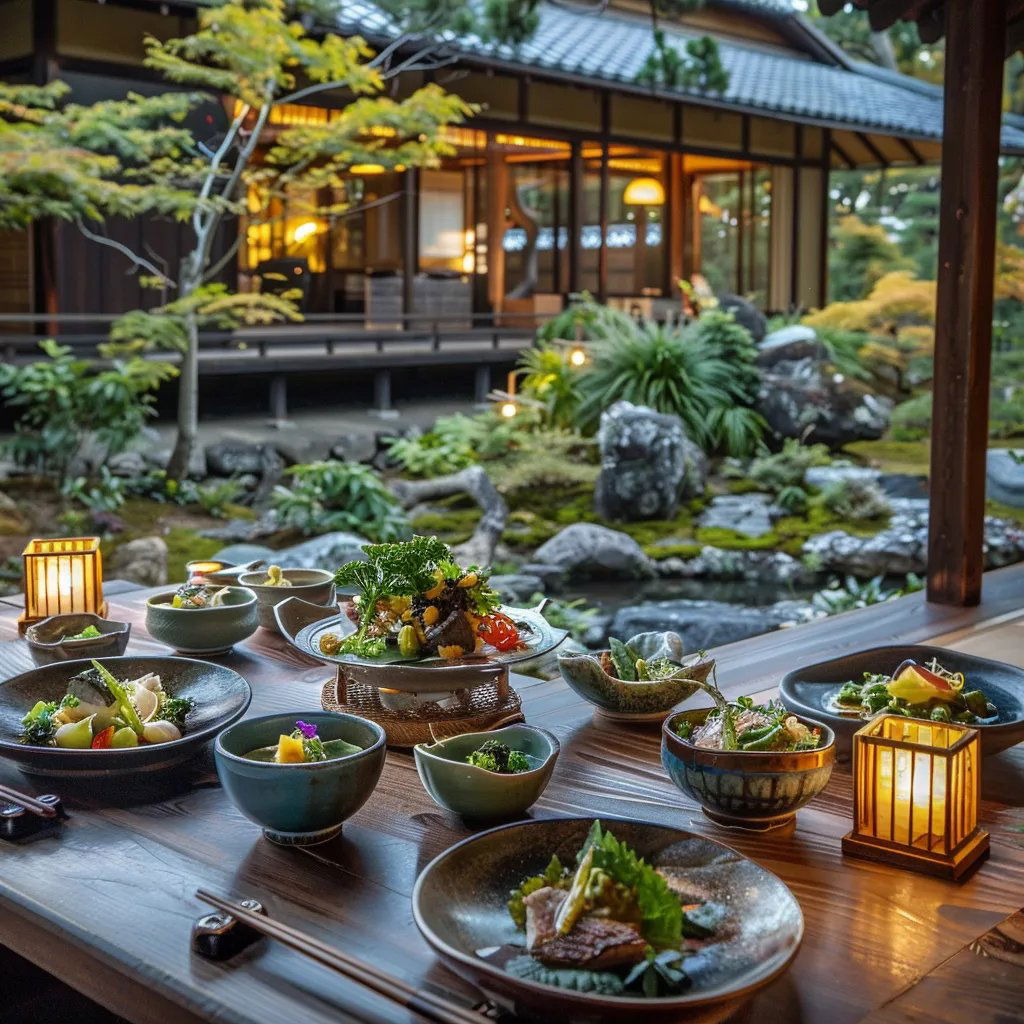
Simple-chic with Showa-era retro interior, intimate counter and tatami private rooms providing a refined, hideout atmosphere.
Tags
Vibe
Best For
Experience
At the Table
- Dress Code
- Smart Casual
- Noise Level
- Quiet
- Service Style
- Formal
- Meal Pacing
- Leisurely
- Capacity
- Intimate
- Kitchen
- Traditional
- Menu Format
- Set menu, A la carte, Counter dining
- Drinks Focus
- Sake program
- Private Dining
- Available
Signature Dishes
- fugu sashimi
- fugu shirako
- fried fugu
- tecchiri
Know before you go
Know Before You Go
- Getting there
- Japan, 〒106-0032 Tokyo, Minato City, Roppongi, 3 Chome−8−8 六本木WOOビル 六本木WOOビル 1 階
Planning details
Hours
- Monday
- 6–10:30 pm
- Tuesday
- 6–10:30 pm
- Wednesday
- 6–10:30 pm
- Thursday
- 6–10:30 pm
- Friday
- 6–10:30 pm
- Saturday
- 6–10:30 pm
- Sunday
- 6–10:30 pm
Location
Japan, 〒106-0032 Tokyo, Minato City, Roppongi, 3 Chome−8−8 六本木WOOビル 六本木WOOビル 1 階 · Directions

Also consider
Also Consider
- Harutaka, Sushi, ¥¥¥¥
- L'Effervescence, French, ¥¥¥¥
- RyuGin, Kaiseki, Japanese, ¥¥¥¥
- HOMMAGE, Innovtive French, French, ¥¥¥¥
- Crony, Innovative, French, ¥¥¥¥
Restaurant context
At JPY 80,000–99,999 per head, Ajiman is priced identically to Tokyo's top omakase sushi and kaiseki counters. Against Harutaka for sushi, Ajiman's single-ingredient fugu focus is narrower by design, Harutaka covers a broader range of premium fish across the counter, which makes it the stronger choice if you want depth across a meal rather than depth within one ingredient. For the diner who specifically wants to understand fugu at its highest level, Ajiman's eight-year Tabelog award streak gives it more documented consistency than most competitors in its category.
RyuGin offers the most direct contrast in format: it operates at a comparable price tier with kaiseki seasonality and a more navigable reservation system. If your goal is a single high-value Japanese dinner and the cuisine format is flexible, RyuGin is easier to book and covers more ground across the meal. L'Effervescence in the French category adds a full wine program to the equation, a meaningful difference if beverages are important to your evening, since Ajiman is sake and shochu only.
HOMMAGE and Crony both sit in the innovative French tier with more accessible booking and a broader menu brief. Neither is a substitute for what Ajiman does, but both are realistic fallbacks if the referral requirement cannot be met. On booking difficulty, Ajiman is the hardest table in this comparison set by a significant margin: no website, no phone, no platform, and a referral gate that cannot be bypassed with money or timing alone.
Explore Tokyo
Around this place
Discover more on Pearl
Unlock the full Ajiman guide in Pearl, including awards, comparisons, FAQs, planning details, and nearby places.
FAQ
Frequently Asked Questions
Does Ajiman handle dietary restrictions?
This is not a venue to test dietary restrictions. The menu is fugu-focused and the kitchen is described on Tabelog as 'particular about fish', meaning the cuisine is built entirely around the ingredient. If fugu is off the table for any reason, Ajiman is not the right booking. The referral-only, cash-only format also leaves little room for pre-visit coordination through conventional channels.
Is lunch or dinner better at Ajiman?
Dinner is your only option. Ajiman has no lunch service, Tabelog records a dinner budget of JPY 80,000 to JPY 99,999 with a dash for lunch. Service runs 18:00 to midnight, and the restaurant closes entirely in July and August, so timing your Tokyo visit to the September–March season gives you the widest window.
What should I order at Ajiman?
Ajiman is a specialist fugu counter, so there is no à la carte selection to navigate. The format is set by the kitchen. Come expecting a fugu-centred progression; the Tabelog listing notes the kitchen is 'particular about fish,' and the price range of JPY 80,000 to JPY 99,999 per head reflects a full experience rather than individual dishes.
Can I eat at the bar at Ajiman?
Yes. The room has a 12-seat counter alongside a tatami room, and counter seating is available. For pairs, the counter is the default format. Groups of four or more can request a private room, options scale up to 20 people for full private use. Either way, you need a referral before any of this applies: walk-ins are not accepted under any circumstances.
What are alternatives to Ajiman in Tokyo?
If the referral barrier rules Ajiman out, RyuGin and L'Effervescence operate at a comparable price tier with more accessible reservation processes and strong award credentials. For a fugu-specific alternative, Tokyo has licensed fugu specialists throughout Minato and Shinjuku wards, though none hold Ajiman's eight-year consecutive Tabelog award record. If your priority is the broader high-end Japanese dining format rather than fugu specifically, Harutaka covers omakase sushi at a similar spend level.
Is Ajiman good for a special occasion?
Yes, provided you have a referral and enough lead time to arrange one. Private rooms are available for groups from two up to twenty, the setting is non-smoking, and the price point, JPY 80,000 to JPY 99,999 per head, signals the occasion clearly. The constraint is practical: without an existing connection to the restaurant, no booking is possible regardless of the occasion.