


JW Marriott Hotel Nara
Nara
Hotel in Nara, Japan
 Book with Pearl
The Read
Modernist Mindfulness in the Ancient Capital
Why go
JW Marriott Hotel Nara is the right Nara pick for travelers who want a polished international hotel base, especially for business stays, family trips, or celebrations where reliability matters. Book early for fixed dates. Choose Fufu Nara or Shisui for more local atmosphere; choose this for brand consistency and practical city access.
About JW Marriott Hotel Nara
For a stay in Nara, consider JW Marriott Hotel Nara if you want a recognized hotel base. Its recognition includes Michelin 1 Key (2024), La Liste Top Hotels (2026) at 93.5 points, and Forbes 4-Star (2026), making it a clearly credentialed hotel option in the city.
The decision here is about travel style. Fufu Nara or Shisui, a Luxury Collection Hotel, Nara may be worth comparing, depending on the kind of stay you want. For travelers considering other approaches to a Nara stay, Noborioji Hotel Nara, Miroku Nara by THE SHARE HOTELS, and Hoshinoya Nara Prison are also relevant alternatives. Choose JW Marriott Hotel Nara when hotel recognition and a direct Nara base matter most.
A polished base for travelers who want Nara without operational guesswork
The strongest reasons to shortlist this hotel are its Nara location and its award profile: Michelin 1 Key (2024), La Liste Top Hotels (2026) at 93.5 points, and Forbes 4-Star (2026). The dress code is smart casual, which is useful to know when planning the tone of the stay.
Tradeoff is preference. Noborioji Hotel Nara is another option to compare, while Miroku Nara by THE SHARE HOTELS may suit travelers looking at a different hotel style. Hoshinoya Nara Prison is also a relevant named alternative for travelers comparing Nara stays. Choose JW Marriott Hotel Nara when the trip calls for a recognized hotel in Nara rather than a more specific local mood.
Book early if the stay is tied to a specific date
If the stay depends on a precise night, it is sensible to plan ahead rather than leave the hotel as the final piece of the itinerary. Its accolades make JW Marriott Hotel Nara a serious shortlist candidate for travelers who prioritize recognized hotel standards in Nara.
For a wider scan before committing, compare it with other Nara hotel options. If the trip needs dining plans around the stay, use the Nara restaurants guide rather than assuming the hotel will carry every meal. For guests building a broader itinerary, other hotel bases may also make sense if Nara is a day trip rather than the main overnight stop.
Part of
JW Marriott67 locations on PearlPlanning details
- Location
- 1-chōme-1-1 Sanjōōji, Nara, 630-8013
- Website
- marriott.com/en-us/hotels/osajw-jw-marriott-hotel-nara/overview/?scid=f2ae0541-1279-4f24-b197-a979c79310b0
- Phone
- +81 742-36-6000
The take
The Take
The Vibe
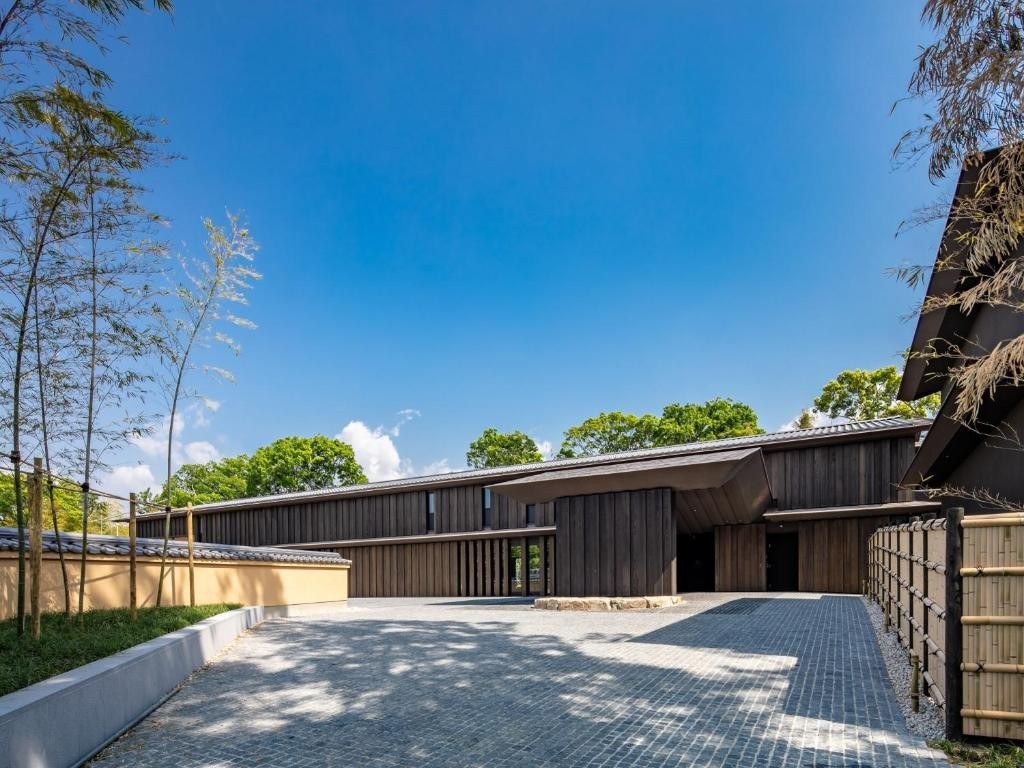
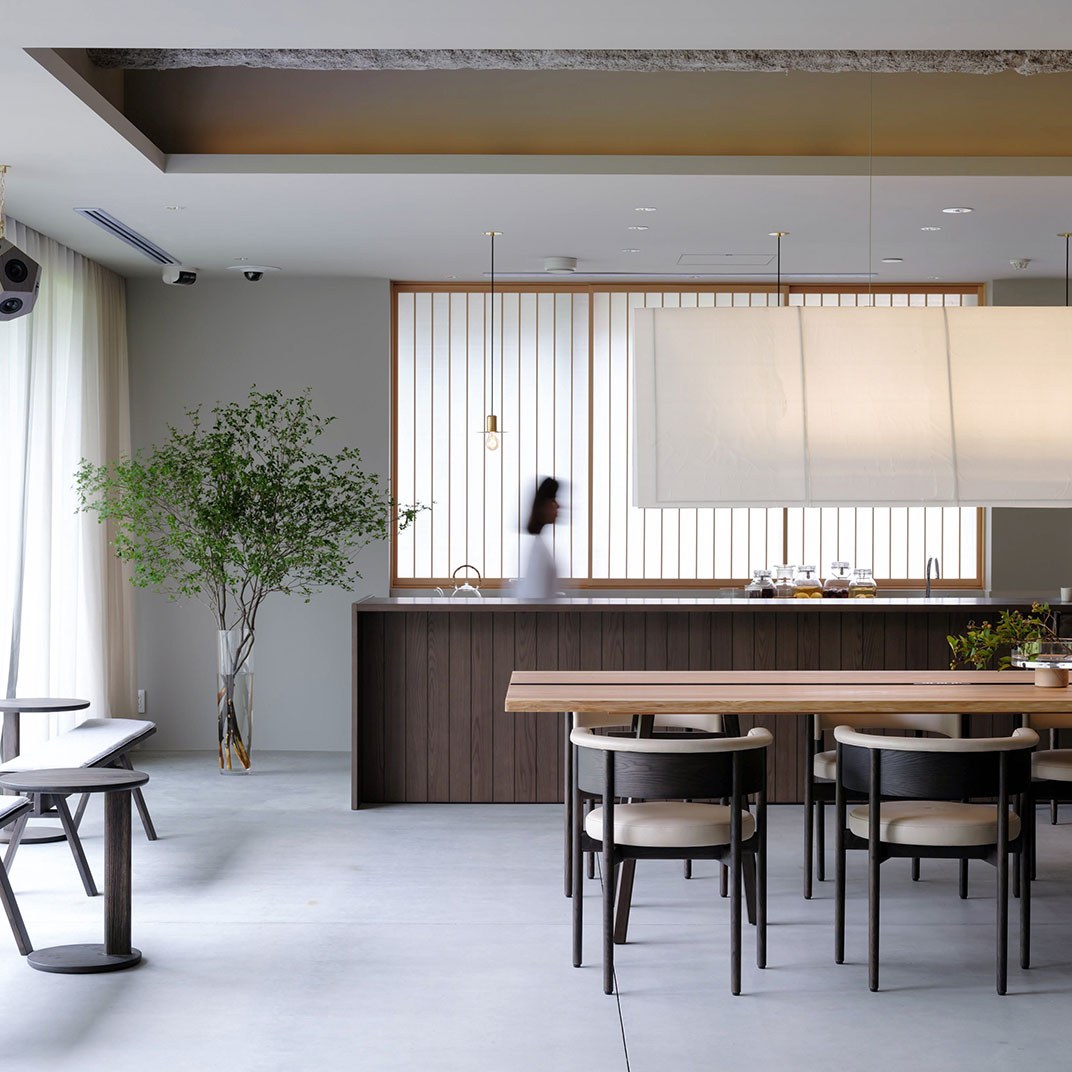
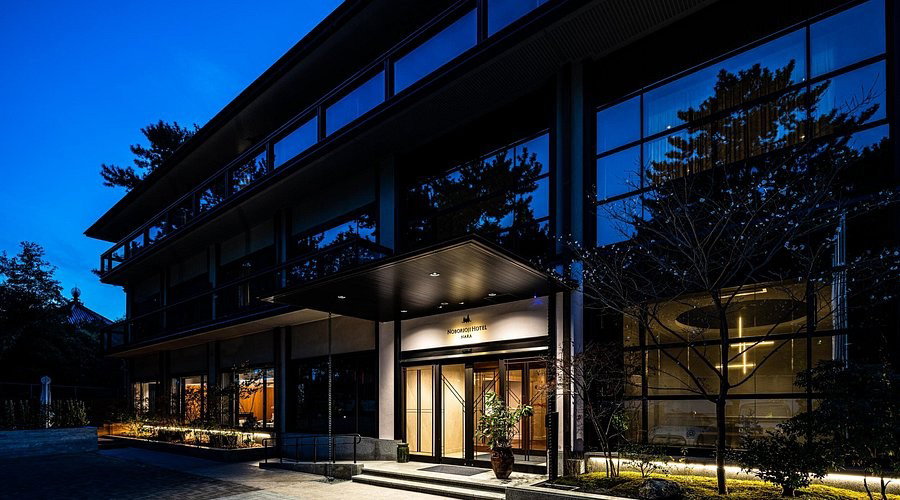
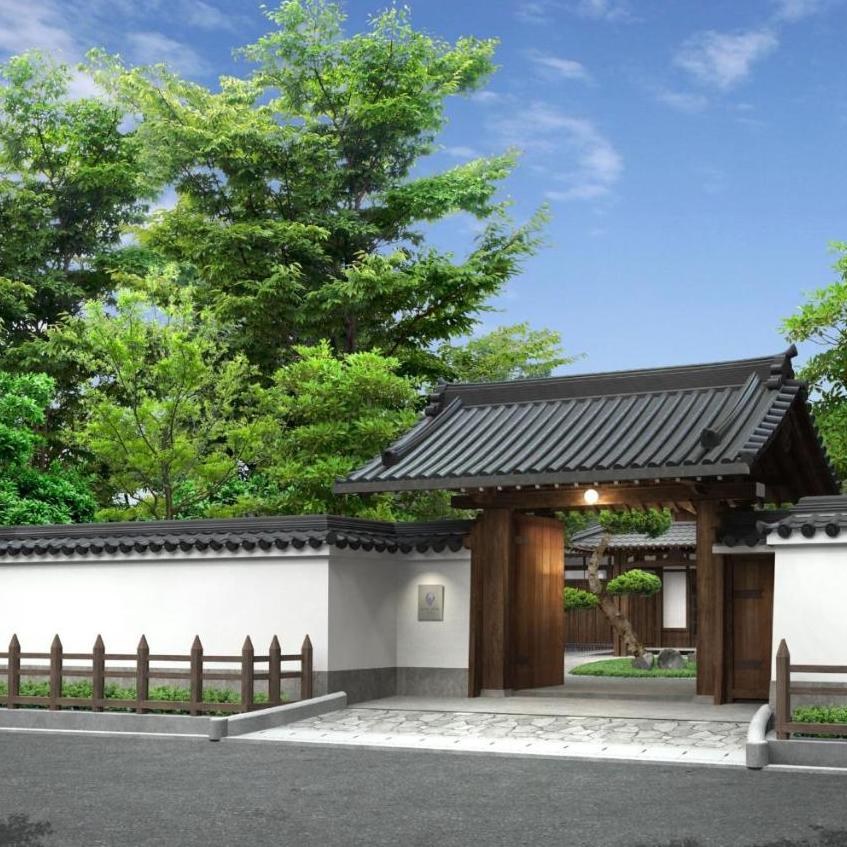
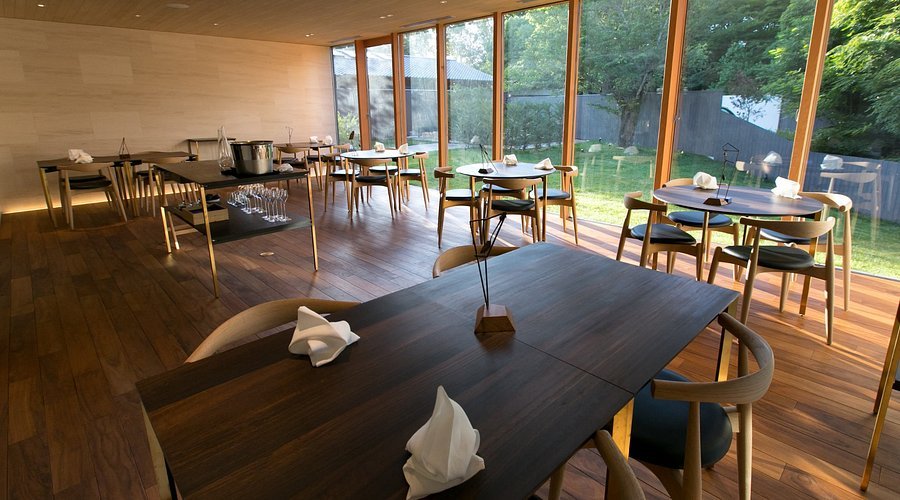
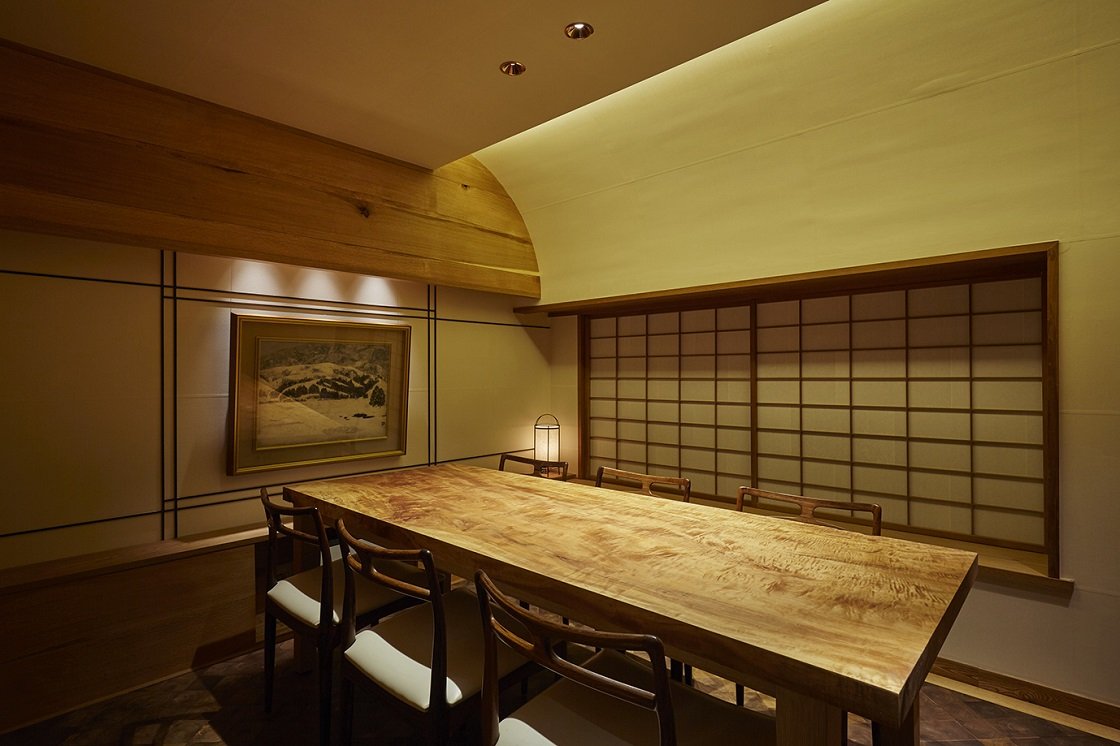
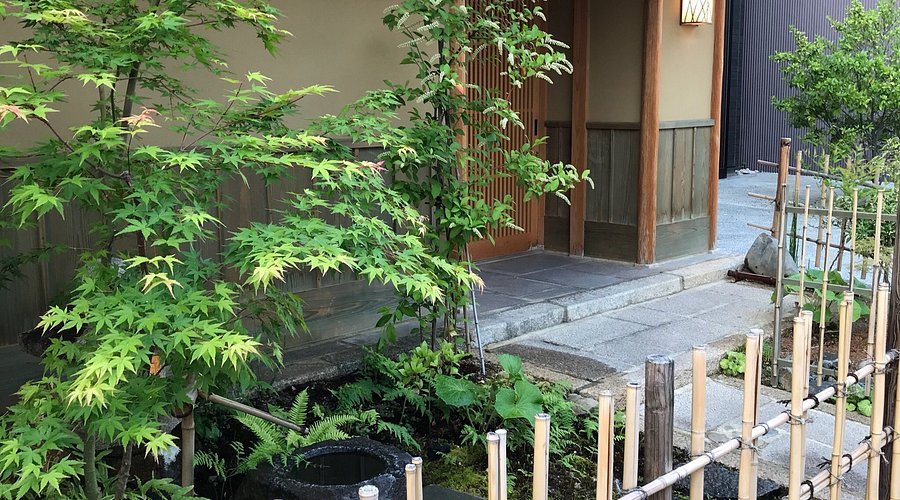
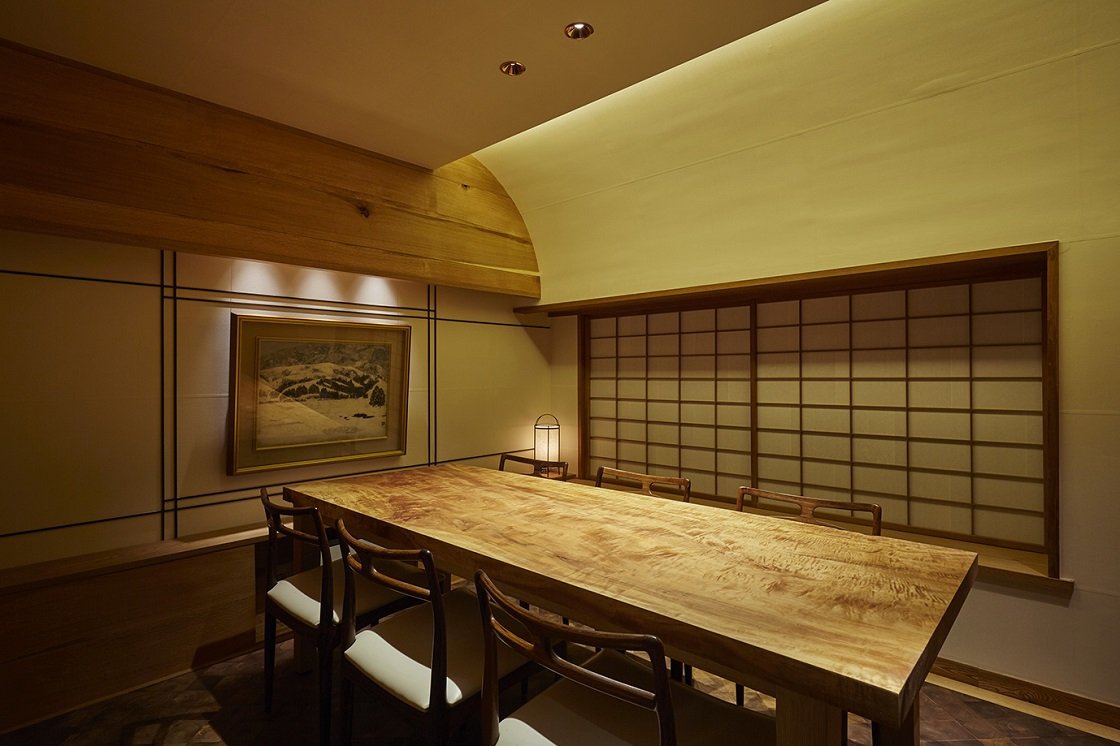
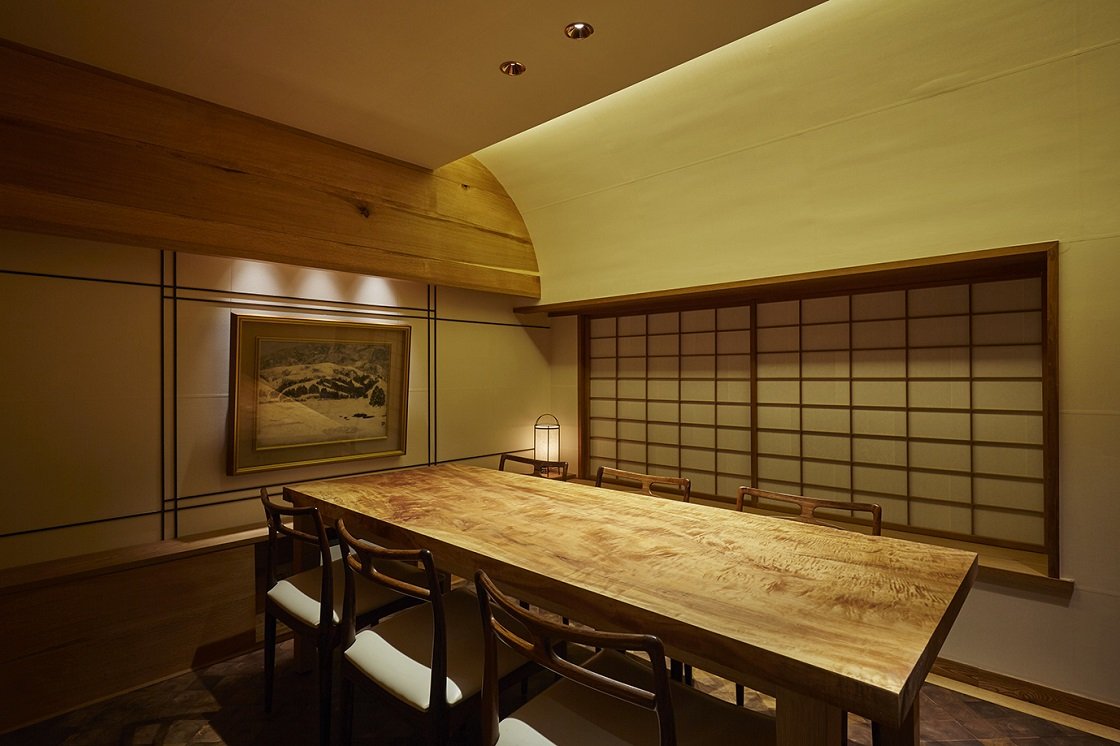
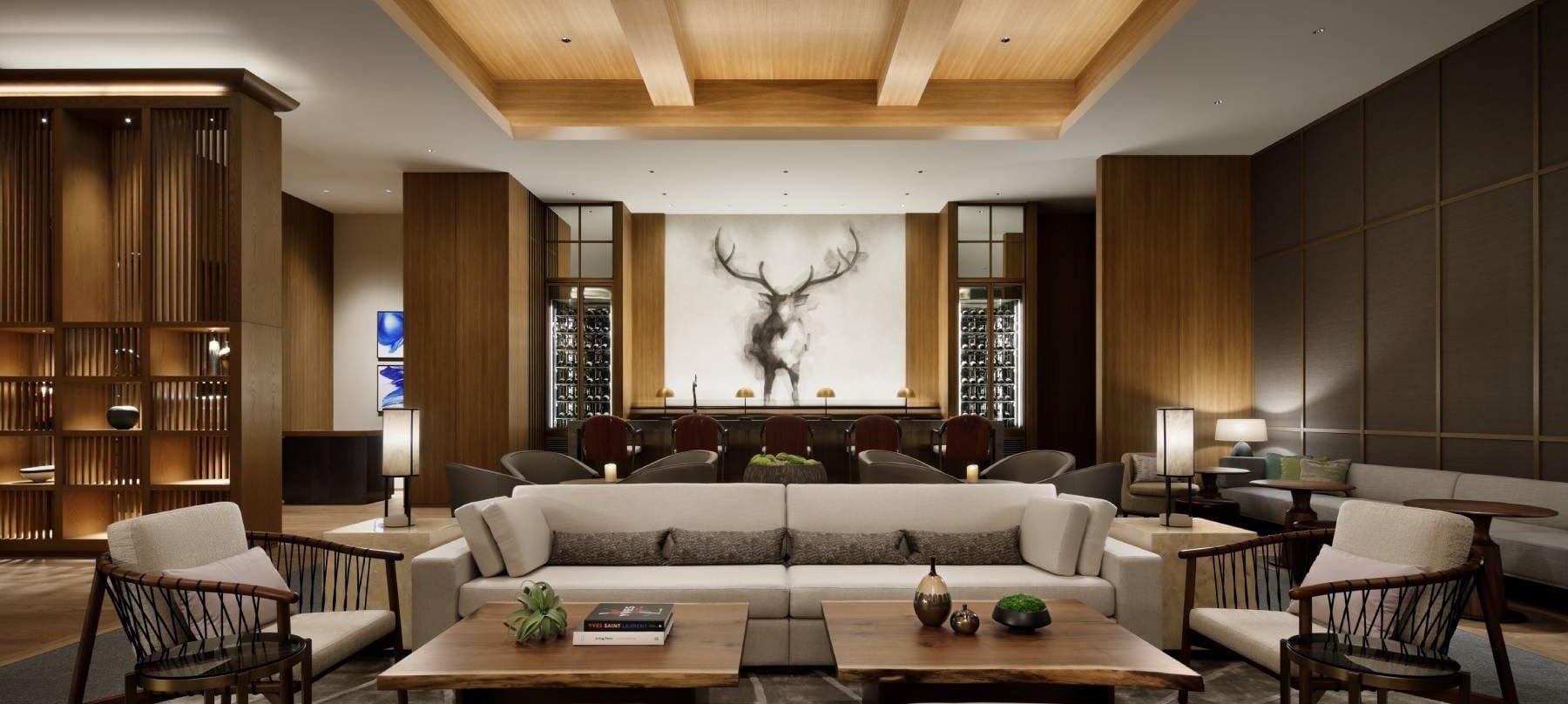
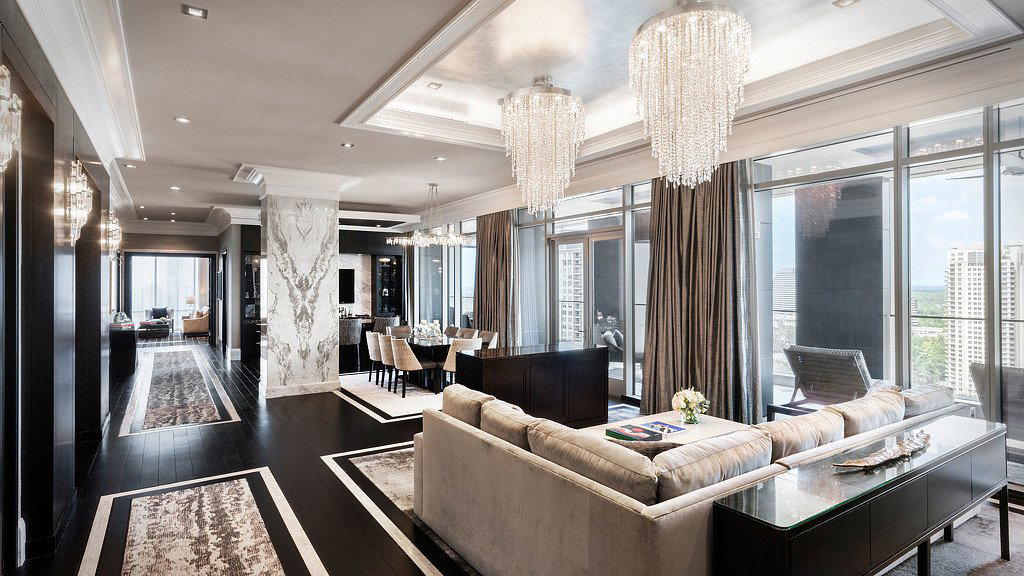
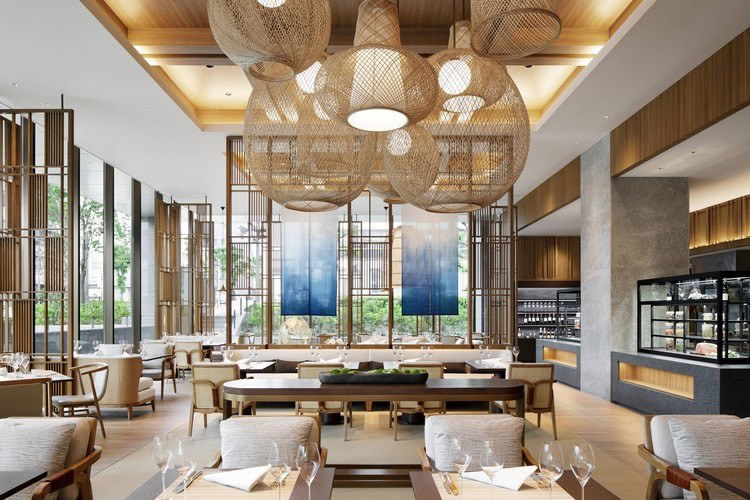
The JW Marriott Hotel Nara pairs contemporary modernism with local tradition to create a quietly elegant presence in an ancient city. Interiors lean on timber, natural light and understated tones, and the wood-filled lobby functions as a composed decompression chamber rather than an ostentatious atrium. That restrained materiality and the careful use of traditional Japanese motifs ground the hotel's international luxury programme in Nara's historic context, producing an atmosphere that feels both respectful of place and serenely modern.
Best For
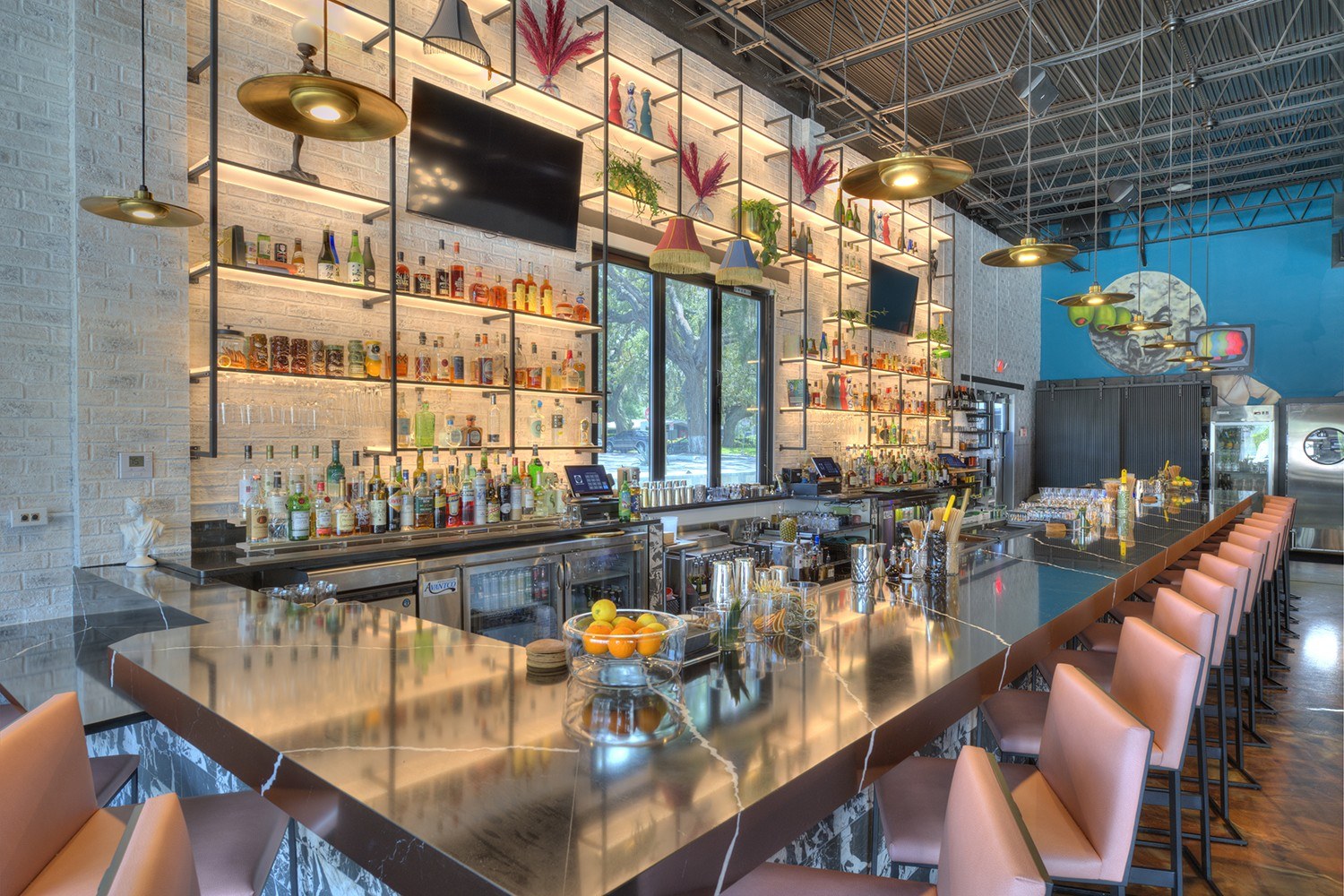
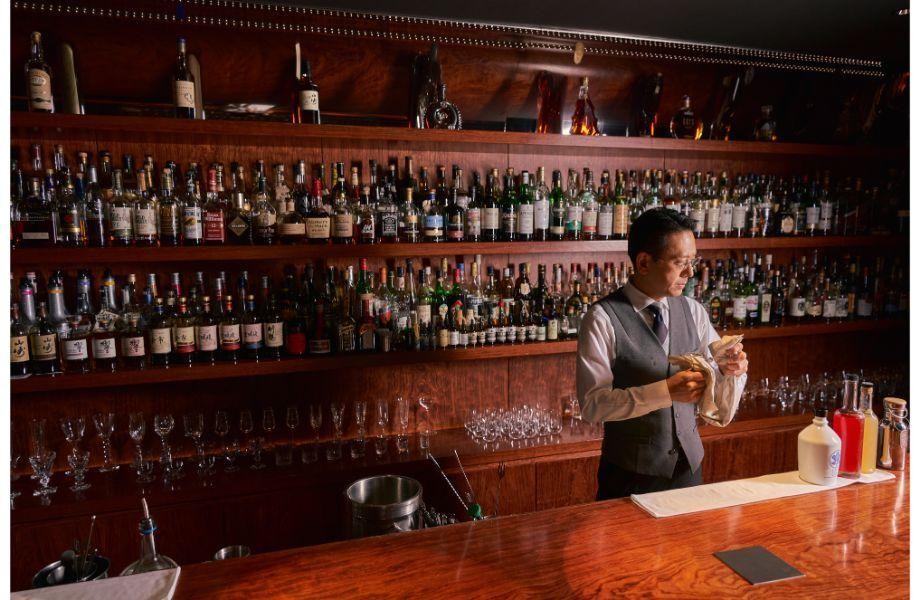
The hotel is best for travelers seeking refined dining and calm, design-forward accommodation in a historic setting. Its multi-outlet dining programme—anchored by Azekura's teppanyaki, sushi and kaiseki offerings—caters to a range of evening occasions from polished business dinners to romantic nights out. As Nara's first JW Marriott property and a larger-scale luxury option in the city, it also fits stays that prioritize comfort, design and direct access to the area's temples and parks.
Stay Tips
When dining at the hotel's signature restaurant, match the cooking discipline to the experience you want: opt for kaiseki for a formal, multi-course tasting rooted in seasonal technique; choose teppanyaki for an interactive, theatre-like meal where cooking is front-and-center; and pick the sushi offering for a focused seafood and counter-style experience. Given the hotel's positioning as a full-service luxury property, reservations are advisable for peak dining times and special-occasion seating.
Venue details
Ambiance
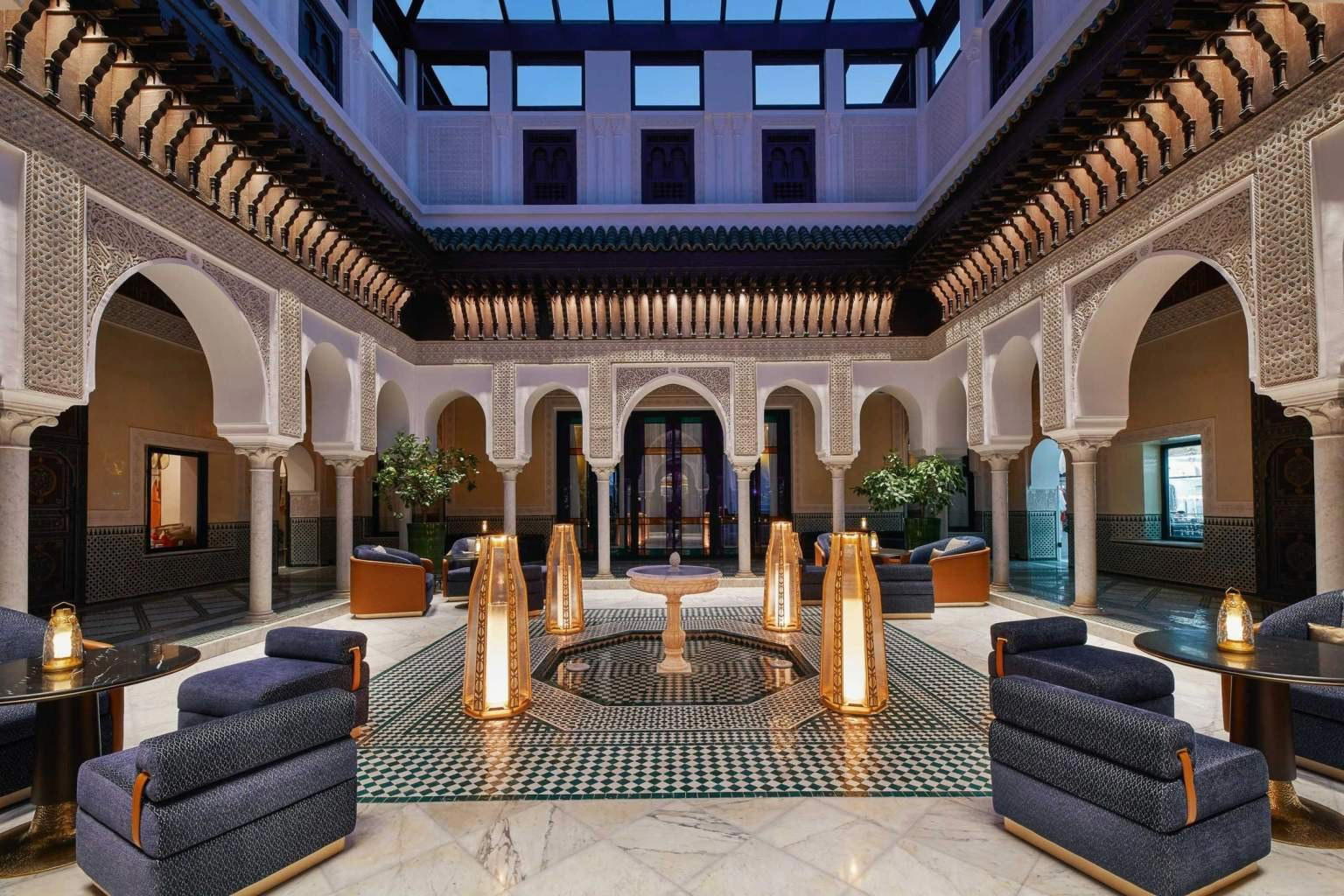
Sophisticated and serene atmosphere with warm earth tones, natural light, and tranquil spa-like serenity inspired by Nara's ancient temples.
Tags
Vibe
Best For
Experience
Amenities
View
Accessibility
About the Stay
- Rooms
- 158
- Check-in
- 15:00
- Check-out
- 11:00
- Property Style
- Modern Luxury with Cultural Nara Inspirations Featuring Warm Earth Tones and Deer Motifs.
- Design Style
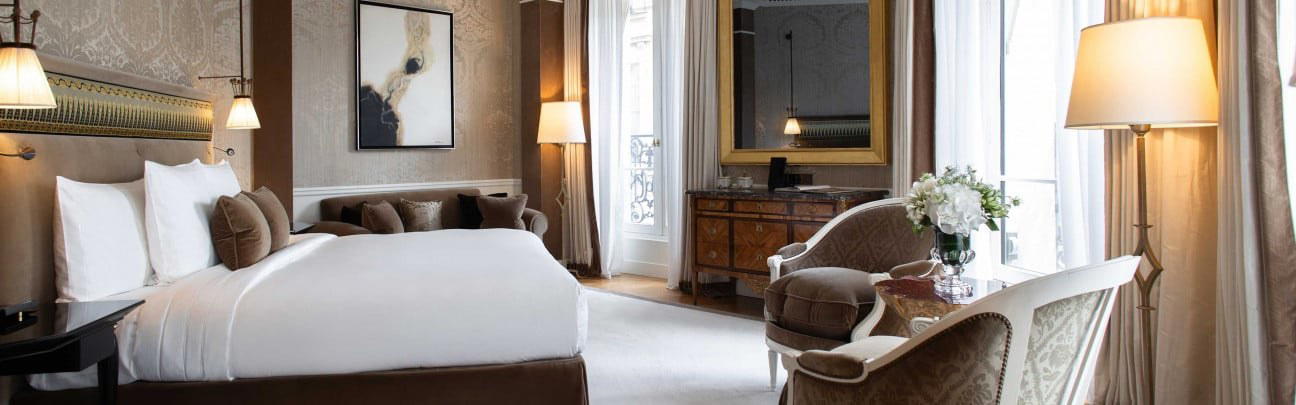
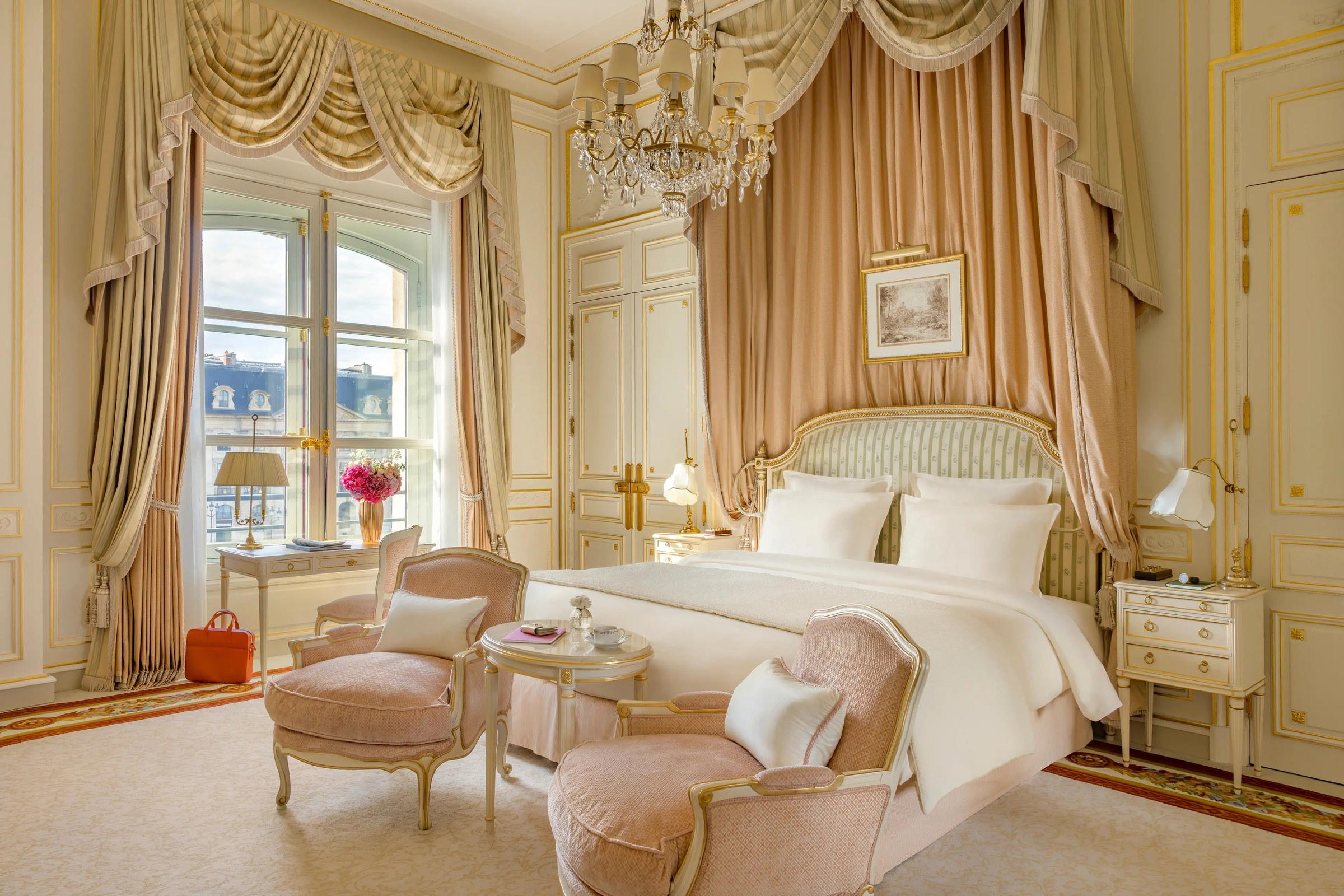
- Elegant Contemporary with Natural Earth Tones and Refined Luxury.
Know before you go
Know Before You Go
- Getting there
- 1-chōme-1-1 Sanjōōji, Nara, 630-8013
Planning details
Location
1-chōme-1-1 Sanjōōji, Nara, 630-8013 · Directions
Recognition and awards


Also consider
Where to Cross-Shop
If this is full or the rate feels too high for the location premium, check Fufu Nara for a more occasion-led stay and Miroku Nara by THE SHARE HOTELS for a lower-commitment Nara base.
Hotel context
How It Compares
JW Marriott Hotel Nara is the practical luxury choice in Nara: stronger for predictable service, facilities, and a conventional full-hotel feel than for intimate local atmosphere. Noborioji Hotel Nara is better for a quieter, smaller-scale stay, while Miroku Nara by THE SHARE HOTELS is the easier value-oriented cross-shop if the trip does not require a luxury brand frame.
For a special occasion, Shisui, a Luxury Collection Hotel, Nara and Fufu Nara should be checked first if ambiance is the priority. They read more destination-stay than business-luxury base. JW Marriott Hotel Nara is the safer pick when the occasion includes guests with different comfort expectations or when Marriott consistency matters.
Hoshinoya Nara Prison is the concept-led alternative: more memorable on paper, less conventional as a hotel decision. If the trip needs low-friction logistics, choose JW Marriott. If the stay itself is meant to be the headline, cross-shop Hoshinoya, Fufu, and Shisui before locking anything in.
Explore Nara
Around this place
Discover more on Pearl
Unlock the full JW Marriott Hotel Nara guide in Pearl, including awards, comparisons, FAQs, planning details, and nearby places.
Compare JW Marriott Hotel Nara
| Venue | Location | Awards |
|---|---|---|
| JW Marriott Hotel Nara | Nara | 2026 Forbes 4-Star2026 La Liste Top HotelsMichelin 1 Key 20252025 Forbes 4-Star2025 Michelin 1 Key2024 Michelin 1 Key |
| Noborioji Hotel Nara | Nara | 2026 Relais Chateaux Hotels2025 Relais Chateaux Award |
| Miroku Nara by THE SHARE HOTELS | Nara | No published awards |
| Shisui, a Luxury Collection Hotel, Nara | Nara | No published awards |
| Hoshinoya Nara Prison | Nara | No published awards |
| Fufu Nara | Nara | 2025 Michelin 1 Key2024 Michelin 1 Key |

How JW Marriott Hotel Nara compares with similar nearby venues.
FAQ
Frequently Asked Questions
How is the pool and spa at JW Marriott Hotel Nara?
Information on the pool and spa is not available. The hotel's recognition includes Michelin 1 Key (2024), La Liste Top Hotels (2026) at 93.5 points, and Forbes 4-Star (2026).
How is the dining at JW Marriott Hotel Nara?
Information on dining is not available. If meals are an important part of the trip, compare options in Nara separately and plan around reservations rather than relying on assumptions about the hotel.
What is check-in like at JW Marriott Hotel Nara?
Information on check-in is not available. For planning purposes, treat JW Marriott Hotel Nara as a recognized hotel in Nara with recognition including Michelin 1 Key (2024), La Liste Top Hotels (2026) at 93.5 points, and Forbes 4-Star (2026).
What is JW Marriott Hotel Nara known for?
JW Marriott Hotel Nara is known as a Nara hotel with recognition: Michelin 1 Key (2024), La Liste Top Hotels (2026) at 93.5 points, and Forbes 4-Star (2026). The dress code is smart casual.