.png?width=1200&quality=80)
nakamuraya
Italian · Naramachi, Nara
Restaurant in Nara, Japan
 Book with Pearl
The Read
Rural Italian Precision
Price
¥¥
Dress
Smart Casual
Why go
nakamuraya is Nara's most accessible Michelin-recognized Italian option, sitting at ¥¥ with back-to-back Michelin Plates in 2024 and 2025. Located in the rural Murou area of Uda, it rewards deliberate planning — best visited at lunch when paired with a morning in the surrounding area. A practical choice for food-focused travelers who want recognized Italian cooking without the ¥¥¥ commitment of Nara's top-tier dining set.
About nakamuraya
Should You Book nakamuraya?
If you are weighing Italian dining options in Nara, nakamuraya is the most accessible entry point in the city — sitting at ¥¥ while peers like akordu and Wa Yamamura charge ¥¥¥ for their respective formats. For a food-focused traveler in Nara who wants a Michelin-acknowledged Italian meal without committing to a splurge-tier budget, nakamuraya is worth booking.
The Venue
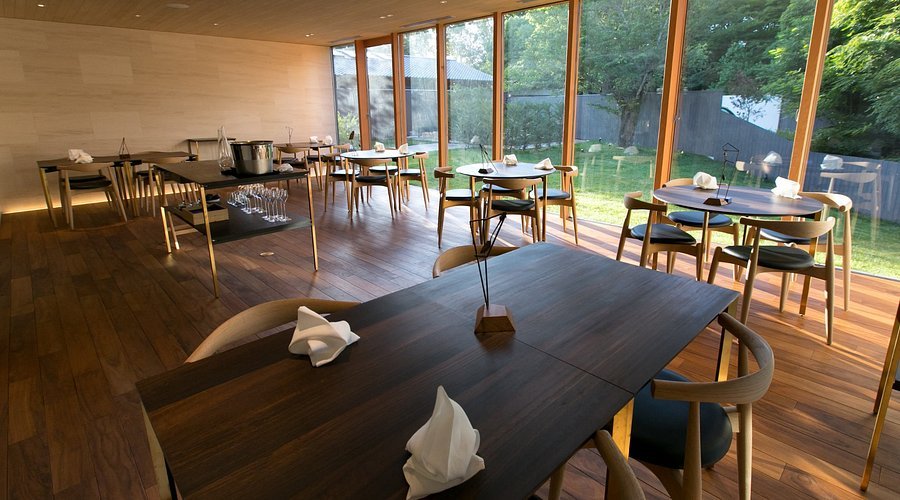
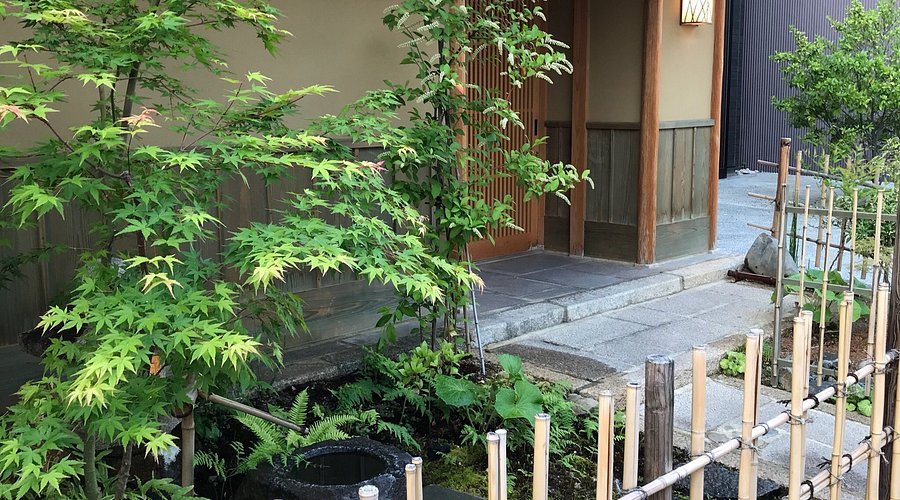
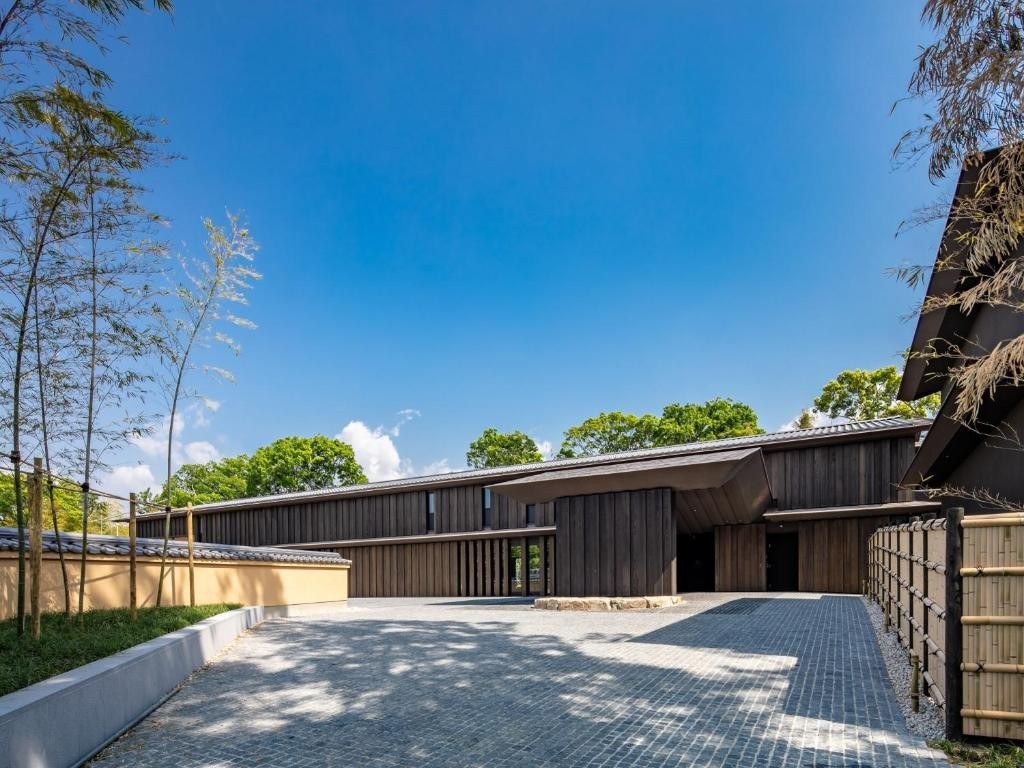
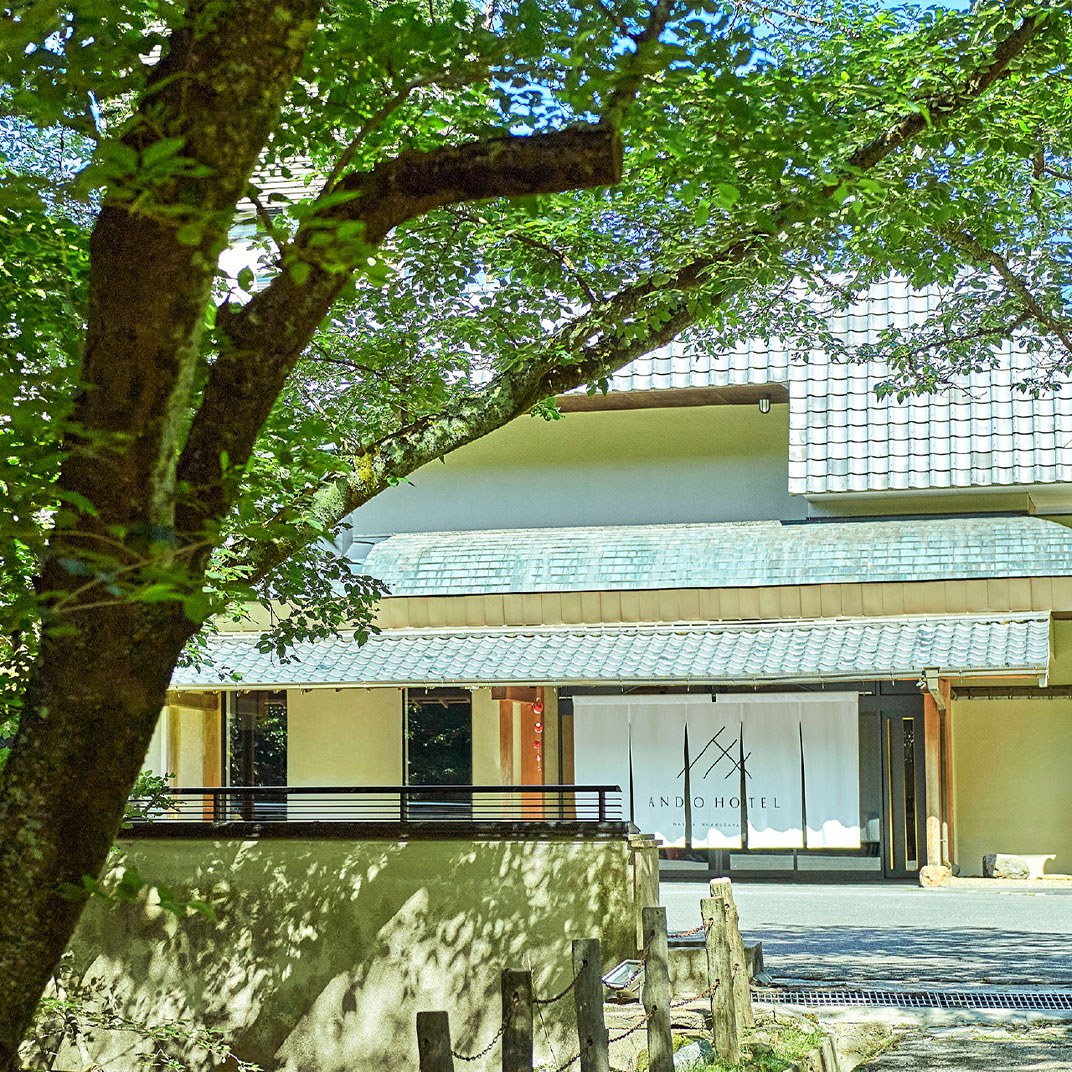
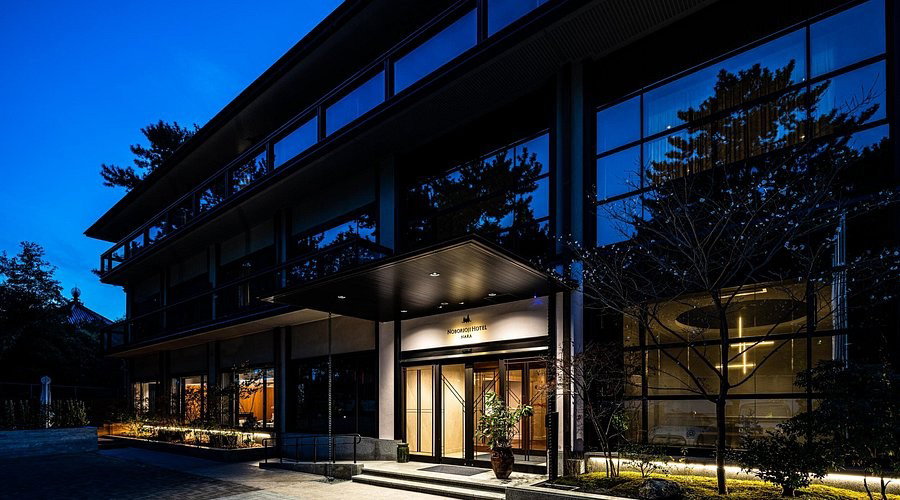
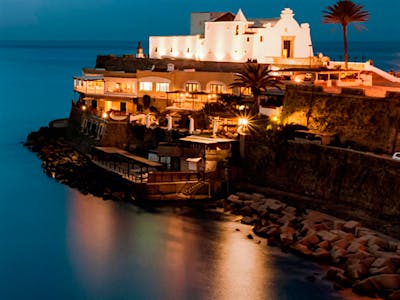
nakamuraya sits in Uda, a quieter pocket of Nara Prefecture at 717 Murou — far removed from the tourist corridors around Nara Park. The address alone tells you something about the experience: this is not a restaurant designed for passing foot traffic or post-sightseeing convenience. Getting here requires intention, which also means the room is unlikely to be full of first-timers who wandered in from the deer-feeding path. The spatial dynamic that results from this location tends toward calm over buzz, a setting that suits the deliberate pace Italian dining at this level usually demands.
The physical setting in Murou, a forested area historically associated with Shingon Buddhism and the ancient Murou-ji temple complex, provides a context that distinguishes nakamuraya from Italian restaurants operating in urban Japan. You are not choosing between a city-center table and a suburban one; you are choosing a destination meal outside the urban grid entirely. That context matters when you are planning a day around the visit, and it should factor into your timing decisions.
Lunch vs. Dinner: Where the Value Sits
At ¥¥ pricing, nakamuraya is positioned closer to a quality lunch destination than an occasion dinner, at least in terms of spend. For explorers building a Nara itinerary, the strategic play is to treat this as a midday anchor: visit the Murou area in the morning, eat at nakamuraya at lunch, and use the afternoon for the return. Dinner requires a separate transport decision that compounds cost and complexity if you are based in central Nara or day-tripping from Kyoto or Osaka.
The lunch framing also aligns with the spatial character of the venue. Natural light in a rural Nara setting at midday reads differently than the same room at night, and Italian cooking in this price tier often shows better in a lunch format where the kitchen's precise work on ingredients is visible rather than atmospheric. If Michelin Plate-level Italian at an accessible price point is your target, lunch is the smarter session to book. If you are staying locally and dinner logistics are simple, the evening remains a viable option, but it does not add obvious value that lunch does not already deliver.
For comparison: cenci in Kyoto offers Italian at a higher price tier with stronger evening atmosphere, and 8½ Otto e Mezzo Bombana in Hong Kong represents the format at full fine-dining scale. nakamuraya operates in a different register from both, more personal, lower stakes financially, and more dependent on the surrounding environment for its full effect.
Who Books Here
The explorer traveling through the Kinki region who wants to build a restaurant itinerary beyond Osaka and Kyoto is the natural audience. nakamuraya represents the kind of find that rewards deliberate planning: two Michelin Plates, Italian cuisine in an unexpected rural Japanese setting, priced within reach. If you are already routing a trip through Nara's outer areas, Murou-ji, Muro, the Yoshino range, this fits naturally. If you are strictly based in Nara city with limited time, the logistics require more justification.
For a broader picture of dining in the region, HAJIME in Osaka, Gion Sasaki in Kyoto, and Goh in Fukuoka give useful reference points for what recognized Japanese restaurants are delivering at higher price tiers. Within Nara itself, Da terra, Lega', BANCHETTI, Camino, and cucina regionale YANAGAWA round out the Italian options worth considering depending on your base and budget.
Know Before You Go
- Cuisine: Italian
- Price range: ¥¥
- Awards: Michelin Plate 2024, Michelin Plate 2025
- Address: 717 Murou, Uda, Nara 633-0421, Japan
- Booking difficulty: Easy
- Ideal time to visit: Lunch, ideally paired with a morning visit to the Murou area
- Getting there: Uda/Murou is outside central Nara, plan transport in advance; a car or direct bus is the practical option
- Phone / website: Not listed, search locally or use a booking platform to confirm current hours and availability
How It Compares
nakamuraya is the most price-accessible Michelin-recognized option in the Nara dining set reviewed here. Against akordu (Spanish, Innovative, ¥¥¥) and Wa Yamamura (Kaiseki, ¥¥¥), it charges a full tier less while still carrying Michelin Plate recognition for two consecutive years. If budget is a real factor and you want a recognized kitchen, nakamuraya is the practical choice. If you are prepared to spend more and want kaiseki or innovative Spanish cooking, akordu and Wa Yamamura represent the step up in ambition and price.
Araki (Sushi, ¥¥¥) and Tama (Okinawan/French, ¥¥¥) are distinct enough in cuisine format that direct comparison is less useful, if you specifically want Italian, neither substitutes. NARA NIKON (Japanese, ¥¥¥) similarly operates in a different lane. The cleaner question is: do you want Italian at ¥¥ with Michelin acknowledgment, or Japanese or fusion at ¥¥¥ with potentially more polish? nakamuraya wins on accessibility and value; the ¥¥¥ set wins on occasion-dining weight.
For the explorer building a multi-city itinerary, nakamuraya earns its place as the Nara Italian stop, especially if you are already visiting the Murou area. It does not compete with Harutaka in Tokyo or 1000 in Yokohama in ambition or price, but that is not the brief here. The brief is a well-executed Italian meal in an unexpected rural Nara setting, at a price that does not require justification. On those terms, it delivers.
Explore More in Nara
- Our full Nara restaurants guide
- Our full Nara hotels guide
- Our full Nara bars guide
- Our full Nara wineries guide
- Our full Nara experiences guide
Planning details
- Location
- 717 Murou, Uda, Nara 633-0421, Japan
- Website
- ayarumakan.jp/restaurant
- Phone
- +81 745-93-2227
The take
The Take
The Vibe
Nakamuraya reads like a tucked-away piece of rural Italy transported into the Yamato interior. The restaurant sits in a forested upland outside Nara city, an intentional contrast to the dense urban corridors where Italian cooking more commonly thrives in Japan. That outlier status is part of its appeal: consecutive Michelin Plate awards (2024 and 2025) underscore a kitchen producing disciplined, search-worthy food without the trappings of an urban fine-dining temple. The result is a quietly sophisticated, rustic destination that balances approachable pricing with meticulous execution, rewarding diners who make the deliberate trip inland.
Best For
This is a destination restaurant best suited to diners willing to plan a visit rather than drop in. Its rural location and editorial emphasis on being an outlier in Nara make it well matched to a weekend escape or a deliberate evening out. Given the Michelin Plate recognition and the focused Italian menu, it also works well for celebrations and special evenings where food is the priority. The ¥¥ price positioning means the experience reads as elevated without the expense of some regional counterparts, so groups and couples seeking memorable but reasonably accessible fine dining will find it appealing.
Ordering Tips
Lean into what the kitchen is known for: the Genovese with fresh basil and the handmade pastas (including the zucchini-and-green-bean preparation) are signature highlights, and meat dishes such as wagyu and wild boar reflect the restaurant’s rustic-Italian focus. Finish with the panna cotta, a reliably mentioned dessert. Be mindful of the wine situation noted in the profile: Italian wine pricing in Japan can reflect higher import and tax costs, so ask staff for pairing guidance and for value-minded bottles if you want to balance the list against the meal. Reservations are advisable given its destination status.
Venue details
Ambiance
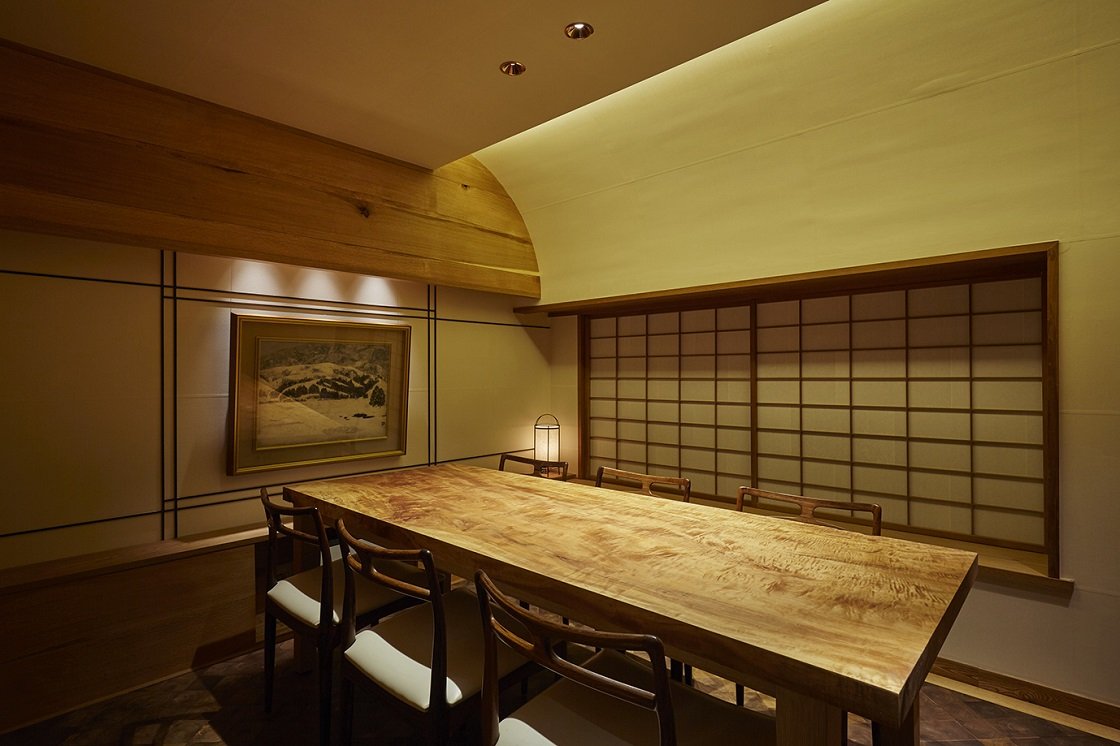
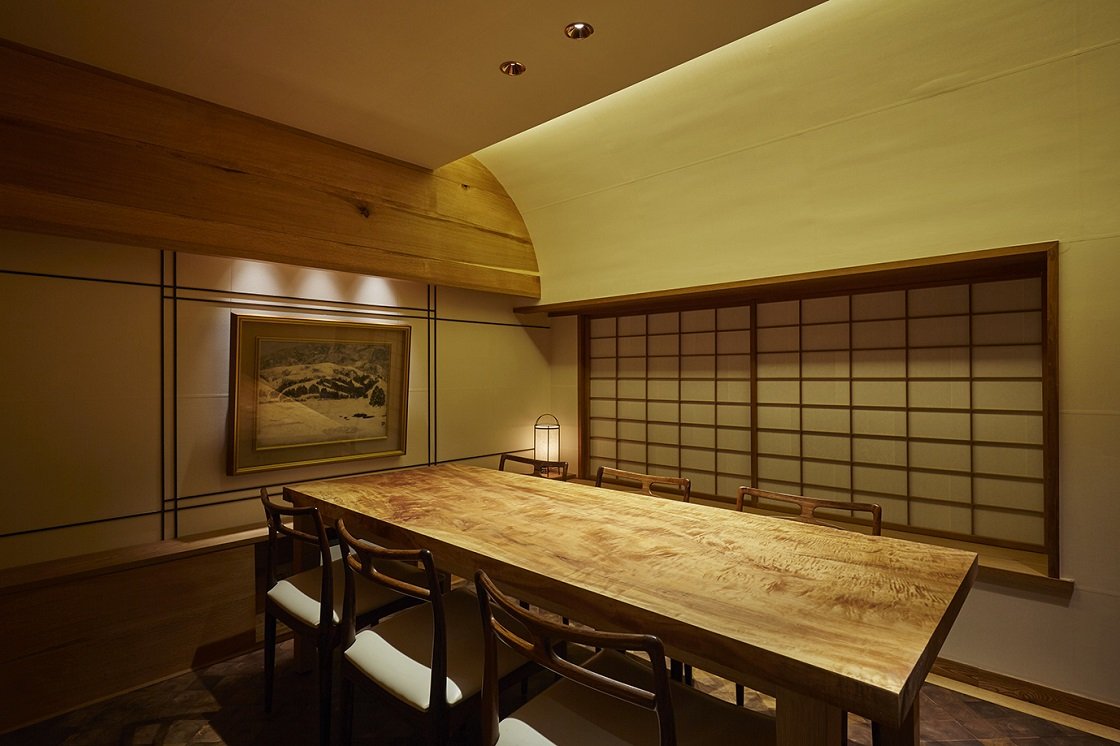
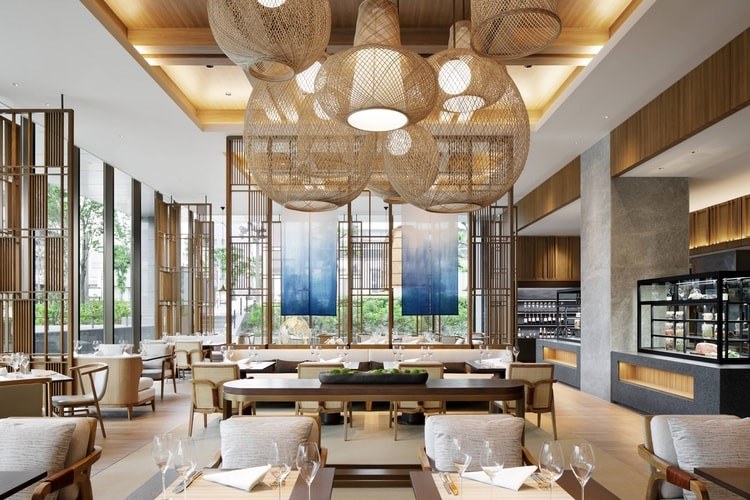
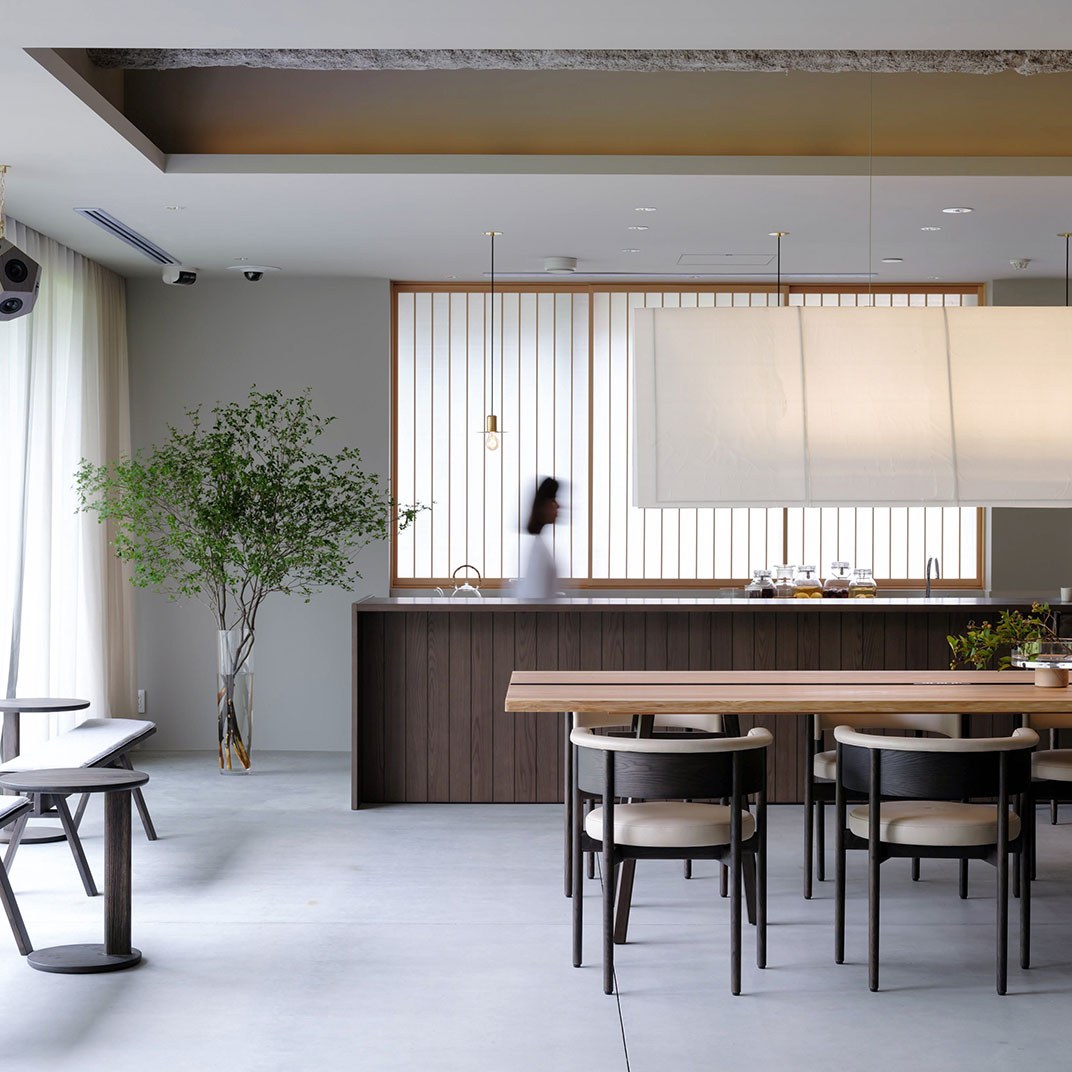
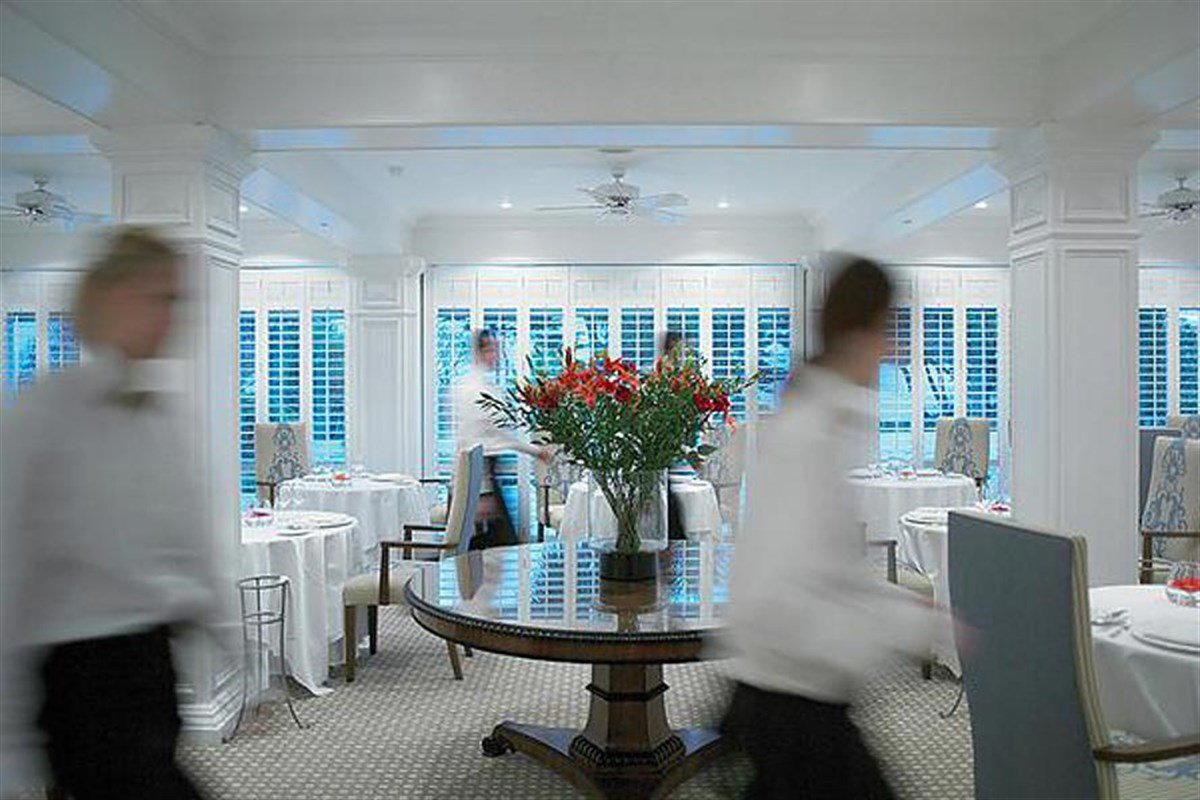
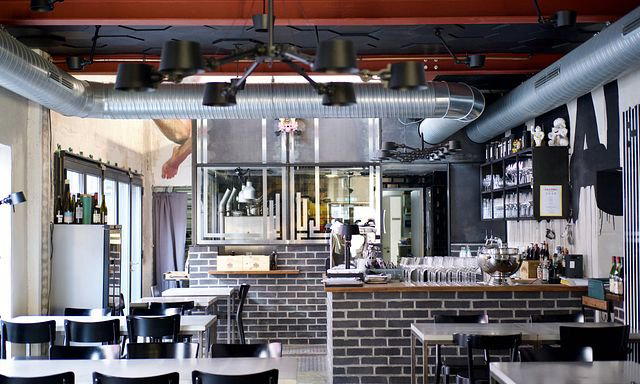
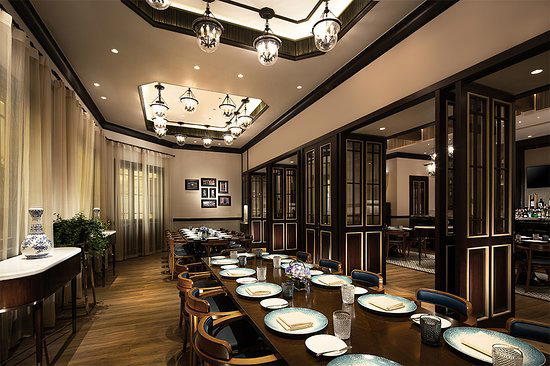
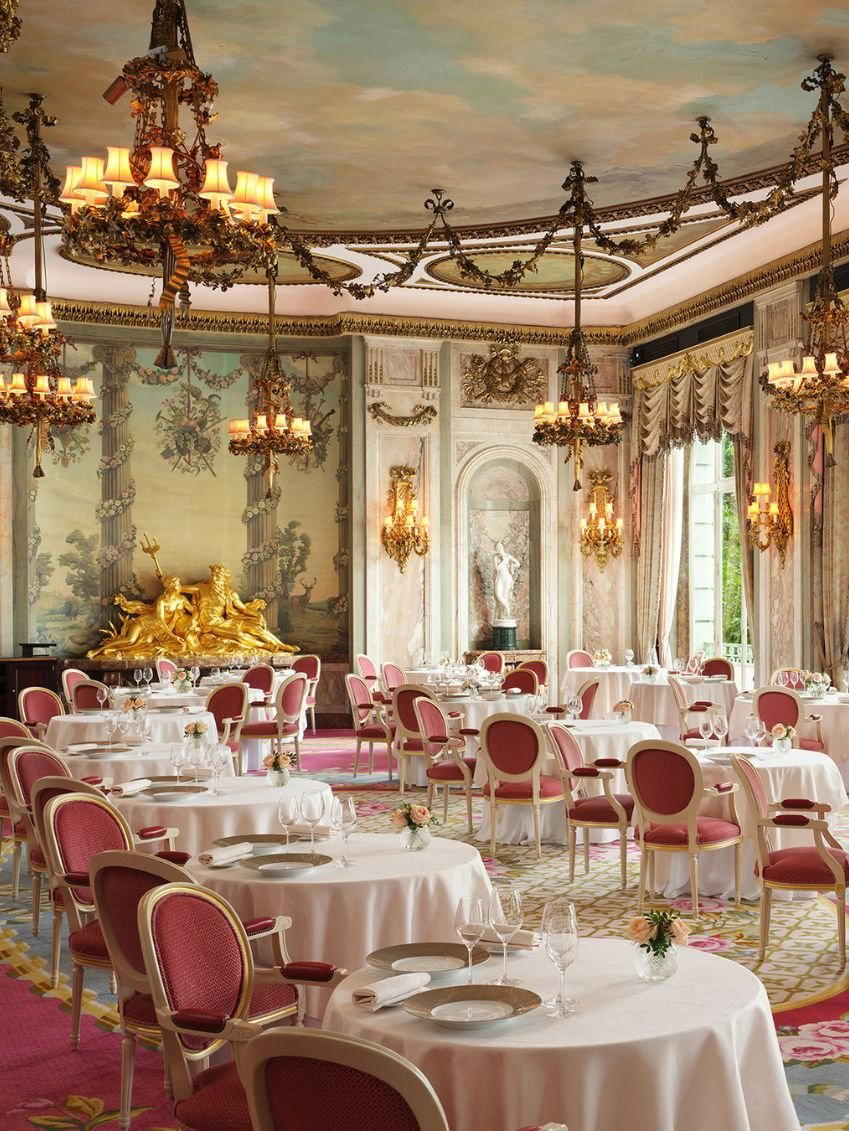
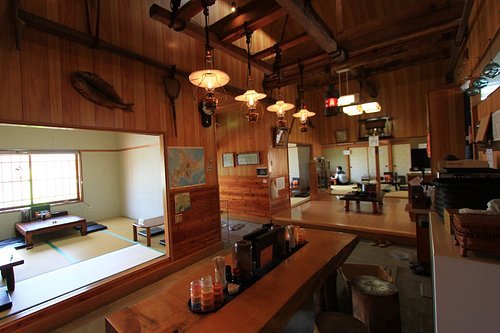
Warm, intimate setting with a cozy wine bar and café atmosphere on the first floor and a more formal dining room, reflecting both casual and refined dining experiences.
Tags
Vibe
Best For
Experience
Sourcing
At the Table
- Dress Code
- Smart Casual
- Noise Level
- Conversational
- Service Style
- Upscale Casual
- Meal Pacing
- Leisurely
- Capacity
- Small
Signature Dishes
- Genovese with fresh basil
- handmade pasta with zucchini and green beans
- wagyu
- wild boar
- panna cotta
Know before you go
Know Before You Go
- Getting there
- 717 Murou, Uda, Nara 633-0421, Japan
Planning details
Location
Recognition and awards
Also consider
Also Consider
- akordu, Spanish, Innovative, ¥¥¥
- Wa Yamamura, Kaiseki, Japanese, ¥¥¥
- Araki, Sushi, Japanese, ¥¥¥
- Tama, Okinawan, French, ¥¥¥
- NARA NIKON, Japanese, ¥¥¥
Restaurant context
nakamuraya is the only Italian option in this Nara peer group, and at ¥¥ it is priced a full tier below every direct competitor. akordu brings Spanish and innovative cooking at ¥¥¥ with strong creative ambition; Wa Yamamura offers kaiseki at ¥¥¥ for travelers who want the most traditional Japanese fine-dining format available in Nara. If budget is not a constraint and you want Japanese cuisine, Wa Yamamura is the stronger occasion choice. If you want something more format-adventurous at the high end, akordu is the call.
Araki (sushi, ¥¥¥) and Tama (Okinawan/French, ¥¥¥) do not compete directly with an Italian kitchen, they serve different purposes in an itinerary. NARA NIKON (Japanese, ¥¥¥) likewise. The practical comparison is simpler: nakamuraya is the Michelin-acknowledged Italian meal at accessible pricing; every other venue in this set charges more and operates in a Japanese or fusion format.
For value-conscious travelers and those building a day around the Murou area, nakamuraya is the easiest booking in this group and the most straightforward recommendation. For diners prioritizing occasion weight, service depth, or Japanese cuisine specifically, the ¥¥¥ options above are more appropriate. The decision point is cuisine preference and budget, not quality, all five venues carry recognized credentials.
Explore Nara
Around this place
Discover more on Pearl
Unlock the full nakamuraya guide in Pearl, including awards, comparisons, FAQs, planning details, and nearby places.
Compare nakamuraya
| Venue | Price | Booking Difficulty | Awards |
|---|---|---|---|
| nakamuraya | ¥¥ | Easy | 2025 Michelin Plate2024 Michelin Plate |
| akordu | ¥¥¥ | Unknown | 2026 Tabelog Bronze · #142026 OAD Top Restaurants in Japan RecommendedMichelin Guide Nara 20262026 La Liste Top RestaurantsTabelog 100 - Innovative / Creative cuisine - 2025 · #762025 OAD Top Restaurants in Japan Ranked · #5192025 Tabelog Silver2025 Michelin 2 Stars2025 La Liste Top Restaurants |
| Wa Yamamura | ¥¥¥ | Unknown | 2026 OAD Top Restaurants in Japan RecommendedMichelin Guide Nara 20262025 OAD Top Restaurants in Japan Ranked · #2052025 Michelin 1 Star2024 OAD Top Restaurants in Japan Ranked · #1952024 Michelin 1 Star2023 OAD Top Restaurants in Japan Highly Recommended |
| Araki | ¥¥¥ | Unknown | 2026 Tabelog Bronze · #23Michelin Guide Nara 2026Tabelog 100 - Tempura - 2025 · #202025 Michelin Plate2025 Tabelog Bronze2024 Michelin Plate2023 OAD Top Restaurants in Asia Ranked · #24 |
| Tama | ¥¥¥ | Unknown | Michelin Guide Nara 20262025 OAD Casual in Japan Ranked · #902025 Michelin Plate2024 OAD Casual in Japan Ranked · #802024 Michelin Plate2023 OAD Casual in Japan Ranked · #63 |
| NARA NIKON | ¥¥¥ | Unknown | 2026 Tabelog Bronze · #315Michelin Guide Nara 2026Tabelog 100 - Japanese cuisine - WEST - 2025 · #692025 La Liste Top Restaurants2025 Tabelog Bronze2025 Michelin 2 Stars2024 Michelin 2 Stars |






Comparing your options in Nara for this tier.
FAQ
Frequently Asked Questions
What are alternatives to nakamuraya in Nara?
akordu is the most direct step up — Spanish and Innovative at ¥¥¥, also Michelin-recognised, and better suited for a full occasion dinner. Wa Yamamura offers a Japanese counterpoint if Italian isn't the priority. nakamuraya is the most price-accessible Michelin Plate option in the Nara set, which matters if you're building a multi-stop Kinki itinerary on a controlled budget.
How far ahead should I book nakamuraya?
Exact booking windows aren't published, but a Michelin Plate restaurant in a rural Nara Prefecture location with limited covers warrants at least two to three weeks' notice, more for weekends. The remote address at 717 Murou, Uda means you're competing with travellers who have specifically sought it out — walk-in availability is unlikely.
Is the tasting menu worth it at nakamuraya?
Specific menu formats aren't confirmed in the venue record, so a direct verdict on tasting menu value isn't possible here. What is confirmed: back-to-back Michelin Plates in 2024 and 2025 at ¥¥ pricing positions nakamuraya as one of the better-value Michelin-recognised meals you can have in Nara Prefecture. If a tasting format is available, the price-to-recognition ratio is in your favour compared to ¥¥¥ peers like akordu.
Does nakamuraya handle dietary restrictions?
No dietary policy is documented for nakamuraya. Italian cuisine at this level typically involves set or semi-set menus where substitutions can be limited. Communicate restrictions at the time of booking — given the rural Uda location and likely small kitchen team, advance notice is more important here than at a larger city restaurant.
Is nakamuraya worth the price?
At ¥¥, nakamuraya is the most accessible Michelin Plate option in the Nara dining set — cheaper than akordu (¥¥¥) and backed by consecutive Michelin recognition in 2024 and 2025. If you are already routing through the Kinki region and want a credentialled meal outside the Osaka-Kyoto axis without the ¥¥¥ spend, the value case is solid. It is less compelling as a standalone destination trip solely for the restaurant.