


Tokuyamazushi
Kaiseki · Yogo, Nagahama
Restaurant in Nagahama, Japan
 Book with Pearl
The Read
Fermentation-Led Regional Kaiseki
Price
$300–500per person
Chef
Hiroaki Tokuyama
Dress
Smart Casual
Why go
Tokuyamazushi is the strongest case for leaving Kyoto or Osaka for a meal in Shiga: an auberge and regional cuisine venue beside Lake Yogo, with seven consecutive Tabelog Silver awards and a ranking in Japan's top 70 on Opinionated About Dining. Dinner runs JPY 40,000–49,999 per person; lunch is a more accessible JPY 20,000–29,999. Book by phone, minimum two guests, and confirm before visiting as closing days are not fixed.
About Tokuyamazushi
Verdict
If you have already made the trip to Tokuyamazushi once, the case for returning is clear: the format does not change, but your reading of it deepens. A kaiseki and fermented cuisine experience anchored beside the remote Lake Yogo, this is a destination restaurant in the fullest sense: operating as both restaurant and auberge, 25 minutes by foot (or a short shuttle ride) from Yogo Station. It has held Tabelog Silver consecutively from 2019 through 2025, scored 4.36 on Tabelog in 2026, and ranks #59 in Japan on Opinionated About Dining (2024) and #69 in 2025. For a special occasion that demands a setting beyond the city, few options in the Shiga region match it on accumulated recognition or singularity of location.
About Tokuyamazushi
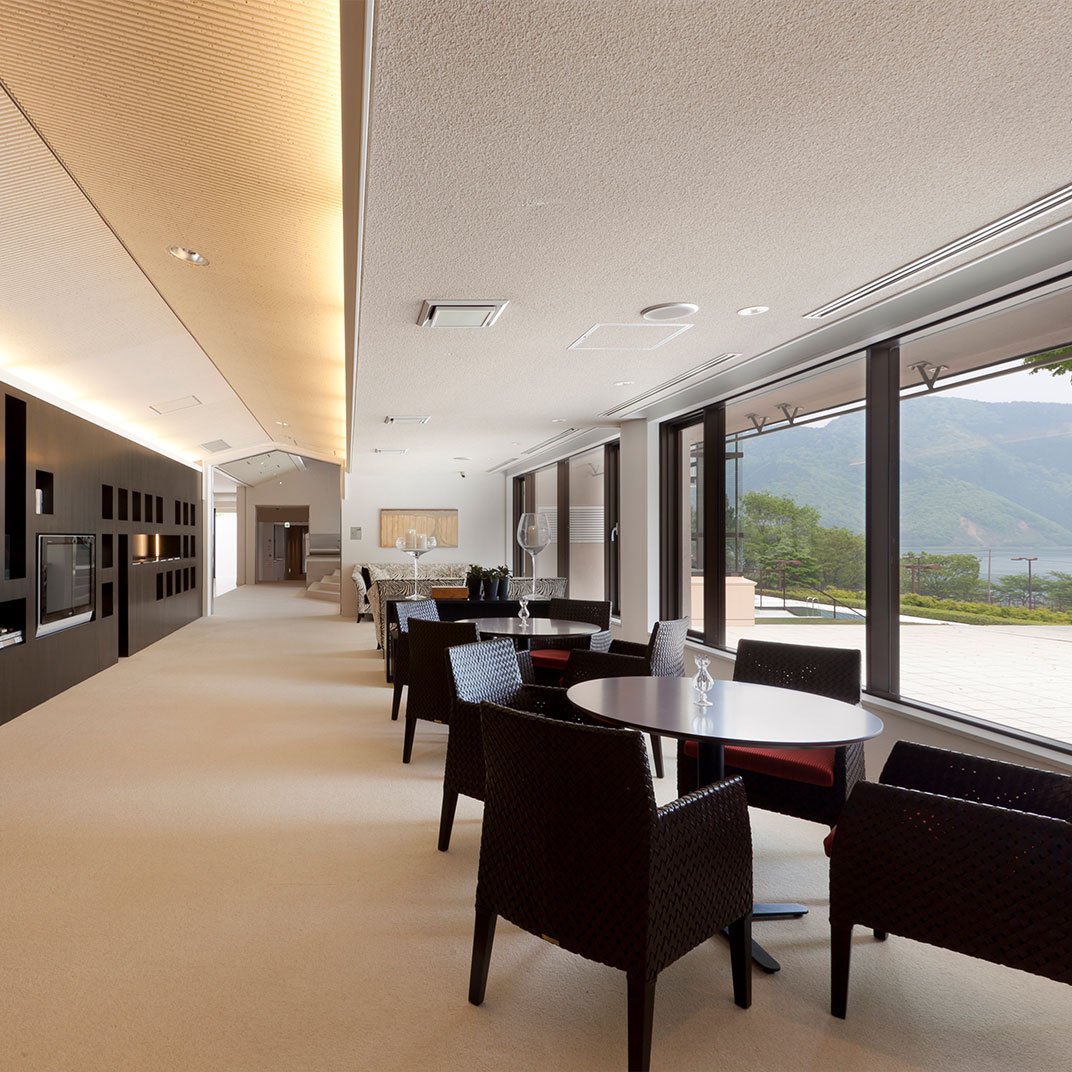
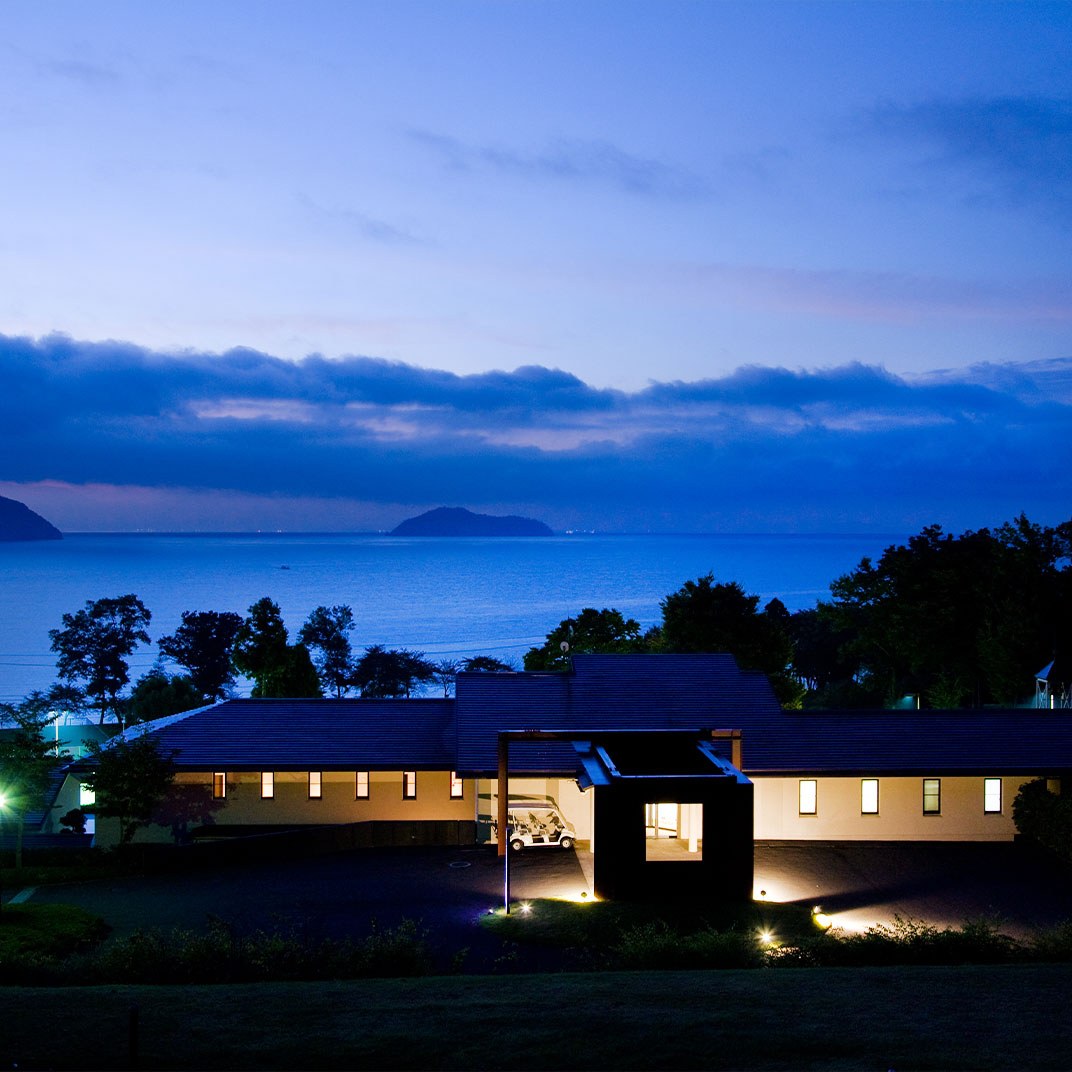
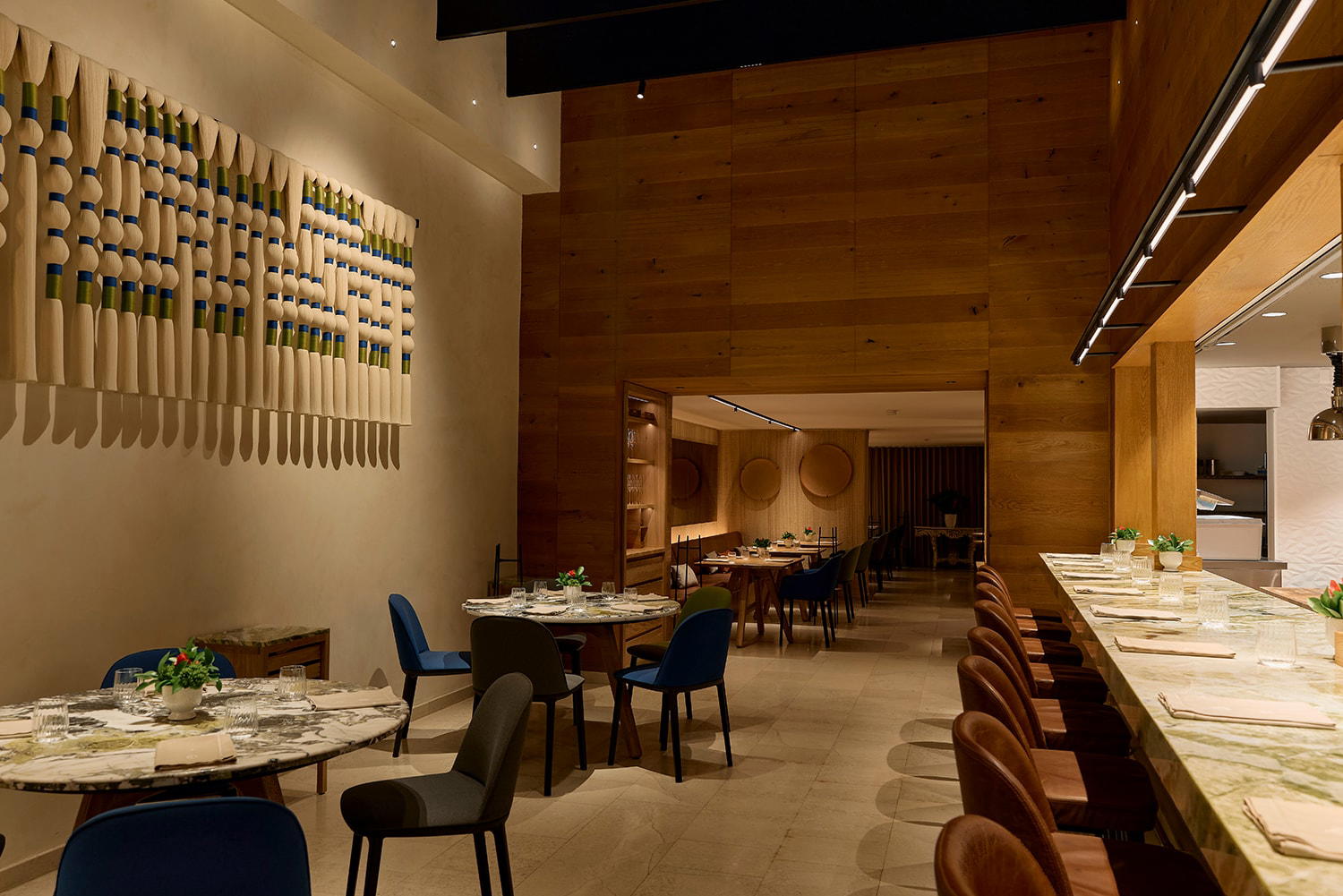
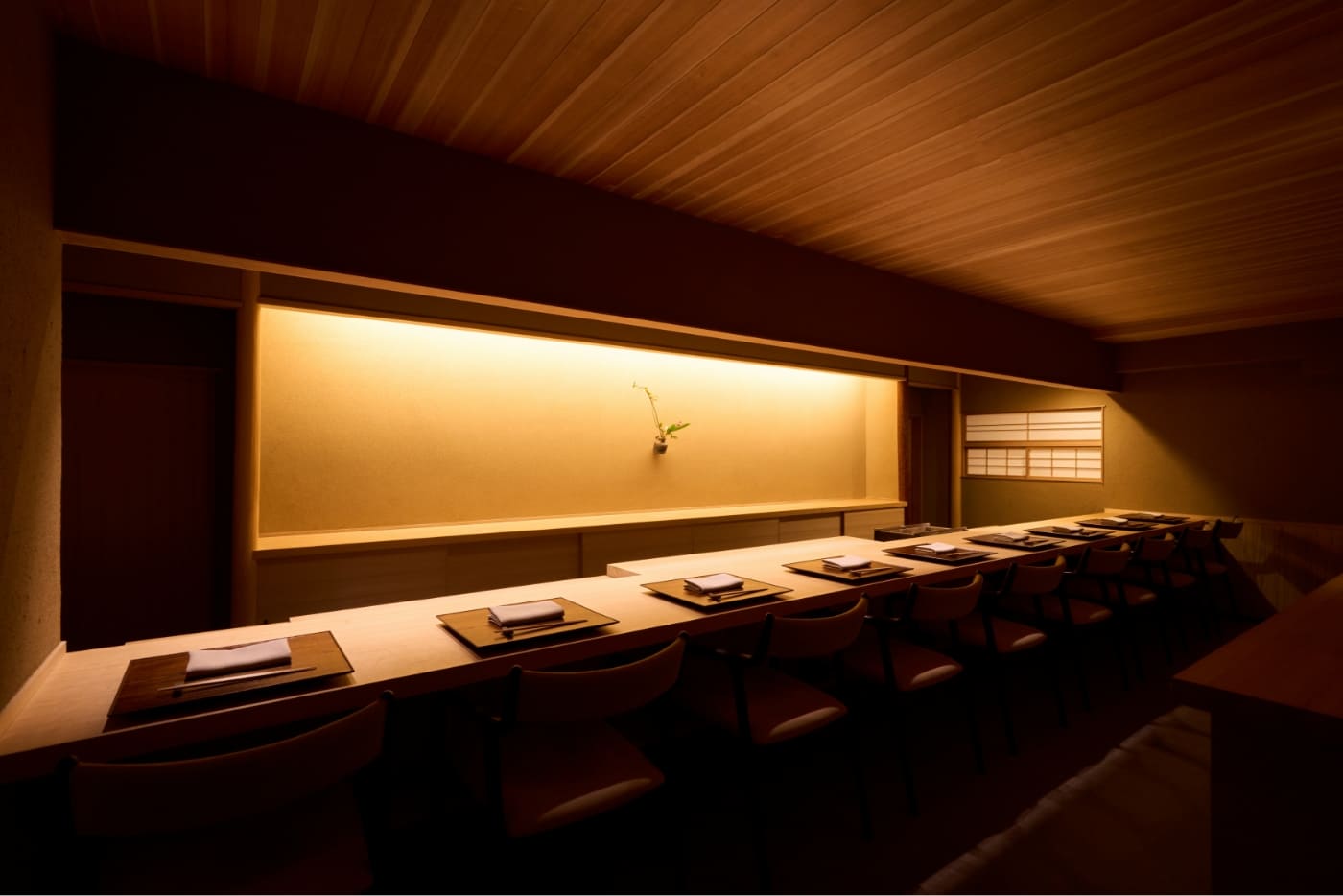
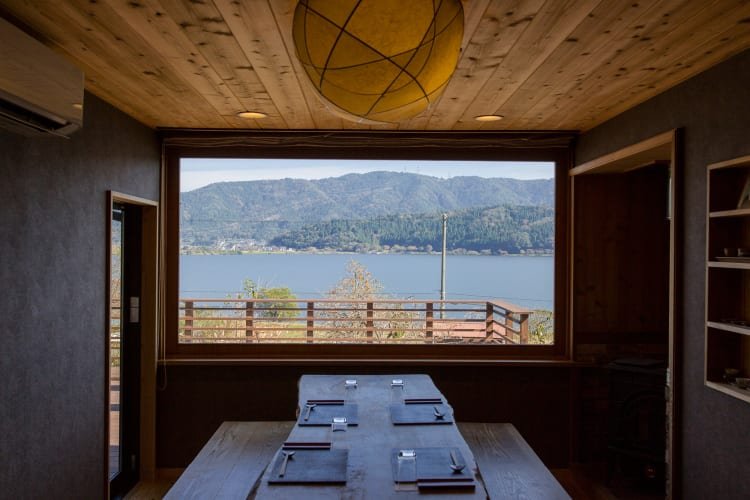
The visual impression here starts before you sit down. The property operates as a house restaurant set against the backdrop of Lake Yogo, a small, enclosed lake in the hills between Nagahama and Tsuruga. Tatami rooms, spacious seating, and a style described as both relaxing and refined set the physical context. For a second visit, this setting functions differently: the novelty recedes and the cooking itself is easier to assess without distraction.
The kitchen's declared focus is fish and fermentation: regional cuisine rooted in the narezushi tradition of Shiga, where freshwater fish is cured with rice over months or years. This is not sushi in the urban omakase sense; it is something older and more specific to this part of Japan. Chef Hiroaki Tokuyama works within a format that resists easy comparison to kaiseki venues in Kyoto or Tokyo. The Tabelog listing categorises the venue as Regional Cuisine and Auberge, which is accurate: this is a place where the food and the stay are designed as a single experience.
On a return visit, the structure rewards those who engage deliberately. The lunch price band runs JPY 20,000–29,999 per person; dinner is JPY 40,000–49,999 per person, based on Tabelog review data. Lunch is the practical entry point if budget is a consideration or if you are not staying overnight. Dinner, at roughly double the price, makes more sense as a full evening or overnight stay where the remote location becomes an advantage rather than a logistics challenge.
The venue takes reservations for two or more people only. Phone reservations are accepted 9:00 AM to 12:00 PM and 3:00 PM to 6:00 PM (Japan time). Credit cards are accepted (VISA, JCB, AMEX, Diners). No electronic money or QR code payments. Private rooms are available, and the venue can accommodate private use for up to 20 people, which makes it viable for group celebrations or corporate occasions. Parking is available on site. There are no vending machines on the premises, the venue advises guests to purchase drinks at the station before arrival. A shuttle service is available from Yogo Station.
One practical note on the editorial angle of off-premise dining: Tokuyamazushi is not a takeout proposition. Fermented and kaiseki cooking of this calibre, plated within a tatami room overlooking a mountain lake, does not translate to a takeout format, nor does it offer delivery. The experience is inseparable from the setting. If you are looking for something from the Nagahama region that travels, this is not it, but that is beside the point. The reason to book Tokuyamazushi is precisely that it cannot be replicated elsewhere.
Closing days are not fixed, so always confirm before visiting. Hours run 12:00–14:30 for lunch and 18:00–21:00 for dinner, seven days a week based on current listings, but the venue advises verifying directly.
Quick reference: Lunch JPY 20,000–29,999 | Dinner JPY 40,000–49,999 | Reservation only (2+ guests) | Phone reservations 9 AM–12 PM and 3–6 PM JST | Private rooms and private use up to 20 | Shuttle from Yogo Station | Credit cards accepted | No vending machines on site.
Explore More in Nagahama
For more options across the region, see our full Nagahama restaurants guide, Nagahama hotels guide, Nagahama bars guide, Nagahama wineries guide, and Nagahama experiences guide. Within Nagahama itself, Kyogokuzushi and SOWER offer alternative dining perspectives at different price points.
For kaiseki in other parts of Japan, consider Ifuki in Kyoto, Kikunoi Tokyo, or Gion Sasaki in Kyoto. If you are travelling across the Kansai and Chubu region, akordu in Nara and HAJIME in Osaka are worth considering as contrasting styles at comparable price tiers. Further afield, Harutaka in Tokyo, Goh in Fukuoka, 1000 in Yokohama, 6 in Okinawa, Abon in Ashiya, and affetto akita in Akita represent the range of serious Japanese dining beyond the major cities.
Planning details
- Hours
- Monday: 12–2:30 pm, 6–9 pm · Tuesday: 12–2:30 pm, 6–9 pm
- Location
- 1408 Yogocho Kawanami, Nagahama, Shiga 529-0523, Japan
- Website
- tokuyamazushi.com
- Phone
- +81 749-86-4045
The take
The Take
The Vibe
Tokuyamazushi feels like a quietly historic auberge tucked beside Lake Yogo. The approach, through rice paddies and cedar slopes, signals a deliberate removal from urban Kansai routes, and the kitchen roots itself in lake-region fermentation techniques that predate Kyoto kaiseki. The dining arrangement leans on that stillness: guests eat in a room that faces the water, so the placid landscape is not mere backdrop but an active element of the experience. Expect an atmosphere that privileges slow, contemplative flavors and a sense of place over flash: the kind of restrained, rural hospitality that reveals itself slowly.
Best For
This is primarily an evening and overnight proposition: the auberge serves dinner in lake-facing rooms to guests who stay on the property, so it works best as a destination meal tied to an overnight stay. The setting suits quiet, special-occasion visits or a low-key romantic getaway where the pace is unhurried. Because the cuisine emphasizes regional, fermented lake fish traditions, it attracts diners looking for a deep, terroir-driven experience rather than quick or casual dining. Plan to arrive with time to settle in and take in the lakeside stillness.
Ordering Tips
The kitchen foregrounds lake-sourced, fermented preparations, and funazushi is slow-lacto-fermented nigorobuna carp buried in salt and rice for months or years, so order with the expectation of pronounced umami and fermentation-forward flavors. The venue also lists a signature “bear pot,” which is worth trying given the restaurant’s regional focus. If you want the full experience, stay overnight at the auberge: guests who do eat dinner in the lake-facing room, letting the setting complement the robust, time-aged dishes on offer.
Venue details
Ambiance
Rustic elegance in tatami rooms with tranquil lake and mountain views, fostering an intimate and meditative atmosphere.
Tags
Vibe
Best For
Experience
Sourcing
View
At the Table
- Dress Code
- Smart Casual
- Noise Level
- Quiet
- Service Style
- Formal
- Meal Pacing
- Leisurely
- Capacity
- Intimate
- Kitchen
- Modern
- Menu Format
- Tasting menu
- Drinks Focus
- Sake
- Private Dining
- Available
Signature Dishes
- funazushi
- bear pot
Know before you go
Know Before You Go
- Getting there
- 1408 Yogocho Kawanami, Nagahama, Shiga 529-0523, Japan
Planning details
Hours
- Monday
- 12–2:30 pm, 6–9 pm
- Tuesday
- 12–2:30 pm, 6–9 pm
- Wednesday
- 12–2:30 pm, 6–9 pm
- Thursday
- 12–2:30 pm, 6–9 pm
- Friday
- 12–2:30 pm, 6–9 pm
- Saturday
- 12–2:30 pm, 6–9 pm
- Sunday
- 12–2:30 pm, 6–9 pm
Location
Recognition and awards


Also consider
Also Consider
- HAJIME: French, Innovative, ¥¥¥¥
- Harutaka: Sushi, ¥¥¥¥
- L'Effervescence: French, ¥¥¥¥
- RyuGin: Kaiseki, Japanese, ¥¥¥¥
- HOMMAGE: Innovtive French, French, ¥¥¥¥
Restaurant context
Tokuyamazushi sits in a different competitive frame from most ¥¥¥¥ kaiseki venues because its location is genuinely remote. Against RyuGin, which operates in Tokyo at a comparable price tier and award level, the comparison is essentially city versus countryside: RyuGin offers the technical precision of urban kaiseki with easy access; Tokuyamazushi offers regional fermented cuisine in a tatami auberge setting that requires deliberate travel planning. If format and setting matter to you as much as cooking, Tokuyamazushi has the edge for a once-in-a-trip occasion.
Against HAJIME and L'Effervescence, both French-leaning and operating at ¥¥¥¥, the contrast is category-level: those venues appeal to diners who want innovation within a French framework; Tokuyamazushi is for those who specifically want Japanese regional cuisine rooted in fermentation tradition. If you are undecided between the two styles, consider which matters more: technique applied to French form, or technique applied to a centuries-old local ingredient tradition. HOMMAGE sits closer to the French-innovative side of that spectrum and is easier to access from Tokyo.
Harutaka is the relevant comparison for those drawn to serious fish cooking in Japan: it is a top-tier Tokyo sushi counter versus a fermented-fish kaiseki auberge in rural Shiga. They are not directly substitutable. For a business meal or a date in the city, Harutaka wins on convenience and counter experience. For a special-occasion trip that builds travel into the experience, Tokuyamazushi is the more considered choice. Booking difficulty across all five comparison venues is broadly similar at this award level; Tokuyamazushi's relative accessibility by that metric makes it less of a planning obstacle than its remoteness might suggest.
Explore Nagahama
Around this place
Discover more on Pearl
Unlock the full Tokuyamazushi guide in Pearl, including awards, comparisons, FAQs, planning details, and nearby places.
FAQ
Frequently Asked Questions
Is Tokuyamazushi good for a special occasion?
Yes, and the format is well-suited to it. The property operates as a house restaurant with private rooms, the setting on Lake Yogo is secluded, and Tabelog reviewers specifically flag it for occasions with friends. At dinner prices of JPY 40,000–49,999 per head and a Tabelog Silver award held every year from 2019 through 2025, the occasion-to-price ratio holds up. Private use for groups up to 20 is available, which makes it a viable option for milestone bookings.
Can I eat at the bar at Tokuyamazushi?
Tokuyamazushi is a house restaurant with tatami rooms and private dining, not a counter or bar format. There is no database evidence of bar seating. If counter-style service is important to your experience, venues like Harutaka in Tokyo offer that format within a comparable kaiseki-adjacent price bracket.
Can Tokuyamazushi accommodate groups?
Yes. Private use is available for parties up to 20 people, and private rooms are listed as available. Reservations must be made by phone between 9:00–12:00 AM or 3:00–6:00 PM, and the venue currently accepts bookings for meals and accommodation for two or more people. For large group bookings, call ahead well in advance given the remote location and limited capacity.
How far ahead should I book Tokuyamazushi?
Book as early as possible. The venue is reservation-only with no walk-in option, phone reservations are limited to two windows daily (9:00–12:00 and 15:00–18:00), and the remote location in Yogocho Kawanami means logistics need planning regardless of table availability. Given its sustained Tabelog Silver recognition and OAD ranking of #69 in Japan (2025), demand is not casual. Allow at least four to six weeks minimum, more for weekend dinner.
What are alternatives to Tokuyamazushi in Nagahama?
Alternatives within Nagahama are limited at this level of recognition. For high-end kaiseki in the broader Kansai region, RyuGin in Tokyo and L'Effervescence offer structured tasting menus at comparable price points but in urban settings. If the draw is specifically Shiga regional cuisine in a rural context, Tokuyamazushi has no direct local peer at the same award level: Tabelog Silver held for seven consecutive years is unusual outside major cities.
Is lunch or dinner better at Tokuyamazushi?
Lunch is the better entry point on price: JPY 20,000–29,999 versus JPY 40,000–49,999 at dinner. Both services run on the same days across the full week. If you are travelling specifically to Lake Yogo, dinner with an overnight stay at the auberge makes more practical sense given the roughly 25-minute walk or 3-minute drive from Yogo Station. The shuttle service the venue offers helps with access.