
SOWER
Innovative · Nagahama
Restaurant in Nagahama, Japan
 Book with Pearl
The Read
Shiga Terroir Cuisine
Price
$100–150per person
Chef
Coleman Griffin
Dress
Smart Casual
Why go
SOWER, Chef Coleman Griffin's innovative restaurant in rural Shiga Prefecture, ranked among Opinionated About Dining's top 300 restaurants in Japan for two consecutive years. It earns the trip from Kyoto or Osaka for serious diners willing to commit to a kitchen-led format. Book four to six weeks ahead and plan your transport to Nishiazaicho Oura in advance.
About SOWER
Is SOWER worth booking? Here's the direct answer.
Yes: if you are making the trip to Nagahama specifically for a serious meal, SOWER is the reason to come. Chef Coleman Griffin's innovative restaurant ranked #285 on Opinionated About Dining's Leading Restaurants in Japan in 2024, then climbed to #298 in 2025: a ranking that reflects continued recognition rather than a one-year anomaly. For first-timers, the key thing to understand is that SOWER is not a casual drop-in; it is a destination restaurant that asks for your full attention and some advance planning.
What to Expect as a First-Timer
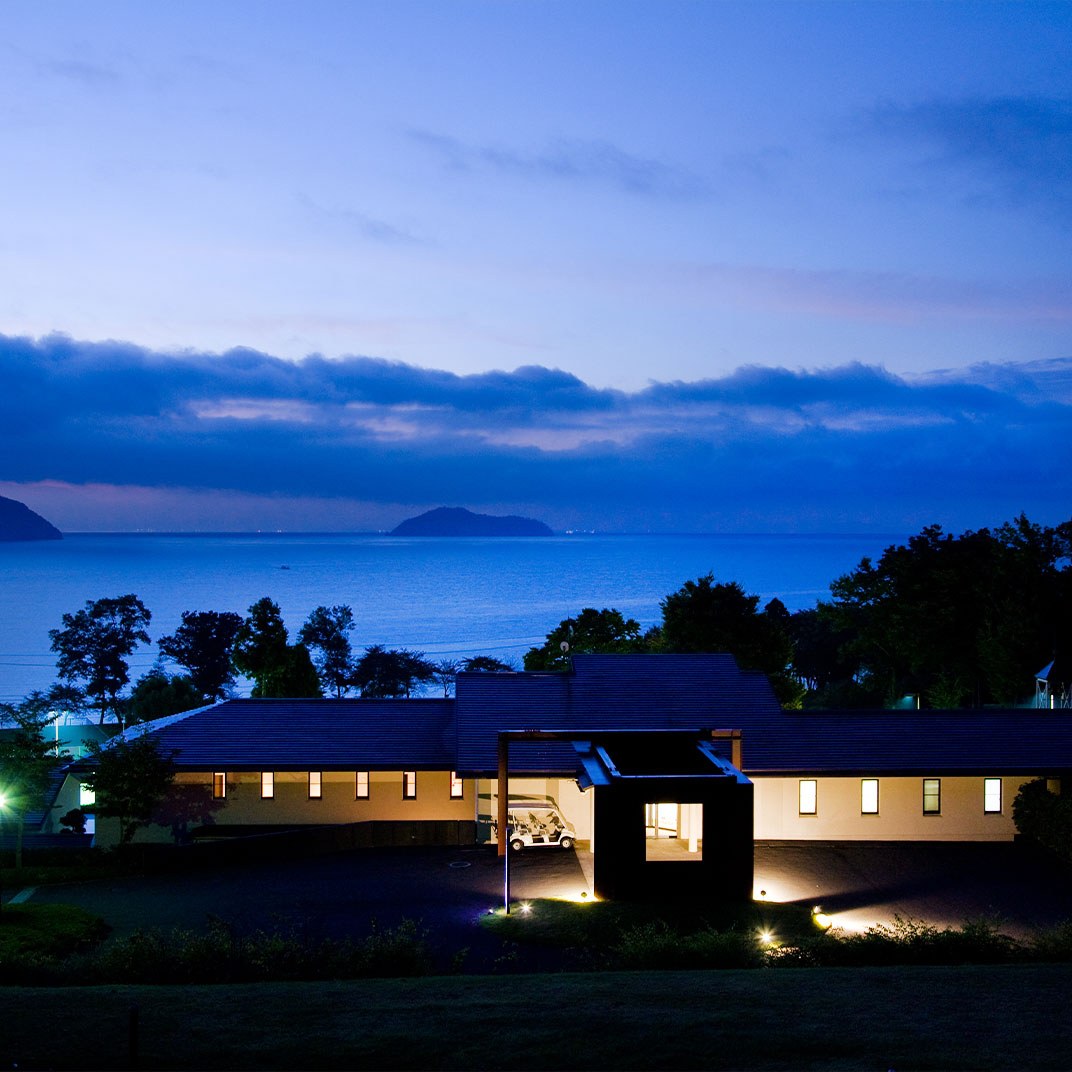
SOWER sits in Nishiazaicho Oura, a rural stretch of Shiga Prefecture on the eastern shore of Lake Biwa, the largest freshwater lake in Japan. Getting here requires deliberate effort: Nagahama is accessible by train from Kyoto (roughly 50–60 minutes on the JR Biwako Line) or from Osaka, but the final leg to the restaurant's specific address in the Nishiazai area will likely require a car or taxi. Plan this logistics in advance. The reward for that effort is a meal at one of the most talked-about innovative restaurants operating outside Japan's major urban centres.
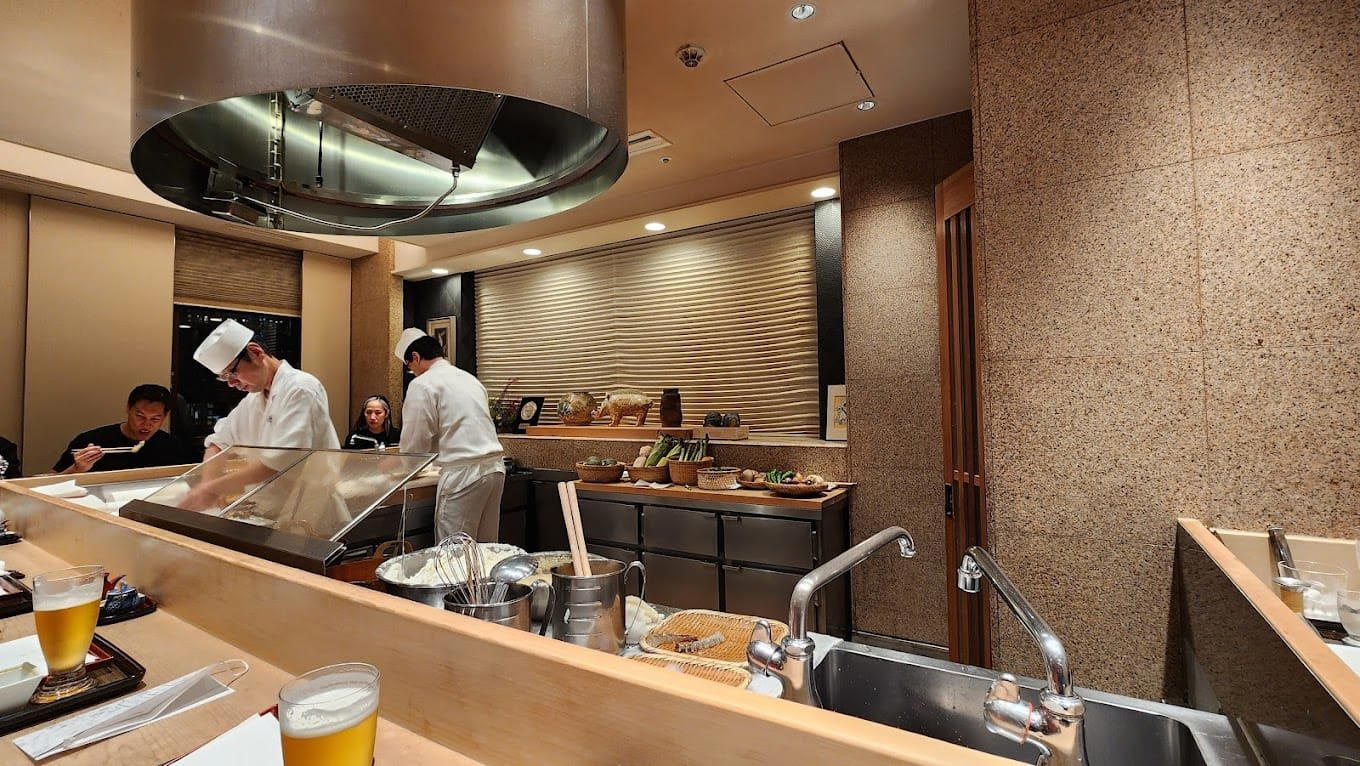
Chef Griffin's cuisine is classified as innovative, which in this context means a cooking style that draws on local Shiga ingredients, the region produces excellent freshwater fish, mountain vegetables, and Omi beef, without being confined to a single culinary tradition. As a first-timer, do not arrive expecting kaiseki structure or a Western tasting menu in the conventional sense. SOWER sits between those formats, which is precisely what makes it worth the journey. The menu will almost certainly be omakase-style, so commit fully and let the kitchen lead. Dietary restrictions should be communicated well ahead of your visit, since the format leaves little room for substitutions at the table.
Lunch vs. Dinner at SOWER
This is the practical question most visitors should think through before booking. At a restaurant of this calibre in a rural setting, lunch and dinner are not simply the same menu at different times of day. In Japan's serious restaurant tier, lunch seatings at destination venues often offer a shorter or slightly more accessible version of the full experience, sometimes at a lower price point. Dinner tends to be the full expression of the kitchen's ambitions. Without confirmed menu and pricing data for SOWER specifically, the safe first-timer advice is to book dinner if your goal is the complete picture, and to consider lunch only if your schedule or budget calls for it. Either way, SOWER operates on a set-menu model, so you are committing to the kitchen's direction regardless of which service you choose. Given the travel time required to reach Nishiazai, dinner makes more sense if you are staying overnight in Nagahama, which, for a meal at this level, is worth considering. See our full Nagahama hotels guide for accommodation options.
Booking and Timing
A 4.9 rating at this recognition level suggests seats fill quickly among those who know the restaurant. Book as far ahead as your plans allow, four to six weeks minimum is a sensible target. Search for a direct contact or reservation system through a Japan restaurant booking platform. The easiness of the booking difficulty rating here reflects the restaurant's relative obscurity outside specialist dining circles, not an abundance of open tables.
SOWER in the Broader Kansai Context
If you are building a Kansai dining itinerary around SOWER, consider pairing it with Gion Sasaki in Kyoto or akordu in Nara for contrast in format and setting. Within Nagahama itself, Kyogokuzushi and Tokuyamazushi offer strong local alternatives at a different price and formality level. For a wider view of what the city offers, see our full Nagahama restaurants guide. Further afield in Japan, comparable innovative-format restaurants worth knowing include Goh in Fukuoka, 1000 in Yokohama, and affetto akita in Akita, all operating in the same spirit of serious regional cuisine outside the Tokyo spotlight. If you are extending your trip to explore Nagahama beyond the table, our Nagahama experiences guide and bars guide are good starting points.
How It Compares
Planning details
- Location
- 2064 Nishiazaicho Oura, Nagahama, Shiga 529-0721, Japan, Nagahama, Kansai, Japan
- Phone
- +81 749-89-1888
The take
The Take
The Vibe
SOWER reads like a quietly impressive, destination restaurant that thrives on its lakeside remoteness. Set on Lake Biwa's northern shore amid rice fields, the address foregrounds its rural context as the organizing principle behind the cooking. The tone of the place is contemplative rather than flashy: this is not a city flagship but a considered outlier whose sourcing logic and restraint give it a distinct identity. Its consecutive placements in Opinionated About Dining make it a strong choice for diners who prize provenance, regional specificity, and the calm of a lakeside setting.
Best For
This is a restaurant for travelers and serious diners who plan their outings around quality sourcing and regional specialties. Because it sits well beyond the typical Kyoto–Osaka tourist radius, SOWER functions as a destination for weekend escapes and celebratory meals that reward the effort of travel. Its critical recognition signals that guests seeking an elevated, thoughtful dining experience, particularly in the evening, will find the kinds of dishes and service one expects from Japan's premium innovative tier.
Ordering Tips
Let the local terroir guide choices: the kitchen builds its menu around Shiga Prefecture ingredients. Look for preparations that highlight Omi beef and Lake Biwa’s freshwater bounty, hon-moroko (native smelt), nigorobuna (the carp used in funazushi), and local freshwater shrimp, as these elements are central to the restaurant’s sourcing argument. Prioritize dishes that reference the region explicitly to experience the distinctive produce and aquatic flavors that define SOWER’s cooking.
Venue details
Ambiance
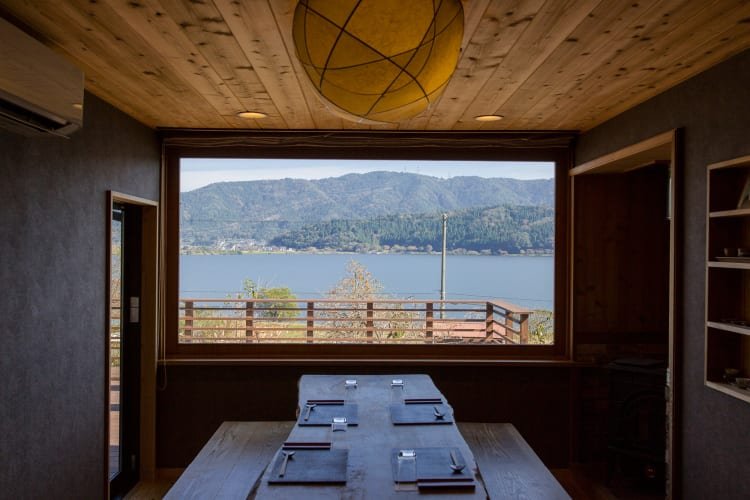
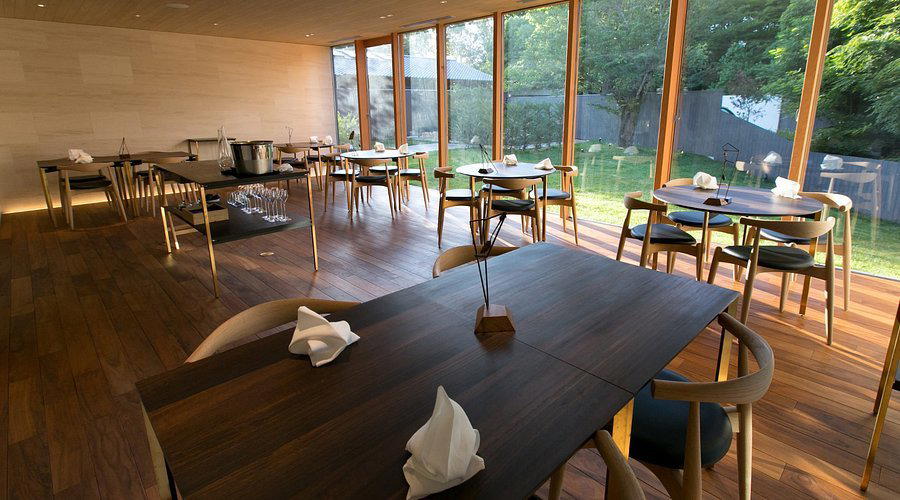
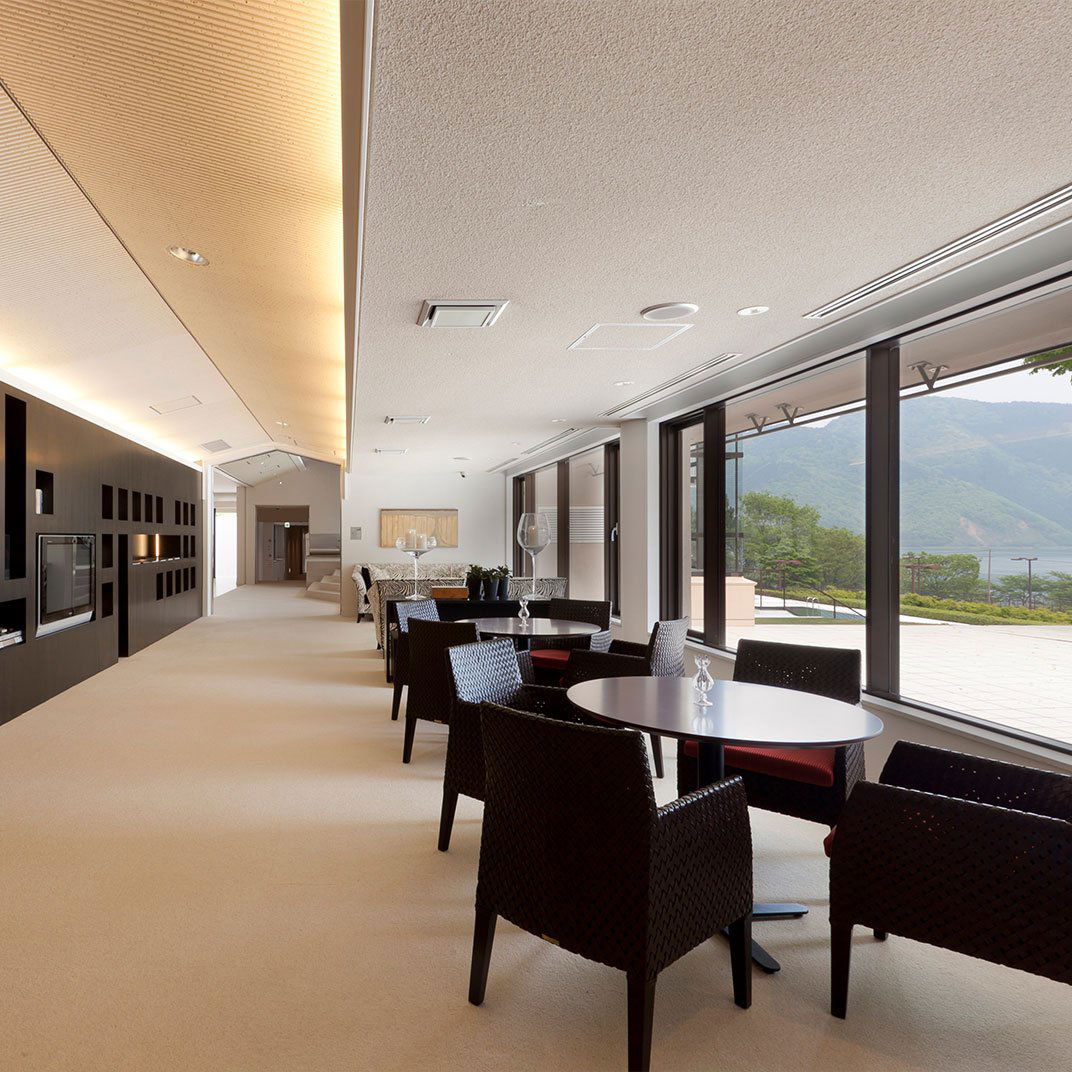
Relaxing stylish space with natural materials, soft lighting, and serene atmosphere overlooking Lake Biwa.
Tags
Vibe
Best For
Experience
Sourcing
View
At the Table
- Dress Code
- Smart Casual
- Noise Level
- Quiet
- Service Style
- Formal
- Meal Pacing
- Leisurely
- Capacity
- Small
- Kitchen
- Modern
- Menu Format
- Tasting menu
- Private Dining
- Available
Know before you go
Know Before You Go
- Getting there
- 2064 Nishiazaicho Oura, Nagahama, Shiga 529-0721, Japan, Nagahama, Kansai, Japan
Planning details
Location
2064 Nishiazaicho Oura, Nagahama, Shiga 529-0721, Japan, Nagahama, Kansai, Japan · Directions

Also consider
Also Consider
- HAJIME: French, Innovative, ¥¥¥¥
- Harutaka: Sushi, ¥¥¥¥
- RyuGin: Kaiseki, Japanese, ¥¥¥¥
- L'Effervescence: French, ¥¥¥¥
- HOMMAGE: Innovtive French, French, ¥¥¥¥
Restaurant context
Stacking SOWER against Japan's top innovative and fine-dining tier is useful context, but the direct competitive set is not Tokyo or Osaka: it is a handful of serious regional restaurants that require comparable commitment to reach. HAJIME in Osaka is the obvious benchmark for innovative cuisine in the Kansai region: three Michelin stars, a higher price point, and a far more demanding booking window. If your priority is the most decorated innovative tasting menu in the region and you can get a reservation, HAJIME wins on prestige. SOWER wins on discovery, relative accessibility, and the specificity of its Shiga Prefecture setting.
Harutaka in Tokyo and RyuGin operate in adjacent territory: exceptional execution, Tokyo prices, Tokyo booking difficulty. If you are already in Tokyo and weighing a day trip to Nagahama for SOWER, the calculus only works if the regional-restaurant-as-destination format is what you are after. For kaiseki specifically in the Kansai context, Gion Sasaki in Kyoto is a stronger case for the format if tradition matters more to you than innovation. Among internationally comparable innovative restaurants worth knowing for context, Soigné in Seoul and Thevar in Singapore share a similar ethos of serious regional cooking in a non-obvious location.
The honest comparison is this: SOWER is not the most famous restaurant in Japan, and it is not trying to be. Against peers like L'Effervescence or HOMMAGE, both ¥¥¥¥ innovative-leaning venues with strong Tokyo followings, SOWER offers a fundamentally different proposition: a rural, ingredient-led experience that is harder to replicate in a city context. If your goal is the most technically polished tasting menu in Japan, look at HAJIME or RyuGin. If your goal is a genuinely specific regional meal that rewards the effort to find it, SOWER is the better answer.
Explore Nagahama
Around this place
Discover more on Pearl
Unlock the full SOWER guide in Pearl, including awards, comparisons, FAQs, planning details, and nearby places.
Compare SOWER
| Venue | Location | Cuisine | Awards | Price |
|---|---|---|---|---|
| SOWER | Nagahama | Innovative | 2026 OAD Top Restaurants in Japan Recommended2025 OAD Top Restaurants in Japan Ranked · #2982024 OAD Top Restaurants in Japan Ranked · #285 | |
| HAJIME | Osaka | French, Innovative | Star Wine Lists 2026 · #12026 Tabelog Bronze · #922026 OAD Top Restaurants in Japan Ranked · #98Michelin Guide Kyoto Osaka 20262026 La Liste Top RestaurantsTabelog 100 - Innovative / Creative cuisine - 2025 · #692025 Asia's 50 Best Restaurants · #832025 OAD Top Restaurants in Japan Ranked · #87We're Smart World Top Restaurants 2025 | ¥¥¥¥ |
| Harutaka | Tokyo | Sushi | 2026 Tabelog Silver · #312026 OAD Top Restaurants in Japan Ranked · #1282026 Michelin 3 Stars2026 La Liste Top RestaurantsTabelog 100 - Sushi - TOKYO - 2025 · #372025 Asia's 50 Best Restaurants · #762025 OAD Top Restaurants in Japan Ranked · #1172025 La Liste Top Restaurants2025 Tabelog Bronze | ¥¥¥¥ |
| RyuGin | Tokyo | Kaiseki, Japanese | 2026 OAD Top Restaurants in Japan Ranked · #802026 Tabelog Bronze · #3772026 Michelin 3 Stars2026 La Liste Top RestaurantsTabelog 100 - Japanese cuisine - TOKYO - 2025 · #212025 OAD Top Restaurants in Japan Ranked · #542025 Michelin 3 Stars2025 La Liste Top Restaurants2025 The Best Chef Three Knives | ¥¥¥¥ |
| L'Effervescence | Tokyo | French | 2026 Tabelog Silver · #682026 OAD Top Restaurants in Japan Ranked · #103Star Wine Lists 20262026 Black Pearl 2 Diamond2026 Relais Chateaux Restaurants2026 La Liste Top Restaurants2026 Michelin 3 Stars2025 Asia's 50 Best Restaurants · #692025 OAD Top Restaurants in Japan Ranked · #92 | ¥¥¥¥ |
| HOMMAGE | Tokyo | Innovtive French, French | 2026 Tabelog Bronze · #1232026 OAD Top Restaurants in Japan Highly Recommended2026 Michelin 2 StarsTabelog 100 - French - TOKYO - 2025 · #762025 Asia's 50 Best Restaurants · #782025 OAD Top Restaurants in Japan Ranked · #1752025 Michelin 2 Stars2025 The Best Chef One Knife2025 La Liste Top Restaurants | ¥¥¥¥ |














How SOWER Nagahama compares with similar nearby venues.
FAQ
Frequently Asked Questions
What should I order at SOWER?
SOWER runs an innovative format under Chef Coleman Griffin, which means the kitchen sets the direction rather than the diner. Expect the menu to reflect the season and the produce available in Shiga Prefecture. There is no à la carte selection to navigate: trust the format and let the meal unfold.
What should a first-timer know about SOWER?
Getting to SOWER requires planning. It sits on the eastern shore of Lake Biwa in a rural stretch of Shiga Prefecture, not a neighbourhood where you can fill time easily before or after. Chef Coleman Griffin holds back-to-back Opinionated About Dining rankings for Japan (2024 and 2025), so the meal is the reason to make the journey: not a stop along a broader itinerary.
Is SOWER good for a special occasion?
Yes, if the occasion suits a committed dining experience in a quiet, rural setting. SOWER's two consecutive OAD rankings signal serious intent from the kitchen, and the remoteness of Nishiazaicho Oura means the meal becomes the event rather than one stop among several. It is a stronger choice for a celebratory dinner between two than for a larger group.
What are alternatives to SOWER in Nagahama?
Nagahama does not have a deep bench of comparable destination restaurants, which makes SOWER the clear anchor if serious food is the goal. For a full Kansai dining trip, Gion Sasaki in Kyoto or akordu in Nara offer contrasting formats, kaiseki and European-influenced respectively, and sit within practical reach of Shiga Prefecture.
What should I wear to SOWER?
No dress code is specified in SOWER's records, but the OAD ranking and the deliberate journey required to reach Nishiazaicho Oura suggest guests treat it as a serious dinner engagement. Smart, put-together clothing is appropriate: this is not a casual drop-in.