




Kikunoi Honten
Kaiseki, Japanese · Higashiyama, Kyoto
Restaurant in Kyoto, Japan
 Book with Pearl
The Read
Ryotei Kaiseki Codified
Price
¥¥¥¥
Chef
Yoshihiro Murata
Dress
Formal
Why go
Kikunoi Honten is a restaurant in Kyoto's Higashiyama district.
About Kikunoi Honten
Book Kikunoi Honten for the long game; not just one meal
The single leading tactical move at Kikunoi Honten is to book lunch for your first visit. Lunch runs JPY 20,000–29,999 per person before the 15% service charge, against JPY 30,000–39,999 at dinner. The kaiseki format is identical in structure; the price gap is real. Lock in lunch, see whether the pace and formality of a traditional tatami room match your rhythm, then return for dinner if the answer is yes. For a venue this committed to repeat-visit culture; where chef Yoshihiro Murata actively trains the next generation to carry the same sensibility forward, the multi-visit approach is exactly how Kikunoi is designed to be experienced.
What you are booking
Kikunoi Honten has operated in Higashiyama since the first year of the Taisho era, making it over a century old. That is a durable credential stack, not a single-year spike.
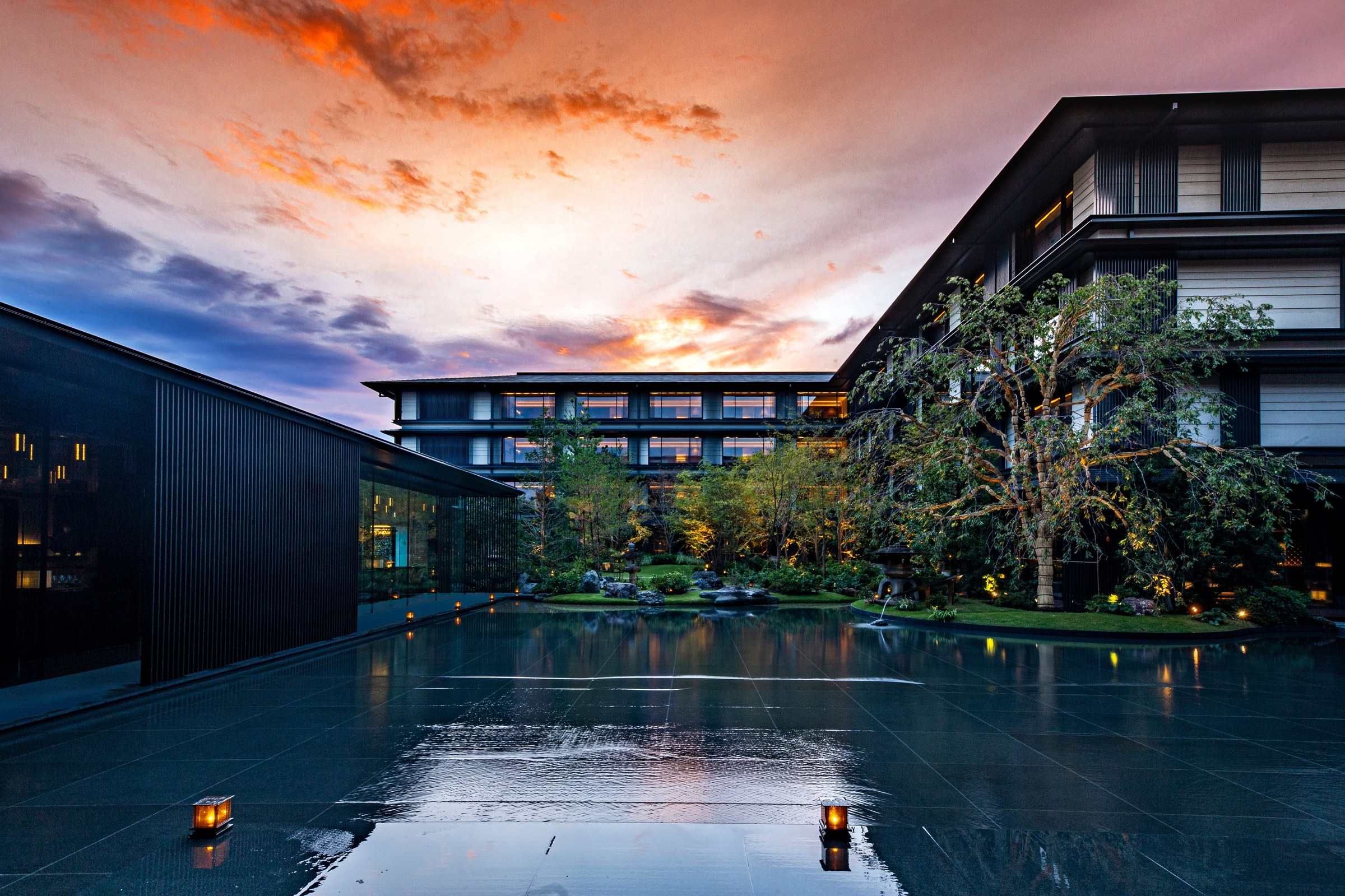
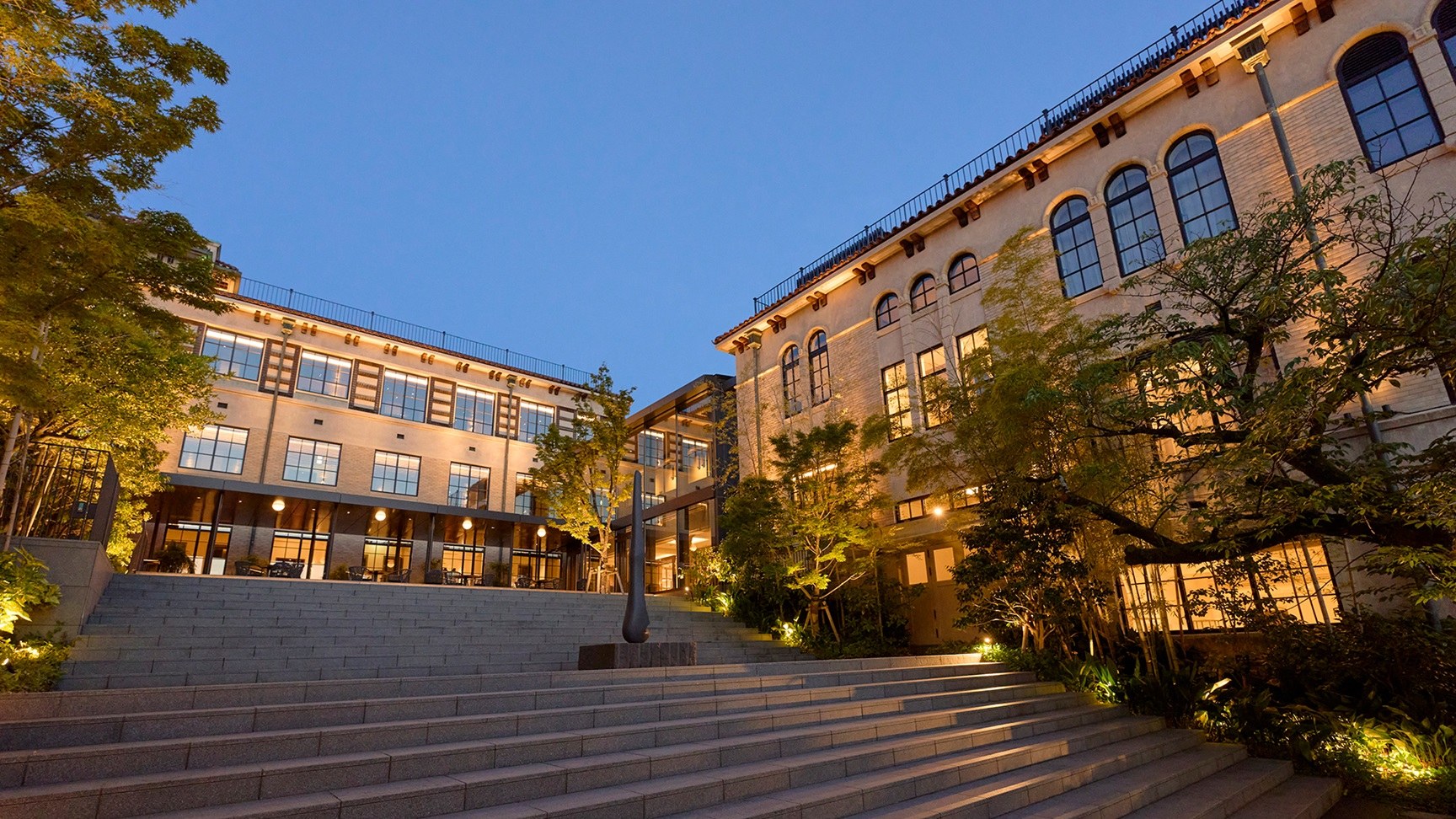
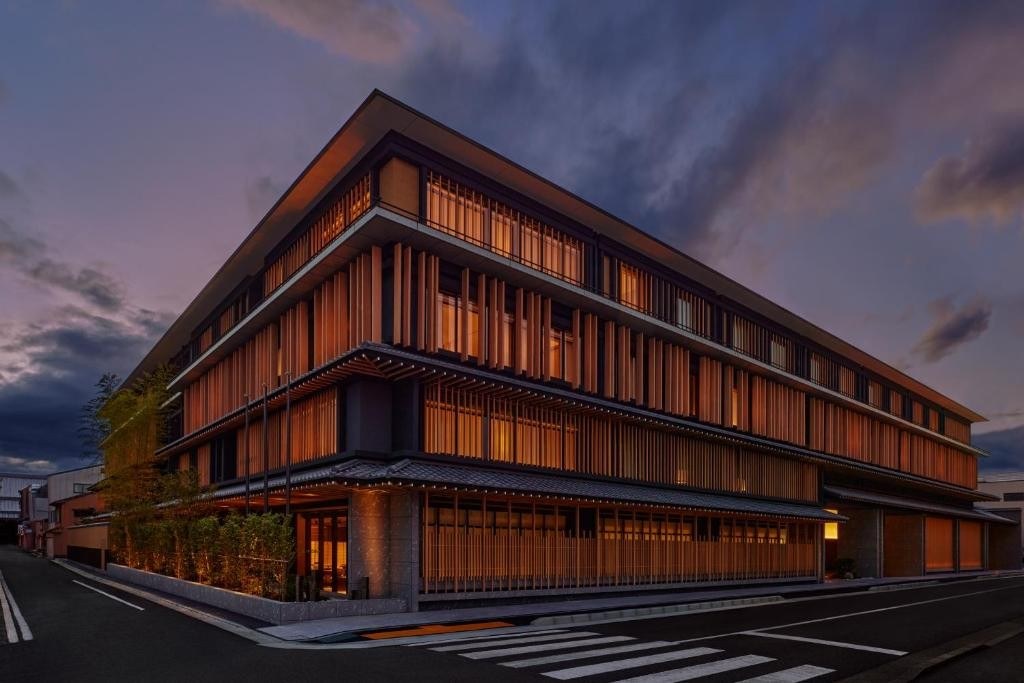
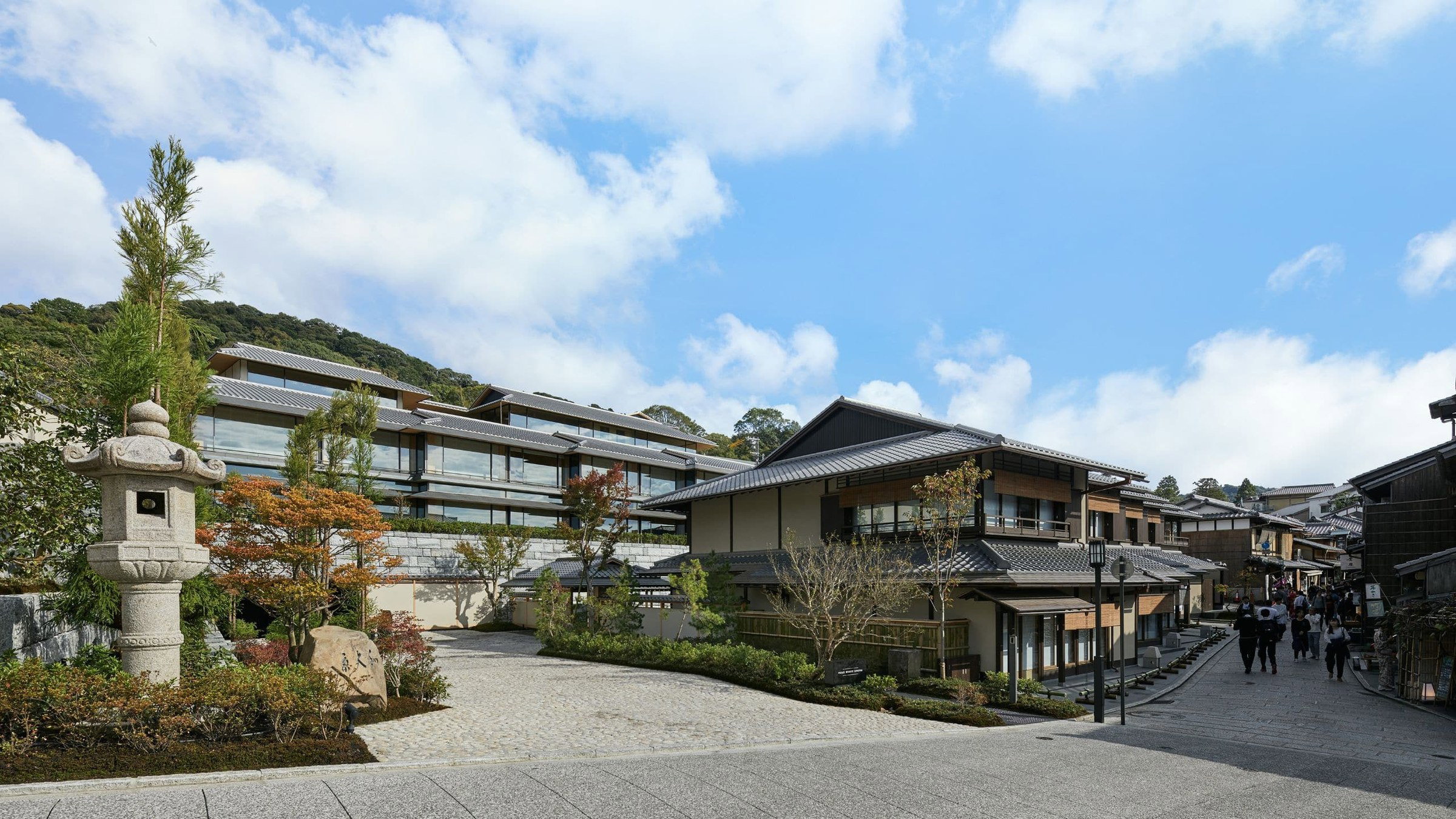
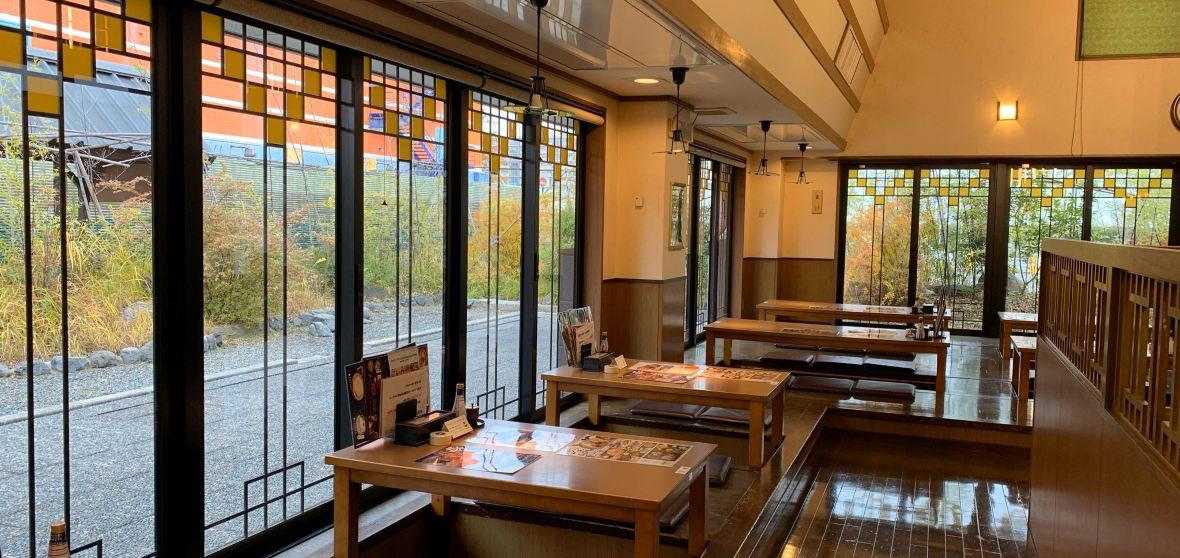
The restaurant seats 120 across 10 tatami rooms. The atmosphere is formal in the Japanese ryotei sense: low acoustics, unhurried service pacing, rooms that absorb sound rather than project it. If you want energy and noise, this is the wrong address. If you want a room that makes concentration feel natural, Kikunoi earns its format. The Higashiyama Ward setting, close to Yasaka Shrine, gives the approach a particular quality that is part of the overall read, you arrive walking through one of Kyoto's oldest neighbourhoods, the restaurant does not attempt to undercut that context.
Murata's approach layers incremental change onto a deeply traditional base. The kitchen occasionally incorporates Western ingredients, but this is not fusion as a concept, it is a working kitchen that responds to what is available and interesting while keeping the seasonal kaiseki sequence intact. Murata also takes on overseas trainees, which means the house style gets pressure-tested against outside perspectives on a rolling basis. For repeat visitors, this matters: the menu evolves in ways that reward familiarity with the format.
Planning your visits
Service runs 12:00–14:00 and 17:00–20:00, seven days a week, with irregular closing days and a year-end/New Year shutdown. Reservations are available and should be treated as near impossible to secure without advance planning. For international visitors, the most reliable route is through a hotel concierge with established relationships in Kyoto, or through a reputable booking service. Direct phone (+81-75-561-0015) is an option but requires Japanese-language confidence or a local contact.
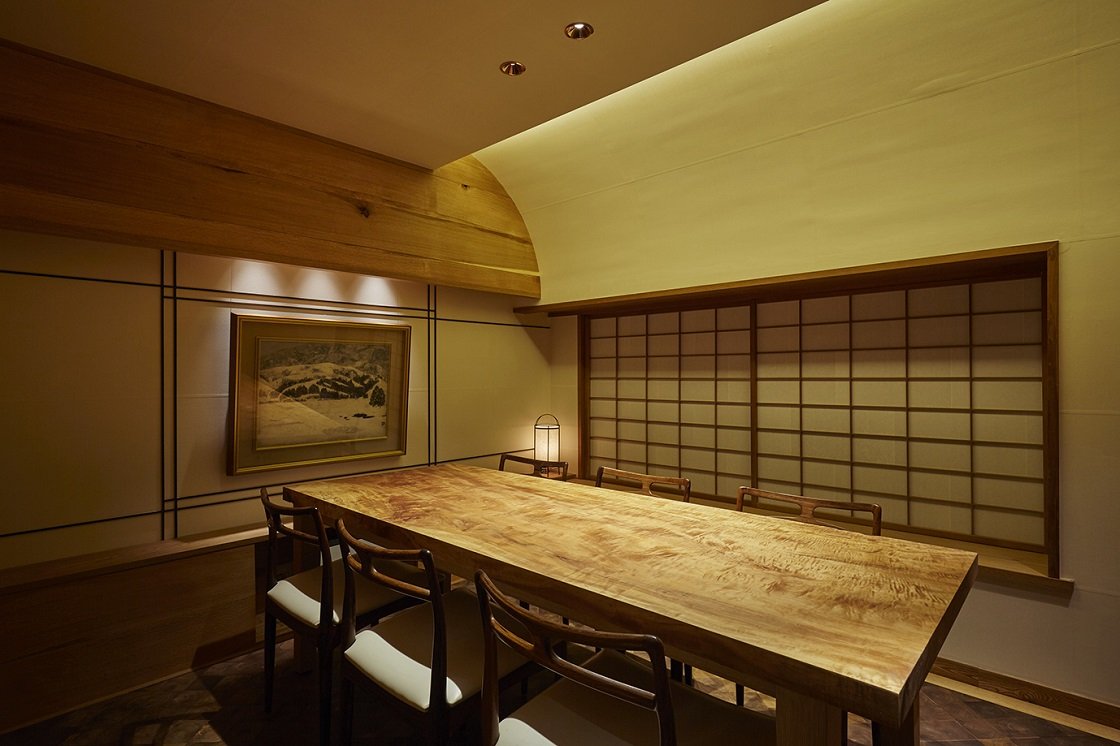
Private rooms are available for groups from 4 up to 30-plus, which makes Kikunoi one of the more practical choices in this tier for large celebrations. A second visit built around a private room for 6–8 people is a materially different experience from a first visit in the main tatami rooms, quieter, more contained, suited to occasions where conversation matters. Credit cards accepted: VISA, JCB, AMEX. Parking is available on site, which is useful given the Higashiyama location.
The multi-visit case
A first visit at lunch establishes the baseline: the kaiseki sequence, the service register, the tatami room format. A second visit at dinner shifts the economic commitment upward but gives you a fuller read on how the kitchen performs under the evening's more focused conditions. A third visit, if you are building a serious picture of Kyoto kaiseki at this level, makes sense timed to a different season, kaiseki is structured around seasonal produce, a summer visit reads differently from an autumn one. Kikunoi does not have the intimacy ceiling of a 10-seat counter like some of Kyoto's smaller kaiseki addresses, but the 120-seat, 10-room layout means there is range here: different rooms have different characters, a group booking in a private room is a distinct product from a two-person lunch in one of the smaller spaces.
For context on how Kikunoi sits within Japan's kaiseki tier more broadly, the comparison group includes RyuGin and Kanda in Tokyo, regionally, Gion Sasaki, Hyotei, and Mizai in Kyoto itself. Each has a different character and booking difficulty profile. See our full Kyoto restaurants guide for a structured comparison across the city's leading tables.
If your trip extends to other regions, HAJIME in Osaka and akordu in Nara are worth building into the itinerary. For wider Japan coverage, Goh in Fukuoka, Harutaka in Tokyo, 1000 in Yokohama, and 6 in Okinawa represent distinct formats at the same commitment level.
For the rest of your Kyoto trip, Pearl's city guides cover hotels, bars, wineries, and experiences across the city.
Quick reference
Lunch: JPY 20,000–29,999 per person. Dinner: JPY 30,000–39,999 per person. Service charge: 15%. Seats: 120 across 10 tatami rooms. Private rooms: 4–30+ people. Hours: 12:00–14:00 and 17:00–20:00 daily. Closed irregularly and over year-end/New Year. Cards: VISA, JCB, AMEX. Parking available.
Planning details
- Hours
- Monday: 11:30 am–1 pm, 5–8 pm · Tuesday: 11:30 am–1 pm, 5–8 pm
- Location
- Japan, 〒605-0825 Kyoto, Higashiyama Ward, Shimokawaracho, 459
- Website
- kikunoi.jp/restaurant
- Phone
- +81 75-561-0015
The take
The Take
The Vibe
Kikunoi Honten sits squarely within Kyoto’s preserved Higashiyama quarter, where Taisho-era roots and machiya-lined lanes shape the experience. The restaurant reads like a living piece of culinary history: a ryotei that practices the highly codified kaiseki grammar born from tea-ceremony culture. Rooms are restrained and measured, and the restaurant’s pedigree—its longevity and generational standing—gives the place an almost institutional calm. The emphasis is on restraint, seasonal composition, and ritualized service; everything supports a quiet, contemplative meal that foregrounds craftsmanship over flash and situates dining as an encounter with tradition.
Best For
Kikunoi Honten is best encountered at dinner, where the full kaiseki sequence can unfold across multiple courses. It suits milestone evenings—special occasions, celebrations, and formal business dinners—when the ritual of service and the attention to seasonal detail matter as much as the food itself. The house’s three-Michelin-star stature frames expectations: diners come for mastery of technique, visual composition, and an archetypal Kyoto dining experience. Parties that prize quiet, focused dining and the ceremonial pacing of courses will find Kikunoi particularly appropriate.
Ordering Tips
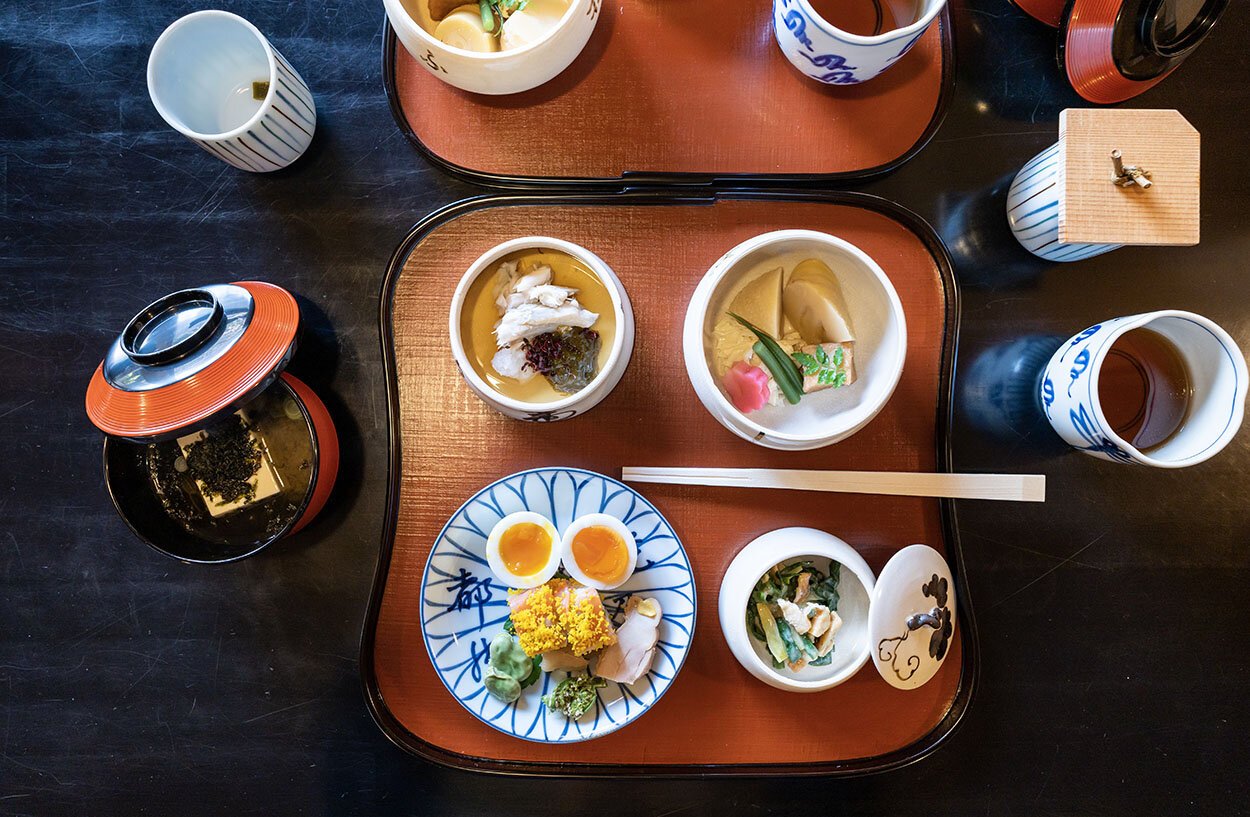
Expect a codified, multi-course kaiseki progression rather than à la carte ordering: the menu follows sakizuke, hassun, yakimono and culminates with rice service, each course tied to seasonality and visual composition. The restaurant’s strength is in mastery within that structure, so approach the meal as a sequence to be experienced rather than customized on the fly. Pay attention to seasonal accents and plating details—the cuisine communicates through subtle shifts in ingredient, temperature and presentation that reflect Kyoto’s culinary grammar.
Venue details
Ambiance
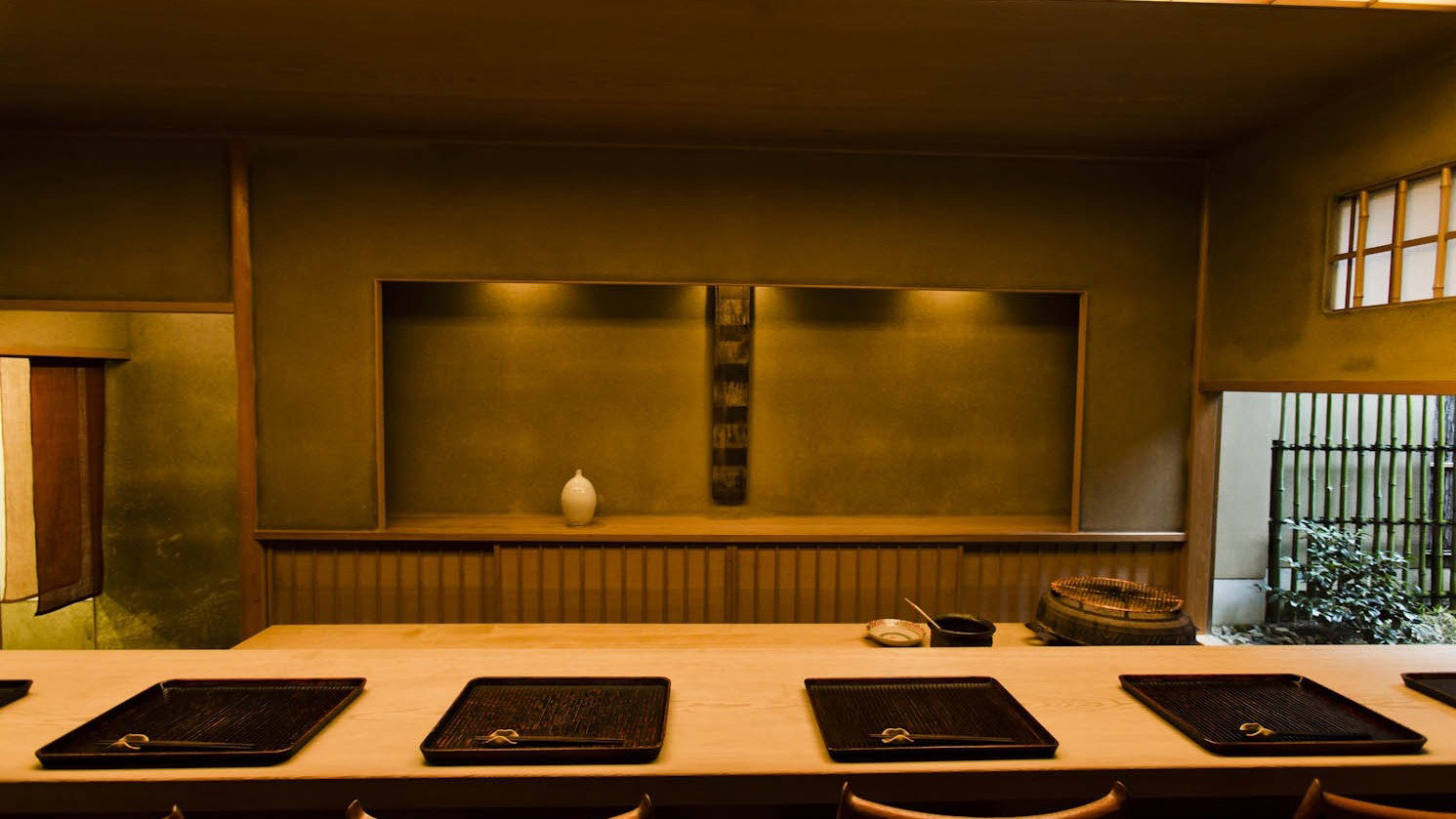
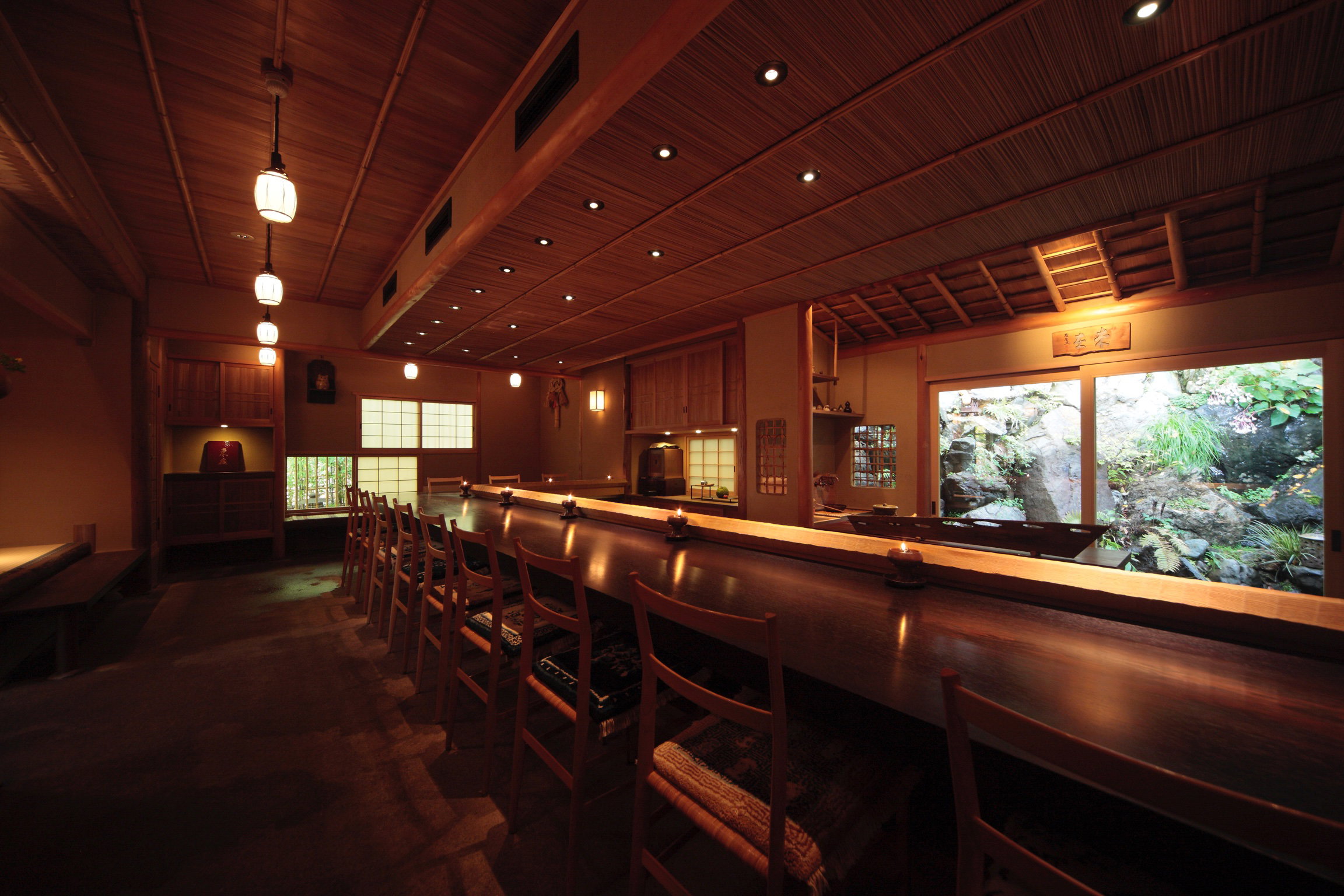
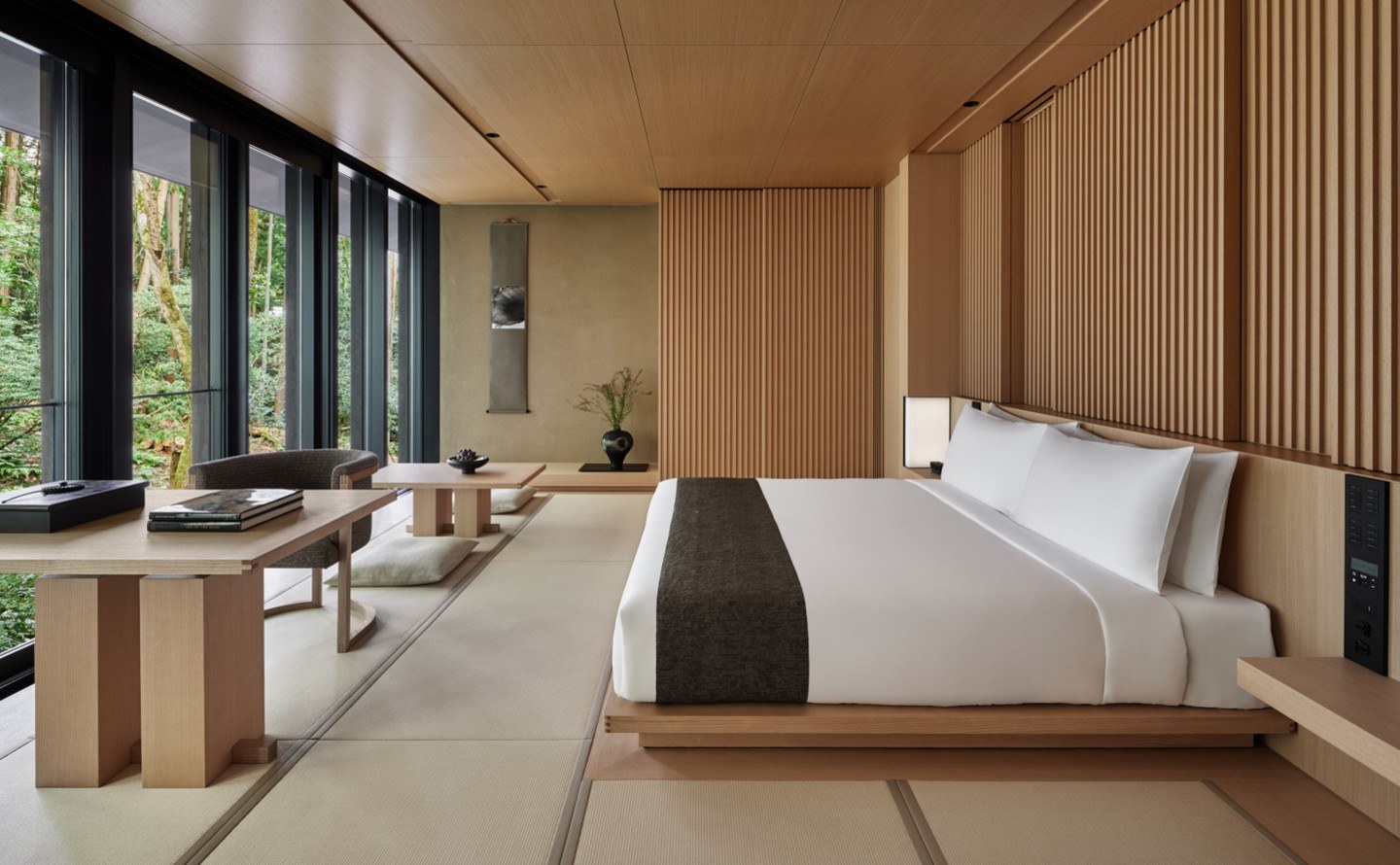
Dignified and elegant Japanese-style architecture with spacious private tatami rooms, soft natural light from garden views, quiet and serene atmosphere emphasizing wabi-sabi beauty.
Tags
Vibe
Best For
Experience
Sourcing
View
At the Table
- Dress Code
- Formal
- Noise Level
- Quiet
- Service Style
- Formal
- Meal Pacing
- Extended Experience
- Capacity
- Small
Planning details
Hours
- Monday
- 11:30 am–1 pm, 5–8 pm
- Tuesday
- 11:30 am–1 pm, 5–8 pm
- Wednesday
- 11:30 am–1 pm, 5–8 pm
- Thursday
- 11:30 am–1 pm, 5–8 pm
- Friday
- 11:30 am–1 pm, 5–8 pm
- Saturday
- 11:30 am–1 pm, 5–8 pm
- Sunday
- 11:30 am–1 pm, 5–8 pm
Location
Japan, 〒605-0825 Kyoto, Higashiyama Ward, Shimokawaracho, 459 · Directions
Recognition and awards



Also consider
Also Consider
- Gion Sasaki; Kaiseki, Japanese, ¥¥¥¥
- cenci; Italian, ¥¥¥
- Ifuki; Kaiseki, ¥¥¥¥
- Kyokaiseki Kichisen; Japanese, ¥¥¥¥
- Kyo Seika; Chinese, ¥¥¥
Restaurant context
Within Kyoto's top-tier kaiseki category, Kikunoi Honten competes most directly with Gion Sasaki and Kyokaiseki Kichisen, both at ¥¥¥¥. Kikunoi's advantage over both is scale and private room availability; 120 seats across 10 tatami rooms means it can accommodate groups and occasion dinners that smaller kaiseki addresses simply cannot. Kyokaiseki Kichisen carries comparable prestige but is harder to book and offers less flexibility for larger parties. Gion Sasaki is the closer competitor on format, but Kikunoi's century-long operating history and its active international outreach programme give it a different kind of institutional weight. If booking difficulty is your primary concern, Kikunoi's larger capacity gives it a marginal edge over the city's most intimate addresses.
Ifuki (¥¥¥¥) sits in the same price tier but with a distinct character; smaller and more personal, which suits pairs over groups. For solo diners or two-person visits where the intimate counter dynamic matters, Ifuki works as a complement to, rather than substitute for, Kikunoi. If budget is a factor, cenci (¥¥¥, Italian) and Kyo Seika (¥¥¥, Chinese) operate one price tier below and offer strong cooking without the kaiseki commitment; useful if you are building a multi-meal Kyoto itinerary and do not want every dinner at the ¥¥¥¥ level.
The clearest decision rule: book Kikunoi if you want the combination of three-Michelin-star kaiseki credentials, private room availability, a format that works for groups of 4 or more. Book Gion Sasaki if you want a more intimate room with comparable prestige. Book Ifuki if a smaller, quieter setting matters more than scale. And use cenci or Kyo Seika to balance the budget across a longer stay without dropping below a strong quality threshold.
Explore Kyoto
Around this place
Discover more on Pearl
Unlock the full Kikunoi Honten guide in Pearl, including awards, comparisons, FAQs, planning details, and nearby places.
Compare Kikunoi Honten
| Venue | Cuisine | Price | Booking Difficulty | Awards |
|---|---|---|---|---|
| Kikunoi Honten | Kaiseki, Japanese | ¥¥¥¥ | Near Impossible | 2026 Tabelog Bronze · #176Michelin Guide Kyoto Osaka 20262026 Michelin 3 Stars2026 La Liste Top RestaurantsTabelog 100 - Japanese cuisine - WEST - 2025 · #72025 OAD Top Restaurants in Japan Ranked · #1532025 Tabelog Bronze2025 Michelin 3 Stars2025 The Best Chef Two Knives |
| Gion Sasaki | Kaiseki, Japanese | ¥¥¥¥ | Unknown | 2026 Tabelog Bronze · #3862026 OAD Top Restaurants in Japan RecommendedMichelin Guide Kyoto Osaka 20262026 La Liste Top RestaurantsTabelog 100 - Japanese cuisine - WEST - 2025 · #132025 OAD Top Restaurants in Japan Ranked · #2462025 Tabelog Silver2025 Michelin 3 Stars2025 La Liste Top Restaurants |
| cenci | Italian | ¥¥¥ | Unknown | 2026 Tabelog Bronze · #442026 Asia's 50 Best Restaurants · #762026 OAD Top Restaurants in Japan Highly RecommendedMichelin Guide Kyoto Osaka 2026Tabelog 100 - Italian - WEST - 2025 · #632025 Asia's 50 Best Restaurants · #632025 OAD Top Restaurants in Japan Ranked · #1682025 Tabelog Bronze2024 OAD Top Restaurants in Japan Ranked · #135 |
| Ifuki | Kaiseki | ¥¥¥¥ | Unknown | 2026 OAD Top Restaurants in Japan Ranked · #1222026 Tabelog Bronze · #128Michelin Guide Kyoto Osaka 20262026 La Liste Top RestaurantsTabelog 100 - Japanese cuisine - WEST - 2025 · #622025 OAD Top Restaurants in Japan Ranked · #1002025 La Liste Top Restaurants2025 Tabelog Bronze2025 Michelin 2 Stars |
| Kyokaiseki Kichisen | Japanese | ¥¥¥¥ | Unknown | 2026 Tabelog Bronze · #1752026 OAD Top Restaurants in Japan Highly RecommendedMichelin Guide Kyoto Osaka 20262025 OAD Top Restaurants in Japan Ranked · #1862025 Michelin 2 Stars2025 La Liste Top Restaurants2024 OAD Top Restaurants in Japan Ranked · #1422024 Michelin 2 Stars2023 OAD Top Restaurants in Japan Ranked · #136 |
| Kyo Seika | Chinese | ¥¥¥ | Unknown | Tabelog 100 - Chinese cuisine - WEST - 2026 · #762026 Tabelog Bronze · #2162026 OAD Top Restaurants in Japan Recommended2026 Michelin 1 Star2025 OAD Top Restaurants in Japan Ranked · #3262025 Tabelog Bronze2024 OAD Top Restaurants in Japan Ranked · #3042024 Michelin Plate2024 Michelin 1 Star |





.png?width=1200&quality=80)
How Kikunoi Honten stacks up against the competition.
FAQ
Frequently Asked Questions
Is Kikunoi Honten worth the price?
Yes, with the right expectations. Lunch at JPY 20,000–29,999 before the 15% service charge is the more accessible entry point, it delivers the same three-Michelin-star kaiseki format as dinner. Kikunoi has held those three stars since at least 2025 and scores 95 points on La Liste 2026, placing it among Japan's most credentialed kaiseki houses. If you are comparing against Kyokaiseki Kichisen at a similar price tier, Kikunoi's scale (120 seats, private rooms for groups up to 30+) means access is meaningfully easier.
Can I eat at the bar at Kikunoi Honten?
No bar seating is documented for Kikunoi Honten. The venue operates across 10 tatami rooms with 120 seats total, the format is seated kaiseki throughout. If counter or bar-style dining is what you are after, Gion Sasaki offers a more intimate counter-focused format in Kyoto.
Is Kikunoi Honten good for solo dining?
It is workable but not the natural fit. The 120-seat, tatami-room layout skews toward groups and couples, private rooms start at four people. Solo diners can reserve, but the format rewards the kind of paced multi-course attention that lands differently when shared. For solo kaiseki with a more counter-oriented setup, consider Ifuki as an alternative.
Can Kikunoi Honten accommodate groups?
Yes, it is one of the stronger large-group kaiseki options in Kyoto. Private rooms are available for 4, 6, 8, 10–20, 20–30, 30+ guests, with on-site parking. The 120-seat capacity means groups rarely run into the access problems that smaller two- or three-star kaiseki restaurants create. Book well in advance for peak travel seasons.
Is the tasting menu worth it at Kikunoi Honten?
Yes, at the lunch price point especially. The kaiseki sequence here is the entire proposition: there is no à la carte option at a venue of this format. At JPY 20,000–29,999 for lunch versus JPY 30,000–39,999 for dinner, both carry the three-Michelin-star credential and Tabelog's consistent Bronze Award recognition (every year from 2018 through 2026). The 15% service charge applies on top of both, so factor that into your total.
Is Kikunoi Honten good for a special occasion?
Yes, particularly for occasions where a private tatami room matters. Kikunoi offers private rooms for parties from 4 to 30+, which makes it more flexible for celebratory dinners than smaller Kyoto kaiseki venues. The Higashiyama address, century-plus heritage, three Michelin stars give the evening a clear sense of occasion without requiring any narrative construction on your part. Dinner at JPY 30,000–39,999 per person before the 15% service charge is the expected format for a celebration booking.
Is lunch or dinner better at Kikunoi Honten?
Lunch is the smarter first booking. It runs JPY 20,000–29,999 versus JPY 30,000–39,999 at dinner, the tatami rooms are the same, the kaiseki format is structurally identical. Evening service carries a different atmosphere, if the price difference matters across a group, lunch saves meaningfully before the 15% service charge is applied. Return visitors with a baseline experience of the kitchen are better placed to judge whether the dinner price step-up earns its keep.