


Tempura Miyashiro
Tempura · Meguro, Tokyo
Restaurant in Tokyo, Japan
 Book with Pearl
The Read
Kaiseki-Inflected Tempura
Price
$200–300per person
Chef
Naoki Miyashiro
Dress
Smart Casual
Why go
Tempura Miyashiro in Kamimeguro runs a daily-changing ¥¥¥¥ set menu that pulls kaiseki techniques into tempura format — Wagyu, abalone shabu-shabu, and the signature Tenbara rice finish. Ranked #594 on OAD Japan 2025, it is one of Tokyo's more inventive tempura counters. Book via platform or concierge; booking difficulty is rated Easy.
About Tempura Miyashiro
The Verdict
Tempura Miyashiro in Kamimeguro is worth booking if you want a tempura counter that operates more like a creative kaiseki kitchen than a traditional fry house. Chef Naoki Miyashiro runs a daily-changing set menu that pulls from across Japanese culinary tradition — shrimp wrapped in nori, abalone cooked shabu-shabu style in liver broth, Wagyu in tempura batter — and the result is one of the more inventive iterations of the format in Tokyo. It is not the place to go if you want a strictly classical tempura progression; it is the place to go if you want that format pushed somewhere genuinely unexpected.
The Experience
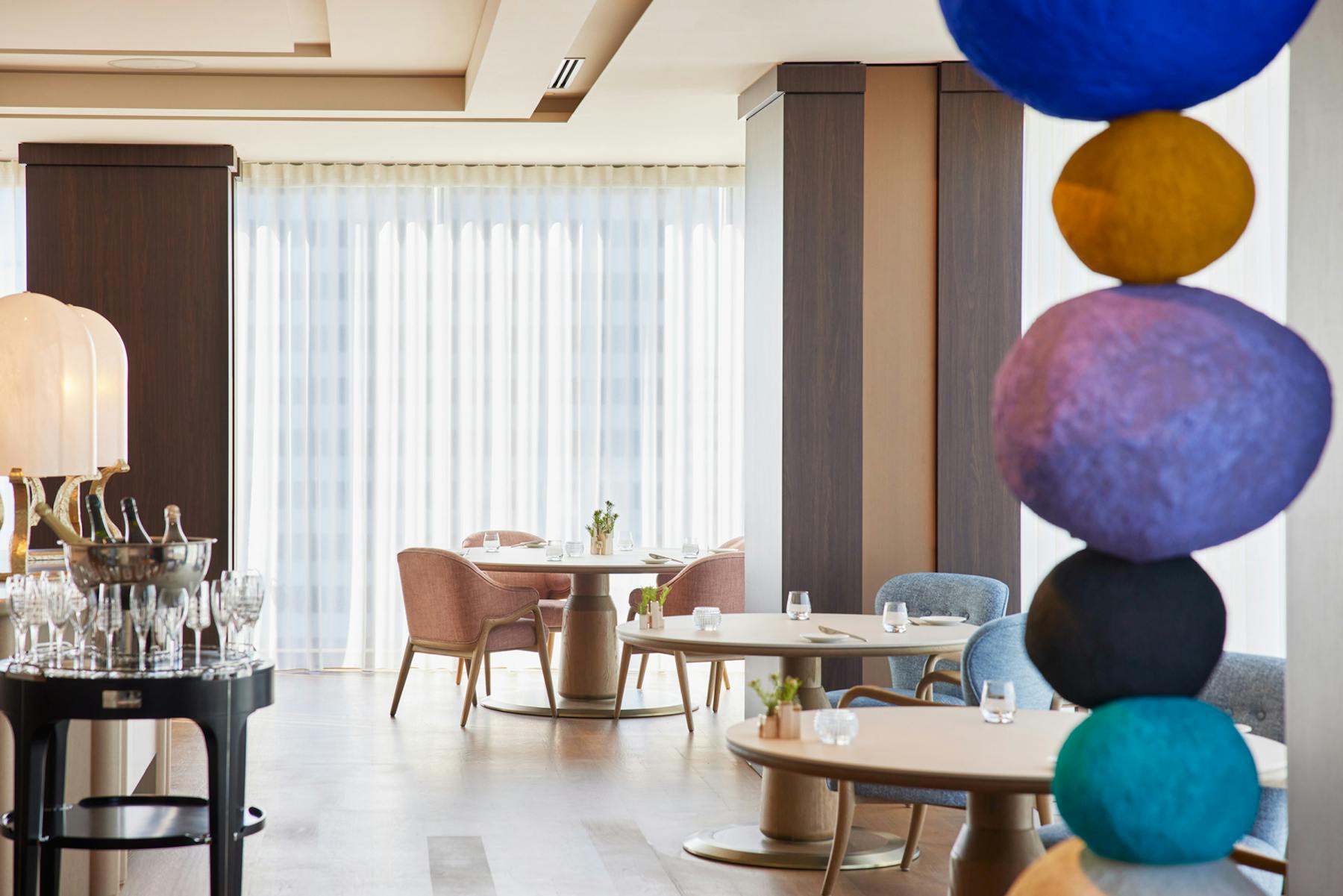
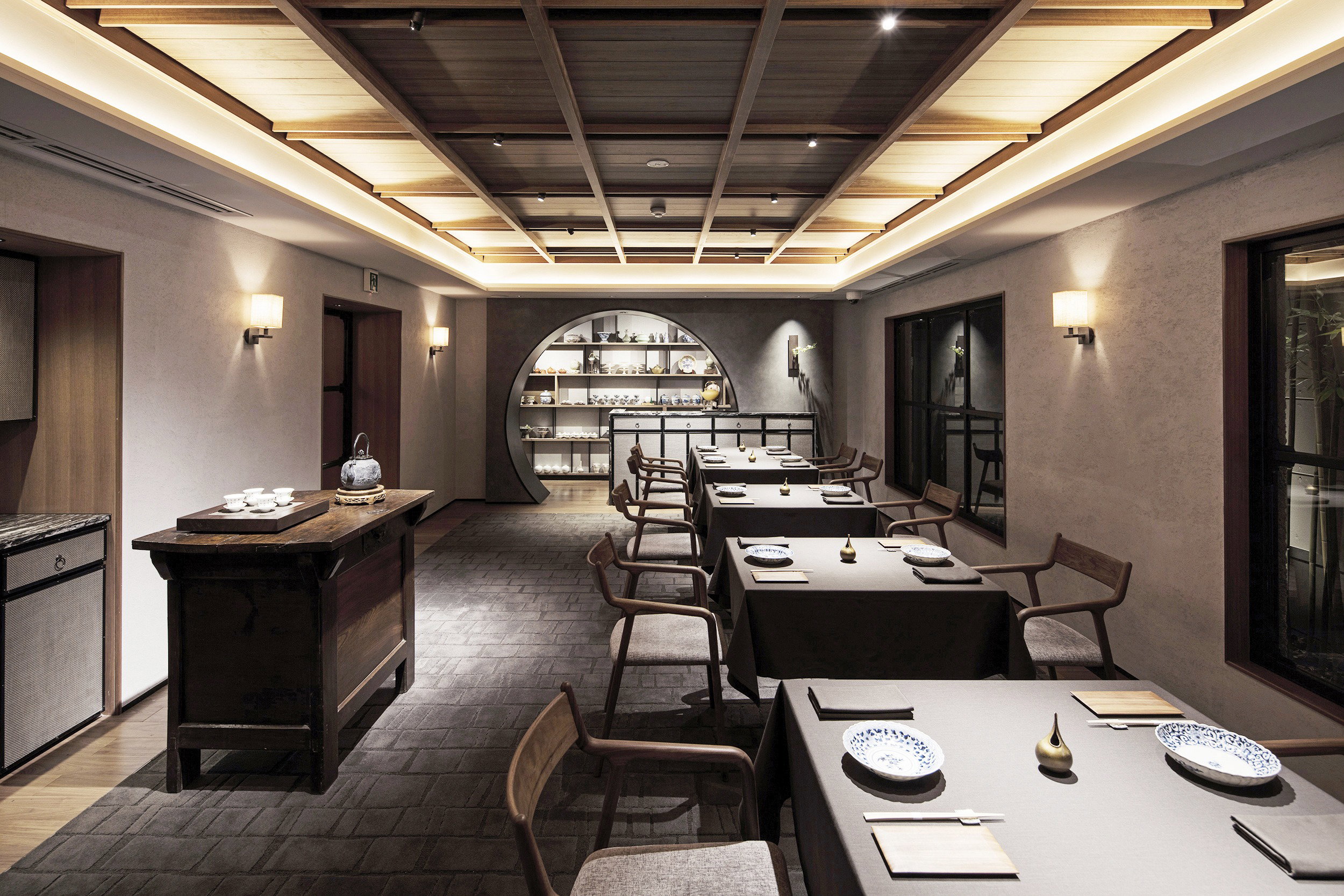
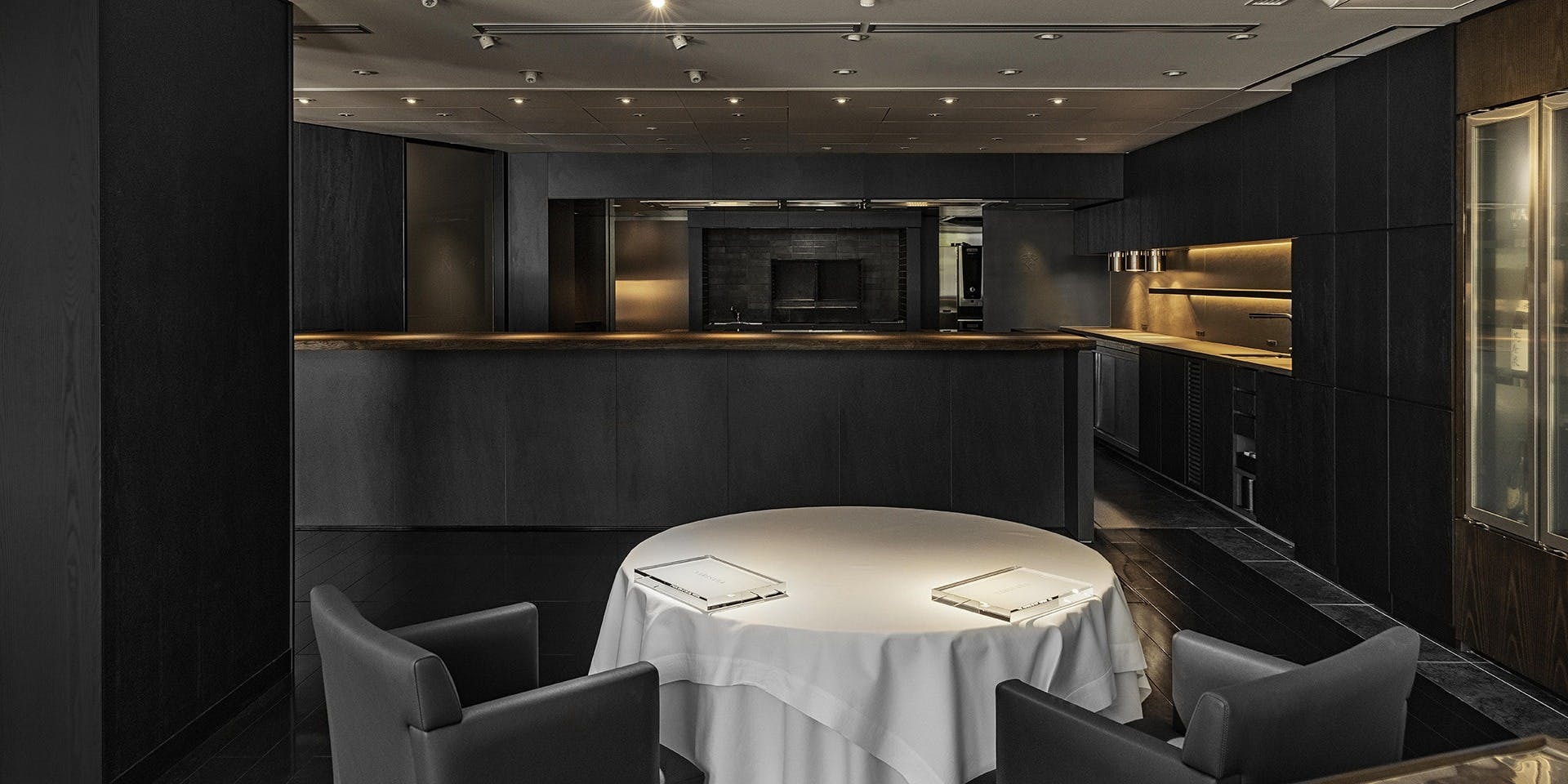
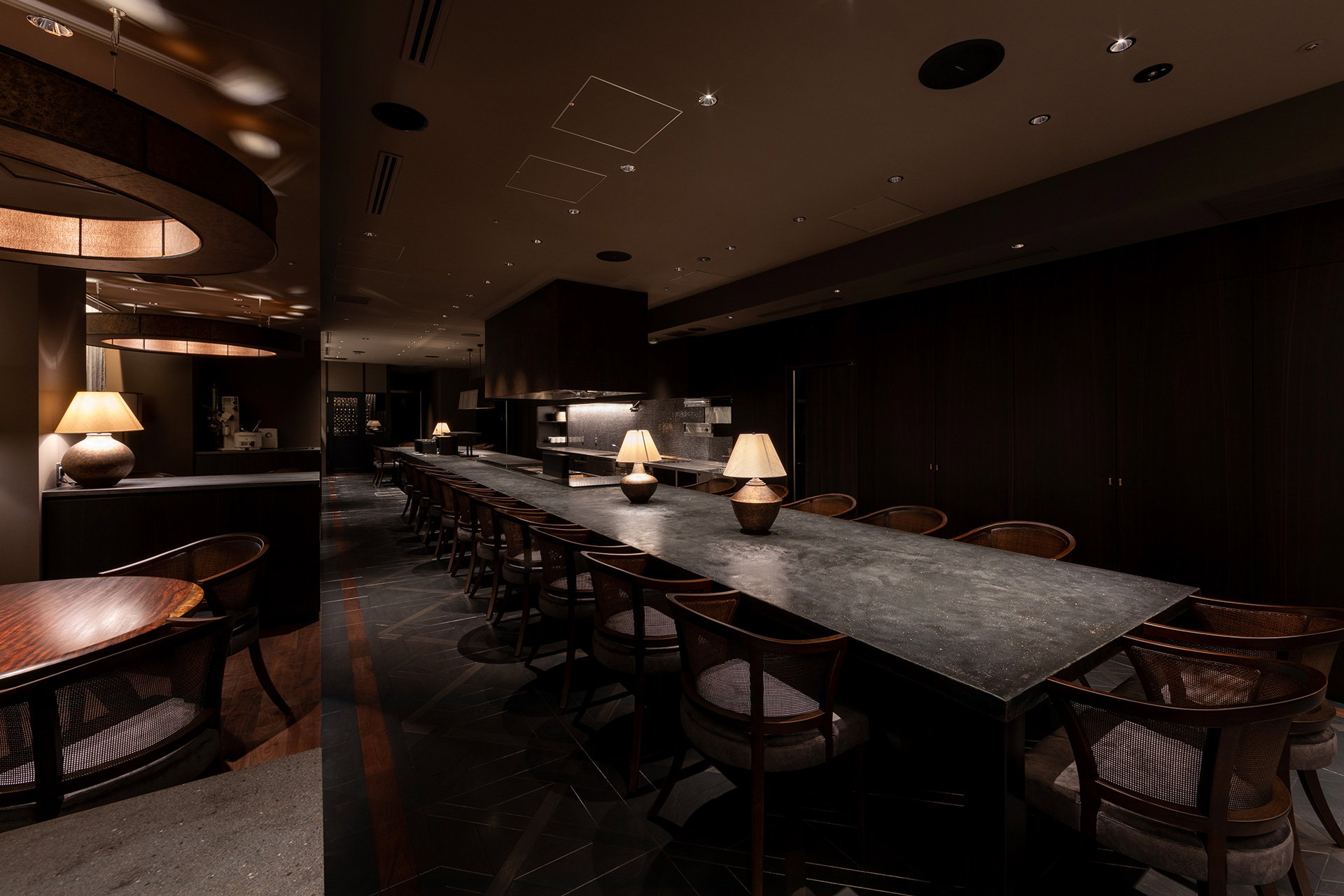
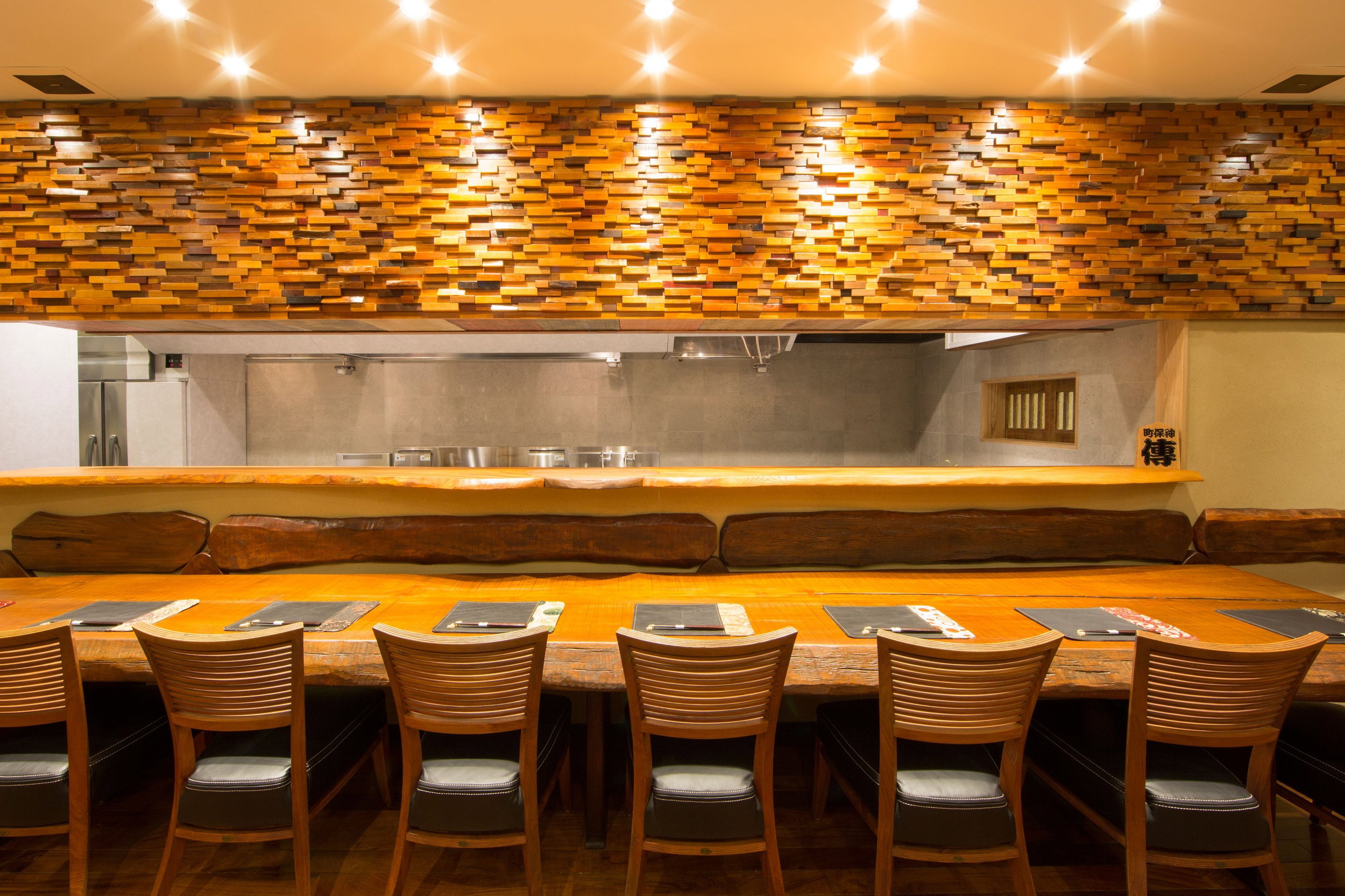
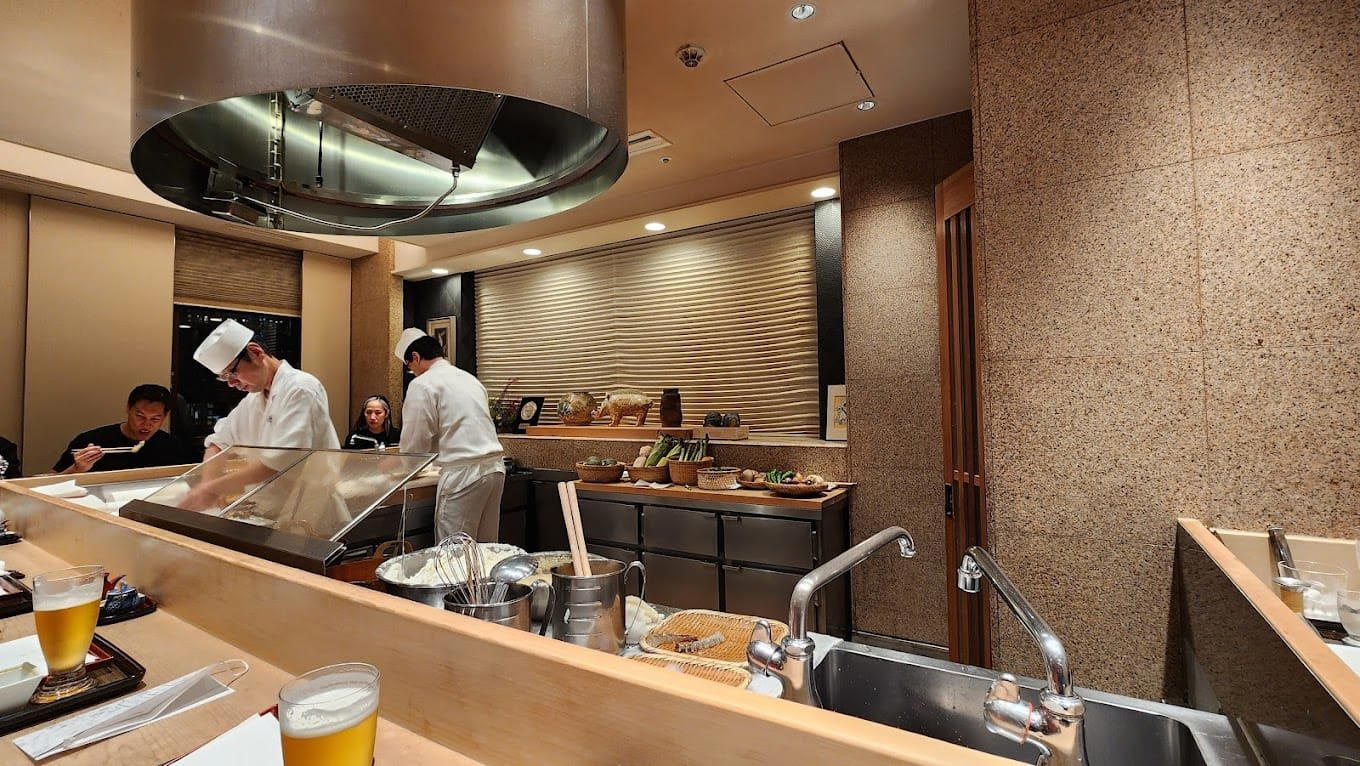
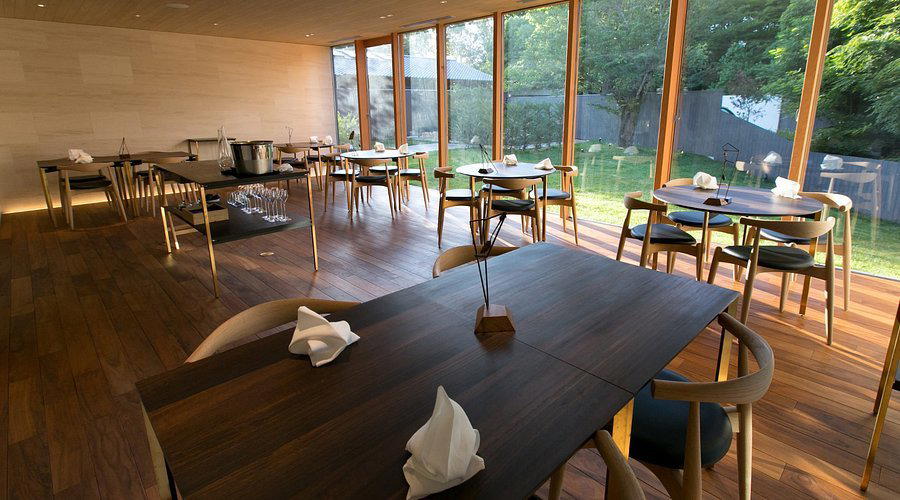
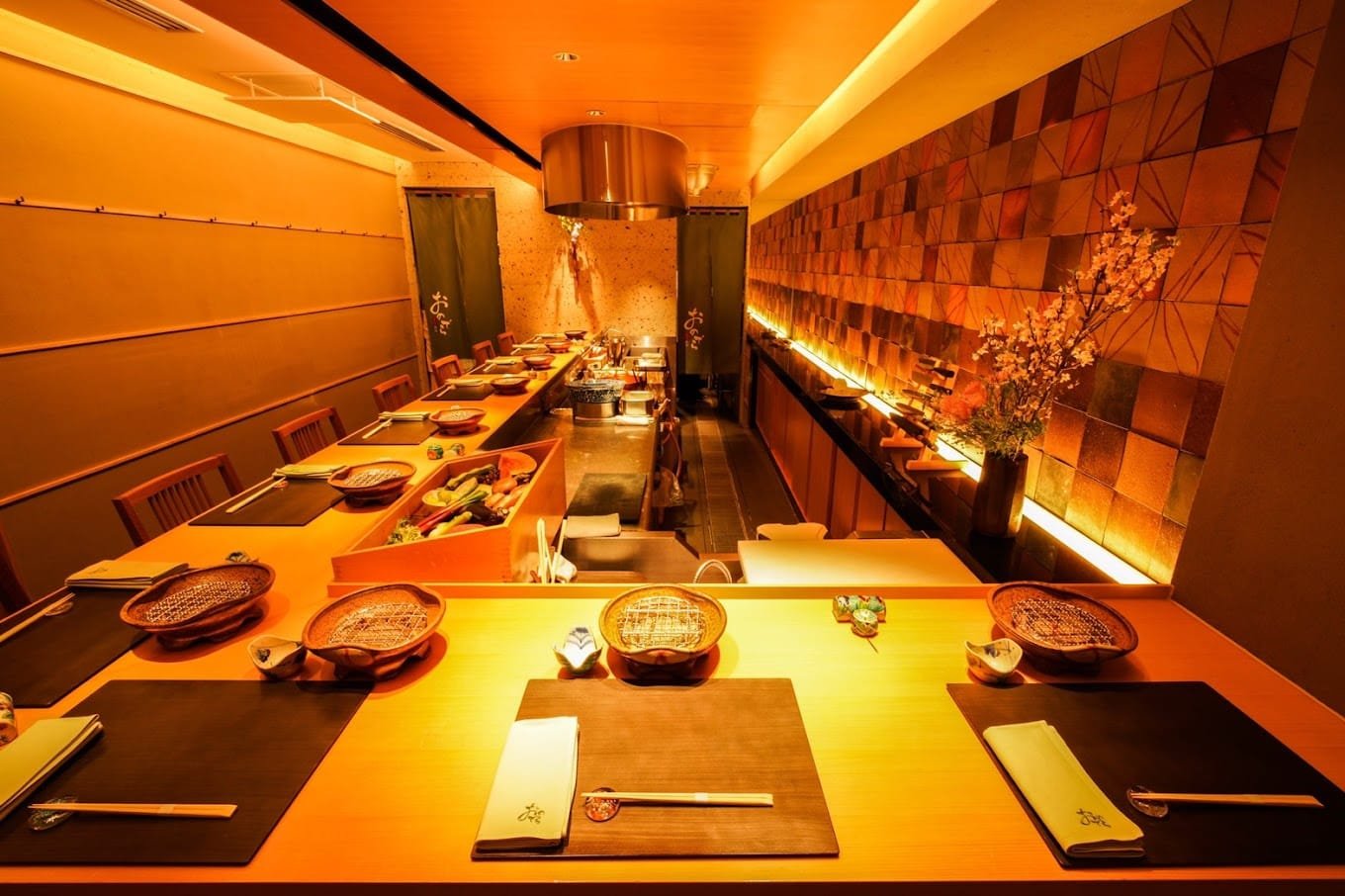
Tempura Miyashiro sits in Kamimeguro, a neighbourhood that trades on quiet residential streets and a concentration of chef-driven small restaurants rather than destination-district foot traffic. The address, 2 Chome-18-11 Kamimeguro, puts it in the kind of Tokyo pocket where the room is compact by design, and the counter format, typical for serious tempura establishments, means you are eating in close proximity to the cooking. Spatial intimacy here is not incidental; it is the format. You watch the oil, you watch the sequencing, and you feel the rhythm of the meal in a way that a larger dining room would dissolve. For a date, a small celebration, or a solo meal with full attention on the food, the setting works well. For groups larger than four, it warrants checking ahead, small tempura counters in Tokyo rarely accommodate parties comfortably without prior arrangement.
The set menu changes daily, which is both the appeal and the commitment. Miyashiro's cooking draws on kaiseki logic: there is a structure to the progression, a sense of tone and pace managed through the sequencing of ingredients. Familiar tempura staples like sillago and conger eel appear alongside less expected choices, bamboo shoots boiled before frying, Wagyu cut for tempura batter, abalone treated more like a shabu-shabu course than a fry. The broth left from the abalone preparation is not discarded; it is added to rice and served as seasoned rice gruel, which is the kind of detail that separates a thoughtful kitchen from one simply executing a format. The meal closes with Tenbara: rice cooked with tomatoes and topped with kakiage, the all-in-one seafood and vegetable tempura blend that functions as a composed final savoury course. This is not an afterthought finish, it is a deliberate structural choice that reframes the whole meal.
The cooking oil choice is specific and consequential: a blend of sesame oil and rice oil favoured for lightness of flavour. In a format where oil is the medium, this decision shapes every course. The result tends toward a cleaner finish than sesame-dominant frying, which can weight the palate through a long menu. For a ¥¥¥¥ set menu where you are eating a full progression, that lightness is a practical advantage.
Drinks and Pairing
No wine list or drinks program data is held in the current venue record for Tempura Miyashiro. What is worth noting for planning purposes: at the ¥¥¥¥ price point in Tokyo, pairing beverage options at this style of counter typically run toward sake, shochu, and occasionally Japanese whisky, with wine lists varying widely. At venues with kaiseki-influenced structures like this one, sake pairings are often the most considered option and worth asking about when booking. If a serious wine pairing program is a priority for your meal, confirm availability directly before committing, do not assume it from the price tier alone. For comparison, L'Effervescence and Crony offer more documented wine program depth for ¥¥¥¥ dining in Tokyo if that is the primary driver of your booking decision.
Special Occasion Framing
For a celebration dinner, Tempura Miyashiro is a defensible choice over a more conventional kaiseki or sushi booking at the same price tier, provided the person you are taking has genuine curiosity about creative Japanese cooking rather than a preference for a format they already know. The counter setting and the daily-changing menu create a shared experience rather than a parallel one, you are both watching the same course develop, eating in the same sequence. That makes it well-suited for a two-person occasion. For a business meal where the objective is conversation and status signalling rather than culinary engagement, the counter intimacy and the unpredictable menu structure may work against you; consider RyuGin or L'Effervescence for a setting that separates the food from the foreground more cleanly.
How to Book
Booking difficulty is rated Easy. There is no phone number or website in the current record, which means your most reliable route is a reservation platform such as Tableall, Omakase, or a concierge service familiar with Kamimeguro restaurant bookings. Given the counter format and the daily-changing menu, same-week availability is plausible, but confirming a week or more out is sensible for weekend evenings. Dress code data is not available; for a ¥¥¥¥ Tokyo counter in this neighbourhood, smart casual is a reasonable baseline.
Quick reference: ¥¥¥¥ | Kamimeguro, Tokyo | Set menu, daily-changing | Book via platform or concierge | Smart casual baseline
More Tokyo and Beyond
If you are building a broader Tokyo dining itinerary, the closest tempura comparisons worth considering are Tempura Kondo, Tempura Ginya, Tempura Motoyoshi, Fukamachi, and Edomae Shinsaku. For tempura outside Tokyo, Numata in Osaka and Mudan Tempura in Taipei are the relevant regional comparisons.
For wider Japan planning: HAJIME in Osaka, Gion Sasaki in Kyoto, akordu in Nara, Goh in Fukuoka, 1000 in Yokohama, and 6 in Okinawa. See also our full Tokyo restaurants guide, Tokyo hotels guide, Tokyo bars guide, Tokyo wineries guide, and Tokyo experiences guide.
Planning details
- Location
- 2 Chome-18-11 Kamimeguro, Meguro City, Tokyo 153-0051, Japan
- Reservations
- Book on TableCheck
- Website
- miyashiro.tokyo
- Phone
- +81 3-6452-2808
The take
The Take
The Vibe
Tempura Miyashiro reads like a practiced conversation between tempura and kaiseki: precise frying technique sits beside seasonal sequencing more commonly found in multi-course Japanese tasting menus. The counter is the stage, and the kitchen’s choices — from a sesame-and-rice-oil blend to the tightly controlled timing of each piece — underline a classic yet highly sophisticated approach. Service favors measured pacing and technical clarity rather than theatrics, so the room feels reserved and purposeful. Diners who value discipline, ingredient quality and a quietly refined dining ritual find the address especially rewarding.
Best For
This is a temple of focused tasting rather than casual snacking, so it works best for evenings that demand attention to detail: date nights, special-occasion dinners and business meals where measured pacing and culinary seriousness are appreciated. The counter format also suits solo diners who want an immersive, technician-driven experience. Because the menu is a daily-changing, multi-course sequence, groups looking for a leisurely, structured tasting rather than à la carte variety get the most from the meal.
Ordering Tips
Accept the set sequence and trust the kitchen’s timing: the menu is intentionally paced and changes daily. Prioritize signature preparations highlighted by the house — examples noted include the shrimp tempura nori wrap, Wagyu tempura and tenbara — and don’t miss the abalone that is prepared shabu-shabu style in liver broth, with the leftover broth folded into rice. Those finishing moments are integral to Miyashiro’s approach and reveal how the kitchen moves between tempura technique and kaiseki logic.
Venue details
Ambiance
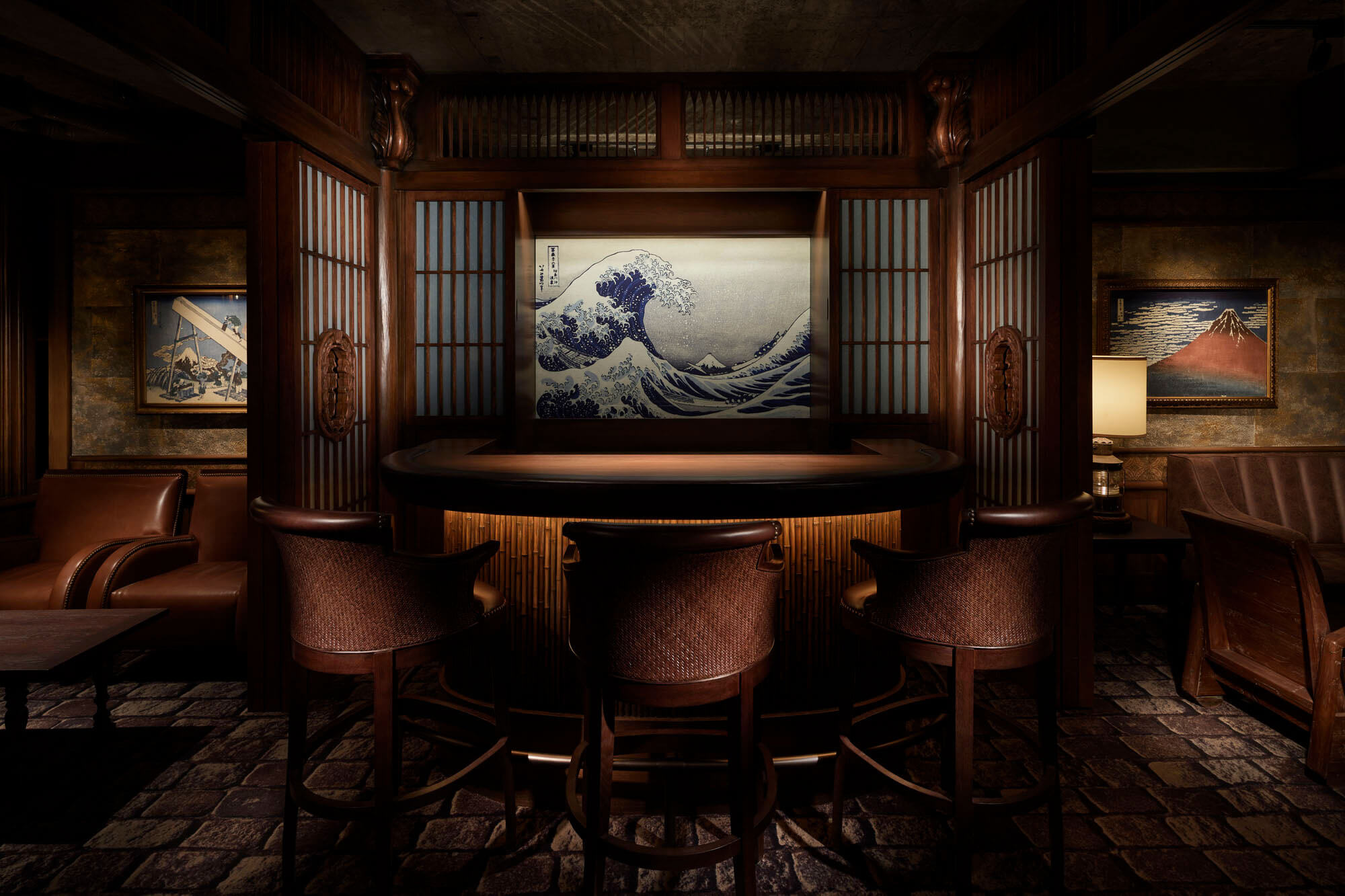
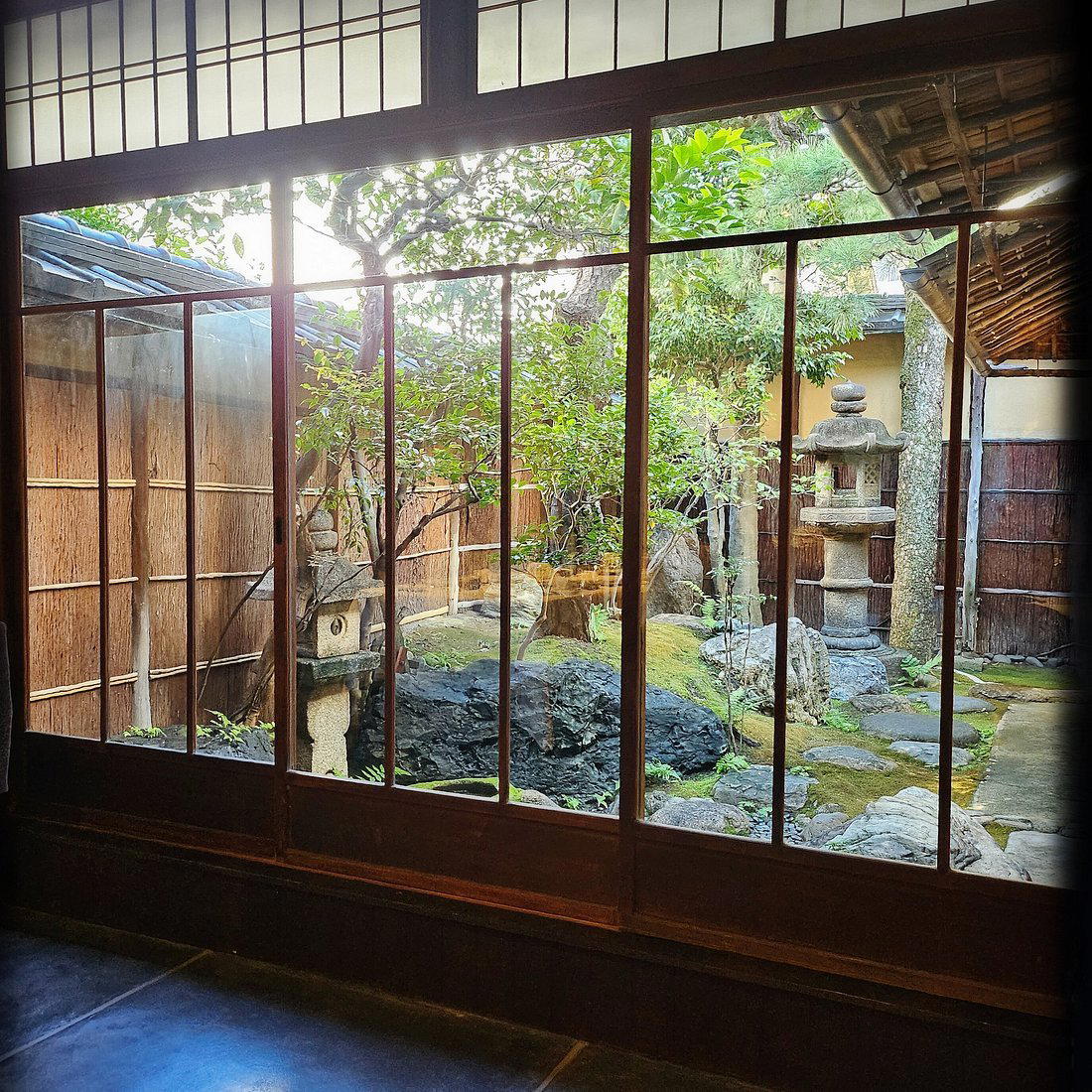
Cozy counter seating in a renovated traditional house with a relaxing, stylish atmosphere focused on the chef's work.
Tags
Vibe
Best For
Experience
At the Table
- Dress Code
- Smart Casual
- Noise Level
- Quiet
- Service Style
- Upscale Casual
- Meal Pacing
- Leisurely
- Capacity
- Intimate
- Kitchen
- Modern
- Menu Format
- Omakase, Counter dining
- Wine Program
- Curated
- Drinks Focus
- Sake program
Signature Dishes
- shrimp tempura nori wrap
- wagyu tempura
- tenbara
Know before you go
Know Before You Go
- Getting there
- 2 Chome-18-11 Kamimeguro, Meguro City, Tokyo 153-0051, Japan
Planning details
Location
2 Chome-18-11 Kamimeguro, Meguro City, Tokyo 153-0051, Japan · Directions
Recognition and awards

Also consider
Also Consider
- Harutaka, Sushi, ¥¥¥¥
- L'Effervescence, French, ¥¥¥¥
- RyuGin, Kaiseki, Japanese, ¥¥¥¥
- HOMMAGE, Innovtive French, French, ¥¥¥¥
- Crony, Innovative, French, ¥¥¥¥
Restaurant context
At ¥¥¥¥, Tempura Miyashiro sits in the same price bracket as some of Tokyo's most scrutinised kitchens, but the competitive frame is narrow: this is a specialist tempura counter with a creative bent, and direct peers are other tempura venues rather than the broader fine dining field. Within the tempura category, Tempura Kondo and Tempura Motoyoshi are the names most frequently cited at a comparable level. Kondo is more classical in approach, if you want the established canon of tempura technique without the creative detours, Kondo is the safer call. Miyashiro is the better choice if the kaiseki-influenced structure and daily variation are specifically what you are after.
Against the broader ¥¥¥¥ Tokyo field, RyuGin offers a more formal kaiseki progression with a stronger documented track record for special occasion dining, and its room is better suited to business meals where the setting needs to do some of the work. L'Effervescence and HOMMAGE are the relevant comparisons if a serious wine program is part of what you are paying for, both offer more documented depth on the drinks side than Miyashiro's current record supports. Crony is the pick if innovative French is your preference over Japanese formats entirely.
For booking ease, Miyashiro has an advantage: rated Easy against a city where ¥¥¥¥ counters often require weeks of lead time or a concierge relationship. If you are planning a Tokyo itinerary and want a high-quality creative Japanese meal without the reservation difficulty of the most sought-after spots, Miyashiro is a practical choice. Harutaka in the sushi category sits at the same price tier with a harder booking and a more traditional format, choose based on whether the creative tempura approach or classical sushi precision is the priority for your meal.
Explore Tokyo
Around this place
Discover more on Pearl
Unlock the full Tempura Miyashiro guide in Pearl, including awards, comparisons, FAQs, planning details, and nearby places.
Compare Tempura Miyashiro
| Venue | Cuisine | Price | Booking Difficulty | Awards |
|---|---|---|---|---|
| Tempura Miyashiro | Tempura | ¥¥¥¥ | Easy | 2026 OAD Top Restaurants in Japan Recommended2026 Michelin 1 StarTabelog 100 - Tempura - 2025 · #52025 OAD Top Restaurants in Japan Ranked · #5942024 Michelin 1 Star |
| Harutaka | Sushi | ¥¥¥¥ | Unknown | 2026 Tabelog Silver · #312026 OAD Top Restaurants in Japan Ranked · #1282026 Michelin 3 Stars2026 La Liste Top RestaurantsTabelog 100 - Sushi - TOKYO - 2025 · #372025 Asia's 50 Best Restaurants · #762025 OAD Top Restaurants in Japan Ranked · #1172025 La Liste Top Restaurants2025 Tabelog Bronze |
| L'Effervescence | French | ¥¥¥¥ | Unknown | 2026 Tabelog Silver · #682026 OAD Top Restaurants in Japan Ranked · #103Star Wine Lists 20262026 Black Pearl 2 Diamond2026 Relais Chateaux Restaurants2026 La Liste Top Restaurants2026 Michelin 3 Stars2025 Asia's 50 Best Restaurants · #692025 OAD Top Restaurants in Japan Ranked · #92 |
| RyuGin | Kaiseki, Japanese | ¥¥¥¥ | Unknown | 2026 OAD Top Restaurants in Japan Ranked · #802026 Tabelog Bronze · #3772026 Michelin 3 Stars2026 La Liste Top RestaurantsTabelog 100 - Japanese cuisine - TOKYO - 2025 · #212025 OAD Top Restaurants in Japan Ranked · #542025 Michelin 3 Stars2025 La Liste Top Restaurants2025 The Best Chef Three Knives |
| HOMMAGE | Innovtive French, French | ¥¥¥¥ | Unknown | 2026 Tabelog Bronze · #1232026 OAD Top Restaurants in Japan Highly Recommended2026 Michelin 2 StarsTabelog 100 - French - TOKYO - 2025 · #762025 Asia's 50 Best Restaurants · #782025 OAD Top Restaurants in Japan Ranked · #1752025 Michelin 2 Stars2025 The Best Chef One Knife2025 La Liste Top Restaurants |
| Crony | Innovative, French | ¥¥¥¥ | Unknown | 2026 Asia's 50 Best Restaurants · #34Star Wine Lists 20262026 OAD Top Restaurants in Japan Recommended2026 Michelin 2 Stars2025 Asia's 50 Best Restaurants · #30Tabelog 100 - French - TOKYO - 2025 · #782025 OAD Top Restaurants in Japan Ranked · #227We're Smart World Top Restaurants 20252025 Michelin 2 Stars |












A quick look at how Tempura Miyashiro measures up.
FAQ
Frequently Asked Questions
How far ahead should I book Tempura Miyashiro?
Book at least two to four weeks out. The counter format and chef-driven set menu mean covers are limited, and the restaurant's OAD ranking (#594 in Japan, 2025) brings consistent demand. No website or phone is listed in public records, so use a reservation platform like Tableall or Omakase to secure a seat.
Is Tempura Miyashiro good for solo dining?
Yes, and likely better solo than with a crowd. Counter omakase at this price tier rewards focused attention, and a single seat is easier to secure. Chef Naoki Miyashiro's menu is structured to surprise, so solo diners who can engage with the progression will get the most from it.
Is Tempura Miyashiro worth the price?
At ¥¥¥¥, it is worth it if you want tempura that moves beyond the standard lineup. The format borrows from kaiseki, incorporates wagyu and abalone, and uses sesame-rice oil blends for flavour control. If you want a straightforward, traditional tempura counter, Tempura Kondo offers a more conventional benchmark at a comparable price point.
Is the tasting menu worth it at Tempura Miyashiro?
Yes, on the condition that you book knowing the menu changes daily and gives the chef full creative control. Dishes like abalone shabu-shabu, tomato-cooked rice with kakiage, and wagyu tempura are evidence that the kitchen is doing something structurally different from standard tempura sets. This is not the right booking if you want to order à la carte.
What should a first-timer know about Tempura Miyashiro?
Expect a set menu format with no à la carte option and no advance visibility into what is served. The kitchen draws from kaiseki and Japanese cooking traditions, so dishes will range beyond familiar tempura items. Kamimeguro is a residential neighbourhood in Meguro, removed from central tourist areas, so factor travel time into your evening.
Can I eat at the bar at Tempura Miyashiro?
Counter seating is the standard format for a restaurant of this type, so the bar and the dining room are effectively the same thing. Booking a counter seat gives you a direct view of the kitchen work, which is part of the experience at a chef-driven tempura counter like this.