


Sushi Dai
Sushi · Chūō, Tokyo
Restaurant in Tokyo, Japan
 Book with Pearl
The Read
Dawn-Hour Edomae
Price
$30–50per person
Dress
Casual
Why go
Sushi Dai is a Pearl Recommended Tokyo counter under chef Yuichi Arai, recognised by Opinionated About Dining three years running (#444 in 2024). Morning-only hours (6 am–2 pm, closed Wed and Sun) mean you build your day around it — but easy booking and a focused omakase format make it one of the more accessible credentialed sushi counters in the city.
About Sushi Dai
Verdict
Getting a seat at Sushi Dai is direct by Tokyo omakase standards — booking difficulty is rated Easy, which puts it in a different category from the weeks-of-lead-time grind that defines many of the city's counter sushi rooms. That accessibility makes it worth your attention, but the question is whether the experience justifies the trip to Shinkawa in Chuo City.
The Experience
Sushi Dai operates as a morning-through-early-afternoon counter, open from 6 am to 2 pm Thursday through Saturday and Monday and Friday, with Wednesday and Sunday closed. That schedule defines everything about how to approach this restaurant. You are not coming here for a late dinner after a day of sightseeing. You are building your morning around it, arriving early, eating at the counter, and leaving before the lunch rush dissolves into the afternoon. For a food-focused traveller who treats a meal as the anchor of a day rather than the coda to one, that structure works well.
Under chef Yuichi Arai, the counter offers the kind of focused omakase progression that rewards attention. Edomae-style sushi is about restraint and sequence: each piece is a decision about temperature, rice acidity, fish preparation, and the interval between courses. The arc of a well-run omakase builds from lighter, cleaner pieces toward richer, more aged cuts, and the format here follows that logic. You are not choosing from a menu. You are trusting the progression the kitchen has designed, and the consistency of recognition across three OAD cycles suggests that progression holds up.
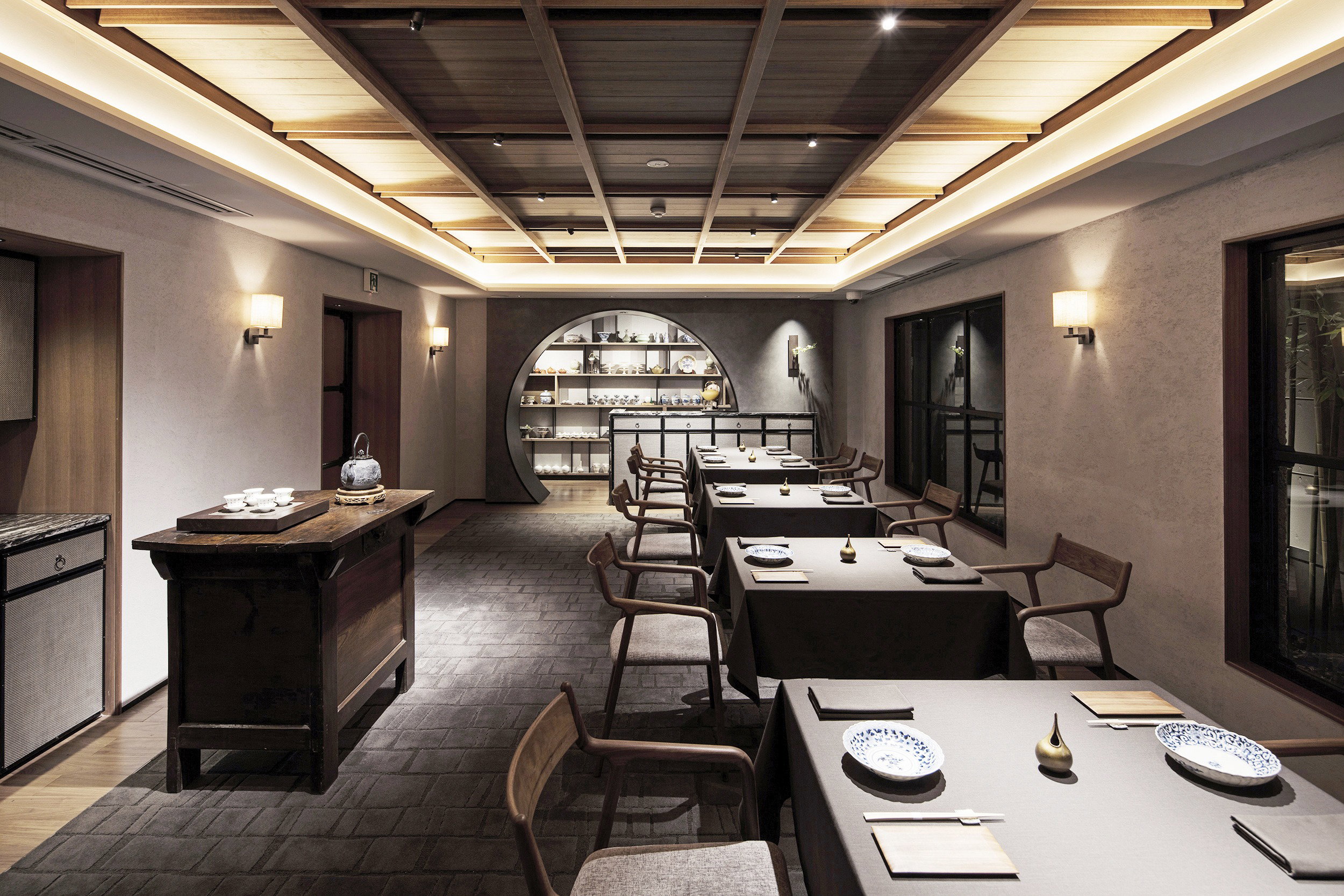
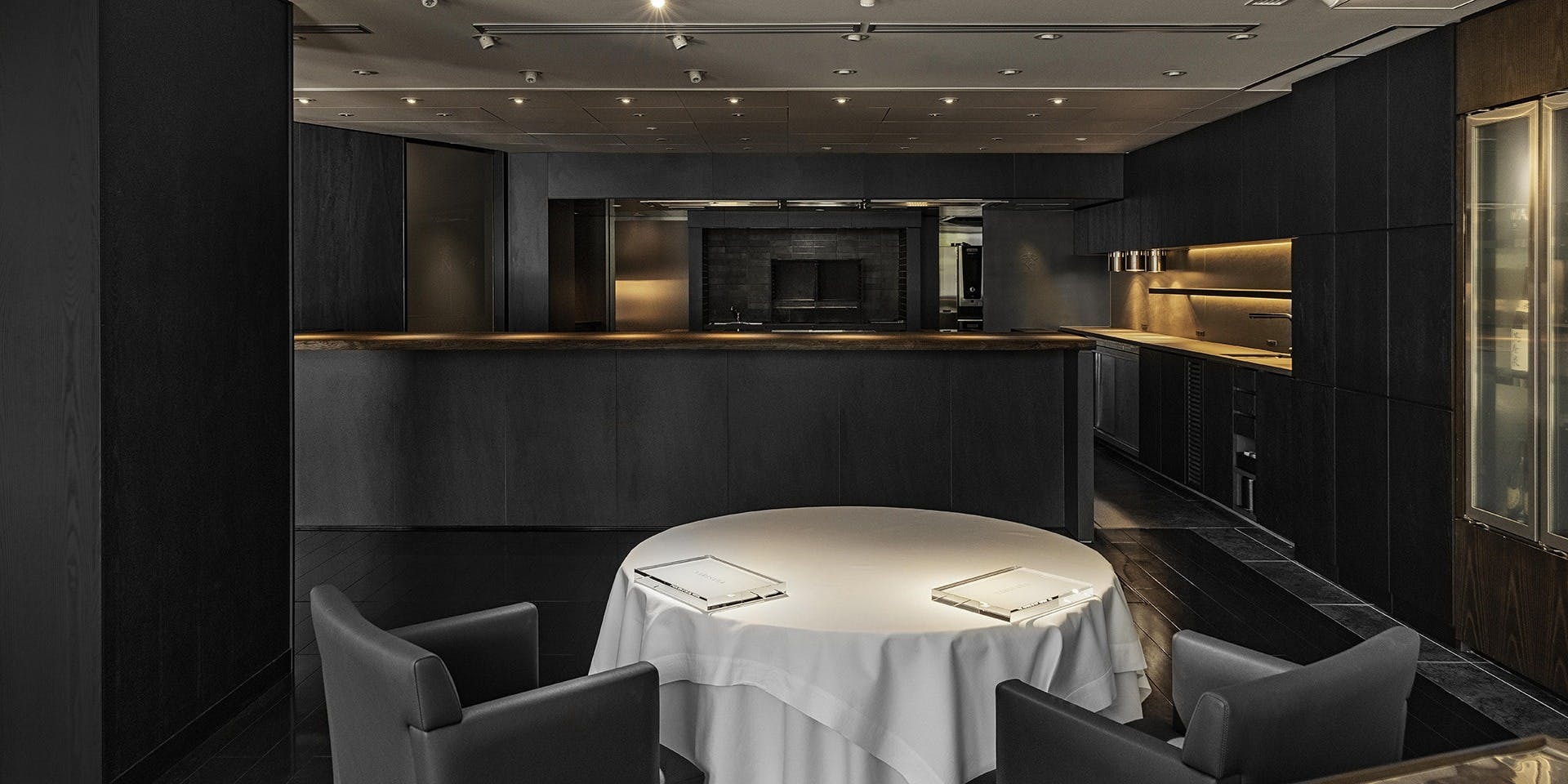
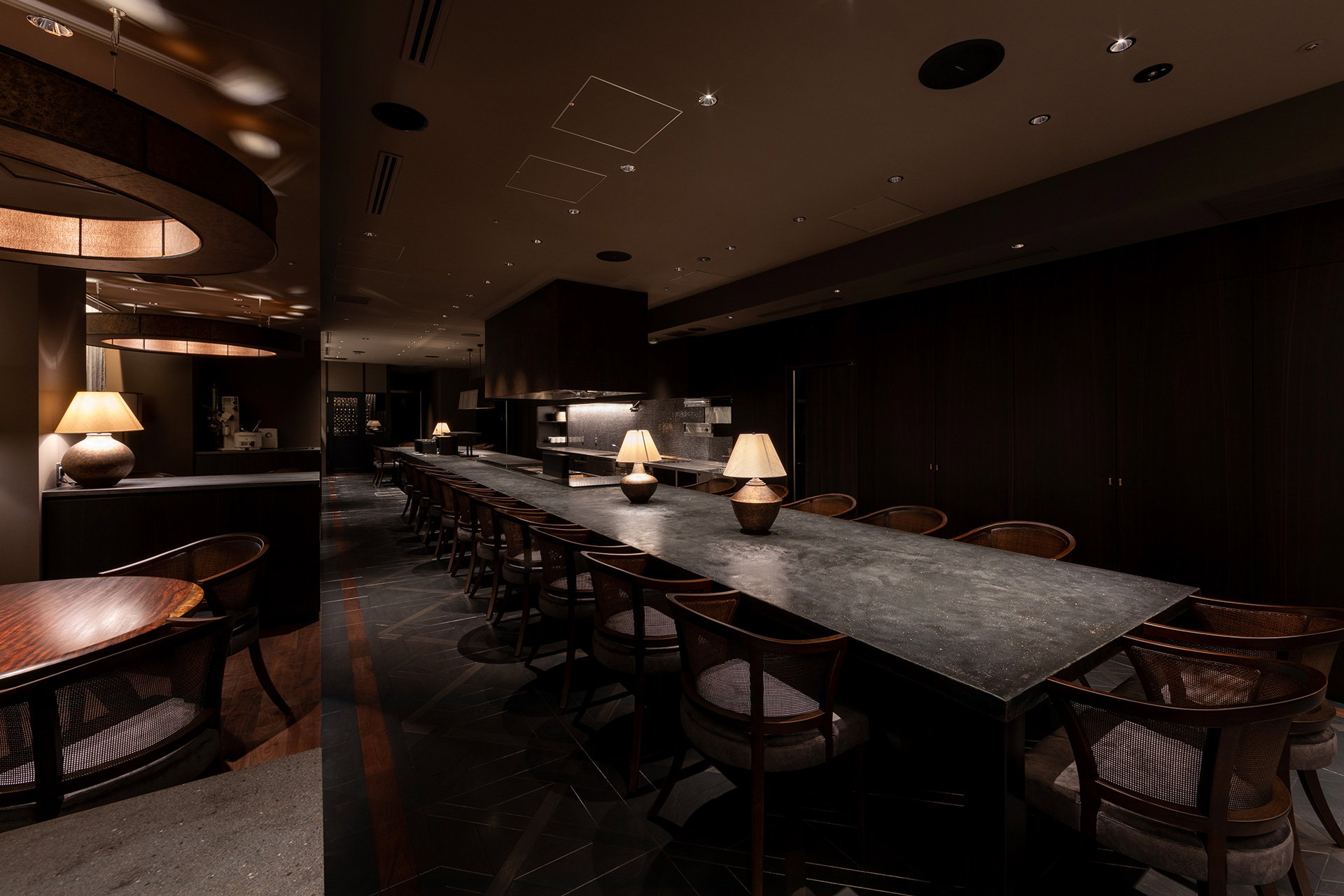
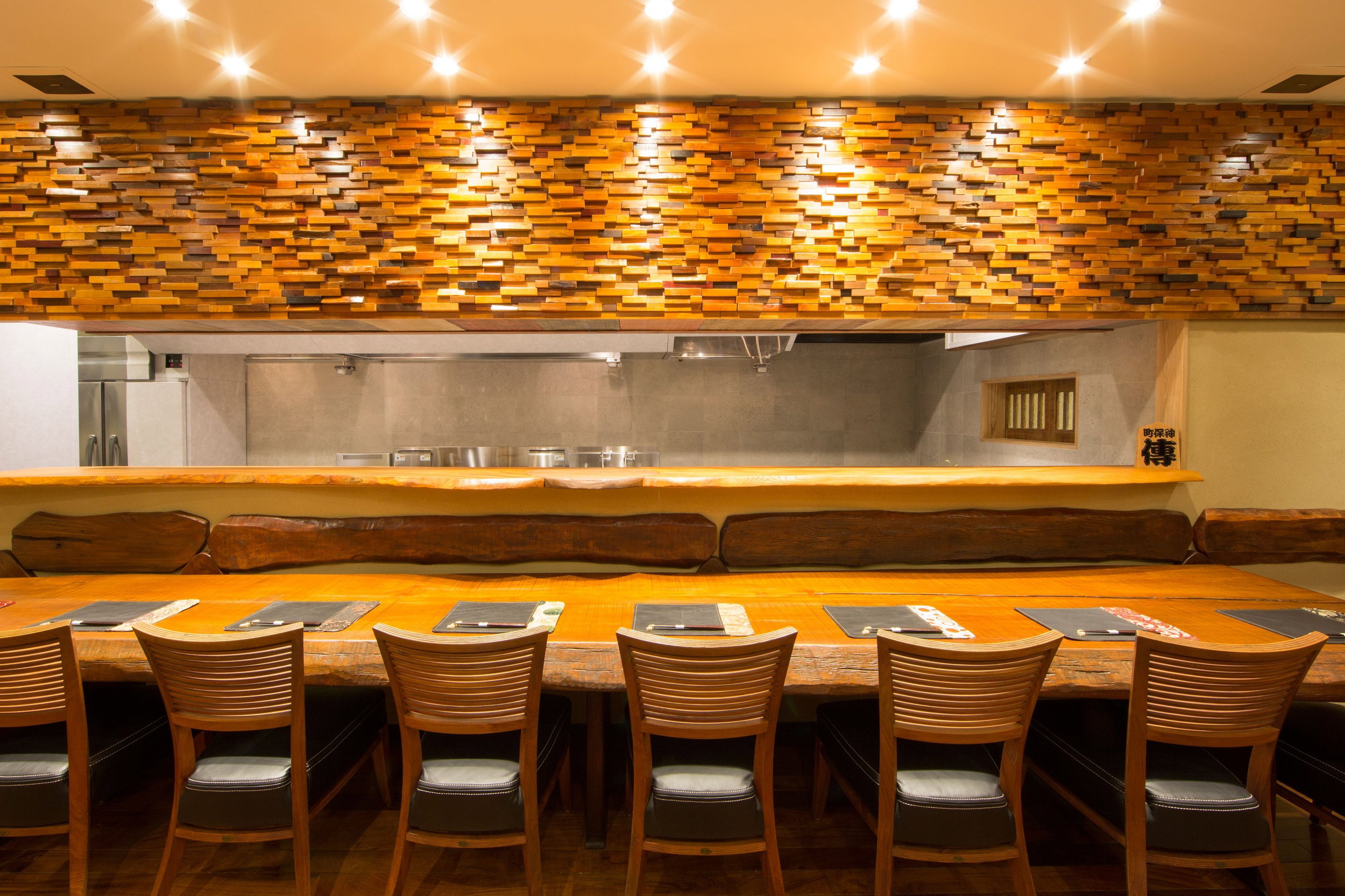
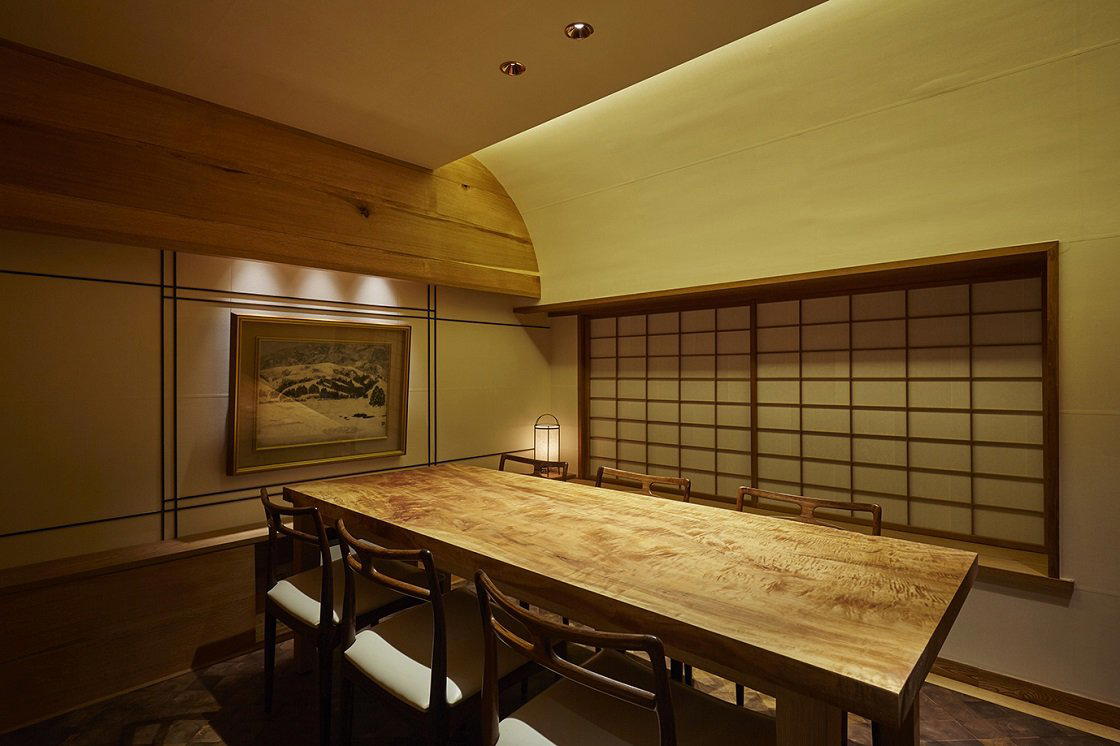
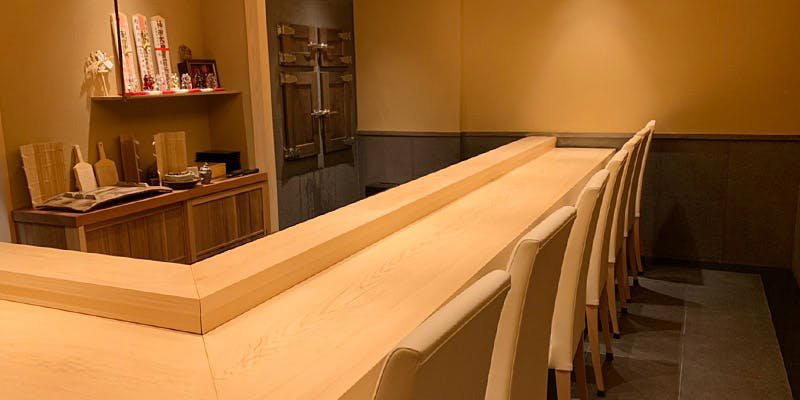
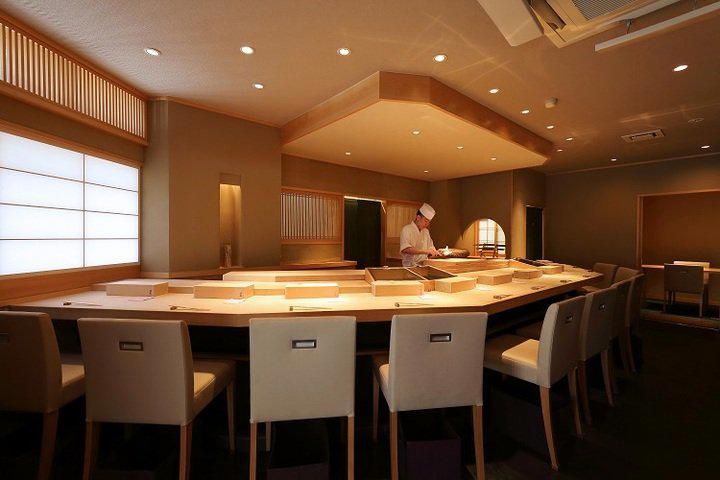
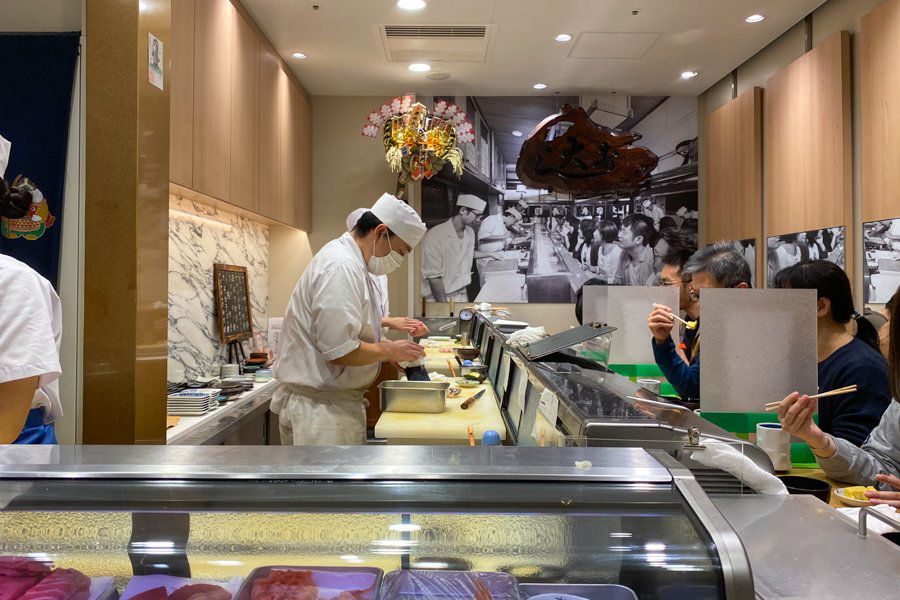
The room itself carries the focused energy typical of serious counter sushi in Tokyo: compact, quiet during service, with attention concentrated on the chef's hands rather than ambient noise or theatrical presentation. This is not a venue for a loud group dinner or a celebration that needs room to breathe. It is built for two people who want to eat well in the morning, pay attention, and leave informed.
Who Should Book
Book Sushi Dai if you want a credentialed Tokyo omakase that does not require a specialist concierge or a month of advance planning. The easy booking window and morning hours make it practical for visitors building a Japan itinerary around serious eating. If you are already planning meals at Harutaka or Sushi Kanesaka, both harder to secure, Sushi Dai fits naturally as a complementary booking rather than a fallback.
Solo diners and pairs are the natural fit. The counter format means every seat is a front-row position, and a single diner loses nothing here compared to a table of four. If you are travelling with a group larger than two, check seat availability carefully before planning around it.
For travellers extending beyond Tokyo, the same omakase discipline is on offer at Sushi Shikon in Hong Kong and Shoukouwa in Singapore, both serious counters for regional comparison. Within Japan, Gion Sasaki in Kyoto and HAJIME in Osaka offer credentialed dining for anyone building a multi-city Japan itinerary.
Know Before You Go
- Address: 2 Chome-6-18 Shinkawa, Chuo City, Tokyo 104-0033
- Hours: Mon, Thu, Fri, Sat 6 am–2 pm | Wed & Sun closed
- Chef: Yuichi Arai
- Cuisine: Sushi (omakase counter format)
- Booking difficulty: Easy
- Price range: Not published, confirm directly when booking
- Dress code: Not specified; smart casual is standard for Tokyo counter sushi
- Awards: Pearl Recommended 2025; OAD Leading Restaurants in Japan #497 (2025), #444 (2024), Recommended (2023)
- Leading for: Solo diners, pairs, food-focused morning schedules
- Note: Morning-only service, plan your day accordingly
Other Tokyo Dining Worth Knowing
If you are building a full Tokyo eating itinerary, the counter sushi category alone warrants comparison across several venues. Sukiyabashi Jiro Roppongiten, Edomae Sushi Hanabusa, and Hiroo Ishizaka each occupy different positions in the same category. See our full Tokyo restaurants guide for the complete picture, and our Tokyo hotels guide, bars guide, and experiences guide for the rest of the city. If your Japan trip extends to other cities, akordu in Nara, Goh in Fukuoka, 1000 in Yokohama, and 6 in Okinawa are all worth factoring in.
Planning details
- Hours
- Monday: 6 am–2 pm · Tuesday: 6 am–2 pm
- Location
- 2 Chome-6-18 Shinkawa, Chuo City, Tokyo 104-0033, Japan
- Website
- instagram.com/sushidai.shinkawa
- Phone
- +81 3-3297-0250
The take
The Take
The Vibe
Sushi Dai reads like a classic Tokyo market counter: unflashy, disciplined and rooted in a working-lunch lineage rather than evening spectacle. It opens before the city wakes and frames sushi as a morning practice, prioritizing the earliest catch and the rhythms of the wholesale market over Ginza polish. The room centers on the counter and chef-driven service, and its modest commercial setting reinforces an unpretentious, focused energy. Rather than theatrical presentation, the experience emphasizes craft and immediacy—fresh fish, tight pacing, and a quiet seriousness that rewards those who value provenance and technique.
Best For
This is a breakfast- and lunch-focused counter built for market hours and solo or small-group daytime visits. With service that begins at six in the morning and winds down by mid-afternoon, it suits early risers, market workers and anyone chasing peak-fresh seafood rather than a late-night omakase. The format and pace favor counter seating and compact parties, making it a natural choice for solo diners, quick business lunches or casual daytime outings. Its recognition in national rankings and high customer ratings indicate consistent quality across repeat visits.
Ordering Tips
Plan your visit for the morning: the kitchen opens at six and sources fish for the earliest service, so arriving early maximizes access to peak-fresh pieces. Expect counter-centric seating and a focused, market-driven rhythm—think singular attention from the chef rather than a lingering multi-course dinner. With signature items like fatty tuna, abalone and horse mackerel highlighted in the venue’s profile, look to those pieces if they’re available that day. The write-up emphasizes consistency and repeat engagement, so regulars’ instincts about timing and selections are a useful guide.
Venue details
Ambiance
Cozy indoor sushi counter with focused, personable chef interaction and warm rice enhancing the intimate early-morning dining experience.
Tags
Vibe
Best For
Experience
Sourcing
At the Table
- Dress Code
- Casual
- Noise Level
- Conversational
- Service Style
- Counter Service
- Meal Pacing
- Standard
- Capacity
- Intimate
- Kitchen
- Traditional
- Menu Format
- Omakase, Counter dining, A la carte
Signature Dishes
- fatty tuna
- abalone
- horse mackerel
Know before you go
Know Before You Go
- Getting there
- 2 Chome-6-18 Shinkawa, Chuo City, Tokyo 104-0033, Japan
Planning details
Hours
- Monday
- 6 am–2 pm
- Tuesday
- 6 am–2 pm
- Wednesday
- Closed
- Thursday
- 6 am–2 pm
- Friday
- 6 am–2 pm
- Saturday
- 6 am–2 pm
- Sunday
- Closed
Location
2 Chome-6-18 Shinkawa, Chuo City, Tokyo 104-0033, Japan · Directions
Recognition and awards


Also consider
Also Consider
- Harutaka, Sushi, ¥¥¥¥
- L'Effervescence, French, ¥¥¥¥
- RyuGin, Kaiseki, Japanese, ¥¥¥¥
- HOMMAGE, Innovtive French, French, ¥¥¥¥
- Crony, Innovative, French, ¥¥¥¥
Restaurant context
Within Tokyo's counter sushi tier, Sushi Dai sits in a practical position: OAD-recognised, Pearl Recommended, and bookable without the specialist-concierge overhead that defines harder-to-access rooms. Harutaka is the more obvious splurge comparison, it operates at ¥¥¥¥ and carries deeper name recognition among serious sushi travellers, but securing a seat requires significantly more lead time and planning. If booking ease matters to your itinerary, Sushi Dai is the more realistic option for a trip planned weeks rather than months in advance.
For diners whose Tokyo itinerary spans cuisine types, the comparison set broadens. RyuGin at ¥¥¥¥ offers kaiseki rather than sushi, with an evening format and a course progression that runs longer and involves more technique-heavy preparation. If you want a full dinner event with a wider arc of flavours, RyuGin is the stronger choice. L'Effervescence and Crony both sit at ¥¥¥¥ in the French and innovative categories, different cuisine logic entirely, but relevant if you are allocating one or two serious dinners across a Tokyo stay and want variety across the week.
HOMMAGE rounds out the ¥¥¥¥ tier with an innovative French approach. The practical summary: book Sushi Dai for a morning counter omakase that is actually achievable without months of planning. Book Harutaka if sushi is your priority and you have the lead time. Choose RyuGin or L'Effervescence if you want a full evening format with a different cuisine register.
Explore Tokyo
Around this place
Discover more on Pearl
Unlock the full Sushi Dai guide in Pearl, including awards, comparisons, FAQs, planning details, and nearby places.
Compare Sushi Dai
| Venue | Location | Cuisine | Awards | Price |
|---|---|---|---|---|
| Sushi Dai | Tokyo | Sushi | 2026 OAD Top Restaurants in Japan Recommended2025 OAD Top Restaurants in Japan Ranked · #4972025 The Best Chef Two Knives2024 OAD Top Restaurants in Japan Ranked · #4442023 OAD Top Restaurants in Japan RecommendedPearl Recommended Restaurants | , |
| Harutaka | Tokyo | Sushi | 2026 Tabelog Silver · #312026 OAD Top Restaurants in Japan Ranked · #1282026 Michelin 3 Stars2026 La Liste Top RestaurantsTabelog 100 - Sushi - TOKYO - 2025 · #372025 Asia's 50 Best Restaurants · #762025 OAD Top Restaurants in Japan Ranked · #1172025 La Liste Top Restaurants2025 Tabelog Bronze | ¥¥¥¥ |
| L'Effervescence | Tokyo | French | 2026 Tabelog Silver · #682026 OAD Top Restaurants in Japan Ranked · #103Star Wine Lists 20262026 Black Pearl 2 Diamond2026 Relais Chateaux Restaurants2026 La Liste Top Restaurants2026 Michelin 3 Stars2025 Asia's 50 Best Restaurants · #692025 OAD Top Restaurants in Japan Ranked · #92 | ¥¥¥¥ |
| RyuGin | Tokyo | Kaiseki, Japanese | 2026 OAD Top Restaurants in Japan Ranked · #802026 Tabelog Bronze · #3772026 Michelin 3 Stars2026 La Liste Top RestaurantsTabelog 100 - Japanese cuisine - TOKYO - 2025 · #212025 OAD Top Restaurants in Japan Ranked · #542025 Michelin 3 Stars2025 La Liste Top Restaurants2025 The Best Chef Three Knives | ¥¥¥¥ |
| HOMMAGE | Tokyo | Innovtive French, French | 2026 Tabelog Bronze · #1232026 OAD Top Restaurants in Japan Highly Recommended2026 Michelin 2 StarsTabelog 100 - French - TOKYO - 2025 · #762025 Asia's 50 Best Restaurants · #782025 OAD Top Restaurants in Japan Ranked · #1752025 Michelin 2 Stars2025 The Best Chef One Knife2025 La Liste Top Restaurants | ¥¥¥¥ |
| Crony | Tokyo | Innovative, French | 2026 Asia's 50 Best Restaurants · #34Star Wine Lists 20262026 OAD Top Restaurants in Japan Recommended2026 Michelin 2 Stars2025 Asia's 50 Best Restaurants · #30Tabelog 100 - French - TOKYO - 2025 · #782025 OAD Top Restaurants in Japan Ranked · #227We're Smart World Top Restaurants 20252025 Michelin 2 Stars | ¥¥¥¥ |













How Sushi Dai Tokyo compares with similar nearby venues.
FAQ
Frequently Asked Questions
What should I order at Sushi Dai?
Sushi Dai operates as an omakase counter, so ordering is not a decision you make — Chef Yuichi Arai dictates the progression. Arrive with no fixed preferences and let the format work. If you have strong aversions, flag them when booking rather than at the counter.
Is Sushi Dai good for solo dining?
Yes, and it may be the ideal format for a solo diner. Counter omakase in Tokyo is built around individual seats, and Sushi Dai's easy booking rating means a solo traveller can secure a spot without the coordination overhead that multi-seat reservations require. If you are eating alone in Tokyo and want a credentialed sushi experience, this is a practical choice.
What should a first-timer know about Sushi Dai?
The restaurant opens at 6 am and closes at 2 pm Thursday through Saturday and Monday through Friday, with Wednesday and Sunday closed — plan accordingly, as this is a morning-to-early-afternoon operation, not a dinner venue. Booking is rated Easy by Pearl's standards, which is genuinely rare for OAD-ranked Tokyo omakase. Arrive on time; counter sushi runs on a tight sequence.
Is Sushi Dai good for a special occasion?
It works for a low-key special occasion where the focus is the food itself rather than atmosphere or theatrics. Sushi Dai holds OAD Top Restaurants in Japan rankings across 2023, 2024, and 2025 and carries a Pearl Recommended designation, so there is real credential behind the meal. For a celebration that requires a private room or dinner service, look elsewhere — the format here is counter-only and lunch hours only.
Is lunch or dinner better at Sushi Dai?
Lunch is your only option. Sushi Dai operates exclusively from 6 am to 2 pm on open days, with no dinner service. That morning-through-midday format is part of the venue's identity, not a limitation to work around — factor it into your day when planning a Tokyo itinerary.
What are alternatives to Sushi Dai in Tokyo?
Harutaka is the comparison to make if you want a step up in prestige and booking difficulty at the counter sushi level. RyuGin covers entirely different ground as a kaiseki destination, so only consider it if you want to move away from the sushi format. For something with a different profile but still within reach of independent booking, Crony is worth considering for a more modern Tokyo dining register.