



Seisoka
Kaiseki, Japanese · Minato, Tokyo
Restaurant in Tokyo, Japan
 Book with Pearl
The Read
Temple-Rooted Seasonal Kaiseki
Price
$150–200per person
Chef
Nozomu Yamai
Dress
Smart Casual
Why go
A kaiseki restaurant within the grounds of Tengenji Temple in Minamiazabu, Seisoka builds its daily menu around Zen vegetarian principles and whatever seasonal produce is at its peak that morning. La Liste-ranked and easier to book than most ¥¥¥¥ Tokyo kaiseki houses, it suits diners who want serious seasonal cooking with philosophical grounding rather than high-technique showmanship.
About Seisoka
Should You Book Seisoka?
If you return to Seisoka, the most striking thing is how different the meal is — not the room, not the service rhythm, but the menu itself. Because the kitchen builds its menu daily around what nature is providing at its finest that day, a second visit is structurally a different experience from the first. That is not a marketing claim: it is the operational logic of the kitchen. For a first-timer, this means you should not arrive expecting to recreate a dish someone described to you. Arrive expecting the season as it stands right now.
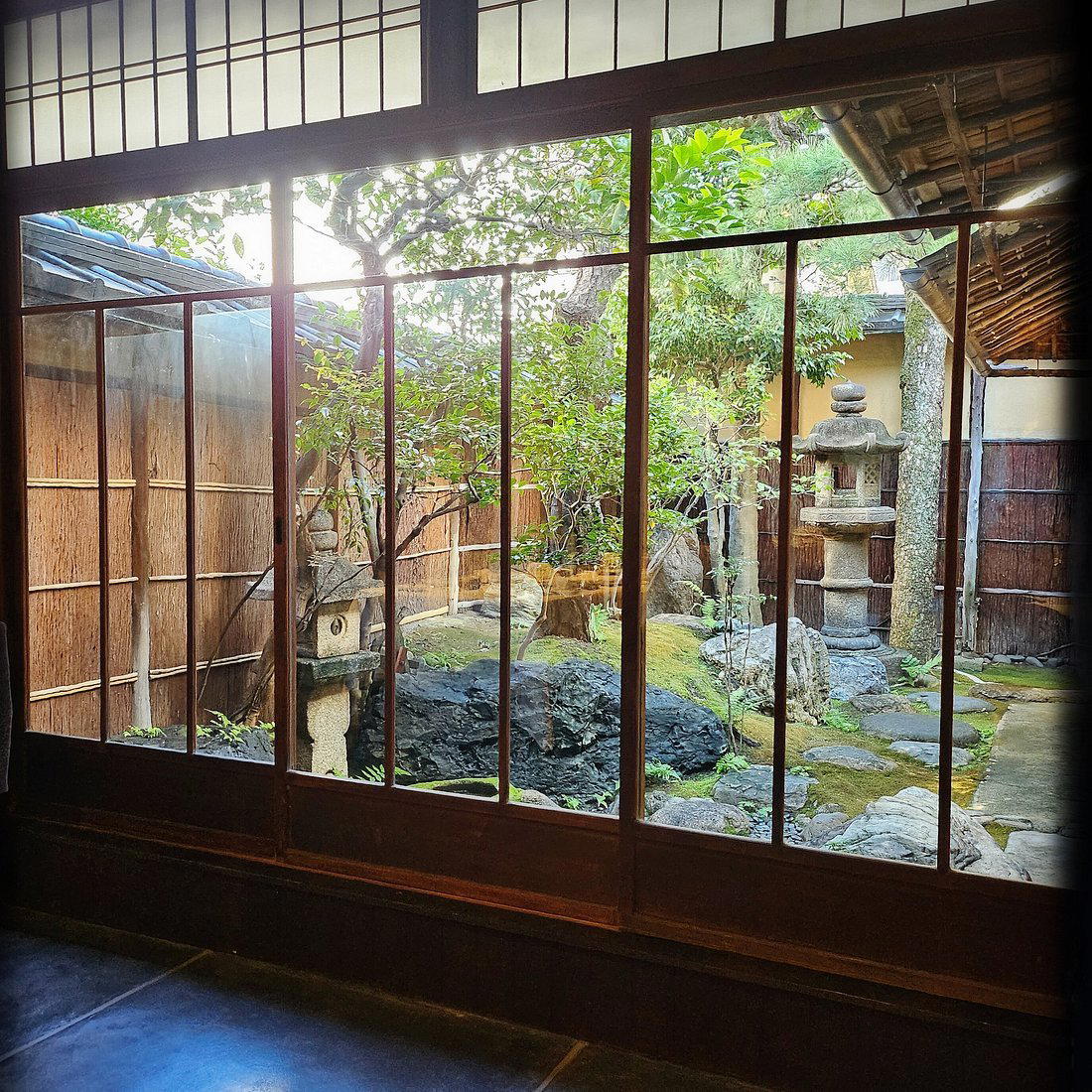
Seisoka sits in Minamiazabu, Minato City, within the grounds of Tengenji Temple — a Zen-sect site that is not incidental to what happens at the table. The name translates roughly as "a tranquil space surrounded by lush greenery," and the kitchen's philosophy runs in direct alignment with that setting. The menu draws on shojin ryori, the vegetarian cuisine developed by Zen Buddhist monks over centuries, weaving it into a kaiseki framework that follows the arc of the seasons. Vegetables are not a supporting act here, they carry the meal.
What the Tasting Menu Does
Kaiseki, as a format, is a sequence of small courses designed to show the progression of a season through ingredient and preparation. At Seisoka, that framework is applied with particular attention to plant-based produce and seafood, with the day's market and the temple's connection to Zen practice shaping what appears. The menu evolves not just seasonally but daily, which means the arc of the meal, the progression from lighter to richer, from raw to cooked, from restrained to expressive, is rebuilt with each service. For a first-timer, that is the most important thing to understand about how to read the experience: each course is not simply food, it is a deliberate step in a sequence tied to a specific moment in the year.
Tableware and presentation are treated as part of the language of the meal, not decoration. This is consistent with kaiseki tradition, where the vessel chosen for a dish is expected to amplify what the season is saying. If you are coming from a Western fine-dining context, this is a meaningful shift in how to engage with the meal, slow down on the visual before you eat.
Awards and Credibility
Seisoka holds a 2026 La Liste score of 85 points, down slightly from 90 points in 2025. It also appears on the Opinionated About Dining ranking of leading restaurants in Japan, ranked #334 in 2025 (up from #331 in 2024). These are credible third-party signals that the kitchen is operating at a serious level, even if Seisoka sits outside the very top tier of Tokyo kaiseki venues by raw ranking.
Booking and Logistics
Seisoka is open Tuesday through Saturday for both lunch (noon to 2:30 pm) and dinner (5:30 to 11 pm), and Monday for the same hours. It is closed on Sundays. Booking difficulty is rated Easy by Pearl's data, which is notable for a ¥¥¥¥ kaiseki venue in Tokyo, at comparable tier restaurants like Kanda or Ginza Kojyu, tables are considerably harder to secure. That said, booking two to three weeks ahead is a sensible baseline, particularly for dinner on a Friday or Saturday. The address is 4 Chome-2-34 Minamiazabu, confirm your reservation method directly through the venue, as no booking platform data is currently in our system. Dress smartly; the temple setting and kaiseki format make casual attire a poor fit, though a strict dress code has not been confirmed in our data.
Who Should Book Seisoka
This is the right choice if you want a kaiseki experience anchored in Zen philosophy and seasonal vegetable-forward cooking, in a setting that is genuinely distinct from the main-street kaiseki rooms in Ginza or Roppongi. The La Liste and Opinionated About Dining credentials confirm serious kitchen intent. It is a strong option for a special occasion dinner, particularly for diners who find the more theatrical end of Tokyo fine dining less interesting than restraint and precision. If your priority is the most technically flashy kaiseki in the city, RyuGin or Ginza Shinohara will suit you better. If you want deep seasonal vegetable focus within the kaiseki format and a connection to a living Zen tradition, Seisoka is the more considered choice.
For broader context on where Seisoka sits in Japan's kaiseki landscape, it is worth comparing against Kyoto's long-established houses: Hyotei and Kikunoi Honten offer a different regional expression of the same tradition. Closer to Tokyo, Kohaku is another ¥¥¥¥ option worth considering if Seisoka's plant focus is not your priority.
If you are building a wider Japan itinerary around serious Japanese cooking, Pearl's guides cover the full range: HAJIME in Osaka, Gion Sasaki in Kyoto, akordu in Nara, Goh in Fukuoka, 1000 in Yokohama, and 6 in Okinawa. For everything else in Tokyo, see our full Tokyo restaurants guide, our Tokyo hotels guide, our Tokyo bars guide, our Tokyo wineries guide, and our Tokyo experiences guide.
FAQ: Seisoka, Tokyo
- How far ahead should I book Seisoka? Two to three weeks out is a sensible minimum. Booking difficulty is rated Easy relative to other ¥¥¥¥ Tokyo kaiseki venues, but Friday and Saturday dinners will fill faster. If you are travelling from outside Japan, lock in a reservation before you arrive.
- Is the tasting menu worth it at Seisoka? Yes, if seasonal Japanese cooking with a Zen vegetarian philosophy is what you are after. The daily-changing menu tied to what is leading in the market that morning means the experience is genuinely seasonal, not just marketed as such. The La Liste 85-point score (2026) and Opinionated About Dining ranking confirm the kitchen is delivering at the price point.
- Is Seisoka worth the price? At ¥¥¥¥, it sits in the same tier as RyuGin and Kanda. Given its La Liste and OAD credentials, and the relative ease of booking compared to those venues, it offers solid value within its tier, particularly for diners who prioritise the shojin ryori and seasonal vegetable focus over high-technique theatrics.
- Is Seisoka good for a special occasion? Yes. The temple setting, the kaiseki format, and the ¥¥¥¥ price point all align with a serious occasion dinner. It is a better fit for a quiet, contemplative celebration than a celebratory splurge with a large group. Two or four people is the format that suits the room's character.
- Is lunch or dinner better at Seisoka? Lunch runs noon to 2:30 pm; dinner runs 5:30 to 11 pm. For a first visit, dinner is the more complete expression of the kaiseki format and allows more time. Lunch can be a more accessible entry point if price is a consideration, as kaiseki lunch menus at this tier are typically priced lower than dinner, though specific pricing is not confirmed in our data.
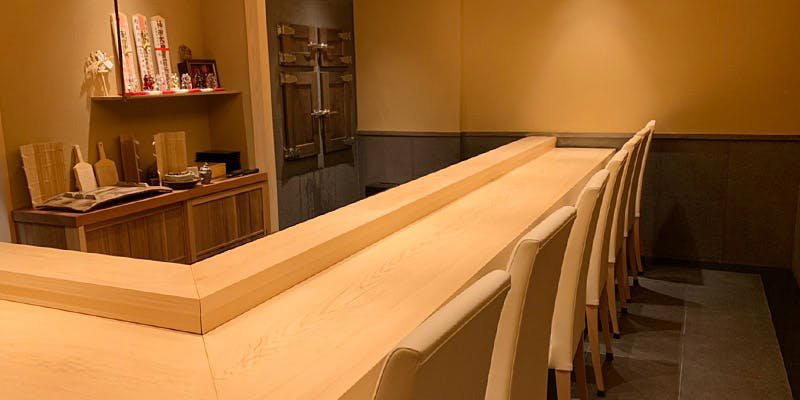
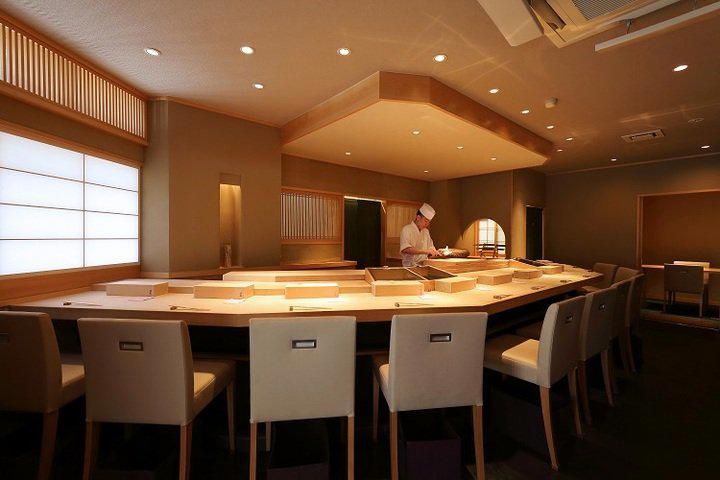
- Can I eat at the bar at Seisoka? No bar seating has been confirmed in our data. Seisoka operates as a kaiseki restaurant within a temple setting, which suggests a formal seated format rather than counter-only or bar dining. Confirm directly with the venue before booking if a specific seating arrangement matters to you.
- Can Seisoka accommodate groups? Seat count is not confirmed in our data. Given the temple setting and kaiseki format, this is not a venue built for large parties. For groups of six or more, contact the venue directly well in advance to confirm capacity and whether a private arrangement is possible.
Planning details
- Hours
- Monday: 12–2:30 pm, 5:30–11 pm · Tuesday: 12–2:30 pm, 5:30–11 pm
- Location
- 4 Chome-2-34 Minamiazabu, Minato City, Tokyo 106-0047, Japan
- Website
- seisoka.com
- Phone
- +81 3-3473-3103
The take
The Take
The Vibe
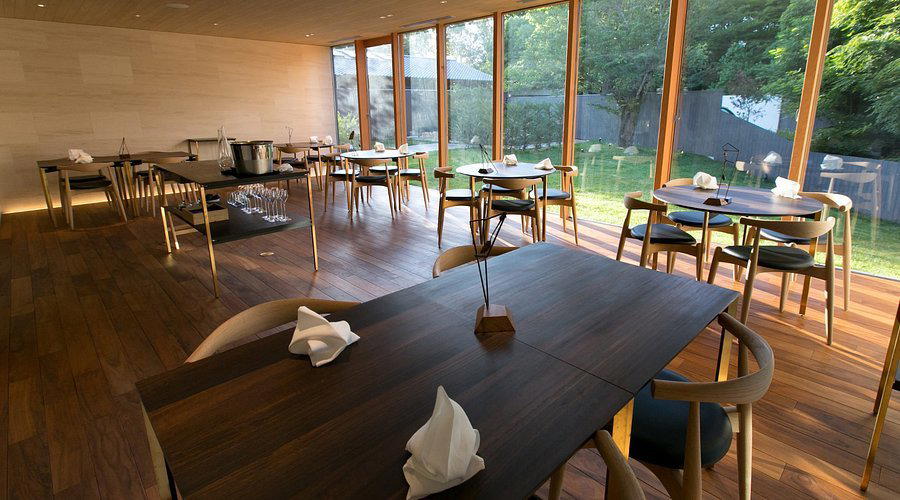
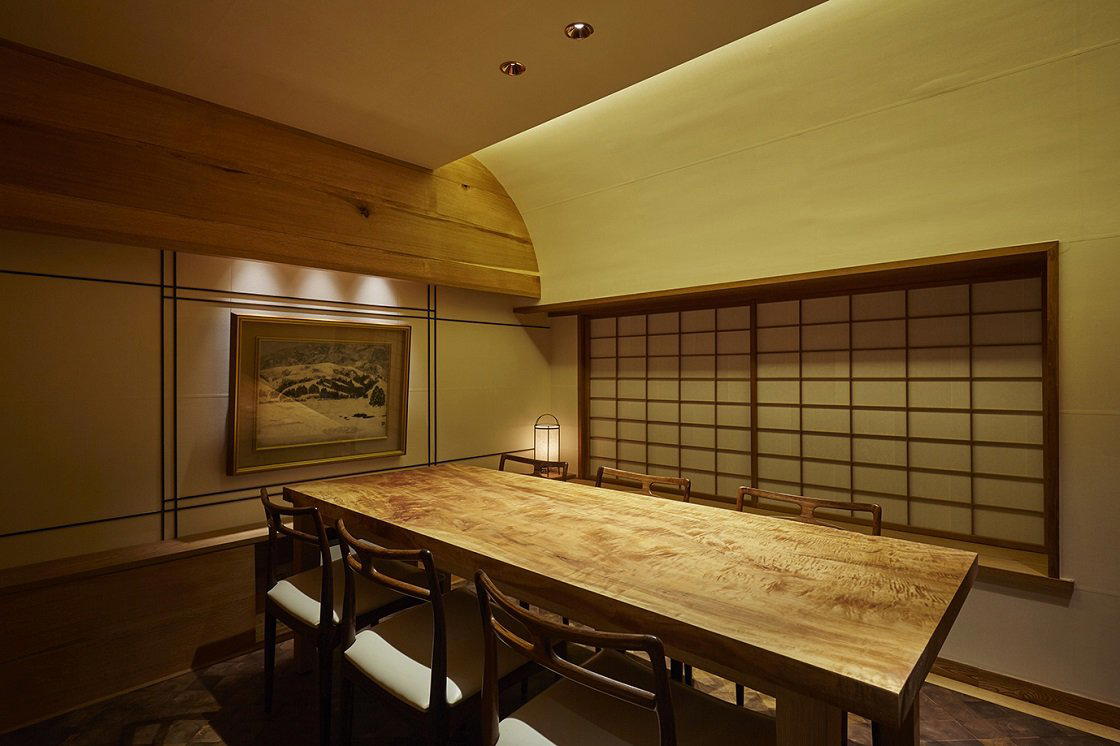
Seisoka presents a contemplative, historically rooted take on Tokyo kaiseki. It sits on the grounds of Tengenji Temple and leans explicitly on shojin ryori traditions, so the room and the menu feel guided by a meditative sensibility rather than theatrical technique. The setting's lush greenery and quiet presence amplify a refined, sophisticated atmosphere; the dining experience prioritises seasonality, restraint and attention to place. The result is an elegant, scenic hideaway in Minamiazabu where the sense of history and a disciplined culinary philosophy shape every course.
Best For
This is a destination for deliberate, evening dining—the kind of place that suits date nights and special occasions where the meal itself is the event. Seisoka operates within Tokyo's Michelin-tier kaiseki tradition, and the service and pacing mirror that formality. Guests who appreciate slow, seasonally driven tasting progressions and a tranquil environment centered on temple grounds will find it especially rewarding. The experience skews toward evening service and a focused, reservation-style meal rather than casual drop-in dining.
Ordering Tips
Expect a menu that changes daily and is structured around shojin ryori principles; the kitchen treats vegetarian temple cuisine as a foundational logic rather than a decorative option. Because the menu is shaped by what nature is offering at the most immediate moment, diners should embrace the tasting progression and seasonal choices presented by the chef. Trusting the kitchen and remaining open to daily variations will give you the clearest sense of Seisoka’s philosophical approach to kaiseki.
Venue details
Ambiance
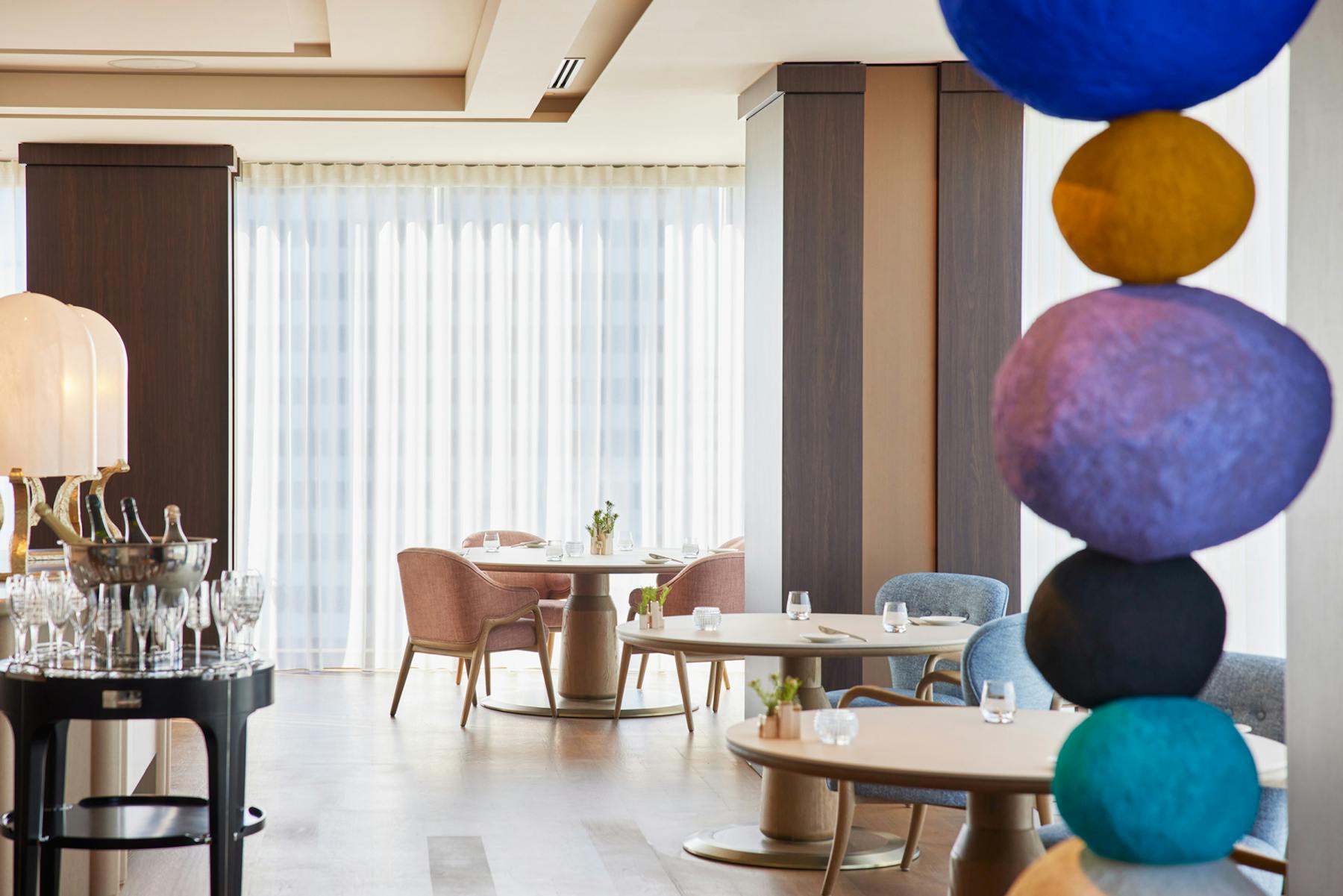
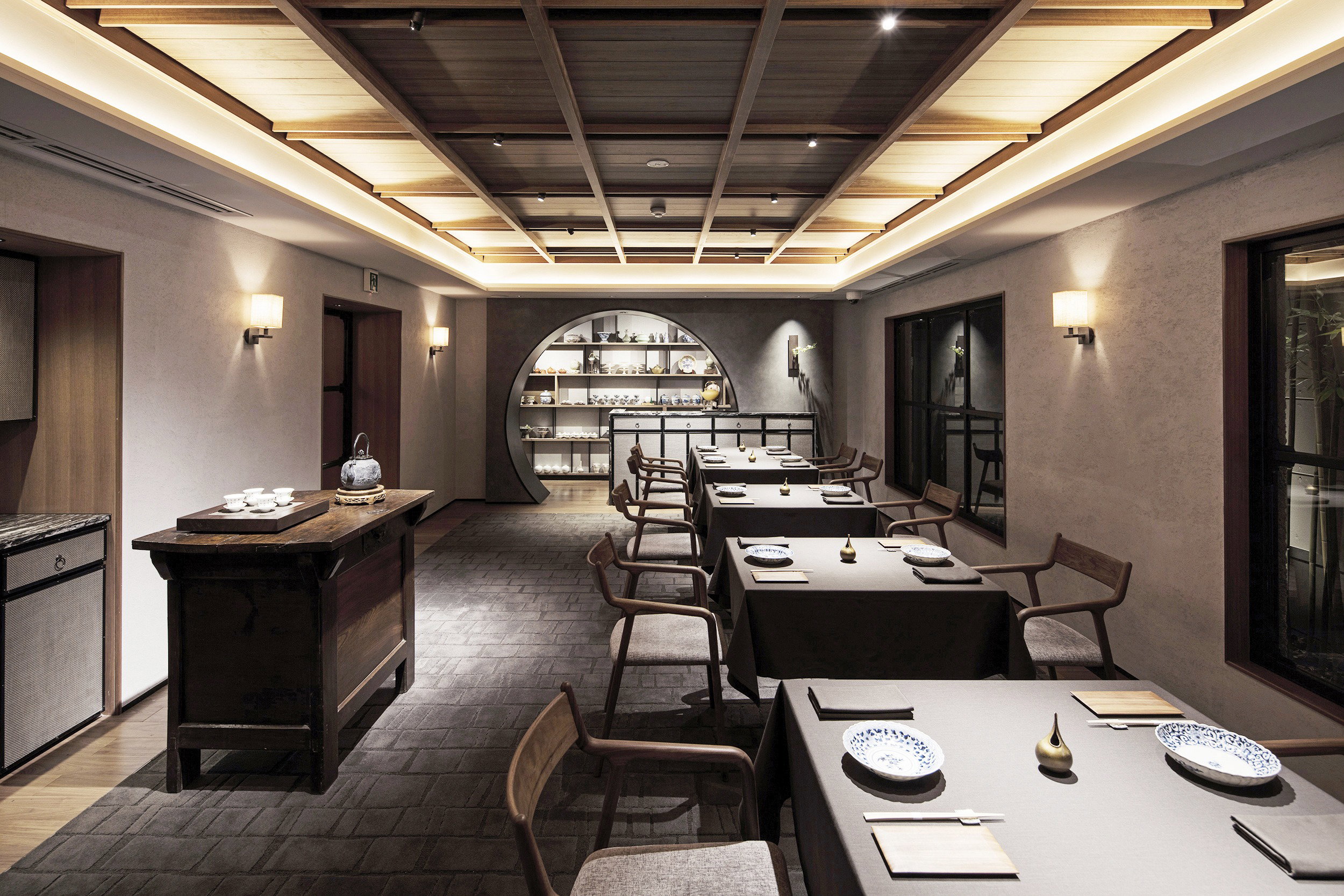
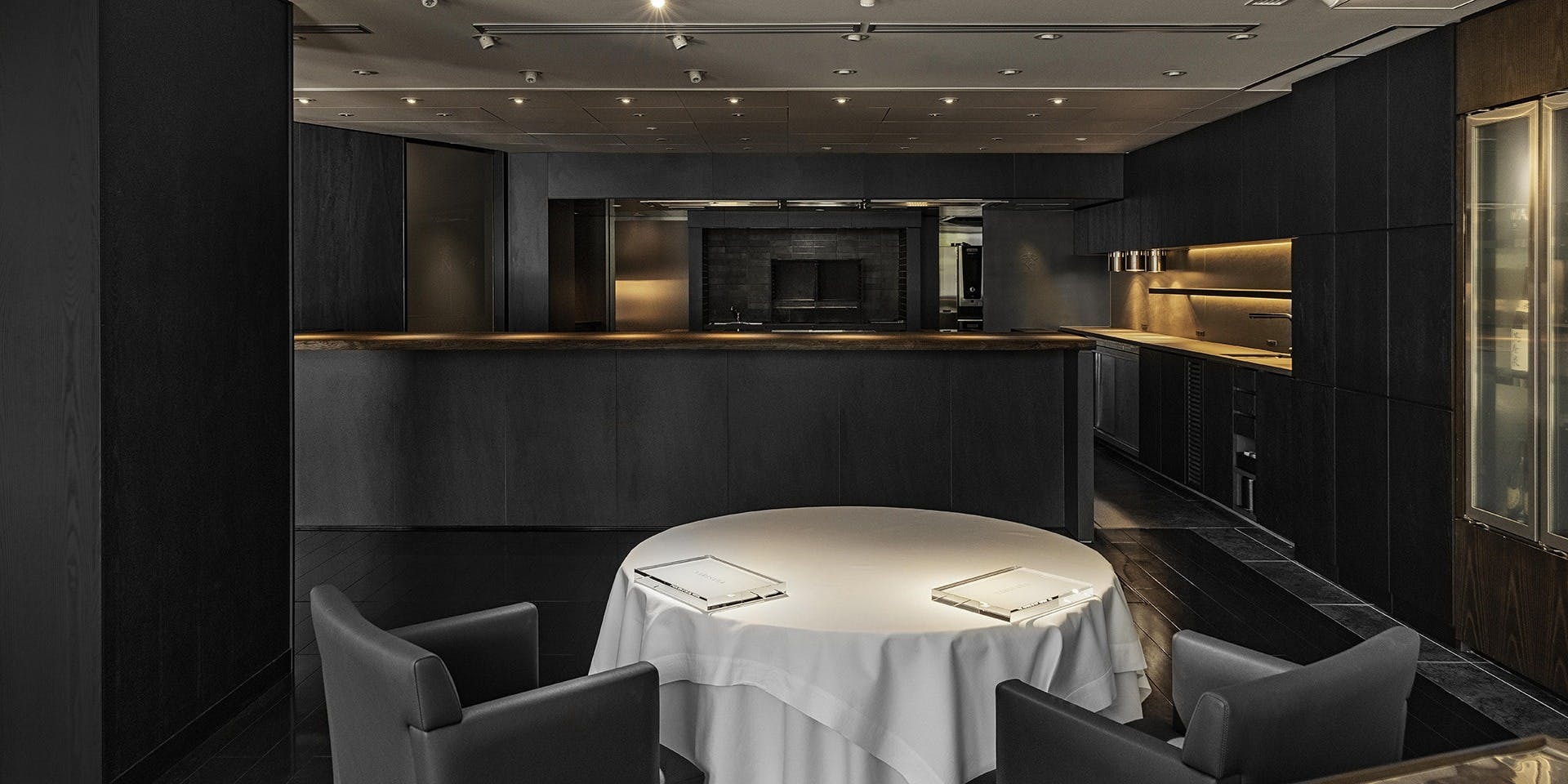
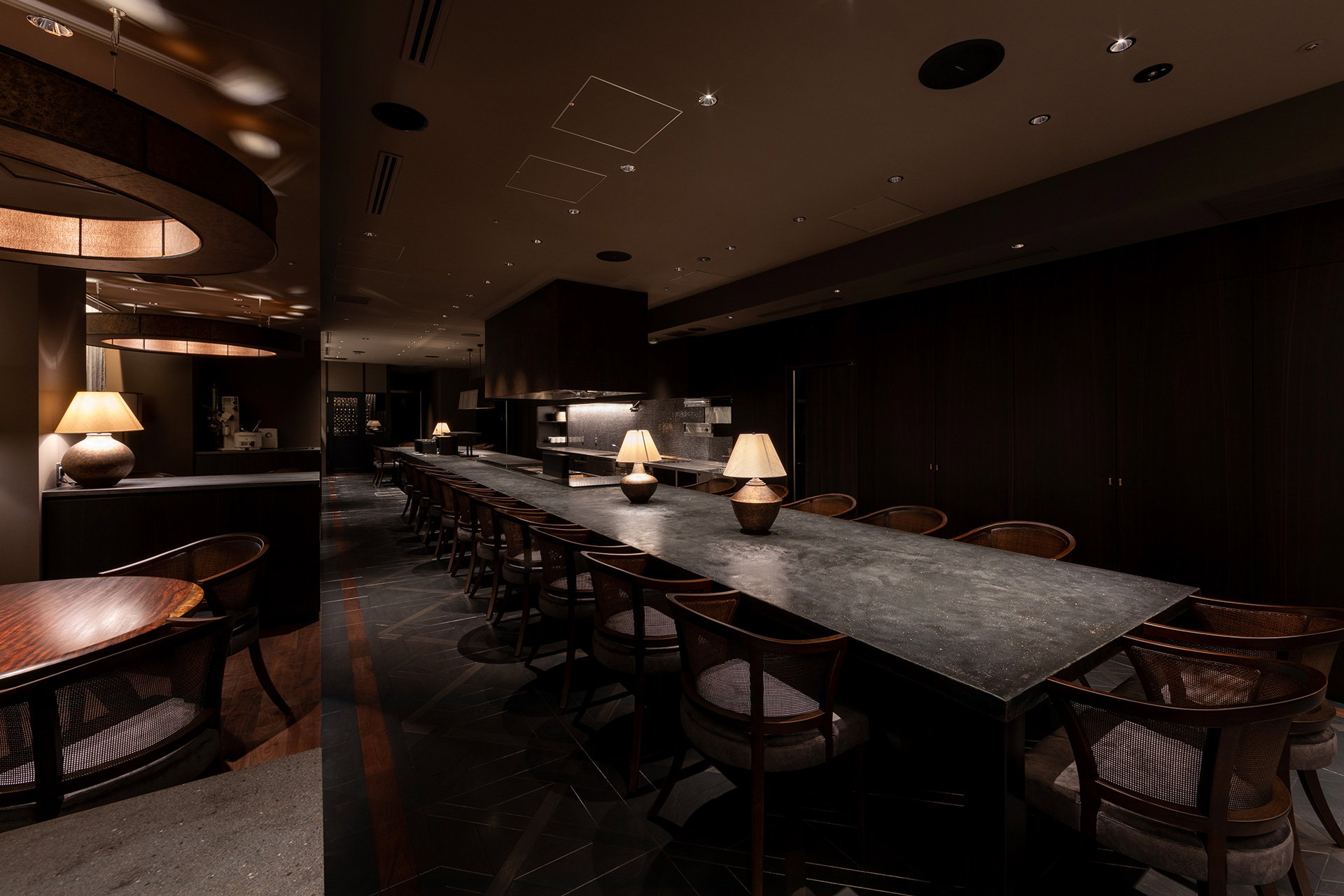
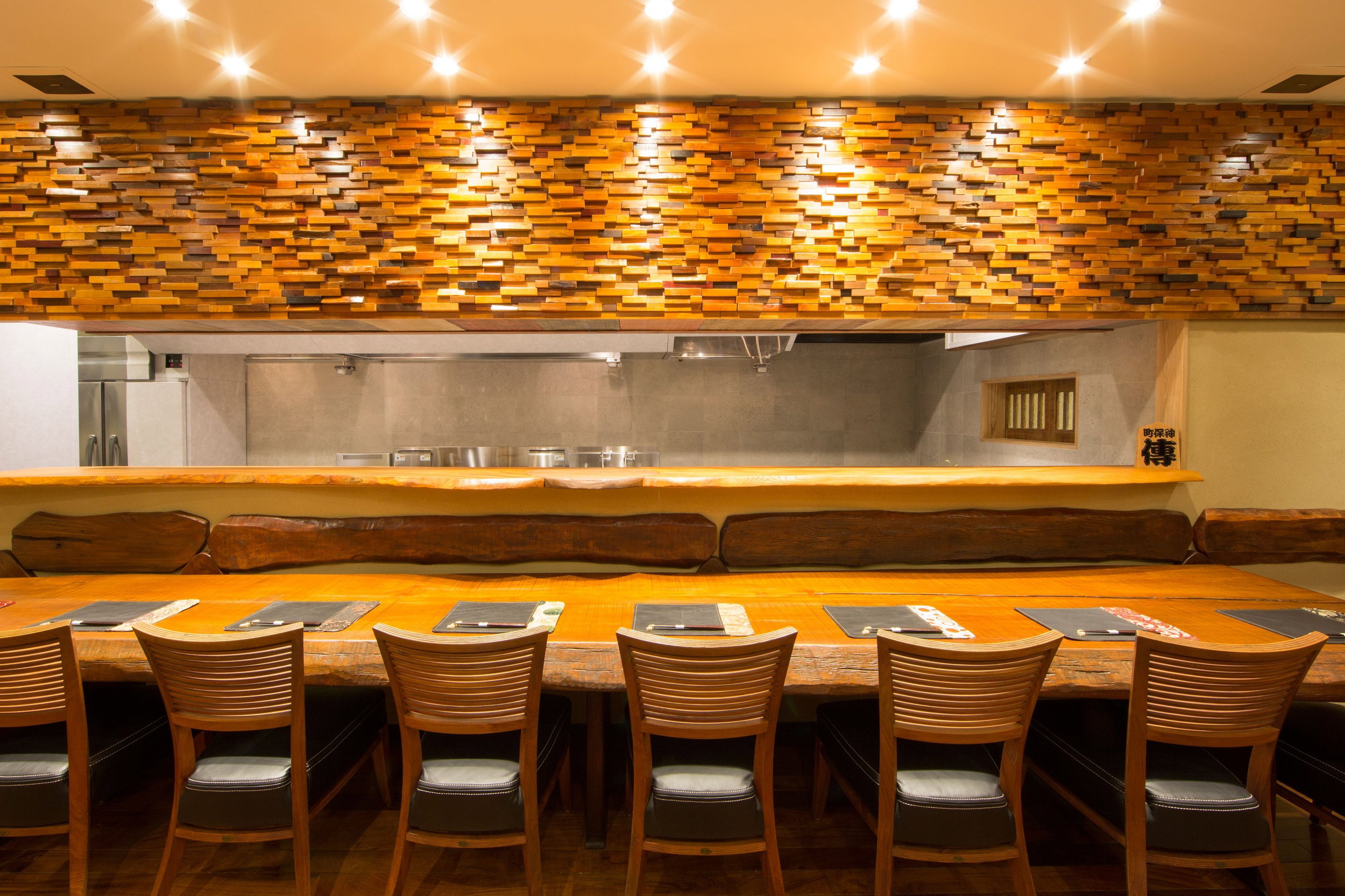
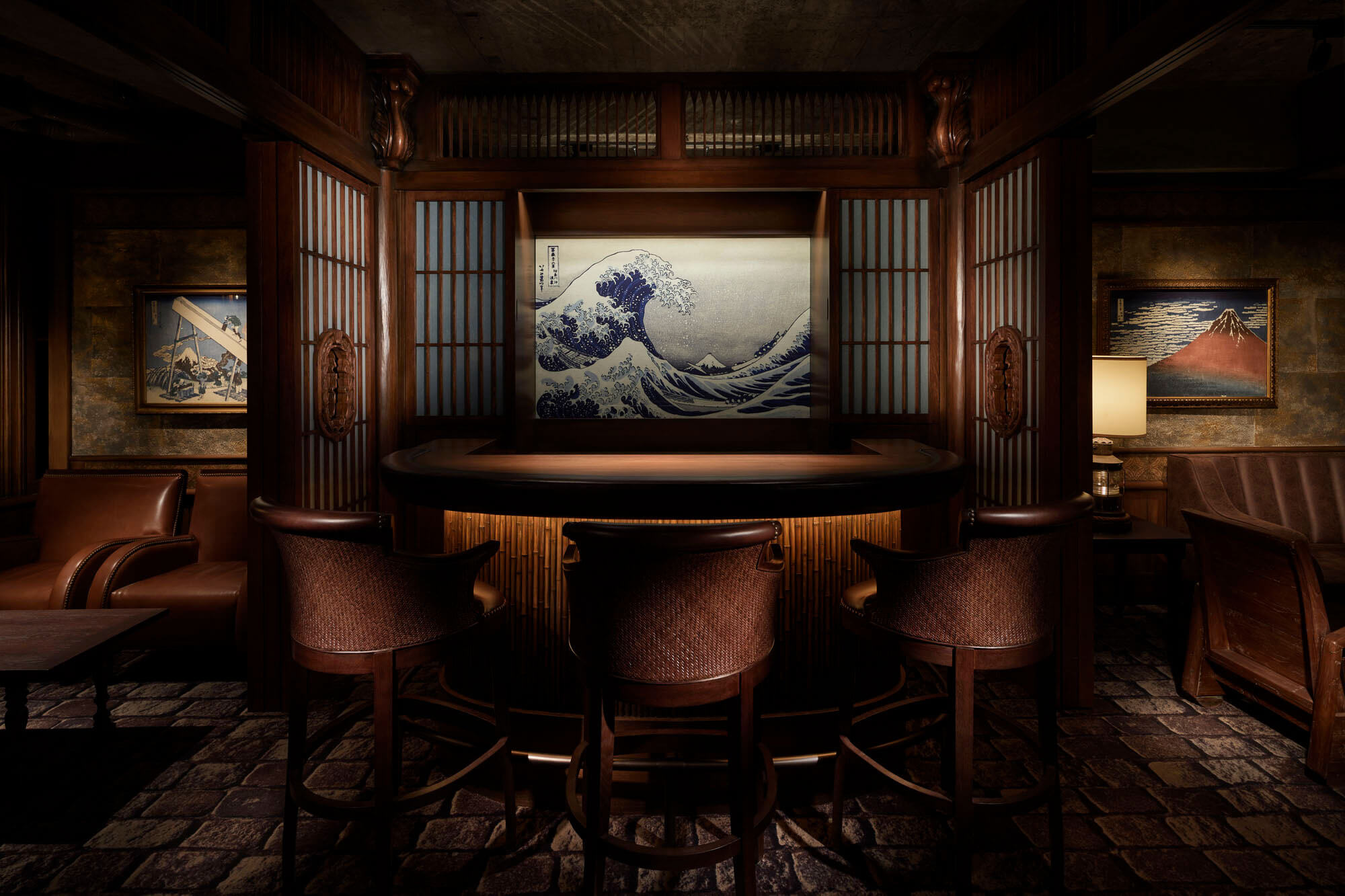
Minimalist Zen-inspired interior with tatami rooms, serene and elegant atmosphere reflecting traditional Japanese aesthetics.
Tags
Vibe
Best For
Experience
Sourcing
View
At the Table
- Dress Code
- Smart Casual
- Noise Level
- Quiet
- Service Style
- Formal
- Meal Pacing
- Leisurely
- Capacity
- Intimate
- Kitchen
- Traditional
- Menu Format
- Tasting menu
- Wine Program
- Curated
- Dietary
- Vegetarian friendly
- Private Dining
- Available
Know before you go
Know Before You Go
- Getting there
- 4 Chome-2-34 Minamiazabu, Minato City, Tokyo 106-0047, Japan
Planning details
Hours
- Monday
- 12–2:30 pm, 5:30–11 pm
- Tuesday
- 12–2:30 pm, 5:30–11 pm
- Wednesday
- 12–2:30 pm, 5:30–11 pm
- Thursday
- 12–2:30 pm, 5:30–11 pm
- Friday
- 12–2:30 pm, 5:30–11 pm
- Saturday
- 12–2:30 pm, 5:30–11 pm
- Sunday
- Closed
Location
Recognition and awards


Also consider
Also Consider
- Harutaka, Sushi, ¥¥¥¥
- L'Effervescence, French, ¥¥¥¥
- RyuGin, Kaiseki, Japanese, ¥¥¥¥
- HOMMAGE, Innovtive French, French, ¥¥¥¥
- Crony, Innovative, French, ¥¥¥¥
Restaurant context
Within Tokyo's ¥¥¥¥ kaiseki tier, RyuGin is the more technically ambitious choice, the kitchen applies modern technique to traditional kaiseki structure, and it carries a higher international profile than Seisoka. If you want the most recognisable name in Tokyo kaiseki and are happy with a harder booking process, RyuGin is the call. Seisoka is the better option if restraint, Zen philosophy, and vegetable-forward cooking matter more to you than technical spectacle. It is also meaningfully easier to secure a table.
L'Effervescence, HOMMAGE, and Crony are all ¥¥¥¥ French-leaning venues in Tokyo operating at a comparable price tier. If you are deciding between a Japanese kaiseki experience and a French tasting menu for the same meal, the choice comes down to what you are in Tokyo for: Seisoka offers something specific to its location and cultural context that none of the French houses replicate. Harutaka is the alternative if you want the ¥¥¥¥ Tokyo experience in sushi rather than kaiseki, a very different meal structure but a similarly serious kitchen.
On booking difficulty, Seisoka is the easiest of this comparison set to access. For diners who want to eat at the ¥¥¥¥ level in Tokyo without the multi-month waitlist that some of these venues require, that is a practical advantage. The La Liste and Opinionated About Dining rankings confirm Seisoka is operating well within this peer group, not at the absolute summit, but comfortably within it.
Explore Tokyo
Around this place
Discover more on Pearl
Unlock the full Seisoka guide in Pearl, including awards, comparisons, FAQs, planning details, and nearby places.
Compare Seisoka
| Venue | Cuisine | Price | Booking Difficulty | Awards |
|---|---|---|---|---|
| Seisoka | Kaiseki, Japanese | ¥¥¥¥ | Easy | 2026 OAD Top Restaurants in Japan Recommended2026 Michelin 1 Star2026 La Liste Top Restaurants2025 OAD Top Restaurants in Japan Ranked · #334We're Smart World Top Restaurants 20252025 La Liste Top Restaurants2024 OAD Top Restaurants in Japan Ranked · #3312024 Michelin 1 Star2023 OAD Top Restaurants in Japan Recommended |
| Harutaka | Sushi | ¥¥¥¥ | Unknown | 2026 Tabelog Silver · #312026 OAD Top Restaurants in Japan Ranked · #1282026 Michelin 3 Stars2026 La Liste Top RestaurantsTabelog 100 - Sushi - TOKYO - 2025 · #372025 Asia's 50 Best Restaurants · #762025 OAD Top Restaurants in Japan Ranked · #1172025 La Liste Top Restaurants2025 Tabelog Bronze |
| L'Effervescence | French | ¥¥¥¥ | Unknown | 2026 Tabelog Silver · #682026 OAD Top Restaurants in Japan Ranked · #103Star Wine Lists 20262026 Black Pearl 2 Diamond2026 Relais Chateaux Restaurants2026 La Liste Top Restaurants2026 Michelin 3 Stars2025 Asia's 50 Best Restaurants · #692025 OAD Top Restaurants in Japan Ranked · #92 |
| RyuGin | Kaiseki, Japanese | ¥¥¥¥ | Unknown | 2026 OAD Top Restaurants in Japan Ranked · #802026 Tabelog Bronze · #3772026 Michelin 3 Stars2026 La Liste Top RestaurantsTabelog 100 - Japanese cuisine - TOKYO - 2025 · #212025 OAD Top Restaurants in Japan Ranked · #542025 Michelin 3 Stars2025 La Liste Top Restaurants2025 The Best Chef Three Knives |
| HOMMAGE | Innovtive French, French | ¥¥¥¥ | Unknown | 2026 Tabelog Bronze · #1232026 OAD Top Restaurants in Japan Highly Recommended2026 Michelin 2 StarsTabelog 100 - French - TOKYO - 2025 · #762025 Asia's 50 Best Restaurants · #782025 OAD Top Restaurants in Japan Ranked · #1752025 Michelin 2 Stars2025 The Best Chef One Knife2025 La Liste Top Restaurants |
| Crony | Innovative, French | ¥¥¥¥ | Unknown | 2026 Asia's 50 Best Restaurants · #34Star Wine Lists 20262026 OAD Top Restaurants in Japan Recommended2026 Michelin 2 Stars2025 Asia's 50 Best Restaurants · #30Tabelog 100 - French - TOKYO - 2025 · #782025 OAD Top Restaurants in Japan Ranked · #227We're Smart World Top Restaurants 20252025 Michelin 2 Stars |











How Seisoka stacks up against the competition.
FAQ
Frequently Asked Questions
Can I eat at the bar at Seisoka?
No counter or bar seating is documented for Seisoka. The restaurant operates as a traditional kaiseki dining room within the grounds of Tengenji Temple in Minamiazabu. If a seat-at-the-bar experience is what you want, venues like Harutaka offer counter omakase formats better suited to that preference.
Is Seisoka good for a special occasion?
Yes, with the right expectations. The setting inside the grounds of Tengenji Temple and the shojin ryori-influenced menu make Seisoka a considered, meaningful choice for a milestone meal rather than a celebratory blowout. It suits occasions where the focus is on thoughtful, seasonal cooking rather than spectacle. If you want high drama and a room with energy, RyuGin may fit better.
Is the tasting menu worth it at Seisoka?
If you value a menu that changes daily based on what nature is producing at its seasonal peak, yes. Seisoka's kaiseki is anchored in shojin ryori, the vegetarian cuisine of Zen monks, which makes the format meaningfully different from a standard luxury tasting menu. If you are looking for bold protein-forward kaiseki, this is not the right room. For that, consider RyuGin or Harutaka instead.
Is Seisoka worth the price?
At ¥¥¥¥, Seisoka is priced at the top end of the Tokyo dining market. The La Liste score dropped from 90 points in 2025 to 85 in 2026, which is a signal worth noting when comparing it against competitors at the same price level. That said, the daily-changing menu, Zen temple setting in Minamiazabu, and shojin ryori philosophy offer a combination you are not getting at most ¥¥¥¥ venues. Worth it if the vegetable-forward, tradition-rooted format genuinely interests you.
Is lunch or dinner better at Seisoka?
Lunch is the sharper value call: the same seasonal kaiseki format at a price point that is typically lower than dinner, and the temple grounds setting reads well in natural light. Dinner runs until 11 pm, which gives you more flexibility, but there is no evidence the dinner menu is meaningfully different in scope. Both services run Tuesday through Saturday; the restaurant is closed Sunday.