

Waketokuyama
Japanese · Minato, Tokyo
Restaurant in Tokyo, Japan
 Book with Pearl
The Read
72 Micro-Season Kaiseki
Price
$150–200per person
Dress
Smart Casual
Why go
Waketokuyama is one of Tokyo's strongest cases for repeat kaiseki dining, with a menu that rotates every ten days across Japan's 72 micro-seasons. Michelin-starred (2024) and ranked in Opinionated About Dining's Top 500 in Japan, it delivers serious seasonal depth at ¥¥¥ — a price tier below most comparable rooms. Booking is hard; plan four to six weeks out minimum.
About Waketokuyama
Verdict
Book Waketokuyama if you want a kaiseki experience that rewards return visits more than almost any other restaurant in Tokyo. The menu rotates every ten days, anchored to Japan's 72 micro-seasons, which means a February visit and a May visit will feel like entirely different restaurants. With a Michelin star (2024) and a ranking of #453 on Opinionated About Dining's Leading Restaurants in Japan (2025), this Minamiazabu kitchen earns its reputation not on spectacle but on seasonal discipline. The catch: booking is hard, dinner-only hours (Monday through Saturday, 5–10:30 pm) narrow your window, and the ¥¥¥ price tier means you'll want to plan each visit with intention. First-timers will leave satisfied; repeat visitors will leave converted.
The Restaurant
Waketokuyama sits in Minamiazabu, one of Tokyo's quieter residential pockets, away from the tourist-dense corridors of Ginza or Shinjuku. The kitchen is now led by a younger team that took over from the restaurant's esteemed founder, and the transition has been handled conservatively: the customer-first philosophy and the overall meal structure remain intact. What the current team has maintained is the ten-day menu rotation — a commitment that demands more from the kitchen than most restaurants attempt and delivers more to the diner than most restaurants can promise.
The organizing principle here is the 72 micro-seasons of the traditional Japanese agricultural calendar, a system that divides the year into short, granular windows defined by natural phenomena: the first cherry blossoms, the peak of summer sweetfish, the moment when matsutake mushrooms are at their most fragrant. Each menu is built around what that specific window offers, which means the repertoire across a full year is genuinely vast. This is not the kind of seasonal claim many restaurants make loosely. At Waketokuyama, the menu moves fast enough that even a regular returning monthly will rarely eat the same dish twice.
For an explorer-minded diner, this makes Waketokuyama one of the stronger cases for a multi-visit strategy in Tokyo. A first visit gives you the structure and rhythm of the meal — the pacing of courses, the balance of technique and restraint, the depth of the kitchen's seasonal sourcing. A second visit, ideally in a different micro-season, starts to reveal the repertoire's range. By a third visit, across separate seasons, the restaurant's logic becomes fully legible: this is a kitchen documenting Japan's natural calendar in edible form, and each sitting is a different chapter. Compare that approach to RyuGin, which also works within the kaiseki tradition but leans more heavily into theatrical technique. Waketokuyama is the more understated of the two, and deliberately so.
The Minamiazabu address is worth noting for planning purposes. The neighbourhood puts you close to some of Tokyo's other serious dining destinations, Azabu Kadowaki operates in the same ward, and Jingumae Higuchi is within reach. If you're building a Tokyo dining itinerary, clustering your kaiseki and Japanese fine dining around Minato and the surrounding wards keeps logistics clean. See our full Tokyo restaurants guide for broader context, and our full Tokyo hotels guide if you're still finalising where to stay.
For context within Japan's broader fine dining map, Waketokuyama sits at a tier below the marquee multi-star destinations. If you're already planning visits to HAJIME in Osaka or Gion Sasaki in Kyoto, Waketokuyama fits naturally into that itinerary as the Tokyo component of a Japan kaiseki circuit. Within Tokyo itself, it competes with rooms like Kagurazaka Ishikawa and Myojaku for the serious Japanese cuisine booking. The differentiator here is the ten-day rotation frequency, no comparable room in Tokyo changes its menu this quickly.
Dinner runs until 10:30 pm across six nights, which gives you reasonable flexibility on arrival time within an evening. Sunday closures mean your Tokyo weekend planning needs to account for that gap, Saturday is your last shot before the week resets. If you're visiting Japan beyond Tokyo, the same seasonal philosophy that defines Waketokuyama shows up, in different regional registers, at places like Isshisoden Nakamura in Kyoto and Kashiwaya Osaka Senriyama, both worth booking if the micro-seasonal kaiseki format is the thread you're following through the trip.
For bars and experiences to pair with a Waketokuyama evening, see our full Tokyo bars guide and our full Tokyo experiences guide. If you're interested in the wine and sake dimension of Tokyo dining, our full Tokyo wineries guide adds useful context. Other Japanese destinations worth pairing with a Tokyo trip: akordu in Nara, Goh in Fukuoka, 1000 in Yokohama, and 6 in Okinawa.
Practical Details
Reservations: Hard to book, plan at least four to six weeks ahead, more during peak cherry blossom (late March to early April) and autumn foliage (mid-October to mid-November) seasons when Tokyo's fine dining calendar tightens significantly. Hours: Monday through Saturday, 5–10:30 pm; closed Sunday. Price tier: ¥¥¥, lower than several of its multi-star peers, which makes it one of the stronger value propositions in Tokyo kaiseki at this quality level. Location: 5 Chome-1-5 Minamiazabu, Minato City, residential, quiet, leading reached by taxi or the Hiroo subway station on the Hibiya Line. Awards: Michelin 1 Star (2024); Opinionated About Dining Leading Restaurants in Japan #453 (2025).
Multi-Visit Strategy
Visit one: book in late autumn (November) or late spring (May) when the micro-seasonal transitions are most pronounced and the kitchen's sourcing is at its most varied. This gives you the fullest picture of what the restaurant does. Visit two: return in a season you haven't experienced, winter for root vegetables, seafood, and warming broths; summer for freshwater fish and lighter, more acidic constructions. Visit three, if you reach it, is when you start to understand the kitchen's full vocabulary. No other Tokyo kaiseki room at the ¥¥¥ tier gives you as strong a reason to come back. See also Ginza Fukuju if you want to add a second serious Japanese dining experience to a Tokyo trip without repeating the same format.
Planning details
- Hours
- Monday: 5–10:30 pm · Tuesday: 5–10:30 pm
- Location
- 5 Chome-1-5 Minamiazabu, Minato City, Tokyo 106-0047, Japan
- Reservations
- Book on the venue's website
- Website
- waketoku.com
- Phone
- +81 3-5789-3838
The take
The Take
The Vibe
Waketokuyama reads as a quietly serious kaiseki house that prizes seasonal fidelity above culinary showmanship. The kitchen calibrates menus to the lunisolar calendar’s 72 micro-seasons, so each visit feels tuned to a precise moment in the year rather than a stylized notion of seasonality. The language of restraint and ingredient timing promises an experience that is understated and deliberate: courses arrive as concise, intentional statements rather than theatrical flourishes. That focus on purity and timing gives the place a classic, serene air that suits diners who come for craftsmanship and the shifting pleasures of truly seasonal Japanese cuisine.
Best For
This is a go-to for diners seeking a thoughtful, season-forward tasting experience—ideal for special occasions, business dinners, celebrations and date nights that prioritize culinary nuance. Its Michelin one-star status and ten-day menu rotations signal a focused, chef-led format suited to evenings when guests want to be taken through a carefully paced sequence of courses. The restaurant positions itself at a slightly more approachable price point than Tokyo’s most theatrical counters, making it appealing to serious but pragmatic diners who care more about seasonal precision than spectacle.
Ordering Tips
Menus change frequently—no more than every ten days—and reflect the kitchen’s allegiance to the 72 micro-seasons, so what’s available depends heavily on timing. Ask staff about the current micro-season and the day’s seasonal highlights to understand what’s at its peak. Expect a tasting-menu structure rooted in restraint; guests should come ready to follow the chef’s sequence. Look out for the house signatures when they appear—Grilled Abalone with Seaweed Aroma, Grilled Abalone with Liver Sauce and Seasonal Clay Pot Rice are noted examples—and bear in mind the restaurant’s ¥¥¥ price positioning and Michelin recognition when planning your visit.
Venue details
Ambiance
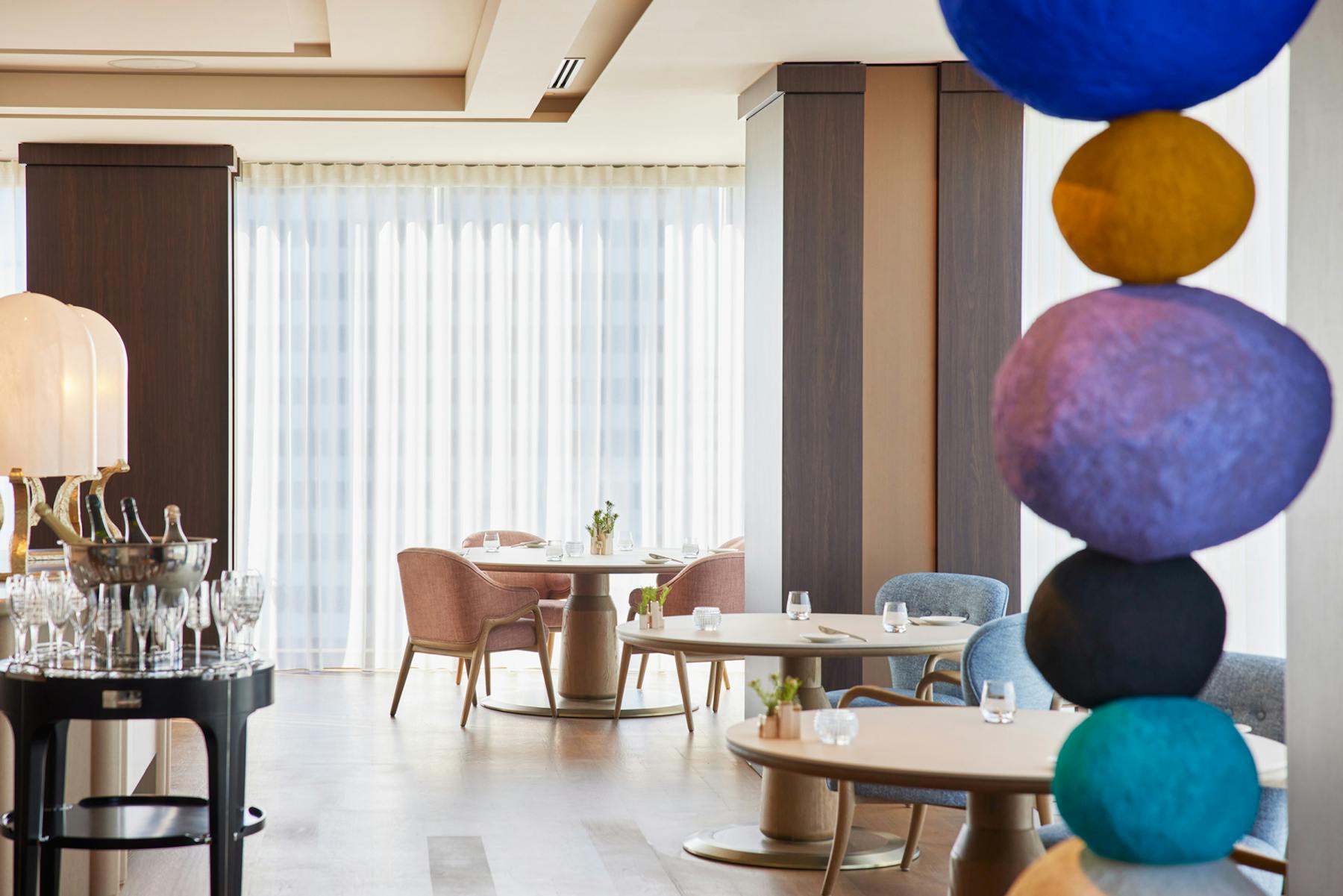
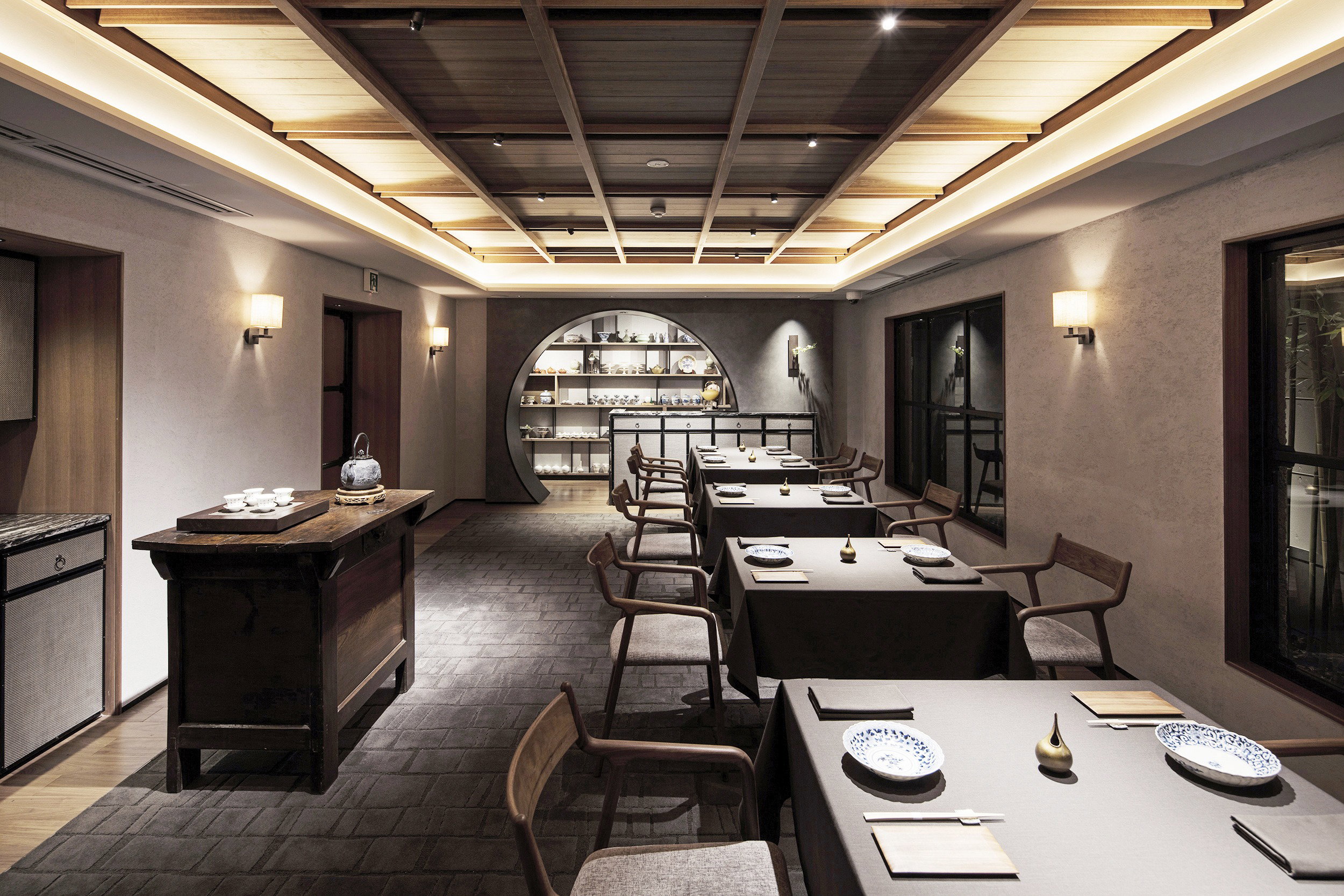
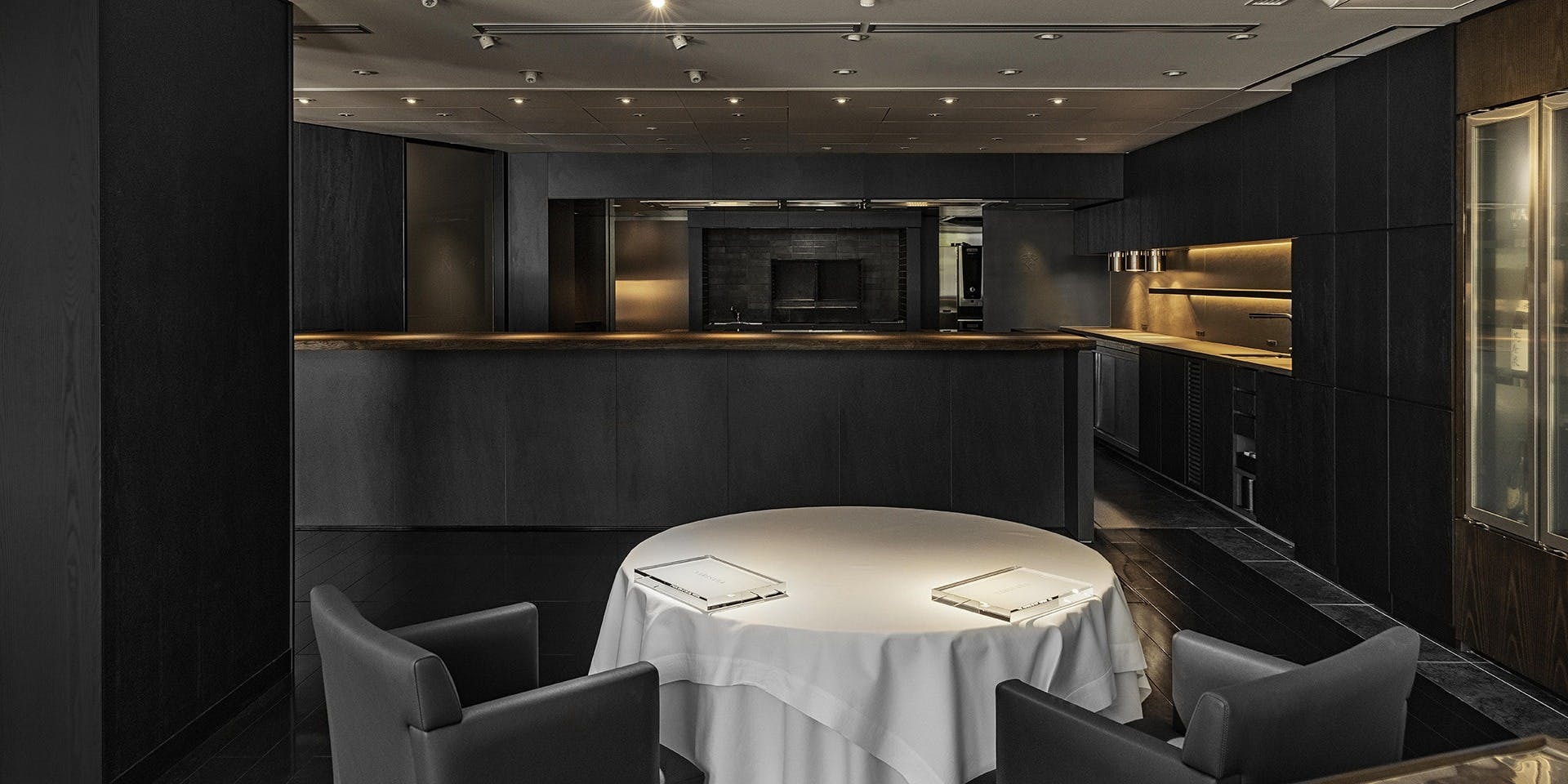
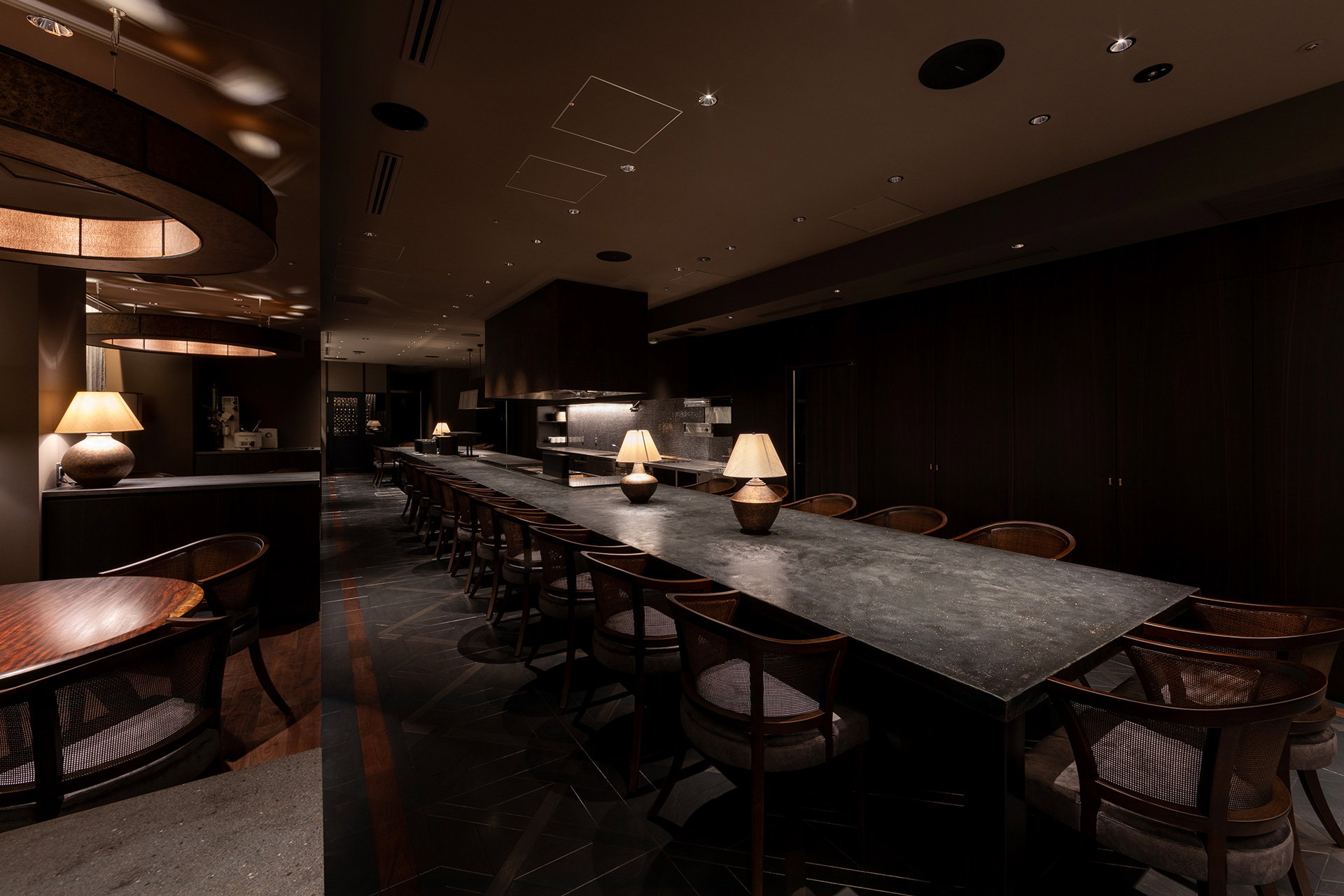
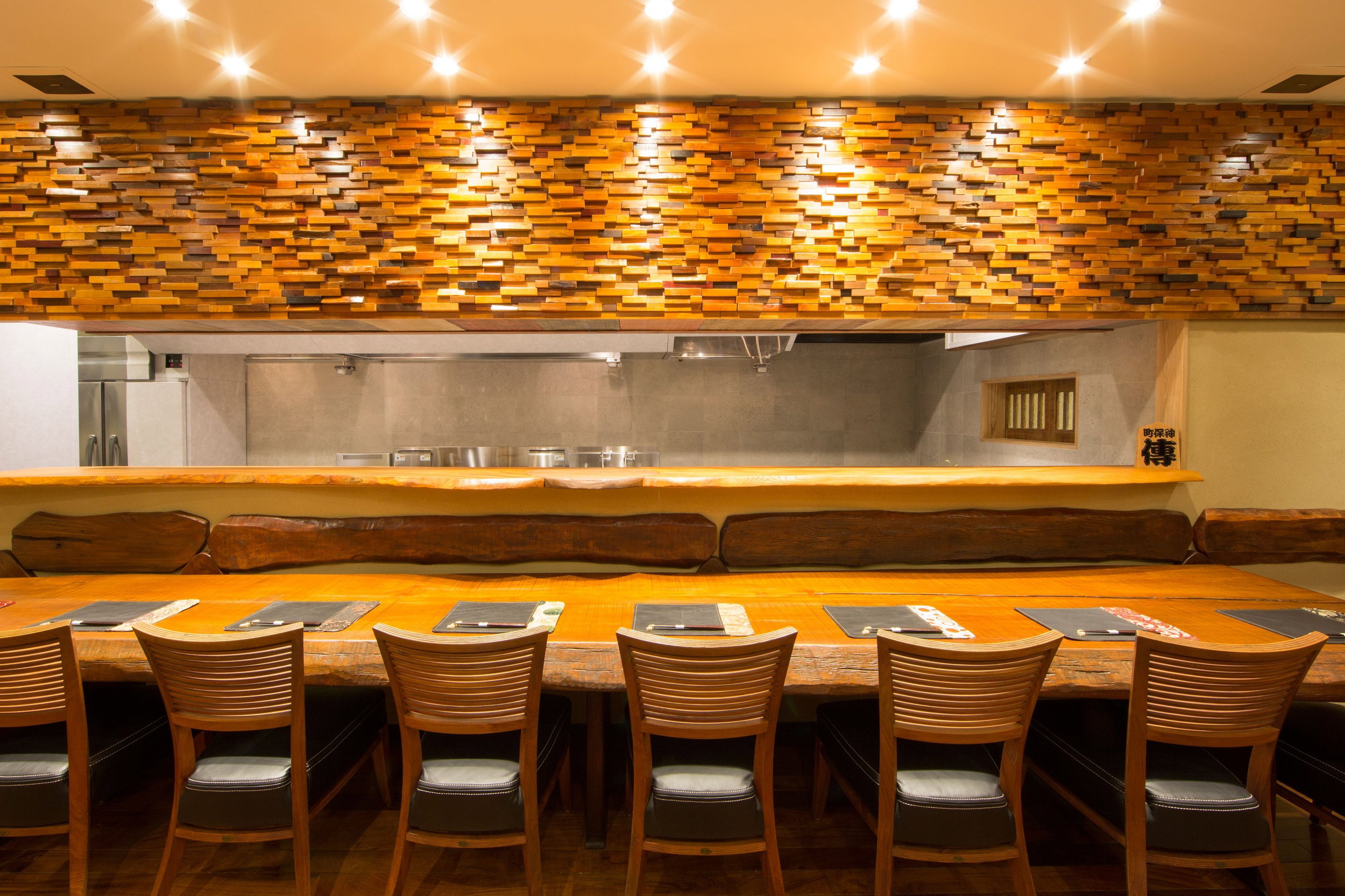
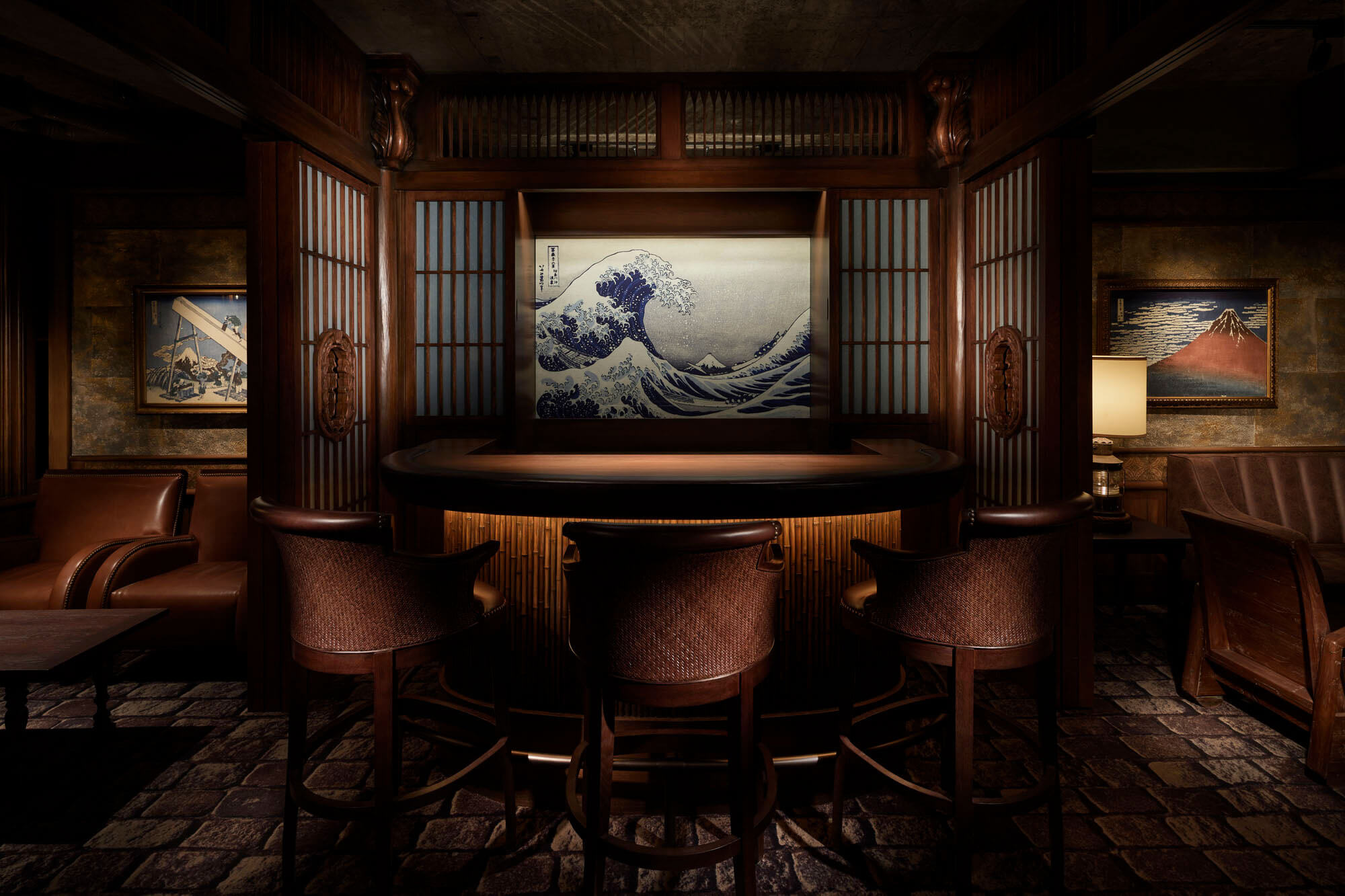
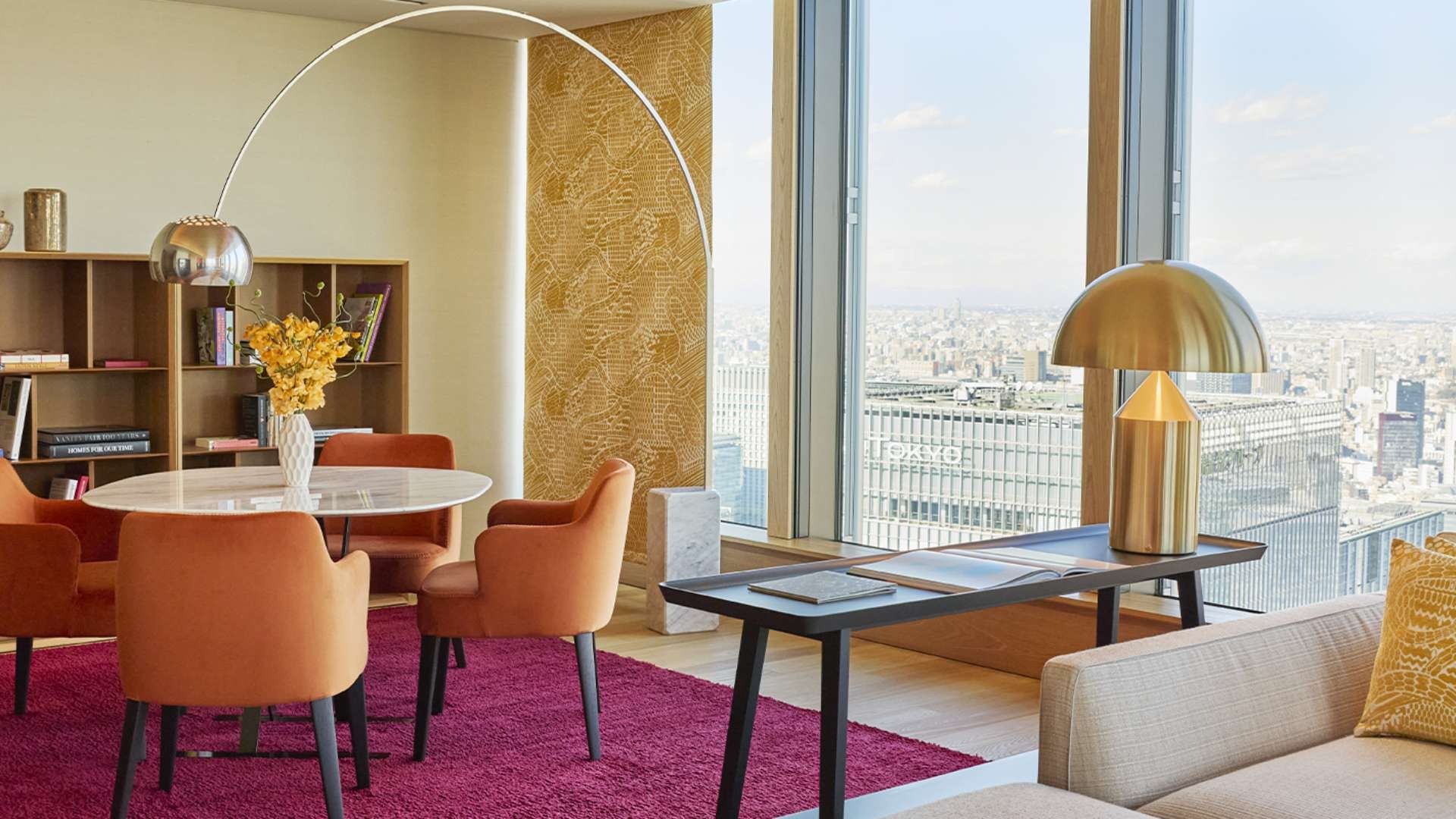
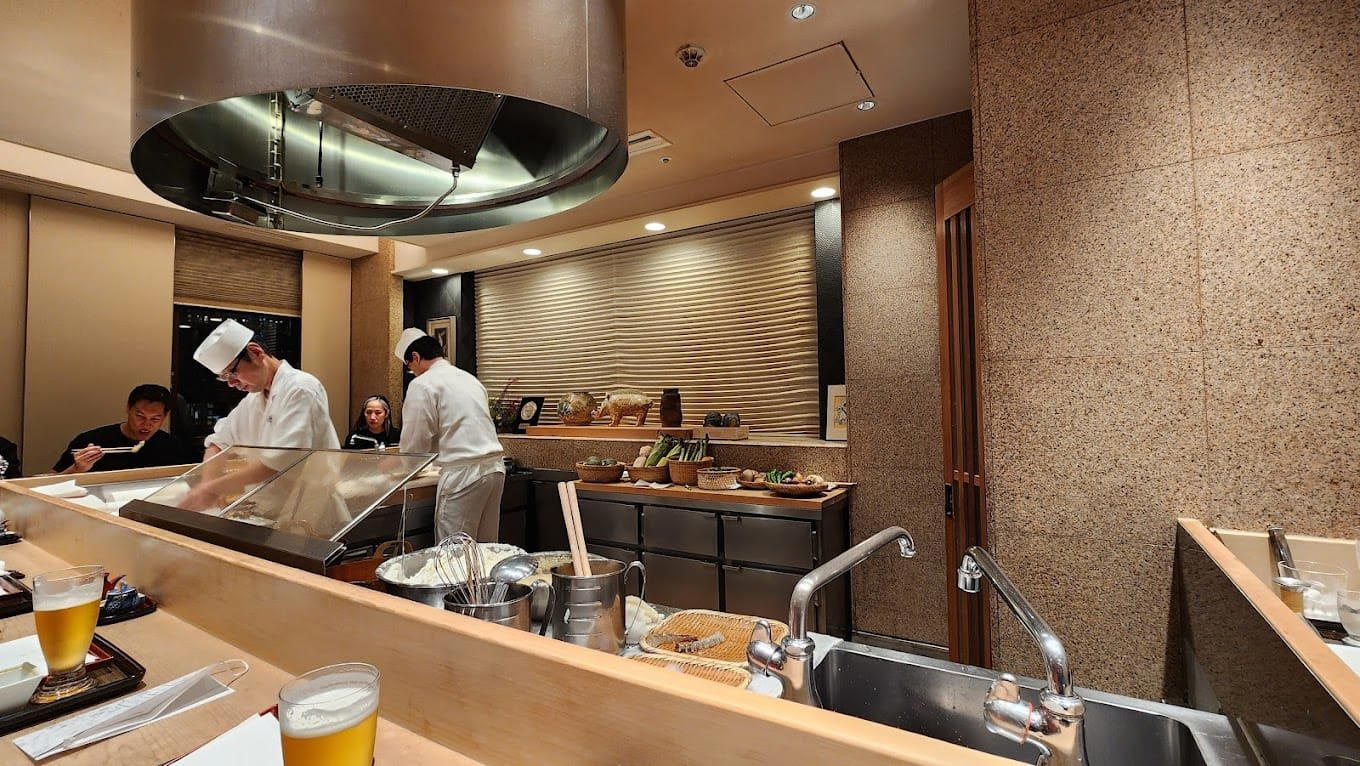
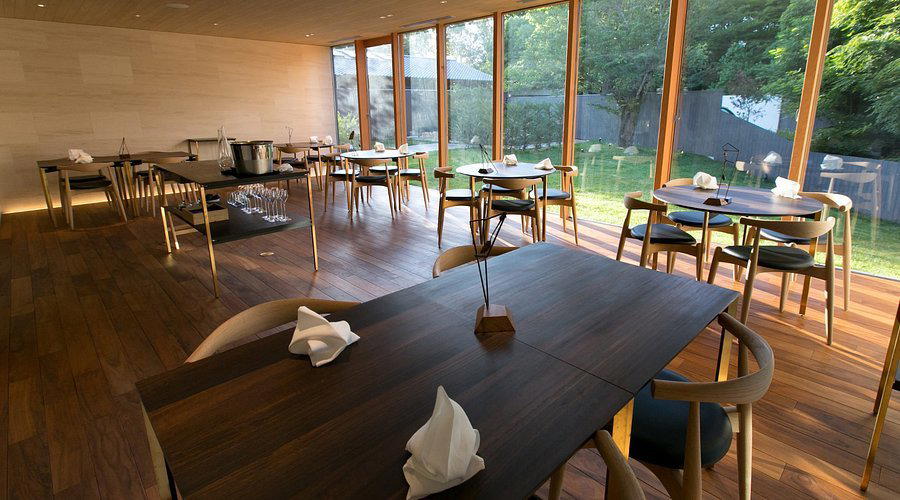
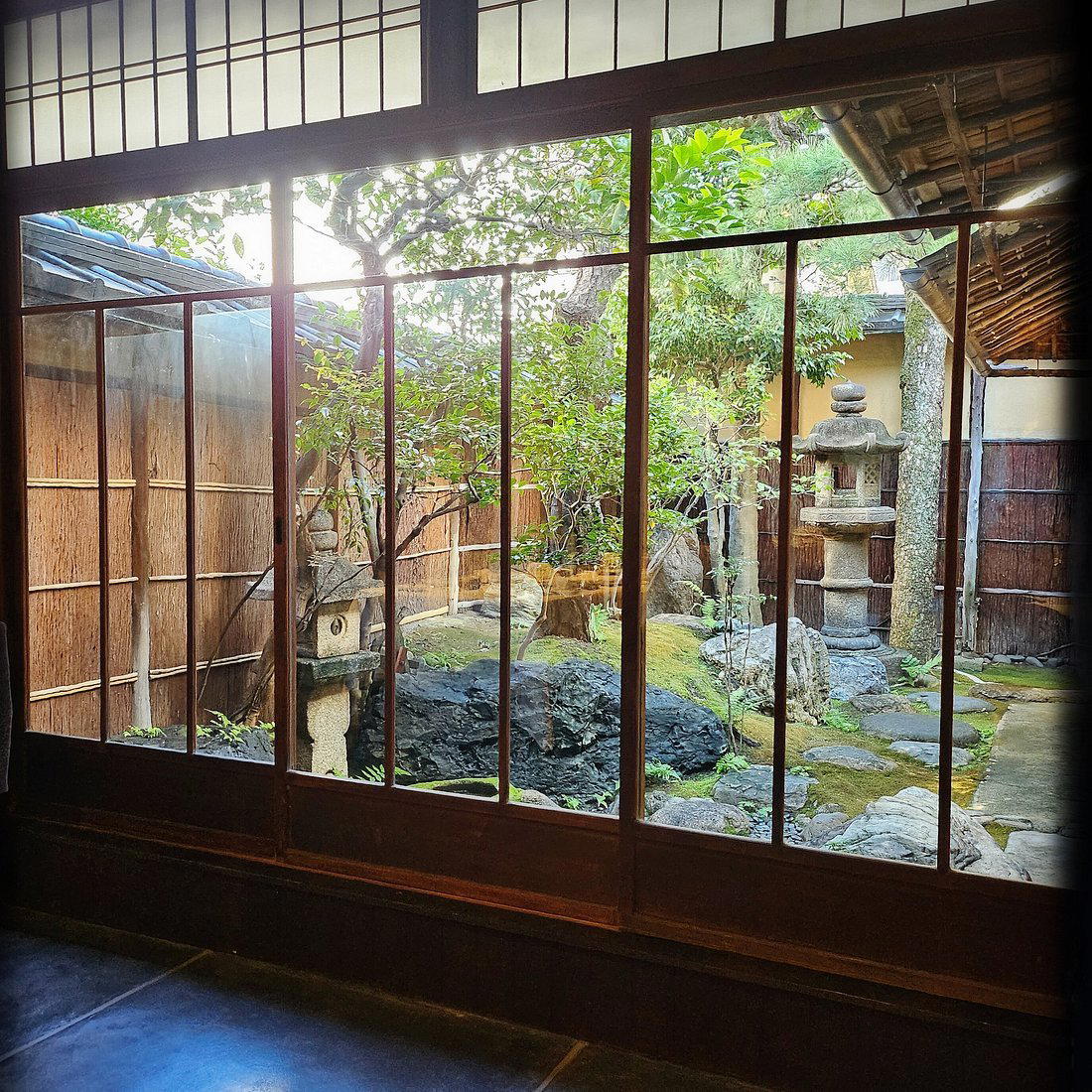
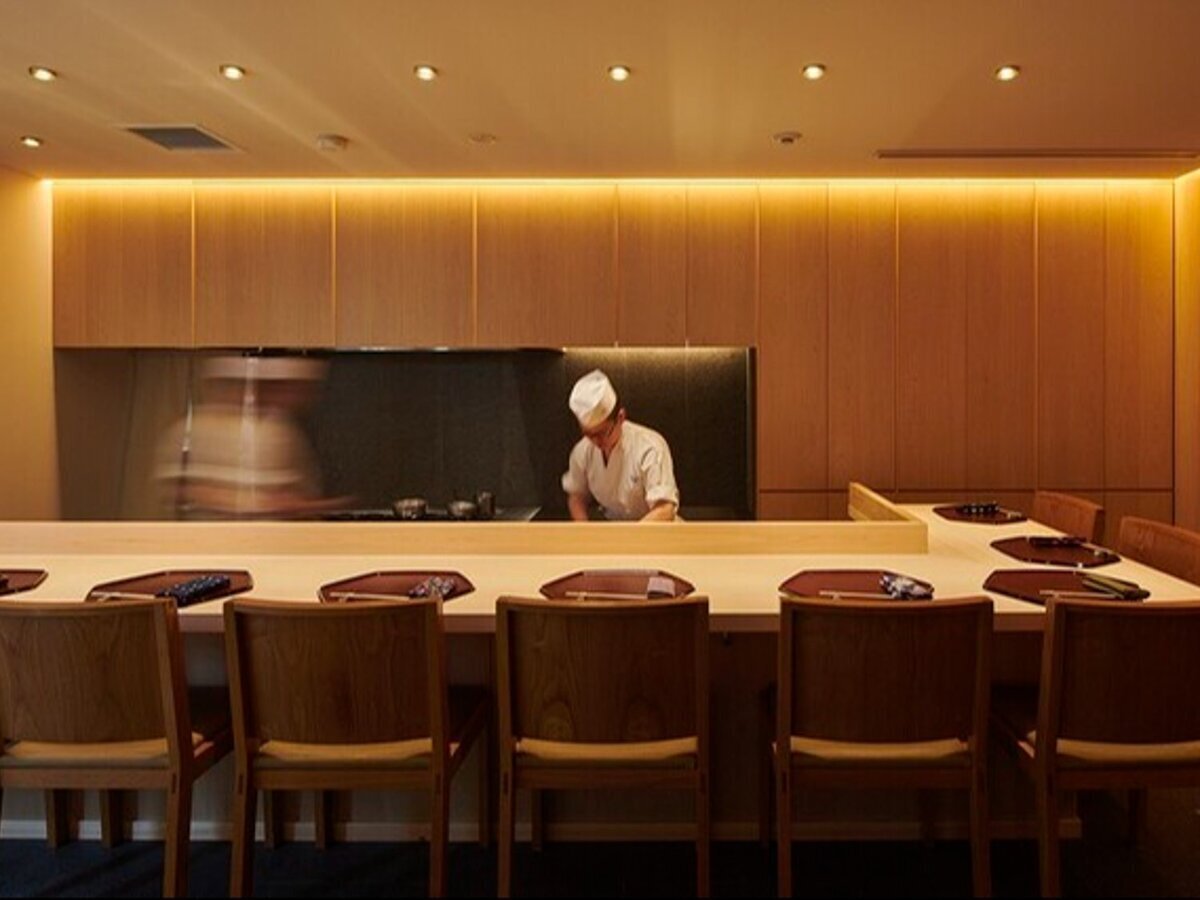
Soft, warm lighting illuminates a serene, minimalist Japanese space with a refined, relaxing atmosphere. The modern 2004 building designed by Kengo Kuma features two floors with counter seating and private rooms, creating an intimate yet spacious dining environment.
Tags
Vibe
Best For
Experience
Sourcing
Accessibility
At the Table
- Dress Code
- Smart Casual
- Noise Level
- Quiet
- Service Style
- Omakase Bar
- Meal Pacing
- Extended Experience
- Capacity
- Small
- Kitchen
- Seasonal
- Menu Format
- Omakase, Set menu, Counter dining
- Wine Program
- Curated
- Drinks Focus
- Sake, Wine
- Dietary
- Allergy accommodating, Pescatarian friendly
- Private Dining
- Available
Signature Dishes
- Grilled Abalone with Seaweed Aroma
- Grilled Abalone with Liver Sauce
- Seasonal Clay Pot Rice
Know before you go
Know Before You Go
- Getting there
- 5 Chome-1-5 Minamiazabu, Minato City, Tokyo 106-0047, Japan
Planning details
Hours
- Monday
- 5–10:30 pm
- Tuesday
- 5–10:30 pm
- Wednesday
- 5–10:30 pm
- Thursday
- 5–10:30 pm
- Friday
- 5–10:30 pm
- Saturday
- 5–10:30 pm
- Sunday
- Closed
Location
5 Chome-1-5 Minamiazabu, Minato City, Tokyo 106-0047, Japan · Directions

Also consider
Also Consider
- Harutaka, Sushi, ¥¥¥¥
- L'Effervescence, French, ¥¥¥¥
- RyuGin, Kaiseki, Japanese, ¥¥¥¥
- HOMMAGE, Innovtive French, French, ¥¥¥¥
- Crony, Innovative, French, ¥¥¥¥
Restaurant context
Waketokuyama's closest structural peer in Tokyo is RyuGin, both work within the kaiseki tradition, both carry Michelin recognition, and both prioritise Japanese seasonal ingredients. The key difference is approach: RyuGin leans into theatrical technique and is priced at ¥¥¥¥, while Waketokuyama sits at ¥¥¥ and lets the ten-day seasonal rotation do the heavy lifting. If your priority is watching a kitchen perform at the technical edge of kaiseki, RyuGin is the booking. If you want a room you can return to across seasons and find genuinely different each time, Waketokuyama offers better value for that intent.
L'Effervescence and HOMMAGE address a different diner entirely: both are French-rooted, ¥¥¥¥, and built for the single high-investment evening rather than a repeat-visit strategy. Crony skews younger and more inventive in the French-innovative register. None of these three compete directly with Waketokuyama for the diner who specifically wants Japanese kaiseki driven by micro-seasonal sourcing. Harutaka is sushi rather than kaiseki, ¥¥¥¥, and a better choice if omakase sushi is your format, but the two serve different purposes and aren't direct substitutes.
On pure value at the ¥¥¥ tier, Waketokuyama is harder to beat among Michelin-recognised Japanese rooms in Tokyo. The ten-day rotation creates a reason to return that most single-star restaurants can't match, and the Minamiazabu setting feels appropriately serious without the premium attached to a Ginza address. If this is your one kaiseki booking in Tokyo, it earns the slot. If you're planning multiple Japanese fine dining experiences across a longer trip, it should be the first booking you make, and the one you build the return visit around.
Explore Tokyo
Around this place
Discover more on Pearl
Unlock the full Waketokuyama guide in Pearl, including awards, comparisons, FAQs, planning details, and nearby places.
Compare Waketokuyama
| Venue | Price | Awards |
|---|---|---|
| Waketokuyama | ¥¥¥ | 2026 OAD Top Restaurants in Japan Recommended2026 Michelin 1 Star2025 OAD Top Restaurants in Japan Ranked · #4532024 OAD Top Restaurants in Japan Ranked · #4322024 Michelin 1 Star |
| Harutaka | ¥¥¥¥ | 2026 Tabelog Silver · #312026 OAD Top Restaurants in Japan Ranked · #1282026 Michelin 3 Stars2026 La Liste Top RestaurantsTabelog 100 - Sushi - TOKYO - 2025 · #372025 Asia's 50 Best Restaurants · #762025 OAD Top Restaurants in Japan Ranked · #1172025 La Liste Top Restaurants2025 Tabelog Bronze |
| L'Effervescence | ¥¥¥¥ | 2026 Tabelog Silver · #682026 OAD Top Restaurants in Japan Ranked · #103Star Wine Lists 20262026 Black Pearl 2 Diamond2026 Relais Chateaux Restaurants2026 La Liste Top Restaurants2026 Michelin 3 Stars2025 Asia's 50 Best Restaurants · #692025 OAD Top Restaurants in Japan Ranked · #92 |
| RyuGin | ¥¥¥¥ | 2026 OAD Top Restaurants in Japan Ranked · #802026 Tabelog Bronze · #3772026 Michelin 3 Stars2026 La Liste Top RestaurantsTabelog 100 - Japanese cuisine - TOKYO - 2025 · #212025 OAD Top Restaurants in Japan Ranked · #542025 Michelin 3 Stars2025 La Liste Top Restaurants2025 The Best Chef Three Knives |
| HOMMAGE | ¥¥¥¥ | 2026 Tabelog Bronze · #1232026 OAD Top Restaurants in Japan Highly Recommended2026 Michelin 2 StarsTabelog 100 - French - TOKYO - 2025 · #762025 Asia's 50 Best Restaurants · #782025 OAD Top Restaurants in Japan Ranked · #1752025 Michelin 2 Stars2025 The Best Chef One Knife2025 La Liste Top Restaurants |
| Crony | ¥¥¥¥ | 2026 Asia's 50 Best Restaurants · #34Star Wine Lists 20262026 OAD Top Restaurants in Japan Recommended2026 Michelin 2 Stars2025 Asia's 50 Best Restaurants · #30Tabelog 100 - French - TOKYO - 2025 · #782025 OAD Top Restaurants in Japan Ranked · #227We're Smart World Top Restaurants 20252025 Michelin 2 Stars |













Comparing your options in Tokyo for this tier.
FAQ
Frequently Asked Questions
What should a first-timer know about Waketokuyama?
Waketokuyama is a dinner-only kaiseki restaurant in Minamiazabu, open six nights a week and closed Sundays. The menu changes every ten days based on Japan's 72 micro-seasons, so what you eat will not match anyone else's recent visit. It holds a Michelin star and is ranked in Opinionated About Dining's Japan list, which means the room and the format are taken seriously — this is not a casual introduction to kaiseki. If you want a more accessible or central starting point, RyuGin in Roppongi covers similar seasonal Japanese territory with a slightly higher international profile.
Is the tasting menu worth it at Waketokuyama?
Yes, if seasonal kaiseki is the format you want. The menu rotates on a ten-day cycle tied to Japan's 72 micro-seasons, which means the kitchen has a genuinely deep repertoire rather than a fixed showpiece menu refreshed once a season. The Michelin star and consistent Opinionated About Dining rankings (#432 in 2024, #453 in 2025) confirm the cooking holds up under scrutiny. If you want a single definitive Tokyo kaiseki visit, this delivers it — but the format specifically rewards coming back.
Is Waketokuyama worth the price?
At the ¥¥¥ price range with a Michelin star and a menu that changes every ten days, the value case is solid for anyone who takes seasonal Japanese cooking seriously. You are paying for a kitchen with a documented commitment to micro-seasonal sourcing and a repertoire extensive enough that no two visits repeat. Compared to L'Effervescence, which operates at a similar price tier with a French-influenced seasonal format, Waketokuyama is the stronger choice if your priority is traditional kaiseki over modern fusion.
How far ahead should I book Waketokuyama?
Plan for four to six weeks minimum. During peak cherry blossom season (late March to early April) and autumn foliage (mid-October to mid-November), that window extends further. The restaurant is closed on Sundays, which limits availability to six evenings per week. Book as early as your travel dates are confirmed — this is not a venue where last-minute openings are common.