
.png?width=1200&quality=80)

Tempura Shimomura
Tempura · Taitō, Tokyo
Restaurant in Tokyo, Japan
 Book with Pearl
The Read
Edo-Style Street Tempura
Price
¥¥¥
Chef
Mitsuhiko Shimomura
Dress
Smart Casual
Why go
A Michelin Plate tempura counter in Taito City with Edomae roots, consistent OAD recognition, and a ¥¥¥ price point that sits a full tier below the top Tokyo counters. The alternating fish-and-vegetable sequence, tendon lunch menu, and Edo-period atmosphere make it a practical pick for a special occasion dinner without the booking difficulty of higher-priced rivals.
About Tempura Shimomura
Tempura Shimomura, Tokyo: Is It Worth Booking?
At the ¥¥¥ price point, Tempura Shimomura in Taito City delivers something increasingly rare in Tokyo's tempura scene: a meal that holds its Edo-period roots seriously rather than performing them. This is not a splurge-tier counter — it sits a full price band below destinations like Tempura Kondo or Tempura Motoyoshi — but it carries a Michelin Plate (2025) and consistent recognition from Opinionated About Dining, ranking #459 in Japan in 2025 and #339 in 2024. For a special occasion dinner that does not require clearing your calendar to secure a reservation, this is one of the more accessible options in the category.
The Case for Shimomura: Sourcing and the Edo Tradition
The editorial distinction here is the sourcing philosophy and the format it produces. Tempura Shimomura fries fish and vegetables in strict alternation, a pacing structure rooted in traditional Edomae technique that prioritises each ingredient rather than treating the sequence as background to a theatrical presentation. The accent falls on shrimp, sillago (a delicate white-fleshed fish common in Edo-style tempura), and conger eel: three ingredients whose quality is immediately legible in the batter. If the oil temperature, timing, or sourcing slips on any of these, the dish has nowhere to hide. The fact that this kitchen holds a Michelin Plate and sustained OAD recognition across three consecutive years suggests the execution is consistent, not occasional.
The sourcing story is also visible at lunch, where tendon, tempura over rice, is offered with both a vegetable set and a kakiage option. Kakiage (a blend of seafood and vegetables fried together as a single disc) is the format most dependent on ingredient quality: too much water content in the vegetables or low-grade seafood and the whole thing falls apart. Shimomura's lunchtime tendon menu offers an accessible entry point to that test. Notably, the kitchen also allows diners to add seafood items to the vegetable set, which is a practical signal of confidence in the individual components rather than insistence on a fixed script. Very few tempura restaurants in Tokyo still offer tendon-only service at all; this one does, and that specificity is worth noting when you are deciding between a quick lunch and a full dinner sitting.
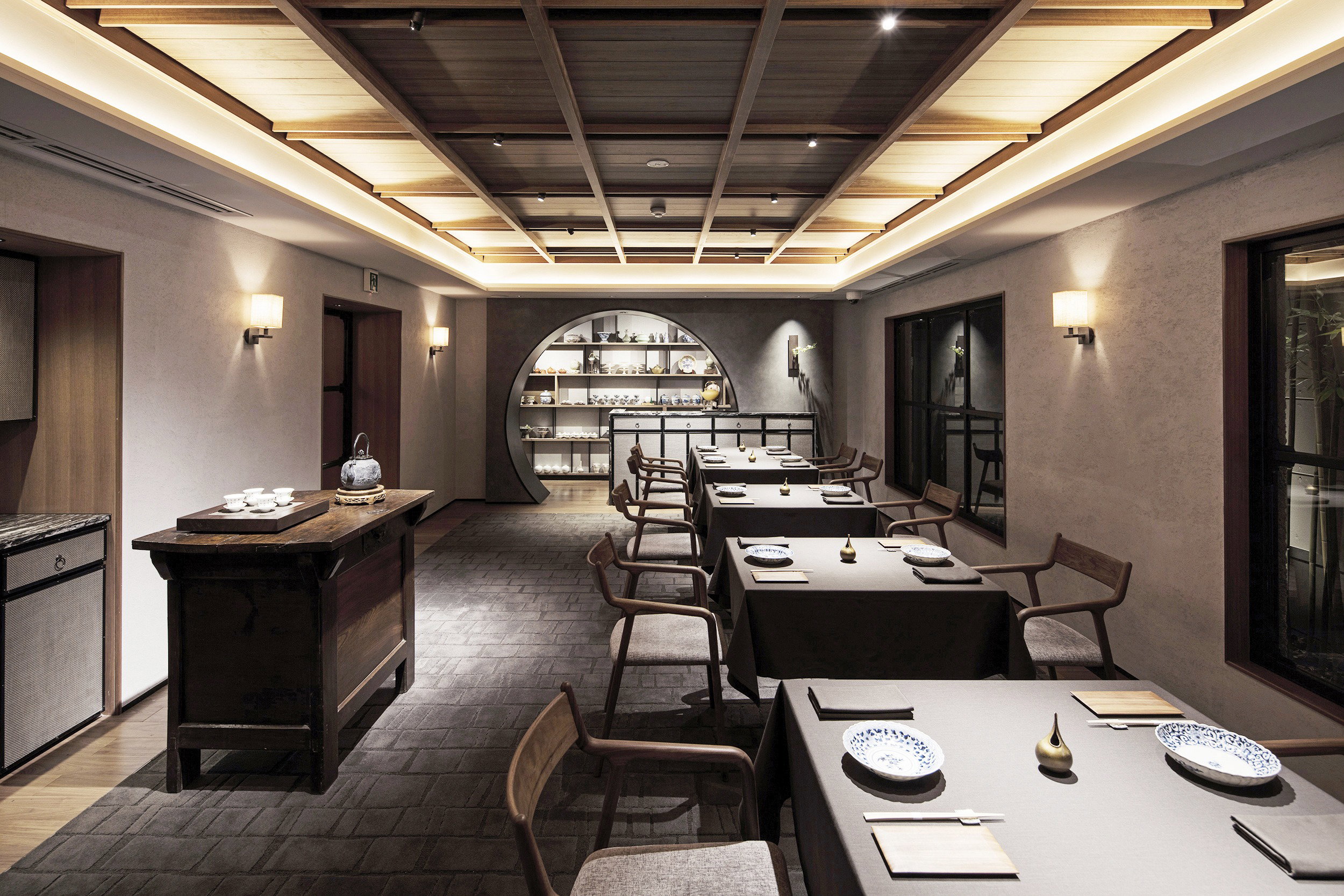
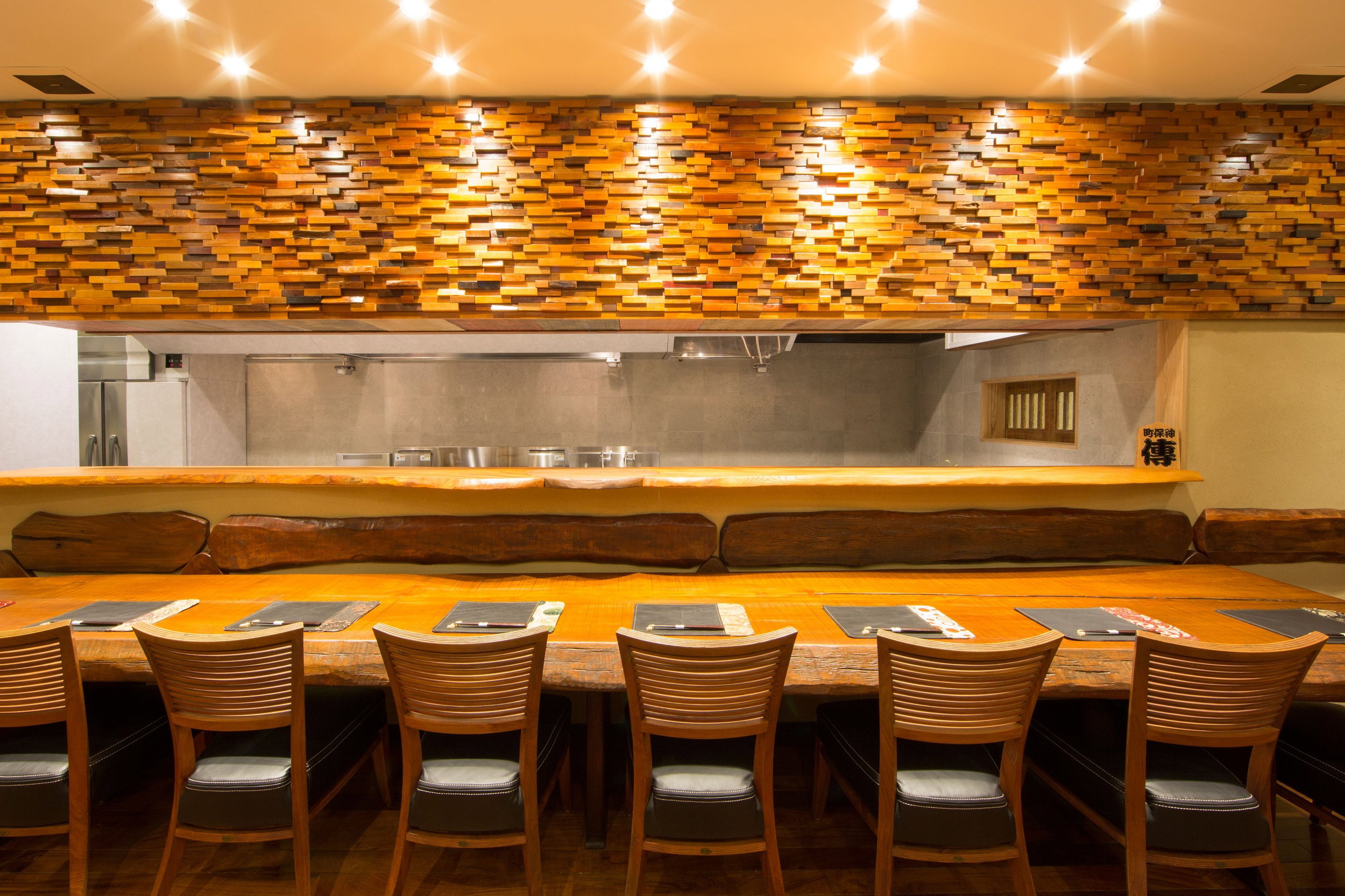
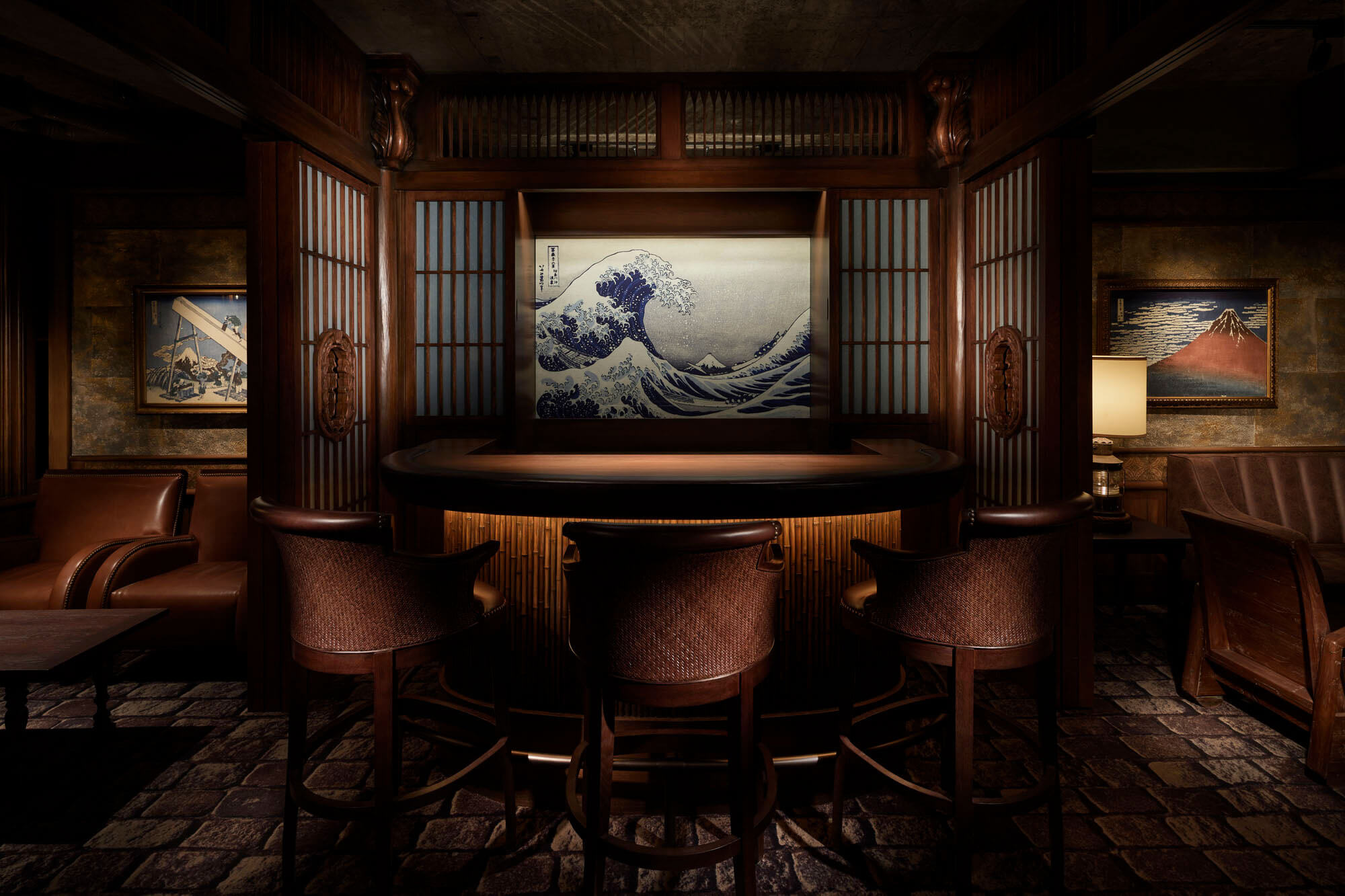
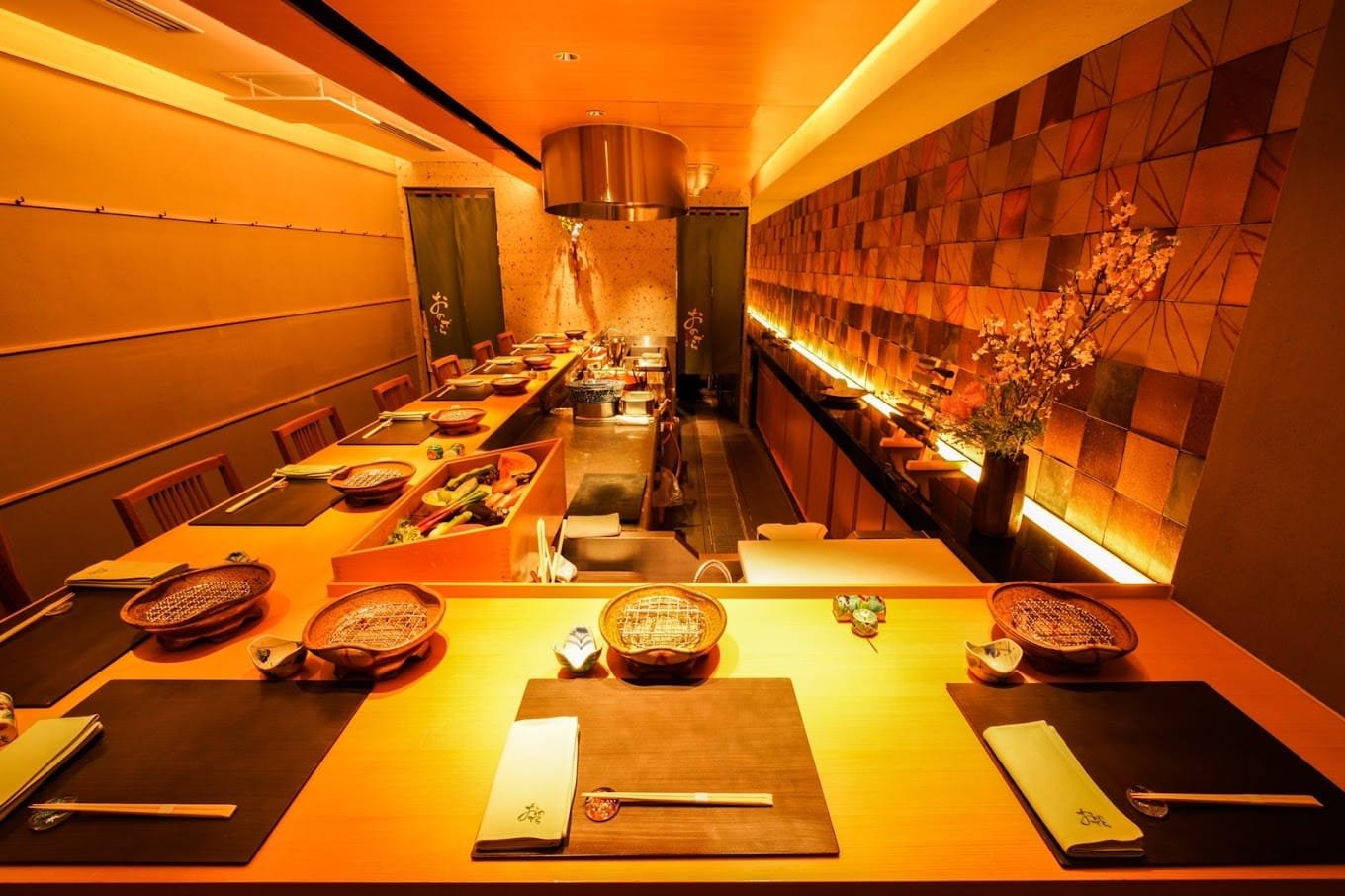
Room itself reinforces the sourcing orientation. Woodblock prints and an icebox recreate a working-class Edo aesthetic, this is not the minimalist counter theatre you find at higher-price tempura destinations. The atmosphere is closer to a neighbourhood specialist with decades of practice than a stage set for a ¥¥¥¥ performance. That distinction matters for special occasions: if the celebration calls for precision and quiet confidence rather than ceremony, Shimomura fits. If you want a formal omakase progression with theatrical counter service, look at Tempura Ginya or Fukamachi instead.
Ideal time to visit
Kitchen is open for lunch (12–2 pm) and dinner (5:30–9:30 pm), Thursday through Tuesday, with Wednesday and Sunday closed. For a special occasion dinner, Thursday or Friday evenings are the practical picks, weekend dinner slots fill faster given the sustained OAD and Michelin recognition, and Monday evening can feel quieter if the preference is a more relaxed room. For a weekday lunch, the tendon menu makes Thursday or Friday the logical choice if you want the full range of options without the weekend competition for seats. Arriving at opening for either service is the cleanest way to guarantee a relaxed pace through the menu. The Taito City location in Misuji puts this in the working Asakusa-adjacent part of the city rather than a high-traffic tourist corridor, which contributes to a more grounded atmosphere at lunch particularly.
If you are building a broader Tokyo itinerary, the eastern Taito City location pairs efficiently with the Asakusa area. Edomae Shinsaku is worth noting as another Edomae-focused option in the same regional tradition. Beyond Tokyo, the same tempura tradition is carried elsewhere in Japan at venues like Numata in Osaka, and if you are travelling across the region, Mudan Tempura in Taipei applies comparable technique in a different city. For broader Japan planning, see HAJIME in Osaka, Gion Sasaki in Kyoto, akordu in Nara, Goh in Fukuoka, 1000 in Yokohama, and 6 in Okinawa.
Practical Details
Reservations: Booking difficulty is rated Easy, this is one of the more accessible recognised tempura counters in Tokyo, but dinner slots on Thursday through Saturday should still be secured a week or more ahead given the OAD ranking and repeat local following. Walk-ins may be possible at lunch on quieter weekdays. Hours: Mon–Tue, Thu–Sat 12–2 pm and 5:30–9:30 pm; closed Wednesday and Sunday. Budget: ¥¥¥, a meaningful step below the top-tier counters in the category. Dress: No formal dress code is confirmed in available data; smart casual is appropriate given the Edo-atmosphere room and the neighbourhood setting. Address: 1 Chome−11−13, Misuji, Taito City, Tokyo. Groups: The format suits parties of two well for a date or quiet celebration; the structure of the alternating tempura sequence is better experienced at a counter than broken across a large group table.
For more options across the city, see our full Tokyo restaurants guide, our full Tokyo hotels guide, our full Tokyo bars guide, our full Tokyo wineries guide, and our full Tokyo experiences guide.
Planning details
- Hours
- Monday: 12–2 pm, 5:30–9:30 pm · Tuesday: 12–2 pm, 5:30–9:30 pm
- Location
- Japan, 〒111-0055 Tokyo, Taito City, Misuji, 1 Chome−11−13 1F
- Website
- r.gnavi.co.jp/7m8mddkm0000
- Phone
- +81 50-5487-7351
The take
The Take
The Vibe
Tempura Shimomura reads like a focused study in Edo culinary tradition. The room is intimate and restrained, with woodblock prints and an old-fashioned icebox that explicitly reference the pre-refrigeration era and the Sumida River origins of Tokyo tempura. The writing frames the kitchen as disciplined and classic rather than flashy: sourcing, timing and fry technique drive every decision. That historic, elegant restraint makes the restaurant feel quietly authoritative — a place for diners who appreciate the subtlety of perfect batter, lethal timing at the fryer and a service style that foregrounds provenance over presentation.
Best For
This is a destination for deliberate dining and special evenings. The kitchen’s commitment to Edo practice — sequencing fish and vegetables in strict alternation and building the menu from what the market delivers each morning — rewards guests who come expecting a composed, course-driven experience. It suits date nights and special-occasion meals where the point is to taste seasonality and technique: signature items like satsumaimo tempura and the anago tempura rice bowl are highlighted within a menu anchored by shrimp, sillago and conger eel.
Ordering Tips
Let the market dictate your meal: the kitchen structures service around what arrives that day, and the menu intentionally alternates fish and vegetables to showcase contrast. Trust the sequence rather than trying to reorder the rhythm; the copy calls out sillago as a summer highlight and anago as a long-standing Tokyo staple, so look for those when they’re available. Try the signature satsumaimo tempura and the anago tempura rice bowl if listed, and approach the evening as a tasting of technique and freshness rather than à la carte experimentation.
Venue details
Ambiance
Serene and intimate counter seating with relaxing traditional Japanese hospitality and no background music.
Tags
Vibe
Best For
Experience
Accessibility
At the Table
- Dress Code
- Smart Casual
- Noise Level
- Quiet
- Service Style
- Formal
- Meal Pacing
- Leisurely
- Capacity
- Intimate
Signature Dishes
- Satsumaimo Tempura
- Anago Tempura Rice Bowl
Know before you go
Know Before You Go
- Getting there
- Japan, 〒111-0055 Tokyo, Taito City, Misuji, 1 Chome−11−13 1F
Planning details
Hours
- Monday
- 12–2 pm, 5:30–9:30 pm
- Tuesday
- 12–2 pm, 5:30–9:30 pm
- Wednesday
- Closed
- Thursday
- 12–2 pm, 5:30–9:30 pm
- Friday
- 12–2 pm, 5:30–9:30 pm
- Saturday
- 12–2 pm, 5:30–9:30 pm
- Sunday
- Closed
Location
Japan, 〒111-0055 Tokyo, Taito City, Misuji, 1 Chome−11−13 1F · Directions
Recognition and awards

Also consider
Also Consider
- Harutaka, Sushi, ¥¥¥¥
- L'Effervescence, French, ¥¥¥¥
- RyuGin, Kaiseki, Japanese, ¥¥¥¥
- HOMMAGE, Innovtive French, French, ¥¥¥¥
- Crony, Innovative, French, ¥¥¥¥
Restaurant context
How Tempura Shimomura Compares
Against Harutaka and RyuGin at ¥¥¥¥, Tempura Shimomura is the obvious pick if budget matters and the format suits you. Harutaka and RyuGin both operate at the top of their respective categories, sushi and kaiseki, and carry the booking difficulty and price premium to match. Shimomura gives up nothing in terms of recognition (three consecutive years of OAD acknowledgement, Michelin Plate in both 2024 and 2025) but costs less and is easier to get into. If the goal is a high-quality Japanese meal rather than a specific category experience, Shimomura is the more accessible option.
L'Effervescence, HOMMAGE, and Crony are all ¥¥¥¥ French or French-influenced counters operating in a different register entirely. They are better choices if the occasion calls for a Western fine dining format, a more elaborate wine programme, or a longer tasting menu structure. For a celebration dinner where the format preference is Japanese and the price sensitivity is real, Shimomura beats all three on value and specificity of experience.
Within the tempura category specifically, Shimomura is the most accessible recognised option in Tokyo for a diner who wants consistent quality without a months-long wait or a ¥¥¥¥ commitment. The Edo-style room and neighbourhood setting in Taito City give it a character that the more polished counter venues in central Tokyo do not replicate. If ceremony and theatrical service are the priority, book elsewhere. If you want a technically grounded tempura meal with a clear sourcing philosophy and a reasonable reservation timeline, Shimomura is the right call.
Explore Tokyo
Around this place
Discover more on Pearl
Unlock the full Tempura Shimomura guide in Pearl, including awards, comparisons, FAQs, planning details, and nearby places.
Compare Tempura Shimomura
| Venue | Cuisine | Price | Booking Difficulty | Awards |
|---|---|---|---|---|
| Tempura Shimomura | Tempura | ¥¥¥ | Easy | 2026 OAD Top Restaurants in Japan Recommended2026 Michelin PlateTabelog 100 - Tempura - 2025 · #272025 OAD Top Restaurants in Japan Ranked · #4592025 Michelin Plate2024 OAD Top Restaurants in Japan Ranked · #3392024 Michelin Plate2023 OAD Top Restaurants in Japan Recommended |
| Harutaka | Sushi | ¥¥¥¥ | Unknown | 2026 Tabelog Silver · #312026 OAD Top Restaurants in Japan Ranked · #1282026 Michelin 3 Stars2026 La Liste Top RestaurantsTabelog 100 - Sushi - TOKYO - 2025 · #372025 Asia's 50 Best Restaurants · #762025 OAD Top Restaurants in Japan Ranked · #1172025 La Liste Top Restaurants2025 Tabelog Bronze |
| L'Effervescence | French | ¥¥¥¥ | Unknown | 2026 Tabelog Silver · #682026 OAD Top Restaurants in Japan Ranked · #103Star Wine Lists 20262026 Black Pearl 2 Diamond2026 Relais Chateaux Restaurants2026 La Liste Top Restaurants2026 Michelin 3 Stars2025 Asia's 50 Best Restaurants · #692025 OAD Top Restaurants in Japan Ranked · #92 |
| RyuGin | Kaiseki, Japanese | ¥¥¥¥ | Unknown | 2026 OAD Top Restaurants in Japan Ranked · #802026 Tabelog Bronze · #3772026 Michelin 3 Stars2026 La Liste Top RestaurantsTabelog 100 - Japanese cuisine - TOKYO - 2025 · #212025 OAD Top Restaurants in Japan Ranked · #542025 Michelin 3 Stars2025 La Liste Top Restaurants2025 The Best Chef Three Knives |
| HOMMAGE | Innovtive French, French | ¥¥¥¥ | Unknown | 2026 Tabelog Bronze · #1232026 OAD Top Restaurants in Japan Highly Recommended2026 Michelin 2 StarsTabelog 100 - French - TOKYO - 2025 · #762025 Asia's 50 Best Restaurants · #782025 OAD Top Restaurants in Japan Ranked · #1752025 Michelin 2 Stars2025 The Best Chef One Knife2025 La Liste Top Restaurants |
| Crony | Innovative, French | ¥¥¥¥ | Unknown | 2026 Asia's 50 Best Restaurants · #34Star Wine Lists 20262026 OAD Top Restaurants in Japan Recommended2026 Michelin 2 Stars2025 Asia's 50 Best Restaurants · #30Tabelog 100 - French - TOKYO - 2025 · #782025 OAD Top Restaurants in Japan Ranked · #227We're Smart World Top Restaurants 20252025 Michelin 2 Stars |












Comparing your options in Tokyo for this tier.
FAQ
Frequently Asked Questions
What should I wear to Tempura Shimomura?
Shimomura recreates the working-class Edo atmosphere deliberately — woodblock prints, an icebox, an unfussy counter format. That sets the tone: neat, presentable clothing is appropriate, but this is not a formal white-tablecloth setting. Business casual works; a suit is unnecessary.
Is the tasting menu worth it at Tempura Shimomura?
At ¥¥¥, Shimomura holds a Michelin Plate (2025) and ranked #339 on Opinionated About Dining's Japan list in 2024, rising from Recommended in 2023 — a consistent upward trajectory. The format centres on shrimp, sillago, and conger eel fried in strict Edo alternation with vegetables, which is a disciplined approach that produces cohesive results rather than a sprawling showcase. If Edo-period tempura tradition is what you're after, the price is justified. For more theatrical omakase value at a similar tier, RyuGin operates in a different register entirely.
How far ahead should I book Tempura Shimomura?
Booking difficulty is rated Easy relative to Tokyo's recognised tempura counters. A few days to a week ahead is typically sufficient, though Thursday and Friday dinner slots fill faster. Wednesday and Sunday are closed, so plan around Tuesday or Saturday if your schedule is tight.
Is Tempura Shimomura worth the price?
Yes, for the specific format it offers. At ¥¥¥, you get a Michelin Plate-recognised counter with a clear Edo sourcing philosophy, a rare tendon-only lunch option, and kakiage still on the menu at a time when most Tokyo tempura counters have dropped it. It is not the place for a contemporary or experimental tempura experience — for that, consider a higher-tier counter. But as a historically grounded, accessible tempura meal in Taito City, it delivers well above its price point.