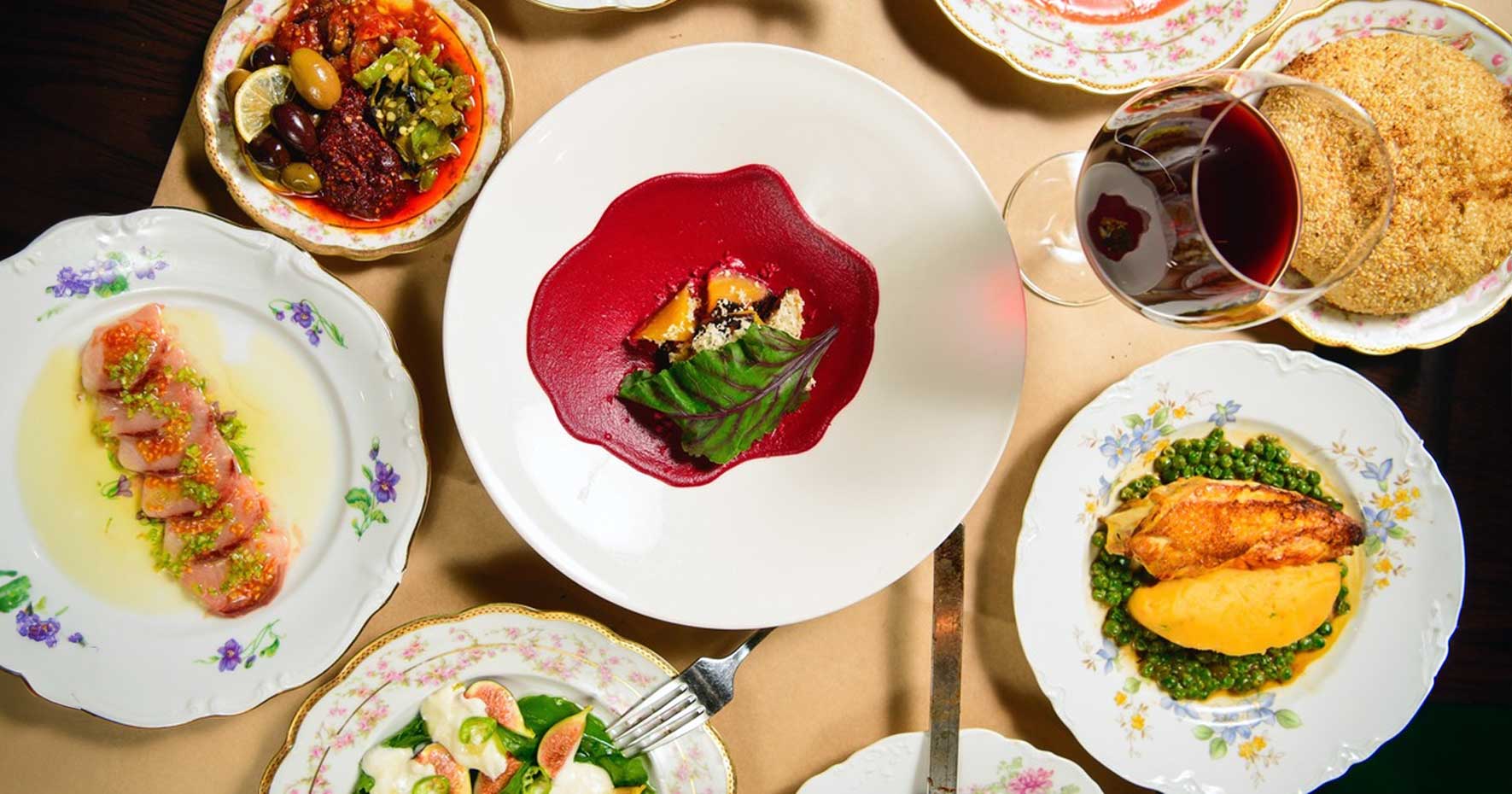



Godan Miyazawa
Kaiseki, Japanese · Shimogyō, Kyoto
Restaurant in Kyoto, Japan
 Book with Pearl
The Read
Seasonal-Disciplined Kaiseki
Price
¥¥¥
Dress
Smart Casual
Why go
A Michelin 1-star kaiseki in Kyoto's Shimogyo Ward operating at ¥¥¥; the most compelling case for serious kaiseki without ¥¥¥¥ pricing. Pearl Recommended (2025), OAD Top 442 in Japan (2025). Book well ahead via hotel concierge; both lunch and dinner seatings are hard to secure.
About Godan Miyazawa
Verdict: A Michelin-starred kaiseki in Shimogyo that earns its place on a serious Kyoto itinerary
The common assumption about Kyoto kaiseki is that you need to spend ¥¥¥¥ to eat well. Godan Miyazawa corrects that. This is a Michelin 1-star kaiseki restaurant in Shimogyo Ward operating at ¥¥¥, and it delivers the kind of seasonal, technique-led cooking that most diners associate with considerably higher price points. If you are planning a special occasion dinner in Kyoto and want Michelin-level kaiseki without the ¥¥¥¥ commitment of Gion Sasaki or Hyotei, Godan Miyazawa is the strongest case in this tier.
The Restaurant
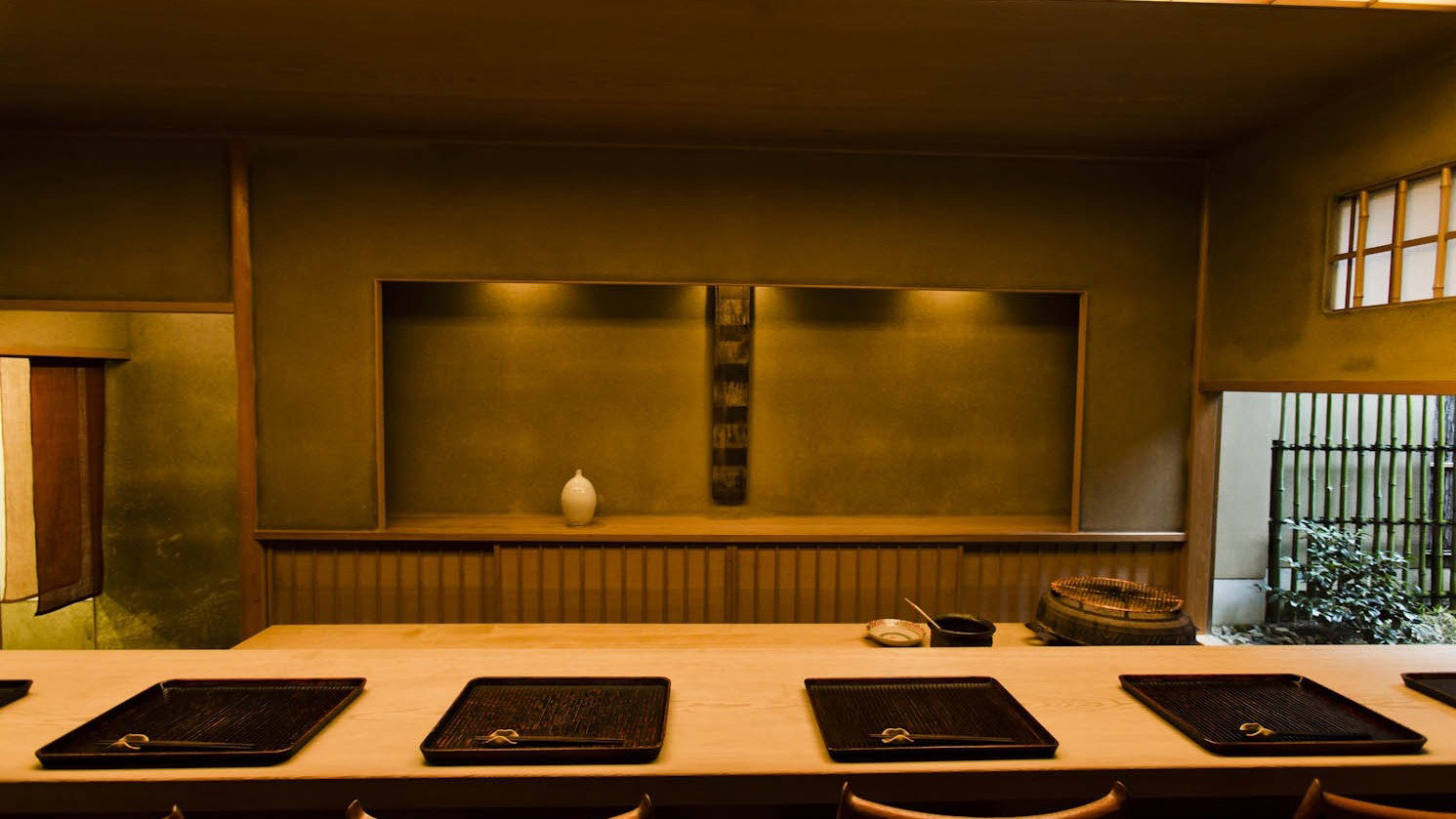
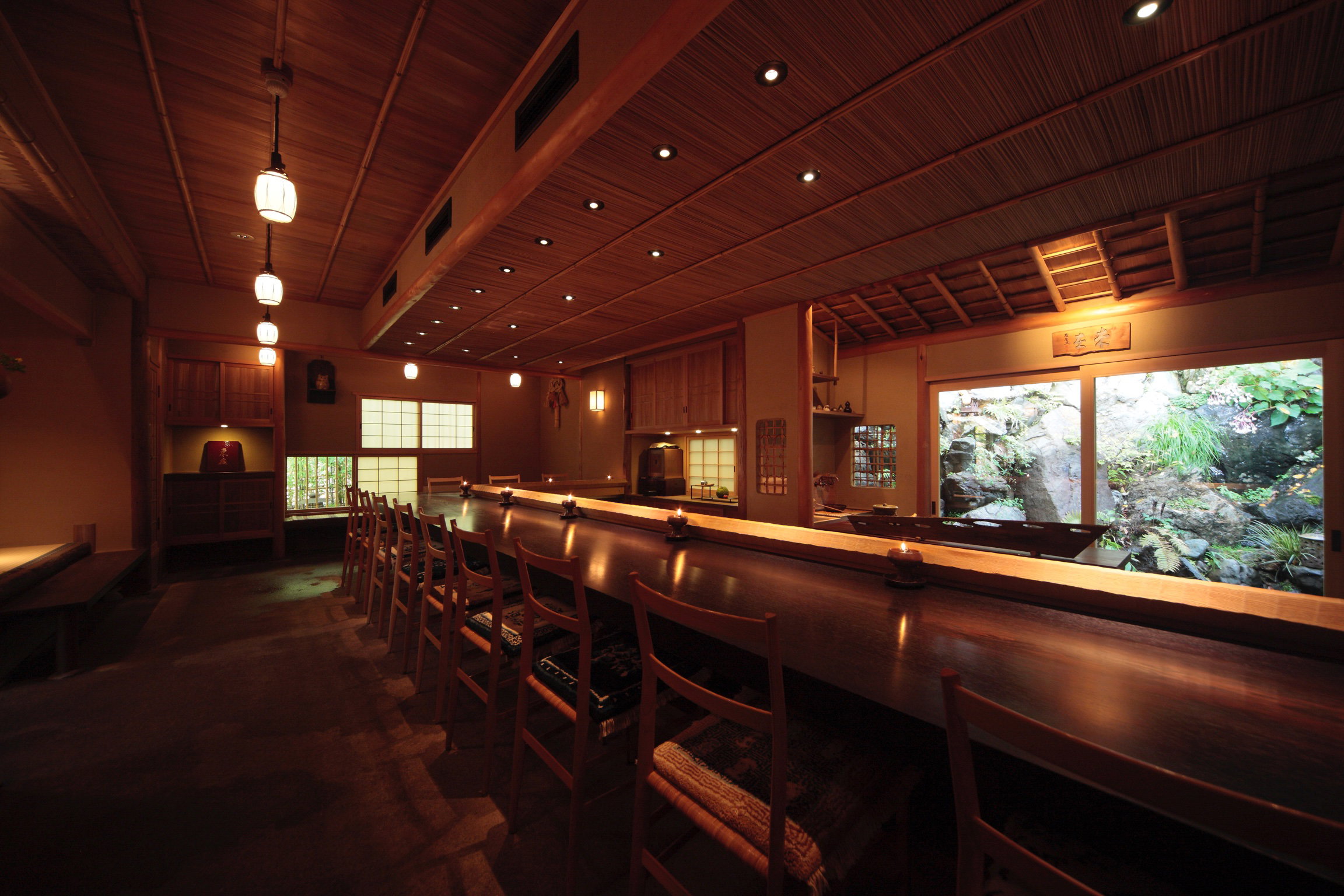
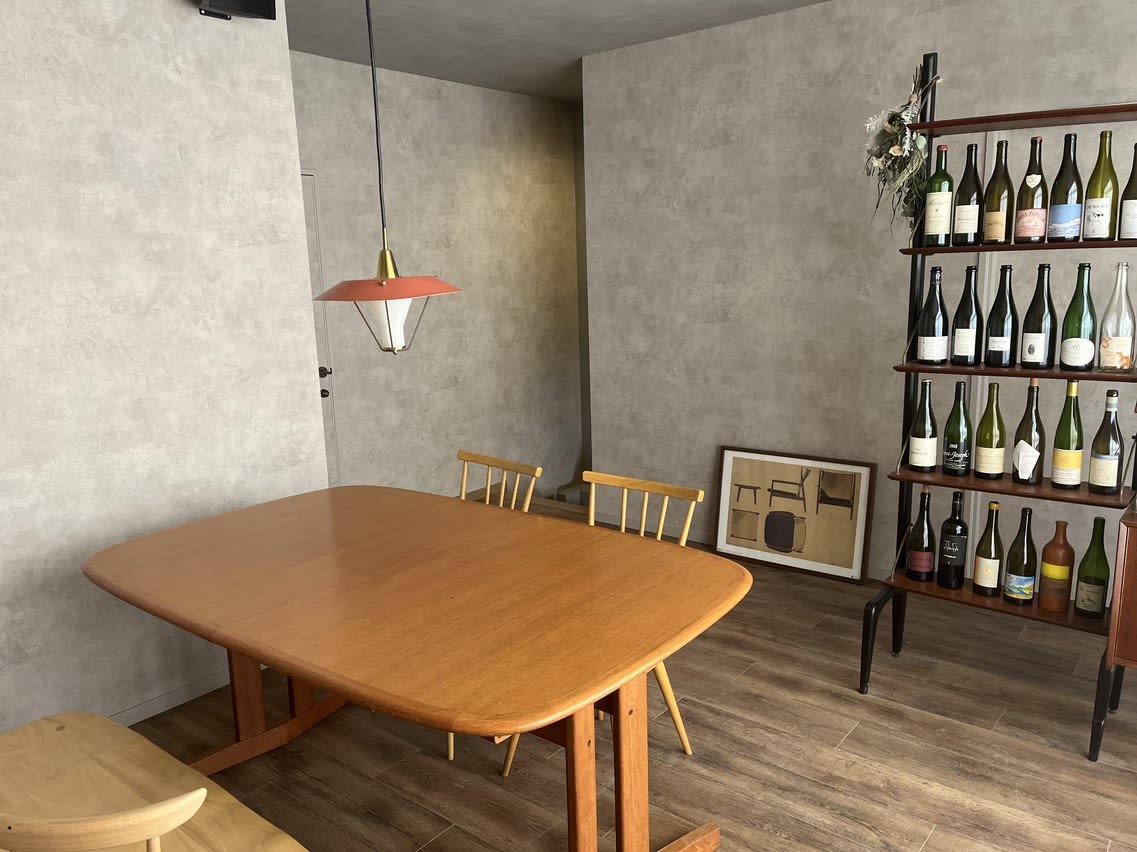
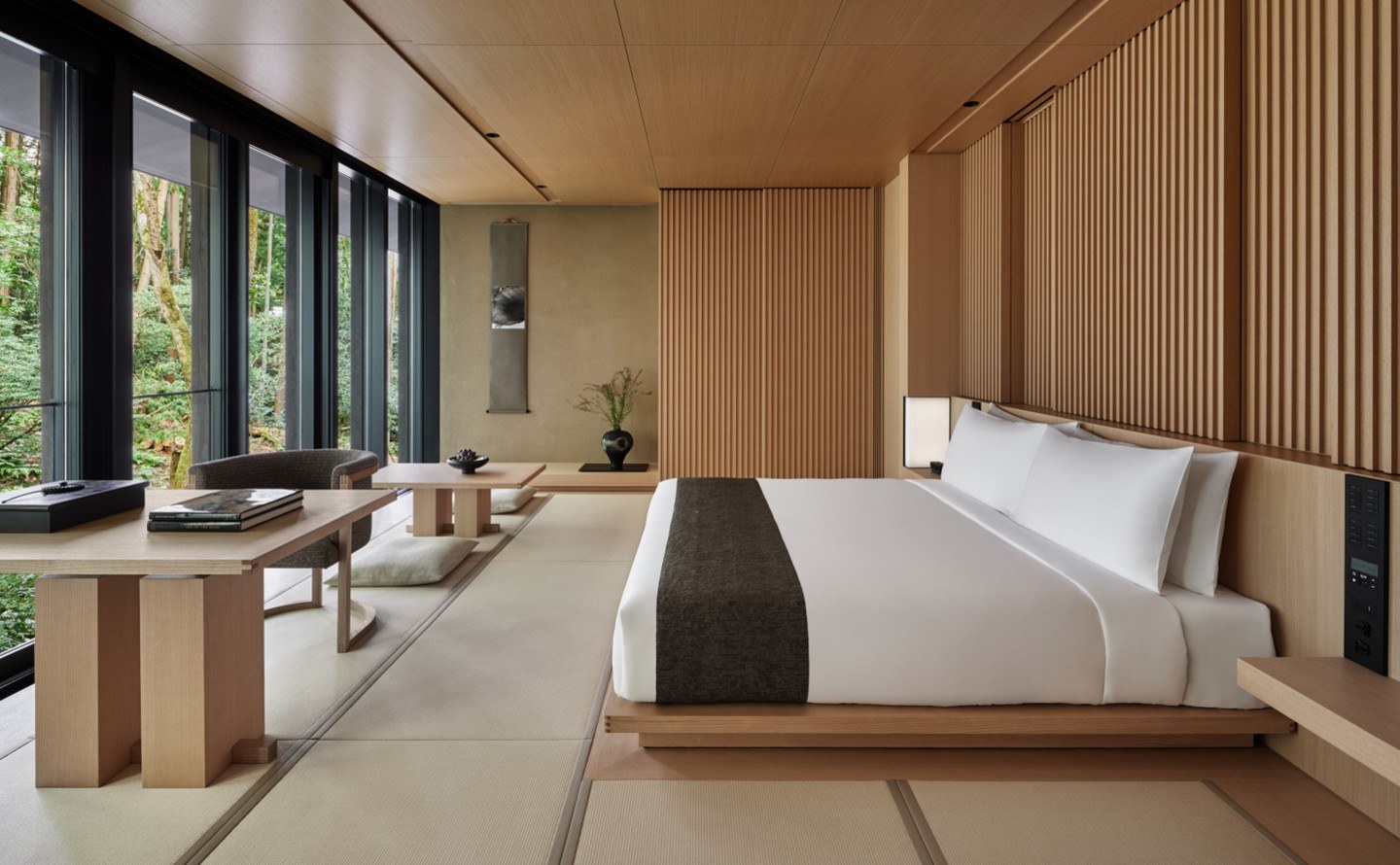
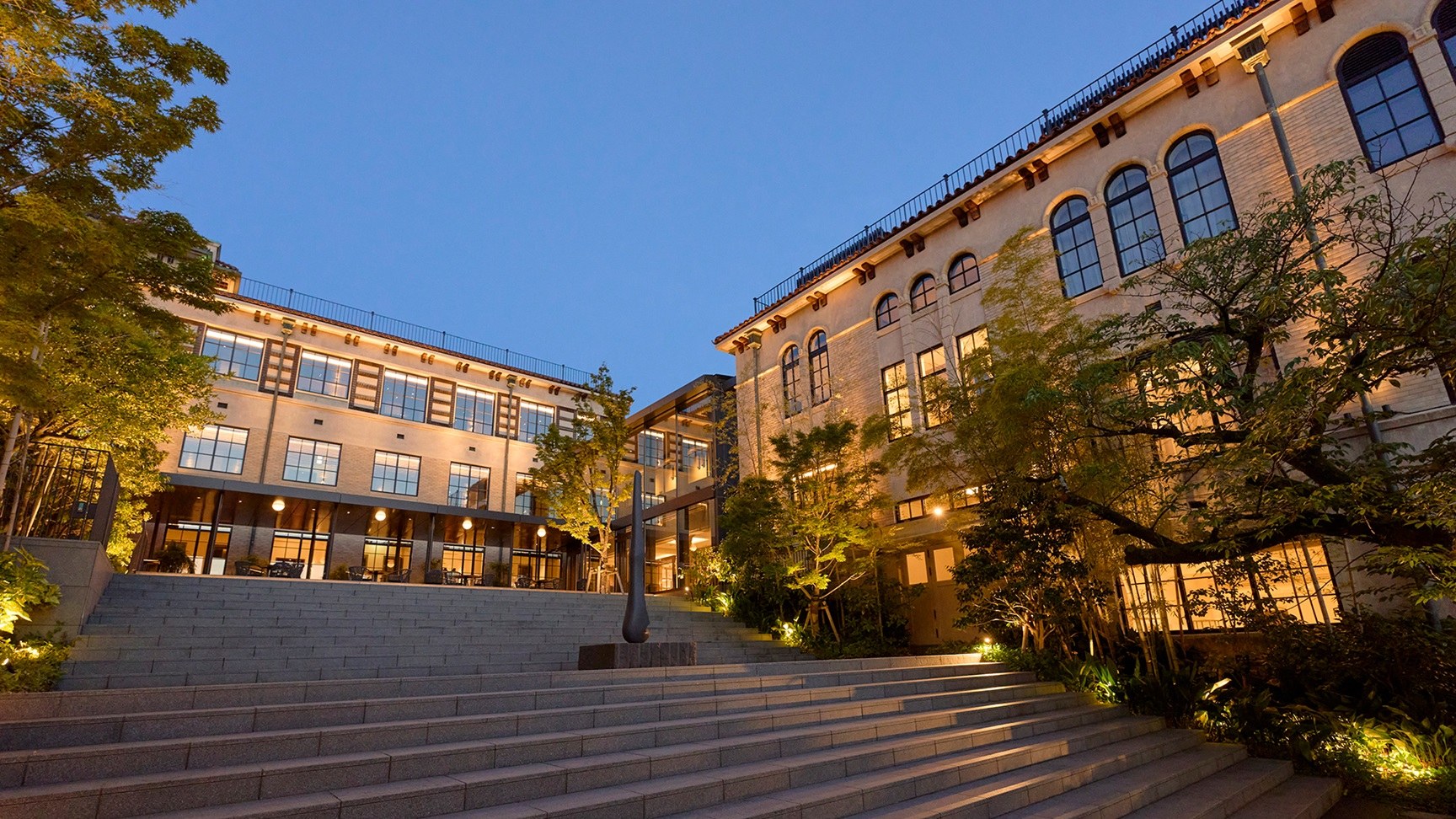
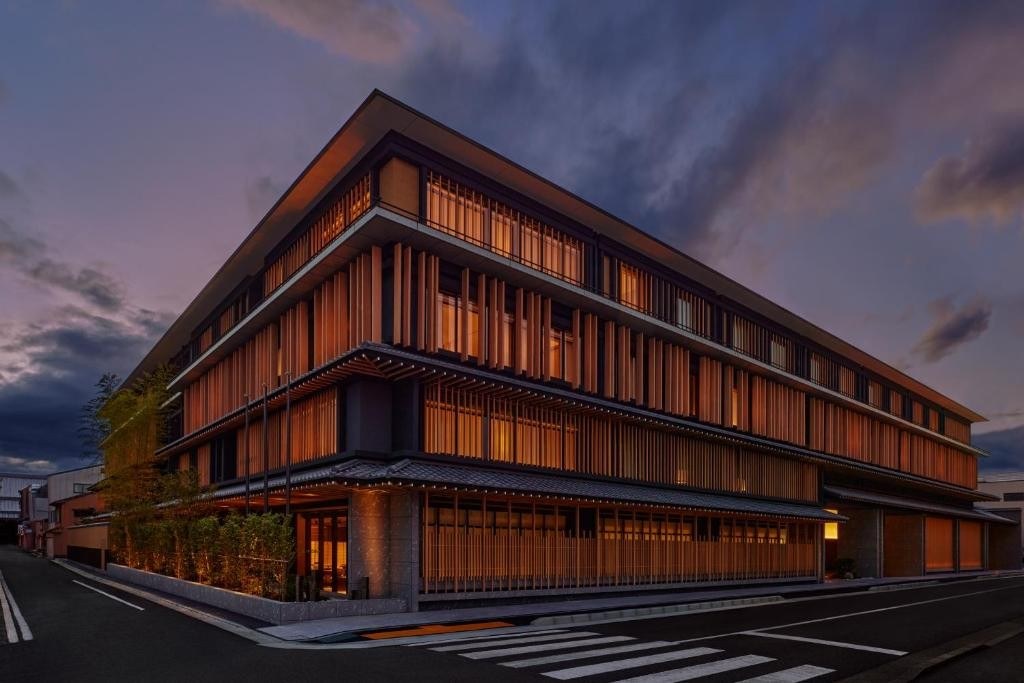
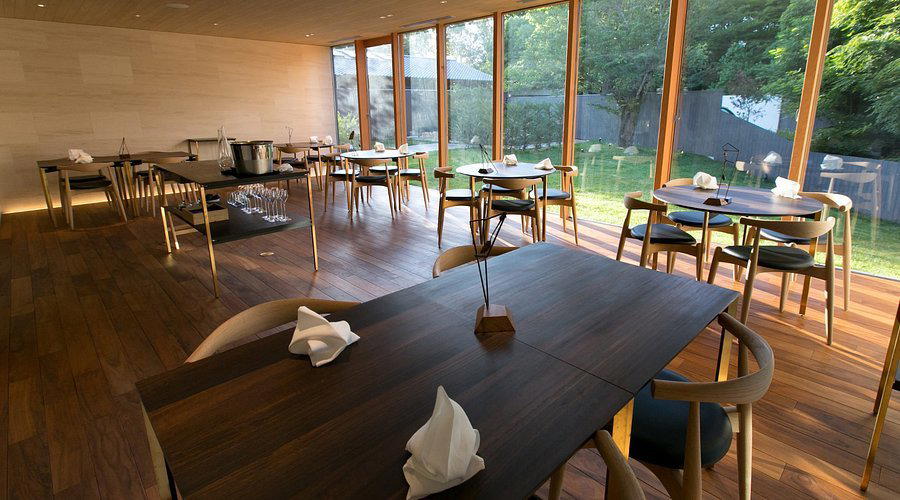
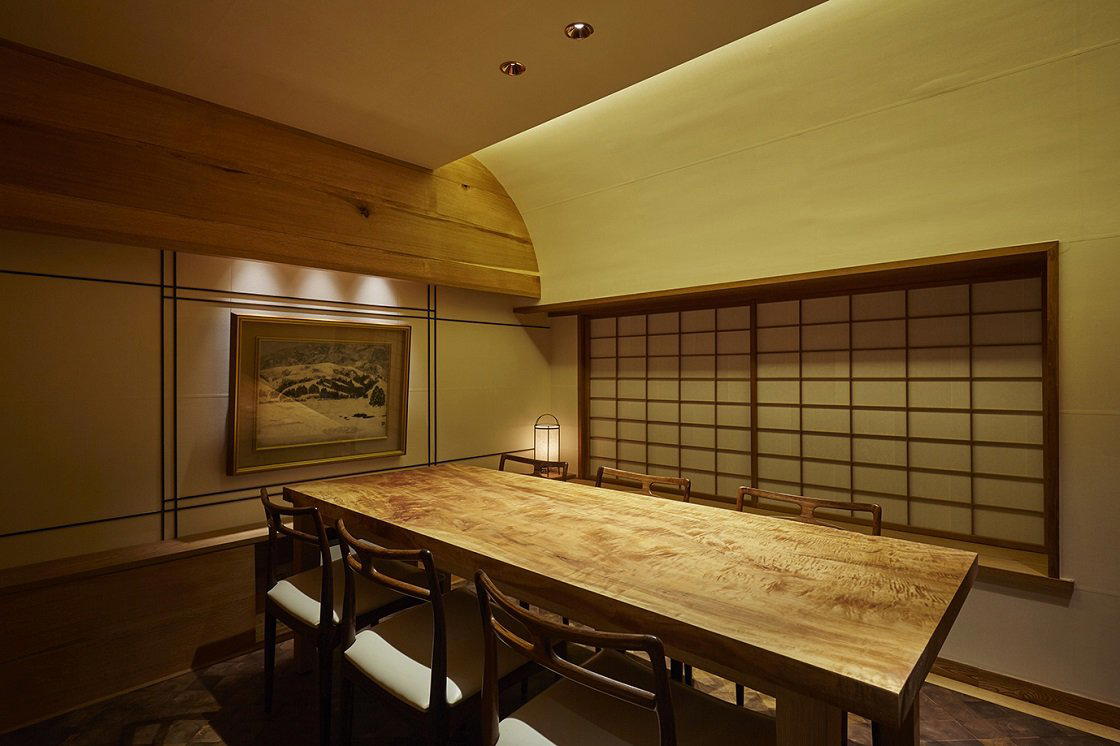
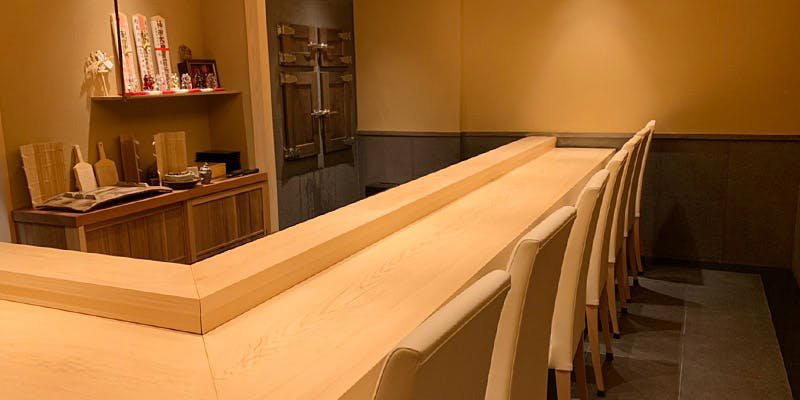
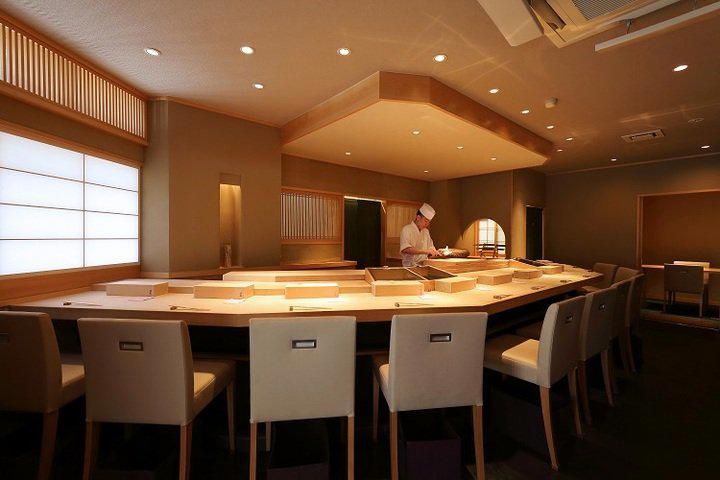
Godan Miyazawa sits in Shimogyo Ward, Kyoto's quieter residential and commercial southern district, which already tells you something about the venue's orientation. This is not a tourist-facing address in Gion or Higashiyama. The physical setting is composed rather than showy; the kind of room where the proportions and materials do the work quietly, keeping attention where kaiseki demands it: on the plate and the conversation. The spatial experience here aligns with the cooking philosophy: precise, unhurried, focused on what is in front of you rather than what is on the walls. For a special occasion, that restraint is an asset. If you are looking for a dramatic, Instagram-ready dining room, look elsewhere. If you want a room that recedes into the background and lets a formal meal breathe, this works.
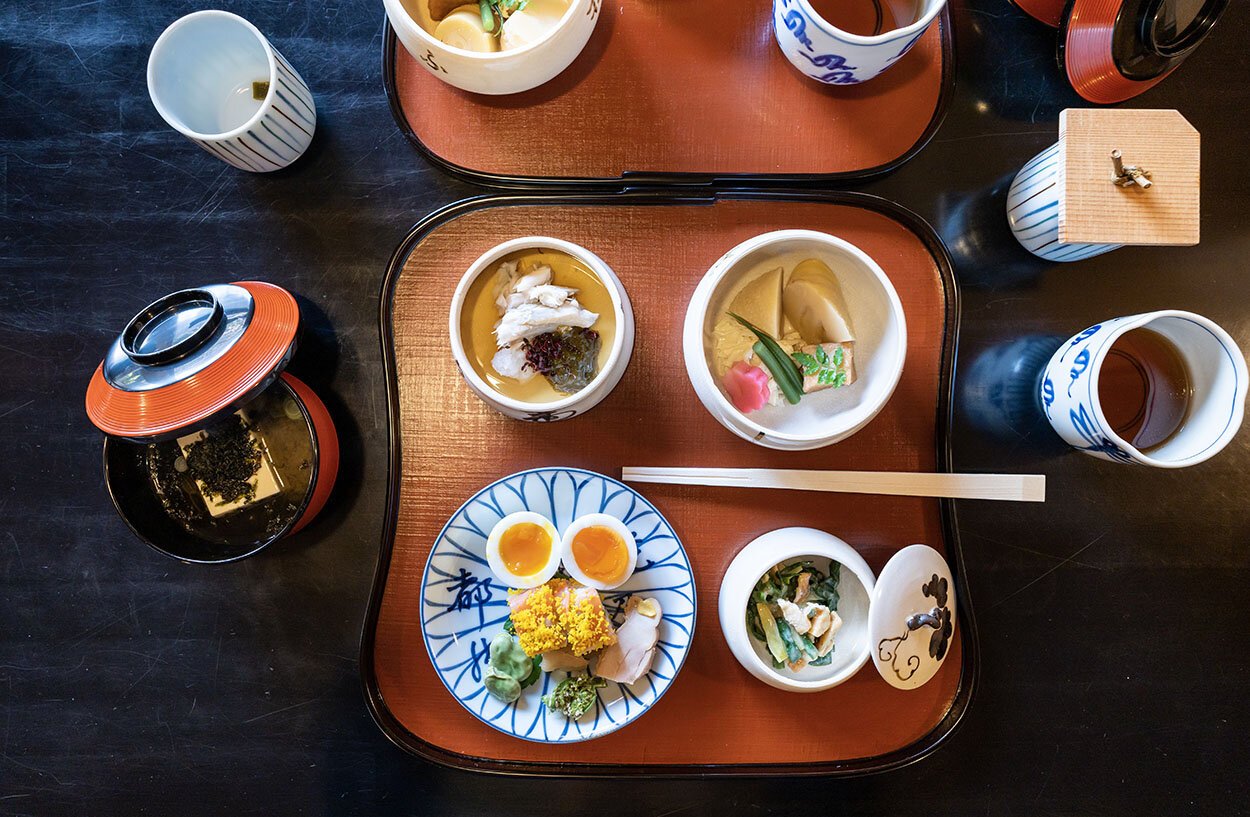
Chef Masato Miyazawa's approach, as documented in the Michelin citation, is grounded in sincerity and technical discipline. The kitchen applies classical kaiseki fundamentals while incorporating seasonal combinations that reflect genuine curiosity rather than novelty for its own sake. Vegetables, peas, corn, ginkgo nuts, turnip, are woven into preparations like baked sesame tofu in ways that mark the season explicitly. This is cooking that signals where you are in the calendar, which is exactly what kaiseki is for. The next generation of cooks in the kitchen are trained to carry that same standard into both cooking and service, which matters for consistency at a venue of this scale.
Lunch vs. Dinner: Which to Book
This is the question that most directly affects your decision. Godan Miyazawa opens for both lunch (12–2:30 pm) and dinner (6–10 pm) Monday and Wednesday through Sunday, closing on Tuesdays. At ¥¥¥ pricing, both seatings represent strong value by Kyoto kaiseki standards, but they are different propositions.
Lunch is the smarter entry point for first-time visitors. You get the full kaiseki format in daylight, which sharpens the spatial experience and makes the seasonal ingredients read more clearly. Lunch seatings at Michelin-starred kaiseki in Kyoto tend to carry slightly lighter menus than dinner. It is also the safer booking for a business meal or a non-anniversary occasion where you want the experience without the full ceremonial weight of a kaiseki dinner.
Dinner at Godan Miyazawa is the right call for a genuine celebration, a significant anniversary, a once-in-a-trip special occasion meal, or a group where the evening pace matters. The 6–10 pm window gives the meal room to extend across multiple courses without the early-afternoon constraint. For a date night or a birthday dinner, the evening format signals the occasion more clearly. Both seatings are hard to book (see below), so the practical advice is: take whichever slot you can get, then optimise around it.
If your Kyoto itinerary includes multiple kaiseki meals, consider anchoring Godan Miyazawa as your lunch and reserving an evening slot at a ¥¥¥¥ venue like Kikunoi Honten or Mizai for the full-scale dinner experience. That pairing gives you a useful reference point across price tiers within the same cuisine format.
Booking Difficulty and Practical Information
Getting a table at Godan Miyazawa is hard. The combination of a Michelin star, OAD recognition, a relatively intimate format means availability is limited and demand is consistent from both domestic and international visitors. Book as far ahead as your planning horizon allows, for a specific date, four to six weeks minimum is a realistic baseline, for peak cherry blossom or autumn foliage seasons in Kyoto, longer. Your most reliable route is through your hotel concierge if you are staying at a property with strong local connections, or through a specialist Japan dining reservation service. Walking in without a reservation is not a practical strategy here.
Reservations: Hard, book well in advance, preferably via hotel concierge or reservation service. Hours: Mon, Wed–Sun 12–2:30 pm and 6–10 pm; closed Tuesday. Budget: ¥¥¥ per person (kaiseki format; budget for a full multi-course meal at this tier). Dress: A Michelin-starred kaiseki setting in Kyoto warrants smart dress at minimum; treat it as formal unless the restaurant advises otherwise. Groups: Contact directly or via concierge for group booking queries.
How Godan Miyazawa Fits a Kyoto Itinerary
Kyoto has more serious kaiseki options per square kilometre than almost anywhere else in Japan, so the decision is always relative. Godan Miyazawa positions most naturally as the best-value Michelin kaiseki on a considered Kyoto trip, the option you book when you want the credential and the cooking quality without climbing to ¥¥¥¥ pricing. It pairs well with the broader Kyoto dining landscape explored in our full Kyoto restaurants guide. For context on how Kyoto-style kaiseki compares to kaiseki in other Japanese cities, RyuGin in Tokyo and Kanda offer useful reference points at a similar or higher tier. If you are building a multi-city Japan itinerary, HAJIME in Osaka and akordu in Nara round out the Kansai picture. For planning the rest of your Kyoto stay, see our full Kyoto hotels guide and our full Kyoto bars guide.
Planning details
- Hours
- Monday: 12–2:30 pm, 6–10 pm · Tuesday: Closed
- Location
- Japan, 〒600-8402 Kyoto, Shimogyo Ward, Oecho, 557
- Website
- jiki-miyazawa.com/godan
- Phone
- +81 75-708-6364
The take
The Take
The Vibe
Godan Miyazawa presents Kyoto kaiseki with a quiet, disciplined restraint. The room resists theatrical flourish and lets seasonality do the talking: courses arrive without fanfare and reward diners who slow down and savour each moment. It occupies a thoughtful middle tier in Kyoto’s hierarchy — serious and Michelin-recognized but comparatively accessible — and its refinement is more about omission than ornament. The overall tone is classic and serene, favouring understatement over spectacle, so the experience feels meditative rather than performative.
Best For
This is a place for diners who want to lean into Kyoto’s slow, seasonal rhythm — date nights and special occasions that value nuance do particularly well here, as do solitary meals for focused tasting. The kaiseki structure and the emphasis on seasonal progression make it most suitable for an evening course-by-course experience rather than a quick meal. Given its Michelin recognition and the careful pacing described, guests looking for a thoughtful, composed dinner are likely to appreciate what the kitchen offers.
Ordering Tips
Expect a formal, season-driven kaiseki progression where the kitchen sets the rhythm; the description stresses that the meal’s architecture is intended to be read slowly. Let courses arrive in sequence and avoid rushing the service—many of the dishes (the house is known for items such as baked sesame tofu and ark shell crab) are meant to be experienced as part of the whole. The write-up also notes a mid-range price point relative to Kyoto’s top houses, so anticipate a serious tasting menu without the highest-tier pricing.
Venue details
Ambiance
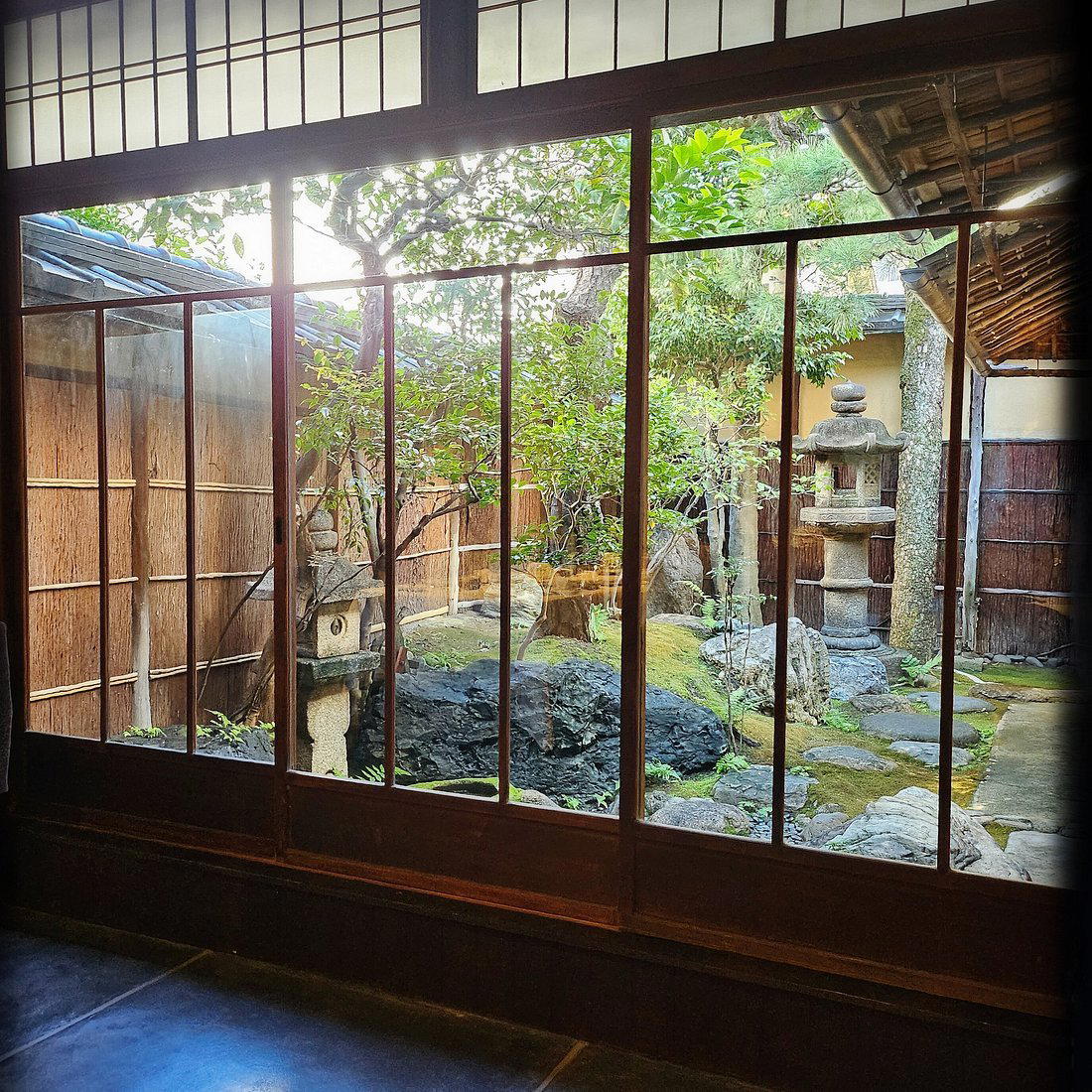
Zen-like, minimalist setting with serene atmosphere, beautiful antique ceramics, and refined simplicity.
Tags
Vibe
Best For
Experience
Sourcing
At the Table
- Dress Code
- Smart Casual
- Noise Level
- Quiet
- Service Style
- Formal
- Meal Pacing
- Leisurely
- Capacity
- Intimate
Signature Dishes
- baked sesame tofu
- ark shell crab
Planning details
Hours
- Monday
- 12–2:30 pm, 6–10 pm
- Tuesday
- Closed
- Wednesday
- 12–2:30 pm, 6–10 pm
- Thursday
- 12–2:30 pm, 6–10 pm
- Friday
- 12–2:30 pm, 6–10 pm
- Saturday
- 12–2:30 pm, 6–10 pm
- Sunday
- 12–2:30 pm, 6–10 pm
Location
Japan, 〒600-8402 Kyoto, Shimogyo Ward, Oecho, 557 · Directions
Recognition and awards

Also consider
Also Consider
- Gion Sasaki; Kaiseki, Japanese, ¥¥¥¥
- cenci; Italian, ¥¥¥
- Ifuki; Kaiseki, ¥¥¥¥
- Kyokaiseki Kichisen; Japanese, ¥¥¥¥
- Kyo Seika; Chinese, ¥¥¥
Restaurant context
How It Compares
The central decision for kaiseki in Kyoto is price tier. Godan Miyazawa at ¥¥¥ is the strongest argument for Michelin-quality kaiseki without crossing into ¥¥¥¥ territory. Gion Sasaki and Ifuki operate at ¥¥¥¥ and deliver a more elaborate, higher-stakes kaiseki experience; the right choice if budget is not the primary constraint and you want the deepest expression of the format. Kyokaiseki Kichisen is similarly positioned at ¥¥¥¥ and carries significant historical weight in the Kyoto kaiseki canon. If you are committed to spending at that tier, those three are the comparison set. Godan Miyazawa's advantage is that it delivers Michelin-credentialed cooking at a price point that leaves room in the budget for a second serious meal on the same trip.
For diners who want variety beyond kaiseki, cenci and Kyo Seika both sit at ¥¥¥ and offer Italian and Chinese formats respectively; useful if your group has mixed cuisine preferences or you are building a multi-meal Kyoto itinerary that covers more than one tradition. Neither competes directly with Godan Miyazawa for kaiseki, but they offer real alternatives at the same price tier for a second or third Kyoto dinner.
On booking difficulty, all five comparison venues are competitive. Godan Miyazawa is hard to book, but the ¥¥¥¥ venues above it; particularly Gion Sasaki and Kyokaiseki Kichisen; carry even tighter availability given their profile. If your dates are fixed and your window is short, Godan Miyazawa may actually be the more achievable booking among the top-tier kaiseki options in the city, which makes it a practical first call for time-constrained itinerary planning.
Explore Kyoto
Around this place
Discover more on Pearl
Unlock the full Godan Miyazawa guide in Pearl, including awards, comparisons, FAQs, planning details, and nearby places.
Compare Godan Miyazawa
| Venue | Cuisine | Awards | Booking Difficulty |
|---|---|---|---|
| Godan Miyazawa | Kaiseki, Japanese | 2026 OAD Top Restaurants in Japan Recommended2026 Michelin 1 Star2025 OAD Top Restaurants in Japan Ranked · #4422024 OAD Top Restaurants in Japan Ranked · #4472024 Michelin 1 Star2023 OAD Top Restaurants in Japan RecommendedPearl Recommended Restaurants | Hard |
| Gion Sasaki | Kaiseki, Japanese | 2026 Tabelog Bronze · #3862026 OAD Top Restaurants in Japan RecommendedMichelin Guide Kyoto Osaka 20262026 La Liste Top RestaurantsTabelog 100 - Japanese cuisine - WEST - 2025 · #132025 OAD Top Restaurants in Japan Ranked · #2462025 Tabelog Silver2025 Michelin 3 Stars2025 La Liste Top Restaurants | Unknown |
| cenci | Italian | 2026 Tabelog Bronze · #442026 Asia's 50 Best Restaurants · #762026 OAD Top Restaurants in Japan Highly RecommendedMichelin Guide Kyoto Osaka 2026Tabelog 100 - Italian - WEST - 2025 · #632025 Asia's 50 Best Restaurants · #632025 OAD Top Restaurants in Japan Ranked · #1682025 Tabelog Bronze2024 OAD Top Restaurants in Japan Ranked · #135 | Unknown |
| Ifuki | Kaiseki | 2026 OAD Top Restaurants in Japan Ranked · #1222026 Tabelog Bronze · #128Michelin Guide Kyoto Osaka 20262026 La Liste Top RestaurantsTabelog 100 - Japanese cuisine - WEST - 2025 · #622025 OAD Top Restaurants in Japan Ranked · #1002025 La Liste Top Restaurants2025 Tabelog Bronze2025 Michelin 2 Stars | Unknown |
| Kyokaiseki Kichisen | Japanese | 2026 Tabelog Bronze · #1752026 OAD Top Restaurants in Japan Highly RecommendedMichelin Guide Kyoto Osaka 20262025 OAD Top Restaurants in Japan Ranked · #1862025 Michelin 2 Stars2025 La Liste Top Restaurants2024 OAD Top Restaurants in Japan Ranked · #1422024 Michelin 2 Stars2023 OAD Top Restaurants in Japan Ranked · #136 | Unknown |
| Kyo Seika | Chinese | Tabelog 100 - Chinese cuisine - WEST - 2026 · #762026 Tabelog Bronze · #2162026 OAD Top Restaurants in Japan Recommended2026 Michelin 1 Star2025 OAD Top Restaurants in Japan Ranked · #3262025 Tabelog Bronze2024 OAD Top Restaurants in Japan Ranked · #3042024 Michelin Plate2024 Michelin 1 Star | Unknown |






.png?width=1200&quality=80)
Side-by-side comparison to help you decide where to book.
FAQ
Frequently Asked Questions
What should a first-timer know about Godan Miyazawa?
This is a Michelin 1-star kaiseki in Kyoto's Shimogyo Ward run by chef Masato Miyazawa, priced at ¥¥¥; a tier below what most starred kaiseki in Kyoto charge. The kitchen follows traditional kaiseki structure with seasonal vegetable-forward courses, including preparations like sesame tofu kneaded with peas, corn, or ginkgo nuts. It is a serious, format-driven meal: arrive knowing what kaiseki involves and you will get full value. If you want à la carte flexibility, this is not the right venue.
How far ahead should I book Godan Miyazawa?
Book at least four to six weeks out, particularly for dinner. A Michelin star combined with OAD recognition (ranked #442 in Japan for 2025) in a relatively intimate setting means tables move fast, especially on weekends. Note that the restaurant is closed Tuesdays, which concentrates demand across six days. For same-trip flexibility, lunch slots on weekdays are your best chance of finding availability on shorter notice.
Is lunch or dinner better at Godan Miyazawa?
Lunch is the better entry point for value. At ¥¥¥ pricing, the lunch format at Godan Miyazawa is one of the more accessible ways to eat Michelin-starred kaiseki in Kyoto, the 12–2:30 pm window fits neatly into a full day of sightseeing in Shimogyo or the wider city. Dinner runs 6–10 pm and is the format for a longer, more formal progression if that is your preference. For a first visit, book lunch.
Can I eat at the bar at Godan Miyazawa?
Kaiseki restaurants of this format frequently offer counter seats with direct sightlines to the kitchen, which many diners prefer, but you should ask specifically when booking. Counter availability is not something to assume for walk-ins given the restaurant's Michelin and OAD standing.
Does Godan Miyazawa handle dietary restrictions?
As a kaiseki format, the menu follows a set seasonal progression, which limits flexibility compared to à la carte restaurants. Communicate any restrictions clearly at the time of booking, not on arrival. Severe allergies or strict dietary requirements may be difficult to accommodate in a multi-course set format; discuss them before reserving.
What should I wear to Godan Miyazawa?
Godan Miyazawa is a Michelin-starred kaiseki in Kyoto, so dress accordingly: neat, restrained, respectful of the setting. You do not need formal wear, but denim, sportswear, or overly casual clothing would be out of place. Think of it the way you would approach any serious Japanese restaurant: quiet, considered dress signals respect for the format and the service. When in doubt, err more formal.