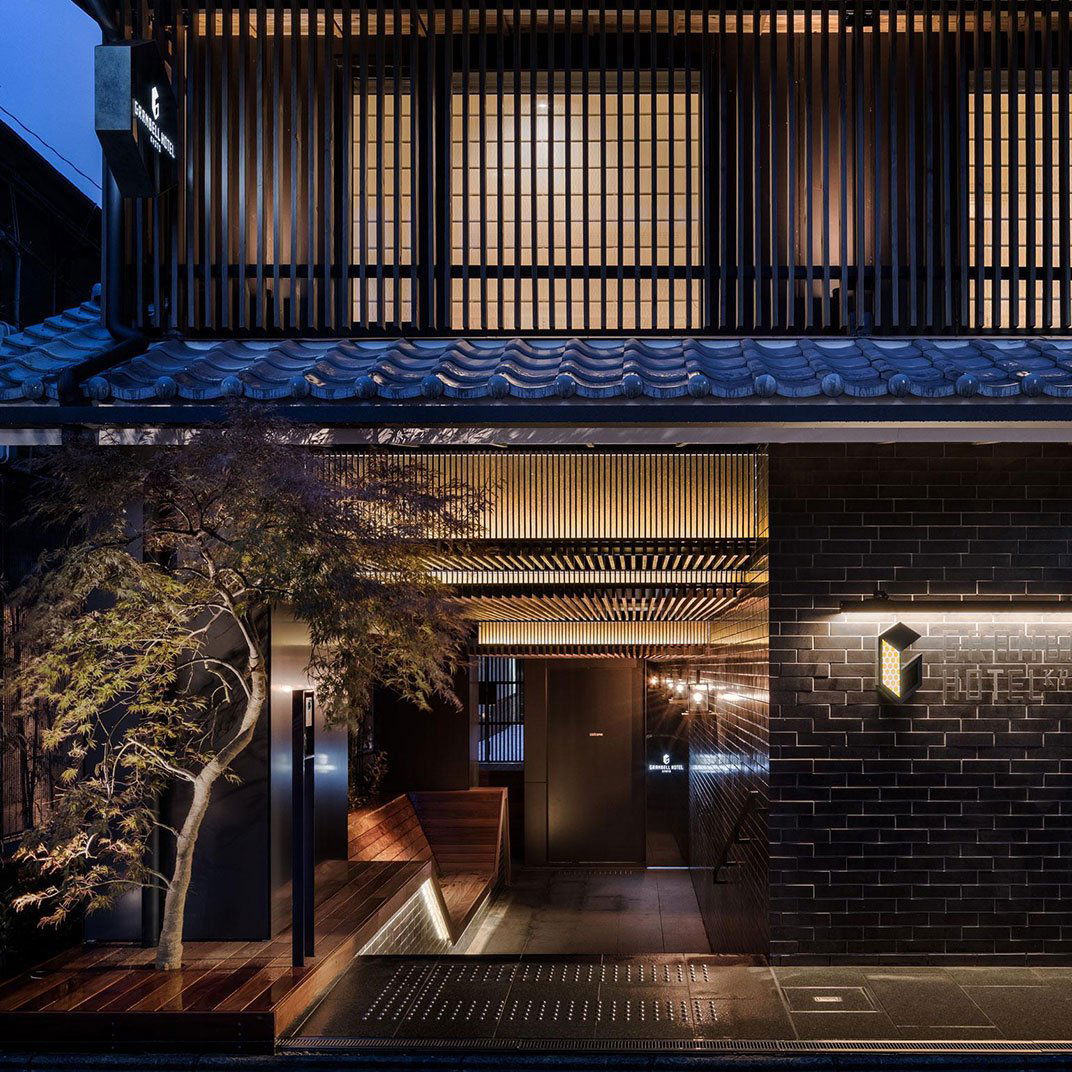


HANA-Kitcho
Japanese · Higashiyama, Kyoto
Restaurant in Kyoto, Japan
 Book with Pearl
The Read
Gion Kaiseki Seasonality
Price
¥¥¥
Dress
Formal
Why go
A Michelin one-star kaiseki behind Kyoto's oldest kabuki theatre, HANA-Kitcho carries the Kitcho lineage into the city's geisha quarter with seasonal menus overseen by chef Toshihara Takahashi. At ¥¥¥, it sits below the ¥¥¥¥ tier of several Kyoto peers while holding OAD recognition and a 2024 Michelin star. Book through a concierge; independent reservations are difficult.
About HANA-Kitcho
Verdict: A Michelin-starred kaiseki in the heart of Kyoto's geisha quarter; book it for a serious special occasion, but go in knowing the demand is real
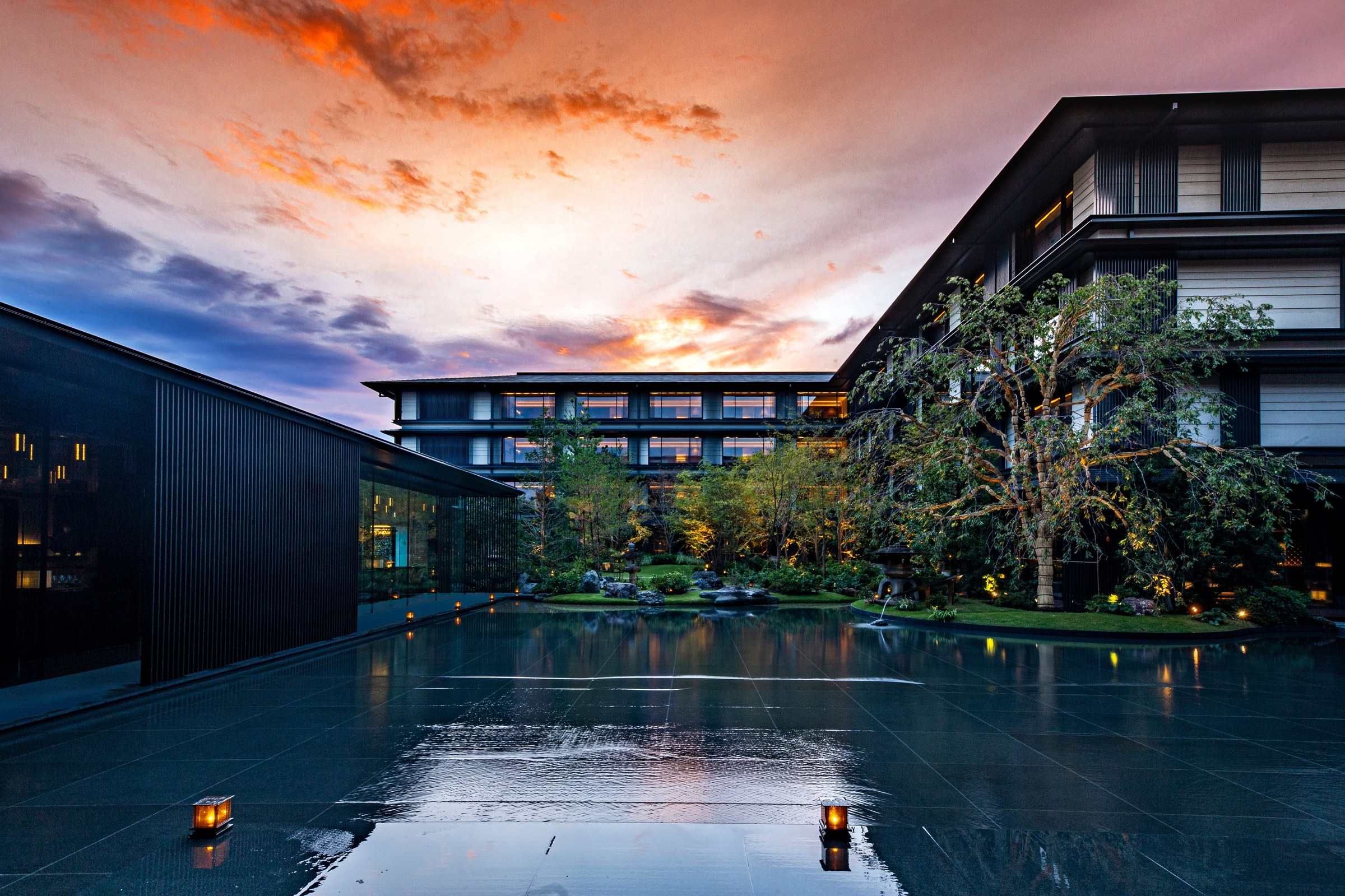
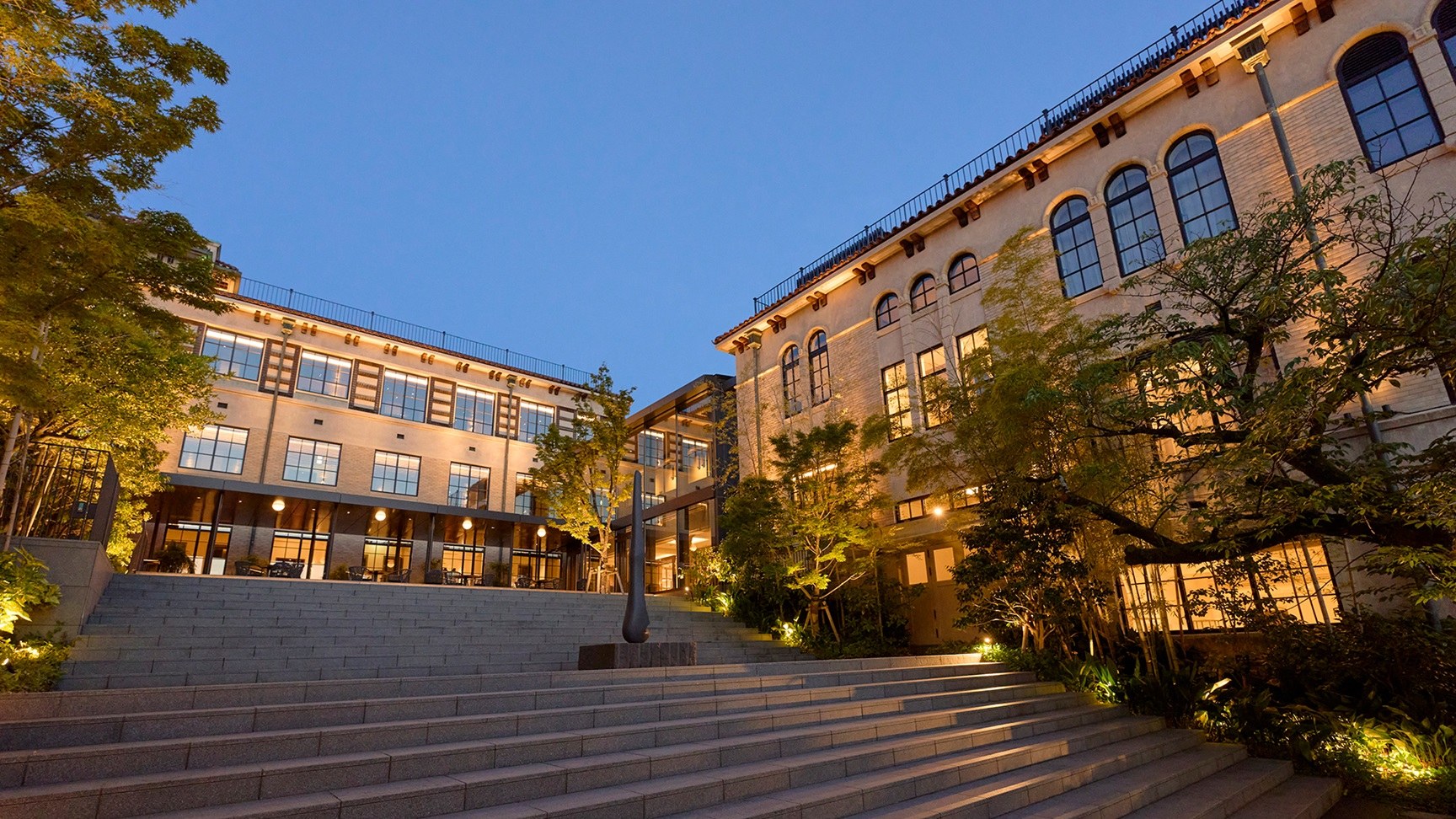
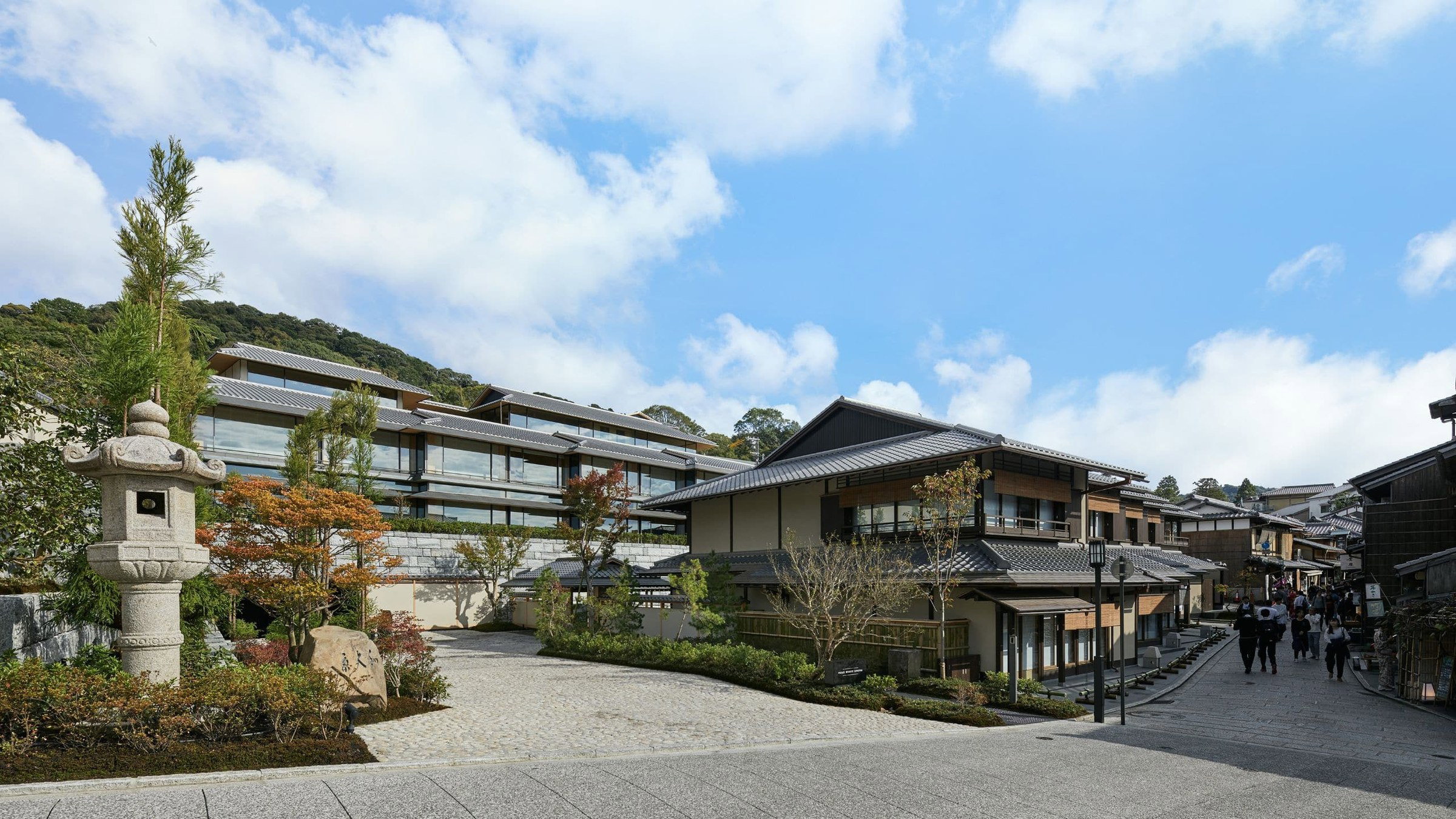
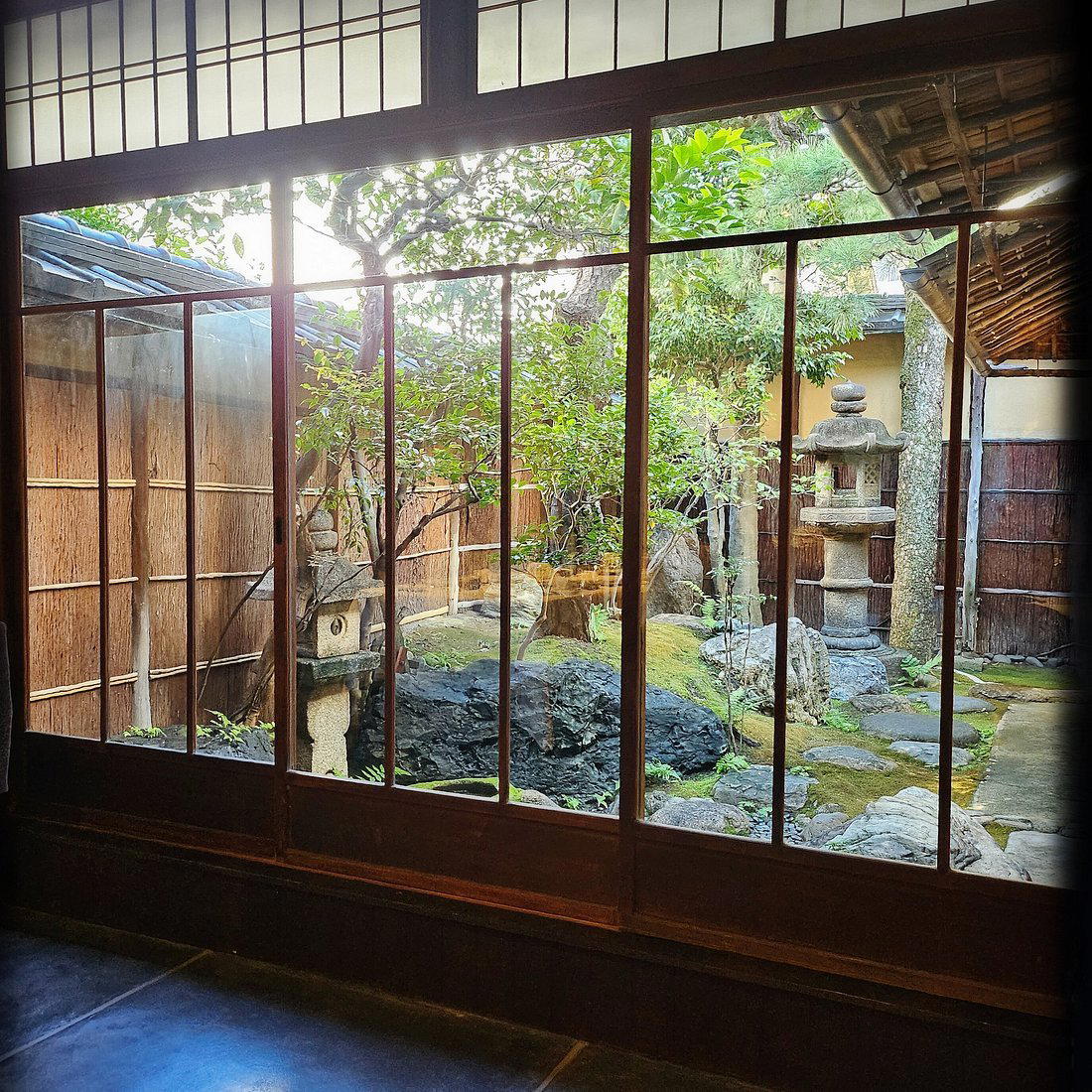
Picture the narrow streets behind Minami-za theatre on a cool autumn evening, lanterns casting light across cobblestones that have seen foot traffic since the early 17th century. That theatrical, historically layered setting is not incidental to HANA-Kitcho; it is the whole point. This kaiseki restaurant carries the Kitcho name, one of Japan's most recognised lineages in formal Japanese dining, pairs it with the hanamachi, Kyoto's geisha quarter, where it sits. The result is a venue that earns its Michelin star not just through what arrives at the table, but through where it places you.
For a special occasion dinner in Kyoto, HANA-Kitcho is a serious recommendation. It holds a Michelin one-star (2024), appeared on Opinionated About Dining's Leading Restaurants in Japan list in both 2023 and 2024 (ranked #472), and maintained a ranking of #561 in 2025, movement that reflects a competitive field rather than any decline in quality. If you know the format and book for the right reasons, the score is not a deterrent.
Why the Location Is the Argument
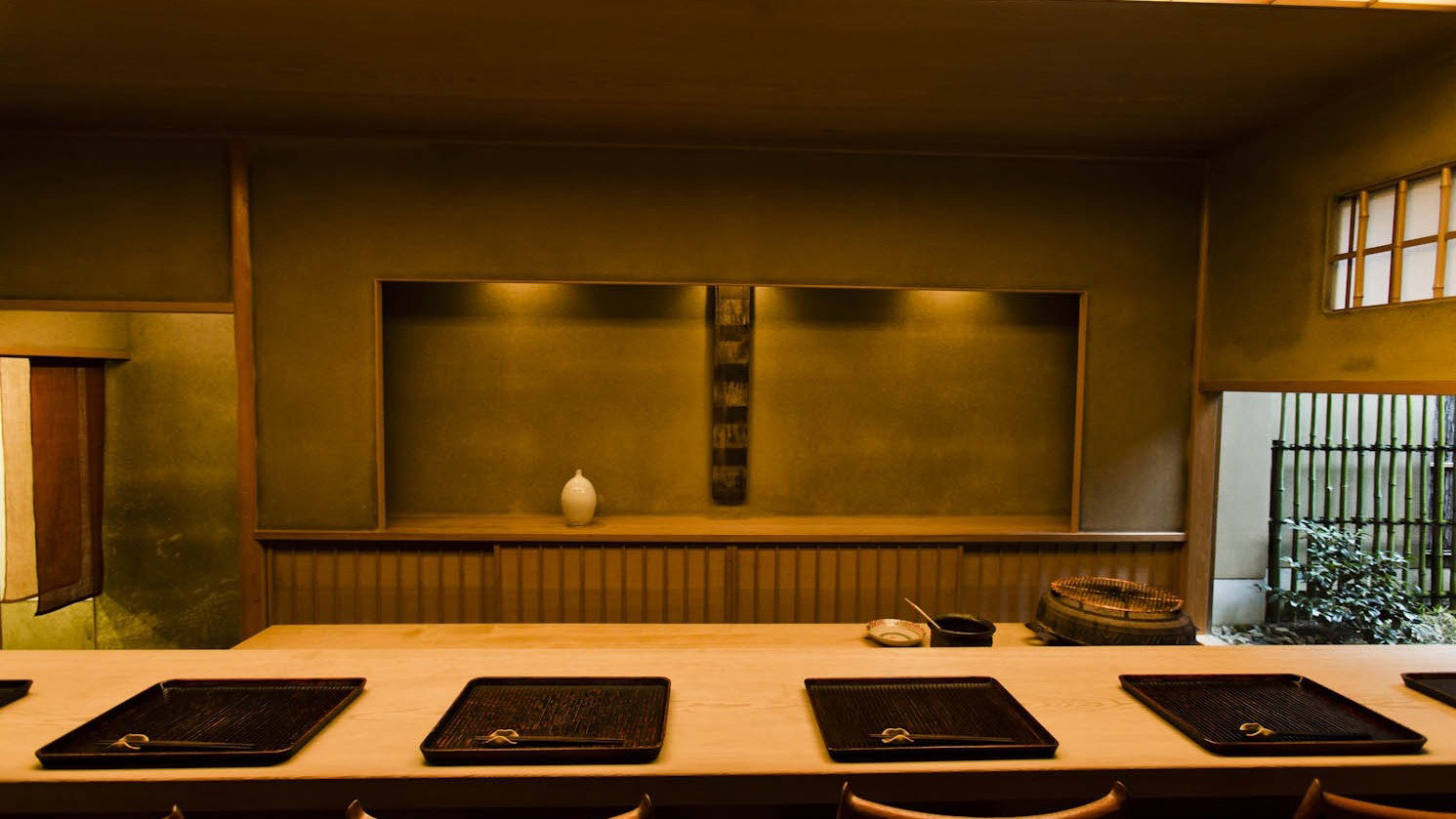
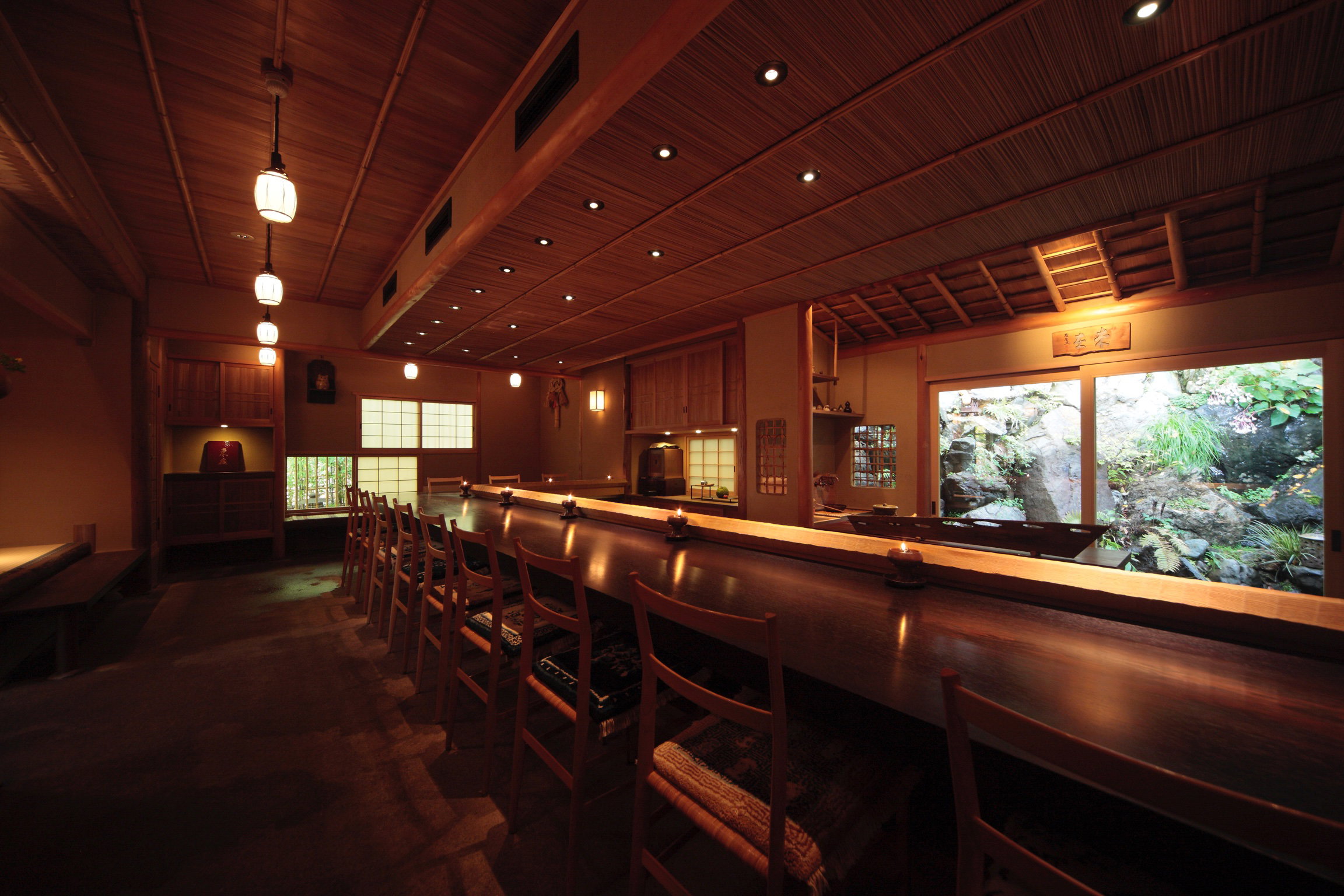
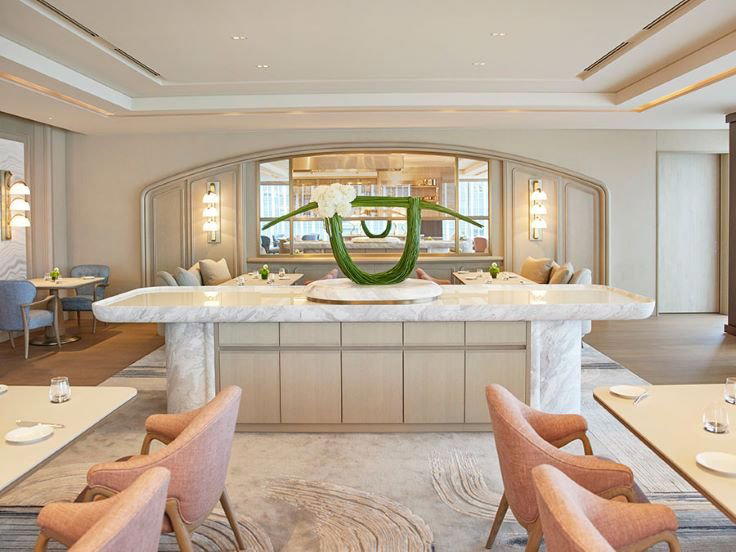
HANA-Kitcho sits in the Higashiyama district, behind Minami-za, a kabuki theatre that has operated since the early 1600s and remains one of Japan's oldest surviving playhouses. Dining here means arriving in a neighbourhood where cultural performance, seasonal ceremony, centuries of refined hospitality have overlapped for generations. Chef Toshihara Takahashi carries that context deliberately into the kaiseki format: the framed calligraphy in the dining room was written by founder Yuki Teiichi, the interior was designed by multiple sculptors working within the Rimpa School aesthetic, a classical Japanese painting tradition known for its use of nature motifs and decorative precision.
This is not background detail. In kaiseki, where the experience is structured around seasonal awareness and the interplay between food, vessel, setting, the physical environment is part of the meal. Choosing HANA-Kitcho over a hotel-adjacent kaiseki room in central Kyoto means choosing a venue where the neighbourhood itself reinforces the format. For a first-time kaiseki experience or an anniversary dinner, that coherence is worth paying for. For nearby alternatives in a similar spirit, Kikunoi Roan and Isshisoden Nakamura are both strong options in the same part of the city.
Atmosphere and Mood
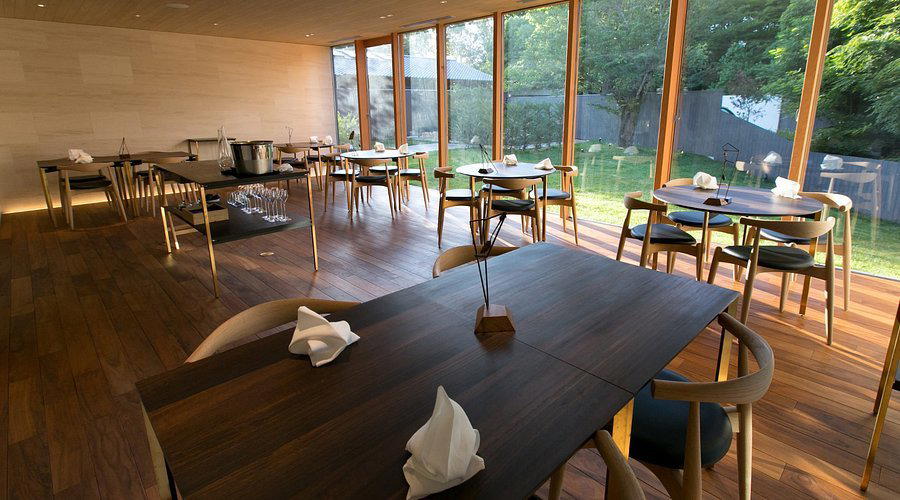
Expect a formal, quiet dining room, this is kaiseki, not an izakaya. The sound environment will be subdued, the pacing unhurried, the interaction with staff will follow a ceremonial rhythm that is part of the experience. If you are accustomed to Western tasting-menu formats, the structural similarities are there, but the mood is more meditative. The Rimpa-influenced interior means the visual atmosphere is carefully composed, with seasonal decorative elements that shift across the year. Autumn (October to November) and spring (late March to April) are the highest-demand periods, when seasonal menus are at their most expressive and the surrounding Higashiyama district is at its most atmospheric. Booking during these windows requires planning well ahead. Midwinter bookings, while less celebrated, tend to be more accessible and offer a quieter version of the same experience.
Booking and Access
Booking difficulty here is high. HANA-Kitcho does not have a publicly listed phone number or website in our current data. In practice, this means reservations are likely handled through a concierge at your hotel, a specialist Japan dining service, or a platform that manages access to formal Kyoto restaurants. If you are staying at a ryokan or a hotel with a strong local concierge, make this request before you arrive in Japan. For comparable kaiseki venues that are also challenging to book independently, Gion Matayoshi and Kodaiji Jugyuan operate in the same tier of accessibility. For the broadest view of where HANA-Kitcho fits in Kyoto's dining scene, see our full Kyoto restaurants guide.
Price and Value
HANA-Kitcho is priced at ¥¥¥, which in the context of Kyoto kaiseki places it below the ¥¥¥¥ tier occupied by venues like Kyokaiseki Kichisen. That relative positioning is meaningful: you are getting Michelin-starred kaiseki with serious cultural credentials at a price point that is accessible within the luxury tier but not at the absolute ceiling. For a special occasion where the kaiseki format is the goal and budget is a real consideration, HANA-Kitcho offers a more defensible price-to-award ratio than several of its Kyoto peers.
How It Compares
See the comparison section below for a direct peer breakdown. For dining at a comparable level elsewhere in Japan, HAJIME in Osaka operates at a similarly high level of formality, while Harutaka in Tokyo and Azabu Kadowaki are strong reference points for understanding where Kyoto kaiseki sits relative to Tokyo's own top-end Japanese dining. For a different regional experience, akordu in Nara and Goh in Fukuoka show how Japan's formal dining culture plays out beyond the major city centres. You can also explore Myojaku in Tokyo and 1000 in Yokohama for further context on Japan's broader kaiseki and formal Japanese dining tier.
If Kyoto is your base, round out your trip planning with our full Kyoto hotels guide, our full Kyoto bars guide, our full Kyoto wineries guide, and our full Kyoto experiences guide. For dining specifically, 6 in Okinawa is worth noting as a counterpoint example of how Japan's formal dining registers shift dramatically by region.
Practical Details
| Detail | HANA-Kitcho | Kikunoi Roan | Gion Matayoshi |
|---|---|---|---|
| Price tier | ¥¥¥ | ¥¥¥ | ¥¥¥¥ |
| Awards (2024) | Michelin 1 Star, OAD Top 472 | Michelin starred | Michelin starred |
| Booking difficulty | High | Moderate-High | High |
| Format | Kaiseki | Kaiseki | Kaiseki |
| Location | Higashiyama / hanamachi | Higashiyama | Gion |
| Leading for | Special occasion, cultural immersion | First kaiseki experience | Intimate, high-formality occasion |
Planning details
- Location
- Japan, 〒605-0802 Kyoto, Higashiyama Ward, Yamatocho, 3−2
- Website
- kyoto-kitcho.com/restaurant/hana
- Phone
- +81 75-531-1500
The take
The Take
The Vibe
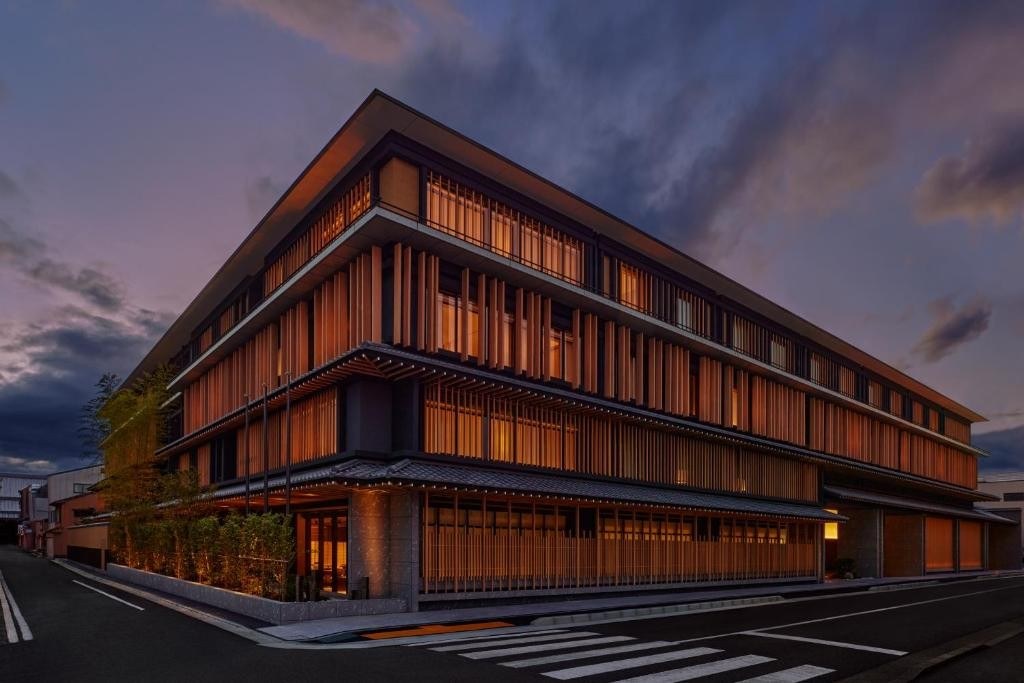
HANA-Kitcho reads as a deeply contextual Kyoto restaurant: the approach from Minami-za and the hanamachi of Gion foreground a sense of history, performance and place. Inside, sculptural interventions and a contemporary riff on the Rimpa School of Painting keep the room from feeling like a static museum piece; instead the interior stages an argument about how tradition adapts. The overall impression is one of deliberate refinement — a setting where cultural memory and modern interpretation meet, and where the architecture and decorative program are integral to the dining experience.
Best For
This is a dinner destination for formal, highly curated occasions. The menu is presented in the kaiseki tradition and the restaurant’s lineage and formality align it with three-star peers in Kyoto, so it suits special-occasion meals, intimate date nights and formal business dinners. Its immediate proximity to the kabuki theatre also makes it a natural choice for a pre-theatre dinner in Gion. Expect an experience framed as a complete cultural event rather than casual, a meal best enjoyed in the evening.
Ordering Tips
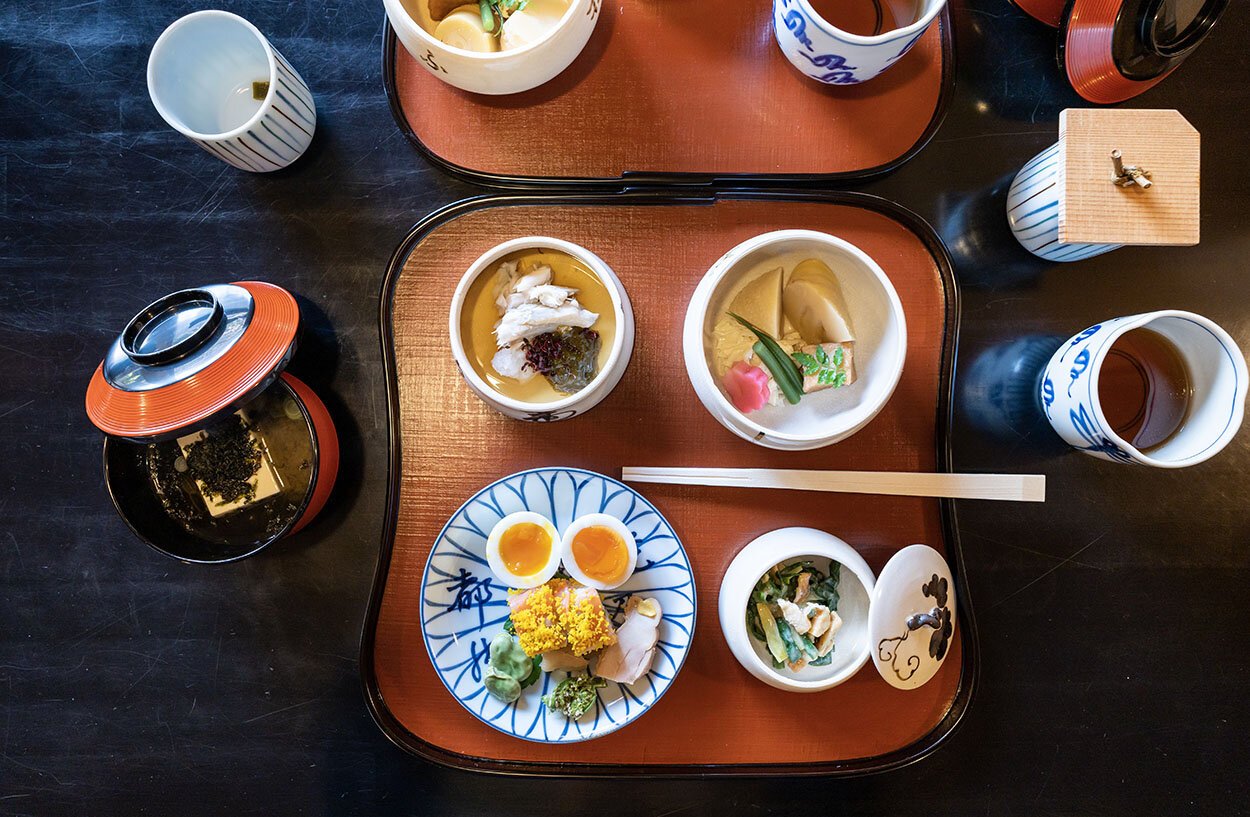
The restaurant frames the meal itself as the point: kaiseki is treated as a cohesive cultural sequence rather than a la carte choices. Visitors should be prepared to approach the service as a multi-course, highly curated progression that emphasizes seasonality, presentation and pacing. Because the description stresses lineage and formal register, diners should orient their expectations toward a composed, ritualized meal and allow the sequence to unfold rather than seeking interchangeable plates or casual substitutions.
Venue details
Ambiance
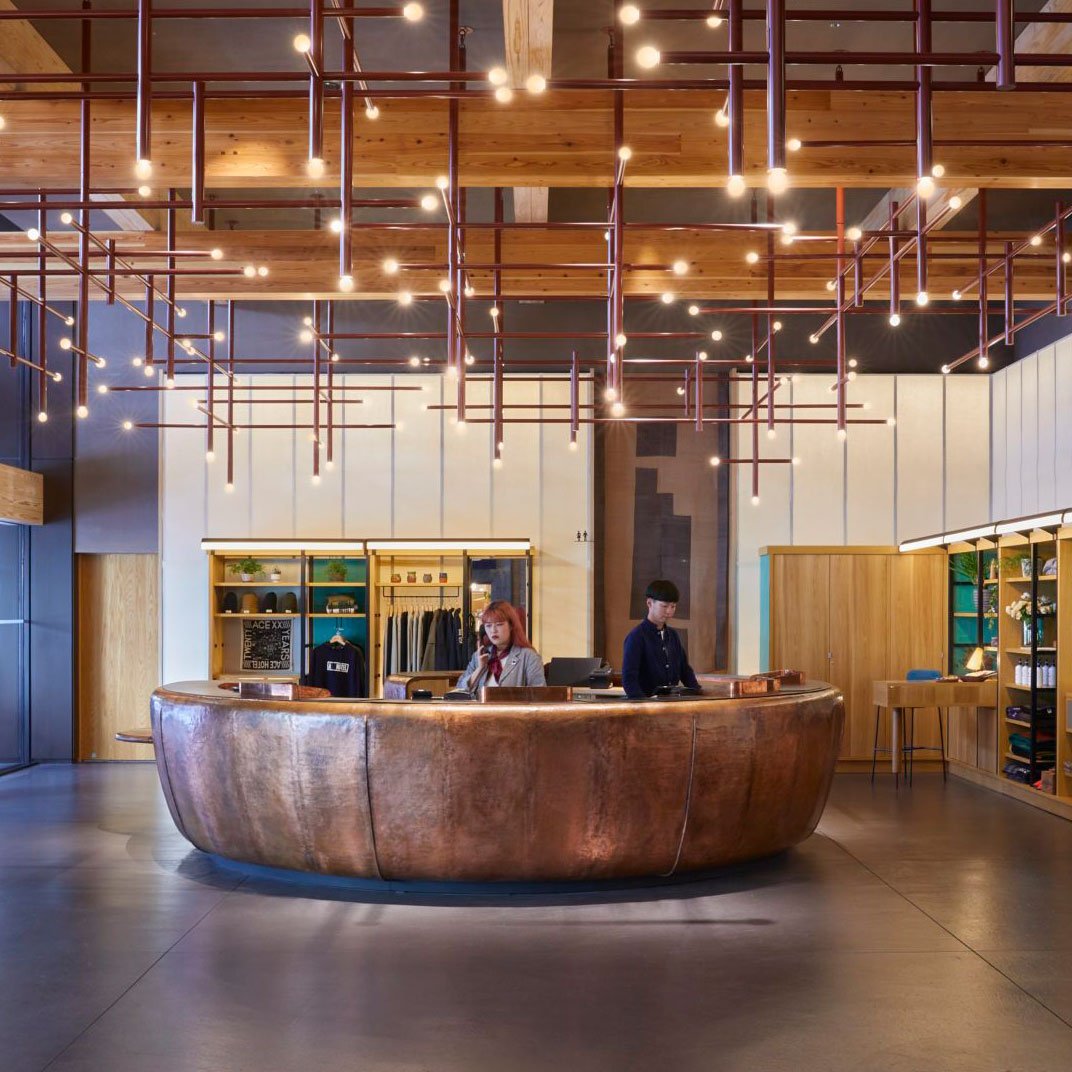
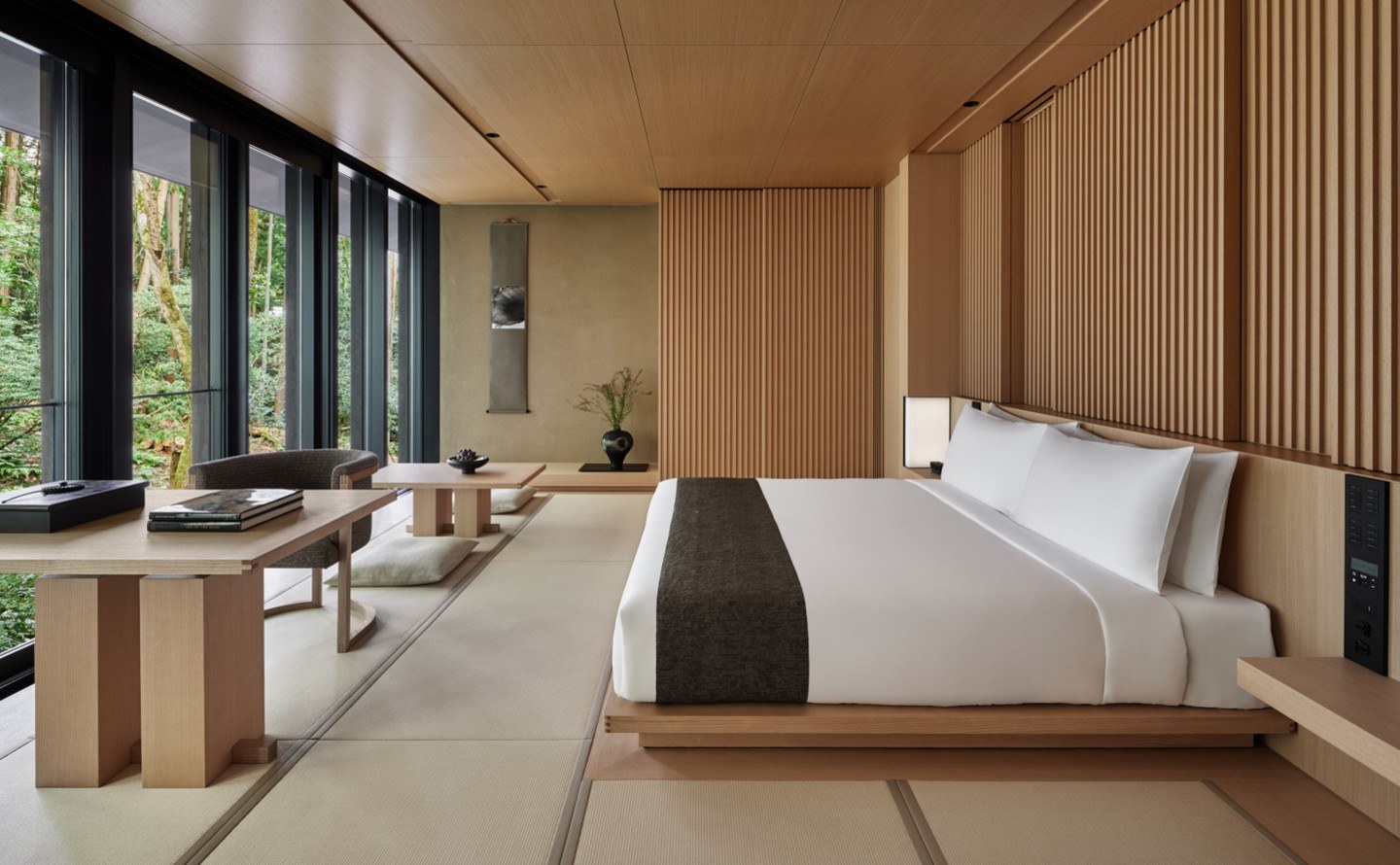
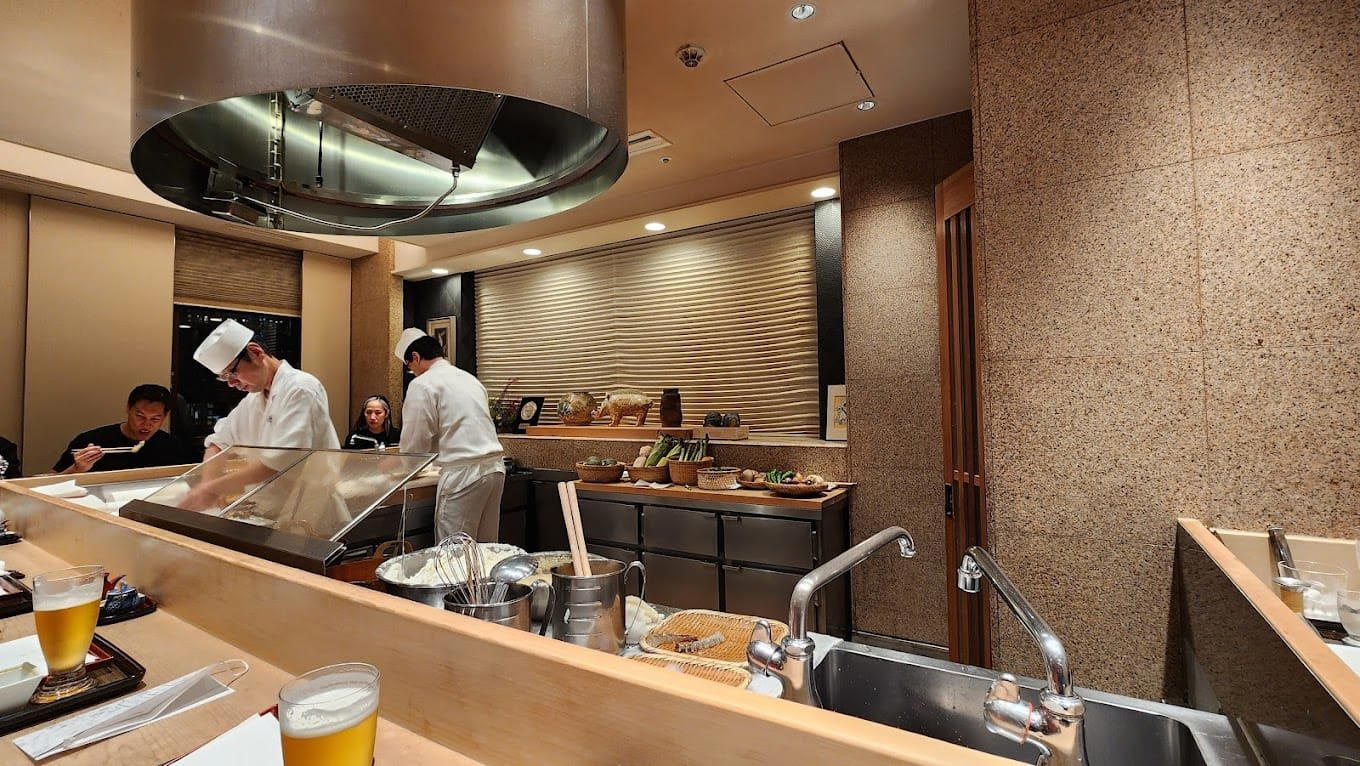
Calm, quiet, and elegant with artistic decor inspired by Rinpa School, moss-marble patterns, and seasonal floral elements evoking refined Kyoto tradition.
Tags
Vibe
Best For
Experience
View
Accessibility
At the Table
- Dress Code
- Formal
- Noise Level
- Quiet
- Service Style
- Formal
- Meal Pacing
- Leisurely
- Capacity
- Intimate
Planning details
Location
Japan, 〒605-0802 Kyoto, Higashiyama Ward, Yamatocho, 3−2 · Directions
Recognition and awards

Also consider
Also Consider
- Gion Sasaki; Kaiseki, Japanese, ¥¥¥¥
- cenci; Italian, ¥¥¥
- Ifuki; Kaiseki, ¥¥¥¥
- Kyokaiseki Kichisen; Japanese, ¥¥¥¥
- SEN; French, Japanese, ¥¥¥¥
Restaurant context
Within Kyoto's kaiseki tier, HANA-Kitcho at ¥¥¥ has a clear price advantage over most of its direct peers. Kyokaiseki Kichisen and Ifuki both operate at ¥¥¥¥ and represent the higher end of formality and spend in the city. If maximum prestige and ceremony matter more than price, Kyokaiseki Kichisen is the stronger choice. If you want Michelin-recognised kaiseki with serious cultural grounding at a step below the top price tier, HANA-Kitcho is the more defensible booking.
Gion Sasaki sits at ¥¥¥¥ and draws strong reviews for its kaiseki execution in the Gion district; a direct competitor for special occasion bookings, similarly hard to access without a concierge. Between the two, HANA-Kitcho's hanamachi location and Kitcho lineage give it a distinctive cultural identity that Gion Sasaki does not replicate. SEN, which blends French and Japanese at ¥¥¥¥, is a better fit if you want the tasting-menu format with Western technique rather than a traditional kaiseki progression. For a complete change of register at a lower price point, cenci at ¥¥¥ offers Italian cooking with local ingredients and is easier to book; but serves a different purpose entirely.
The practical summary: for a Kyoto kaiseki at a Michelin level without paying ¥¥¥¥, HANA-Kitcho is the most logical booking. For the highest-formality kaiseki experience in the city regardless of price, Kyokaiseki Kichisen edges it. For something easier to book at a similar price, cenci fills the ¥¥¥ slot but in a different cuisine category entirely.
Explore Kyoto
Around this place
Discover more on Pearl
Unlock the full HANA-Kitcho guide in Pearl, including awards, comparisons, FAQs, planning details, and nearby places.
Compare HANA-Kitcho
| Venue | Cuisine | Awards | Booking Difficulty |
|---|---|---|---|
| HANA-Kitcho | Japanese | 2026 OAD Top Restaurants in Japan RecommendedMichelin Guide Kyoto Osaka 20262026 Michelin 1 Star2025 OAD Top Restaurants in Japan Ranked · #5612024 OAD Top Restaurants in Japan Ranked · #4722024 Michelin 1 Star2023 OAD Top Restaurants in Japan Highly Recommended | Hard |
| Gion Sasaki | Kaiseki, Japanese | 2026 Tabelog Bronze · #3862026 OAD Top Restaurants in Japan RecommendedMichelin Guide Kyoto Osaka 20262026 La Liste Top RestaurantsTabelog 100 - Japanese cuisine - WEST - 2025 · #132025 OAD Top Restaurants in Japan Ranked · #2462025 Tabelog Silver2025 Michelin 3 Stars2025 La Liste Top Restaurants | Unknown |
| cenci | Italian | 2026 Tabelog Bronze · #442026 Asia's 50 Best Restaurants · #762026 OAD Top Restaurants in Japan Highly RecommendedMichelin Guide Kyoto Osaka 2026Tabelog 100 - Italian - WEST - 2025 · #632025 Asia's 50 Best Restaurants · #632025 OAD Top Restaurants in Japan Ranked · #1682025 Tabelog Bronze2024 OAD Top Restaurants in Japan Ranked · #135 | Unknown |
| Ifuki | Kaiseki | 2026 OAD Top Restaurants in Japan Ranked · #1222026 Tabelog Bronze · #128Michelin Guide Kyoto Osaka 20262026 La Liste Top RestaurantsTabelog 100 - Japanese cuisine - WEST - 2025 · #622025 OAD Top Restaurants in Japan Ranked · #1002025 La Liste Top Restaurants2025 Tabelog Bronze2025 Michelin 2 Stars | Unknown |
| Kyokaiseki Kichisen | Japanese | 2026 Tabelog Bronze · #1752026 OAD Top Restaurants in Japan Highly RecommendedMichelin Guide Kyoto Osaka 20262025 OAD Top Restaurants in Japan Ranked · #1862025 Michelin 2 Stars2025 La Liste Top Restaurants2024 OAD Top Restaurants in Japan Ranked · #1422024 Michelin 2 Stars2023 OAD Top Restaurants in Japan Ranked · #136 | Unknown |
| SEN | French, Japanese | 2026 Tabelog Bronze · #3952026 OAD Top Restaurants in Japan RecommendedMichelin Guide Kyoto Osaka 20262026 Michelin PlateTabelog 100 - Japanese cuisine - WEST - 2025 · #652025 Michelin Plate2025 Tabelog Bronze2024 OAD Top Restaurants in Japan Ranked · #3622024 Michelin Plate | Unknown |






.png?width=1200&quality=80)
Key differences to consider before you reserve.
FAQ
Frequently Asked Questions
Is HANA-Kitcho good for a special occasion?
Yes; it is one of the stronger cases for a special-occasion booking in Kyoto. A Michelin star, a setting directly behind the 17th-century Minami-za theatre, a kaiseki format built around seasonal and cultural ritual all support that use case. The atmosphere is formal and unhurried, which suits a milestone dinner better than a casual celebration. If the occasion calls for something more theatrical and higher-budget, Kyokaiseki Kichisen operates at the ¥¥¥¥ tier above it.
What should I order at HANA-Kitcho?
HANA-Kitcho serves kaiseki, which means the menu is set; you do not order à la carte. Chef Toshihara Takahashi structures the meal around seasonal ingredients and cultural references, in keeping with the Kitcho tradition. Your decision at booking is whether to communicate dietary needs in advance, not which dishes to select.
Does HANA-Kitcho handle dietary restrictions?
Kaiseki menus are fixed and designed as a sequence, which makes last-minute dietary requests difficult at any venue in this category. The practical approach is to communicate restrictions clearly at the time of reservation, before the menu is finalized. Given that HANA-Kitcho has no publicly listed phone or website, reservations typically require an intermediary; a hotel concierge or specialist booking service; which also provides the right channel for flagging dietary needs.
Is HANA-Kitcho good for solo dining?
Kaiseki at this level is format-compatible with solo dining; counter seating is common in Kyoto's kaiseki houses and suits a single diner well. Whether HANA-Kitcho specifically offers counter seating is not confirmed in current data, but the format and price point (¥¥¥) are reasonable for a considered solo meal. Booking as a solo diner may also be marginally easier to arrange through an intermediary than securing a table for a large group.
Is HANA-Kitcho worth the price?
At ¥¥¥, HANA-Kitcho sits below the top tier of Kyoto kaiseki; venues like Kyokaiseki Kichisen charge more. For a Michelin-starred meal in the Higashiyama district, with cultural weight from both the Kitcho lineage and the Rimpa-influenced interior, the price-to-context ratio is solid. It is worth it if kaiseki is the format you want and you have secured a reservation through proper channels; it is not the right spend if you are indifferent to the seasonal, ceremonial structure of the meal.
Is the tasting menu worth it at HANA-Kitcho?
At a Michelin-starred kaiseki restaurant, the tasting menu is the only format; there is no alternative. Chef Toshihara Takahashi works within the Kitcho tradition, weaving seasonal and cultural elements into the sequence, which is the entire point of kaiseki. If that structured, course-by-course approach matches what you are looking for, the answer is yes. If you prefer flexibility or à la carte choice, this is not the venue.