


Tempura Yaguchi
Tempura · Chūō, Tokyo
Restaurant in Tokyo, Japan
 Book with Pearl
The Read
Sequential Tempura Omakase
Price
¥¥¥¥
Chef
Kazuki Yaguchi
Dress
Smart Casual
Why go
Tempura Yaguchi holds a Michelin star (2024) and an OAD top-600 ranking in Japan, making it one of Tokyo's more credentialed tempura counters at ¥¥¥¥. Chef Kazuki Yaguchi's kitchen works with technical precision — same ingredient, different temperatures, different results. Book four to six weeks out minimum; this one is hard to secure without a Japanese-speaking concierge.
About Tempura Yaguchi
Should You Book Tempura Yaguchi?
If you're choosing between Tempura Yaguchi and Tempura Kondo for a serious tempura meal in Tokyo, Yaguchi makes the stronger case for diners who want precision cooking in an intimate, craft-forward setting. Kondo carries more name recognition and is easier to research in English, but Yaguchi's Michelin one-star recognition in 2024 and a ranking of #558 on Opinionated About Dining's leading restaurants in Japan (2025) confirm it is operating at the same tier, with a smaller footprint and a more focused point of view. Book Yaguchi if the cooking itself is the priority. Book Kondo if ease of access and English-language booking support matter more to you.
The Portrait
Tempura Yaguchi sits in Nihonbashiningyocho, a quiet pocket of Chuo City that sits apart from the tourist circuits of Asakusa and the business density of Shinjuku. The address, ground floor of a building on a residential-commercial street, gives little away. This is a deliberate kind of place, and the cooking matches that register.
Chef Kazuki Yaguchi works in a discipline where the margin for error is narrow. High-heat frying draws moisture from each ingredient, leaving a coating that is fragrant rather than heavy. The shrimp course, which arrives in two successive pieces fried at different temperatures, is a direct demonstration of that principle: the contrast between a rarer interior and a more thoroughly cooked one is not a stylistic flourish but a technical argument. Two kinds of squid may appear depending on what is available, each presenting a different flavour profile from the same ingredient category. The kitchen's logic is consistent throughout: same ingredient, different treatment, different result.
On the wall hangs a work of calligraphy, a gift from Chef Yaguchi's mentor. It reads Menkyo Kaiden, a phrase meaning full mastery of the arts of the trade. The words are directed not at the diner but at the apprentices working the counter. The implication is clear: the standard in this room is generational transmission, and the expectation is that the next generation will push past what came before. For a food-focused traveller, that framing matters. You are not eating at a restaurant frozen at its founding moment. You are eating at a place that is still in the process of becoming.
The price range sits at ¥¥¥¥, which in the context of Michelin-starred Tokyo omakase means you should budget for a serious commitment. This is not a meal you book the week you arrive. Tempura Yaguchi is rated hard to book, and that assessment holds. Reservation lead times for Michelin-starred counter restaurants in Tokyo regularly run four to six weeks in advance, and for venues with limited English-language booking infrastructure, the practical difficulty compounds. Build the reservation into your pre-trip planning, not your in-trip schedule. If you arrive without a booking and want a comparable tempura experience at the same tier, Tempura Motoyoshi and Fukamachi are worth pursuing as alternatives. For something slightly more accessible in the same craft category, Tempura Ginya is a practical fallback.
On the question of late dining: Tokyo's Michelin counter restaurants are not, as a category, late-night destinations. Seatings at venues like Yaguchi typically run in a single or double session structure, with the kitchen shutting down well before midnight. If you are building an evening around Yaguchi, treat it as a destination dinner with early timing rather than a late-night option. Post-dinner, Nihonbashiningyocho's quieter character means the area itself is not a nightlife district, so plan your evening's continuation in advance. The Nihonbashi broader area has enough bar options to extend the night if needed, and the Tokyo metro from Ningyocho Station keeps the neighbourhood connected.
For context across Japan's tempura category: Numata in Osaka offers a regional alternative for travellers moving west, while Mudan Tempura in Taipei shows how the form travels beyond Japan. Within Tokyo, Edomae Shinsaku provides another data point in the high-end Edomae tradition. If your trip extends to other cities, HAJIME in Osaka, Gion Sasaki in Kyoto, and Goh in Fukuoka represent the same tier of commitment in different formats and cities. For travellers building a full Japan itinerary, akordu in Nara, 1000 in Yokohama, and 6 in Okinawa extend the conversation further.
See our full Tokyo restaurants guide, Tokyo hotels guide, Tokyo bars guide, Tokyo wineries guide, and Tokyo experiences guide for further planning.
Ratings at a Glance
- Michelin Stars: 1 Star (2024)
- OAD Ranking: #558 Leading Restaurants in Japan (2025)
- Price: ¥¥¥¥
- Booking Difficulty: Hard
Practical Details
Tempura Yaguchi is located at 2 Chome-9-7 Nihonbashiningyocho, Chuo City, Tokyo, on the ground floor of a local building. The nearest station is Ningyocho on the Hibiya and Asakusa lines, keeping the venue accessible from most parts of central Tokyo. No website or phone number is publicly listed, which means your leading route to a reservation is through a concierge at your hotel (particularly one familiar with Japanese-language bookings), or through a third-party reservation service such as Tableall or Omakase. Start the booking process at least four to six weeks before your intended visit. Verify hours directly before travel.
FAQ
Is Tempura Yaguchi good for solo dining?
- Counter seating at a tempura restaurant like Yaguchi is one of the better solo dining formats in Tokyo. You are seated directly in front of the action, pieces arrive one at a time, and the pacing is entirely controlled by the chef. Solo diners are well-suited to this format and should not hesitate to book alone.
Is the tasting menu worth it at Tempura Yaguchi?
- At ¥¥¥¥, this is a significant spend by any standard. The Michelin one-star and OAD top-600 ranking in Japan confirm the kitchen is operating at a level that justifies the price if tempura as a craft discipline interests you. If you are equally happy with a broader Japanese format, RyuGin's kaiseki offers more range at a similar price point. But for a focused, technically precise tempura progression under Chef Kazuki Yaguchi, the spend is defensible.
Does Tempura Yaguchi handle dietary restrictions?
- Specific booking policy or dietary restriction information is not publicly available. Given that tempura is a seafood and vegetable-forward format, shellfish allergies are a direct concern. Contact the restaurant ahead of your visit, ideally through a Japanese-speaking concierge, and raise dietary requirements at the time of booking rather than on the night.
Is Tempura Yaguchi worth the price?
- Yes, for a diner whose focus is tempura as a craft. The combination of a 2024 Michelin star and an OAD ranking within the top 600 restaurants in Japan positions Yaguchi in a genuinely competitive tier. Compared to more famous names at the same price level, you are paying for cooking quality rather than brand recognition, which is the better trade at ¥¥¥¥.
Can Tempura Yaguchi accommodate groups?
- Counter restaurants in this category are typically structured for small groups. Groups larger than four should check availability carefully before booking, ideally through a concierge who can confirm the layout. For larger groups at ¥¥¥¥ Tokyo restaurants, a kaiseki format such as RyuGin may offer more flexible private-room options.
What should I order at Tempura Yaguchi?
- The menu follows an omakase structure: you eat what the chef sends. Shrimp arrives in two successive pieces at different temperatures, and squid may appear in two varieties depending on availability. Beyond that, the selection tracks seasonal and market availability. There is no a la carte option to navigate.
Can I eat at the bar at Tempura Yaguchi?
- Counter seating is the format at a restaurant like this, not an alternative to it. In traditional tempura restaurants, the counter is the primary dining position, placing you directly in front of the chef. There is no separate bar or lounge area.
What should I wear to Tempura Yaguchi?
- No dress code is published. At a Michelin one-star counter restaurant in Tokyo at ¥¥¥¥, smart casual is the reliable baseline: no shorts, no sportswear. Tokyo's higher-end dining rooms generally do not enforce strict dress codes, but matching the register of the room is standard practice. Err toward neat rather than formal.
Planning details
- Location
- Japan, 〒103-0013 Tokyo, Chuo City, Nihonbashiningyocho, 2 Chome−9−7 大江戸アクセス2 1F
- Website
- tabelog.com/en/tokyo/A1302/A130204/13248312
- Phone
- +81 3-3527-3701
The take
The Take
The Vibe
Tempura Yaguchi presents a quietly authoritative, old‑Tokyo temperament. A piece of calligraphy on the wall—Chef Yaguchi's mentor's gift reading Menkyo Kaiden—sets an understated tone that matches the measured rhythm of Nihonbashiningyocho. The room feels intimate and restrained rather than theatrical: mastery is communicated through technique and timing rather than flourish. The Michelin star and comparison to Tokyo’s leading tempura counters underline a serious, classic approach to the craft. Guests encounter a disciplined, refined environment where silence and attentiveness are part of the experience.
Best For
This counter is best for diners seeking a focused, high‑end tempura omakase—occasions that call for attention to detail and a ceremonial pace. With a ¥¥¥¥ price tier and a Michelin star, it suits special occasions and date nights where the meal itself is the event. The format rewards guests who want a chef‑led progression of singular pieces rather than a casual multi‑course dinner: it’s a reservation for those prepared to engage with a deliberate, piece‑by‑piece tasting.
Ordering Tips
The meal is delivered sequentially and timed around the fryer, so be prepared to eat each piece immediately. The counter format means the chef times service to the diner’s chopsticks: staying attentive and responsive is part of the contract. Expect a strict omakase rhythm—each tempura arrives individually—so avoid lingering between bites. Given the price tier and the house’s reputation, reservations and punctuality are implied; treat the service as an interactive performance rather than a conventional plated dinner.
Venue details
Ambiance
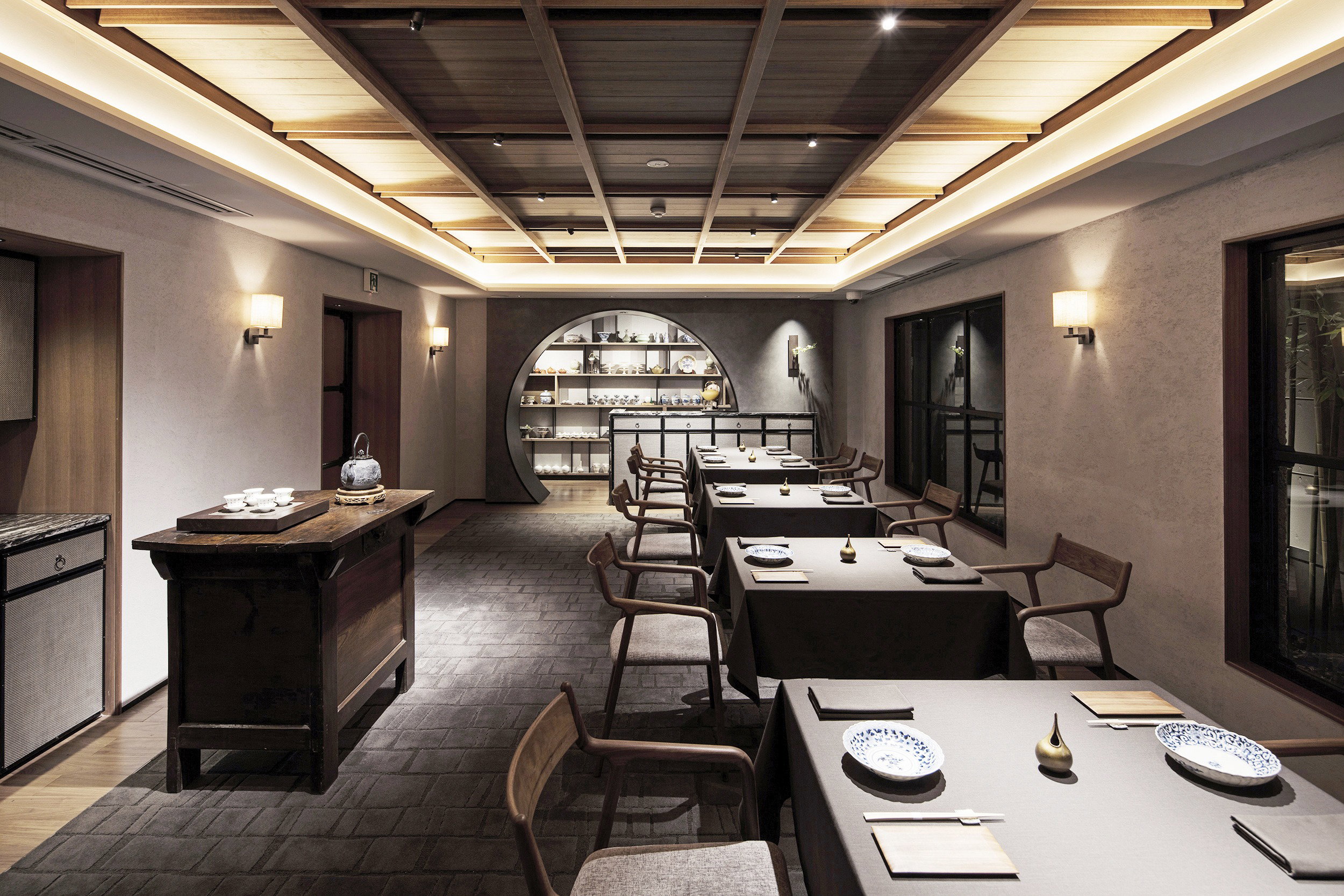
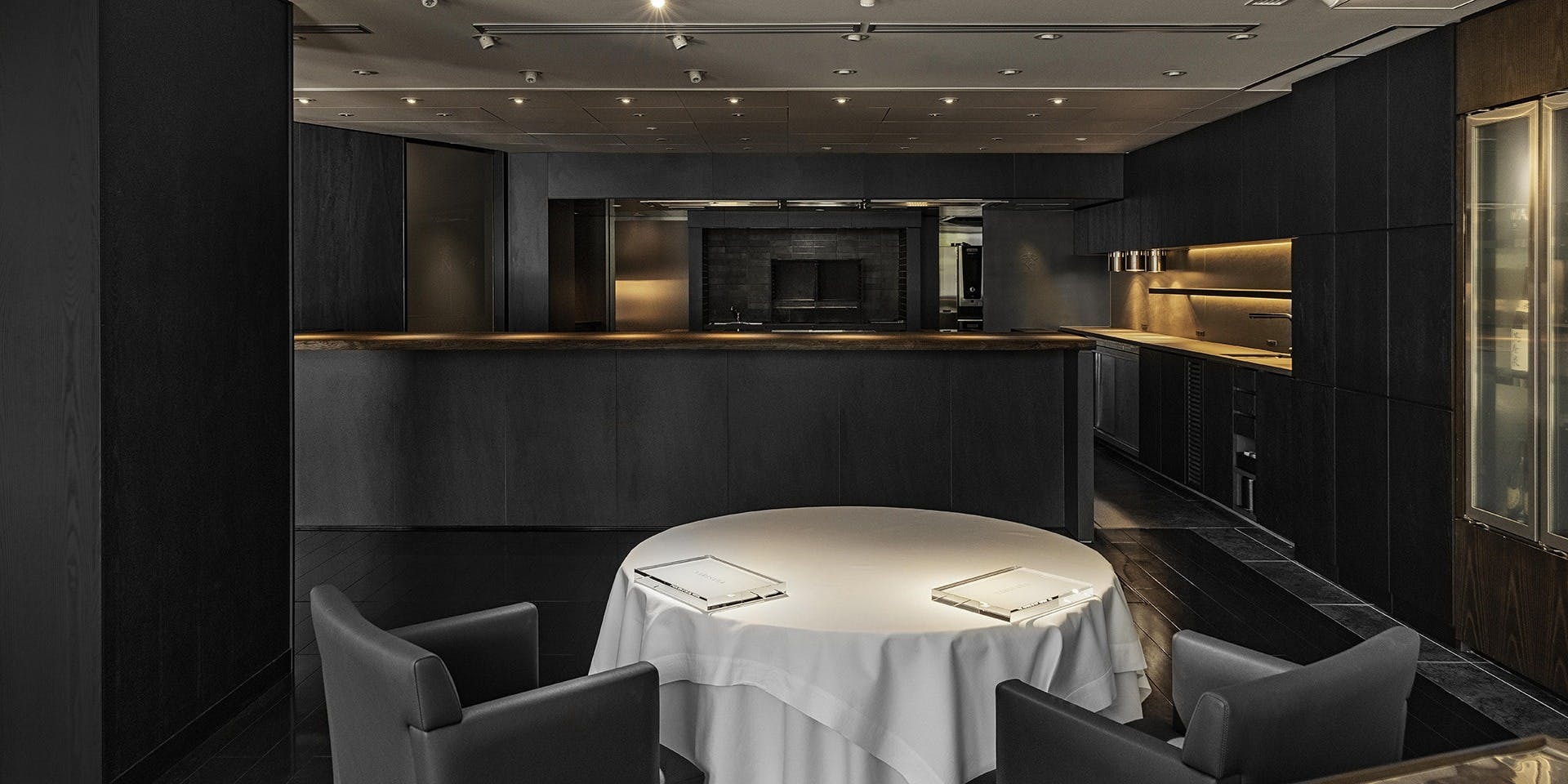
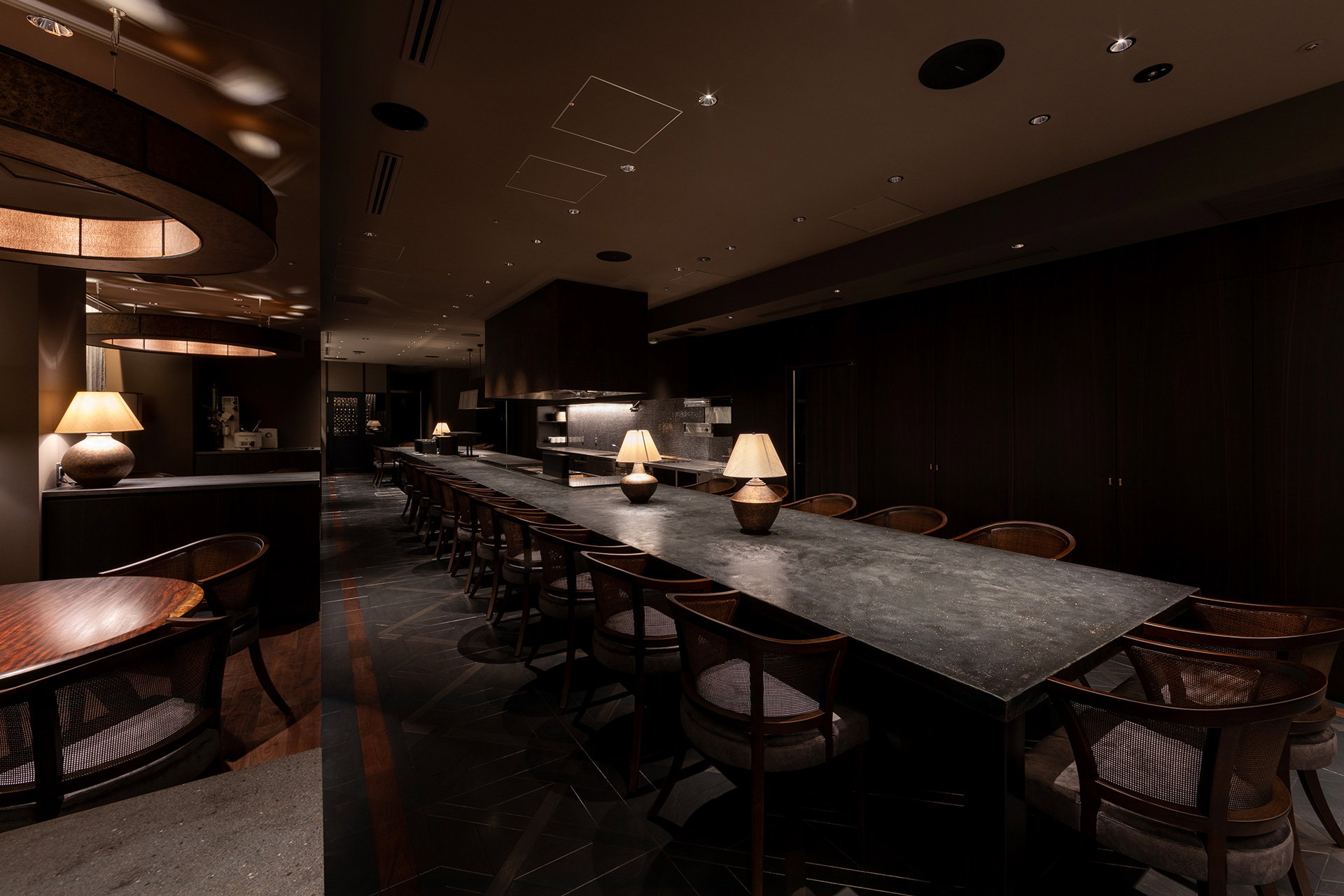
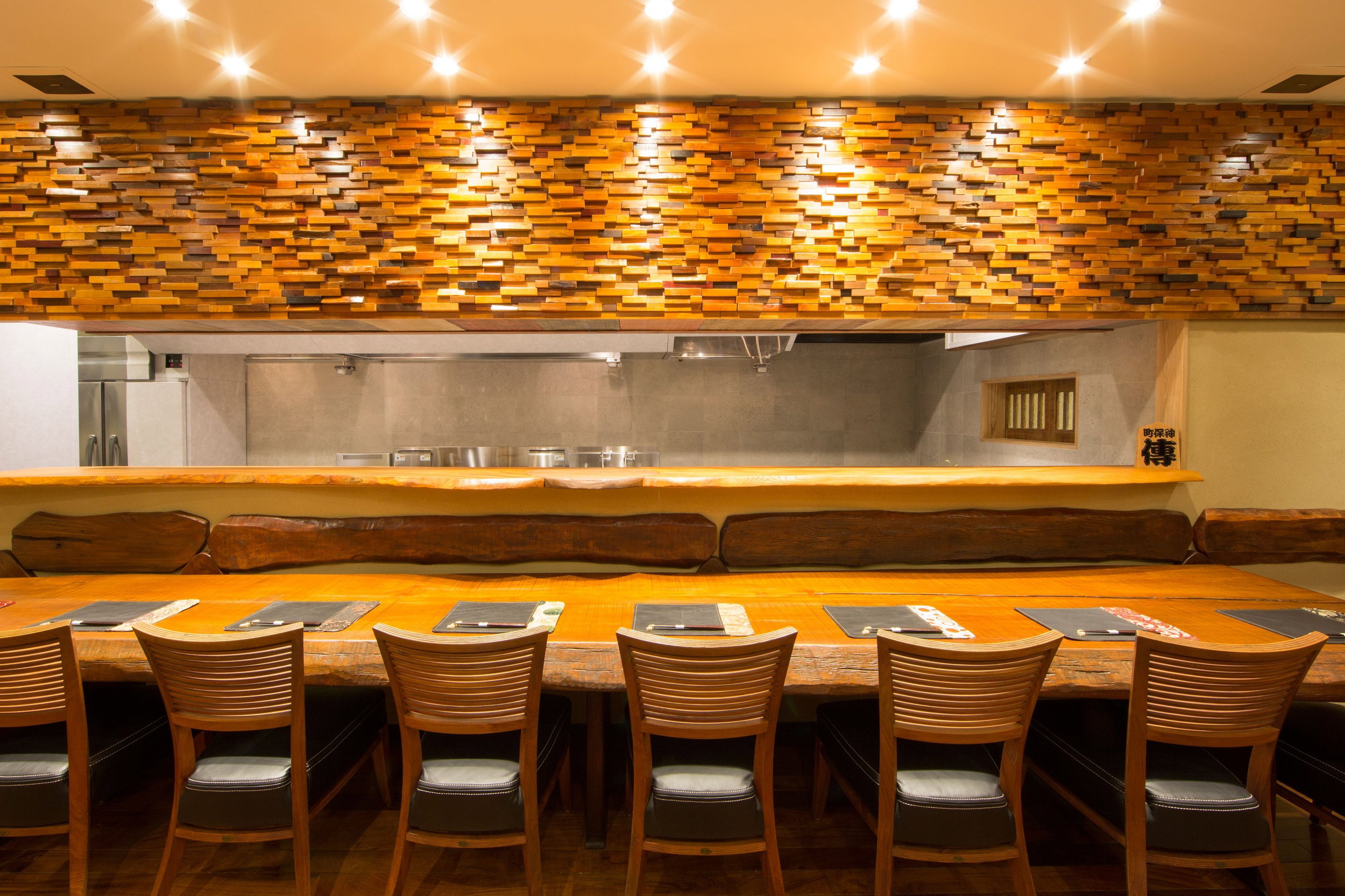
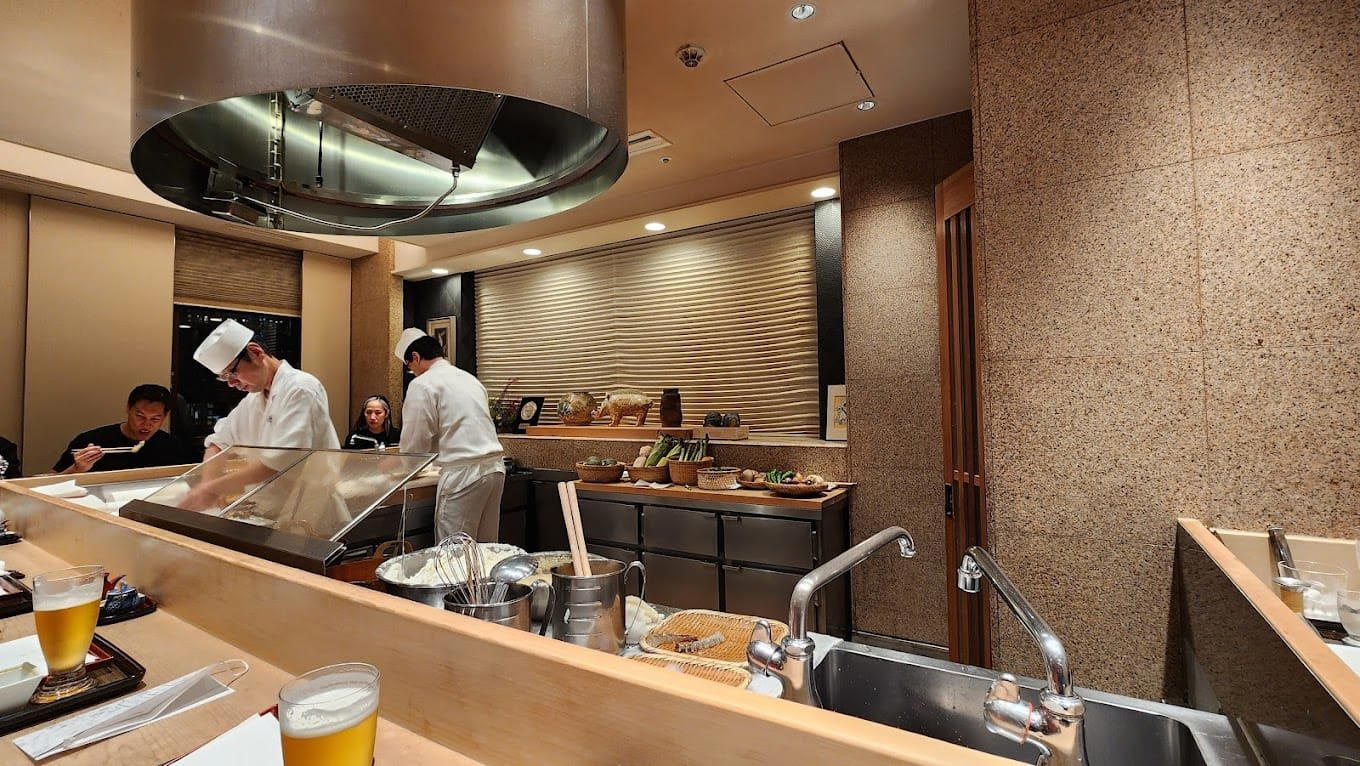
Intimate counter setting with 8 seats overlooking an open kitchen; classic Japanese design with wooden ceiling featuring ajiro mesh pattern and Ise katagami paper stencil wall decorations; calm, refined atmosphere focused on the chef's craft.
Tags
Vibe
Best For
Experience
Sourcing
At the Table
- Dress Code
- Smart Casual
- Noise Level
- Quiet
- Service Style
- Omakase Bar
- Meal Pacing
- Extended Experience
- Capacity
- Intimate
Signature Dishes
- Shrimp tempura with separately fried head and body
- Sea urchin wrapped in shiso leaves
- Conger eel tempura
- Niigata eggplant
Know before you go
Know Before You Go
- Getting there
- Japan, 〒103-0013 Tokyo, Chuo City, Nihonbashiningyocho, 2 Chome−9−7 大江戸アクセス2 1F
Planning details
Location
Japan, 〒103-0013 Tokyo, Chuo City, Nihonbashiningyocho, 2 Chome−9−7 大江戸アクセス2 1F · Directions
Recognition and awards

Also consider
Also Consider
- Harutaka, Sushi, ¥¥¥¥
- L'Effervescence, French, ¥¥¥¥
- RyuGin, Kaiseki, Japanese, ¥¥¥¥
- HOMMAGE, Innovtive French, French, ¥¥¥¥
- Crony, Innovative, French, ¥¥¥¥
Restaurant context
At ¥¥¥¥ across Tokyo's serious dining tier, Tempura Yaguchi competes for the same budget as sushi, kaiseki, and French restaurants with deeper international profiles. If you're deciding where to spend one major meal, the comparison that matters most is format, not prestige score. Harutaka at the same price point delivers a sushi omakase with arguably stronger international name recognition and a more practised English-language reservation process. RyuGin gives you the full range of kaiseki if seasonal breadth matters more to you than single-technique depth. Yaguchi is the right choice if tempura is specifically what you are here for, and you want it at Michelin-star level without paying the premium that attaches to the most famous names in the category.
For diners comparing within the innovation-forward tier, L'Effervescence, HOMMAGE, and Crony all operate in French or French-adjacent formats at ¥¥¥¥ with stronger visual identity and more straightforward English booking infrastructure. Those are better picks if you want a format that travels well in conversation or photographs clearly for reference. Yaguchi is the better pick if the cooking itself, and specifically what high-heat precision frying does to a piece of shrimp or squid, is the point of the evening.
On booking difficulty, Yaguchi sits in the hard tier, consistent with Harutaka and RyuGin. None of these restaurants should be attempted as walk-ins. If booking difficulty is a constraint, Crony and HOMMAGE have historically been more accessible via online reservation platforms, and their formats are better documented in English. For a traveller who wants to eat at Yaguchi specifically, the practical path is a hotel concierge with Japanese-language capability and a reservation window of at least four to six weeks.
Explore Tokyo
Around this place
Discover more on Pearl
Unlock the full Tempura Yaguchi guide in Pearl, including awards, comparisons, FAQs, planning details, and nearby places.
Compare Tempura Yaguchi
| Venue | Cuisine | Price | Booking Difficulty | Awards |
|---|---|---|---|---|
| Tempura Yaguchi | Tempura | ¥¥¥¥ | Hard | 2026 OAD Top Restaurants in Japan Recommended2026 Michelin 1 StarTabelog 100 - Tempura - 2025 · #852025 OAD Top Restaurants in Japan Ranked · #5582024 Michelin 1 Star |
| Harutaka | Sushi | ¥¥¥¥ | Unknown | 2026 Tabelog Silver · #312026 OAD Top Restaurants in Japan Ranked · #1282026 Michelin 3 Stars2026 La Liste Top RestaurantsTabelog 100 - Sushi - TOKYO - 2025 · #372025 Asia's 50 Best Restaurants · #762025 OAD Top Restaurants in Japan Ranked · #1172025 La Liste Top Restaurants2025 Tabelog Bronze |
| L'Effervescence | French | ¥¥¥¥ | Unknown | 2026 Tabelog Silver · #682026 OAD Top Restaurants in Japan Ranked · #103Star Wine Lists 20262026 Black Pearl 2 Diamond2026 Relais Chateaux Restaurants2026 La Liste Top Restaurants2026 Michelin 3 Stars2025 Asia's 50 Best Restaurants · #692025 OAD Top Restaurants in Japan Ranked · #92 |
| RyuGin | Kaiseki, Japanese | ¥¥¥¥ | Unknown | 2026 OAD Top Restaurants in Japan Ranked · #802026 Tabelog Bronze · #3772026 Michelin 3 Stars2026 La Liste Top RestaurantsTabelog 100 - Japanese cuisine - TOKYO - 2025 · #212025 OAD Top Restaurants in Japan Ranked · #542025 Michelin 3 Stars2025 La Liste Top Restaurants2025 The Best Chef Three Knives |
| HOMMAGE | Innovtive French, French | ¥¥¥¥ | Unknown | 2026 Tabelog Bronze · #1232026 OAD Top Restaurants in Japan Highly Recommended2026 Michelin 2 StarsTabelog 100 - French - TOKYO - 2025 · #762025 Asia's 50 Best Restaurants · #782025 OAD Top Restaurants in Japan Ranked · #1752025 Michelin 2 Stars2025 The Best Chef One Knife2025 La Liste Top Restaurants |
| Crony | Innovative, French | ¥¥¥¥ | Unknown | 2026 Asia's 50 Best Restaurants · #34Star Wine Lists 20262026 OAD Top Restaurants in Japan Recommended2026 Michelin 2 Stars2025 Asia's 50 Best Restaurants · #30Tabelog 100 - French - TOKYO - 2025 · #782025 OAD Top Restaurants in Japan Ranked · #227We're Smart World Top Restaurants 20252025 Michelin 2 Stars |












Side-by-side comparison to help you decide where to book.
FAQ
Frequently Asked Questions
Is Tempura Yaguchi good for solo dining?
Yes, and it may be the format where Yaguchi works best. Counter tempura — where each piece is fried and served directly to you — is built for solo diners who want to watch the craft up close. Chef Kazuki Yaguchi's Michelin-starred kitchen in Nihonbashiningyocho is the kind of place where eating alone puts you closer to the action, not further from it.
Is the tasting menu worth it at Tempura Yaguchi?
At ¥¥¥¥ pricing and a Michelin star, the format demands you engage with it seriously: shrimp fried at two successive temperatures to contrast rare and medium textures, and two varieties of squid where available, each with a distinct flavour. That level of deliberate sequencing is what you're paying for. If you want to control your own order, this is not the right room — but if tempura omakase is the goal, the execution here justifies the spend.
Is Tempura Yaguchi worth the price?
At ¥¥¥¥, you're in Tokyo's top pricing tier, and the Michelin star (2024) and Opinionated About Dining ranking (#558 in Japan, 2025) confirm the kitchen earns that bracket. The technical detail — shrimp fried twice at different temperatures, dual squid preparations when available — signals a kitchen focused on craft over spectacle. For diners who want precision tempura rather than a prestige address, Yaguchi is a strong allocation of that spend.
Can Tempura Yaguchi accommodate groups?
The ground-floor address in a local Nihonbashiningyocho building suggests an intimate space, consistent with counter-format tempura restaurants. No private dining or group booking information is publicly stated. Groups of more than four should confirm capacity directly before booking — counter tempura rarely scales well beyond a small party.
What should I order at Tempura Yaguchi?
The menu is omakase, so ordering is not your call. What the kitchen is known for: shrimp served in two successive pieces fried at different temperatures, and squid in two preparations when seasonal availability allows. The technique — high-heat frying to draw out moisture for a fragrant coating — is the through-line. Let the counter drive the sequence.
Can I eat at the bar at Tempura Yaguchi?
Counter seating is the format at a venue like this — it is how tempura omakase works, with each piece fried and placed in front of you directly. The intimacy of the Nihonbashiningyocho location supports that setup. No specific seating configuration is publicly stated, but counter dining here is the experience, not an alternative to a table.