


Shunsaiten Tsuchiya
Tempura · Suita, Osaka
Restaurant in Osaka, Japan
 Book with Pearl
The Read
Cottonseed-Oil Tempura Kaiseki
Chef
Yukihiko Tsuchisaka
Dress
Smart Casual
Why go
Yukihiko Tsuchisaka runs a fourteen-seat tempura and kaiseki hybrid in residential Suita, earning Michelin two stars and Tabelog Bronze for technique that blends seasonal frying with broader Japanese cuisine. Lunch offers better value at JPY 6,000–7,999; dinner extends to JPY 20,000–29,999 with more courses and deeper sake selection. Book three to four weeks ahead.
About Shunsaiten Tsuchiya
Shunsaiten Tsuchiya is a tempura restaurant in Osaka led by chef-owner Yukihiko Tsuchisaka. listing details identify the cuisine as tempura and the price level as ¥¥¥, with lunch service Tuesday through Saturday and dinner service Monday through Saturday. Beyond those core facts, specific claims about seating, menu structure, reservations, awards, room layout, payment methods, or signature dishes should be confirmed directly with the restaurant before planning around them.
For diners comparing tempura options, Shunsaiten Tsuchiya is best understood from the information as a chef-led tempura venue rather than a broadly documented multi-format restaurant. The available facts do not verify a particular course count, counter configuration, private-room setup, beverage program, or seasonal ingredient list, so expectations should stay focused on tempura, the chef-owner, the Osaka location, and the stated service hours.
Lunch Versus Dinner at Shunsaiten Tsuchiya
Shunsaiten Tsuchiya is open for lunch Tuesday through Saturday from 12–2:30 PM and for dinner Monday through Saturday from 6–9:30 PM. It is closed on Sunday. Monday is open for dinner only.
The price level is ¥¥¥. If you are deciding between lunch and dinner, the most reliable distinction is the schedule: lunch is available Tuesday through Saturday, while dinner is available Monday through Saturday.
How to Secure a Reservation and What to Expect on Arrival
Within Pearl’s restaurant context, diners may also compare Shunsaiten Tsuchiya with Numata, Gochiso nene, Hiraishi, Tenboshi, and TEMPURA HANAGATAMI. The facts for Shunsaiten Tsuchiya support choosing it when you want a ¥¥¥ tempura restaurant in Osaka led by chef-owner Yukihiko Tsuchisaka.
For the most accurate dining expectations, ask the restaurant about the current menu and any preferences or restrictions when you book.
For broader Osaka dining context, see Pearl’s Osaka restaurant, hotel, and bar guides, or compare Shunsaiten Tsuchiya with other unnamed dining rooms in the city.
Planning details
- Hours
- Monday: 6–9:30 PM · Tuesday: 12–2:30 PM, 6–9:30 PM
- Location
- 41-4 Toyotsucho, Suita, Osaka 564-0051, Japan
- Website
- shunsaiten-tsuchiya.com
- Phone
- +81 6-6338-2288
The take
The Take
The Vibe
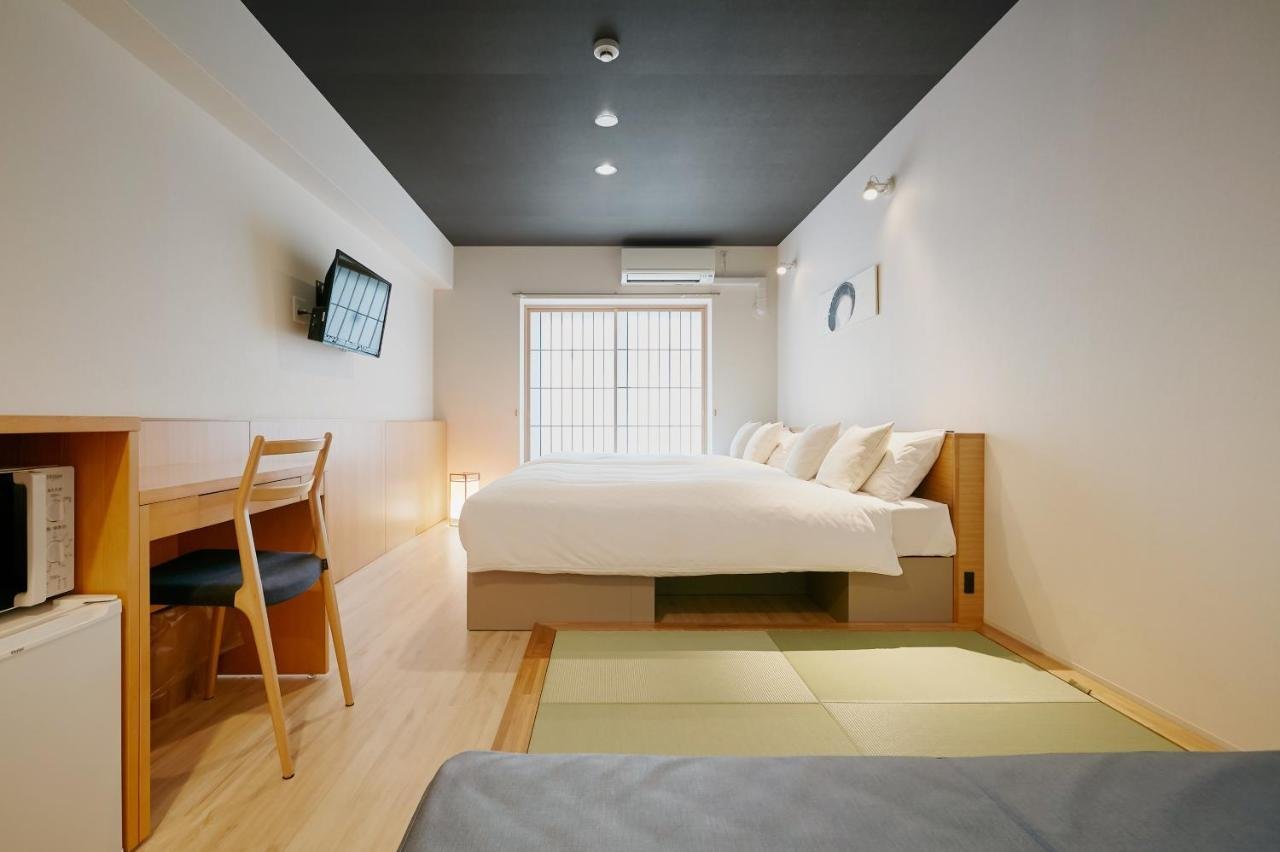
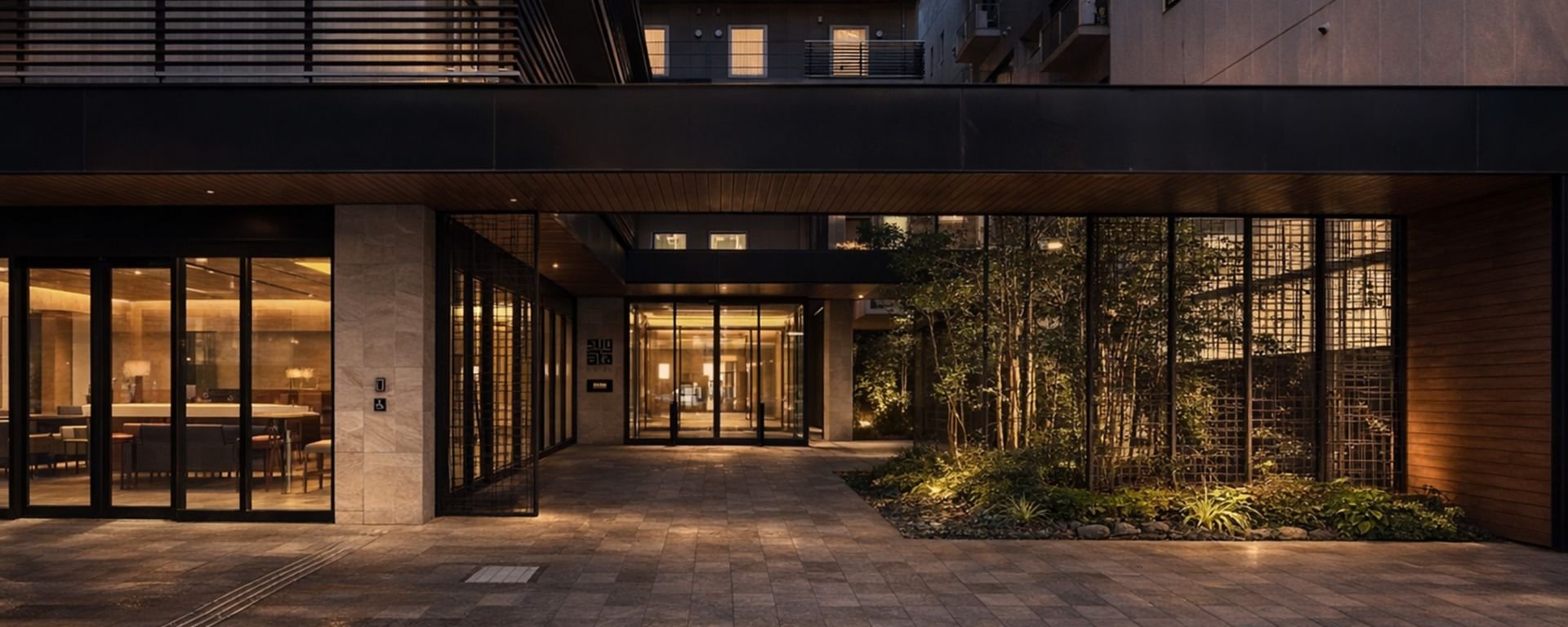
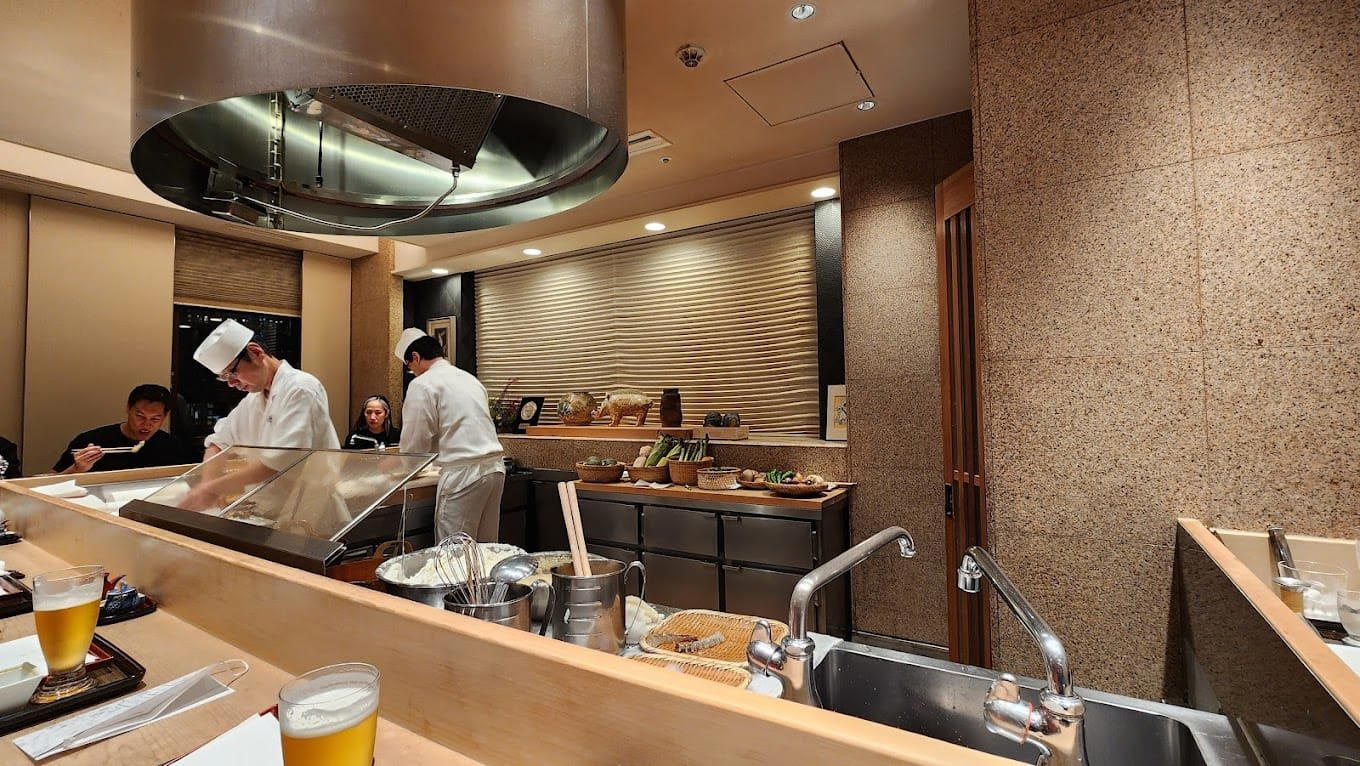
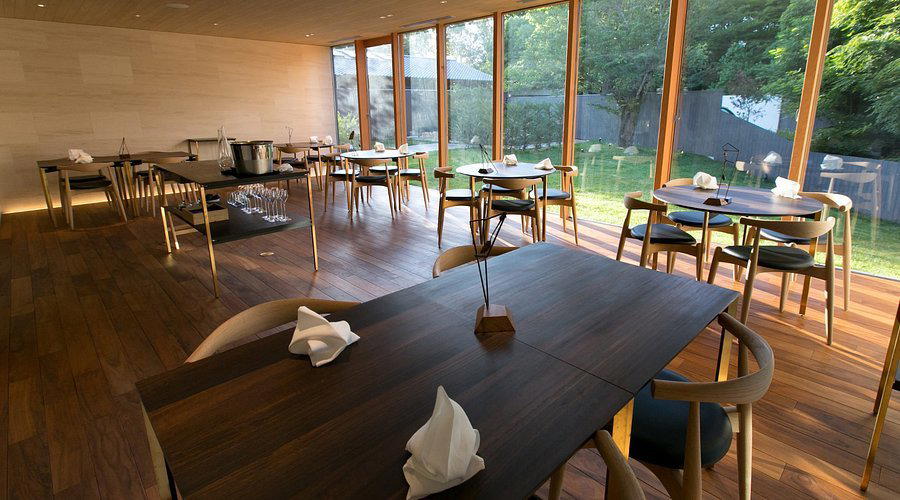
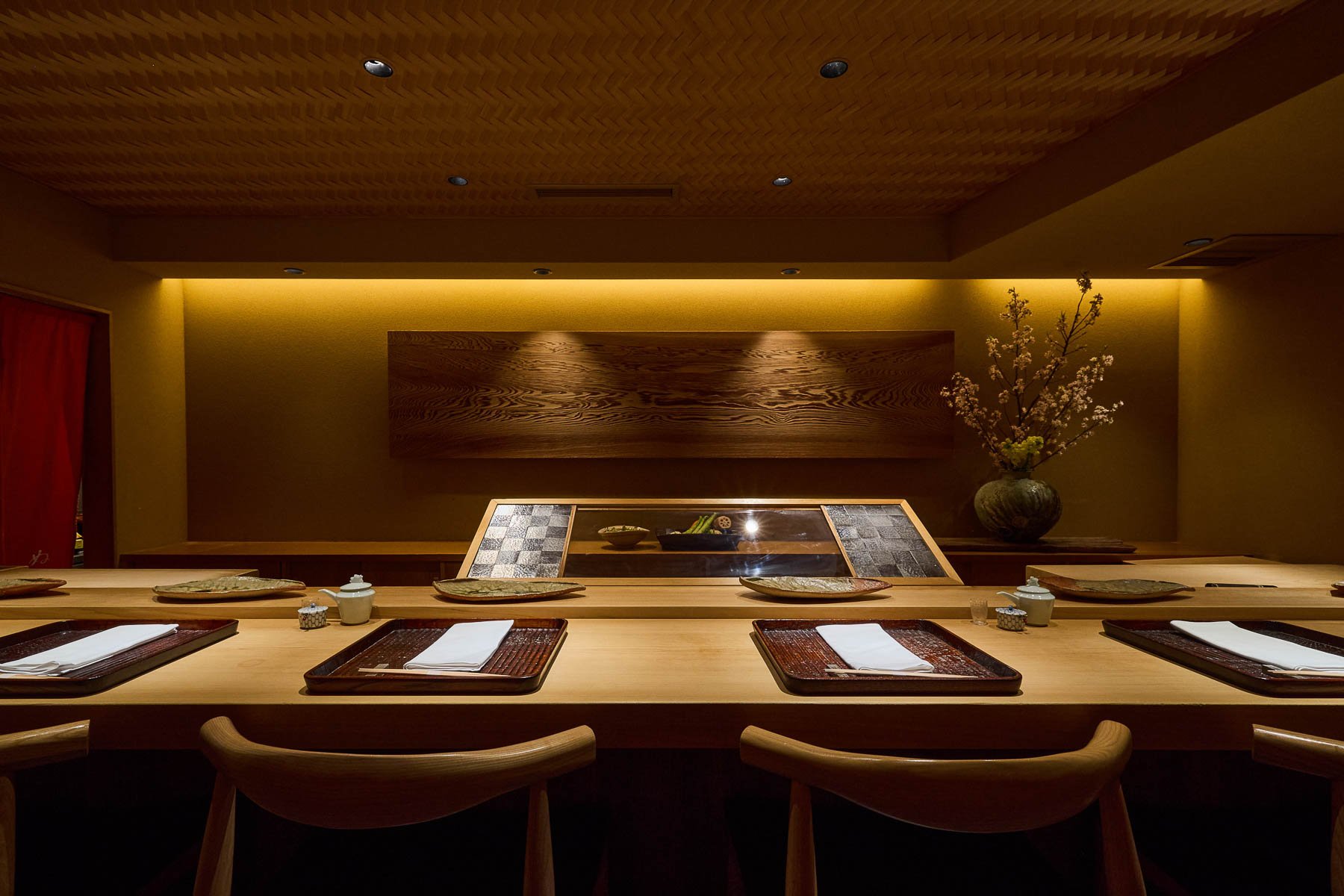
Shunsaiten Tsuchiya presents as a quietly confident house restaurant where restraint and technique define the mood. The compact 14-seat layout, a 10-seat counter and a small private room with tatami and sunken seating, keeps service intimate and focused. The space reads domestic rather than commercial, a hideout-format venue that rewards close-up interaction with the kitchen. Taste is oriented toward discipline and consistency: sake, carefully sourced fish and a longstanding frying approach that has been maintained since the restaurant opened in 2008. Overall, the tone is intimate, understated and classically Japanese.
Best For
This is an excellent choice for intimate special occasions, small private events and date nights where the meal itself is the focus. The narrow counter creates a direct exchange between chef and guest, ideal for diners who value front-row engagement with technique. Small groups can reserve the private tatami room (4–8 guests), while parties up to 20 can arrange a full buyout. Its quiet residential setting and two-Michelin-star pedigree make it suited to celebrations that prioritize refined, ingredient-led tempura over spectacle.
Ordering Tips
For the full experience, aim for a counter seat: the 10-seat counter is central to the restaurant’s rhythm and lets you watch service unfold at close range. If you’re with a small group, consider the private tatami room; for larger gatherings enquire about the private buyout that accommodates up to 20. The kitchen is particular about its frying medium and sake selection, so ask the staff about sake choices to complement the tempura. Note the restaurant’s residential location roughly 15 minutes’ walk from Esaka Station when planning arrival and reservations.
Venue details
Ambiance
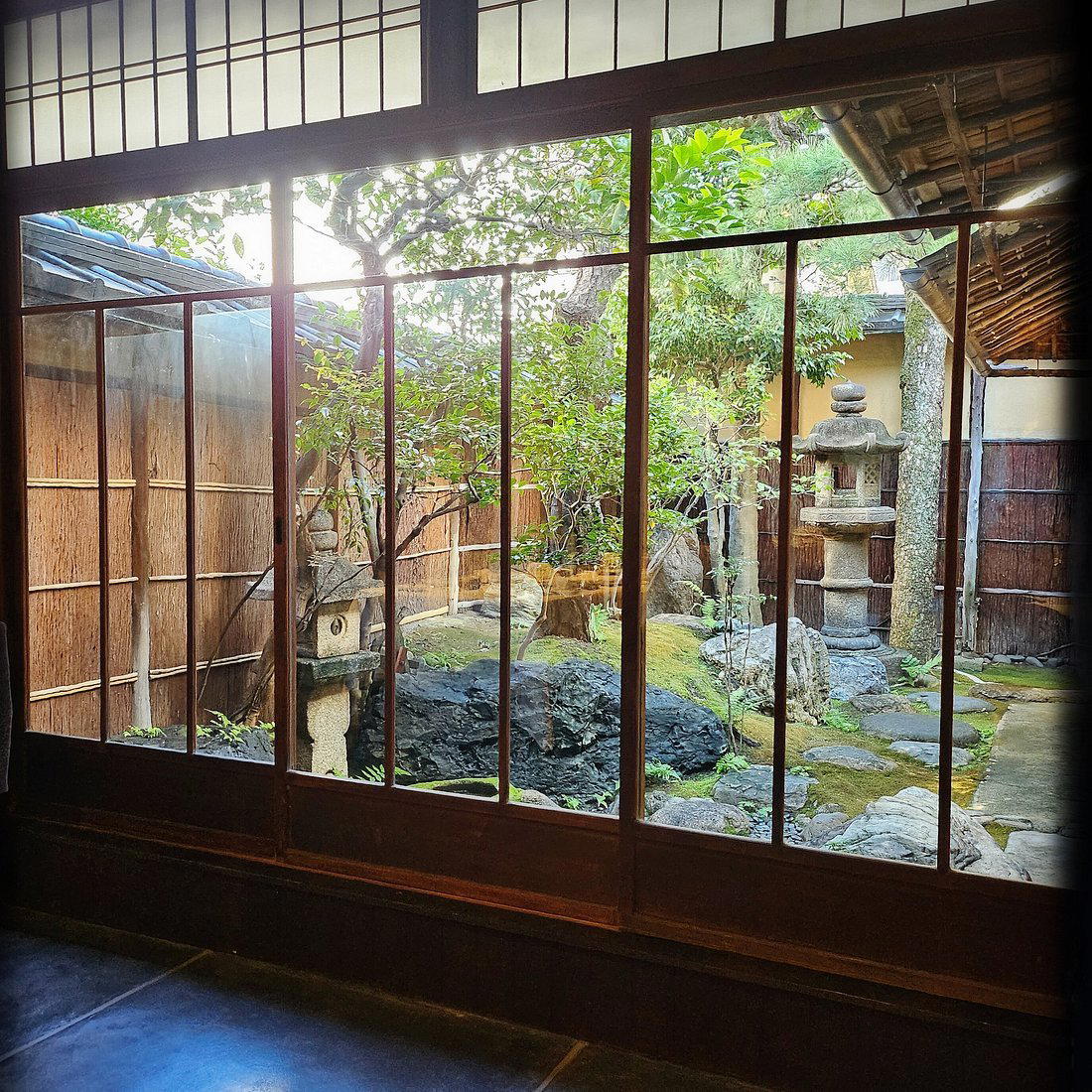
Warm, relaxing, and zen-like, with a quiet atmosphere in a traditional house setting.
Tags
Vibe
Best For
Experience
At the Table
- Dress Code
- Smart Casual
- Noise Level
- Quiet
- Service Style
- Formal
- Meal Pacing
- Leisurely
- Capacity
- Intimate
- Kitchen
- Traditional
- Menu Format
- Counter dining, Set menu
- Drinks Focus
- Sake, Wine
Know before you go
Know Before You Go
- Getting there
- 41-4 Toyotsucho, Suita, Osaka 564-0051, Japan
Planning details
Hours
- Monday
- 6–9:30 PM
- Tuesday
- 12–2:30 PM, 6–9:30 PM
- Wednesday
- 12–2:30 PM, 6–9:30 PM
- Thursday
- 12–2:30 PM, 6–9:30 PM
- Friday
- 12–2:30 PM, 6–9:30 PM
- Saturday
- 12–2:30 PM, 6–9:30 PM
- Sunday
- Closed
Location
Recognition and awards

Also consider
Also Consider
- Tenboshi, Tempura, ¥¥
- Gochiso nene, Tempura, ¥¥¥
- Numata, Tempura, ¥¥¥¥
- TEMPURA HANAGATAMI, Tempura, ¥¥¥
- Hiraishi, Tempura, ¥¥¥
Restaurant context
At the ¥¥¥ tier, Shunsaiten Tsuchiya sits between Gochiso nene and Hiraishi in price but adds Michelin two-star polish and kaiseki pacing that neither peer matches. Gochiso nene focuses on rapid tempura progression with less seasonal variety, while Hiraishi leans traditional without the broader technique integration Tsuchisaka brings. If you want pure edomae tempura rhythm, those alternatives deliver faster service and easier booking. Tsuchisaka's hybrid format rewards patience with more nuanced seasonal composition, but you pay for it in both yen and reservation difficulty.
Numata operates at ¥¥¥¥ and offers deeper omakase formality with higher ingredient spend per course; it is the splurge choice if budget exceeds JPY 30,000. For value seekers, Tenboshi at ¥¥ provides competent tempura with walk-in availability and JPY 4,000–6,000 dinner spend, though it lacks the Tabelog and Michelin credentials that justify Tsuchisaka's premium. TEMPURA HANAGATAMI occupies the same ¥¥¥ band but skews younger clientele and trendier plating; Tsuchisaka's house-converted space and kaiseki formality appeal more to business entertaining and special-occasion diners who prioritize tradition over Instagram aesthetics.
If you cannot secure a reservation at Shunsaiten Tsuchiya within your travel window, Gochiso nene books more easily and delivers comparable tempura quality at slightly lower spend. Hiraishi offers similar accessibility with a cozier counter atmosphere. For readers willing to travel to Tokyo, OIMATSU Tempura Suzuki and Shintaro provide instructive comparisons in Osaka's broader tempura landscape, though neither holds Michelin stars or Tabelog Bronze at present.
Explore Osaka
Around this place
Discover more on Pearl
Unlock the full Shunsaiten Tsuchiya guide in Pearl, including awards, comparisons, FAQs, planning details, and nearby places.
FAQ
Frequently Asked Questions
Is Shunsaiten Tsuchiya worth the price?
Shunsaiten Tsuchiya is as a ¥¥¥ tempura restaurant in Osaka led by chef-owner Yukihiko Tsuchisaka. Whether it is worth the price depends on how much you value a chef-led tempura meal; specific course counts, menu prices, and awards are not in the available data.
What are alternatives to Shunsaiten Tsuchiya?
Other Pearl-listed venues to compare include Tenboshi, Gochiso nene, Numata, Hiraishi, and TEMPURA HANAGATAMI. For Shunsaiten Tsuchiya itself, the draw is tempura in Osaka at a ¥¥¥ price level.