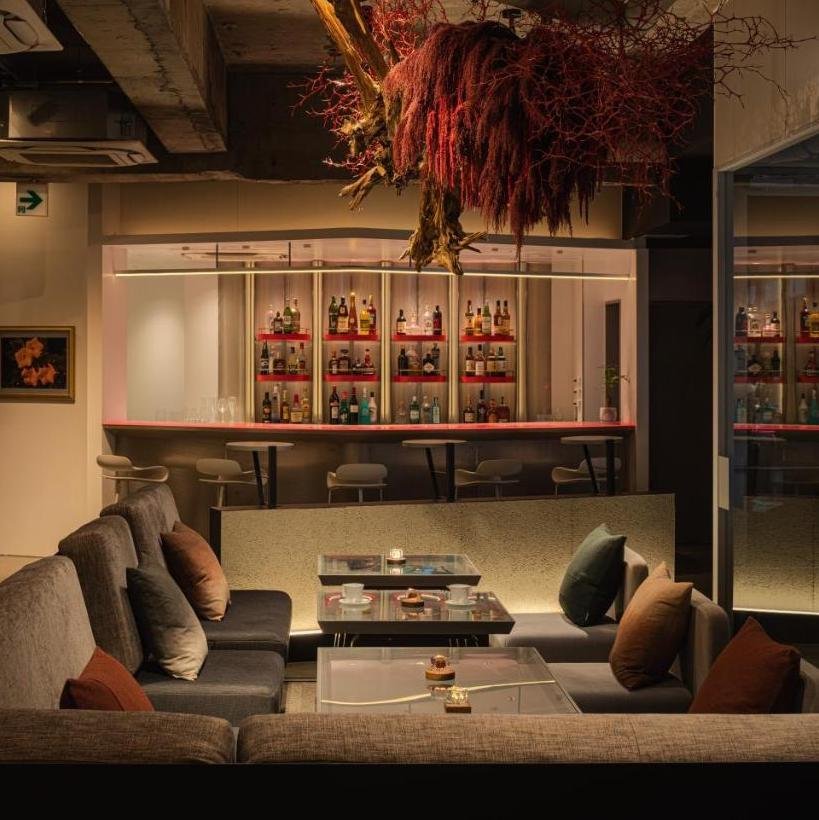



Edomae Shinsaku
Tempura · Chūō, Tokyo
Restaurant in Tokyo, Japan
 Book with Pearl
The Read
Desiccation-Method Tempura
Price
¥¥¥
Chef
Shinsaku Nishimura
Dress
Smart Casual
Why go
Edomae Shinsaku is a Michelin-starred, Tabelog Bronze-awarded tempura counter in Nihonbashi Ningyocho applying a Maillard-forward, low-temperature frying technique that produces results closer to grilling than conventional tempura. Dinner runs JPY 20,000–29,999 listed, with all-in costs typically higher. Counter omakase only, booking via OMAKASE platform on the first of each month.
About Edomae Shinsaku
Verdict: Book If Tempura at This Technical Level Is What You're After
Edomae Shinsaku holds a Michelin star (2024), a Tabelog Bronze Award for both 2025 and 2026, and a score of 4.11 on Tabelog — placing it among the top 57 tempura restaurants on Japan's most-used dining platform. Dinner runs JPY 20,000–29,999 at the listed rate, though reviewer spending data points closer to JPY 30,000–49,999 once drinks are included. At that price, the question is whether the technique justifies the spend. It does — but only if you understand what you're paying for: this is not a casual tempura dinner. It is a counter-only, omakase-only session built around a specific philosophy of high-heat cooking that sits closer to kaiseki precision than to a standard tempura-ya.
The Venue and the Format
Edomae Shinsaku occupies the sixth floor of KYOE PLAZA in Nihonbashi Ningyocho, a neighbourhood in Chuo Ward that sits between the financial centre of Tokyo and the older merchant streets of the shitamachi east. The restaurant is two minutes on foot from Ningyocho Station (Hibiya Line and Toei Asakusa Line) and about three minutes from Suitengumae on the Hanzomon Line, accessible but not in a tourist corridor, which keeps the room free of passing trade. The space is counter seating only. No private rooms. No parking. The format is appointment-only omakase, with entry from 19:00 and a firm policy that the session does not begin until all guests are present. Arrive on time.
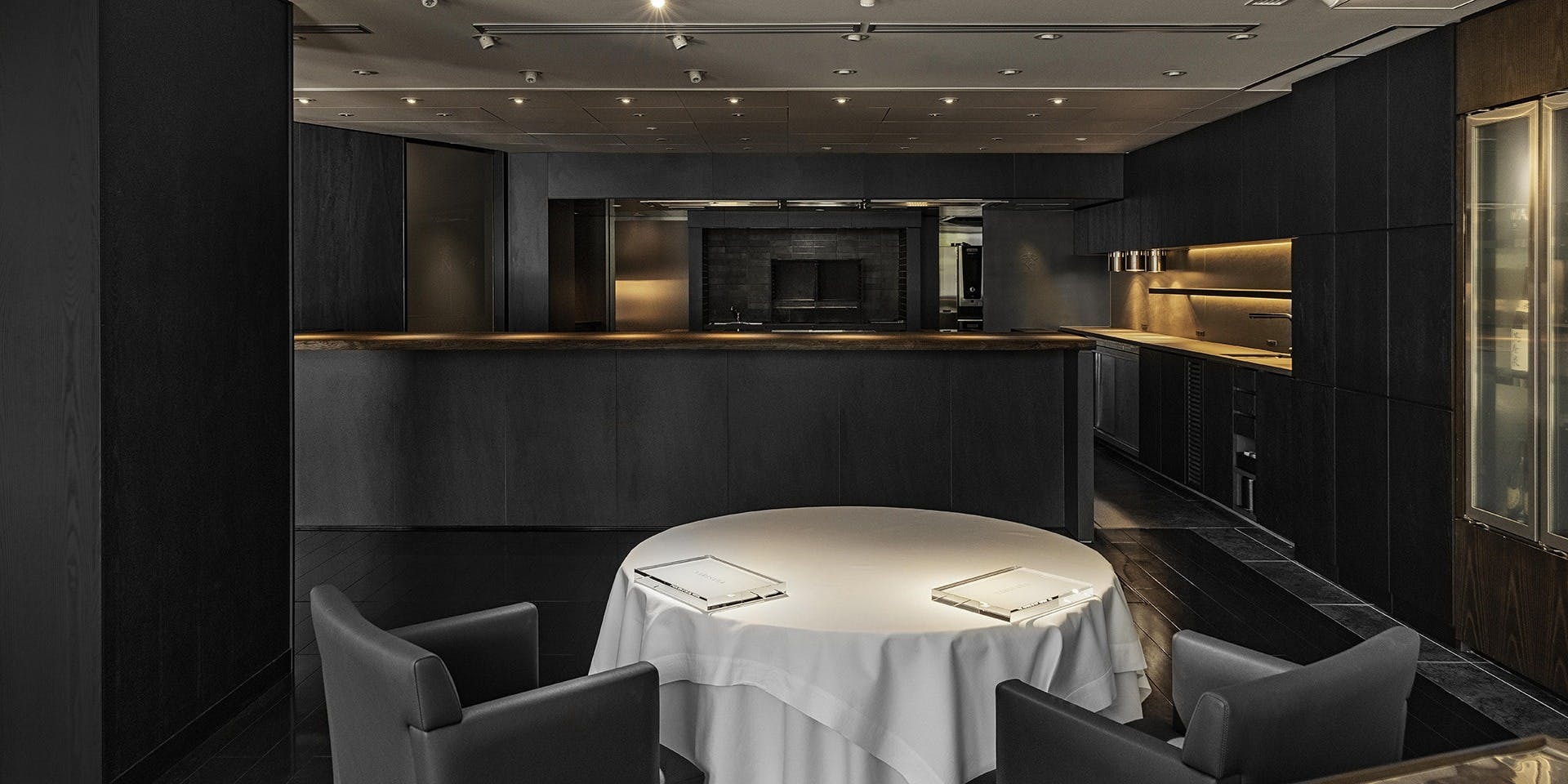
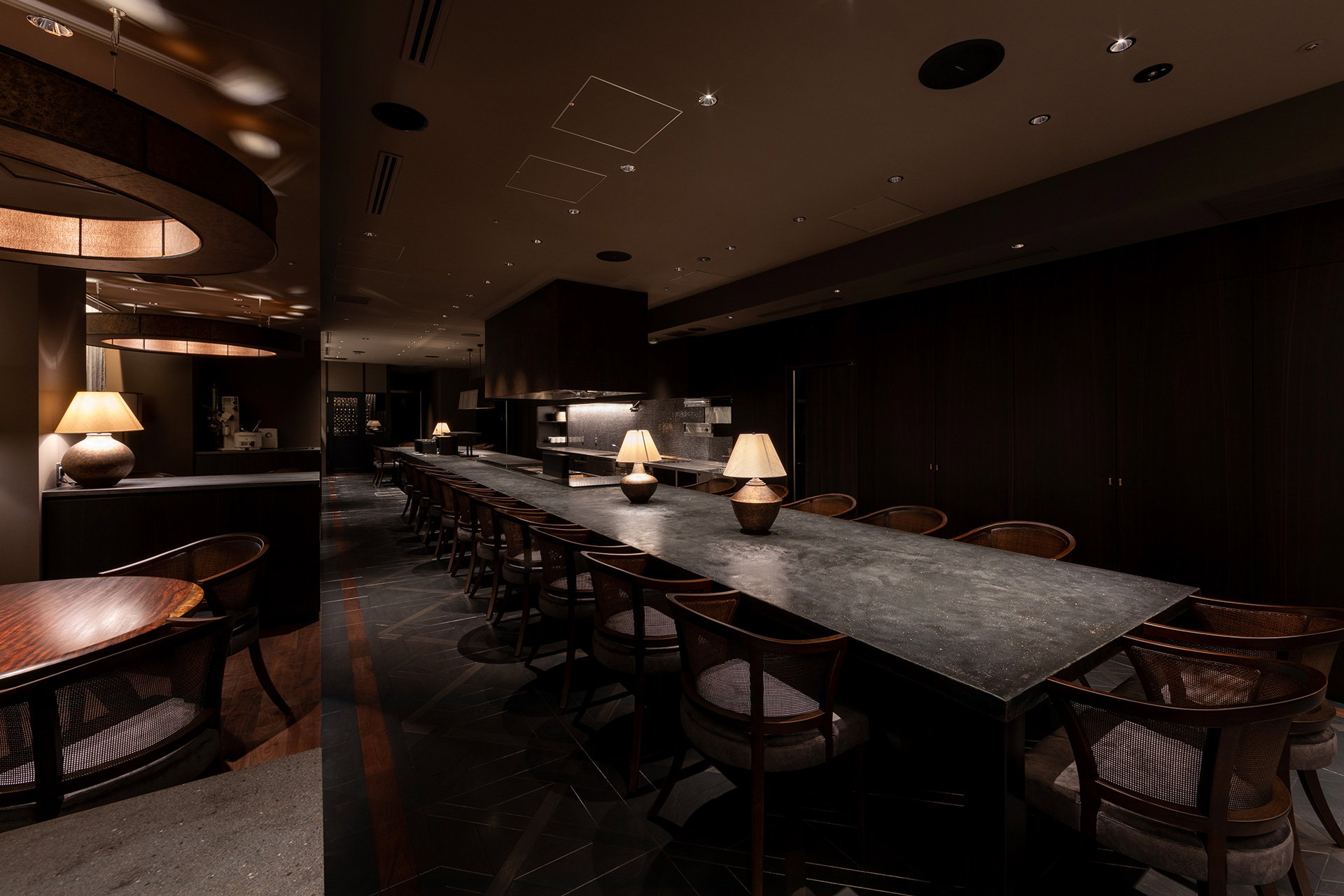
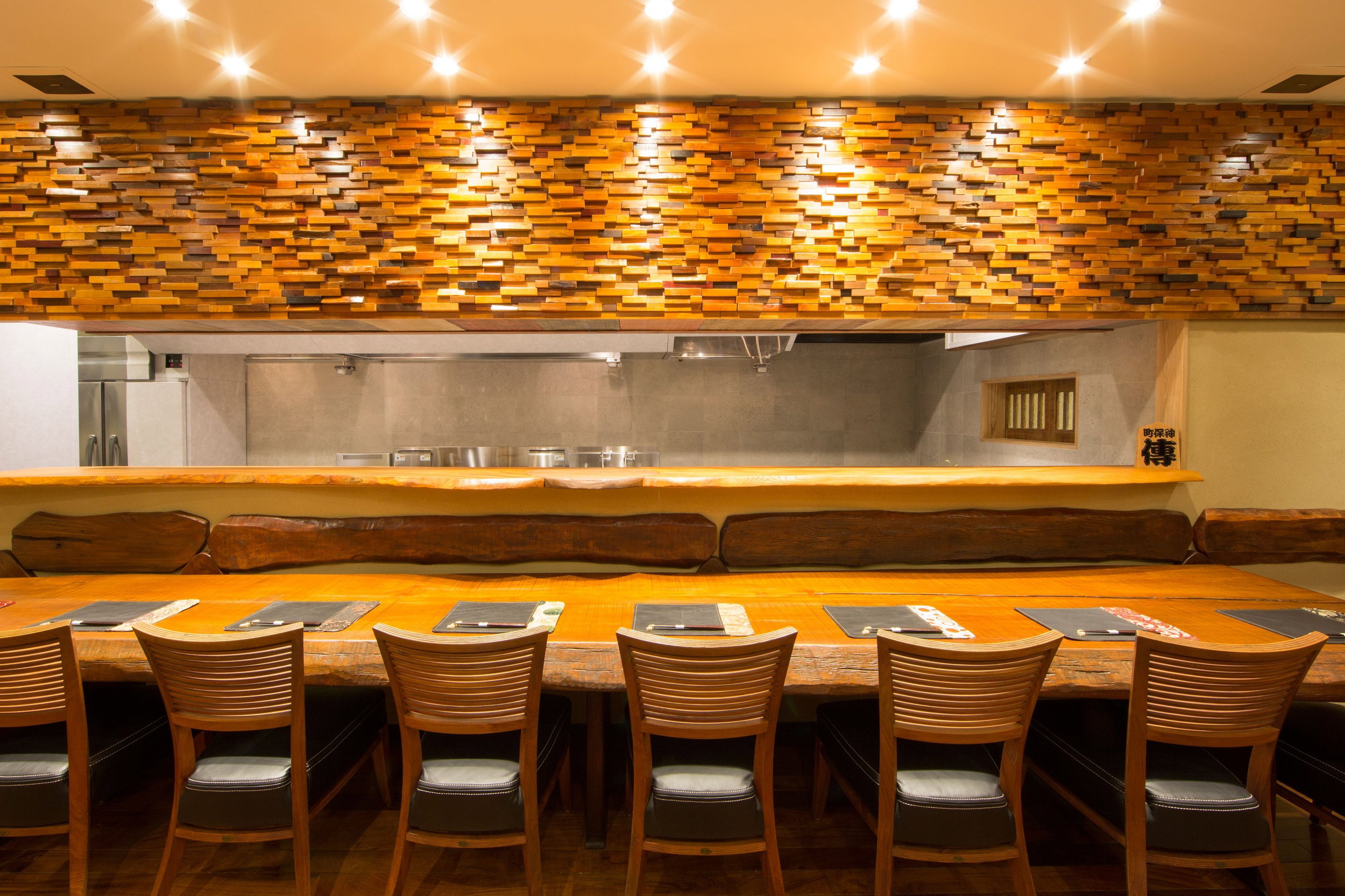
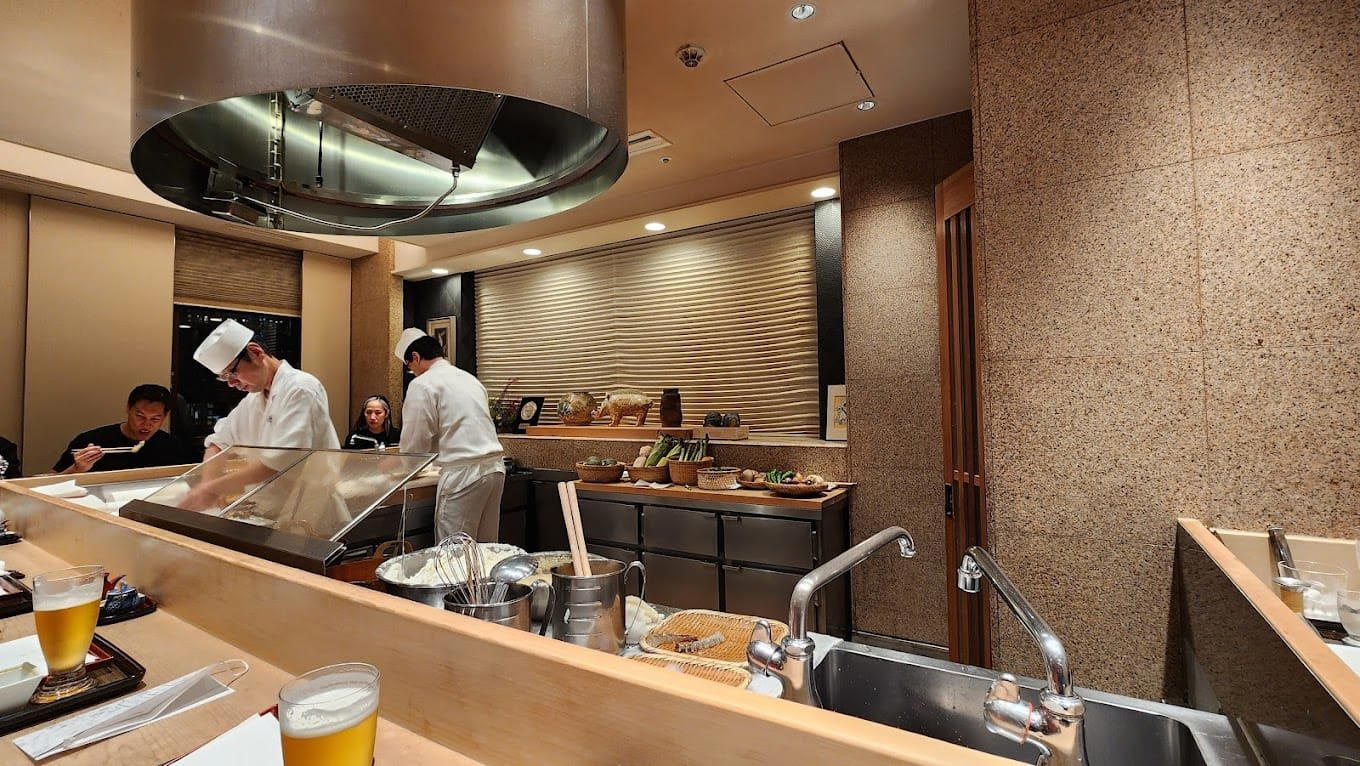
The physical experience is deliberately intimate. Counter seating and a chef-to-guest ratio that resembles a sushi counter more than a tempura restaurant means you are watching technique executed up close. Each piece is placed before you by hand, not set down on a rack, which is a deliberate reference to the service style of a high-end sushi-ya. If you have eaten at Tempura Kondo or Tempura Motoyoshi, the service cadence here will feel familiar but more formal. The no-smoking room and the absence of QR code or e-money payment options (AMEX credit card accepted) signal a house that has made deliberate choices about its operating environment.
The Technique and Why It Changes by Season
The defining approach at Edomae Shinsaku, and the reason it reads differently from most tempura counters, is the application of Maillard reaction logic to a cuisine that usually prizes pale, light batter. Chef Shinsaku Nishimura rests fish to reduce moisture and concentrate umami, then fries at low temperature to desiccate the ingredient rather than seal it. The batter is taken to a darker, more fragrant finish than the standard. The result is tempura that has structural qualities closer to grilling than conventional frying.
Why does this matter seasonally? Because the technique responds directly to ingredient quality, and Tokyo's tempura calendar turns on ingredient availability. Spring brings sweetfish (ayu) and bamboo shoots. Summer is the peak season for prawn and young vegetables before the heat dulls flavour. Autumn shifts the counter toward root vegetables, mushrooms, and fresh-catch fish as cold water concentrates flavour. Winter is when fatty white fish and burdock root arrive at their leading. The low-temperature frying method is particularly well suited to autumn and winter ingredients, where fat content and dense moisture benefit most from gentle desiccation. If you are planning a first visit and have flexibility, the October–December window is the period most likely to show the technique at its clearest advantage. That said, Tabelog's reviewer data and the consecutive Bronze Awards suggest quality holds across the year, this is not a seasonal-only proposition.
Drinks lean toward sake and wine, with the menu described as showing particular care in both categories. If sake pairing with tempura is a priority for you, this is a stronger choice than Fukamachi or Seiju, where the drinks list is less emphasised. For reference, Tokyo's tempura category includes Tempura Ginya at a lower price point if budget is a constraint. Internationally, if you want to benchmark what Tokyo tempura precision looks like relative to other cities, Mudan Tempura in Taipei and Numata in Osaka represent the regional comparison set.
Booking
Reservations are online only, through the OMAKASE platform. The window is a rolling three months: the next month opens on the first of the current month. In practice, that means seats for February become available on January 1st, and they go quickly for a venue with this award profile. For a Michelin-starred, Tabelog Bronze counter in Tokyo, expect to compete for slots on or shortly after the first of the month. Booking six to eight weeks out is the floor; booking the morning the new month opens is the ceiling. Solo diners are explicitly flagged as welcome, Tabelog notes this as a recommended occasion and one frequently cited by reviewers. Groups can arrange exclusive private use of the full space, but there are no private rooms within the restaurant. For groups of more than four, confirm capacity directly before booking.
The venue reopened at its current Ningyocho address on May 12, 2022, after a relocation. Hours are Monday through Saturday, 19:00–22:00. Closed Sunday. Hours may change; verify before visiting.
Quick Reference
Price: JPY 20,000–29,999 (listed); JPY 30,000–49,999 (with drinks, per reviewer data). Awards: Michelin 1 Star (2024), Tabelog Bronze 2025 and 2026, Tabelog Tempura Top 100 (2023, 2025). Format: counter omakase, dinner only. Booking: OMAKASE platform, 3-month rolling window, opens first of each month. Hours: Mon–Sat 19:00–22:00, closed Sunday. Payment: AMEX only (no e-money, no QR). Address: KYOE PLAZA 6F, 2-10-11 Nihonbashiningyocho, Chuo-ku, Tokyo. Access: 2 min from Ningyocho Station.
For broader trip planning, see our full Tokyo restaurants guide, our Tokyo hotels guide, and our Tokyo bars guide. If you are building a longer Japan itinerary, HAJIME in Osaka, Gion Sasaki in Kyoto, akordu in Nara, Goh in Fukuoka, 1000 in Yokohama, and 6 in Okinawa are worth building around. For Tokyo experiences and wineries, see our experiences guide and our wineries guide.
Planning details
- Location
- Japan, 〒103-0013 Tokyo, Chuo City, Nihonbashiningyocho, 2 Chome−10−11 KYOE PLAZA 6F
- Website
- shinsaku.tokyo
- Phone
- +81 3-5615-8728
The take
The Take
The Vibe
Edomae Shinsaku sits quietly on the sixth floor of an otherwise nondescript office building in Ningyocho, trading street-level theatrics for a concentrated, ritualised counter experience. The room reads intimate and understated: guests convene at a single nightly session, and service begins only when everyone is seated, which reinforces the communal cadence of the meal. The kitchen’s methodical, almost scientific approach to tempura—resting fish to concentrate umami and using low‑temperature frying to desiccate and brown batter—gives plates a distinctive depth of colour and crispness that feels more deliberate than decorative.
Best For
This is a destination for diners who prize technical precision and thoughtful ritual over spectacle. It suits knowledgeable tempura enthusiasts and those seeking a focused dinner experience—regularly recommended for date nights, special occasions and business dinners—where the counter cultivates direct interaction with the cook. The neighbourhood’s low-rise, Edo-era streets create a quietly historic backdrop, and the single-session format makes this a venue for committed reservation holders rather than casual drop-ins.
Ordering Tips
Reservations and punctuality matter: service runs as a set counter session that starts at 19:00 sharp and does not begin until all guests are seated, so arrive on time. Embrace the chef’s sequence and technical approach—pieces are intentionally rested and fried to encourage browning and a grilled-like aroma—rather than expecting a conventional light koro batter. Make a point of trying signature items such as the rare Botan Ebi tempura, Anago Tendon and kakiagedon to sample the kitchen’s defining techniques.
Venue details
Ambiance
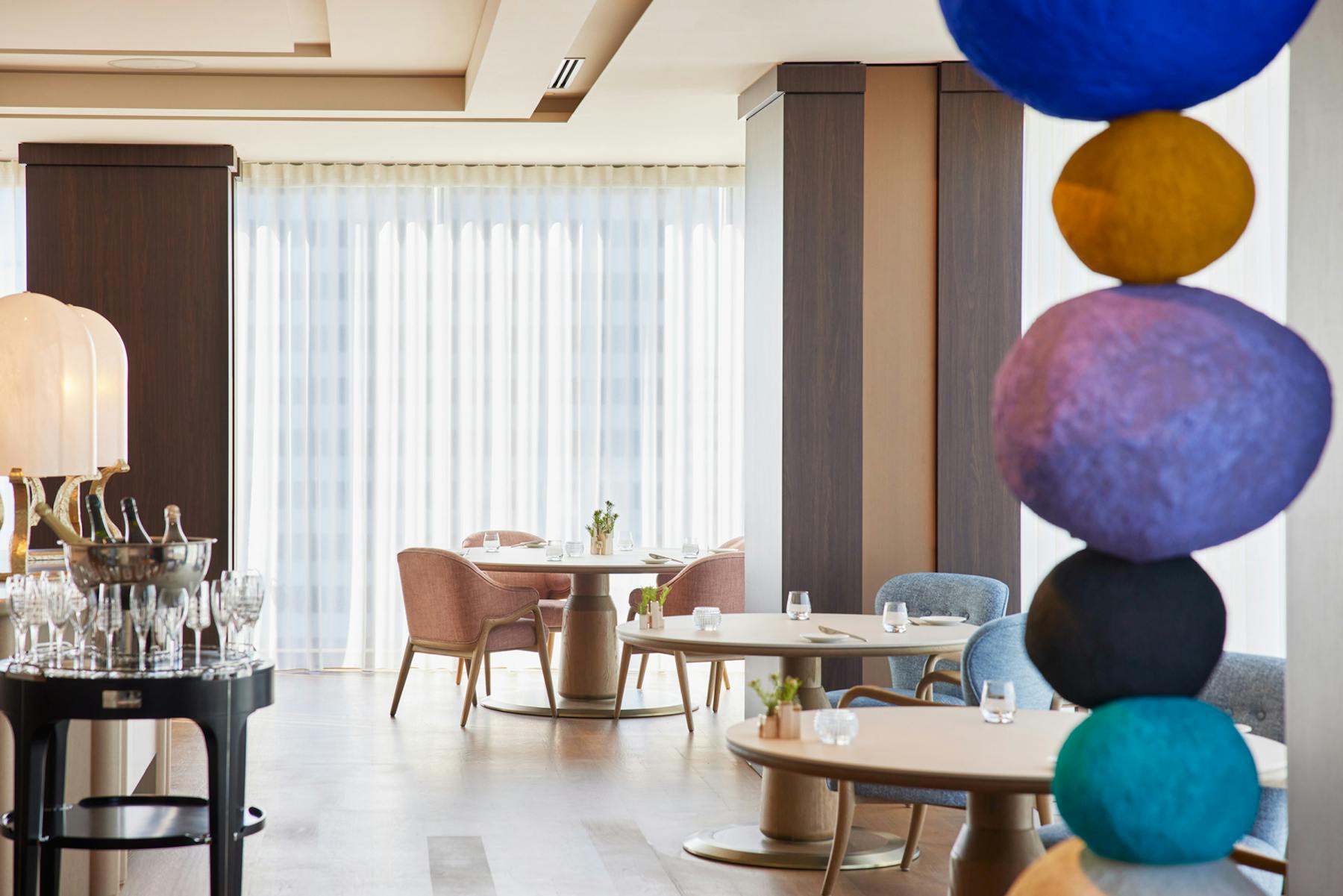
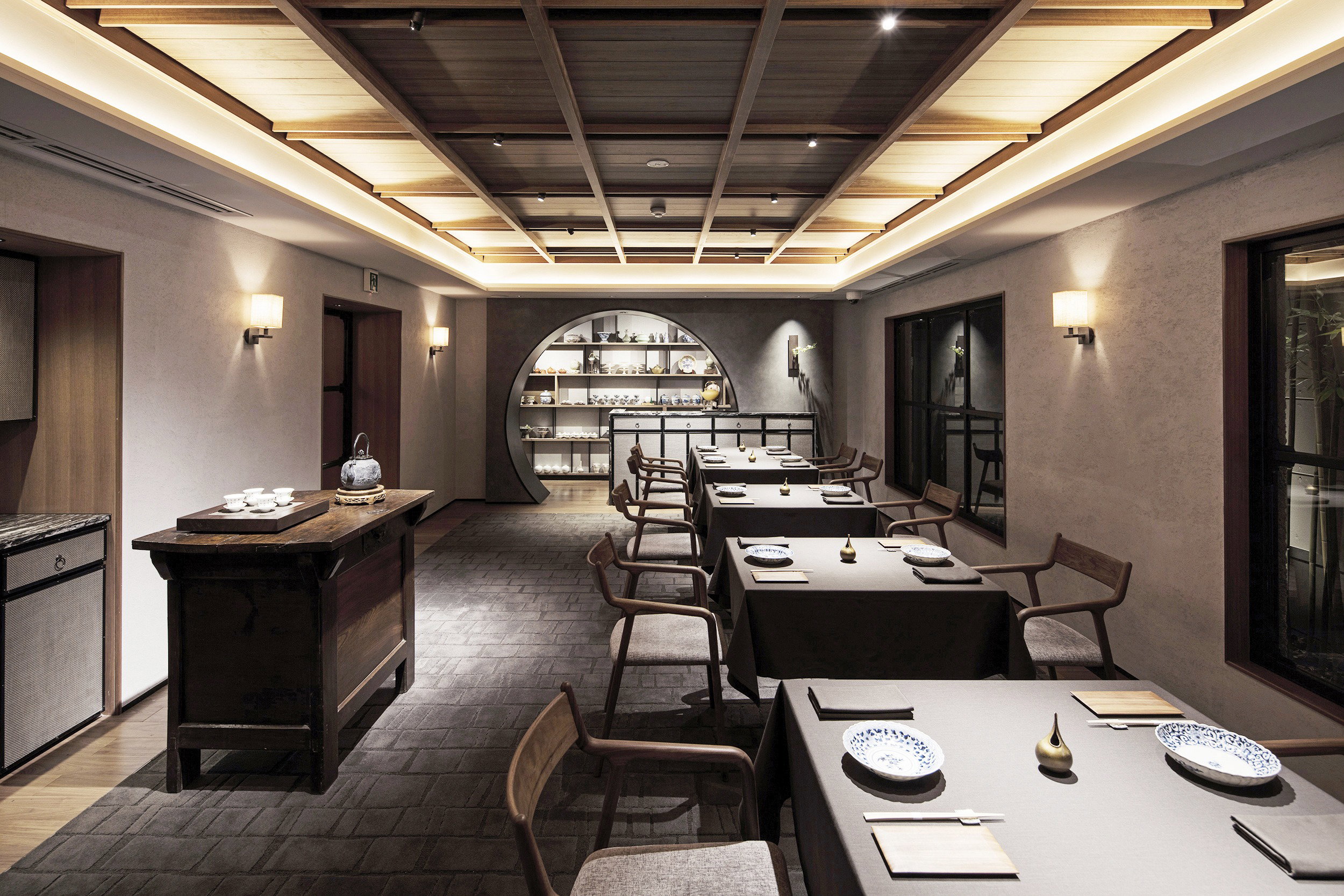
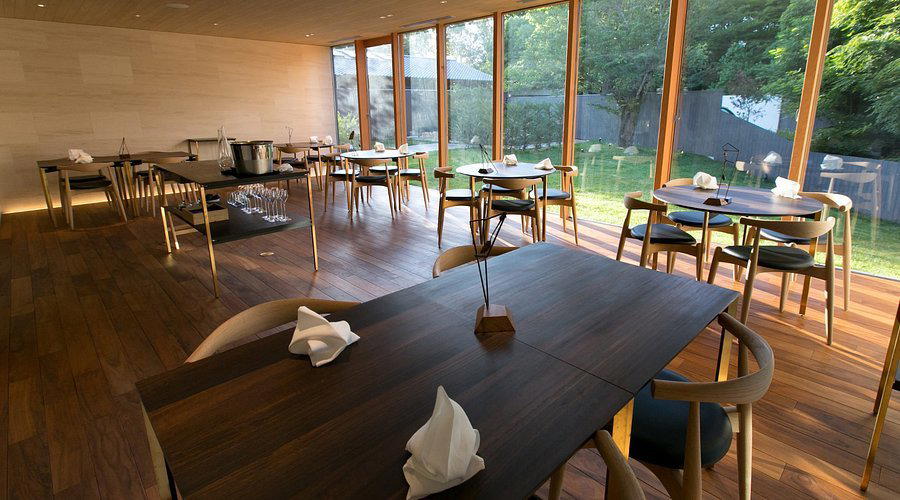
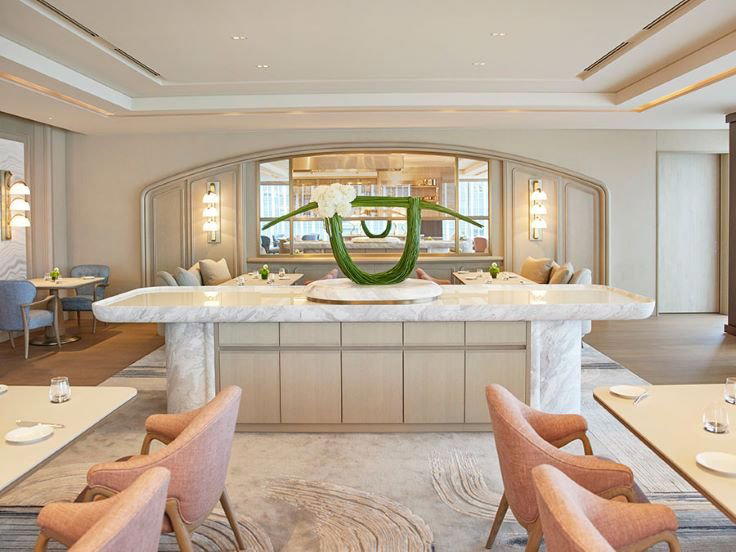
Impressive interior in a stylish building with darkwood counter, natural light from glass walls, pleasant and refined atmosphere.
Tags
Vibe
Best For
Experience
At the Table
- Dress Code
- Smart Casual
- Noise Level
- Quiet
- Service Style
- Formal
- Meal Pacing
- Leisurely
- Capacity
- Intimate
Signature Dishes
- rare Botan Ebi tempura
- Anago Tendon
- kakiagedon
Know before you go
Know Before You Go
- Getting there
- Japan, 〒103-0013 Tokyo, Chuo City, Nihonbashiningyocho, 2 Chome−10−11 KYOE PLAZA 6F
Planning details
Location
Japan, 〒103-0013 Tokyo, Chuo City, Nihonbashiningyocho, 2 Chome−10−11 KYOE PLAZA 6F · Directions

Also consider
Also Consider
- Harutaka, Sushi, ¥¥¥¥
- L'Effervescence, French, ¥¥¥¥
- RyuGin, Kaiseki, Japanese, ¥¥¥¥
- HOMMAGE, Innovtive French, French, ¥¥¥¥
- Crony, Innovative, French, ¥¥¥¥
Restaurant context
Within Tokyo's high-end dining tier, Edomae Shinsaku sits at a lower price point than most of its Michelin-starred peers. RyuGin and L'Effervescence both operate at ¥¥¥¥, with all-in costs that can reach JPY 50,000–80,000 per head. Edomae Shinsaku at ¥¥¥ offers a sharper entry point into starred Tokyo dining without sacrificing the counter omakase format or the technical seriousness. If your priority is maximising the credential-to-cost ratio, Edomae Shinsaku is the stronger call over RyuGin for first-time visitors who want precision cooking without kaiseki's extended ceremonial structure.
Harutaka is the natural comparison for diners weighing tempura against sushi at a similar tier. Harutaka operates at ¥¥¥¥ and is harder to book, often requiring a Japanese-speaking intermediary. Edomae Shinsaku's OMAKASE platform accepts international reservations directly, which gives it a practical edge for overseas visitors. On pure technique, both are justified by their credentials. The deciding factor is format preference: Harutaka for sushi intimacy, Edomae Shinsaku for a cooking method you are unlikely to encounter at this level elsewhere in Tokyo's tempura category.
HOMMAGE and Crony appeal to diners whose interest is in French-influenced innovation and a broader flavour range across a meal. If that profile describes you, either is a better match. But if the specific proposition of watching Japanese frying technique applied with scientific rigour to seasonal ingredients at a counter is what you are after, Edomae Shinsaku is the clearest choice in its category. The Tabelog Top 100 Tempura selection in both 2023 and 2025 confirms it holds a sustained position at the front of a competitive field.
Explore Tokyo
Around this place
Discover more on Pearl
Unlock the full Edomae Shinsaku guide in Pearl, including awards, comparisons, FAQs, planning details, and nearby places.
FAQ
Frequently Asked Questions
Is the tasting menu worth it at Edomae Shinsaku?
Yes, if technically precise tempura is what you want. The listed price runs JPY 20,000–29,999, though reviewer data puts all-in spend closer to JPY 30,000–49,999 with drinks. That puts it in Michelin 1 Star territory, which it holds for 2024, and the technique — low-temperature frying with deliberate Maillard browning — is genuinely distinct from standard Tokyo tempura counters. If you want a broader tasting format with multiple cuisines, RyuGin offers more range at a comparable price point.
Is Edomae Shinsaku good for solo dining?
Yes, and it is specifically recommended for solo diners on Tabelog, where that occasion tag is noted as popular among reviewers. The format is counter-only, so you are seated in front of the chef — the same hand-service arrangement used in sushi omakase. A single seat is easier to book than a pair, and the counter setting suits undistracted focus on the food.
What should a first-timer know about Edomae Shinsaku?
The session starts at 19:00 sharp and will not begin until all guests are present, so late arrival affects the whole counter. Reservations are online-only via the OMAKASE platform, no walk-ins. The venue is on the 6th floor of KYOE PLAZA in Ningyocho, a two-minute walk from Ningyocho Station. Credit cards are accepted (Amex confirmed), but electronic money and QR payments are not.
How far ahead should I book Edomae Shinsaku?
Book on the first of the month for the following month's seats — that is the only window. Reservations open on a rolling three-month basis via OMAKASE, so the practical approach is to set a reminder and book the moment the slot opens. Given the Michelin star and Tabelog Bronze recognition, popular dates fill quickly after the window opens.
Is Edomae Shinsaku worth the price?
At JPY 20,000–29,999 listed (and up to JPY 40,000–49,999 with drinks), it sits at the higher end of Tokyo's tempura market. The credentials back the price: Michelin 1 Star (2024), Tabelog Bronze Awards for 2025 and 2026, and a Tabelog score of 4.11. For the same spend, HOMMAGE offers French-Japanese technique if the tempura format is not your priority — but within the tempura category specifically, Shinsaku's Maillard-focused approach is a credible reason to pay the premium.
What should I order at Edomae Shinsaku?
There is no à la carte option — the format is omakase only. Chef Shinsaku Nishimura determines what is served. The kitchen's focus on resting fish to concentrate umami before low-temperature frying means the sequence is built around the technique, not a menu you can select from. Go in with no specific requests and let the counter format work as intended.
Can Edomae Shinsaku accommodate groups?
Private rooms are not available, but the venue can be reserved for private use as a whole, per the venue data. The counter seating format means larger groups will sit together along the bar rather than around a table. For groups wanting a private room as standard, consider a venue with dedicated private dining — Edomae Shinsaku's layout suits small groups of 2–4 more naturally than larger parties.