


Seiju
Tempura · Chūō, Tokyo
Restaurant in Tokyo, Japan
 Book with Pearl
The Read
Tempura Transcendence
Price
$100–150per person
Chef
Yoshiaki Shimizu
Dress
Smart Casual
Why go
Old-school Edo-mae tempura in a 13-seat Tsukiji basement, with a Michelin star and consistent Tabelog 100 recognition. Chef Yoshiaki Shimizu's technique reflects his Rakutei training—frequent oil changes, precise timing, and a traditional course flow with a few novelties like mochi with dried mullet roe. At ¥30,000–¥39,999, it competes directly with Tempura Yaguchi and commands a premium over Tempura Nakagawa for its award density and documented lineage.
About Seiju
Seiju is a Tokyo tempura restaurant led by chef-owner Yoshiaki Shimizu. It offers tempura at a ¥¥¥¥ price level, with smart-casual dress and dinner hours from Tuesday through Sunday. For diners deciding whether to prioritize it, the appeal rests on a straightforward premise: a premium tempura meal in Tokyo from a named chef.
Seiju is open from 5–9 pm Tuesday through Sunday and closed on Monday. No lunch service is listed, so plan around dinner.
What Seiju Delivers
Seiju’s identity is centered on tempura in Tokyo, with Yoshiaki Shimizu as chef-owner. If details such as seating format, number of seats, private rooms, course structure, signature dishes, or service choreography matter to your reservation, confirm them directly when booking.
What can be said confidently is that Seiju belongs on a shortlist for diners seeking a premium tempura restaurant in Tokyo. If you are comparing several tempura-focused options, Tempura Kondo and Fukamachi are also relevant names to consider, but Seiju’s draw is simple: tempura from chef-owner Yoshiaki Shimizu at the ¥¥¥¥ level.
How It Stacks Up in Tokyo's Tempura Field
Seiju sits in the premium tempura category, marked here as ¥¥¥¥. That places it among serious Tokyo tempura choices for diners who are already comfortable with a high-end budget. Comparisons with Tempura Yaguchi, Tempura Nakagawa, and Shunkeian Arakaki should be made on current availability, budget comfort, and the kind of tempura experience you prefer.
For planning, keep the practical facts tight: Seiju is in Tokyo, serves tempura, is priced at ¥¥¥¥, and is open for dinner from 5–9 pm Tuesday through Sunday. It is closed Monday. Anything more specific, including booking windows, walk-in likelihood, exact menu structure, or group accommodation, should be confirmed directly with the restaurant.
When to Go
Go for dinner. Hours are 5–9 pm Tuesday, Wednesday, Thursday, Friday, Saturday, and Sunday, with Monday closed. No lunch hours are listed. Smart casual dress is listed, so plan for a polished but not overly formal meal.
If you are coordinating Seiju with other dining in Tokyo, keep the schedule simple and build the evening around its dinner hours. For a tempura-focused trip, it can be considered alongside other Tokyo tempura restaurants, while final decisions should come down to current availability and your preference for a premium tempura experience.
Planning details
- Hours
- Monday: Closed · Tuesday: 5–9 pm
- Location
- Japan, 〒104-0045 Tokyo, Chuo City, Tsukiji, 3 Chome−16−9 アーバンメイツビル B1F
- Website
- seijyu.jp
- Phone
- +81 3-3546-2622
The take
The Take
The Vibe
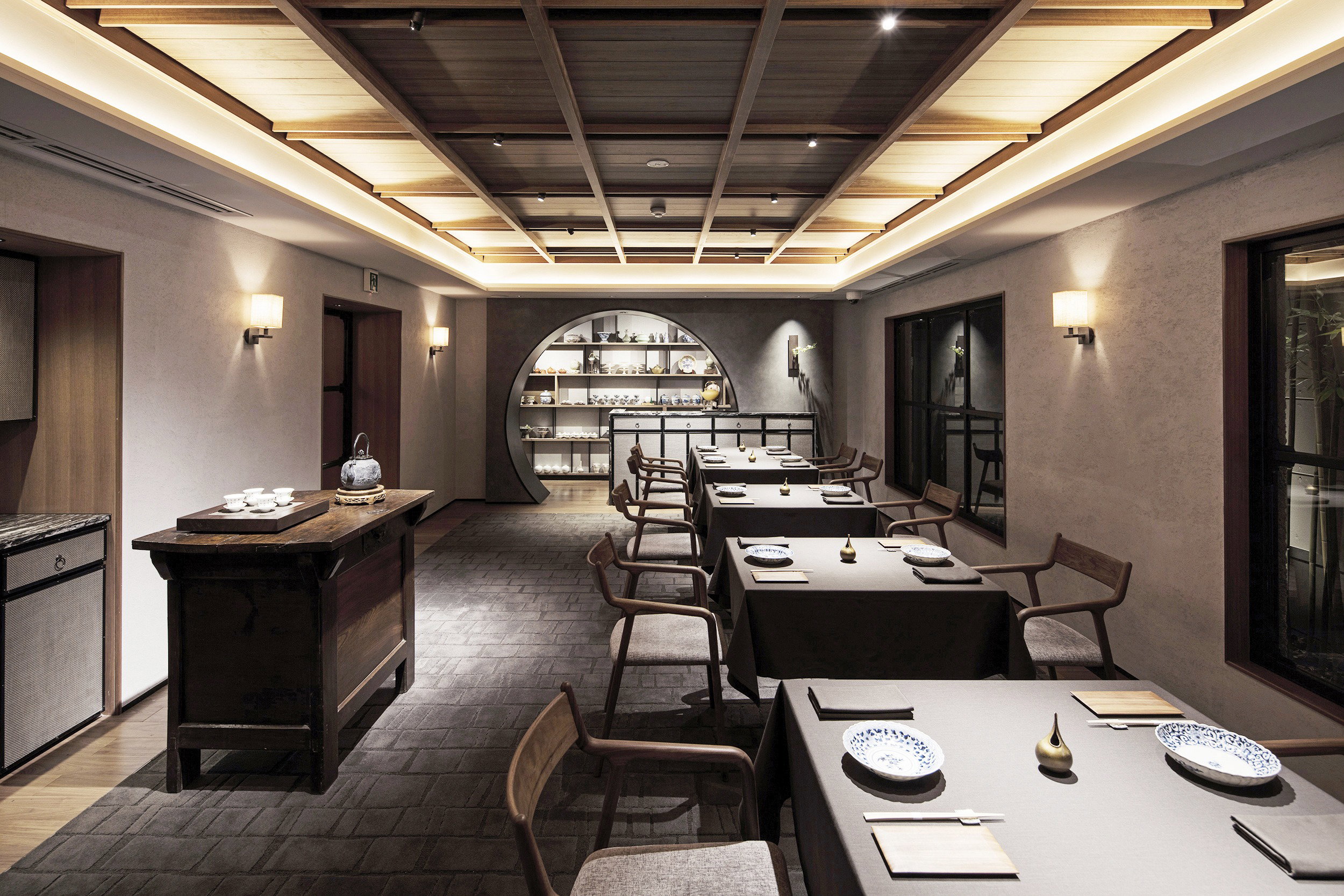
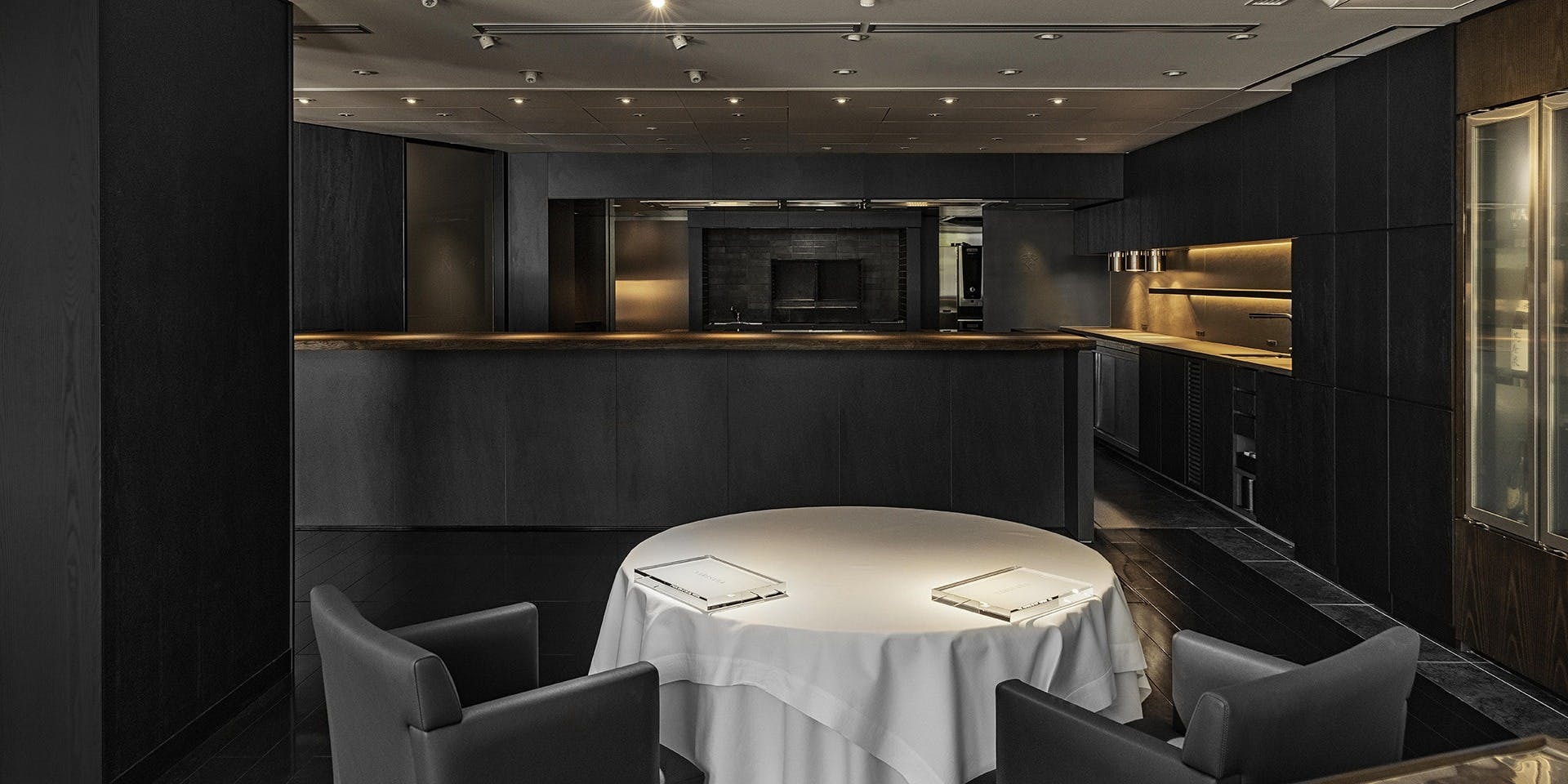
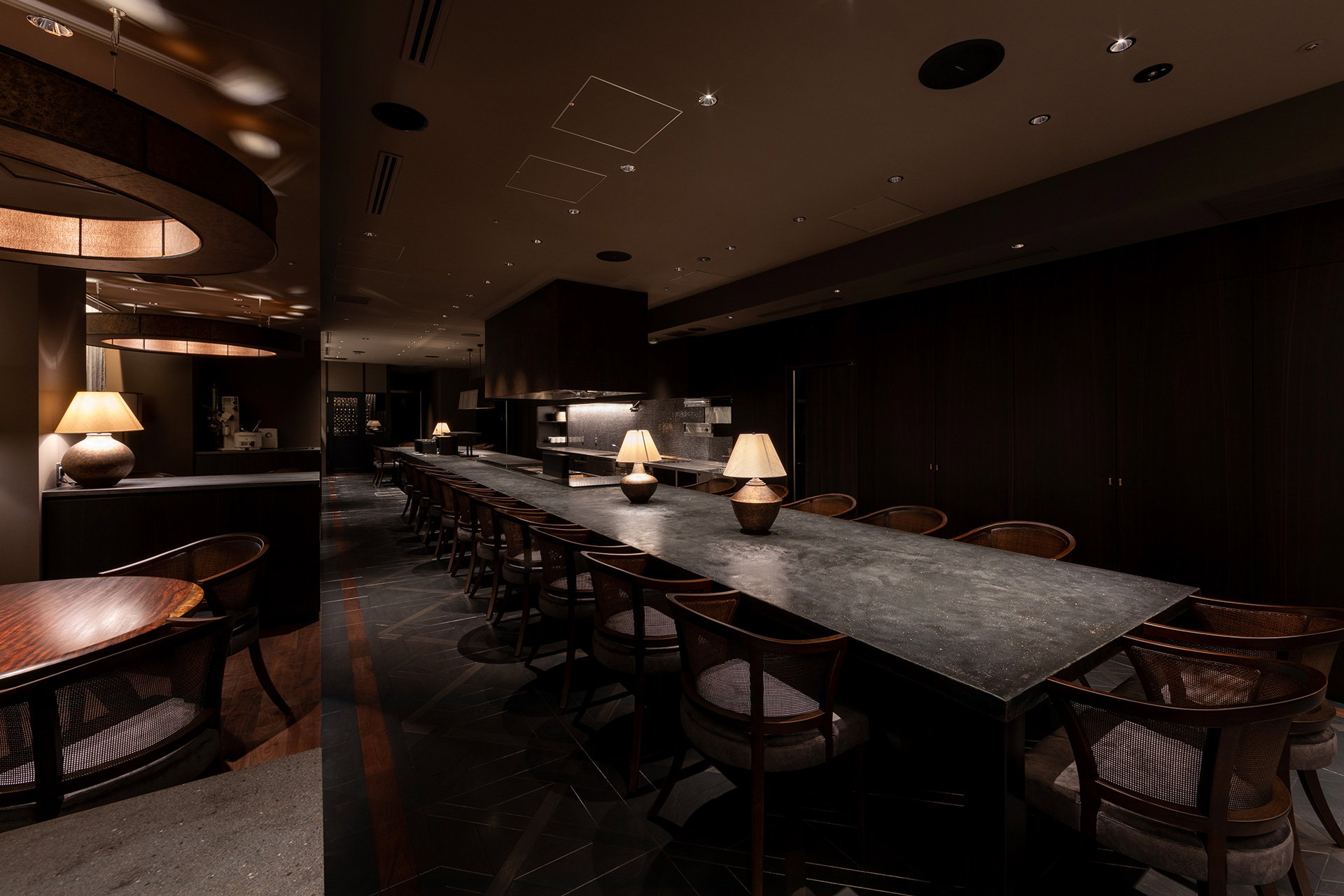
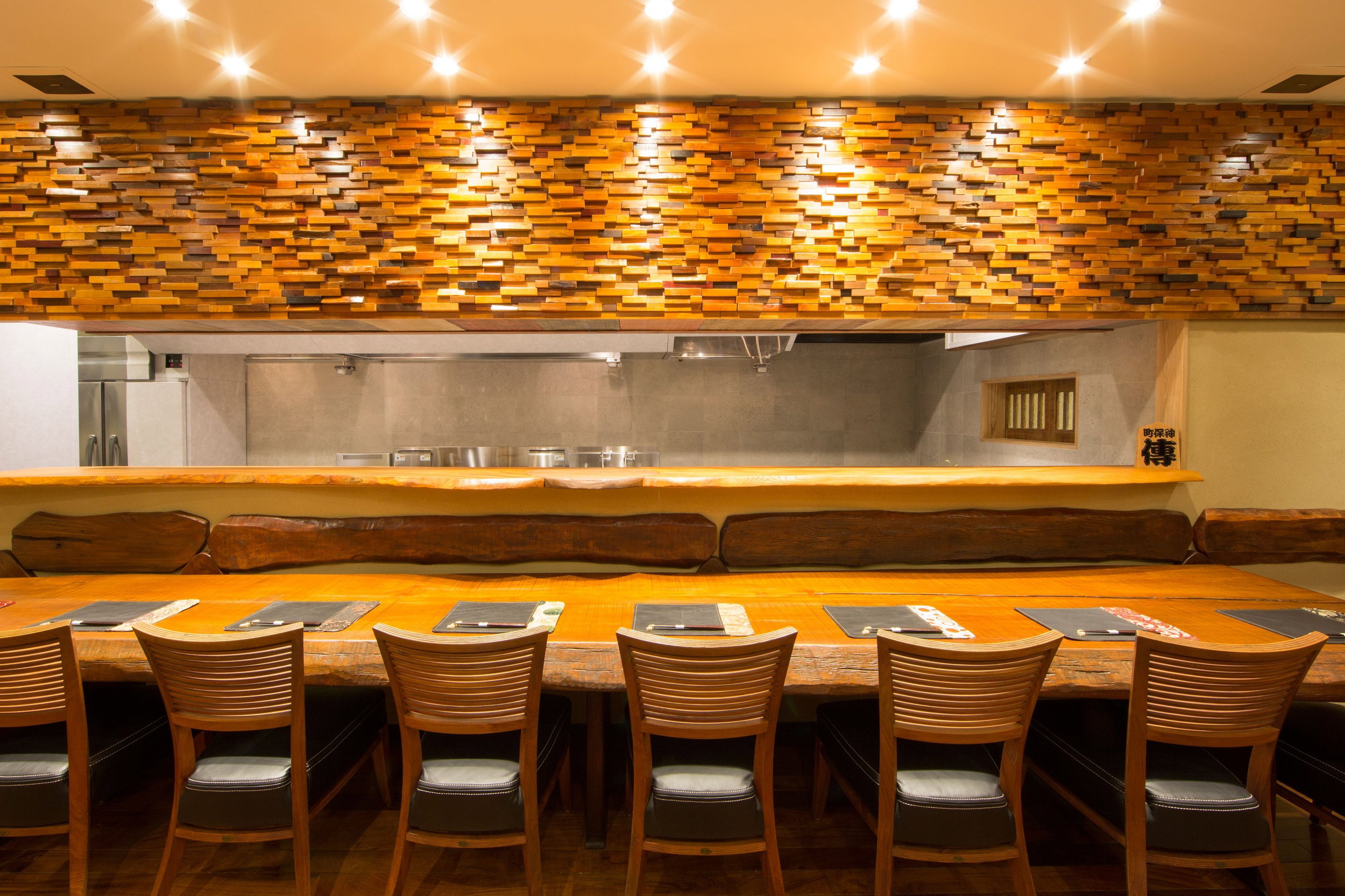
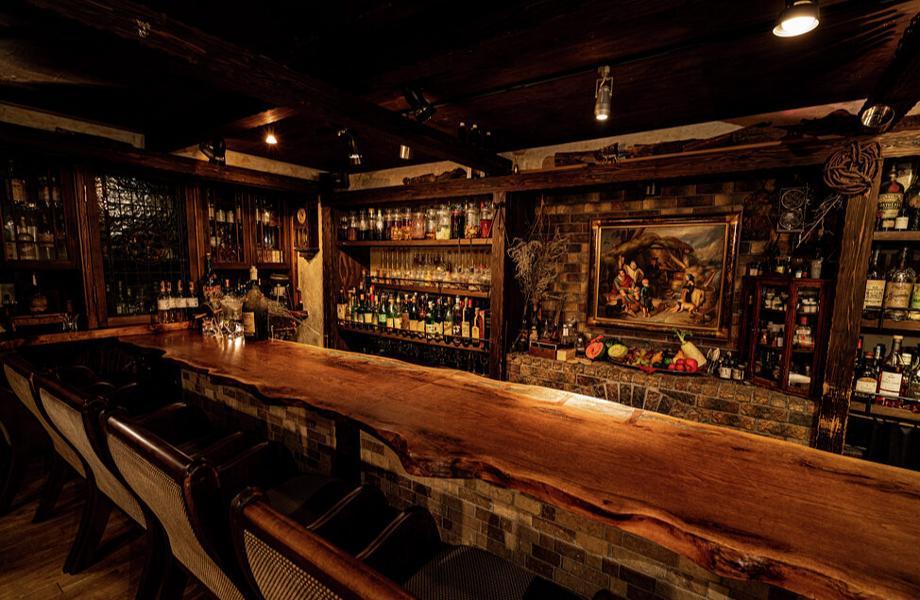
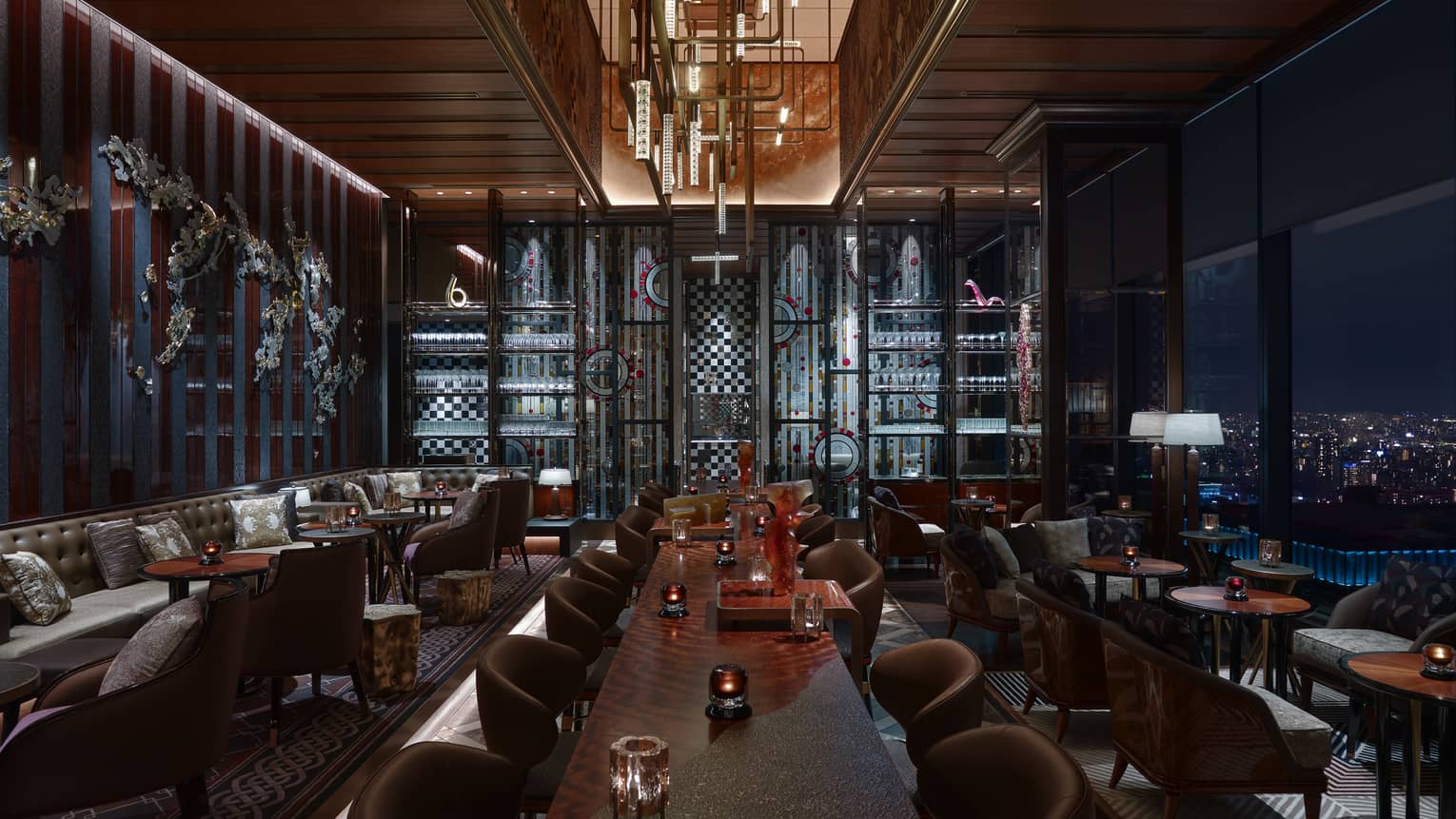
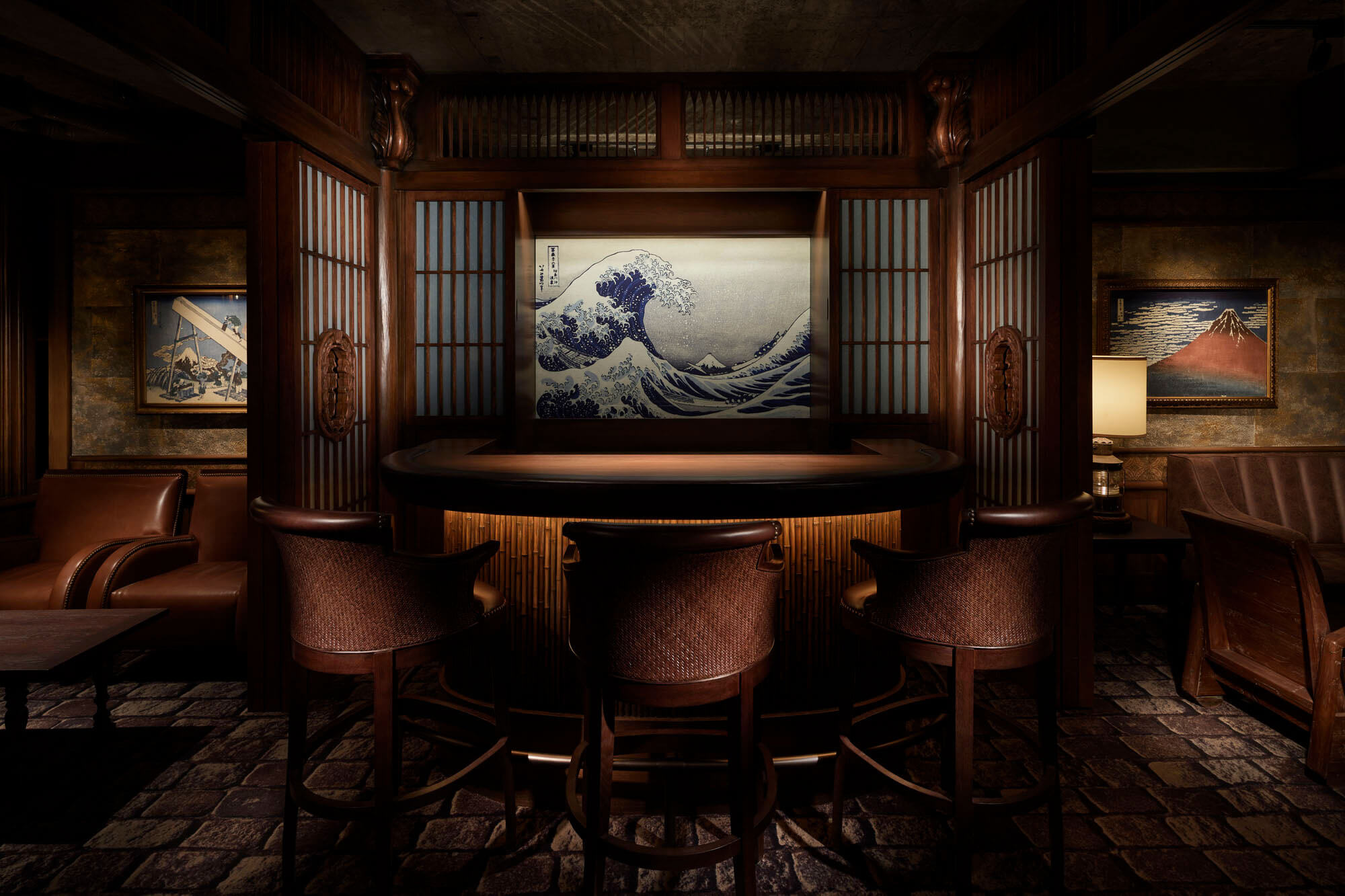
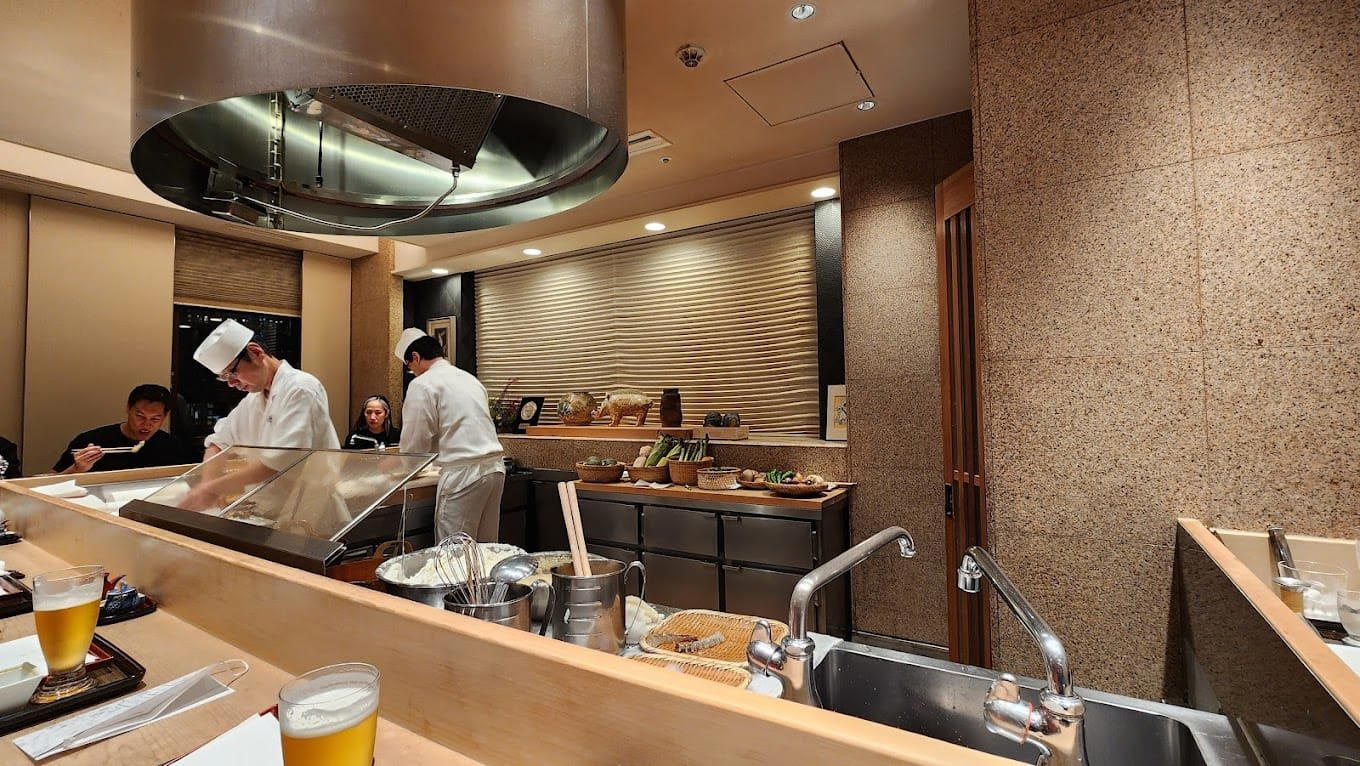
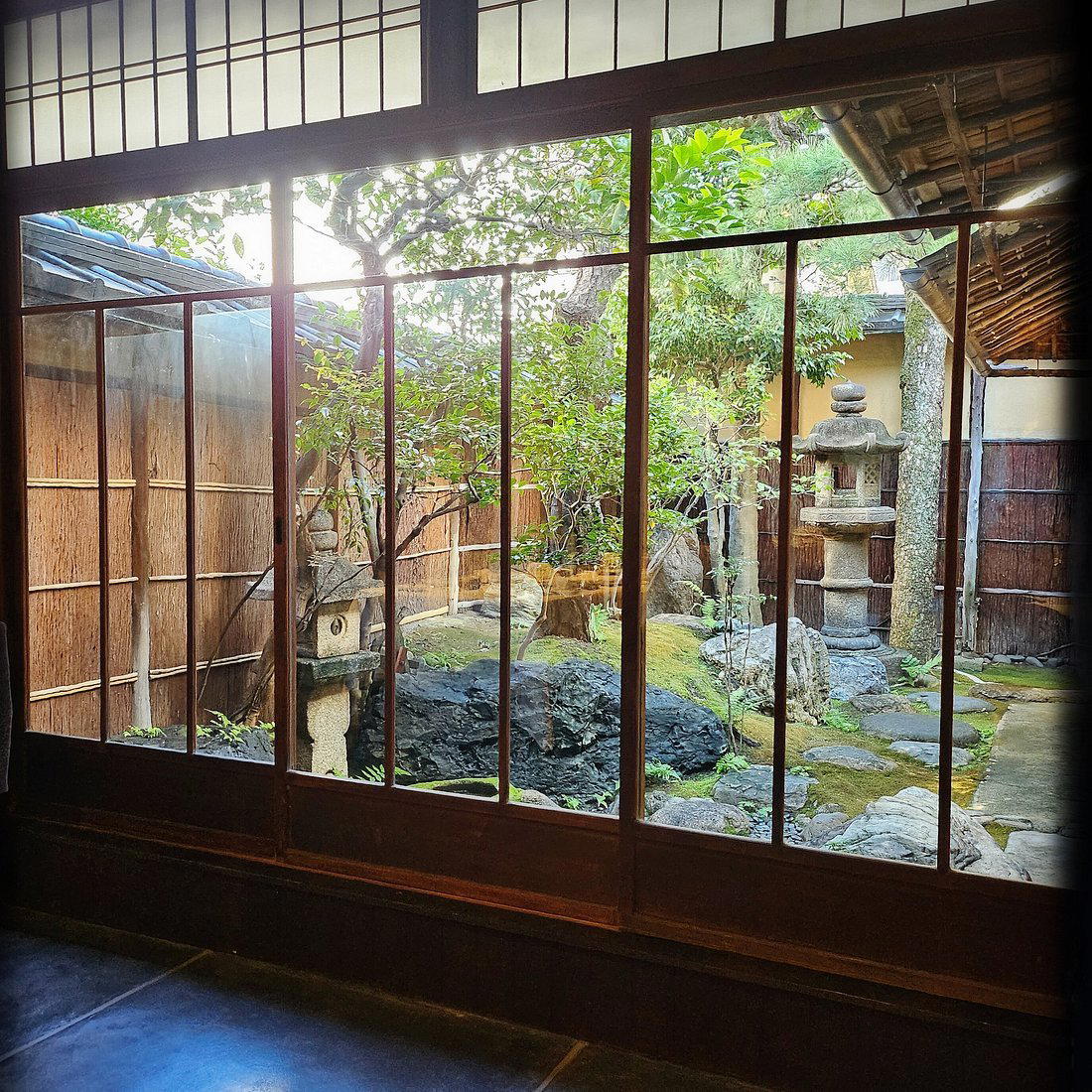
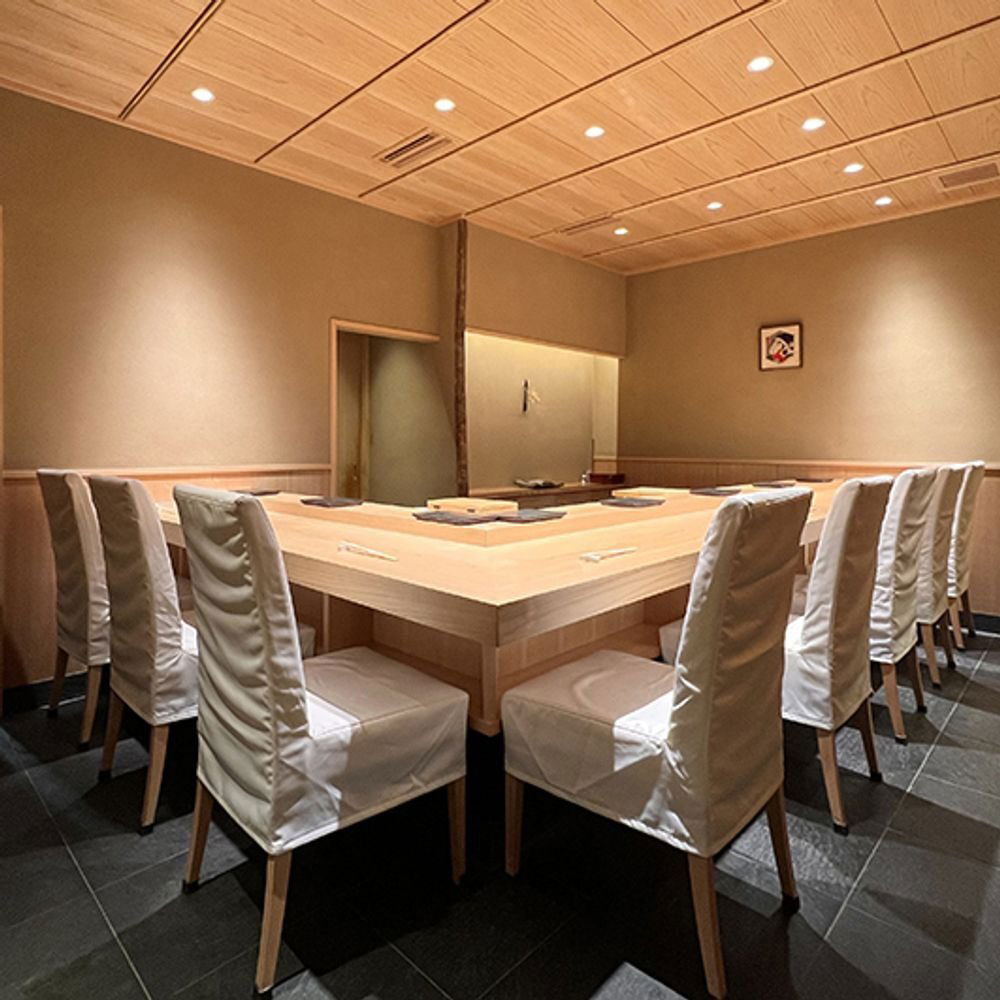
Seiju presents a restrained, refined atmosphere rooted in sukiya architecture and traditional Japanese hospitality. The room is built around a 14-seat L-shaped cypress counter that functions as both stage and dining space; subdued lighting and minimal décor cultivate a calm, tea-ceremony–like stillness. Sliding doors and a wooden waiting bench reinforce a measured, ceremonial approach to dining, while the counter layout keeps focus on the chef’s craft. The result is a serene, minimalist setting where precision frying and quiet interaction with Chef Shimizu feel appropriately elevated and contemplative.
Best For
Seiju is ideally suited to milestone dinners and focused culinary occasions: Michelin-starred technique, a multi-course omakase and a curated wine program position it for date nights, anniversaries and business meals that prioritize tasting and service. The 13–17 course tempura sequence unfolds at the counter with direct chef interaction, making it a destination for diners who want an immersive, deliberate experience rather than casual grazing. Its small scale and ritualized pacing reward guests seeking a special, highly attentive meal centered on seasonal Japanese ingredients and precise execution.
Ordering Tips
Book the seasonal omakase to experience Seiju as intended: the fixed 13–17 course sequence is the core of the restaurant. Follow the tasting instructions provided for each piece—try it alone first, then with lemon and salt, and finally with the traditional dipping sauce—to appreciate the intended progression. Expect signature items such as kuruma ebi, shirako, kakiage and the two successive tiger prawns; dishes are fried in freshly pressed sesame oil that is changed between seatings. Take advantage of the extensive wine program if you want French-pairing suggestions tailored to the tempura sequence.
Venue details
Ambiance
Subdued lighting with cypress wood counter seating in a serene, tea-room-inspired space reminiscent of kaiseki dining rooms, creating an atmosphere of pleasant tension and refined elegance.
Tags
Vibe
Best For
Experience
Sourcing
Accessibility
At the Table
- Dress Code
- Smart Casual
- Noise Level
- Quiet
- Service Style
- Omakase Bar
- Meal Pacing
- Extended Experience
- Capacity
- Intimate
- Kitchen
- Traditional
- Menu Format
- Omakase, Counter dining, Set menu
- Wine Program
- Deep wine list
- Drinks Focus
- Wine, Sake
- Dietary
- Allergy accommodating
Signature Dishes
- Kuruma Ebi tempura
- Shirako tempura
- Kakiage
- Tendon
- Tencha
Know before you go
Know Before You Go
- Getting there
- Japan, 〒104-0045 Tokyo, Chuo City, Tsukiji, 3 Chome−16−9 アーバンメイツビル B1F
Planning details
Hours
- Monday
- Closed
- Tuesday
- 5–9 pm
- Wednesday
- 5–9 pm
- Thursday
- 5–9 pm
- Friday
- 5–9 pm
- Saturday
- 5–9 pm
- Sunday
- 5–9 pm
Location
Japan, 〒104-0045 Tokyo, Chuo City, Tsukiji, 3 Chome−16−9 アーバンメイツビル B1F · Directions
Recognition and awards

Also consider
Also Consider
- Tempura Nakagawa, Tempura, ¥¥¥
- Tempura Yaguchi, Tempura, ¥¥¥¥
- Shunkeian Arakaki, Tempura, ¥¥¥
- Tempura Kondo, Tempura, ¥¥¥
- Fukamachi, Tempura, ¥¥¥
Restaurant context
At ¥30,000–¥39,999, Seiju sits squarely in Tokyo's upper-tier tempura bracket alongside Tempura Yaguchi, which offers a more ingredient-forward menu with seasonal pivots and a similar Michelin star. Yaguchi's room is marginally larger and its booking window slightly more forgiving, making it the better choice if you need flexibility. For tighter budgets, Tempura Nakagawa and Shunkeian Arakaki both land in the ¥¥¥ range with technically solid execution but fewer accolades, Nakagawa in particular delivers comparable oil discipline at ¥8,000–¥10,000 less per head.
Tempura Kondo is the direct peer if you prioritize vegetable-forward courses; Kondo's sweet potato tempura is a known signature, and the room accommodates groups more easily. Fukamachi offers a looser, less ceremonial vibe at the same ¥¥¥ tier as Nakagawa, with faster turnover and easier walk-in availability. If Seiju's 13-seat counter and rigid booking window feel restrictive, Fukamachi is the most practical alternative without sacrificing quality.
Seiju's advantage is its combination of Tabelog 100 consistency (2022–2025), Michelin recognition, and OAD rankings that have climbed year over year. That makes it the safer bet for diners who want documented credibility over experimental menus. For pure value, Nakagawa wins; for flexibility, Fukamachi or Kondo are better bets. For a Tsukiji location with minimal tourist overlap and a chef whose training story is clearly traceable, Seiju justifies its premium.
Explore Tokyo
Around this place
Discover more on Pearl
Unlock the full Seiju guide in Pearl, including awards, comparisons, FAQs, planning details, and nearby places.
FAQ
Frequently Asked Questions
Is the tasting menu worth it at Seiju?
A specific tasting-menu format is not listed. Seiju is a ¥¥¥¥ tempura restaurant in Tokyo led by chef-owner Yoshiaki Shimizu, so the value question depends on whether you want a premium tempura dinner.
What should I order at Seiju?
Is Seiju worth the price?
Seiju is listed at the ¥¥¥¥ price level. It is most likely to make sense for diners who specifically want a premium tempura meal in Tokyo from chef-owner Yoshiaki Shimizu.
Is Seiju good for a special occasion?
Seiju can fit a special occasion if a premium tempura dinner is what you want. The dress code is smart casual, and dinner hours are 5–9 pm Tuesday through Sunday.
Can Seiju accommodate groups?
Is lunch or dinner better at Seiju?
Dinner is the service listed. Seiju is open 5–9 pm Tuesday through Sunday and closed Monday; no lunch service is listed.