





CYCLE by Mauro Colagreco
French · Chiyoda, Tokyo
Restaurant in Tokyo, Japan
 Book with Pearl
The Read
Circular Nature Menus
Price
¥¥¥¥
Chef
Yuhei Miyamoto
Dress
Smart Casual
Why go
CYCLE by Mauro Colagreco earns its Michelin star with a prix fixe menu built around four natural themes — roots, leaves, flowers, fruits — executed through Mirazur-trained cooking and Japanese produce. At ¥¥¥¥, it is one of Tokyo's stronger cases for modern French fine dining, with a three-time Star Wine List programme and a seasonal structure that makes returning worthwhile.
About CYCLE by Mauro Colagreco
Verdict
CYCLE by Mauro Colagreco is one of the most purposeful fine-dining restaurants to open in Tokyo in recent years, and it earns its Michelin star. If you care about how a menu is constructed — not just what ends up on the plate — this is a strong booking. The prix fixe format, organised around four natural themes (roots, leaves, flowers, fruits), gives each visit a structural logic that most tasting menus lack. At ¥¥¥¥ pricing, you are paying for Mirazur-lineage cooking applied to Japanese ingredients, with a wine programme strong enough to have earned a Star Wine List award three consecutive years (2024, 2025, 2026). Book it for a special occasion or as the anchor meal of a Tokyo trip focused on modern French cooking.
The Restaurant
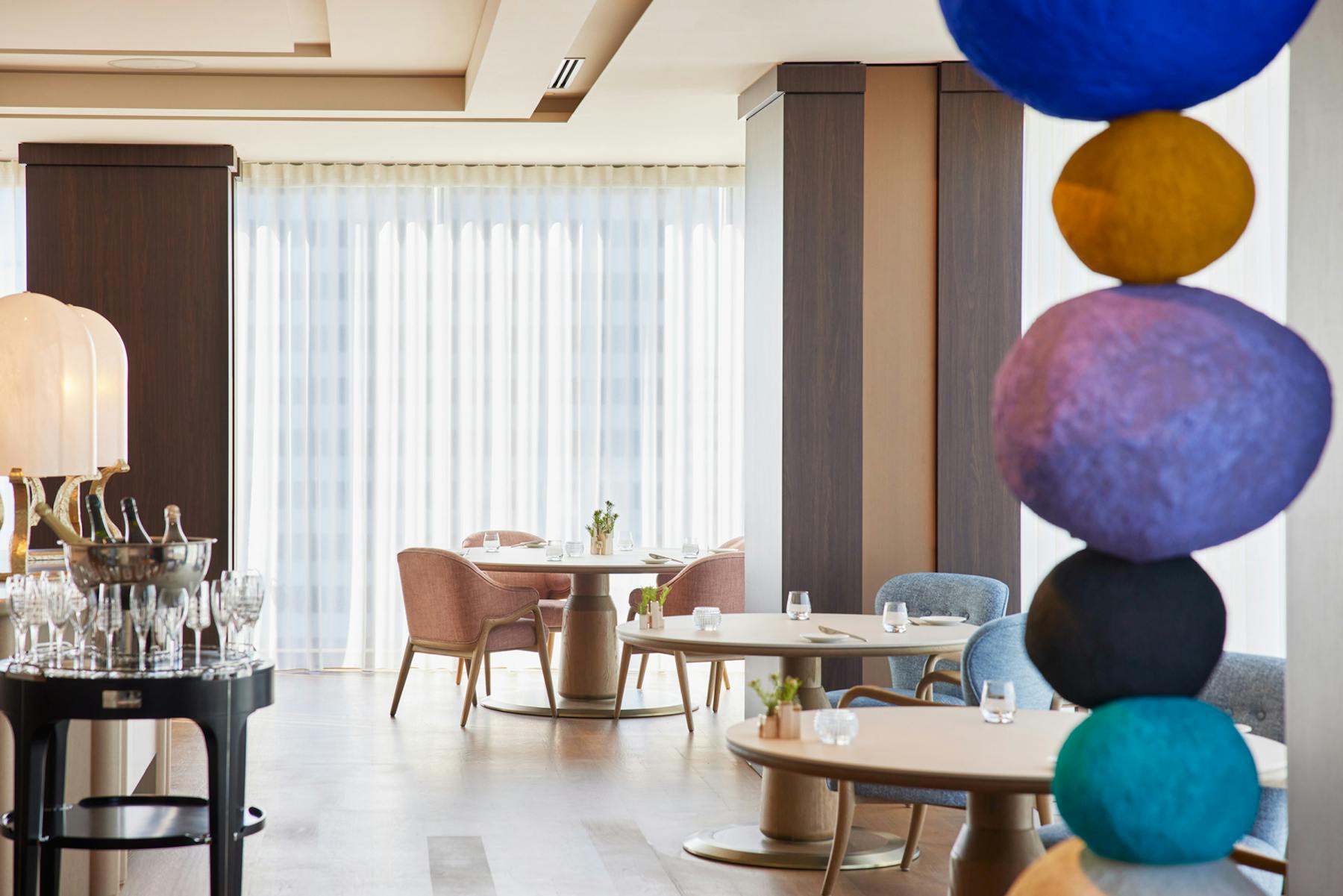
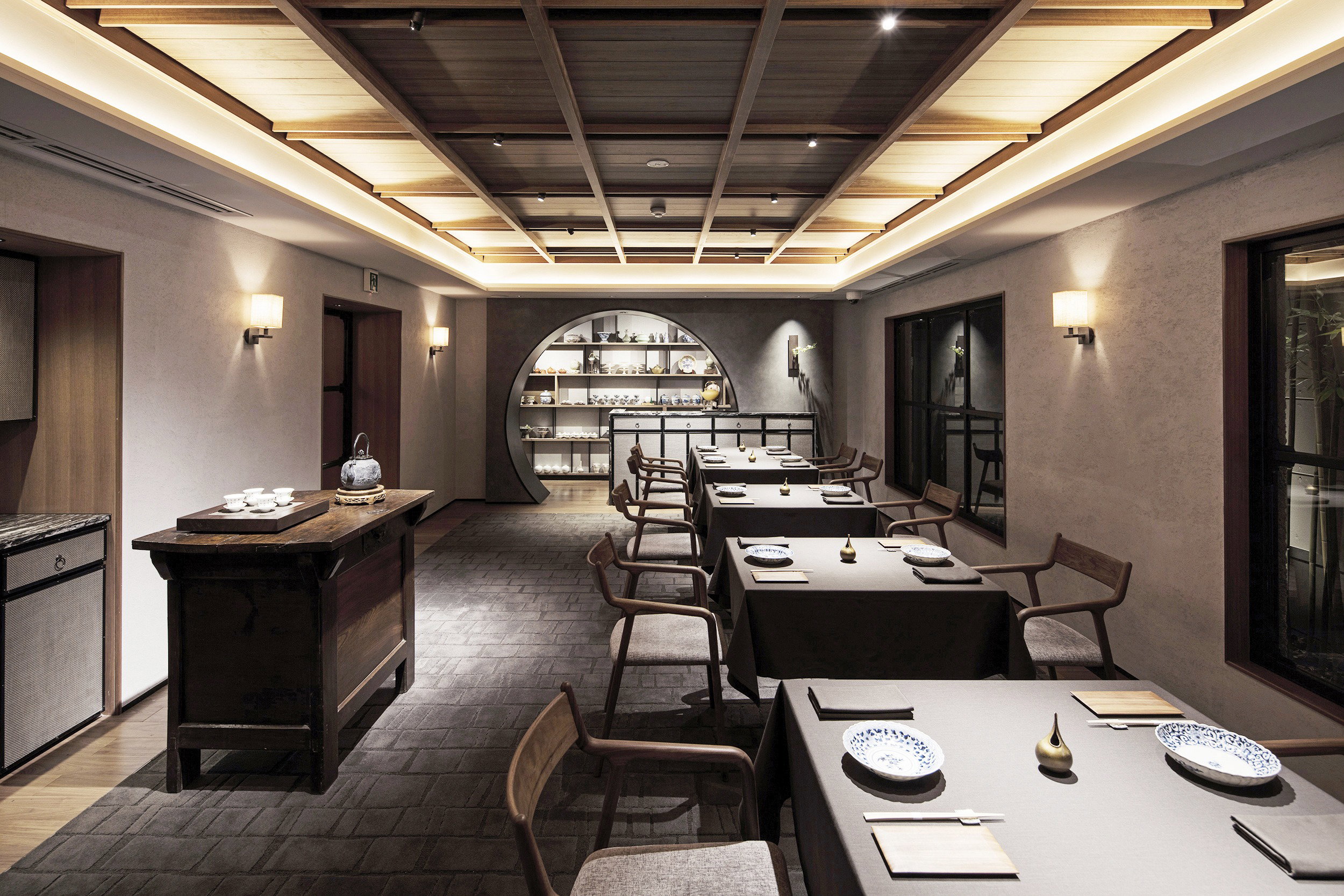
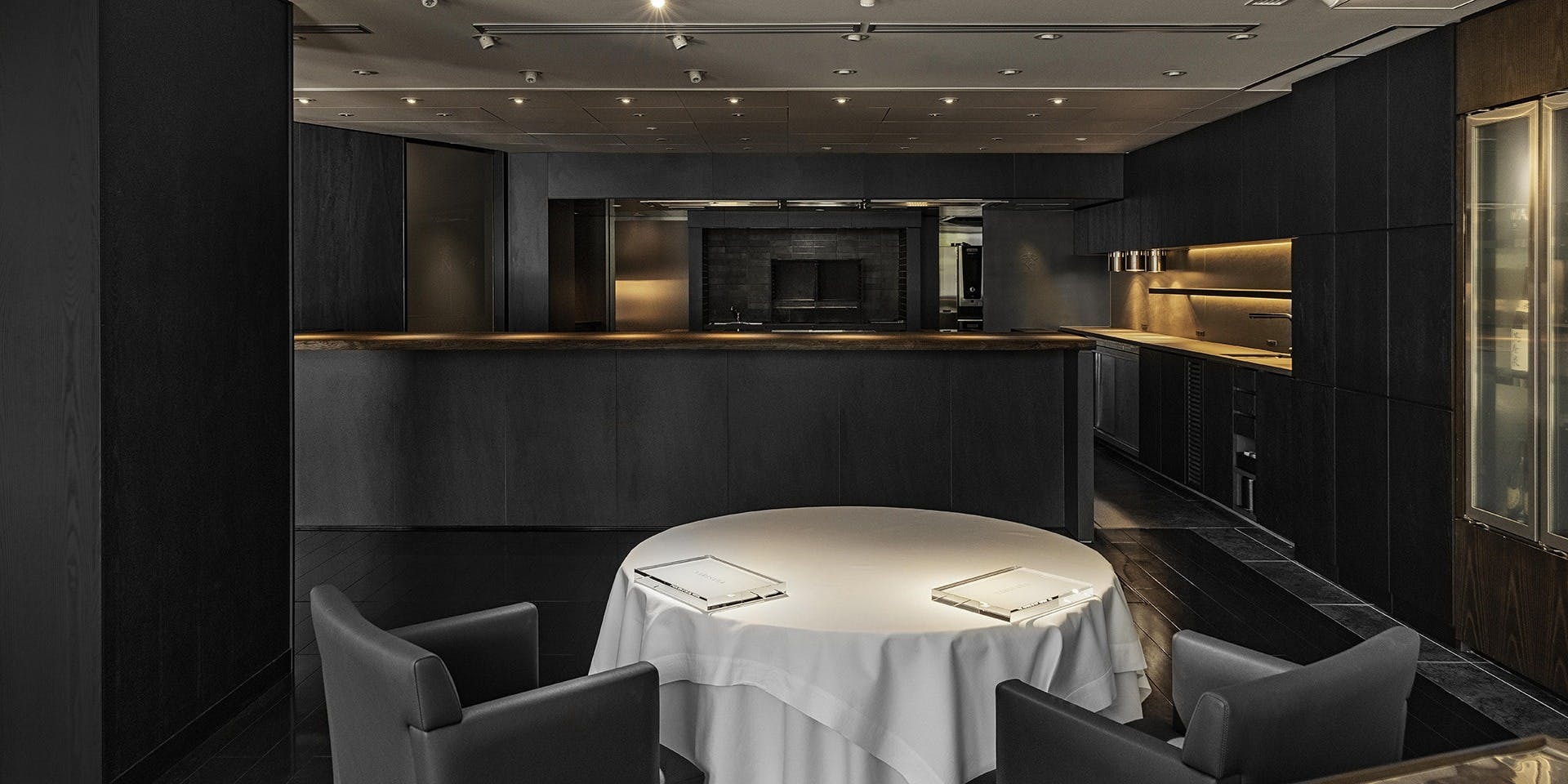
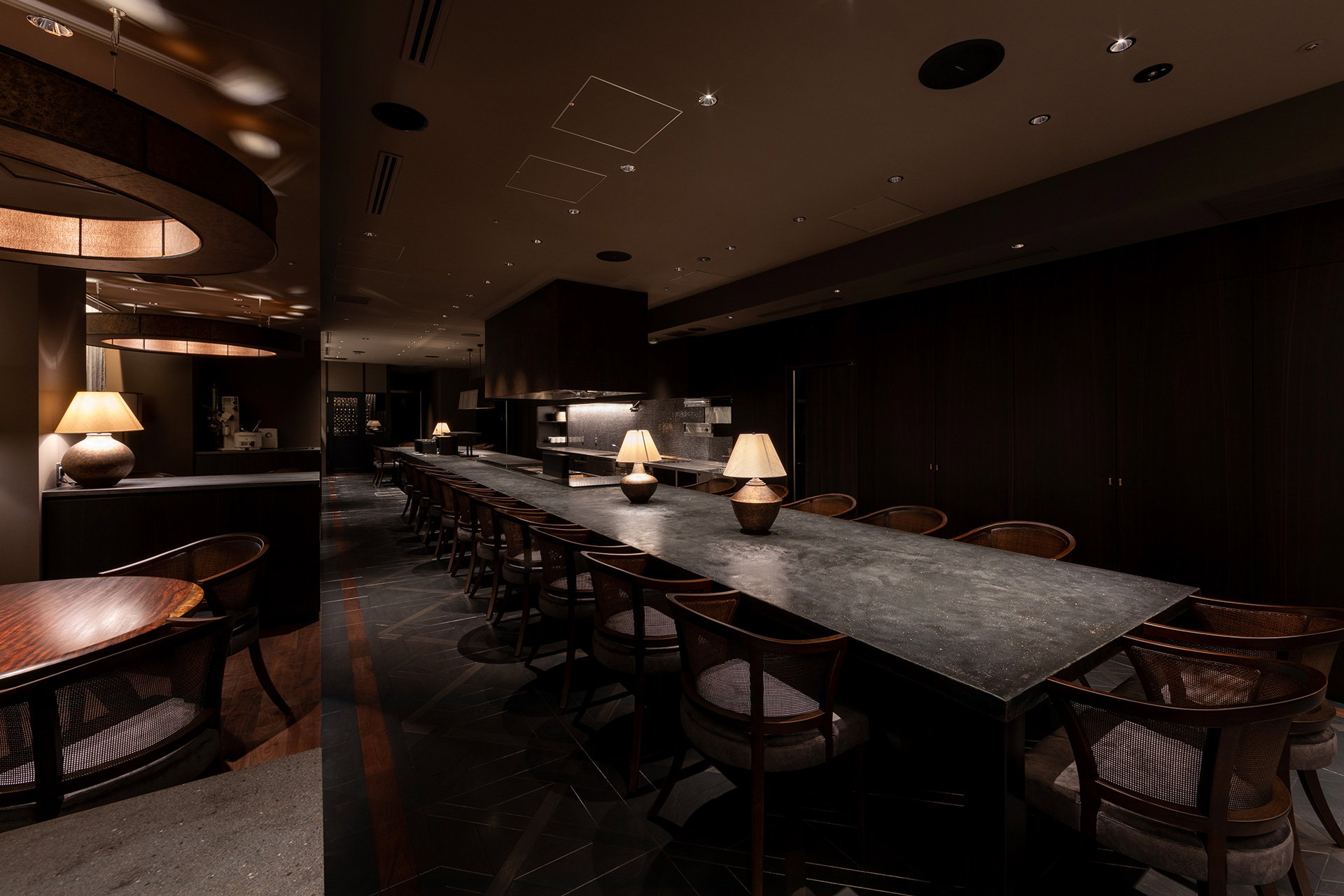
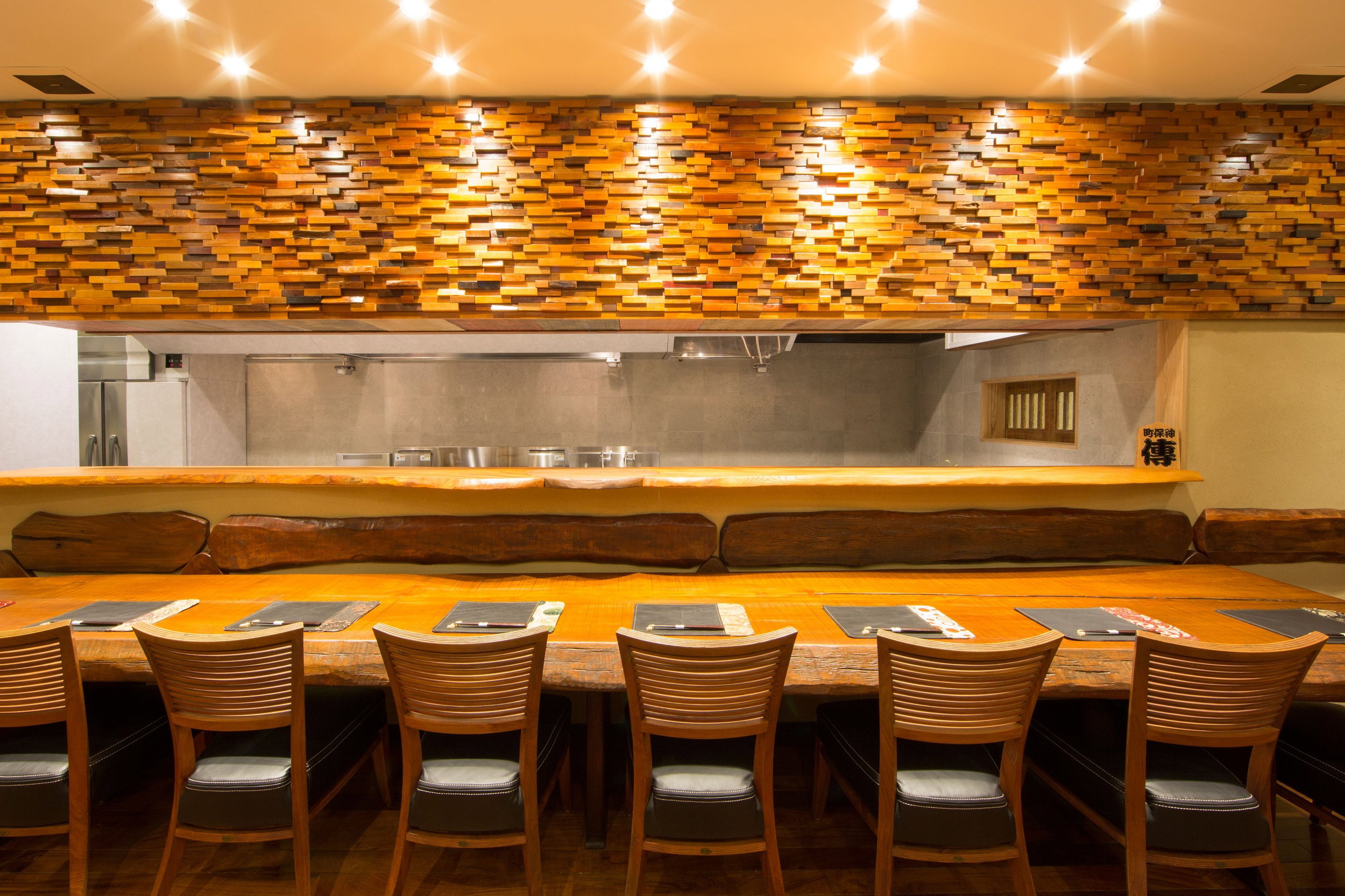
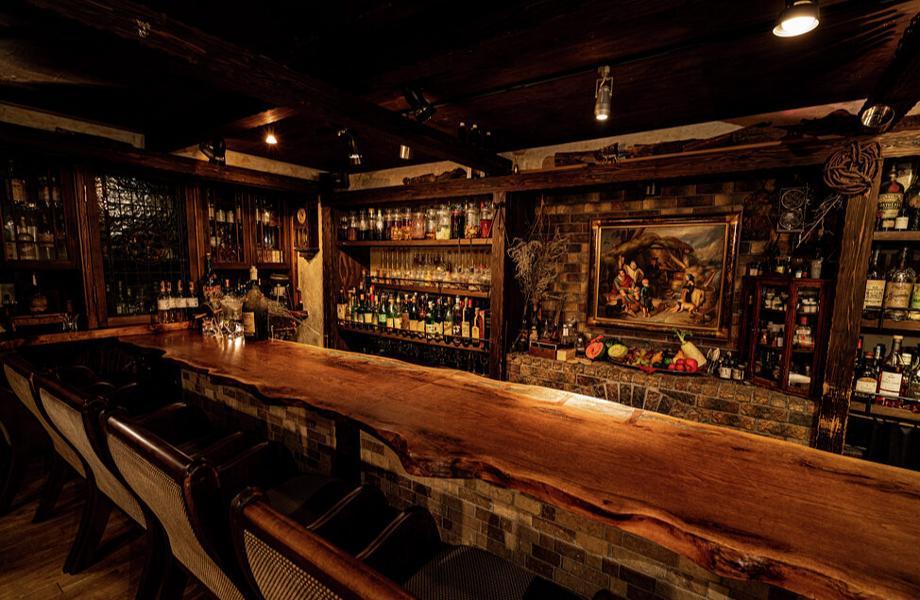
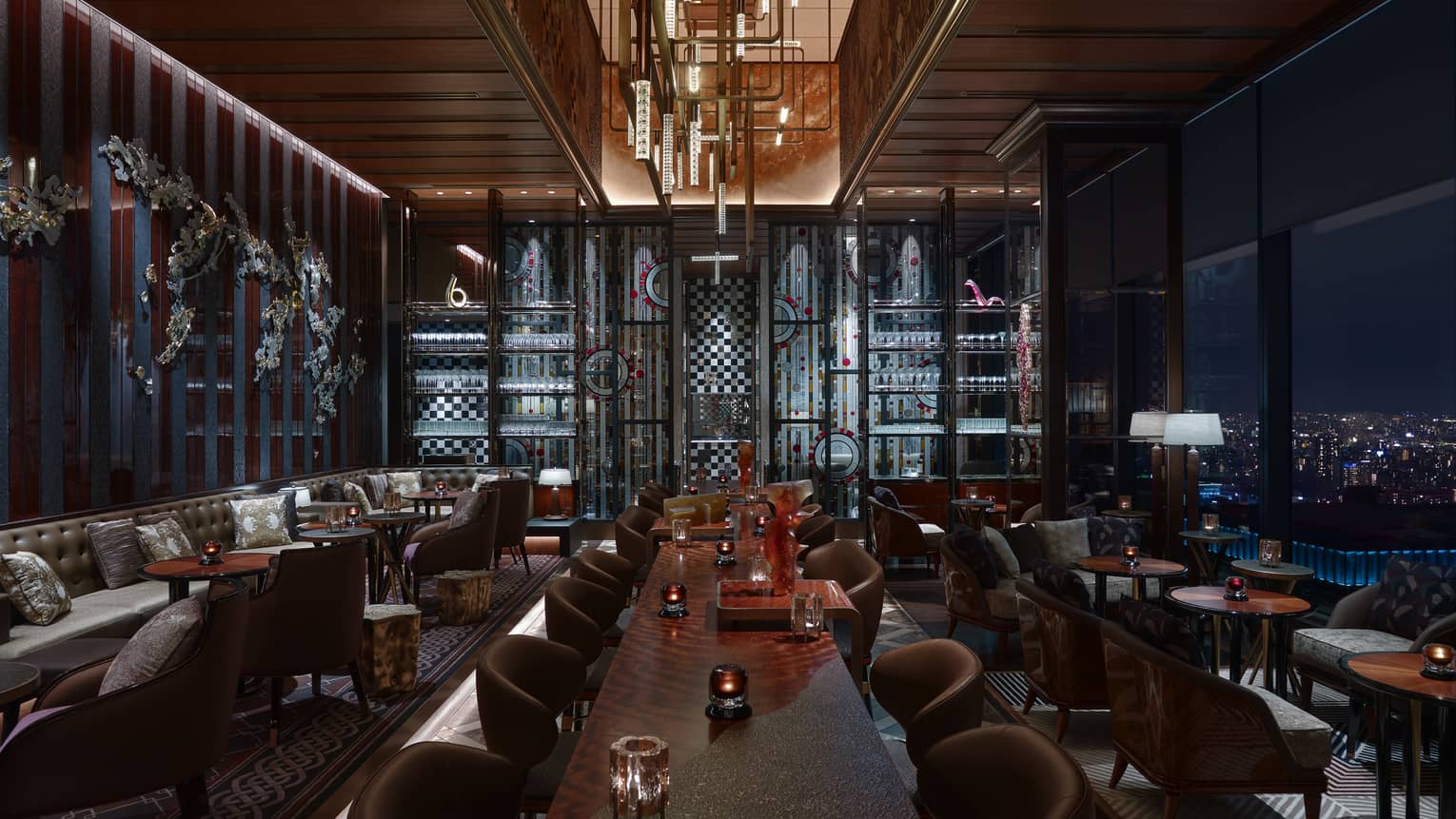
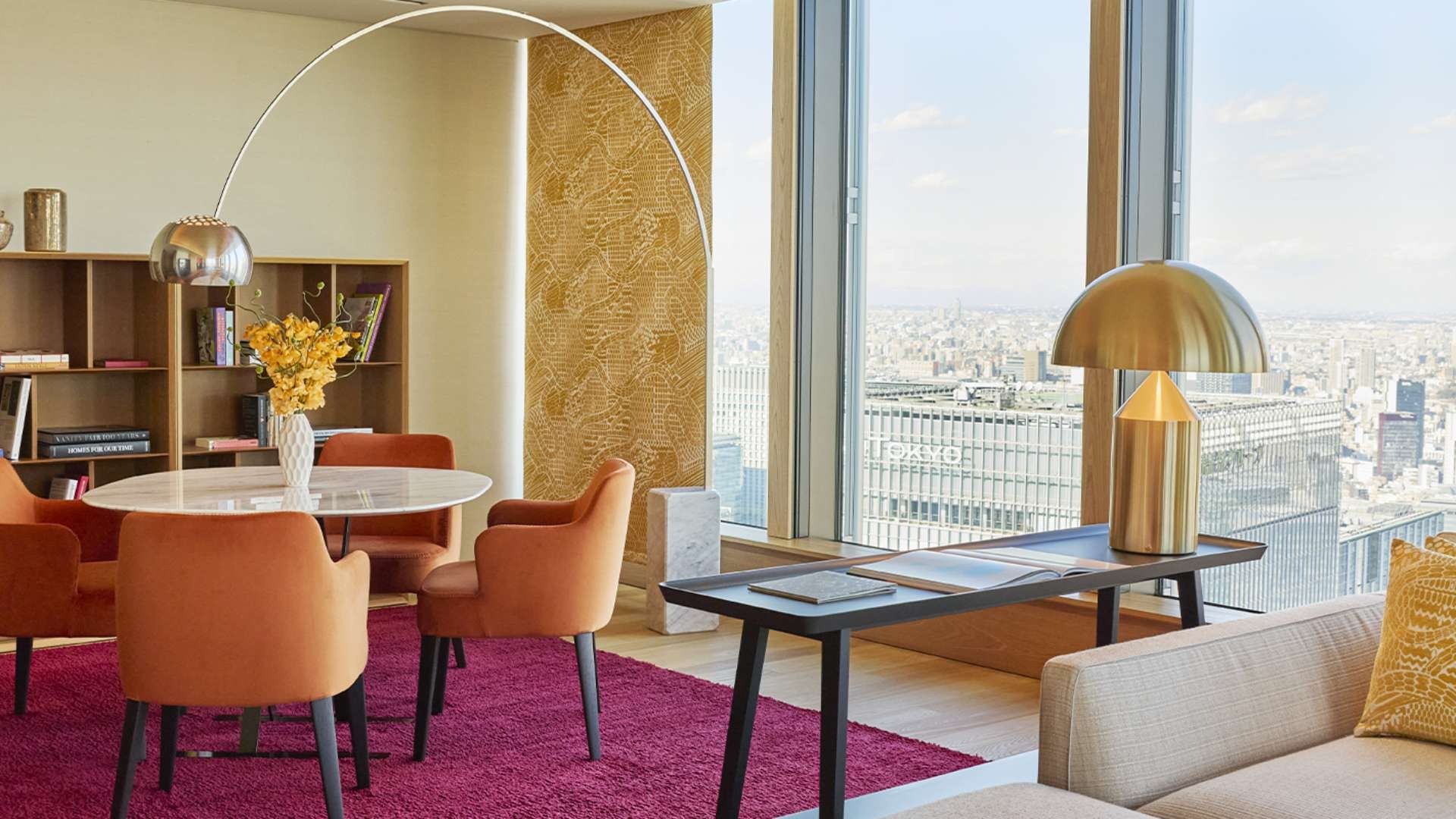
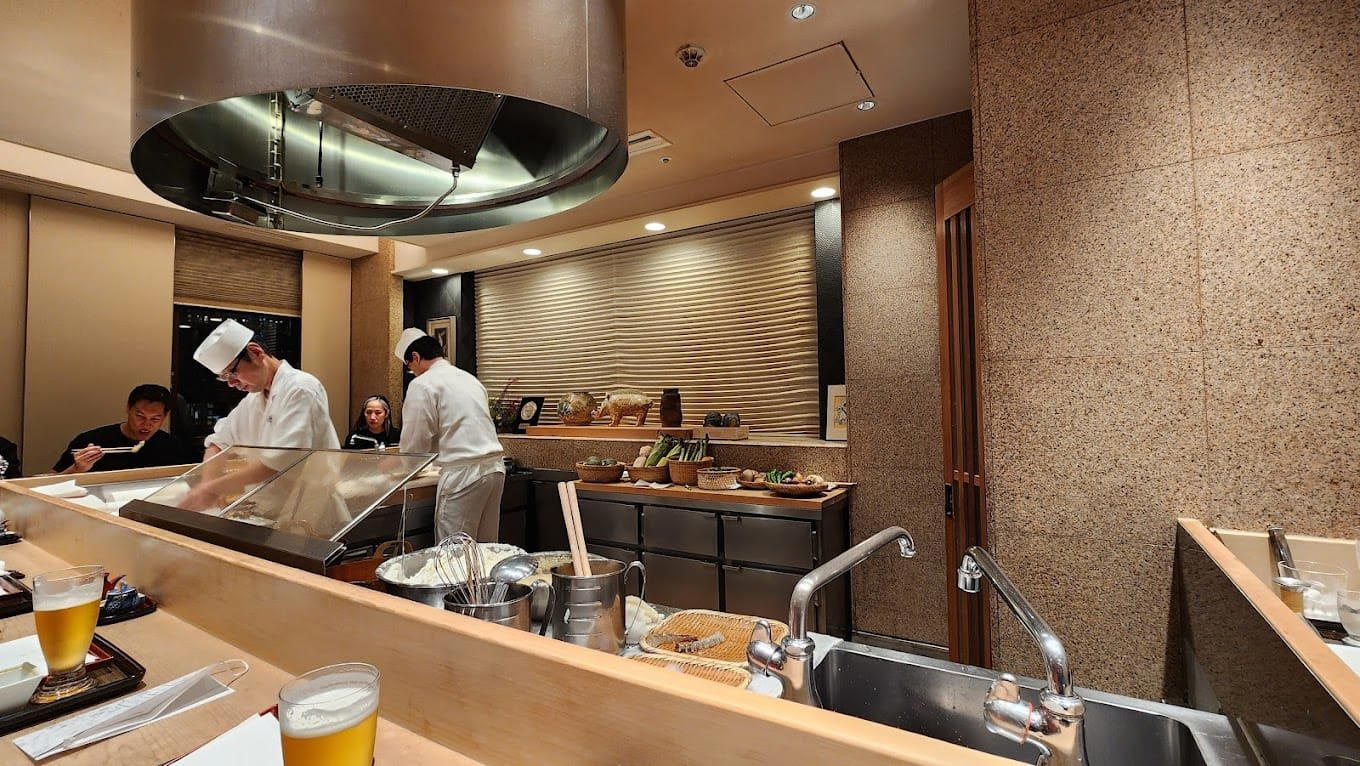
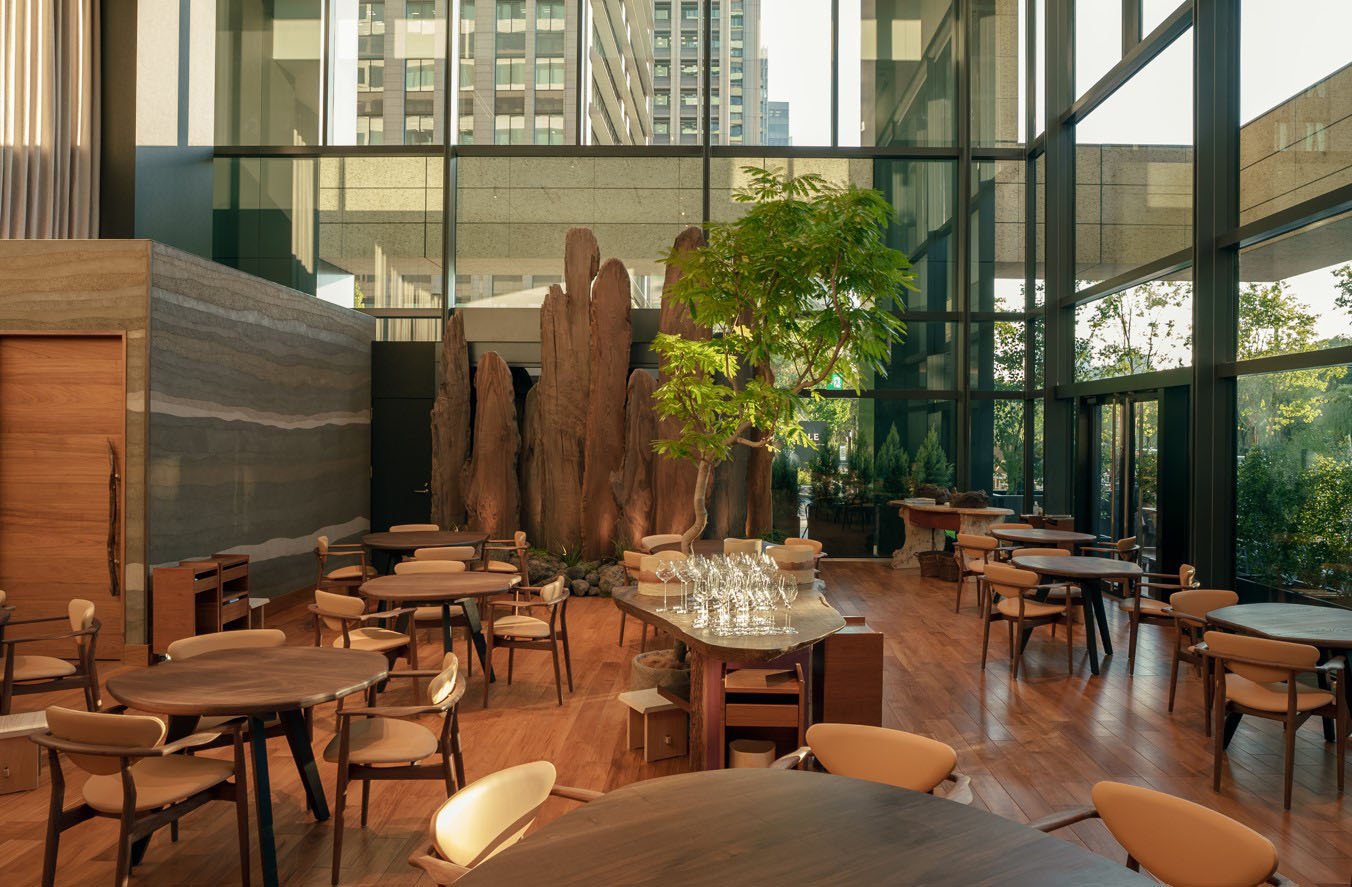
CYCLE sits inside Otemachi One, the tower complex in Chiyoda that also houses some of Tokyo's most serious corporate addresses. The ground-floor location keeps the room accessible without being casual, expect a composed, quiet atmosphere rather than the electric energy of a neighbourhood restaurant. The mood is measured and deliberate, which suits the menu's philosophy. Noise levels stay low, conversation is easy, and the pacing of a meal here is generous. If you are coming from a long day or arriving from another prefecture, the calm registers immediately.
The menu's four-theme architecture, roots, leaves, flowers, fruits, is not decorative framing. It determines what you eat and in what order, and it shifts with the season. This means a second visit, at a different point in the year, will feel genuinely different rather than just a rotation of new dishes. For food-focused travellers planning multiple Tokyo visits across a year, CYCLE is one of the few restaurants where returning makes structural sense. The first visit orients you to the format; the second lets you read the seasonal movement more fluently.
Head chef Yuhei Miyamoto trained at Mirazur in southern France, the Colagreco flagship that earned its three Michelin stars and placement on the World's 50 Best list. That experience shows in the menu's discipline. The cooking integrates Japanese produce into a modern French framework, and Argentine influences, tapas-style sharing, asado technique, appear without feeling grafted on. The zero-waste philosophy is applied in practice rather than announced as a selling point: it shapes sourcing, portioning, and what gets put on the table. Local producers are prioritised.
The wine list is a genuine reason to pay attention here. Three consecutive Star Wine List awards (2024, 2025, 2026) indicate a programme that is maintained and updated rather than set and left. For a restaurant at this price point in Tokyo, that consistency matters. Ask for guidance rather than defaulting to the pairing, the list rewards engagement if you have preferences worth communicating.
CYCLE ranked #280 in Opinionated About Dining's 2025 Japan list, which, given the depth of that field, places it firmly in the serious tier of Tokyo dining.
Multi-Visit Strategy
Visit one: go in spring or early summer, when the flowers and leaves themes are at their most expressive. Focus on the wine pairing to understand how the sommelier reads the menu. This is the visit to benchmark the format and identify which of the four themes resonates most with you.
Visit two: return in autumn or winter, when roots dominate and the menu's warmer, earthier register comes forward. By this point you know the structure, so you can request dishes that lean into the Argentine influences, the asado and tapas elements that distinguish CYCLE from the broader Tokyo French fine-dining field. If plant-forward eating matters to you, note at booking: the kitchen accommodates this, and the menu's natural structure makes it easier here than at most comparable restaurants.
Visit three, if you are a regular Tokyo traveller: bring someone who has not been. The menu's conceptual clarity makes it one of the more explainable high-end experiences in the city, the four-theme framework gives a non-specialist diner a way into the meal that a conventional tasting menu does not always provide.
Booking
Booking difficulty is rated hard. A Michelin-starred restaurant in a premium Chiyoda tower with a tasting-menu-only format and no walk-in culture means you should plan at least four to six weeks ahead, and further for weekend dinners or holiday periods. Mention any dietary requirements at the time of booking, the kitchen's zero-waste and plant-first ethos means they are prepared to accommodate, but they need the lead time. Pure plant menus are possible and worth requesting if that is your preference.
Practical Details
| Detail | CYCLE by Mauro Colagreco | L'Effervescence | Florilège |
|---|---|---|---|
| Price tier | ¥¥¥¥ | ¥¥¥¥ | ¥¥¥ |
| Cuisine | Modern French / Japanese | French | French |
| Michelin stars | Check listing | Check listing | |
| Wine programme | Star Wine List × 3 | Acclaimed | Strong |
| Booking difficulty | Hard | Hard | Moderate |
| Format | Prix fixe only | Prix fixe | Prix fixe |
| Location | Otemachi, Chiyoda | Nishi-Azabu | Minami-Aoyama |
How It Compares
See the full comparison section below.
Explore More in Tokyo and Beyond
For the full picture of where to eat in Tokyo, see our full Tokyo restaurants guide. If you are planning the broader trip, our full Tokyo hotels guide, our full Tokyo bars guide, our full Tokyo wineries guide, and our full Tokyo experiences guide cover the rest. If you are travelling beyond Tokyo, comparable-calibre French-influenced cooking is available at HAJIME in Osaka and akordu in Nara. For a different register of Japanese fine dining on the same trip, Gion Sasaki in Kyoto and Goh in Fukuoka are worth the travel. Further afield, Les Amis in Singapore and Hotel de Ville Crissier in Crissier represent the European reference points for this style of cooking. For other Tokyo addresses in the French fine-dining tier, Sézanne, ESqUISSE, and Château Restaurant Joël Robuchon each make a different case for the same price tier. For regional Japan, 1000 in Yokohama and 6 in Okinawa round out the picture for travellers moving across the country.
Planning details
- Location
- Japan, 〒100-0004 Tokyo, Chiyoda City, Ōtemachi, 1 Chome−2−1 Otemachi One 1階
- Website
- cyclerestaurant.com
- Phone
- +81 3-6551-2885
The take
The Take
The Vibe
CYCLE by Mauro Colagreco presents a considered, concept-driven form of modern French fine dining that centers Japanese produce within a lasting structural taxonomy. The menu's four categories — roots, leaves, flowers and fruits — read as a philosophical framework rather than a seasonal checklist, so the experience feels deliberate and intellectually engaged. The Mirazur lineage and emphasis on circular gastronomy show in a kitchen committed to local sourcing and low waste, while occasional Argentinian asado notes and tapas-style touches add a muscular counterpoint to the plant-forward sensibility. The result is a quietly authoritative, highly curated dining experience.
Best For
This is a restaurant for diners seeking a high-concept tasting experience — the kind of meal you reserve for meaningful nights out. It's well suited to celebrations and business dinners that benefit from a composed, attentive service style and a menu that unfolds as a narrative. The kitchen offers pure-plant menus, but the description stresses those must be flagged at booking, so it’s also a good choice for guests with particular dietary priorities who plan ahead. Expect an occasion-focused visit rather than casual, late-night dining.
Ordering Tips
Approach the menu as a guided sequence: the kitchen organizes dishes into four enduring categories (roots, leaves, flowers, fruits) and moves through them to create narrative continuity. Read the menu framework at the start of the meal to understand how individual courses relate. If you prefer plant-only preparations, note that the restaurant provides pure-plant menus but asks that they be flagged at the time of booking. Also ask your server about asado-influenced preparations and tapas-style elements that appear alongside the botanical focus, so you can tailor the tasting to your tastes.
Venue details
Ambiance
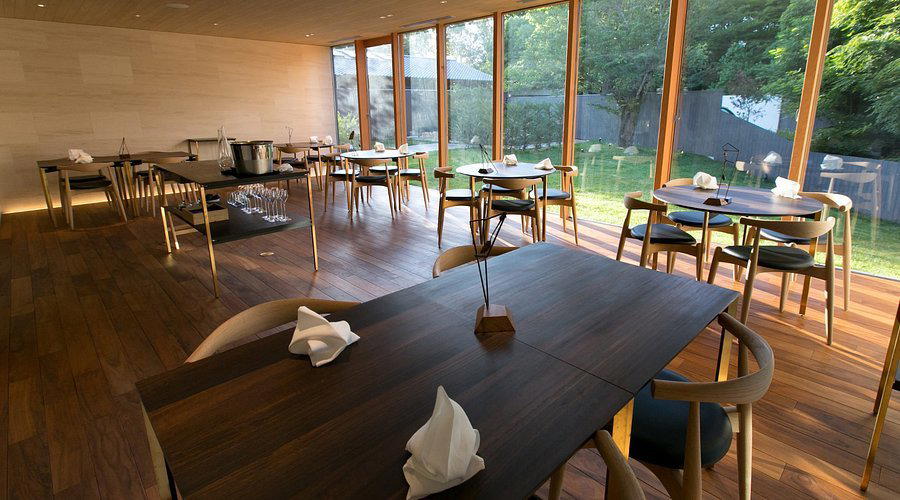
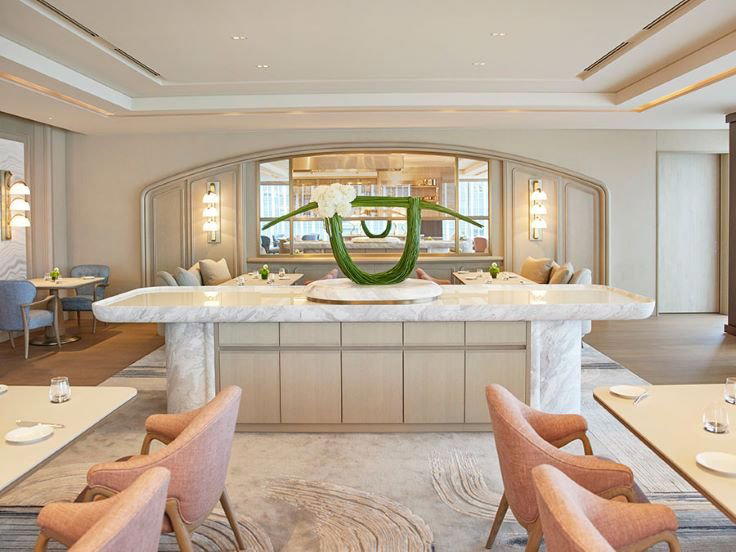
Cavernous dining room with triple-height ceilings, full-height windows flooding natural light, earthy textures, unadorned wood tables, and abundant interior greenery creating an environmentally-conscious utopia.
Tags
Vibe
Best For
Experience
Sourcing
View
Accessibility
At the Table
- Dress Code
- Smart Casual
- Noise Level
- Conversational
- Service Style
- Formal
- Meal Pacing
- Extended Experience
- Capacity
- Medium
Signature Dishes
- Kyoto carrots with turmeric and clementine
- Tiger prawn tartlet with pomelo and canola flowers
- Venison grilled over wood fire with rose-scented sauce
- Beetroot with caviar and cream
Know before you go
Know Before You Go
- Getting there
- Japan, 〒100-0004 Tokyo, Chiyoda City, Ōtemachi, 1 Chome−2−1 Otemachi One 1階
Planning details
Location
Japan, 〒100-0004 Tokyo, Chiyoda City, Ōtemachi, 1 Chome−2−1 Otemachi One 1階 · Directions
Recognition and awards



Also consider
Also Consider
- Harutaka, Sushi, ¥¥¥¥
- RyuGin, Kaiseki, Japanese, ¥¥¥¥
- L'Effervescence, French, ¥¥¥¥
- HOMMAGE, Innovtive French, French, ¥¥¥¥
- Florilège, French, ¥¥¥
Restaurant context
Within Tokyo's modern French fine-dining tier, CYCLE sits alongside L'Effervescence and HOMMAGE at ¥¥¥¥, but it is the most internationally inflected of the three. L'Effervescence draws more directly on French classical tradition applied to Japanese seasons; CYCLE's Argentine and zero-waste dimensions give it a different identity. If you want the purest expression of French technique in a Tokyo setting, L'Effervescence is the stronger choice. If the Colagreco philosophy, circularity, local sourcing, plant-forward thinking, resonates, CYCLE is the better fit.
Florilège at ¥¥¥ is the most practical alternative for a diner who wants serious modern French cooking in Tokyo without the full ¥¥¥¥ commitment. It is somewhat easier to book, one price tier lower, and its cooking is Franco-Japanese in a comparable register. The trade-off is a less developed wine programme and a smaller international profile. For a first visit to Tokyo's French fine-dining scene, Florilège is a reasonable entry point before committing to the upper tier.
If you are willing to step outside the French category, RyuGin in kaiseki and Harutaka in sushi each make a stronger case than CYCLE if Japanese cooking tradition is the primary draw. Both sit at ¥¥¥¥ and both are harder to book. The decision comes down to whether you want a French lens on Japan (CYCLE) or a Japanese lens on its own terms (RyuGin or Harutaka). For a single Tokyo trip with one splurge booking, identify which of those orientations matters more to you before deciding.
Explore Tokyo
Around this place
Discover more on Pearl
Unlock the full CYCLE by Mauro Colagreco guide in Pearl, including awards, comparisons, FAQs, planning details, and nearby places.
Compare CYCLE by Mauro Colagreco
| Venue | Cuisine | Awards | Booking Difficulty |
|---|---|---|---|
| CYCLE by Mauro Colagreco | French | Star Wine Lists 2026 · #12026 OAD Top Restaurants in Japan Recommended2026 Michelin 1 StarTabelog 100 - French - TOKYO - 2025 · #332025 OAD Top Restaurants in Japan Ranked · #280We're Smart World Top Restaurants 20252025 The Best Chef One Knife2024 Michelin 1 Star | Hard |
| Harutaka | Sushi | 2026 Tabelog Silver · #312026 OAD Top Restaurants in Japan Ranked · #1282026 Michelin 3 Stars2026 La Liste Top RestaurantsTabelog 100 - Sushi - TOKYO - 2025 · #372025 Asia's 50 Best Restaurants · #762025 OAD Top Restaurants in Japan Ranked · #1172025 La Liste Top Restaurants2025 Tabelog Bronze | Unknown |
| RyuGin | Kaiseki, Japanese | 2026 OAD Top Restaurants in Japan Ranked · #802026 Tabelog Bronze · #3772026 Michelin 3 Stars2026 La Liste Top RestaurantsTabelog 100 - Japanese cuisine - TOKYO - 2025 · #212025 OAD Top Restaurants in Japan Ranked · #542025 Michelin 3 Stars2025 La Liste Top Restaurants2025 The Best Chef Three Knives | Unknown |
| L'Effervescence | French | 2026 Tabelog Silver · #682026 OAD Top Restaurants in Japan Ranked · #103Star Wine Lists 20262026 Black Pearl 2 Diamond2026 Relais Chateaux Restaurants2026 La Liste Top Restaurants2026 Michelin 3 Stars2025 Asia's 50 Best Restaurants · #692025 OAD Top Restaurants in Japan Ranked · #92 | Unknown |
| HOMMAGE | Innovtive French, French | 2026 Tabelog Bronze · #1232026 OAD Top Restaurants in Japan Highly Recommended2026 Michelin 2 StarsTabelog 100 - French - TOKYO - 2025 · #762025 Asia's 50 Best Restaurants · #782025 OAD Top Restaurants in Japan Ranked · #1752025 Michelin 2 Stars2025 The Best Chef One Knife2025 La Liste Top Restaurants | Unknown |
| Florilège | French | 2026 Asia's 50 Best Restaurants · #312026 Tabelog Bronze · #712026 OAD Top Restaurants in Japan Ranked · #1242026 Black Pearl 1 Diamond2026 Michelin 2 Stars2026 La Liste Top Restaurants2025 Asia's 50 Best Restaurants · #172025 World's 50 Best Restaurants · #36Tabelog 100 - French - TOKYO - 2025 · #68 | Unknown |









How CYCLE by Mauro Colagreco stacks up against the competition.
FAQ
Frequently Asked Questions
What should a first-timer know about CYCLE by Mauro Colagreco?
CYCLE is a tasting-menu-only restaurant inside Otemachi One, a corporate tower in Chiyoda. The menu is structured around four nature themes — roots, leaves, flowers and fruits — drawing on Japanese ingredients through a modern French lens, with Argentine influences from Mauro Colagreco's background. Chef Yuhei Miyamoto runs the kitchen day-to-day, bringing experience from Mirazur in France. Come with a clear schedule: this is not a quick dinner, and the format rewards patience.
Is the tasting menu worth it at CYCLE by Mauro Colagreco?
Yes, if the circular-gastronomy concept genuinely interests you. The Michelin star, Star Wine List recognition across 2024, 2025 and 2026, and an Opinionated About Dining ranking of #280 in Japan all point to consistent execution. The ¥¥¥¥ price tier is premium by Tokyo standards, but the format — zero-waste principles, Japanese ingredients, French technique — delivers a clear point of view, not just luxury for its own sake.
Is CYCLE by Mauro Colagreco good for a special occasion?
Yes, with caveats. The Otemachi One setting is sleek and corporate rather than romantic, so if atmosphere is the priority, factor that in. The tasting menu format and Michelin-star credentials make it a credible choice for a significant dinner, and the wine pairing adds occasion weight. For a more intimate setting, L'Effervescence in Nishi-Azabu tends to read warmer.
How far ahead should I book CYCLE by Mauro Colagreco?
Book at least four to six weeks ahead, and longer for weekend dates or if you want a specific seasonal menu theme. CYCLE holds a Michelin star, operates a tasting-menu-only format, and sits in one of Tokyo's high-profile business districts where demand from corporate and international diners is consistent. Walk-ins are not a realistic option here.
What are alternatives to CYCLE by Mauro Colagreco in Tokyo?
For modern French with strong Japanese ingredient sourcing, Florilège in Minami-Aoyama is the most direct comparison and runs at a similar price tier. L'Effervescence is the right call if you want a warmer, more personal room. If you are open to Japanese fine dining rather than French, RyuGin offers comparable technical ambition and a stronger local ingredient narrative. HOMMAGE sits at a lower price point and is worth considering if budget is a factor.
Is CYCLE by Mauro Colagreco worth the price?
At ¥¥¥¥, it sits at the top of Tokyo's fine-dining price band, and the value case depends on whether the circular-gastronomy concept lands for you. The Michelin star and three consecutive Star Wine List awards (2024, 2025, 2026) confirm the kitchen is operating at a level that justifies the spend. If you want pure-technique French without the conceptual framework, Florilège may feel like better value for money.