







est
French · Chiyoda, Tokyo
Restaurant in Tokyo, Japan
 Book with Pearl
The Read
Japanese-Terroir French
Price
$300–500per person
Chef
Guillaume Bracaval
Dress
Smart Casual
Why go
est is a restaurant at Four Seasons Hotel Tokyo at Otemachi.
About est
Verdict
At ¥¥¥¥ pricing with a Michelin star, a La Liste score of 94.5 points (2025), and a 38th-floor perch above Otemachi, est is one of Tokyo's most credential-heavy French restaurants. It earns its place on a serious itinerary — but it is a specific kind of booking: a hotel-anchored, view-forward, contemporary French experience that trades classical richness for Japanese terroir. If that framing appeals, book it. If you want purer French technique without the Tokyo-twist philosophy, Château Restaurant Joël Robuchon is the alternative to consider.
What Est Actually Is
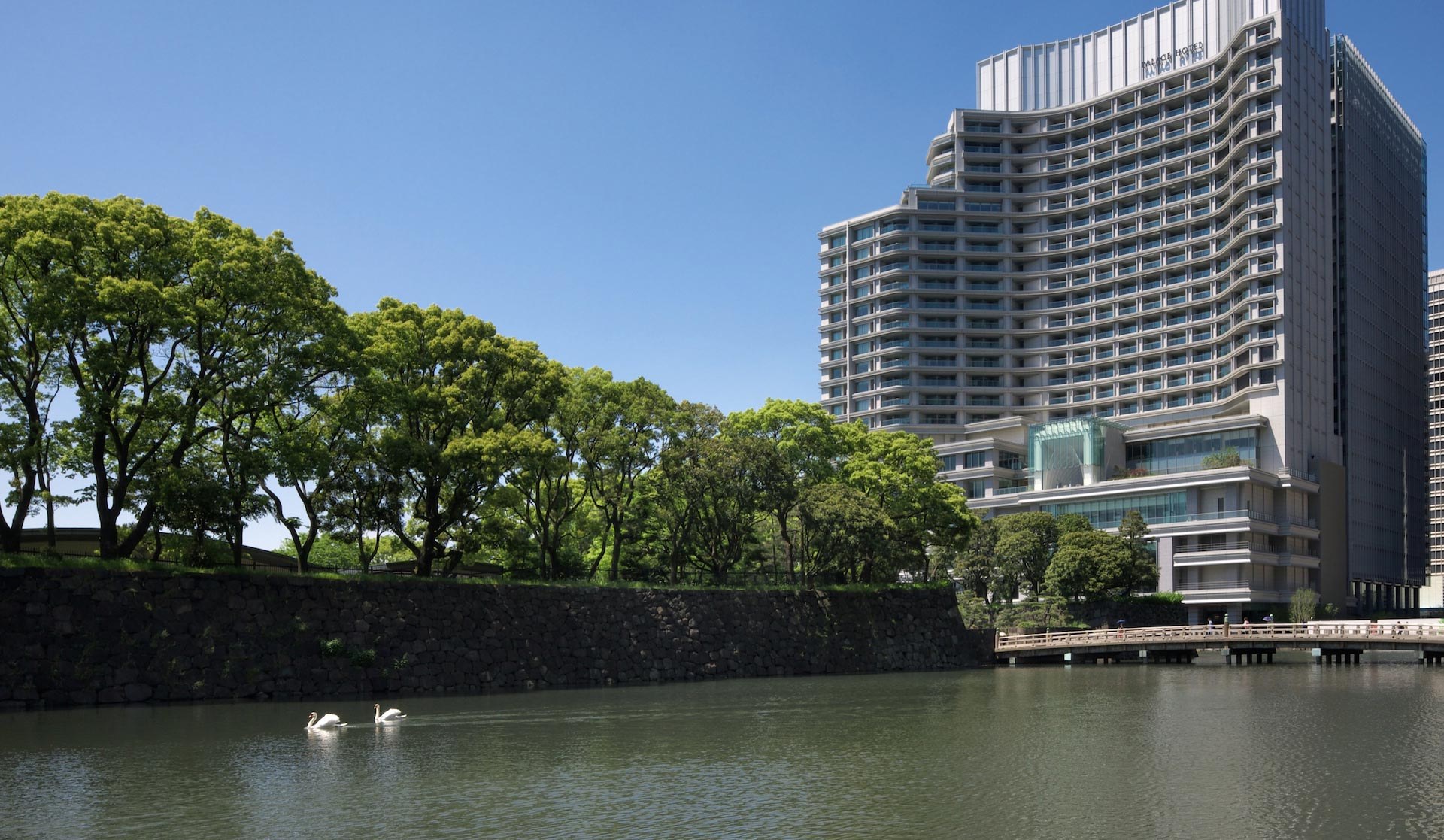
Est sits inside the Four Seasons Hotel Tokyo at Otemachi — a Forbes Travel Guide Four-Star property in Otemachi One Tower, one of the city's newer downtown high-rises. Chef Guillaume Bracaval, who trained under Christian Le Squer at Paris' Le Cinq, has run the kitchen since the hotel opened in 2020. The culinary premise is French cooking rebuilt around Japanese ingredients: the menu tracks Japan's 72 micro-seasons, sourcing fish and meat locally, and a map of Japan in the dining room marks where each ingredient originates. Imported French staples like butter and cheese are replaced with housemade tofu cheese and hummus, an eco-conscious choice that also makes the food lighter than classical French cuisine.
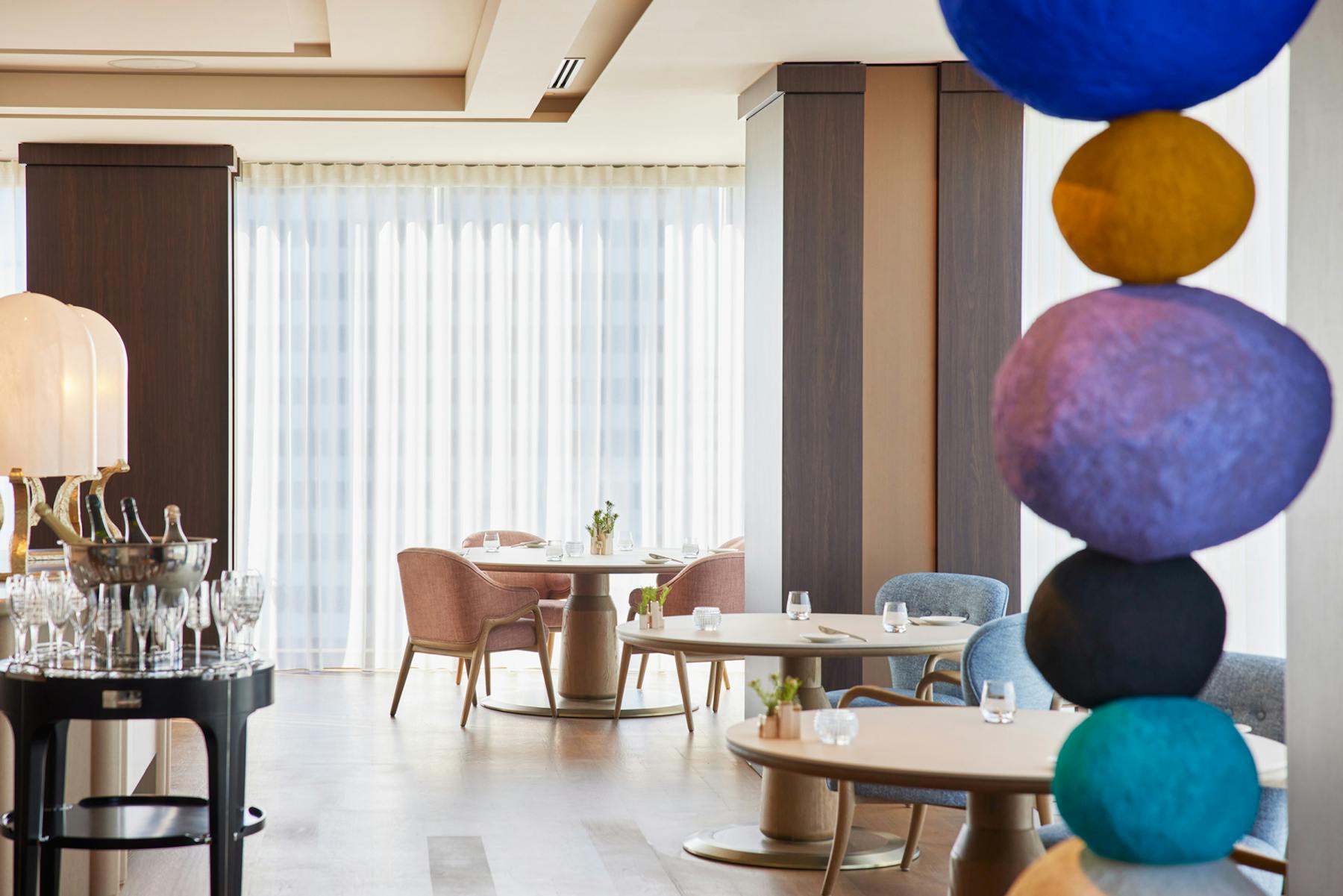
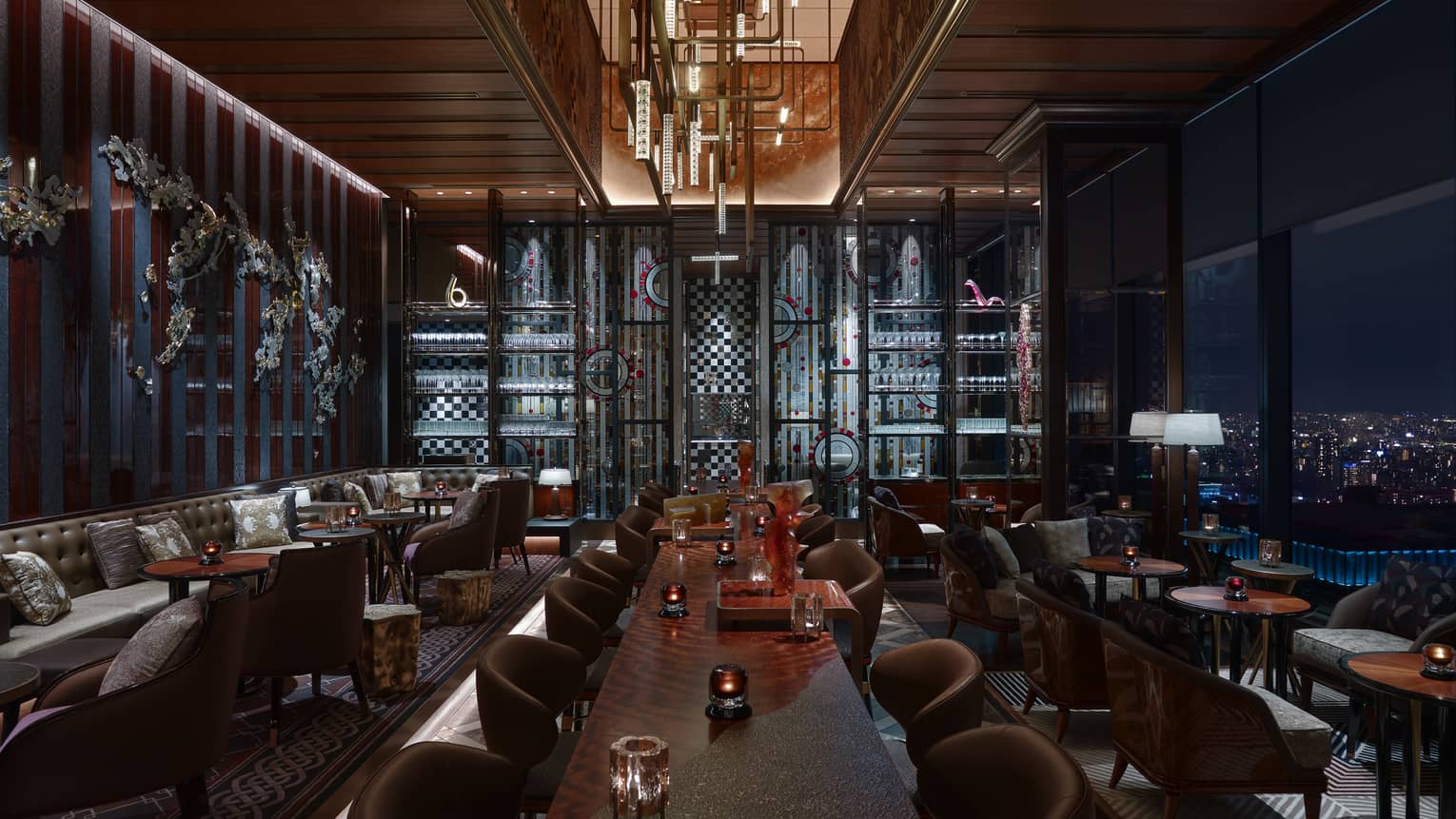
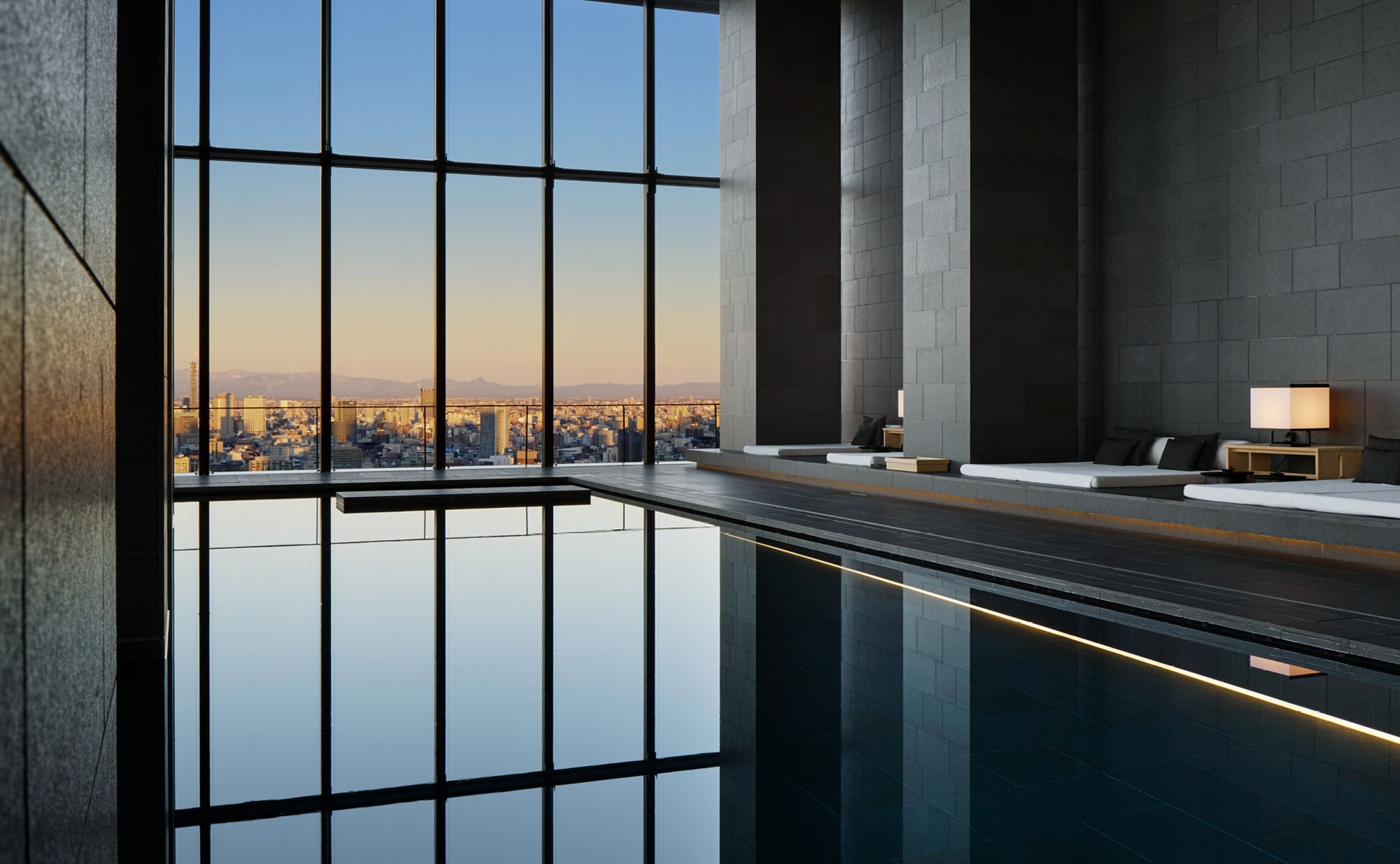
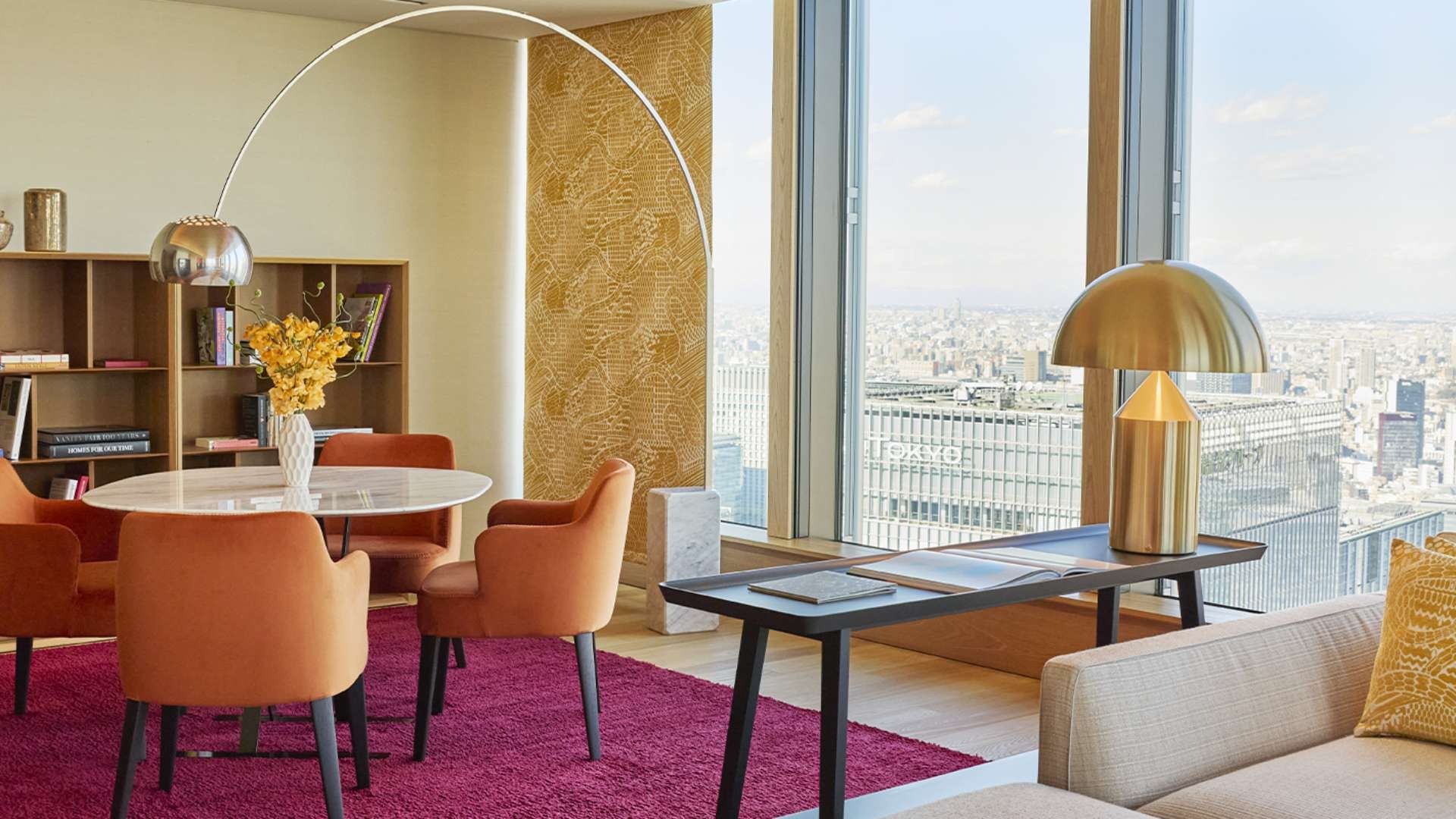
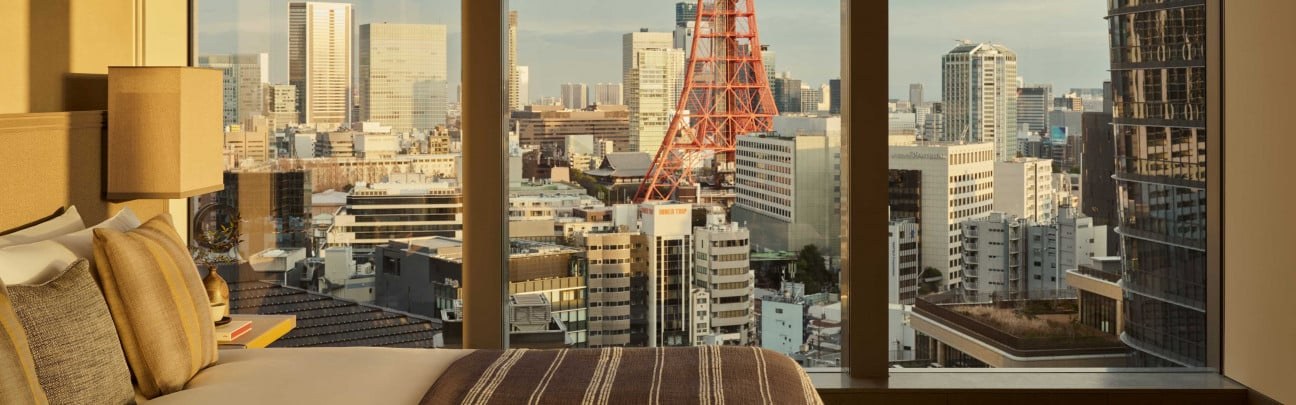
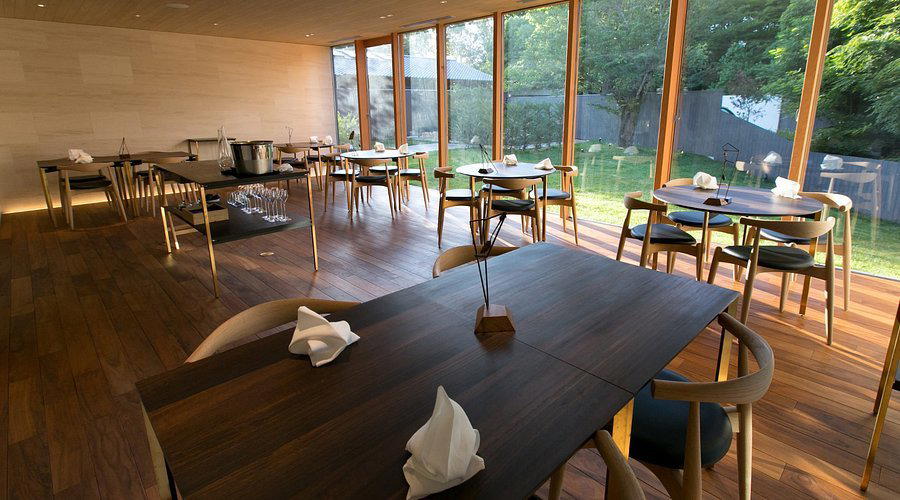
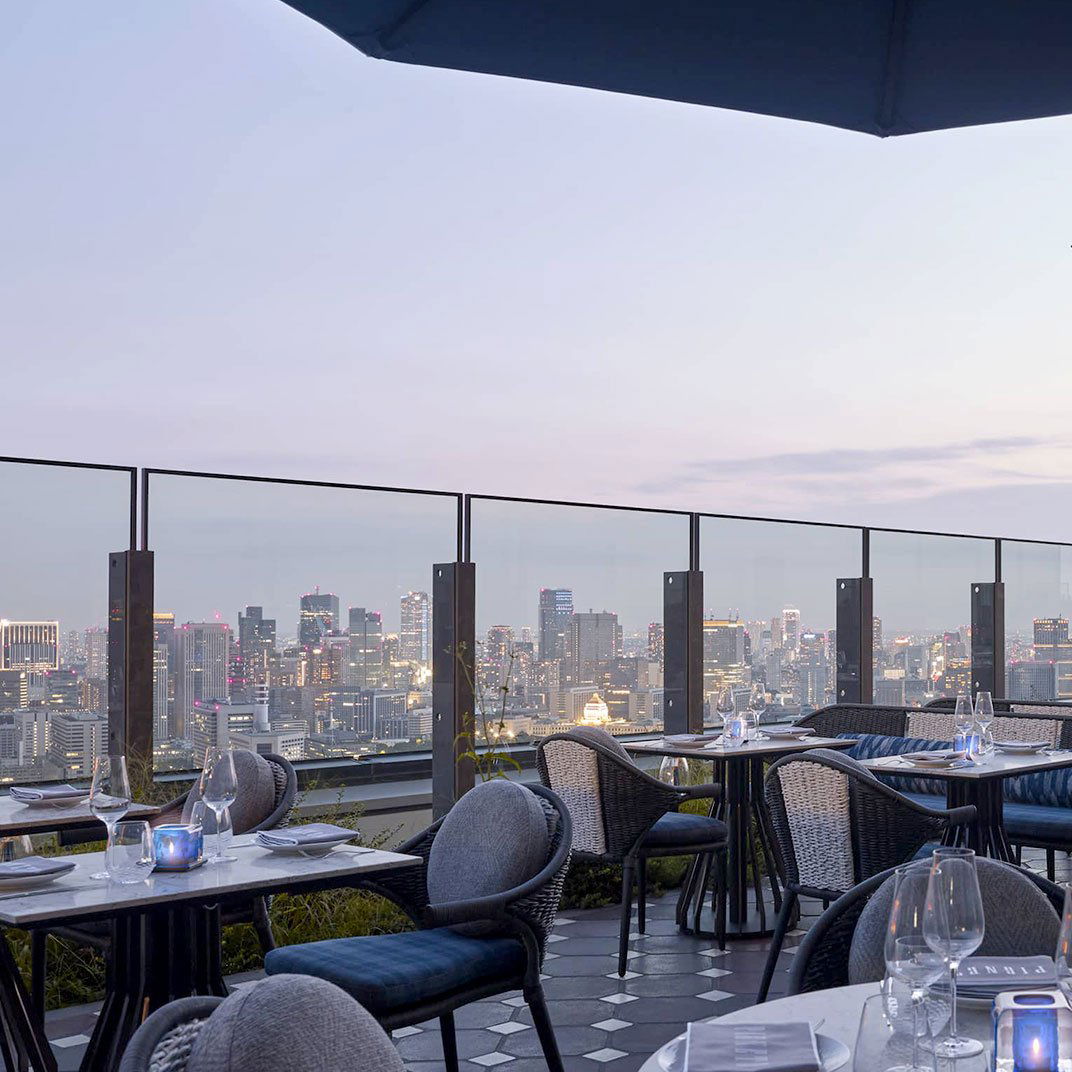
The dining room is dressed in beige and ecru. The kitchen is visible behind a glass wall. The view of Tokyo's skyline is the most arresting thing in the room, and the restaurant knows it, the layout is designed around it. Pastry chef Michele Abbatemarco handles desserts, working with artisanal Japanese sugar and fruit-forward, sustainable compositions. The signature peau de soja, a tofu and Japanese citrus dessert, is the dish most consistently flagged by inspectors as worth ordering.
The beverage program is run by Wine Director Takahiro Kawasaki. The list runs to 530 selections across 3,420 bottles in inventory, with core strengths in Burgundy, Bordeaux, and Japanese wines. Pricing sits at $$$, with a $200 corkage fee if you bring your own. Organic French Champagne and Japanese spring waters anchor the non-wine side of the menu. For a Tokyo French restaurant, the local wine emphasis is notable and deliberate.
Ideal time to visit
Est serves both lunch and dinner, and the lunch format is the sharper value proposition. One-, two-, or three-course options are available at midday, making it accessible even if a full dinner commitment feels steep. For the view alone, a clear winter evening (December through February) gives you the crispest skyline visibility. The menu shifts with Japan's micro-seasons, so any visit in spring (cherry blossom period, late March to April) or autumn (October to November, when Japanese produce is at peak diversity) will catch the kitchen working with its leading seasonal materials. Avoid mid-summer if you are sensitive to the haze that dulls the view.
On the Editorial Angle: Does the Food Travel?
Est is a sit-down, atmosphere-dependent experience. The 38th-floor view, the open kitchen theatre, and the course-menu pacing are inseparable from what the restaurant is selling. This is not a venue where the food travels well off-premise, the tasting menu format, multi-component plating, and delicate tofu-based preparations are designed for the room. If you are considering est purely for the cuisine in isolation, that is a reason to visit in person rather than a reason to seek a takeout alternative. For a comparable Japanese-ingredient-forward French experience that emphasises ingredient provenance over spectacle, L'Effervescence in Nishi-Azabu operates in a quieter, lower-key room with similar philosophical grounding.
Practical Details
| Detail | est | L'Effervescence | ESqUISSE |
|---|---|---|---|
| Cuisine | French (Japanese terroir) | French | French |
| Price range | ¥¥¥¥ | ¥¥¥¥ | ¥¥¥¥ |
| Setting | Hotel, 38th floor | Standalone | Standalone |
| Michelin | 1 Star (2024) | 2 Stars | 1 Star |
| Lunch available | Yes | Yes | Yes |
| Booking difficulty | Hard | Hard | Moderate |
| Wine list depth | 530 selections | Varies | Varies |
Reservations are strongly recommended. The restaurant lists outdoor seating, private dining, valet parking, and self-parking among its amenities. Business casual dress is the stated expectation. For more options at this level, see our full Tokyo restaurants guide. Travellers planning around est may also want our Tokyo hotels guide, bars guide, and experiences guide.
Further afield, similar French-with-local-terroir ambitions are pursued at HAJIME in Osaka, akordu in Nara, and at a global level, Les Amis in Singapore and Hotel de Ville Crissier.
Ratings at a Glance
- Michelin: 1 Star (2024)
- La Liste: 94.5 pts (2025) / 93 pts (2026)
- Opinionated About Dining: #449 in Japan (2025)
- Forbes Travel Guide: Four-Star property (hotel)
FAQ
What should a first-timer know about est?
- Est is a course-menu restaurant, arrive knowing you are committing to a structured meal, not ordering à la carte.
- The French-Japanese philosophy means the food is lighter than classical French: expect tofu preparations, local fish, and seasonal Japanese produce rather than cream-heavy sauces.
- Book the lunch format if you want a lower-commitment entry point; dinner is the fuller experience.
- Business casual dress is expected.
What are alternatives to est in Tokyo?
- L'Effervescence, 2 Michelin stars, French, similar ingredient philosophy, quieter room, no hotel setting.
- Sézanne, French, widely regarded as one of Tokyo's strongest French tables right now.
- ESqUISSE, French, 1 Michelin star, generally easier to book than est.
- Florilège, French, plant-forward, strong sustainability credentials, different in register.
- Château Restaurant Joël Robuchon, if you want classical French without the Japanese-terroir angle.
Is est worth the price?
- At ¥¥¥¥ with a Michelin star and La Liste recognition, est is priced in line with its peer set, it is not a relative bargain but it is not overpriced for the category.
- The view and the Four Seasons setting add tangible value over standalone restaurants at the same price point.
- If you are choosing between est and L'Effervescence purely on cuisine credentials, L'Effervescence holds 2 Michelin stars vs est's 1, but est offers the skyline experience as part of the package.
- Lunch is the better value format if budget is a factor.
What should I order at est?
- The peau de soja, a tofu and Japanese citrus dessert, is the dish inspectors consistently highlight. Order it if it appears on the current menu.
- The chef-designed course menu changes with Japan's micro-seasons, so the leading approach is to order the full course and let the kitchen show you what is currently at peak.
- The beverage pairing from the 530-selection wine list, with its emphasis on Burgundy and Japanese wines, is worth considering.
Can I eat at the bar at est?
- The database does not confirm bar seating at est specifically. The restaurant is within the Four Seasons Otemachi, which has separate bar facilities in the hotel.
- For a counter or bar dining experience in Tokyo at this level, our Tokyo restaurants guide has options suited to solo or walk-in formats.
Is the tasting menu worth it at est?
- Yes, if the French-Japanese seasonal format appeals to you. The menu's connection to Japan's 72 micro-seasons means the tasting format delivers more coherence than ordering selectively.
- The eco-conscious substitutions (tofu cheese for dairy, artisanal sugar in desserts) make this a lighter tasting menu than most French peers, worth knowing if you find multi-course French meals heavy.
- If you want a more classically structured French tasting menu, Château Restaurant Joël Robuchon is the Tokyo reference point.
Can est accommodate groups?
- Private dining is listed as an amenity, making est workable for groups that need a dedicated space.
- Valet and self-parking are available, which helps for larger parties arriving together.
- For large-group bookings, contact the Four Seasons Otemachi directly, the restaurant does not list a public phone number or direct booking URL in current records.
- For group dining alternatives at this level in Tokyo, see our full Tokyo restaurants guide.
Explore More
Tokyo is one of the world's most competitive French dining cities. Nearby options worth cross-referencing include Florilège and ESqUISSE. Outside Tokyo, comparable ambition in the French-with-Japanese-ingredients register can be found at Gion Sasaki in Kyoto and Goh in Fukuoka. For a complete picture of where est sits in the broader Japan fine-dining map, start with our Tokyo restaurants guide and 1000 in Yokohama for a contrasting regional perspective. The Tokyo wineries guide is worth a look if the Japanese wine program at est has piqued your interest.
Part of
Four Seasons246 locations on PearlLocated inside
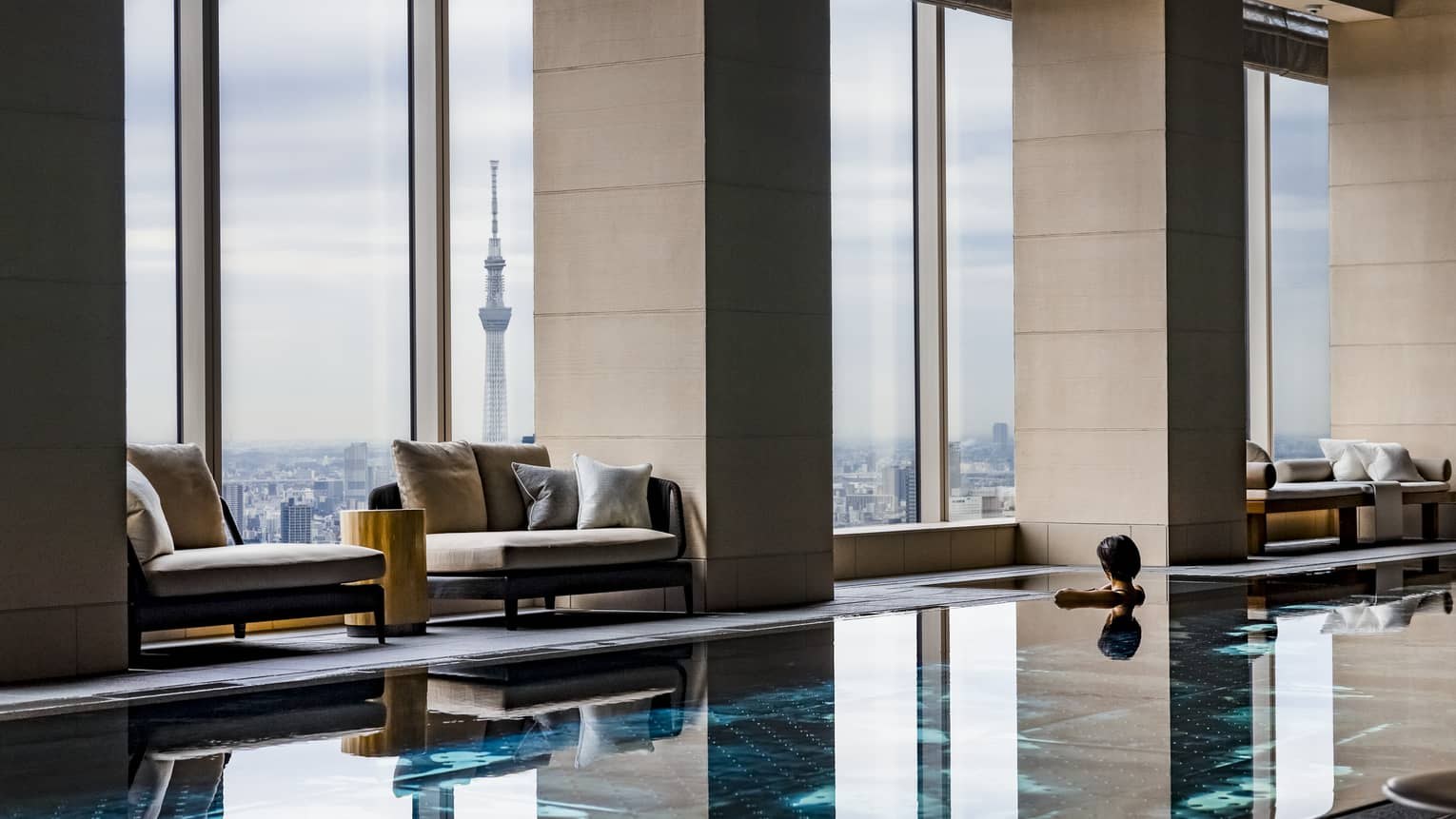 HotelFour Seasons Hotel Tokyo at OtemachiFull hotel guide
Planning details
- Location
- 1 Chome-2-1 Ōtemachi, Chiyoda City, Tokyo 100-0004, Japan
- Reservations
- Book on Omakase
- Website
- fourseasons.com/otemachi/dining/restaurants/est
- Phone
- +81 3-6810-0655
The take
The Take
The Vibe
Est presents a restrained, high-rise dining experience that foregrounds Tokyo as part of the room. The restaurant sits on the 38th floor of the Four Seasons at Otemachi, with a curtain-glass wall and panoramic skyline that make the city an active backdrop. The dining room’s beige-and-ecru palette and the visible kitchen brigade create the feel of a functioning atelier rather than a theatrical stage, so the room reads as quietly composed and exacting. The overall impression balances modern minimalism with a measured, craft-focused energy that complements the formal French framework.
Best For
Est suits dinners where the view and the seriousness of the cuisine matter: corporate meals, hotel guests seeking a refined evening, and intimate special-occasion dinners. Its Otemachi location places it in a market primarily populated by business and hotel diners rather than tourist crowds, so the room often attracts clients treating French cooking as a reliable register for important meals. The combination of skyline panorama and disciplined brigade service makes it a natural pick for business dinners, celebratory evenings, and date nights that prioritize cuisine and atmosphere over casual socializing.
Ordering Tips
The kitchen emphasizes French technique applied to Japanese ingredients, and the dining room even maps the provenance of produce across Japan, so prioritize dishes that showcase local terroir. Order the restaurant’s signature plates — notably peau de Soja and the pumpkin pie with caviar — to experience Est’s distinctive approach. Given the visible brigade and the restaurant’s focus on ingredient provenance, ask servers about seasonality and regional sources; courses that highlight Japan-sourced components tend to reflect the restaurant’s central culinary intention.
Venue details
Ambiance
Light, airy space with modern neutrals, high ceilings, and breathtaking city views from every table, creating a sophisticated and relaxing atmosphere.
Tags
Vibe
Best For
Experience
Sourcing
View
At the Table
- Dress Code
- Smart Casual
- Noise Level
- Quiet
- Service Style
- Formal
- Meal Pacing
- Leisurely
- Capacity
- Small
- Kitchen
- Modern
- Menu Format
- Tasting menu
- Wine Program
- Exceptional
- Drinks Focus
- Wine, Sake
- Dietary
- Allergy accommodating
Signature Dishes
- peau de Soja
- pumpkin pie with caviar
Know before you go
Know Before You Go
- Getting there
- 1 Chome-2-1 Ōtemachi, Chiyoda City, Tokyo 100-0004, Japan
Planning details
Location
1 Chome-2-1 Ōtemachi, Chiyoda City, Tokyo 100-0004, Japan · Directions
Recognition and awards





Also consider
Also Consider
- Harutaka, Sushi, ¥¥¥¥
- L'Effervescence, French, ¥¥¥¥
- RyuGin, Kaiseki, Japanese, ¥¥¥¥
- HOMMAGE, Innovtive French, French, ¥¥¥¥
- Crony, Innovative, French, ¥¥¥¥
Restaurant context
At ¥¥¥¥ across Tokyo's top French tier, est competes directly with L'Effervescence and HOMMAGE. L'Effervescence holds 2 Michelin stars versus est's 1, and its standalone Nishi-Azabu setting is quieter and more intimate, the better choice if you want pure cuisine focus without hotel-setting spectacle. Est wins on drama: the 38th-floor view and open kitchen theatre are part of the experience in a way that L'Effervescence's room simply is not.
Crony is the more accessible end of Tokyo's innovative French category, lower price pressure, easier to book, and less formal. It suits a diner who wants creative French cooking without the tasting-menu commitment. RyuGin belongs to a different conversation (kaiseki, not French), but for a traveller choosing between the two for a single high-end dinner, RyuGin's three Michelin stars and kaiseki precision represent a more distinctly Tokyo experience. Est is the better booking if you specifically want French cuisine reimagined through Japanese ingredients at altitude; RyuGin is the better booking if you want Japanese cuisine at its most refined.
HOMMAGE sits in the same innovative French bracket and is worth considering for diners who want a more contained, chef-focused room rather than a hotel dining experience. For the explorer profile, someone building a multi-day Tokyo itinerary around serious food, the logical sequencing is est for the view and Japanese-terroir French angle, then L'Effervescence for a second French meal with higher Michelin credentials, and Harutaka for sushi at the same price tier. Harutaka is the hardest booking of the three and should be locked in first.
Explore Tokyo
Around this place
Discover more on Pearl
Unlock the full est guide in Pearl, including awards, comparisons, FAQs, planning details, and nearby places.
Compare est
| Venue | Awards | Price |
|---|---|---|
| est | Star Wine Lists 20262026 Forbes 4-Star2026 OAD Top Restaurants in Japan Recommended2026 Wine Spectator Best of Award of Excellence2026 Michelin 1 Star2026 La Liste Top Restaurants2025 OAD Top Restaurants in Japan Ranked · #4492025 La Liste Top Restaurants2025 Wine Spectator Best of Award of Excellence | ¥¥¥¥ |
| Harutaka | 2026 Tabelog Silver · #312026 OAD Top Restaurants in Japan Ranked · #1282026 Michelin 3 Stars2026 La Liste Top RestaurantsTabelog 100 - Sushi - TOKYO - 2025 · #372025 Asia's 50 Best Restaurants · #762025 OAD Top Restaurants in Japan Ranked · #1172025 La Liste Top Restaurants2025 Tabelog Bronze | ¥¥¥¥ |
| L'Effervescence | 2026 Tabelog Silver · #682026 OAD Top Restaurants in Japan Ranked · #103Star Wine Lists 20262026 Black Pearl 2 Diamond2026 Relais Chateaux Restaurants2026 La Liste Top Restaurants2026 Michelin 3 Stars2025 Asia's 50 Best Restaurants · #692025 OAD Top Restaurants in Japan Ranked · #92 | ¥¥¥¥ |
| RyuGin | 2026 OAD Top Restaurants in Japan Ranked · #802026 Tabelog Bronze · #3772026 Michelin 3 Stars2026 La Liste Top RestaurantsTabelog 100 - Japanese cuisine - TOKYO - 2025 · #212025 OAD Top Restaurants in Japan Ranked · #542025 Michelin 3 Stars2025 La Liste Top Restaurants2025 The Best Chef Three Knives | ¥¥¥¥ |
| HOMMAGE | 2026 Tabelog Bronze · #1232026 OAD Top Restaurants in Japan Highly Recommended2026 Michelin 2 StarsTabelog 100 - French - TOKYO - 2025 · #762025 Asia's 50 Best Restaurants · #782025 OAD Top Restaurants in Japan Ranked · #1752025 Michelin 2 Stars2025 The Best Chef One Knife2025 La Liste Top Restaurants | ¥¥¥¥ |
| Crony | 2026 Asia's 50 Best Restaurants · #34Star Wine Lists 20262026 OAD Top Restaurants in Japan Recommended2026 Michelin 2 Stars2025 Asia's 50 Best Restaurants · #30Tabelog 100 - French - TOKYO - 2025 · #782025 OAD Top Restaurants in Japan Ranked · #227We're Smart World Top Restaurants 20252025 Michelin 2 Stars | ¥¥¥¥ |









What to weigh when choosing between est and alternatives.
FAQ
Frequently Asked Questions
What should a first-timer know about est?
Book the dinner tasting menu for the full experience: the 38th-floor view, the open kitchen, and chef Guillaume Bracaval's French-Japanese course format are all part of the same proposition. Business casual dress is appropriate for the Four Seasons setting. Est earned its Michelin star in 2024 and holds a 94.5-point La Liste score (2025), so expectations should be high and are generally met.
What are alternatives to est in Tokyo?
L'Effervescence and ESqUISSE are the natural French comparisons — both Michelin-starred, both without the hotel-tower setting, and both worth considering if you prefer a more intimate room over a view. For Japanese fine dining at a comparable price tier, RyuGin brings greater local press recognition. Est is the stronger choice if the panoramic setting and the French-through-Japanese-terroir angle are specifically what you are after.
Is est worth the price?
At ¥¥¥¥ pricing with a Michelin star and a La Liste score of 94.5 (2025), Est sits among Tokyo's most credentialed French tables, and the lunch format with one-, two-, or three-course options gives you a lower-cost entry point. The value case is strongest if you want the view and the tasting format together; if you are purely focused on the plate, equally decorated rooms without the hotel surcharge exist in Tokyo. For the full package, the price holds up.
What should I order at est?
The chef-designed course menu changes with Japan's 72 micro seasons, built around domestic ingredients including black cod, yuzu, and artisanal soy products. The peau de soja dessert — a tofu and Japanese citrus preparation — is a signature worth noting. Since the menu is course-based and rotates with the season, ordering à la carte is not the format here.
Is the tasting menu worth it at est?
Yes, for the right type of diner. The course menu is the vehicle for Bracaval's French-Japanese terroir concept, and the seasonal structure means the format has a clear point of view rather than a generic progression. If tasting menus are not your preferred format, the lunch service offers shorter one- to three-course options that make the experience more accessible. At ¥¥¥¥ pricing, the Michelin star and La Liste 94.5-point ranking (2025) provide reasonable assurance of execution.
Can est accommodate groups?
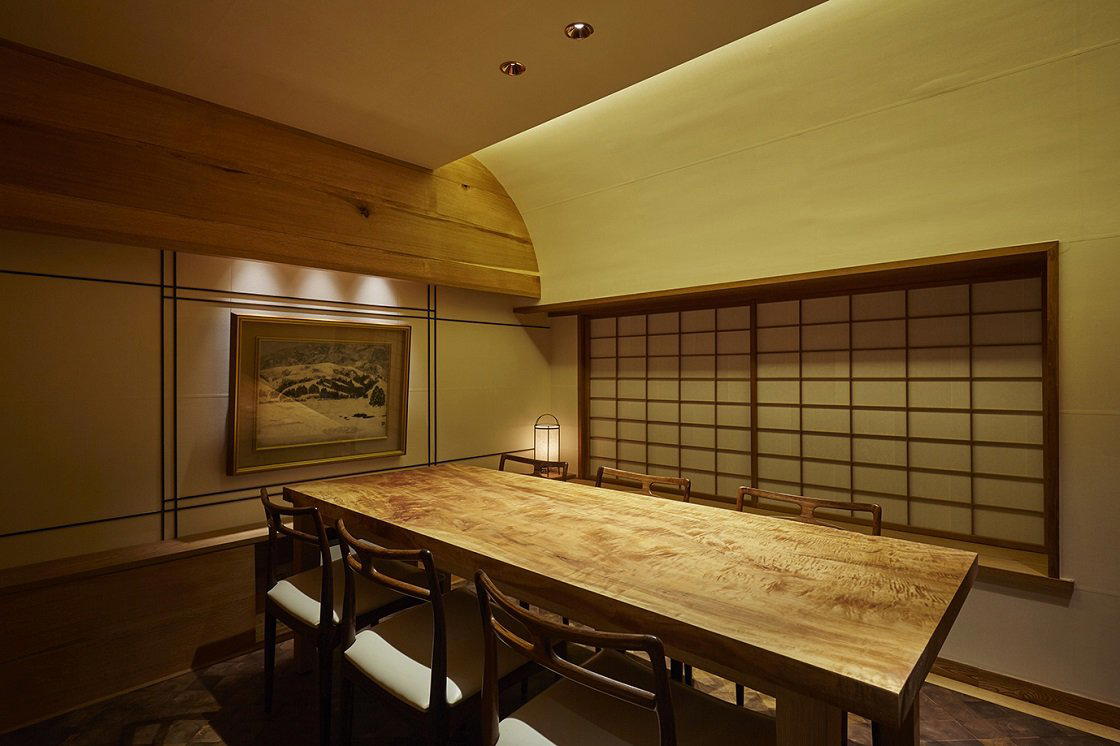
Est has private dining available, which makes it viable for small group bookings. The venue amenities also list business casual dress and reservations as recommended, suggesting a formal group-dinner context is well-supported. For larger parties, contact the Four Seasons Otemachi directly to confirm private room capacity and menu options.