

Jiki Miyazawa
Kaiseki, Japanese · Nakagyō, Kyoto
Restaurant in Kyoto, Japan
 Book with Pearl
The Read
Layered Kappo Precision
Price
$100–150per person
Dress
Smart Casual
Why go
Jiki Miyazawa pairs a Michelin 1 Star and an OAD Top 500 Japan ranking with ¥¥¥ pricing, making it a strong-value kaiseki choice in Kyoto. The kappo counter keeps the experience engaged rather than ceremonial, while the baked sesame tofu is the signature dish to know. Book 4–6 weeks ahead; international visitors should use a concierge or reservation service.
About Jiki Miyazawa
Verdict
Jiki Miyazawa is one of Kyoto's most accessible Michelin-starred kaiseki experiences, and that accessibility is a feature, not a compromise. If you picture a Michelin 1-star kaiseki in Kyoto as a hushed, ceremonial affair requiring a hotel concierge and a three-month lead time, reset that expectation. This is a kappo-style counter restaurant where the food is technically accomplished, the atmosphere is comparatively relaxed, and the price sits at ¥¥¥ rather than the ¥¥¥¥ commanded by most of its starred Kyoto peers. For first-timers navigating Kyoto's kaiseki scene, Jiki Miyazawa is the right entry point: serious cooking, a credible award record, and a format that doesn't require fluency in kaiseki ritual to enjoy.
About Jiki Miyazawa
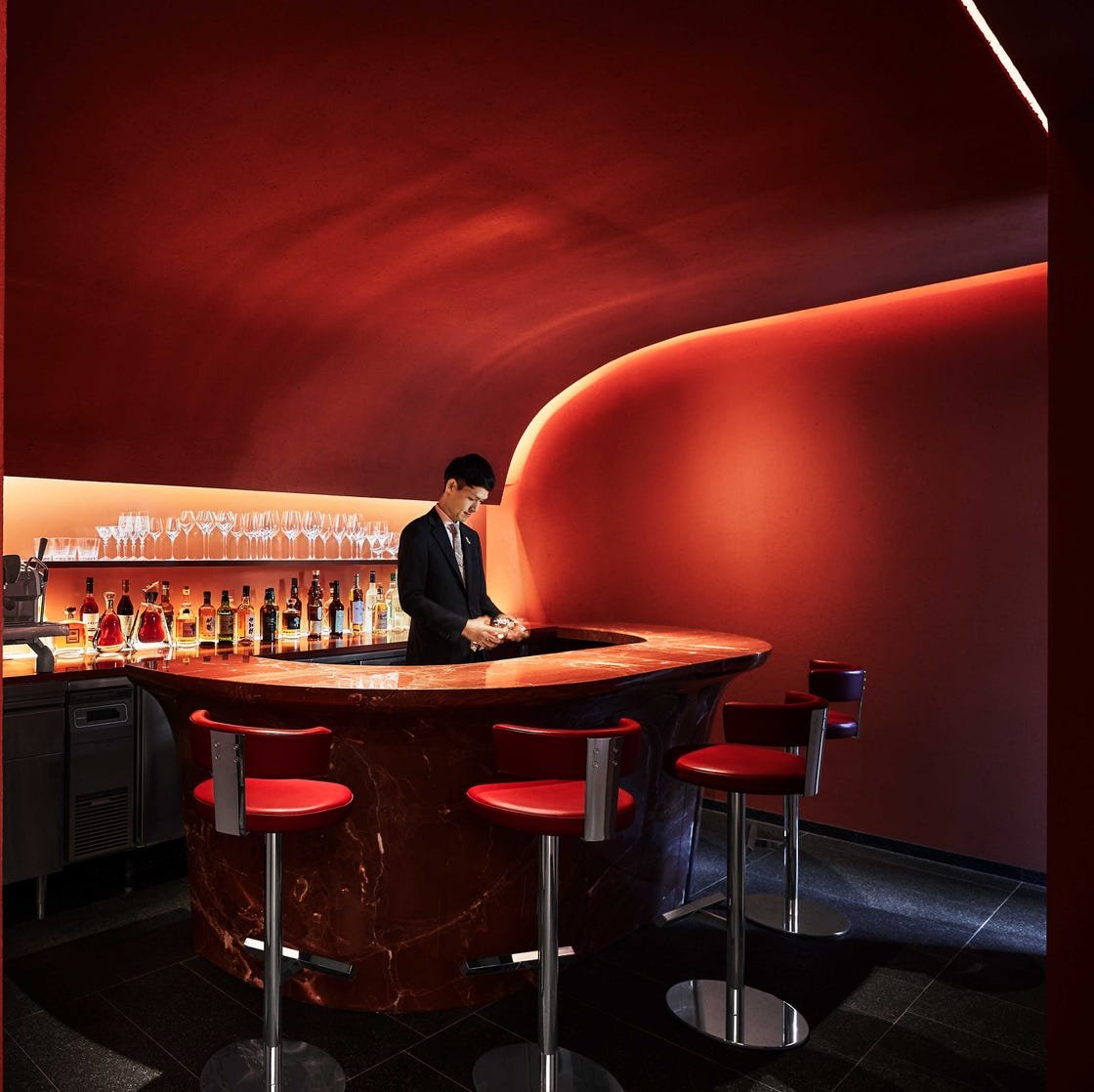
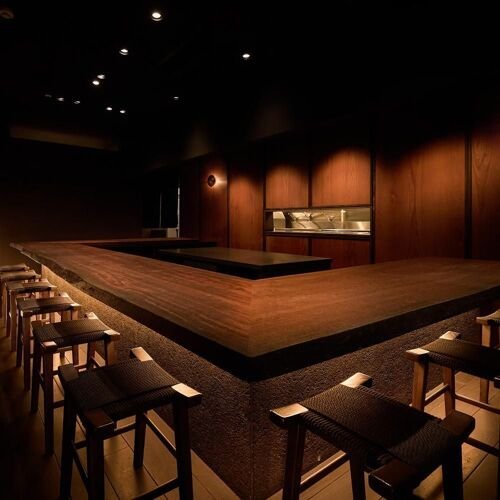
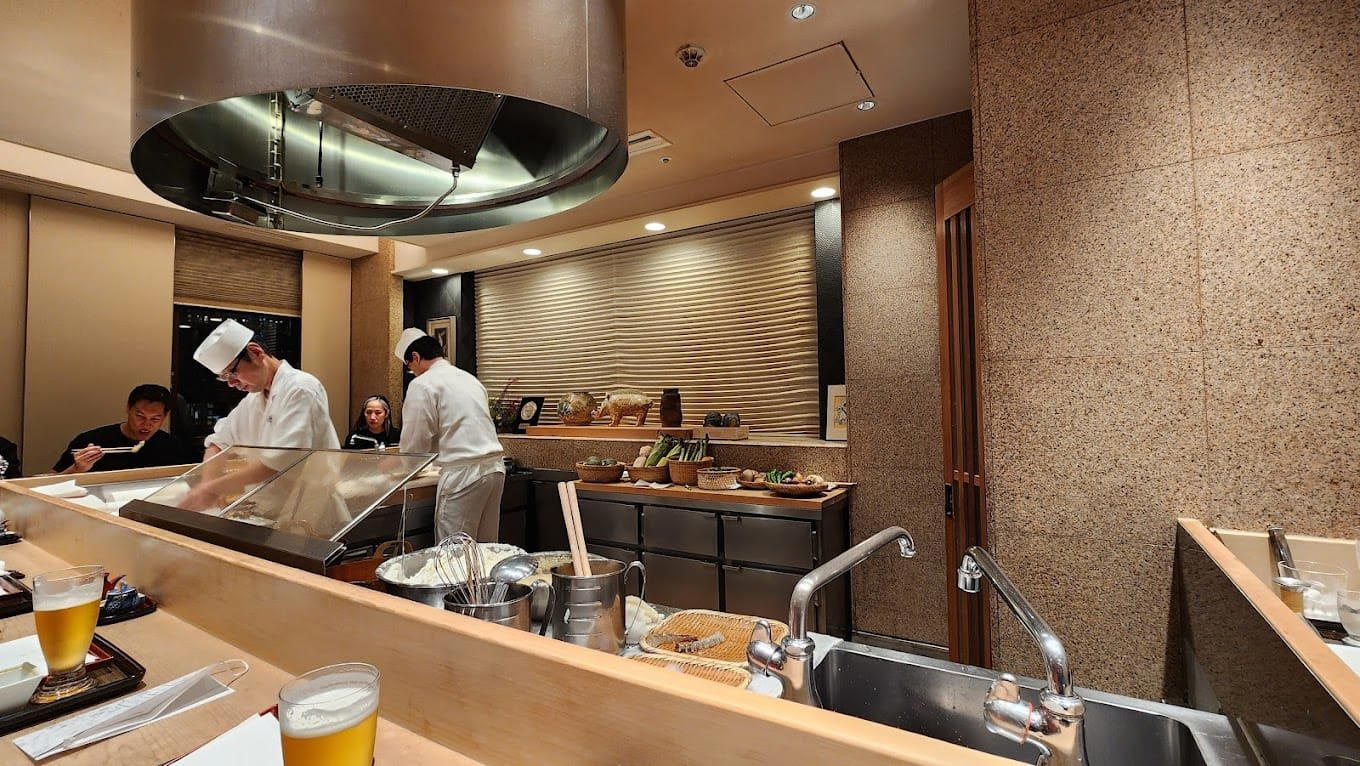
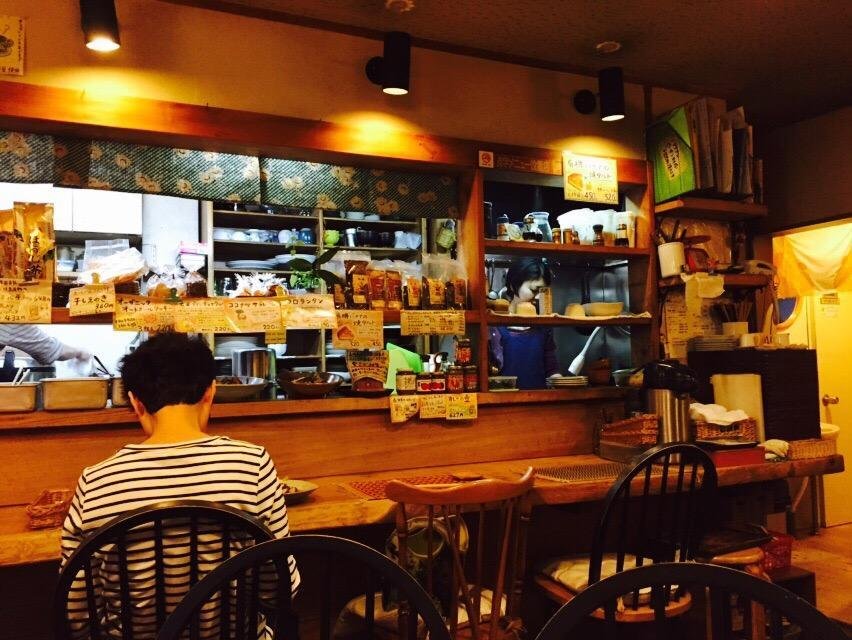
Jiki Miyazawa sits in Nakagyo Ward at 553-1 Yaoyacho, a central Kyoto address that keeps it within reach of the city's main transport corridors. The restaurant is the original establishment in the Miyazawa chain of kappo restaurants, which means it operates with the confidence of a proven model rather than the anxiety of a single-location gamble. Kappo, as a format, sits between formal kaiseki and casual izakaya: you eat at or near a counter, the kitchen is visible or partially so, and the meal unfolds course by course without the rigid protocol of a tatami kaiseki room. For a first-timer, this matters. The spatial setup at Jiki Miyazawa makes the meal feel engaged rather than ceremonial: you are close to the cooking, and the pacing feels human rather than choreographed.
The menu is built around Chef Masato Miyazawa's approach, which draws on his experience at the ambassador's residence in Poland. That background shows in the layering: dishes are constructed with numerous ingredients, with citrus and tart fruit used to add brightness and lift rather than as garnish. The kitchen's signature is the baked sesame tofu, a dish specific enough to this address that it functions as a reliable anchor for first-timers who want one guaranteed reference point. Rice is served immediately after cooking, which sounds like a minor detail until you've eaten rice that has been held. Soba dishes, when present, use seasonal ingredients. The menu overall reads as careful and considered rather than showy.
The awards record supports the food's credibility without overstating it. Jiki Miyazawa holds a Michelin 1 Star (2024) and appears on the Opinionated About Dining ranking of leading restaurants in Japan, sitting at #440 in 2025 (up from #455 in 2024). OAD rankings are driven by votes from experienced diners and industry professionals, so consistent placement there alongside a Michelin star gives you two independent signals pointing in the same direction. For a restaurant at ¥¥¥ pricing, that combination of credentials is strong. You are not paying a premium for hype, you are paying a mid-range Kyoto price for a kitchen that has been recognised by three separate credibility systems.
Hours run Tuesday through Monday (closed Wednesday), with lunch from 12:00 to 1:45 pm and dinner from 6:00 to 8:00 pm on all open days. Those are tight windows, particularly on the dinner side, and they reflect a kitchen operating on its own terms rather than accommodating late arrivals. Plan around the schedule rather than against it. Wednesday closures mean that if your Kyoto trip is short, you need to account for that day in your planning.
Booking is hard. A Michelin star at ¥¥¥ pricing in Kyoto creates demand that consistently outpaces a small counter's capacity. If you are coming from outside Japan, book through a concierge service or a third-party Japan reservation platform well in advance, four to six weeks minimum is a reasonable baseline, and more lead time gives you better options across lunch and dinner. Walk-in availability is unlikely. Jiki Miyazawa does not list a website or phone number in the standard booking channels, which adds friction for international visitors and makes advance planning through a local contact or reservation service more important, not optional.
For broader context on eating and staying in Kyoto, see our full Kyoto restaurants guide, our full Kyoto hotels guide, our full Kyoto bars guide, our full Kyoto wineries guide, and our full Kyoto experiences guide. If you are building a Japan itinerary around serious food, also consider HAJIME in Osaka, Harutaka in Tokyo, akordu in Nara, Goh in Fukuoka, 1000 in Yokohama, and 6 in Okinawa. For Tokyo kaiseki specifically, RyuGin and Kanda offer useful points of comparison for the same discipline at different price tiers.
Within Kyoto's own kaiseki tier, the restaurants that come up most often alongside Jiki Miyazawa include Gion Sasaki, Hyotei, Kikunoi Honten, Mizai, and Gion Maruyama. Each occupies a different position on the formality and price spectrum, and the right choice depends on what kind of experience you are optimising for. Jiki Miyazawa's specific value is the combination of a credible award record, a kappo format that lowers the intimidation threshold, and pricing that sits below the top tier, it delivers disproportionate quality for what it costs.
Quick reference: Michelin 1 Star (2024) · OAD #440 Japan (2025) · ¥¥¥ · Closed Wednesdays · Lunch 12–1:45 pm, Dinner 6–8 pm · Hard to book, plan 4–6 weeks out minimum.
How It Compares
See the comparison section below.
Planning details
- Hours
- Monday: 12–1:45 pm, 6–8 pm · Tuesday: 12–1:45 pm, 6–8 pm
- Location
- 553-1 Yaoyacho, Nakagyo Ward, Kyoto, 604-8123, Japan
- Website
- jiki-miyazawa.com
- Phone
- +81 75-213-1326
The take
The Take
The Vibe
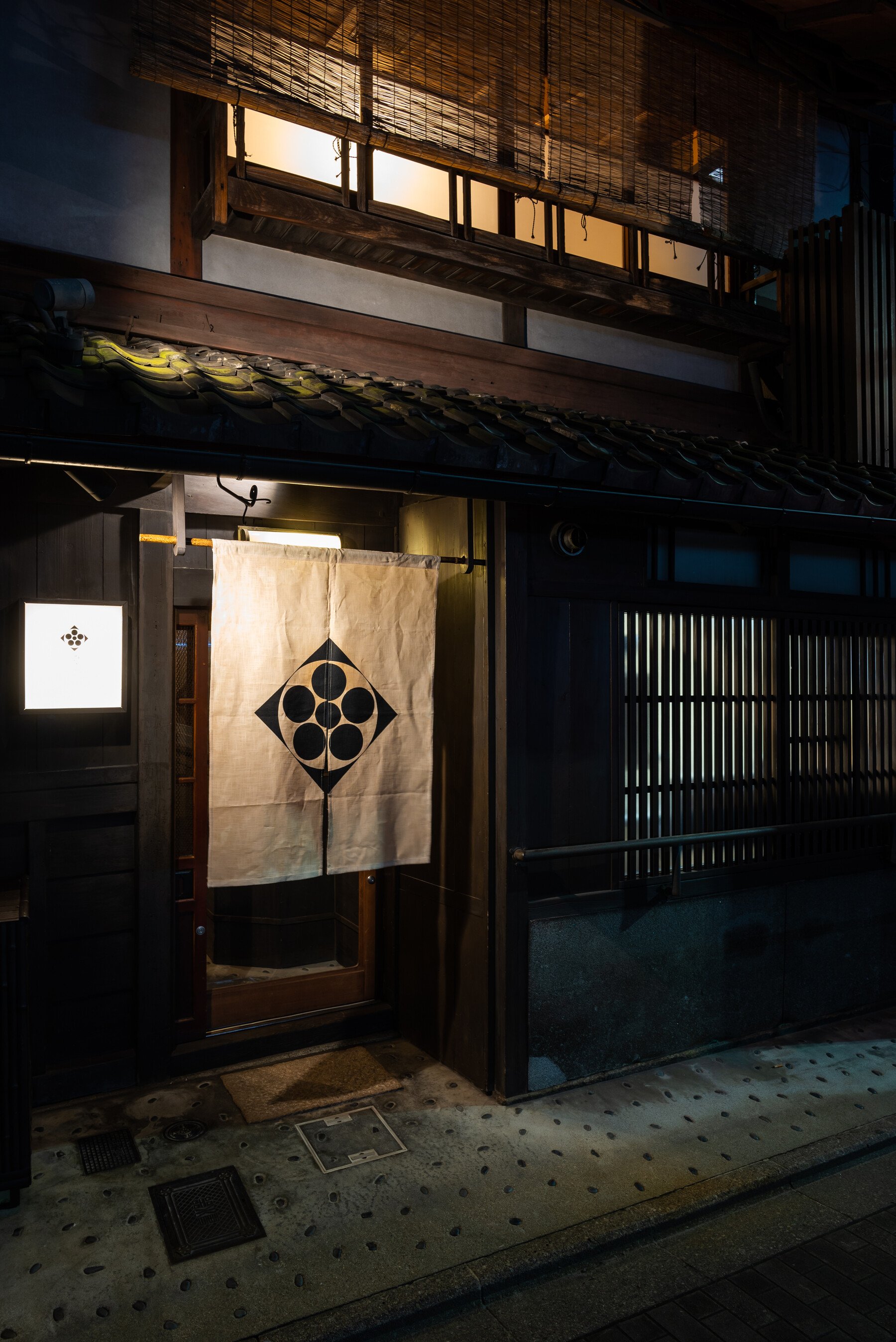
Jiki Miyazawa presents kappo dining in a deliberately restrained, quietly intense manner. The restaurant slips into the narrow machiya streets of Nakagyo with no visual fanfare, favouring an inward focus where the chef's presence at the counter shapes the room's tone. The experience feels classical and serene rather than showy: a calm, refined counter service that privileges technical precision and seasonal ingredients. The atmosphere rewards close attention: it is understated and purposeful, designed for diners who appreciate a direct, contemplative exchange between chef and guest.
Best For
This is best for diners seeking a focused, high-quality Japanese counter experience rather than a theatrical meal. The kappo format, with the chef cooking in front of guests and a less ceremonial pacing than kaiseki, suits couples on date nights, diners marking a special occasion and solo guests who want an up-close view of technique. Its Michelin star and placement among Kyoto's respected houses signal serious cooking at a mid-to-high price tier, so expect a composed, attentive evening of tasting rather than casual grazing.
Ordering Tips
Sit at the counter to get the full kappo experience: the chef prepares and presents dishes directly to guests, so counter seating offers the clearest view of technique and pacing. Expect a seasonally driven sequence rather than à la carte formalities; the menu privileges directness and the chef–guest dialogue. Look out for the house signature, sesame tofu. Pricing sits in the ¥¥¥ range while the restaurant carries a Michelin star, so anticipate thoughtfully composed courses and a measured, intimate service rhythm.
Venue details
Ambiance
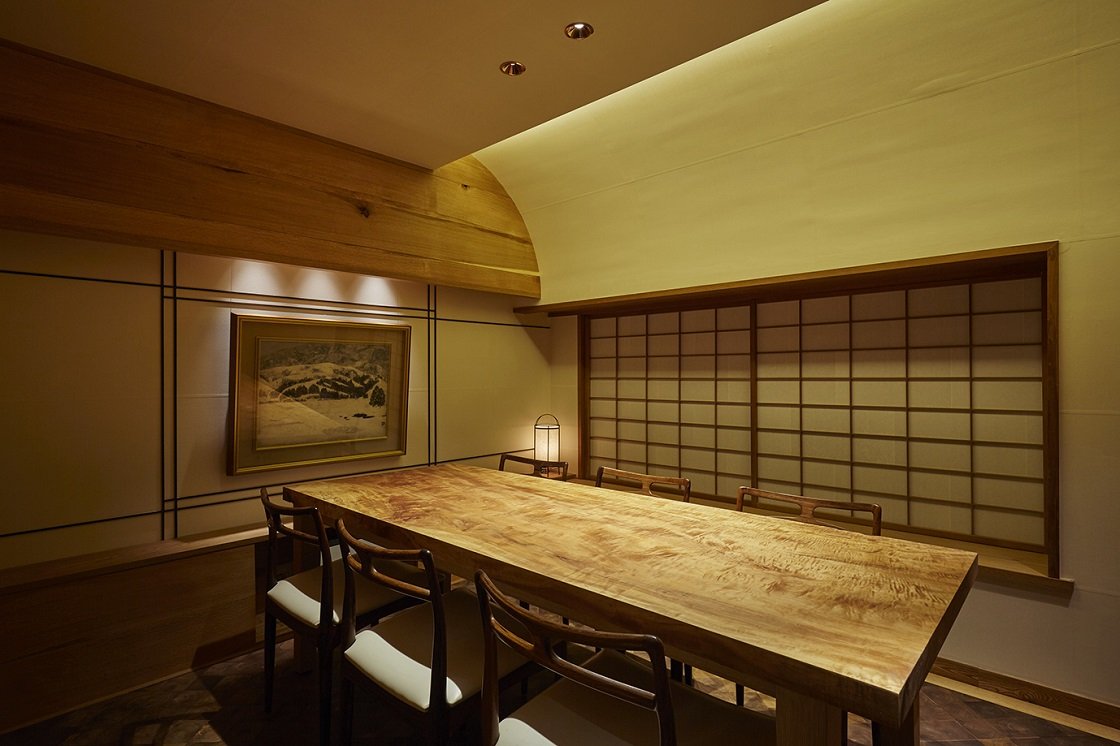
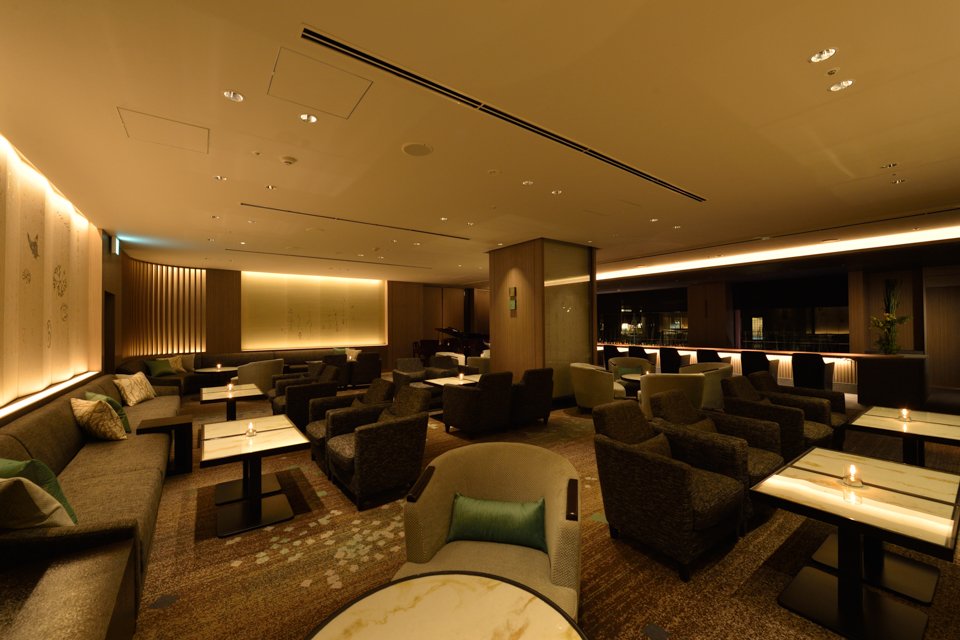
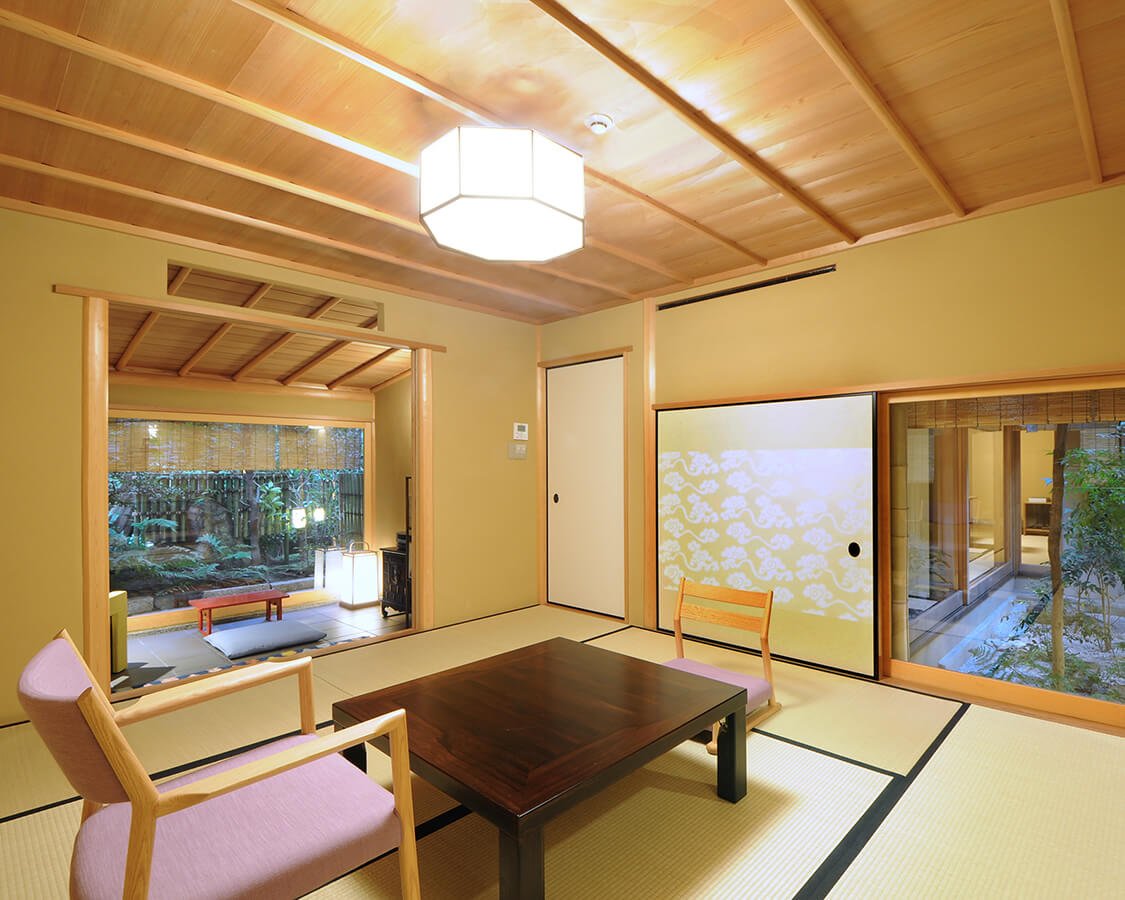
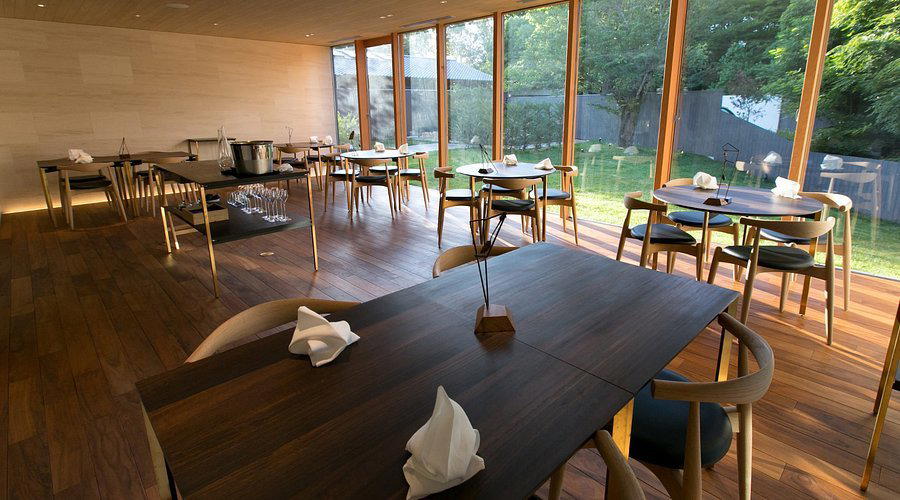
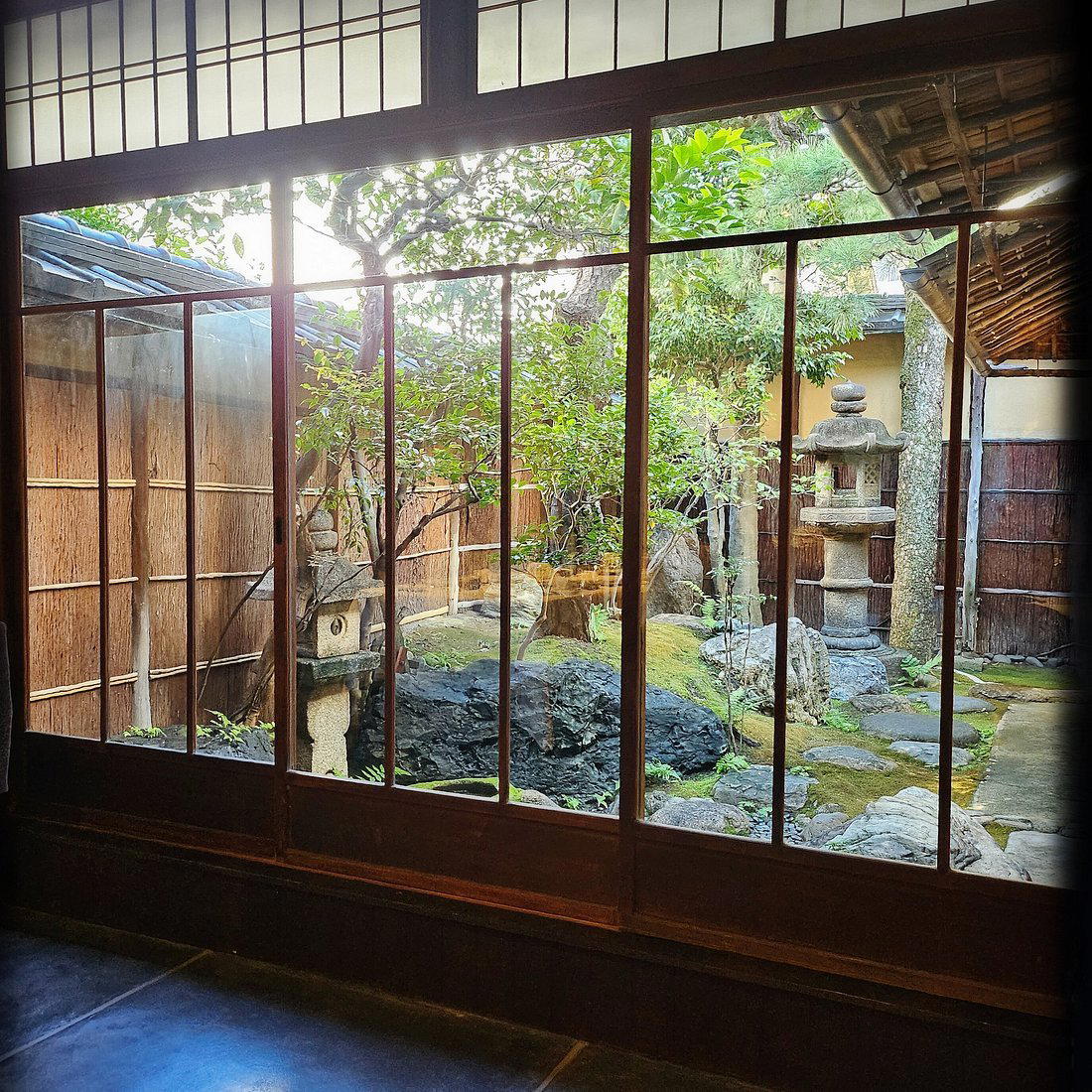
Zen-style with warm wood tones, calm, serene, and relaxing atmosphere centered around the chef's counter.
Tags
Vibe
Best For
Experience
At the Table
- Dress Code
- Smart Casual
- Noise Level
- Quiet
- Service Style
- Formal
- Meal Pacing
- Leisurely
- Capacity
- Intimate
- Kitchen
- Modern
- Menu Format
- Tasting menu, Counter dining
- Drinks Focus
- Sake
Signature Dishes
sesame tofu
Know before you go
Know Before You Go
- Getting there
- 553-1 Yaoyacho, Nakagyo Ward, Kyoto, 604-8123, Japan
Planning details
Hours
- Monday
- 12–1:45 pm, 6–8 pm
- Tuesday
- 12–1:45 pm, 6–8 pm
- Wednesday
- Closed
- Thursday
- 12–1:45 pm, 6–8 pm
- Friday
- 12–1:45 pm, 6–8 pm
- Saturday
- 12–1:45 pm, 6–8 pm
- Sunday
- 12–1:45 pm, 6–8 pm
Location

Also consider
Also Consider
- Gion Sasaki: Kaiseki, Japanese, ¥¥¥¥
- cenci: Italian, ¥¥¥
- Ifuki: Kaiseki, ¥¥¥¥
- Kyokaiseki Kichisen: Japanese, ¥¥¥¥
- Kyo Seika: Chinese, ¥¥¥
Restaurant context
Jiki Miyazawa's clearest advantage over most of its Kyoto kaiseki peers is price. Gion Sasaki, Ifuki, and Kyokaiseki Kichisen all operate at ¥¥¥¥, which means you are paying significantly more for experiences that, in some cases, deliver more ceremony and formal presentation but not necessarily more pleasure. If your priority is accessing a Michelin-starred kaiseki kitchen without committing to a ¥¥¥¥ outlay, Jiki Miyazawa is the practical choice. Kyokaiseki Kichisen sits at a higher prestige tier with multiple Michelin stars, so if maximum formal kaiseki credentials are what you are after, the price gap is arguably justified there: but for a first kaiseki experience in Kyoto, Jiki Miyazawa gives you more than enough to work.
For diners comparing within the ¥¥¥ tier, cenci offers an Italian perspective at a similar price point and is worth considering if your group has mixed preferences or someone in the party is not committed to a Japanese format. Kyo Seika, also at ¥¥¥, gives you a Chinese option in the same price band. Neither competes directly with Jiki Miyazawa's kaiseki offer, but both are relevant alternatives if the set-menu Japanese format is a stretch for your group.
On booking difficulty, Jiki Miyazawa is hard but not the hardest in this set. Kyokaiseki Kichisen and Gion Sasaki can require even more lead time given their prestige positioning. If you are planning a Kyoto trip with a tight timeline and want a starred Japanese dining experience you can actually secure, Jiki Miyazawa is the most accessible of the high-credential options in this comparison. The kappo counter format also makes it a better fit for solo diners or pairs than a formal tatami kaiseki room would be.
Explore Kyoto
Around this place
Discover more on Pearl
Unlock the full Jiki Miyazawa guide in Pearl, including awards, comparisons, FAQs, planning details, and nearby places.
Compare Jiki Miyazawa
| Venue | Cuisine | Price | Awards | Booking Difficulty |
|---|---|---|---|---|
| Jiki Miyazawa | Kaiseki, Japanese | ¥¥¥ | 2026 OAD Top Restaurants in Japan RecommendedMichelin Guide Kyoto Osaka 20262026 Michelin 1 Star2025 OAD Top Restaurants in Japan Ranked · #4402024 OAD Top Restaurants in Japan Ranked · #4552024 Michelin 1 Star | Hard |
| Gion Sasaki | Kaiseki, Japanese | ¥¥¥¥ | 2026 Tabelog Bronze · #3862026 OAD Top Restaurants in Japan RecommendedMichelin Guide Kyoto Osaka 20262026 La Liste Top RestaurantsTabelog 100 - Japanese cuisine - WEST - 2025 · #132025 OAD Top Restaurants in Japan Ranked · #2462025 Tabelog Silver2025 Michelin 3 Stars2025 La Liste Top Restaurants | Unknown |
| cenci | Italian | ¥¥¥ | 2026 Tabelog Bronze · #442026 Asia's 50 Best Restaurants · #762026 OAD Top Restaurants in Japan Highly RecommendedMichelin Guide Kyoto Osaka 2026Tabelog 100 - Italian - WEST - 2025 · #632025 Asia's 50 Best Restaurants · #632025 OAD Top Restaurants in Japan Ranked · #1682025 Tabelog Bronze2024 OAD Top Restaurants in Japan Ranked · #135 | Unknown |
| Ifuki | Kaiseki | ¥¥¥¥ | 2026 OAD Top Restaurants in Japan Ranked · #1222026 Tabelog Bronze · #128Michelin Guide Kyoto Osaka 20262026 La Liste Top RestaurantsTabelog 100 - Japanese cuisine - WEST - 2025 · #622025 OAD Top Restaurants in Japan Ranked · #1002025 La Liste Top Restaurants2025 Tabelog Bronze2025 Michelin 2 Stars | Unknown |
| Kyokaiseki Kichisen | Japanese | ¥¥¥¥ | 2026 Tabelog Bronze · #1752026 OAD Top Restaurants in Japan Highly RecommendedMichelin Guide Kyoto Osaka 20262025 OAD Top Restaurants in Japan Ranked · #1862025 Michelin 2 Stars2025 La Liste Top Restaurants2024 OAD Top Restaurants in Japan Ranked · #1422024 Michelin 2 Stars2023 OAD Top Restaurants in Japan Ranked · #136 | Unknown |
| Kyo Seika | Chinese | ¥¥¥ | Tabelog 100 - Chinese cuisine - WEST - 2026 · #762026 Tabelog Bronze · #2162026 OAD Top Restaurants in Japan Recommended2026 Michelin 1 Star2025 OAD Top Restaurants in Japan Ranked · #3262025 Tabelog Bronze2024 OAD Top Restaurants in Japan Ranked · #3042024 Michelin Plate2024 Michelin 1 Star | Unknown |






.png?width=1200&quality=80)
A quick look at how Jiki Miyazawa measures up.
FAQ
Frequently Asked Questions
Is lunch or dinner better at Jiki Miyazawa?
Lunch is the better entry point. The hours are identical in format (12–1:45 pm versus 6–8 pm), but lunch seatings at Michelin-starred kaiseki venues in Kyoto tend to be easier to book and slightly less pressured in pace. If your priority is value, lunch also typically runs shorter and at a lower price point in this category. Dinner suits those who want a more deliberate, evening-focused meal.
What should I order at Jiki Miyazawa?
The baked sesame tofu is the dish Jiki Miyazawa is known for: it's the one item mentioned explicitly in the restaurant's reputation and worth treating as the anchor of any visit. Beyond that, the menu is chef-driven and seasonal, with dishes built around citrus and fruit acidity and soba using seasonal ingredients. You don't choose the menu here; you follow Masato Miyazawa's lead, which is the format.
Is Jiki Miyazawa worth the price?
At ¥¥¥ with a Michelin star and a consistent OAD ranking (Top 440–455 in Japan across 2024–2025), Jiki Miyazawa sits in the middle tier of Kyoto kaiseki pricing: more accessible than three-star institutions like Kyokaiseki Kichisen, but with verifiable credentials. If you want Michelin-level kaiseki without committing to the top-tier price bracket, it earns its place. Those who want the fullest expression of the format should look higher; those after honest value, book here.
How far ahead should I book Jiki Miyazawa?
Book at least four to six weeks out for dinner, two to four weeks for lunch. As a Michelin-starred kappo in central Kyoto with a small number of seatings per day (two sessions, roughly 90 minutes each), availability moves fast around peak travel periods in spring and autumn. Pursue the reservation through a hotel concierge or a specialist Japan dining booking service.