

Daiichi
Suppon · Kamigyō, Kyoto
Restaurant in Kyoto, Japan
 Book with Pearl
The Read
Single-Ingredient Course Discipline
Price
$200–300per person
Chef
Various
Dress
Smart Casual
Why go
Daiichi is Kyoto's multi-year Tabelog Bronze suppon specialist, serving a single ¥26,000 turtle-centric course in private tatami rooms. Book if you want depth on one ingredient rather than kaiseki variety; skip if you're ambivalent about soft-shell turtle or prefer flexible à la carte. Reservation-only, group-friendly (2–20 seats), and closed Tuesdays.
About Daiichi
Kyoto's suppon (soft-shell turtle) specialists cluster around tradition and ceremony, but few command the multi-year Tabelog Bronze streak that Daiichi has sustained since 2021. At ¥26,000 per head for a fixed course centered on nabe and rice porridge, this reservation-only house restaurant delivers a narrower format than kaiseki peers, no omakase flexibility, no à la carte escapes, but if you want precision-handled turtle in a private-room setting, Daiichi justifies the premium over neighborhood izakaya that dabble in suppon as a side act.
The Fixed Course and What It Delivers
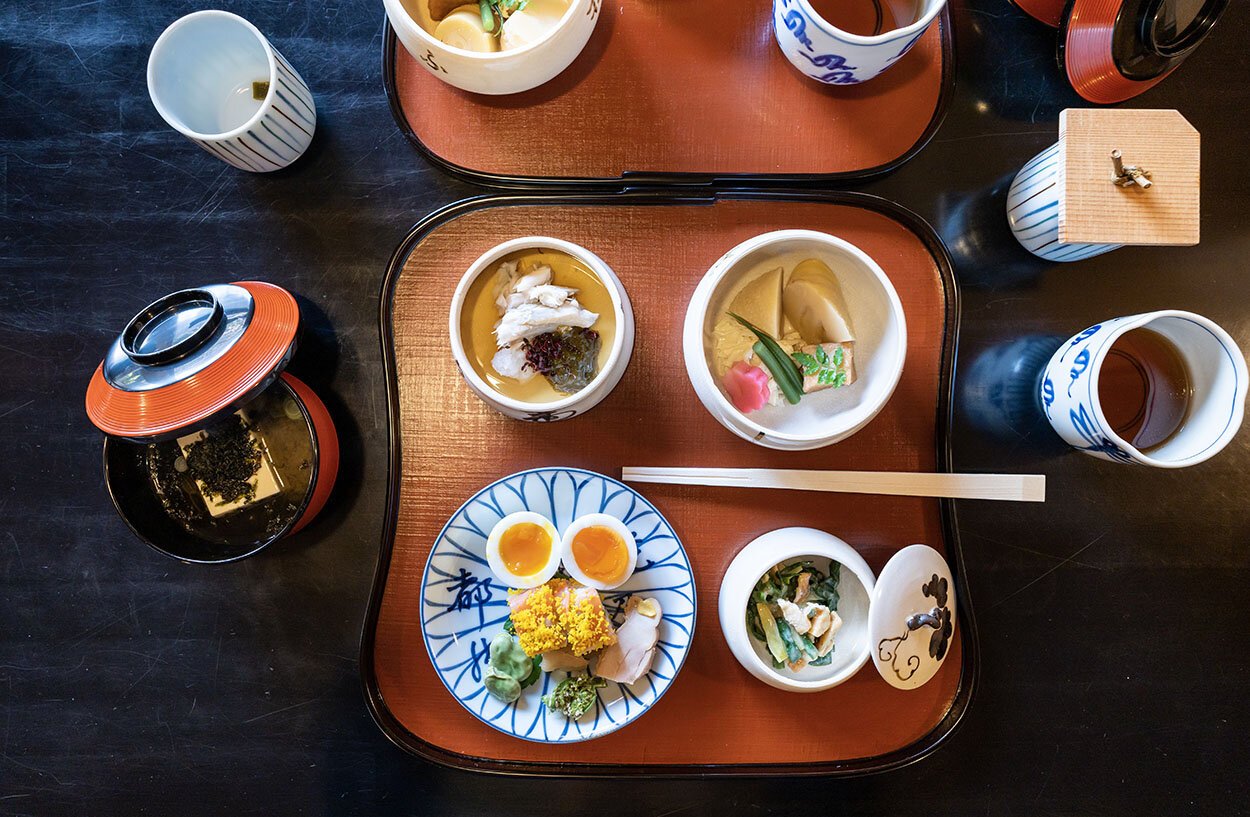
The menu is a single trajectory: soft-shell turtle prepared in multiple stages, culminating in hot pot and porridge. Lunch (12–1 PM last order) and dinner (5–7:30 PM last order; split winter seatings at 5 PM and 7 PM) serve the same ¥26,000 course, so timing depends on schedule rather than value arbitrage. The format suits diners who want depth on one ingredient rather than breadth across a kaiseki progression. Tabelog's 4.03 score (2026) and OAD's Japan Recommended nod both point to technical execution, turtle stock clarity, textural range, rice-porridge finesse, but the meal lives or dies on whether you find the ingredient itself compelling enough to anchor 90 minutes. If you're ambivalent about suppon, the price-to-interest ratio tilts unfavorably; if you're a turtle enthusiast or crossing off a niche Kyoto experience, Daiichi is among the city's most awarded addresses for the genre.
Private Rooms, Booking, and Group Logistics
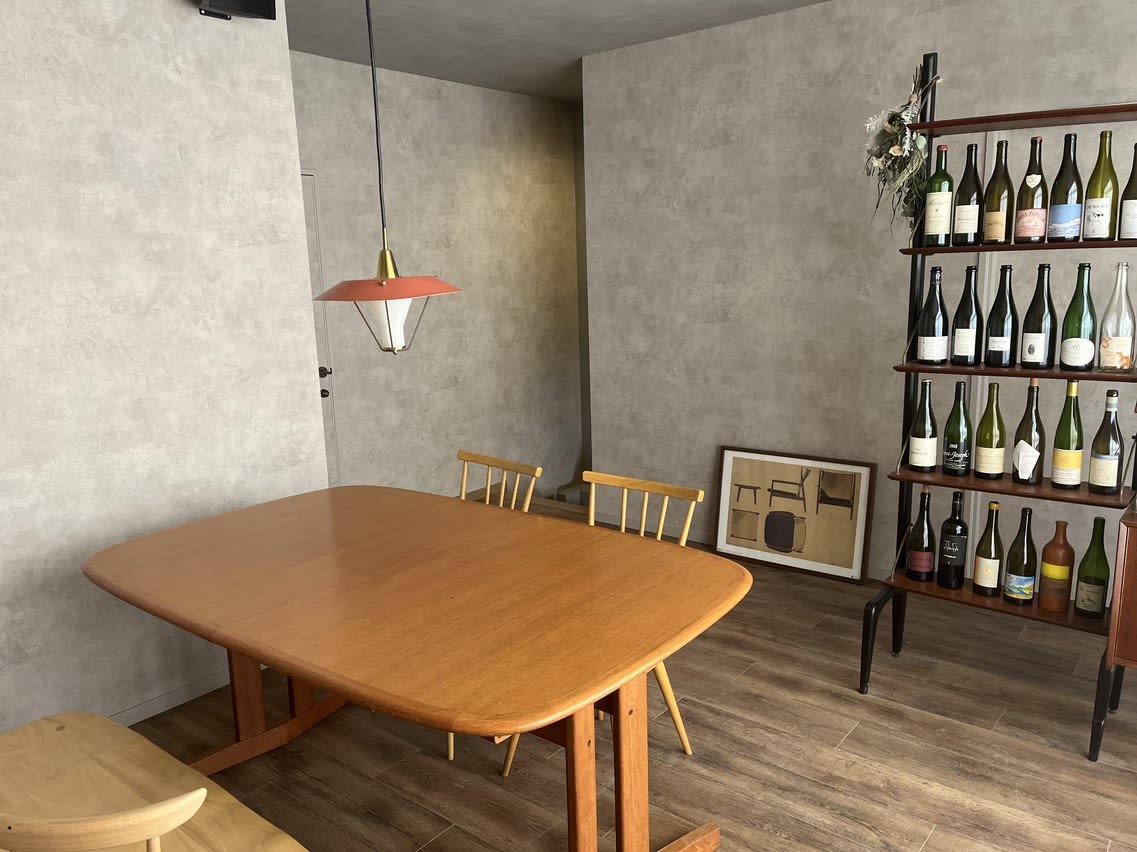
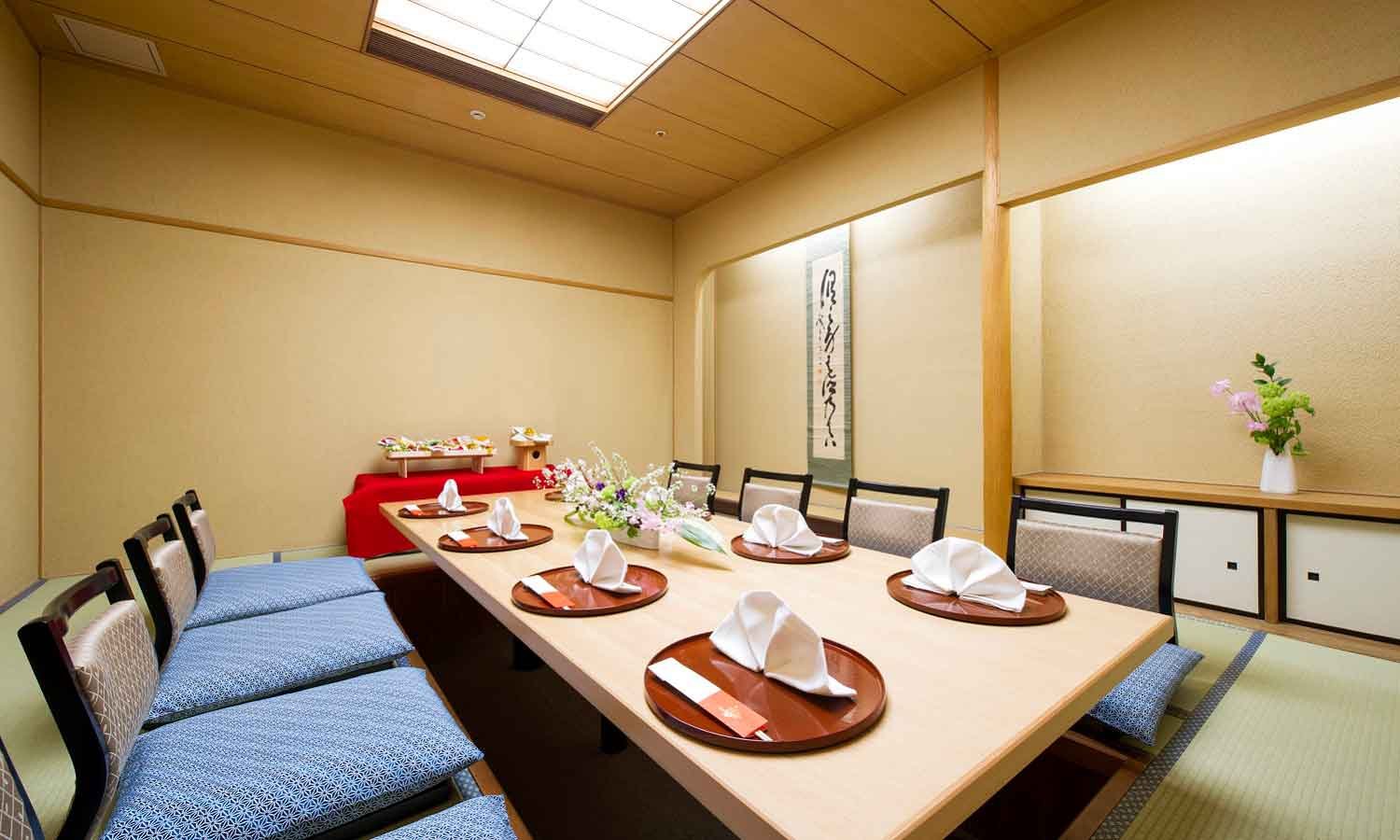
The 12-seat capacity is subdivided into private rooms for parties of 2, 4, 6, 8, or 10–20, making Daiichi unusually group-friendly for a high-end Kyoto specialist. Reservation-only policy means walk-ins fail; book by phone (+81 75-461-1775) or via the website at least one week ahead during low season, two to three weeks for winter evenings when demand peaks. The house-restaurant setting, tatami, no-shoes policy, relaxing space designation per Tabelog, reads traditional but not stuffy; children are not allowed, keeping the mood adult-focused. Smoking is permitted in the entrance dirt-floor area but not in dining rooms. For groups of six or more seeking a private, single-ingredient deep dive without navigating kaiseki allergies or preferences, Daiichi's format simplifies planning: everyone eats the same turtle course, payment accepted via major credit cards (VISA, Master, JCB, AMEX, Diners), and the meal timing is predictable.
Location, 1,083 meters from Kitano Hakubaicho station, roughly ¥1,300 by taxi from central Kyoto, requires intentional travel; this is not a spontaneous drop-in. Pair the meal with a visit to nearby Kitano Tenmangu shrine or the textile district if you're building a Kamigyo Ward afternoon. For context on other Kyoto dining, explore our full Kyoto restaurants guide, or branch into Kyoto hotels, bars, and experiences for trip planning. If you want approachable Japanese cuisine in central Kyoto without the suppon commitment, 3TOKU6MI Shijo karasuma ten, Abbesses, and [ki:] offer kaiseki or contemporary Japanese in easier-to-reach districts. For casual bites, 551蓬莱 and Aburi Mochi Honke Nemoto Kazariya deliver snackable Kyoto staples at lower price points.
Reservations: Phone or website booking required; aim for 1–3 weeks ahead depending on season. Dress: Smart casual; tatami seating requires removing shoes. Budget: ¥26,000 per person, fixed course only, lunch and dinner identical. Hours: Mon, Wed–Sun 12–1 PM (L.O. 13:00) and 5–7:30 PM (L.O. 19:30); closed Tuesdays. Winter evenings split into 5 PM and 7 PM seatings. Access: Taxi from city center ~¥1,300; 1,083m from Kitano Hakubaicho station.
Planning details
- Location
- Japan, 〒602-8351 Kyoto, Kamigyo Ward, Rokubancho, 371 千本西入ル六番
- Website
- suppon-daiichi.com
- Phone
- +81 75-461-1775
The take
The Take
The Vibe
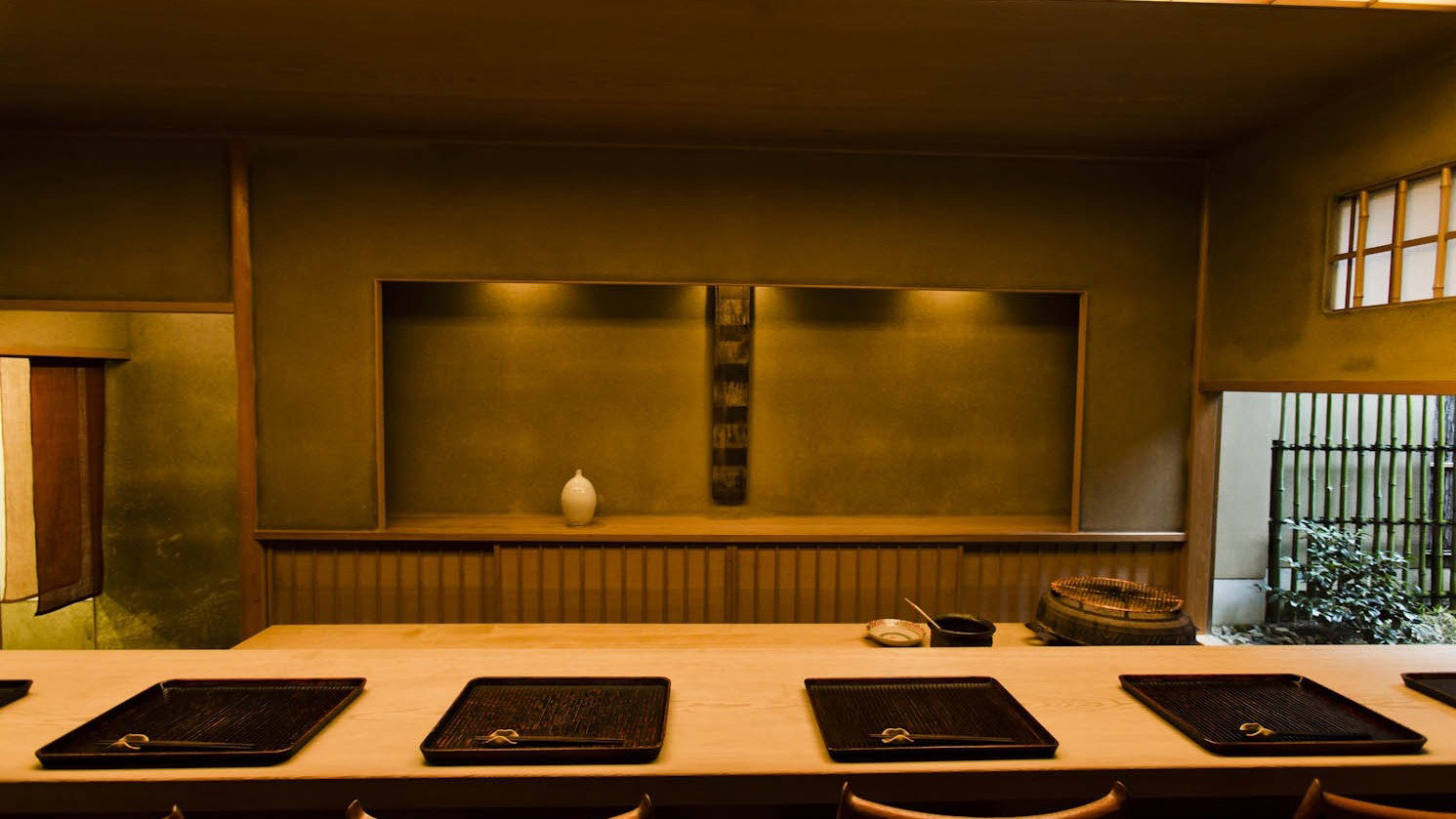
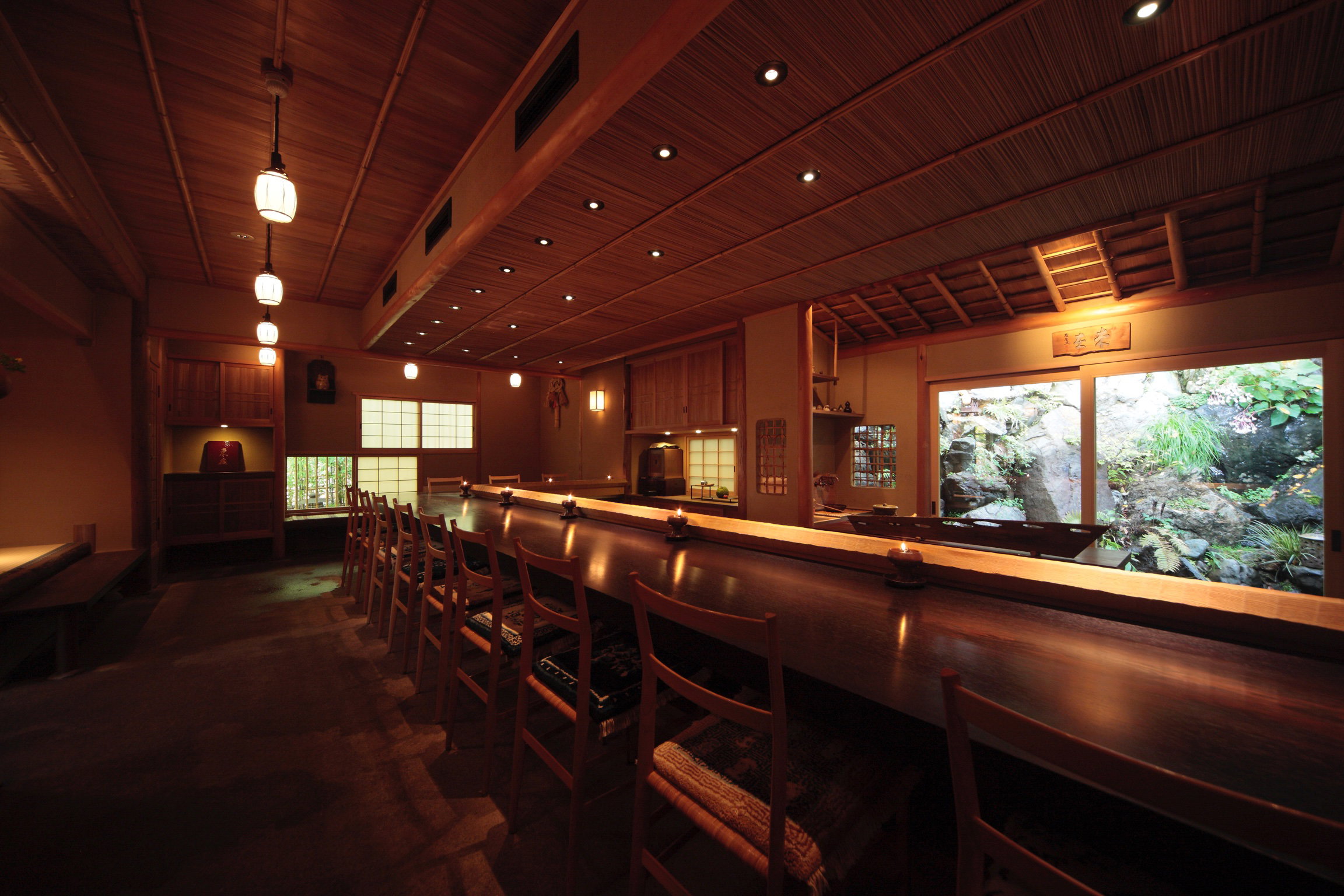
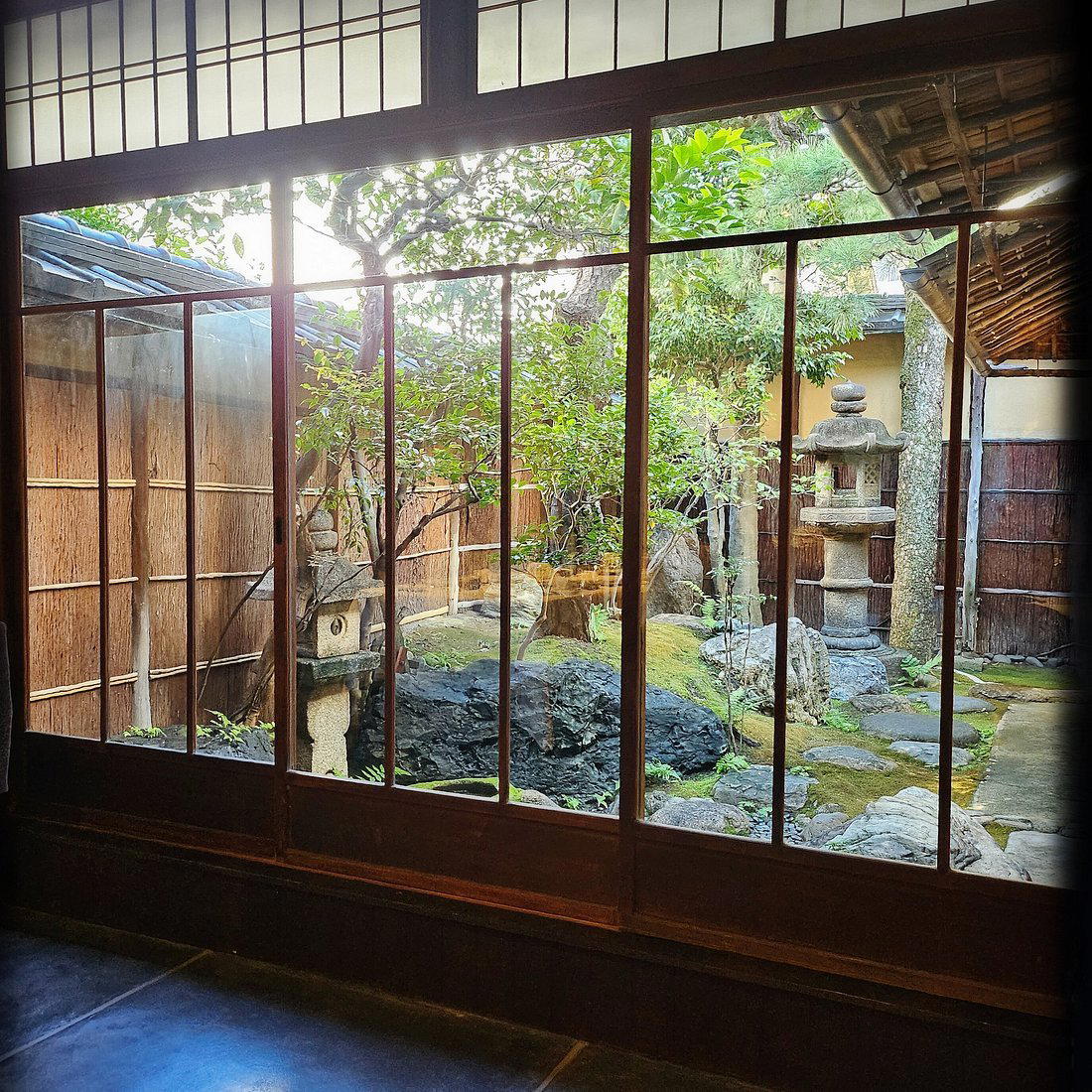
Daiichi feels like being welcomed into a careful household rather than a typical restaurant. The dining room occupies what resembles a traditional private residence, complete with tatami rooms and table seating for just twelve guests. The place reads as quietly disciplined and intimate—service and pacing follow an unhurried logic, the non-smoking policy reinforces a restrained atmosphere, and small private rooms extend the residential character. The overall impression is cozy and serene, with an old‑world charm that foregrounds ritual and focus on a single culinary tradition.
Best For
This is a destination for diners ready to commit to a single-ingredient course and the tradition that shapes it. The tightly focused suppon menu and small seating make Daiichi most suitable for special, deliberate meals—couples seeking an intimate, classical experience, small groups using the private rooms, or business dinners where privacy and formality matter. It is not configured for families with children and rewards guests who appreciate ritualized, technical cooking rather than variety or casual grazing.
Ordering Tips
Expect a single, multi-stage suppon course with no substitutions: the menu is built entirely around soft-shell turtle. Note the house rules and layout—twelve seats around tables and private rooms for groups up to twenty—so plan around limited capacity. The non-smoking policy applies throughout (except the earthen-floor entrance) and children are not admitted, so the meal is best approached as a focused, adult occasion in which you accept the restaurant’s premise and pacing.
Venue details
Ambiance
Intimate and refined with traditional Japanese aesthetics; the restaurant maintains its original 340-year-old structure with private dining rooms that evoke authentic old Kyoto atmosphere.
Tags
Vibe
Best For
Experience
At the Table
- Dress Code
- Smart Casual
- Noise Level
- Quiet
- Service Style
- Formal
- Meal Pacing
- Leisurely
- Capacity
- Intimate
- Kitchen
- Traditional
- Menu Format
- Set menu, Family style
- Wine Program
- Standard
- Drinks Focus
- Sake
- Private Dining
- Available
Signature Dishes
- Suppon Hot Pot
- Suppon Rice Porridge
- Turtle Blood in Hot Sake
Know before you go
Know Before You Go
- Getting there
- Japan, 〒602-8351 Kyoto, Kamigyo Ward, Rokubancho, 371 千本西入ル六番
Planning details
Location
Japan, 〒602-8351 Kyoto, Kamigyo Ward, Rokubancho, 371 千本西入ル六番 · Directions
Recognition and awards

Also consider
Also Consider
- Gion Sasaki, Kaiseki, Japanese, ¥¥¥¥
- cenci, Italian, ¥¥¥
- Ifuki, Kaiseki, ¥¥¥¥
- Kyokaiseki Kichisen, Japanese, ¥¥¥¥
- Kyo Seika, Chinese, ¥¥¥
Restaurant context
Daiichi and Gion Sasaki are not really competing for the same diner. Gion Sasaki delivers a multi-course kaiseki progression across many seasonal ingredients, it is the right call for anyone wanting a broad, technically accomplished survey of Kyoto cooking. Daiichi's entire menu is a single protein. If you are undecided between them, go to Gion Sasaki first and save Daiichi for when you want to go deeper on one thing specifically. Ifuki and Kyokaiseki Kichisen both operate at ¥¥¥¥ with kaiseki formats, higher total spend, more varied courses, and arguably more accessible to first-time visitors to serious Kyoto dining.
On value, Daiichi's ¥26,000 all-in fixed course is more price-transparent than most kaiseki restaurants where sake additions and course variations can push the bill unpredictably higher. If you want quality at a lower spend, cenci (Italian, ¥¥¥) is a strong alternative for a creative multi-course meal, though it shares nothing in concept or cuisine with Daiichi. Kyo Seika (Chinese, ¥¥¥) offers another lower-spend option in a different cuisine category entirely.
For booking difficulty, Daiichi is relatively approachable compared to the hardest tables in Kyoto. Gion Sasaki and Kyokaiseki Kichisen can require months of advance planning. Daiichi, with its 12-seat capacity and phone-only reservation system, is manageable with two to three weeks' notice outside peak periods. That makes it a realistic addition to a trip itinerary rather than a meal that requires planning a trip around it.
Explore Kyoto
Around this place
Discover more on Pearl
Unlock the full Daiichi guide in Pearl, including awards, comparisons, FAQs, planning details, and nearby places.
FAQ
Frequently Asked Questions
Is lunch or dinner better at Daiichi?
Dinner offers more atmosphere, but the lunch service (noon–1 PM last order) delivers the same ¥26,000 fixed suppon course in natural light and often with shorter waits. Winter evenings run two seatings at 5 PM and 7 PM; lunch sidesteps the time-slot logistics entirely. Choose lunch if scheduling flexibility matters, dinner if you prefer the traditional nabe ritual after dark.
Does Daiichi handle dietary restrictions?
No. The menu is a single fixed course built around soft-shell turtle hot pot and porridge, with no substitutions. The house serves only suppon, if shellfish, poultry, or vegetarian options are needed, this is not the venue. Allergies to turtle protein or its preparation broth cannot be accommodated.
Can Daiichi accommodate groups?
Yes, and unusually well for a 12-seat Tabelog Bronze house. Private rooms seat 2, 4, 6, 8, or 10–20 guests, making Daiichi one of the few high-end Kyoto specialists that can handle larger parties without compromising the kaiseki format. Book four weeks ahead for groups of eight or more.
What should a first-timer know about Daiichi?
Arrive prepared for a single-species omakase: every course centers on soft-shell turtle, from sashimi to hot pot to porridge. The experience lasts roughly 90 minutes, and children are not permitted. Daiichi has held Tabelog Bronze six consecutive years (2021–2026) for executing one ingredient with precision, don't expect variety, expect depth.
How far ahead should I book Daiichi?
Three to four weeks for weekday lunch, four to six weeks for weekend dinner. Daiichi is reservation-only and seats just 12, with Tabelog Bronze recognition driving steady demand from Tokyo and international visitors. Phone +81 75-461-1775 directly; online booking is not available.
Can I eat at the bar at Daiichi?
No. The 12 seats are configured as private table rooms in tatami format, not counter seating. The house structure and service style prioritize intimate group dining over chef-adjacent interaction. If counter omakase is a priority, Kyoto's sushi and kappo venues offer that experience; Daiichi does not.
What should I order at Daiichi?
Nothing, the menu is a fixed ¥26,000 suppon course served identically at lunch and dinner, centered on hot pot and rice porridge. The kitchen sources whole soft-shell turtles and uses every part across multiple preparations. Sake pairing is available separately; inquire when booking.