

Ñ
Spanish · Kita, Osaka
Restaurant in Osaka, Japan
 Book with Pearl
The Read
Madrid-to-Osaka Prix Fixe
Price
$150–200per person
Dress
Smart Casual
Why go
Ñ is Osaka's most formally recognised Spanish restaurant, holding a Michelin star since 2024 and. The format is a modern prix fixe built on plancha-grilled items, regional arroz, and refined tapas from a chef trained in Madrid and San Sebastián. Booking difficulty is high, reserve at least four to six weeks out.
About Ñ
Who Should Book Ñ, and When
If you want a Michelin-starred Spanish meal in Osaka with a format closer to a modern prix fixe than a free-flowing tapas crawl, Ñ in Minamisenba is the right call. It works particularly well for two people who have already done one round of kaiseki and want something genuinely different on a return visit to the city. The chef's background across Madrid and San Sebastián gives the cooking a regional Spanish credibility that separates it from Osaka's broader wave of European-inflected dining rooms. Book this for a considered weeknight dinner, not a casual drop-in, the booking window is long and the format rewards attention.
The Space
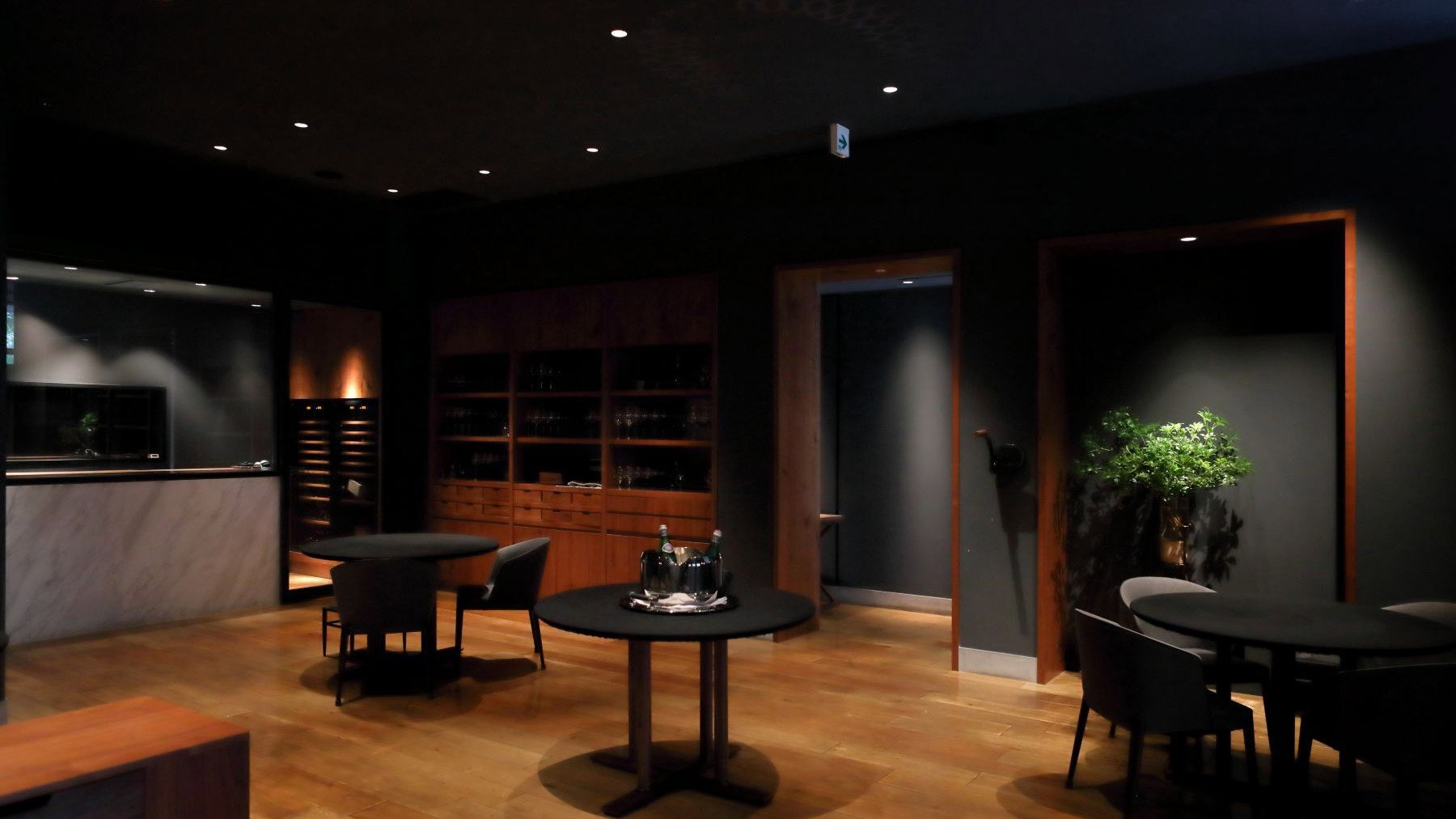
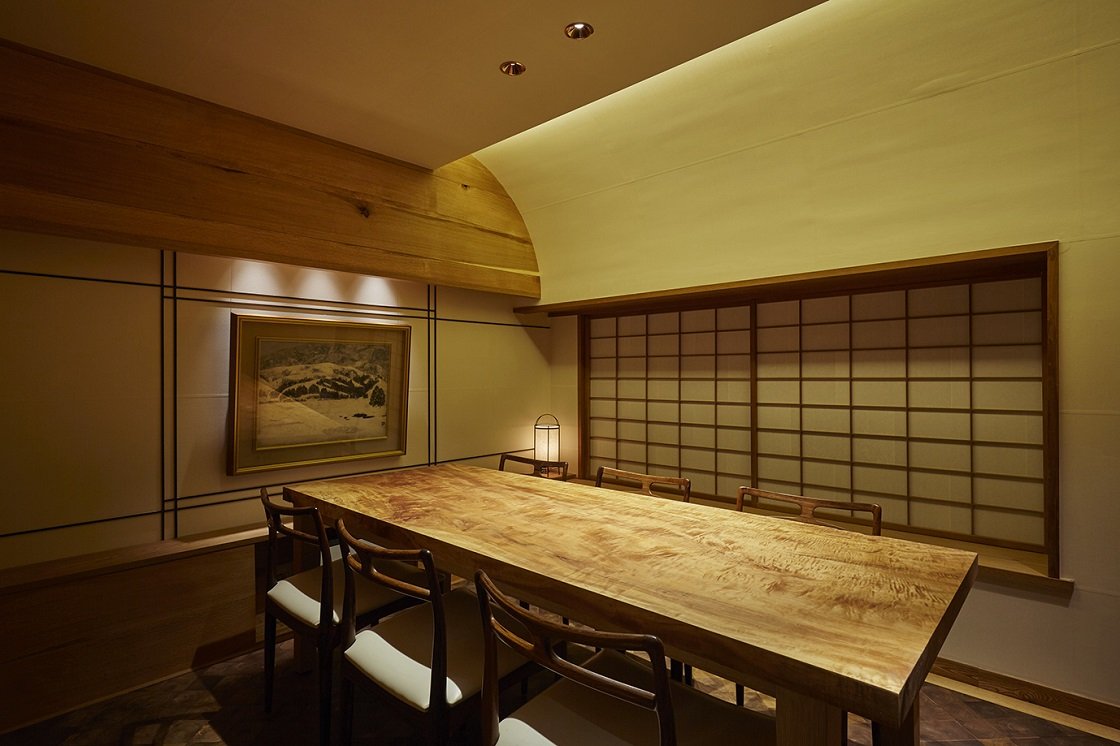
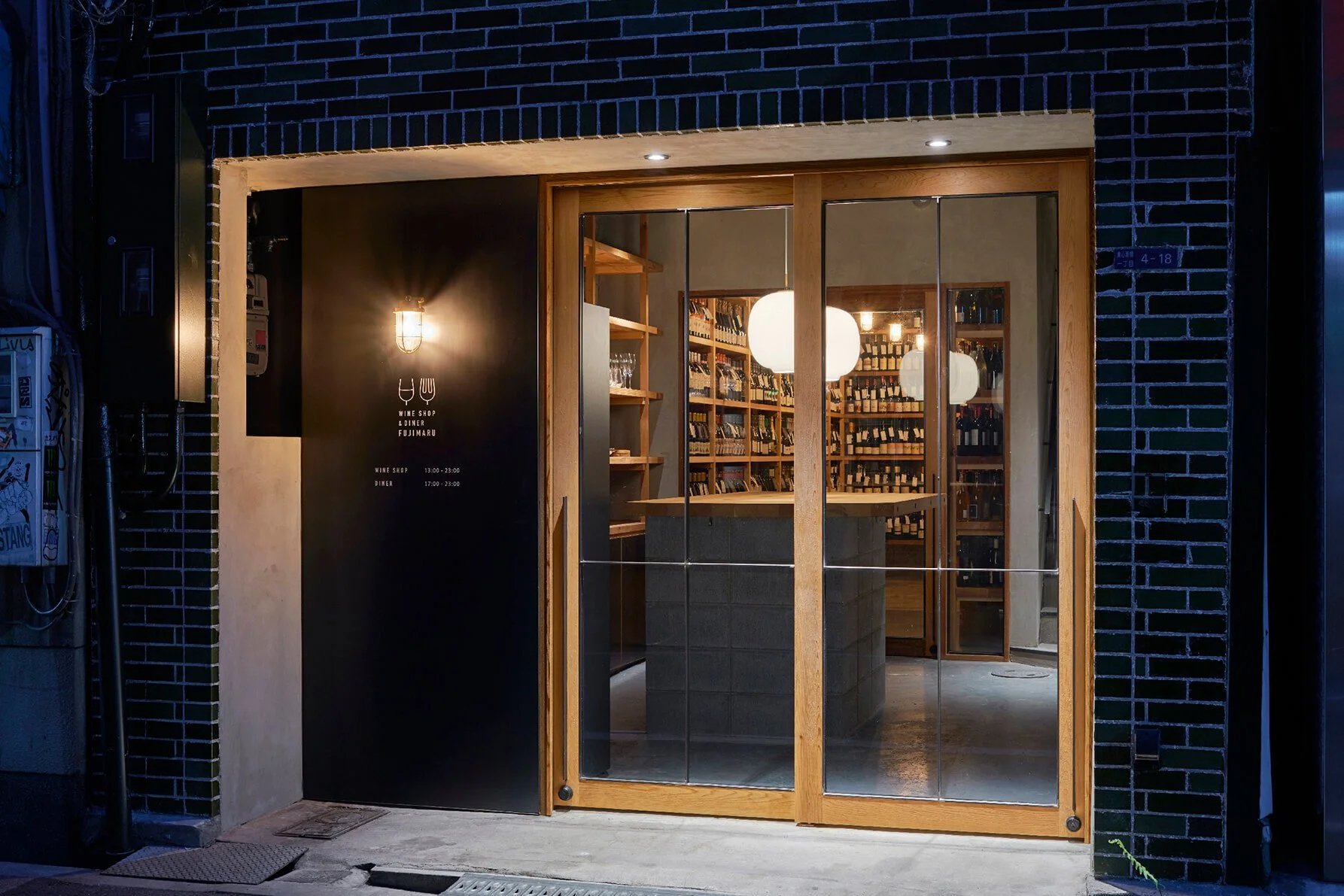
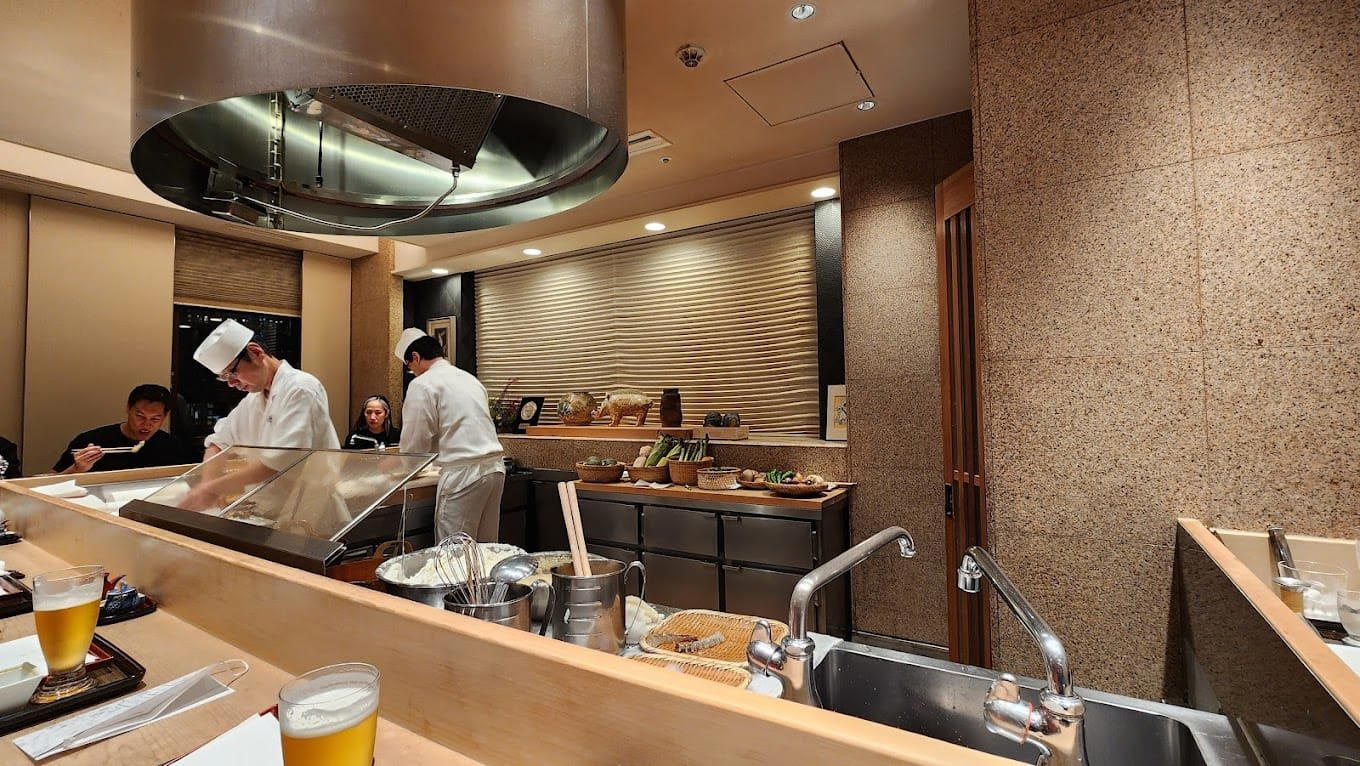
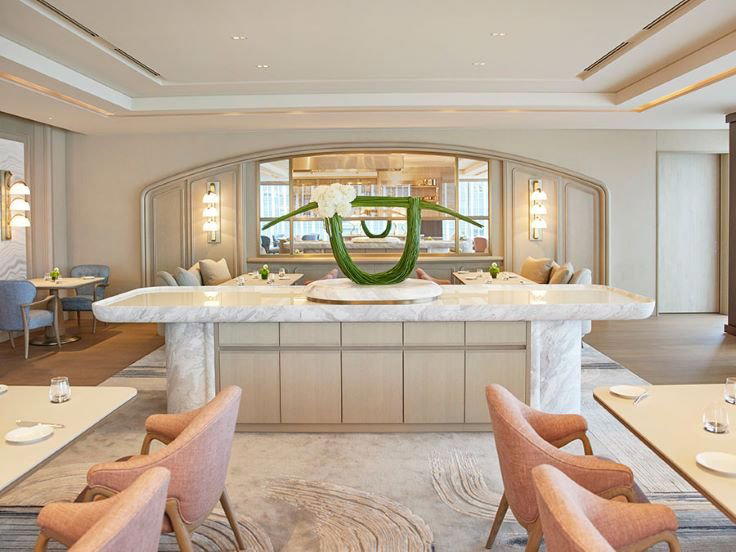
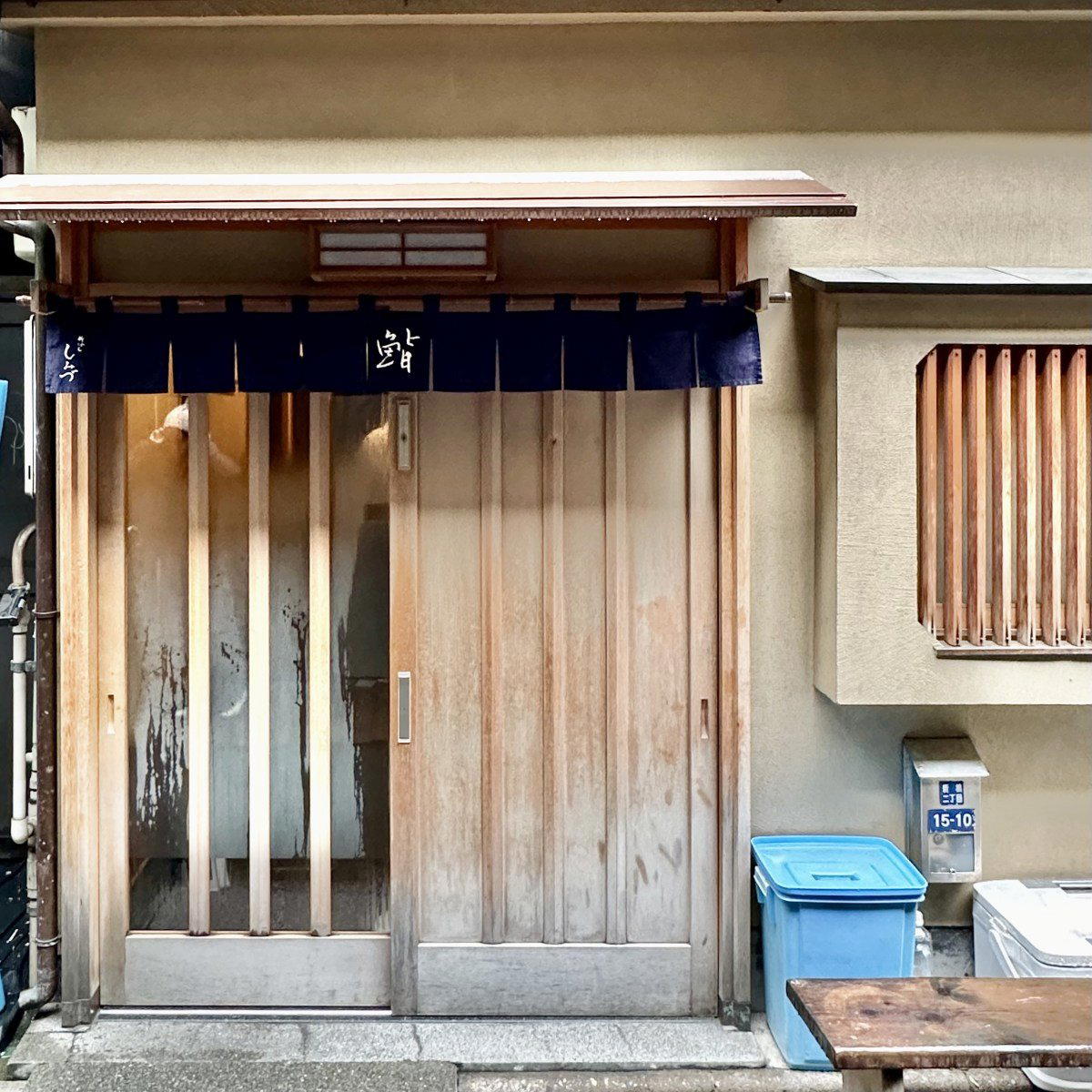
Ñ sits on the ground floor of the Fuji Building in Minamisenba, a commercial district in Chuo Ward that sits between Shinsaibashi and Honmachi. The address puts it within Osaka's dense central dining corridor, but the building setting keeps it low-key from the outside. The room is compact in the way that serious Japanese restaurants tend to be, this is not a sprawling brasserie, and the intimacy is part of what makes the format work. Expect a space where the counter or a small number of tables puts you close to the action, and where the scale reinforces the precision of a prix fixe structure rather than working against it. For solo diners or couples, this setup is an advantage. For groups of four or more, it requires more planning and you should confirm available configurations when booking.
The Food
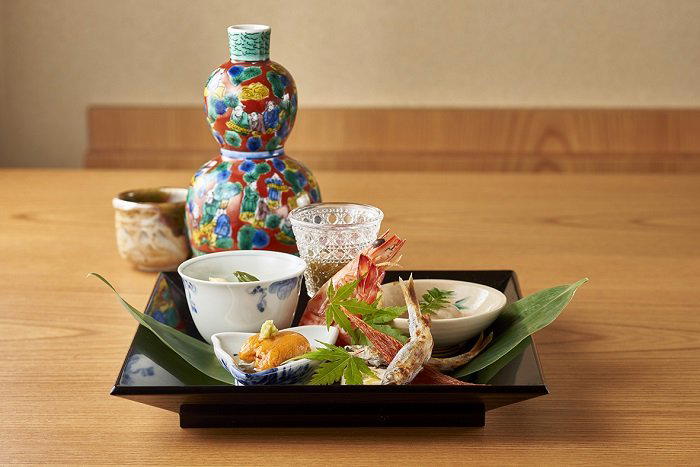
The format is a modern prix fixe built around refined tapas, plancha-grilled items, and arroz dishes that carry regional Spanish character. The chef's formative years in Madrid and San Sebastián inform both the technique and the sourcing logic, plancha work is used to draw out natural flavour rather than to add complexity through sauce, and the rice dishes are treated with the seriousness that the leading Spanish kitchens apply to them. This is not a fusion concept. The Spanish framework is intact; what changes is the precision and the portion architecture, which sits closer to a Japanese sensibility about sequencing and restraint. The Michelin panel awarded one star in 2024, which positions this as a restaurant where the cooking is technically accomplished and consistent rather than merely interesting.
If you have eaten here once and are returning, the direction is to focus on whatever plancha item and arroz appear on the current menu. These are the dishes where the chef's accumulated experience shows most clearly, and they tend to vary enough across seasons to reward a second visit. The prix fixe structure means you are not building your own meal from a list, the kitchen is sequencing the experience, and the leading approach is to let it.
The Occasion
This is a strong choice for a special occasion dinner in Osaka, particularly when the occasion calls for something that is neither Japanese in format nor tourist-facing in tone. A Michelin-starred Spanish prix fixe in a quiet Minamisenba building reads as considered and specific rather than showy. Couples celebrating a milestone, colleagues marking something, or a solo traveller who wants one genuinely excellent meal on a Japan itinerary will all find this format appropriate. It is less well-suited to large groups or anyone expecting an informal shared-plates atmosphere. The pricing at ¥¥¥ positions it below the ¥¥¥¥ tier occupied by Osaka's French tasting menu restaurants, which makes it a competitive proposition for the level of cooking on offer.
Booking Ñ
Booking difficulty is rated Hard. With a Michelin star, a small room, and a prix fixe format that limits covers, this fills well in advance. Plan a minimum of four to six weeks out for a standard weekday booking, and longer for weekend dates. There is no website or phone number in the current public record that we can confirm, so the most reliable approach is to use a reservation platform that covers Osaka's fine dining listings, or to ask your hotel concierge to assist. Walking in is not a realistic option for a restaurant at this level with this format. If Ñ is specifically on your list, lock in the date before you finalise the rest of your Osaka schedule.
Know Before You Go
- Cuisine: Spanish, modern prix fixe
- Price range: ¥¥¥
- Location: Minamisenba, Chuo Ward, Osaka (ground floor, Fuji Building)
- Awards:
- Format: Prix fixe, not à la carte or free-choice tapas
- Booking difficulty: Hard, reserve four to six weeks out minimum
- Leading for: Couples, solo diners, special occasions; less suited to groups of four-plus without advance coordination
- Dress code: Not confirmed in available data, smart casual is a safe baseline for a room at this level
- Hours: Not confirmed in available data, verify before arrival
How Ñ Fits Into Osaka's Spanish Scene
Osaka has a small but focused Spanish dining contingent. For Basque-leaning cooking, ETXOLA and Donostia are the reference points. For wood-fire and asador-style work, Asador ROCA takes a different structural approach. EL ALMA and DuKKAh round out the category at different price points and formats. Ñ sits above most of these in formal recognition terms, and the prix fixe structure makes it the most direct comparison to a Japanese fine dining evening rather than a Spanish night out. If you want Spanish cooking in Japan outside Osaka, ZURRIOLA in Tokyo and akordu in Nara are the closest equivalents in format and ambition.
For the rest of your Osaka planning, Pearl's guides cover restaurants, hotels, bars, wineries, and experiences. If this trip covers more of Japan, the Pearl network includes Harutaka in Tokyo, Gion Sasaki in Kyoto, Goh in Fukuoka, 1000 in Yokohama, and 6 in Okinawa for broader context on the country's fine dining tier.
Planning details
- Location
- Japan, 〒542-0081 Osaka, Chuo Ward, Minamisenba, 3-chōme−5−28 富士ビル南船場 1階
- Website
- forms.gle/AJaSexwS9zZcBiEQ6
- Phone
- +81 6-6484-8325
The take
The Take
The Vibe
Ñ reads as a focused, modern Spanish counter that channels the spirit of Madrid and San Sebastián through a Japanese lens. The kitchen, led by a chef who trained in Spain, translates Spain's small-plate grammar into a composed prix fixe sequence, and the counter format concentrates attention on the food and service. The result feels polished and current — a quietly stylish destination in an unexpected Osaka neighborhood where precision and the cadence of tasting menus shape the evening. It is intimate and stylish, well suited to diners who appreciate refined technique and a curated progression of dishes.
Best For
This is a restaurant best experienced at dinner, when the modern prix fixe sequence and the counter format deliver a measured, complete meal. The kitchen emphasizes refined tapas, arroz and grilled dishes presented within a tasting framework, which makes it a natural fit for special evenings, celebratory meals and discerning business dinners. Guests who seek a high-caliber interpretation of Spanish cooking — one that merges Basque and Catalan influences with Japanese precision — will find the format and execution especially rewarding.
Ordering Tips
Ñ operates around a modern prix fixe that recasts Spain’s small-plate tradition into a sequenced tasting; the menu is presented through the counter and is built around refined tapas, arroz and grilled items. Expect a composed progression rather than à la carte options, with dishes arranged to showcase technique and pacing. Because the description foregrounds the tasting structure and the chef’s Spanish training, diners should come ready to experience a curated sequence that emphasizes balance, texture and the interplay between Spanish technique and Japanese precision.
Venue details
Ambiance
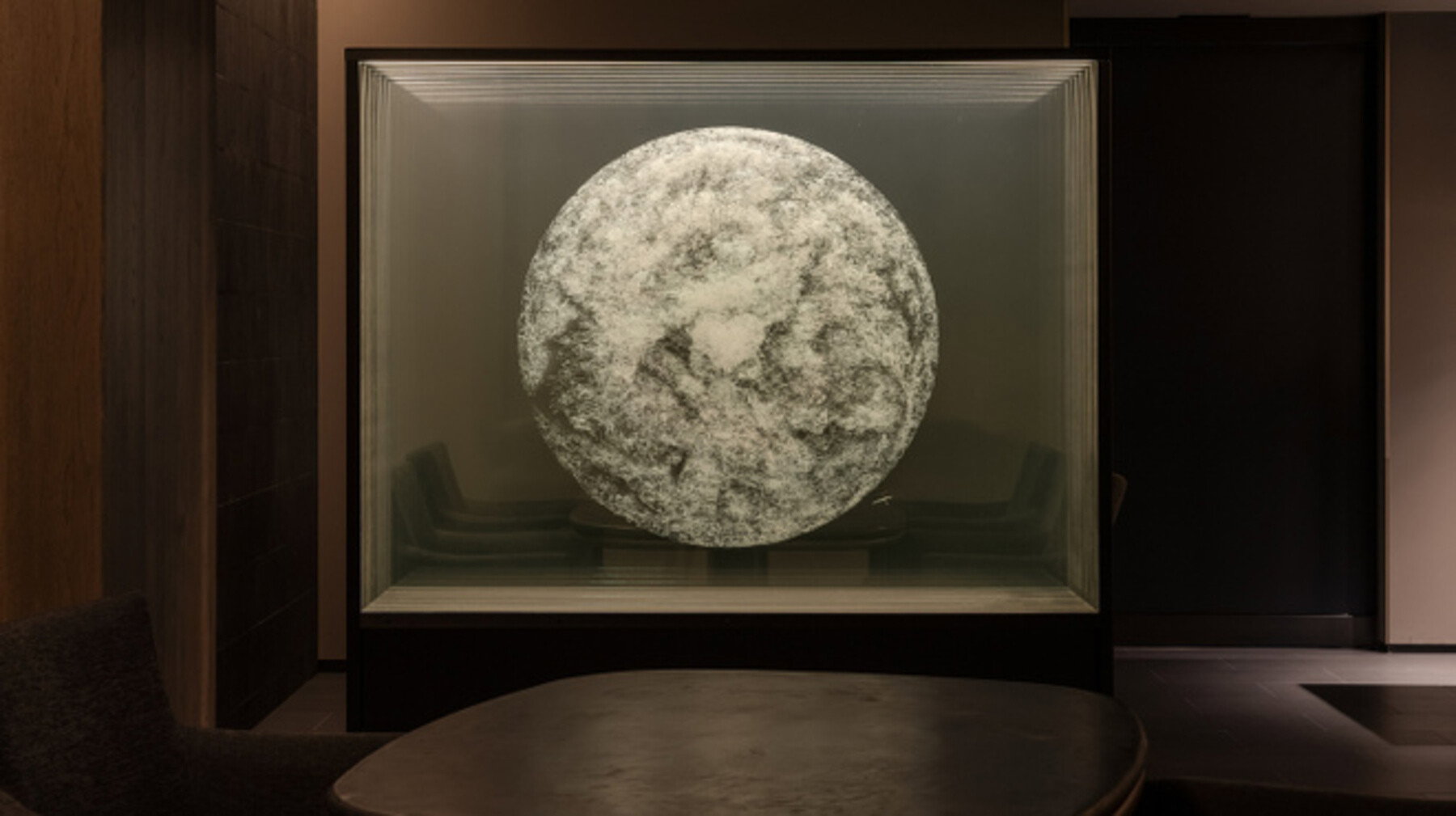
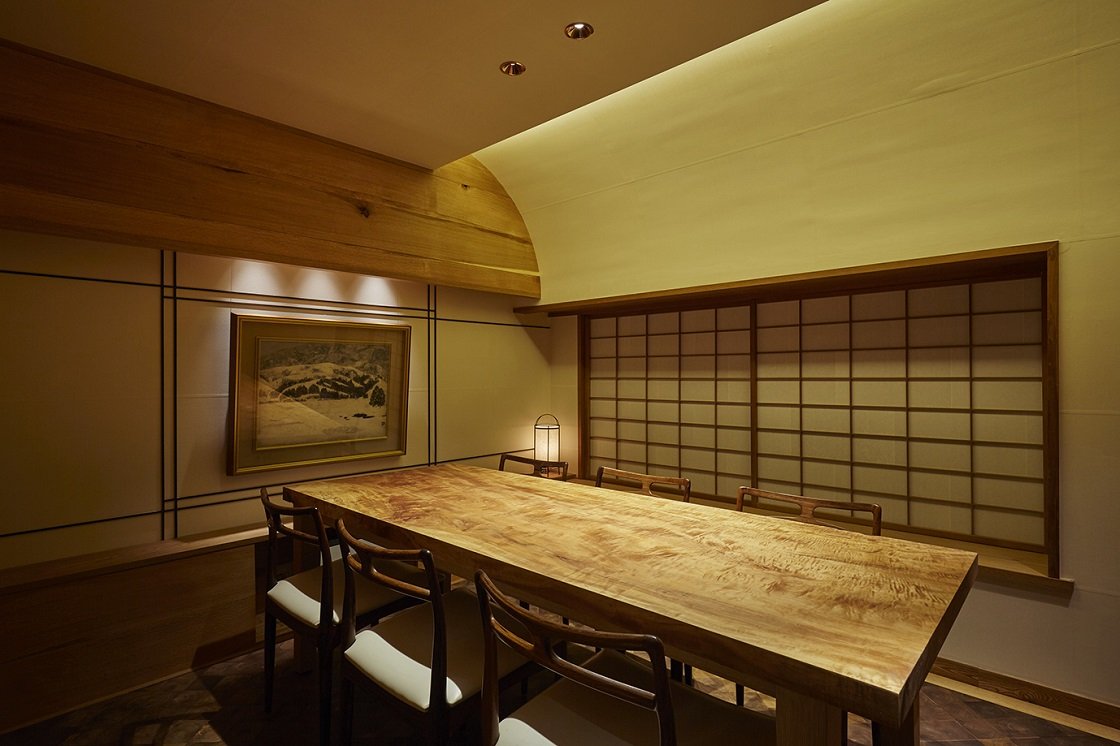
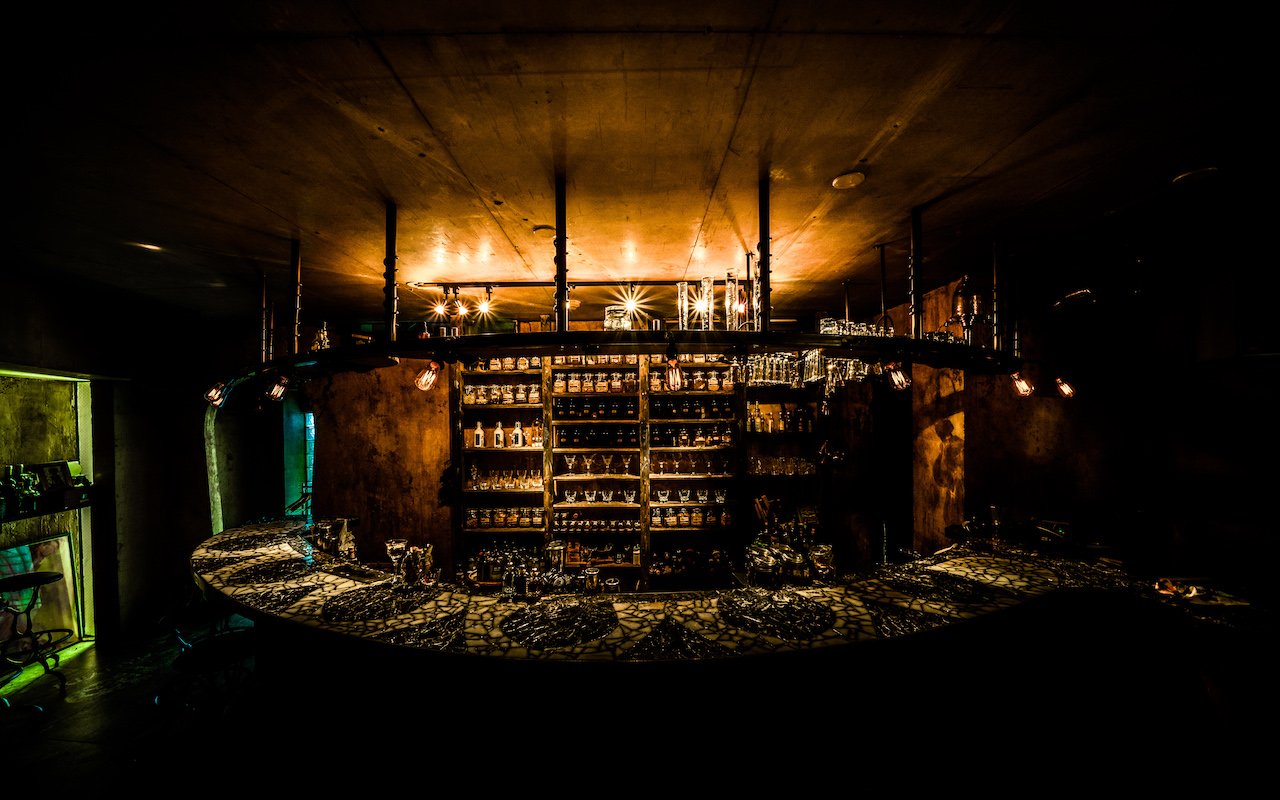
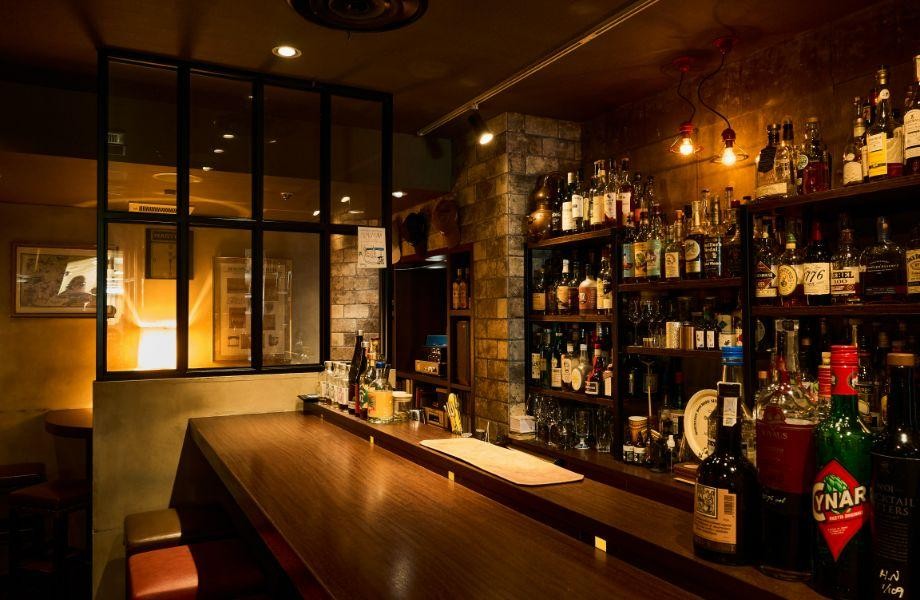
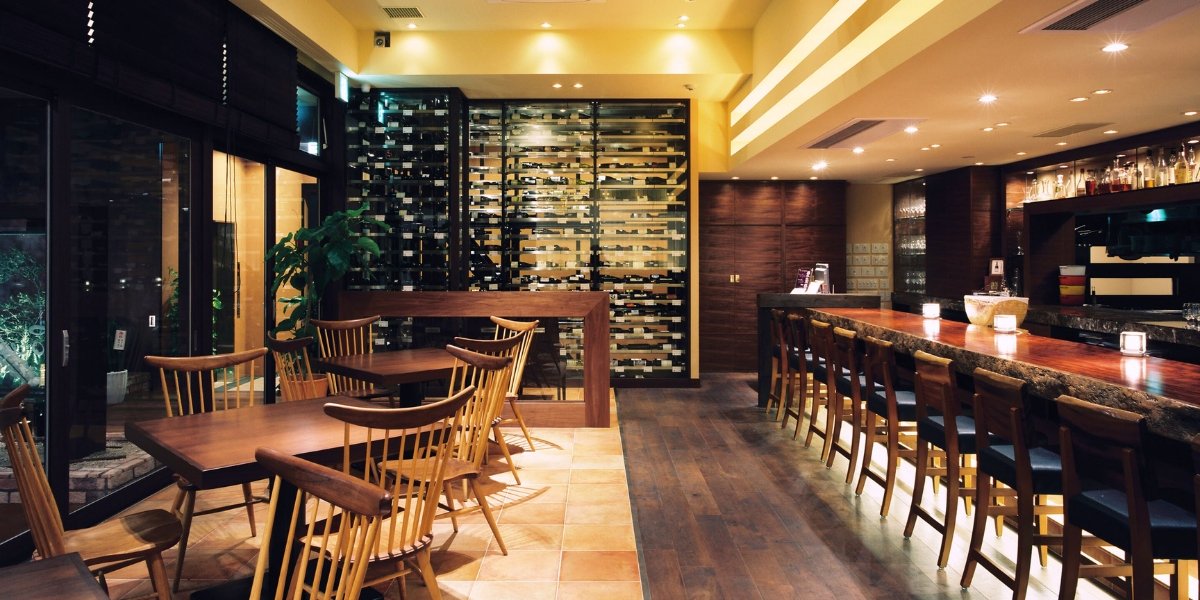
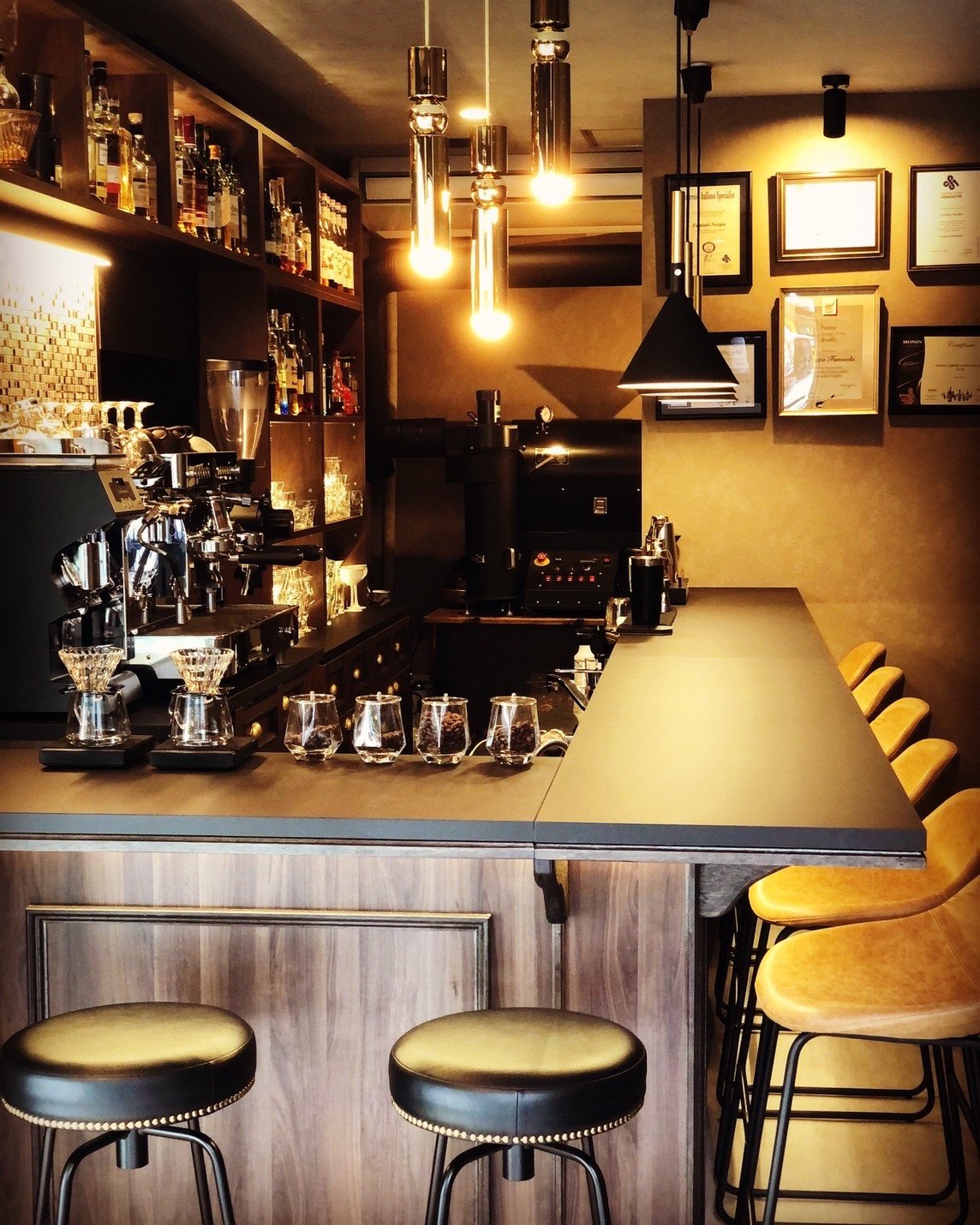
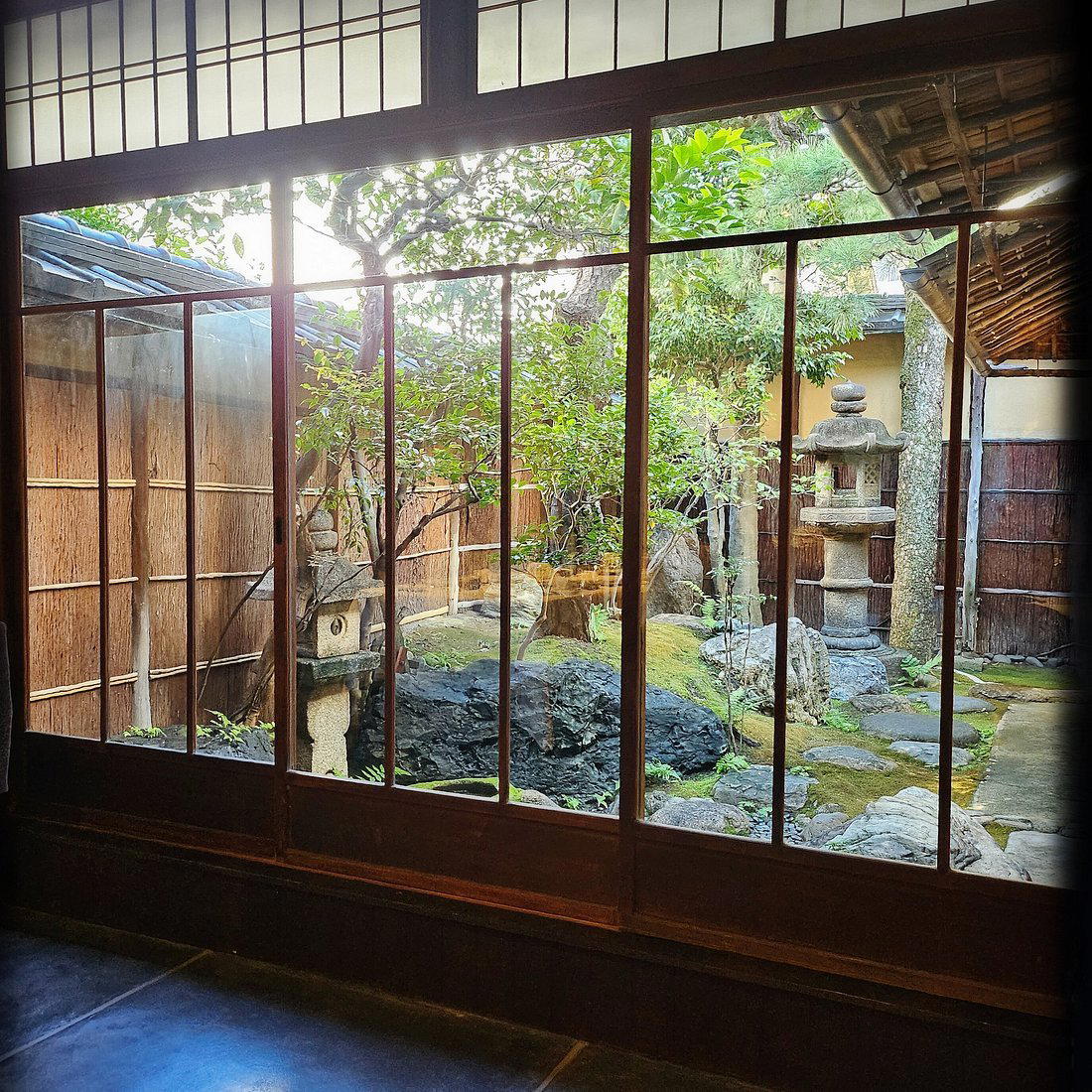
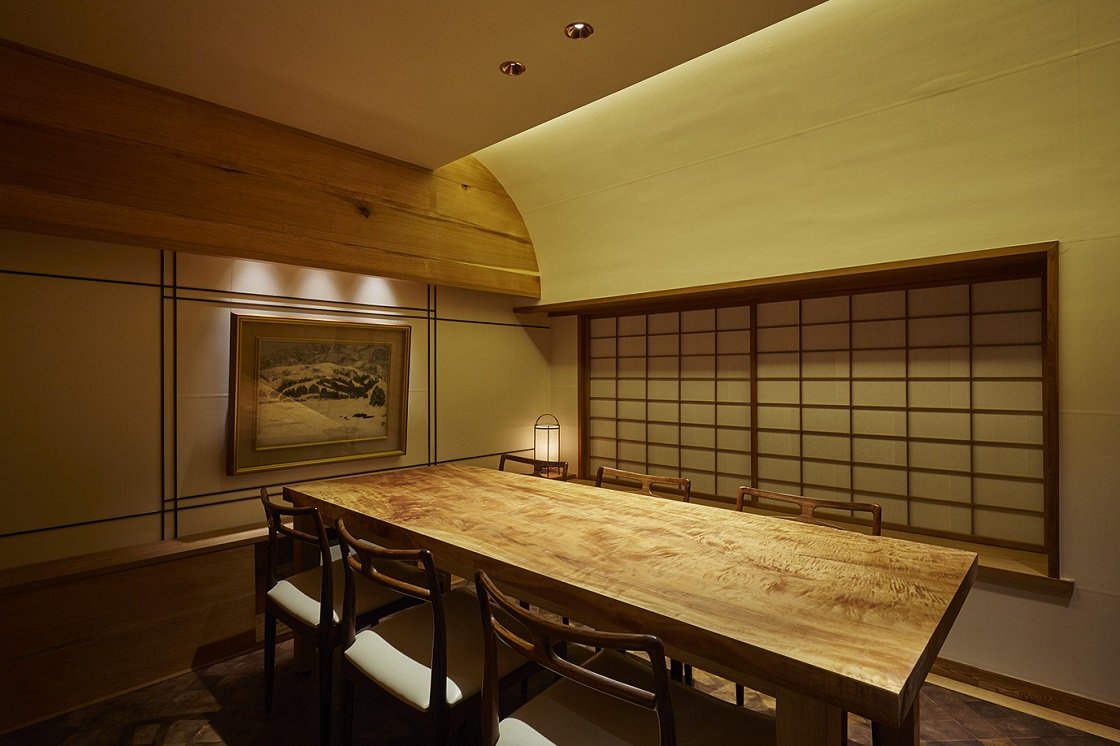
Elegant midcentury-inspired interior with sleek teak counter, olive-colored walls, and warm wooden elements creating a slow, comfortable, and relaxing atmosphere.
Tags
Vibe
Best For
Experience
Sourcing
At the Table
- Dress Code
- Smart Casual
- Noise Level
- Quiet
- Service Style
- Upscale Casual
- Meal Pacing
- Leisurely
- Capacity
- Intimate
- Kitchen
- Modern
- Menu Format
- Prix fixe, Counter dining, Tasting menu
- Drinks Focus
- Wine
- Private Dining
- Available
Signature Dishes
- refined_tapas
- arroz
- grilled_dishes
Know before you go
Know Before You Go
- Getting there
- Japan, 〒542-0081 Osaka, Chuo Ward, Minamisenba, 3-chōme−5−28 富士ビル南船場 1階
Planning details
Location
Japan, 〒542-0081 Osaka, Chuo Ward, Minamisenba, 3-chōme−5−28 富士ビル南船場 1階 · Directions
Recognition and awards
Also consider
Also Consider
- HAJIME, French, Innovative, ¥¥¥¥
- La Cime, French, ¥¥¥¥
- Kashiwaya Osaka Senriyama, Japanese, ¥¥¥
- Taian, Kaiseki, Japanese, ¥¥¥
- Fujiya 1935, Innovative, ¥¥¥¥
Restaurant context
Within Osaka's fine dining tier, Ñ occupies a specific and relatively uncrowded position: Michelin-starred European cooking at ¥¥¥ rather than ¥¥¥¥. The restaurants most commonly compared to it in prestige terms HAJIME, La Cime, and Fujiya 1935, are all a full price tier higher and French or innovative in direction. If you want a European tasting menu experience in Osaka at a lower price point than those rooms, Ñ is the cleaner pick. HAJIME in particular carries three Michelin stars and a ¥¥¥¥ price tag that reflects it, the comparison only makes sense if the price difference is not a factor in your decision.
Against the Japanese-format restaurants at ¥¥¥, the comparison is different. Kashiwaya Osaka Senriyama and Taian both deliver kaiseki-level precision at roughly the same price tier. If your trip already includes one kaiseki evening, Ñ is the logical contrast, same price bracket, Michelin-recognised, but a completely different culinary framework. If you have not done kaiseki in Osaka yet, Taian or Kashiwaya should probably come first.
On booking difficulty, Ñ sits in the harder tier at ¥¥¥, the Michelin star and small room create a constraint that La Cime and Fujiya 1935 share at the tier above. La Cime is often cited as one of the hardest reservations in Osaka at any price. If you are building an Osaka itinerary and want one sure Michelin booking that does not require a ¥¥¥¥ budget, Ñ is worth prioritising early in your planning.
Explore Osaka
Around this place
Discover more on Pearl
Unlock the full Ñ guide in Pearl, including awards, comparisons, FAQs, planning details, and nearby places.
Compare Ñ
| Venue | Price | Booking Difficulty | Awards |
|---|---|---|---|
| Ñ | ¥¥¥ | Hard | 2026 Michelin 1 StarTabelog 100 - Izakaya - EAST - 2025 · #62025 Tabelog Bronze2024 Michelin 1 Star |
| HAJIME | ¥¥¥¥ | Unknown | Star Wine Lists 2026 · #12026 Tabelog Bronze · #922026 OAD Top Restaurants in Japan Ranked · #98Michelin Guide Kyoto Osaka 20262026 La Liste Top RestaurantsTabelog 100 - Innovative / Creative cuisine - 2025 · #692025 Asia's 50 Best Restaurants · #832025 OAD Top Restaurants in Japan Ranked · #87We're Smart World Top Restaurants 2025 |
| La Cime | ¥¥¥¥ | Unknown | 2026 Asia's 50 Best Restaurants · #132026 OAD Top Restaurants in Japan Ranked · #1492026 Tabelog Bronze · #231Michelin Guide Kyoto Osaka 20262026 La Liste Top Restaurants2025 Asia's 50 Best Restaurants · #82025 World's 50 Best Restaurants · #44Tabelog 100 - French - WEST - 2025 · #932025 OAD Top Restaurants in Japan Ranked · #123 |
| Kashiwaya Osaka Senriyama | ¥¥¥ | Unknown | 2026 Tabelog Bronze · #1682026 OAD Top Restaurants in Japan Recommended2026 Relais Chateaux RestaurantsMichelin Guide Kyoto Osaka 20262026 La Liste Top RestaurantsTabelog 100 - Japanese cuisine - WEST - 2025 · #772025 OAD Top Restaurants in Japan Ranked · #1552025 Relais Chateaux Award2025 Michelin 3 Stars |
| Taian | ¥¥¥ | Unknown | 2026 OAD Top Restaurants in Japan RecommendedMichelin Guide Kyoto Osaka 20262026 La Liste Top Restaurants2025 OAD Top Restaurants in Japan Ranked · #2042025 La Liste Top Restaurants2025 Michelin 3 Stars2024 OAD Top Restaurants in Japan Ranked · #1912024 Michelin 3 Stars2023 OAD Top Restaurants in Japan Highly Recommended |
| Fujiya 1935 | ¥¥¥¥ | Unknown | 2026 Tabelog Bronze · #752026 OAD Top Restaurants in Japan RecommendedMichelin Guide Kyoto Osaka 20262026 La Liste Top Restaurants2025 Michelin 2 Stars2025 Tabelog Silver2025 La Liste Top Restaurants2024 OAD Top Restaurants in Japan Ranked · #2392024 Michelin 2 Stars |









Key differences to consider before you reserve.
FAQ
Frequently Asked Questions
What are alternatives to Ñ in Osaka?
For Basque-leaning Spanish cooking in Osaka, ETXOLA and Donostia are the reference points. If you want French-influenced fine dining at a comparable or higher level, La Cime and Hajime both hold Michelin recognition in Osaka. Ñ is the clearest option if the Spanish format specifically, refined tapas and arroz in a prix fixe structure, is what you are after.
Is Ñ good for solo dining?
The prix fixe format at Ñ works well for solo diners, you are committing to the menu regardless of party size, so there is no ordering pressure. A Michelin-starred small room in Minamisenba suits a focused solo meal. Confirm counter availability when booking, as a counter seat is typically the most comfortable solo option in this format.
Can Ñ accommodate groups?
With a small room and a prix fixe format that limits total covers, Ñ is not well-suited to large groups. Parties of two to four are the practical ceiling before the booking becomes difficult to manage. For a larger group occasion in Osaka, a venue with a private dining room will serve you better.
Is Ñ worth the price?
At ¥¥¥ with a Michelin star, Ñ sits in the middle tier of Osaka fine dining on price but delivers a format you will not find elsewhere in the city: Spanish arroz, refined tapas, and plancha grilling built around a chef who trained in Madrid and San Sebastián. If Spanish cuisine is the point, it is worth the spend. If you are flexible on cuisine, La Cime or Hajime offer comparable price points with French-rooted menus.
Is the tasting menu worth it at Ñ?
The modern prix fixe is the only format at Ñ, so the question is whether Spanish cuisine in this structure suits you, not whether to choose it over à la carte. Given the Michelin star and the chef's background in Madrid and San Sebastián, the menu has a clear point of view. If you want to eat Spanish food at this level in Osaka, this is the place to do it.
Is Ñ good for a special occasion?
Yes, with caveats. Ñ works well for a two-person special occasion dinner where something outside the Japanese fine dining format is the goal. The Michelin star, the prix fixe structure, and the Minamisenba address all signal occasion dining. For larger celebratory groups, the small room and limited covers make logistics harder, plan accordingly and book well in advance.