



Oniku Karyu
Beef · Chūō, Tokyo
Restaurant in Tokyo, Japan
 Book with Pearl
The Read
Meat Kappo Precision
Price
$300–500per person
Chef
Haruka Katayanagi
Dress
Smart Casual
Why go
Haruka Katayanagi's kaiseki-trained omakase applies traditional Japanese technique—nigiri, char-grilled, shabu-shabu—to wagyu beef across a ¥33,000–¥38,000 course menu. The 20-seat Ginza room (counter and private) enforces a no-perfume policy to protect the beef's aroma. Book well ahead; the one-star Michelin and Tabelog Bronze recognition (2024–2026) signal precision, though the format is too beef-centric for diners who prize variety.
About Oniku Karyu
Oniku Karyu is a beef-focused restaurant in Tokyo led by chef-owner Haruka Katayanagi. It is a ¥¥¥¥, smart-casual venue, making it a premium Tokyo beef destination rather than a broadly defined casual restaurant.
Beef-Focused Dining in Tokyo
Oniku Karyu focuses on beef, and Haruka Katayanagi is the chef-owner. Diners should confirm current menu formats, signature dishes, seating arrangements, and service style directly with the restaurant before booking.
The venue has 2026 Tabelog Bronze recognition for Oniku Karyu, with a Tabelog score of 4.17. Plan around the core proposition: a high-end beef restaurant in Tokyo with smart-casual expectations.
Practical Logistics
First-time diners should approach Oniku Karyu as a premium beef-focused dinner in Tokyo and confirm the current menu, reservation process, and any special requests directly before committing. The smart-casual dress code makes it better suited to a polished dinner than an informal drop-in meal.
Oniku Karyu is open Monday through Saturday from 5:00 PM to 11:30 PM and closed on Sunday. The schedule does not include lunch service. The price level is ¥¥¥¥, so plan for a high-end dinner and check current charges when reserving.
If you're exploring Tokyo's broader dining scene, consult our full Tokyo restaurants guide for alternatives across cuisines and budgets. Guests can also reference our full Tokyo hotels guide and our full Tokyo bars guide for pre- or post-dinner planning.
Planning details
- Hours
- Monday: 5–11:30 pm · Tuesday: 5–11:30 pm
- Location
- 中央区銀座1丁目14−6 Vort銀座 briller 7F, 1 Chome-14-6 Ginza, Chuo City, Tokyo 104-0061, Japan
- Reservations
- Book on Omakase
- Website
- karyu-tokyo.com
- Phone
- +81 3-6264-4129
The take
The Take
The Vibe
Oniku Karyu reads as a contemporary, highly considered fine-dining room that marries kaiseki discipline with singular devotion to Wagyu. The kitchen treats beef with seasonal sensitivity and multi-course sequencing rather than as a simple steakhouse feature, creating an experience that feels modern and intellectually rigorous. Michelin recognition and placements on local and international lists underscore the restaurant's elevated ambitions, while the niku kappo concept keeps the focus tight and consistent. Service and presentation lean toward a polished, restrained style that complements the delicate technical work of integrating dashi and beef across preparations.
Best For
This is an evening destination for diners seeking a concentrated tasting experience centered on Wagyu—a natural choice for special-occasion dinners, business meals where discretion and quality matter, and intimate date nights. The multi-course, kaiseki-informed sequencing frames the meal as an event rather than casual grazing, so guests come prepared for a paced, thoughtful progression of dishes. Given the restaurant’s award recognition and price tier, it suits groups and couples who prioritize culinary technique and a curated single-ingredient exploration over a la carte variety.
Ordering Tips
Embrace the niku kappo structure: the menu is designed as a sequence that showcases Wagyu across Japanese preparations, so lean into the tasting progression rather than trying to cherry-pick isolated plates. Highlights to look for include Wagyu sushi (niku-zushi), Wagyu sashimi, chateaubriand and sukiyaki-style preparations, and the Wagyu katsu sandwich when it appears as a palate-resetting course. Because the kitchen’s approach relies on dashi and technical sequencing, allow the service to guide timing and portion flow so each preparation lands as intended.
Venue details
Ambiance
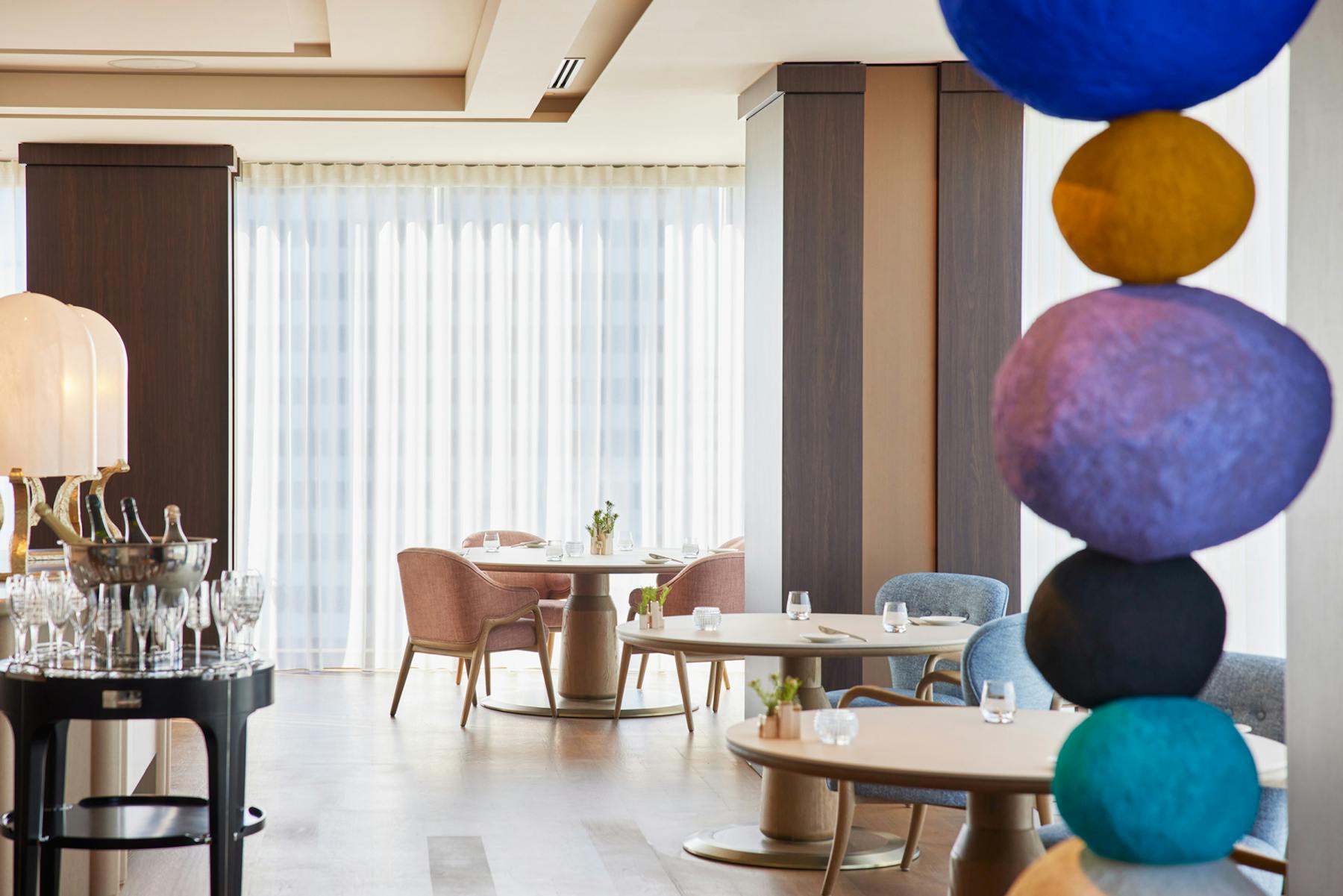
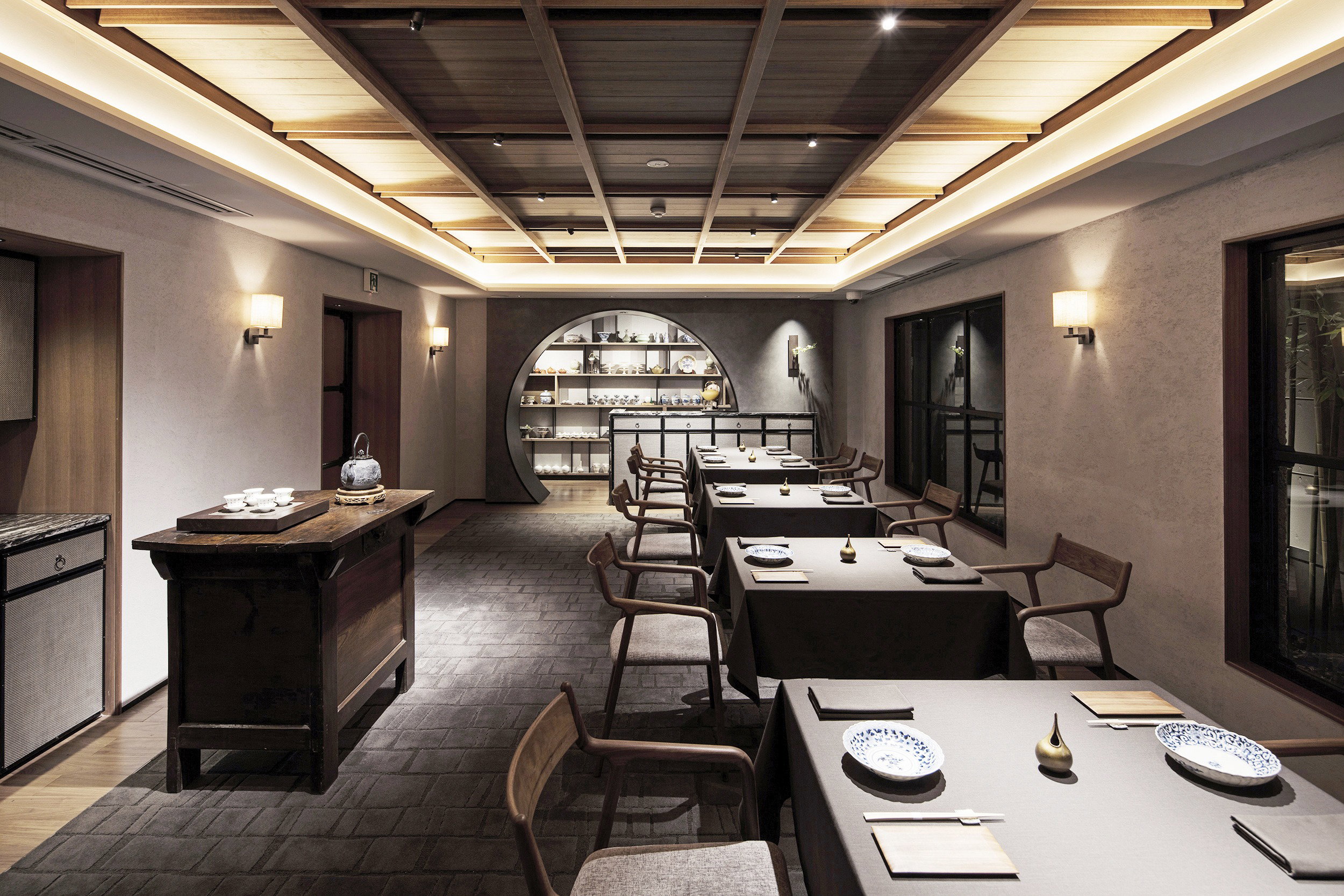
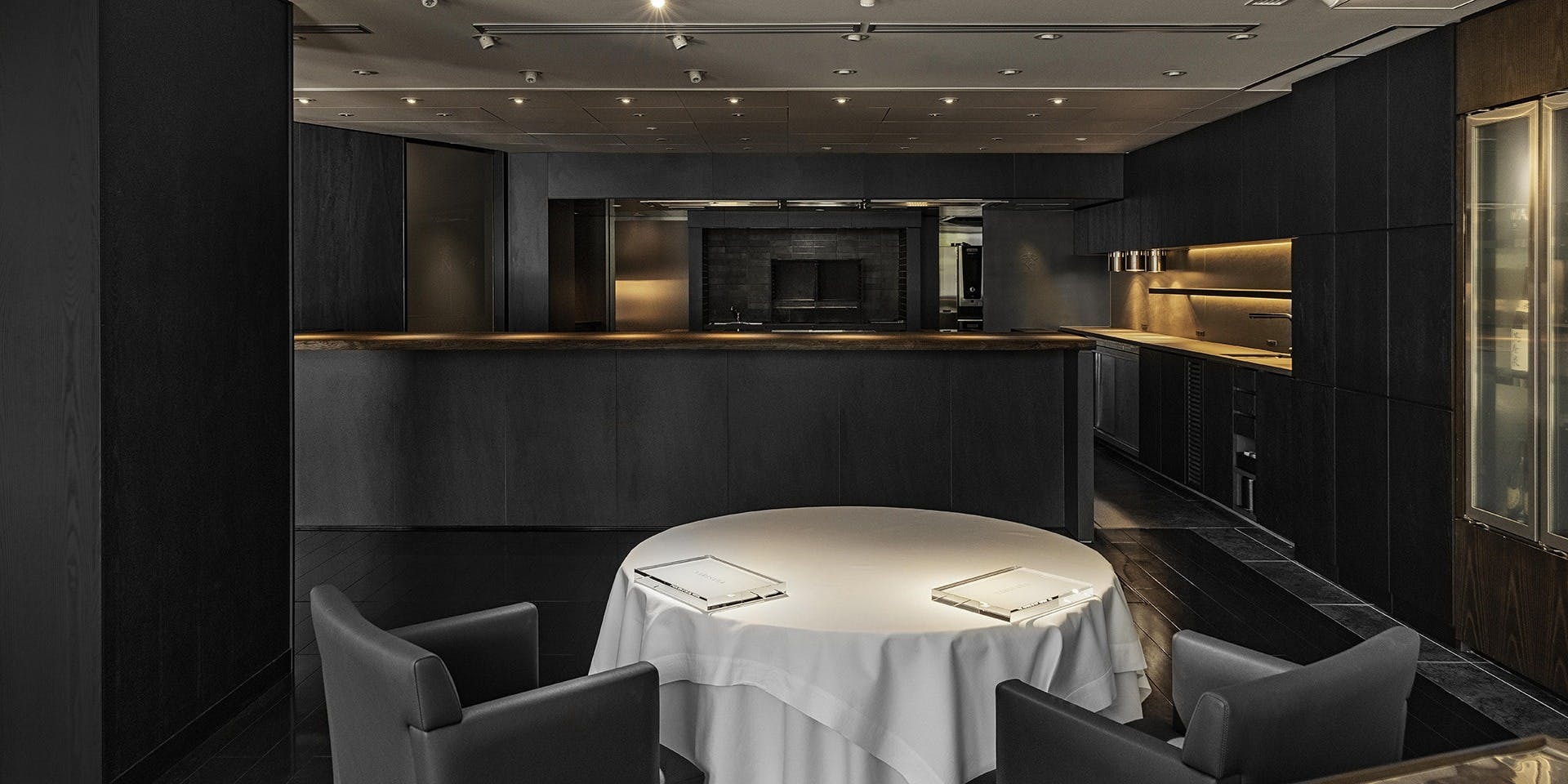
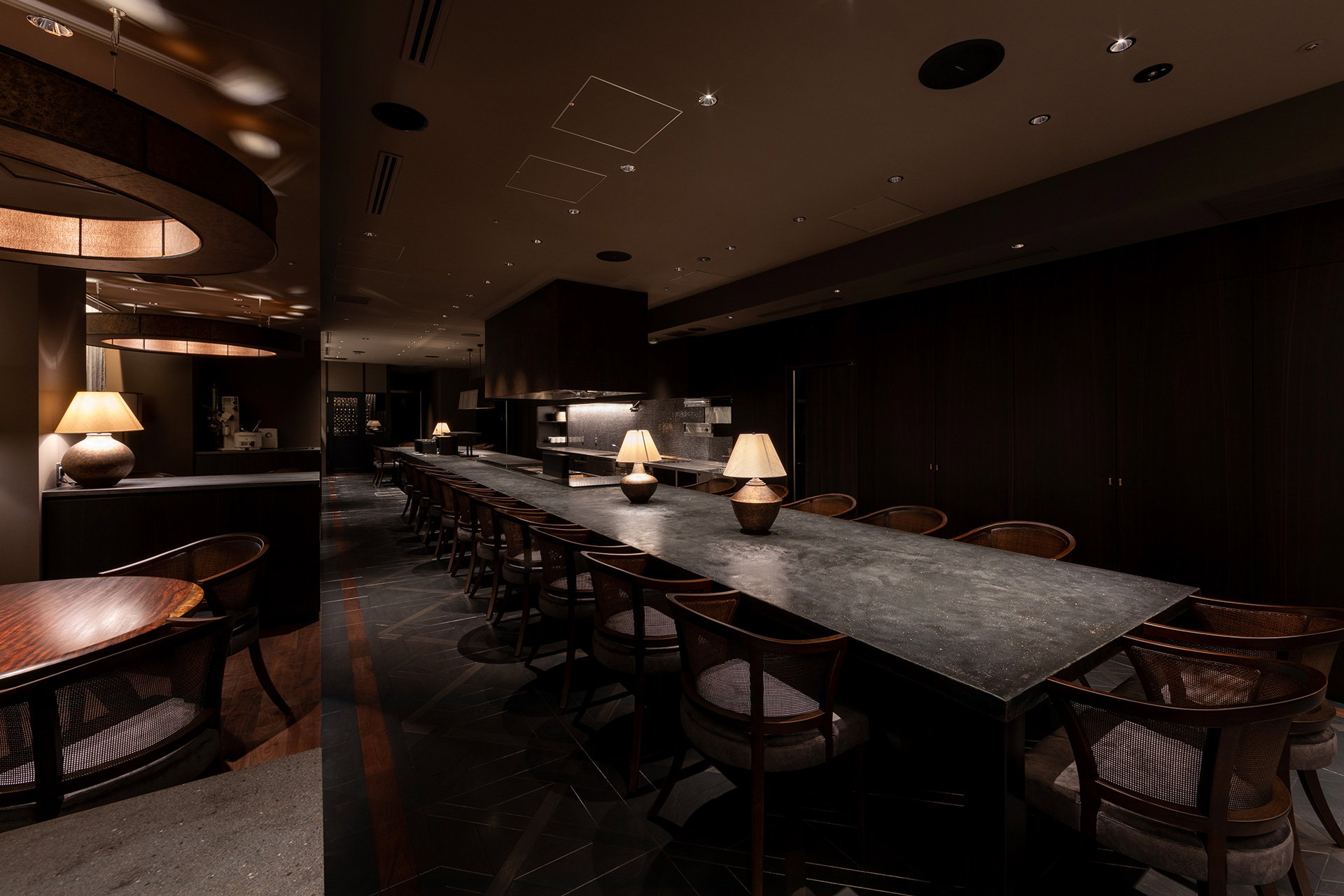
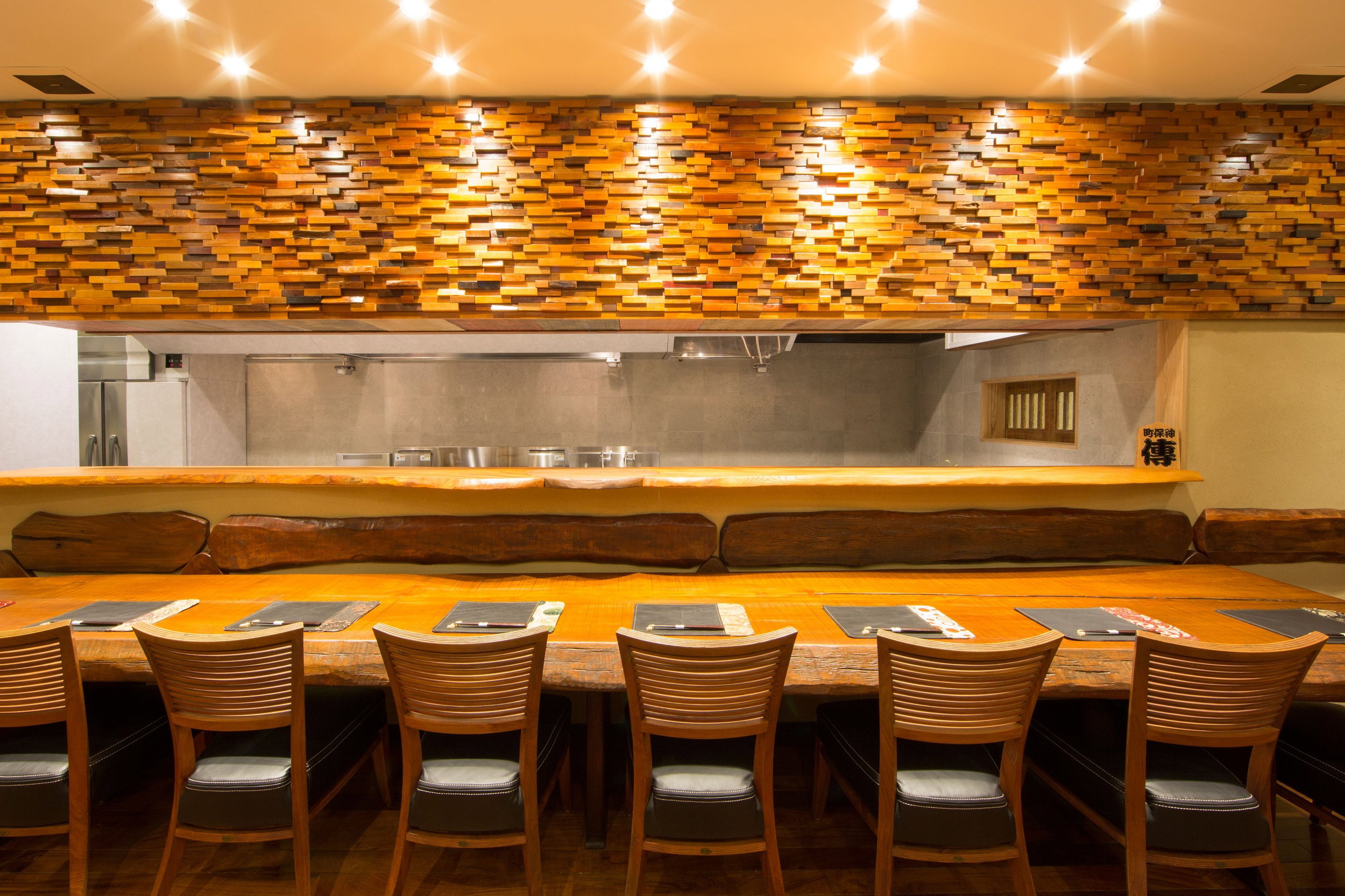
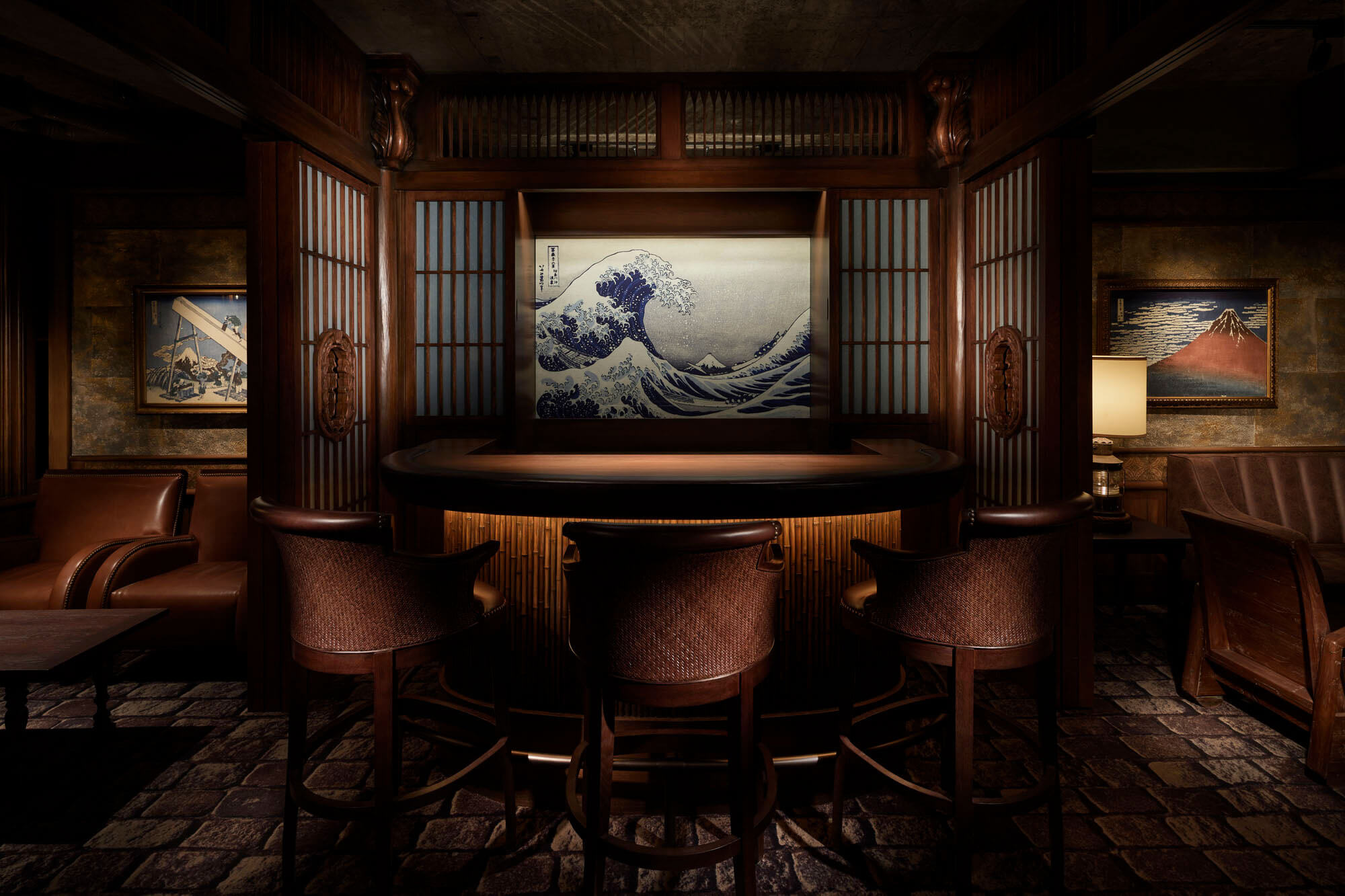
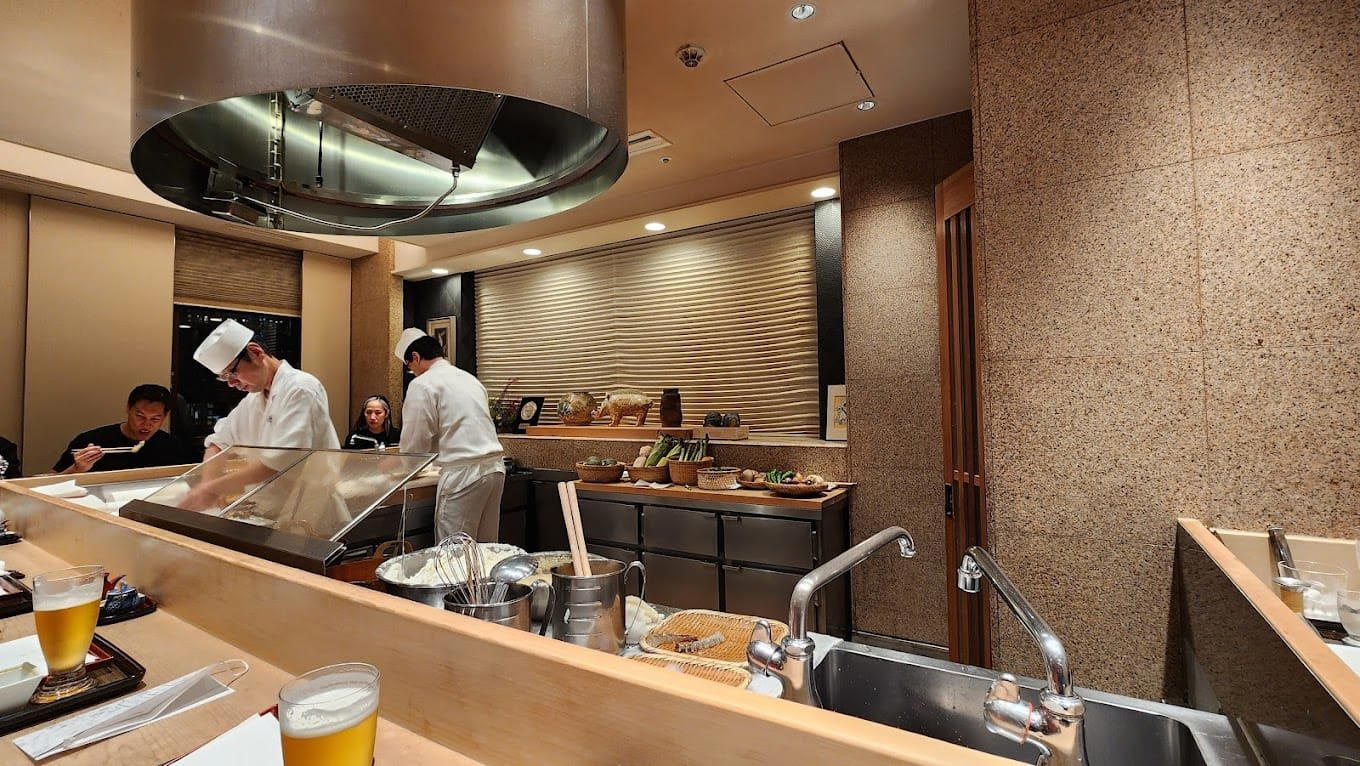
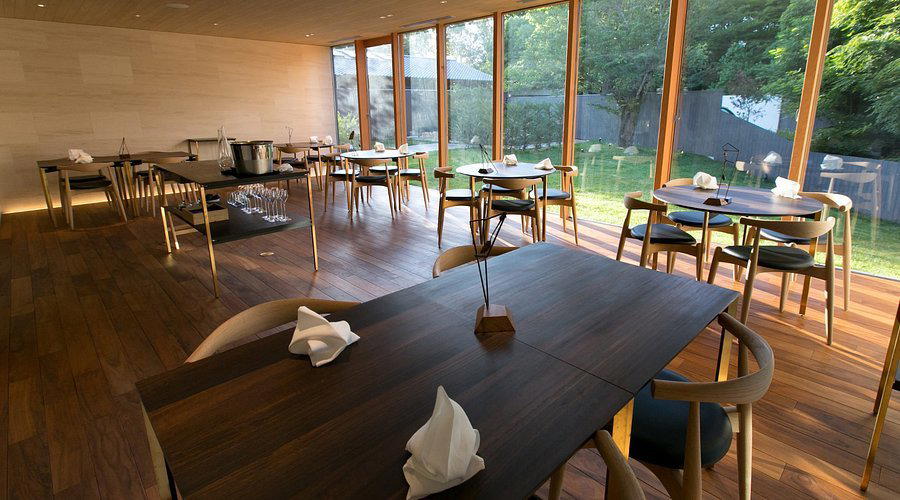
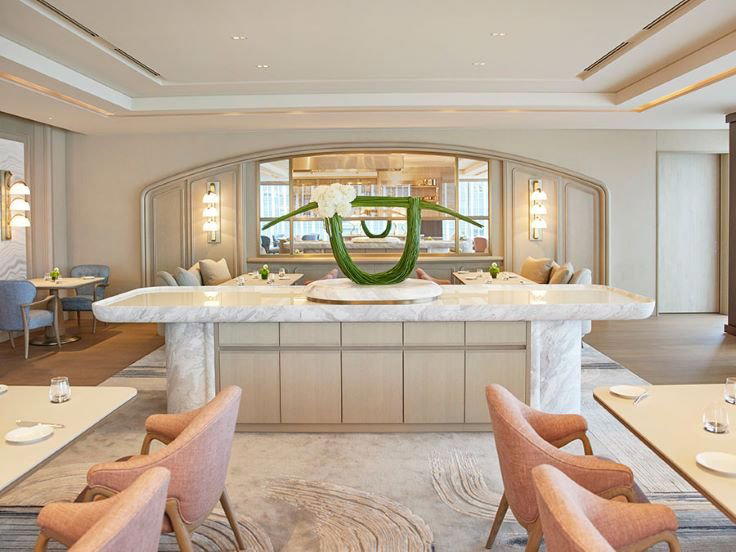
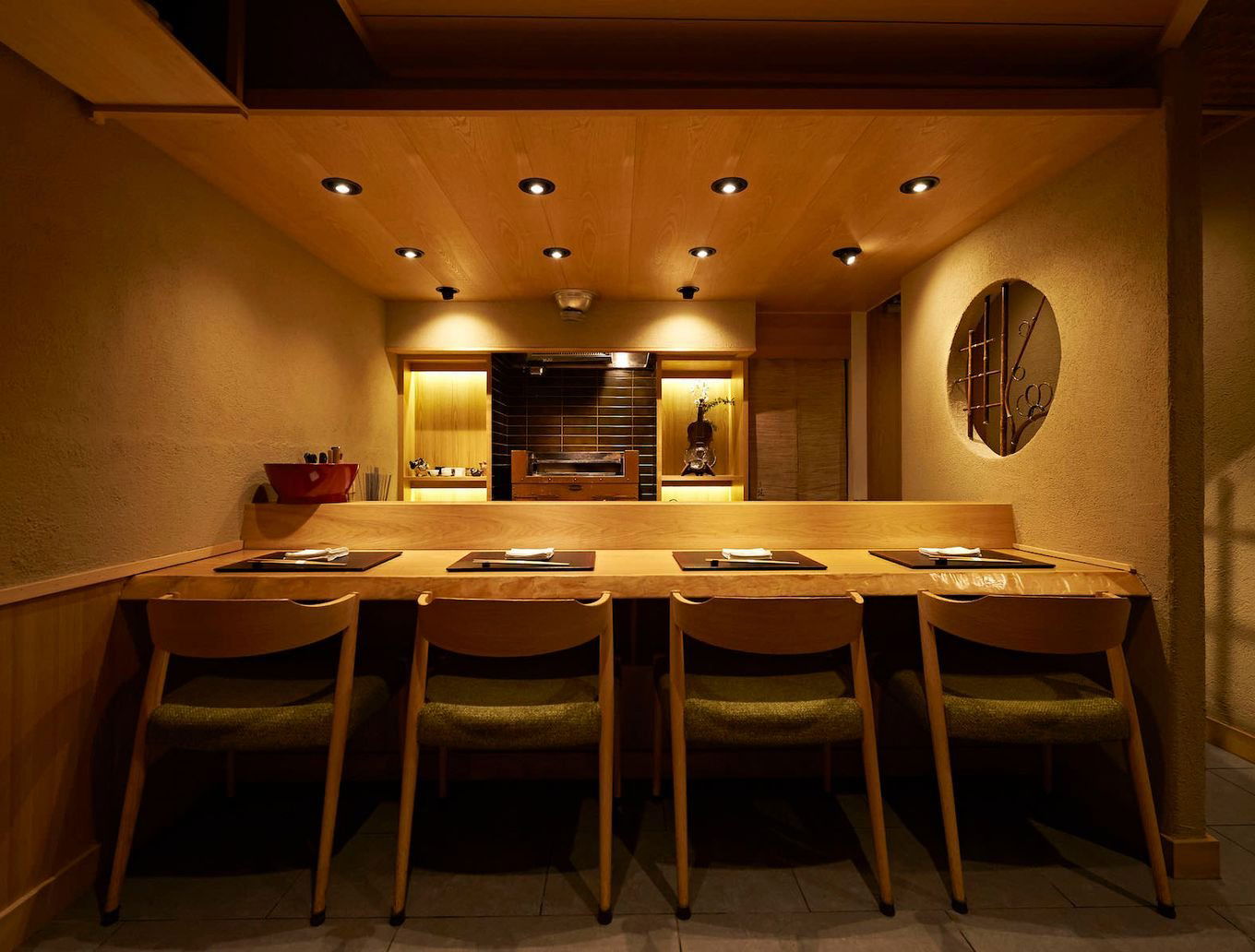
Warm and welcoming atmosphere with traditional Japanese aesthetic; intimate counter seating with open kitchen allows guests to observe chef preparation; kimono-clad service staff and carefully selected colorful dinnerware enhance the refined yet approachable ambiance.
Tags
Vibe
Best For
Experience
Sourcing
Accessibility
At the Table
- Dress Code
- Smart Casual
- Noise Level
- Conversational
- Service Style
- Omakase Bar
- Meal Pacing
- Extended Experience
- Capacity
- Intimate
- Kitchen
- Traditional
- Menu Format
- Omakase, Counter dining, Prix fixe
- Wine Program
- Deep wine list
- Drinks Focus
- Wine, Sake
- Dietary
- Allergy accommodating
- Private Dining
- Available
Signature Dishes
- Wagyu sushi (niku-zushi)
- Wagyu katsu sandwich
- Chateaubriand
- Sukiyaki hot pot
- Wagyu sashimi
Know before you go
Know Before You Go
- Getting there
- 中央区銀座1丁目14−6 Vort銀座 briller 7F, 1 Chome-14-6 Ginza, Chuo City, Tokyo 104-0061, Japan
Planning details
Hours
- Monday
- 5–11:30 pm
- Tuesday
- 5–11:30 pm
- Wednesday
- 5–11:30 pm
- Thursday
- 5–11:30 pm
- Friday
- 5–11:30 pm
- Saturday
- 5–11:30 pm
- Sunday
- Closed
Location
中央区銀座1丁目14−6 Vort銀座 briller 7F, 1 Chome-14-6 Ginza, Chuo City, Tokyo 104-0061, Japan · Directions
Recognition and awards

Also consider
Also Consider
- Harutaka, Sushi, ¥¥¥¥
- L'Effervescence, French, ¥¥¥¥
- RyuGin, Kaiseki, Japanese, ¥¥¥¥
- HOMMAGE, Innovtive French, French, ¥¥¥¥
- Crony, Innovative, French, ¥¥¥¥
Restaurant context
At ¥33,000–¥38,000 per person, Oniku Karyu sits in the same price bracket as Tokyo's most serious tasting-menu restaurants, which makes the comparison question direct: is a beef-focused fixed course the right use of your top-tier dinner slot in Tokyo? Against RyuGin, which applies similar technical rigour across a full kaiseki programme with seasonal produce as the organising principle, Oniku Karyu is narrower in scope but more focused in its intent, if Wagyu is your priority, Karyu wins. If you want breadth across Japanese ingredients and technique, RyuGin is the stronger choice. Both hold consistent award recognition and operate at similar price levels.
Against Harutaka (sushi, ¥¥¥¥) and L'Effervescence (French, ¥¥¥¥), the framing shifts. Harutaka is the destination if fish and rice technique is what you are optimising for, the two restaurants are not really competing for the same diner on the same night. L'Effervescence and Crony represent Tokyo's French-influenced innovation tier; they are better choices if you want a broader modern tasting menu rather than a protein-led format. For a French-Japanese crossover, HOMMAGE occupies a different register again. Oniku Karyu is the clearest recommendation in the group specifically for meat-focused diners who want Japanese culinary framing rather than a Western steakhouse approach.
On booking difficulty, Oniku Karyu is rated easier to secure than several of its peers at this price level, which is a genuine advantage when planning a Tokyo trip with multiple high-demand dinners competing for the same calendar. The 20-seat capacity keeps the experience contained, but it also means availability is not as constrained as, say, a 10-seat counter at a heavily awarded sushi restaurant. Book two to three weeks out as a baseline, four weeks for weekend evenings during peak travel seasons.
Explore Tokyo
Around this place
Discover more on Pearl
Unlock the full Oniku Karyu guide in Pearl, including awards, comparisons, FAQs, planning details, and nearby places.
Compare Oniku Karyu
| Venue | Cuisine | Price | Booking Difficulty | Awards |
|---|---|---|---|---|
| Oniku Karyu | Beef | ¥¥¥¥ | Easy | 2026 Tabelog Bronze · #1672026 OAD Top Restaurants in Japan Recommended2026 Michelin 1 Star2025 OAD Top Restaurants in Japan Ranked · #3172025 Black Diamond 1 Diamond2025 Tabelog Bronze2024 OAD Top Restaurants in Japan Ranked · #3292024 Michelin 1 Star2023 OAD Top Restaurants in Japan Highly Recommended |
| Harutaka | Sushi | ¥¥¥¥ | Unknown | 2026 Tabelog Silver · #312026 OAD Top Restaurants in Japan Ranked · #1282026 Michelin 3 Stars2026 La Liste Top RestaurantsTabelog 100 - Sushi - TOKYO - 2025 · #372025 Asia's 50 Best Restaurants · #762025 OAD Top Restaurants in Japan Ranked · #1172025 La Liste Top Restaurants2025 Tabelog Bronze |
| L'Effervescence | French | ¥¥¥¥ | Unknown | 2026 Tabelog Silver · #682026 OAD Top Restaurants in Japan Ranked · #103Star Wine Lists 20262026 Black Pearl 2 Diamond2026 Relais Chateaux Restaurants2026 La Liste Top Restaurants2026 Michelin 3 Stars2025 Asia's 50 Best Restaurants · #692025 OAD Top Restaurants in Japan Ranked · #92 |
| RyuGin | Kaiseki, Japanese | ¥¥¥¥ | Unknown | 2026 OAD Top Restaurants in Japan Ranked · #802026 Tabelog Bronze · #3772026 Michelin 3 Stars2026 La Liste Top RestaurantsTabelog 100 - Japanese cuisine - TOKYO - 2025 · #212025 OAD Top Restaurants in Japan Ranked · #542025 Michelin 3 Stars2025 La Liste Top Restaurants2025 The Best Chef Three Knives |
| HOMMAGE | Innovtive French, French | ¥¥¥¥ | Unknown | 2026 Tabelog Bronze · #1232026 OAD Top Restaurants in Japan Highly Recommended2026 Michelin 2 StarsTabelog 100 - French - TOKYO - 2025 · #762025 Asia's 50 Best Restaurants · #782025 OAD Top Restaurants in Japan Ranked · #1752025 Michelin 2 Stars2025 The Best Chef One Knife2025 La Liste Top Restaurants |
| Crony | Innovative, French | ¥¥¥¥ | Unknown | 2026 Asia's 50 Best Restaurants · #34Star Wine Lists 20262026 OAD Top Restaurants in Japan Recommended2026 Michelin 2 Stars2025 Asia's 50 Best Restaurants · #30Tabelog 100 - French - TOKYO - 2025 · #782025 OAD Top Restaurants in Japan Ranked · #227We're Smart World Top Restaurants 20252025 Michelin 2 Stars |











Side-by-side comparison to help you decide where to book.
FAQ
Frequently Asked Questions
What are alternatives to Oniku Karyu in Tokyo?
Oniku Karyu is a premium beef-focused restaurant in Tokyo, and diners looking more broadly can compare it with other Tokyo dining rooms by cuisine, price level, and reservation availability.
Is lunch or dinner better at Oniku Karyu?
Dinner is the service window. Oniku Karyu is open Monday through Saturday from 5:00 PM to 11:30 PM and is closed on Sunday. The schedule does not include lunch hours.
What should I wear to Oniku Karyu?
The dress code is smart casual. Given the ¥¥¥¥ price level, polished dinner attire is a safe choice.
Is the tasting menu worth it at Oniku Karyu?
For a specific tasting-menu format, confirm the current menu and pricing directly before booking. Oniku Karyu is a beef-focused, ¥¥¥¥ restaurant in Tokyo led by chef-owner Haruka Katayanagi, with 2026 Tabelog Bronze recognition.
How far ahead should I book Oniku Karyu?
Because Oniku Karyu is a premium Tokyo restaurant, it is sensible to check availability in advance and confirm the current reservation process directly with the venue.
What should I order at Oniku Karyu?
The cuisine category is beef. For specific dishes and menu structure, check the current offering with the restaurant when you reserve.
Is Oniku Karyu good for a special occasion?
It can be a strong fit if you want a premium beef-focused dinner in Tokyo. The price level is ¥¥¥¥, the dress code is smart casual, and the restaurant is led by chef-owner Haruka Katayanagi.