

Torisaki
Yakitori · Nakagyō, Kyoto
Restaurant in Kyoto, Japan
 Book with Pearl
The Read
Precision Skewer Counter
Price
$100–150per person
Dress
Smart Casual
Why go
The only Michelin one-star yakitori restaurant in Kyoto, Torisaki combines Fukushima brand-name chicken and counter-style grilling in a traditional machiya in Nakagyo. At JPY 15,000–19,999 per head, it delivers starred-level precision at a fraction of comparable kaiseki prices. Book four to six weeks out minimum — 19 seats, reservation only, closed Sundays.
About Torisaki
Verdict: Book It, But Expect to Work for the Reservation
Torisaki is the only Michelin one-star yakitori restaurant in Kyoto, and it has held a Tabelog Bronze Award for three consecutive years (2024, 2025, 2026) with a score of 4.25. That combination of credentials at a dinner price of JPY 15,000–19,999 per head (before the 12% service charge) represents serious value for a starred experience in a city where kaiseki at equivalent recognition levels routinely runs two to three times that. If grilled chicken skewers feel like an unlikely vessel for a special-occasion dinner, that instinct is worth reconsidering. Book here, but plan at least four to six weeks ahead.
A Nakagyo Anchor in a City of Kaiseki
Kyoto's dining identity is built around kaiseki, and the restaurants that define the city's international reputation — multi-course temples of seasonal precision — tend to cluster around Gion and Higashiyama. Torisaki operates in a different register entirely. It sits in Nakagyo Ward, roughly two minutes on foot from Karasuma Oike Station (Karasuma and Tozai subway lines), which puts it in the practical, working heart of the city rather than its tourist-facing cultural quarter. That location matters: this is a restaurant drawing locals and serious diners rather than visitors ticking off a heritage neighborhood.
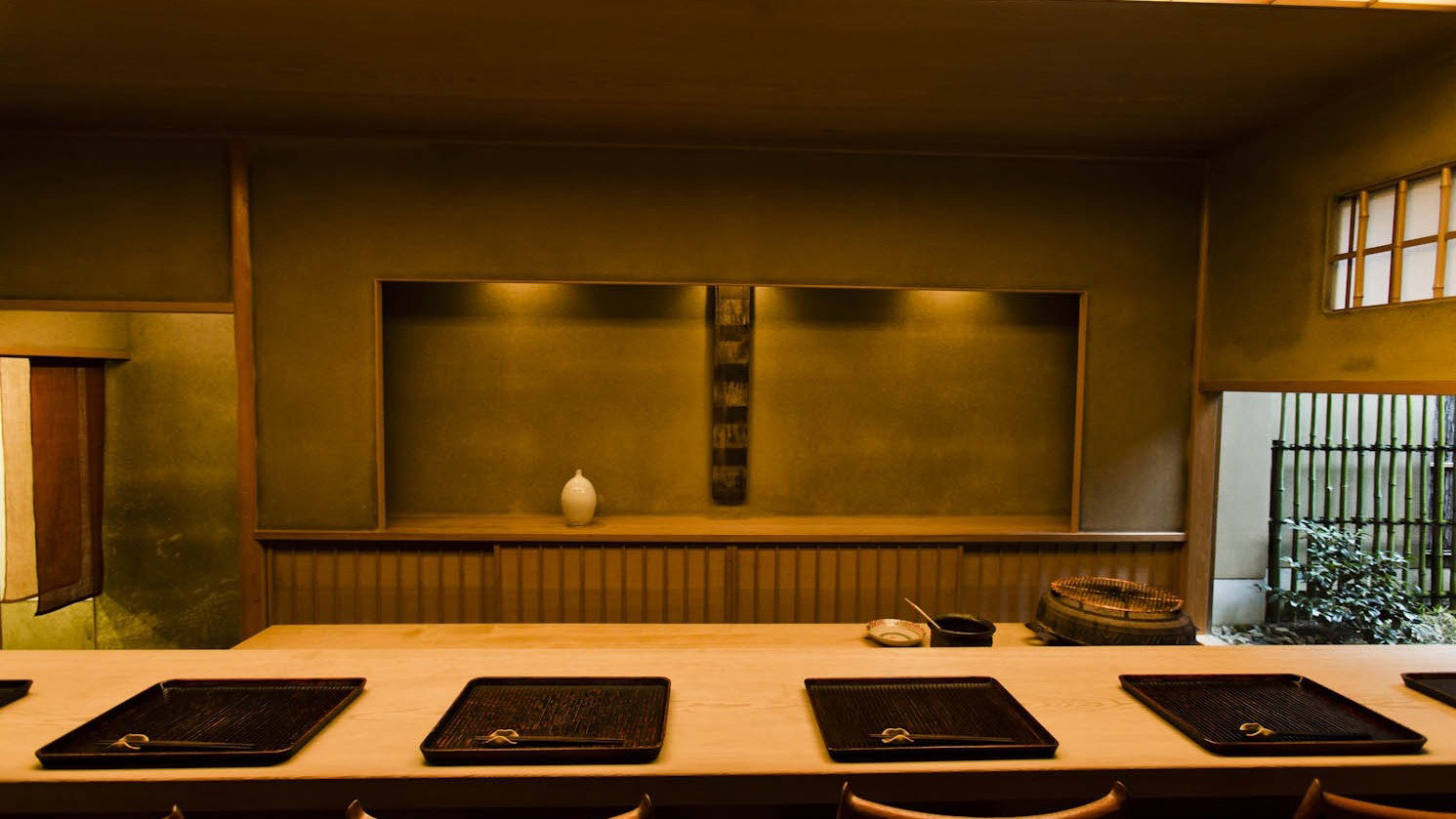
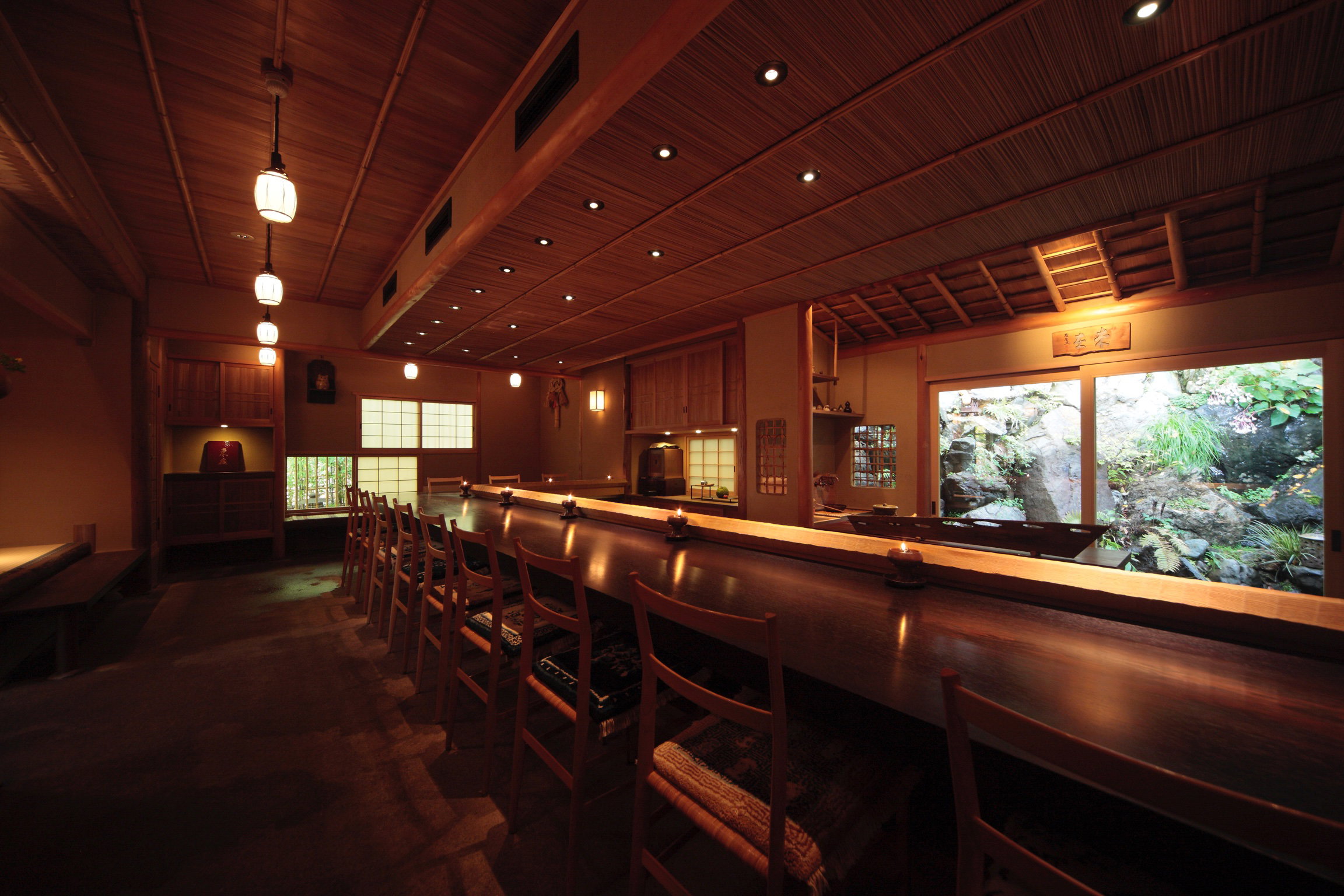
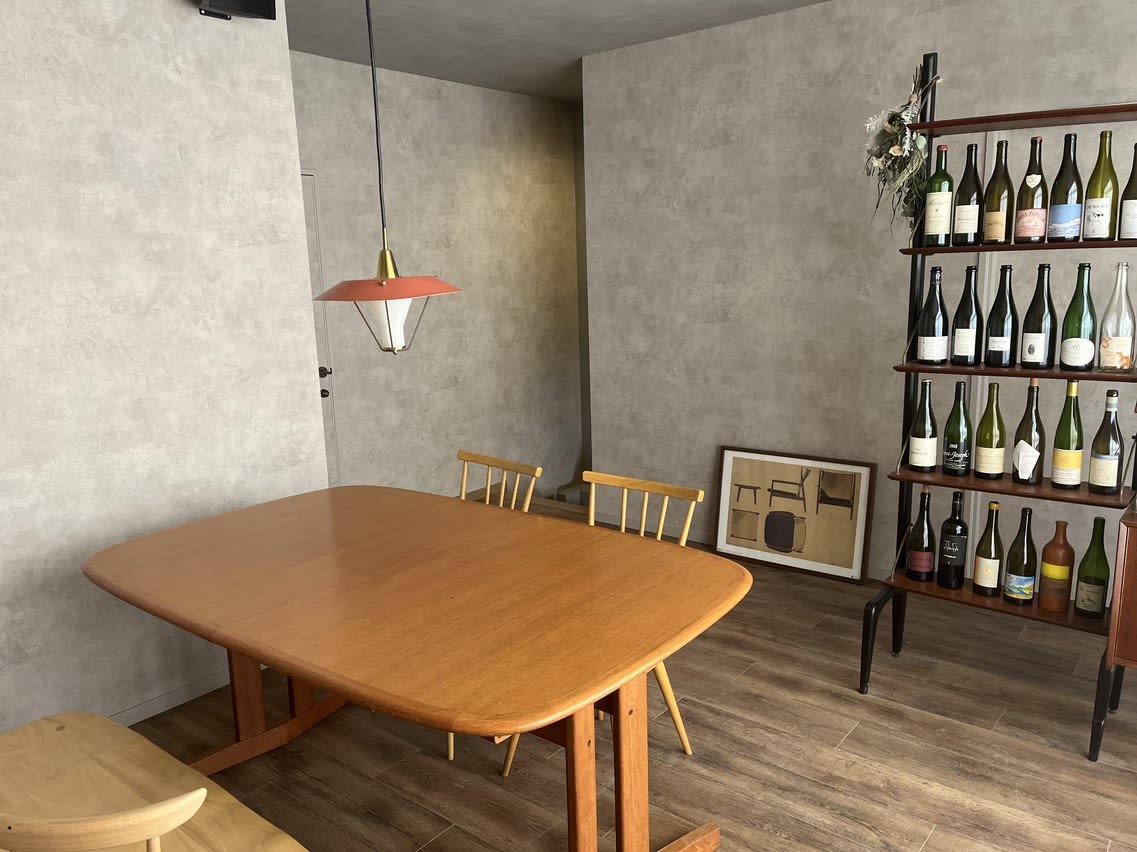
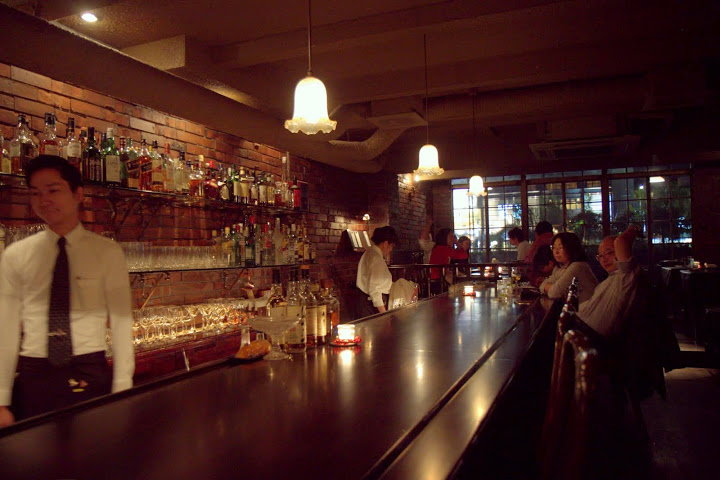
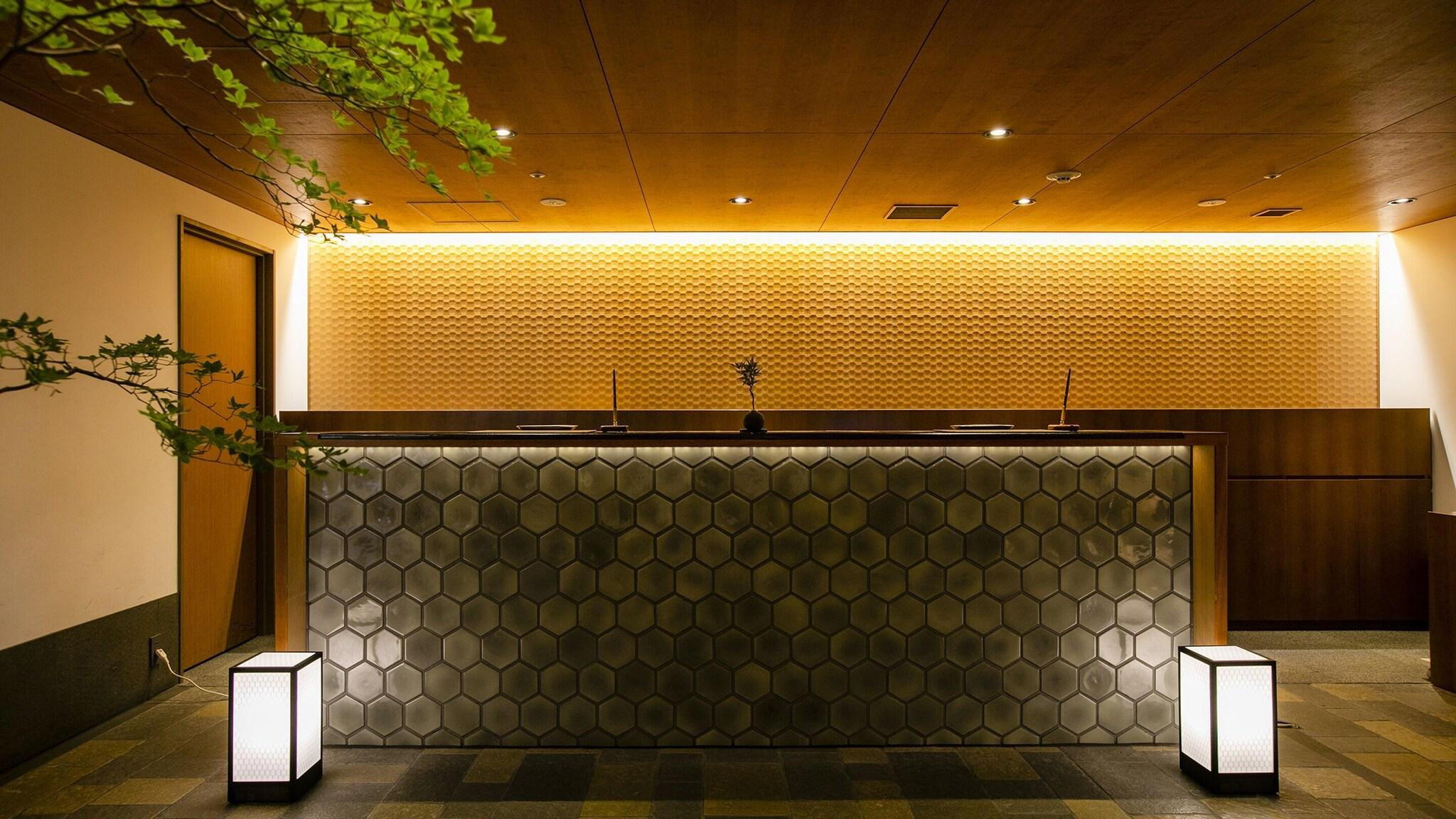
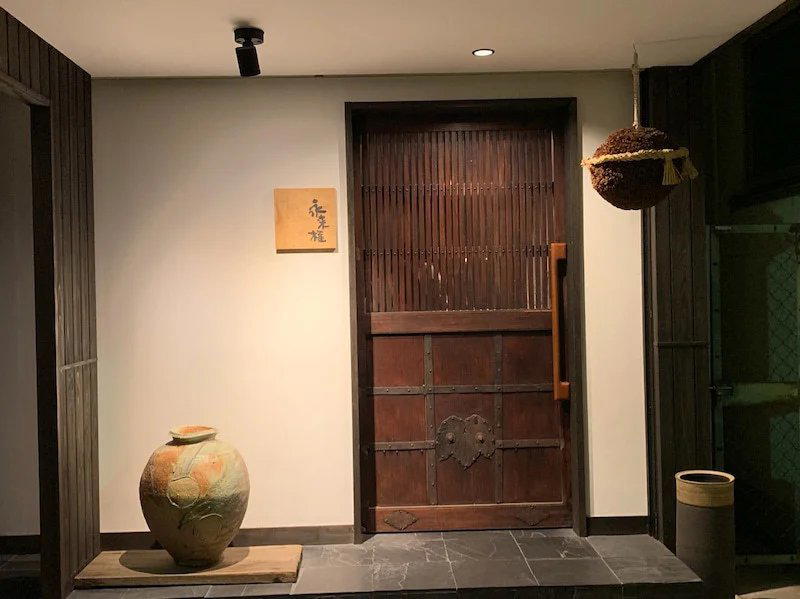
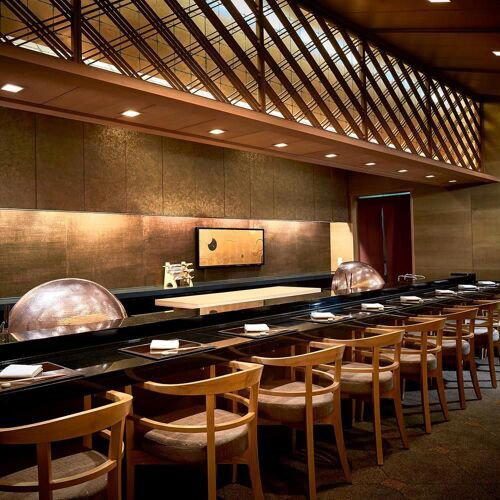
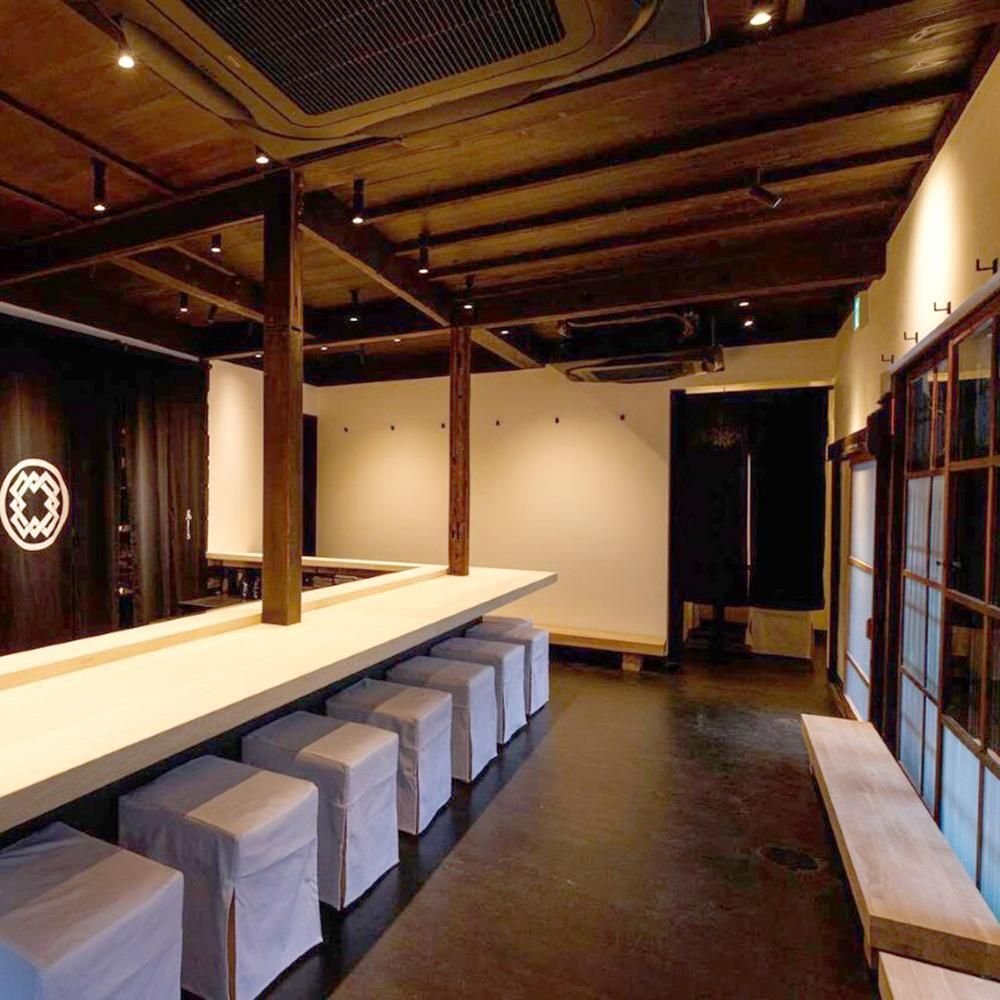
The setting reinforces it. Torisaki occupies a machiya, a traditional Kyoto townhouse, and the interior reads as quietly nostalgic rather than designed-for-Instagram. Fifteen counter seats face the grill; a four-person private room sits separately. The cooks work in twisted headbands (hachimaki), which the venue's own description calls a cheerful welcome. It's a room that rewards attention: you're watching a craft being executed at close range, not browsing a designed atmosphere. If you've been once and chose the counter, the private room is worth requesting on a return visit for a different pace, though the counter is the better seat for watching the work.
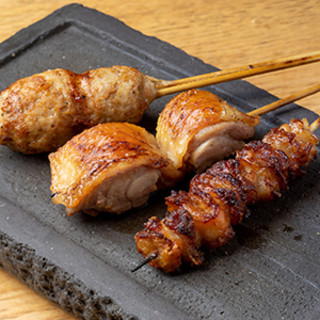
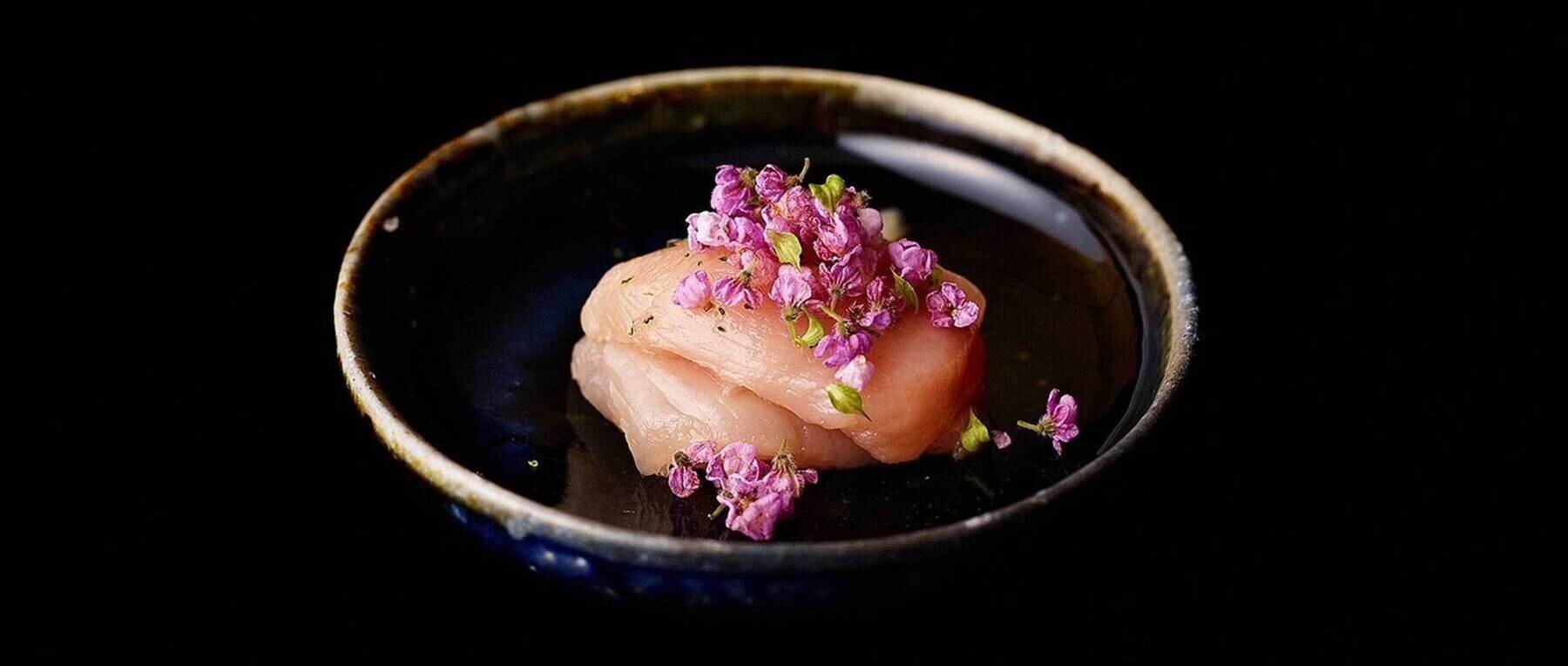
The name encodes the restaurant's intent: a contraction of yakitori no saki, meaning the future of yakitori. That framing is not decorative. Torisaki uses brand-name chicken sourced from Fukushima, a choice that signals the same ingredient-led conviction you'd expect from a kaiseki kitchen. The signature preparation, a skewer pairing liver with chochin (the unlaid egg cluster found near a hen's ovaries), has become the calling card of the restaurant precisely because the two components amplify each other. It's the dish to orient your meal around if you're returning.
Torisaki opened in November 2019, which means it achieved Michelin recognition and consecutive Tabelog Top 100 placements (every year from 2021 through 2025) within a very compressed window. For a restaurant that seats just 19 people across a counter and one private room, that trajectory reflects consistent execution rather than novelty buzz. The Tabelog Yakitori WEST Top 100 designation, held every year it has been eligible, places it among the leading yakitori restaurants across the entire Kansai region, not just Kyoto.
For context on where Torisaki sits within the wider Kansai yakitori circuit: comparable Osaka alternatives worth knowing include Ichimatsu and Torisho Ishii. Within Kyoto itself, the yakitori options with similar seriousness include Hiiragitei, Sumiyakisosaitoriya Hitomi, Torisho Sai, and Yakitori Kyoto Tachibana, none of which carry a Michelin star. That distinction puts Torisaki in a category of one for this format in the city.
Timing and Booking Reality
The restaurant operates Monday through Saturday, 18:00 to 21:00. It is closed Sundays and during the year-end and New Year holidays. With only 19 seats total and a reservation-only policy from 18:00, there is no walk-in path. Demand for the counter seats in particular is high. Booking difficulty is assessed as hard: plan well in advance, and if you're traveling from abroad, confirm your method of reservation before your trip (phone: +81-75-252-6789; credit cards accepted including Visa, Mastercard, JCB, Amex, and Diners). There is no official website, so Tabelog is the primary reference point for availability checks.
On timing within a Kyoto trip: a Monday or Tuesday evening early in a visit makes strategic sense. It frees the back half of your trip for spontaneity, and midweek evenings at a counter restaurant tend to run at a slightly more relaxed pace than Fridays or Saturdays. Avoid scheduling it as the last dinner of a trip if you're at risk of travel delays, there's no easy fallback at this level in Kyoto on short notice.
Practical Details
Budget: JPY 15,000–19,999 per head (dinner); review data suggests some guests spend up to JPY 20,000–29,999 once drinks are added. Service charge: 12% added to the bill. Dress: Smart casual. Reservations: Required; reservation only, from 18:00. Phone +81-75-252-6789. No official website. Seats: 19 total, 15 counter, one private room for four. Private hire: Available for up to 20 people. Drinks: Sake, shochu, wine. Payments: Credit card only (Visa, Mastercard, JCB, Amex, Diners); no electronic money or QR code payments. Smoking: Non-smoking throughout. Getting there: Two minutes on foot from Karasuma Oike Station (Karasuma Line and Tozai Line). No parking available.
For more on where Torisaki fits within the wider city, see our full Kyoto restaurants guide. If you're building a broader Kyoto trip around serious eating, our Kyoto hotels guide, bars guide, wineries guide, and experiences guide cover the full picture. For starred dining elsewhere in the region, HAJIME in Osaka and Goh in Fukuoka are worth holding alongside this booking. Further afield, Harutaka in Tokyo, akordu in Nara, 1000 in Yokohama, and 6 in Okinawa round out the national picture for destination-level dining.
Planning details
- Location
- 292-1 Takoyakushicho, Nakagyo Ward, Kyoto, 604-0021, Japan
- Reservations
- Book on the venue's website
- Website
- instagram.com/torisaki_kyoto/?hl=ja
- Phone
- +81 75-252-6789
The take
The Take
The Vibe
Torisaki pairs the intimacy of a traditional Kyoto machiya with the focused discipline of Michelin-level yakitori. The dark-timbered, narrow interior and a single long counter make the room feel domestic and quietly theatrical: you watch charcoal and skewers rather than a printed menu set the evening’s rhythm. The cooks’ twisted headbands and the sight of the grill in operation create a workshoplike atmosphere that reads sophisticated rather than performative. The overall effect is historic and charming, stylish and relaxing—an elevated but unpretentious counter experience anchored in Kyoto’s architectural and culinary traditions.
Best For
This is primarily an evening destination for diners who want a focused, grill-led meal at the counter. Seating is limited—15 at the main counter and a private room for four—so it suits solo diners who enjoy front-row cooking, couples looking for an intimate night out, and small groups that can use the private room. The Michelin recognition and the disciplined approach to yakitori make it a good choice for occasions that call for something special without kaiseki formality, where the pace is set by the chef rather than a fixed tasting menu.
Ordering Tips
Trust the counter rhythm: the description emphasizes that the pace is set by the cook rather than a printed menu, so let the chefs guide the sequence of skewers. Expect a sequence centered on charcoal-grilled chicken—signature items like chochin, kashiwa and tsukune are natural choices—and pairings that lean toward sake and shochu, as the beverage angle is framed around those categories. If you’re a small party of four and prefer privacy, book the single private room; otherwise aim for a counter seat to watch the grill and the cooks at work.
Venue details
Ambiance
Dim warm lighting in a minimalist restored townhouse with pale-wood U-shaped counter overlooking a small garden.
Tags
Vibe
Best For
Experience
Sourcing
View
At the Table
- Dress Code
- Smart Casual
- Noise Level
- Quiet
- Service Style
- Upscale Casual
- Meal Pacing
- Leisurely
- Capacity
- Intimate
- Kitchen
- Traditional
- Menu Format
- Omakase, Counter dining
- Wine Program
- Curated
- Drinks Focus
- Sake
- Private Dining
- Available
Signature Dishes
- chochin
- kashiwa
- tsukune
Know before you go
Know Before You Go
- Getting there
- 292-1 Takoyakushicho, Nakagyo Ward, Kyoto, 604-0021, Japan
Planning details
Location
292-1 Takoyakushicho, Nakagyo Ward, Kyoto, 604-0021, Japan · Directions
Recognition and awards
Also consider
Also Consider
- Gion Sasaki, Kaiseki, Japanese, ¥¥¥¥
- cenci, Italian, ¥¥¥
- Ifuki, Kaiseki, ¥¥¥¥
- Kyokaiseki Kichisen, Japanese, ¥¥¥¥
- Kyo Seika, Chinese, ¥¥¥
Restaurant context
Torisaki sits at ¥¥¥ with a Michelin star and a Tabelog score of 4.25, which makes it an outlier in Kyoto's top-tier dining circuit. Most restaurants operating at this recognition level in the city are kaiseki houses charging ¥¥¥¥ and up: Gion Sasaki and Ifuki both sit in that tier, as does Kyokaiseki Kichisen, which operates at the highest price level in the city. If your decision comes down to value per recognition level, Torisaki wins that comparison outright: the yakitori format allows serious ingredient investment and technical precision at a lower absolute price than a full kaiseki progression.
The more relevant question is format preference. Kaiseki at Gion Sasaki or Ifuki is a different kind of meal, longer, more ceremonial, built around seasonal Japanese ingredients across many courses. Torisaki is focused and fast-moving: grilled chicken skewers, a counter, a 15,000–19,000 yen meal that runs two to three hours. If you want Kyoto's full kaiseki experience, book one of the kaiseki houses for one night and Torisaki for another, they don't compete so much as occupy different positions. For one dinner only, Torisaki is the easier booking to justify on value grounds. Cenci is a ¥¥¥ Italian option that offers a different register again, worth considering if your group is split between Japanese and European formats, but not a direct substitute for starred yakitori.
On booking difficulty, all five comparison venues require advance planning in Kyoto's competitive reservation environment. Torisaki's 19-seat capacity makes it the tightest of the group; Kyokaiseki Kichisen is similarly difficult and more expensive. If you're visiting Kyoto for the first time and want to guarantee at least one top-tier reservation, Torisaki's combination of achievable (with planning), starred, and price-accessible makes it the strongest single booking in the yakitori category. See our full Kyoto restaurants guide for the complete picture across all formats.
Explore Kyoto
Around this place
Discover more on Pearl
Unlock the full Torisaki guide in Pearl, including awards, comparisons, FAQs, planning details, and nearby places.
FAQ
Frequently Asked Questions
Is the tasting menu worth it at Torisaki?
Yes, at JPY 15,000–19,999 per head before drinks, it sits at the high end of yakitori anywhere in Japan — but the credentials back it up: Michelin one star and consecutive Tabelog Bronze Awards from 2024 through 2026 with a score of 4.25. The liver-and-chochin skewer is documented as a signature item. Budget closer to JPY 20,000–29,000 once sake or wine is added, and factor in the 12% service charge.
Is Torisaki good for a special occasion?
Yes, with caveats on group size. The 15-seat counter is the full experience, but there is one private room for exactly four people — making it a good fit for a birthday dinner for four or a business dinner where privacy matters. For parties larger than four, the restaurant can be booked for exclusive use up to 20 people. Dress code is smart casual, the space is described as stylish and relaxing, and as the only Michelin-starred yakitori in Kyoto, it carries a clear occasion-dining credential.
What should a first-timer know about Torisaki?
Reservations are by phone only and accepted from 18:00 — there is no walk-in option and no website for online booking. Service runs Monday through Saturday, 18:00 to 21:00, and the restaurant is closed Sundays and over year-end holidays. With 19 seats total, availability is tight; calling well in advance is essential. Credit cards are accepted (Visa, Mastercard, JCB, Amex, Diners), but electronic money and QR code payments are not.
What are alternatives to Torisaki in Kyoto?
For special-occasion dining in Kyoto at a comparable or higher price point, Kyokaiseki Kichisen represents the city's kaiseki ceiling, while Gion Sasaki offers inventive Japanese cuisine with a strong counter-dining format. Cenci takes a Japanese-European approach at a similar spend. For something more focused and lower in price, Ifuki and Kyo Seika are worth considering — but none of them offer Michelin-starred yakitori, which is the specific category Torisaki owns in Kyoto.
Can I eat at the bar at Torisaki?
Yes — 15 of the 19 seats are counter seats, so counter dining is the default experience here, not an afterthought. The one private room seats four. Torisaki is best approached as a counter-first venue where watching the grill is part of the format.