


Sumiyakisosaitoriya Hitomi
Yakitori · Sakyō, Kyoto
Restaurant in Kyoto, Japan
 Book with Pearl
The Read
Multi-Source Yakitori Precision
Price
$50–100per person
Chef
Hitomi
Dress
Casual
Why go
Sumiyakisosaitoriya Hitomi is a Michelin Bib Gourmand yakitori counter in Kyoto's Sakyo Ward, recognised in both 2024 and 2025. At a single-¥ price tier, it is the most accessible formally validated yakitori option in the city. Book for a date or small celebration if you want genuine counter warmth and technical care without a ¥¥¥¥ commitment.
About Sumiyakisosaitoriya Hitomi
The Verdict
Book Sumiyakisosaitoriya Hitomi. This is the yakitori counter in Kyoto's Sakyo Ward that earns its Michelin Bib Gourmand, two years running, 2024 and 2025, while keeping prices at the single-¥ tier. If you want to understand what separates a considered yakitori dinner from a casual skewer session, this is the right room. The owner-chef Hitomi runs the counter with enough warmth to make a solo diner feel welcome and enough technical care to hold the attention of anyone who takes the format seriously. For a special occasion meal that does not require a ¥¥¥¥ budget, very few options in Kyoto compete directly.
The Counter Experience
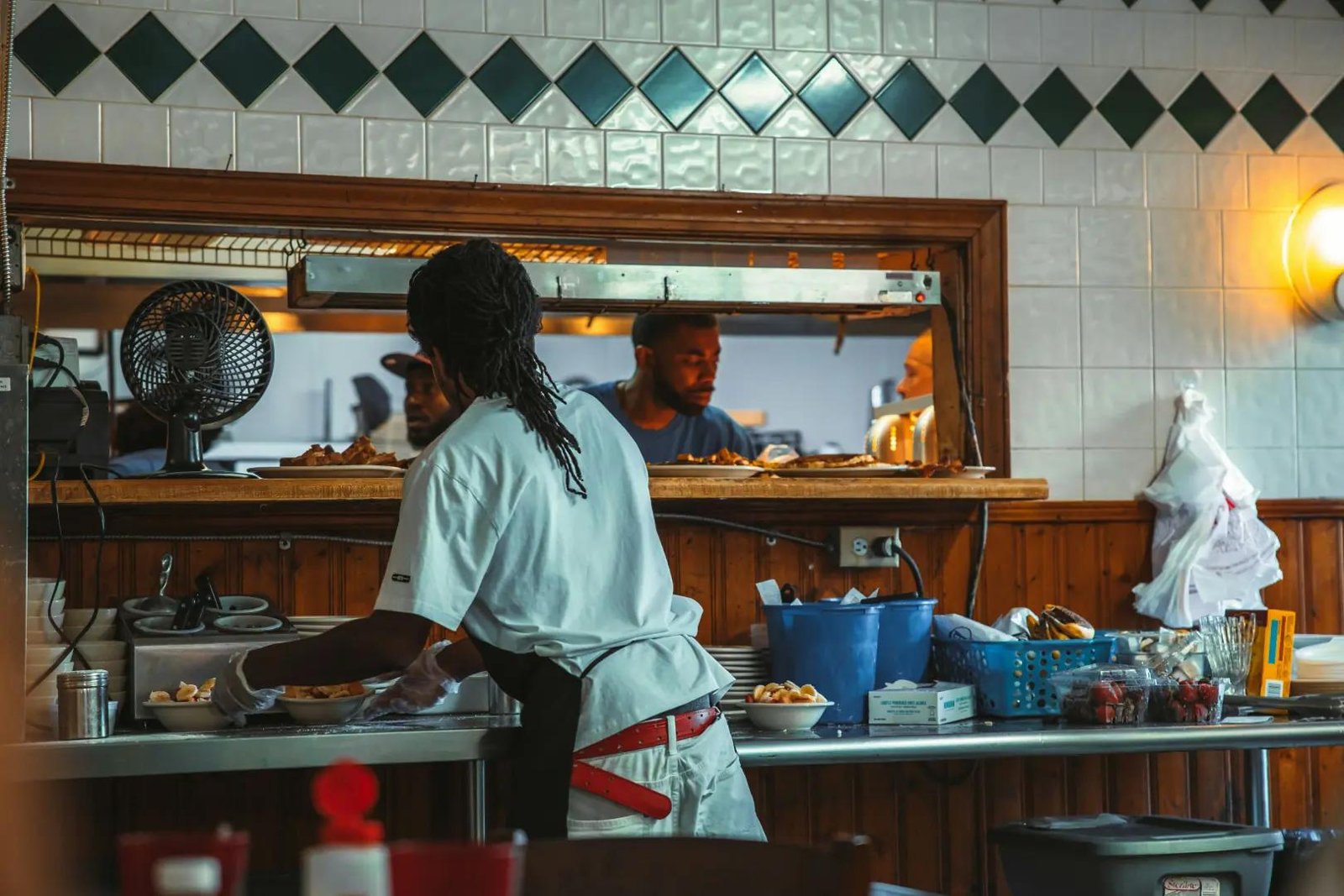
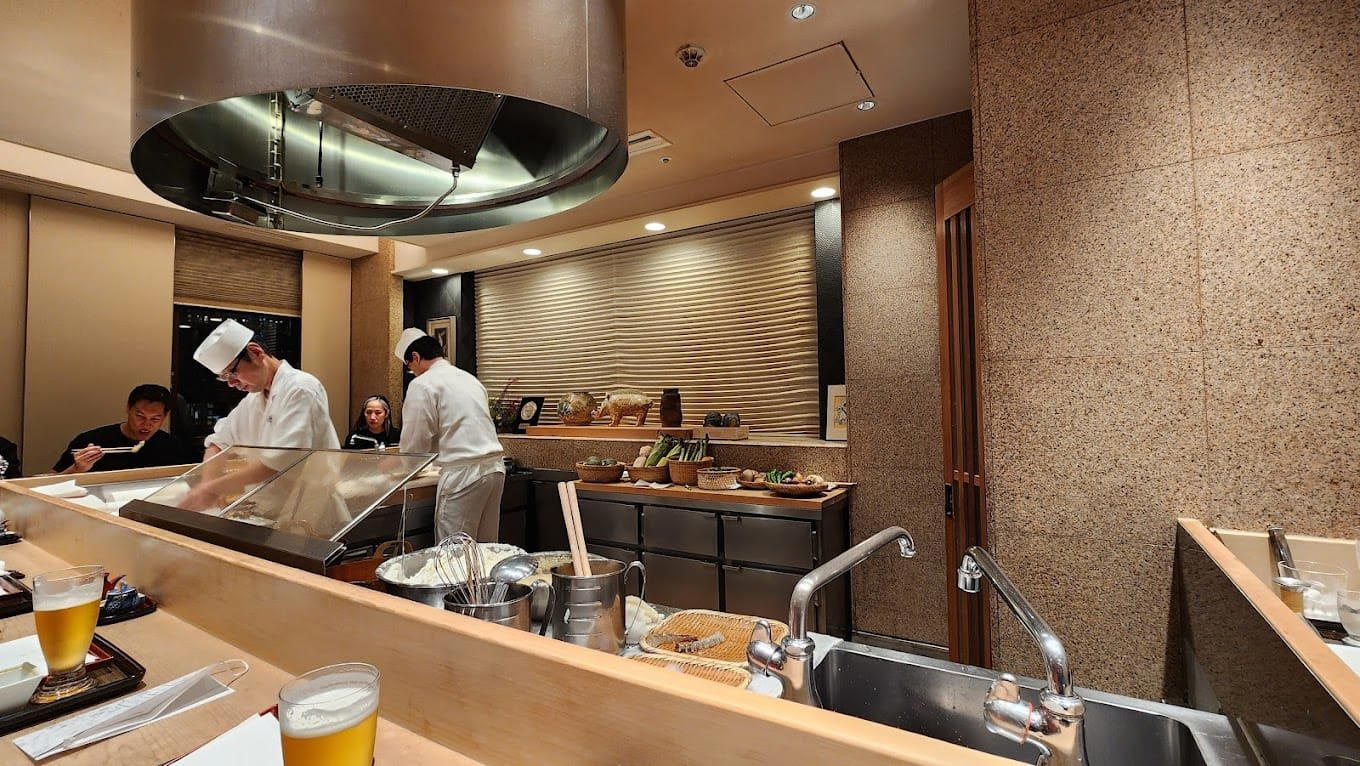
The counter is the reason to come here. At a yakitori counter, the geography of the meal matters: you are seated directly in the chef's line of work, watching the timing of each skewer, reading the fire, and receiving dishes in a sequence that the chef controls. At Sumiyakisosaitoriya Hitomi, that proximity carries a specific texture. The room runs busy every evening, per the Michelin record, and the energy is warm rather than reverential, closer to a neighbourhood izakaya at full tilt than a silent omakase chamber. That distinction matters for planning. If you want hushed, austere atmosphere, look elsewhere. If you want the kind of counter where the chef acknowledges you, where student staff move with good-natured efficiency, and where the whole room feels genuinely inhabited, this delivers.
The atmosphere is lively, which means conversation is possible but the room carries noise. For a date or a low-key celebration with a friend who appreciates food, that energy works well. For a business dinner requiring a quiet, controlled setting, consider whether the ambient volume fits your purpose before booking. The convivial register here is part of the offer, not a shortcoming, but it is worth knowing before you arrive.
What's on the Menu
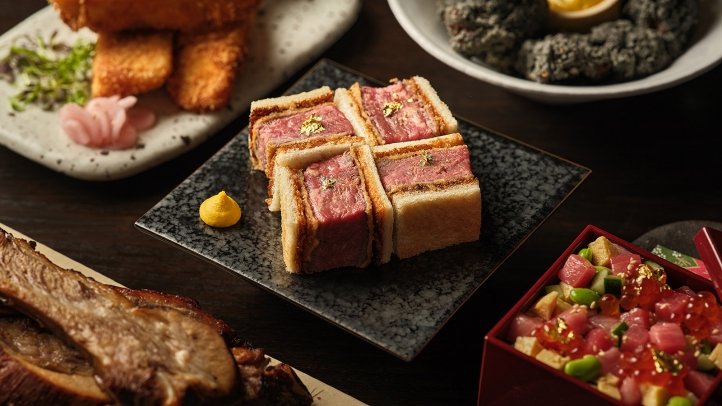
Michelin record describes a menu that spans spring chicken, locally raised chicken, and brand-name chicken across an extensive range of cuts, a signal that the kitchen treats sourcing and specificity as core commitments rather than marketing. The breadth of cut selection matters practically: diners who prefer leaner skewers, fattier cuts, or organ preparations will find genuine range rather than a short, undifferentiated list. Salt is the dominant seasoning approach, used to draw out individual flavour rather than mask it, which means the quality of the chicken itself is carrying most of the weight. That is a stylistic choice with implications: the food rewards attention and rewards diners who want to taste the ingredient.
Because this sits in the ¥ price tier, a full evening at the counter should be accessible without the commitment a ¥¥¥¥ kaiseki dinner demands. For context on what Bib Gourmand positioning means at this level: the award specifically recognises good food at moderate prices, making it a more useful signal for value-seekers than a Michelin star, which measures culinary ambition without reference to cost.
Planning Your Visit
Know Before You Go
- Location: 96 Okikucho, Sakyo Ward, Kyoto, 606-8376, Japan
- Price tier: ¥, among the most accessible Bib Gourmand options in Kyoto
- Awards: Michelin Bib Gourmand 2024 and 2025
- Booking difficulty: Easy, but the restaurant is busy every evening; confirm a reservation rather than arriving without one
- Cuisine: Yakitori, counter-style, salted preparations, extensive chicken cuts
- Dress code: Not formally specified; smart casual is appropriate for a Bib Gourmand counter in Kyoto
- Leading for: Dates, small celebrations, solo diners, food-focused evenings at a lower price point
How It Compares
Compared to other yakitori specialists in Kyoto, Sumiyakisosaitoriya Hitomi sits alongside Torisaki, Hiiragitei, Torisho Sai, and Yakitori Kyoto Tachibana as part of the city's counter-skewer circuit. Among these, Hitomi's Bib Gourmand recognition two years in a row distinguishes it as the most formally validated option at this price point. For yakitori at a comparable level in Osaka, Ichimatsu and Torisho Ishii offer useful reference points if you are building a multi-city itinerary.
If you are deciding between Hitomi and Kyoto's kaiseki rooms for a special occasion dinner, the comparison turns on format and budget. Gion Sasaki at ¥¥¥¥ delivers a kaiseki experience at the top of the city's range, and Kyokaiseki Kichisen sits in the same tier. Hitomi costs a fraction of either and offers a different kind of intimacy, the counter interaction, the direct engagement with the chef, the democratic energy of a full room, that kaiseki's more formal setting does not replicate. If your occasion calls for ceremony and expense, kaiseki wins. If it calls for warmth and food you can lean into without overthinking the bill, Hitomi is the more practical answer.
For other celebrated dining across the Kansai region and beyond, HAJIME in Osaka operates at the opposite end of the ambition and price spectrum, while akordu in Nara offers a European-influenced option for diners building a wider Japan itinerary. See our full Kyoto restaurants guide for the complete picture, and our Kyoto hotels guide, bars guide, wineries guide, and experiences guide if you are planning a full stay.
Planning details
- Hours
- Monday: 6–11 PM · Tuesday: 6–11 PM
- Location
- 96 Okikucho, Sakyo Ward, Kyoto, 606-8376, Japan
- Reservations
- Book on the venue's website
- Phone
- +81 75-771-7818
The take
The Take
The Vibe
Sumiyakisosaitoriya Hitomi channels the classic Kyoto yakitori counter while feeling thoroughly alive. The room is defined by the sound and scent of cooking (bincho charcoal hissing, skewers turning and an overlapping hum of conversation) so the atmosphere is warm and immediate rather than ceremonious. The dining experience leans into skilled, fire-forward cooking in an informal setting: it feels handcrafted and grounded, not formal kaiseki, which gives the place a salty, convivial edge. The counter format keeps everything close: you can watch technique and timing as each skewer comes off the grill, which is central to the restaurant’s character.
Best For
Hitomi is built for evening dining when you want high craft without the ritual of kaiseki. Its recognition on the Bib Gourmand list signals strong value at the upper end of accessible yakitori, so it’s a reliable choice for marking an occasion without committing to a multi-hour progression. Weekday evenings are explicitly called out in the description, and the counter setting favors small parties or individuals who want direct engagement with the cooking. In short, it’s a dinner destination for people seeking refined charcoal-grilled chicken in a lively, unpretentious environment.
Ordering Tips
Approach ordering with the counter rhythm in mind: the kitchen works over bincho charcoal and skewers arrive as they are ready, so lean into the flow and prioritize a few standout items. Signature dishes to seek out include Ikkaku Yaki Totsujin, Thigh Tataki and Tsukune: choices that highlight Hitomi’s focus on chicken and grilling technique. Expect smoky flavors and close-up theatre at the grill; choosing to sit at the counter lets you time orders with the cooks and appreciate the craft that earned the place a Bib Gourmand mention.
Venue details
Ambiance
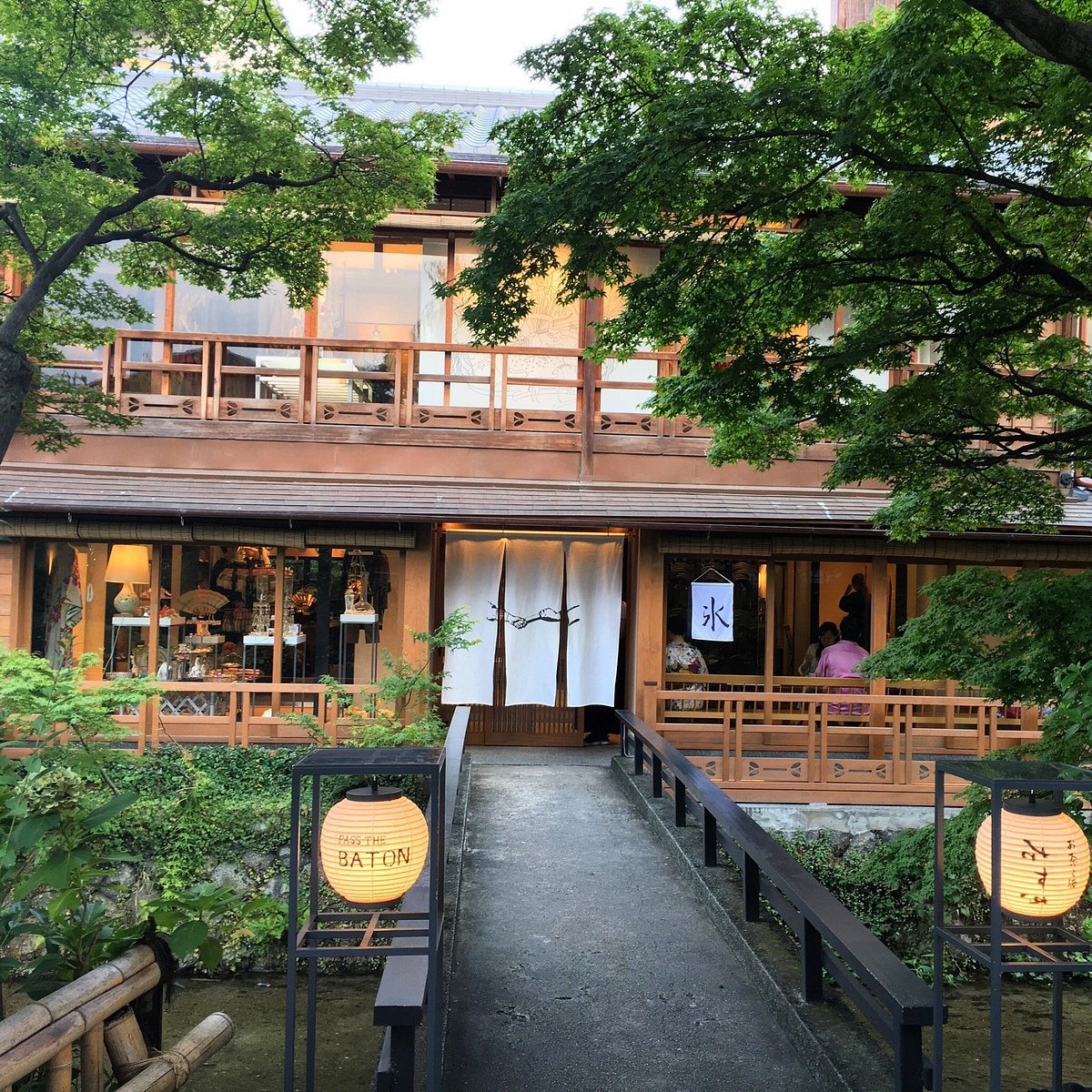
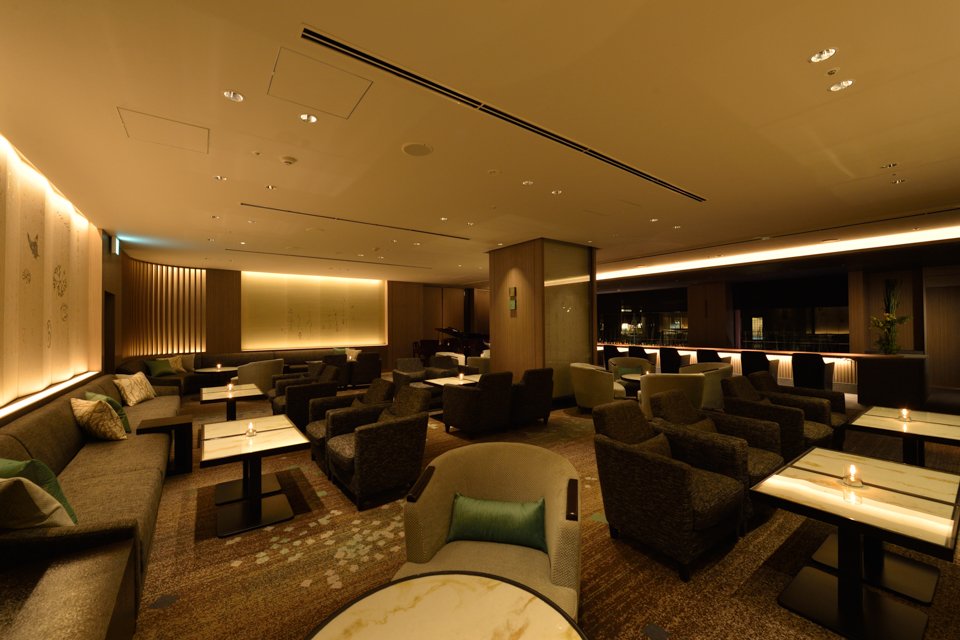
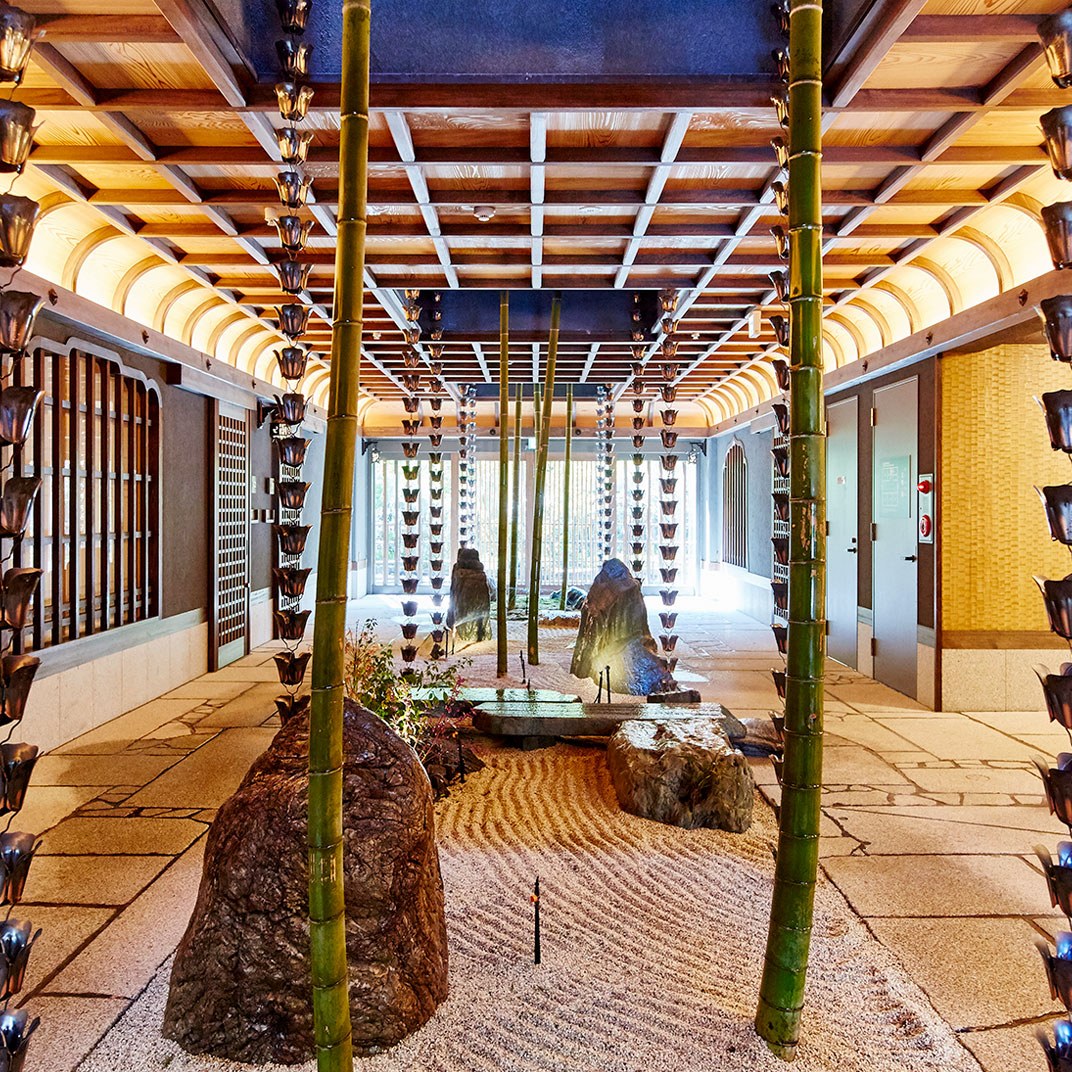
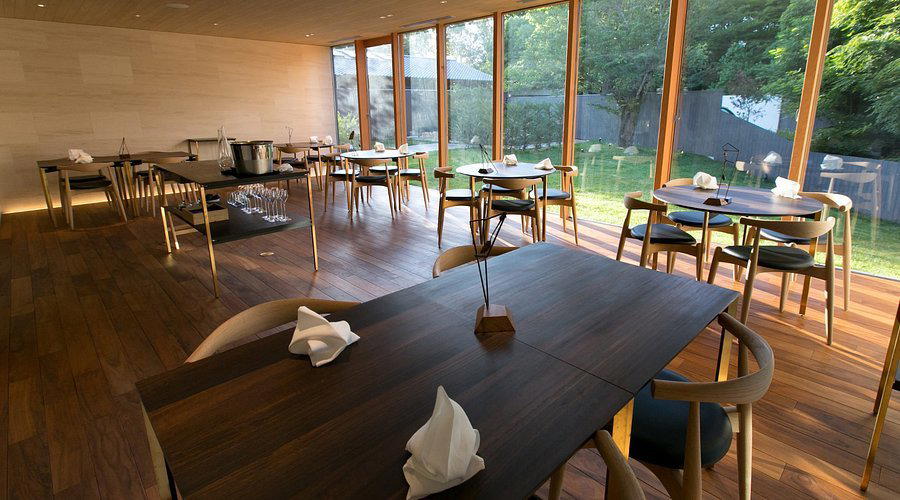
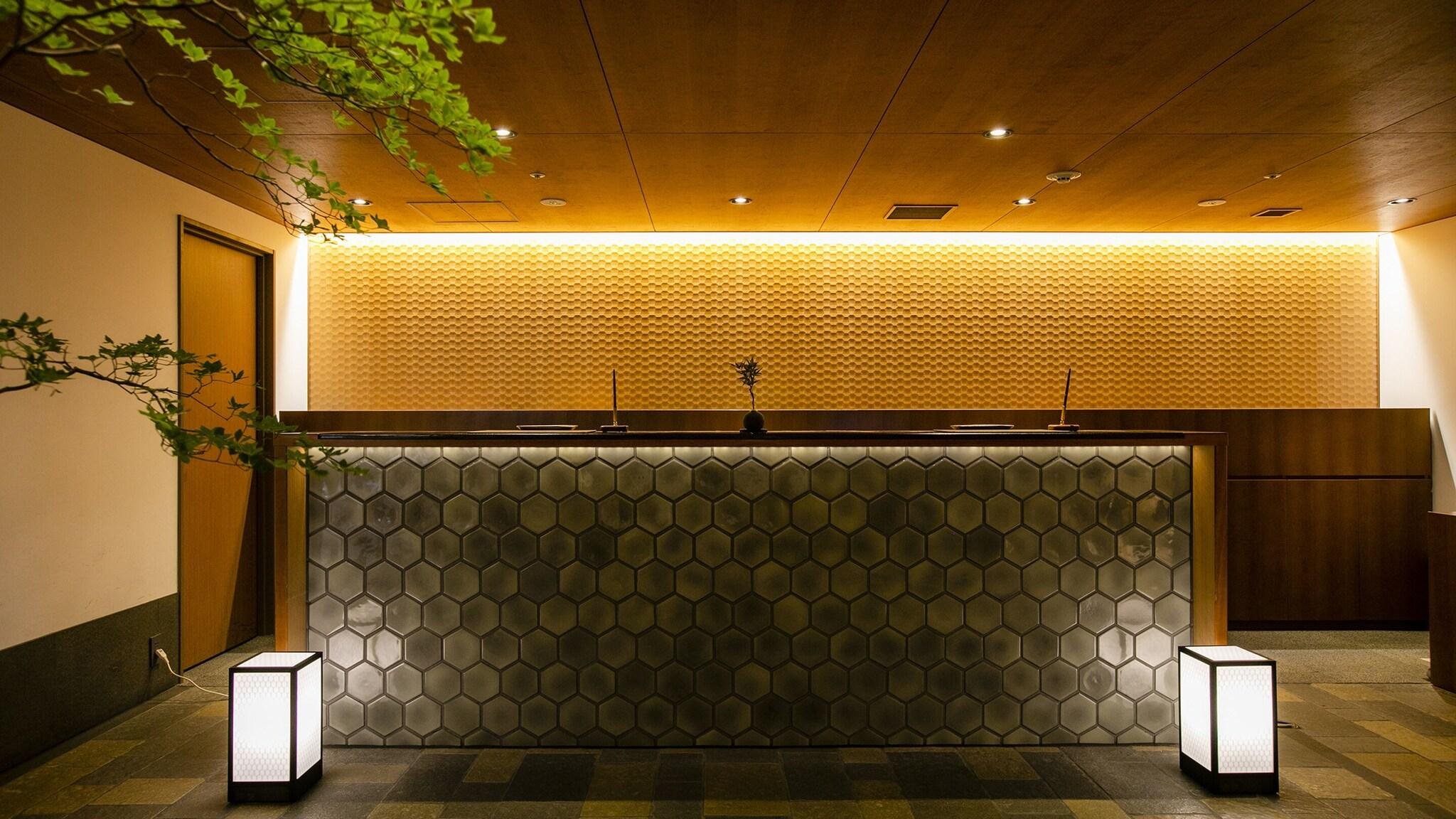
Compact space with natural wood finishes, soft focused lighting, and the constant clean scent of charcoal from the open grill pit, creating a simple, engaging atmosphere centered on the cooking.
Tags
Vibe
Best For
Experience
Sourcing
At the Table
- Dress Code
- Casual
- Noise Level
- Conversational
- Service Style
- Upscale Casual
- Meal Pacing
- Leisurely
- Capacity
- Small
- Kitchen
- Traditional
- Menu Format
- A la carte, Counter dining
- Drinks Focus
- Sake, Shochu
- Dietary
- Vegetarian friendly
Signature Dishes
- Ikkaku Yaki Totsujin
- Thigh Tataki
- Tsukune
Know before you go
Know Before You Go
- Getting there
- 96 Okikucho, Sakyo Ward, Kyoto, 606-8376, Japan
Planning details
Hours
- Monday
- 6–11 PM
- Tuesday
- 6–11 PM
- Wednesday
- Closed
- Thursday
- 6–11 PM
- Friday
- 6–11 PM
- Saturday
- 6–11 PM
- Sunday
- 6–11 PM
Location
96 Okikucho, Sakyo Ward, Kyoto, 606-8376, Japan · Directions

Also consider
Also Consider
- Gion Sasaki: Kaiseki, Japanese, ¥¥¥¥
- cenci: Italian, ¥¥¥
- Ifuki: Kaiseki, ¥¥¥¥
- Kyokaiseki Kichisen: Japanese, ¥¥¥¥
- Kyo Seika: Chinese, ¥¥¥
Restaurant context
Against Kyoto's broader dining field, Sumiyakisosaitoriya Hitomi occupies a specific and useful position: it is the room you choose when you want a celebratory dinner grounded in craft and counter engagement, but where spending ¥¥¥¥ is not the point. The kaiseki heavyweights Gion Sasaki and Kyokaiseki Kichisen: sit at the top of Kyoto's formal dining tier and deliver the city's most ceremony-rich meals, but at a price and formality level that makes them a different category of decision. Ifuki sits in the same ¥¥¥¥ kaiseki bracket. If your priority is Kyoto's most technically ambitious multi-course formats, those are the rooms. If your priority is a memorable counter dinner at a fraction of the cost, Hitomi is the stronger practical answer.
At the ¥¥¥ mid-tier, cenci offers an Italian-influenced alternative for diners who want creative cooking at a moderate price, and Kyo Seika covers the Chinese end of that range. Neither competes directly with Hitomi's yakitori counter format, but both are worth considering if you want variety across multiple Kyoto meals rather than a repeat visit to the same cuisine type. For the Bib Gourmand value tier specifically, Hitomi's two consecutive recognitions make it the most formally validated option in this price bracket among these venues.
The booking comparison also favours Hitomi for less committed planners: booking difficulty is rated easy, whereas the ¥¥¥¥ kaiseki rooms typically require more advance planning and greater lead time, particularly during peak Kyoto travel seasons. If you are building a Kyoto itinerary and want at least one dinner that is both food-serious and logistically low-friction, Hitomi belongs on the shortlist ahead of the harder-to-book options. Reserve the kaiseki room for the occasion where ceremony is the specific goal.
Explore Kyoto
Around this place
Discover more on Pearl
Unlock the full Sumiyakisosaitoriya Hitomi guide in Pearl, including awards, comparisons, FAQs, planning details, and nearby places.
Compare Sumiyakisosaitoriya Hitomi
| Venue | Cuisine | Awards | Booking Difficulty |
|---|---|---|---|
| Sumiyakisosaitoriya Hitomi | Yakitori | 2026 OAD Top Restaurants in Japan RecommendedMichelin Guide Kyoto Osaka 20262026 Bib GourmandTabelog 100 - Yakitori - WEST - 2025 · #22025 Michelin Bib Gourmand2024 Michelin Bib Gourmand | Easy |
| Gion Sasaki | Kaiseki, Japanese | 2026 Tabelog Bronze · #3862026 OAD Top Restaurants in Japan RecommendedMichelin Guide Kyoto Osaka 20262026 La Liste Top RestaurantsTabelog 100 - Japanese cuisine - WEST - 2025 · #132025 OAD Top Restaurants in Japan Ranked · #2462025 Tabelog Silver2025 Michelin 3 Stars2025 La Liste Top Restaurants | Unknown |
| cenci | Italian | 2026 Tabelog Bronze · #442026 Asia's 50 Best Restaurants · #762026 OAD Top Restaurants in Japan Highly RecommendedMichelin Guide Kyoto Osaka 2026Tabelog 100 - Italian - WEST - 2025 · #632025 Asia's 50 Best Restaurants · #632025 OAD Top Restaurants in Japan Ranked · #1682025 Tabelog Bronze2024 OAD Top Restaurants in Japan Ranked · #135 | Unknown |
| Ifuki | Kaiseki | 2026 OAD Top Restaurants in Japan Ranked · #1222026 Tabelog Bronze · #128Michelin Guide Kyoto Osaka 20262026 La Liste Top RestaurantsTabelog 100 - Japanese cuisine - WEST - 2025 · #622025 OAD Top Restaurants in Japan Ranked · #1002025 La Liste Top Restaurants2025 Tabelog Bronze2025 Michelin 2 Stars | Unknown |
| Kyokaiseki Kichisen | Japanese | 2026 Tabelog Bronze · #1752026 OAD Top Restaurants in Japan Highly RecommendedMichelin Guide Kyoto Osaka 20262025 OAD Top Restaurants in Japan Ranked · #1862025 Michelin 2 Stars2025 La Liste Top Restaurants2024 OAD Top Restaurants in Japan Ranked · #1422024 Michelin 2 Stars2023 OAD Top Restaurants in Japan Ranked · #136 | Unknown |
| Kyo Seika | Chinese | Tabelog 100 - Chinese cuisine - WEST - 2026 · #762026 Tabelog Bronze · #2162026 OAD Top Restaurants in Japan Recommended2026 Michelin 1 Star2025 OAD Top Restaurants in Japan Ranked · #3262025 Tabelog Bronze2024 OAD Top Restaurants in Japan Ranked · #3042024 Michelin Plate2024 Michelin 1 Star | Unknown |
.png?width=1200&quality=80)






.png?width=1200&quality=80)
Key differences to consider before you reserve.
FAQ
Frequently Asked Questions
What should I wear to Sumiyakisosaitoriya Hitomi?
Keep it relaxed. This is a neighbourhood yakitori counter in Sakyo Ward, not a kaiseki room. Clean, comfortable clothing fits the setting. The Michelin Bib Gourmand designation signals value-driven dining over ceremony, so leave the formal wear at the hotel.
What should I order at Sumiyakisosaitoriya Hitomi?
The menu spans spring chicken, locally raised chicken, and brand-name chicken across a wide range of cuts, so the short answer is: order broadly and let the range show. Many preparations are salt-seasoned to highlight individual flavour rather than sauce, so trust the house approach and work through as many cuts as the kitchen will allow.
How far ahead should I book Sumiyakisosaitoriya Hitomi?
The restaurant fills every evening according to the Michelin record, so assume demand is consistent and book as early as possible. Phone and website details are not publicly listed, which suggests reservations may require local assistance or in-person inquiry. Build extra lead time if you are visiting from outside Japan.
Is the tasting menu worth it at Sumiyakisosaitoriya Hitomi?
Specific menu format details are not documented in available data, but the ¥ price range signals this is among the more accessible Bib Gourmand counters in Kyoto. Whatever the format, two consecutive Michelin Bib Gourmand awards suggest the value-to-quality ratio holds. It is unlikely to feel like an overpay at the ¥ tier.
Is Sumiyakisosaitoriya Hitomi worth the price?
Yes. The ¥ price range combined with back-to-back Michelin Bib Gourmand recognition in 2024 and 2025 puts this in the category of high-output, low-cost Kyoto meals. For the quality of sourcing described, spring, local, and brand-name chicken across extensive cuts, this competes directly with counters that charge significantly more.
Is Sumiyakisosaitoriya Hitomi good for a special occasion?
It works for a meaningful meal rather than a formal celebration. The counter format is intimate, the owner-chef is described by Michelin as personally engaging with guests, and the food quality is Bib Gourmand. If you want a private room or strict ceremony, look at kaiseki options instead. For a memorable evening that doesn't require a dress code, this is a strong call.
What are alternatives to Sumiyakisosaitoriya Hitomi in Kyoto?
Within yakitori specifically, Torisaki and Hiiragitei are the closest comparisons in Kyoto. For a broader upgrade in format and budget, Gion Sasaki or Kyokaiseki Kichisen move into kaiseki territory. If you want similar Bib Gourmand-level value at a different cuisine type, cenci and Ifuki are worth considering.