
Torisho sai
Yakitori · Nakagyō, Kyoto
Restaurant in Kyoto, Japan
 Book with Pearl
The Read
Cured-Bird Skewer Precision
Price
$150–200per person
Dress
Smart Casual
Why go
Torisho Sai holds two consecutive Michelin Plates (2025, 2026) for yakitori that takes its sourcing seriously: free-range Hinai-jidori chicken, rested to concentrate flavour, then grilled over both charcoal and wood. At the ¥¥¥ tier in Nakagyo Ward, it offers more technical depth than almost anything at the same price in Kyoto's yakitori category. Book when you want craft over spectacle.
About Torisho sai
The Verdict
If you have already eaten at one of Kyoto's grander yakitori counters and want to understand what genuine craft looks like at the ¥¥¥ price point, Torisho Sai in Nakagyo Ward is the answer. The room is small, the format is structured, and the sourcing is specific: free-range Hinai-jidori chicken, rested in a curing house to concentrate moisture before the skewer ever meets the flame. Book here when precision matters more to you than theatre.
Coming Back to Sai
First-time visitors to Torisho Sai often arrive expecting a casual yakitori bar. Return visitors arrive with different expectations: they know the sequence starts with a single skewer of breast meat, and they know why. That opening move is a deliberate positioning statement, asking you to taste the chicken before you taste the smoke, the char, or the sauce. On a second visit, the architecture of the meal becomes legible in a way it is not the first time. The inverted-triangle skewer construction that the chef describes as both visual and technical is not decoration. It is the physical result of a philosophy the kitchen summarises as a lifetime in skewering, a lifetime in grilling.
The dual-heat approach, both charcoal and wood flames, produces a layered result that changes across cuts. Charcoal runs hotter and cleaner; wood brings aromatic complexity. The kitchen uses both deliberately, not interchangeably. For the explorer who has eaten yakitori in Tokyo at places like Yakitori Omino or worked through the Osaka counter at Torisho Ishii, the Sai approach will read as specifically Kyoto: restrained, ingredient-forward, and more interested in the chicken than in the performance of grilling it.
The Room and the Atmosphere
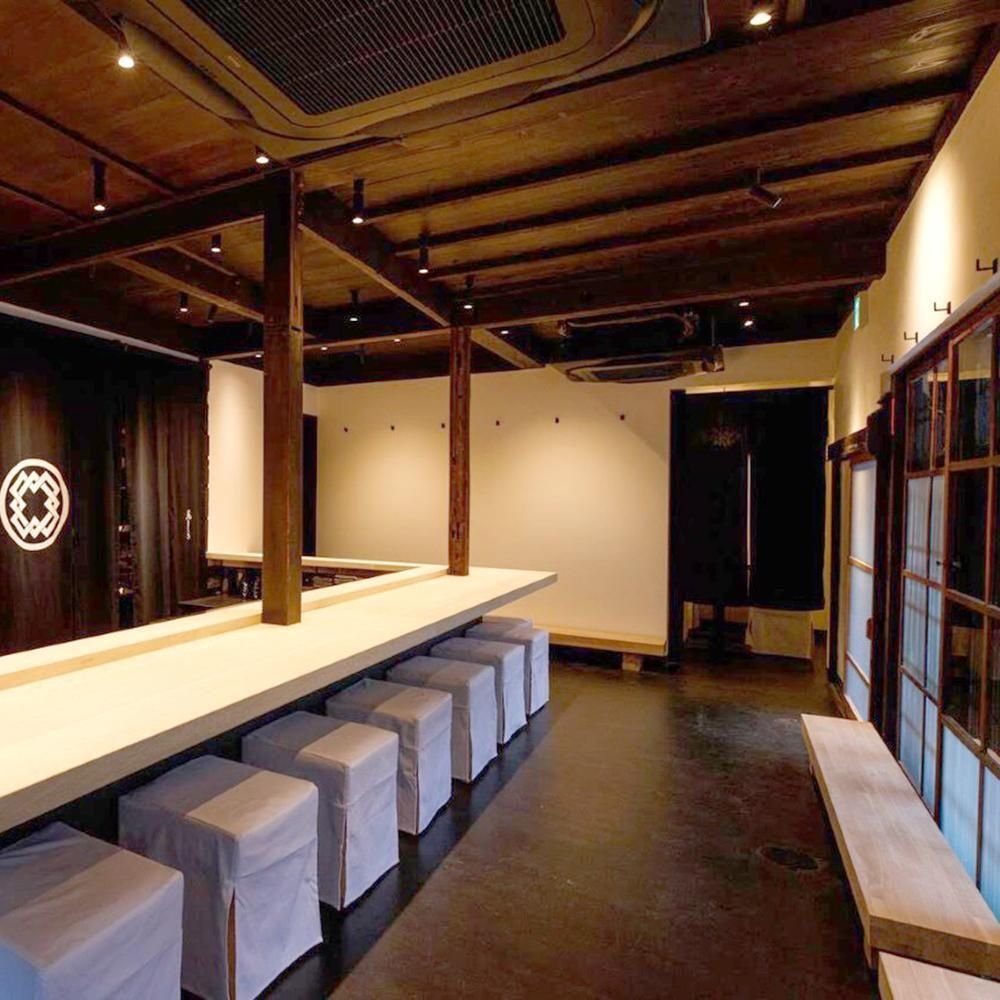
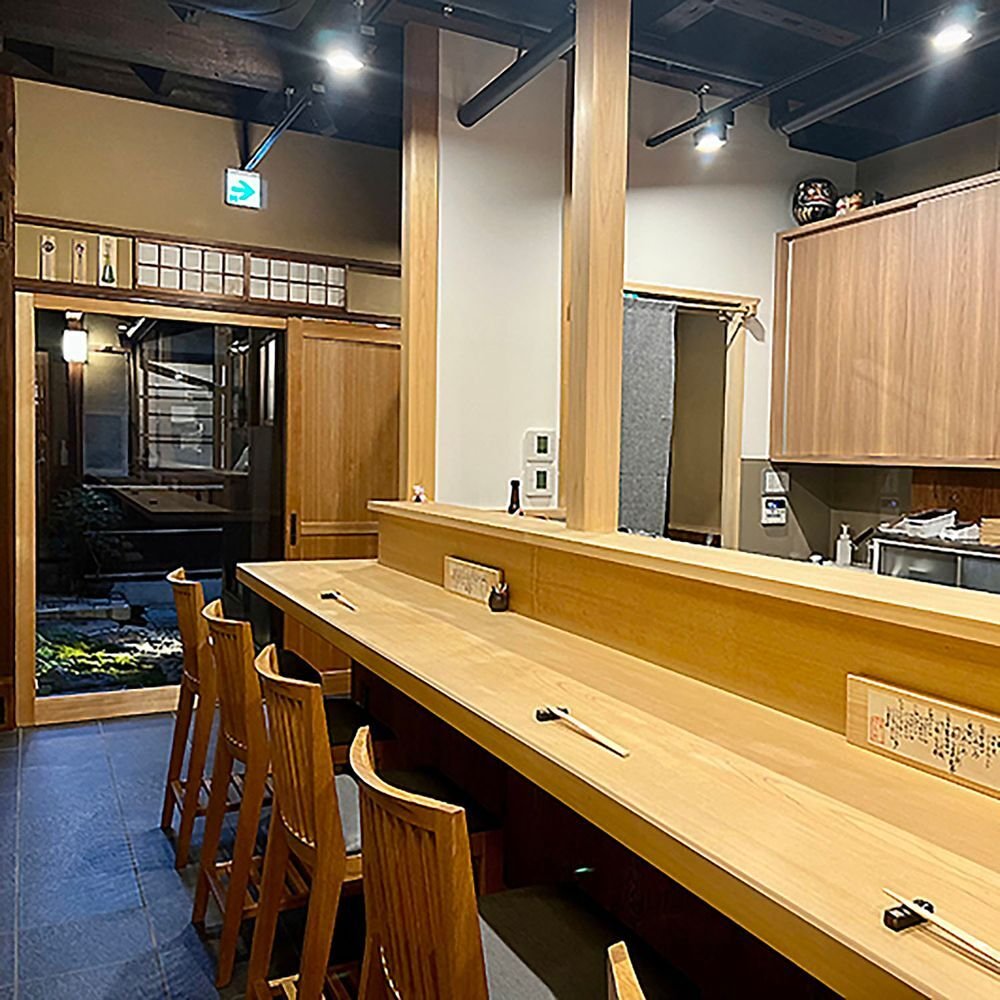
Torisho Sai sits on Kuromonnori-dori, a quiet street below Oike in Nakagyo Ward. The address alone signals something: this is not the Gion tourist circuit, and it is not trying to be. The atmosphere is settled rather than buzzy. Smoke from the grill drifts through a room where conversation happens at a pitch that does not require leaning in. The energy is calm, focused, and adult. If you are coming from a loud evening somewhere else in the city, Sai will feel like a register change. That is not a drawback; it is the point.
For solo diners, the counter format works well here. The structured service sequence gives the meal a shape without requiring you to make many decisions. For a couple marking an occasion, the progression from that opening breast skewer through the rest of the menu provides exactly the kind of deliberate pacing that makes a dinner feel considered rather than rushed.
Private Dining and Group Considerations
For groups seeking a fully separated space, the kaiseki rooms at Gion Sasaki or comparable ¥¥¥¥ venues will serve that function better. What Sai does offer a group in the main room is a shared sequence: everyone moves through the same progression of skewers, which creates a communal rhythm that is harder to achieve at a la carte venues. For groups of two to four who want a structured meal without a private-room price premium, that is a reasonable trade-off at the ¥¥¥ tier.
Larger groups should be cautious. The kitchen's evident commitment to each skewer as a constructed object, built to a specific form that reflects accumulated skill, suggests capacity is managed carefully. Contact the venue directly before assuming a group of six or more can be accommodated without prior arrangement.
Kyoto Yakitori Context
Within the Kyoto yakitori category, Torisho Sai sits at the more considered end of the ¥¥¥ tier. Nearby alternatives worth knowing: Torisaki and Yakitori Kyoto Tachibana serve the same cuisine type in the city; Hiiragitei and Sumiyakisosaitoriya Hitomi offer charcoal-forward alternatives for comparison. If you are building a longer Japan itinerary, HAJIME in Osaka, Harutaka in Tokyo, akordu in Nara, Goh in Fukuoka, 1000 in Yokohama, and 6 in Okinawa round out the regional picture across price tiers and formats.
For broader planning, see our full Kyoto restaurants guide, our full Kyoto hotels guide, our full Kyoto bars guide, our full Kyoto wineries guide, and our full Kyoto experiences guide.
Practical Details
Reservations: Booking is rated Easy: contact the venue directly, as no online booking link is confirmed. Budget: ¥¥¥ tier; exact per-head figures are not published, but the price sits meaningfully below ¥¥¥¥ kaiseki venues. Dress: No dress code is confirmed; smart-casual is appropriate for the price tier and Kyoto context. Location: Nakagyo Ward, Kuromonnori-dori below Oike. Hours: Not confirmed in available data: verify directly before visiting. Recognition:
Planning details
- Hours
- Monday: 4–9 PM · Tuesday: 4–9 PM
- Location
- Japan, 〒604-8315 Kyoto, Nakagyo Ward, Daimonjicho, 237 御池下がる黒門通り
- Reservations
- Book on the venue's website
- Website
- torisho-sai.com
- Phone
- +81 75-384-2288
The take
The Take
The Vibe
Torisho sai presents a quietly serious take on yakitori, where the grill is the central performer and craftsmanship dictates every choice. Live fire brings sensory immediacy through the smell of smoke and sound of fat on coals, with a restrained front-of-house approach: no spectacle, just focused cooking. Attention to breed, curing and skewer geometry reads as deliberate and practiced, creating a composed, intimate atmosphere. Guests encounter a refined, ingredient-forward experience that privileges mastery over flash, well suited to diners who appreciate pared-back presentation and precision at the flame.
Best For
This is a place for diners who come for the food first: enthusiastic locals, serious grill lovers and pairs marking a special evening. The restaurant’s omakase yakitori course and methodical treatment of Hinai-jidori position it for date nights and celebrations where the meal itself is the event. It also suits travelers seeking an authentic, non-touristy Kyoto experience near Nijo Castle: guests who want to trade spectacle for the quiet satisfaction of disciplined technique and closely attended cooking over charcoal or wood.
Ordering Tips
Opting for the Hinai Jidori Yakitori Omakase Course is the clearest way to understand the kitchen’s logic: each segment of the bird is handled and cured with a purpose. Make sure to try signature skewers such as negima and tsukune to experience contrasts in texture and seasoning; curing and breed choice are decisive to the final bite. Approach the meal as a guided tasting of the grill’s capabilities and let the kitchen’s sequence and pacing shape the experience rather than piecemeal ordering.
Venue details
Ambiance
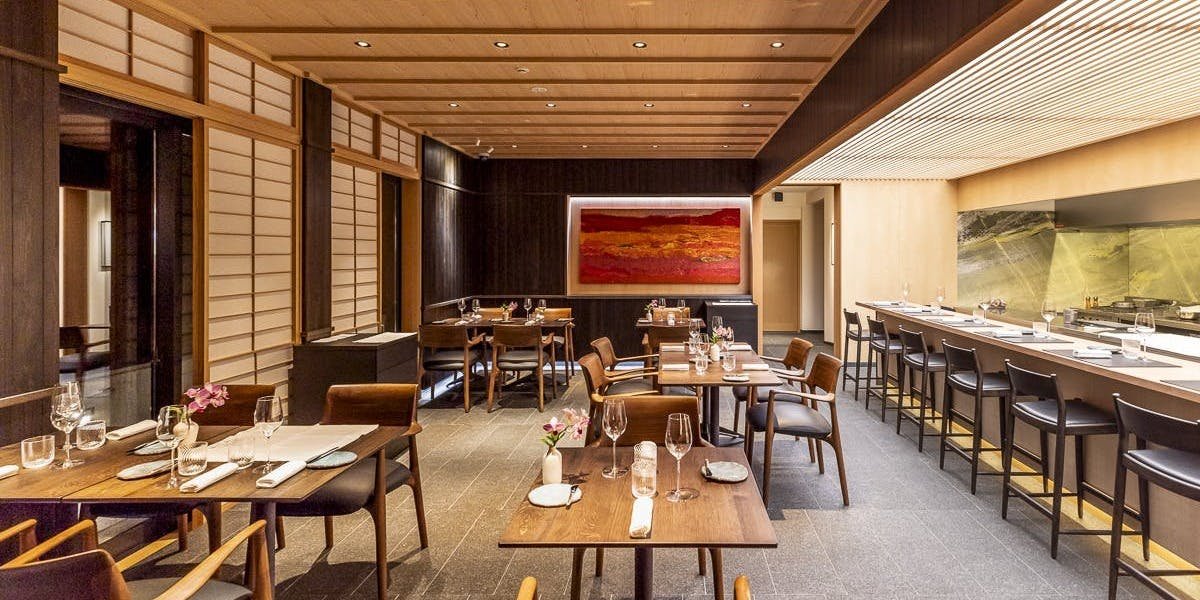
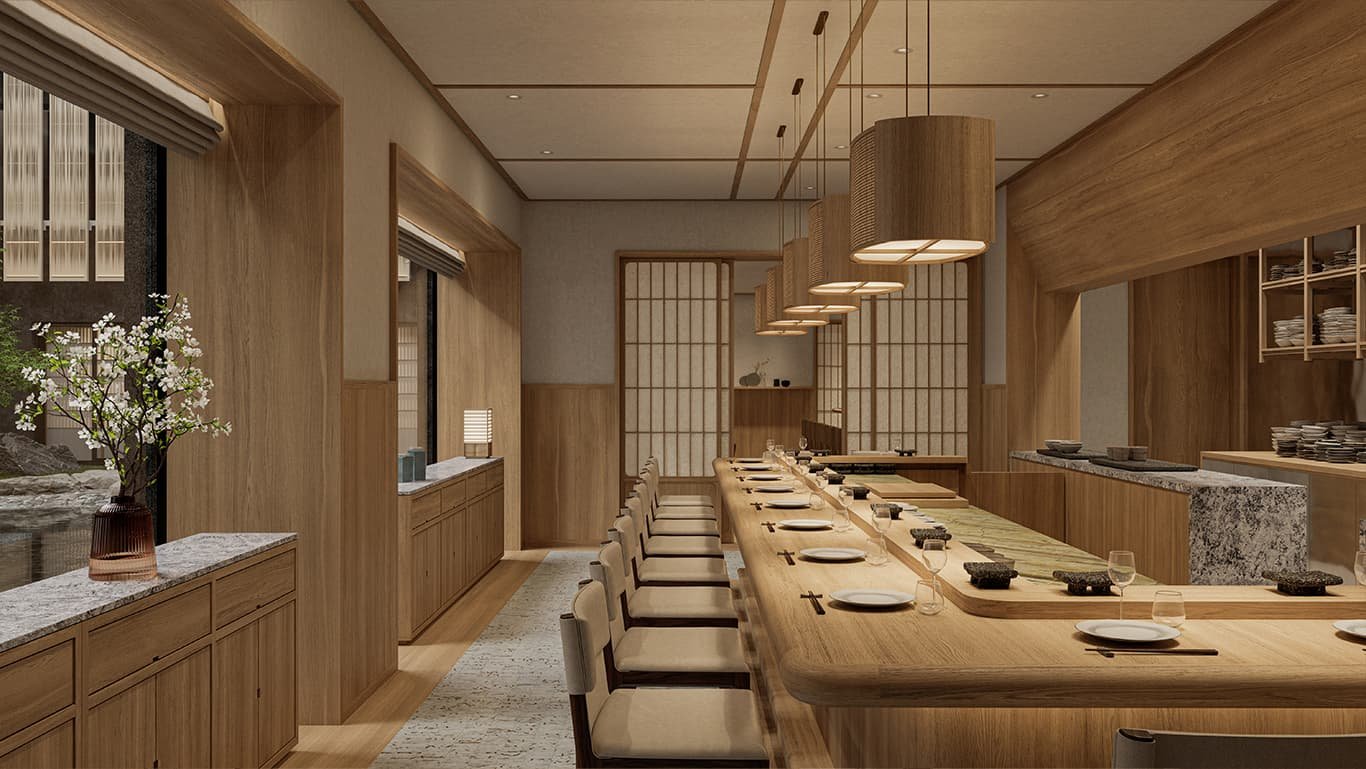
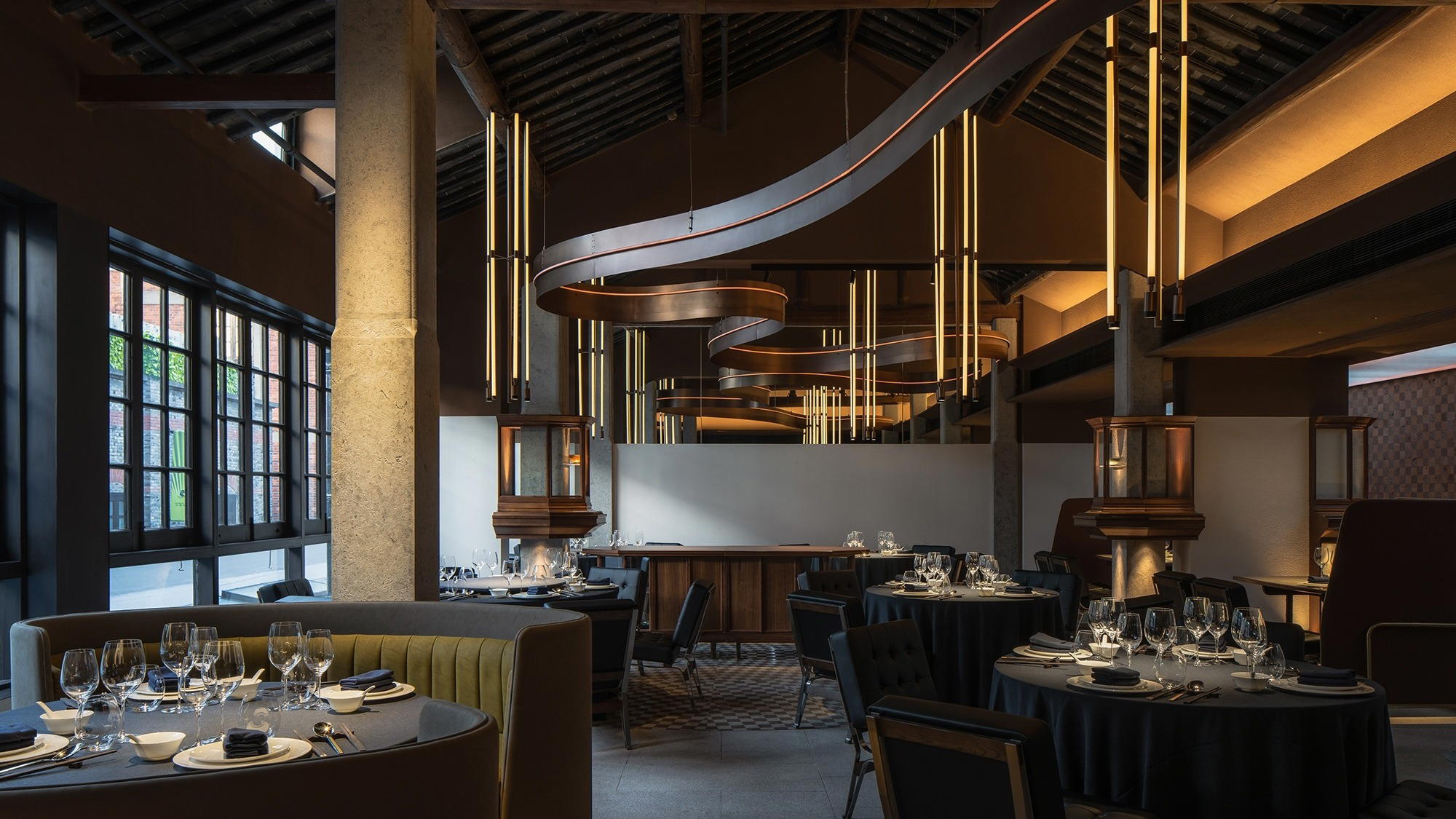
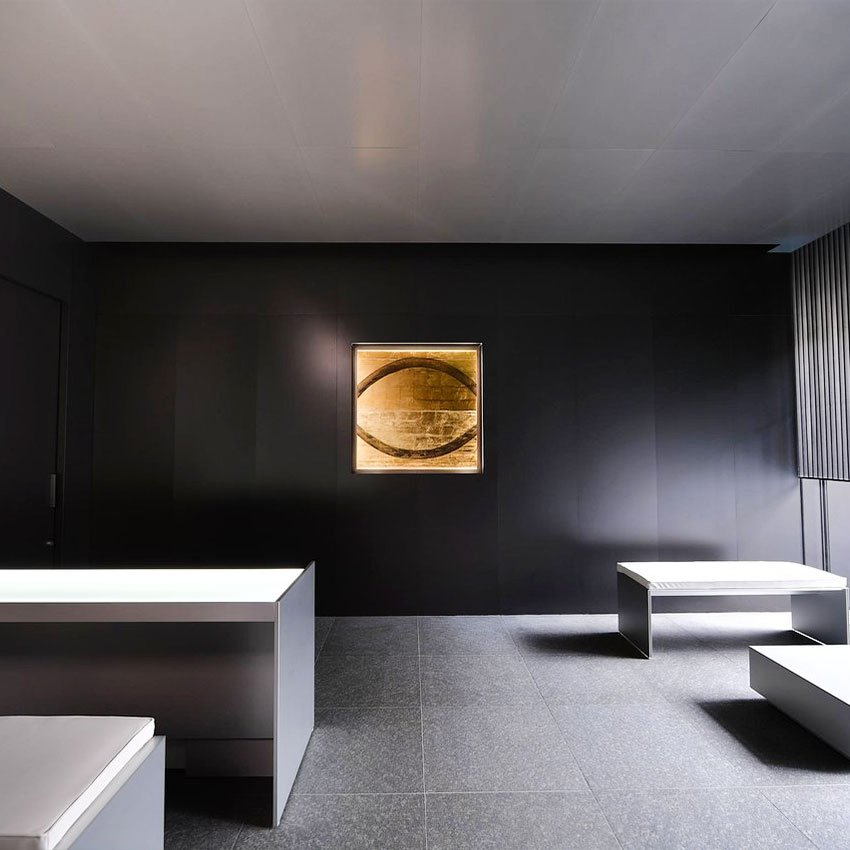
Gorgeous modern-traditional setting with shining copper plate walls, spherical pendant lights, and natural wood elements creating an inviting yet refined atmosphere.
Tags
Vibe
Best For
Experience
Sourcing
At the Table
- Dress Code
- Smart Casual
- Noise Level
- Conversational
- Service Style
- Omakase Bar
- Meal Pacing
- Leisurely
- Capacity
- Intimate
- Kitchen
- Traditional
- Menu Format
- Omakase, Counter dining, Set menu
- Drinks Focus
- Japanese sake, Natural wine, Burgundy wine
- Dietary
- Allergy accommodating
Signature Dishes
- Hinai Jidori Yakitori Omakase Course
- Negima
- Tsukune
Know before you go
Know Before You Go
- Getting there
- Japan, 〒604-8315 Kyoto, Nakagyo Ward, Daimonjicho, 237 御池下がる黒門通り
Planning details
Hours
- Monday
- 4–9 PM
- Tuesday
- 4–9 PM
- Wednesday
- 4–9 PM
- Thursday
- 4–9 PM
- Friday
- 4–9 PM
- Saturday
- 1–9 PM
- Sunday
- Closed
Location
Japan, 〒604-8315 Kyoto, Nakagyo Ward, Daimonjicho, 237 御池下がる黒門通り · Directions
Recognition and awards
Also consider
Also Consider
- Gion Sasaki: Kaiseki, Japanese, ¥¥¥¥
- cenci: Italian, ¥¥¥
- Ifuki: Kaiseki, ¥¥¥¥
- Kyokaiseki Kichisen: Japanese, ¥¥¥¥
- SEN: French, Japanese, ¥¥¥¥
Restaurant context
Torisho Sai sits at ¥¥¥ in a city where serious dining mostly operates at ¥¥¥¥. That gap is the starting point for any comparison. Gion Sasaki and Kyokaiseki Kichisen both run kaiseki at ¥¥¥¥ with the elaborate multi-course format that implies. Ifuki at the same tier adds kaiseki depth with strong seasonal emphasis. For a diner who wants Michelin recognition and technical seriousness without the full kaiseki commitment, Sai is the pragmatic answer: two Plates, a focused format, and a bill that stays below the ¥¥¥¥ ceiling.
If cuisine format matters, the comparison shifts. cenci at ¥¥¥ offers Italian-leaning cooking in Kyoto at the same price tier, which serves a different appetite entirely. SEN at ¥¥¥¥ crosses French and Japanese influences for a more ambitious and more expensive evening. Neither is a direct substitute for yakitori, but both compete for the same slot on a Kyoto itinerary. Sai wins on specificity: if you want to understand what premium chicken cookery looks like in a Japanese context, nothing in this peer group offers it at the same price.
On booking difficulty, Sai is rated Easy, which matters in Kyoto where the ¥¥¥¥ kaiseki rooms can require weeks of advance planning. For a spontaneous or shorter-notice trip, that accessibility is a genuine advantage over Gion Sasaki or Kyokaiseki Kichisen, both of which reward early planning. The trade-off is scale: the kaiseki venues provide a broader, more elaborate meal. Book Sai when the question is precision and value; book the kaiseki rooms when the occasion calls for a longer, more ceremonial evening.
Explore Kyoto
Around this place
Discover more on Pearl
Unlock the full Torisho sai guide in Pearl, including awards, comparisons, FAQs, planning details, and nearby places.
Compare Torisho sai
| Venue | Cuisine | Price | Booking Difficulty | Awards |
|---|---|---|---|---|
| Torisho sai | Yakitori | ¥¥¥ | Easy | Michelin Guide Kyoto Osaka 20262026 Michelin Plate2025 Michelin Plate2024 Michelin Plate |
| Gion Sasaki | Kaiseki, Japanese | ¥¥¥¥ | Unknown | 2026 Tabelog Bronze · #3862026 OAD Top Restaurants in Japan RecommendedMichelin Guide Kyoto Osaka 20262026 La Liste Top RestaurantsTabelog 100 - Japanese cuisine - WEST - 2025 · #132025 OAD Top Restaurants in Japan Ranked · #2462025 Tabelog Silver2025 Michelin 3 Stars2025 La Liste Top Restaurants |
| cenci | Italian | ¥¥¥ | Unknown | 2026 Tabelog Bronze · #442026 Asia's 50 Best Restaurants · #762026 OAD Top Restaurants in Japan Highly RecommendedMichelin Guide Kyoto Osaka 2026Tabelog 100 - Italian - WEST - 2025 · #632025 Asia's 50 Best Restaurants · #632025 OAD Top Restaurants in Japan Ranked · #1682025 Tabelog Bronze2024 OAD Top Restaurants in Japan Ranked · #135 |
| Ifuki | Kaiseki | ¥¥¥¥ | Unknown | 2026 OAD Top Restaurants in Japan Ranked · #1222026 Tabelog Bronze · #128Michelin Guide Kyoto Osaka 20262026 La Liste Top RestaurantsTabelog 100 - Japanese cuisine - WEST - 2025 · #622025 OAD Top Restaurants in Japan Ranked · #1002025 La Liste Top Restaurants2025 Tabelog Bronze2025 Michelin 2 Stars |
| Kyokaiseki Kichisen | Japanese | ¥¥¥¥ | Unknown | 2026 Tabelog Bronze · #1752026 OAD Top Restaurants in Japan Highly RecommendedMichelin Guide Kyoto Osaka 20262025 OAD Top Restaurants in Japan Ranked · #1862025 Michelin 2 Stars2025 La Liste Top Restaurants2024 OAD Top Restaurants in Japan Ranked · #1422024 Michelin 2 Stars2023 OAD Top Restaurants in Japan Ranked · #136 |
| SEN | French, Japanese | ¥¥¥¥ | Unknown | 2026 Tabelog Bronze · #3952026 OAD Top Restaurants in Japan RecommendedMichelin Guide Kyoto Osaka 20262026 Michelin PlateTabelog 100 - Japanese cuisine - WEST - 2025 · #652025 Michelin Plate2025 Tabelog Bronze2024 OAD Top Restaurants in Japan Ranked · #3622024 Michelin Plate |
.png?width=1200&quality=80)






Key differences to consider before you reserve.
FAQ
Frequently Asked Questions
What are alternatives to Torisho sai in Kyoto?
Within the ¥¥¥ yakitori tier in Kyoto, Torisaki and Yakitori Ifuki are the closest comparisons. For a more elaborate multi-course format, cenci or Gion Sasaki move into kaiseki territory and a higher price point. SEN is worth considering if you want a counter experience with a different flavour profile. Torisho Sai's specific differentiator is the dual charcoal and wood flame technique applied to cured Hinai-jidori chicken, which is harder to find replicated elsewhere in the city.
What should I wear to Torisho sai?
No dress code is documented for Torisho Sai, but the ¥¥¥ price point and the precision-focused format suggest neat, understated clothing is appropriate. Avoid anything too casual. Kyoto's better counter restaurants generally expect guests to dress in a way that doesn't clash with the setting, even where no formal rule exists.
Is Torisho sai worth the price?
At the ¥¥¥ tier, yes: if technique-driven yakitori is what you are after. The Michelin Plate recognition in both 2024 and 2025 supports the quality claim, and the use of cured Hinai-jidori chicken with both charcoal and wood fire is a deliberate, high-effort approach that justifies the premium over a casual yakitori bar. If you are not specifically interested in the format or the ingredient, a kaiseki venue at a similar price point may deliver more perceived value.
Is the tasting menu worth it at Torisho sai?
The sequential format here is built around showcasing Hinai-jidori chicken: the meal opens with a breast-meat skewer specifically designed to establish the quality of the bird before moving through further cuts. That structured progression has a clear logic and rewards attention. If you want to pick and choose freely, this counter format is not the right fit: the chef's stated credo of a lifetime in skewering and grilling signals this is a chef-led sequence, not an à la carte session.
Is Torisho sai good for solo dining?
A yakitori counter is one of the better formats for solo dining in Japan, and Torisho Sai's setup on a quiet Nakagyo street suits the experience. The sequential skewer service gives a solo diner a clear through-line rather than the social pressure of a shared table. Booking is rated Easy, so securing a single seat should not be difficult.
Is Torisho sai good for a special occasion?
For a two-person occasion where the focus is on craft and quiet atmosphere, yes: the Michelin Plate-recognised counter on a low-traffic Kyoto street fits that brief. It is not a venue with a private dining room, so large celebratory groups should look elsewhere, such as Gion Sasaki's kaiseki rooms. For an intimate dinner where the cooking itself is the event, Torisho Sai is a strong fit at the ¥¥¥ price point.