

Tabelog 100 Yakitori Restaurants in Western Japan; 2025
Tabelog 100 (Hyakumeiten) Yakitori - WEST selection for 2025. Tabelog publishes these as source-ordered lists of 100 restaurants.

Venues on this list
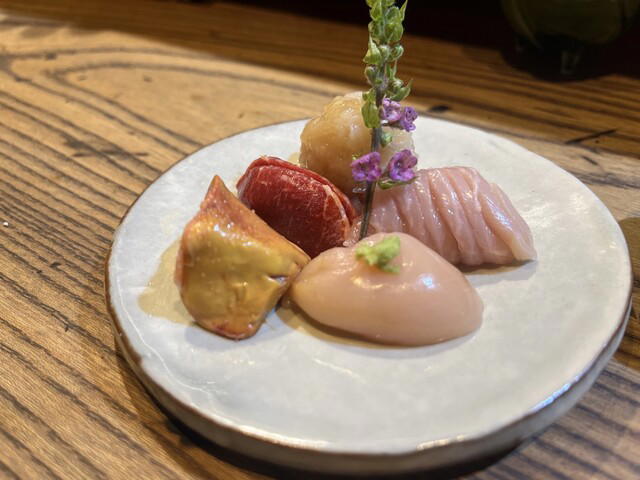
Sumibi Yakitori Torio
Fukushima, Japan
Course-focused yakitori counter in Fukushima specializing in rare Kumano jidori chicken, charcoal-grilled in a calm 21-seat room. Tabelog yakitori WEST 100 recognition (2023–2025) confirms regional standing at JPY 10,000–14,999 per head. Reservations open easily; format suits diners prioritizing poultry sourcing over à la carte flexibility.
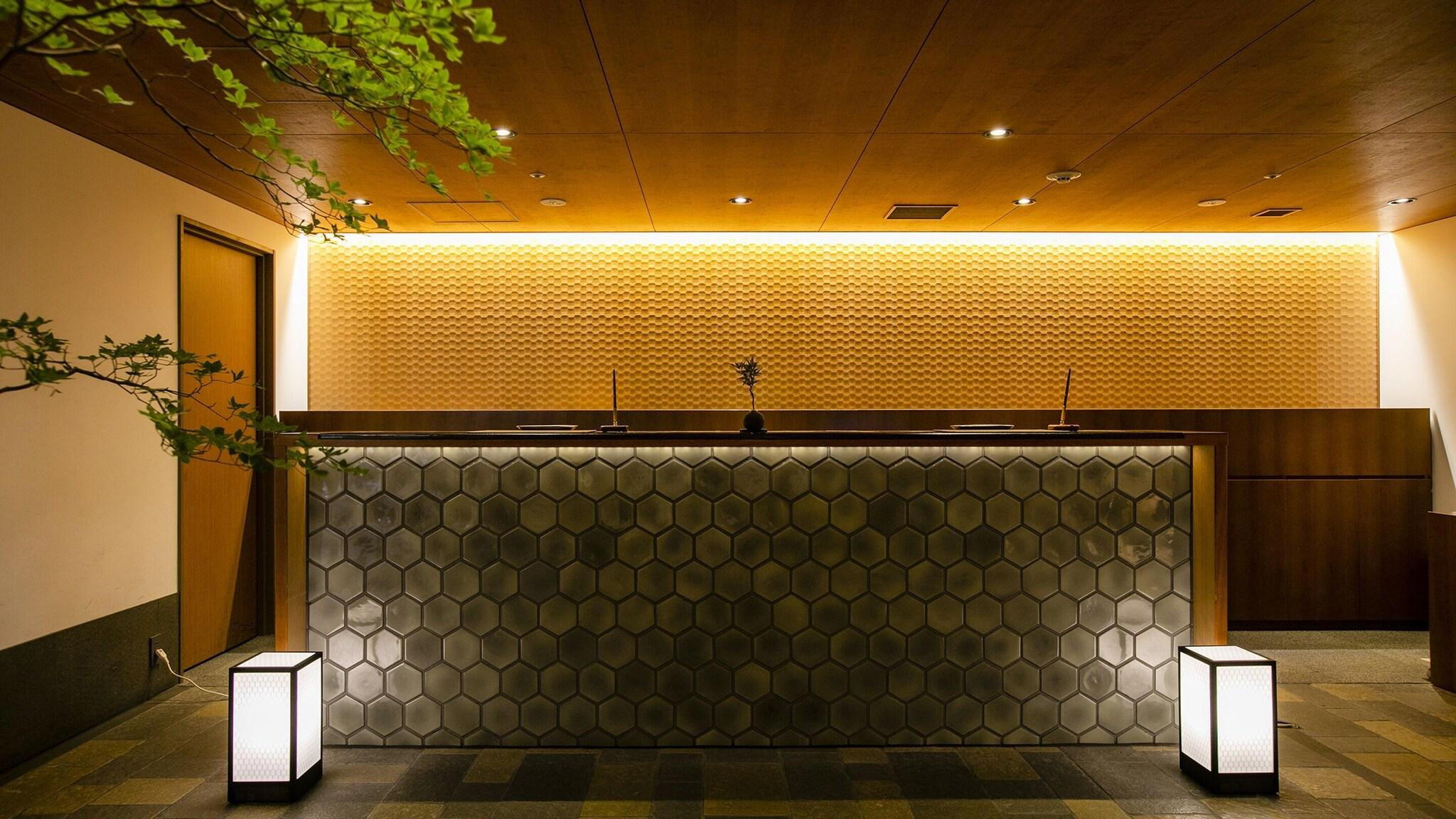
Sumiyakisosaitoriya Hitomi
Kyoto, Japan
Sumiyakisosaitoriya Hitomi is a Michelin Bib Gourmand yakitori counter in Kyoto's Sakyo Ward, recognised in both 2024 and 2025. At a single-¥ price tier, it is the most accessible formally validated yakitori option in the city. Book for a date or small celebration if you want genuine counter warmth and technical care without a ¥¥¥¥ commitment.
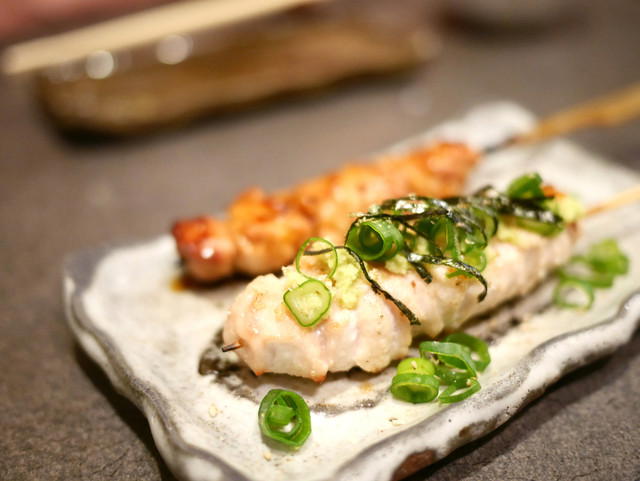
Sumibi Yakitori Nakao
Osaka, Japan
A 13-seat charcoal yakitori counter near Sakaisuji Hommachi, selected for Tabelog Yakitori WEST 100 in 2024 and 2025. At JPY 6,000–7,999, it delivers grill-focused technique without kaiseki pricing, with straightforward booking and a cash-only policy. Counter seats put you within arm's reach of the binchotan fire; the single table fits groups of four.
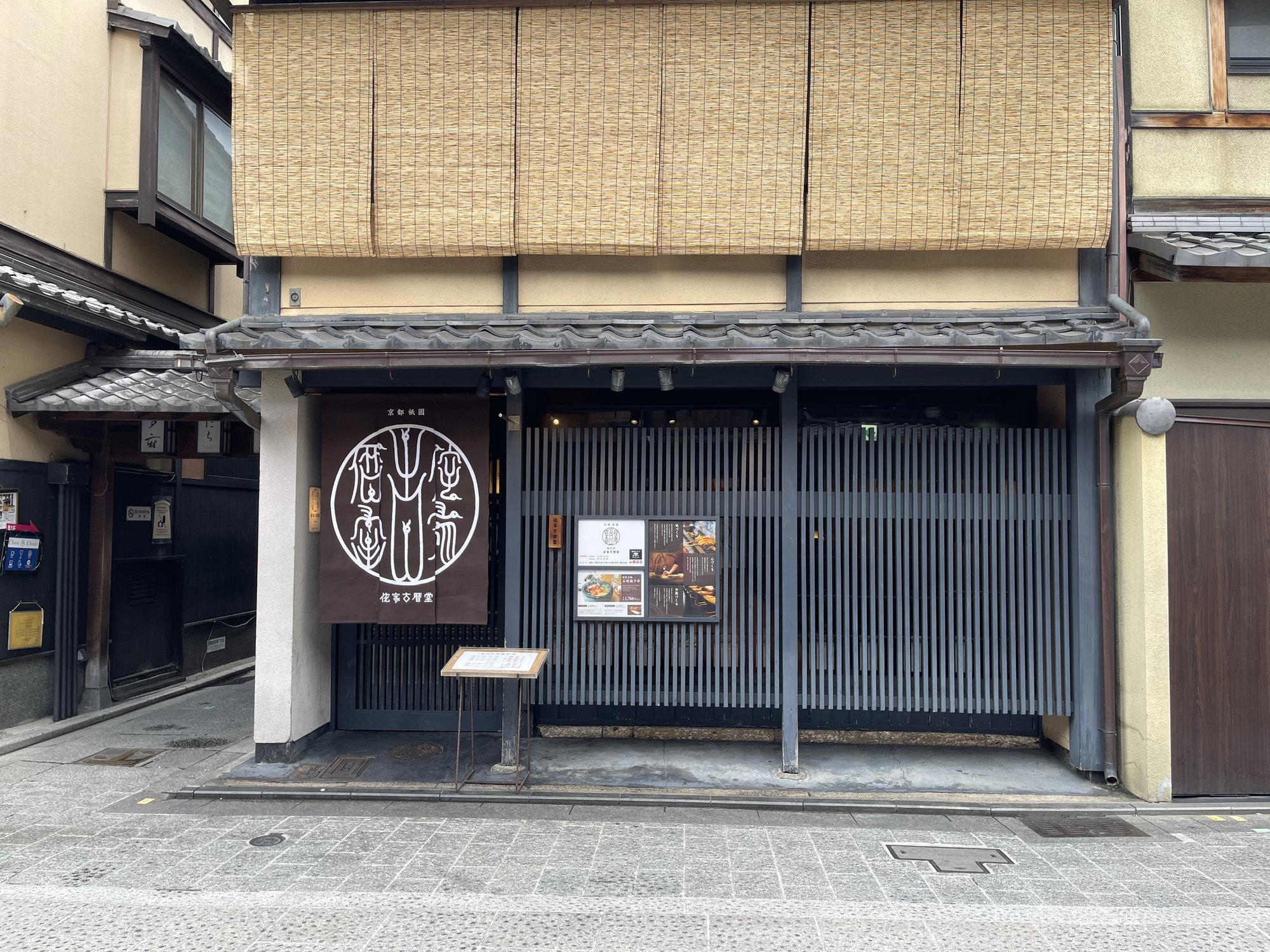
Wabiya Korekido
Kyoto Shi, Japan
Wabiya Korekido works for a Gion special-occasion meal, especially if dinner timing matters and a recognized Kyoto address is part of the brief. The main caution is planning: cuisine and price details are not clearly stated, so diners who need a defined format should compare it with Maeda 前田, Gion Fuji, Kyoen, or Mokubei first.
Yakitori Koto
Fukuoka, Japan
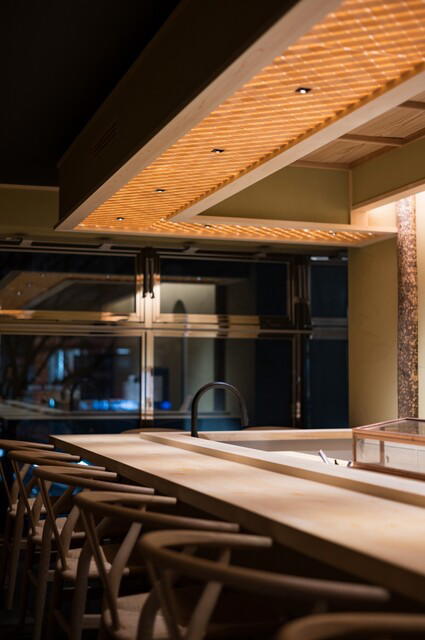
Yakitori Koto is worth booking when grilled chicken skewers are the point of the night, not just one stop in a casual Fukuoka crawl. The JPY 10,000 to JPY 14,999 range makes it a planned dinner, backed by Tabelog and Opinionated About Dining recognition; value is strongest for diners who care about yakitori as a focused craft format.
Yakitori Nishimura
Ube, Japan
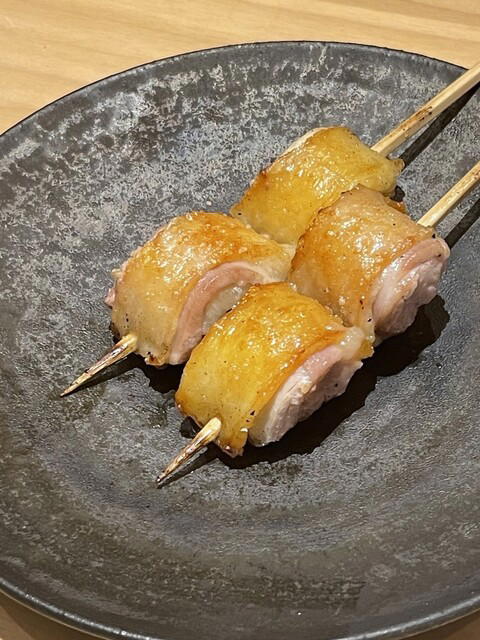
Thirteen-seat yakitori counter in Ube serving omakase-style grilled chicken courses over binchotan charcoal at JPY 8,000–9,999. Tabelog 100 Yakitori West selections in 2024 and 2025 reflect tight technical execution and focused poultry sourcing. Reservation-only, no fragrance policy, counter seating only; best for pairs committed to the set progression.
Yakitori Takase
Hiroshima, Japan
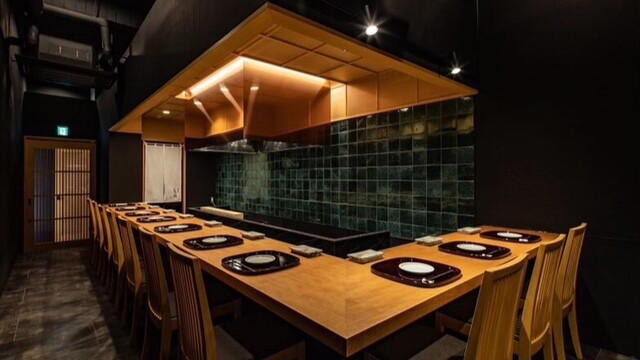
A ten-seat yakitori counter in Yagenbori serving binchotan-grilled black Satsuma and Nagoya Cochin chicken for JPY 8,000-9,999. Recognized in Tabelog 100 (Yakitori WEST 2025) within its first year of operation. Reservation-only, two nightly seatings, intimate atmosphere suited to couples and solo diners.
Sumibi Yakitori Kibitaki
Osaka, Japan
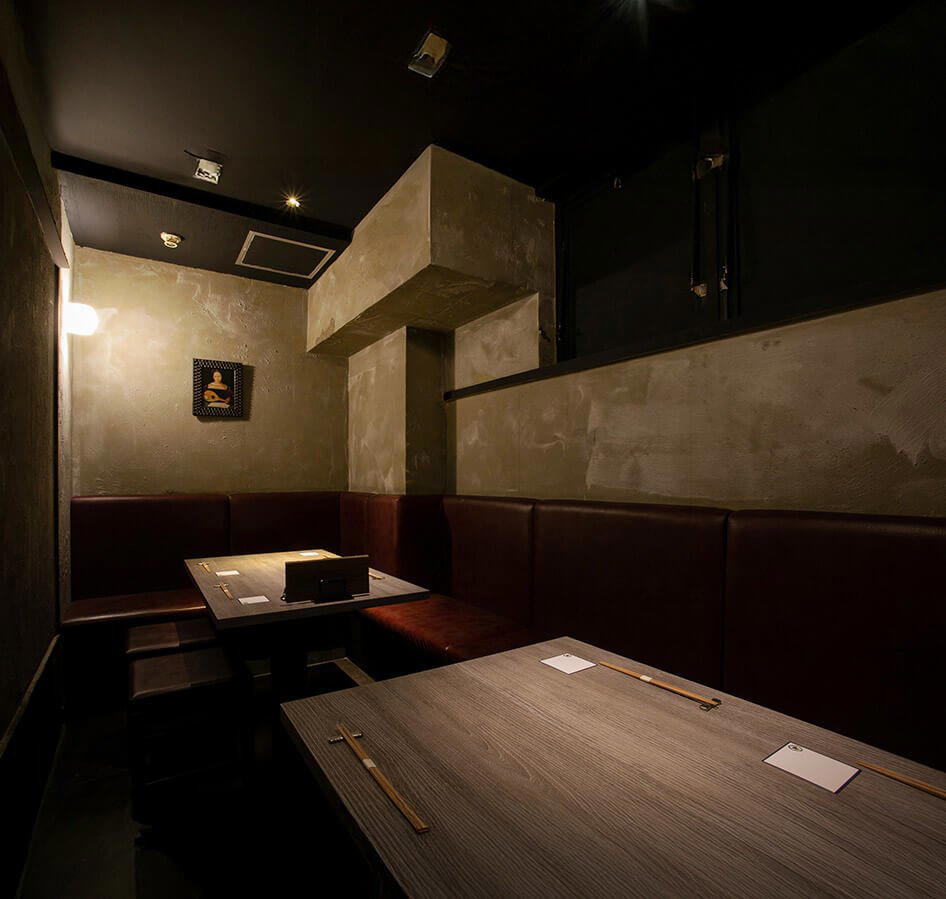
A Tabelog 100 yakitori counter in Shinsaibashi offering charcoal-grilled Fukushima chicken, private rooms, and a wine-forward drinks program at JPY 6,000–7,999. Easier to book than most award-recognized peers, with the flexibility to host groups or pair skewers with bottles you bring yourself.
Yakitori Inada
Fukuoka, Japan
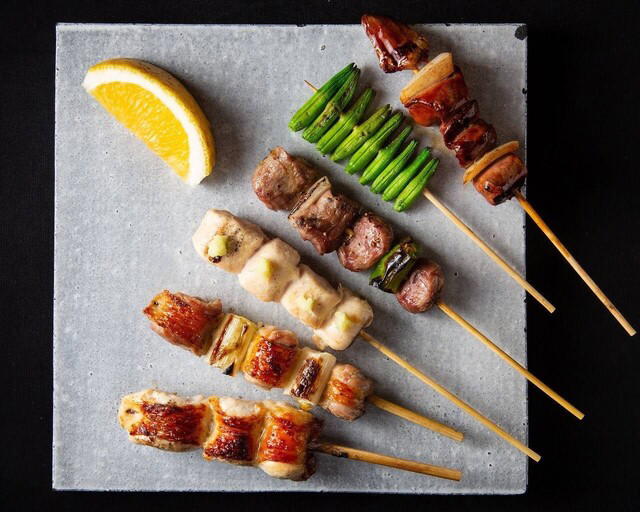
Tabelog 100 West yakitori specialist working with Amakusa Daisuke chicken at JPY 6,000–7,999 per head. Counter seats watch the charcoal grill; private room handles dates and small groups. Two-year recognition confirms technique that justifies the mid-tier price without omakase ceremony.
Jidori Labo
Takamatsu, Japan
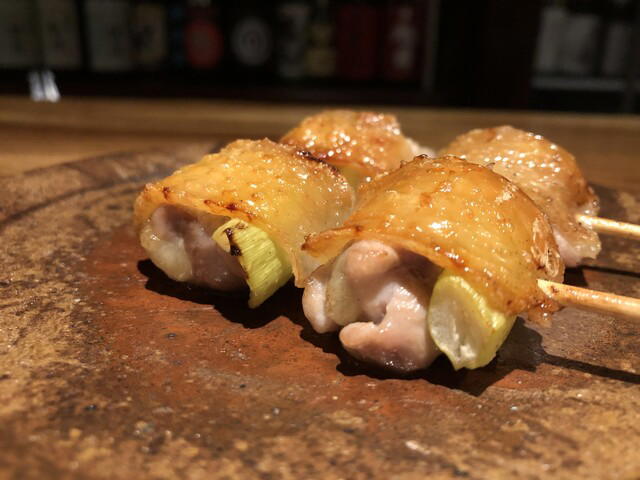
Five-seat yakitori counter in Takamatsu serving aged chicken over binchotan charcoal in a reservation-only, two-hour format. Listed on Tabelog 100 Yakitori WEST four consecutive years (2022–2025). At JPY 10,000–14,999, it offers omakase-style pacing and sake/wine pairings without Tokyo's premium pricing. No credit cards, no minors, and a mandatory alcohol policy keep the format focused but limit flexibility.
Tori Yasu
Osaka, Japan
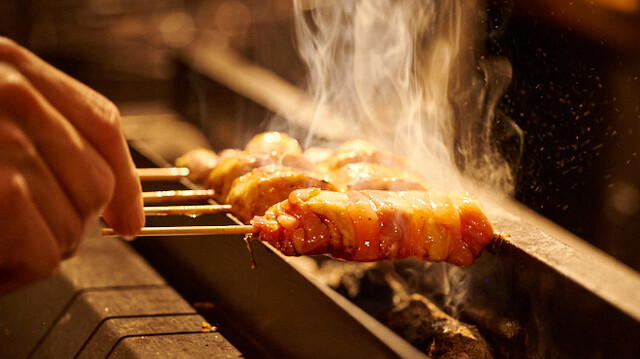
Counter yakitori in Tenma with a seasonal course approach, earning Tabelog 100 recognition three years running. At JPY 8,000–9,999, it sits between casual skewer spots and omakase-level poultry specialists; solid execution without the private-room polish, best for explorers willing to trust the kitchen's nightly lineup.
Yakitori Manjiro
Kanazawa, Japan
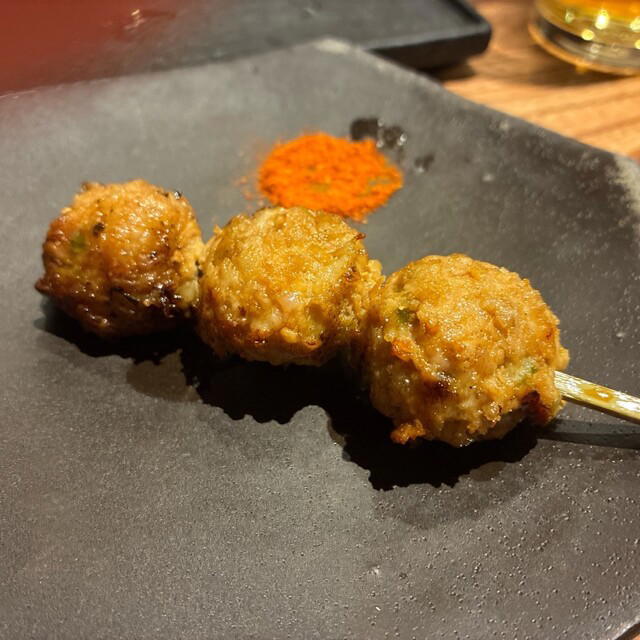
This six-seat yakitori counter earned Tabelog 100 West 2025 recognition for charcoal-grilled precision at JPY 8,000–9,999 per head; specialist skill without tawara-level pricing. Reservation-only omakase format rewards solo diners and couples seeking smoke-filled craft over conversation space. Strong value in Kanazawa's yakitori tier.
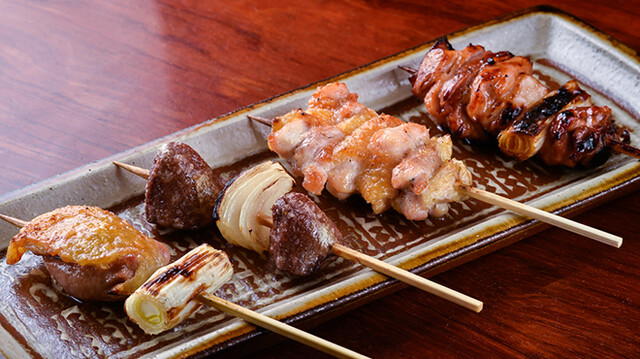
Yakitori Choji
Fukuoka, Japan
Counter-only yakitori specialist in Fukuoka's Chuo-ku district, earning Tabelog 100 West selections three years running (2023–2025). Dinner runs JPY 8,000–9,999 with grilled black Satsuma chicken and Oshio jidori; late-evening service (last orders 10:00 PM) makes walk-ins more realistic after 9:00 PM. Worth the price for solo diners seeking grilled-chicken precision without Tokyo omakase expense.
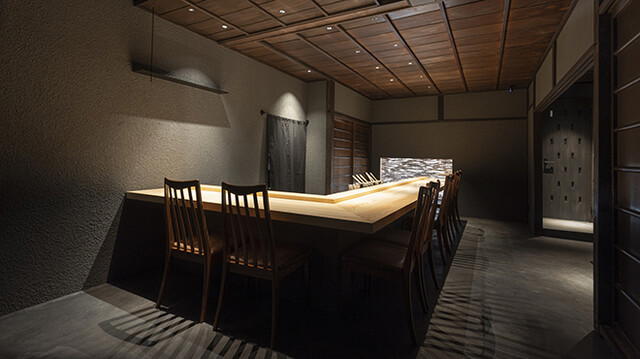
Tori Kago
Kyoto, Japan
Eight-seat yakitori counter in residential Mibubojocho, two minutes from Shijo Omiya Station. Opened August 2023 and named to Tabelog 100 Yakitori WEST in 2024 and 2025. Reservation-only omakase format at JPY 15,000–19,999, with sake, shochu, and wine pairings. Counter seating only, with full buyout available for up to 20 guests.
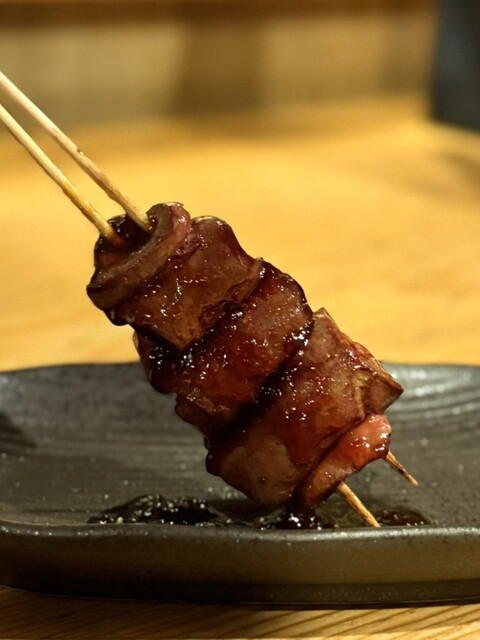
Yakitori Senmyou
Kagoshima, Japan
Tabelog 100 yakitori spot in Hinokuchi-cho with private rooms for groups, serving binchotan-grilled chicken skewers at JPY 5,000–5,999. Evenings only, closed Sundays. Counter seating available for solo diners; private rooms suit parties of four or more. Book ahead for weekends.
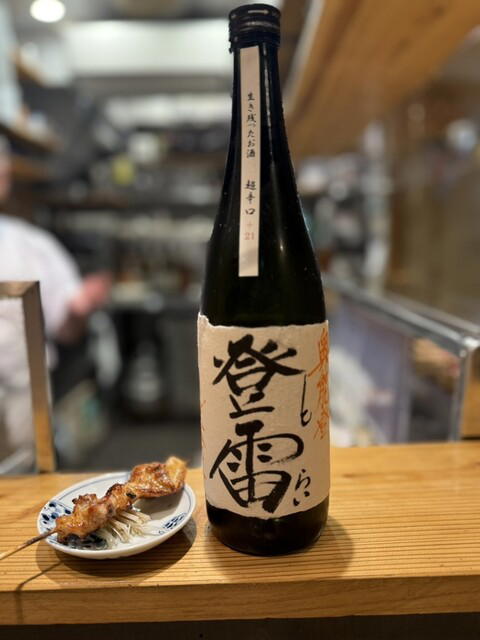
Mashiko
Fukuoka, Japan
Nine-seat yakitori counter in Daimyo with three consecutive Tabelog 100 selections, focused on technical precision and in-house butchery. Reservation-only format at JPY 10,000-14,999 per head, with sake and shochu curated to support the grill. Best for solo diners and couples who prioritize execution over ambiance.
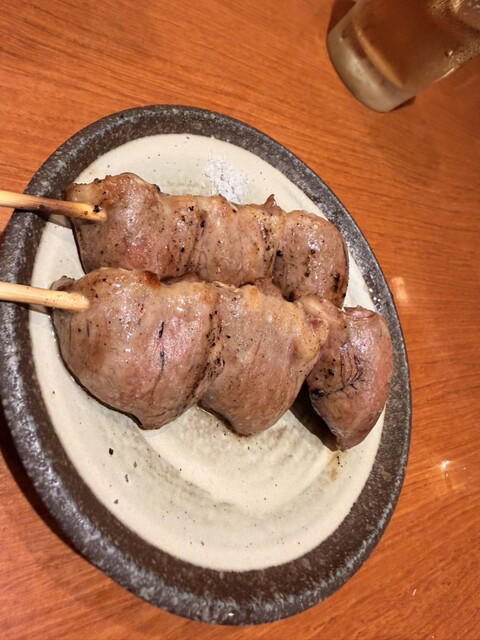
Sumisho Kishimoto
Osaka, Japan
A counter-only yakitori bar in Showacho that holds a three-year Tabelog 100 streak while keeping the check under JPY 5,000. Charcoal-grilled chicken skewers, a curated sake and shochu list, and service until 10:30 PM position this as a late-dinner option for diners who know the format. Reservations recommended but walk-ins work on weekdays.
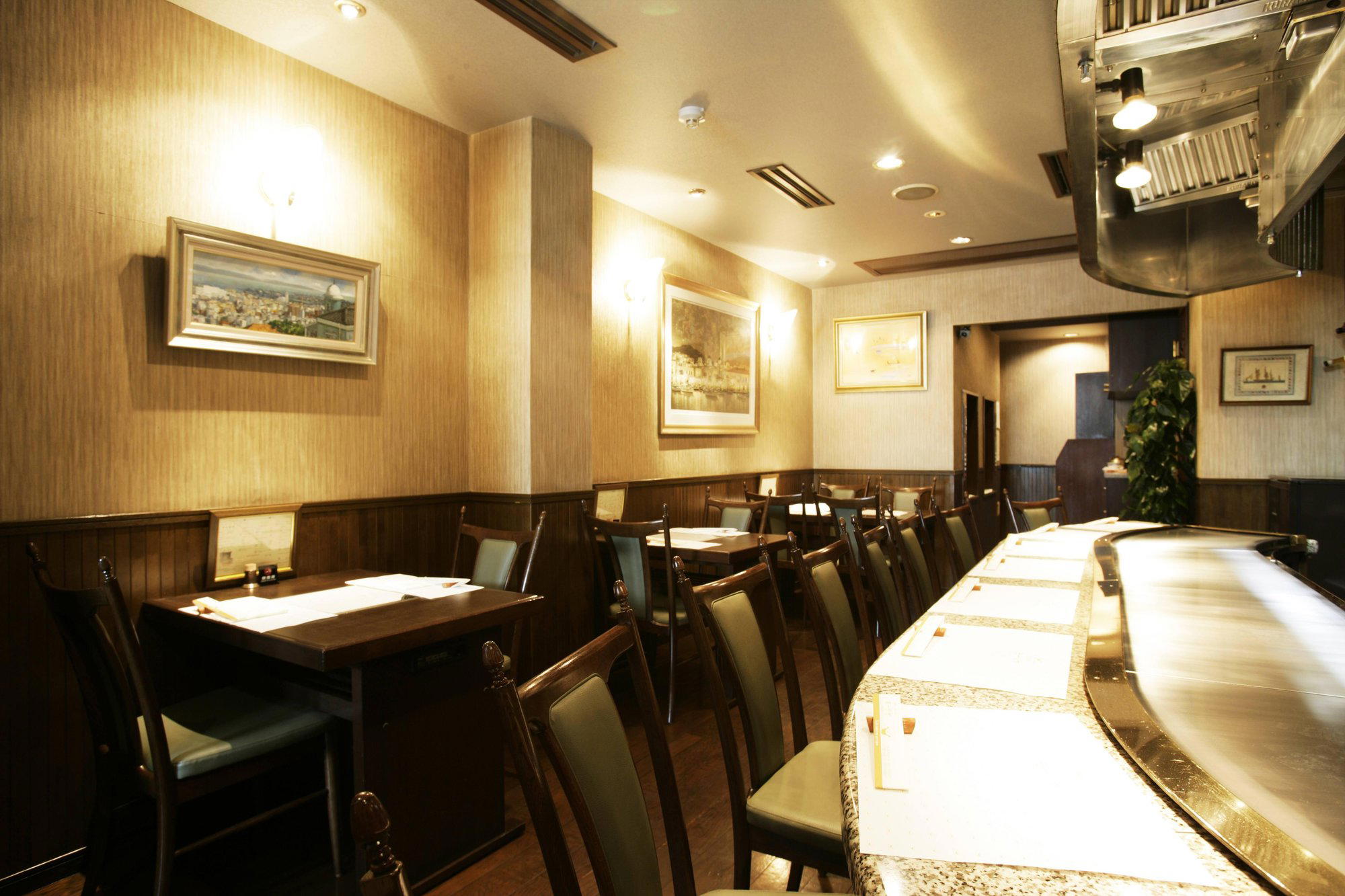
鶏一途
Kobe, Japan
A serious Kobe pick with a 2025 Tabelog 100 placement and a 3.9-point score, better for diners who value recognition over advance certainty on price or format. Lunch is the cleaner logistics choice if you are already in Higashinada; dinner works if this is the anchor meal.
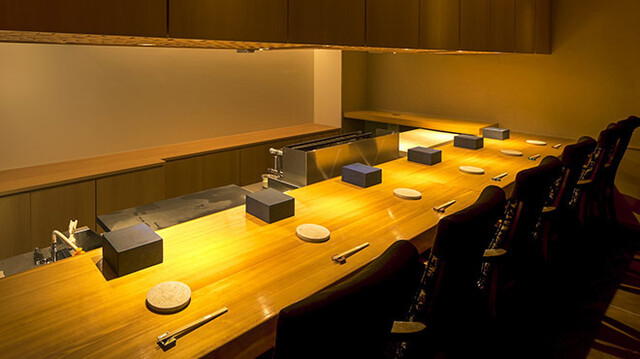
Tori Yamamoto
Hiroshima, Japan
Tori Yamamoto is the Hiroshima pick for a more deliberate yakitori night rather than a casual izakaya stop. Choose it for a date, anniversary, or focused counter-style dinner where pacing matters; look to cheaper Hiroshima peers if the priority is value, speed, or a broader local-food crawl.
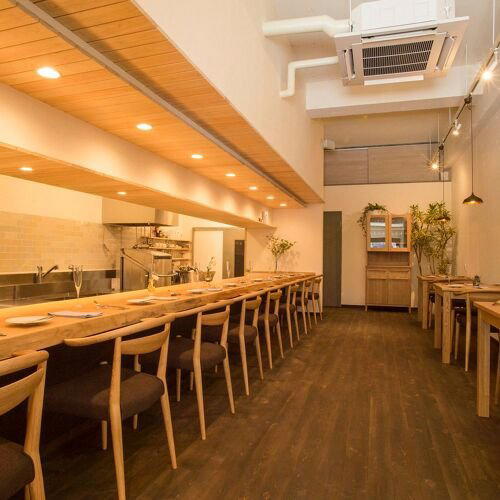
Yakitori Mochizuki
Nara, Japan
Yakitori Mochizuki is the Nara pick for diners who want a focused ¥¥ yakitori meal with credible guide recognition, including Michelin Guide Nara 2026 Plate status and a Tabelog 100 #20 listing for 2025. It is strongest for pairs or solo diners who want the grill to define the evening, not groups needing a broad menu.
Yakitori Kyoto Tachibana
Kyoto, Japan
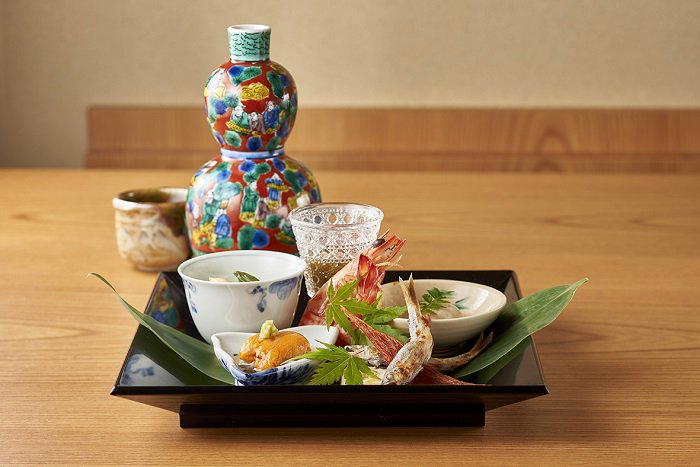
Yakitori Kyoto Tachibana holds a Michelin Plate for 2024 and 2025 and makes a clear case for Kyotamba chicken as serious dining material. At ¥¥¥, it sits a price tier below Kyoto's kaiseki institutions while delivering technically considered cooking: kombu-marinated skewers, skin-wrapped preparations, and vegetables grilled last to absorb the drippings. Easy to book, and worth it.
Nishino
Kyoto, Japan
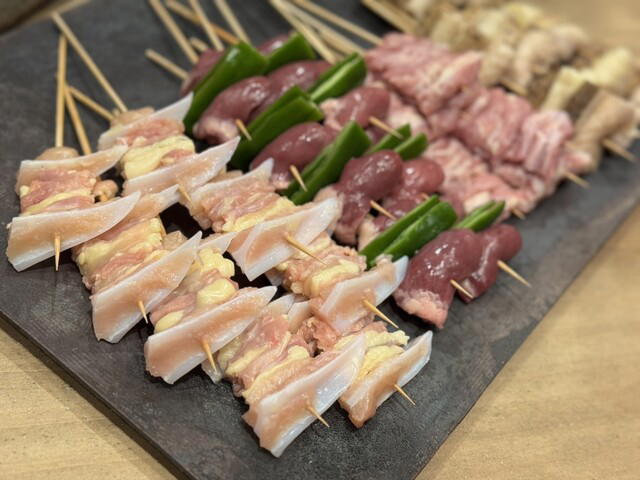
A nine-seat yakitori counter in Saiin charging JPY 15,000–19,999 for omakase-only grilling. Three consecutive Tabelog WEST 100 selections (2023–2025) confirm technical precision, and the reservation-only, counter-focused format favors solo diners and pairs over larger groups. Book two to three weeks ahead during peak travel months.
Toritori Kenkyu Dan
Fukuoka, Japan
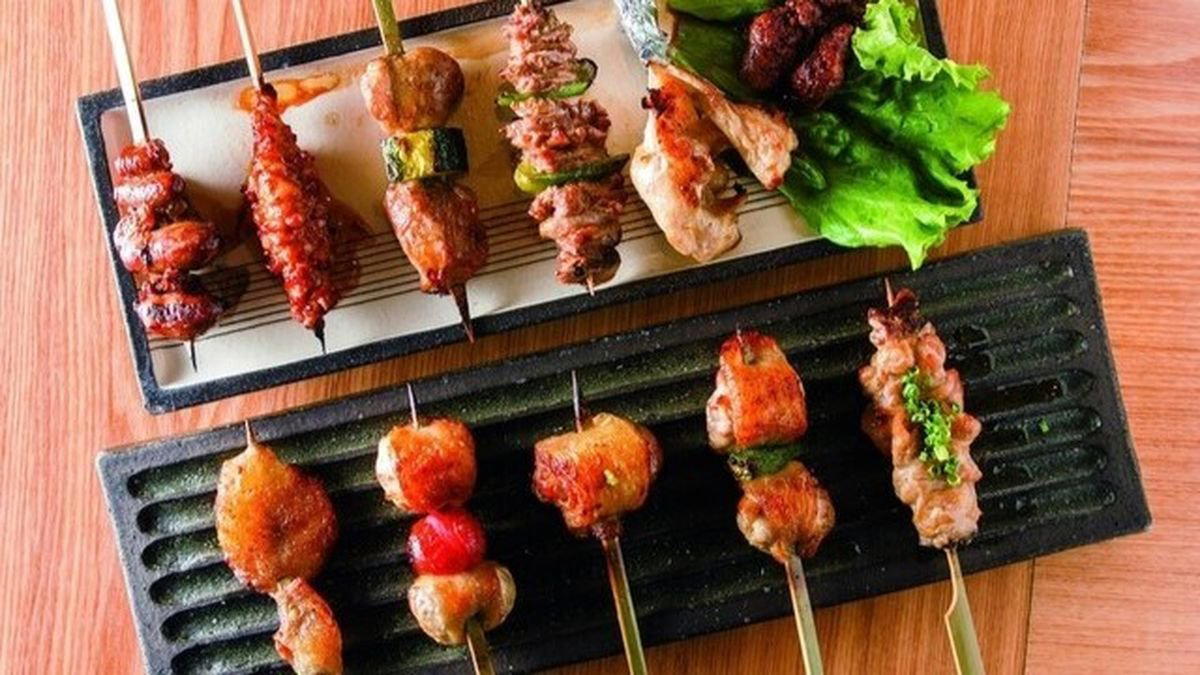
Tabelog 100 yakitori counter near Hakata Station, serving charcoal-grilled chicken skewers and chicken-bone ramen at JPY 5,000–5,999. The 34-seat room runs a casual, walk-in-friendly format with sake and shochu focus; reserve ahead for weekend prime slots, or drop by weekday evenings for easier seating.
Torisaki
Kyoto, Japan
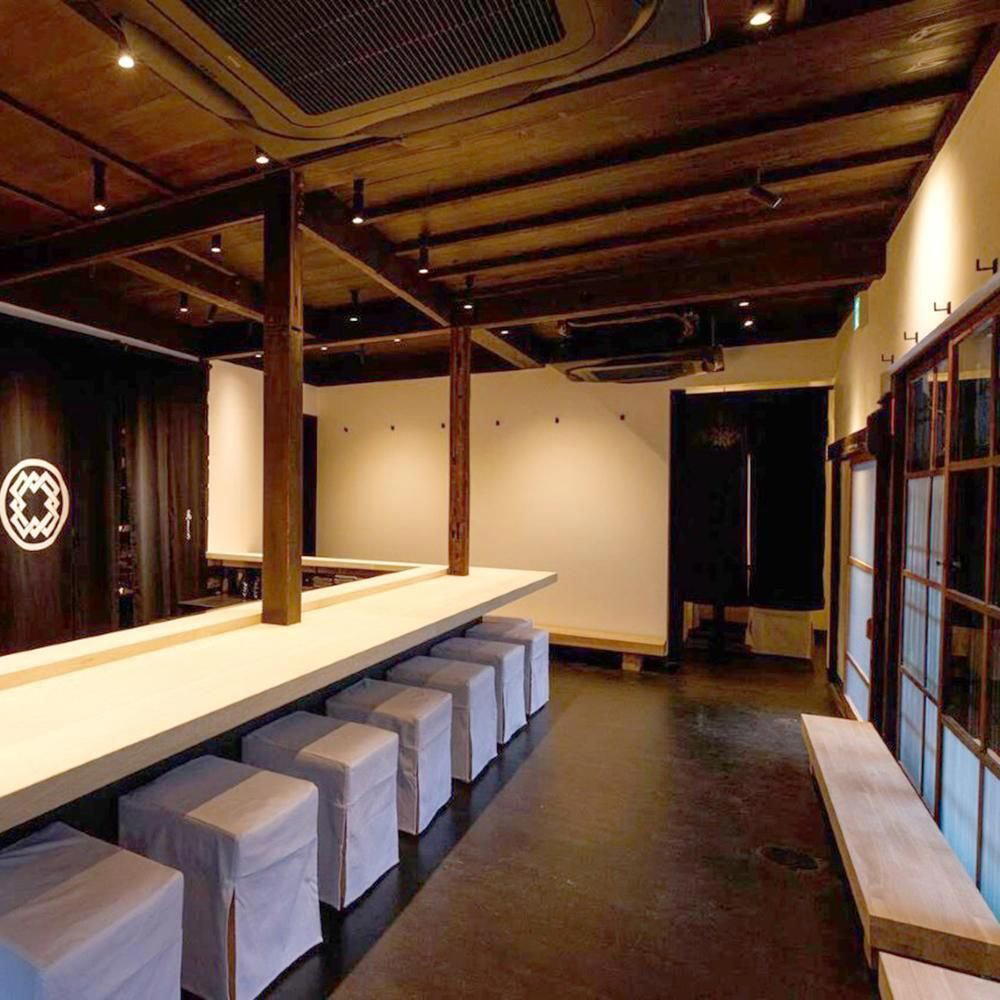
The only Michelin one-star yakitori restaurant in Kyoto, Torisaki combines Fukushima brand-name chicken and counter-style grilling in a traditional machiya in Nakagyo. At JPY 15,000–19,999 per head, it delivers starred-level precision at a fraction of comparable kaiseki prices. Book four to six weeks out minimum; 19 seats, reservation only, closed Sundays.
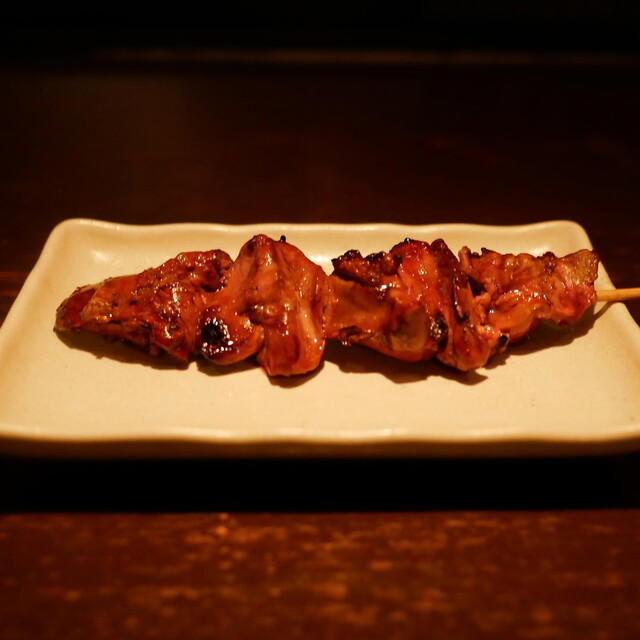
Baji Tofu
Kyoto, Japan
Baji Tofu works for an evening meal in central Kyoto when the goal is recognized, good-value dining rather than a formal splurge. The JPY 3,000–3,999 range and Tabelog 100 #25 placement make it a practical pick for couples or small groups, but it is not the clearest choice if private dining is the priority.
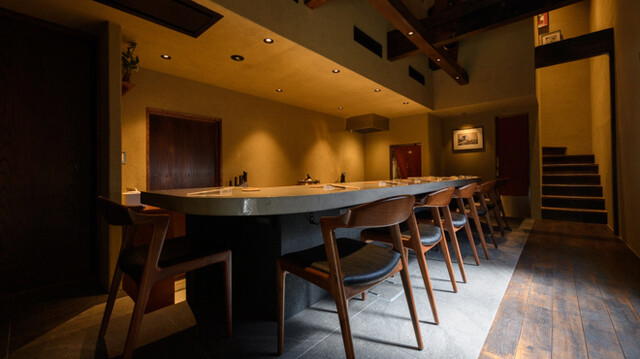
Kego Furuya
Fukuoka, Japan
A 10-seat yakitori counter in Fukuoka's Kego district, earning three consecutive Tabelog Yakitori WEST 100 selections (2023–2025) for charcoal-grilled Kurume chicken and seasonal fish. The omakase format runs JPY 6,000–7,999; strong value for award-level precision. Book three days ahead for weeknight seats; Friday and Saturday fill faster. No lunch service.
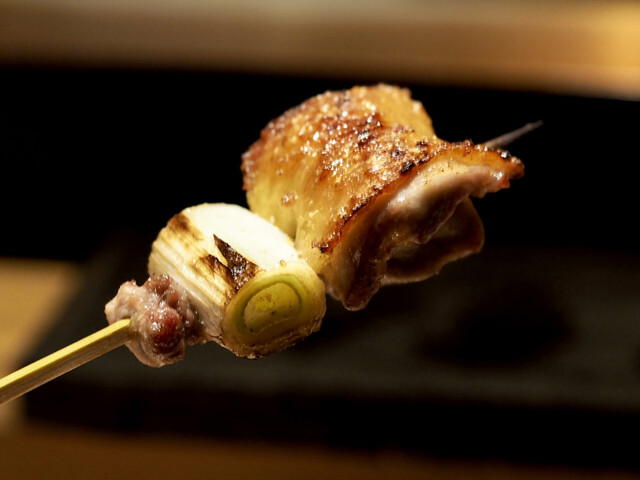
Sumibi Yakitori Morita
Osaka, Japan
Seven-seat yakitori counter in Honmachi named to Tabelog's WEST 100 three years running, open until midnight for charcoal-grilled skewers at JPY 15,000–19,999. The late-night slot and consistent recognition make it a practical choice when you want premium yakitori after standard dinner hours, though the price and counter-only format suit committed skewer enthusiasts more than casual diners.
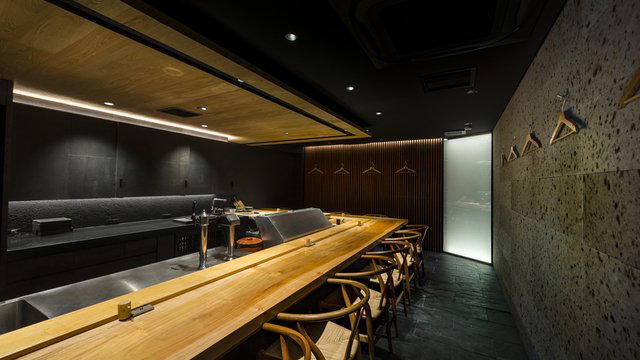
Yakitori Torila
Fukuoka, Japan
A focused Fukuoka yakitori pick for diners who want a specialist meal rather than a broad izakaya-style night. Yakitori Torila is led by chef Koichi Inoue and carries a 2026 Opinionated About Dining recommendation, making it a credible target for travelers planning around craft, charcoal, and counter-style pacing.
Goichi Higobashi
Osaka, Japan
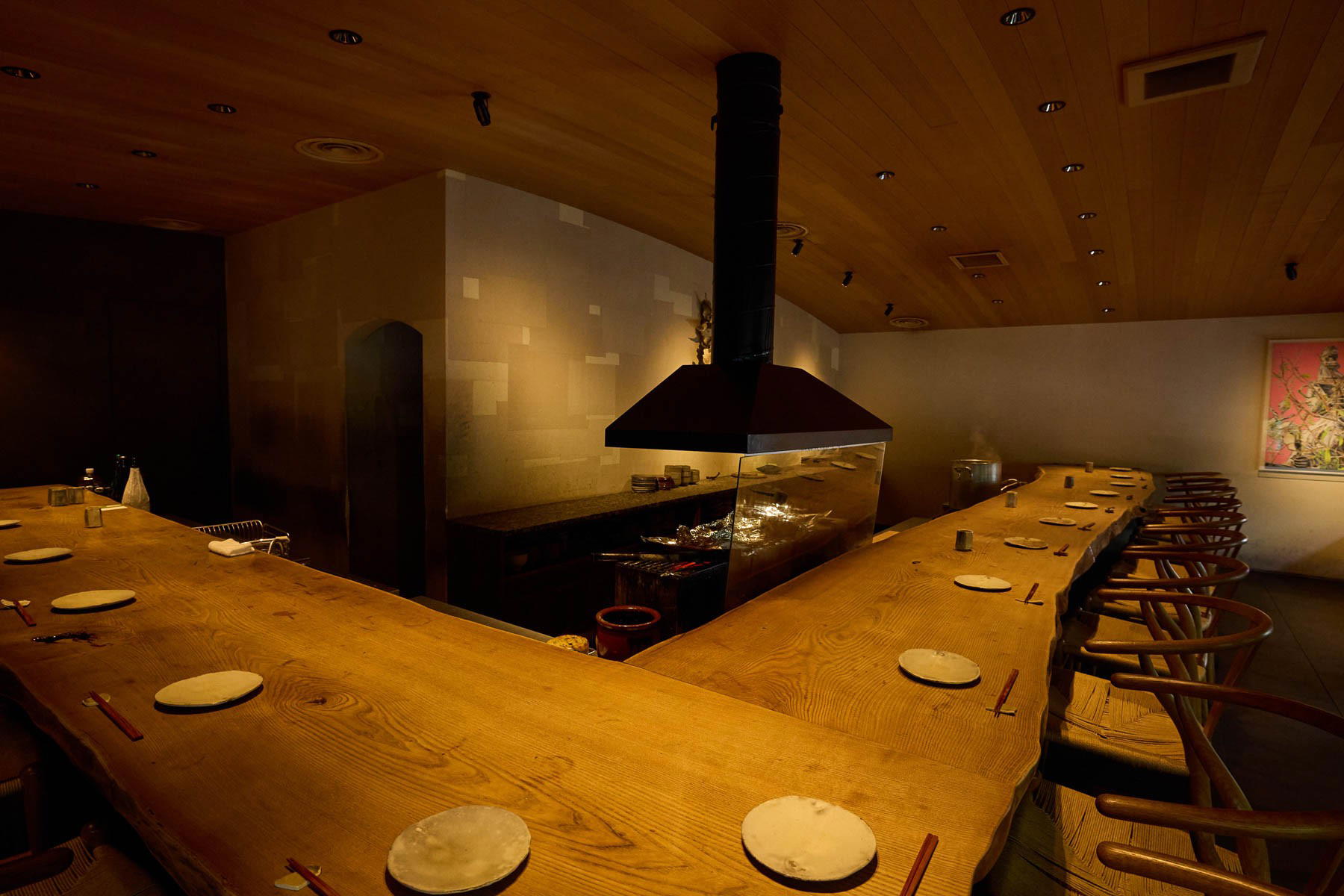
This 16-seat yakitori counter in Edobori earned Tabelog Bronze in 2025 and 2026, delivering charcoal-grilled chicken with technical precision at JPY 10,000–14,999 for dinner. The sake and shochu program runs deep, and the counter-only format keeps things intimate; book when you want recognized yakitori skill without splurging on Osaka's top-tier omakase.
Shinhaku
Osaka, Japan
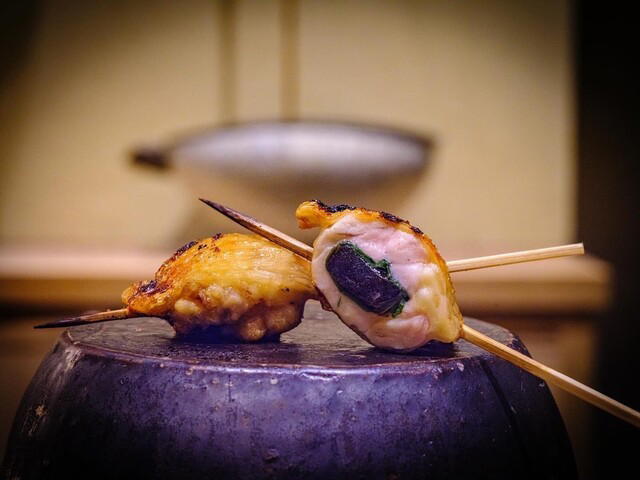
Reservation-only yakitori omakase in Nishitenma with a 10-seat counter and a six-seat private room. Four consecutive Tabelog 100 Yakitori selections (2022–2025) signal technical precision and a serious sake program. At JPY 15,000–19,999, it delivers polish and exclusivity without Tokyo-level booking difficulty. The private room upstairs handles groups of up to ten; the counter suits solo diners and pairs who want direct grill access.
Sumibi Iwata
Osaka, Japan
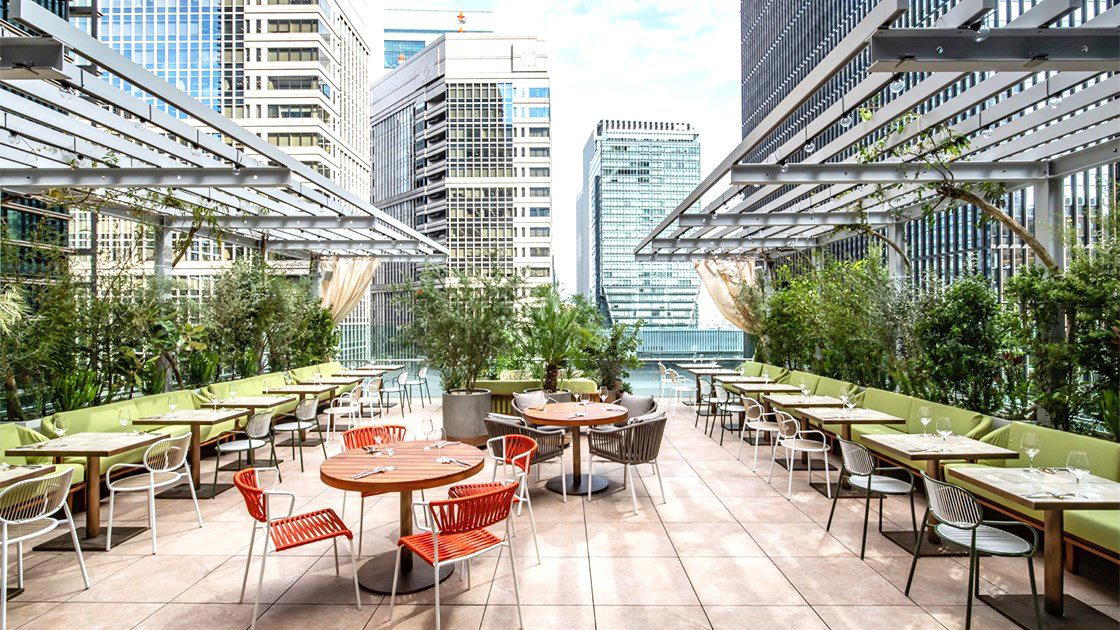
Sumibi Iwata works for a focused Osaka dinner built around charcoal grilling rather than a broad casual crawl. Its Tabelog 100 #31 placement in 2025 and Michelin Plate recognition in 2026 give it a credible quality signal, but first-timers should book it when the night can revolve around dinner.
Yakitori Mako
Fukuoka, Japan
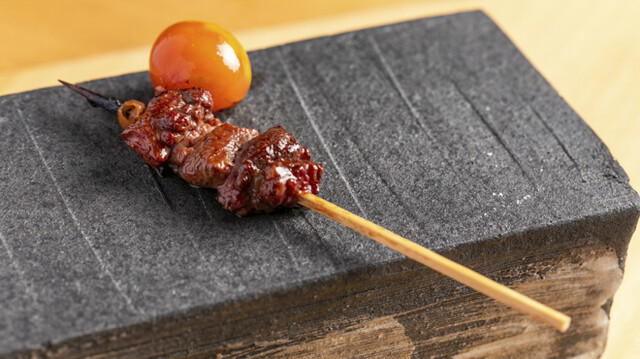
A 15-seat yakitori counter near Yakuin-Odori that earned back-to-back Tabelog 100 selections by focusing on Kuro Satsuma chicken grilled over binchotan. At ¥10,000–¥14,999, the price is mid-tier and the execution is technically sound, though the fixed-seating policy (18:00, 19:30, 21:00 starts from January 2026) demands punctuality. Book three weeks ahead for counter seats; the four-seat private room works for groups but removes the grill view.
Ryobo
Osaka, Japan
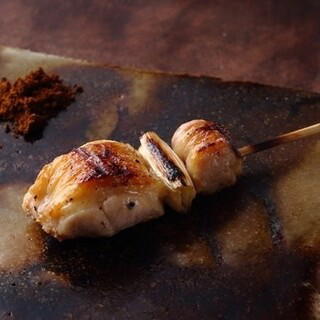
A 10-seat yakitori counter in Shinsaibashi earning back-to-back Tabelog 100 West badges since 2024, charging JPY 10,000–14,999 for grilled skewers with sake and shochu pairings. Two-minute walk from dual subway stations, counter-only seating, and advance booking essential for weekends. Better suited to dine-in than takeout; skewers lose quality off the grill.
Yakitori Kokure
Fukushima, Japan
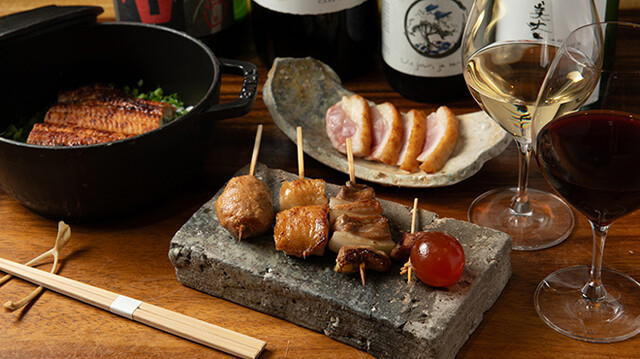
Nine-seat yakitori counter in a converted Fukushima house, serving omakase-only grilled chicken at JPY 8,000–9,999. Four consecutive years on Tabelog 100 Yakitori WEST, with reservations required and a quiet, date-friendly room. Best for diners who want precision over theater; skip if you need flexibility or a social vibe.
焼鳥 YAMATO
Osaka, Japan
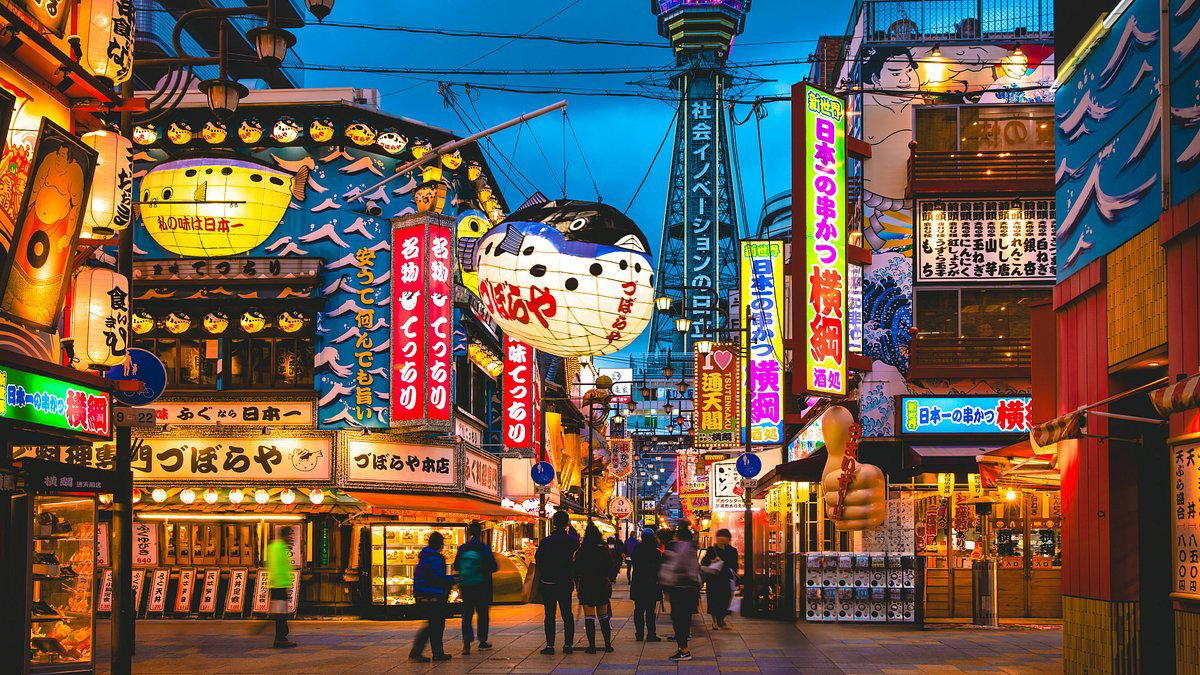
Compared with cheaper Osaka options, 焼鳥 YAMATO is the pick for a more focused evening meal in Kitashinchi, especially for a date or small celebration. The Tabelog 100 recognition supports the booking case, but lunch-seekers and budget-first groups should cross-shop before committing.
Yakitori Enami
Osaka, Japan
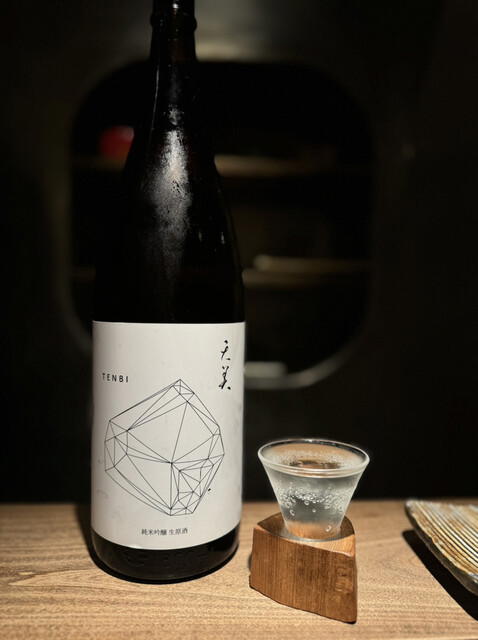
A 10-seat yakitori counter in Nishitenma with three consecutive Tabelog 100 (Yakitori WEST) nods, serving omakase-style grilled chicken at JPY 8,000–9,999. The room runs quiet and focused, better for couples and small groups than large parties. Technical execution justifies the price if you prioritize charcoal precision over izakaya energy.
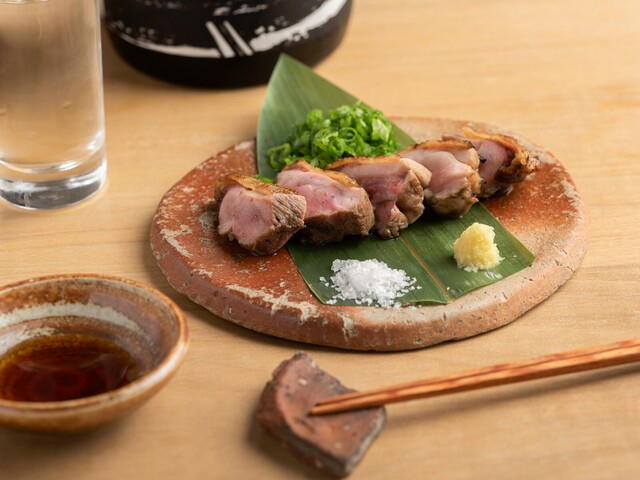
CHIKICHIKI Tenma ten
Osaka, Japan
Three-time Tabelog Yakitori WEST 100 honoree serving Tajima chicken skewers over charcoal in Tenma. Dinner courses run JPY 6,000–7,999, with counter seating for close-up grill views and table service for groups. Weekend lunch available (stock-dependent). Reserve ahead; walk-ins face limited availability on a 38-seat floor plan split between two levels.
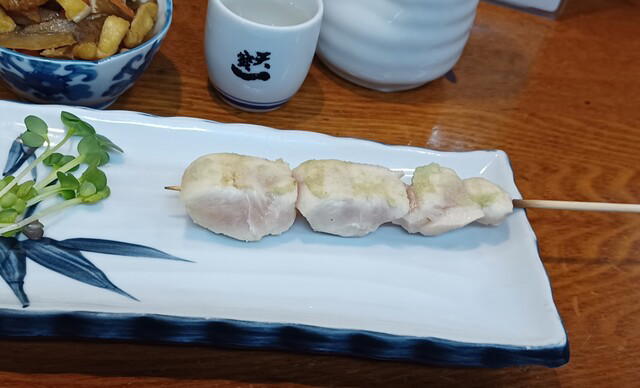
Tori Tsune
Fukuyama, Japan
Counter-only yakitori spot recognized on Tabelog's Yakitori West 100 list for three consecutive years (2023–2025), priced at JPY 5,000–5,999 for dinner. Cash-only, reservations by phone, closed Sundays. Sake and shochu program suits the grilled-chicken focus. Best for solo diners or couples who want award-recognized yakitori without Tokyo pricing.
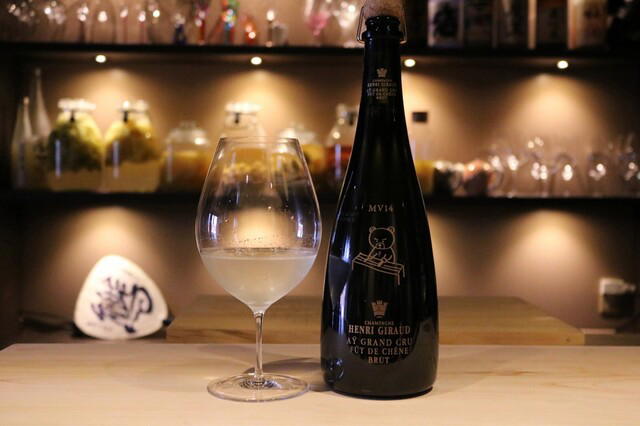
Kuma no Yakitori 106
Osaka, Japan
Reservation-only yakitori counter in Tenjinbashi running a Kagoshima farm-partnership model that delivers cleaner flavor and texture precision than most Osaka competitors. Tabelog 100 - Yakitori - WEST 2025 recognition confirms consistent execution at JPY 10,000–14,999 per head, but fixed start times and course-only format mean flexibility is limited. Worth it if grilling technique matters more than menu variety.
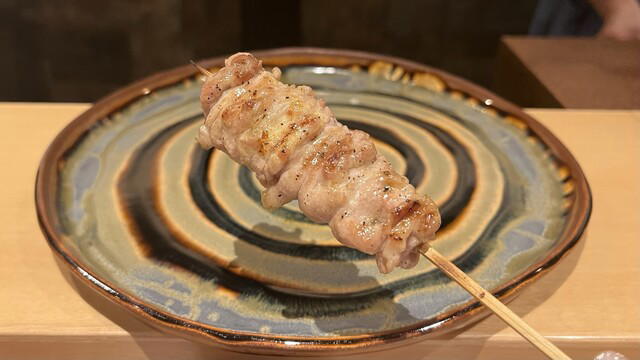
Oimatsu Miyamoto
Osaka, Japan
An eight-seat yakitori counter in Nishitenma with four consecutive Tabelog 100 selections (2022–2025) and a sake-focused omakase format. At JPY 15,000–19,999 per head, the restaurant delivers precision execution and intimate counter dining, but strict reservation policies and synchronized service starting at 6 PM mean this is better suited for solo diners or pairs prioritizing formality over flexibility.
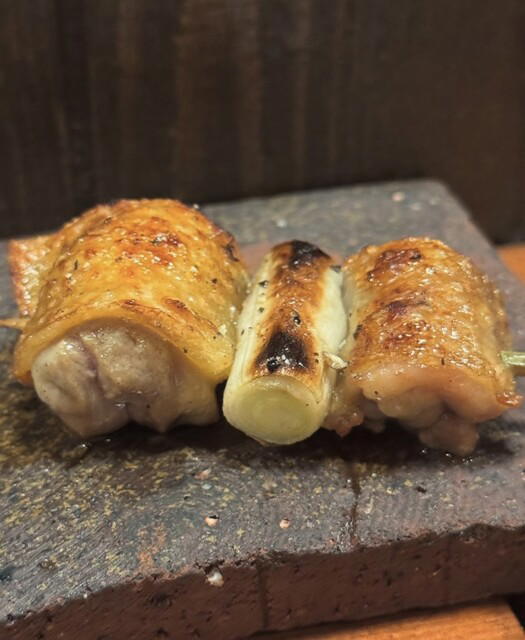
Yakitori Ryu
Nishinomiya, Japan
A 17-seat yakitori counter one minute from Hankyu Mondoyakujin Station, this 2022 opening earned a Tabelog 100 – Yakitori – WEST 2025 selection for its precise grilling of Kuro Satsuma Chicken over binchotan charcoal. Dinner runs JPY 8,000–9,999, and the sake list is stronger than the wine. Reservations required; lunch service (chicken soba only) is irregular.
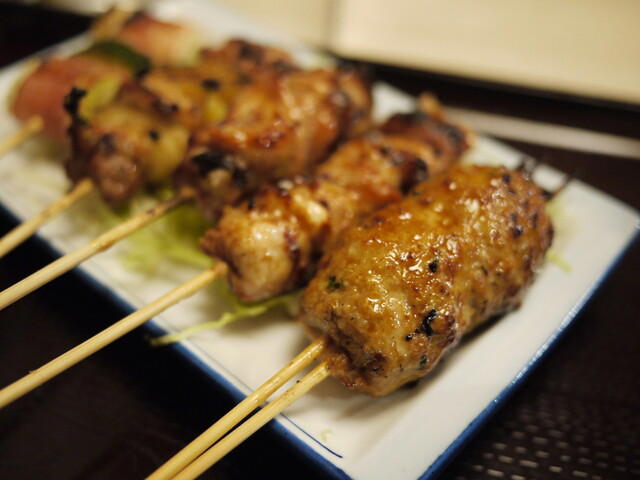
Tori Bon Tokushima honmachi ten
Tokushima, Japan
Three-year Tabelog 100 Yakitori WEST honoree (2023–2025) serving counter-focused grilled chicken skewers at JPY 5,000–5,999 per head. Dinner-only format runs 5:00 PM to 10:00 PM daily, with tatami banquet space upstairs for groups and credit card/QR code payment accepted. Book one week ahead for Friday and Saturday; counter seats deliver the strongest experience for solo diners and pairs.
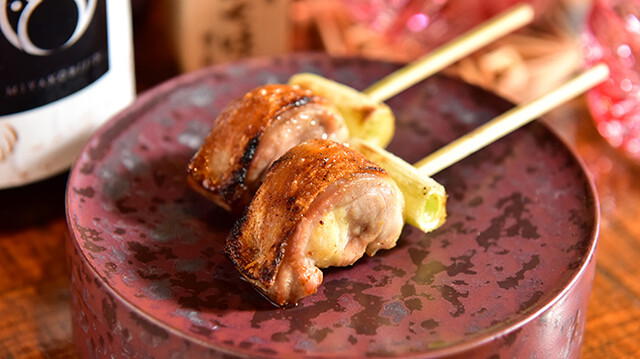
Yakitori Asahina
Kitakyushu, Japan
Nine-seat yakitori counter in Kitakyushu serving omakase courses of Kyoto Kosaka chicken over binchotan charcoal. Named to Tabelog Yakitori WEST 100 for 2024 and 2025, with reservation-only seating at JPY 10,000–JPY 14,999. Book via Instagram DM; the intimate counter setup and no-under-18 policy make it a focused, adults-only experience.
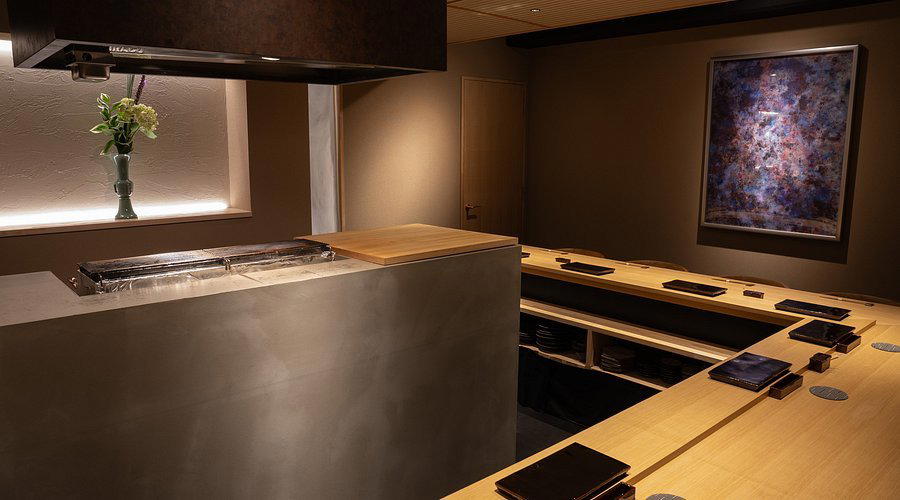
Yakitori Matsuoka
Osaka, Japan
Yakitori Matsuoka in Osaka's Chuo Ward holds two consecutive Michelin Plates (2024–2025) for a reason: chef Hiroki Matsuoka works with aged Kagoshima free-range chicken and a house-prepared fragrant oil that genuinely sets this apart from the standard yakitori format. At the ¥¥¥ tier, the structured menu running from skewers through chicken stews to earthenware pot rice justifies the spend for food-focused visitors. Booking is rated easy by Japanese counter standards.
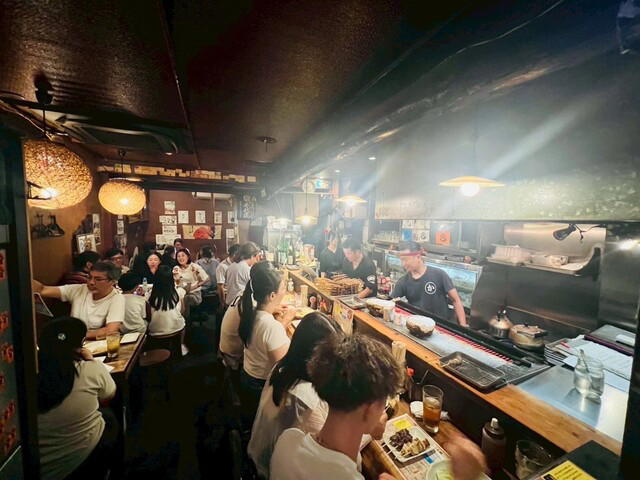
Kawa Ya Shirogane ten
Fukuoka, Japan
Tabelog 100 Yakitori (WEST) izakaya near Yakuin Station serving charcoal-grilled chicken and small plates at JPY 2,000–2,999 per head. Casual counter and table seating with multilingual menus, no-smoking policy, and late-night hours Thursday through Sunday. Book for accessible award-recognized yakitori without omakase formality.
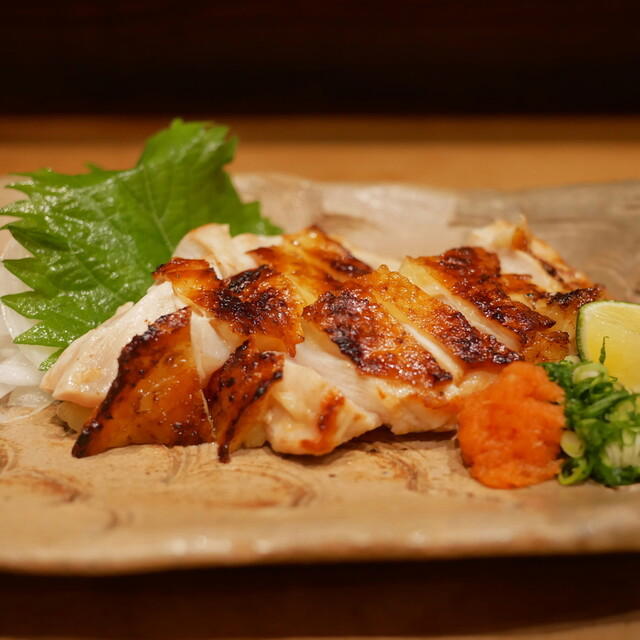
Sumibi Yakitori Kichizo
Osaka, Japan
A Tabelog 100 yakitori specialist in Itachibori serving charcoal-grilled skewers in a casual, 16-seat room. Five consecutive years of national recognition at JPY 6,000–7,999 per head, with counter seating, cash-only payment, and a dinner-only format that fills quickly after 6 PM. Worth booking if you want technically accomplished yakitori without omakase formality or pricing.
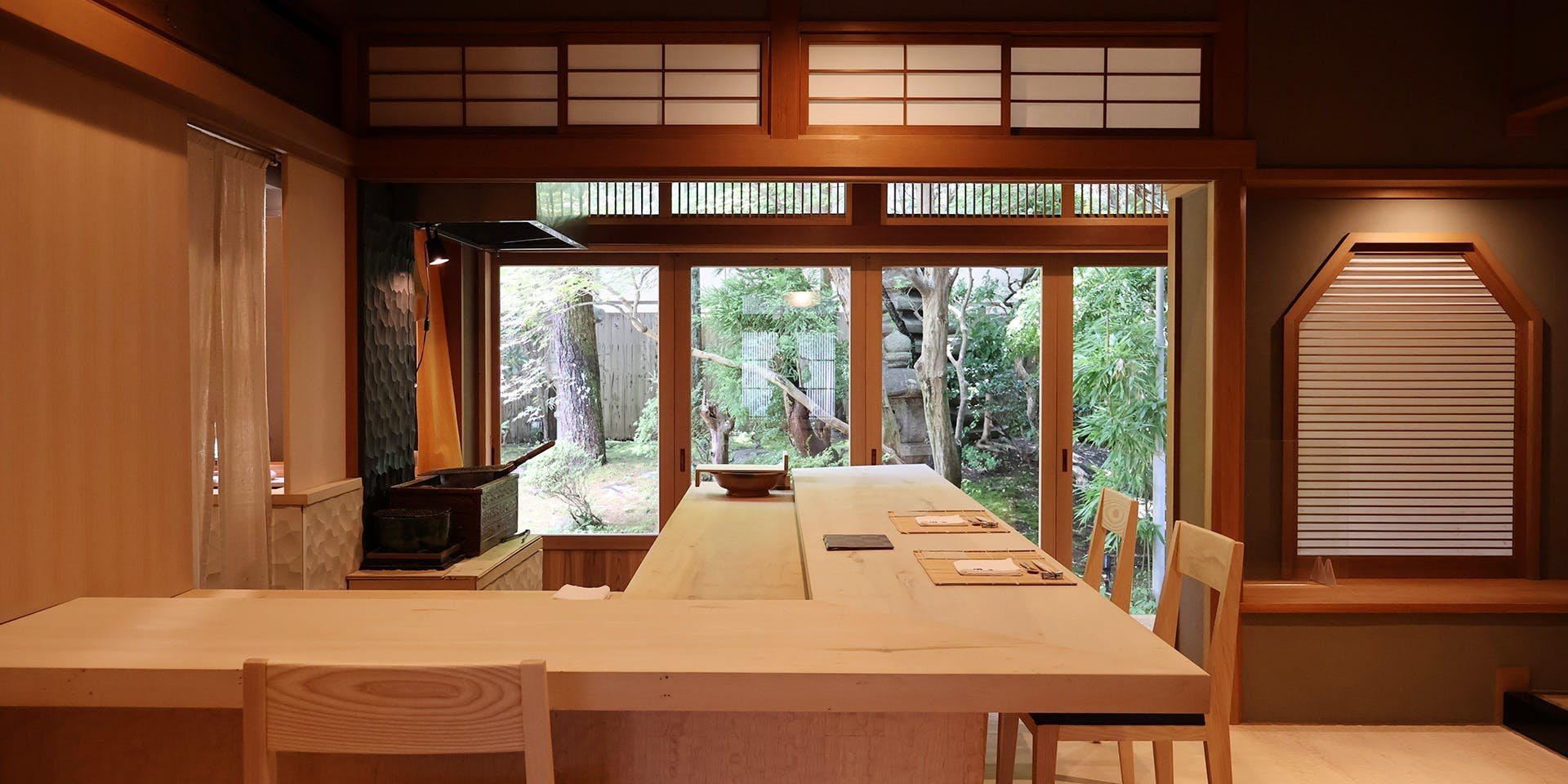
Sumibiyakitori Ikoka
Osaka, Japan
Sumibiyakitori Ikoka is a value-first Osaka yakitori pick: low price tier, dinner-only hours, and enough outside recognition to justify planning around it. Book it for a focused grilled-chicken meal, especially as a two-person stop; choose Kitashinchi Shien or Ayamuya if the night needs a more expensive, occasion-driven feel.
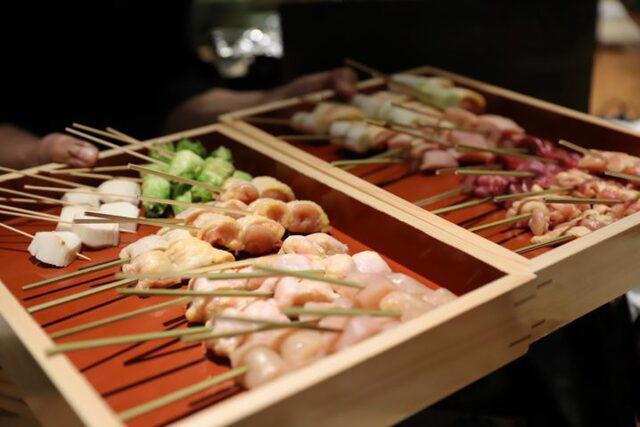
Yakitori Saihi
Osaka, Japan
A seven-seat Minamisenba yakitori counter (Tabelog 100 WEST 2024–2025) with reservation-only single seatings, smart casual dress code, and a JPY 10,000–14,999 omakase format. The room favors regulars who know the pacing, solo diners who appreciate counter access, and anyone building a midweek rotation of reliable charcoal-grilling counters across Osaka. Book three weeks out for most dates; closed Sundays.
Sumishin
Matsuyama, Japan
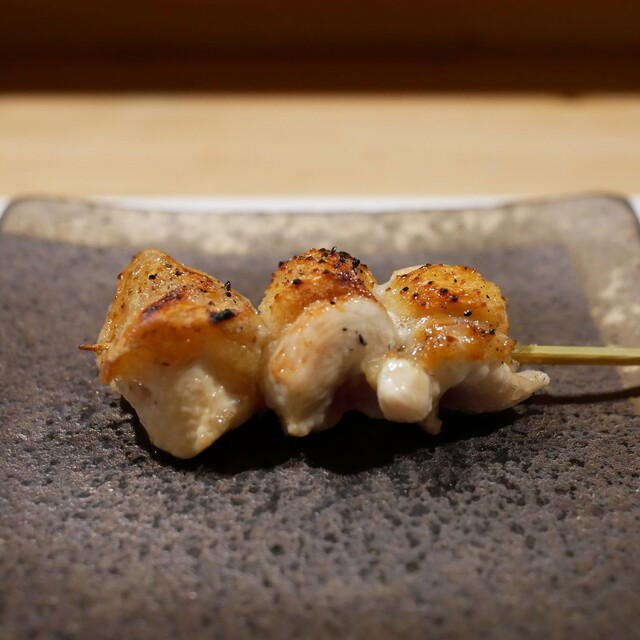
Tabelog 100 yakitori counter in Nibancho delivering technically proficient charcoal-grilled chicken at JPY 10,000-14,999. Counter-only seating suits solo diners and pairs; cash-only, dinner-only format with Thursday closure. Book for consistent grill technique and Ehime sake pairings without Tokyo formality.
Ichijuu
Fukushima, Japan
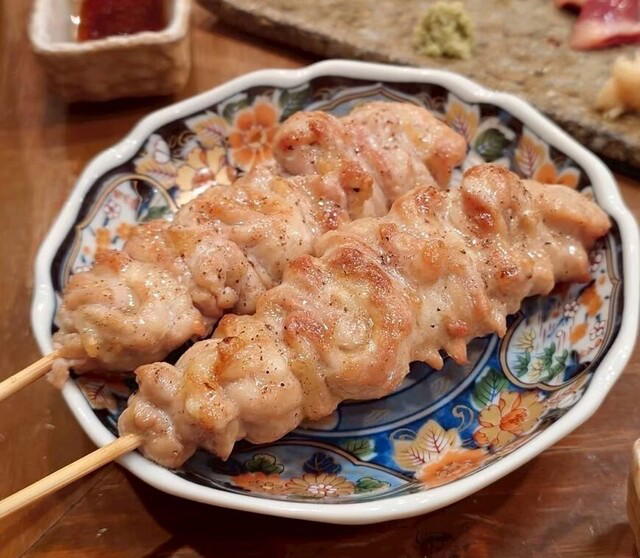
Counter-focused yakitori specialist in Fukushima recognized on Tabelog 100 WEST 2025, offering charcoal-grilled skewers and sake pairings at JPY 4,000–4,999. The 11-seat format and limited hours require advance booking, but the price point and drink selection make it a practical choice for regulars rather than one-off splurges.
Taniguchi
Amagasaki, Japan
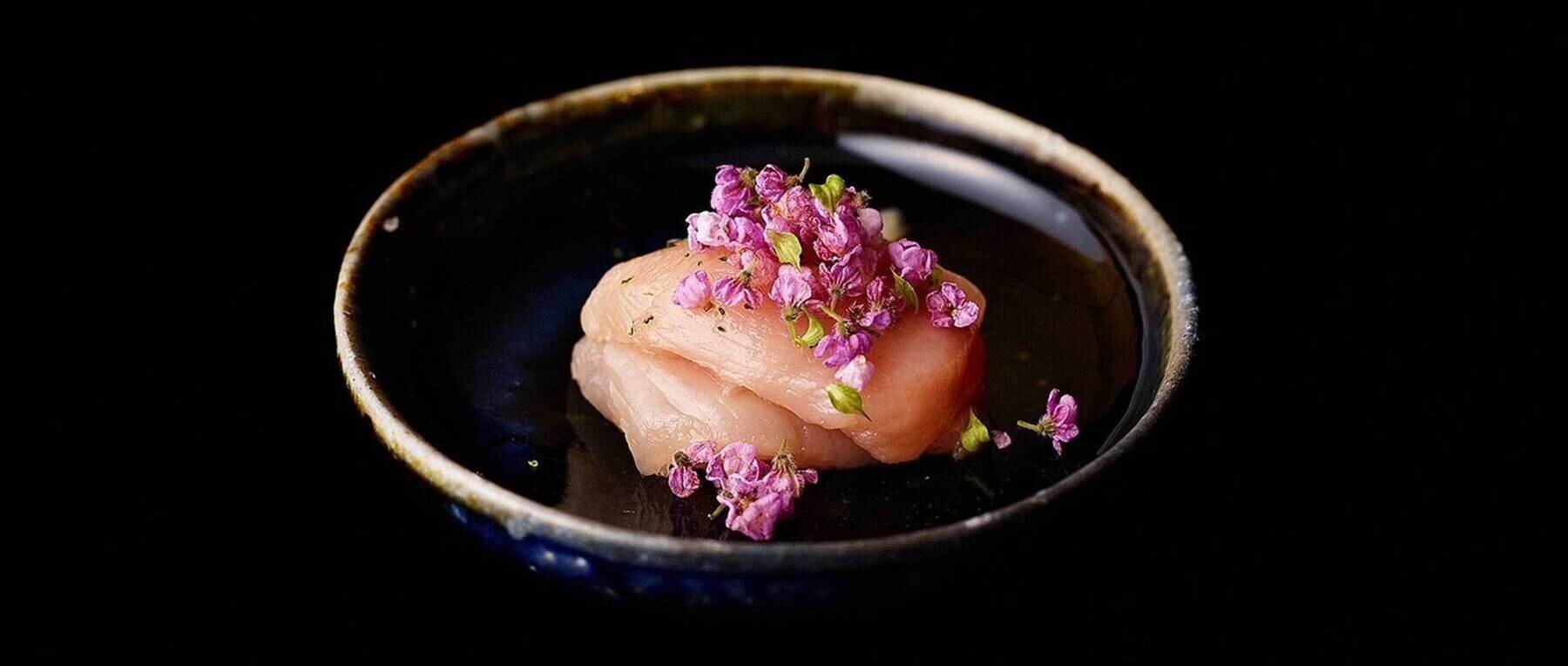
Yakitori Taniguchi is an eight-seat counter in Amagasaki that has held Tabelog Bronze status four times and appeared on the Yakitori West 100 list every year since 2021. At JPY 15,000–19,999 per head, it delivers precision yakitori built around rare Kousaka Chicken. Book through Tabelog only; no phone, no walk-ins; and arrive on time.
Kushi Dokoro Dochu
Hiroshima, Japan
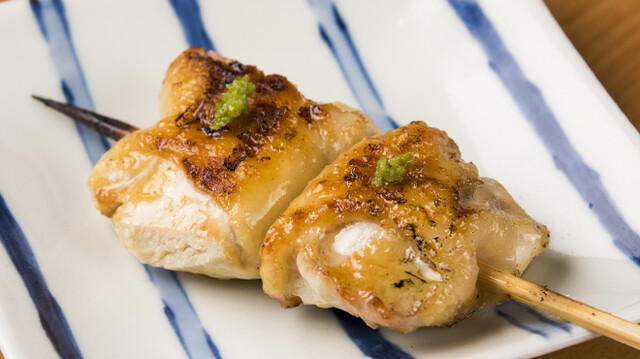
A nine-seat yakitori counter in Ebisucho delivering Tabelog 100 – WEST 2025 recognition at JPY 5,000–5,999 per head. Rare cuts and oversized quail egg skewers grilled over binchotan charcoal in a Showa-era room; book weekday afternoons by phone, expect minimal English, and plan for a two-hour counter session best suited to solo diners or pairs.
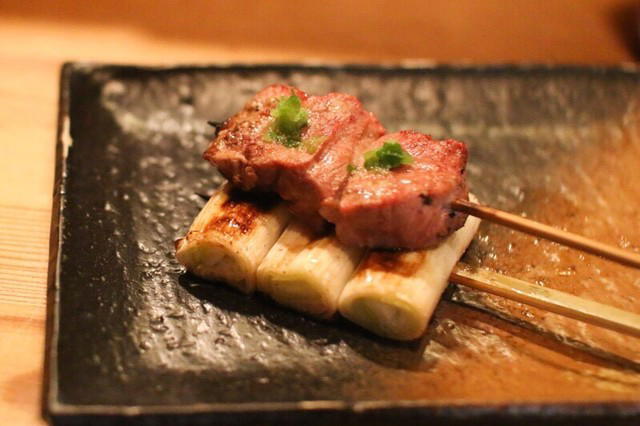
Tori Shige
Amami, Japan
Tori Shige is the Amami dinner to consider when a casual stop feels too light but a major splurge feels unnecessary. The value sits in the middle: more deliberate than La Fonte, far less expensive than okas, and better planned as an evening booking than a flexible daytime meal.
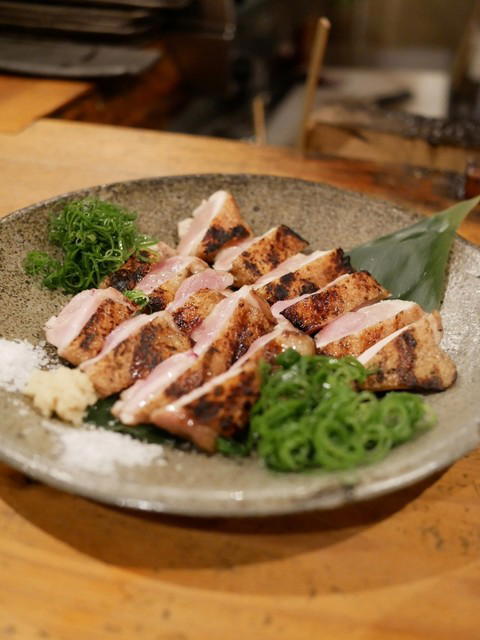
Goichi
Osaka, Japan
A 20-seat yakitori counter in Doyamacho recognized by Tabelog 100 Yakitori WEST 2025, offering ingredient-driven skewers over binchōtan at JPY 8,000-9,999. Counter seating provides direct sightlines to the grill; book two weeks ahead for weekends, or try mid-week for easier access. Cash-only, open nightly until midnight.
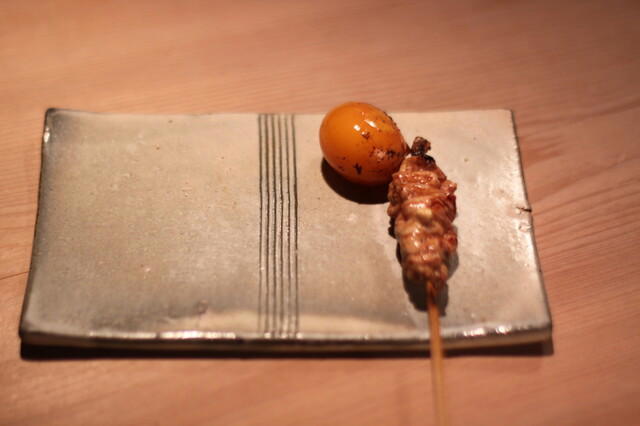
Hyogo Dori
Kumamoto, Japan
Hyogo Dori is a Tabelog 100 yakitori counter in Kumamoto's Anseimachi district, serving grilled chicken skewers over binchotan charcoal at JPY 6,000–7,999 per head. The 14-seat ginkgo-wood counter delivers award-level precision without Tokyo-level booking difficulty, with a sake, shochu, and wine program that exceeds most yakitori-ya in western Japan. Book for dinner if you want technical yakitori at a price point below Kumamoto's kaiseki and teppanyaki standards.
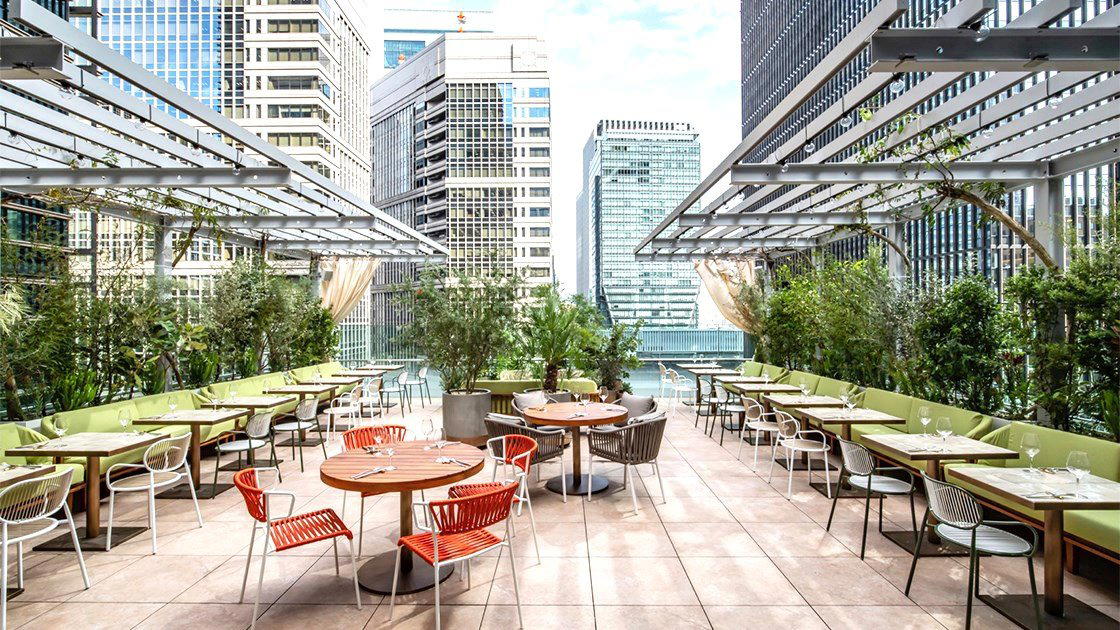
Sumisho Mikuriya
Osaka, Japan
Sumisho Mikuriya is worth booking for a late Osaka dinner when value and recognition matter more than ceremony. The 2026 Michelin Bib Gourmand and Tabelog 100 #58 ranking give it real credibility, but the smarter use is a focused dinner for one or two, not a large special-occasion plan.
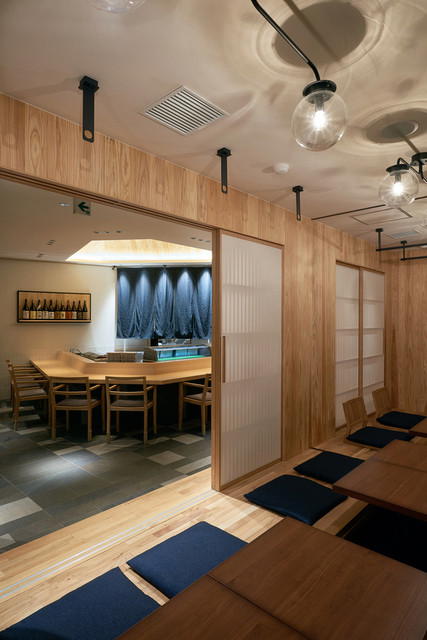
Torimasa
Miyazaki, Japan
Miyazaki yakitori counter with seven consecutive Tabelog 100 WEST appearances (2018-2025). Nine-seat charcoal station drives seasonal skewer rotations (JPY 8,000-9,999), with sake and shochu pairings. Counter seating essential for live-fire view; tables available for groups up to 50.
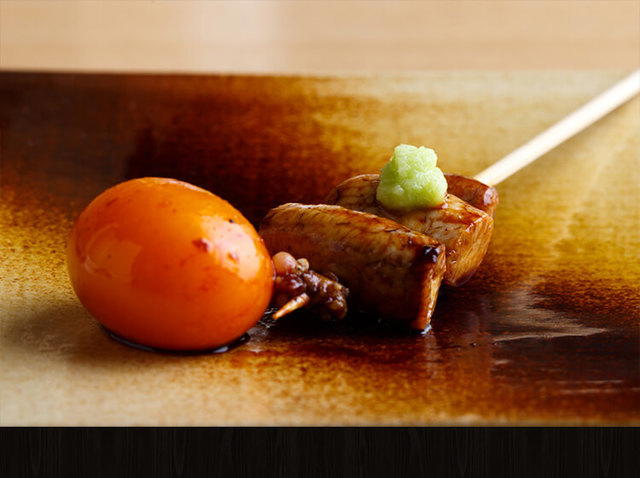
Yakitori Taka
Fukuoka, Japan
A 12-seat yakitori counter in Fukuoka's Takasago neighborhood, named to Tabelog 100 Yakitori WEST four consecutive years (2022–2025). Omakase-style service at JPY 8,000–9,999 delivers binchotan-grilled skewers in traditional progression. BYO drinks policy and three-week booking window define the experience.
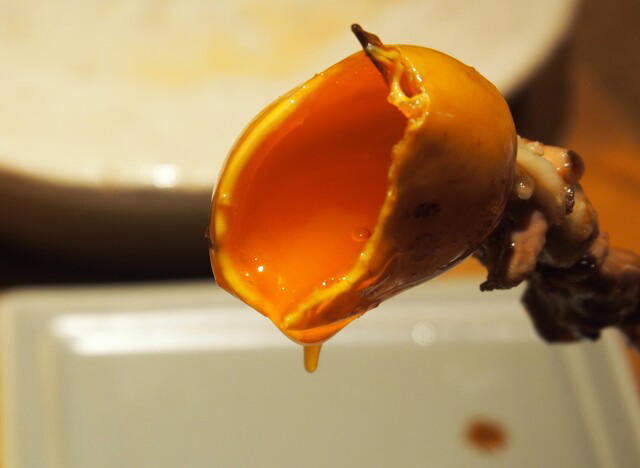
CHIKICHIKI Hanshin umeda ten
Osaka, Japan
A 21-seat yakitori counter in Hanshin Department Store's B2F food hall, CHIKICHIKI Hanshin umeda ten earned consecutive Tabelog 100 nods (2024, 2025) for tightly executed skewer courses at JPY 3,000–3,999. Two-hour seating caps and a one-drink-per-course rule keep turnover brisk; ideal for travelers wanting award-backed quality without the booking drama or price tags of standalone yakitori rooms.
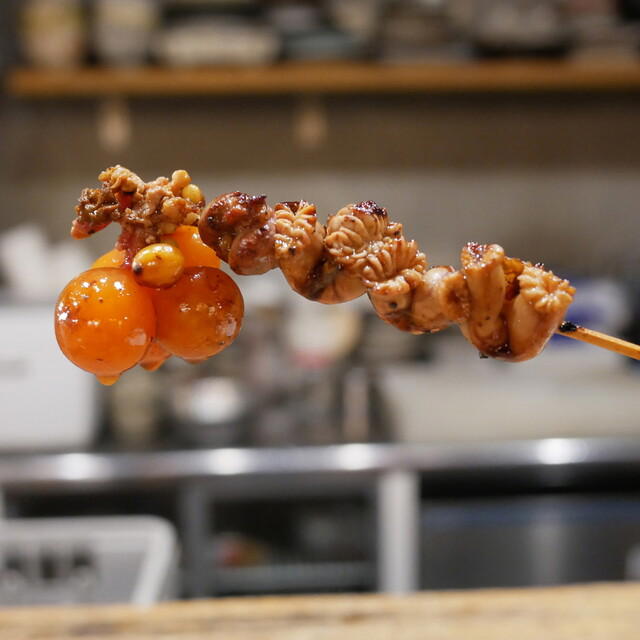
Kuchibashi Modern
Kyoto, Japan
Kuchibashi Modern delivers technically accomplished yakitori at JPY 6,000–7,999 for a fixed course, earning four consecutive Tabelog 100 selections without the formality or price of Michelin-tier grills. The 7-seat counter offers full grill views; table seating suits groups but sacrifices proximity. Book for mid-tier yakitori craft in Shimogyo Ward, five minutes from Karasuma or Shijo stations.
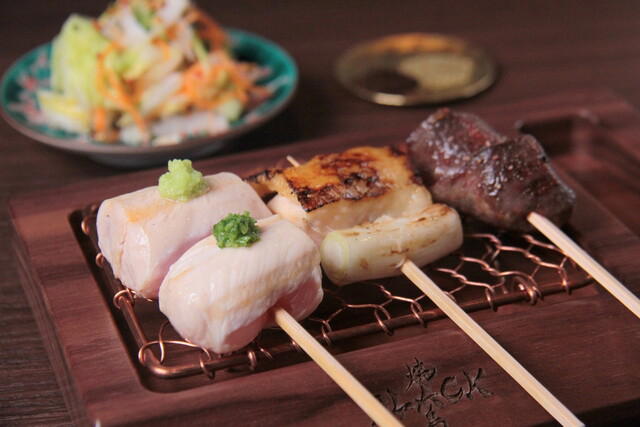
Yakitori BLACK
Osaka, Japan
Yakitori BLACK in Fujiidera (25 minutes from central Osaka) earns its Tabelog 100 Yakitori WEST spot with omakase-style charcoal-grilled chicken service at JPY 10,000–14,999 per head. The 12-seat counter books via Instagram DM only, one month in advance. Worth the commute and advance planning for special occasions; casual diners should choose easier-to-book options closer to Namba.
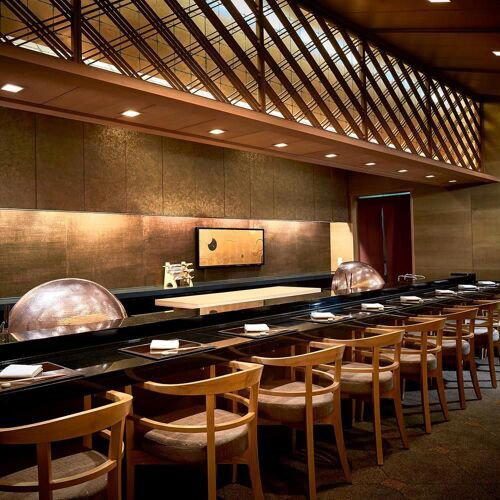
Yakitori Matsuri
Osaka, Japan
Yakitori Matsuri is a Michelin Plate omakase yakitori counter in Osaka's Dojima district, built on the site where the chef first trained. The structured menu moves from chicken ham through a deliberate salt-to-sweet progression. At ¥¥¥ with easy booking, it is the right call for food-focused visitors who want serious single-protein cooking without the competition for seats that Osaka's starred kaiseki venues demand.
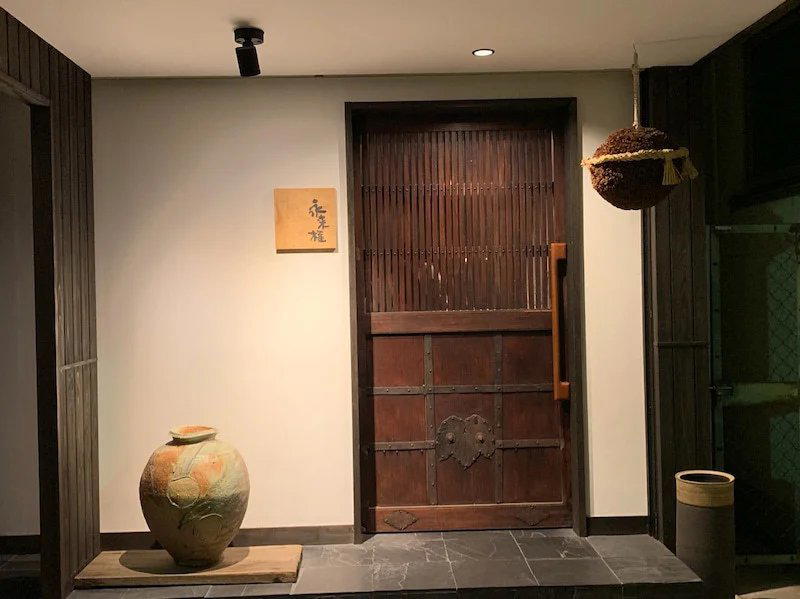
Eragon
Hyogo, Japan
Eragon is Ashiya's benchmark yakitori counter: 15 seats, Tabelog 100 Western Japan selection three years running (2023–2025), and Tabelog Award Bronze in both 2025 and 2026. At JPY 15,000–19,999 per head in practice, it delivers award-level precision around Oshioka Jidori chicken at a fraction of what comparable Hyogo fine dining costs. Book by phone and arrive on time; the policies are strict.
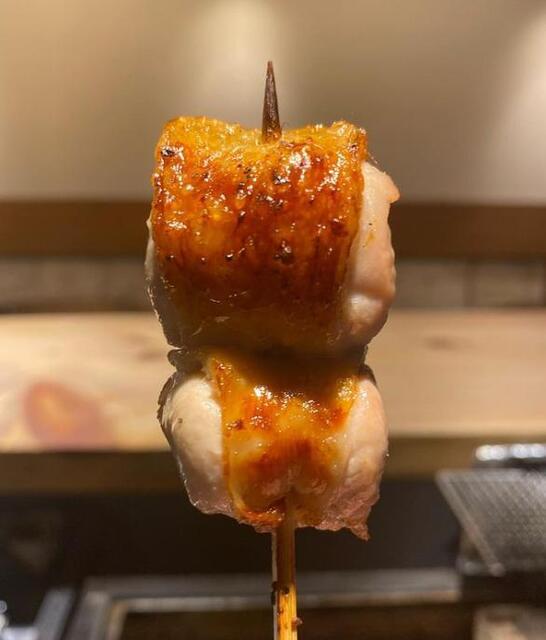
Nikawa
Mie, Japan
Nikawa is worth booking in Ise if the night is about yakitori, not menu breadth. The price puts it above casual local meals, but its Tabelog recognition gives a clear reason to choose it for a focused dinner after shrine-area sightseeing.
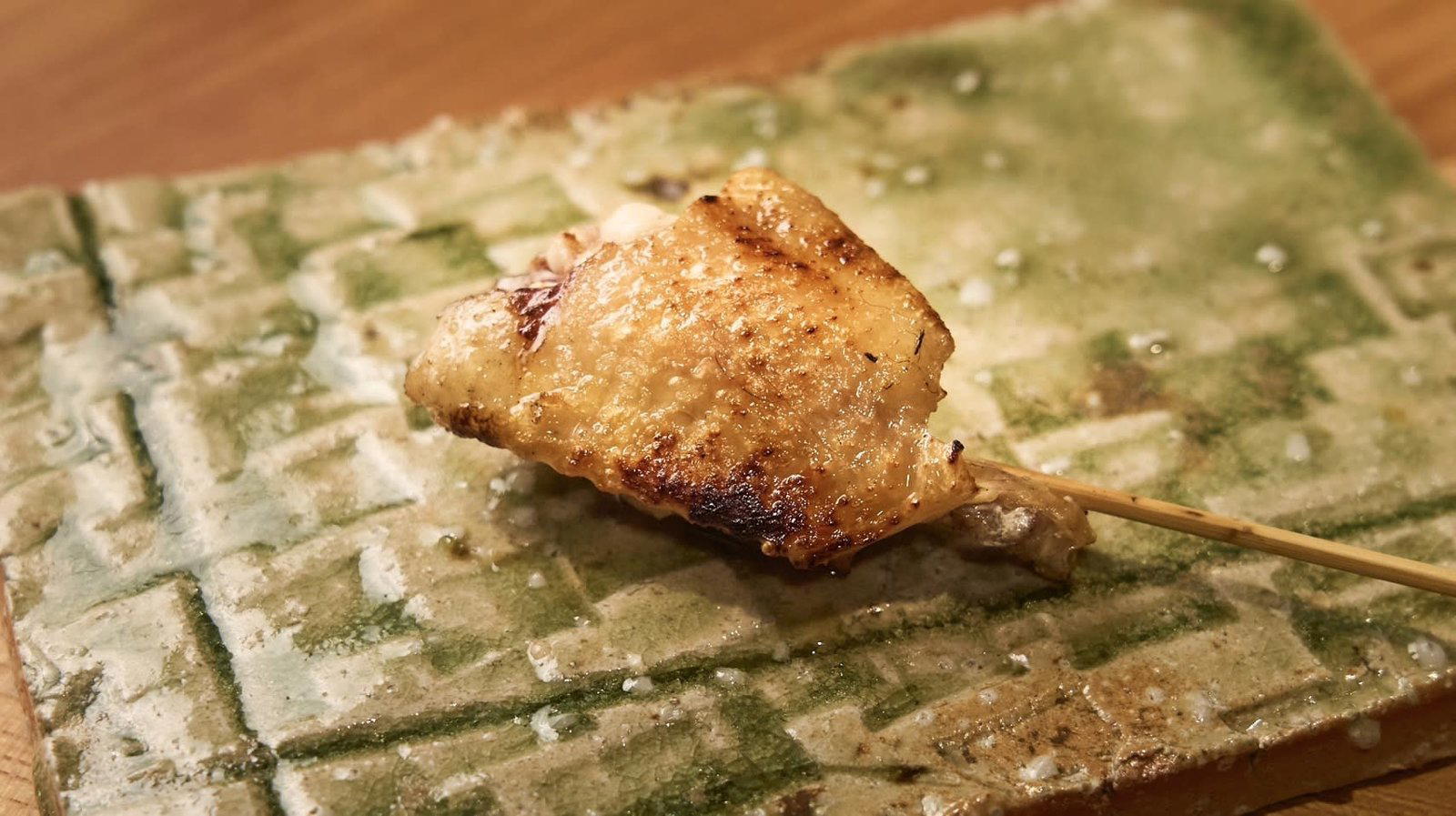
Yakitori Shinose
Osaka, Japan
A 10-seat yakitori counter in Nishitenma that earned Tabelog 100 recognition within its first year. Two nightly seatings (17:30 and 20:15) at JPY 20,000–29,999 per head deliver focused grill technique in a calm, reservation-only format. Instagram booking required at least one day in advance; closed Mondays and Tuesdays.
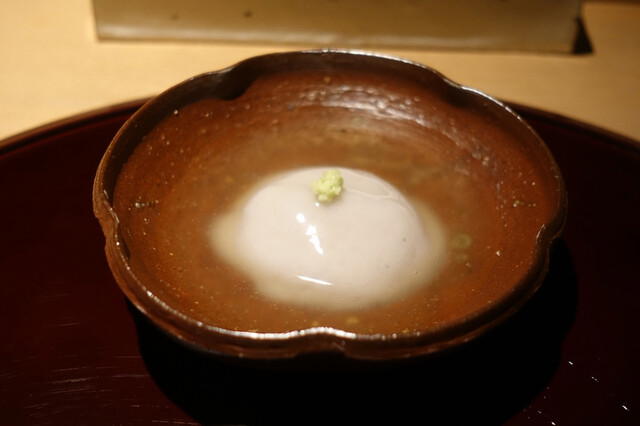
BIRD
Kanazawa, Japan
Tabelog 100 yakitori counter in Kanazawa with JPY 10,000–JPY 14,999 omakase-style service, charcoal-grilled chicken skewers, and a shochu-forward drinks list. Cash-only, counter seating, closed Sunday and Monday. Book ahead for Tuesday–Saturday evenings; format suits solo diners and couples more than groups.
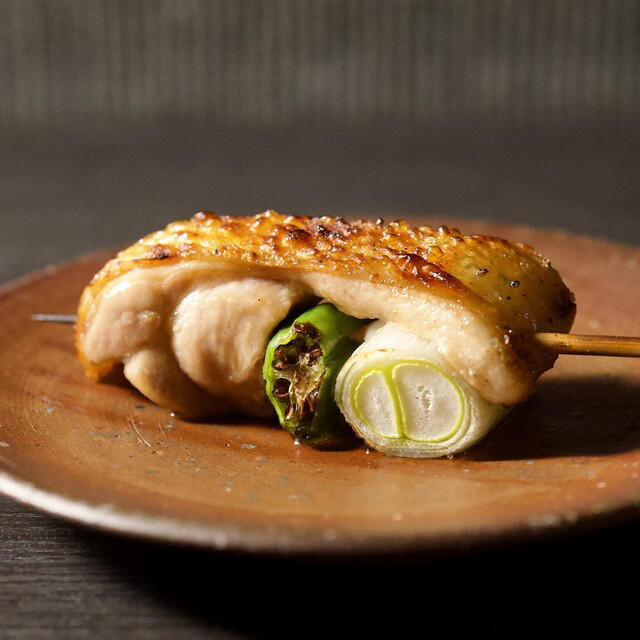
Ichome
Okayama, Japan
Ichome is a fourteen-seat yakitori specialist in Okayama that earned a spot on Tabelog's 2025 Yakitori West 100 list. The omakase-only format runs JPY 8,000-9,999, with skewers grilled over binchotan and sourced for texture and fat balance. Counter seating offers front-row access to the charcoal work, and the twelve-and-over policy keeps the pacing deliberate. Book ahead for weekends, but weekday slots remain accessible.
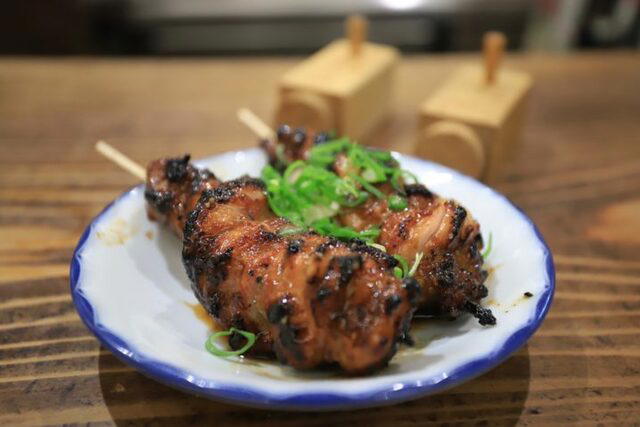
Yoshida Yama Seseri
Kyoto, Japan
Eight-seat yakitori counter down an alley off Kyoto Station, named to Tabelog's Yakitori WEST 100 for 2024 and 2025. JPY 5,000–5,999 buys charcoal-grilled skewers in a smoke-friendly, cash-only format with two-hour seatings and one-month advance booking. Best for couples or solo diners who want disciplined yakitori technique in a hideaway setting.
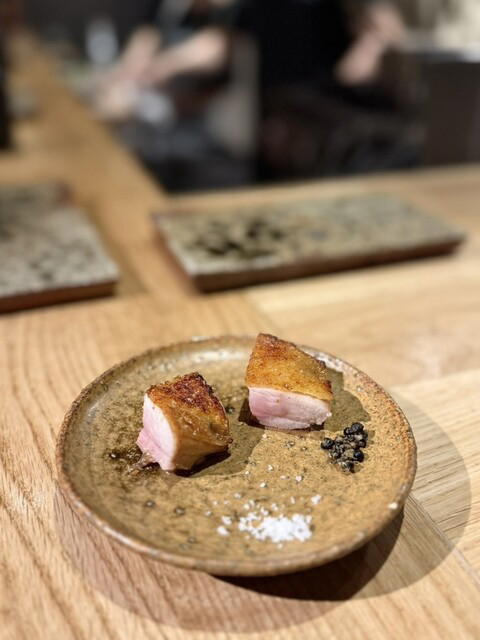
Okamoto
Nishinomiya, Japan
A yakitori counter 94 meters from Koshienguchi Station, open since February 2024 and named to Tabelog 100 Yakitori WEST 2025. Dinner runs JPY 10,000–14,999, with sourcing-driven quality that competes with Osaka's serious grills. Easier to book than metro-area peers, making it a practical choice for diners already in Hyogo who prioritize ingredient discipline over location prestige.
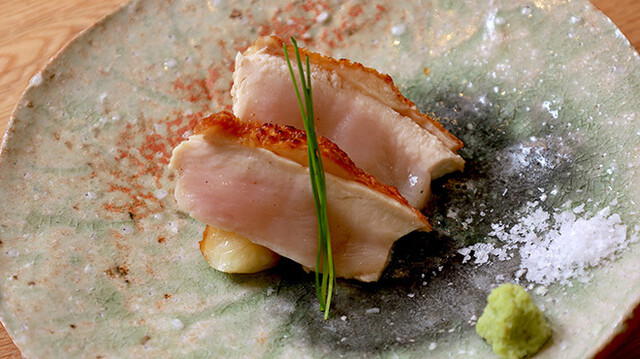
Goichi Nishitenma ten
Osaka, Japan
Counter-focused yakitori in Nishitenma serving an JPY 8,800 course meal with charcoal-grilled skewers, family-friendly seating, and Tabelog 100 recognition. Walk-ins possible most nights, BYO allowed with corkage, and quick ninety-minute pacing for travelers layering multiple meals into tight itineraries.
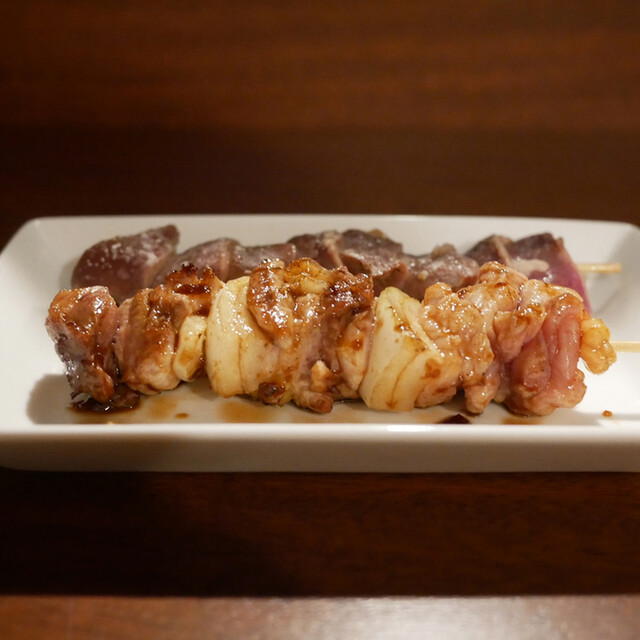
Aji Kawa
Miyazaki, Japan
Eight-year Tabelog 100 yakitori counter in Miyazaki serving precise, char-grilled chicken at JPY 4,000–JPY 4,999. Ten-seat room, smoking allowed, walk-ins possible at 5 PM or by regular referral. Technique rivals Tokyo specialists at half the price, but booking friction and smoke policy filter the audience.
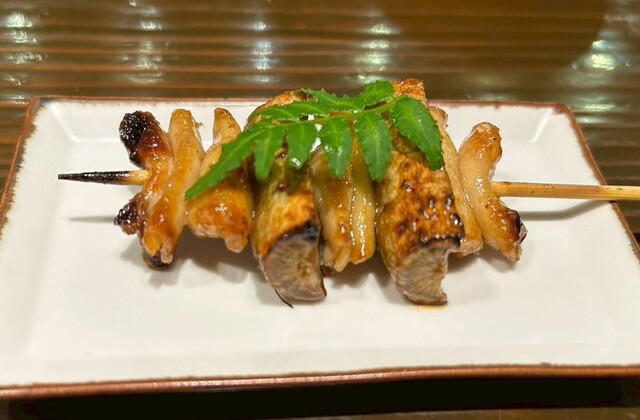
Shizune
Kobe, Japan
Course-only yakitori counter in Motomachi grilling premium jidori over binchotan charcoal. Expect fifteen-plus skewers paced across two hours for JPY 8,000–9,999, strong sake selection, and Tabelog 100 credentials three years running. Book three weeks ahead for weekend slots; best for date nights or small groups who trust the kitchen's sequencing.
Yakitori Morimoto
Fukuoka, Japan
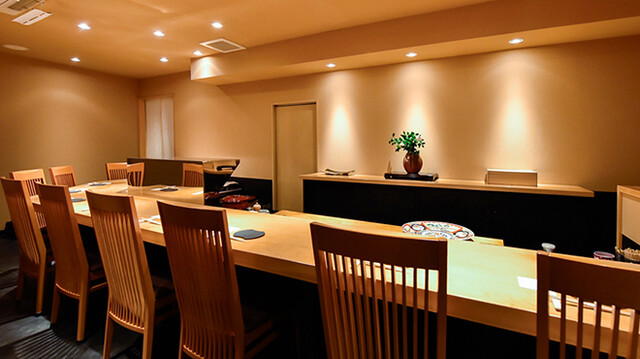
Yakitori Morimoto delivers charcoal-grilled Oita free-range chicken in a 16-seat Haruyoshi space that earned Tabelog 100 recognition in 2024 and 2025. At JPY 10,000 to JPY 14,999, the course format emphasizes technique over theatrics, with counter seating for grill-side views. Booking a few days ahead secures weekend slots without the scramble required by Tokyo's top yakitori spots.
Yama Hashiru
Osaka, Japan
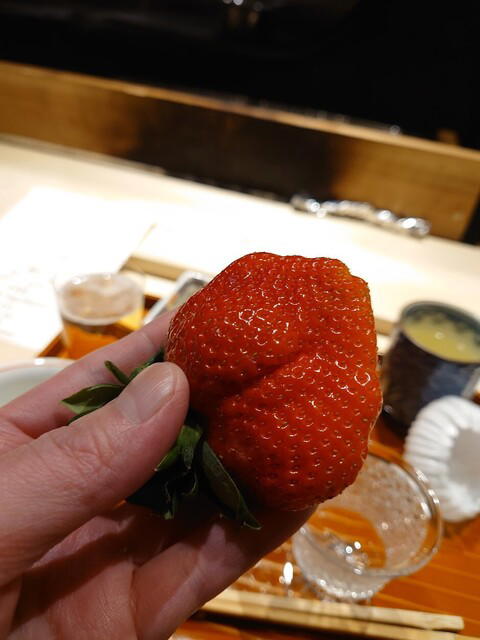
Reservation-only yakitori omakase in Kita-ku, running JPY 10,000–14,999 per head with three years of Tabelog 100 WEST recognition. Two nightly seatings (18:00, 20:30) and private-use availability make this one of Osaka's more group-friendly grilled-chicken addresses, though solo diners may find better counter experiences elsewhere.
Ponzu
Tokushima, Japan
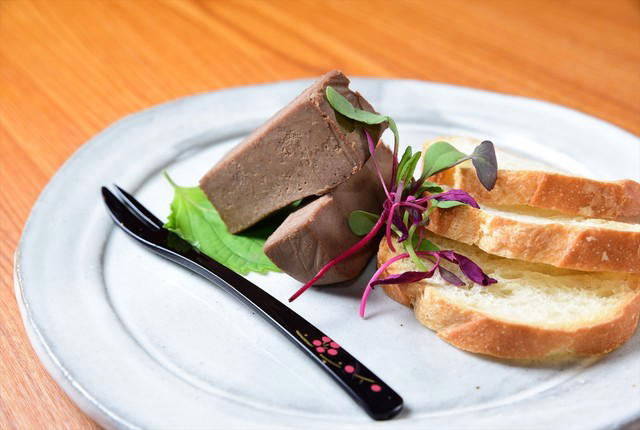
A yakitori counter in Tokushima that sources Kawachi duck and regional free-range chicken, pairs skewers with wine and sake, and holds a Tabelog 100 West Yakitori spot four years running. Dinner averages JPY 3,000–3,999, counter seating is available, and the format suits solo diners and pairs looking for precision without formality.
Yakitori Benkei Nishijin ten
Fukuoka, Japan
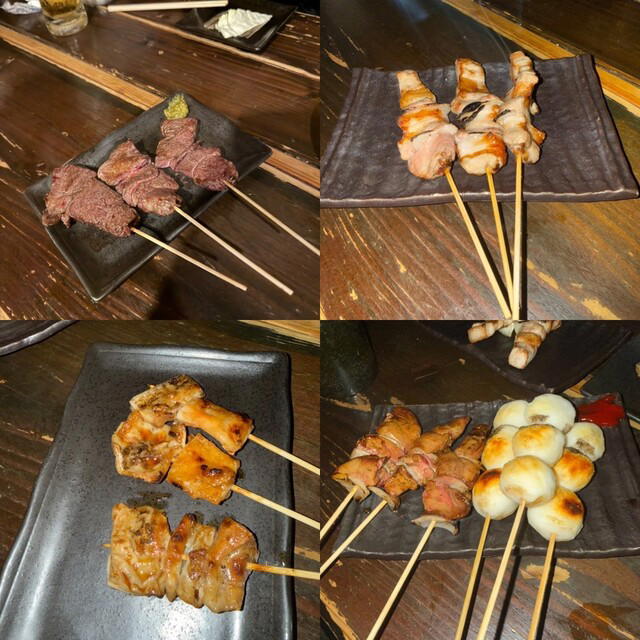
A counter-only yakitori spot near Nishijin station, recognized on the Tabelog 100 Yakitori WEST 2025 list. Dinner-only service at JPY 3,000 – JPY 3,999 focuses on salt-seasoned skewers in a casual, smoke-filled room. Cash only; book ahead on weekends.
Yakitori Kouun
Kagoshima, Japan
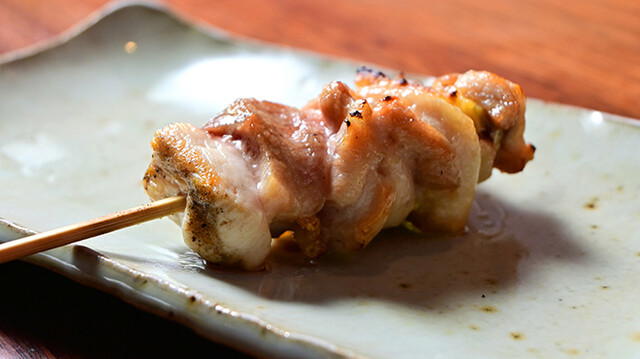
Tabelog 100 Best Yakitori WEST selection for 2024 and 2025, serving charcoal-grilled brand chicken in a 16-seat room near Koutou Junior High School Mae Station. Dinner runs JPY 5,000–5,999, with a six-person private room available for celebrations. Book two weeks ahead; vegetarian skewers and a curated sake list round out the counter experience. Closed Sundays.
Ayamuya
Osaka, Japan
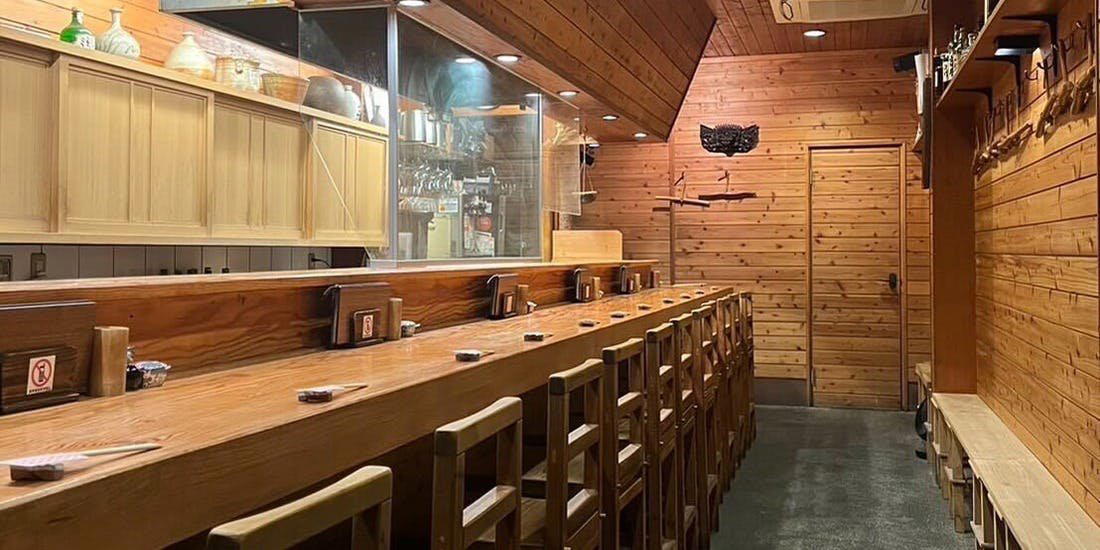
A 25-year-old yakitori counter in Osaka's Fukushima district with back-to-back Michelin Bib Gourmand recognition (2024–2025). The omakase serves two breeds of free-range chicken grilled over kishu-binchotan charcoal, one skewer at a time, with no vegetable courses. At the ¥¥ price tier, this is serious cooking at an honest price; one of Osaka's clearest value propositions for a celebratory dinner.
Kashiwaya Kobayashi
Kurashiki, Japan
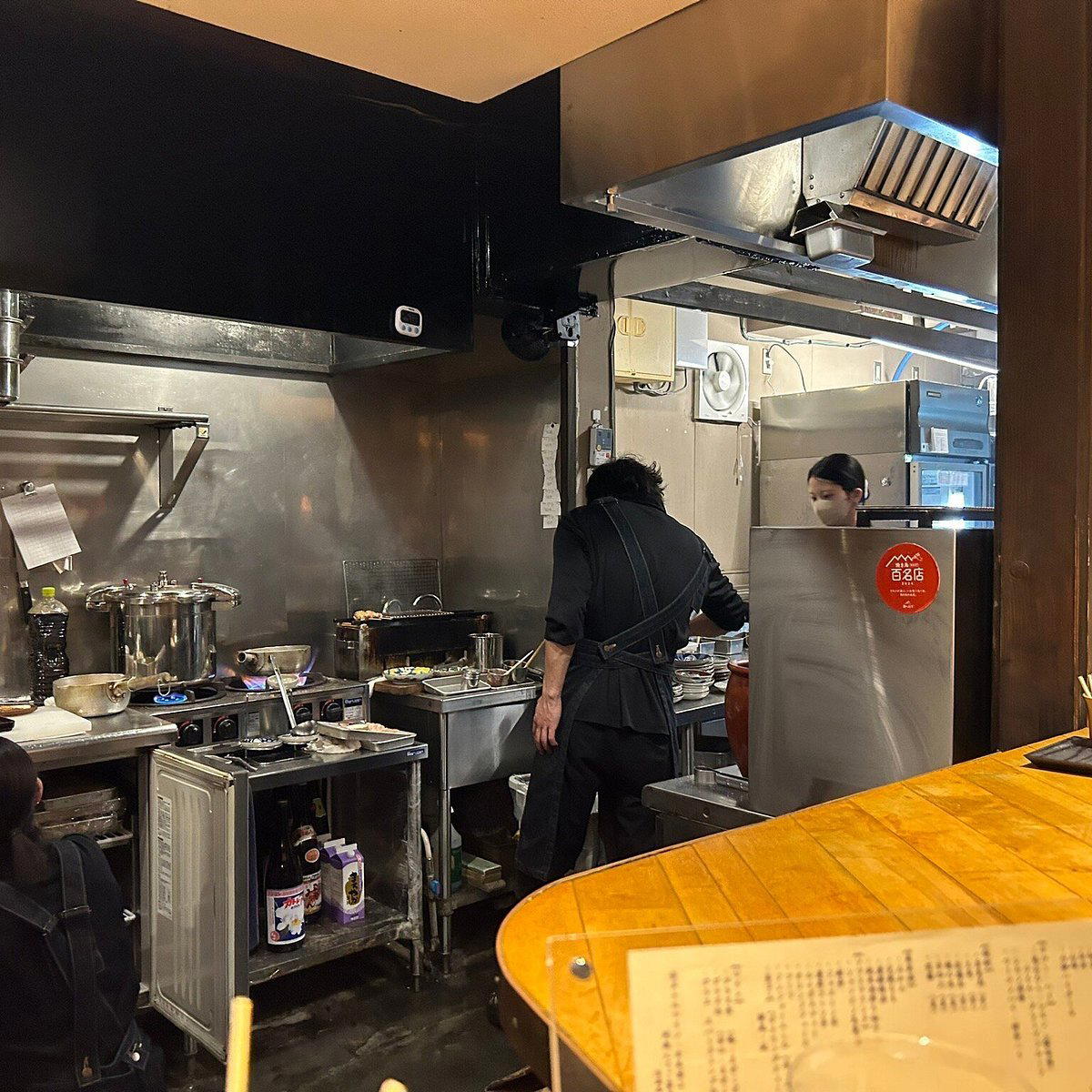
A Tabelog 100 Yakitori WEST fixture since 2018, this Kurashiki grill emphasizes ingredient quality over charcoal spectacle. At JPY 8,000–9,999, expect carefully sourced chicken skewers, à la carte ordering, and a sake-forward drink list. Counter seats, private rooms, and English menus make it accessible for both locals and travelers.
Yakitori Saneyuki
Takaoka, Japan
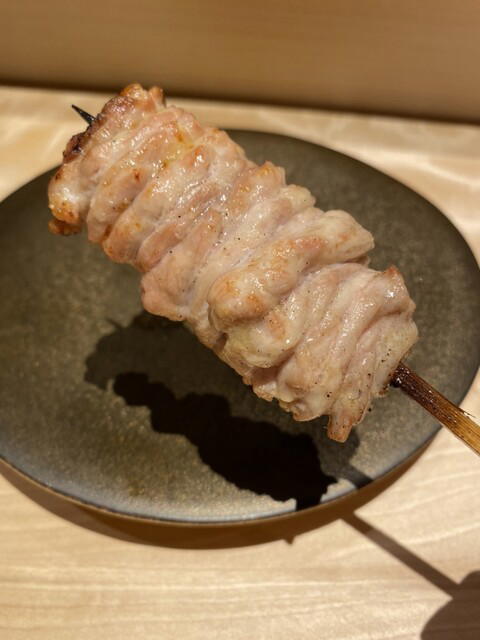
A 16-seat yakitori counter behind Takaoka's Great Buddha, named to Tabelog's Yakitori 100 WEST three years running. Kishu binchotan grilling and a sake-focused program justify the JPY 10,000–14,999 dinner price; roughly JPY 4,000 below Tokyo peers; but the no-walk-ins, no-minors policy and limited hours (closed Thursday and Sunday, dinner only) demand advance planning. Book online three weeks ahead for weekends.
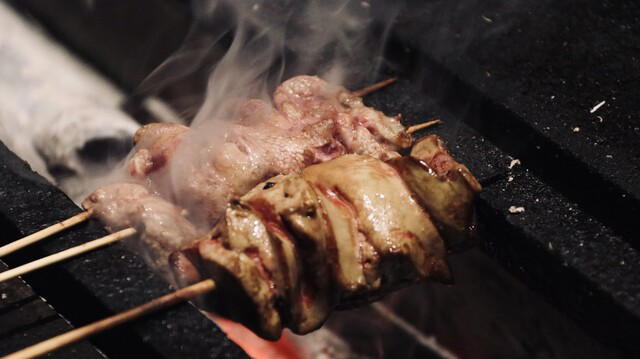
Amakusa Daiou Senmon Ten Tosaka
Kumamoto, Japan
Counter-only yakitori specialist in Kumamoto's Kamitoricho district, serving omakase-style Amakusa Daiou chicken grilled over binchotan charcoal. JPY 10,000–14,999, ten seats, reservations required. Tabelog 100 Yakitori WEST 2023–2025. No takeout; cash only.
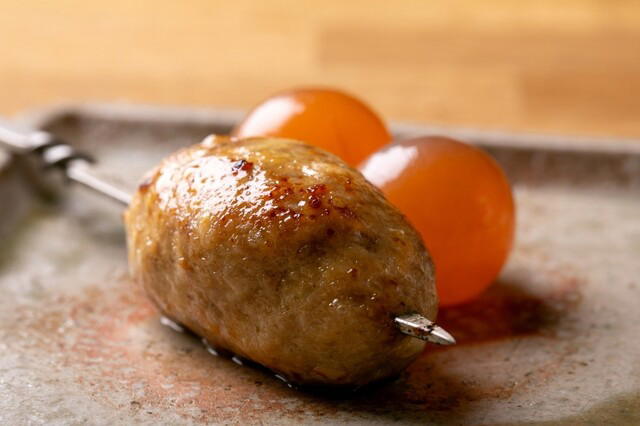
Yakitori Tokei
Osaka, Japan
Reservation-only yakitori counter in Higashiosaka with Tabelog 100 recognition, a 13-seat setup, and a sake-focused drinks program. JPY 10,000–14,999 per head buys methodical grilling and seasonal skewers in a restrained dining room far enough from central Osaka to avoid the Dotonbori crowds.
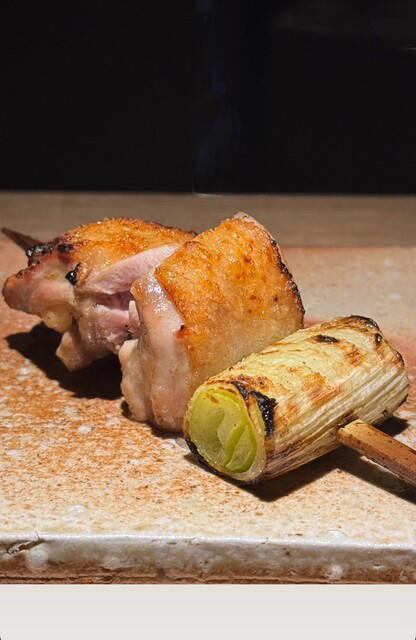
Shintaro
Wakayama, Japan
Wakayama's first yakitori specialist to offer a formal course menu (JPY 10,000), grilling Kumano jidori over Kishu binchotan charcoal. Named to Tabelog 100 - Yakitori - WEST in 2025, it seats 14 across a counter and private kotatsu room, with sommelier-led sake and wine pairings.
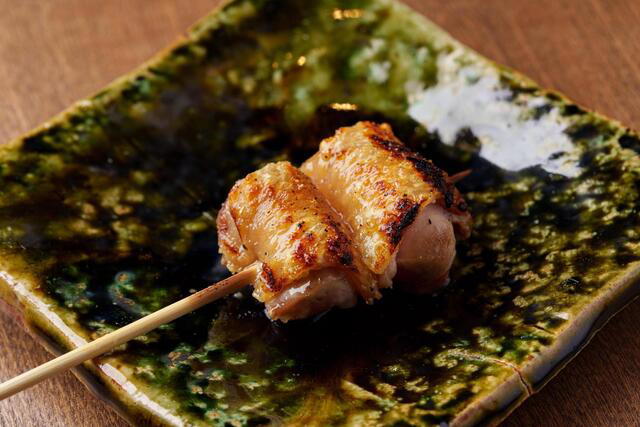
Sumibi Yakitori Torimasa
Osaka, Japan
Compared with pricier Osaka counters and broader Japanese dining rooms, Sumibi Yakitori Torimasa is the pick for a focused charcoal-yakitori dinner that works better in-room than as takeout. Book it for solo dining, pairs, or a small group that cares about grill timing and a tighter format; choose elsewhere if the night needs French formality, sweets, or a cheaper snack stop.
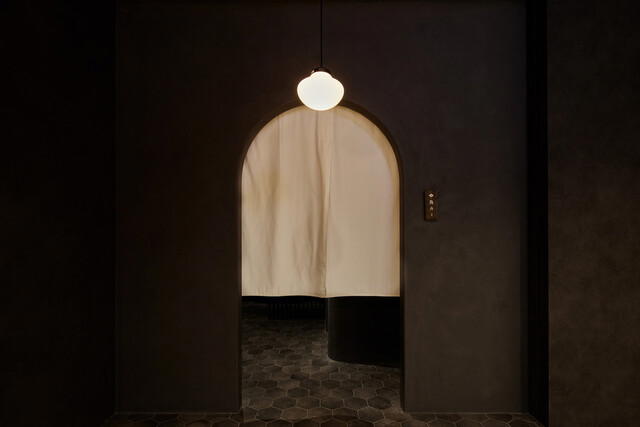
Tori Kami Garden City
Fukuoka, Japan
Tabelog 100 Yakitori WEST recognition meets easy booking and lunch service under ¥5,000. Counter seating at the binchotan grill offers the clearest view of technique; dinner runs ¥10,000–¥15,000. Smart-casual dress, 18+ only, and each guest must order a drink.
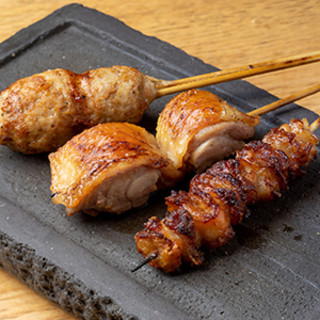
Yakitori Ichimatsu
Osaka, Japan
A 13-seat Kitashinchi yakitori counter with six Tabelog Bronze Awards and a spot on the 2025 Tabelog 100 Yakitori WEST list. The JPY 14,500 Hinai chicken course treats grilled skewers as kaiseki-style progression, with binchotan charcoal and precise seasonal timing. Book through OMAKASE; early slots run quieter than late seatings.
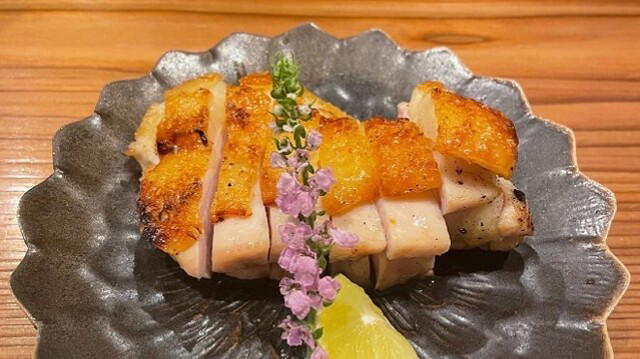
Yakitori Takashima
Kobe, Japan
A fourteen-seat yakitori specialist in Mikage Nakamachi, recognized twice for Tabelog 100 Yakitori WEST. Omakase-only format centers on Shimanto Jidori free-range chicken grilled over binchotan charcoal, with counter seating and one private room. Dinner runs JPY 8,000–9,999; mid-tier for grilled-chicken kaiseki, no lunch service. Book one to two weeks ahead for weekends; midweek slots open easier. Cash-free payment accepted.
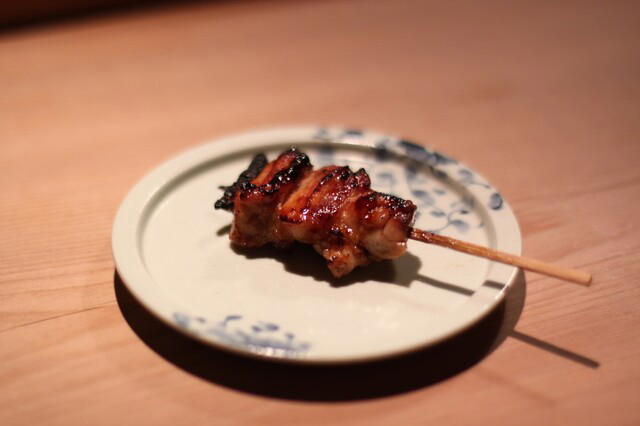
Hyogo Dori
Fukuoka, Japan
Hyogo Dori earns its place on Tabelog's Yakitori WEST 100 list (2023–2025) with disciplined charcoal grilling and a wine program that skews toward shochu and sake pairings built for smoke and umami. At JPY 8,000–9,999, it splits the difference between casual izakaya and kaiseki-tier specialists; book ahead for weekend dinner, or arrive Sunday afternoon for easier counter access.
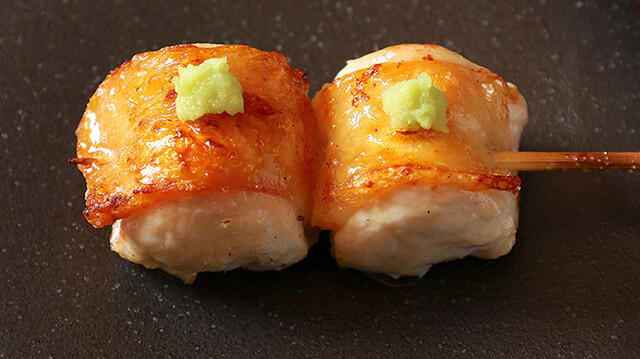
Torisho Zen
Osaka, Japan
ZEN earns its Tabelog Yakitori WEST 100 recognition (2023–2025) with Hinai Jidori chicken grilled over binchotan at JPY 10,000–14,999. The 18-seat Fukushima venue offers fixed-time reservations including 7:30 PM and 8:30 PM slots, semi-private seating for small groups, and a sake-focused drink list; accessible yakitori technique without omakase formality.
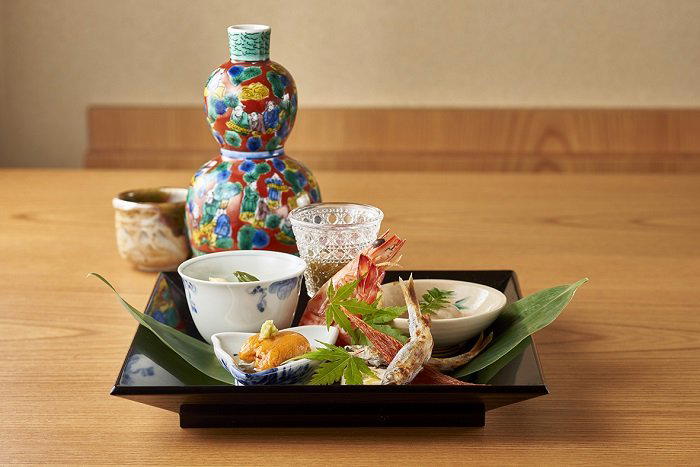
Ryoriya Maekawa
Kyoto, Japan
A Michelin-starred counter in Kyoto's Shimogyo Ward with eight seats, two sittings, and a cross-cultural cooking approach that earned Tabelog Bronze Awards in both 2025 and 2026. Chef Koichi Maekawa moves between Japanese, Chinese, and Western traditions with precision; this is not a kaiseki meal, and that is the point. Budget JPY 20,000–29,999 all-in and book well ahead.
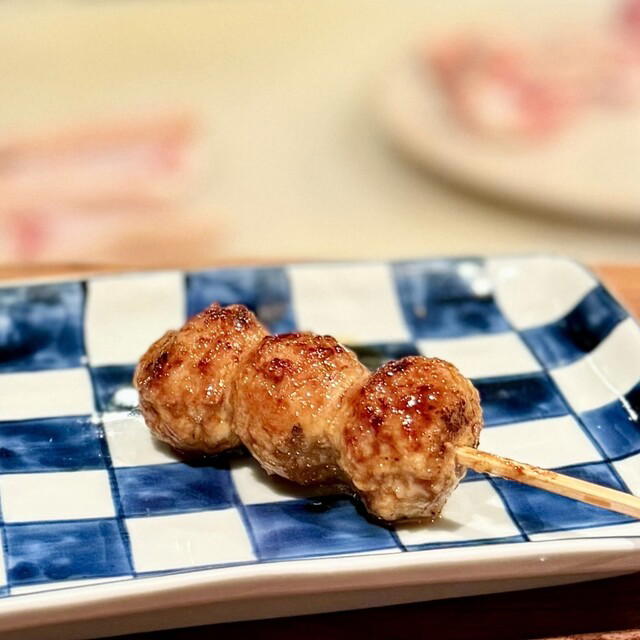
Tori Take
Kanazawa, Japan
A 10-seat yakitori counter in Fukuromachi with three consecutive Tabelog 100 West selections (2023–2025). The charcoal-grilled format runs JPY 8,000–9,999 and demands advance booking, but the technical precision justifies the effort if yakitori is your priority over sushi or kaiseki.
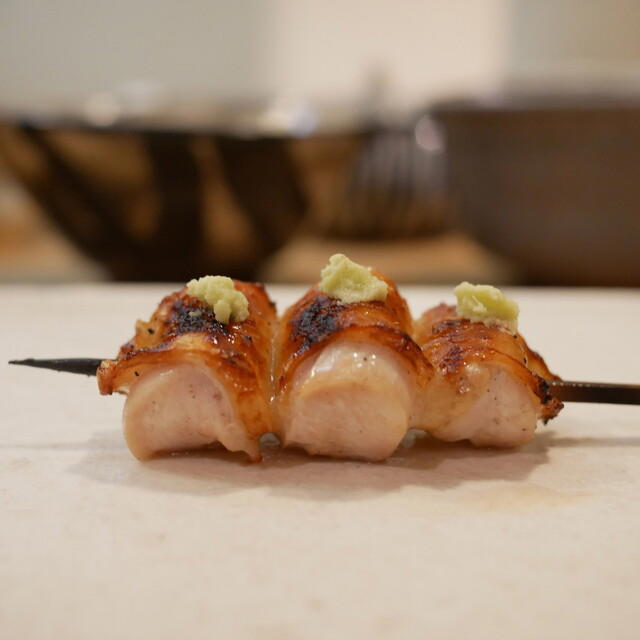
Yakitori Bonsan
Kobe, Japan
Tabelog 100-recognized yakitori counter serving course-only menus with Tamba Nagoya Cochin and Hinai Jidori at JPY 10,000–JPY 14,999. Low-temperature liver and seasonal skewers headline the nightly lineup at this Sannomiya hideaway, where a single Yoshino cypress counter anchors the room and the format is fixed; no à la carte, no private rooms, reservations recommended.
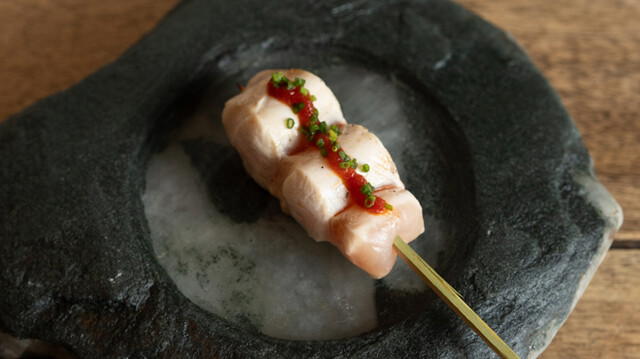
Sumibiyakitori Coquelet
Fukushima, Japan
Twelve-seat charcoal yakitori counter in Shin-Fukushima with five consecutive Tabelog 100 selections (2021–2025). Binchōtan-grilled chicken at JPY 5,000–5,999, with a sake and wine program that pairs beyond the usual nihonshu focus. Non-smoking counter, one minute from Shin-Fukushima Station, closed Wednesdays.
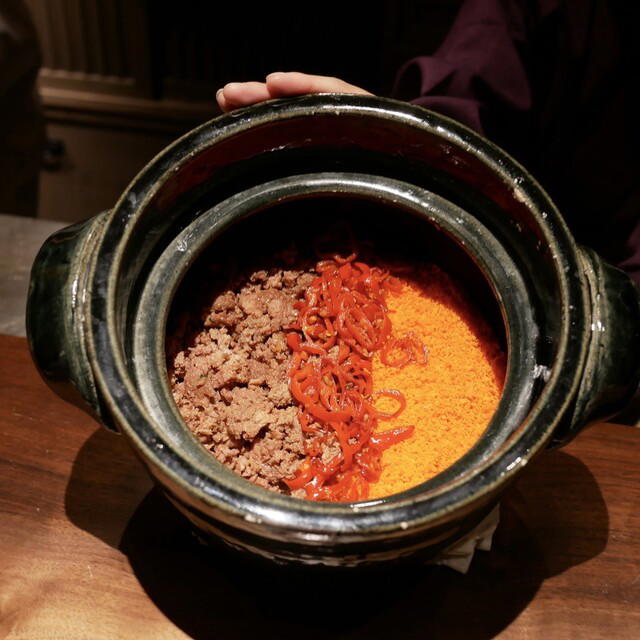
Yakitori Shidare
Osaka, Japan
Yakitori Shidare opened in Osaka's Dojima district in January 2025 and earned its Tabelog 100 West Yakitori spot within months. The omakase format centers on Kyoto Tei chicken and Kishu duck, grilled over binchotan at a 14-seat counter. At JPY 20,000–29,999, it delivers the precision of harder-to-book rooms with easier access; book a few weeks ahead via Instagram and you'll likely get in.
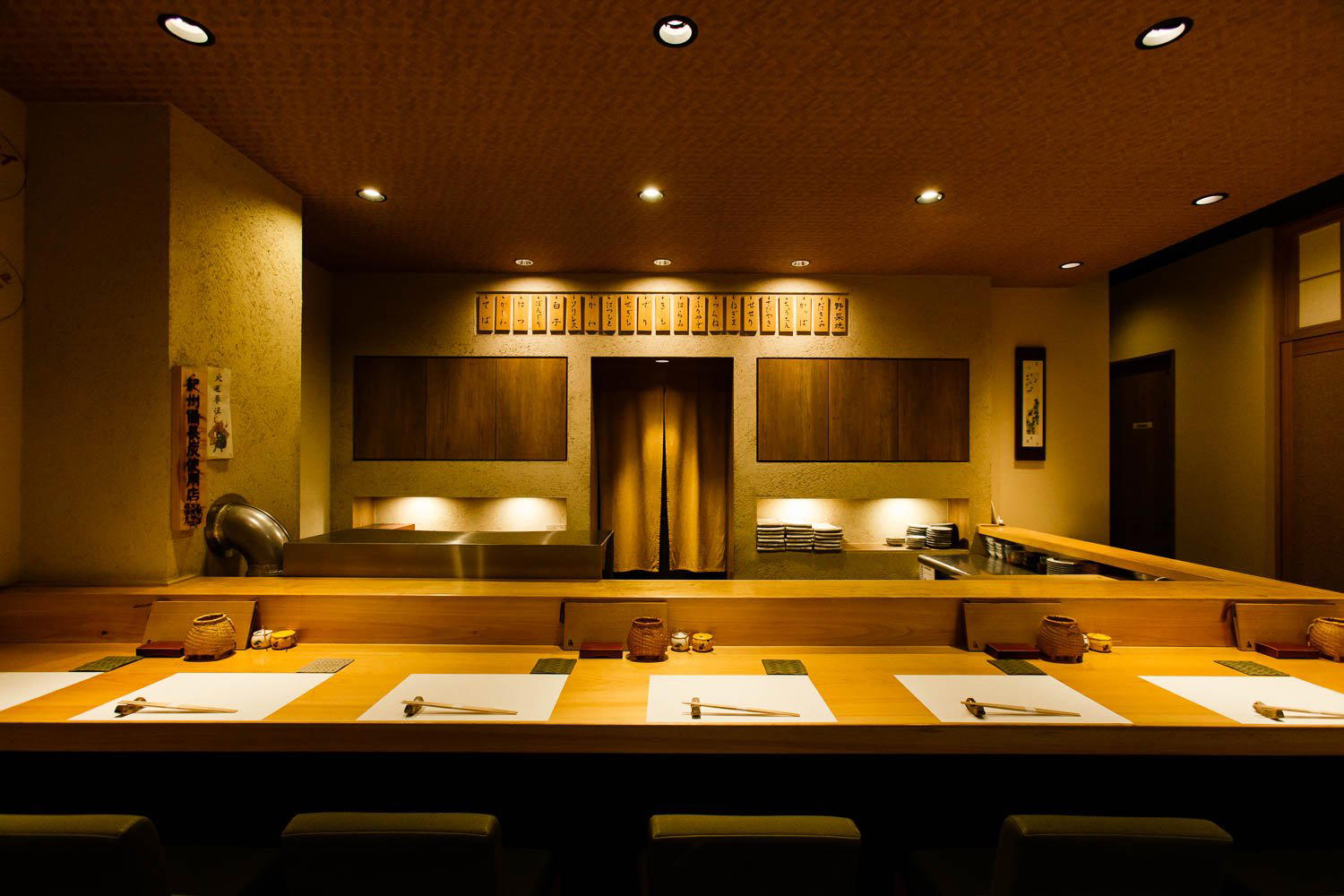
Ishii Jr.
Osaka, Japan
A reservation-only yakitori counter in Nishitenma with Tabelog 100 WEST recognition for four consecutive years. The stop-system format starts at five skewers for JPY 2,800 and scales up, giving diners control over pace and spend. Book a month ahead via OMAKASE or Ikkyu; walk-ins and phone reservations are not accepted. Best experienced at the six-seat counter; takeout loses the precision that makes it worth the price.
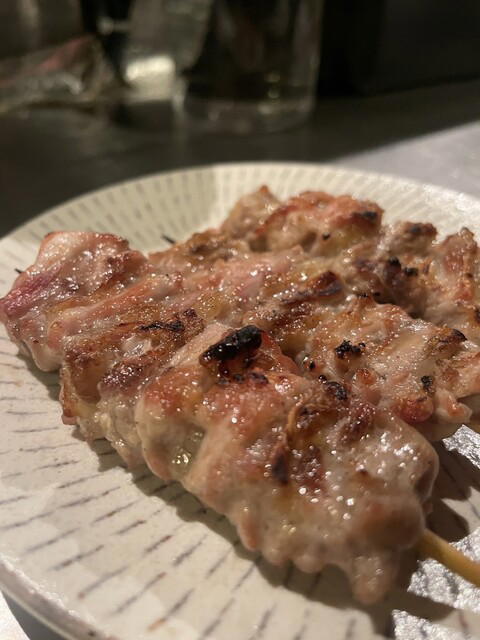
Kanetatsu
Kobe, Japan
A 15-seat yakitori specialist in Nakayamatedori, recognized in Tabelog 100 Yakitori WEST for three consecutive years. Kanetatsu breaks down whole Tanba-Kyoto black chickens daily, offering rare cuts grilled slowly over binchotan charcoal. At JPY 8,000–9,999, it rewards patience and delivers precision, but service is Japanese-only and the pace is measured. Private room available for groups of four or more.
Overview
Tabelog 100 - Yakitori - WEST - 2025 is an authoritative ranking of the top 100 yakitori restaurants across Western Japan compiled by Tabelog, Japan’s largest and most trusted restaurant review platform. It highlights the region’s finest yakitori specialties, recognized for exceptional quality, authenticity, and culinary innovation in 2025.
Established as part of Tabelog’s annual Top 100 series, the Yakitori - WEST - 2025 list celebrates the rich tradition of grilled chicken skewers in Western Japan, including Kansai and Chugoku regions. Tabelog, founded in 2005, aggregates millions of user reviews and expert assessments, making its curated rankings a benchmark in Japan’s vibrant dining scene. This list not only reflects local favorites but also rising stars elevating yakitori with fresh techniques and ingredients. For gourmands and travelers, it offers a focused lens on where to experience authentic and innovative yakitori culture in 2025.
For aficionados of Japan’s iconic grilled chicken skewers, the Tabelog 100 - Yakitori - WEST - 2025 is an essential roadmap. This meticulously curated list spotlights the finest yakitori establishments across Western Japan, where culinary tradition meets bold innovation. Whether you crave the smoky allure of charred chicken skin or the delicate balance of tare sauce and salt seasoning, these 100 restaurants represent the pinnacle of yakitori craftsmanship, perfect for discerning diners and adventurous travelers alike.
Quick Facts
- Publisher
- Tabelog
- Year
- 2025
- Coverage
- Western Japan (Kansai, Chugoku, Shikoku)
- Items
- 100 Yakitori Restaurants
- Frequency
- Annual
About This Edition
The 2025 edition of the Tabelog 100 - Yakitori - WEST list highlights a vibrant evolution in yakitori, with new entrants emphasizing sustainable sourcing, regional ingredients, and fusion techniques. Noteworthy is the rise of small, intimate yakitori bars that blend tradition with modern aesthetics, reflecting shifting consumer tastes. This edition also underscores Kansai’s continued dominance alongside emerging hotspots in Shikoku and Chugoku, illustrating an expanded geographic diversity in yakitori excellence.
Frequently Asked Questions
What is Tabelog 100 - Yakitori - WEST - 2025?
How are honorees selected?
How often is this list updated?
How can I find these on Pearl?
How many of these have you visited?
Find out on Pearl and keep score across every place in Tabelog 100 - Yakitori - WEST - 2025.