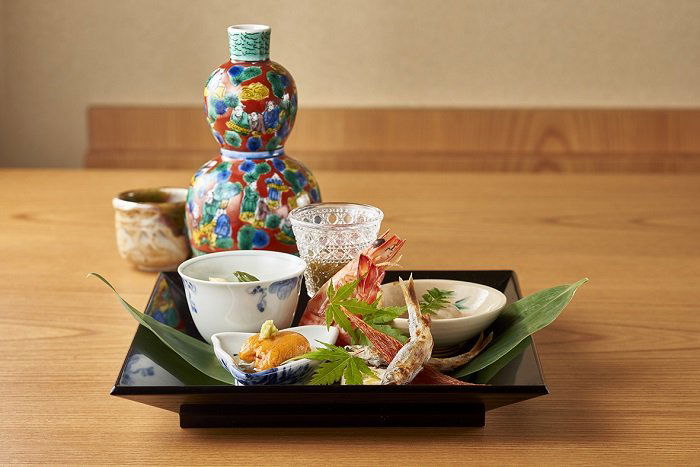


Yakitori Kyoto Tachibana
Yakitori · Nakagyō, Kyoto
Restaurant in Kyoto, Japan
 Book with Pearl
The Read
Kaiseki-Inflected Yakitori
Price
¥¥¥
Dress
Smart Casual
Why go
Yakitori Kyoto Tachibana holds a Michelin Plate for 2024 and 2025 and makes a clear case for Kyotamba chicken as serious dining material. At ¥¥¥, it sits a price tier below Kyoto's kaiseki institutions while delivering technically considered cooking: kombu-marinated skewers, skin-wrapped preparations, and vegetables grilled last to absorb the drippings. Easy to book, and worth it.
About Yakitori Kyoto Tachibana
The Verdict
If you are choosing between a kaiseki dinner at one of Kyoto's ¥¥¥¥ institutions and an evening at Yakitori Kyoto Tachibana, the answer depends entirely on what you want from your night. For technically ambitious yakitori at a ¥¥¥ price point, with a Michelin Plate in both 2024 and 2025 to signal that the kitchen is doing something worth noticing, Tachibana earns a clear recommendation. For the full kaiseki ritual — multiple courses, tatami rooms, the works — look at Gion Sasaki (Kaiseki, Japanese) instead. But if you want serious cooking on skewers in a basement room in Nakagyo Ward, this is where to book.
Portrait
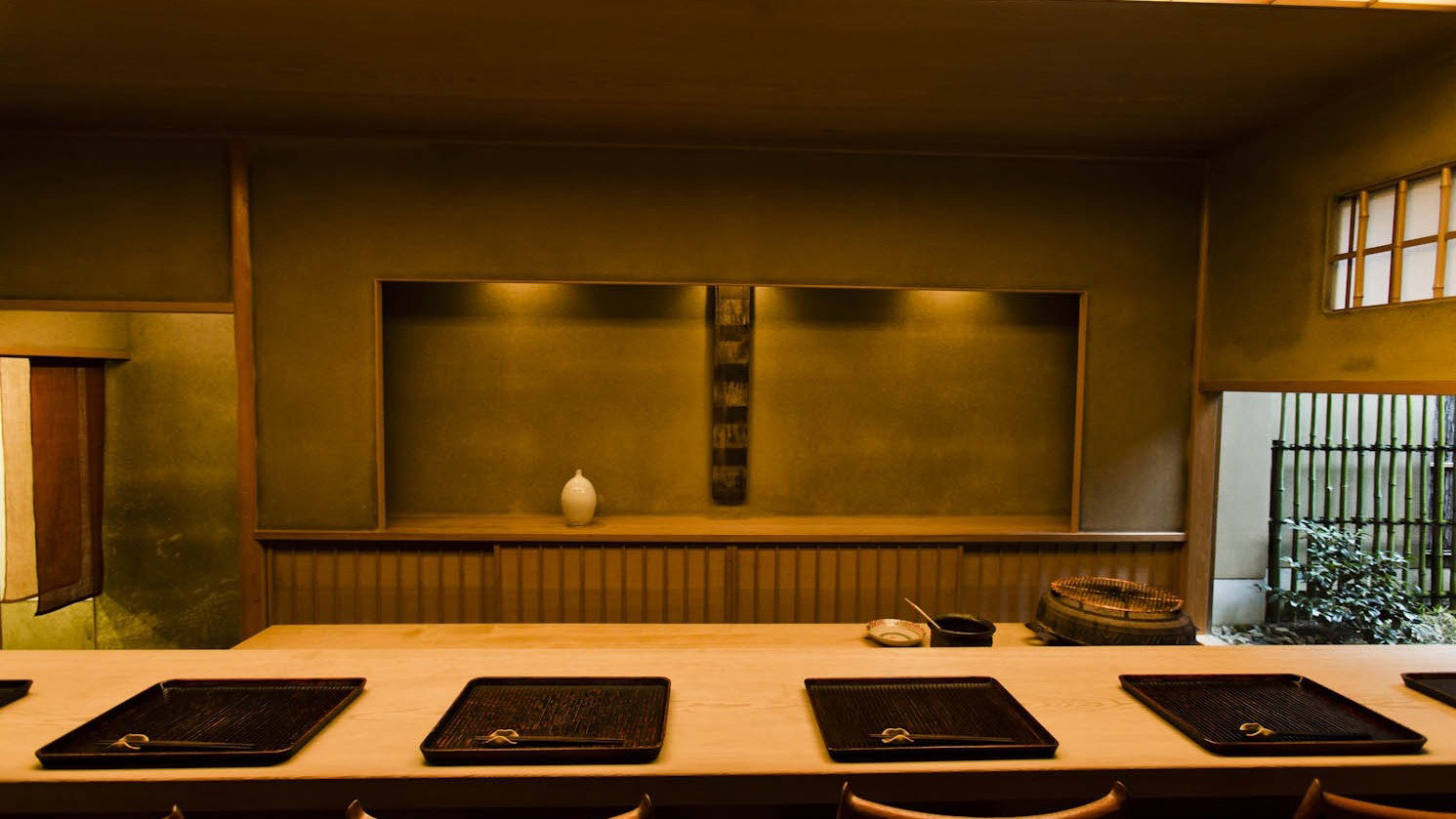
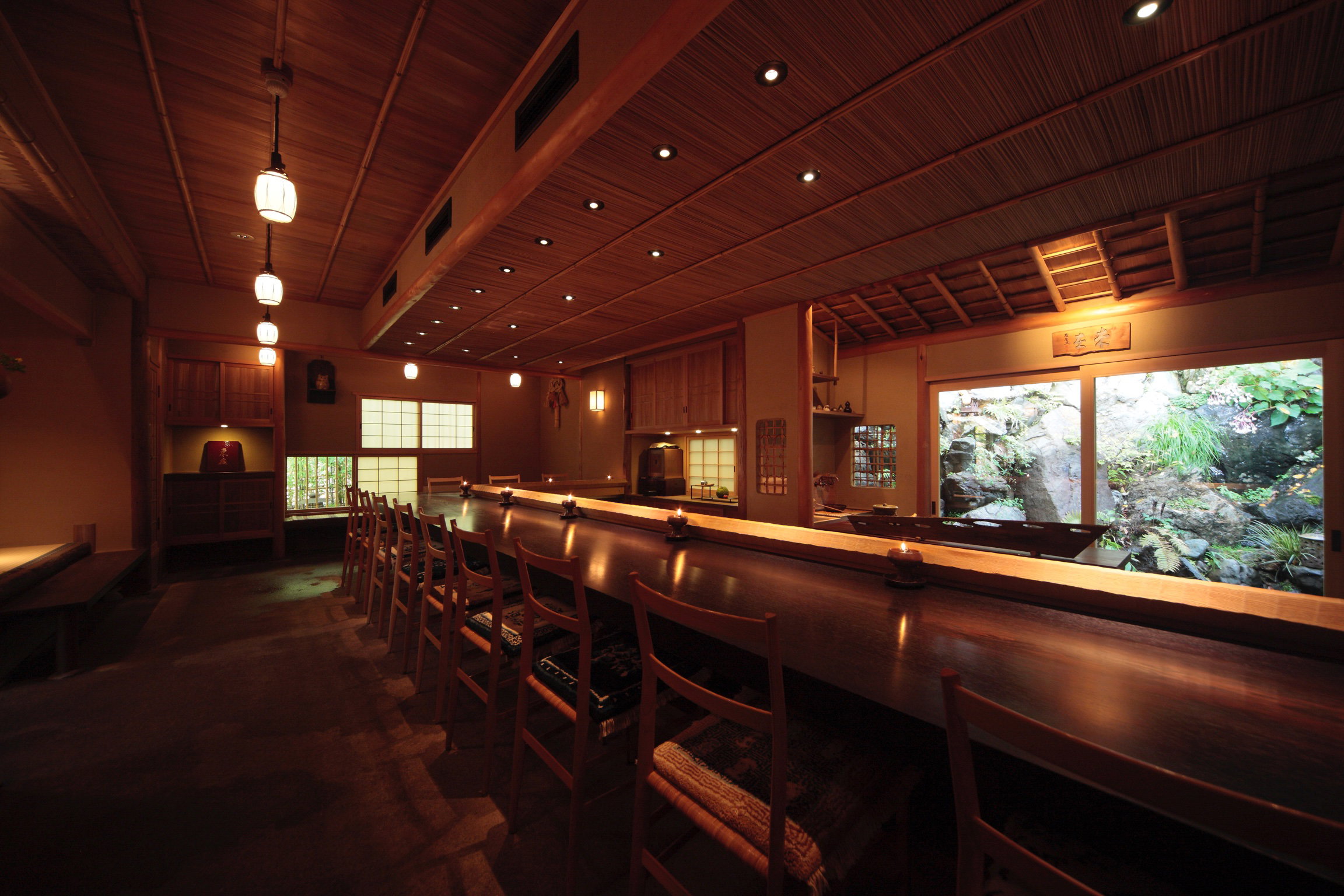
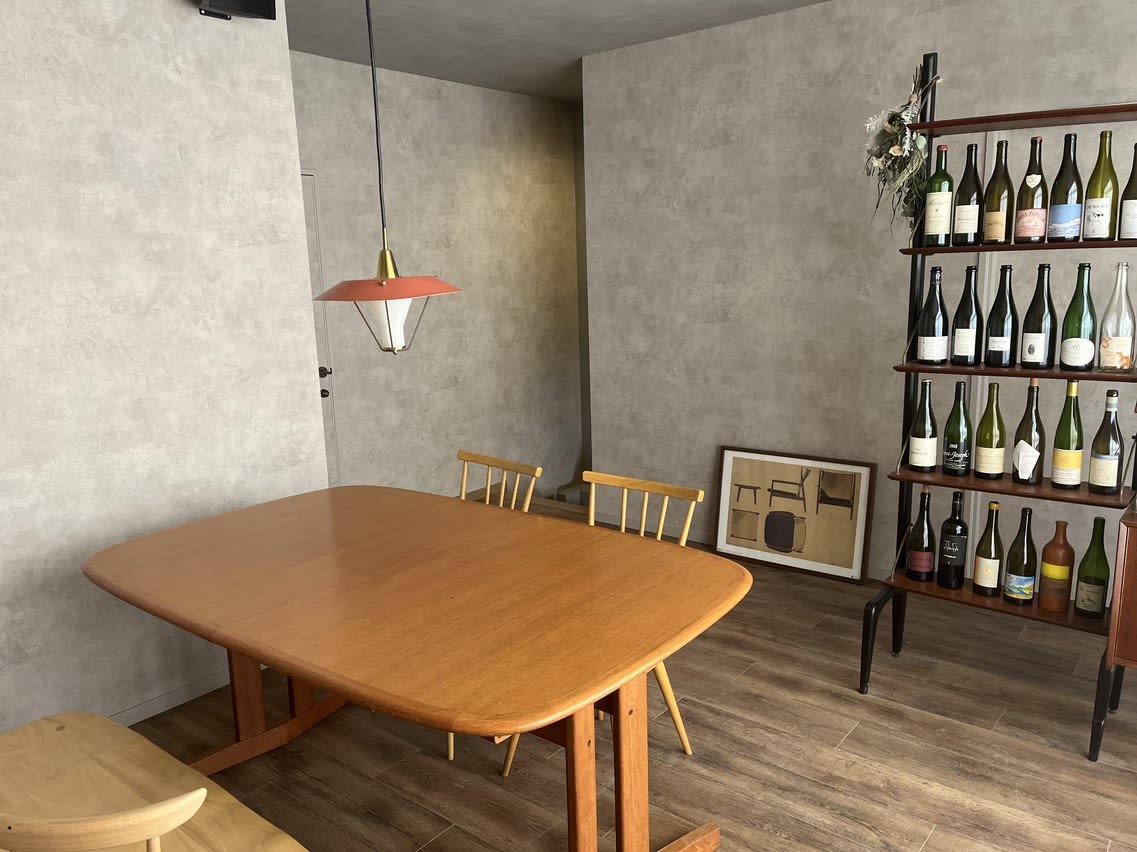
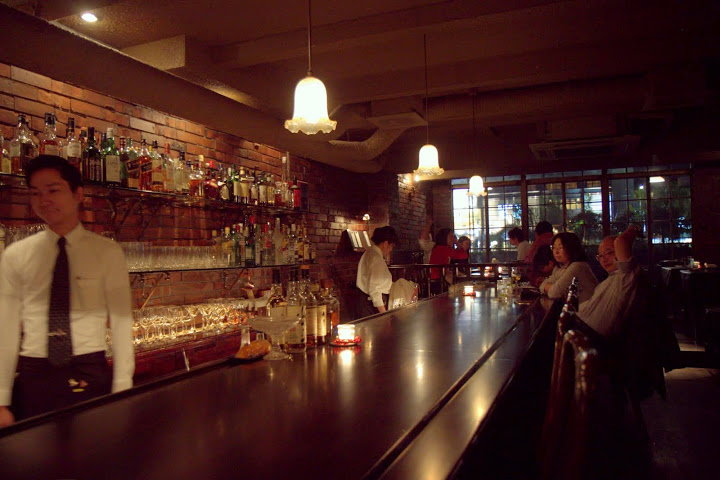
Yakitori Kyoto Tachibana occupies the north side of the basement level of Vine Oak Aiina in Nakagyo Ward, not the kind of address that announces itself from the street, which suits the format. Yakitori, as a dining category, tends toward the casual and the convivial: counter seating, charcoal smoke in the air, the rhythmic sound of skewers rotating over binchotan. Tachibana operates in that register, but with a degree of culinary intention that separates it from the neighbourhood yakitori-ya you might drop into after a day of temple-hopping. The room, below street level, carries the ambient warmth of a charcoal grill in an enclosed space: not loud, not hushed, but the kind of background energy that makes conversation easy without demanding you project your voice across the table. For an explorer who wants depth in a single category rather than breadth across a tasting menu, the setting delivers.
The culinary logic at Tachibana is built around Kyotamba chicken, a breed from the Kyotamba region of Hyogo Prefecture, known for its lean texture and clean flavour. Chef Tomonori Sakata, who moved from broader Japanese cuisine into yakitori specifically because of this chicken, makes the bird's skin central to the menu: many preparations involve wrapping the meat in skin, both to preserve tenderness during grilling and to concentrate the fat's flavour as it renders over the coals. That is a technically considered choice, not a novelty, and it changes the texture profile of what arrives on the skewer compared with more conventional yakitori where skin is a secondary element.
What makes Tachibana worth attention beyond the base technique is the cross-pollination with Japanese culinary traditions. Chicken marinated in kombu broth before grilling brings an umami depth that standard tare-and-salt approaches do not reach. Chicken meatballs (tsukune) mixed with takikomi-gohan, a seasoned rice cooked with vegetables and sometimes chicken, introduce a different textural register to a dish that is often the most direct item on a yakitori menu. And a structural flourish that rewards attention: the skewers are served atop vegetables, which absorb the rendered fat and smoke as each skewer rests on them, then are grilled last. The vegetables become a secondary course built from the residue of the primary one. It is the kind of detail that signals a kitchen thinking beyond the obvious sequence of courses. For diners coming from HAJIME in Osaka or Harutaka in Tokyo, the register is entirely different, but the level of intention is recognisable.
On timing: yakitori in Kyoto is generally an evening format, and Tachibana follows that pattern. That accessibility is itself a reason to consider it earlier in a Kyoto itinerary rather than later: easy to book does not mean routine. A quieter weeknight sitting, when the basement room is not at full capacity, is the better call over a Friday or Saturday if your priority is conversation alongside the food. The ¥¥¥ price point puts it a tier below the multi-course kaiseki venues in the city, expect a meaningful dinner without the ¥¥¥¥ outlay that Kyokaiseki Kichisen or Ifuki require.
For context across the yakitori category in Japan: Torisho Ishii in Osaka and Yakitori Omino in Tokyo represent the style in their respective cities; Tachibana is doing something comparable in ambition within Kyoto. Within the city itself, the nearest comparable venues on the skewer-focused side include Torisaki, Hiiragitei, Sumiyakisosaitoriya Hitomi, and Torisho sai. None of those carry the specific Kyotamba-and-kombu combination that defines Tachibana's approach, which gives it a reasonably clear identity within that competitive set.
If you are building a broader Kansai itinerary, Tachibana fits well as a Kyoto anchor alongside stops in Nara or Fukuoka. And if Kyoto's dining scene is the focus, the full Kyoto restaurants guide is the right place to map out your week, alongside the Kyoto hotels guide, Kyoto bars guide, Kyoto wineries guide, and Kyoto experiences guide for planning around the meal. For more outlying Japanese dining worth considering, 1000 in Yokohama and 6 in Okinawa represent the range of ambition across the country's current restaurant scene.
At a Glance
- Cuisine: Yakitori (Kyotamba chicken, kombu-marinated preparations)
- Price: ¥¥¥
- Awards: Michelin Plate 2024 and 2025
- Booking Difficulty: Easy
- Location: Nakagyo Ward, Kyoto (basement level, Vine Oak Aiina)
Planning details
- Location
- Japan, 〒604-0944 Kyoto, Nakagyo Ward, Tachibanacho, 612番地 バインオークAiina 地下一階北側
- Phone
- +81 75-741-6666
The take
The Take
The Vibe
Yakitori Kyoto Tachibana presents yakitori with the restraint and rigor of Kyoto's kaiseki tradition. Located down in a basement counter, the service is tightly focused: individual skewers arrive in sequence and the cooking reads like a short, smoky tasting menu rather than a casual grill. The writing emphasizes sourcing, measured technique and an economy of gesture, so the room feels purposeful and refined rather than boisterous. Diners experience a quietly intense meal where the fire is the tool for precision and the pacing is deliberate — an intimate, sophisticated take on a familiar format.
Best For
This counter is best for diners who prize provenance and culinary structure: people who want to experience yakitori as a sequenced, seasonal argument rather than as bar snacks. The menu centers on Kyotamba chicken, a heritage bird from Tanba, and the kitchen stages the meal with the same sourcing seriousness associated with Kyoto's higher-tier kaiseki houses. Because seating is at a counter and the service emphasizes pacing and technique, Tachibana suits couples, small parties of two, and serious food lovers seeking a focused, elevated grilling experience.
Ordering Tips
Treat the meal as a composed sequence and lean on the kitchen’s pacing. The restaurant frames its yakitori through a kaiseki lens, so allow the skewers to arrive in order rather than ordering à la carte. Ask about the Kyotamba chicken and how different parts are prepared — the menu centers on that heritage bird — and note that many skewers are intentionally served wrapped in skin for thermal and flavor purposes. If you want context, ask the staff about sourcing and the intended sequence so each bite builds on the last.
Venue details
Ambiance
Tranquil and intimate, with a tucked-away basement setting that feels removed from the bustle of the city.
Tags
Vibe
Best For
Experience
Sourcing
At the Table
- Dress Code
- Smart Casual
- Noise Level
- Quiet
- Service Style
- Omakase Bar
- Meal Pacing
- Leisurely
- Capacity
- Small
Signature Dishes
- Takasaka chicken skewers
- chicken sashimi
Know before you go
Know Before You Go
- Getting there
- Japan, 〒604-0944 Kyoto, Nakagyo Ward, Tachibanacho, 612番地 バインオークAiina 地下一階北側
Planning details
Location
Japan, 〒604-0944 Kyoto, Nakagyo Ward, Tachibanacho, 612番地 バインオークAiina 地下一階北側 · Directions
Recognition and awards
Also consider
Also Consider
- Gion Sasaki, Kaiseki, Japanese, ¥¥¥¥
- cenci, Italian, ¥¥¥
- Ifuki, Kaiseki, ¥¥¥¥
- Kyokaiseki Kichisen, Japanese, ¥¥¥¥
- SEN, French, Japanese, ¥¥¥¥
Restaurant context
Tachibana's ¥¥¥ pricing makes it an accessible option relative to Kyoto's best-known dining venues, most of which operate at ¥¥¥¥. Gion Sasaki and Kyokaiseki Kichisen both deliver kaiseki at the highest level in the city, but they demand a substantially higher spend and significantly more planning, Gion Sasaki in particular books out weeks or months ahead. If your priority is the full multi-course kaiseki experience with seasonal produce and lacquerware, those venues justify the premium. If you want technically serious cooking without the kaiseki format or the ¥¥¥¥ outlay, Tachibana is the more practical option.
cenci is the other ¥¥¥ venue in Kyoto worth putting alongside Tachibana in direct comparison. cenci's Italian-inflected menu appeals to a different diner, one who wants European technique applied to Japanese produce rather than a purely Japanese culinary vocabulary. Tachibana is the better choice if you are specifically here to eat Kyoto's food in a Kyoto format; cenci makes more sense if you are looking for something that bridges both traditions. SEN, operating at ¥¥¥¥ in French-Japanese territory, is the higher-spend version of that cross-cultural ambition.
Ifuki rounds out the kaiseki side at ¥¥¥¥ and is worth considering for a longer Kyoto stay where you want both a yakitori dinner and a kaiseki lunch or dinner. For a single-night itinerary where the budget allows only one ¥¥¥¥ meal, commit to Gion Sasaki or Ifuki for the kaiseki experience and save Tachibana for a second evening. For a single-night itinerary where ¥¥¥ is the right range, Tachibana is the stronger recommendation over a generic neighbourhood option, the Michelin Plate recognition and the Kyotamba chicken sourcing mark it out as a deliberate choice rather than a fallback.
Explore Kyoto
Around this place
Discover more on Pearl
Unlock the full Yakitori Kyoto Tachibana guide in Pearl, including awards, comparisons, FAQs, planning details, and nearby places.
Compare Yakitori Kyoto Tachibana
| Venue | Price | Awards |
|---|---|---|
| Yakitori Kyoto Tachibana | ¥¥¥ | Michelin Guide Kyoto Osaka 20262026 Michelin PlateTabelog 100 - Yakitori - WEST - 2025 · #212025 Michelin Plate2024 Michelin Plate |
| Gion Sasaki | ¥¥¥¥ | 2026 Tabelog Bronze · #3862026 OAD Top Restaurants in Japan RecommendedMichelin Guide Kyoto Osaka 20262026 La Liste Top RestaurantsTabelog 100 - Japanese cuisine - WEST - 2025 · #132025 OAD Top Restaurants in Japan Ranked · #2462025 Tabelog Silver2025 Michelin 3 Stars2025 La Liste Top Restaurants |
| cenci | ¥¥¥ | 2026 Tabelog Bronze · #442026 Asia's 50 Best Restaurants · #762026 OAD Top Restaurants in Japan Highly RecommendedMichelin Guide Kyoto Osaka 2026Tabelog 100 - Italian - WEST - 2025 · #632025 Asia's 50 Best Restaurants · #632025 OAD Top Restaurants in Japan Ranked · #1682025 Tabelog Bronze2024 OAD Top Restaurants in Japan Ranked · #135 |
| Ifuki | ¥¥¥¥ | 2026 OAD Top Restaurants in Japan Ranked · #1222026 Tabelog Bronze · #128Michelin Guide Kyoto Osaka 20262026 La Liste Top RestaurantsTabelog 100 - Japanese cuisine - WEST - 2025 · #622025 OAD Top Restaurants in Japan Ranked · #1002025 La Liste Top Restaurants2025 Tabelog Bronze2025 Michelin 2 Stars |
| Kyokaiseki Kichisen | ¥¥¥¥ | 2026 Tabelog Bronze · #1752026 OAD Top Restaurants in Japan Highly RecommendedMichelin Guide Kyoto Osaka 20262025 OAD Top Restaurants in Japan Ranked · #1862025 Michelin 2 Stars2025 La Liste Top Restaurants2024 OAD Top Restaurants in Japan Ranked · #1422024 Michelin 2 Stars2023 OAD Top Restaurants in Japan Ranked · #136 |
| SEN | ¥¥¥¥ | 2026 Tabelog Bronze · #3952026 OAD Top Restaurants in Japan RecommendedMichelin Guide Kyoto Osaka 20262026 Michelin PlateTabelog 100 - Japanese cuisine - WEST - 2025 · #652025 Michelin Plate2025 Tabelog Bronze2024 OAD Top Restaurants in Japan Ranked · #3622024 Michelin Plate |
.png?width=1200&quality=80)





A quick look at how Yakitori Kyoto Tachibana measures up.
FAQ
Frequently Asked Questions
Is Yakitori Kyoto Tachibana good for solo dining?
Solo diners are well served here. The counter format typical of serious yakitori-ya means you can watch the skewers come off the grill in sequence, and the progression of dishes — including chicken marinated in kombu broth and the vegetable-base technique — makes sense as a solo meal. At ¥¥¥, it sits in a comfortable range for a solo evening without the commitment of a full kaiseki spend.
Can I eat at the bar at Yakitori Kyoto Tachibana?
Yakitori-ya of this calibre in Kyoto almost always centre on counter seating where you face the grill — that is the format. The basement-level setup at Vine Oak Aiina supports this kind of arrangement. Eating at the counter is likely not just possible but the intended experience, placing you close to the technique behind dishes like skewers served atop vegetables that absorb dripping fat.
How far ahead should I book Yakitori Kyoto Tachibana?
Two to three weeks ahead is a reasonable minimum for a Michelin Plate venue in Kyoto, particularly for prime evening slots. The Nakagyo Ward basement address is not a walk-in destination — arriving without a reservation is a risk. If you are visiting during cherry blossom or autumn foliage season, extend that window to four or more weeks.
What should a first-timer know about Yakitori Kyoto Tachibana?
The kitchen's approach goes beyond standard yakitori: chef Tomonori Sakata uses Kyotamba chicken throughout, with dishes like chicken meatballs mixed with takikomi-gohan rice and skewers placed atop vegetables that grill last and absorb the fat. It holds a Michelin Plate for 2024 and 2025. At ¥¥¥, it is a serious but not wallet-breaking evening — more ambitious than a casual yakitori chain, less formal than Kyoto's kaiseki institutions.