
Tori Kago
Nakagyō, Kyoto
Restaurant in Kyoto, Japan
 Book with Pearl
The Read
Price
JPY 15,000 - JPY 19,999
Dress
Casual
Why go
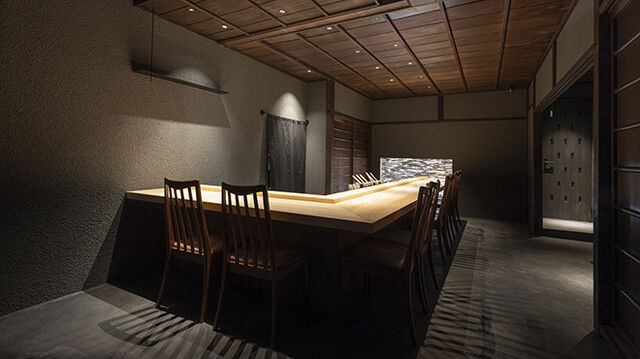
Eight-seat yakitori counter in residential Mibubojocho, two minutes from Shijo Omiya Station. Opened August 2023 and named to Tabelog 100 Yakitori WEST in 2024 and 2025. Reservation-only omakase format at JPY 15,000–19,999, with sake, shochu, and wine pairings. Counter seating only, with full buyout available for up to 20 guests.
About Tori Kago
Dinner at Tori Kago runs JPY 15,000–19,999 per head: upper-tier Kyoto yakitori, still far below kaiseki pricing. Opened in August 2023 as an eight-seat counter in residential Mibubojocho, Nakagyo-ku, it earned Tabelog 100 Yakitori WEST selections in 2024 and 2025, signaling ambition beyond its modest shopfront. For travelers seeking charcoal-grilled chicken worth a splurge without a Michelin-level budget, it is a useful bookmark.
Counter-Only Format in a Residential Hideout
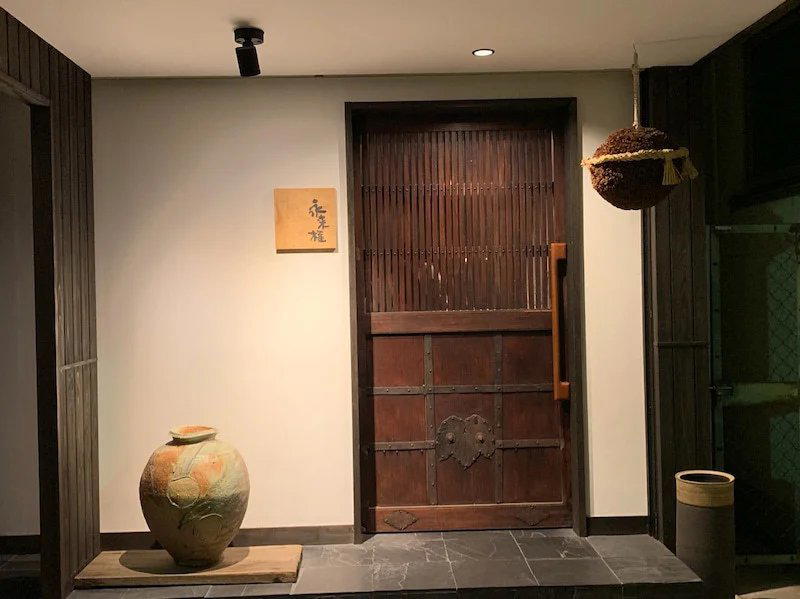
Tori Kago is reservation-only, sharpening intimacy and pacing. Its eight seats fill quickly; Tabelog recognition and local word-of-mouth keep availability tight, though not at the multi-week horizon of Kyoto’s top kaiseki rooms. The Mibubojocho address, two minutes on foot from Hankyu Shijo Omiya Station, sits outside the Gion–Pontocho tourist corridor, filtering foot traffic and reinforcing the neighborhood-hideout feel. There is no parking, so use public transport or a taxi. Tabelog’s house-restaurant location taxonomy signals the scale: a stripped-down, chef-driven operation focused on grill and ingredients, not décor or front-of-house formality.
Sake, Shochu, and Wine Pairing Depth
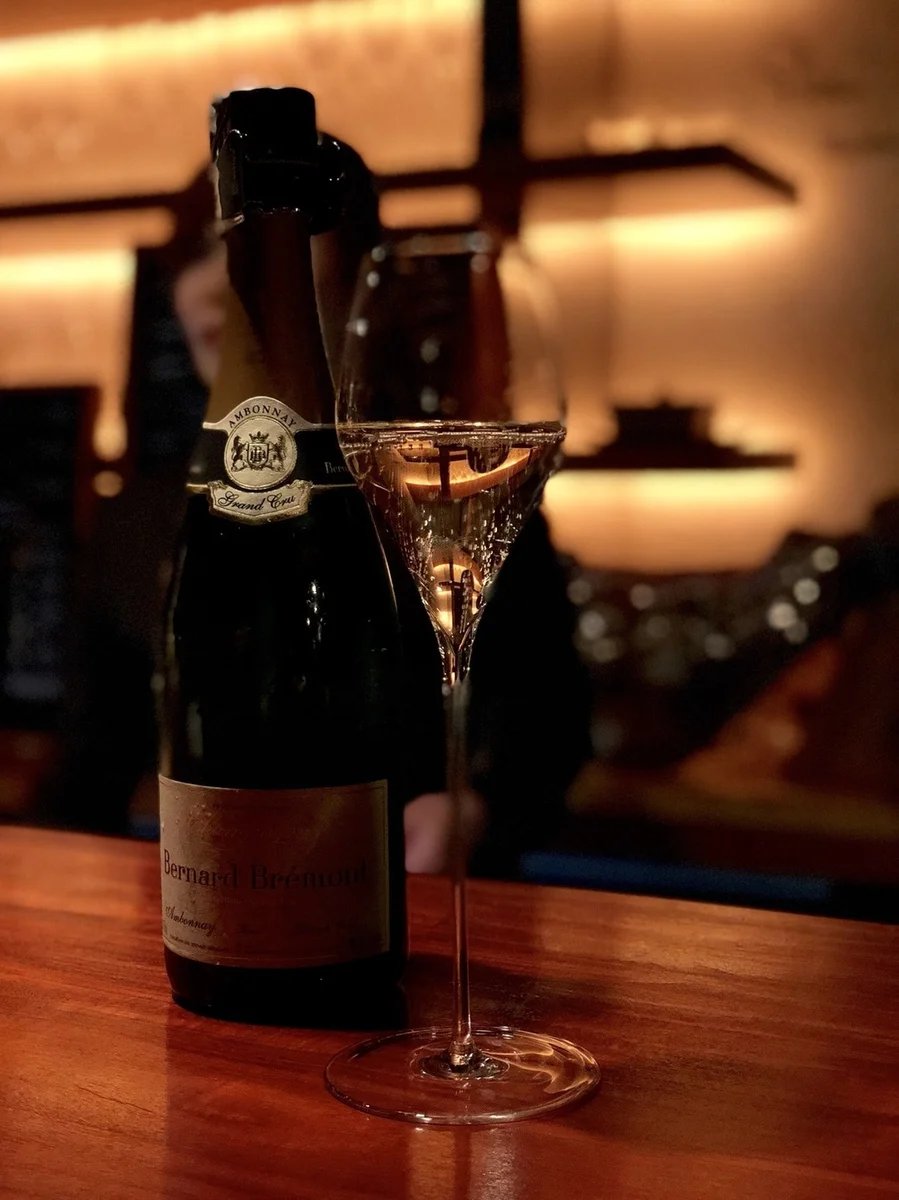
The beverage program emphasizes sake, shochu, and wine, with Tabelog noting attention to all three, broader than many yakitori specialists, where sake or beer dominate. The wine selection, not detailed publicly, suggests pairings for grilled chicken cuts that can handle smoke and fat. Shochu, common among Japanese diners as a neutral reset between skewers, offers a lower-alcohol alternative to sake while preserving tasting-menu pacing. With no published online menu or chef biography, you book on trust signals, Tabelog’s curatorial filter and rapid recognition, rather than a transparent preview of courses or sourcing. For diners needing structure before committing, that opacity may unsettle; for those who see counter dining as conversation with the chef, it is a feature.
Compared with Morita Ya Shijo Inokuma Honten, at JPY 10,000–14,999 for dinner and JPY 6,000–7,999 for lunch, Tori Kago sits JPY 5,000 higher at the top end, without table seating or lunch. The premium reflects its Tabelog 100 pedigree and counter-only format, implying higher ingredient spend per guest and tighter service choreography. For one Kyoto yakitori splurge, Tabelog validation makes Tori Kago the safer bet; for a lower-pressure entry point with more flexible seating, Morita Ya works better. Seabura no Kami Mibu Honten, also in Mibu, runs JPY 1,000–1,999 for the quick ramen-and-rice crowd, not omakase-style yakitori. The neighborhood’s spectrum is stark: a ten-minute walk separates a sub-JPY 2,000 meal from a JPY 19,000 counter.
With no official website or public phone number, reservations flow through third-party platforms, likely Tabelog’s booking interface or concierge services. That layer can slow communication for English-speaking travelers confirming dietary restrictions or private-use arrangements. The venue technically accommodates up to 20 guests for full buyouts, likely by converting the counter into a standing reception or using a back room. For standard counter dining, book as one or two; groups of three or four should confirm adjacent seating or whether staggered arrivals are preferred to preserve pacing.
Kyoto’s yakitori scene has expanded over the past five years, with counter-focused operators chasing Tabelog and Michelin recognition. Tori Kago’s rise from 2023 opening to 2024 Tabelog 100 inclusion suggests the chef arrived with established technique. That matters when spending JPY 15,000-plus on a format available cheaper in Tokyo or Osaka. If Tabelog West 100 marks regional best-in-category, the investment suits anyone already in Kyoto who wants to test its evolving yakitori credentials. If you are flying into Kansai for kaiseki and temples, giving a dinner slot to yakitori depends on whether you value format diversity or prefer Kyoto’s historical strengths. For a broader sense of the city’s dining options, see our full Kyoto restaurants guide.
Planning details
- Location
- 京都府京都市中京区壬生坊城町8-24
- Website
- tabelog.com/en/kyoto/A2601/A260203/26039593
- Phone
- +815018086728
Venue details
Ambiance
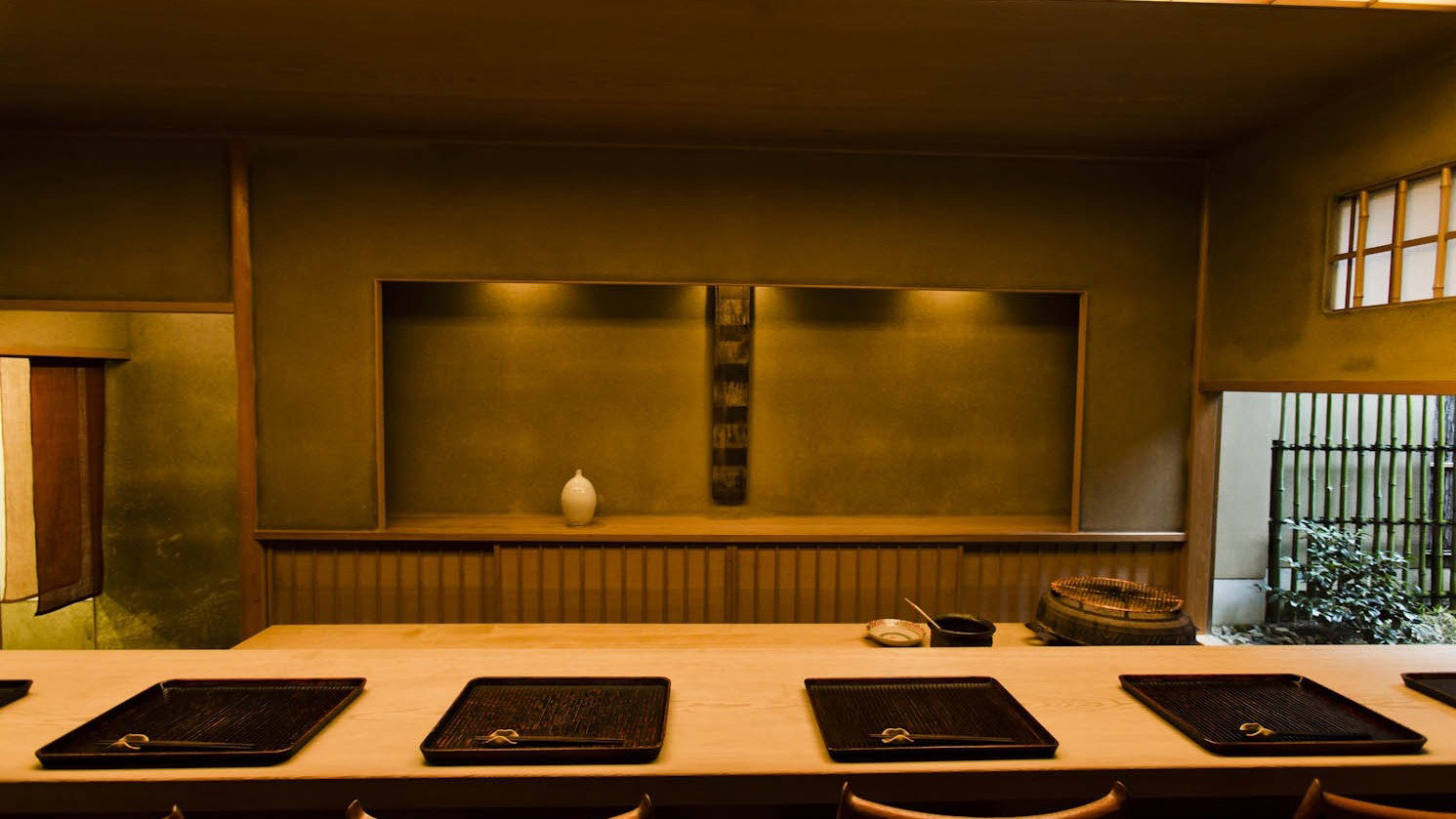
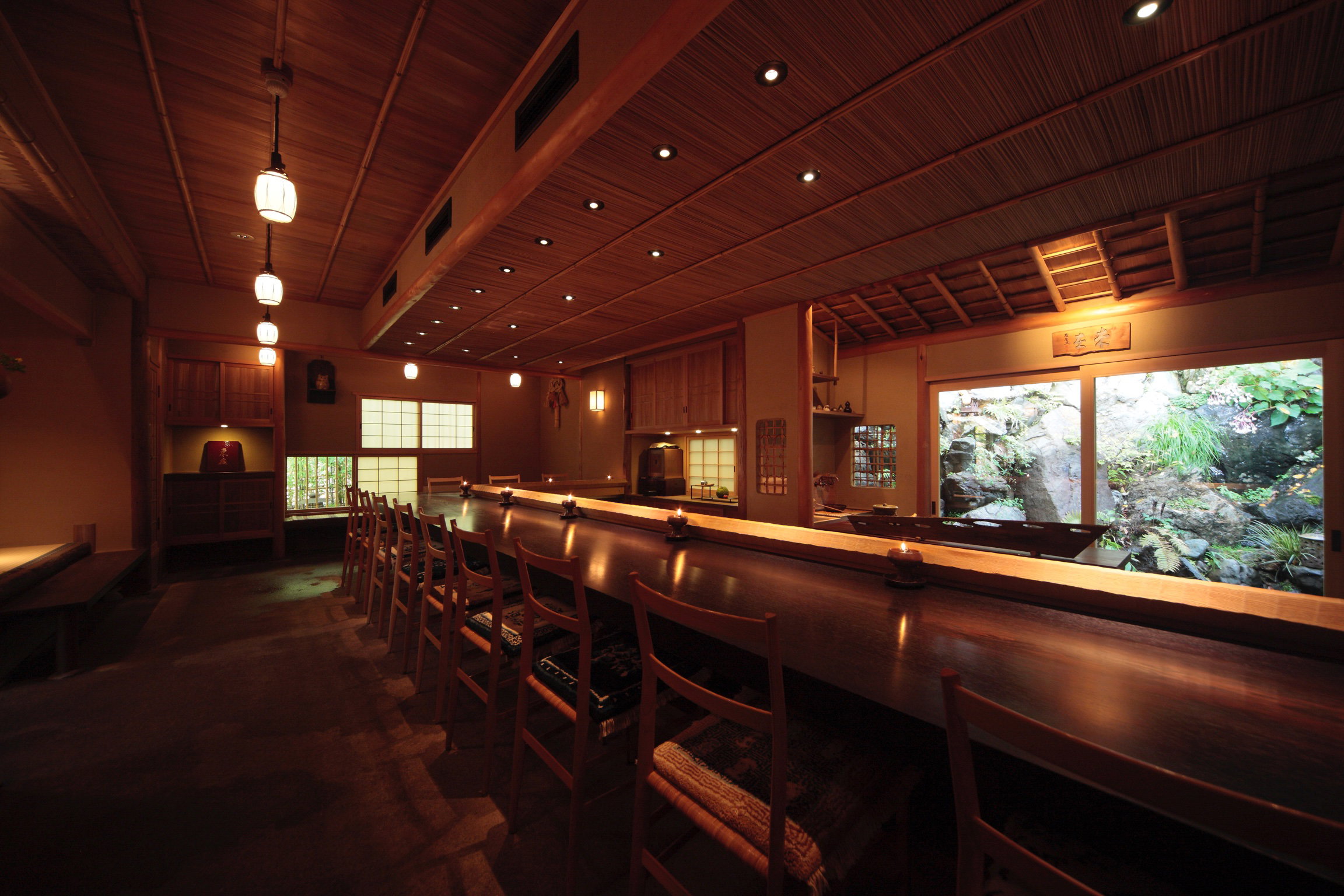
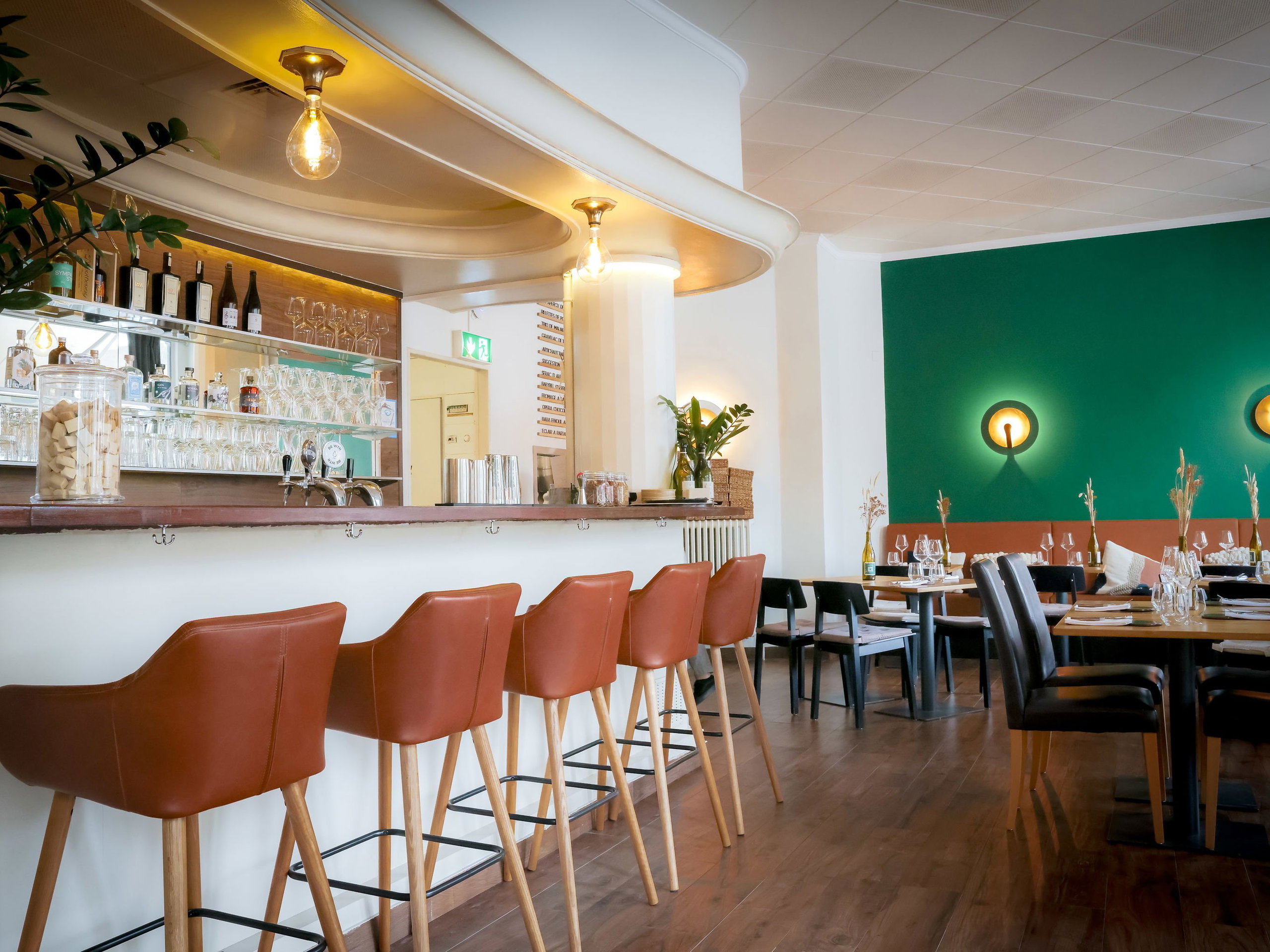
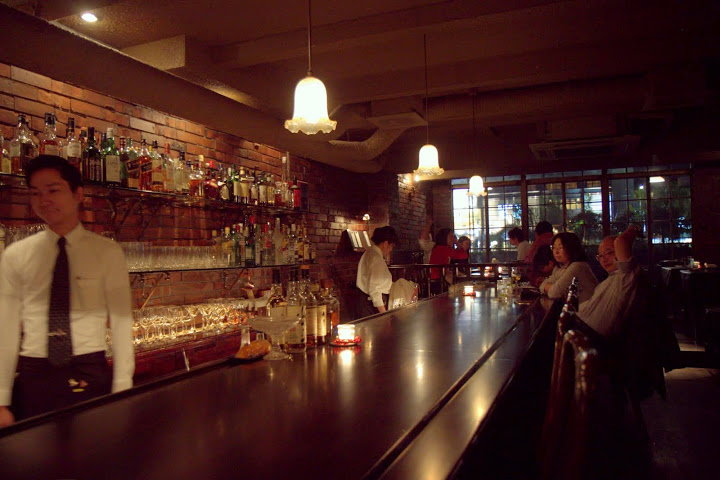
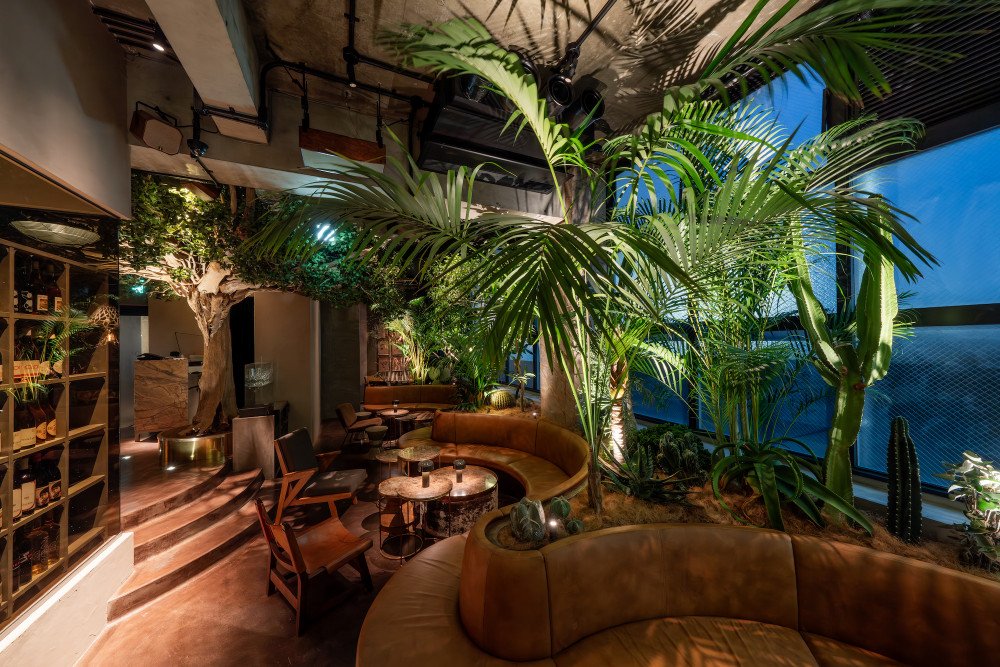
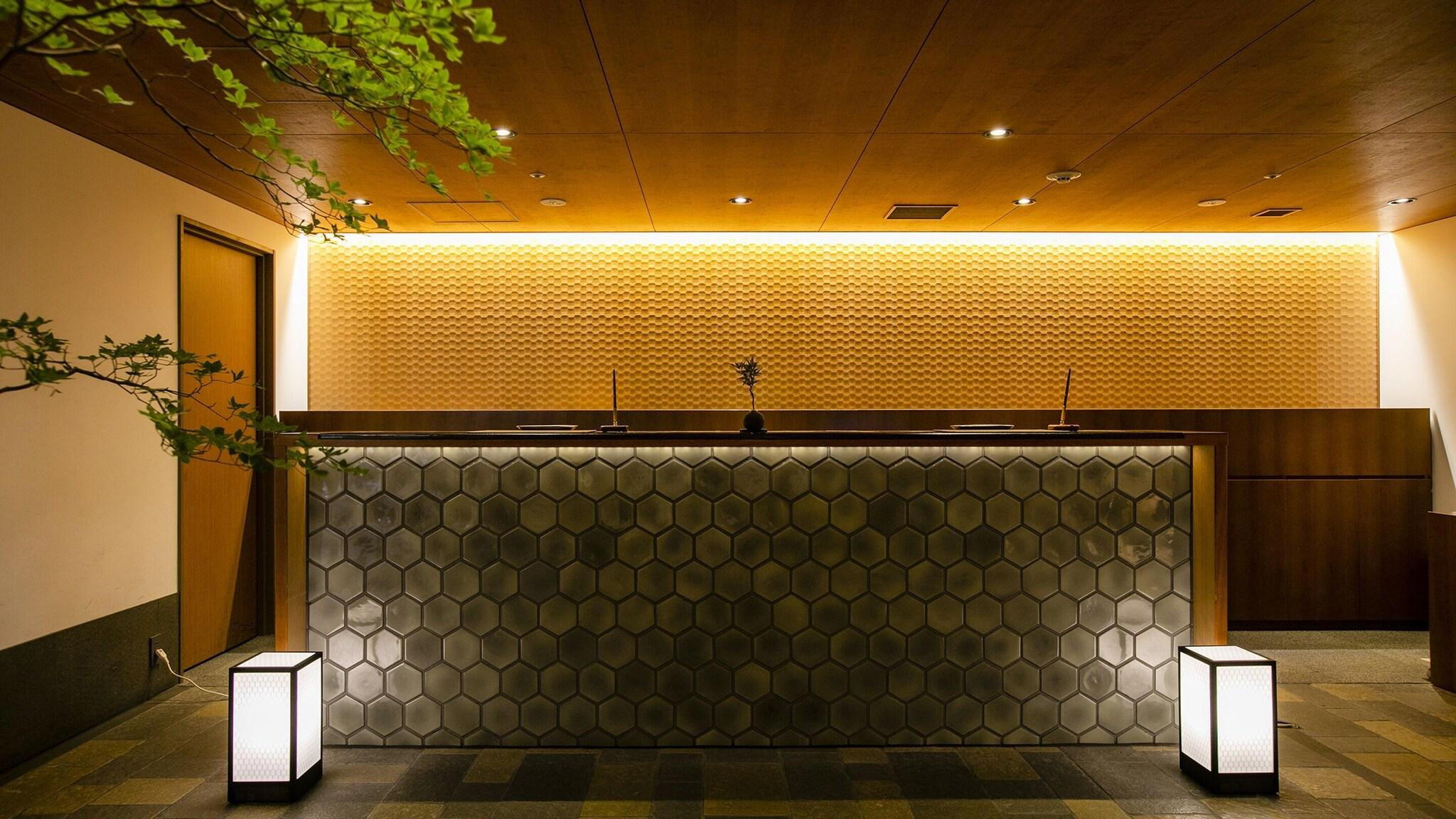
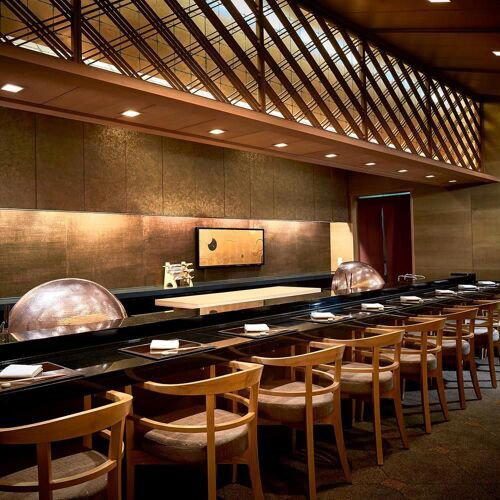
A small, chic black-toned interior with low brightness and counter-focused lighting that makes the grill and plating feel like a stage, creating a cozy yet refined atmosphere suited to adults.
Tags
Vibe
Best For
Experience
At the Table
- Dress Code
- Casual
- Noise Level
- Conversational
- Service Style
- Upscale Casual
- Meal Pacing
- Leisurely
- Capacity
- Intimate
Signature Dishes
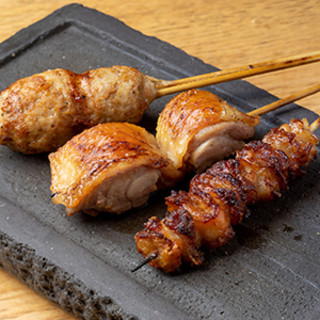
- 11-course yakitori omakase
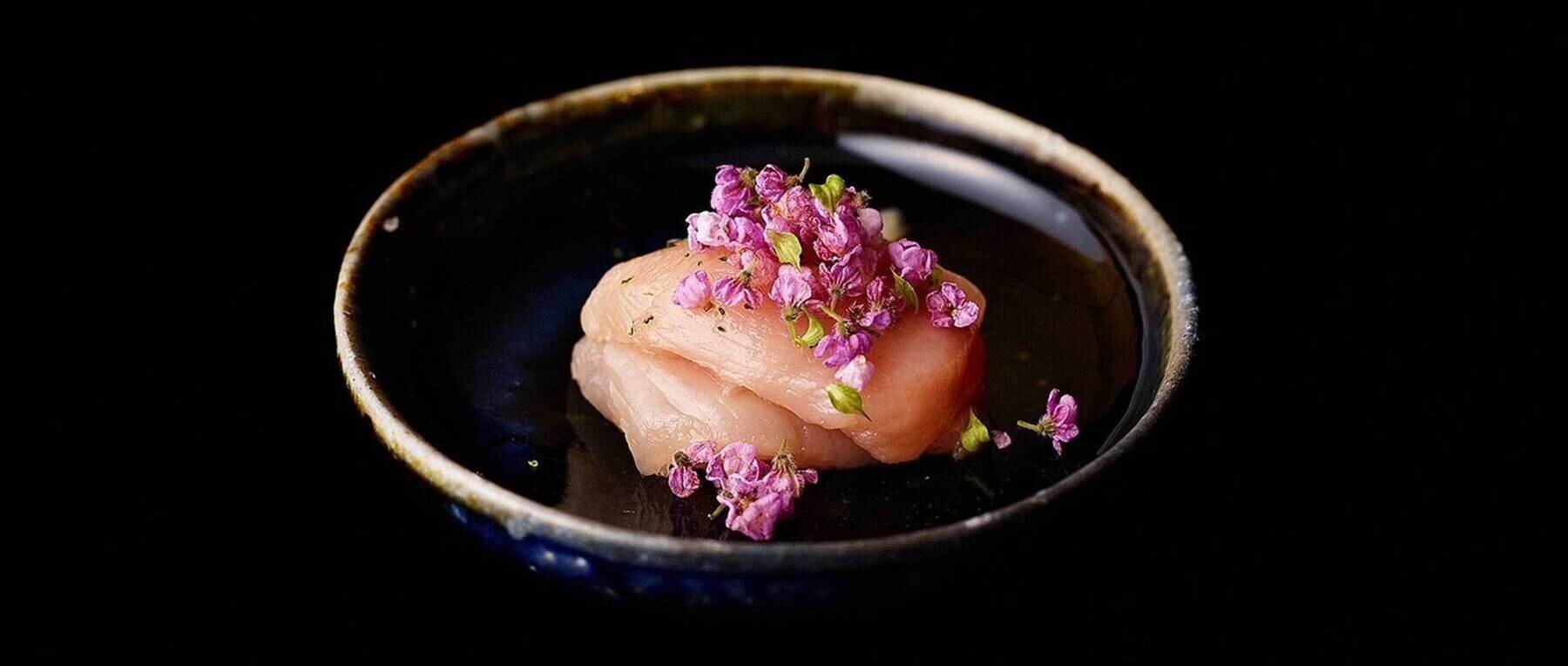
- beak-to-tail chicken skewers
Know before you go
Know Before You Go
- Getting there
- 京都府京都市中京区壬生坊城町8-24
Planning details
Location
Recognition and awards
Also consider
Also Consider
- Fruit Parlour Yaoiso, JPY 1,000 - JPY 1,999 JPY 1,000 - JPY 1,999 View spending breakdown, JPY 1,000 - JPY 1,999 JPY 1,000 - JPY 1,999 View spending breakdown
- Morita Ya Shijo inokuma honten, JPY 10,000 - JPY 14,999 JPY 6,000 - JPY 7,999 View spending breakdown, JPY 10,000 - JPY 14,999 JPY 6,000 - JPY 7,999 View spending breakdown
- Masaki, Japanese, ¥¥¥
- Seabura no Kami Mibu honten, JPY 1,000 - JPY 1,999 - JPY 999, JPY 1,000 - JPY 1,999 - JPY 999
- Ryoriya EN, Notable alternative
Restaurant context
Tori Kago's JPY 15,000–19,999 price point sits above most Kyoto yakitori specialists but below the city's kaiseki tier, positioning it as a splurge-worthy counter experience for travelers who want the charcoal-grilled format without crossing into three-Michelin-star budgets. Morita Ya Shijo Inokuma Honten operates JPY 5,000 lower at the top end and offers both lunch and table seating, making it the easier entry point if you're testing the category or dining with a group larger than two. Tori Kago's counter-only, reservation-only model tilts toward solo diners and couples who value chef interaction and omakase pacing over flexibility. The Tabelog 100 recognition, earned within a year of opening, signals technical precision that Morita Ya, despite its longer tenure, has not matched in curatorial lists. For travelers allocating one yakitori dinner in Kyoto, Tori Kago justifies the premium if you're comfortable with the hideout format and the lack of a published menu.
Masaki, categorized as Japanese at the ¥¥¥ tier, likely overlaps in price with Tori Kago but offers a broader kaiseki-adjacent menu rather than yakitori specialization. If your priority is tasting the full range of Kyoto's seasonal ingredients across multiple courses, Masaki provides that scope; if you want deep focus on a single technique, charcoal grilling chicken, Tori Kago delivers a tighter lens. Seabura no Kami Mibu Honten, also in the Mibu district, sits at JPY 1,000–1,999 and targets the quick ramen segment, making it a different category entirely. The proximity, two minutes' walk from Tori Kago, illustrates the neighborhood's dining range, but the experiences don't overlap in format or ambition. For travelers deciding between Tori Kago and Ryoriya EN, the latter's absence of published price or cuisine data makes a direct comparison difficult. If EN operates in a similar omakase format, the decision hinges on booking availability and whether you prefer yakitori specialization or a broader kappo approach. Tori Kago's rapid Tabelog ascent and eight-seat intimacy make it the safer bet for travelers who want a validated, high-focus counter experience without navigating kaiseki's multi-course formality.
Explore Kyoto
Around this place
Discover more on Pearl
Unlock the full Tori Kago guide in Pearl, including awards, comparisons, FAQs, planning details, and nearby places.
FAQ
Frequently Asked Questions
How far ahead should I book Tori Kago?
Book three to four weeks out. Tori Kago operates reservation-only with eight counter seats, and slots fill quickly given its Tabelog 100 status. The opening date in August 2023 means availability remains tight as the venue builds its reservation pipeline. Monitor cancellations if booking within two weeks.
Can Tori Kago accommodate groups?
Private use is available for up to 20 people, but the standard counter seats only eight. Groups larger than two should inquire about private-use terms and pricing when booking, as the yakitori format works better with full buyouts than split parties. Solo diners and pairs fit the counter format naturally.
Is the tasting menu worth it at Tori Kago?
The ¥15-20K price reflects Tabelog 100 recognition and the precision of counter-only yakitori service. Eight seats mean direct interaction with the grill and pacing control, but you're paying for format as much as ingredients. If yakitori is your preferred grilled format and sake pairing matters, the price holds. Casual yakitori seekers should look elsewhere.
Is Tori Kago worth the price?
At ¥15-20K, Tori Kago justifies the spend if you value counter intimacy and beverage depth (sake, shochu, wine). The Tabelog 100 listing two years running and eight-seat constraint deliver focus, but the price is steep for grilled chicken skewers compared to less formal yakitori options in Kyoto. Worth it for serious yakitori enthusiasts, excessive for casual diners.
Is Tori Kago good for solo dining?
The eight-seat counter format works well for solo diners, offering direct engagement with the grill and no awkward table dynamics. Reservation-only service means pacing is deliberate, and the sake program gives you pairing options to extend the meal. Solo diners fit naturally here, unlike larger group-oriented venues.
What should a first-timer know about Tori Kago?
Expect a reservation-only counter in a residential setting (described as a 'hideout' and 'house restaurant'), not a street-facing yakitori bar. The ¥15-20K spend includes grilled chicken skewers with sake, shochu, or wine pairing options. Eight seats mean intimate service but limited flexibility. Book three weeks out minimum, and come prepared for a paced, omakase-style yakitori progression rather than à la carte ordering.