.png?width=1200&quality=80)
Masaki
Japanese · Nakagyō, Kyoto
Restaurant in Kyoto, Japan
 Book with Pearl
The Read
Dashi-Centred Kaiseki
Price
$200–300per person
Why go
Masaki holds two consecutive Michelin Plate recognitions and in Nakagyo Ward, Kyoto. At ¥¥¥, it is a tier below the city's top kaiseki houses and a strong option for diners who want serious dashi and wanmono craft without the ¥¥¥¥ price commitment. Booking is easy by Kyoto standards. Worth returning to across seasons.
About Masaki
Masaki, Kyoto: Pearl Verdict
At ¥¥¥ pricing, it sits a tier below the ¥¥¥¥ houses that dominate serious Kyoto Japanese dining, which makes it worth understanding precisely: this is where to go when you want depth of craft without the highest-price-bracket commitment.
Portrait
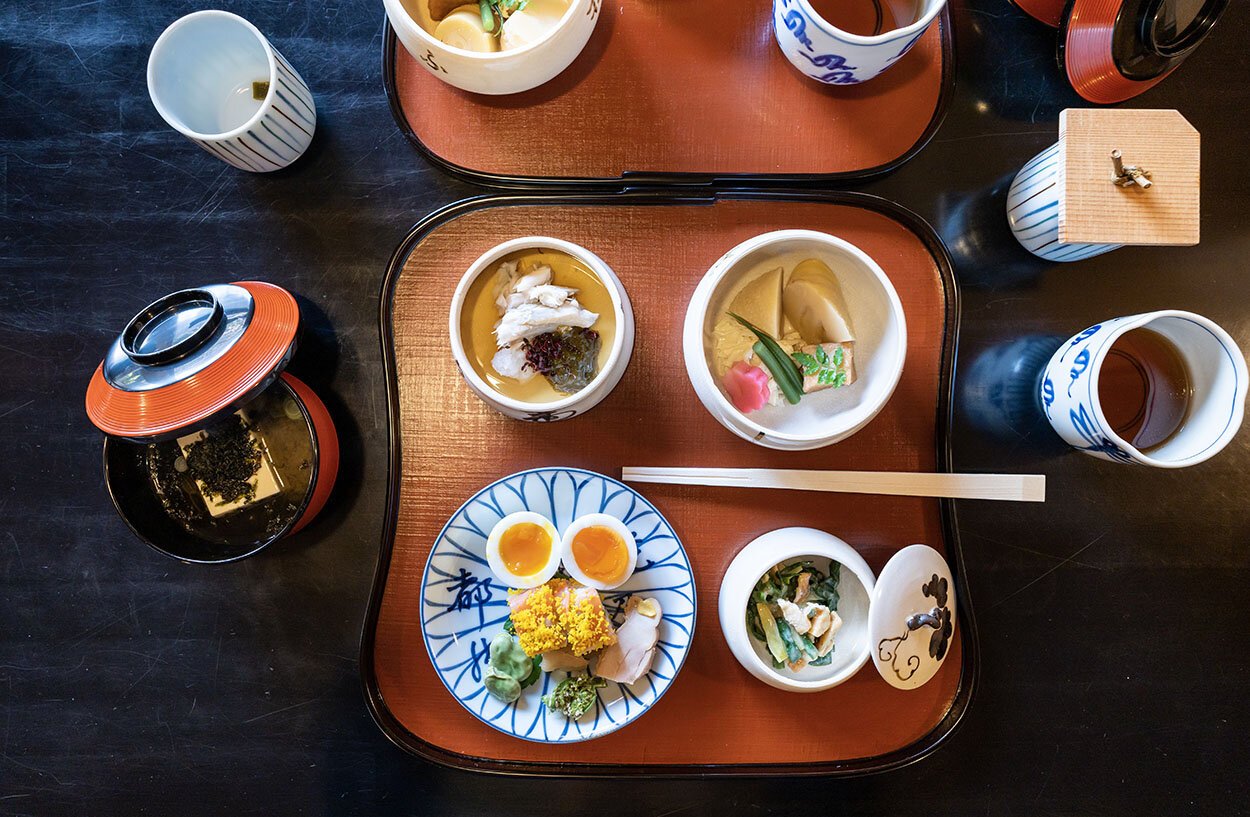
The cooking at Masaki is built around dashi in a way that is genuinely specific and worth knowing before you book. The chef trained at a ryotei with a focus on wanmono — the simmered dishes and soups that are among the most technically demanding elements of classical Japanese cooking. What separates Masaki from a generically well-reviewed Kyoto Japanese restaurant is the decision to combine first-draught dashi with fish bone broth, producing a layered depth of flavour that is not common in this format. The approach is methodical rather than showy: the kitchen is pulling flavour from technique, not spectacle.
The dish that leading captures the kitchen's sensibility is the surinagashi, a smooth, strained soup that changes with the season. Because it relies on the interaction between dashi and seasonal produce, it functions as a reliable indicator of where the kitchen's attention is on any given visit. For a returning diner, it is the single most useful dish to benchmark across visits, the variation will tell you more about the chef's seasonal sourcing and current priorities than almost anything else on the menu.
Meal structure itself is worth noting for anyone planning a first or repeat visit. The menu moves through varied courses and resolves simply: white rice and clear soup at the end. That deliberate simplicity at the close is not an afterthought, it is the chef's statement of confidence in the broth. If the dashi has been built correctly, the final course does not need embellishment. On a second visit, paying close attention to that clear soup against your memory of the surinagashi from a first visit gives you a precise read on what the kitchen considers essential.
Masaki is located at 15-20 Mibubanbacho in Nakagyo Ward, a quieter residential and commercial pocket of central Kyoto that lacks the tourist density of Gion. That address matters practically: it is not a restaurant you stumble across. You are going specifically because you have made the decision that this style of cooking, wanmono-led, dashi-forward, structured but not theatrical, is what you want. For a returning diner, this specificity is a feature, not a limitation. There is a clear reason to go back, and it is not ambient novelty.
Multi-Visit Strategy
If you are planning more than one visit, the approach is direct. On a first visit, let the menu progress without intervention and use the surinagashi and the closing clear soup as anchors. They will tell you the most about the kitchen's current form and seasonal focus. On a second visit, if the season has shifted substantially, the dashi combinations and the wanmono courses will read differently, that seasonal responsiveness is where the multi-visit case is strongest. A third visit, if you are committed enough to the format, is the point at which the progression of the meal becomes genuinely familiar, and small variations in technique and sourcing become more legible. Masaki rewards diners who are interested in depth rather than variety across visits.
For broader Kyoto dining context while planning your visits, see our full Kyoto restaurants guide. If you are building a trip around dining, the Kyoto hotels guide, bars guide, and experiences guide will help you anchor the rest of your schedule.
Booking and Practical Details
Booking at Masaki is rated easy relative to Kyoto's most competitive tables, which is meaningful context. Venues like Kyokaiseki Kichisen or Isshisoden Nakamura require significantly more lead time and often concierge intervention. Masaki, by contrast, should be reachable with moderate planning. Do not mistake easy relative to leading Kyoto kaiseki houses for easy in absolute terms. Plan ahead, particularly for weekend sittings.
Pricing at ¥¥¥ positions this as a serious but not extreme commitment by Kyoto standards. A meal here will cost meaningfully less than an evening at Gion Matayoshi or Kikunoi Roan, while still operating at a level of craft that has earned sustained Michelin recognition. For diners who find the ¥¥¥¥ tier prohibitive or who want to visit multiple times without financial strain, Masaki is the more repeatable option. Hours and a direct booking channel are not published in available data, contact via the restaurant directly or through a hotel concierge is the recommended approach.
For comparable Japanese cooking in other Japanese cities, Myojaku in Tokyo and Azabu Kadowaki in Tokyo offer points of reference for dashi-led Japanese dining at a similar level of seriousness. Further afield, HAJIME in Osaka and akordu in Nara round out the Kansai region picture. For those building a broader Japan itinerary, Harutaka in Tokyo, Goh in Fukuoka, 1000 in Yokohama, and 6 in Okinawa are worth knowing about.
Ratings at a Glance
- Michelin recognition: Michelin Plate 2024 and 2025
- Price tier: ¥¥¥
- Booking difficulty: Easy (relative to leading Kyoto Japanese restaurants)
- Cuisine focus: Japanese, wanmono and dashi-led
Planning details
- Location
- 15-20 Mibubanbacho, Nakagyo Ward, Kyoto, 604-8805, Japan
- Website
- masak-kyoto.gorp.jp
- Phone
- +81 50-5493-2287
The take
The Take
The Vibe
Masaki takes Kyoto's restrained, technique-forward approach and renders it with quiet authority. The service and pacing favour patience: dishes are constructed around layered dashi and wanmono, inviting diners to slow down and engage with flavour as a process rather than a flash. Accolades such as consecutive Michelin Plate mentions underline the kitchen's seriousness without veering into ostentation; the effect is refined and composed. This is the sort of room where deliberation replaces novelty and where the classics of Kyoto cookery—simmered dishes, lidded soups, and subtle draws of stock—set the tone for an understated, deeply considered evening.
Best For
Masaki is best experienced as an attentive dinner destination for diners who prize technique and the architecture of a Japanese meal. The restaurant's focus on wanmono and layered dashi makes it especially suited to date nights and special occasions when guests have time to savour multiple courses. Its Michelin Plate recognition and mid-tier pricing position it for those seeking serious, refined cooking without the highest-tier price bracket. The kitchen rewards curiosity and patience; occasions that allow for an unhurried meal—celebratory evenings and intimate dinners—are where Masaki’s strengths are most apparent.
Ordering Tips
Let the sequence guide you: the menu is structured around wanmono (the lidded soup) as the spine of the meal, so prioritise that course when it arrives and treat it as a central element rather than an interlude. The write-up singles out the kitchen’s use of first-draught dashi and fish-bone broth—flavours are built in layers—so lean into courses that showcase broth and simmered preparations. Taste patiently and allow contrast between clear stock and richer bone broths to register; if surinagashi is offered (a signature here), consider it emblematic of the kitchen’s approach and order it to understand the house style.
Venue details
Ambiance
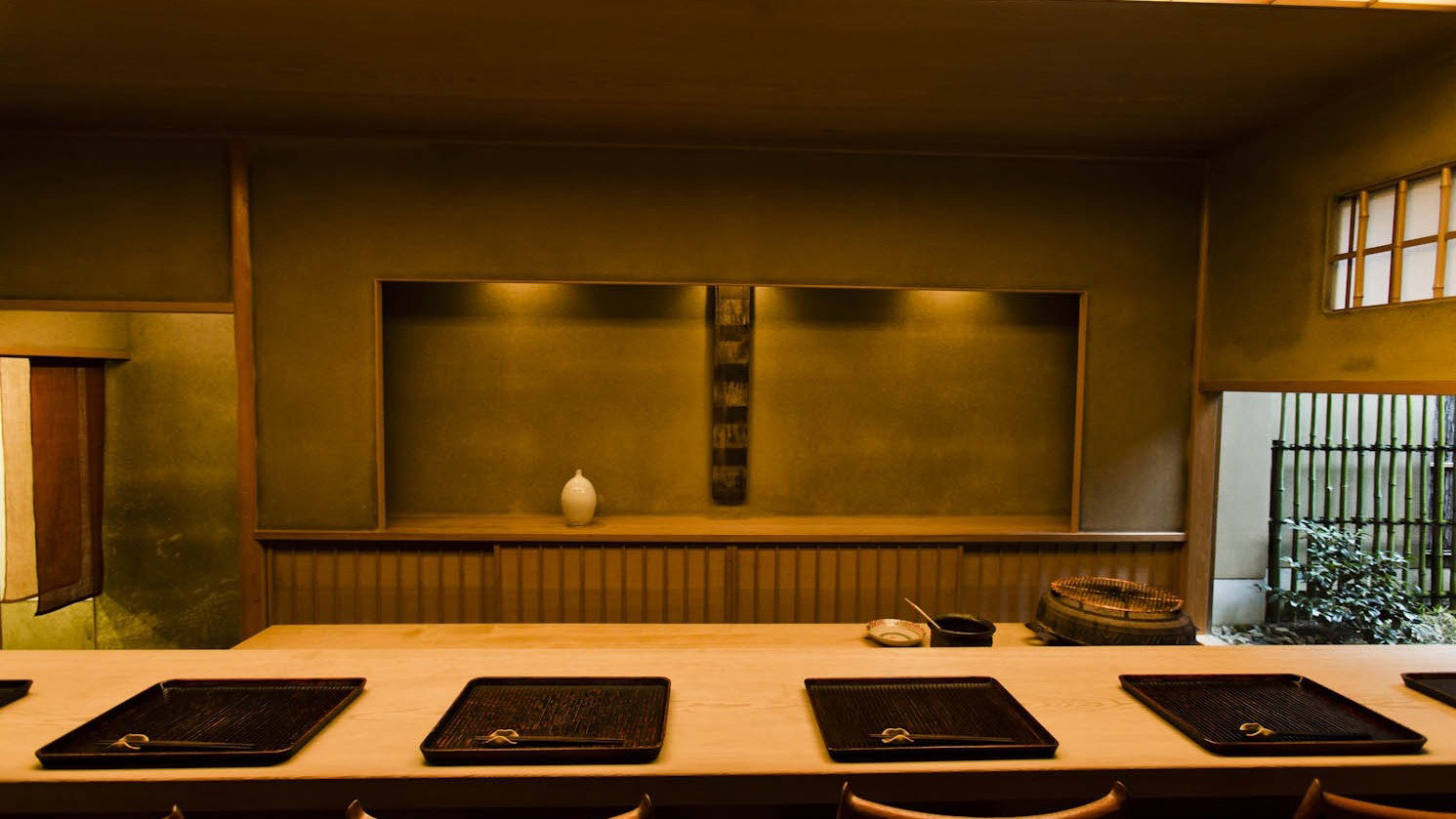
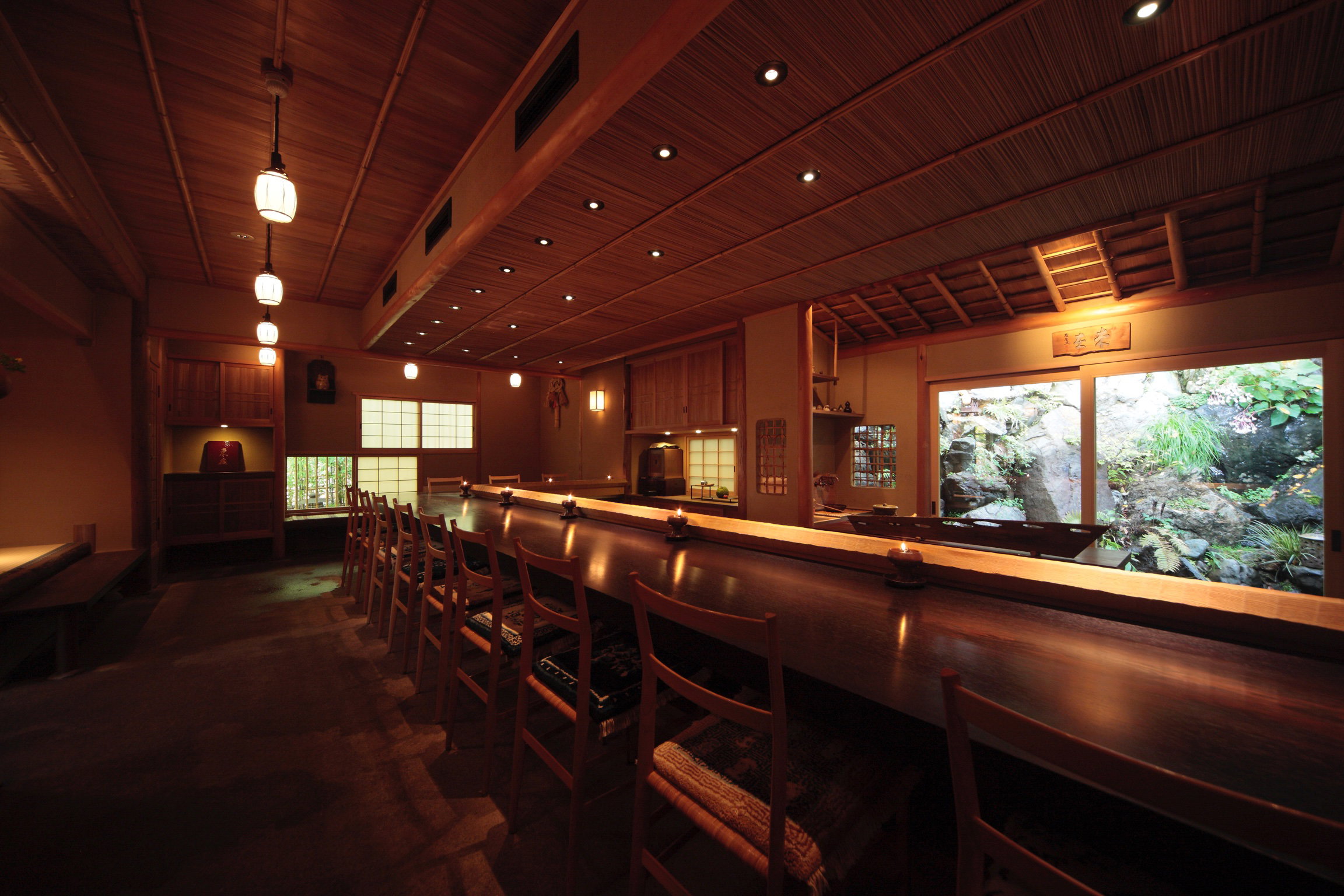
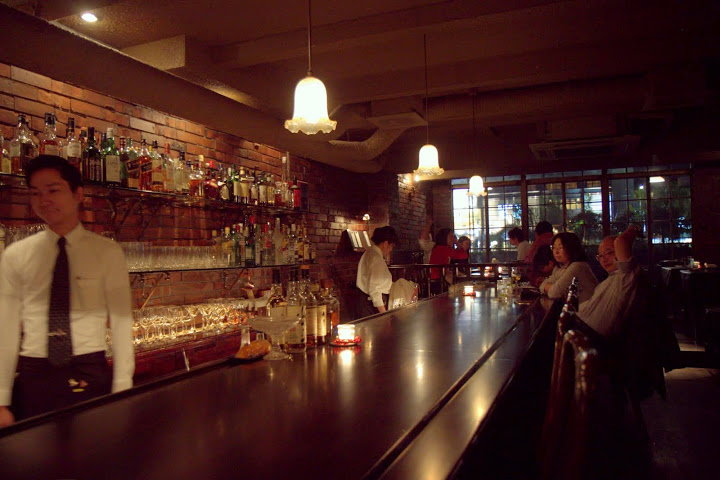
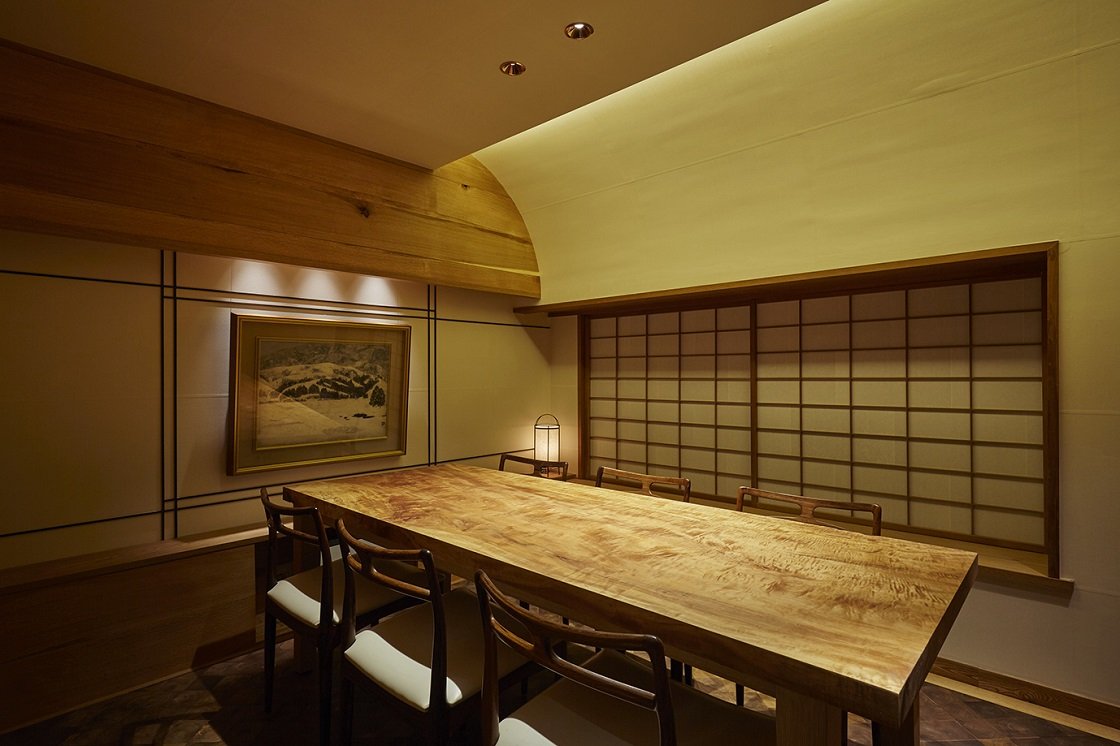
Cozy and inviting atmosphere in a traditional Kyotoesque narrow alley setting with warm, intimate counter seating.
Tags
Vibe
Best For
Experience
Sourcing
At the Table
- Noise Level
- Quiet
- Service Style
- Omakase Bar
- Meal Pacing
- Leisurely
- Capacity
- Intimate
- Kitchen
- Seasonal
- Menu Format
- Omakase
- Wine Program
- Curated
- Drinks Focus
- Sake
- Dietary
- Vegetarian friendly
- Private Dining
- Available
Signature Dishes
surinagashi
Know before you go
Know Before You Go
- Getting there
- 15-20 Mibubanbacho, Nakagyo Ward, Kyoto, 604-8805, Japan
Planning details
Location
15-20 Mibubanbacho, Nakagyo Ward, Kyoto, 604-8805, Japan · Directions
Recognition and awards
Also consider
Also Consider
- Gion Sasaki, Kaiseki, Japanese, ¥¥¥¥
- cenci, Italian, ¥¥¥
- Ifuki, Kaiseki, ¥¥¥¥
- Kyokaiseki Kichisen, Japanese, ¥¥¥¥
- SEN, French, Japanese, ¥¥¥¥
Restaurant context
Masaki sits at ¥¥¥ in a Kyoto market where the most decorated Japanese restaurants, Gion Sasaki, Ifuki, Kyokaiseki Kichisen, and SEN, operate at ¥¥¥¥. That price gap is the starting point for any comparison. If budget is a factor and you want Michelin-recognised Japanese cooking in Kyoto, Masaki is the clearer choice. If you want the full kaiseki format with the highest level of production, Gion Sasaki or Kyokaiseki Kichisen are the reference points, at a meaningfully higher price and with significantly harder booking.
For diners choosing between Masaki and cenci, the one same-tier ¥¥¥ peer here, the decision is straightforward: they serve entirely different cuisines. cenci is Italian; Masaki is classical Japanese with a dashi and wanmono specialism. If you want both in a single Kyoto trip, there is no conflict. If you are choosing between them as your one serious dinner, that choice is about cuisine preference, not quality differential. Both carry Michelin recognition.
Within the ¥¥¥¥ group, SEN offers a French-Japanese fusion angle that is the most different in approach from Masaki's classical Japanese format. Ifuki and Gion Sasaki are the more direct style comparators at a higher price. If your priority is the most technically deep kaiseki experience in Kyoto regardless of cost, Gion Sasaki is the benchmark. If you want to visit Masaki multiple times across a trip or a year, which the kitchen's seasonal dashi focus supports, the ¥¥¥ positioning makes that repeatable in a way the ¥¥¥¥ houses are not.
Explore Kyoto
Around this place
Discover more on Pearl
Unlock the full Masaki guide in Pearl, including awards, comparisons, FAQs, planning details, and nearby places.
Compare Masaki
| Venue | Cuisine | Price | Booking Difficulty | Awards |
|---|---|---|---|---|
| Masaki | Japanese | ¥¥¥ | Easy | 2026 Michelin Plate2025 Michelin Plate2024 Michelin Plate |
| Gion Sasaki | Kaiseki, Japanese | ¥¥¥¥ | Unknown | 2026 Tabelog Bronze · #3862026 OAD Top Restaurants in Japan RecommendedMichelin Guide Kyoto Osaka 20262026 La Liste Top RestaurantsTabelog 100 - Japanese cuisine - WEST - 2025 · #132025 OAD Top Restaurants in Japan Ranked · #2462025 Tabelog Silver2025 Michelin 3 Stars2025 La Liste Top Restaurants |
| cenci | Italian | ¥¥¥ | Unknown | 2026 Tabelog Bronze · #442026 Asia's 50 Best Restaurants · #762026 OAD Top Restaurants in Japan Highly RecommendedMichelin Guide Kyoto Osaka 2026Tabelog 100 - Italian - WEST - 2025 · #632025 Asia's 50 Best Restaurants · #632025 OAD Top Restaurants in Japan Ranked · #1682025 Tabelog Bronze2024 OAD Top Restaurants in Japan Ranked · #135 |
| Ifuki | Kaiseki | ¥¥¥¥ | Unknown | 2026 OAD Top Restaurants in Japan Ranked · #1222026 Tabelog Bronze · #128Michelin Guide Kyoto Osaka 20262026 La Liste Top RestaurantsTabelog 100 - Japanese cuisine - WEST - 2025 · #622025 OAD Top Restaurants in Japan Ranked · #1002025 La Liste Top Restaurants2025 Tabelog Bronze2025 Michelin 2 Stars |
| Kyokaiseki Kichisen | Japanese | ¥¥¥¥ | Unknown | 2026 Tabelog Bronze · #1752026 OAD Top Restaurants in Japan Highly RecommendedMichelin Guide Kyoto Osaka 20262025 OAD Top Restaurants in Japan Ranked · #1862025 Michelin 2 Stars2025 La Liste Top Restaurants2024 OAD Top Restaurants in Japan Ranked · #1422024 Michelin 2 Stars2023 OAD Top Restaurants in Japan Ranked · #136 |
| SEN | French, Japanese | ¥¥¥¥ | Unknown | 2026 Tabelog Bronze · #3952026 OAD Top Restaurants in Japan RecommendedMichelin Guide Kyoto Osaka 20262026 Michelin PlateTabelog 100 - Japanese cuisine - WEST - 2025 · #652025 Michelin Plate2025 Tabelog Bronze2024 OAD Top Restaurants in Japan Ranked · #3622024 Michelin Plate |







Comparing your options in Kyoto for this tier.
FAQ
Frequently Asked Questions
Can Masaki accommodate groups?
Seating configuration details are not available in the current data, and kaiseki restaurants in Nakagyo Ward typically run small. If you are booking for a party larger than four, confirm capacity directly with the venue. For large groups, Kyokaiseki Kichisen has private room options that are documented — worth comparing if group size is a priority.
What should a first-timer know about Masaki?
The cooking is built around dashi in a way that rewards attention. The chef trained at a ryotei specialising in simmered dishes and soups, and that focus shapes the entire menu — wanmono and surinagashi are the courses to watch for. At ¥¥¥ pricing, this is a serious kaiseki meal, not an introductory one, but it is more accessible to book than most Kyoto venues at this level.
How far ahead should I book Masaki?
Masaki is rated easy to book relative to Kyoto's competitive kaiseki tables — venues like Kyokaiseki Kichisen often require months of lead time, while Masaki is more forgiving. That said, ¥¥¥ kaiseki restaurants in Nakagyo Ward fill up, so booking two to four weeks out is a sensible minimum, especially for weekend evenings.
What should I wear to Masaki?
The venue data does not specify a dress code, but Masaki holds consecutive Michelin Plate recognition (2024 and 2025) and operates at ¥¥¥ pricing, which places it firmly in formal-casual territory for Kyoto kaiseki. Neat, conservative clothing is appropriate — think what you would wear to a serious restaurant dinner, not a tourist lunch.
Is Masaki good for solo dining?
Masaki's kaiseki format works well for solo diners who want to eat without the friction of hard-to-book Kyoto institutions. The two consecutive Michelin Plate recognitions signal consistent kitchen output, and the structured progression of a kaiseki menu gives solo diners a full arc to the meal. Confirm whether counter seating is available when you book, as that tends to be the most comfortable solo format in this setting.