

2025 Pearl 4 Star Prestige: 181 Top Wineries Worth Visiting, Page 2
A highly esteemed Pearl rating awarded to venues delivering outstanding quality and refined experiences.

Which wineries are on this list?
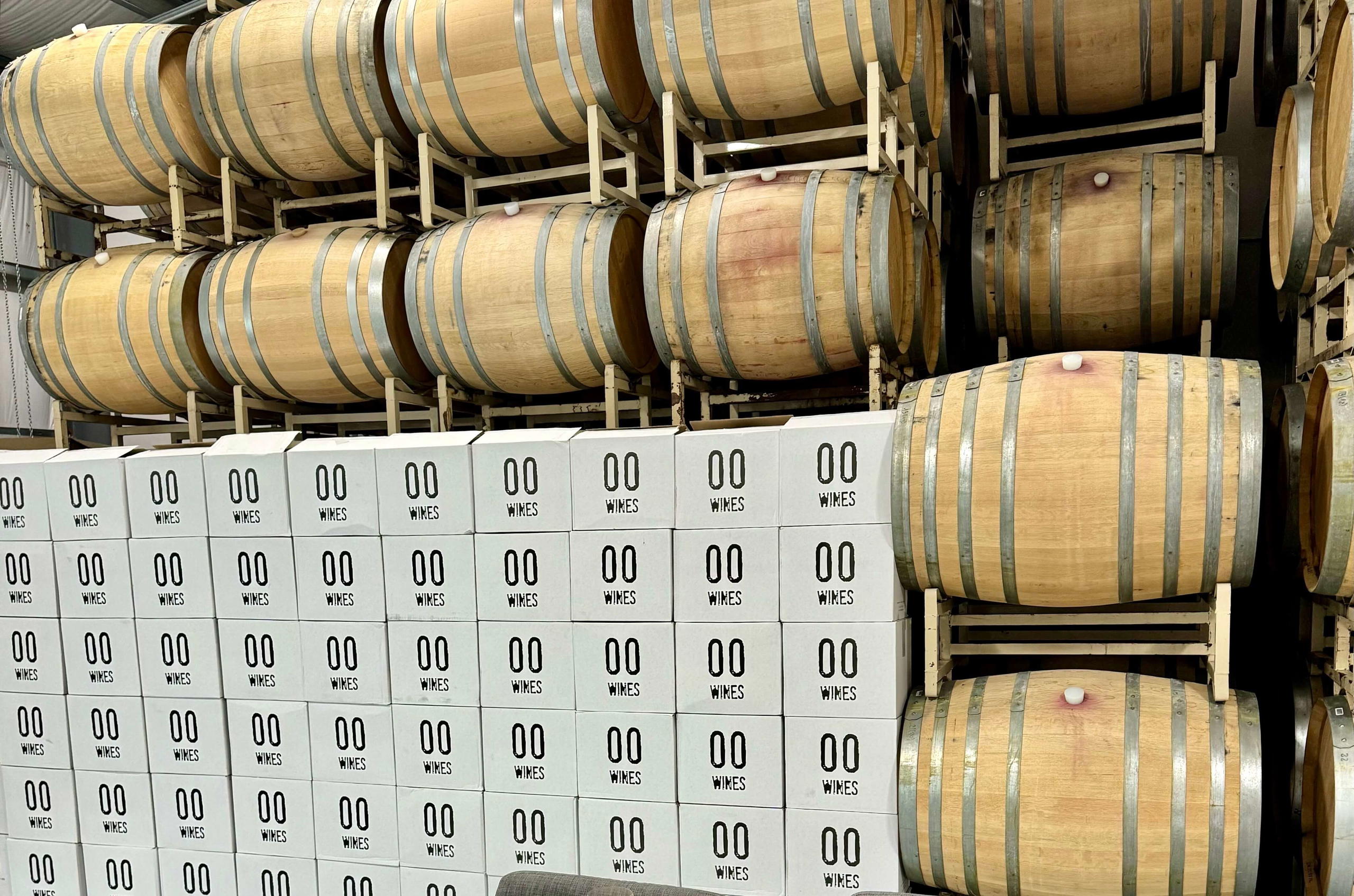
00 Wines
Carlton, United States
00 Wines is a serious Carlton-area choice for wine travelers who prioritize producer focus over a casual tasting-room crawl. 00 Wines is strongest for small, collector-minded groups building a Willamette Valley day, while Ken Wright Cellars or Resonance (Jadot) may suit visitors who want a more familiar regional anchor.
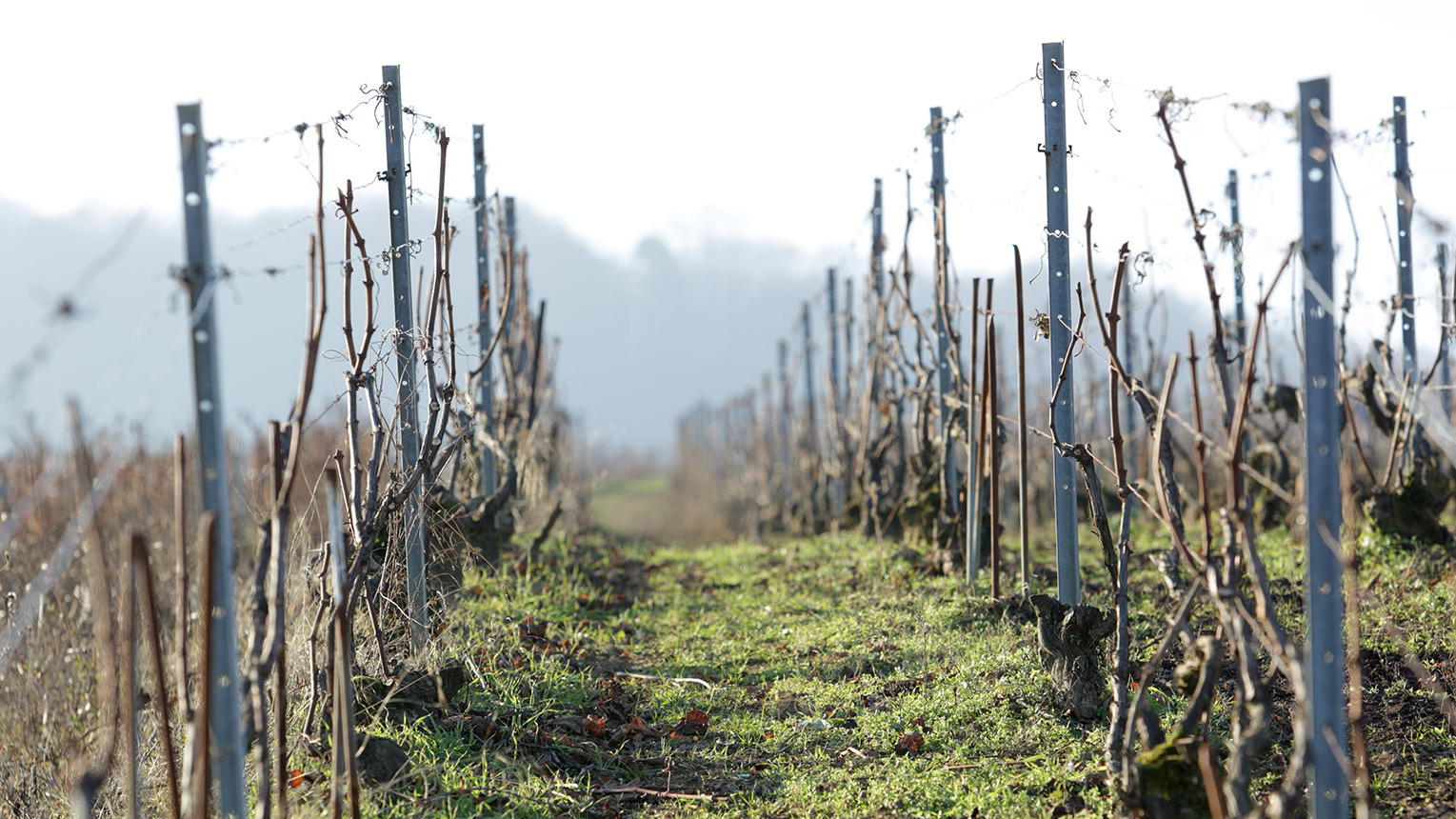
Agrapart & Fils
Avize, France
Book Agrapart & Fils if the point of the trip is serious grower Champagne rather than a broad visitor-center experience. It is a strong fit for a wine-led celebration in Avize, especially for drinkers comparing it with Jacques Selosse, Delamotte, Champagne Salon, Pierre Peters, and Pierre Gimonnet & Fils.
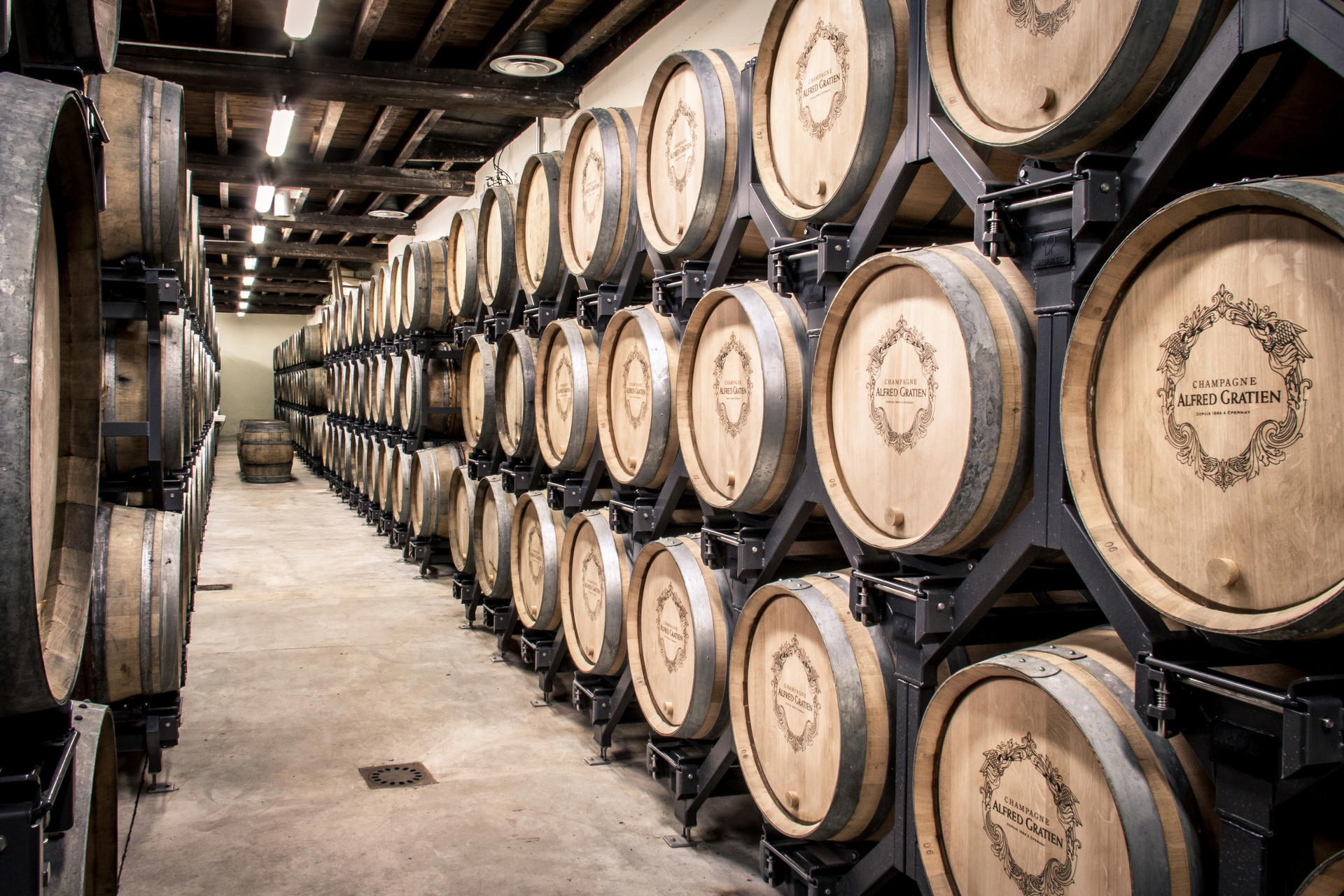
Alfred Gratien
Épernay, France
A bottle-first Épernay Champagne call for special occasions where the wine matters more than brand theatre. Alfred Gratien is strongest for small groups comparing serious bottles before buying or shipping, while Moët & Chandon and Perrier-Jouët make more sense for visitors who want a larger, more recognizable house experience.
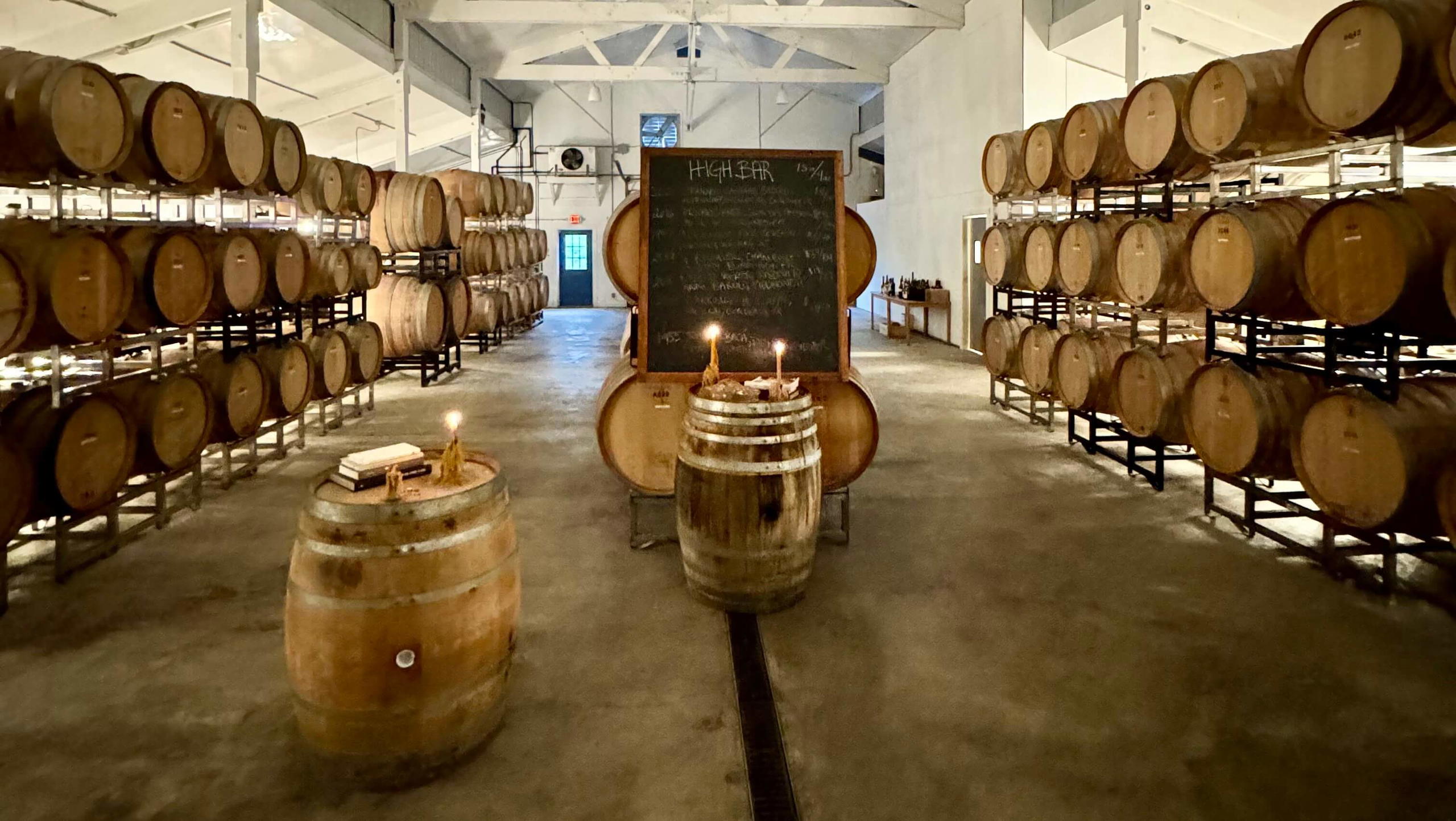
Antica Terra
Amity, United States
Antica Terra is worth pursuing if the goal is serious Oregon wine access rather than an easy tasting-room stop. With a first vintage in 1989 and Maggie Harrison as winemaker, it suits collectors and focused first-timers better than casual groups looking for a low-planning Amity afternoon.
Billecart-Salmon
Aÿ, France
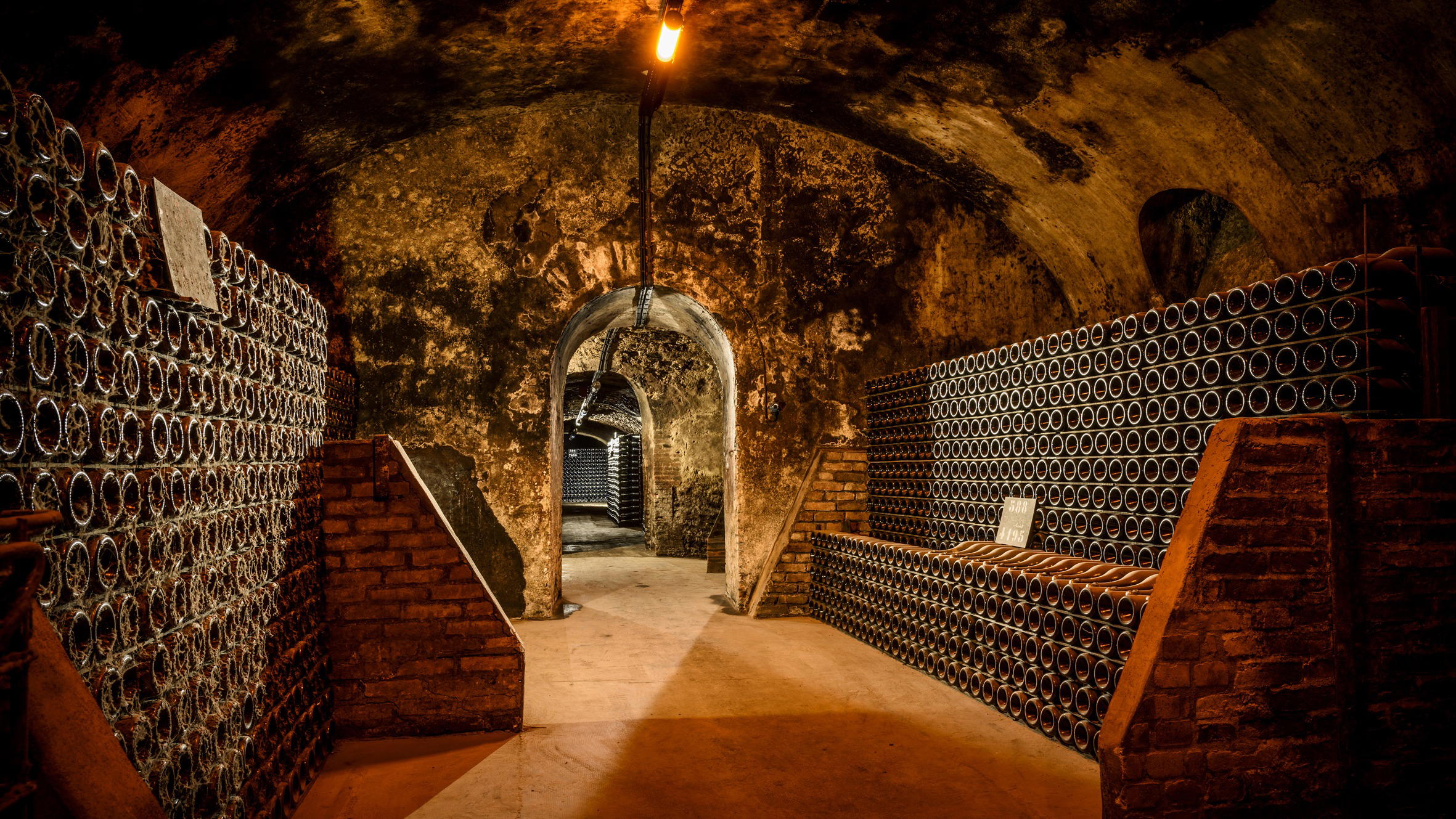
Billecart-Salmon in Mareuil-sur-Aÿ works best as a Champagne house, with Le Rosé, family history and a substantial vineyard footprint. Visits require a direct request and are limited; the house prioritizes trade professionals and loyal clients.
Castello di Ama
Gaiole in Chianti, Italy
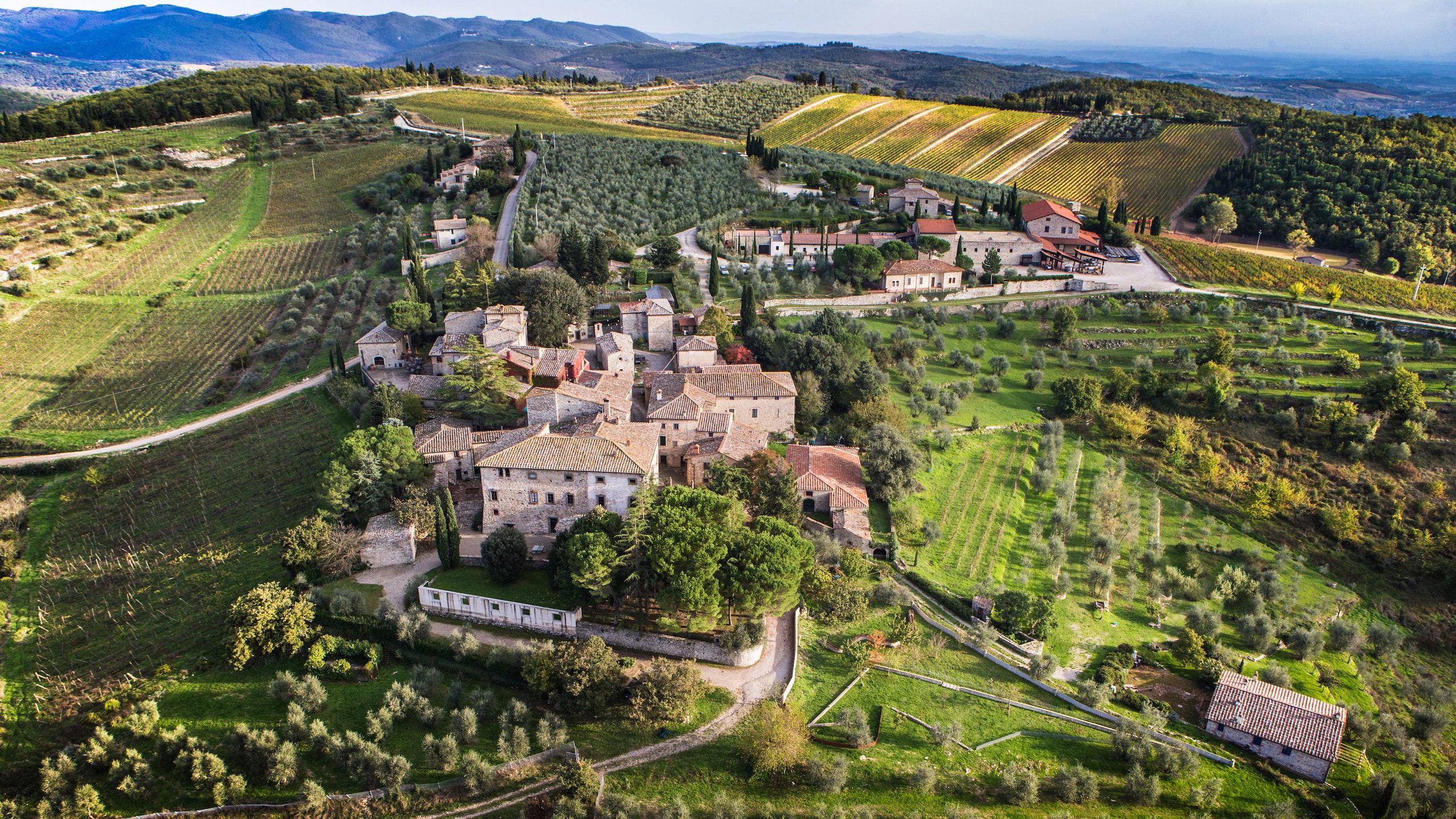
Prioritize Castello di Ama if the Gaiole in Chianti trip is built around serious wine rather than easy drop-in tasting. The first vintage dates to 1978, Marco Pallanti is the named winemaker, and the estate is a better fit for planners than for casual last-minute visitors.
Cedric Bouchard
Celles-sur-Ource, France
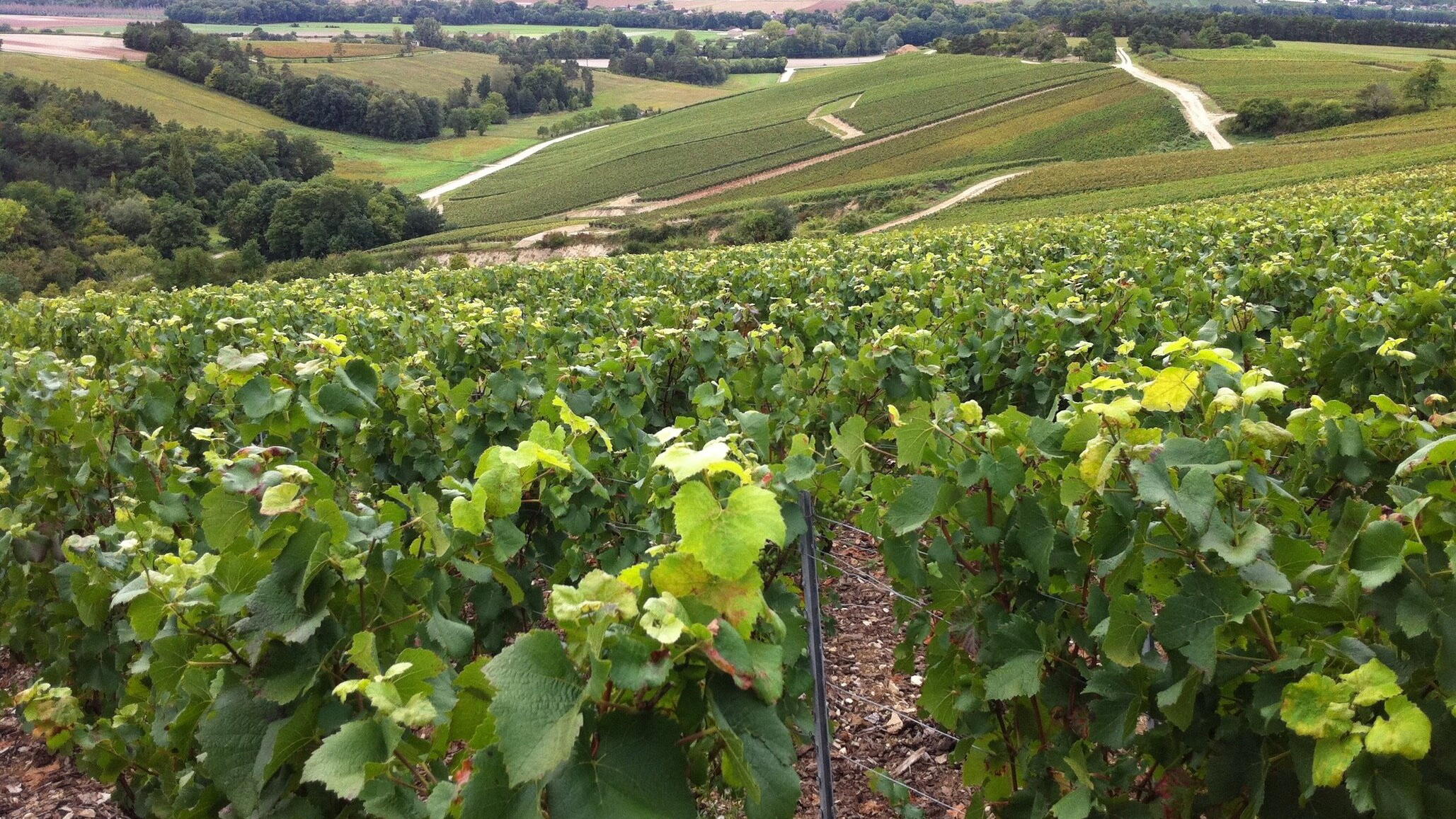
Cedric Bouchard is worth prioritizing for serious Champagne travelers who want Aube grower depth and are comfortable planning around scarce access. It is not the practical choice for a casual group tasting day; compare Drappier for a more conventional Champagne visit and Jacques Lassaigne for another grower-focused route.
Cerbaiona
Montalcino, Italy
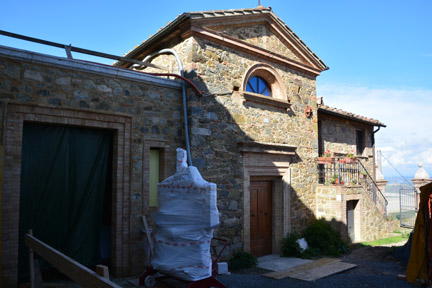
Cerbaiona is for Brunello-focused travelers, not casual tasting-room shoppers. Prioritize it if bottle access, cellar reputation, and a focused Montalcino visit matter more than food service or broad hospitality; otherwise cross-shop larger peers such as Biondi-Santi Tenuta Greppo, Casanova di Neri, or Altesino for a more conventional first winery day.
Charles Heidsieck
Reims, France
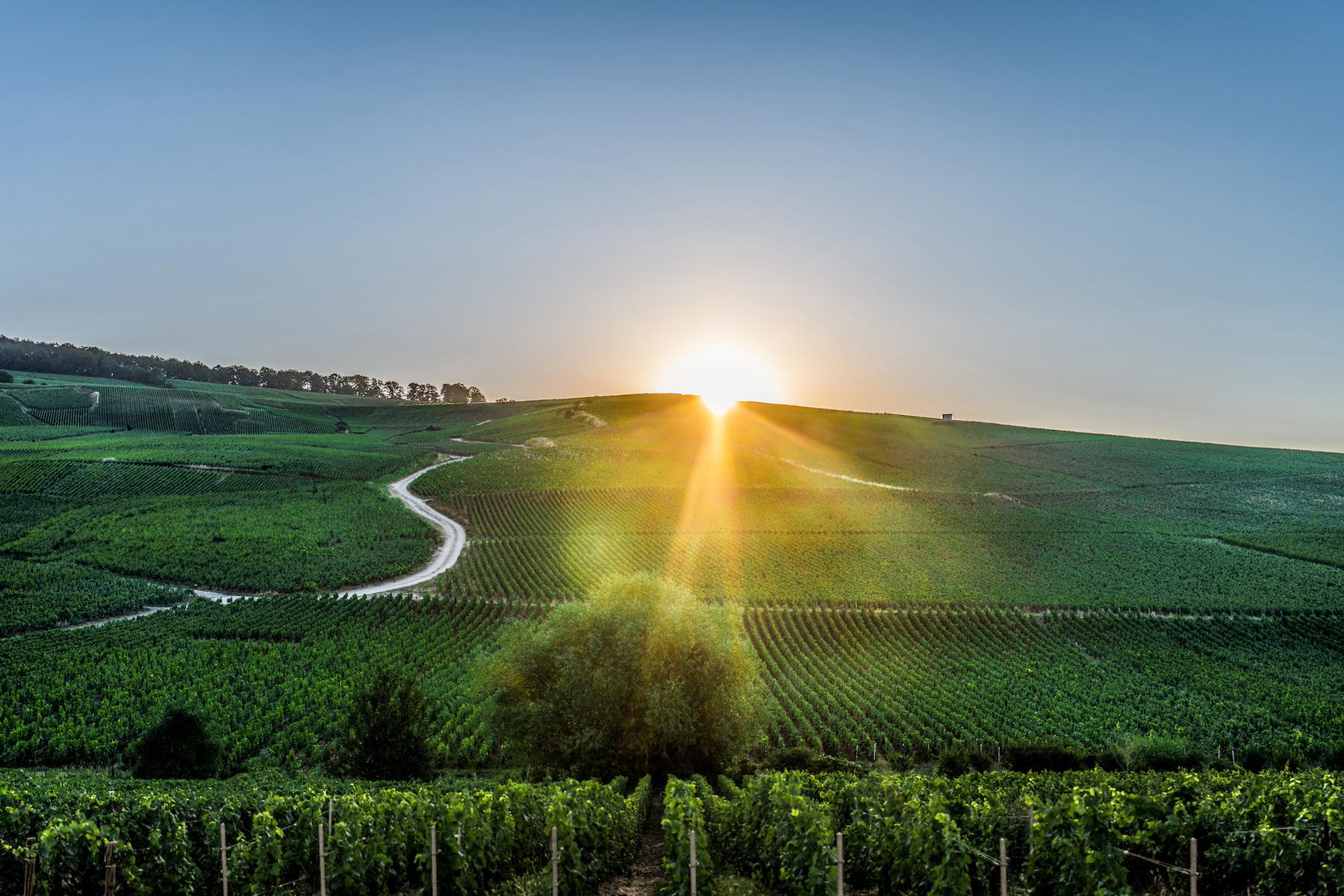
Charles Heidsieck is worth prioritizing for serious Champagne buyers and repeat Reims visitors, especially if allocation access matters more than convenience. First-timers or loose groups may find Piper-Heidsieck or Taittinger easier to plan, while collectors should compare the value of any club or shipment terms before committing.
Chartogne-Taillet
Merfy, France
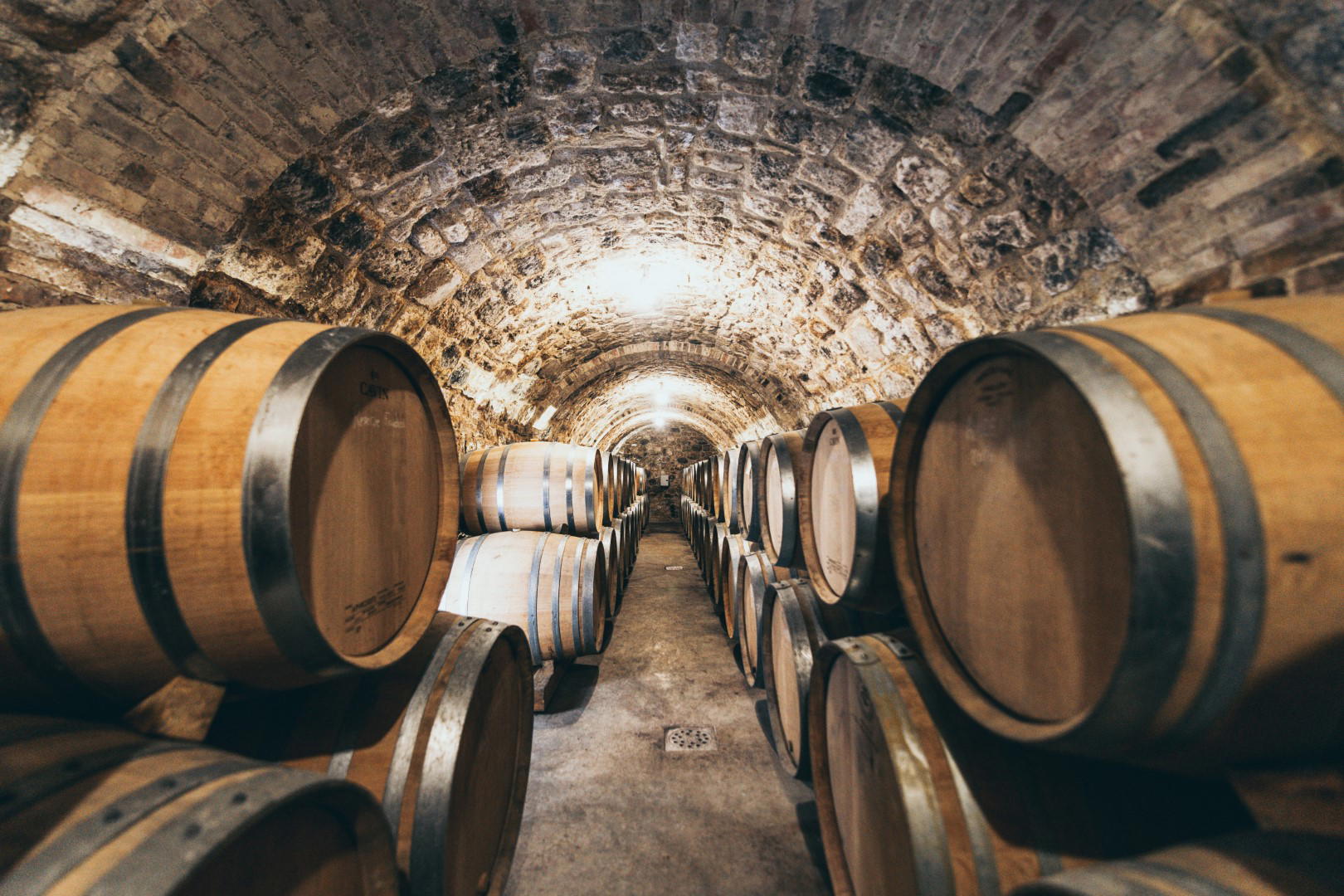
For a Merfy-focused Champagne comparison, start with Chartogne-Taillet’s Sainte-Anne, a blend of plots and years, then look at Le Rosé or a parcel wine. Le Rosé uses Pinot Noir and Chardonnay; ask the producer about visits before making a trip.
Chateau Beausejour
Listrac-Médoc, France
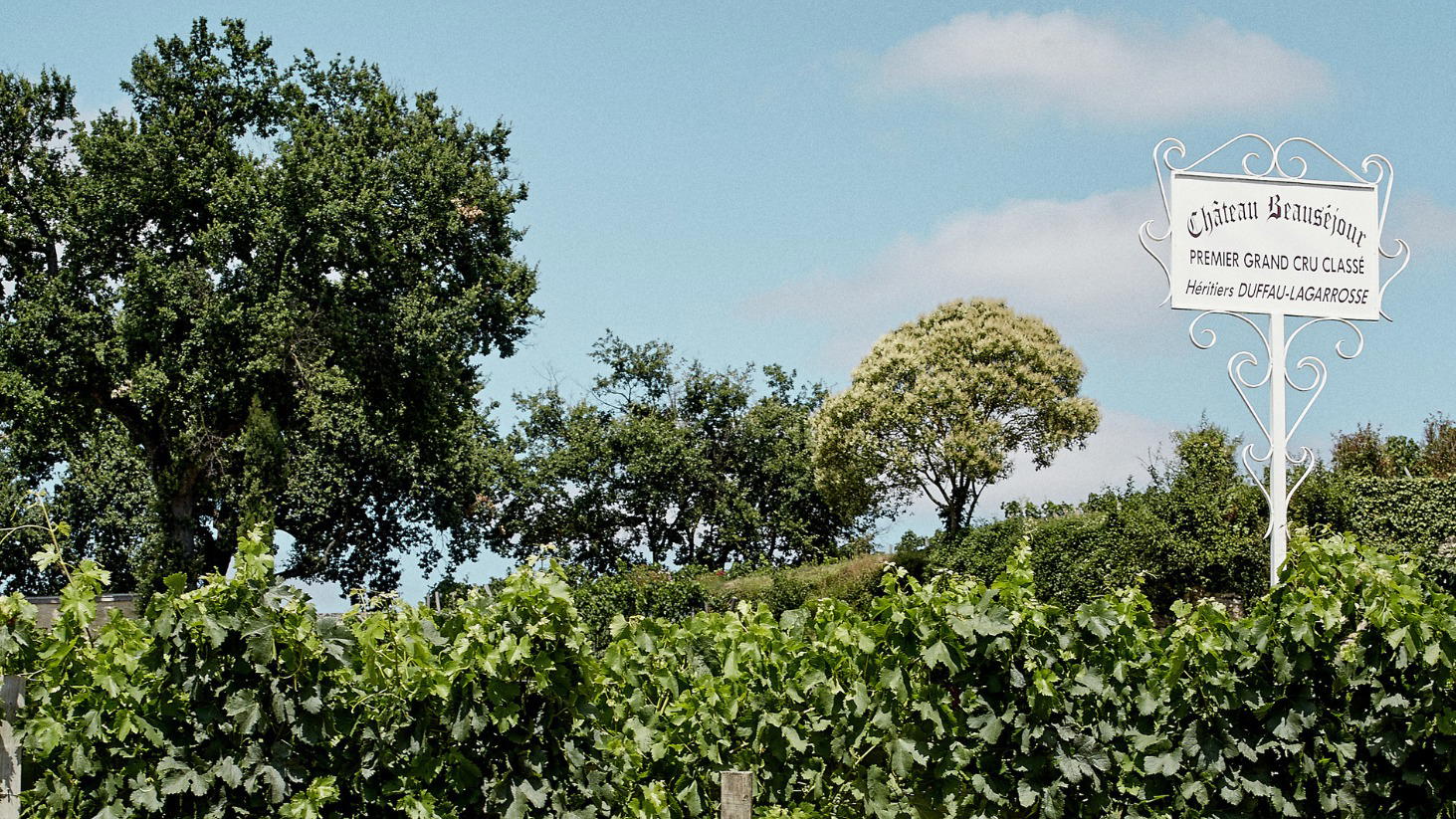
Established in 1847 and earning a Pearl 4 Star Prestige rating in 2025, Chateau Beausejour operates under winemaker Nicolas Thienpont in Listrac-Médoc, one of the Haut-Médoc's more demanding appellations for Cabernet-led blends. The estate represents a serious, terroir-focused approach to a commune that remains less traded than Margaux or Pauillac, offering access to structured Médoc character without the speculation premium of classified-growth neighbours.
Château Brane-Cantenac
Margaux, France
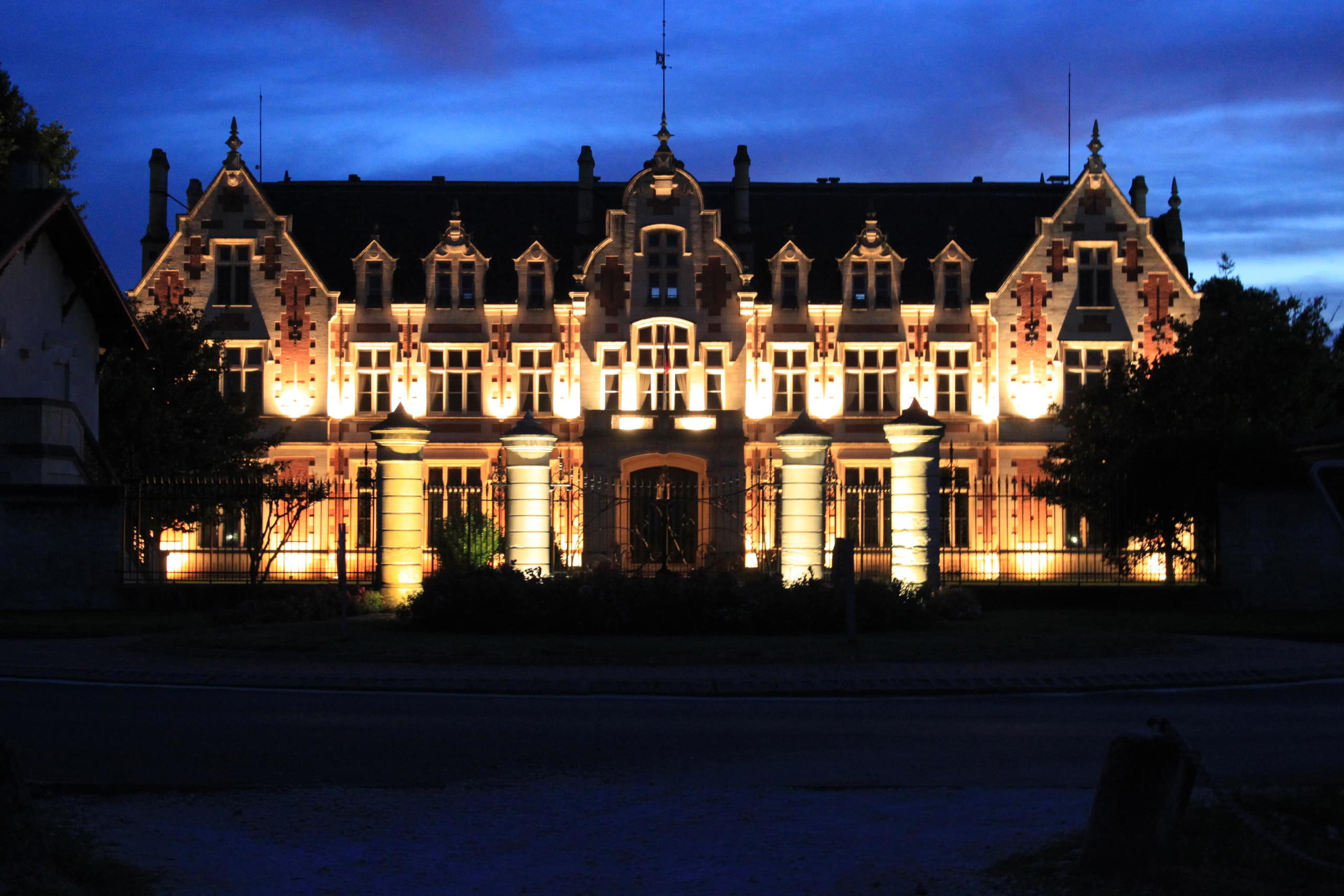
Book Château Brane-Cantenac if the trip needs a serious Margaux-area château appointment with heritage and a special-occasion feel. It is better for collectors, couples, and business guests than casual groups looking for an easy tasting-room stop, and nearby Cantenac estates are worth cross-shopping if availability is tight.
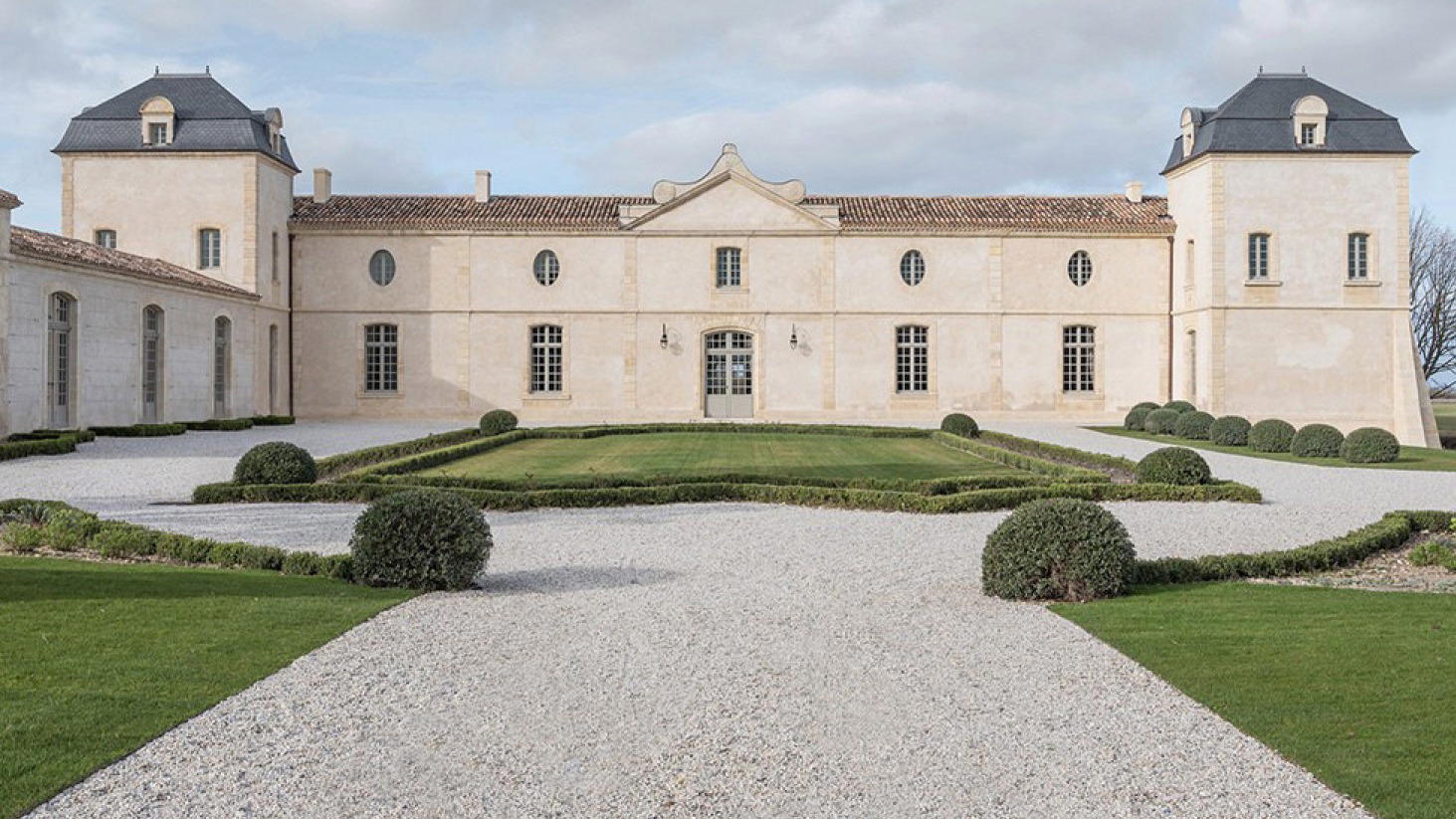
Château Calon Ségur
Saint-Estèphe, France
Château Calon Ségur is worth prioritizing for serious Saint-Estèphe buyers who care about flagship bottles and cellar context. Access is highly constrained, so it works better as the anchor of a wine-focused itinerary than as a casual stop; if timing is tight, cross-shop Montrose, Cos d'Estournel, Haut-Marbuzet, or Lafon-Rochet.
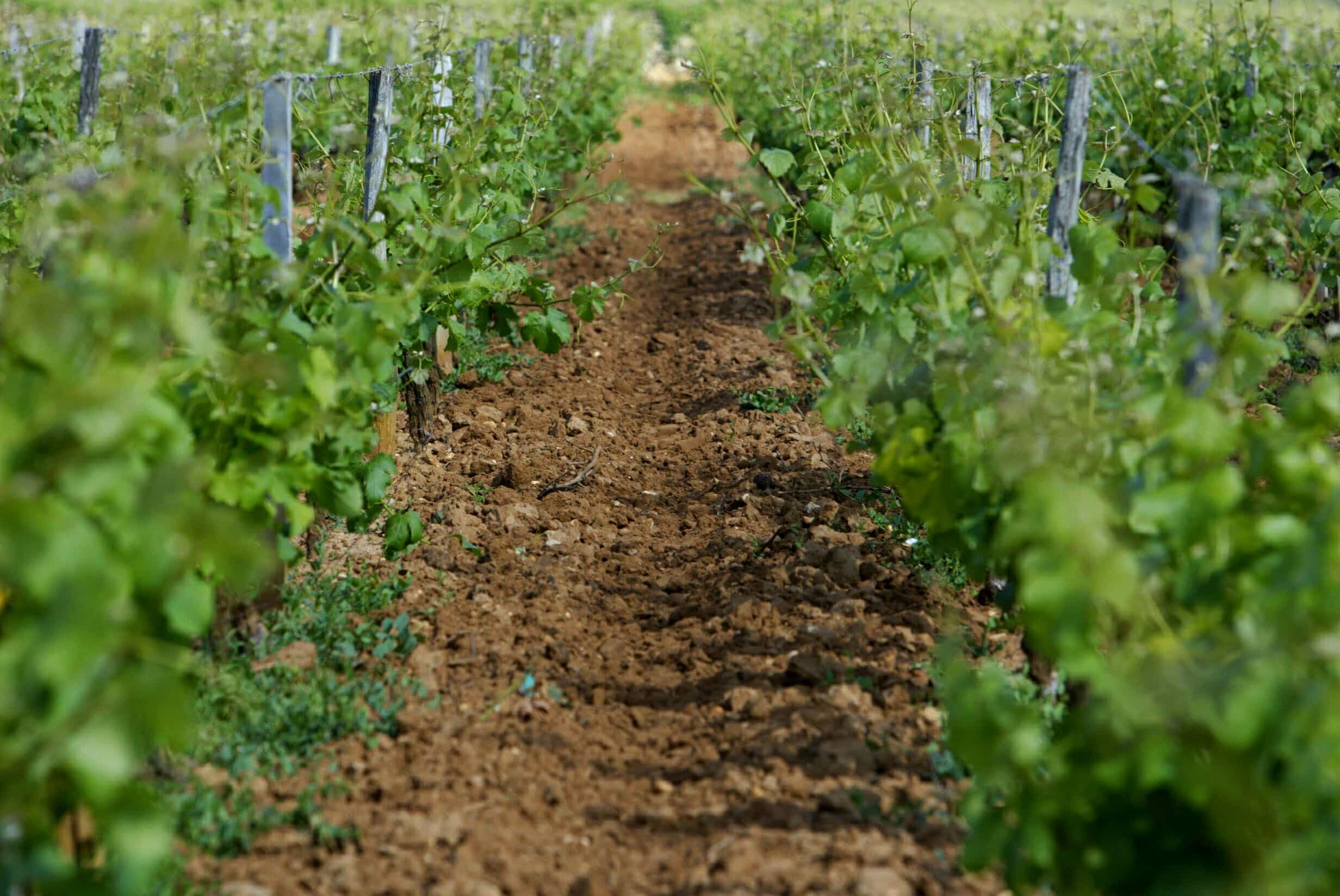
Château Climens
Barsac, France
Château Climens is the right Barsac booking for wine travelers who want a focused, producer-led sweet Bordeaux visit rather than a casual tasting stop. The case for going is strongest if you value estate context, Bérénice Lurton's name, and a more selective appointment feel; cross-shop Château Doisy-Daëne or Château Nairac if you want nearby Barsac comparisons.
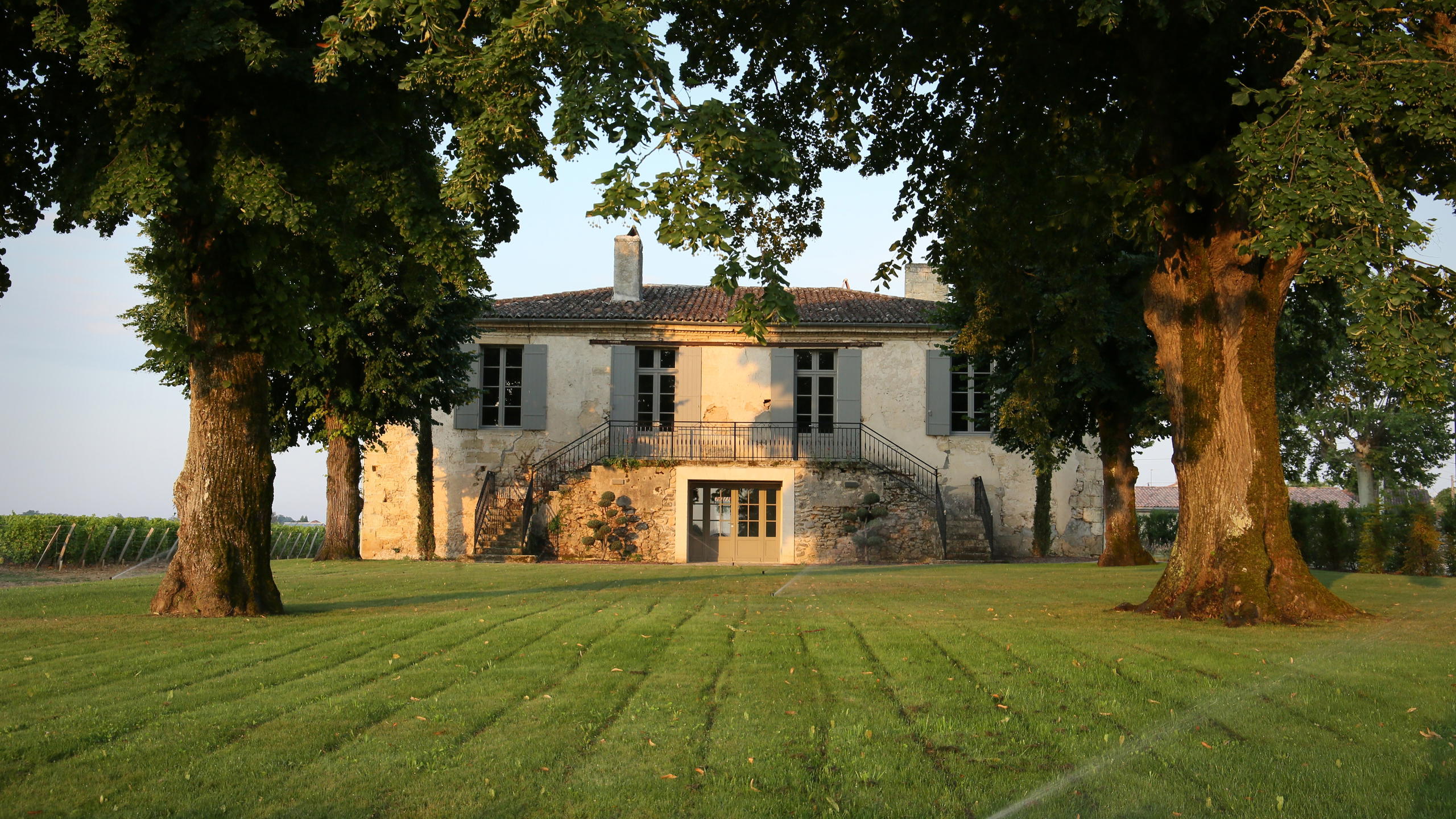
Château Doisy-Daëne
Barsac, France
Château Doisy-Daëne is worth prioritizing if the goal is a serious Barsac winery stop rather than an easy visitor-center tasting. Plan around the booking request first, then use nearby Barsac alternatives as backup if access is tight.
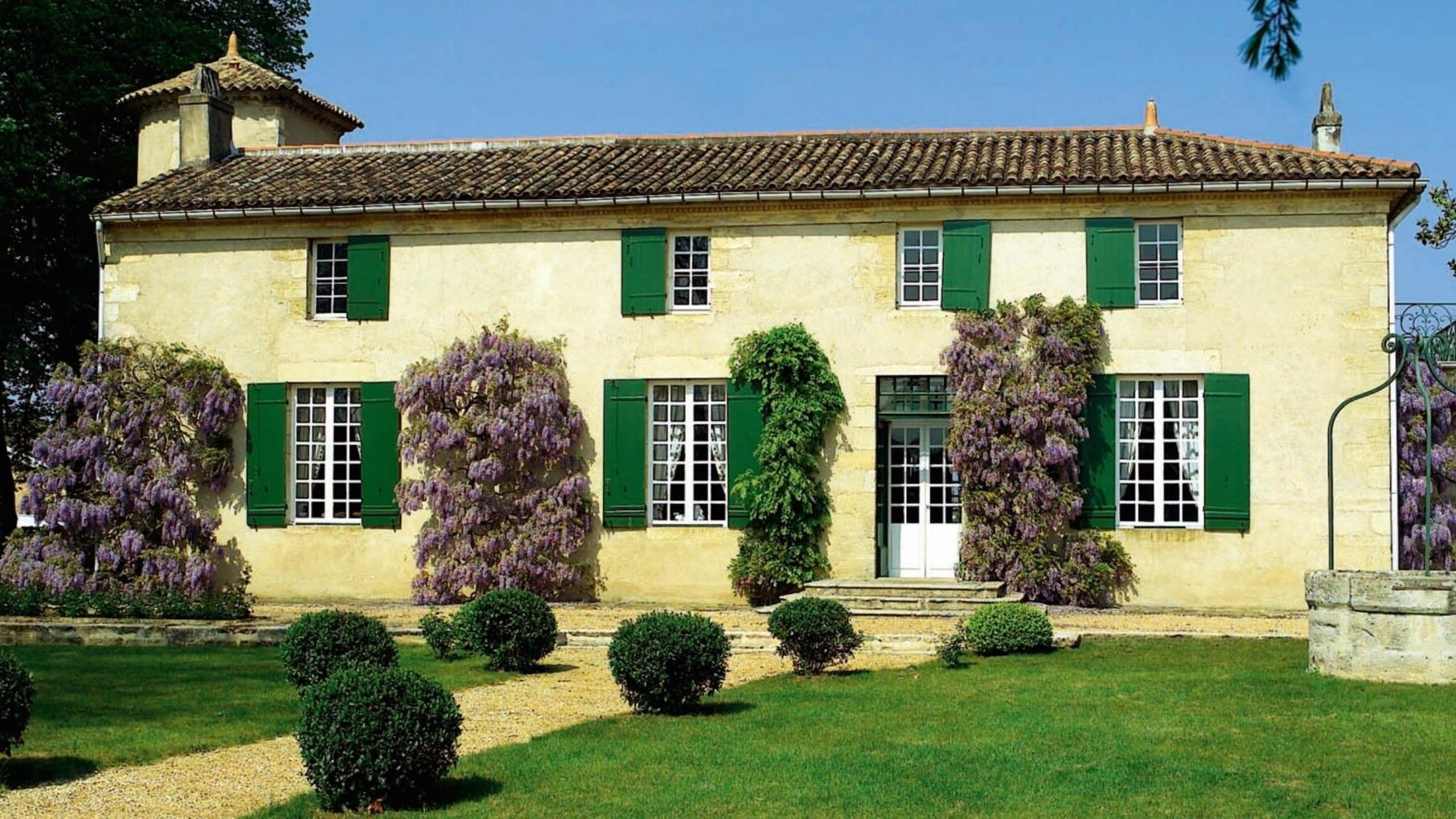
Château Doisy-Védrines
Saint-Julien-Beychevelle, France
Book Château Doisy-Védrines only if the trip is built around serious Bordeaux context. Its 1789 first vintage and Olivier Castèja connection make it worthwhile for wine-focused travelers, but it is not the easy choice for casual tasting plans, large groups, or flexible scheduling.
Château Ducru-Beaucaillou
Pauillac, France
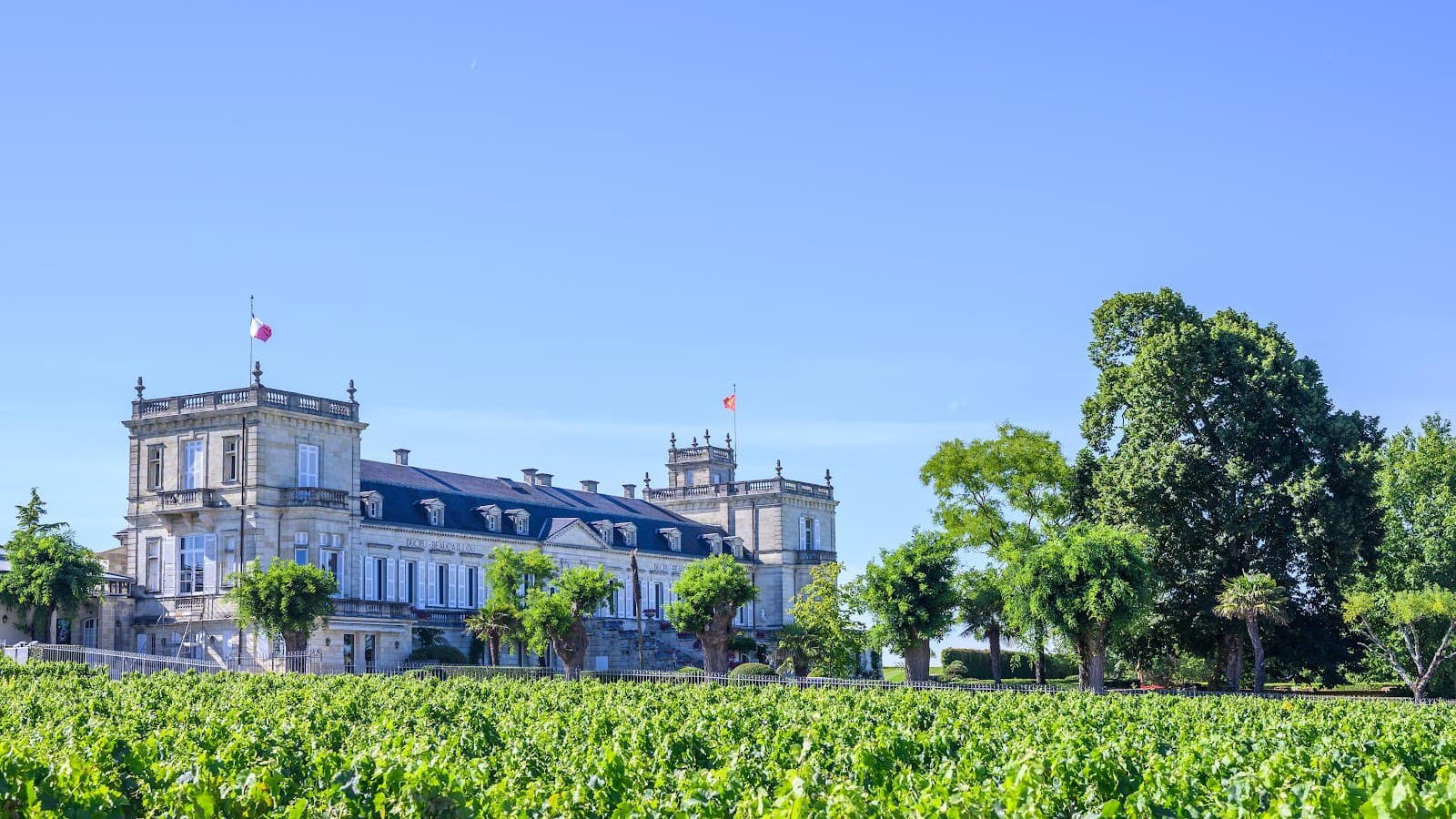
Book Château Ducru-Beaucaillou if you want a serious Saint-Julien reference point rather than a casual tasting stop. The $$$$ positioning, appointment-only format, 1855 Second Growth status and Falstaff 4 Stars (2026) make it strongest for collectors, repeat Bordeaux visitors and Cabernet-focused Left Bank drinkers.
Château Filhot
Sauternes, France
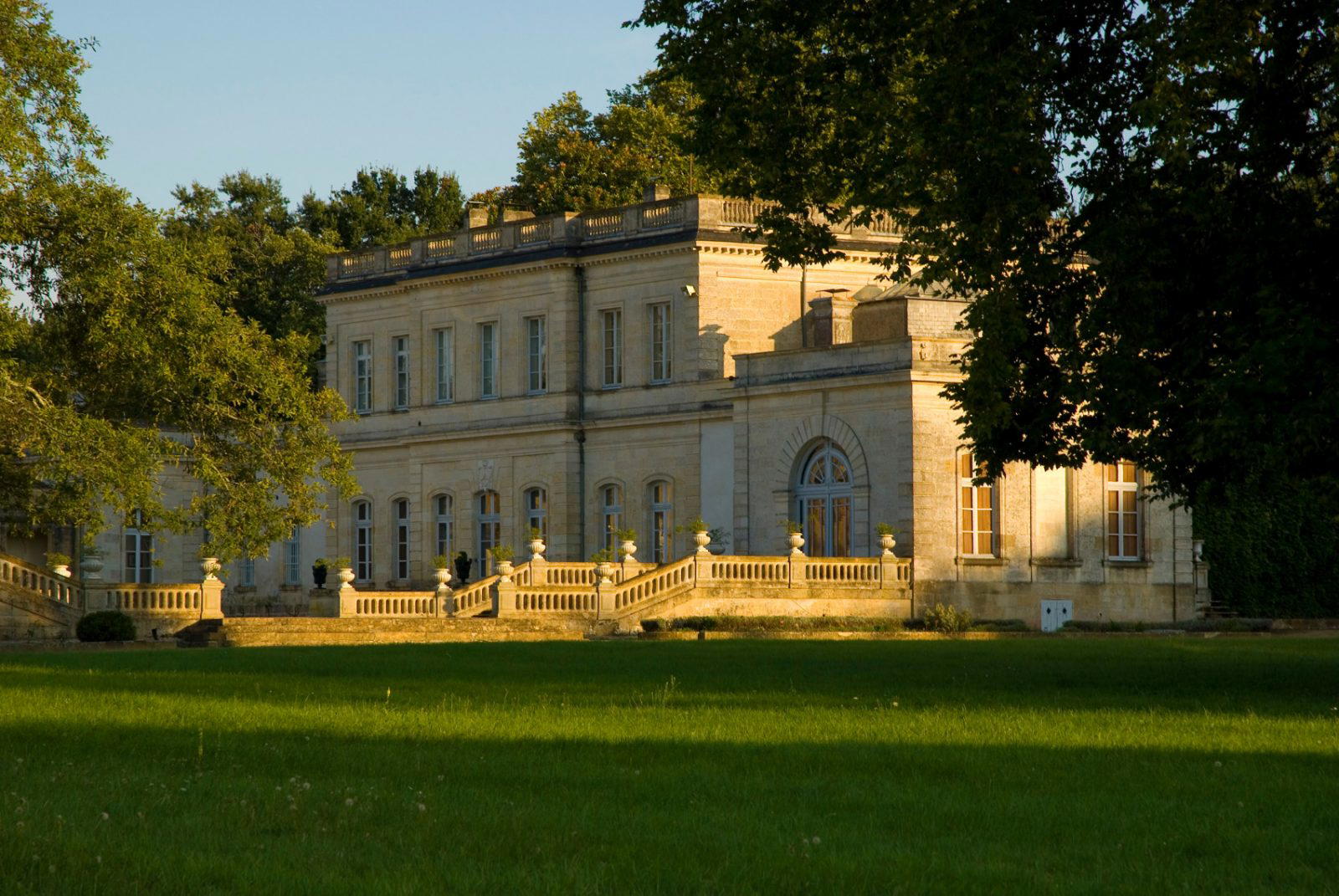
Château Filhot is worth targeting for a Sauternes itinerary built around history and estate context, with a first vintage dating to 1779. Treat booking as difficult and plan it alongside nearby Sauternes wineries rather than as a loose same-day stop.
Château Grand-Puy-Lacoste
Pauillac, France
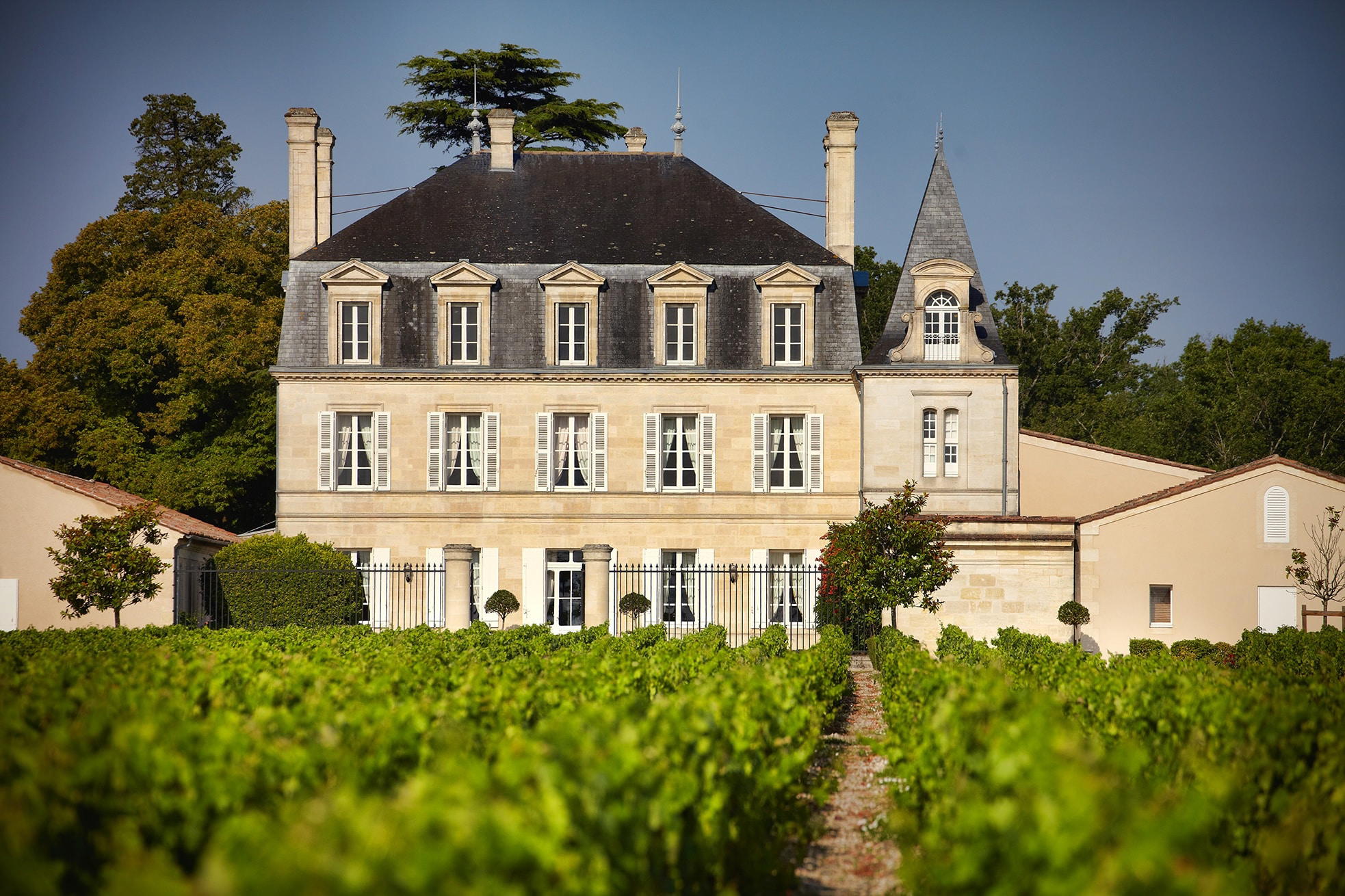
Château Grand-Puy-Lacoste is worth targeting for a serious Pauillac itinerary, especially if you care about estate history and a focused winery visit. Access should be planned well ahead, so treat it as the anchor of the day rather than a flexible drop-in between nearby châteaux.
Château Guiraud
Sauternes, France
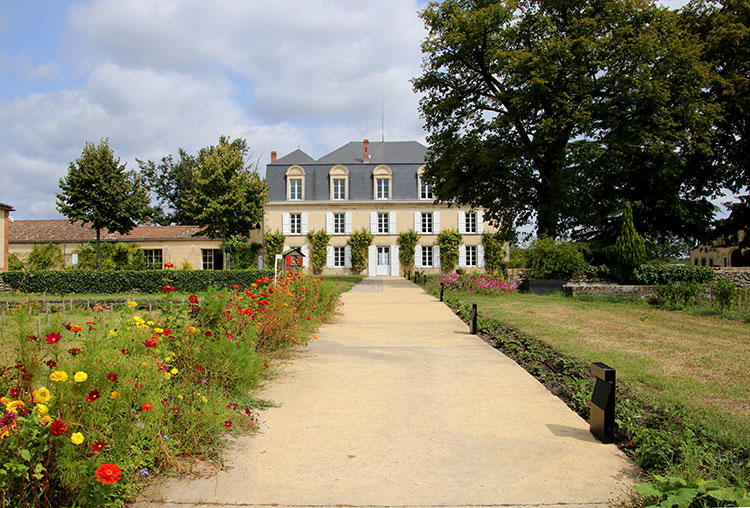
A strong choice for travelers making Sauternes the point of the day, not a quick add-on. Château Guiraud has serious historical weight, with a first vintage dating to 1771, and works better as an anchor appointment than a casual tasting stop. Cross-shop Château d'Yquem for prestige, or Château Filhot and Château d'Arche for a lower-pressure route.
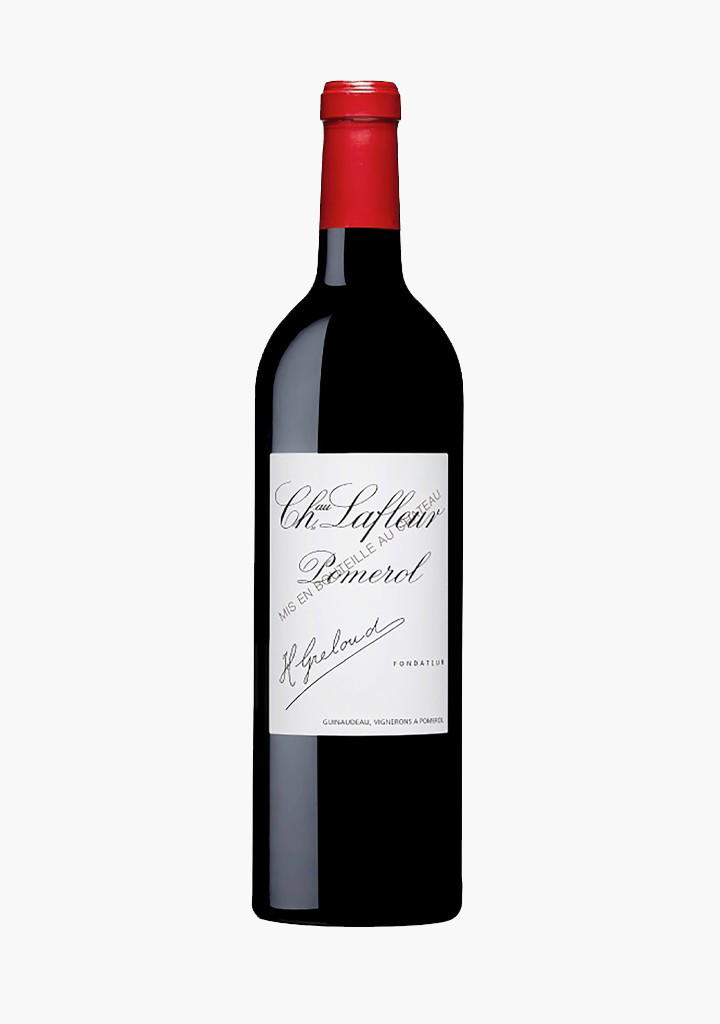
Château Lafleur
Pomerol, France
Château Lafleur is worth targeting when the occasion is wine-led and the group already cares about serious Pomerol. It is not the right choice if the priority is a food pairing program or relaxed hospitality format; build the meal and broader day separately.
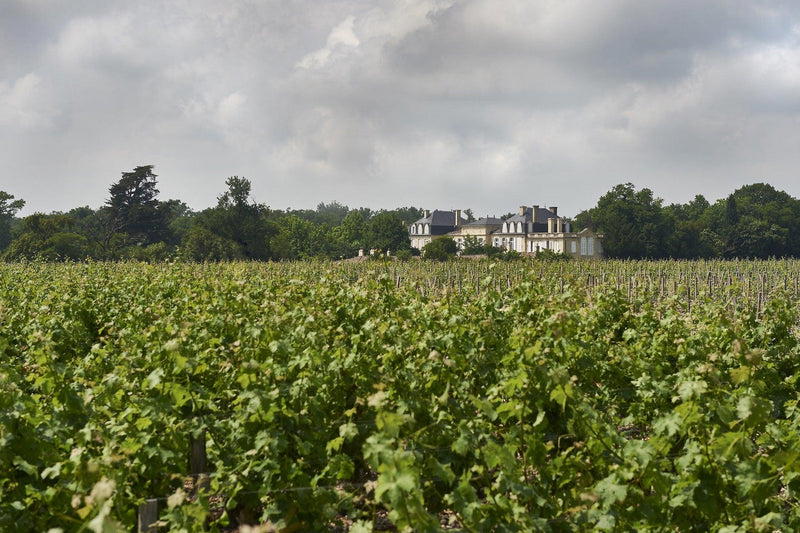
Château Léoville Barton
Saint-Julien-Beychevelle, France
Book Château Léoville Barton if the goal is a serious Saint-Julien wine stop with historical weight, not a casual tasting-room visit. Its first vintage dates to 1821, and the decision comes down to access: plan well ahead, build a flexible Médoc day, and compare it with nearby peers if availability is limited.
Château Lynch-Bages
Pauillac, France
Château Lynch-Bages is the Pauillac choice for serious Bordeaux context rather than casual value hunting. With a first vintage listed in 1779 and winemaking led by Nicolas Labenne, it suits collectors and wine-focused travelers building a tighter Médoc itinerary around depth, history, and cellar relevance.
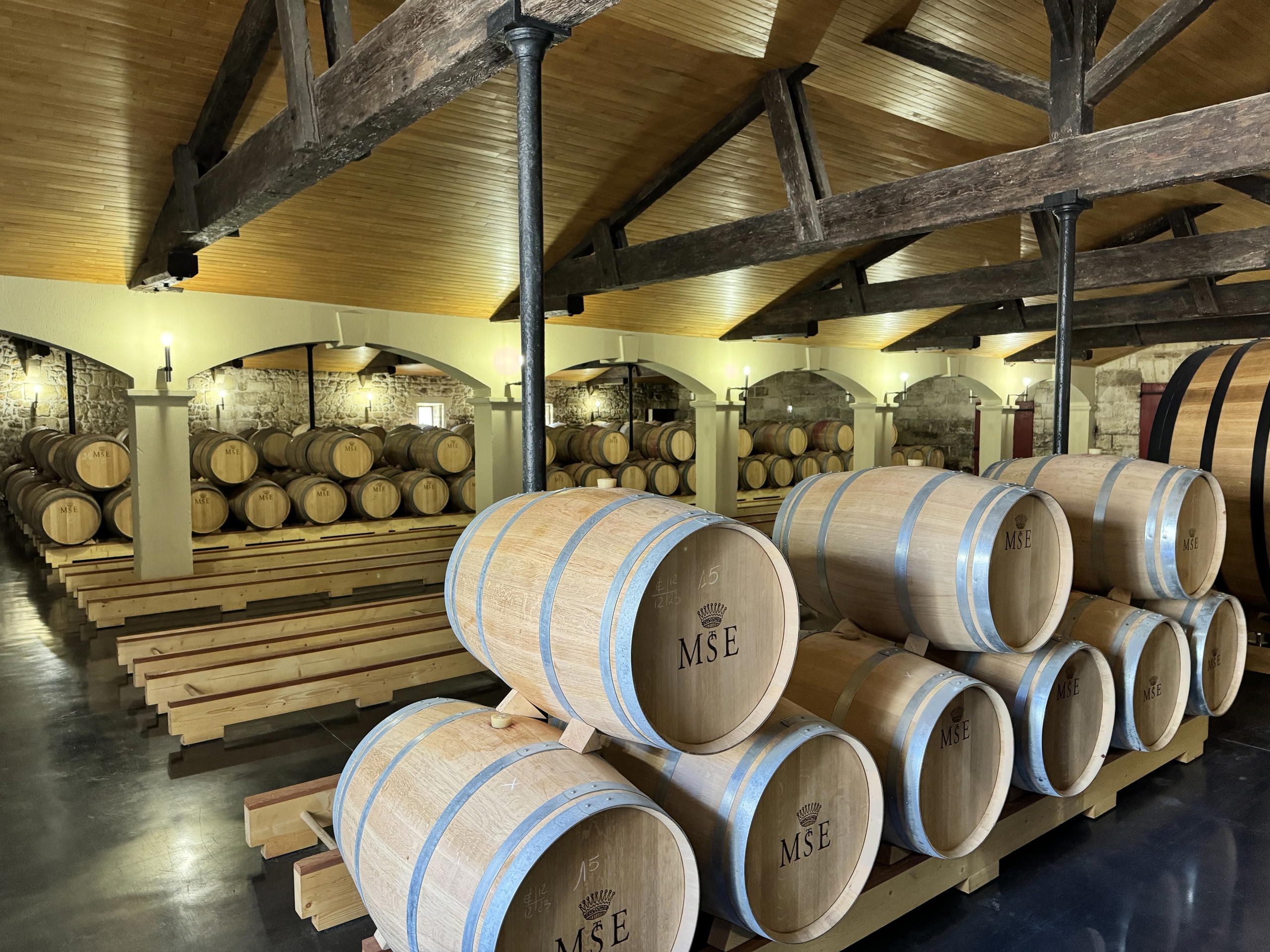
Château Malescot Saint-Exupéry
Margaux, France
Book this as the anchor of a serious Margaux wine day, not as a casual add-on. Chateau Malescot St. Exupery suits collectors, special-occasion travelers, and business hosts who want a historically rooted Left Bank estate with current winemaking led by Nicolas Audebert. Plan backup options nearby because access can be difficult.
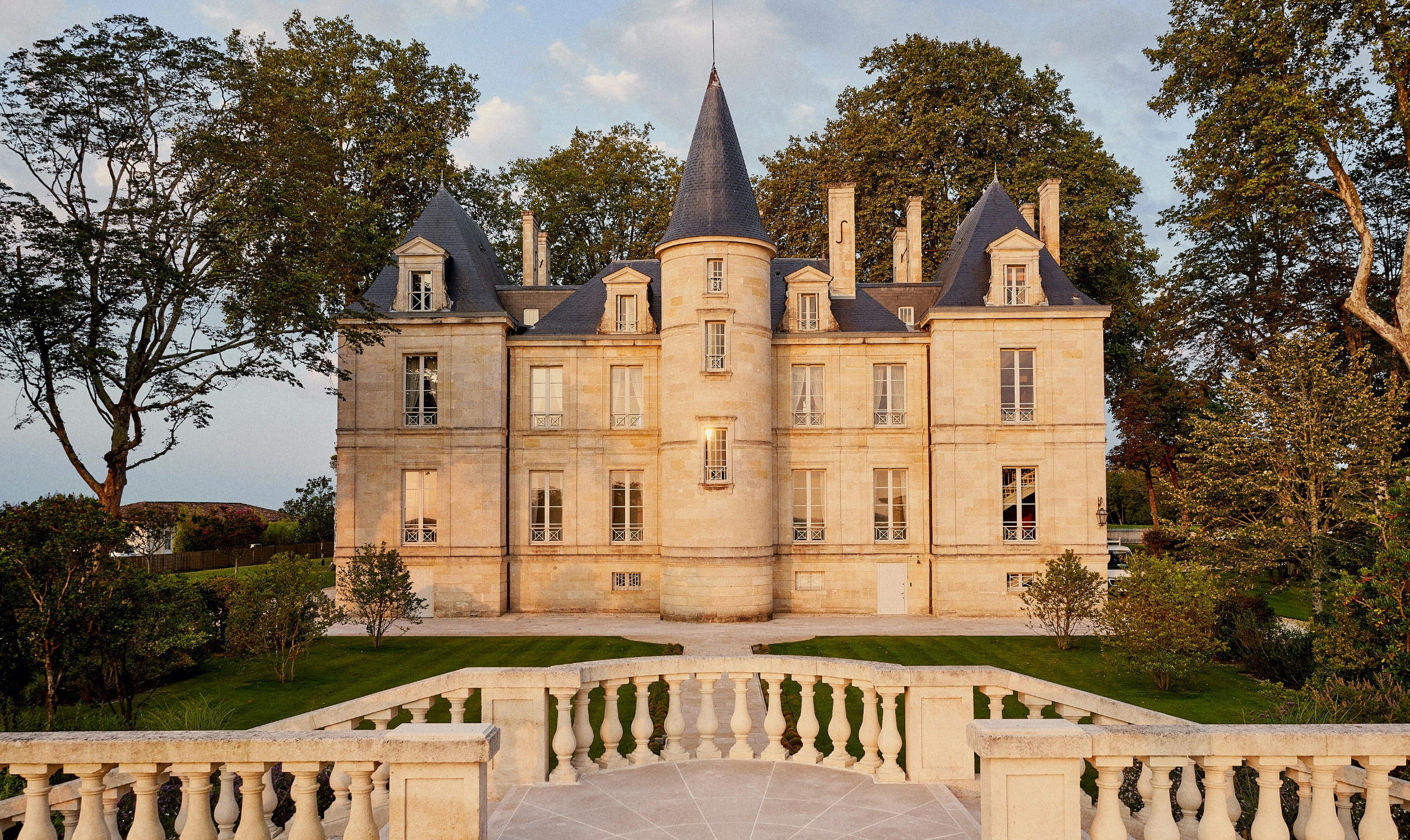
Château Pichon-Longueville-Comtesse-de-Lalande
Pauillac, France
A strong Pauillac choice for serious Bordeaux travellers, especially if the goal is classified-growth context rather than casual tasting. The value is in depth, history, and comparison with nearby estates, not convenience or a food-led experience. Better for focused wine itineraries than mixed-interest groups.
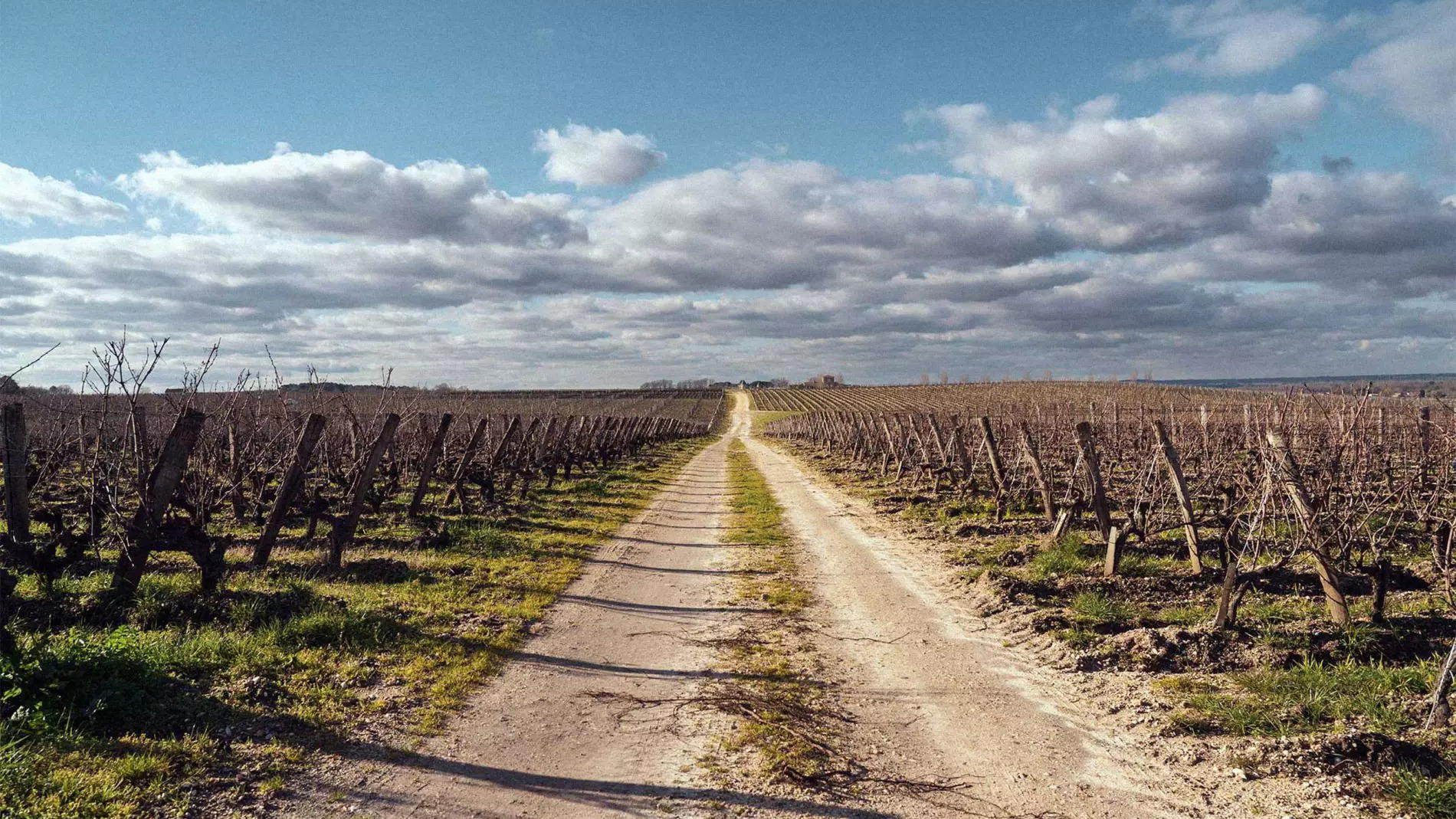
Château Rieussec
Fargues, France
Château Rieussec is worth prioritizing for a serious Sauternes-focused itinerary, especially if the goal is to understand production choices rather than add a casual tasting stop. Access should be treated as difficult, so plan with confirmed timing and have nearby Fargues alternatives ready.
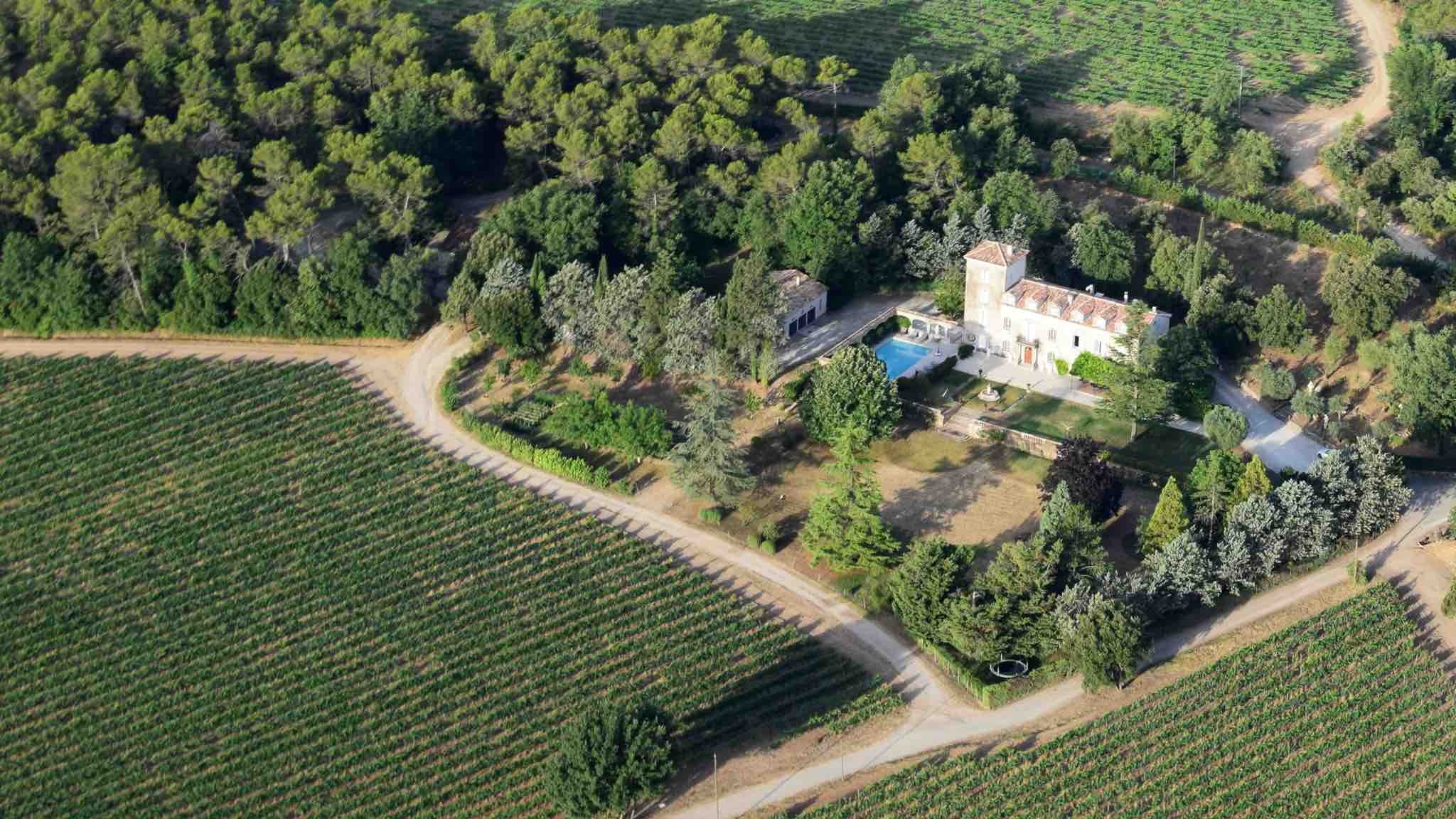
Château Roubine
Lorgues, France
Château Roubine is worth prioritizing if the appeal is Provençal wine with documented heritage: its first vintage dates to 1776, and Valérie Rousselle gives the estate a clear modern winemaking identity. It is a stronger fit for wine-focused travelers than for visitors seeking a casual drop-in or restaurant-led estate day.
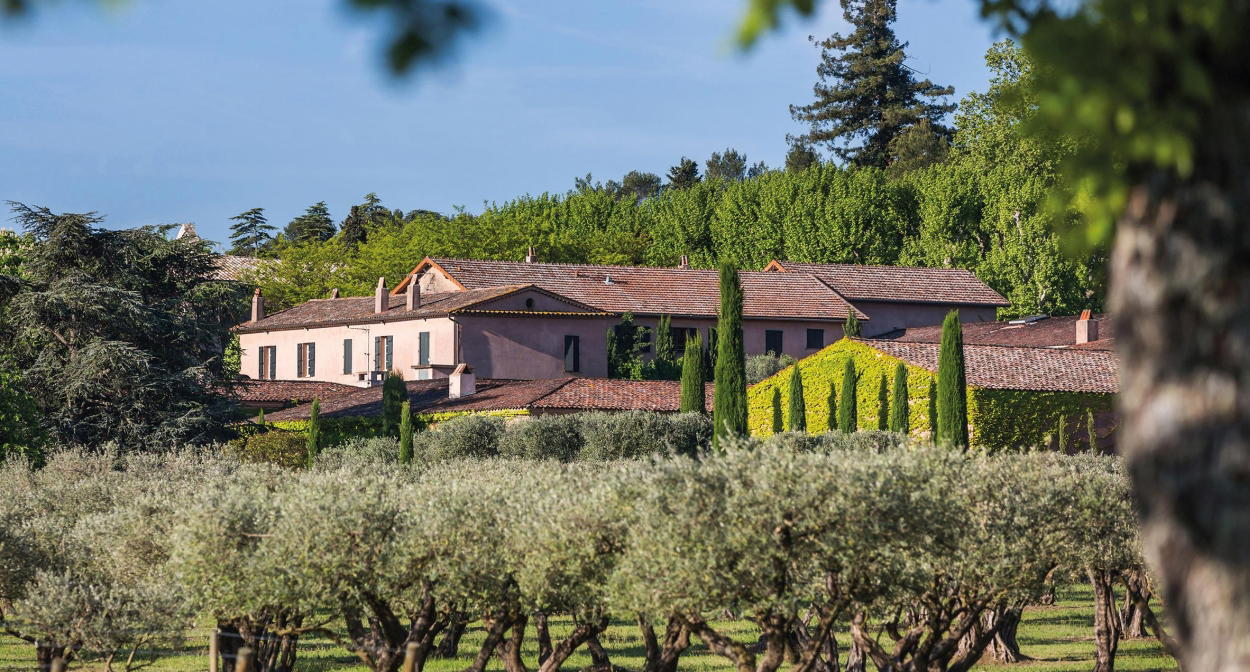
Château Sainte-Roseline
Les Arcs, France
Château Sainte-Roseline is the Les Arcs winery to prioritize when Provence wine depth matters more than easy logistics. The draw is heritage, current winemaking direction under Aurélie Bertin, and a producer-led visit that suits serious wine travelers better than casual groups.
Château Smith Haut Lafitte
Martillac, France
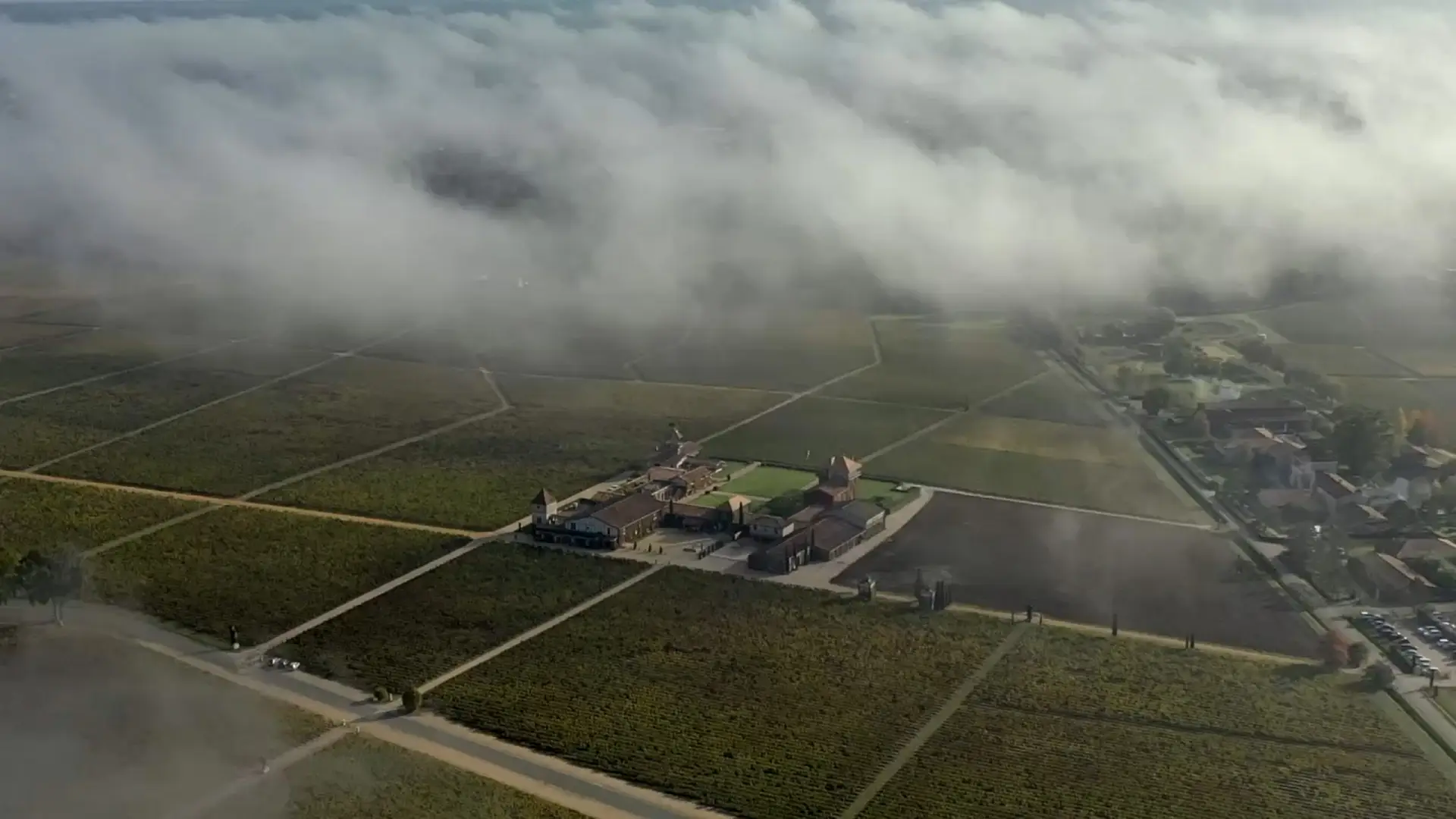
Château Smith Haut Lafitte is a wine estate in Martillac in the Pessac-Léognan appellation.
Château Suduiraut
Preignac, France
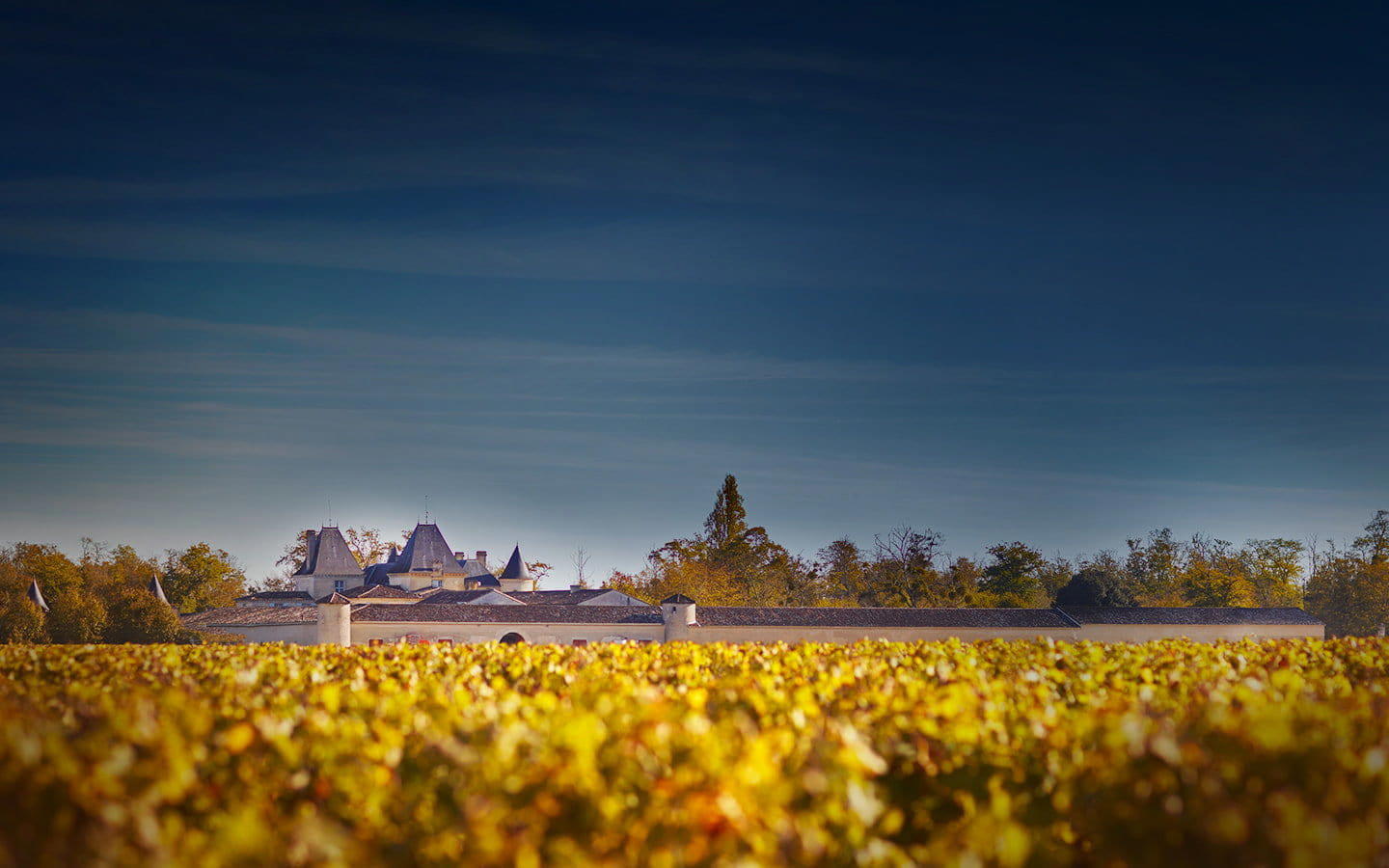
Château Suduiraut is worth pursuing if Sauternes is the reason for the trip. Expect a serious château-led wine experience anchored by winemaker Pierre Montégut, with planning required because access is difficult and casual drop-in assumptions are the wrong approach.
Château Troplong Mondot
Saint-Laurent-des-Combes, France
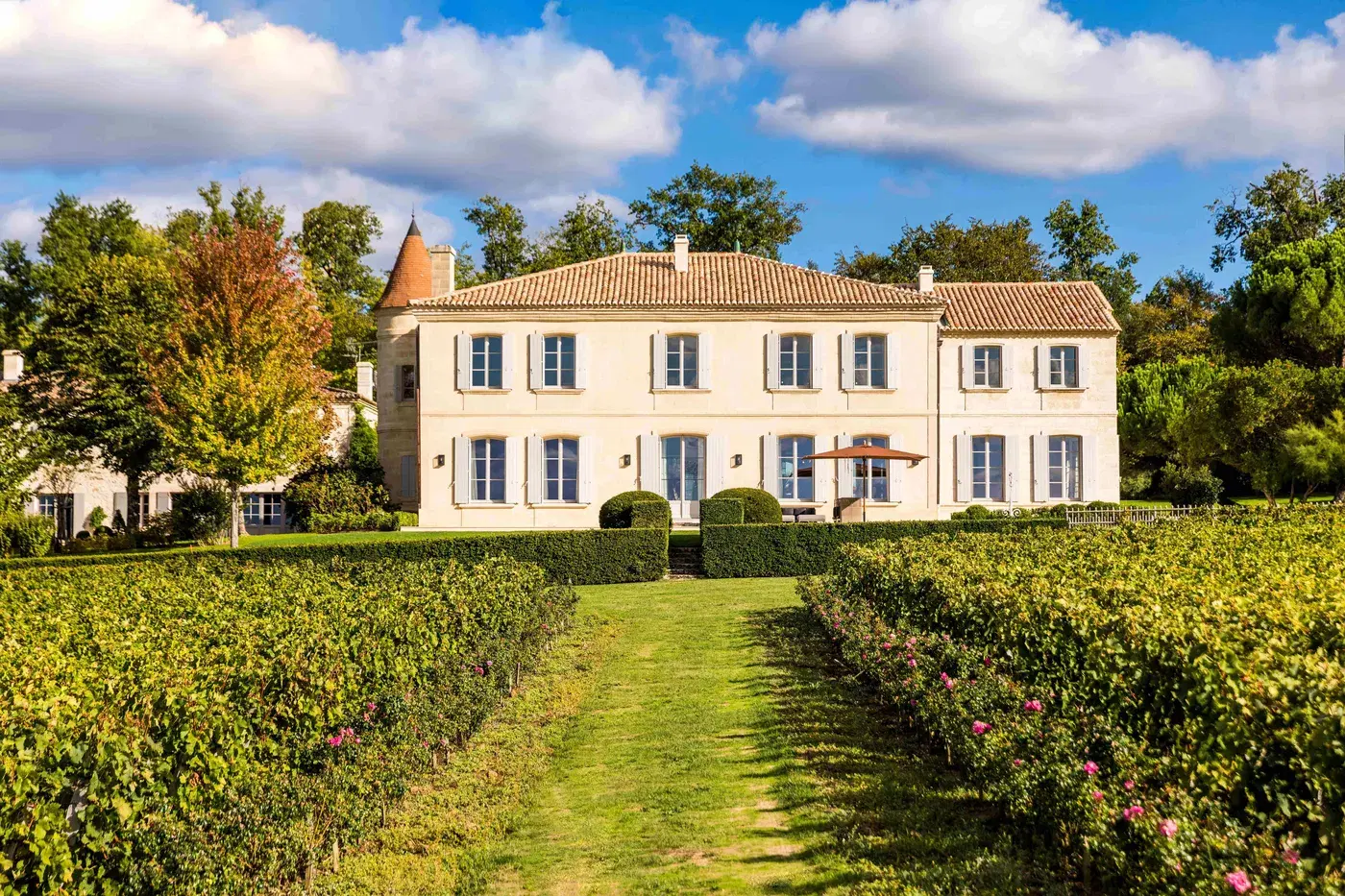
Château Troplong Mondot is worth targeting for a serious Saint-Émilion estate visit, especially on a return trip when pedigree and tasting structure matter more than easy access. With a first vintage in 1829 and a current winemaking identity under Aymeric de Gironde, it suits collectors and focused wine travelers, not casual drop-ins.
Clos des Papes
Châteauneuf-du-Pape, France
Prioritise Clos Des Papes if the goal is a serious, producer-led Châteauneuf-du-Pape visit rather than a casual tasting with food attached. It is strongest for return visitors who already know the appellation and want a tighter benchmark stop; plan meals separately and keep nearby alternatives ready if scheduling gets difficult.
Demetria Estate
Los Olivos, United States
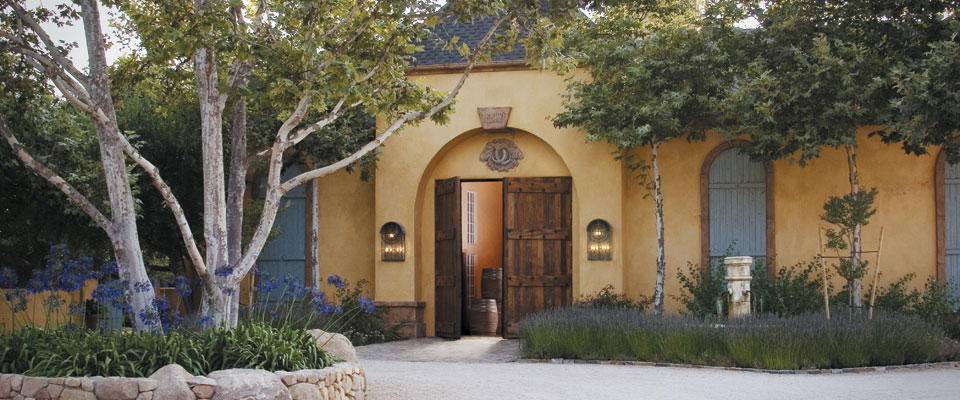
Demetria Vineyards is worth prioritizing for a quieter Los Olivos celebration tasting, especially if the plan is a slower Foxen Canyon wine day rather than a fast tasting-room crawl. It is less suited to spontaneous large groups, and better for couples or small occasions where pace, setting, and conversation matter.
Deutz
Aÿ, France
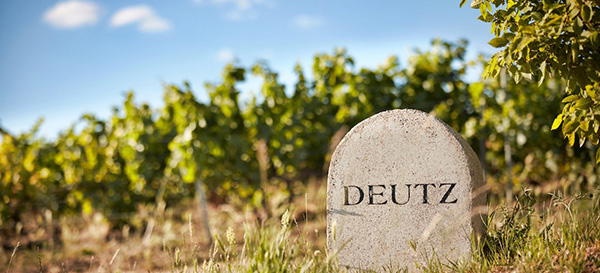
Deutz is worth pursuing if the goal is serious Champagne buying or cellar comparison, not an easy casual tasting. In Aÿ, it competes with Ayala, Bollinger, Philipponnat, Lallier, and Henri Giraud for attention, so treat it as a high-planning visit and keep a backup ready.
Devison Vintners
Walla Walla, United States
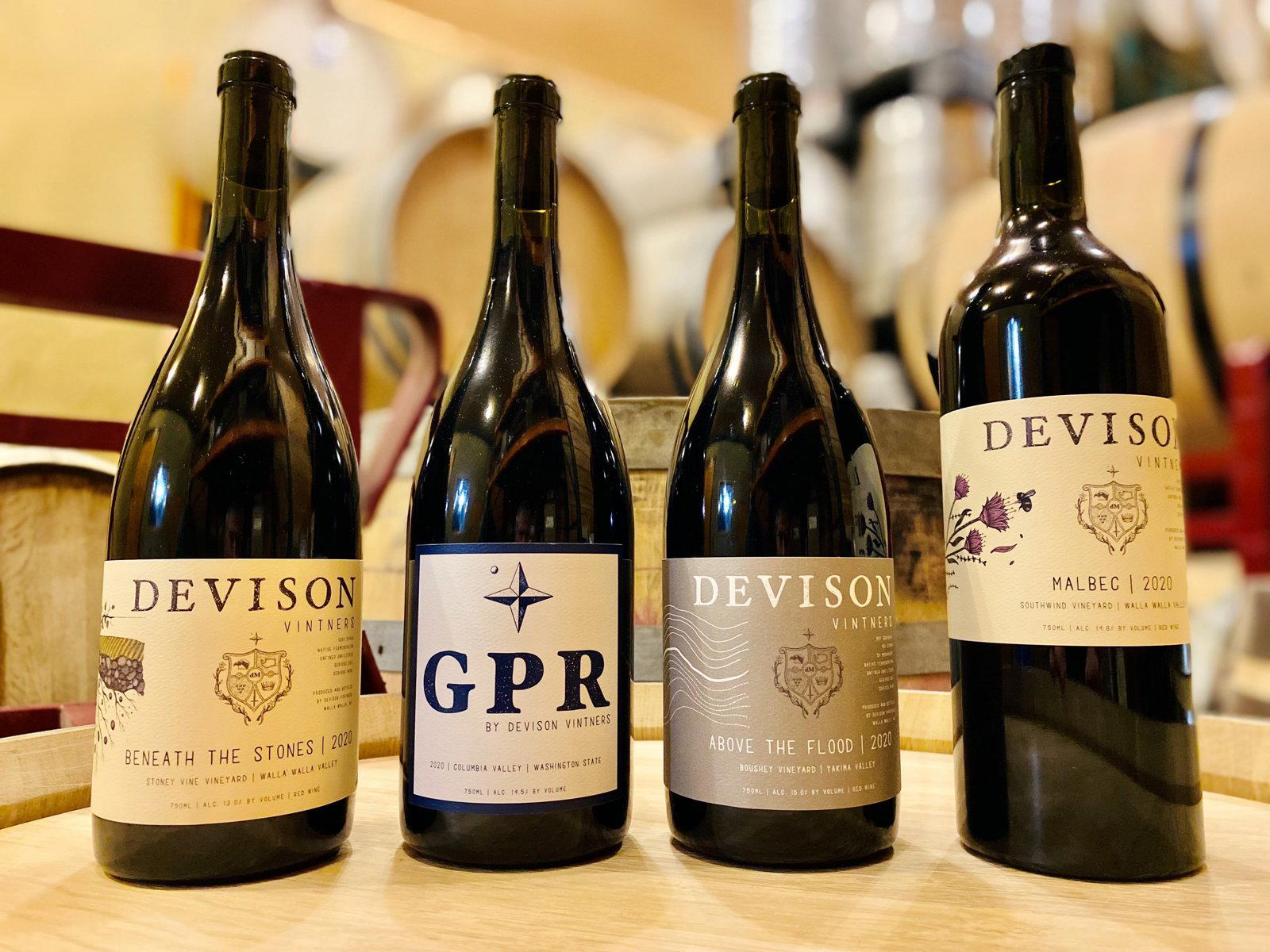
Devison Vintners is worth prioritizing for serious Walla Walla wine travelers who want a focused, hard-to-access tasting built around Peter Devison's winemaking. It is less suited to casual groups needing easy logistics; compare broader tasting-room options if flexibility matters more than prestige.
Didier Dagueneau
Saint-Andelain, France
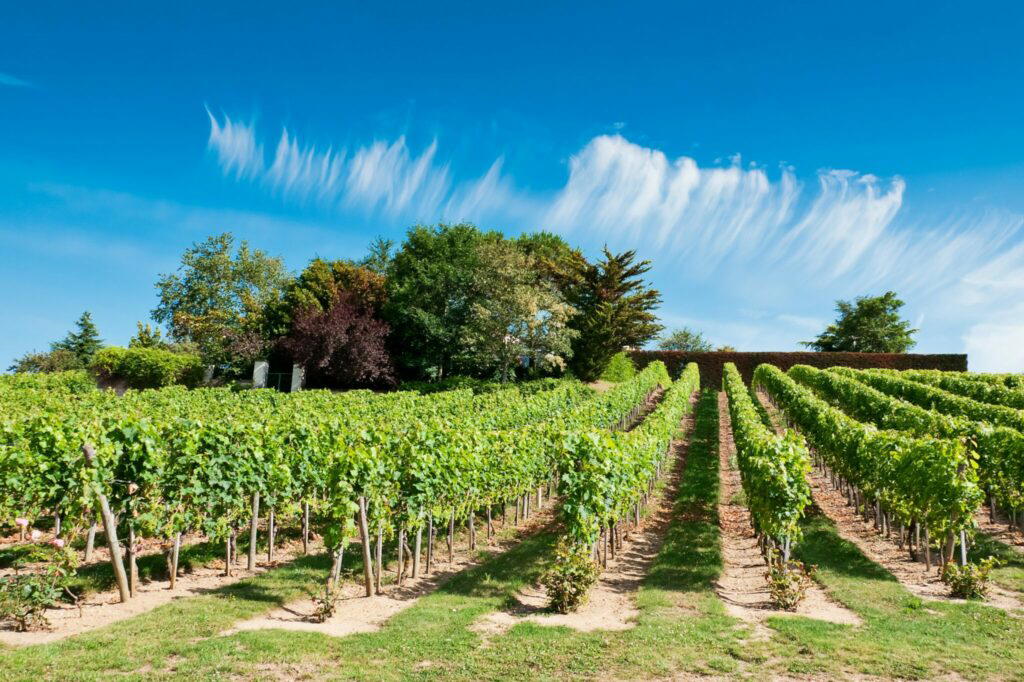
A serious Loire stop for collectors and Sauvignon Blanc-focused travelers, not a casual drop-in tasting. The value is strongest if producer context matters more than easy access or broad amenities; otherwise, cross-shop nearby wineries with simpler planning.
Domaine Arnoux-Lachaux
Vosne-Romanée, France
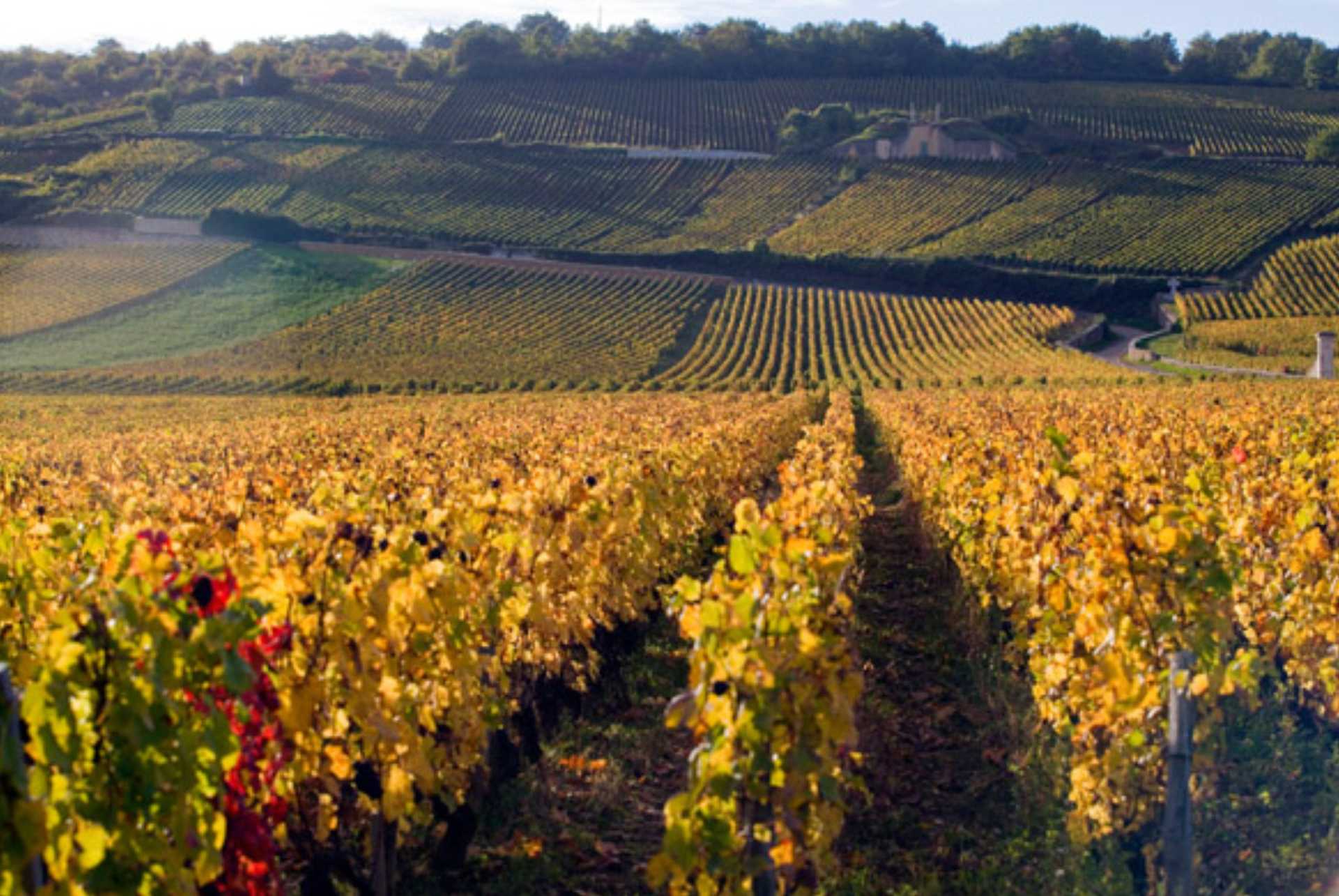
Domaine Arnoux Lachaux is worth targeting for a serious Vosne-Romanée wine occasion, not a casual tasting stop. The value is in Burgundy pedigree and scarcity, so it suits collectors, anniversaries, and client-hosting itineraries where confirmed appointments and backup wineries are planned in advance.
Domaine Auguste Clape
Cornas, France
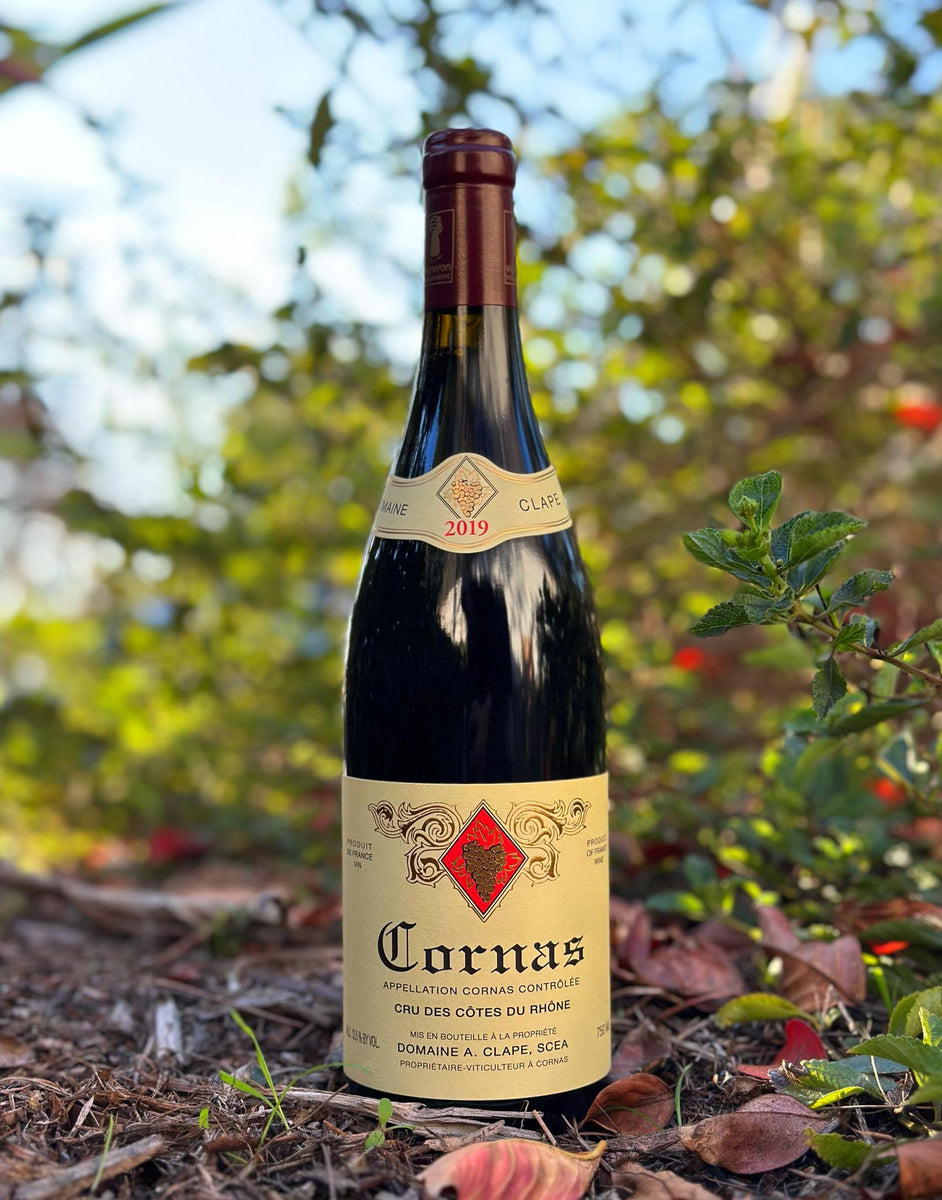
A high-priority Cornas stop for serious northern Rhône drinkers, not a casual drop-in tasting. Plan it as the anchor of the day, with backup options in place, because access is difficult and the reward is strongest for travelers already focused on Syrah and producer context.
Domaine Bonneau du Martray
Pernand-Vergelesses, France
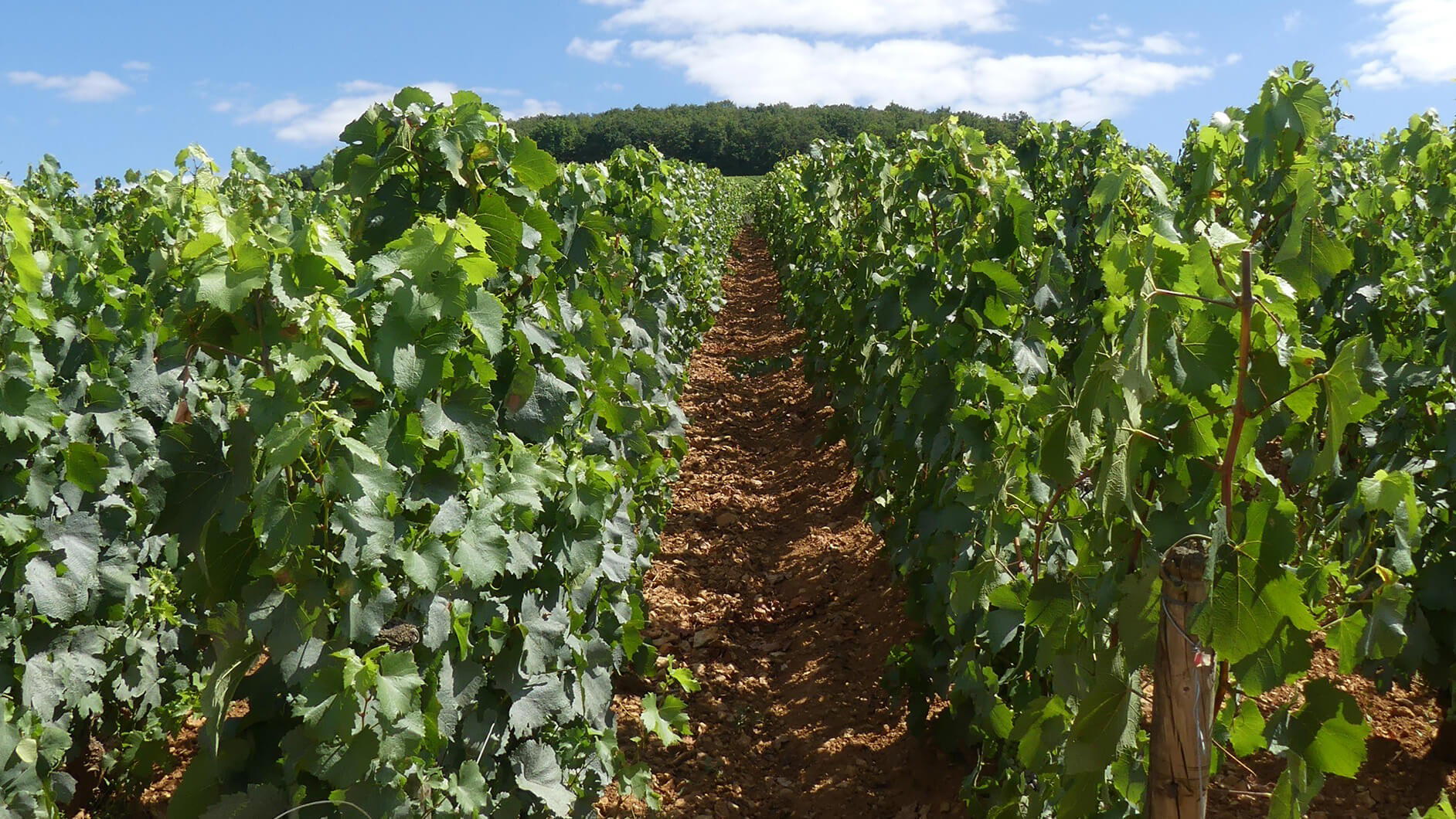
Domaine Bonneau du Martray is a winery on Rue de Fretille in Pernand-Vergelesses.
Domaine Bouchard Père et Fils
Beaune, France
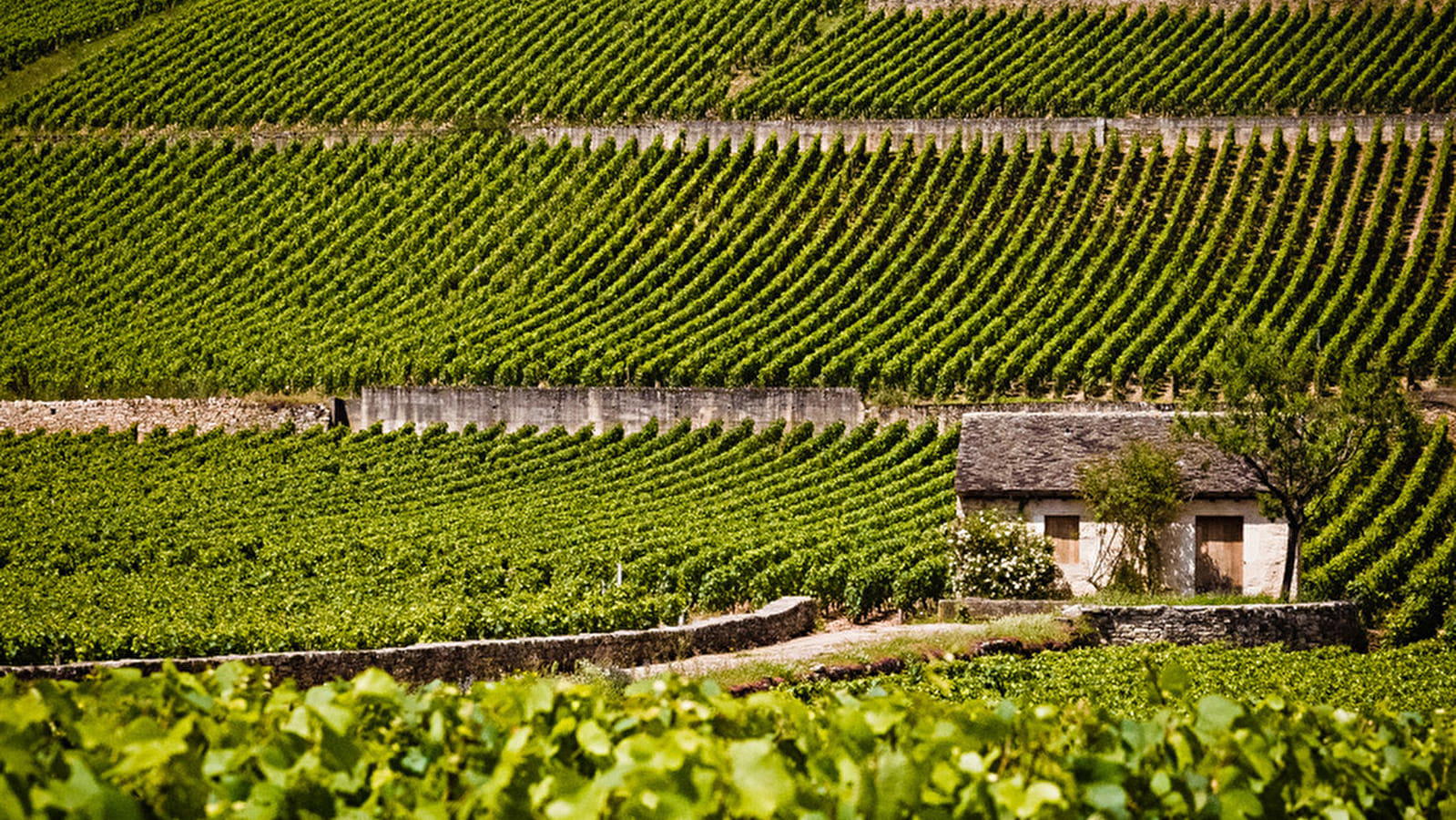
A serious Beaune booking for travelers who want Burgundy heritage, not a casual tasting-room stop. Domaine Bouchard Père et Fils is strongest for collectors, special occasions, and allocation-minded visitors who value producer history and a composed cellar atmosphere over easygoing discovery.
Domaine de la Janasse
Courthézon, France
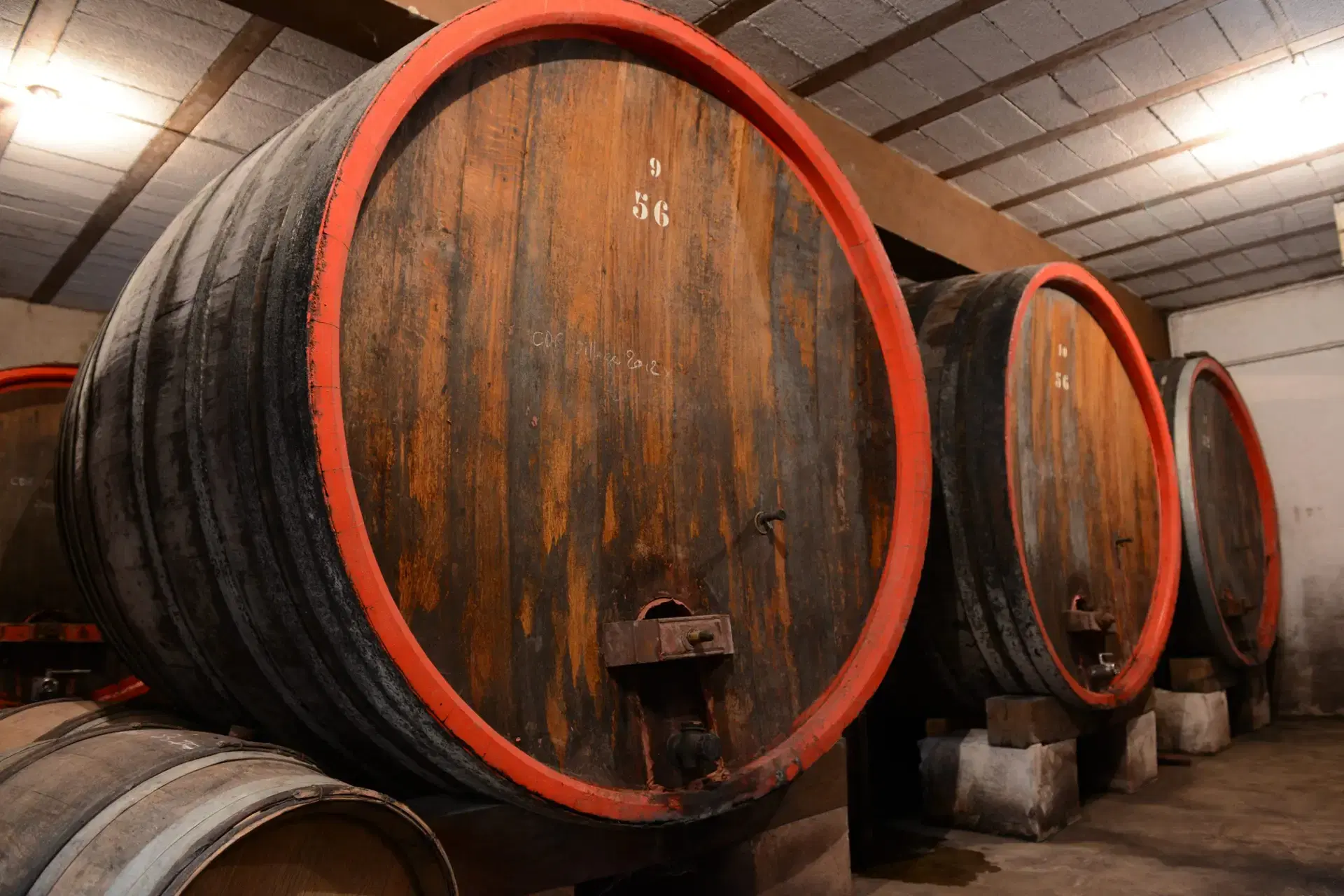
Domaine de la Janasse is a high-priority Courthézon winery target for serious southern Rhône drinkers, not a casual food stop. Book only if the trip can handle difficult access and limited public logistics; the payoff is a producer with a 1973 first vintage, Isabelle Sabon as winemaker, and Pearl 4 Star Prestige recognition for 2025.
Domaine de la Mordorée
Tavel, France
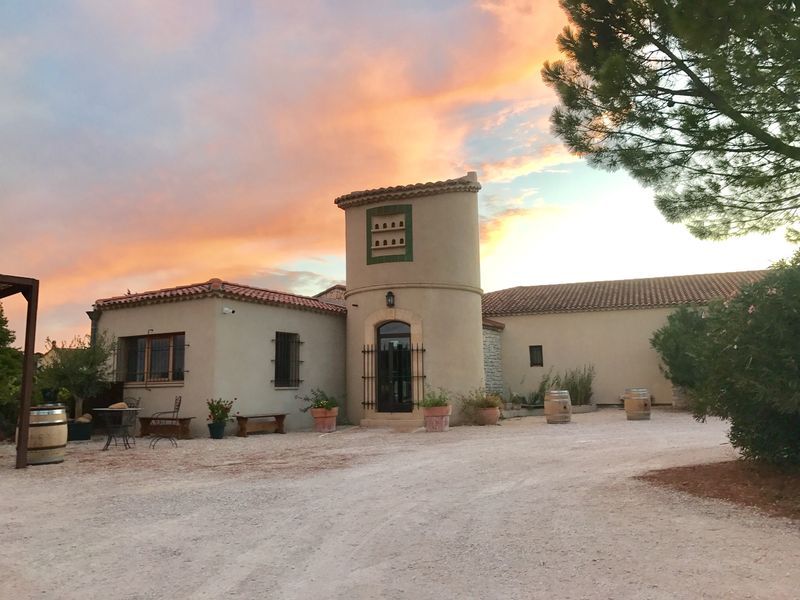
Domaine de la Mordorée is worth prioritizing if the goal is a focused Tavel winery visit with serious Southern Rhône context. Treat access as difficult and plan ahead; this is a stronger fit for wine-focused travelers than casual groups looking for an easy tasting-room stop.
Domaine Denis Mortet
Gevrey-Chambertin, France
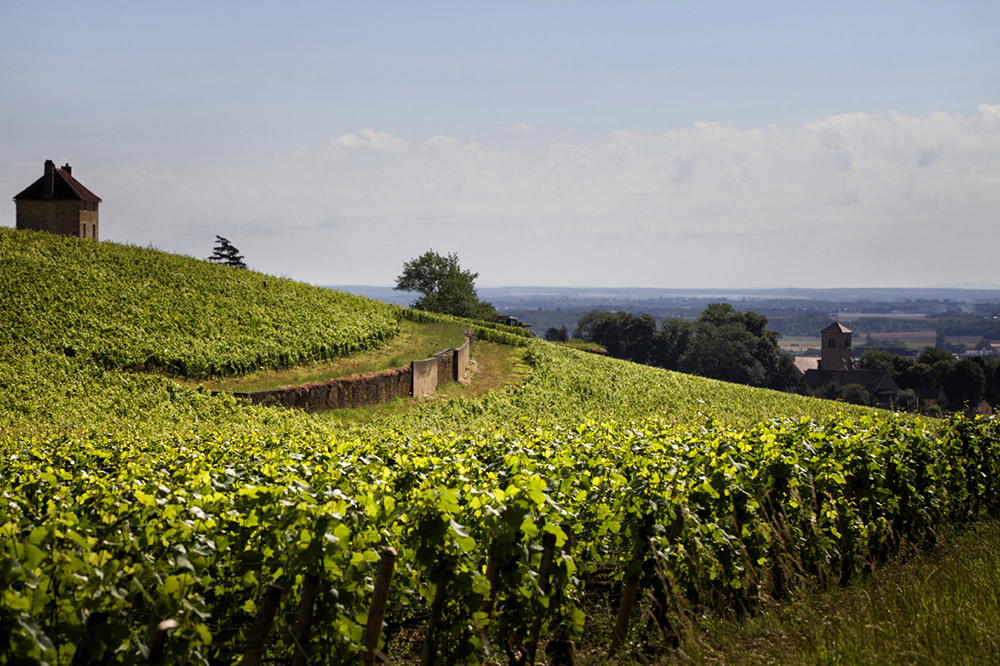
Domaine Denis Mortet is a winery on Rue de Lavaux in Gevrey-Chambertin.
Domaine du Vieux Donjon
Châteauneuf-du-Pape, France
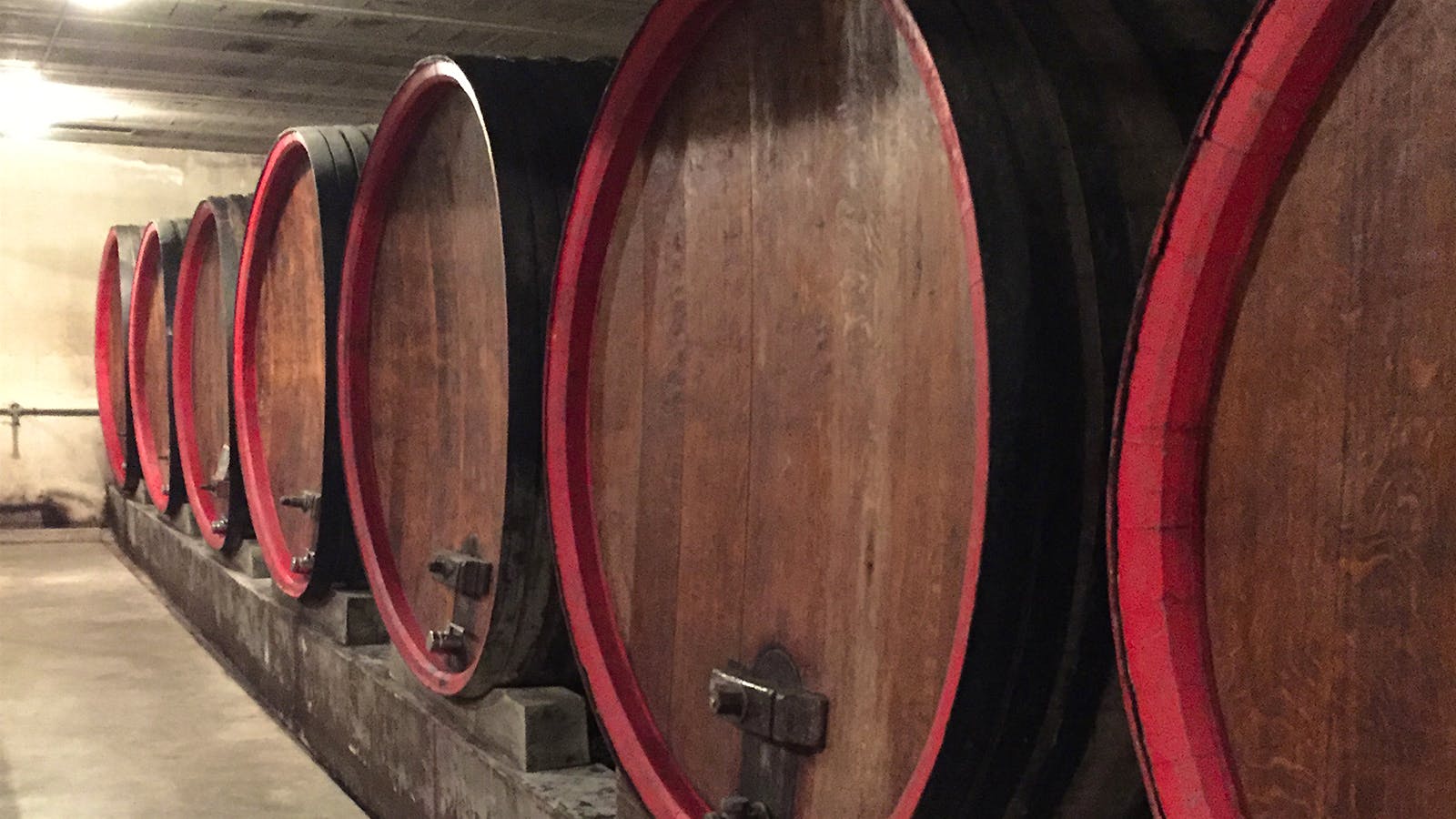
Prioritize Domaine du Vieux Donjon if the trip is about serious Châteauneuf-du-Pape producers rather than a casual tasting-room circuit. Its first vintage in 1979 and Pearl 4 Star Prestige recognition in 2025 make it a strong target for wine-focused travelers, but plan alternatives nearby in case timing or access is difficult.
Domaine du Vieux Télégraphe
Bédarrides, France
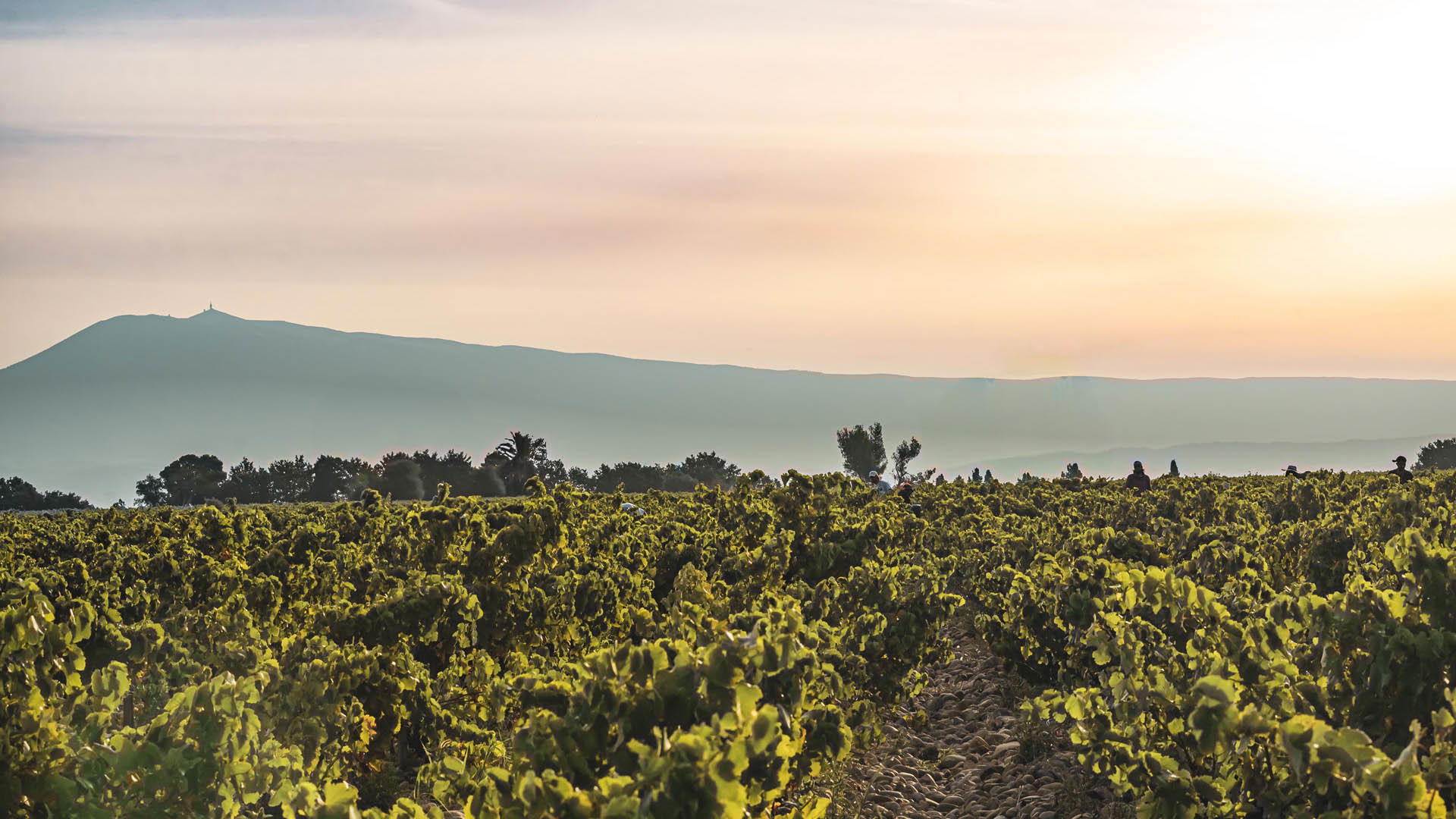
Domaine du Vieux Télégraphe is worth prioritizing when the trip is built around serious Châteauneuf-du-Pape rather than casual tasting-room hopping. It suits collectors, celebration travelers, and small groups who want a high-recognition Rhône producer as the anchor stop, with meals and transport planned separately.
Domaine Fourrier
Gevrey-Chambertin, France
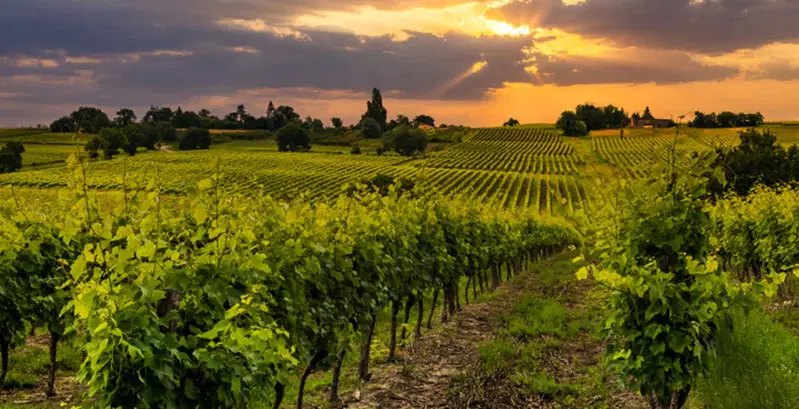
Domaine Fourrier is a high-priority Gevrey-Chambertin target for serious Burgundy travellers, especially when a private appointment can be confirmed. It is not the easiest choice for casual tasting plans, so build backups nearby and treat access as the main value rather than expecting a food or hospitality-led visit.
Domaine Georges Mugneret-Gibourg
Vosne-Romanée, France
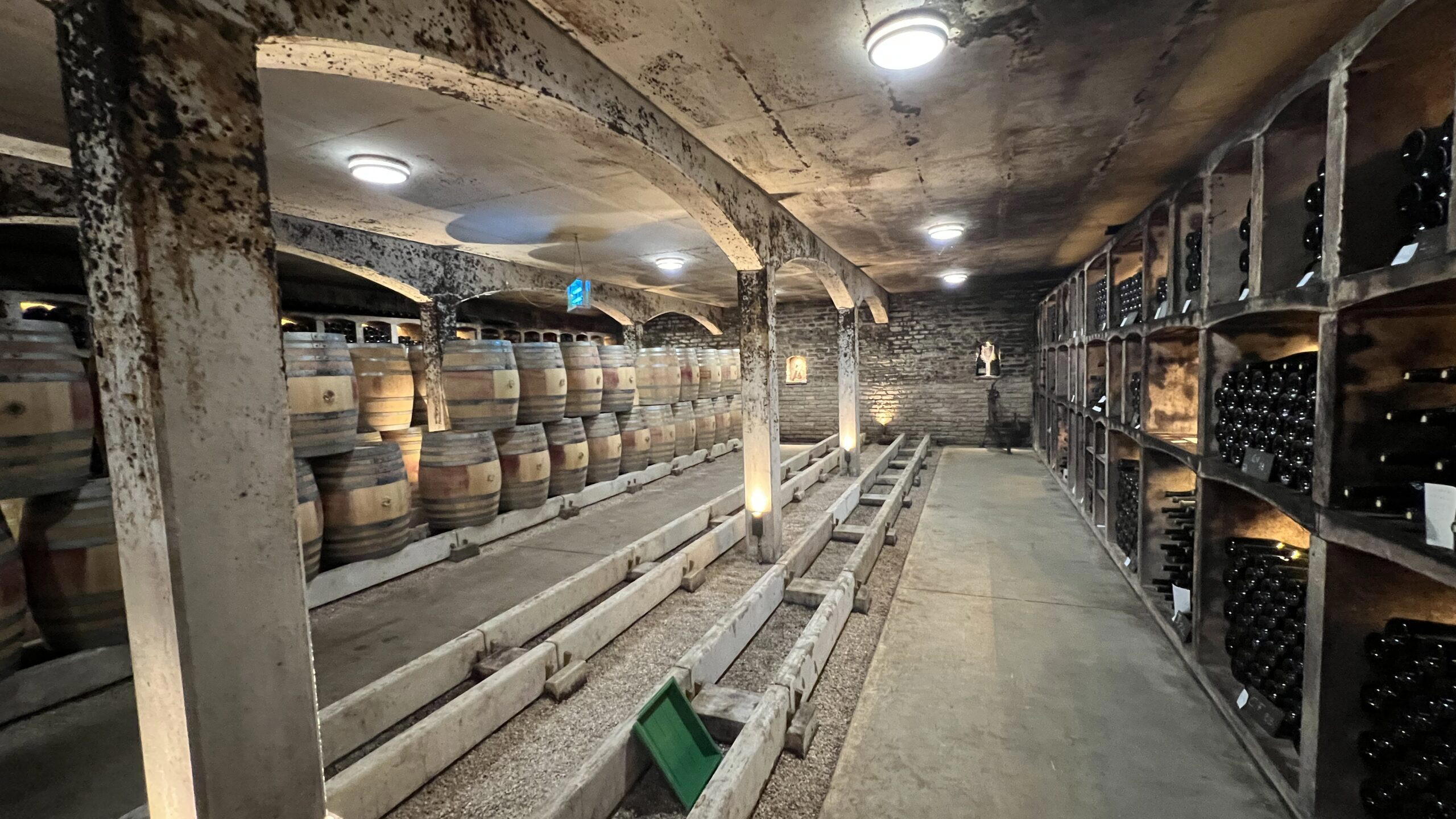
Domaine Georges Mugneret-Gibourg is a winery on Rue des Communes in Vosne-Romanée.
Domaine Hudelot-Noëllat
Chambolle-Musigny, France
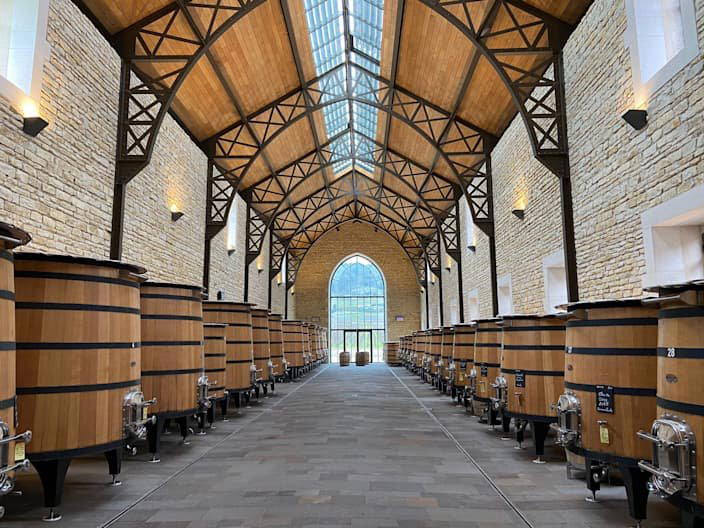
A serious Chambolle-Musigny pick for collectors and special-occasion Burgundy travelers, especially if the appeal is estate pedigree over a broad tourism format. Access is the main friction, so treat it as a hard-to-secure appointment and line up nearby alternatives rather than building the whole day around one request.
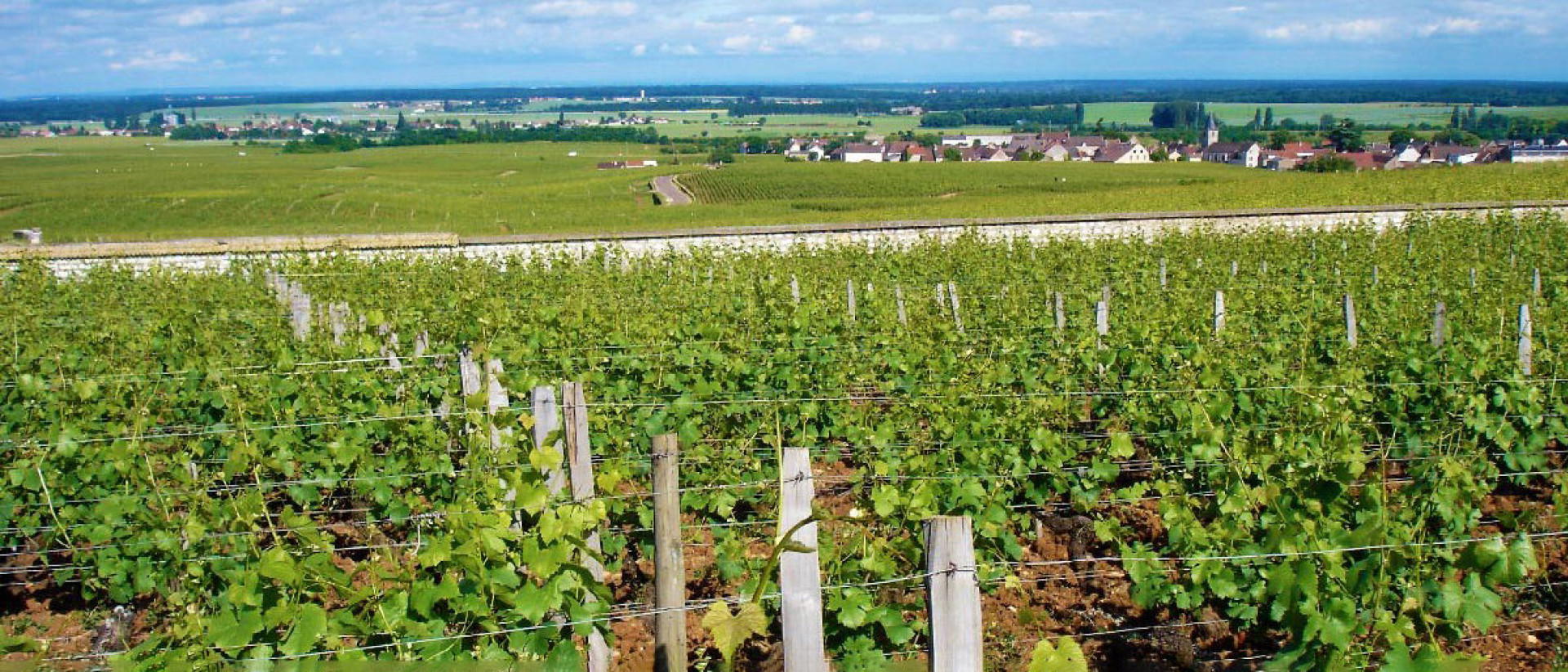
Domaine Méo-Camuzet
Vosne-Romanée, France
Domaine Méo-Camuzet is a winery on Rue des Grands Crus in Vosne-Romanée.
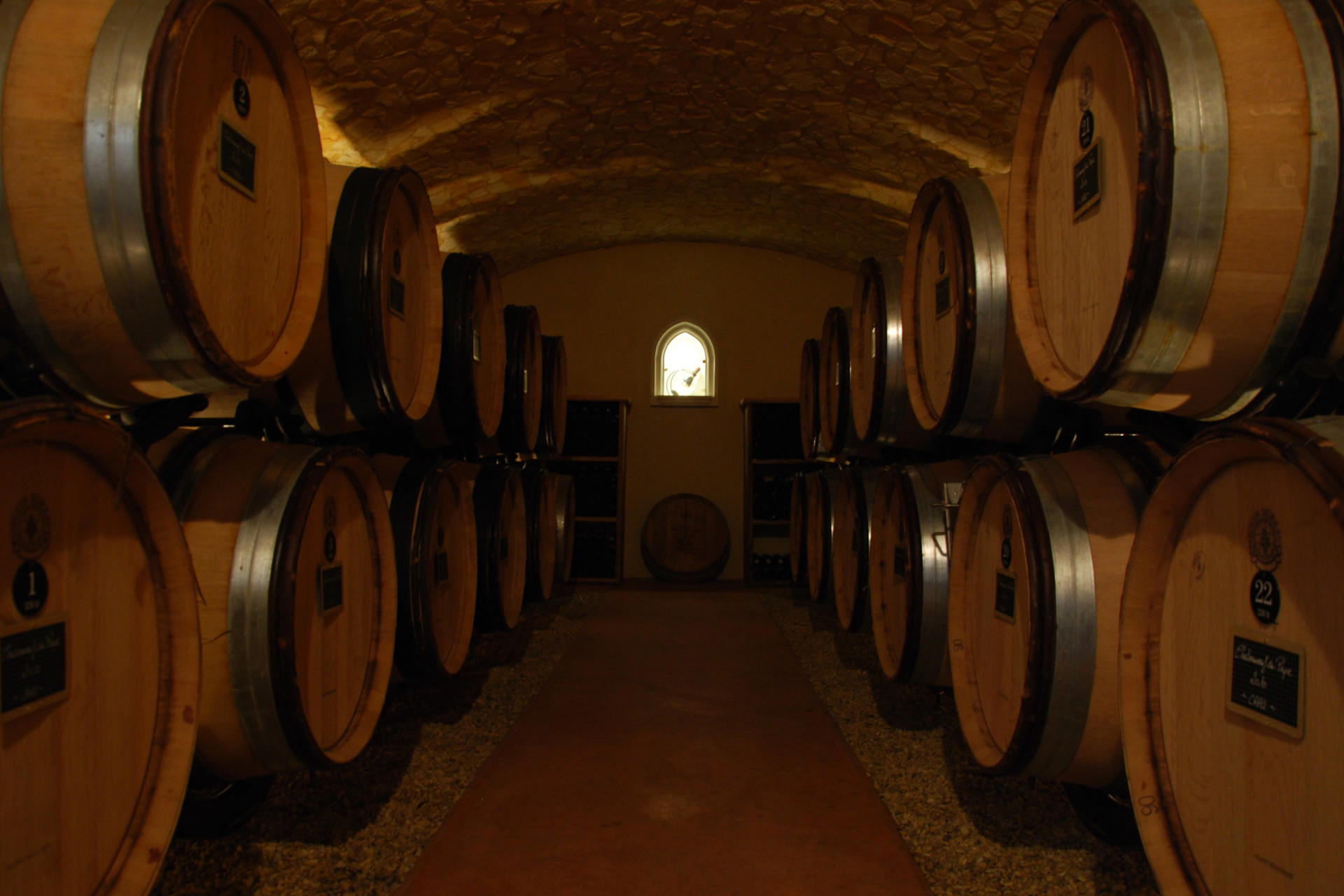
Domaine Pierre Usseglio
Châteauneuf-du-Pape, France
Prioritize Domaine Pierre Usseglio if the goal is a serious Châteauneuf-du-Pape producer visit rather than a casual tasting-room stop. The draw is continuity, with a first vintage in 1949 and Thierry Usseglio tied to the domaine today; plan ahead and keep backup options nearby.
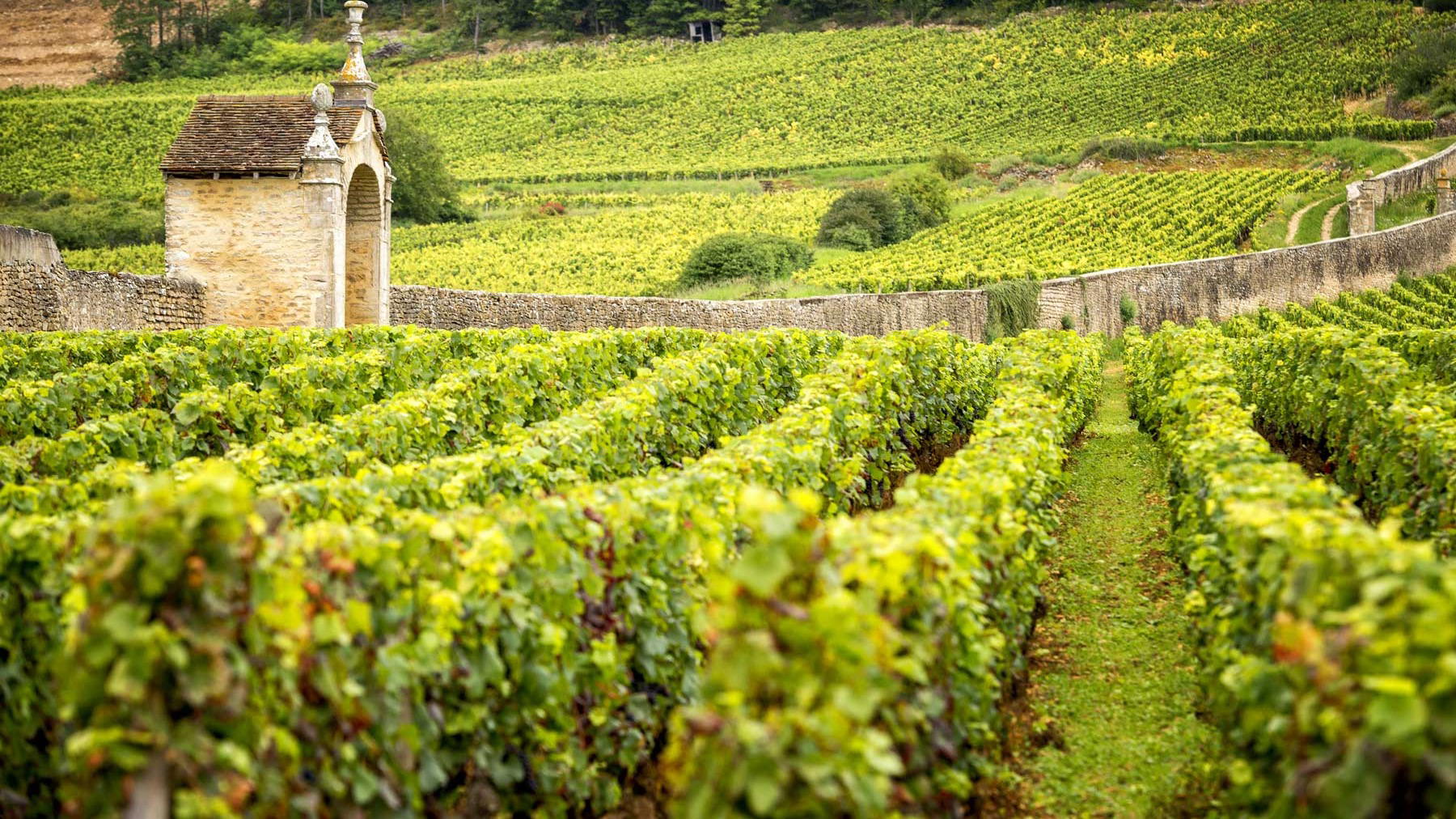
Domaine Robert Groffier Père & Fils
Morey-Saint-Denis, France
Domaine Robert Groffier Père & Fils is worth pursuing for serious Burgundy travelers who value producer access over visitor ease. Securing a booking is the main catch, so treat it as an advance-planning target and keep Morey-Saint-Denis backups ready if the trip needs certainty.
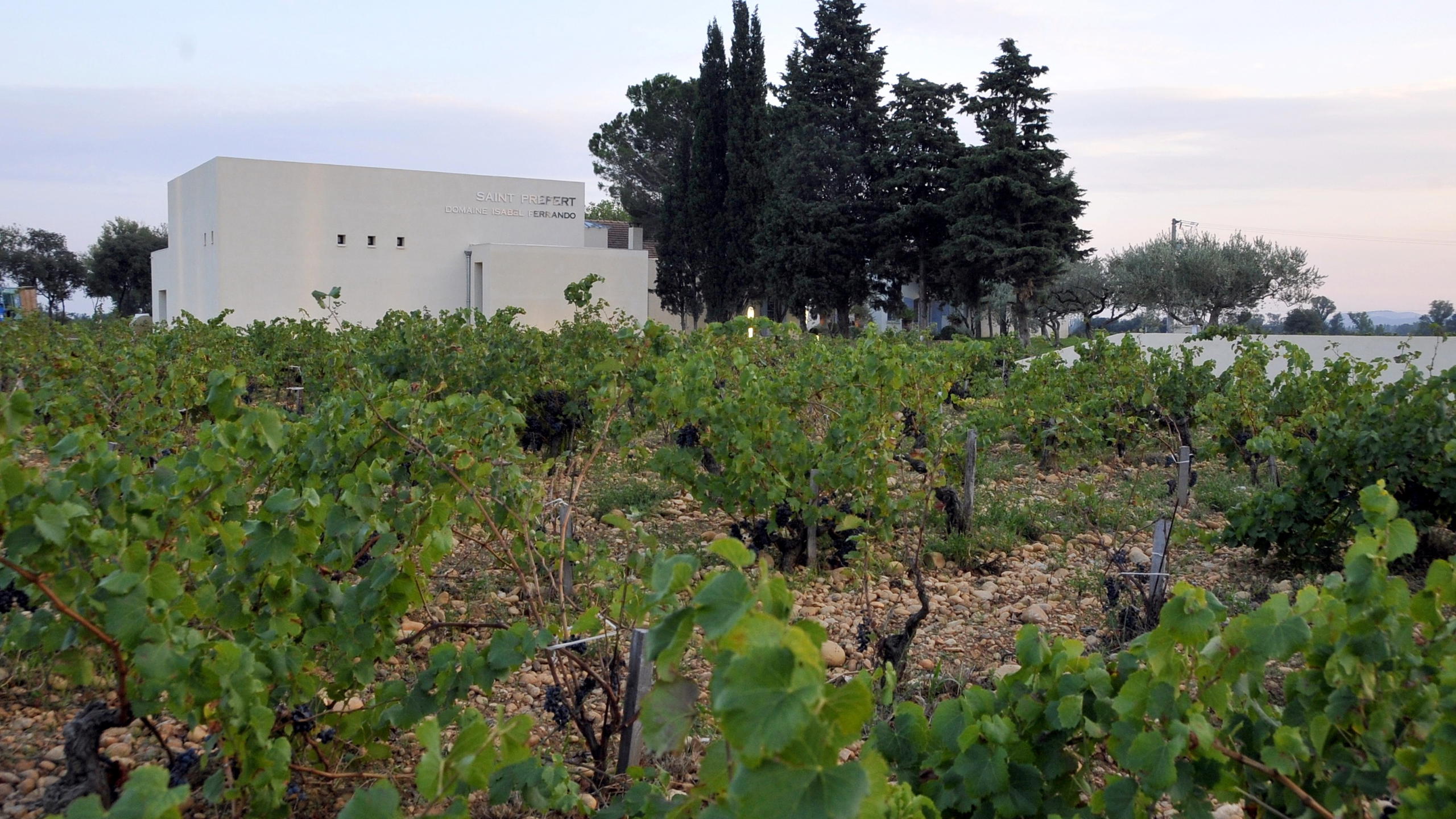
Domaine Saint Préfert
Châteauneuf-du-Pape, France
A serious Châteauneuf-du-Pape target for wine-focused trips, Domaine Saint Préfert is worth pursuing when producer history and appointment quality matter more than easy logistics. Treat it as the anchor booking for a special-occasion Rhône itinerary, with backup estates lined up in case access proves difficult.
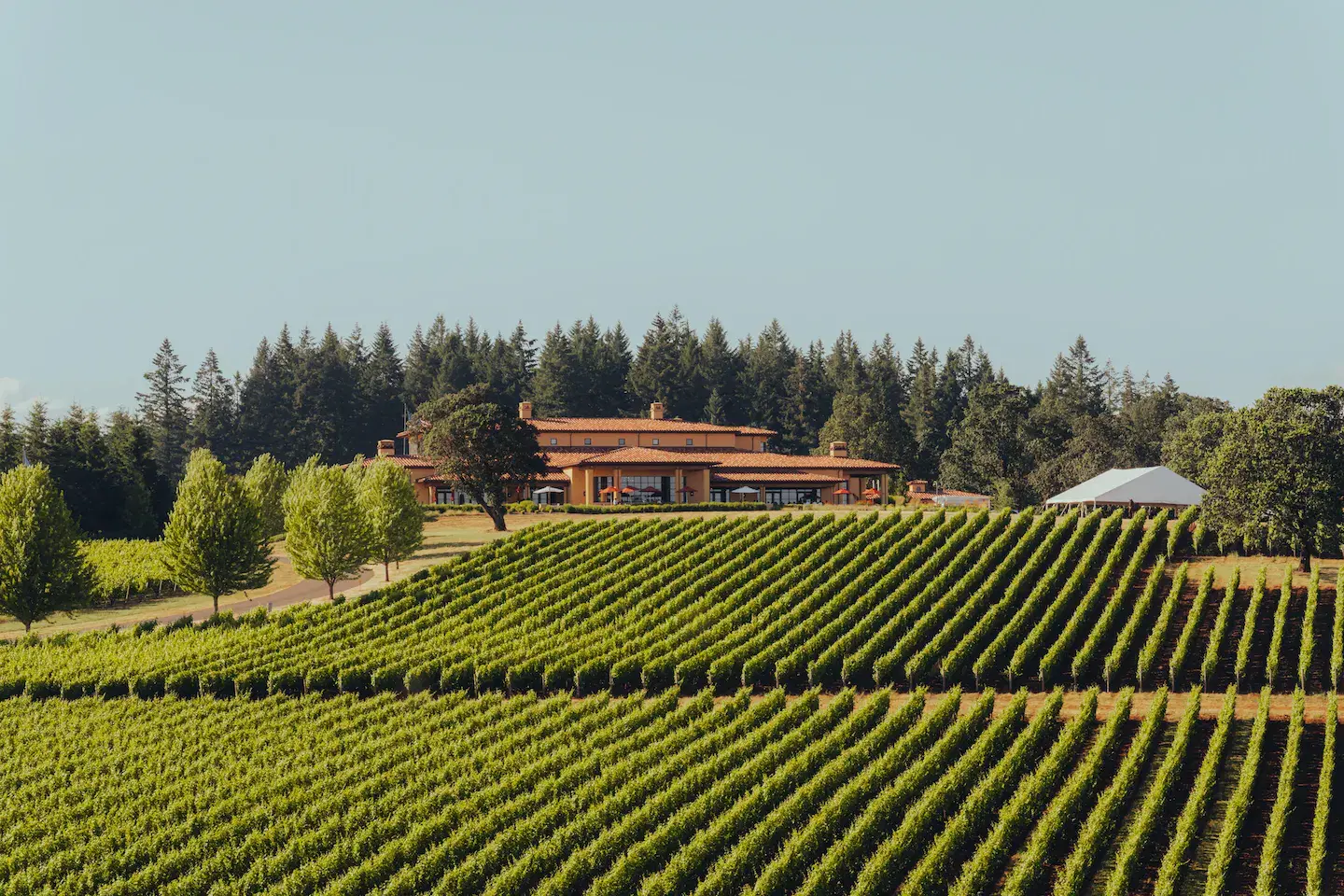
Domaine Serene Winery
Dayton, United States
A strong Dayton choice for a polished Willamette Valley wine visit, especially for celebrations built around Oregon Pinot Noir. The draw is the long production history, first vintage in 1989, and current winemaking team of Michael Fay and Remi Cohen. Treat it as the anchor tasting rather than a casual extra stop.
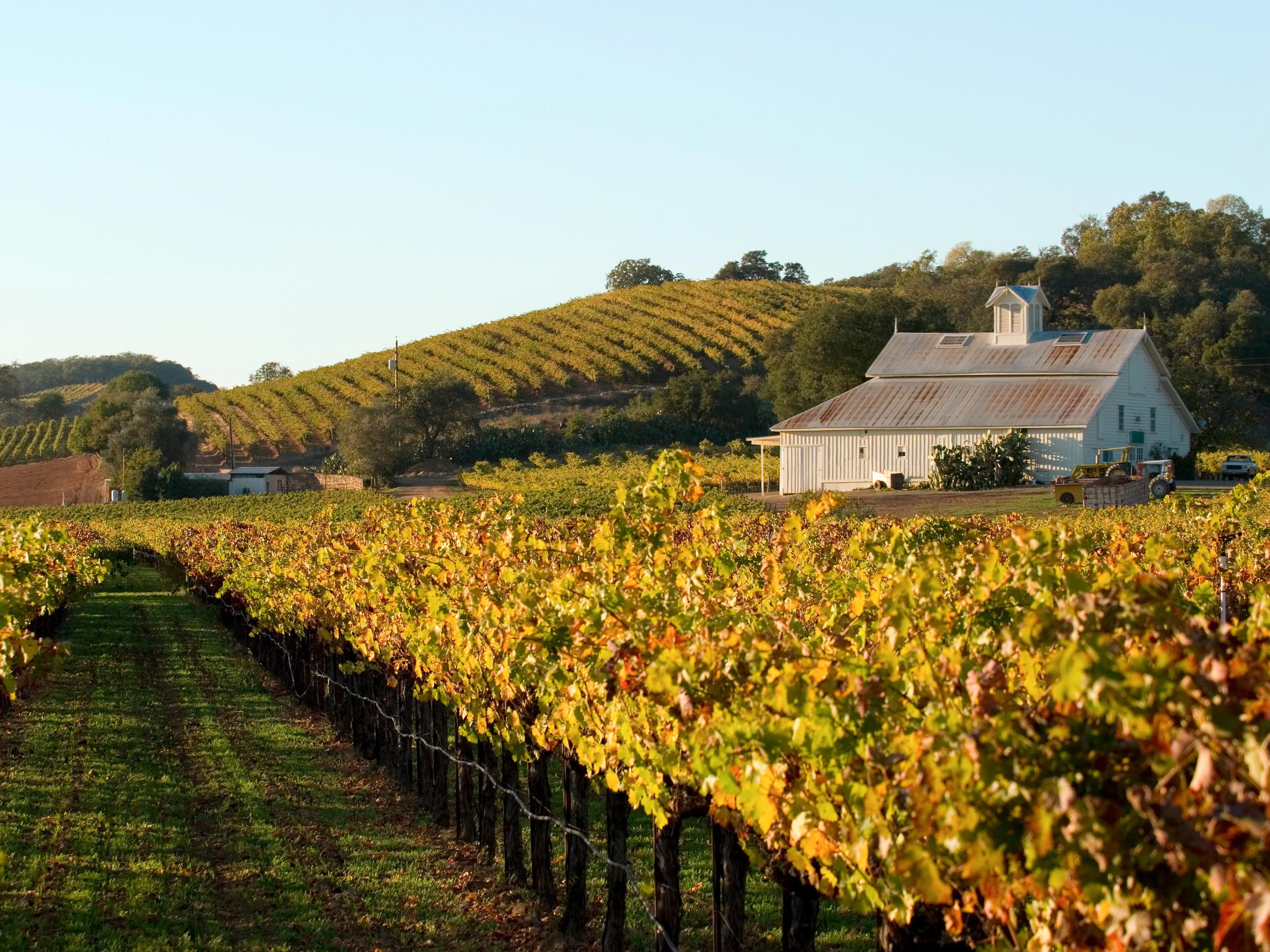
Dunn Vineyards
Angwin, United States
Book Dunn Vineyards if the priority is serious Howell Mountain Cabernet and a producer with a long track record, not a casual tasting itinerary. It is a better fit for collectors and focused wine travelers than for groups looking for food, easy scheduling, or a broad hospitality experience.
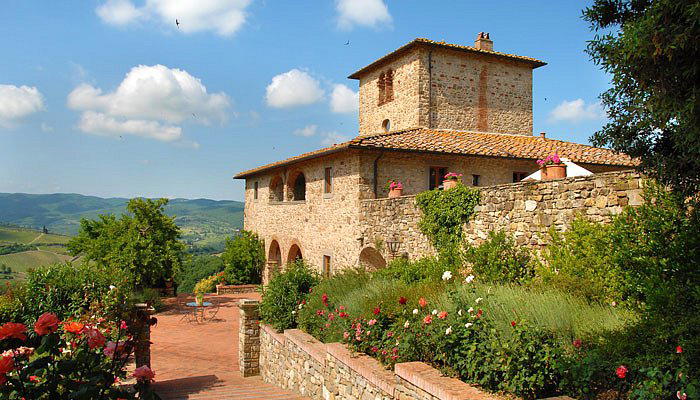
Fontodi
Greve in Chianti, Italy
Fontodi is worth prioritizing if the goal is a serious Greve in Chianti winery visit built around producer depth, not a casual food-led stop. With Giovanni Manetti as winemaker and a first vintage dating to 1979, it suits collectors and wine-focused travelers who are willing to plan ahead.
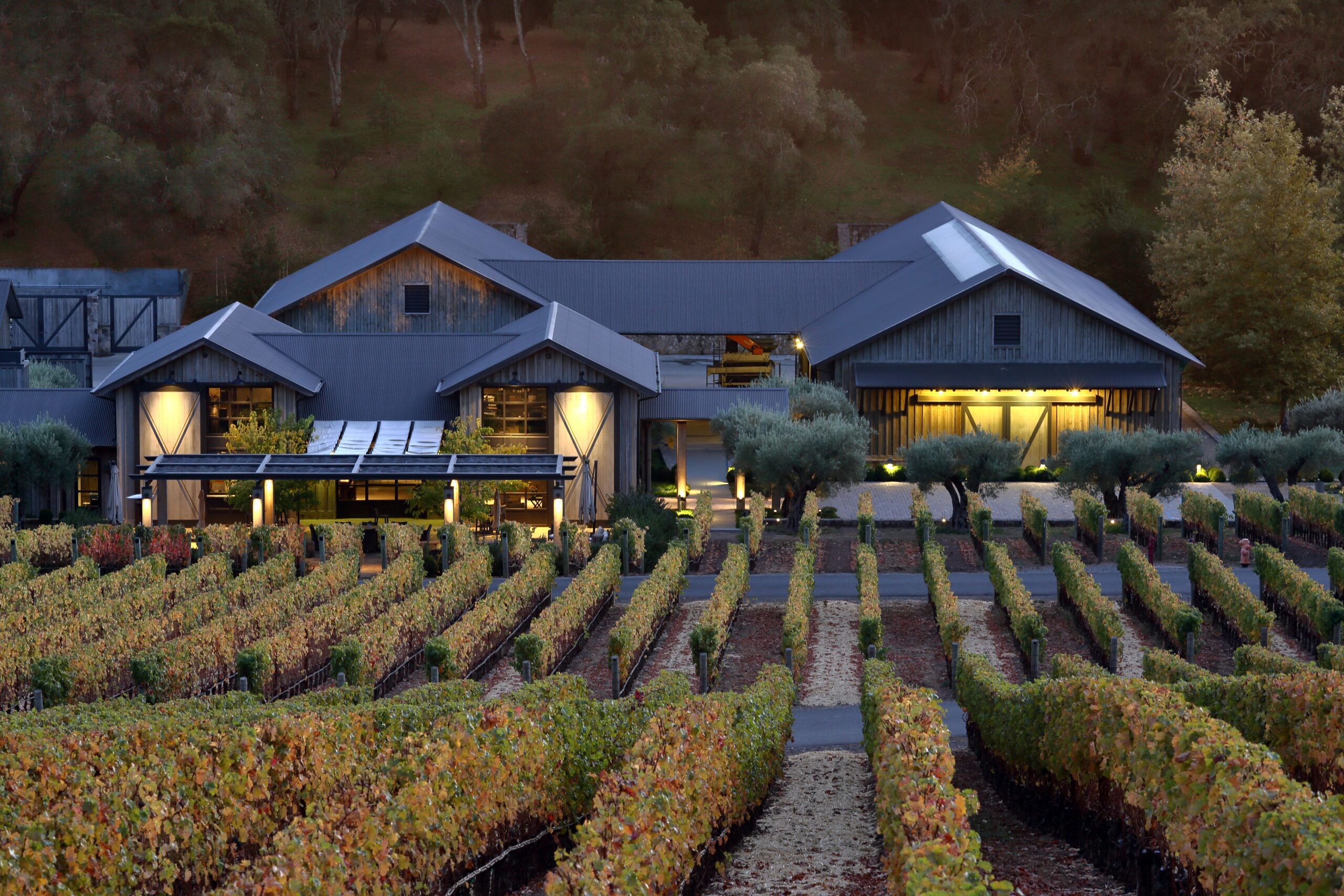
Kenzo Estate
Napa, United States
Kenzo Estate is worth pursuing for Napa visitors who care more about winemaking credibility than tasting-room spectacle. Heidi Barrett's role and the 2005 first vintage make it a focused modern estate play, but the practical fit is for planned, serious wine itineraries rather than casual add-ons.
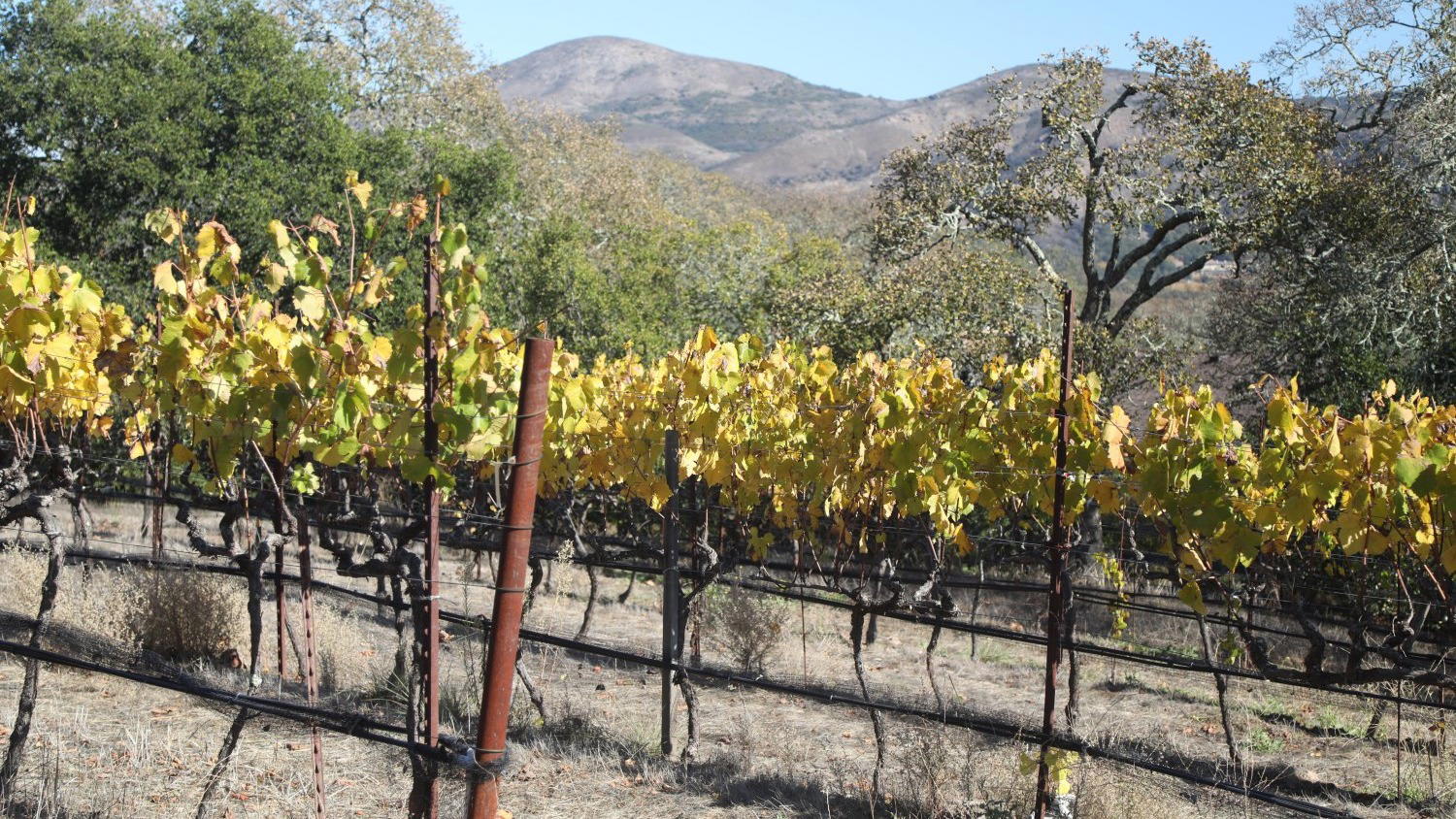
Kongsgaard
Napa, United States
Kongsgaard is worth prioritizing for serious Napa collectors who care about access, cellar relevance, and John Kongsgaard's long-running winemaking track record. It is not the easy choice for casual tasting-room planning or large mixed-interest groups; compare it with Antica Napa Valley or Stags' Leap Winery if hospitality format matters as much as bottle access.
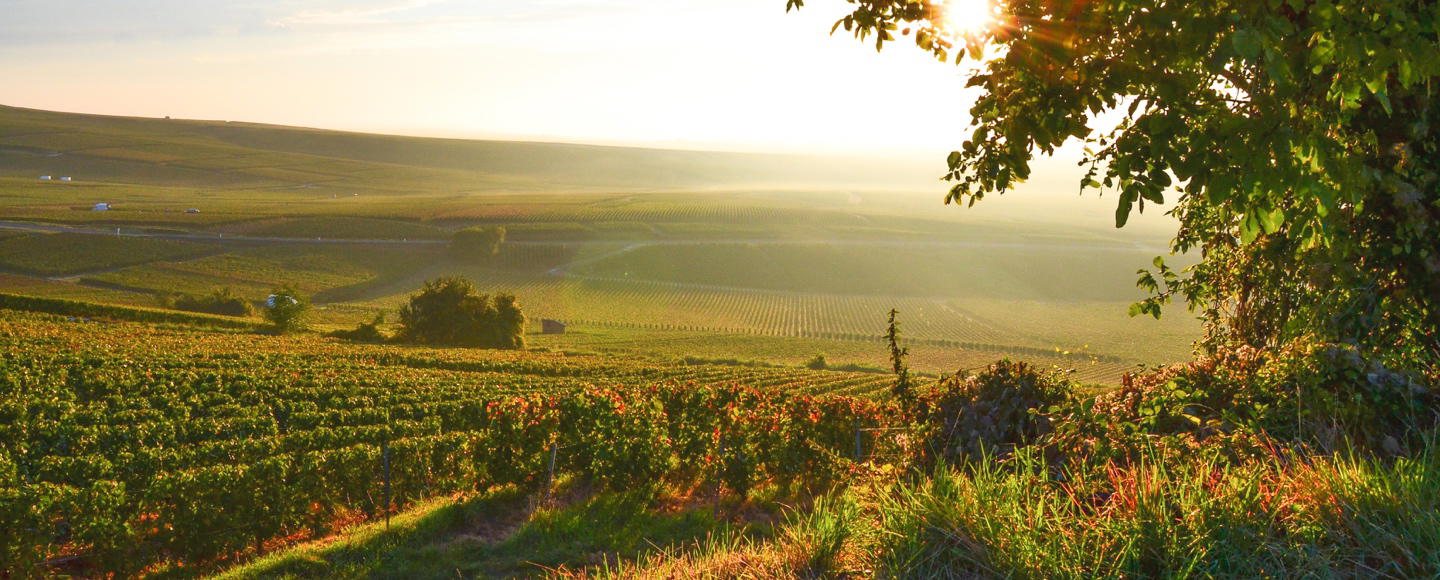
Larmandier-Bernier
Vertus, France
Visit Larmandier-Bernier in Vertus by appointment on a weekday morning. The estate's Chardonnay-led Champagnes, biodynamic farming and native-yeast cellar work make this a wine-focused stop.
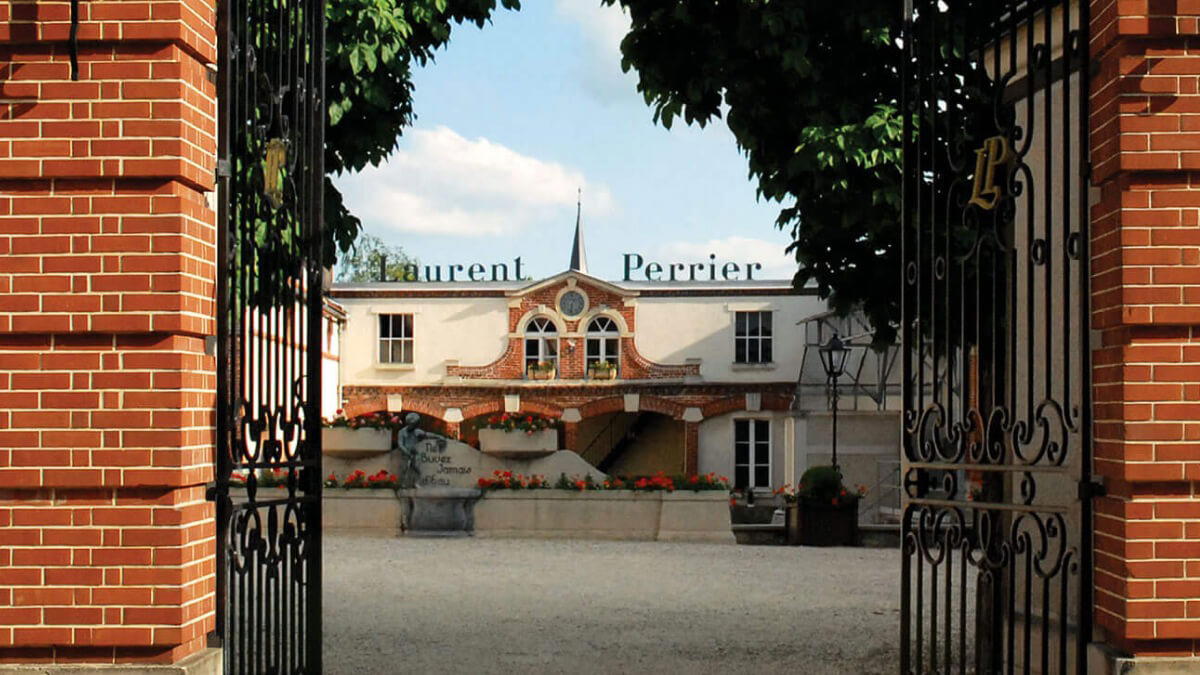
Laurent-Perrier
Tours-sur-Marne, France
Compare Laurent-Perrier by bottle: La Cuvée is a multi-cru blend, Grand Siècle combines three vintages, and Blanc de Blancs Brut Nature is Chardonnay without dosage.
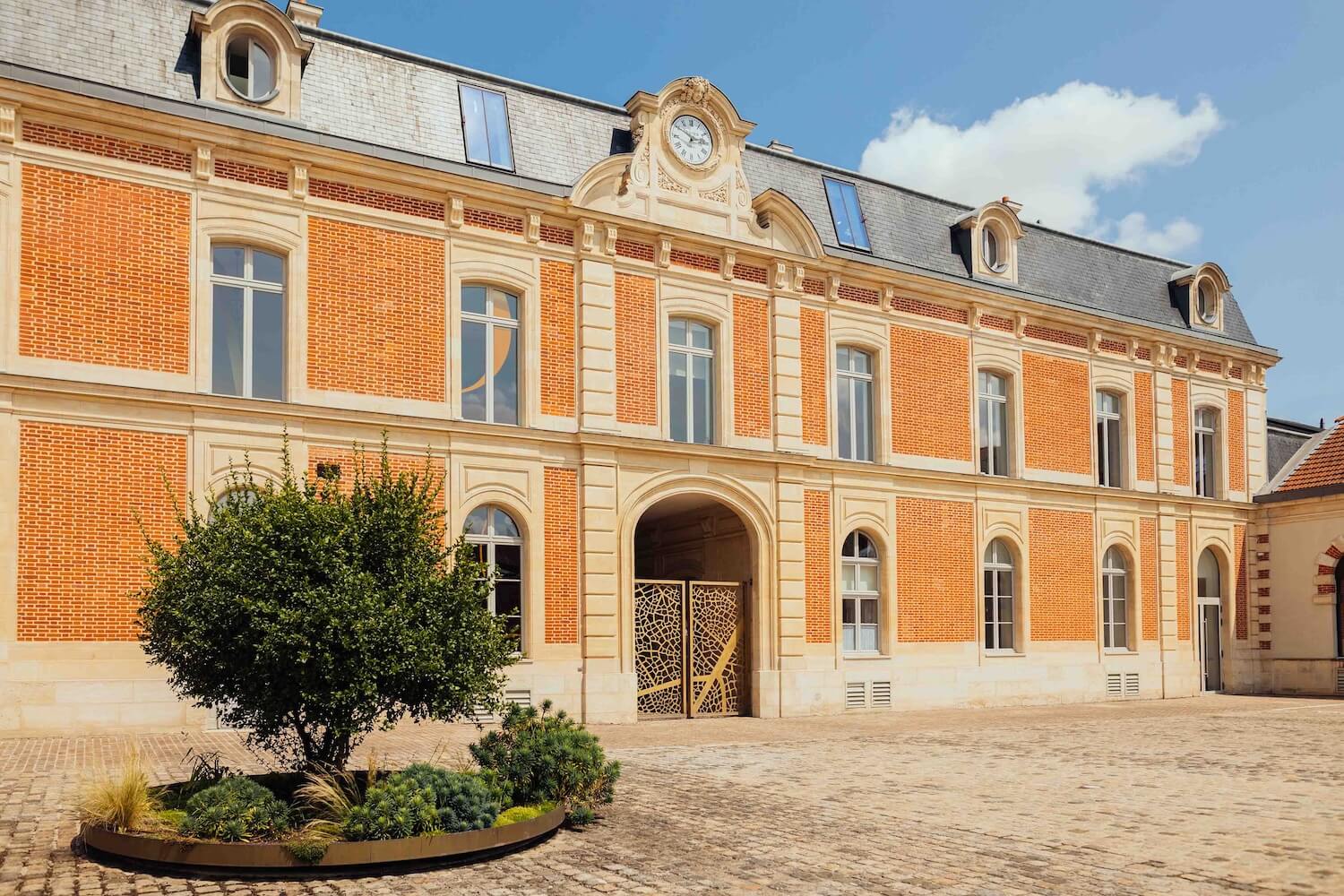
Louis Roederer
Reims, France
Louis Roederer’s Collection is a numbered, multi-vintage Champagne. Collection 247 is based on the 2022 harvest with Chardonnay, Pinot Noir and Meunier; ask for the release number when choosing a bottle.
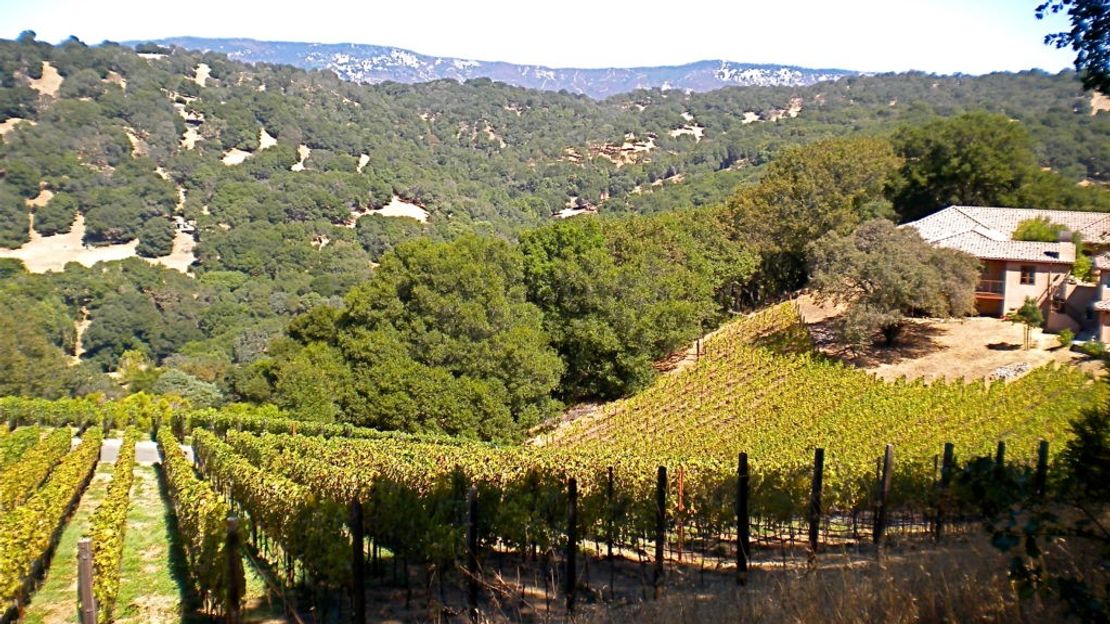
Macdonald
Napa, United States
Macdonald is the Napa pick for collectors who want a focused wine-first visit tied to Alex MacDonald and Graeme MacDonald, with the first vintage dating to 2010. Do not choose it for a food-pairing itinerary; plan meals separately and cross-shop Ashes and Diamonds Winery or Matthiasson Winery if ambiance or a broader visitor experience matters more.
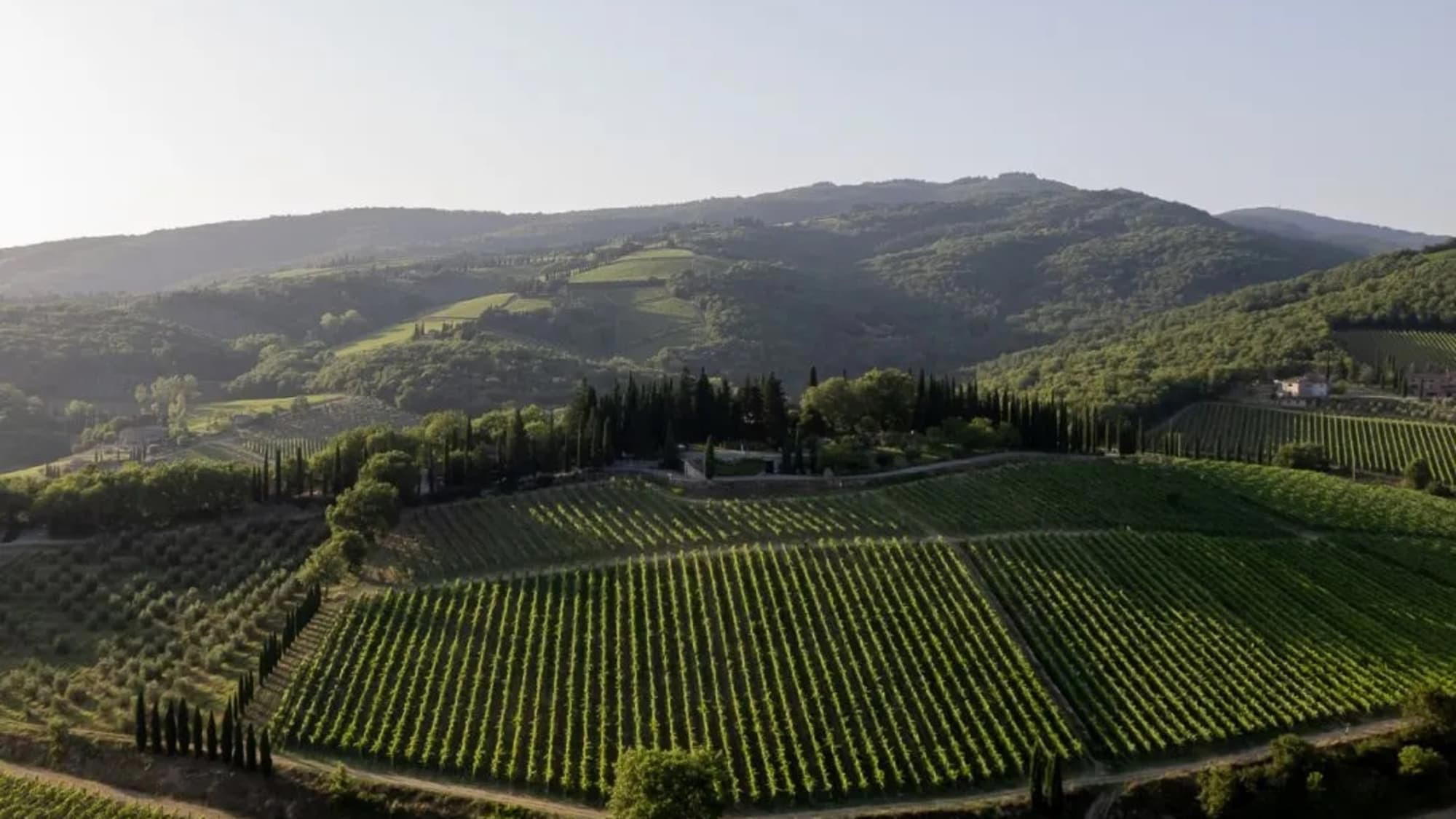
Montevertine
Radda in Chianti, Italy
Prioritise Montevertine if your Radda in Chianti plan is built around serious Sangiovese rather than casual cellar-door browsing. It is a high-demand, appointment-minded winery where a private or upgraded tasting is the version to chase if available; choose a larger estate if your group wants a broader visitor setup.
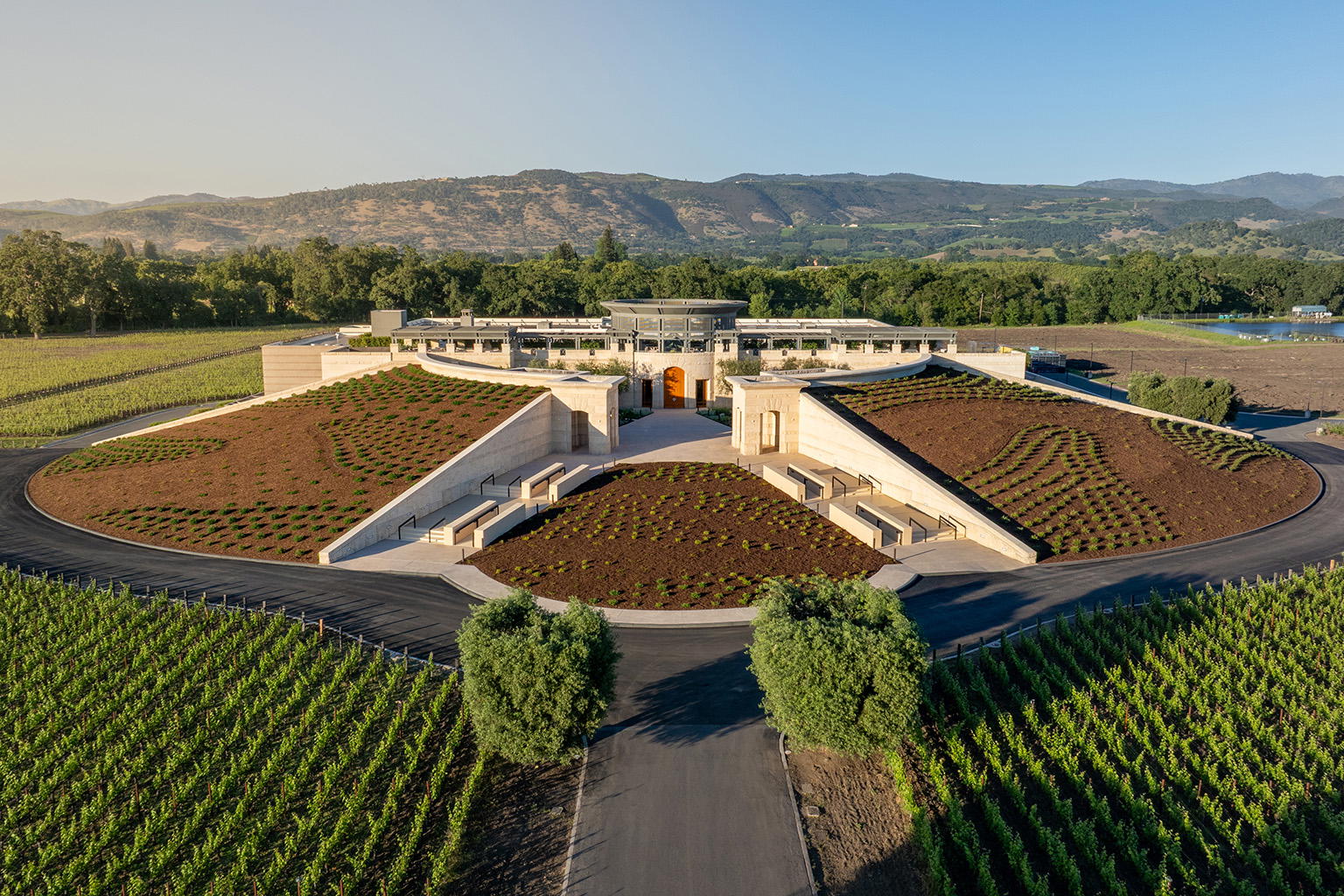
Opus One
Oakville, United States
Opus One is worth prioritizing if the flagship bottle is the reason for the trip, not if the group wants a casual Napa tasting crawl. Its Oakville setting, 1979 first vintage, Michael Silacci's winemaking continuity, and World's 50 Best Vineyards recognition make it a strong collector-minded stop, but backup appointments are smart.
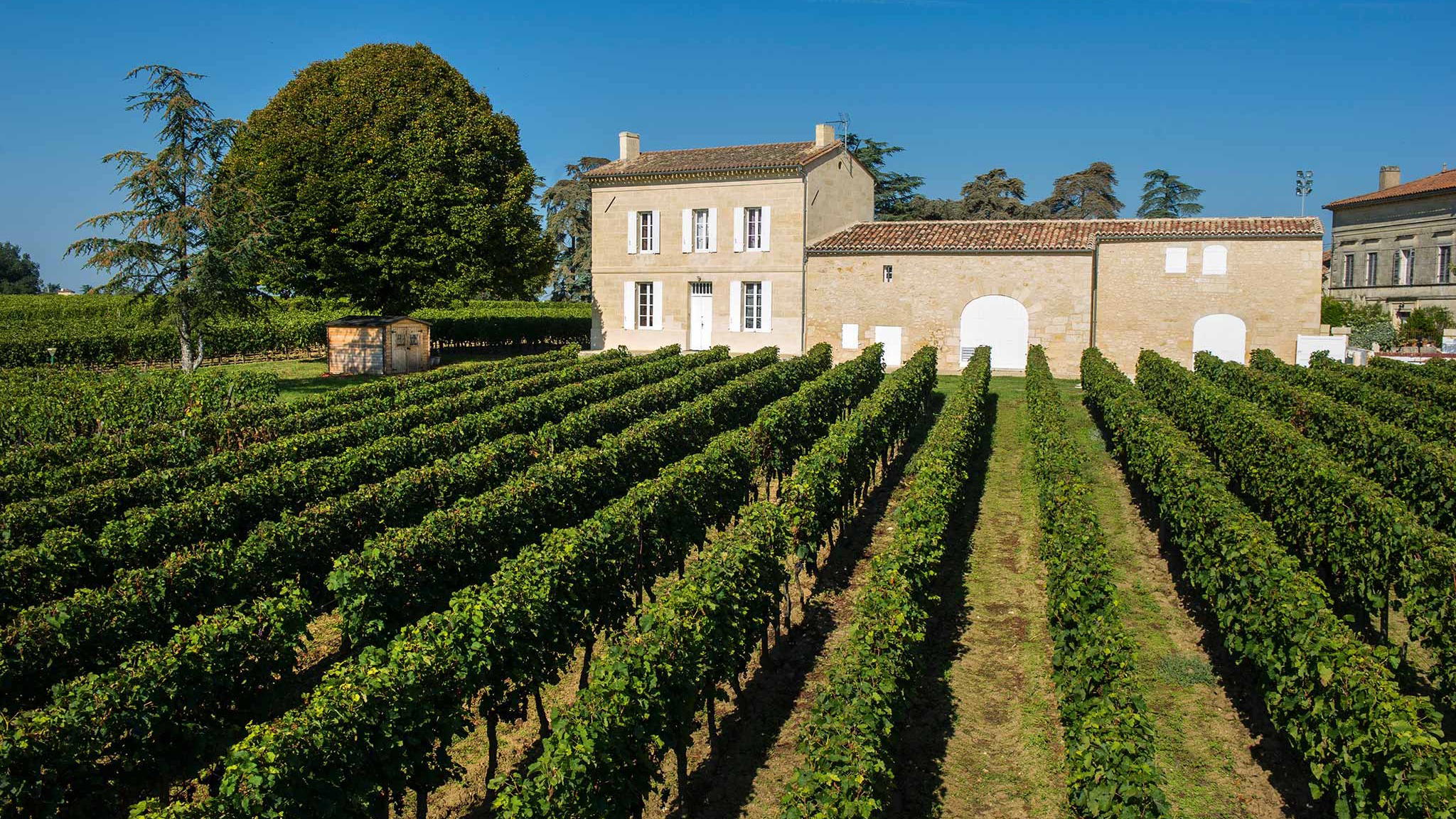
Pingus
Ribera del Duero, Spain
Pingus is for serious Ribera del Duero collectors, not casual winery browsing. Book the pursuit if Peter Sisseck's producer name is the point of the trip; otherwise, use Arzuaga Navarro, Abadía Retuerta, or Vega Sicilia for a more rounded wine-day experience.
Piper-Heidsieck
Reims, France
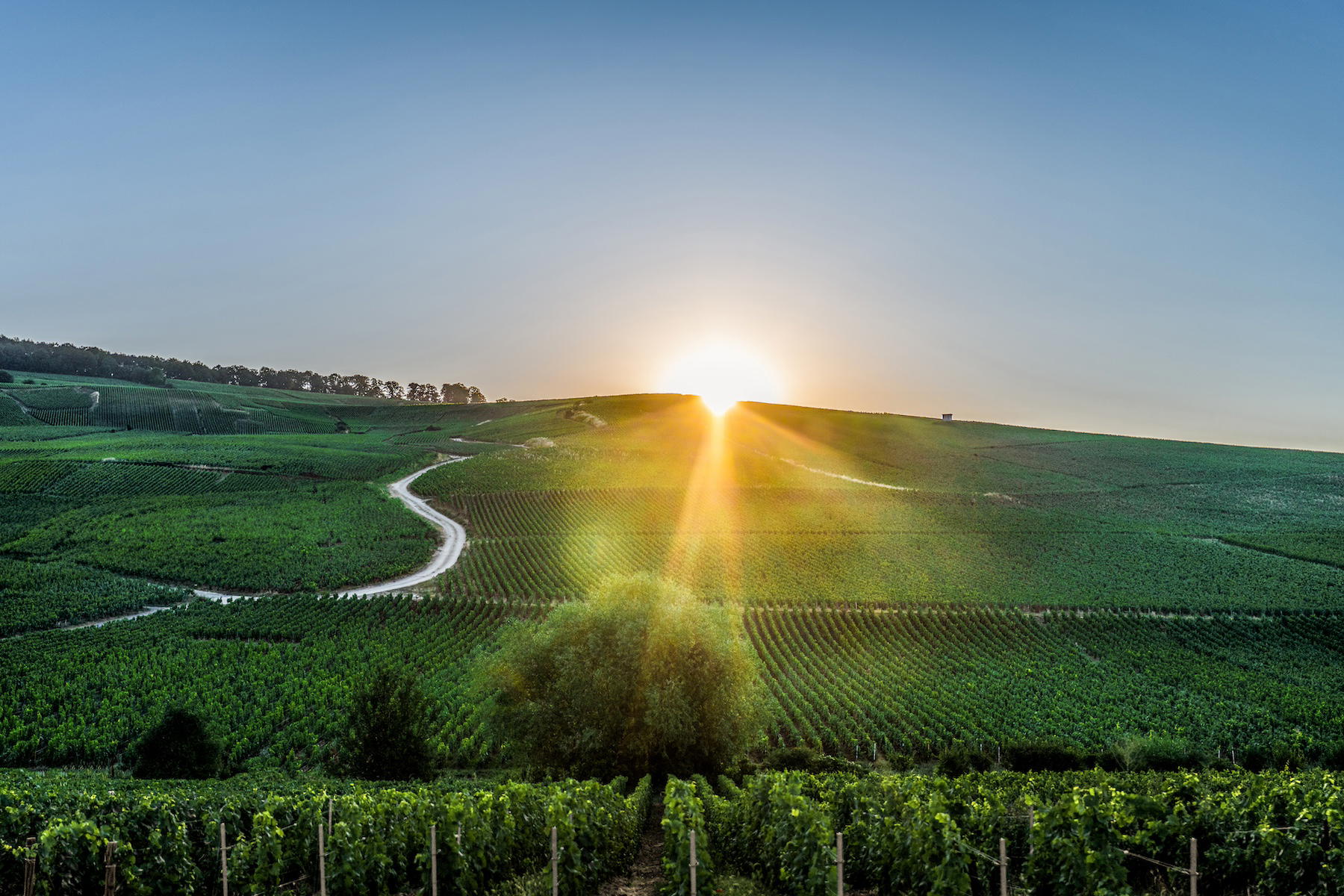
Piper-Heidsieck’s range includes Cuvée Brut, rosé, Essentiel Extra Brut and vintage Champagne.
Pol Roger
Épernay, France
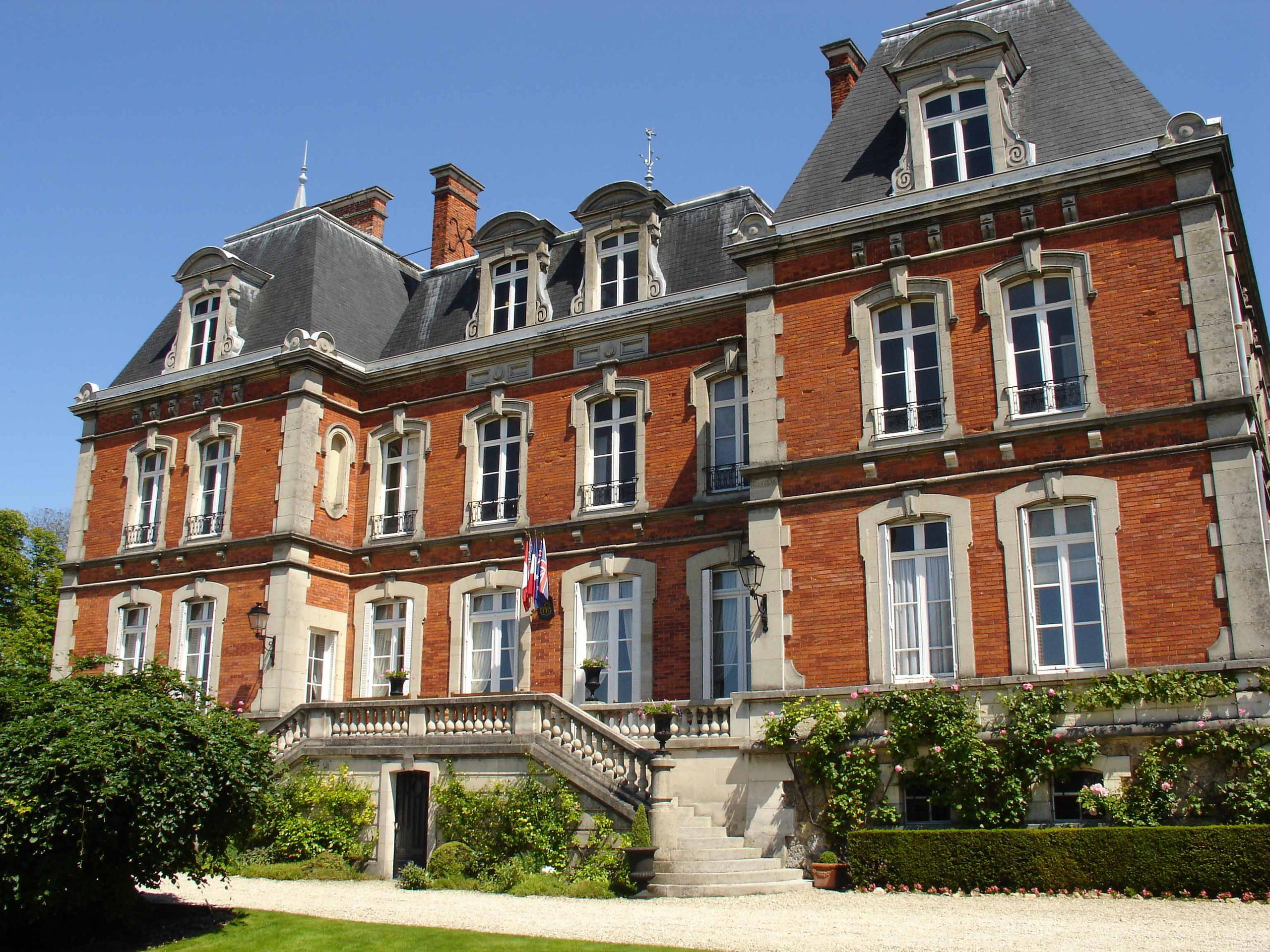
Pol Roger began with a wine sale in Aÿ in 1849 and moved to Épernay in 1851. Its Brut Réserve blends Pinot Noir, Meunier and Chardonnay, and its deep cellars shape the ageing program. The house does not offer public visits.
Ridge Vineyards
Cupertino, United States
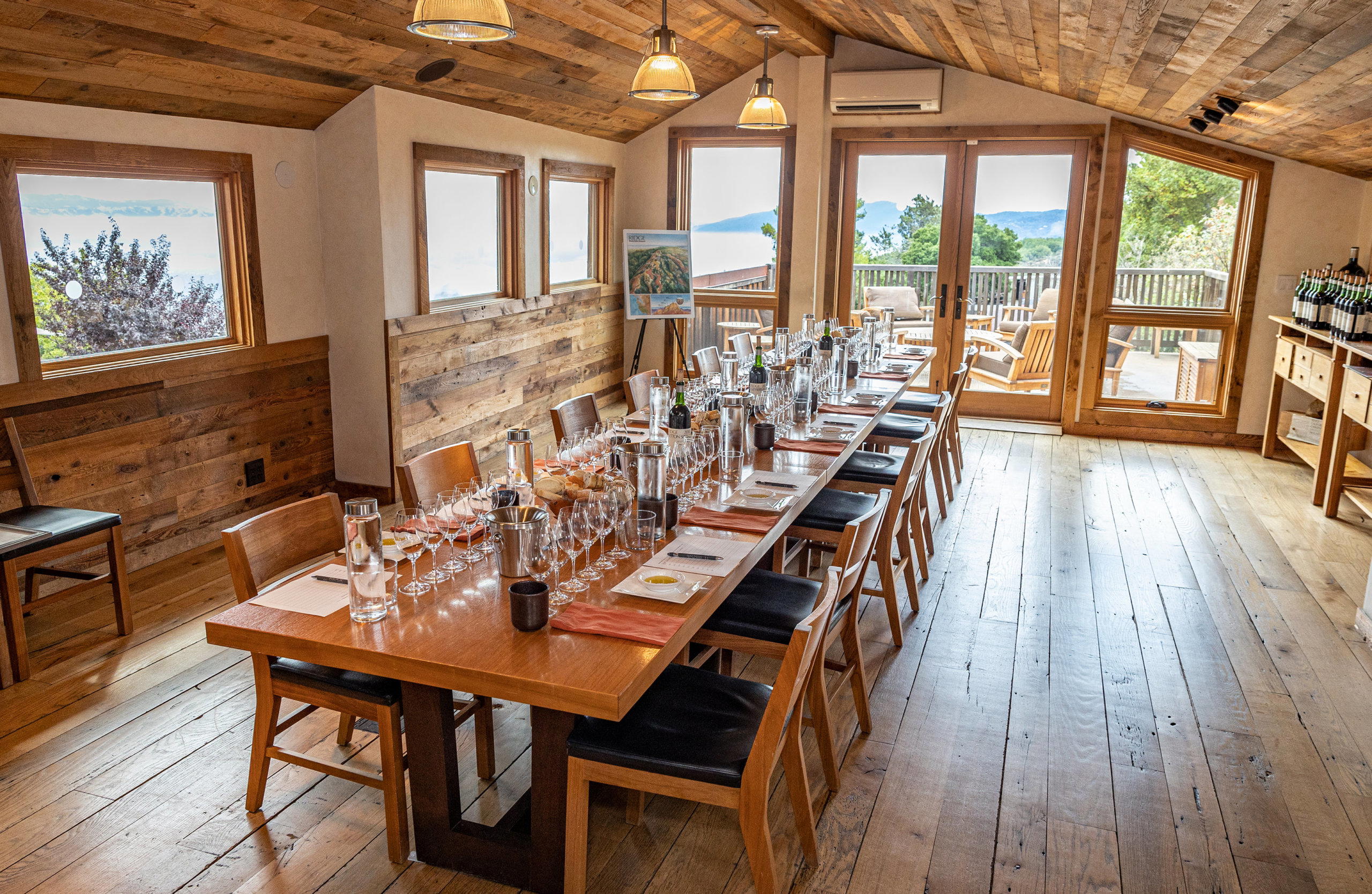
Prioritize Ridge Vineyards if the goal is a serious California winery visit with documented recognition, not a casual tasting-room stop. The first vintage dates to 1962, John Olney is the winemaker, and the winery carries Pearl 4 Star Prestige recognition for 2025 plus World's 50 Best Vineyards #47 from 2021.
Ruinart
Reims, France
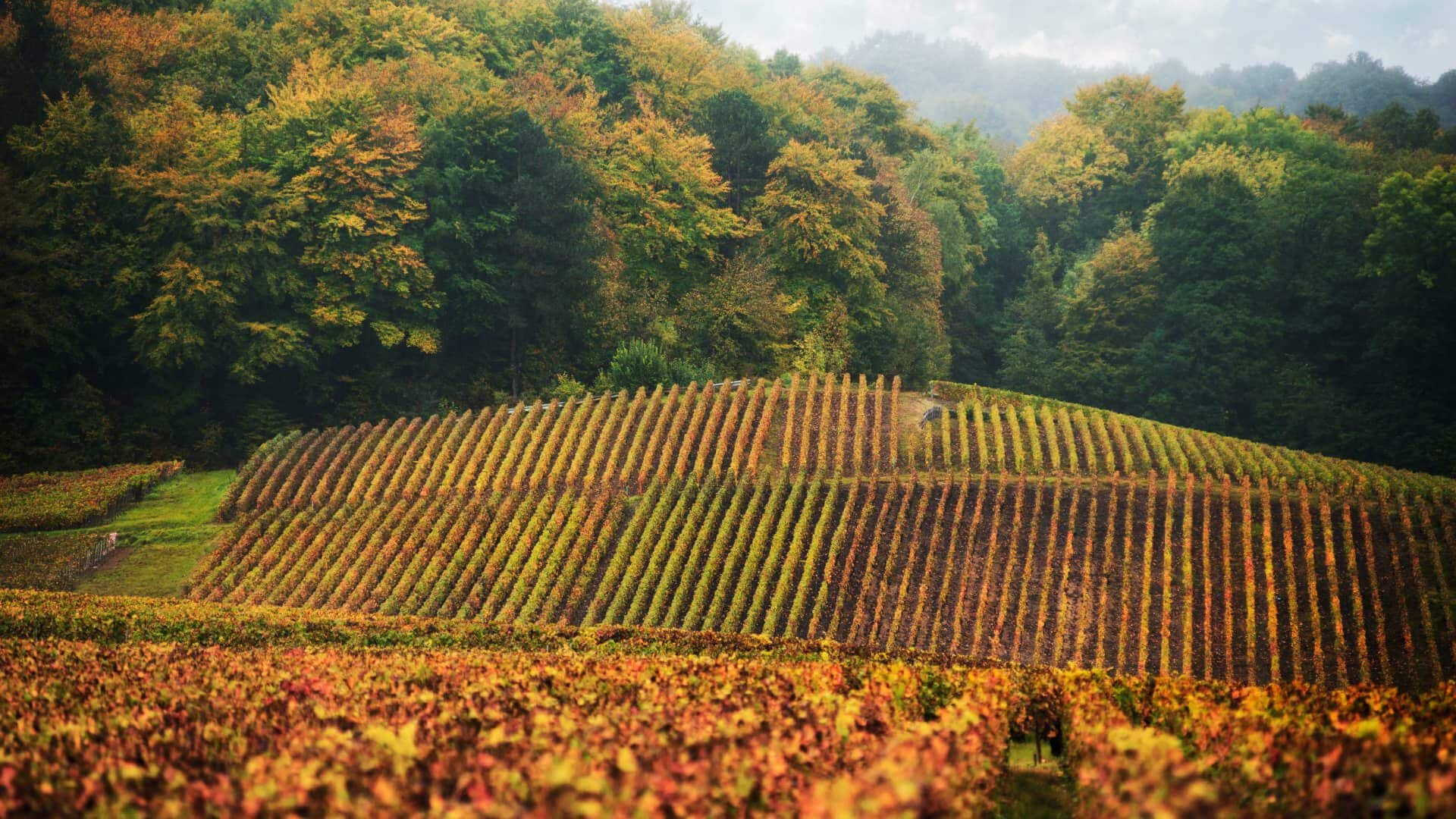
Ruinart is a Champagne house on Rue des Crayères in Reims.
Saxum Vineyards
Paso Robles, United States
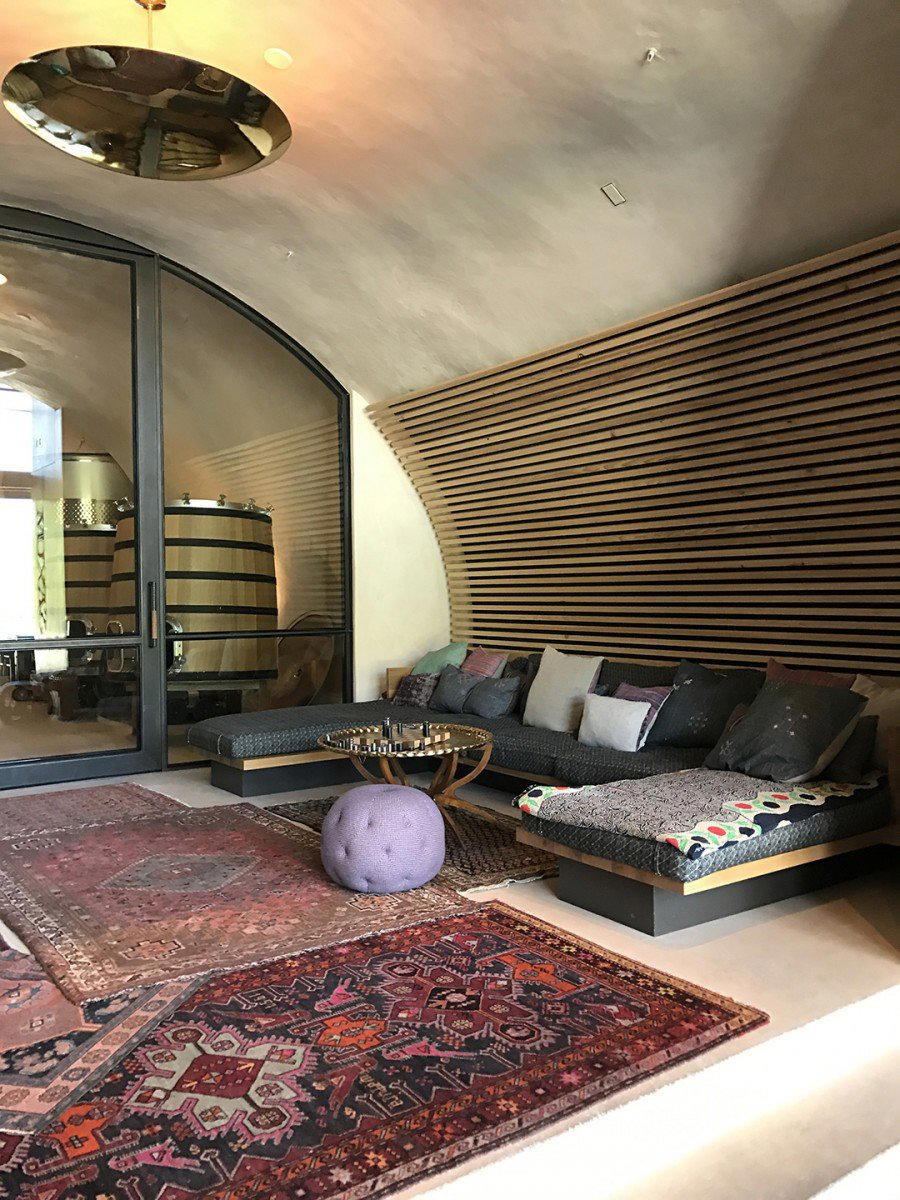
Saxum Vineyards is worth prioritizing for serious Paso Robles wine travelers who care about allocation access, producer track record, and cellar relevance. It is not the easiest fit for spontaneous tasting-room plans, so build the day with flexible alternatives nearby.
Schrader Cellars
Napa, United States
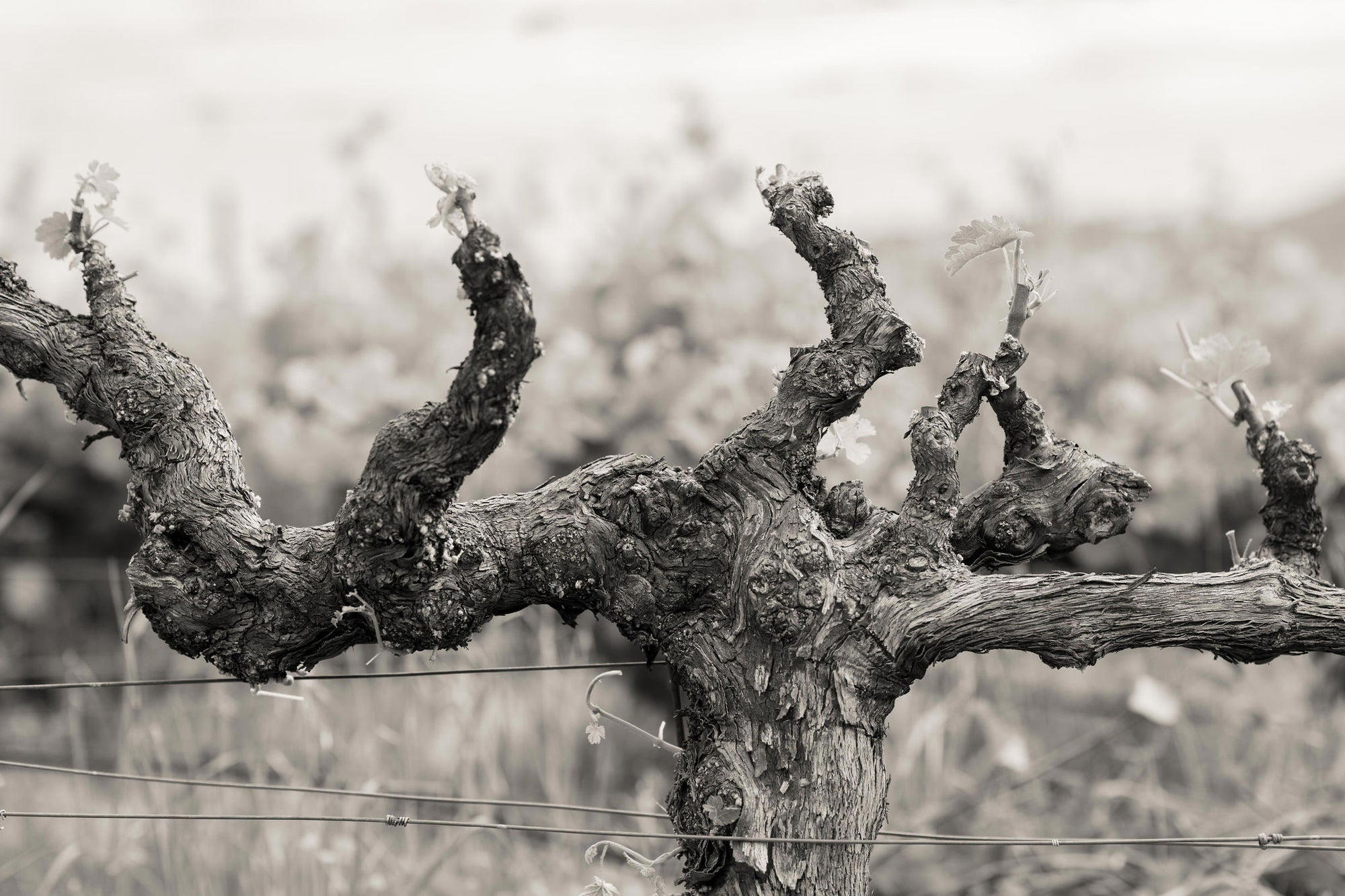
Schrader Cellars is worth pursuing for Napa collectors who care about Cabernet pedigree, allocation access, and Thomas Rivers Brown's winemaking more than a casual tasting-room stop. It is a weaker fit for large groups or visitors who want a predictable food-supported estate visit.
Spottswoode Winery
St. Helena, United States
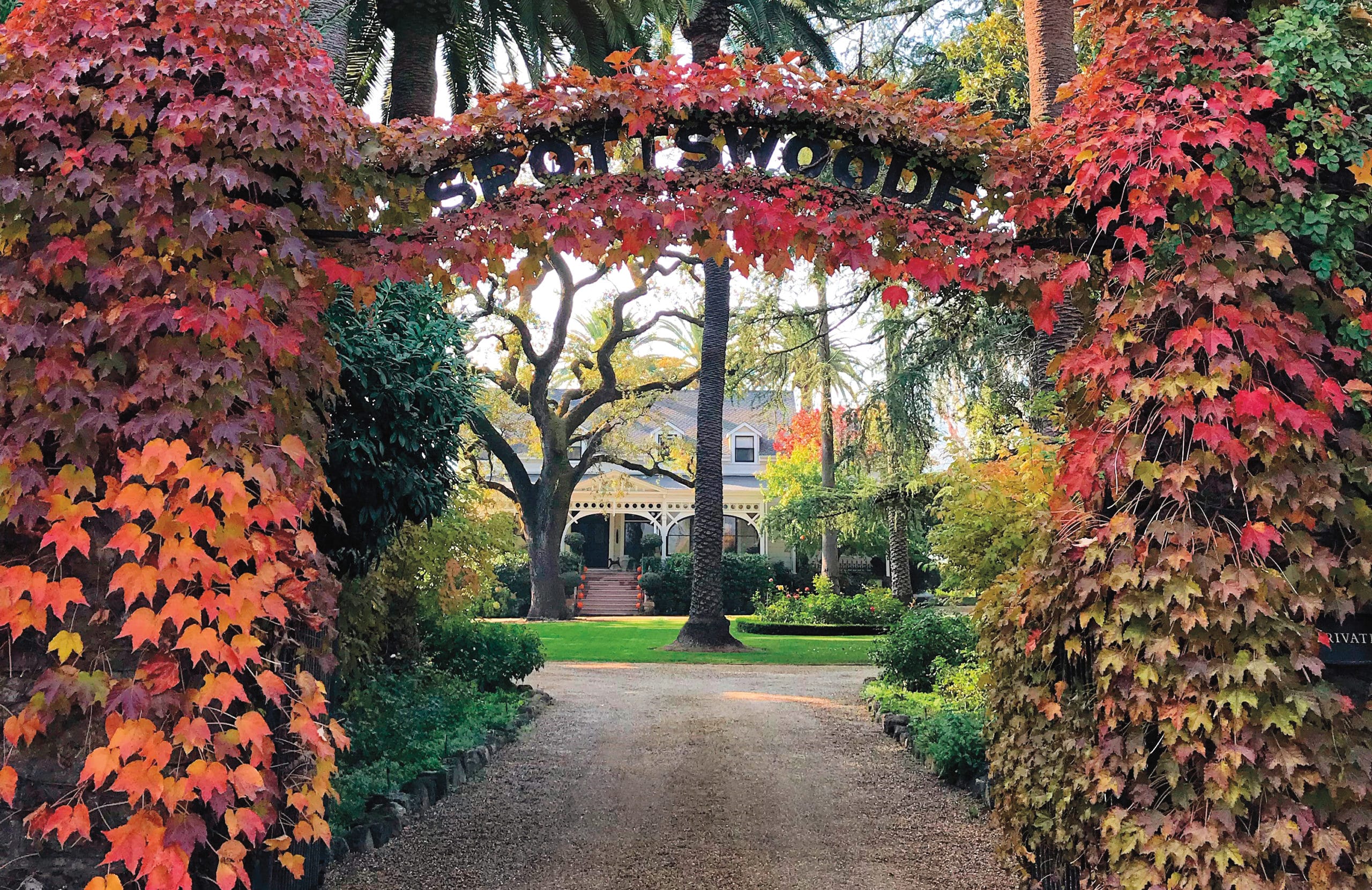
Prioritize Spottswoode Winery for a serious St. Helena Cabernet-focused visit, especially if the trip is built around collecting, gifting, or a special occasion. Spottswoode Winery should anchor the day rather than sit between flexible stops; choose a more casual tasting room if the group wants a food-led experience.
Taittinger
Reims, France
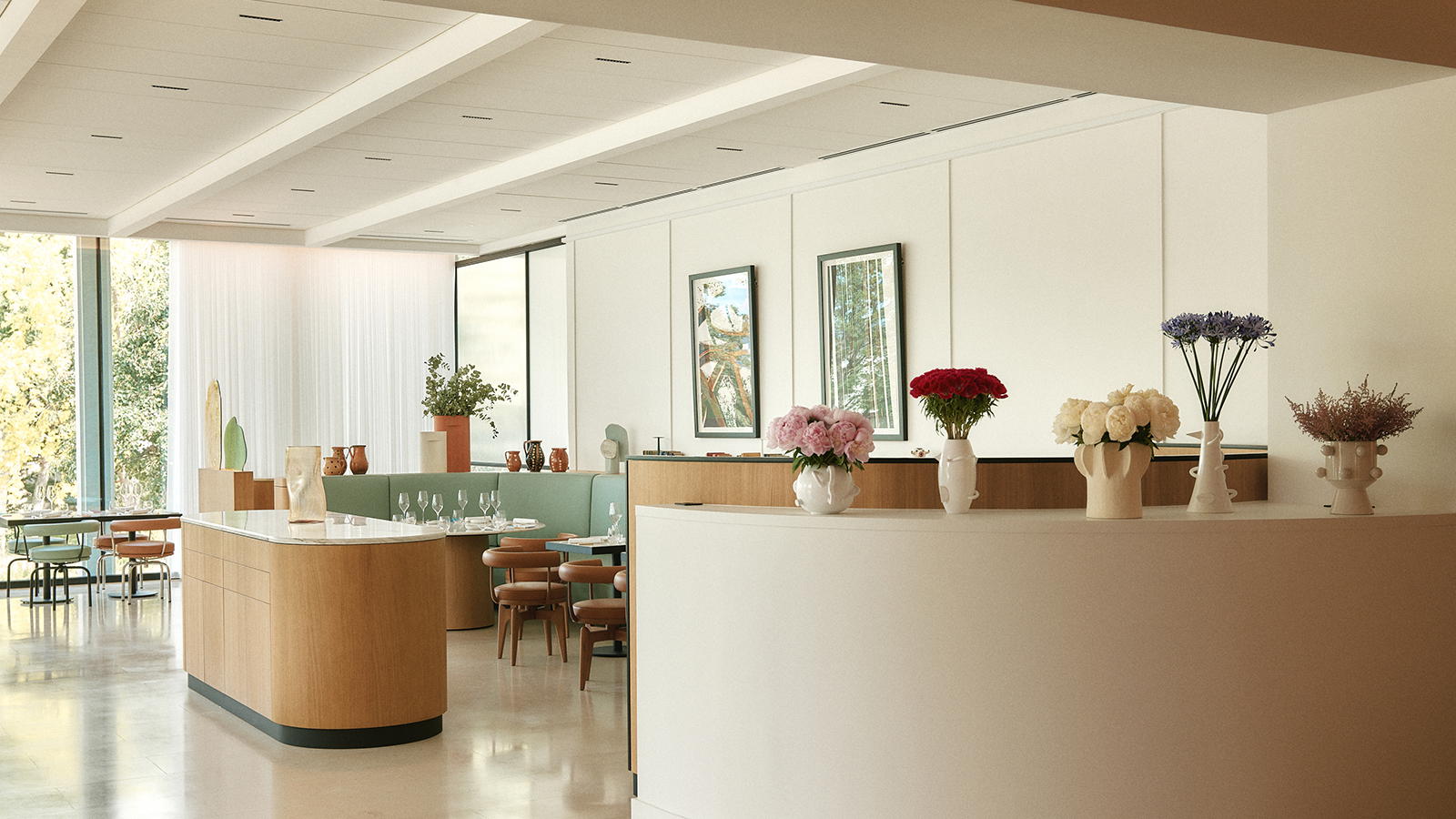
Taittinger is a winery on Place Saint-Nicaise in Reims.
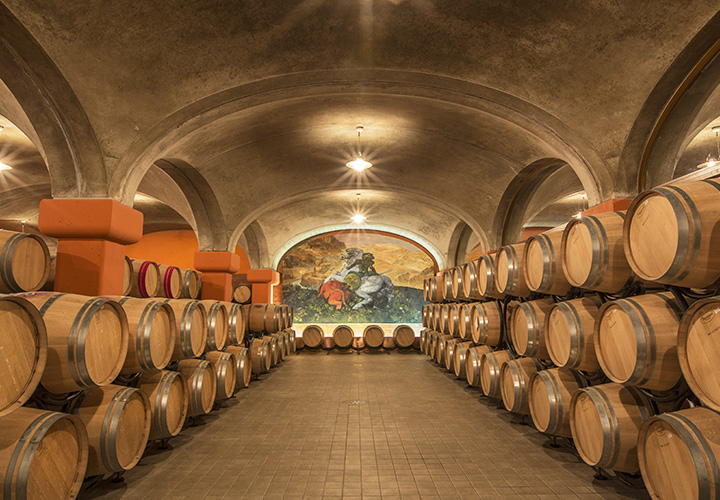
Tua Rita Winery
Suvereto, Italy
Book Tua Rita Winery if the Suvereto stop is meant to be serious, small, and wine-led rather than a casual cellar add-on. It is strongest for collectors, couples, and special-occasion visitors who want a producer-focused appointment, while larger Bolgheri peers make more sense for visitors prioritizing estate scale or wider hospitality.
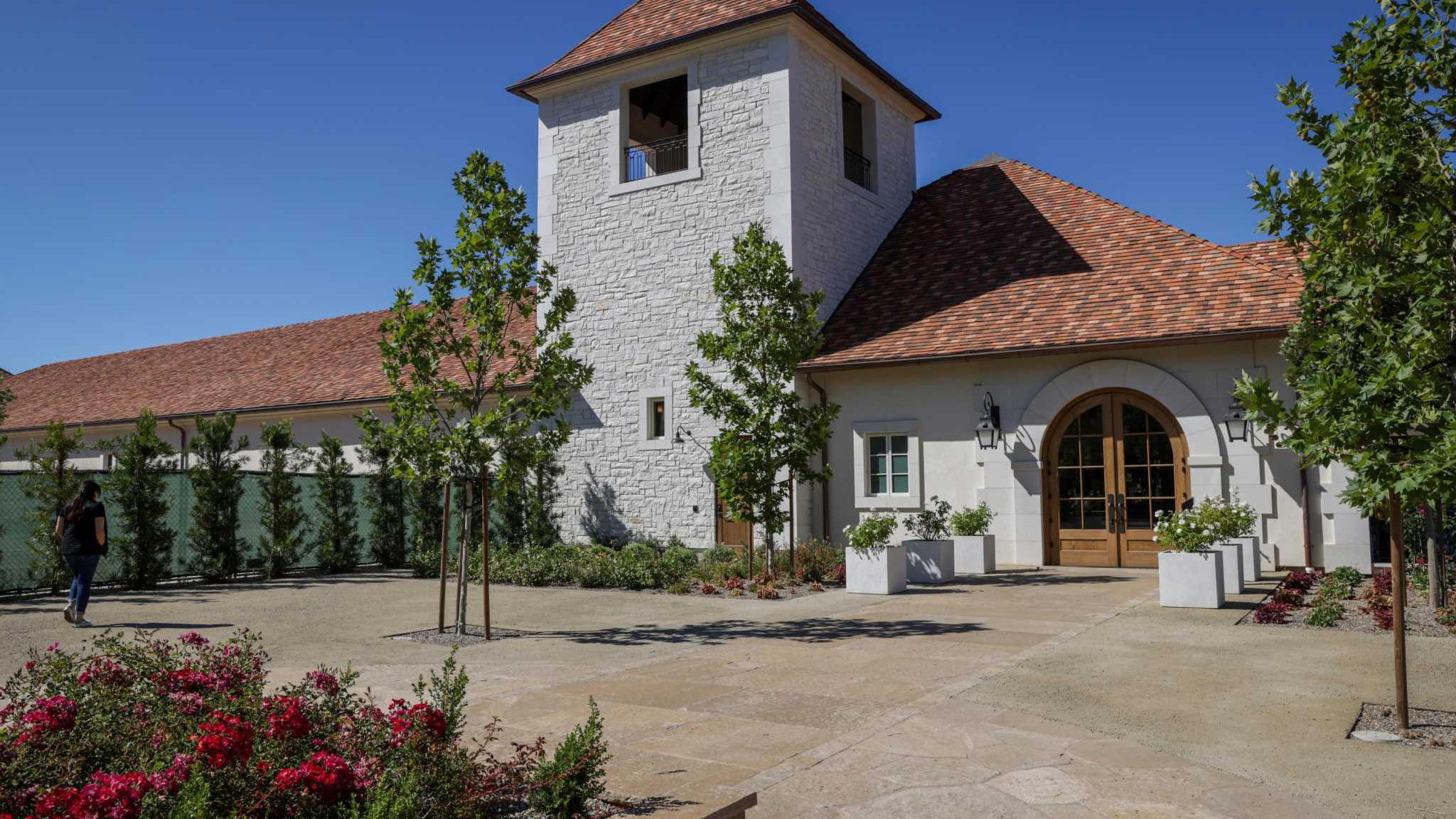
Verite
Healdsburg, United States
Verite is the Healdsburg choice for a serious wine occasion when the estate setting and collector appeal matter more than casual drop-in flexibility. Prioritize it for a celebration, business outing, or focused Sonoma wine day; choose a more casual Healdsburg stop if the group wants looser timing or an easier multi-winery route.
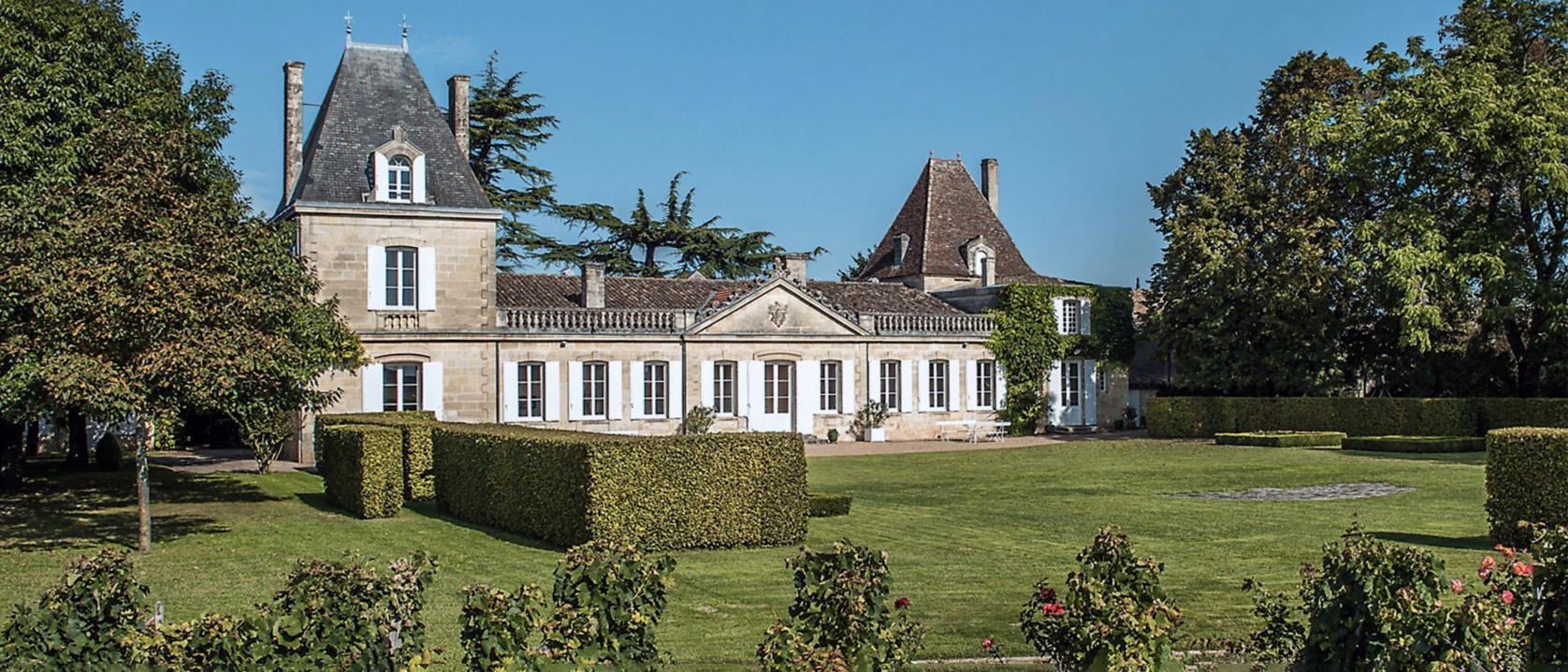
Vieux Château Certan
Pomerol, France
Vieux Château Certan is worth pursuing if the trip is built around serious Pomerol wine rather than casual tasting-room convenience. Plan well ahead, keep the group small, and treat it as the anchor of the day. For easier backup options in the same area, compare it with Château La Conseillante, Château La Fleur Petrus, Chateau Beauregard, Château L'Évangile, and Chateau Petrus.
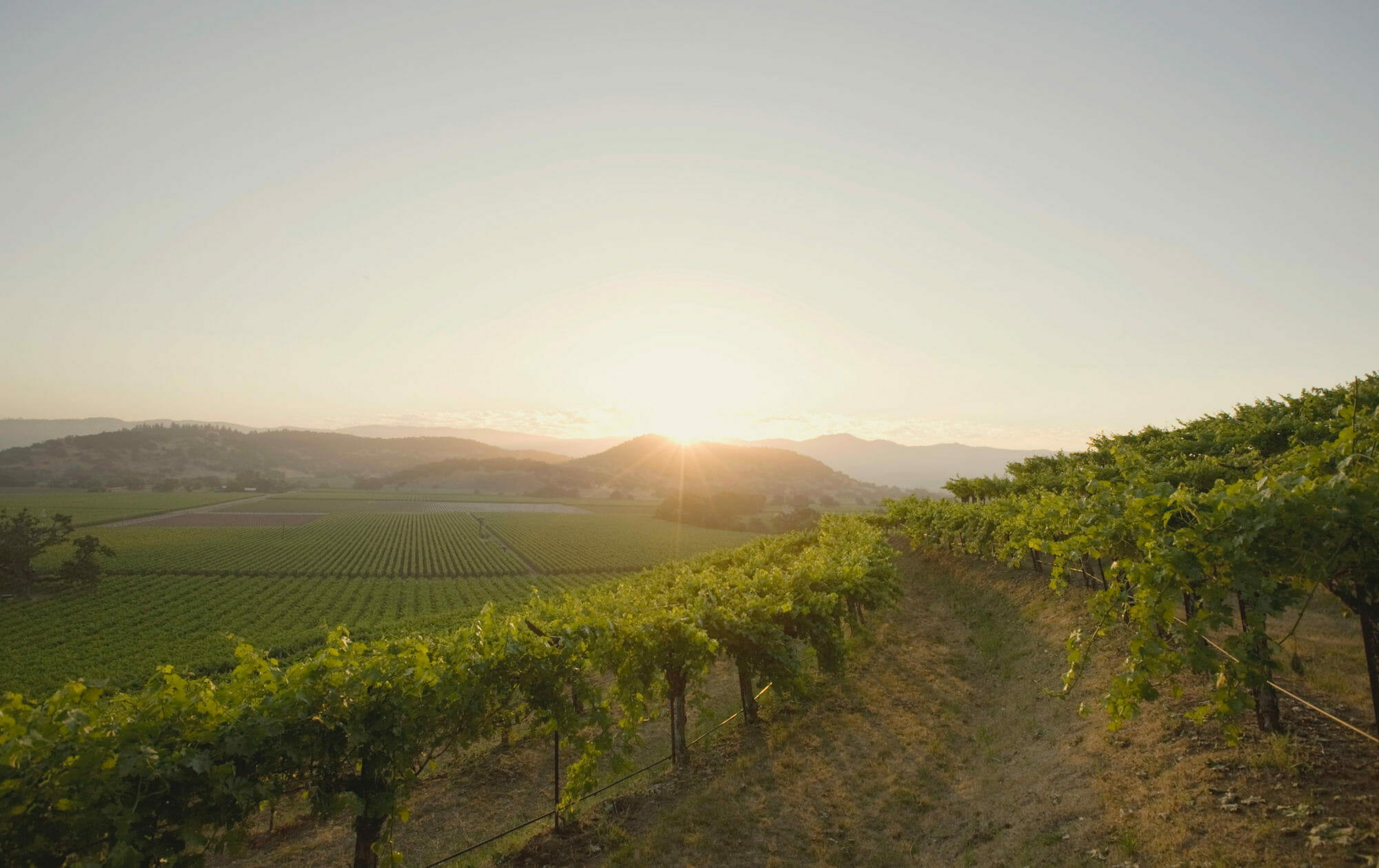
Vine Hill Ranch
Oakville, United States
Vine Hill Ranch is a serious Oakville Cabernet stop for collectors and focused Napa travelers, not a casual add-on. Put it on the list if access and timing can be arranged around a small, wine-led itinerary; cross-shop Far Niente Winery for a more public-facing Oakville experience or Futo Estate for another collector-oriented option.
How many of these have you visited?
Find out on Pearl and keep score across every place in 2025 Pearl 4 Star Prestige.