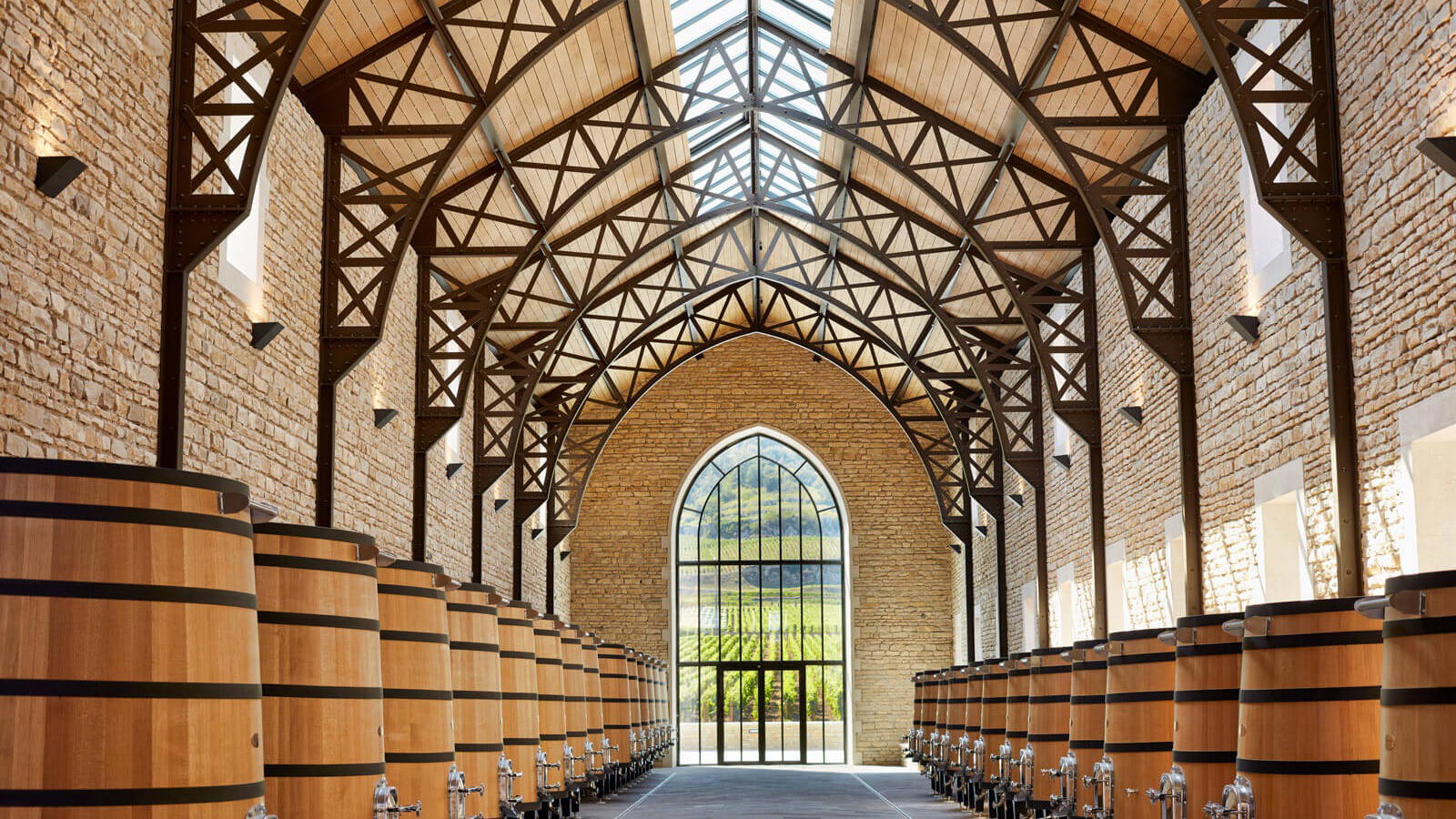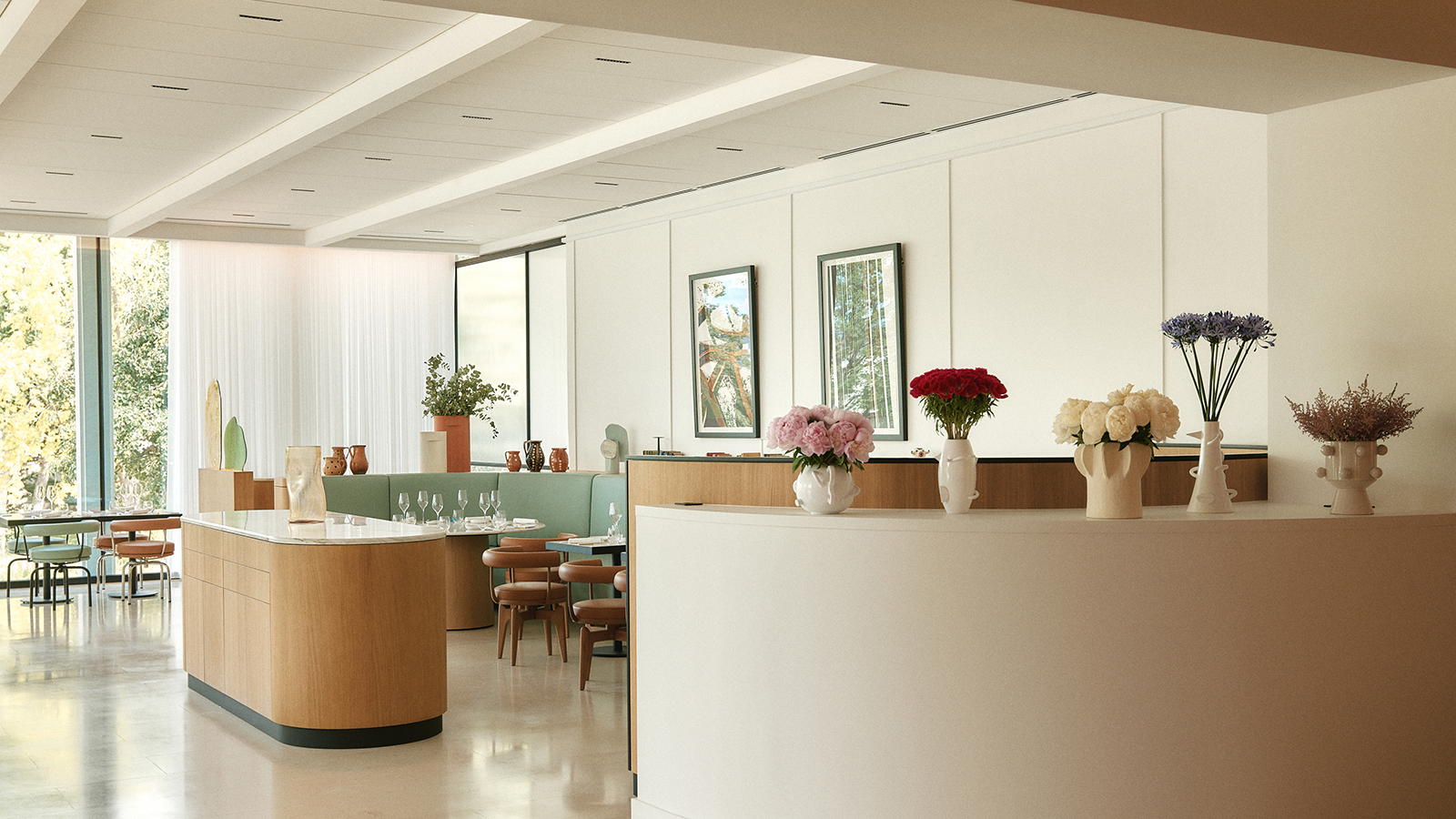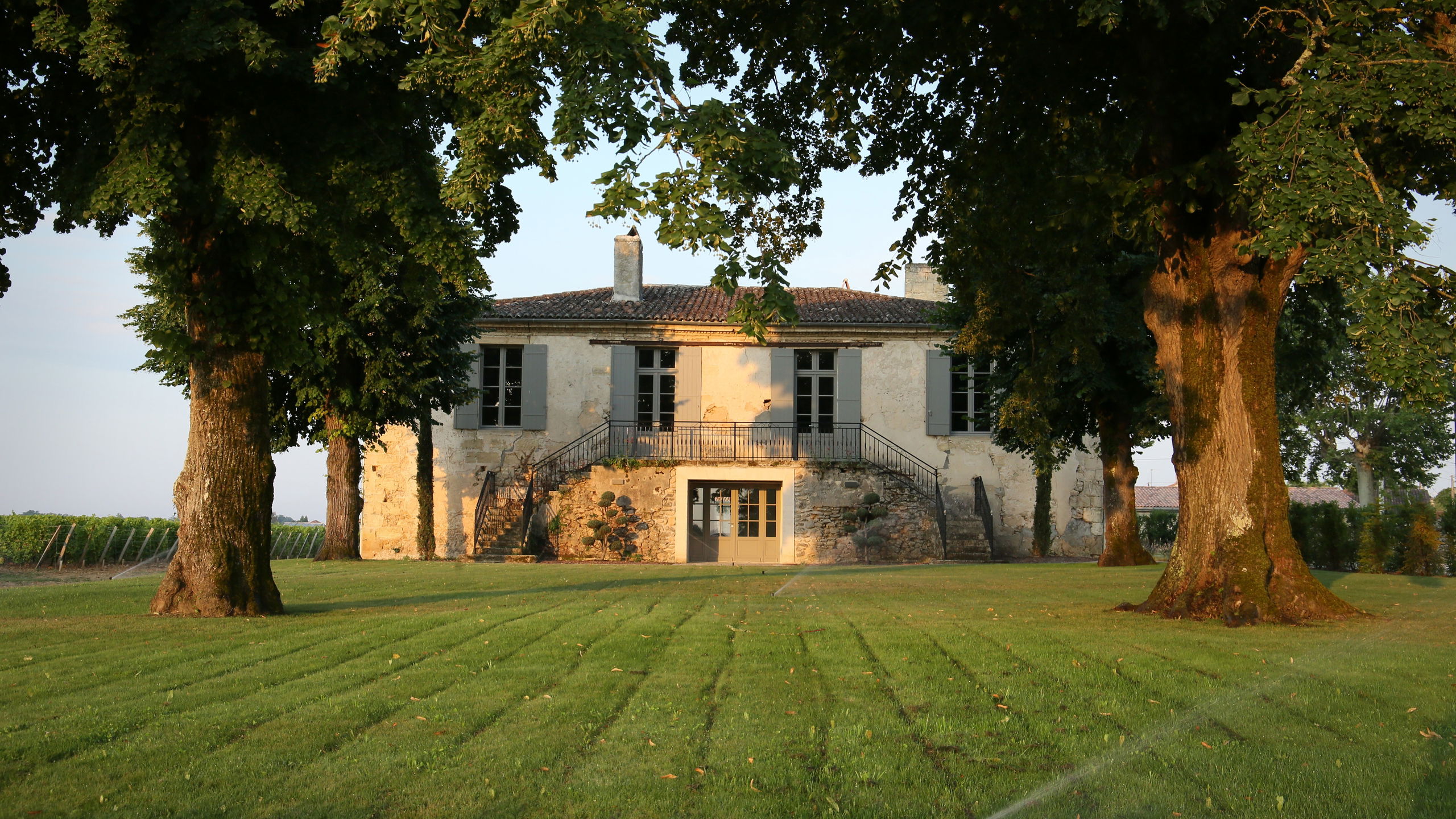


Château Doisy-Daëne
Barsac
Winery in Barsac, France
 Book with Pearl
The Read
Botrytis-Driven Barsac Precision
Why go
Château Doisy-Daëne is worth prioritizing if the goal is a serious Barsac winery stop rather than an easy visitor-center tasting. Plan around the booking request first, then use nearby Barsac alternatives as backup if access is tight.
About Château Doisy-Daëne
Château Doisy-Daëne is a Barsac venue. Key details include its Dubourdieu family continuity, its smart-casual dress code, and its Pearl 4 Star Prestige recognition for 2025. Because other practical details are not available, plan with care and confirm current arrangements directly before building a day around it.
The clearest reason to prioritize it is the Dubourdieu line. Denis Dubourdieu, who died in 2016, was followed by Jean-Jacques and Fabrice Dubourdieu. That succession is the strongest context for Château Doisy-Daëne, alongside its Barsac location and 2025 recognition.
Book this for a first Barsac visit if family context matters more than amenities
For a first Barsac visit, treat Château Doisy-Daëne as a venue to confirm in advance rather than a place with fully documented visitor amenities. Information is not available regarding food service, a retail format, group capacity, visit structure, pricing, or hours, so do not assume those details without checking the venue's official channels.
The best fit is a traveler who specifically wants Château Doisy-Daëne and the Dubourdieu family context in Barsac. If the day also needs dining, hotels, bars, or other experiences, plan those separately through broader Barsac options rather than relying on on-site services.
Where it sits against other names
For comparison within the same general planning set, look at Château Climens, Château Nairac, Château de Myrat, and Château Bastor-Lamontagne. Château Doisy-Daëne stands out for its Dubourdieu succession and Pearl 4 Star Prestige recognition in 2025, while the practical differences between these venues should be checked directly before booking.
Château de l'Aumérade can be considered only as a broader comparison, not as a substitute for a Barsac-specific stop. Remember that Château Doisy-Daëne is in Barsac, has smart-casual dress guidance, carries Pearl 4 Star Prestige recognition for 2025, and is associated with Denis Dubourdieu followed by Jean-Jacques and Fabrice Dubourdieu.
Planning details
- Location
- 15 Gravas, 33720 Barsac
- Website
- denisdubourdieu.fr
- Phone
- +33 5 56 62 96 51
The take
The Take
The Vibe
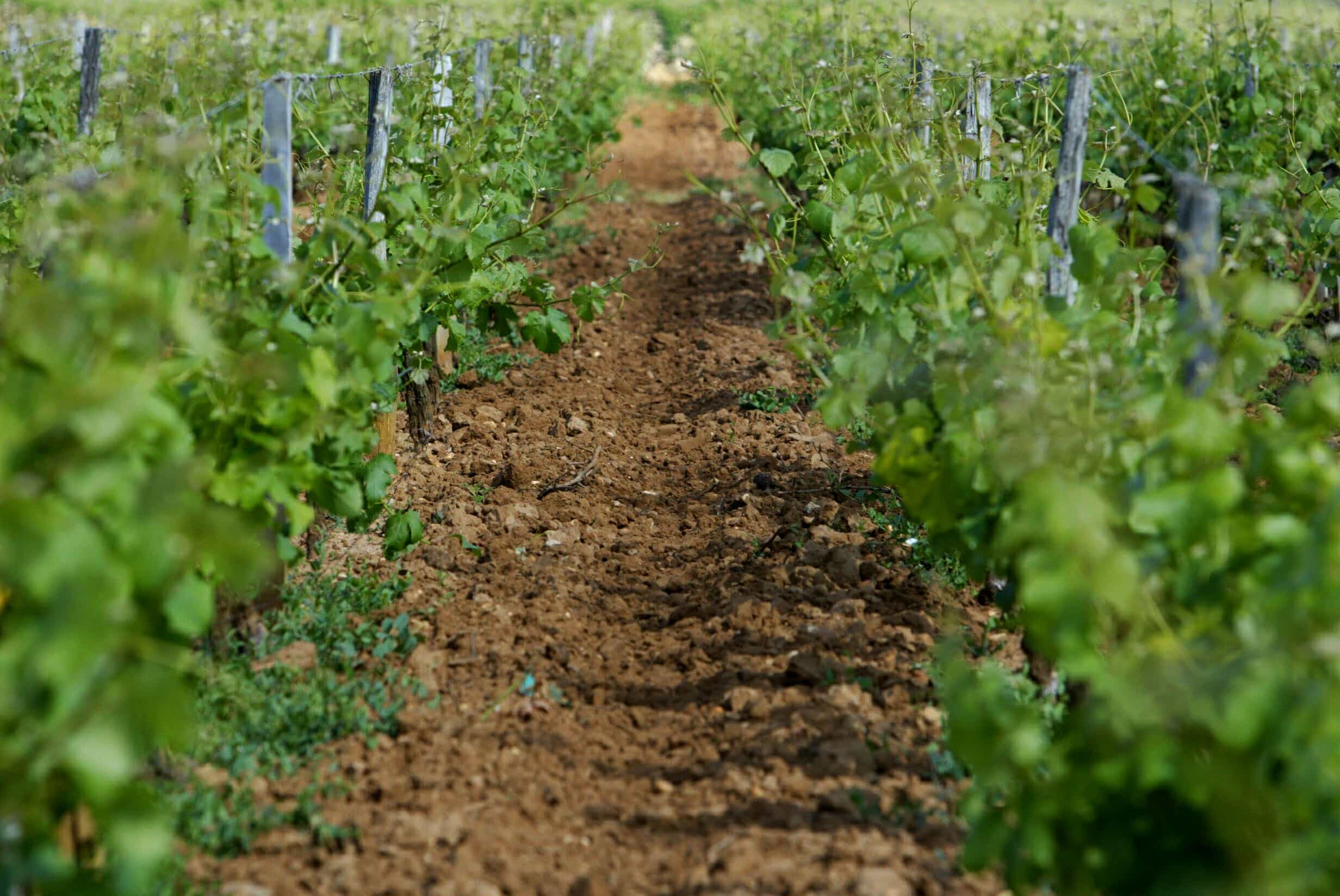
Château Doisy-Daëne presents as an understated, scholarly estate rooted in Barsac's quieter character. The write-up emphasizes technical consistency and a lineage of oenological rigour rather than château mythology, so the sense here is less about ostentation and more about disciplined craft. References to the 1855 classification and the Dubourdieu family's influence give the place a measured historic weight: it feels like a working laboratory where precision matters. Visitors and readers encountering Doisy-Daëne should expect a refined, low-key atmosphere that favors critical appreciation and close attention to how terroir and technique shape the wines.
Best For
This estate is best approached by people interested in wine education and collectors seeking thoughtful, age-worthy sweet wines. The description frames Doisy-Daëne as a site where technical practices—skin contact, oxidation management and varietal handling—are central, which makes it a strong stop for anyone wanting to learn about production choices and stylistic differences within Sauternes/Barsac. It is also suitable for special-occasion purchases: the premier cru classé context and emphasis on critical longevity signal wines that collectors often keep or present for important moments.
Tasting Tips
When tasting or selecting bottles from Doisy-Daëne, focus on how the wines express Barsac's typically lighter, more refined profile compared with fuller Sauternes examples. Pay attention to Sémillon and Sauvignon Blanc handling, and ask about vinification notes—skin contact and oxidation-management techniques are part of the estate's hallmark. Compare vintages to assess longevity and evolution; the estate's reputation rests on technical consistency and ageing potential, so older bottles can be revealing. For buyers, prioritize examples that show clarity of acidity and detail rather than sheer opulence.
Venue details
Tags
Vibe
Best For
Experience
Sourcing
View
At the Vineyard
- Appellation
- Barsac AOC
- Varietals
- Sémillon, Sauvignon Blanc
- Visits
- By appointment only
- Farming
- Sustainable
- Production
- Small producer
- Wine Styles
- Dessert
- Wine Club
- Not available
Know before you go
Know Before You Go
- Getting there
- 15 Gravas, 33720 Barsac
Planning details
Location
Recognition and awards

Also consider
Also Consider
- Château Climens, Notable alternative
- Château de l'Aumérade, Notable alternative
- Château de Myrat, Notable alternative
- Château Nairac, Notable alternative
- Château Bastor-Lamontagne, Notable alternative
Winery context
Within Barsac, Château Doisy-Daëne is the pick for visitors who want producer continuity and appellation context, especially given the Dubourdieu family lineage. It is less useful as a casual add-on than Château Climens or Château Nairac if the main priority is keeping the day flexible.
For value, judge it by depth rather than amenities: this is a stronger choice when the visit is built around Barsac itself, not when the group wants food, broad facilities, or an easy social tasting. Château de Myrat and Château Bastor-Lamontagne are sensible cross-shops when availability is the concern and the itinerary can stretch outside the immediate village plan.
Château de l'Aumérade sits in the comparison set as a broader French winery alternative rather than a like-for-like Barsac decision. Choose Château Doisy-Daëne when sweet Bordeaux is the point of the day; choose the peers when access, group fit, or a more relaxed schedule matters more.
Explore Barsac
Around this place
Discover more on Pearl
Unlock the full Château Doisy-Daëne guide in Pearl, including awards, comparisons, FAQs, planning details, and nearby places.
Compare Château Doisy-Daëne
| Venue | Location | Awards |
|---|---|---|
| Château Doisy-Daëne | Barsac | 2026 Falstaff Winery Guide2025 Pearl 4 Star Prestige |
| Château Climens | Barsac | 2026 Falstaff Winery Guide2025 Pearl 4 Star Prestige |
| Château de l'Aumérade | Barsac | 2025 Pearl 2 Star Prestige |
| Château de Myrat | Bommes | 2026 Falstaff Winery Guide2025 Pearl 3 Star Prestige |
| Château Nairac | Barsac | 2026 Falstaff Winery Guide2025 Pearl 4 Star Prestige |
| Château Bastor-Lamontagne | Preignac | 2026 Falstaff Winery Guide2025 Pearl 3 Star Prestige |
How Château Doisy-Daëne Barsac compares with similar nearby venues.
FAQ
Frequently Asked Questions
What are the key facts about Château Doisy-Daëne?
Château Doisy-Daëne is known for its Barsac location, the Dubourdieu family succession from Denis Dubourdieu to Jean-Jacques and Fabrice Dubourdieu, its smart-casual dress code, and its Pearl 4 Star Prestige recognition for 2025.
Does Château Doisy-Daëne serve food?
Information on food service is not available. Plan Château Doisy-Daëne as a Barsac venue first, and arrange any meal separately unless the venue directly confirms otherwise.
Do I need a reservation at Château Doisy-Daëne?
Information on reservation requirements is not available. If you want to visit Château Doisy-Daëne in Barsac, confirm current access, timing, and any booking requirements directly with the venue before you go.
What other venues can I compare with Château Doisy-Daëne?
For comparison, consider Château Climens, Château de Myrat, Château Nairac, and Château Bastor-Lamontagne. Use them as planning references while confirming current visit details directly with each venue.
What should I confirm before planning around Château Doisy-Daëne?
Practical details such as access, timing, services, and any booking process are not available. If those details matter, ask Château Doisy-Daëne directly and compare arrangements with Château Bastor-Lamontagne or Château de Myrat.
What is the main context for Château Doisy-Daëne?
The main context is the Château Doisy-Daëne name in Barsac, its smart-casual dress guidance, its Pearl 4 Star Prestige recognition for 2025, and the Dubourdieu family succession from Denis Dubourdieu to Jean-Jacques and Fabrice Dubourdieu.
Can Château Doisy-Daëne handle large groups?
Information on large-group capacity is not available. If you are planning for a group, check directly with Château Doisy-Daëne and compare logistics with another comparison venue such as Château Bastor-Lamontagne.